1/9
7 Houseplants Minimalists Never Grow—They Just Get Too Unruly, Pros Say
Minimalist home design emphasizes simplicity, clean lines, and an uncluttered aesthetic. While houseplants can contribute to a living space, certain types are incompatible with minimalist principles due to their high maintenance requirements, rapid growth, or visually disruptive characteristics. Experts in simplification and decluttering identify several houseplants that minimalists typically avoid.
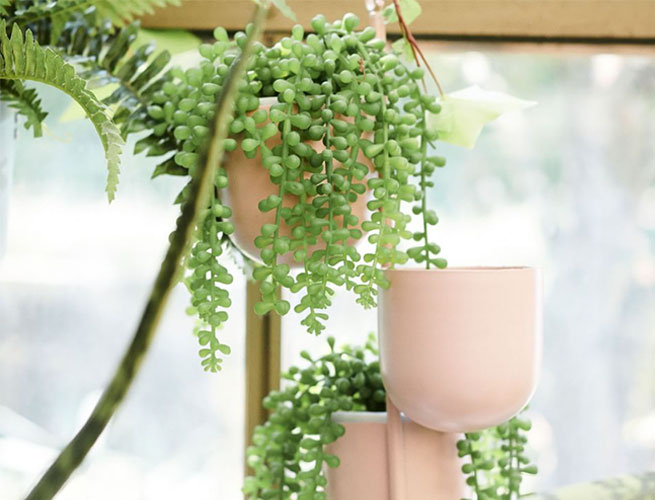
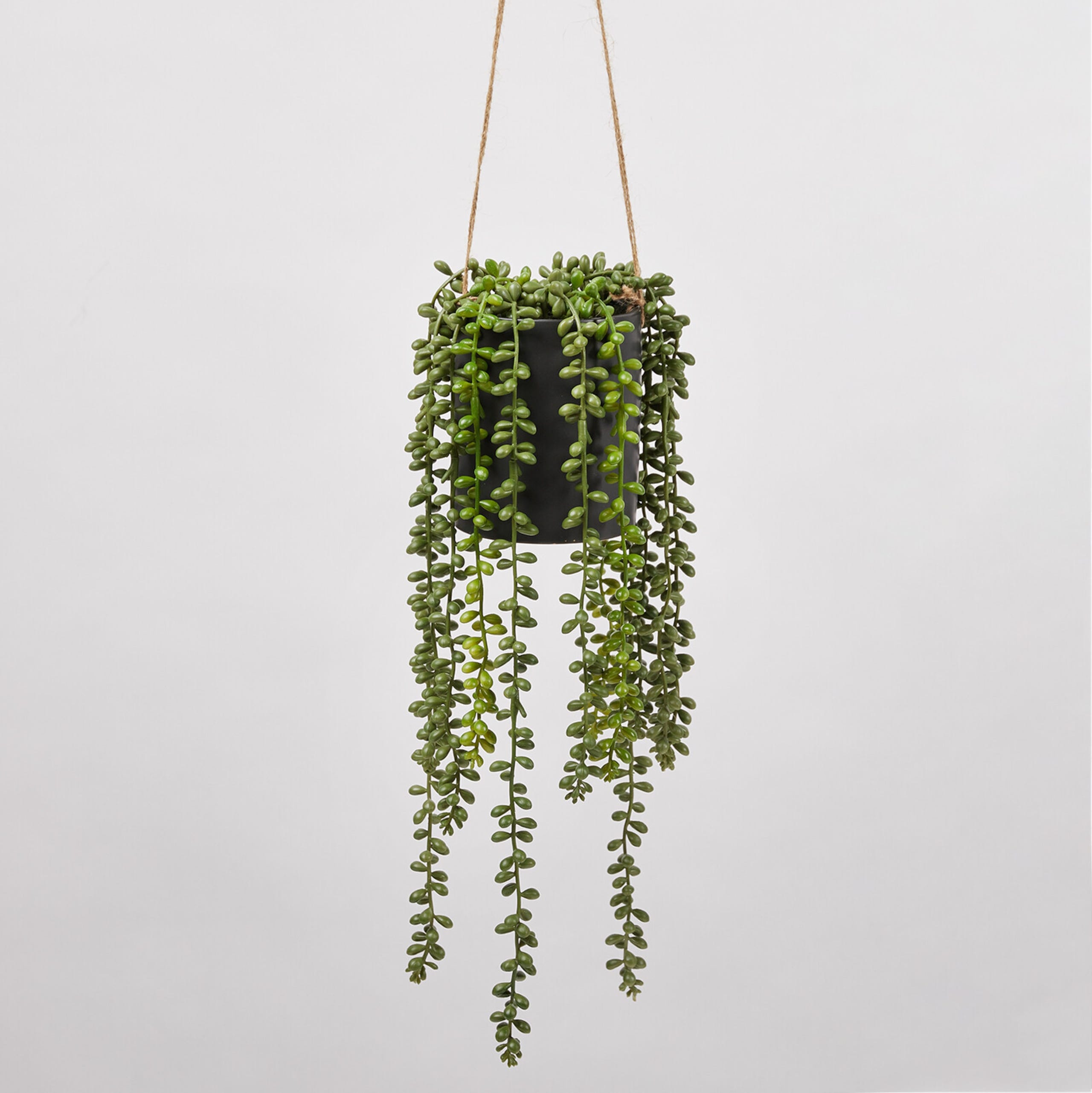
One such plant is the String of Pearls. Despite its delicate appearance, this plant constantly sheds its 'pearls,' leading to a continuous need for cleanup, which contradicts a simplified lifestyle. The small, green spheres can accumulate in corners, creating an untidy environment that minimalists strive to prevent.
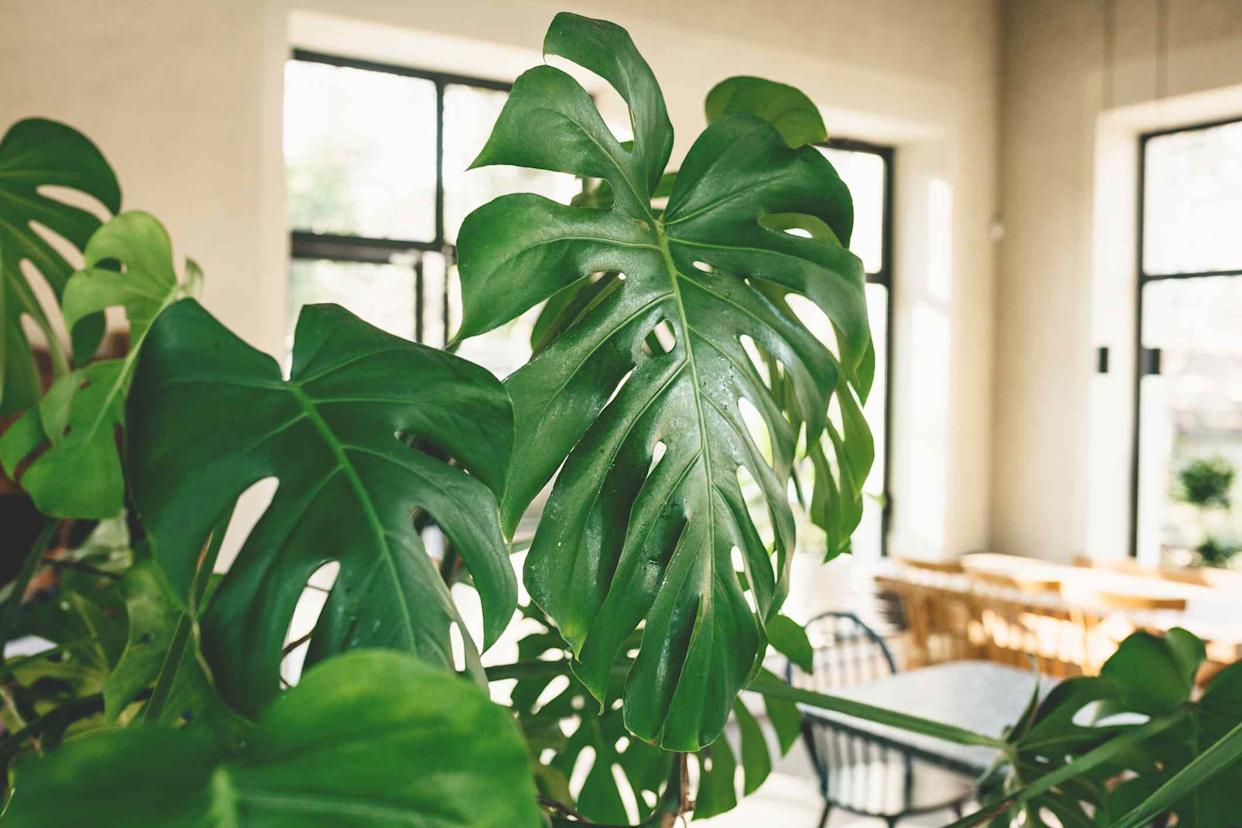
Monstera, aptly named, grows aggressively, expanding by one to two feet per year. Its large size can quickly overwhelm a minimalist space designed for openness. Additionally, its leaves develop ragged holes over time, a characteristic that might not align with a preference for clean and pristine aesthetics.
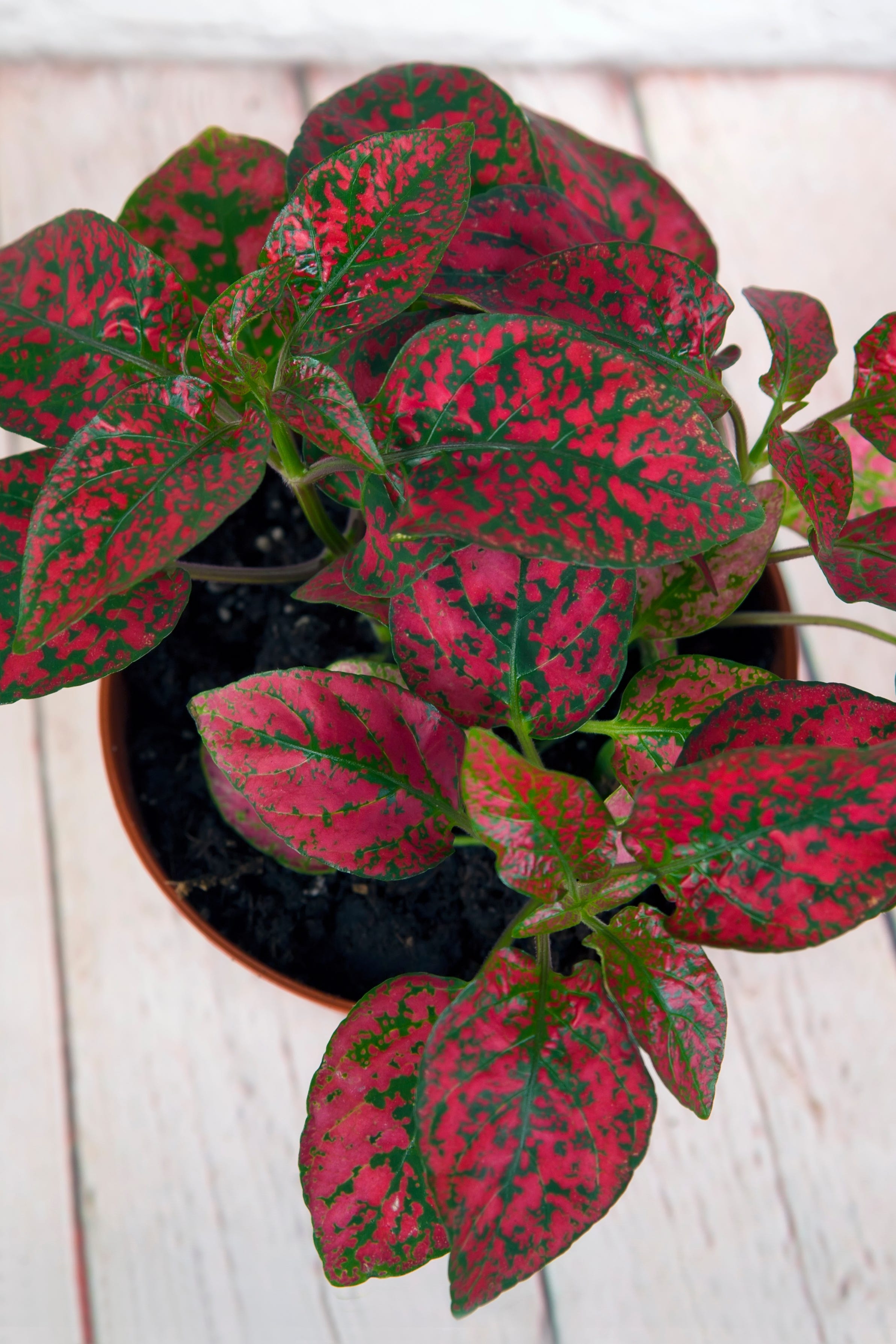
The Polka Dot Plant, while striking with its vibrant pink or white spots, introduces visual 'noise' that can disrupt the calm and unified aesthetic favored by minimalists. Furthermore, its aggressive growth pattern necessitates weekly pruning to maintain its shape, making it a high-maintenance option. Neglecting it results in a leggy and sprawling appearance, undermining the organized look minimalists prefer.
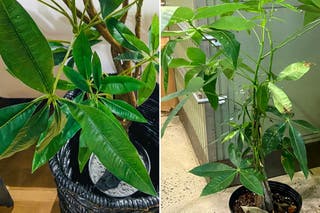
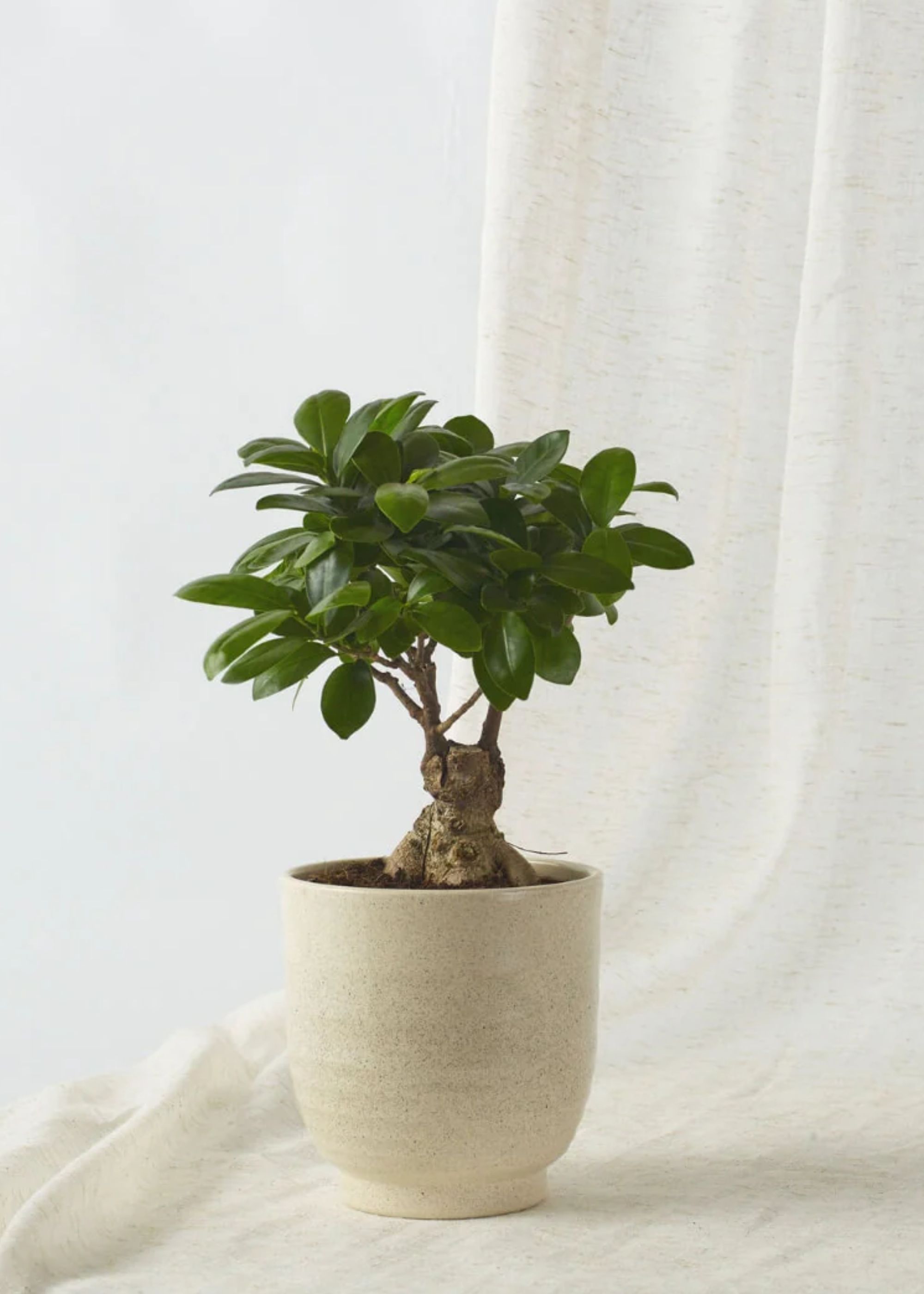
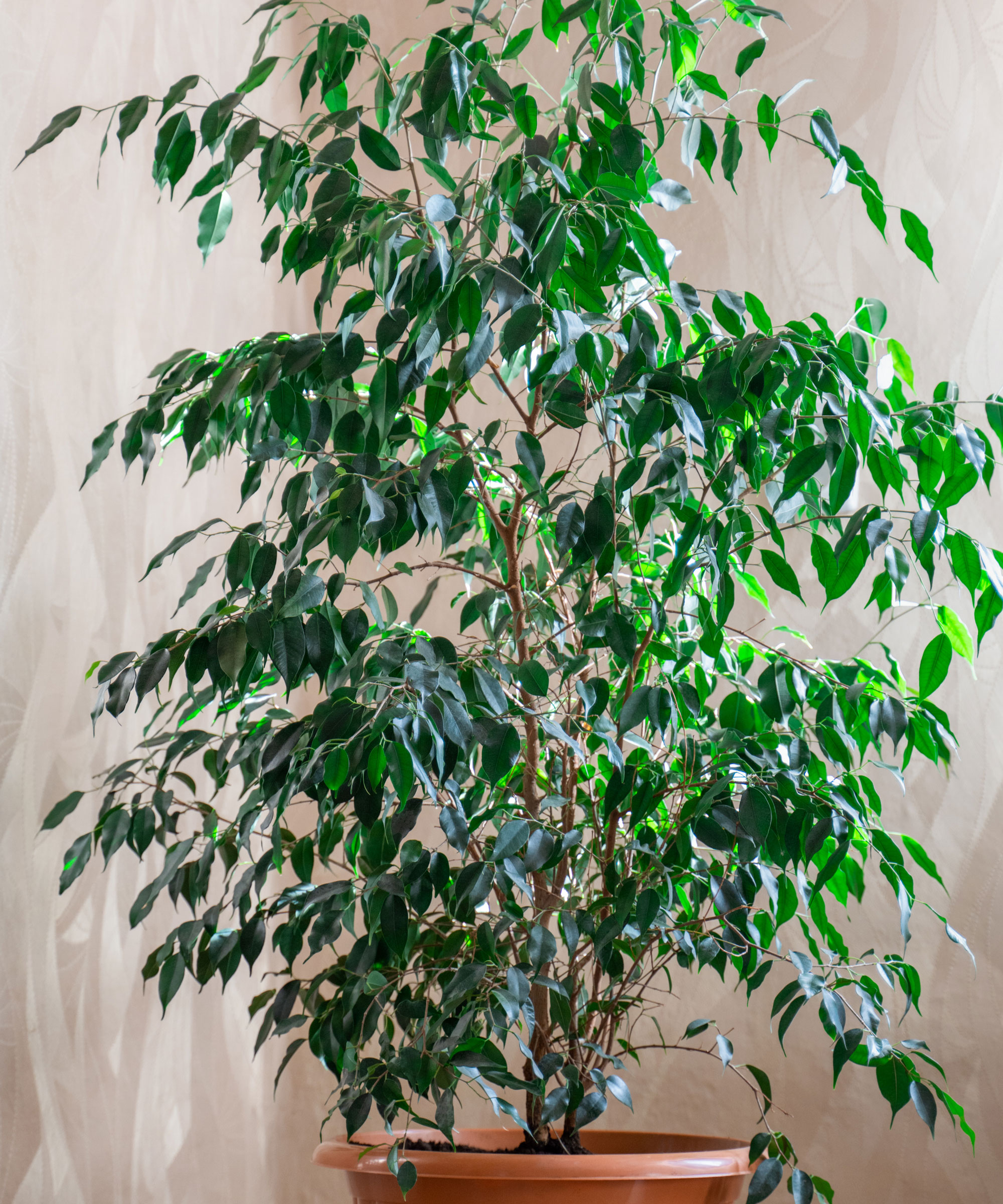
Ficus trees are often found in commercial settings but are challenging to maintain in a home. They are prone to dropping leaves due to various environmental factors, such as drafts, temperature fluctuations, or improper watering. The constant shedding of leaves and the specific care requirements make them a poor fit for those seeking peace of mind and minimal upkeep.
Croton plants, with their showy, multicolored foliage, can introduce visual chaos that conflicts with minimalist principles. These plants are also known for dropping leaves with even slight environmental changes, adding to maintenance burdens and psychological stress for someone aiming for an uncluttered and serene home.
Air plants, often perceived as low-maintenance due to their soil-free nature, are surprisingly demanding. They require weekly soaking, which can necessitate dedicating kitchen space and accumulating various holders and stands for their display. This contradicts the 'less-is-more' philosophy central to minimalism.
Ferns, particularly varieties like the Boston fern, can grow quite large, encroaching on living spaces. They demand specific conditions, including regular fertilization, bright light, and a humid environment within a narrow temperature range. Their delicate nature and need for constant attention make them unsuitable for a minimalist approach that values ease and simplicity.
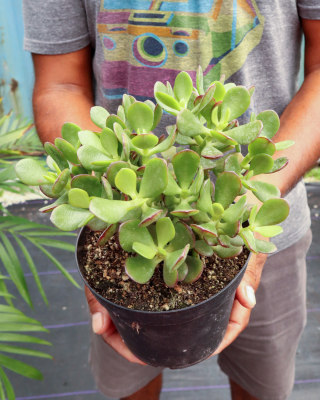
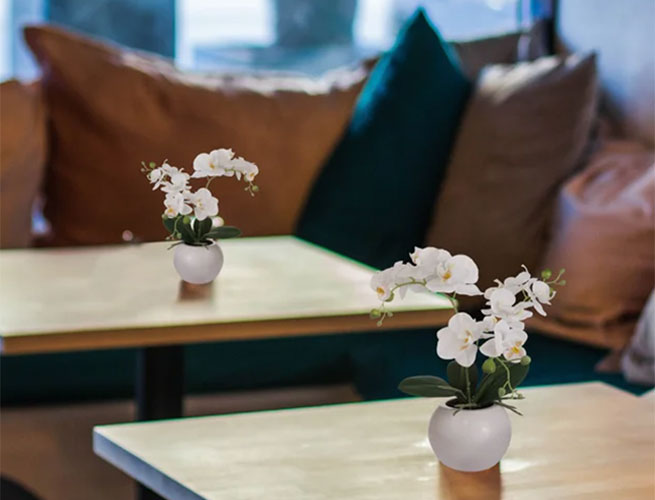
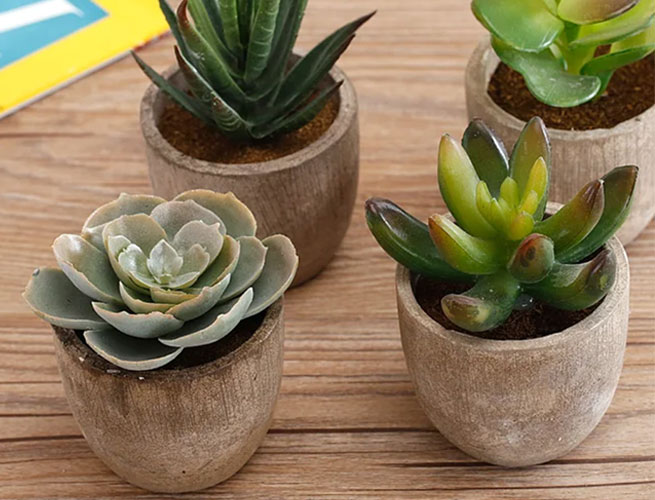
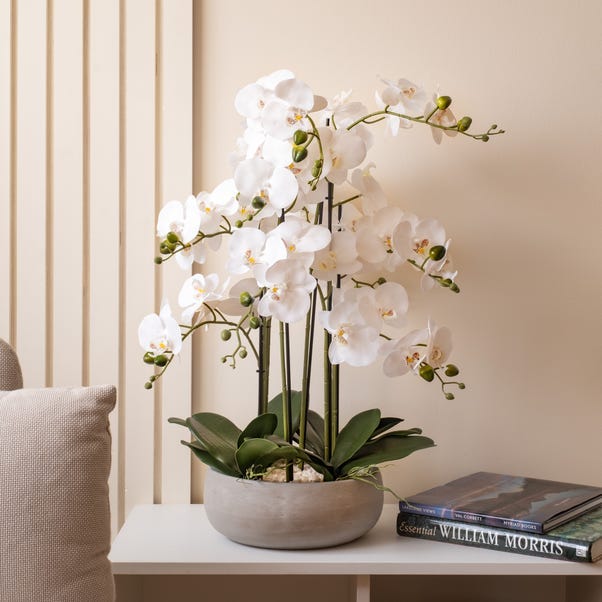
Ultimately, some experts suggest that for the most extreme minimalist design, all houseplants might be eliminated. However, for those who wish to incorporate greenery, options like orchids and jade plants are recommended. Orchids are valued for their vertical growth and minimal spread, making them visually less invasive. Jade plants grow slowly and require little maintenance, making them an ideal choice for maintaining a serene and uncluttered minimalist environment.
#MinimalistHome #HouseplantSelection #HomeDecor #LowMaintenancePlants #DeclutteringTips #InteriorDesign #PlantCare #Simplicity #MinimalistHome #HouseplantSelection #HomeDecor #LowMaintenancePlants #DeclutteringTips #InteriorDesign #PlantCare #Simplicity
0 comment in total
 No comments yet
You may also like
11 best low-maintenance indoor plants

Best tall indoor plants – 10 statement plants, chosen by houseplant experts

10 Realistic Artificial Plants That Require Minimal Effort

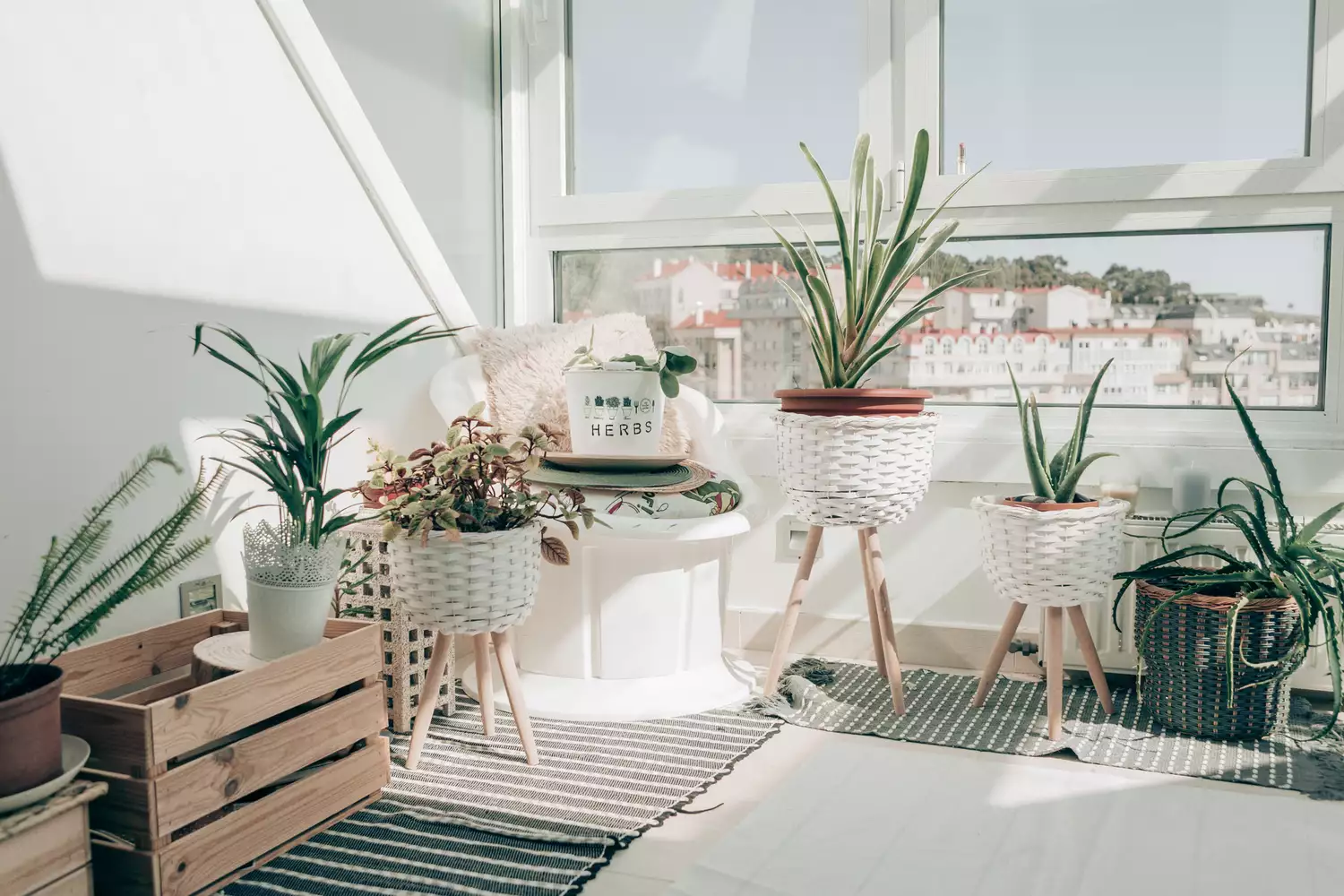
We Found the Best Apartment Plants That You Can Actually Grow, We Promise

RS Recommends: These Stylish Artificial Plants Help You Fake a Green Thumb

Nature to nurture: how to get more plants in your life and home

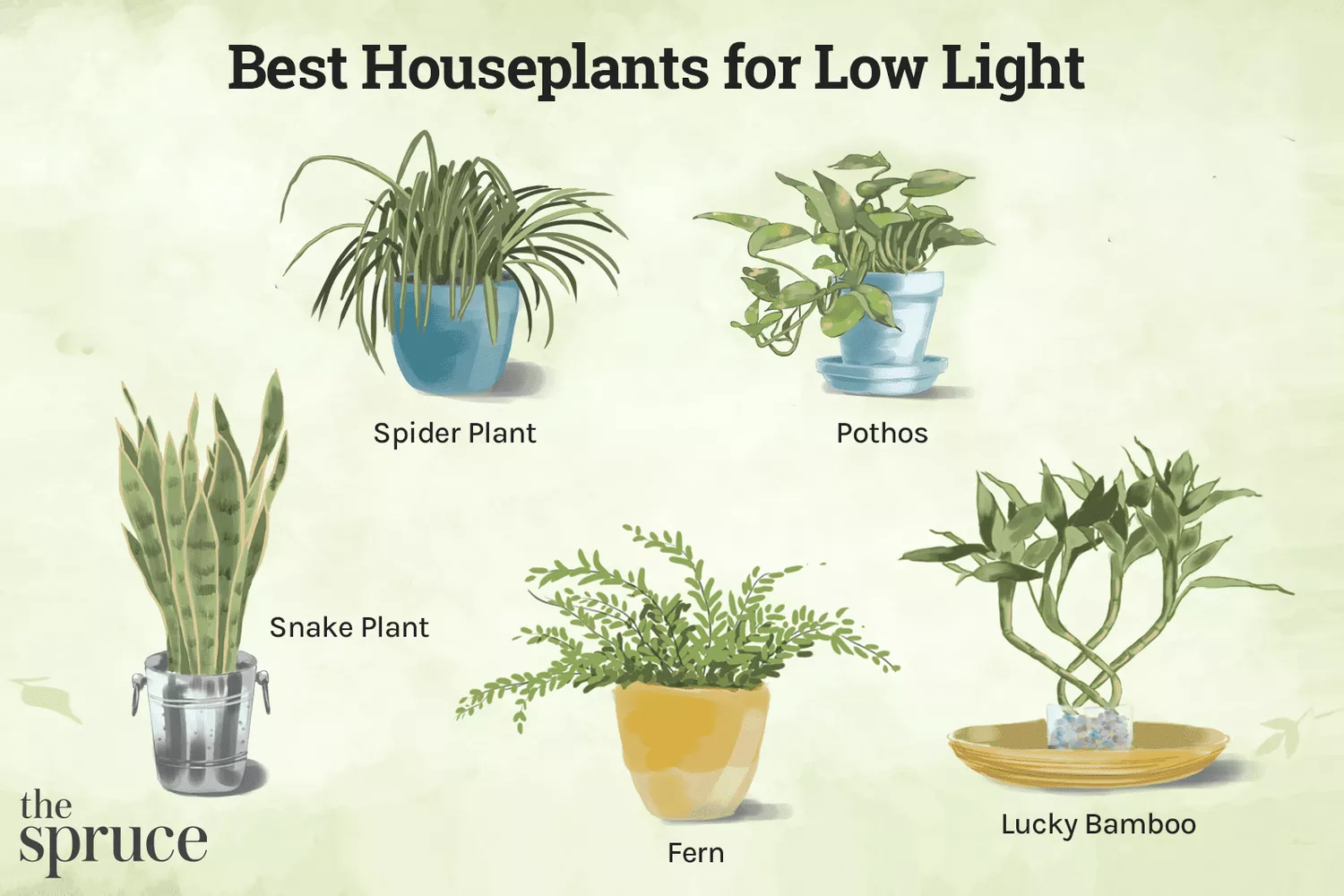
35 Best Low-Light Indoor Plants for Your Home
You don't need much space or sun to have a flourishing garden

Fake Plastic Trees and Artificial Houseplants We Don’t Hate

32 Best Low-Light Indoor Plants to Brighten Up Your Home

36 best indoor plants that will liven up any room
‘Go big or go home’: Plants that can live large in your garden
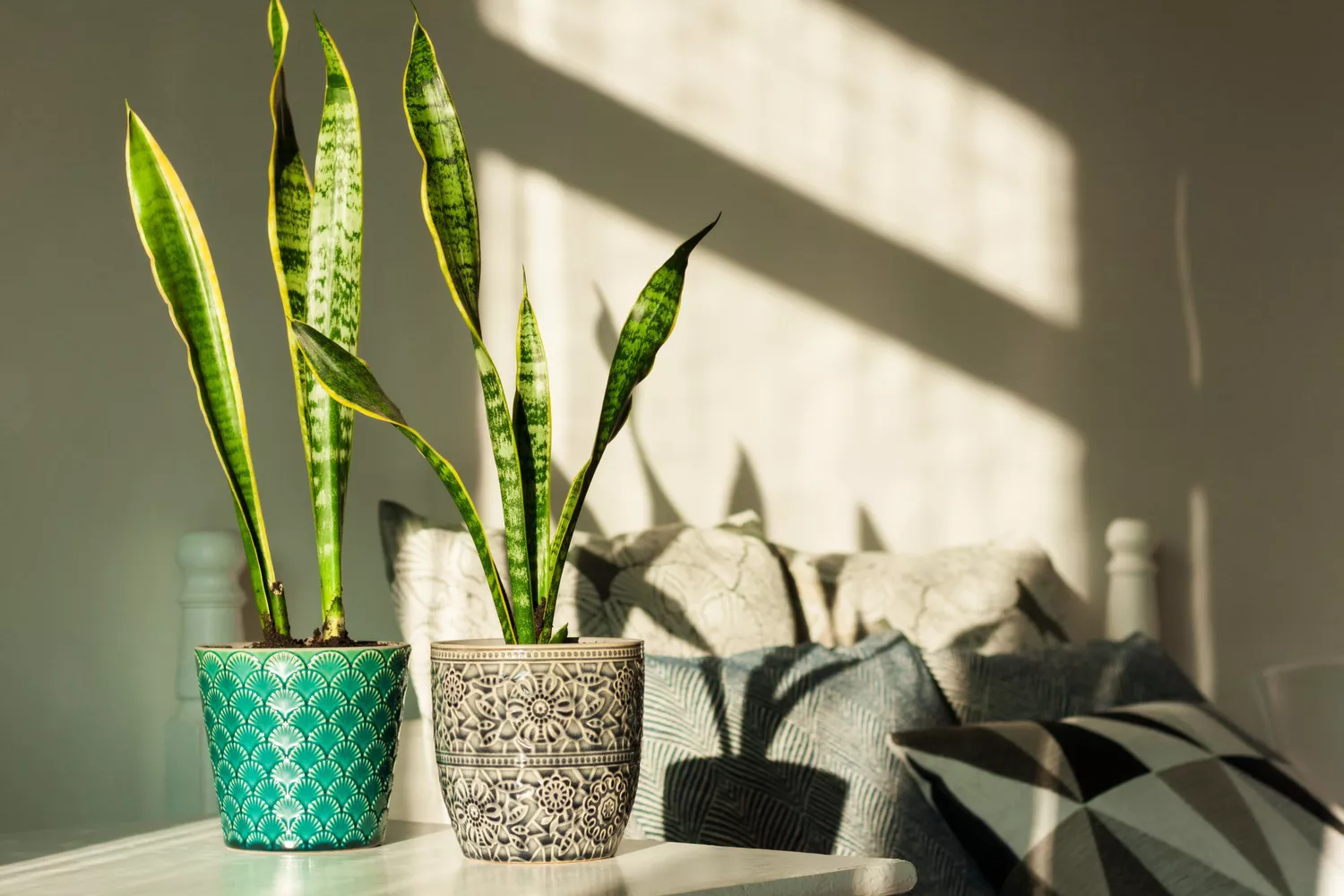
9 Houseplants Perfect for Minimalist Décor, According to Professional Stylists

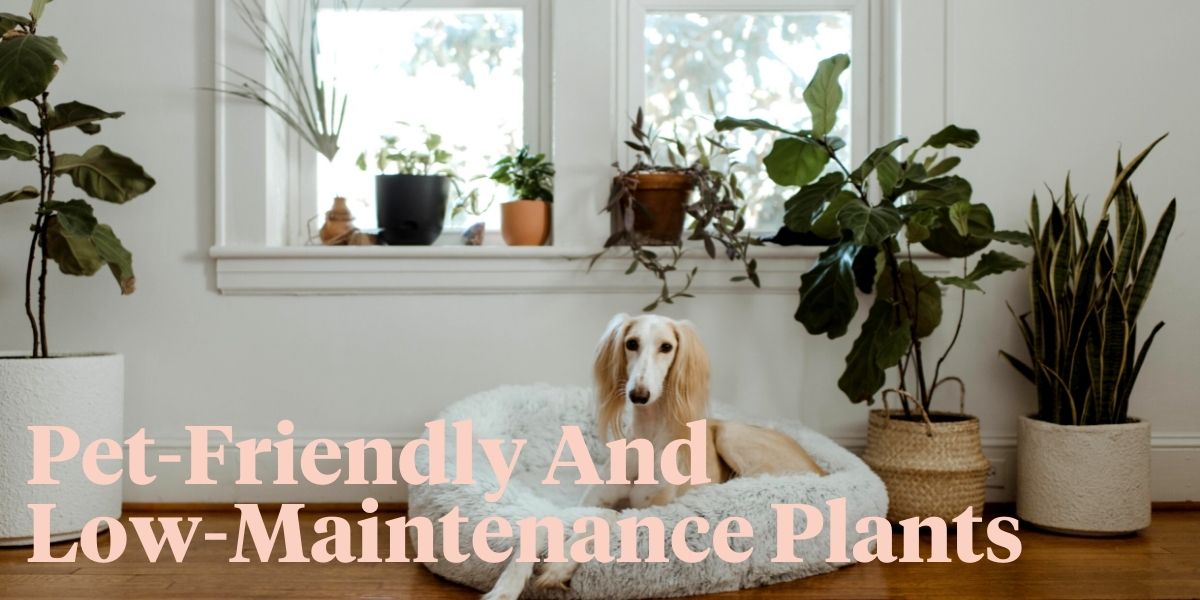
10 Low Maintenance Houseplants That Are Safe for Your Furry Friends

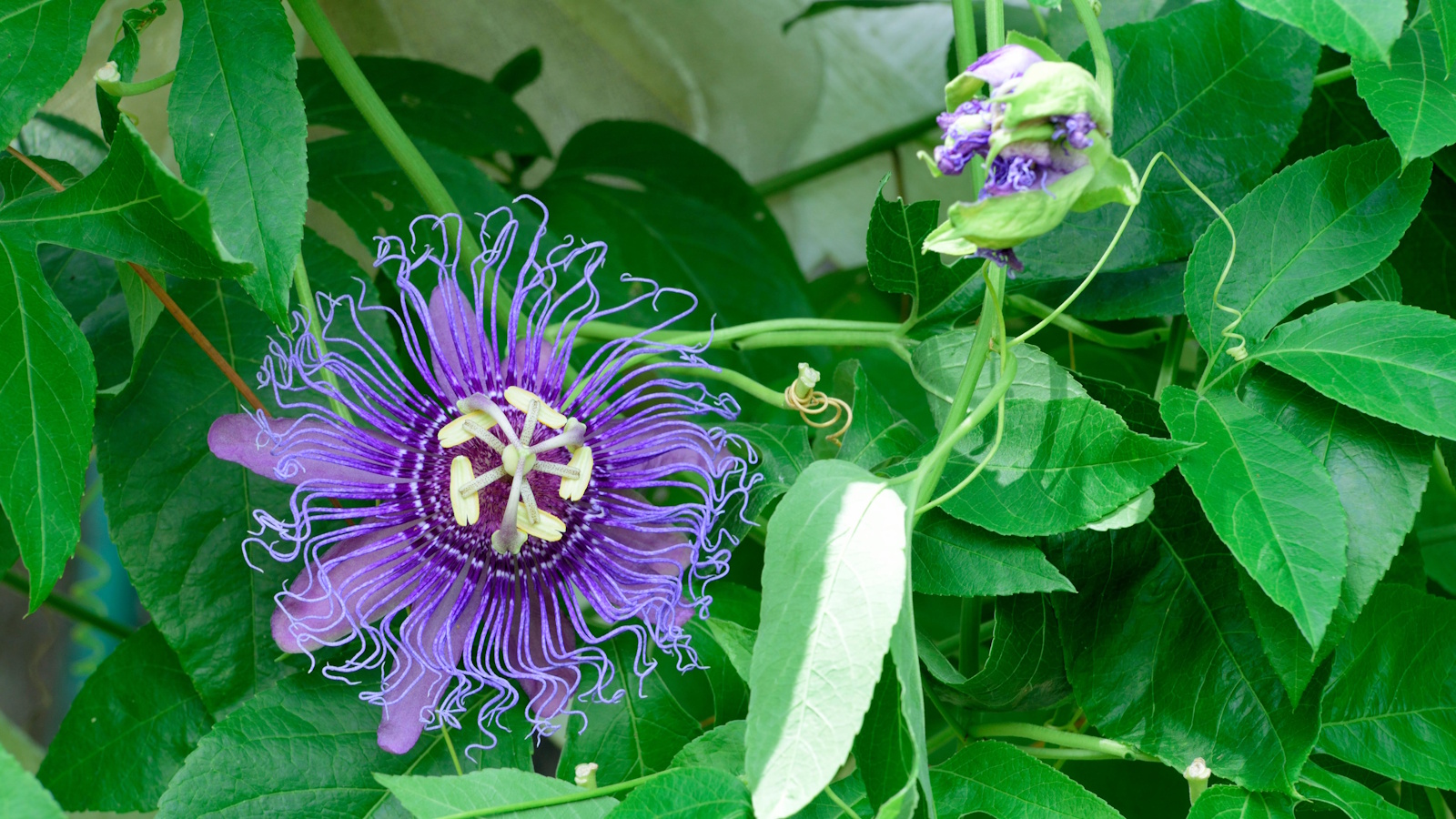
Invasive climbers never to grow – 5 vines to avoid and what you should grow instead
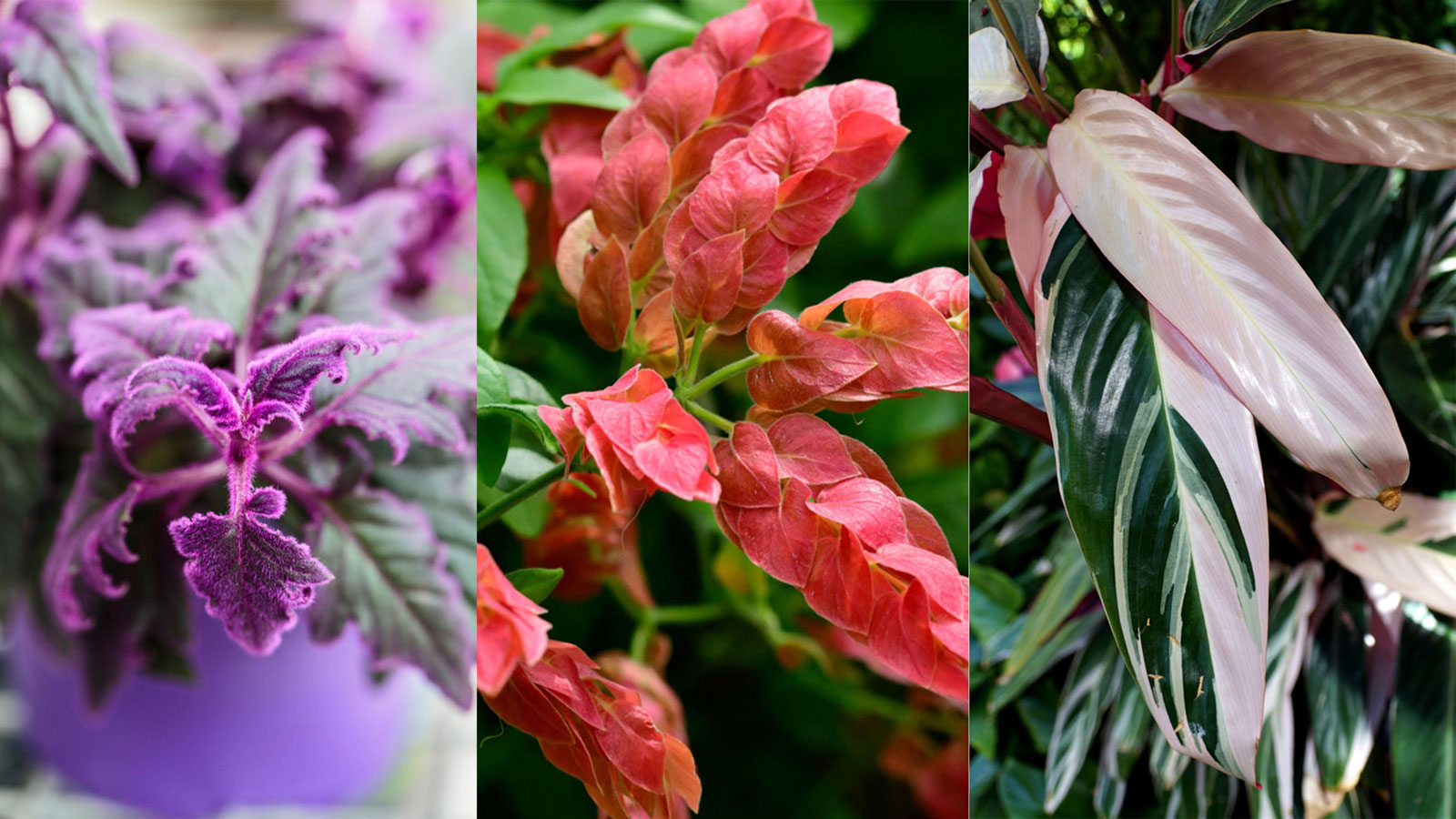
10 underrated houseplants – you won't regret adding these lesser-known beauties to your plant collection
4 Houseplants to Never Put in an Entryway, or Else They'll Throw Off Your Home's Feng Shui Balance

7 of the best low-light houseplants that will thrive in shady nooks and corners in the home
8 indoor plants that thrive in indirect or low sunlight

The one room in your home you shouldn’t keep plants