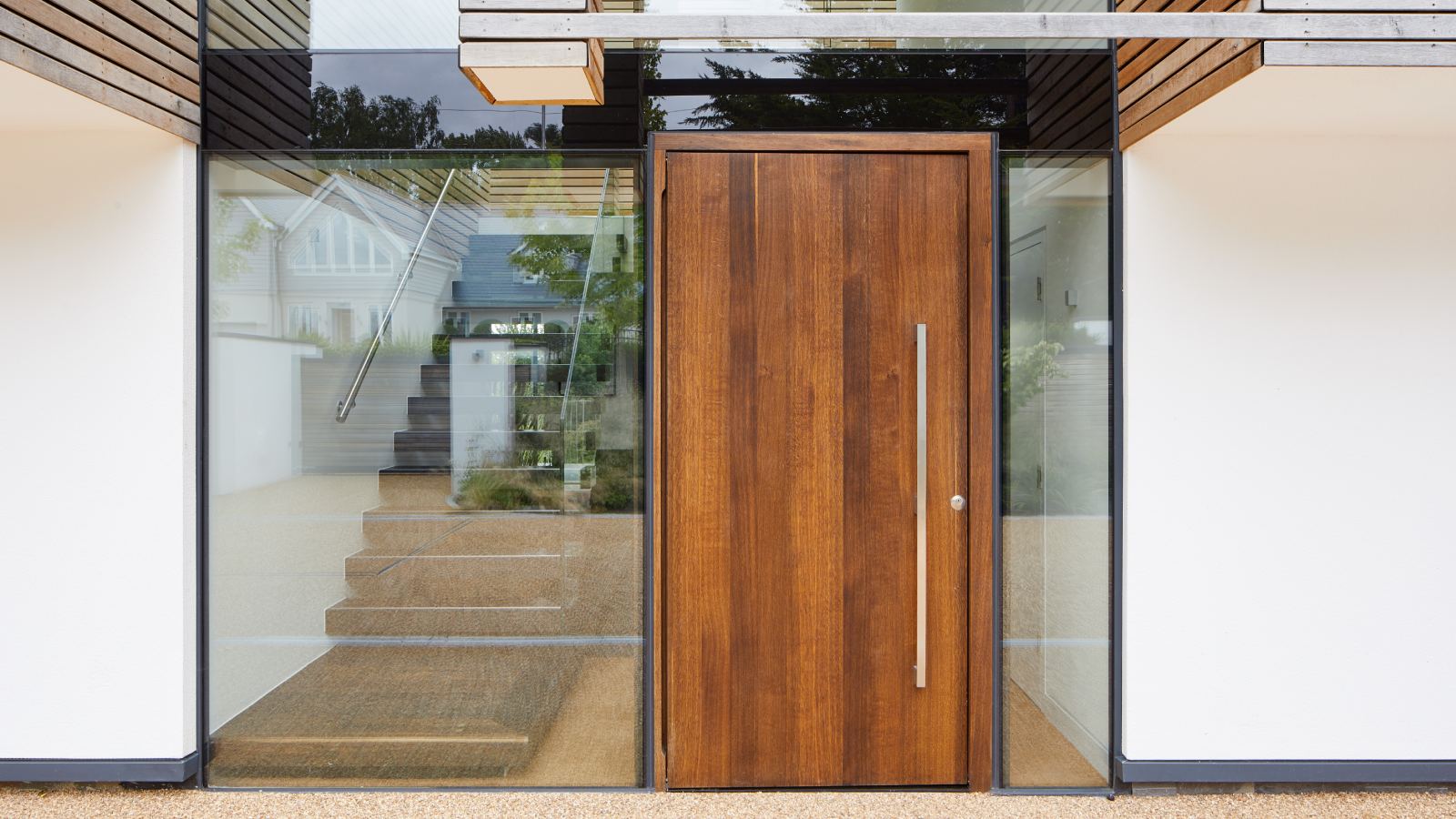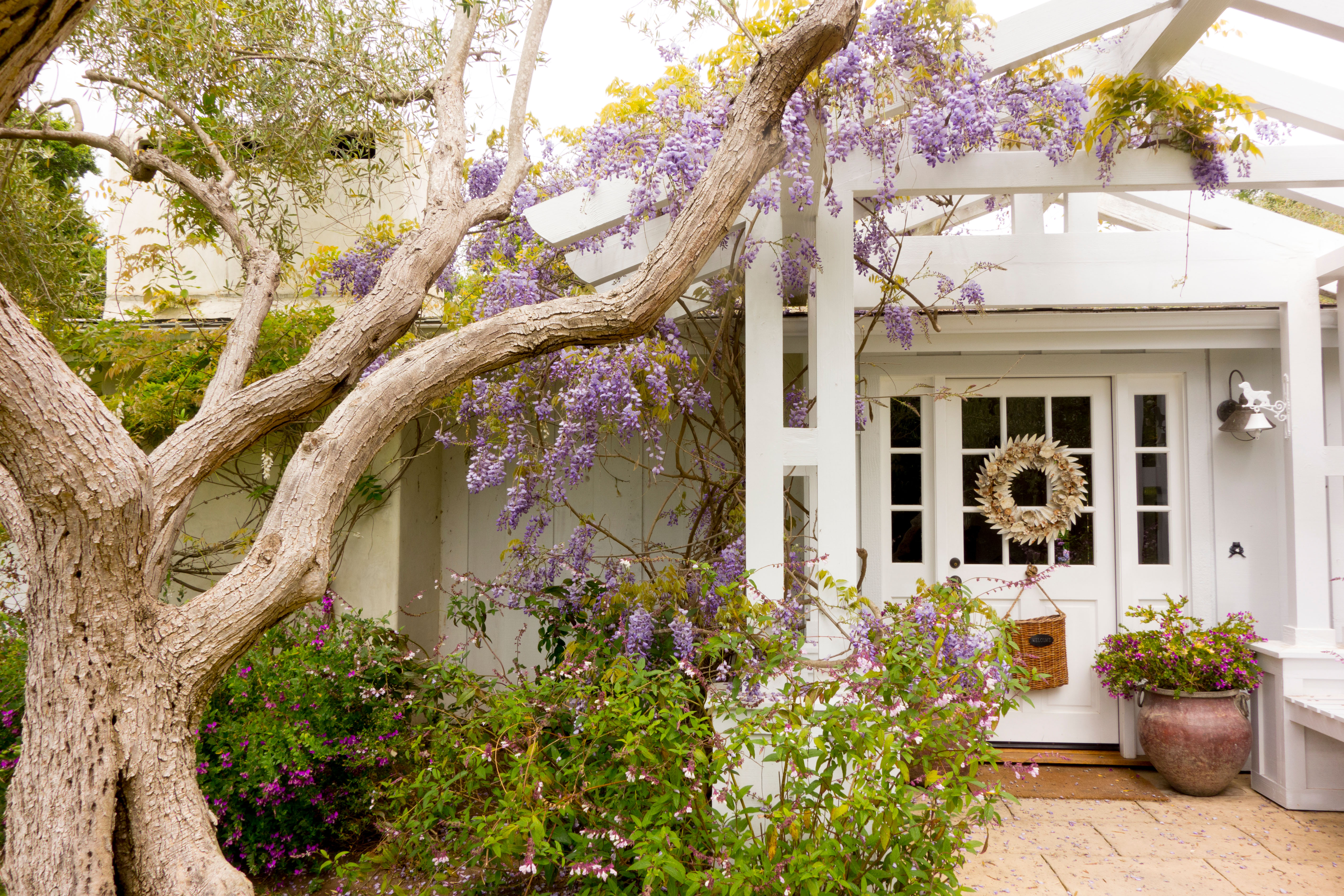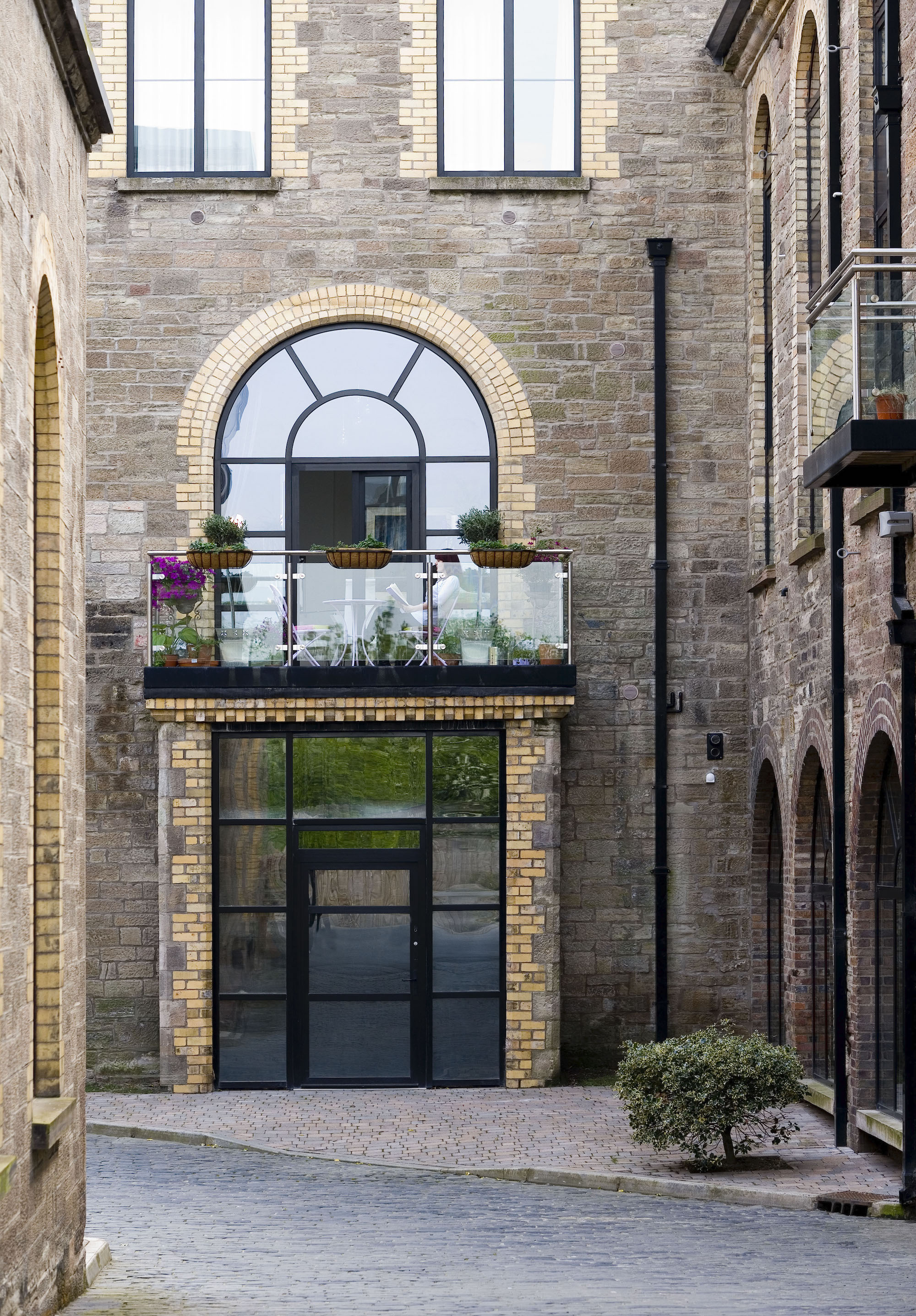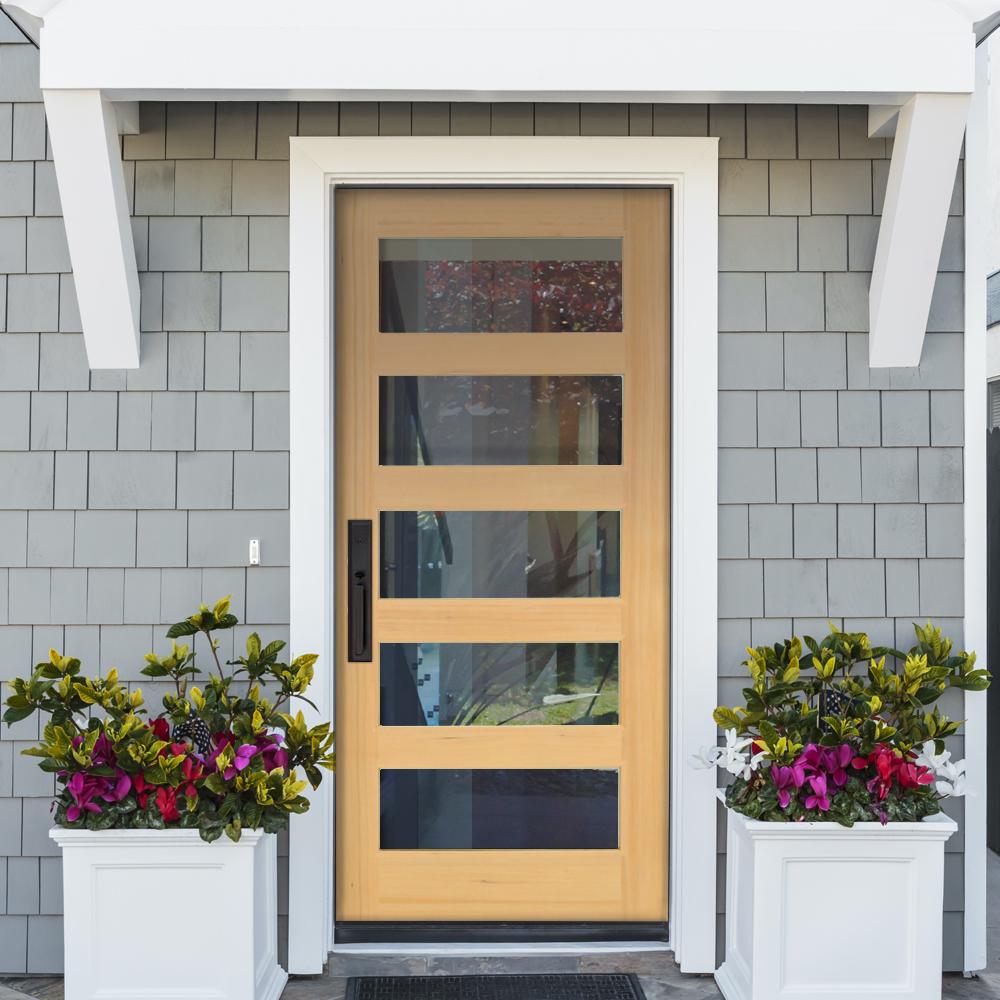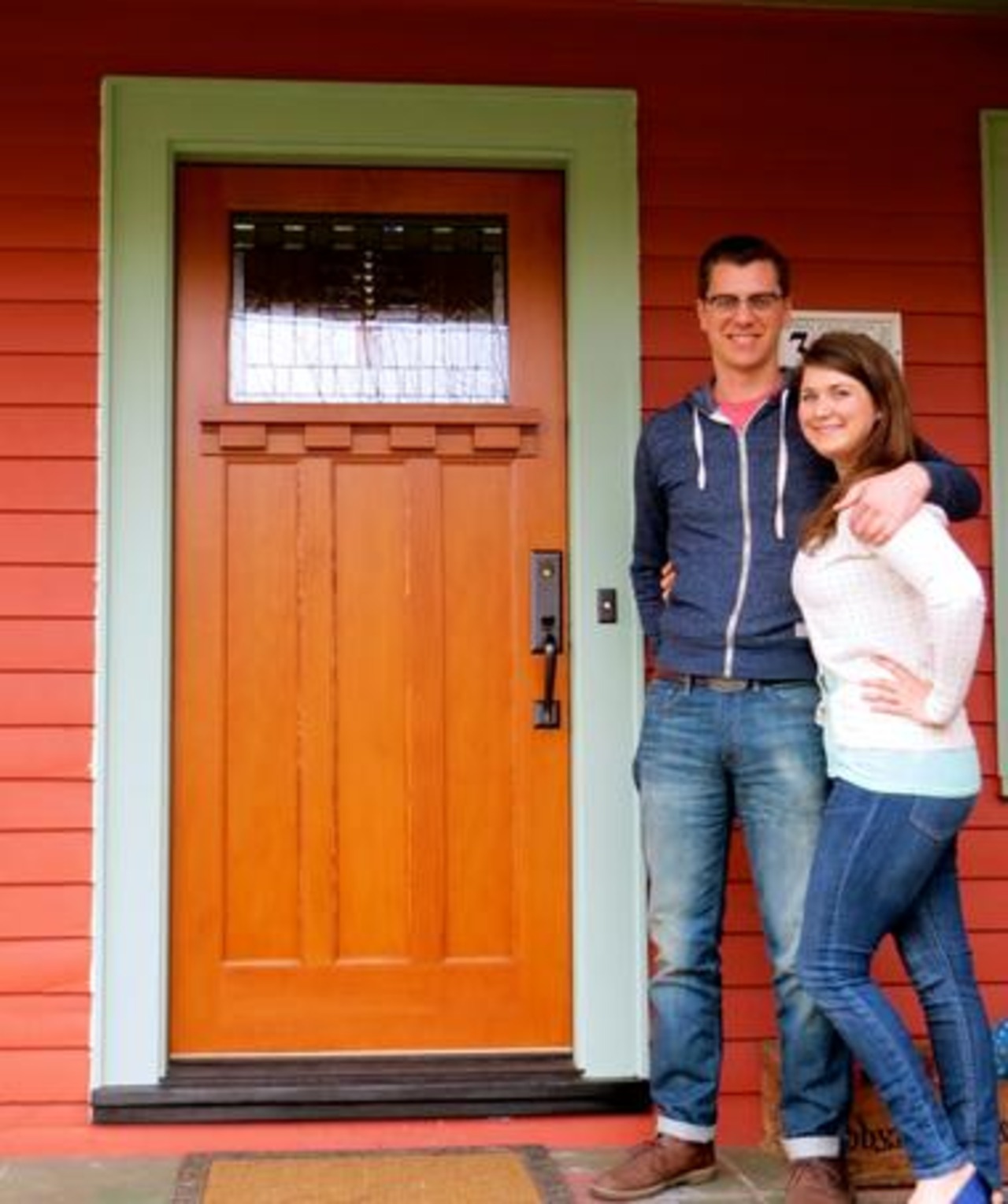
Front door: Does it keep your home safe, warm and looking stylish?
The front door serves as a critical element in a home, offering security, insulation, and setting the aesthetic tone for the entire property. Replacing a front door is a significant undertaking that involves careful consideration of design, functionality, and historical context, especially for older homes or those in historic districts. Kevin Betker of Bridgetown Window & Door, an expert with deep roots in Oregon's building industry, emphasizes the multifaceted role of the front door, describing it as the 'hostess, receptionist or maitre d’ of your home.' His extensive experience since 1987 highlights the complexity beyond a simple installation.
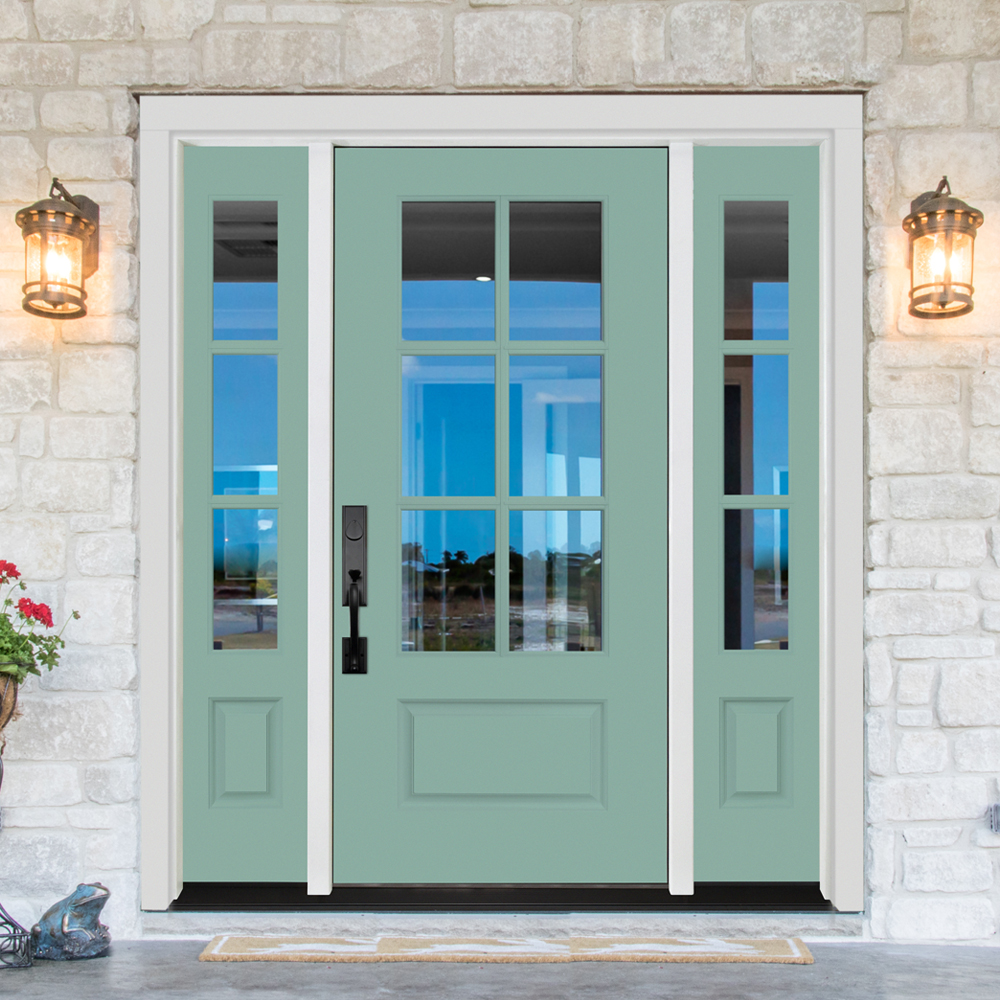
For Peggy and Rindert Harkins’ 1920 house, replacing the front door presented several challenges due to its unusual dimensions, south-facing orientation requiring superior insulation against sun, rain, and cold, and the need to match the original window glass pattern. Furthermore, as the house is in Portland's Irvington historical district, the design review board had to approve the architectural style of the new door. Betker successfully addressed these issues by installing a period-appropriate Craftsman-style door. This door featured six small, square windows above vertical panels, wide casing with perimeter molding, and built-in compression weather-stripping and seals, ensuring both historical accuracy and modern performance.
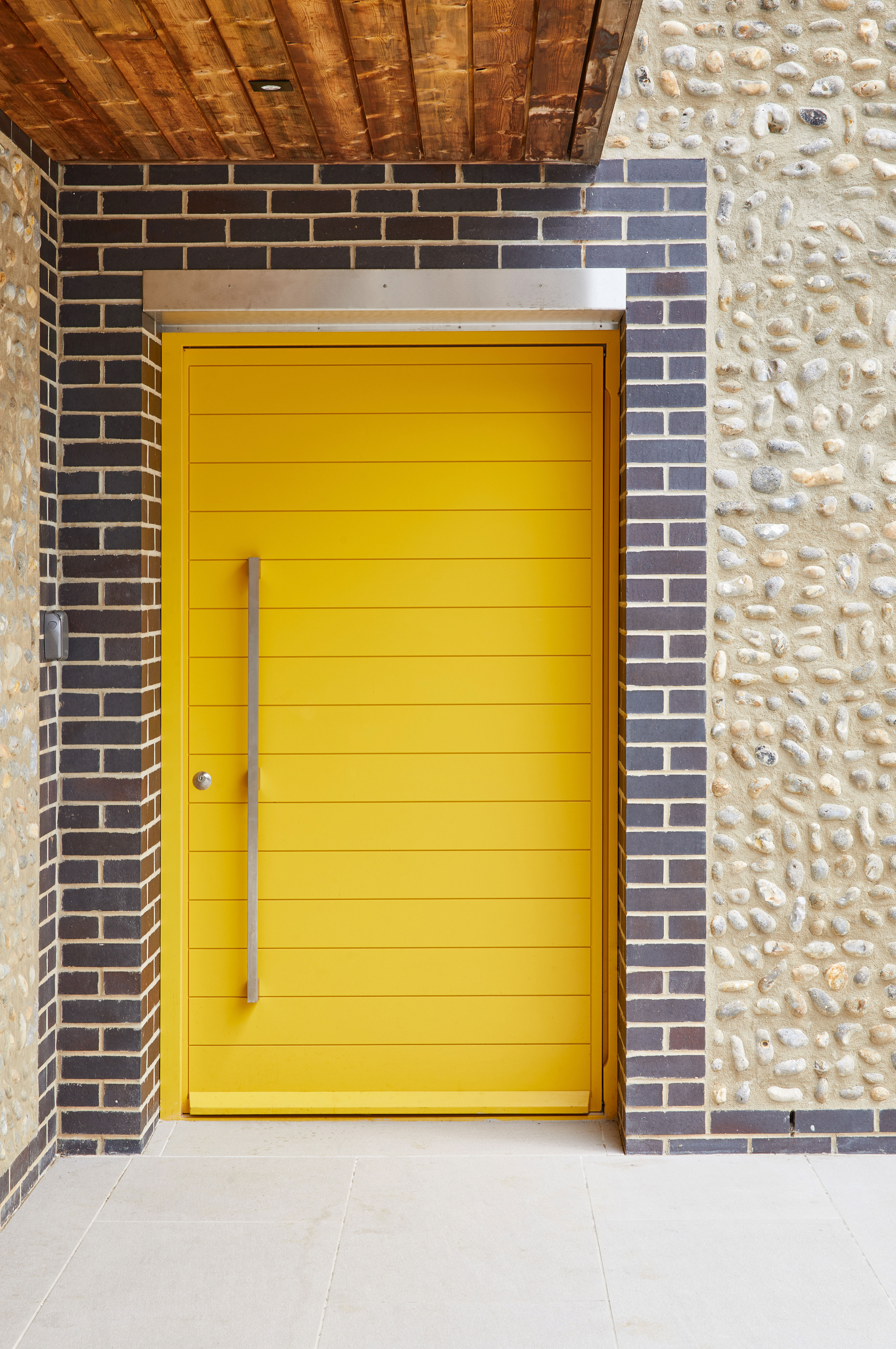
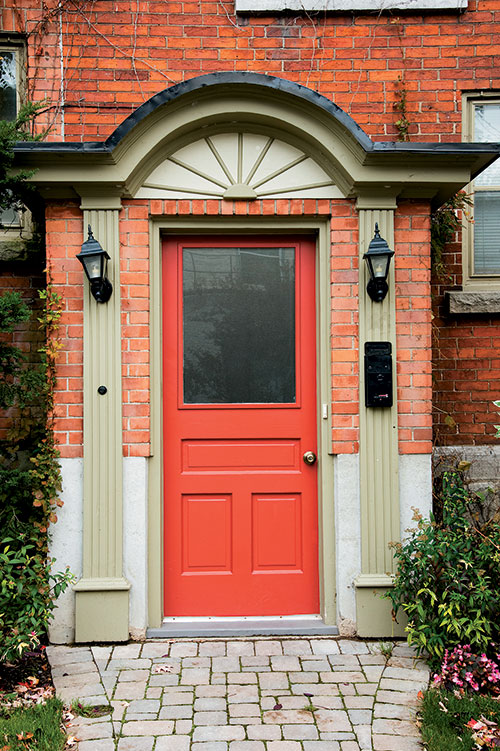
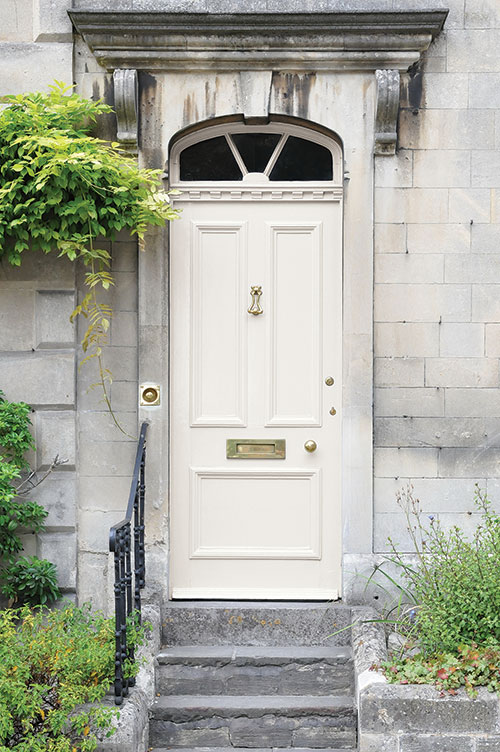
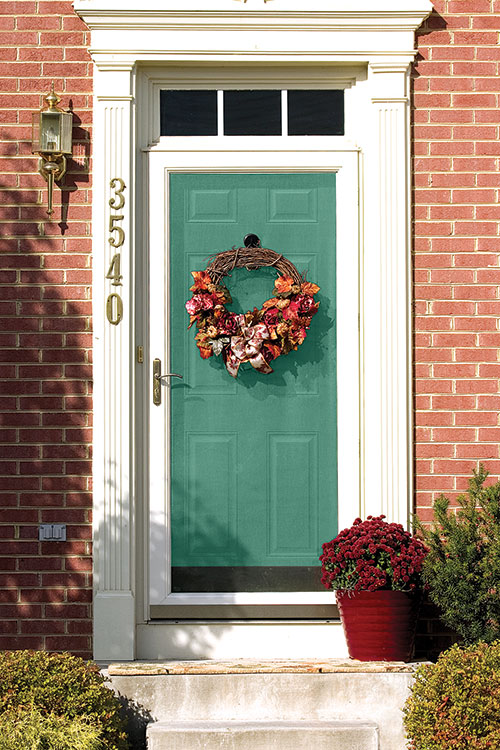
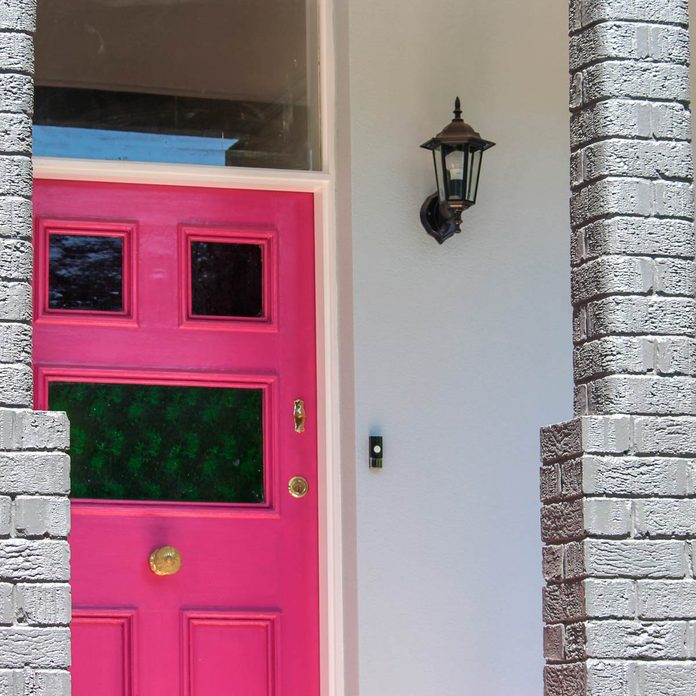
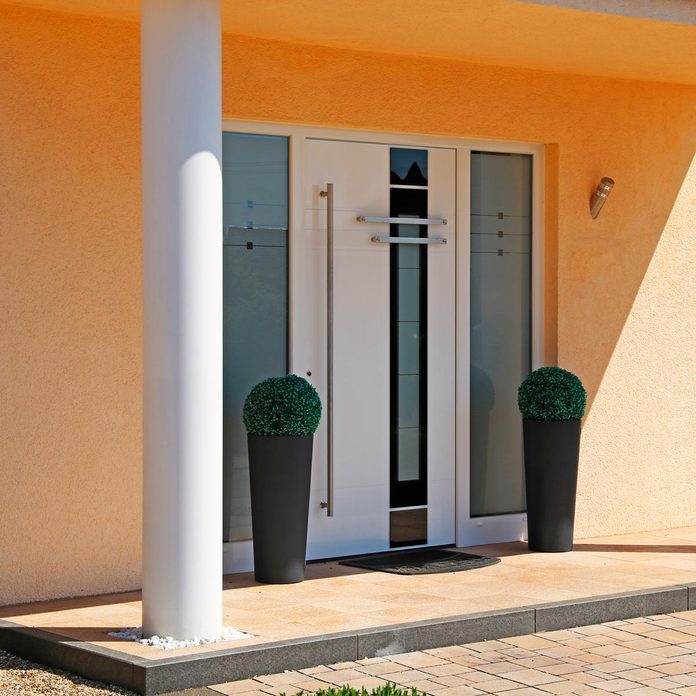
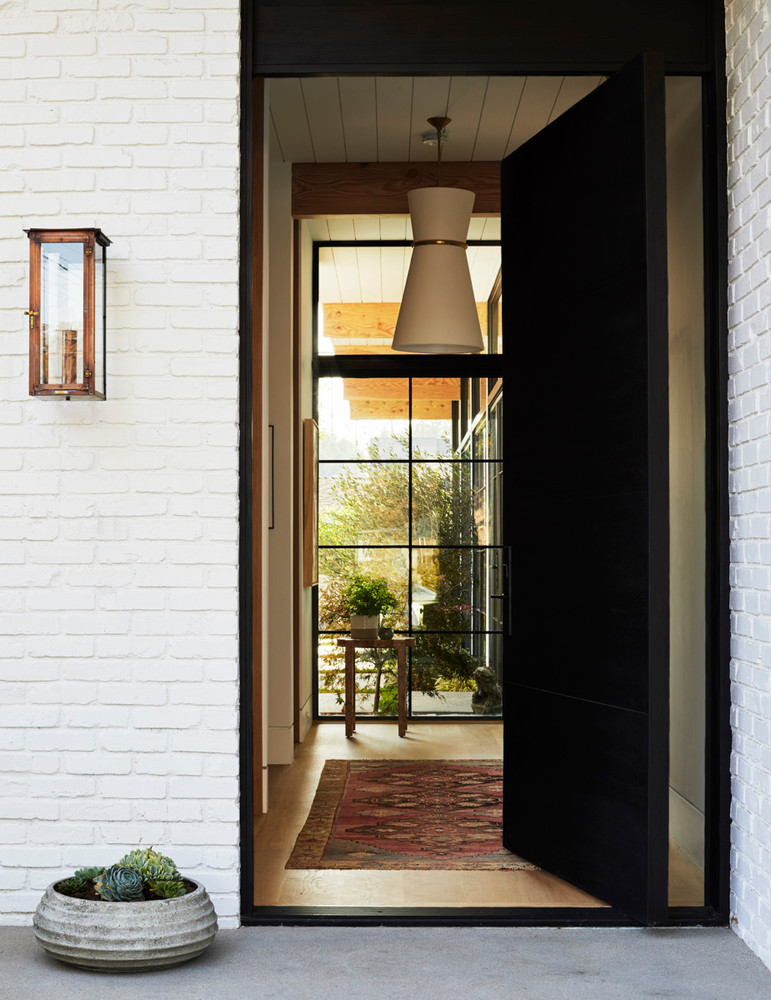
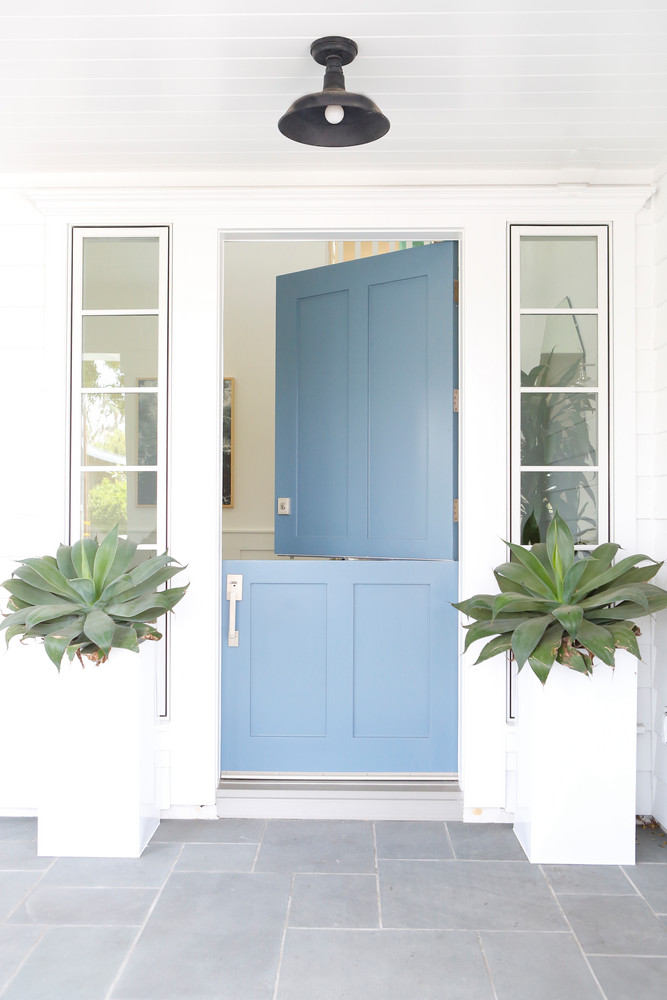
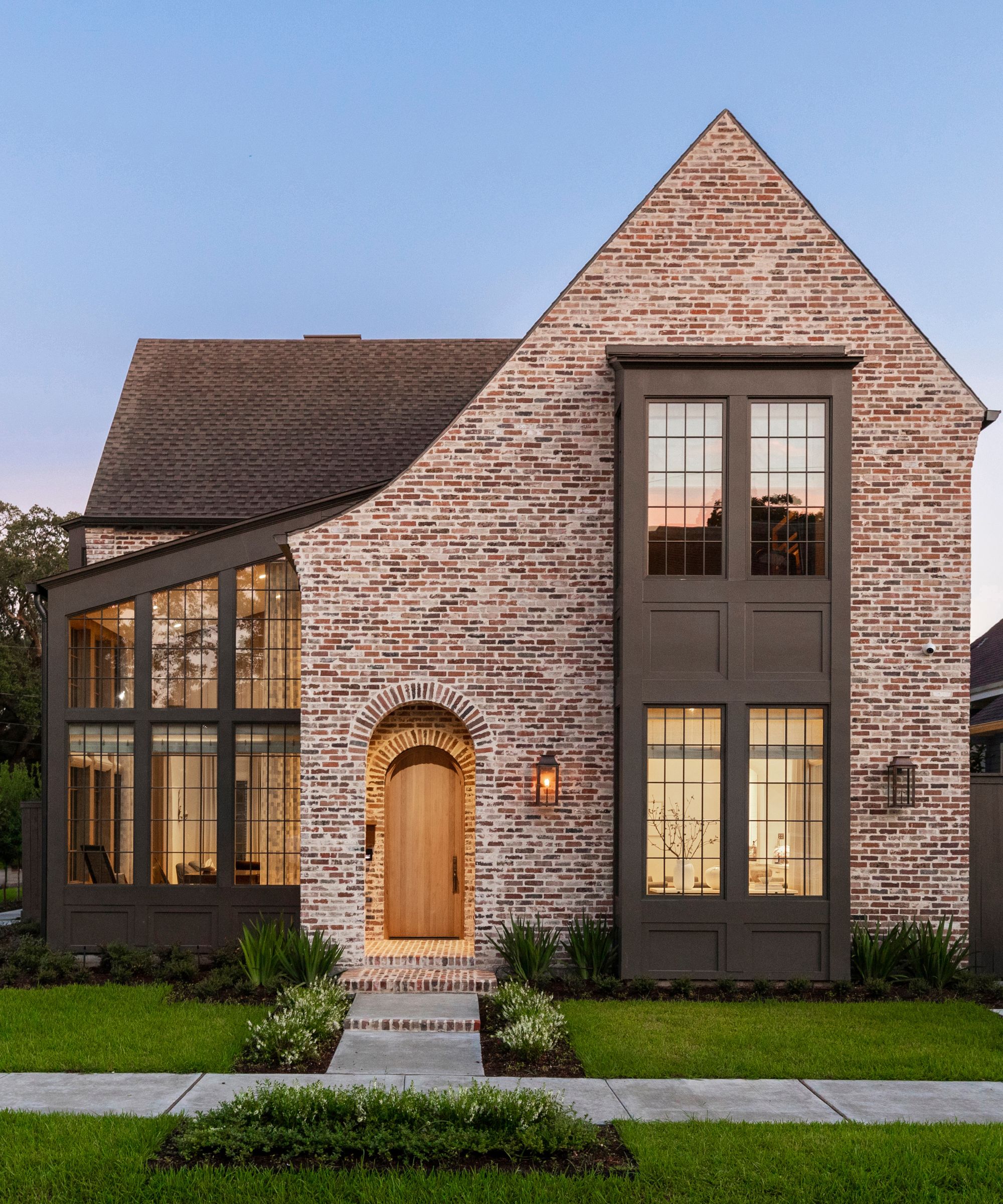
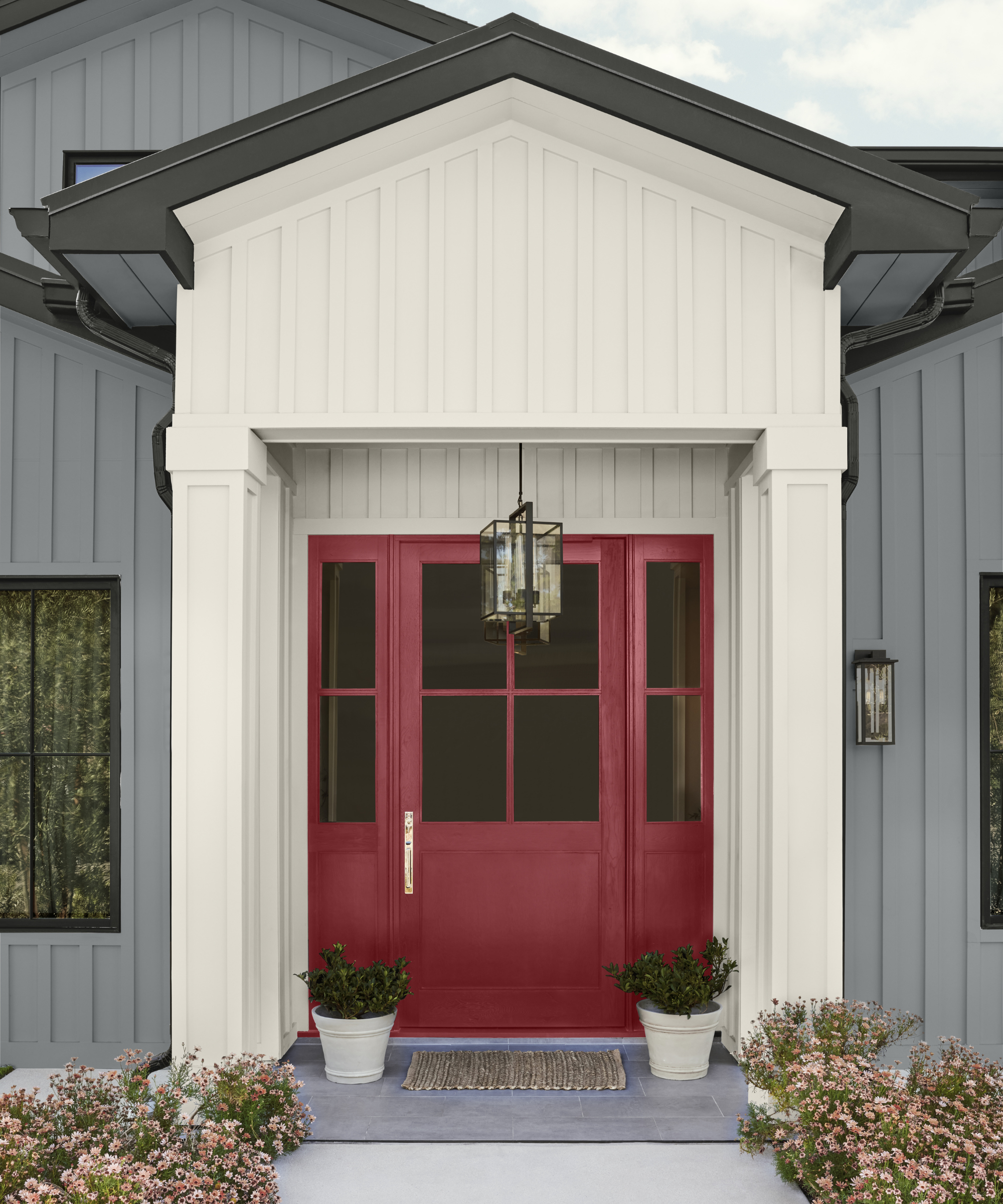
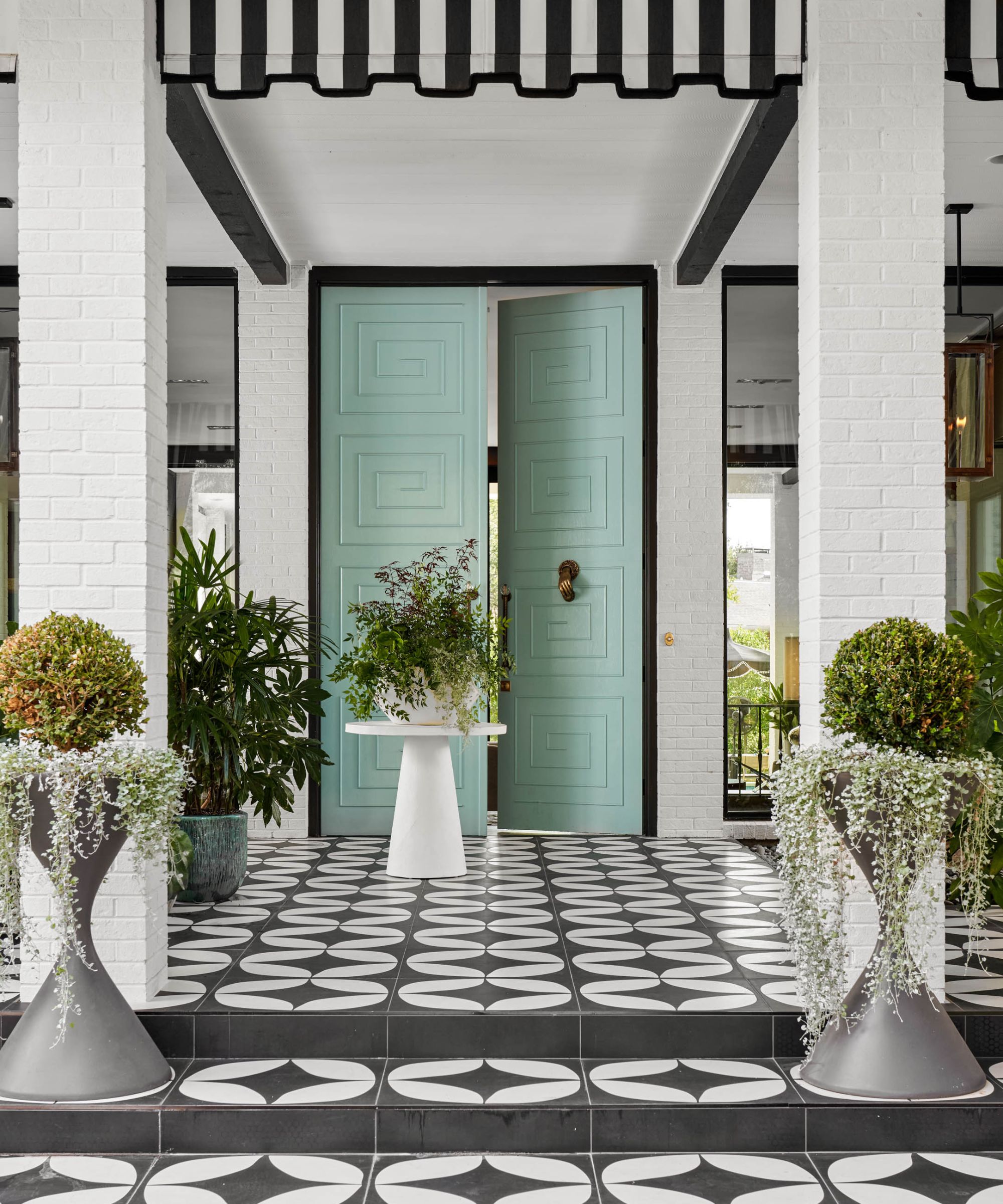
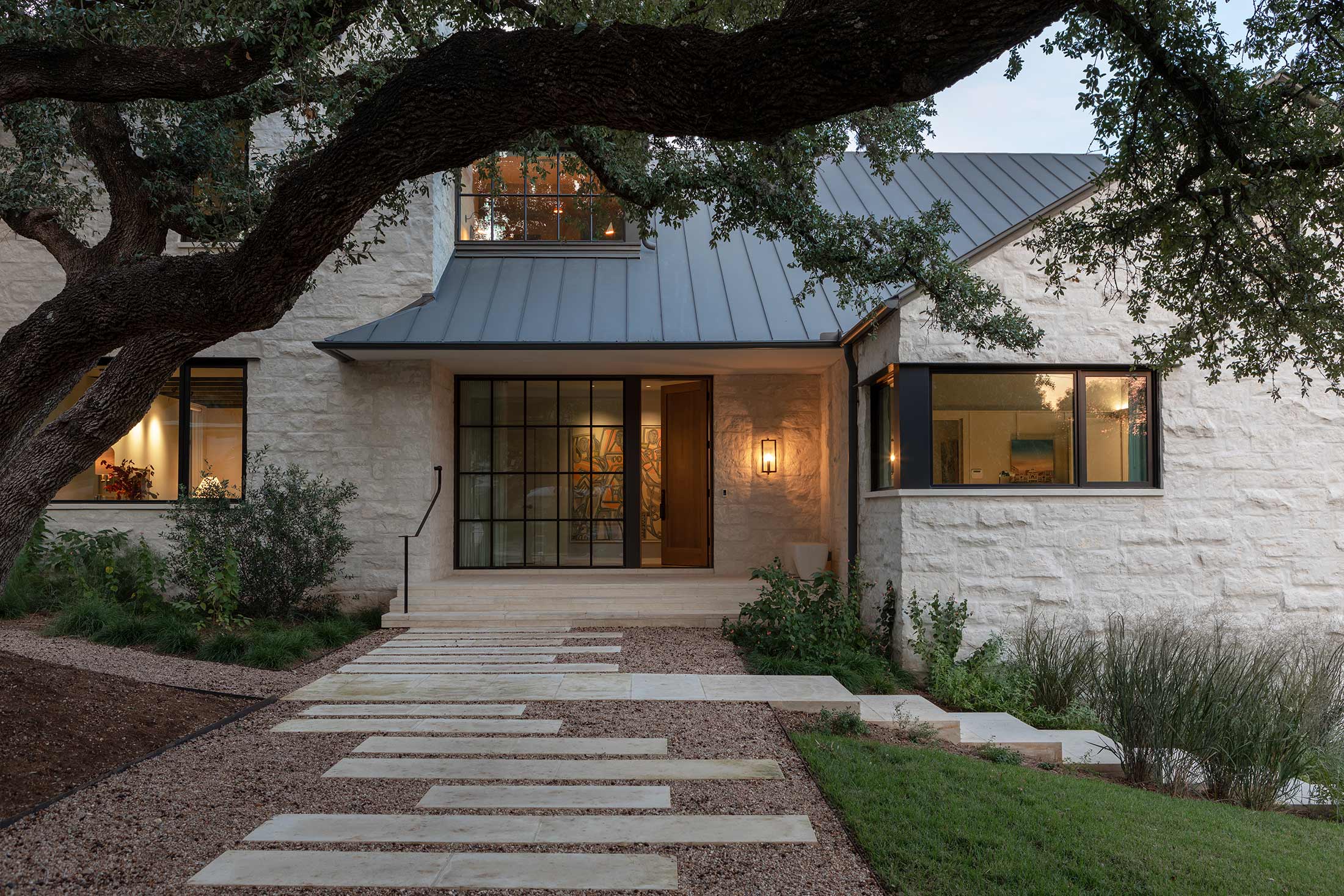
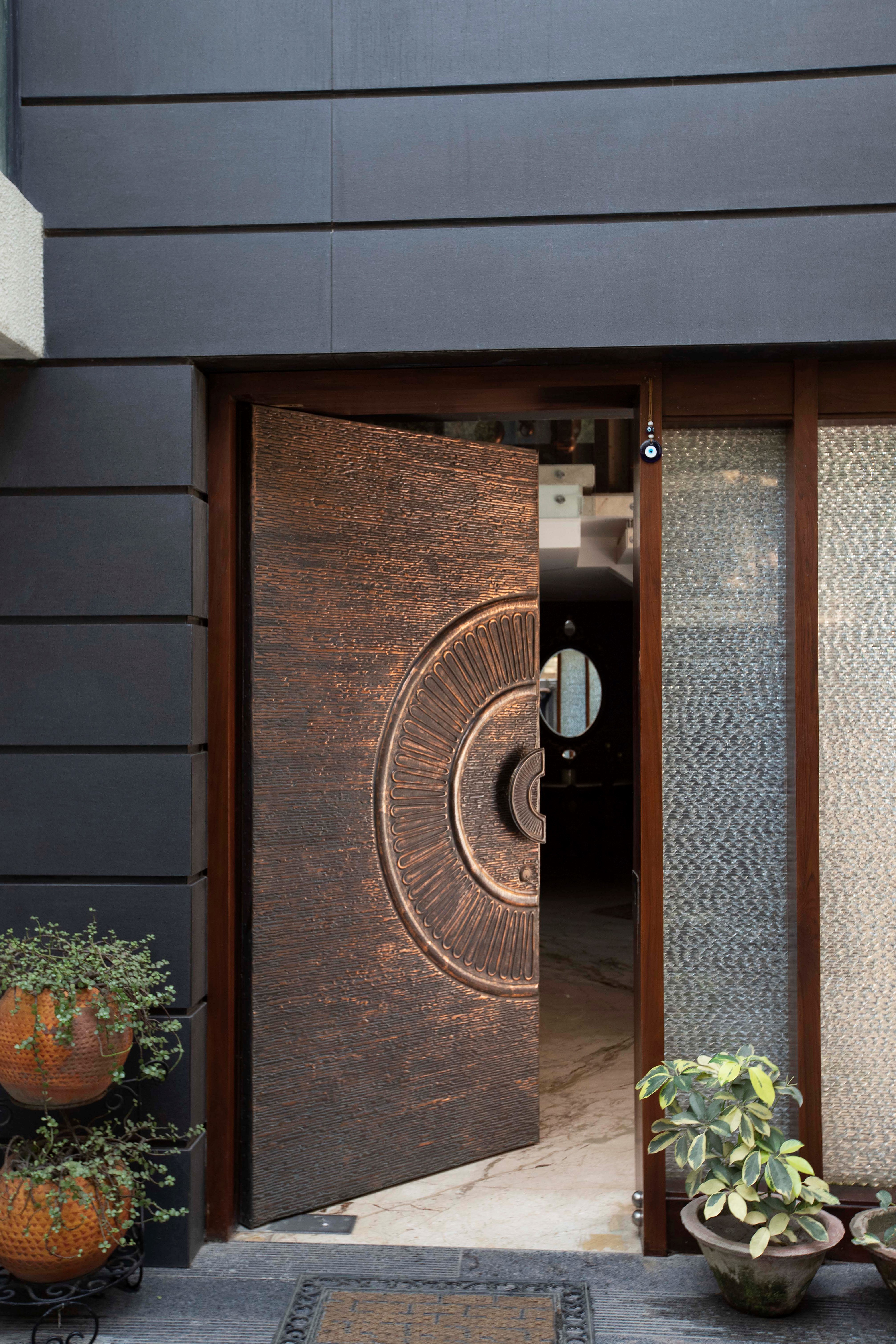
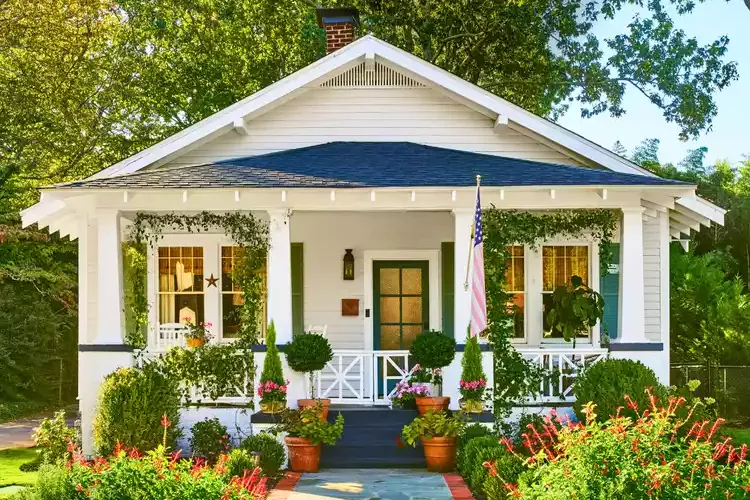
Beyond practical considerations, the front door is a strong reflection of the homeowner's aesthetic and the overall style of the house and neighborhood. Charles Huebner's popular poster series of diverse doorways exemplifies how each entrance tells a unique story. Homeowners often select front doors, along with their hardware and finishes, to harmonize with the existing architecture. The cost of a new door can vary significantly, from around $300 for a standard option at a home improvement store to a custom-designed piece comparable in price to a work of art.
Betker’s work showcases his ability to tailor solutions to specific needs. For a northeast Portland bungalow, he designed a traditional Craftsman door with beveled glass. In the Mount Tabor neighborhood, a new fir door was chosen to align with the V-groove front of the original, with a strategic change in its swing to improve entry flow and double-paned glass for increased privacy. For a post-WWII house near Rose City Park, he matched the entry door to new windows featuring a six-lite top sash, selecting an insulated clear tempered glass door designed to withstand extreme weather conditions given its west-facing exposure and minimal overhang.
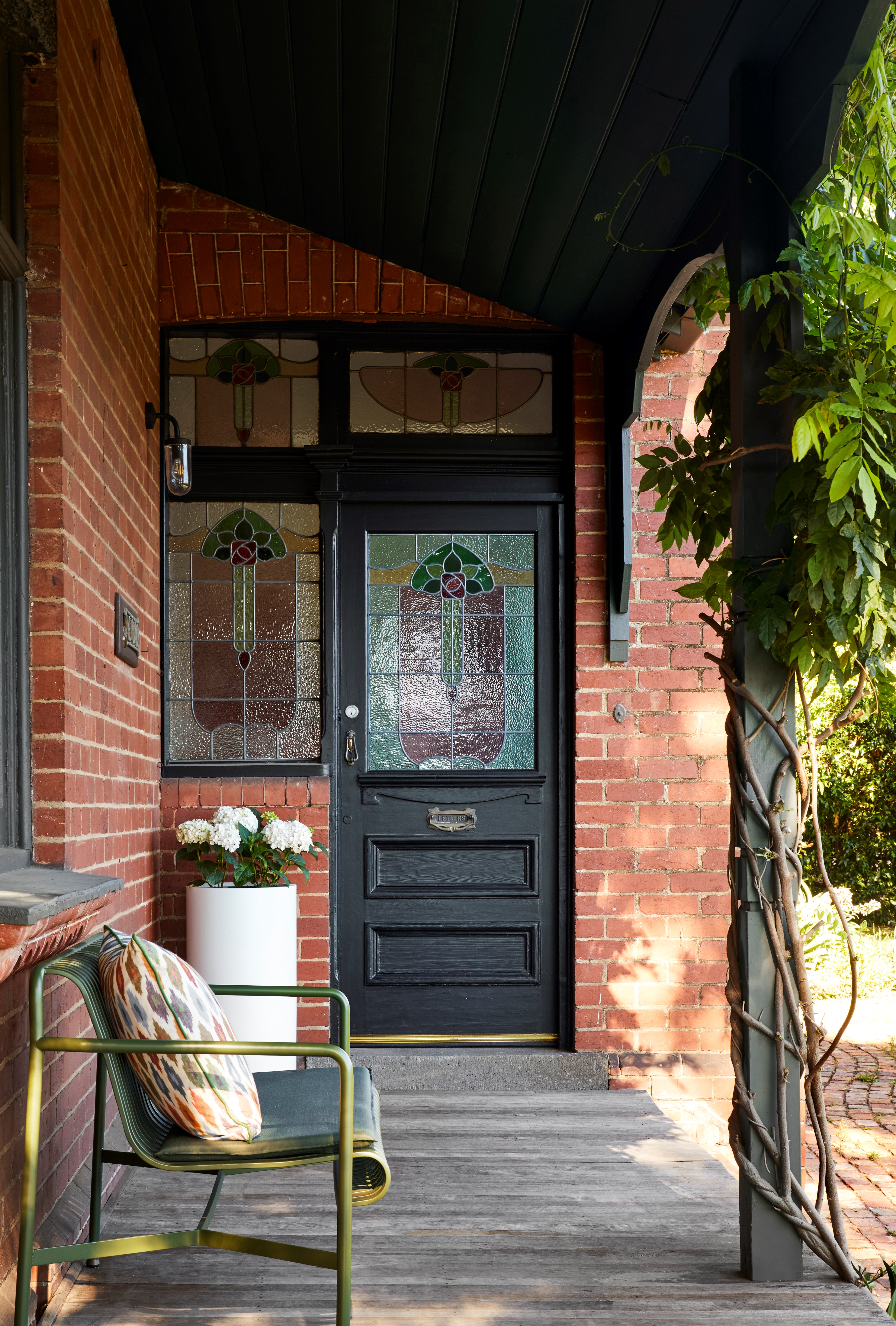
Homeowners often engage in extensive research and decision-making when selecting a new door. Brittany and Timothy Smith, for example, meticulously evaluated options for their 1924 bungalow, creating spreadsheets and seeking opinions from friends and family. They ultimately chose a Craftsman-style door with three stained glass panels and a dentil shelf. This door not only solved their issues of privacy and noise but also beautifully complemented their home’s character, creating a warm and inviting first impression. The Smiths' experience underscores how a well-chosen front door can become a cherished feature, transforming the entire look and feel of a home.
#FrontDoor #HomeDesign #ArchitecturalStyle #HistoricHomes #DoorReplacement #CraftsmanStyle #HomeImprovement #InteriorDesign #ExteriorDesign #FrontDoor #HomeDesign #ArchitecturalStyle #HistoricHomes #DoorReplacement #CraftsmanStyle #HomeImprovement #InteriorDesign #ExteriorDesign
0 comment in total
 No comments yet
You may also like
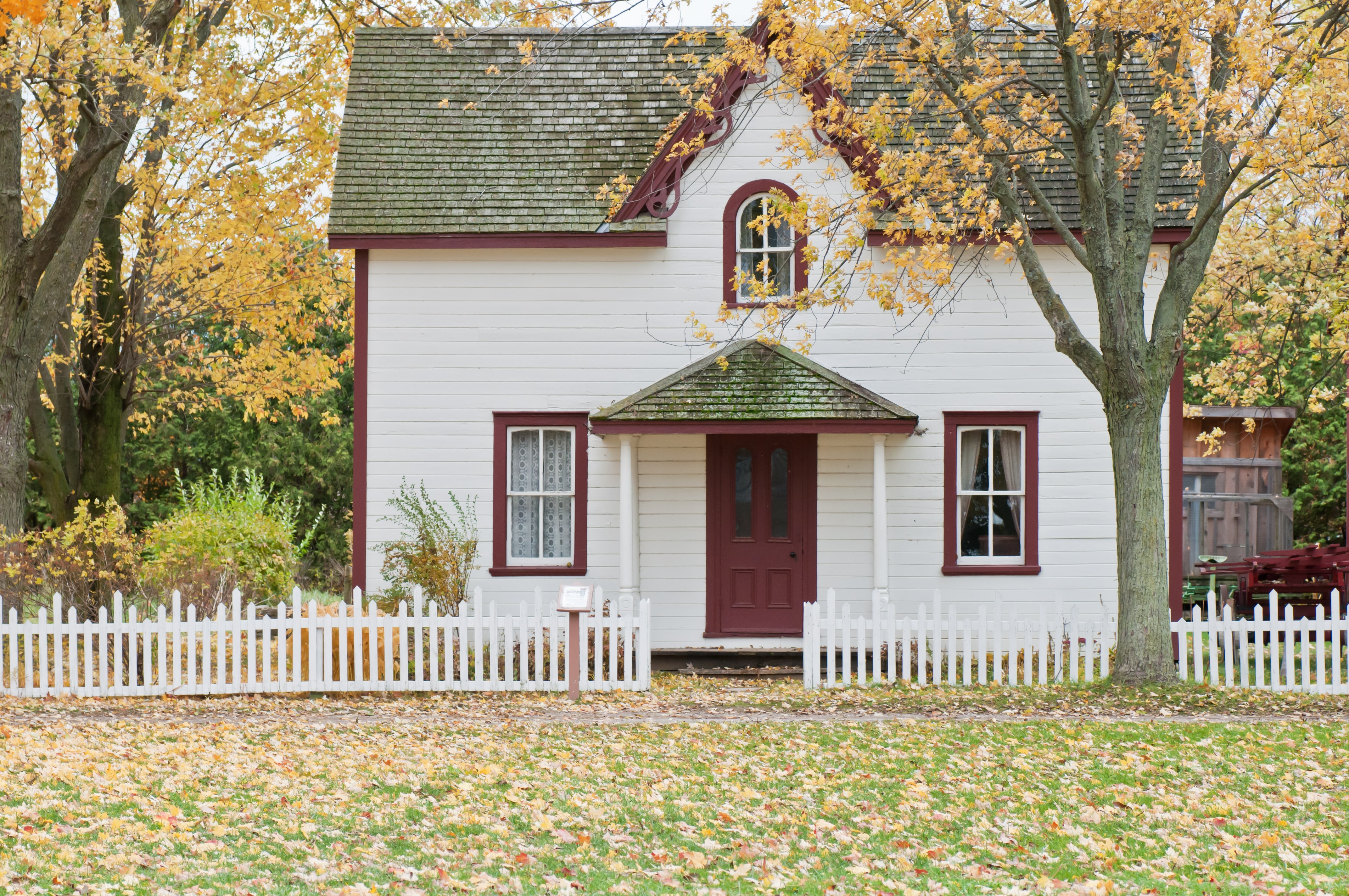
Front door design: a guide to choosing a new front door
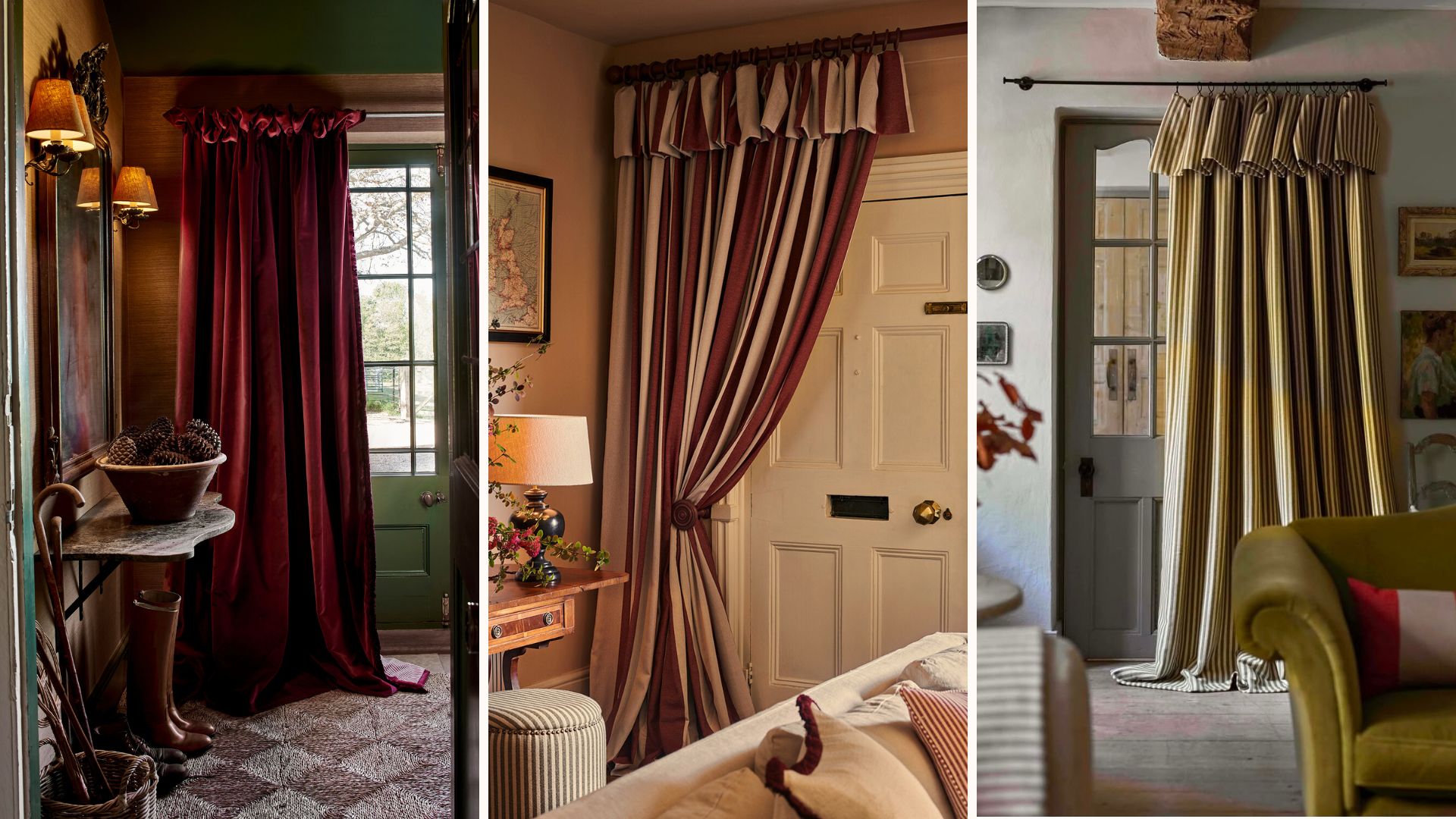
Is it time to try a door curtain? The stylish, simple heat-saving solution has never been so popular

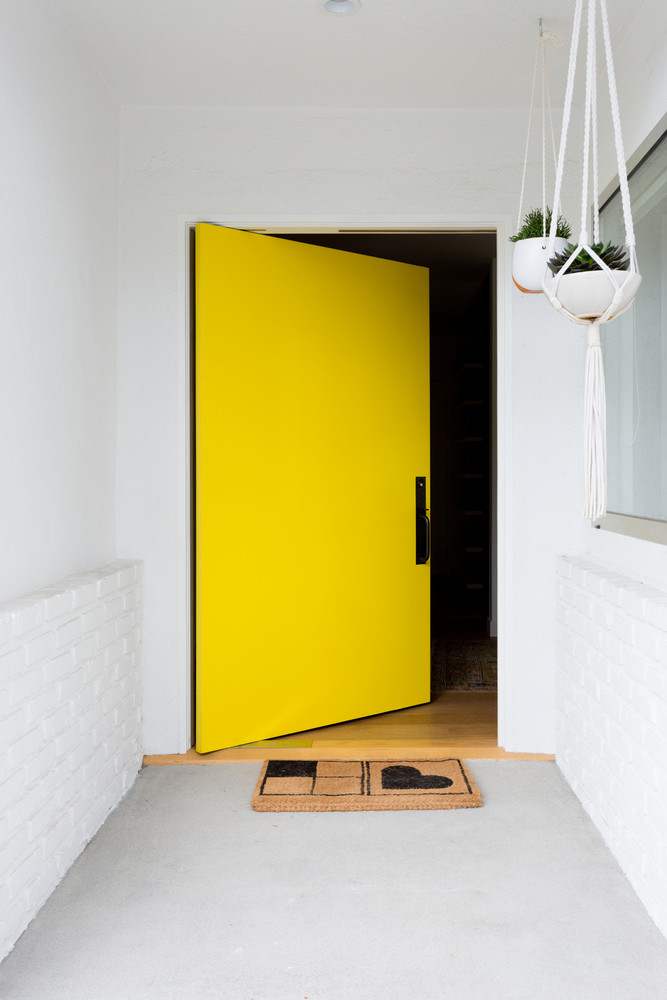
The Best Doors We’ve Seen This Year

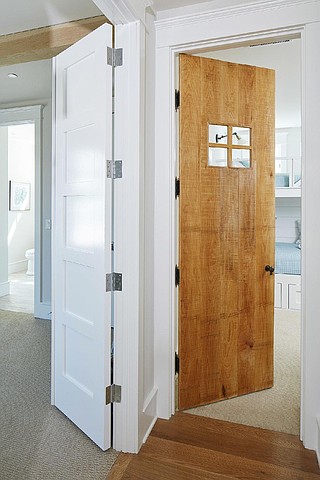
Interior doors can add light, personality
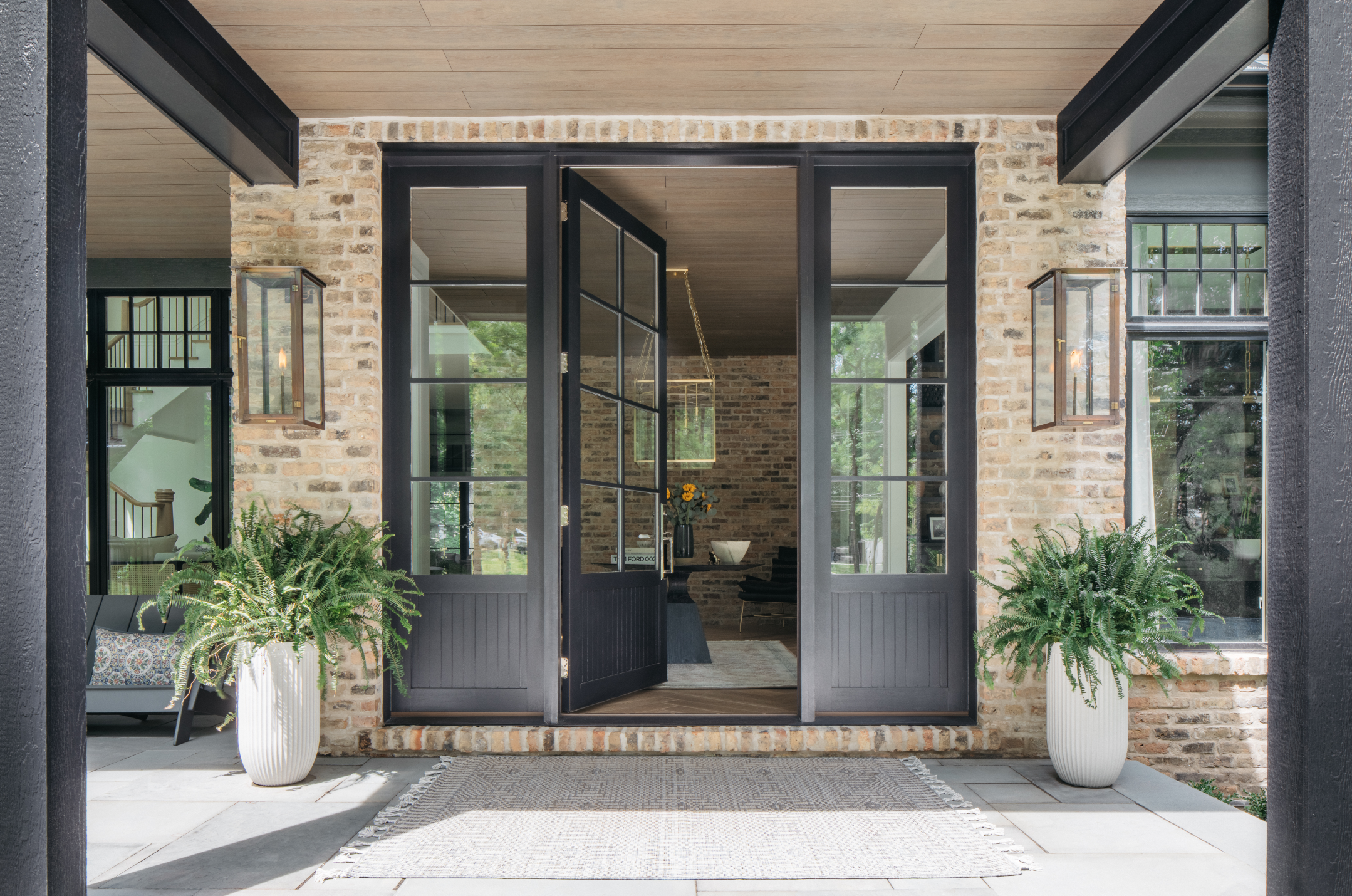
The best front door design ideas

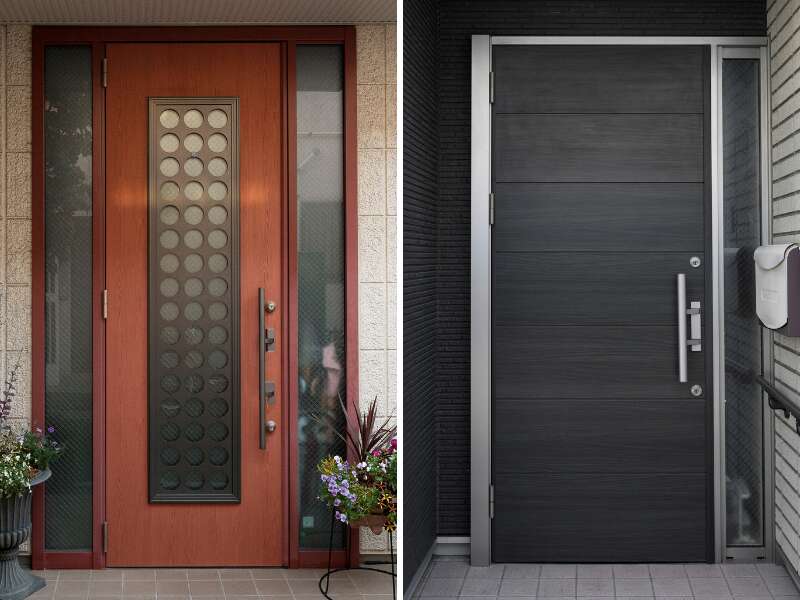
20 Trendy Safety Door Designs to Elevate Your Home

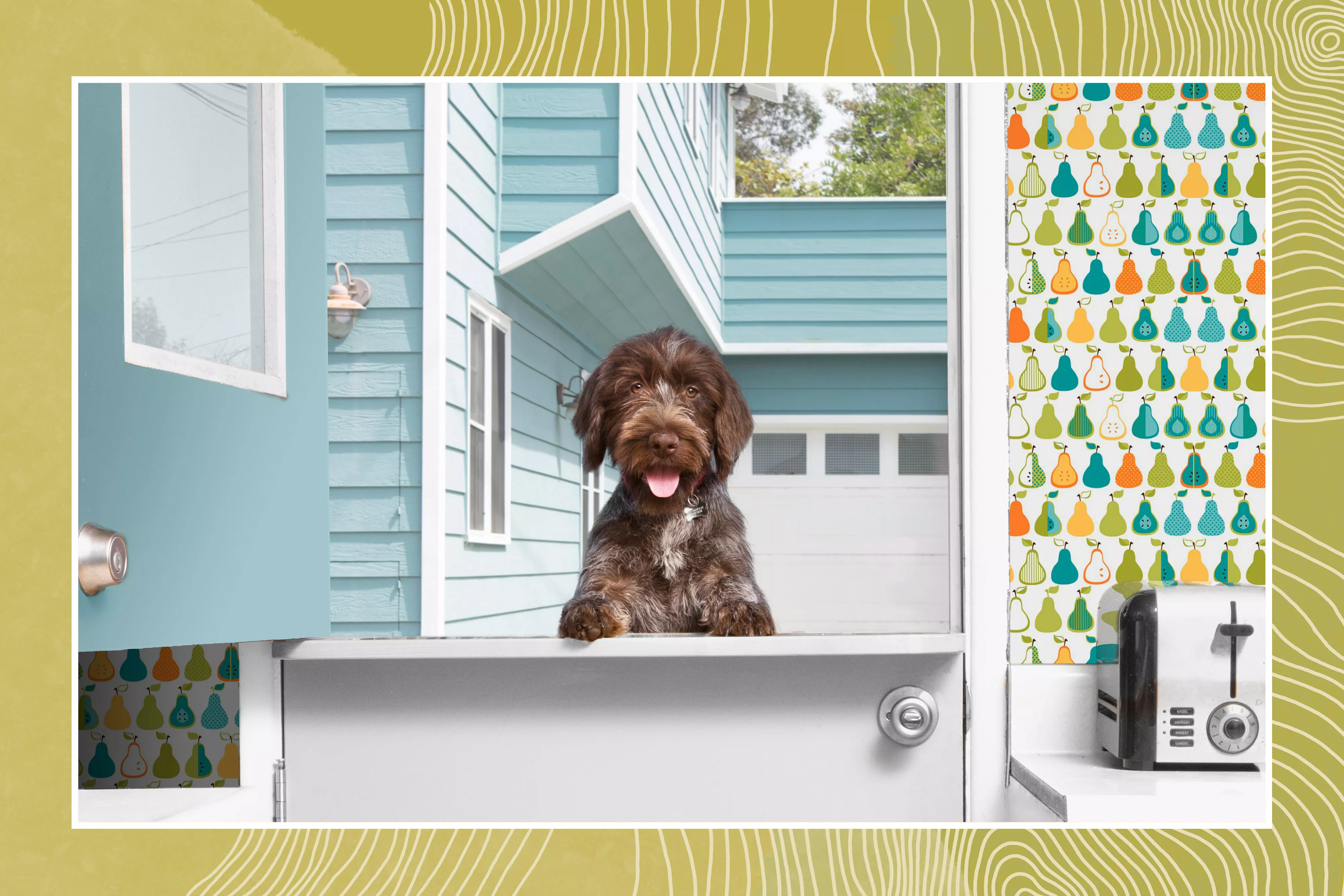
Are Dutch Doors the Secret to a Prettier Home With Pets?

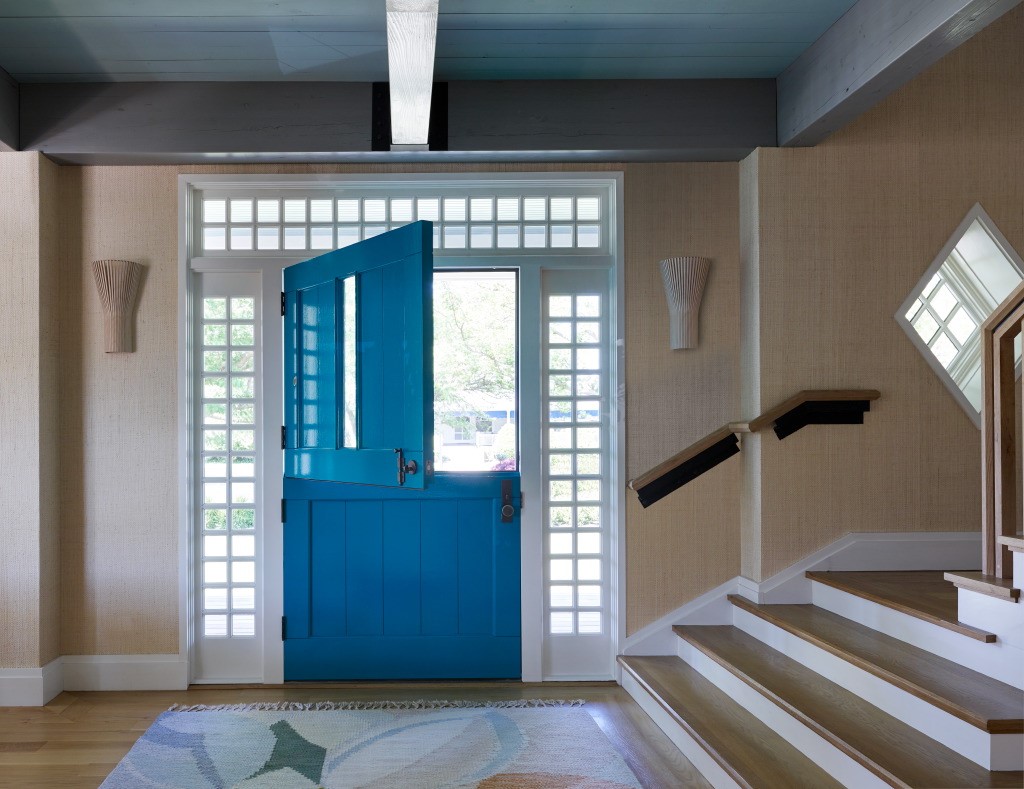
11 Front Door Trends That Set the Tone for a Classy Home — Materials, Colors and Styles Architects Love Now

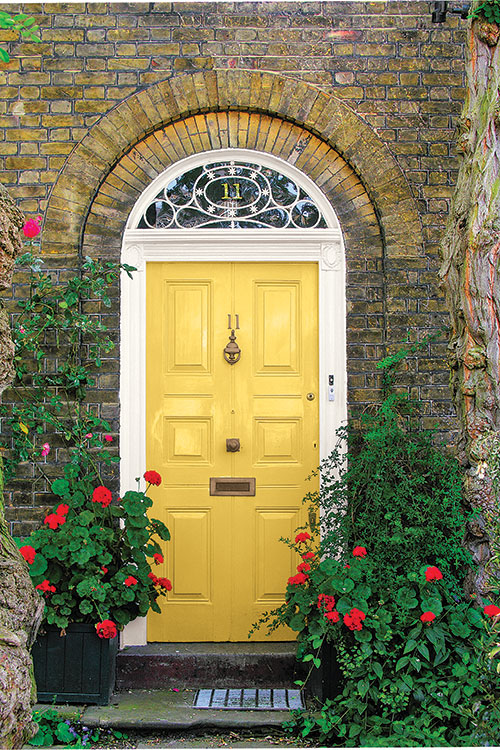
Bold & Bright. How to Make Your Front Door Colorful & Inviting

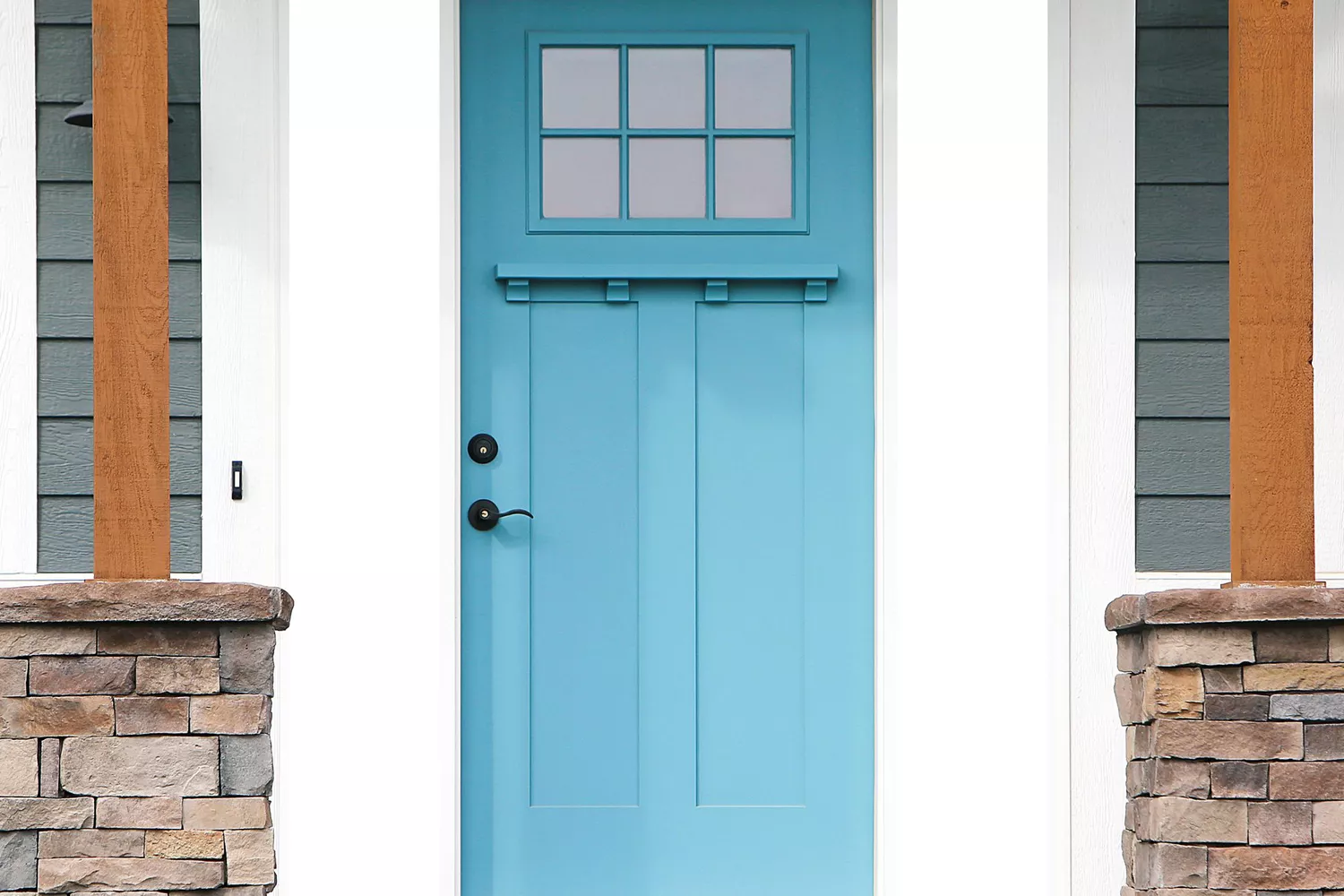
Experts Explain How to Paint a Front Door to Elevate Your Home's Curb Appeal

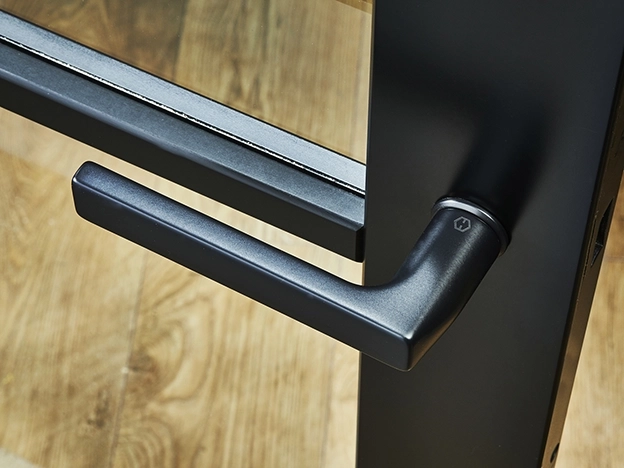
Hardware & Security

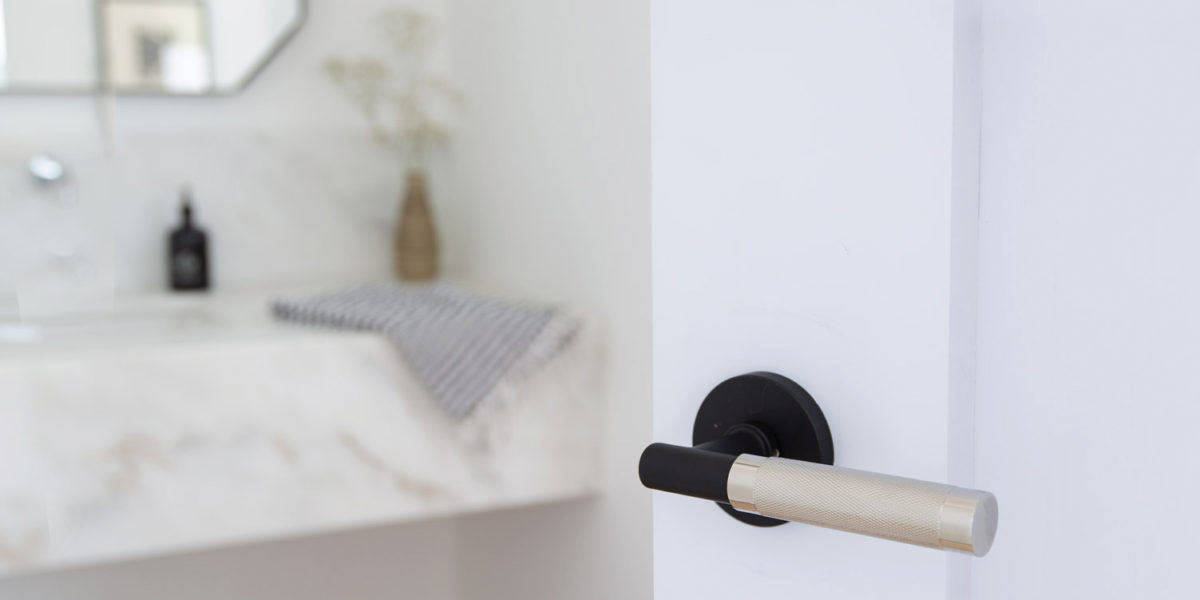
How the Right Door Hardware Can Be the Perfect Finishing Touch in Your Home
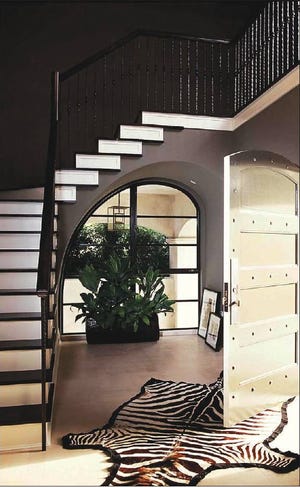
Doors: A forgotten design element
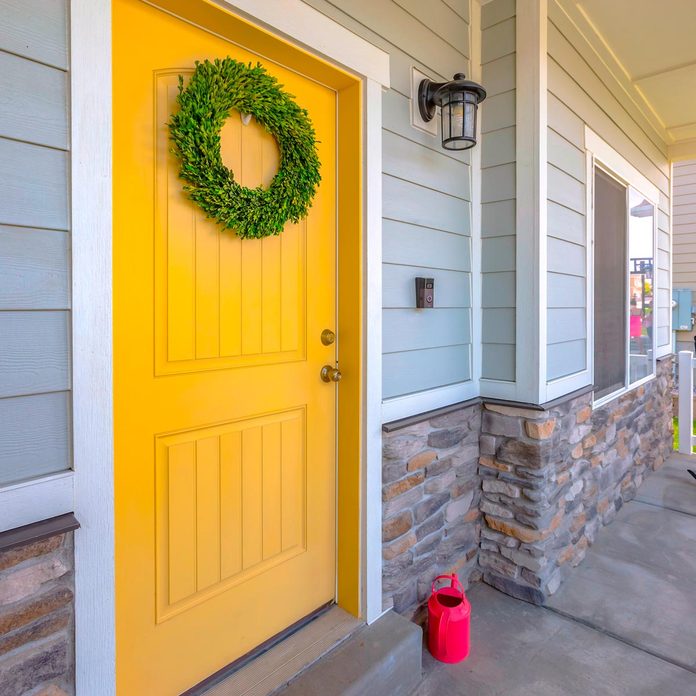
10 Modern Front Doors We are Loving Right Now

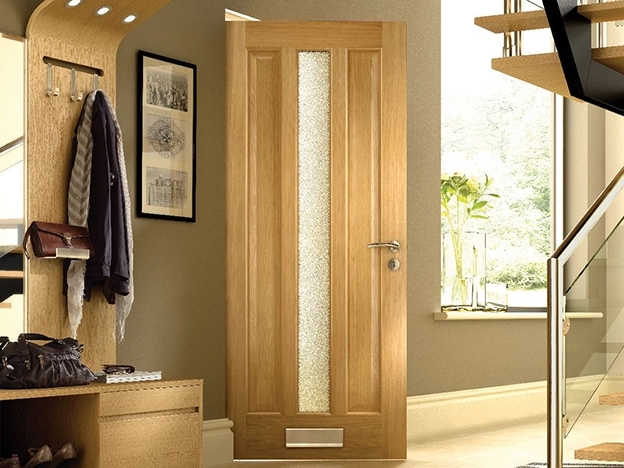
External Doors

16 Front Doors That Make the Case for a Fresh Coat of Paint

Front Doors | Back Doors
Front door colour ideas – 9 shades to elevate your home’s entrance and set it apart from the rest on your road
19 front door color ideas that are sure to boost your home's curb appeal

The One-And-Done Home Update That Will Totally Transform Your Exterior