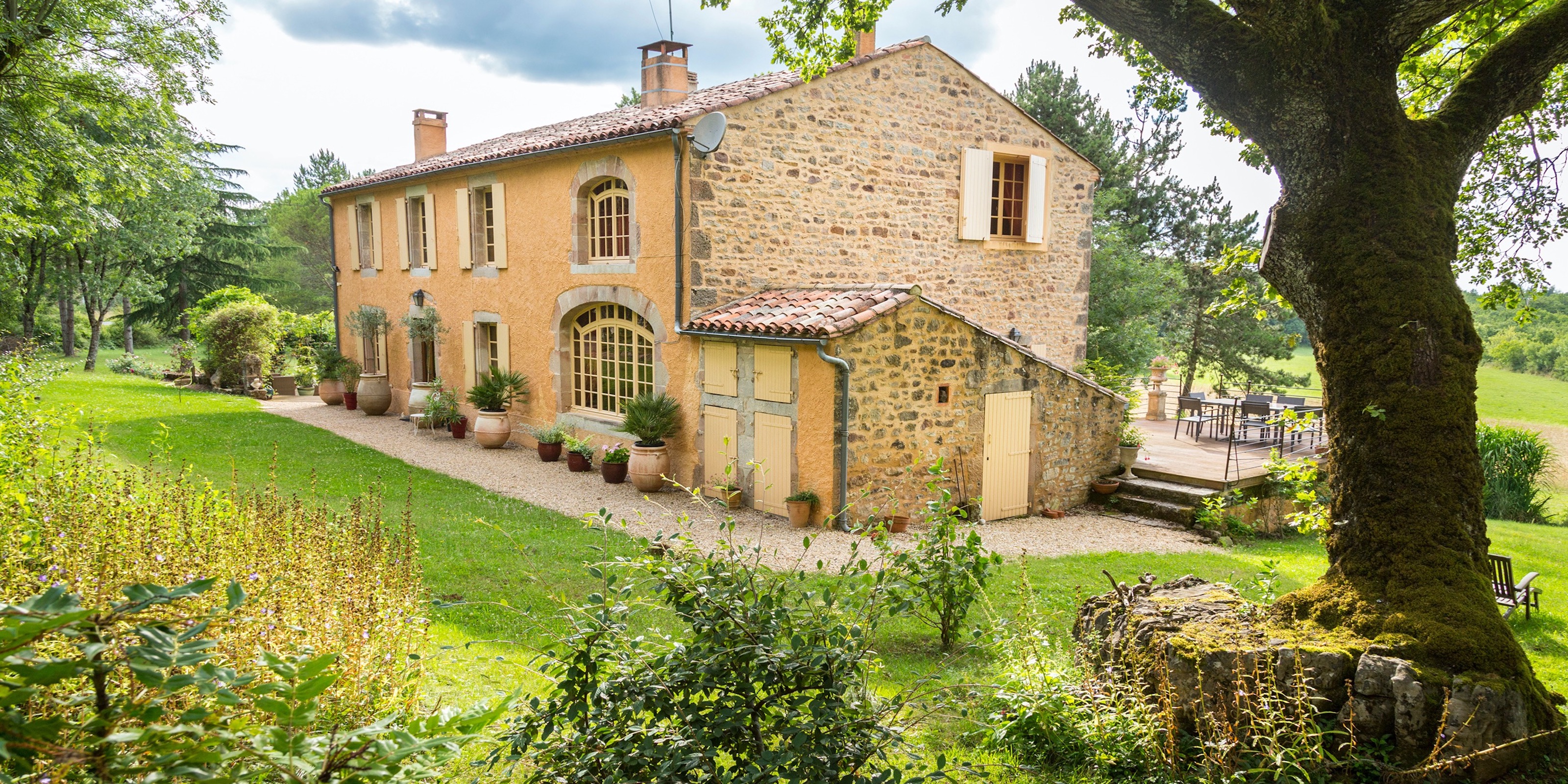
1/14
11 must-have plants to include in a French provincial-style garden – for European charm and enduring elegance
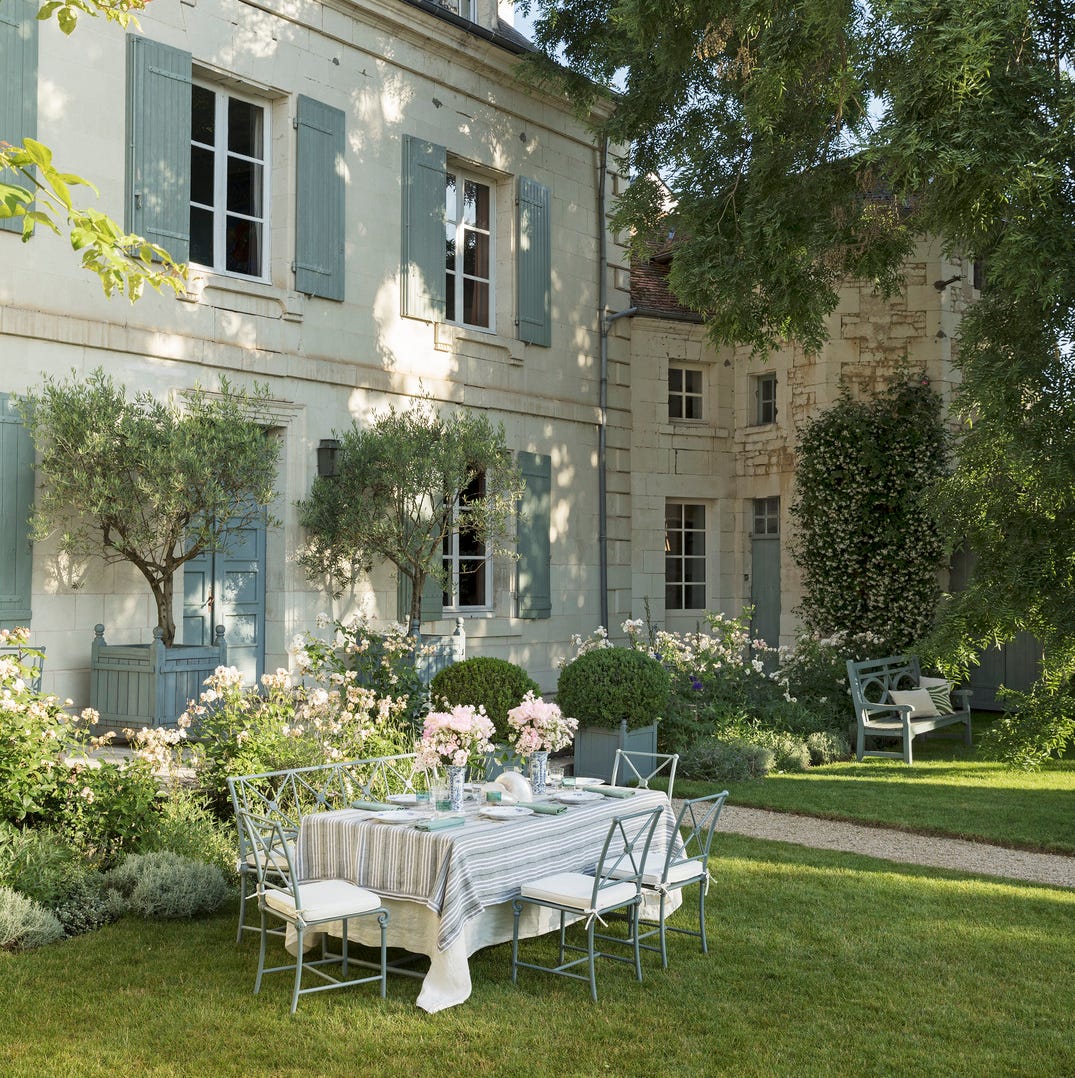
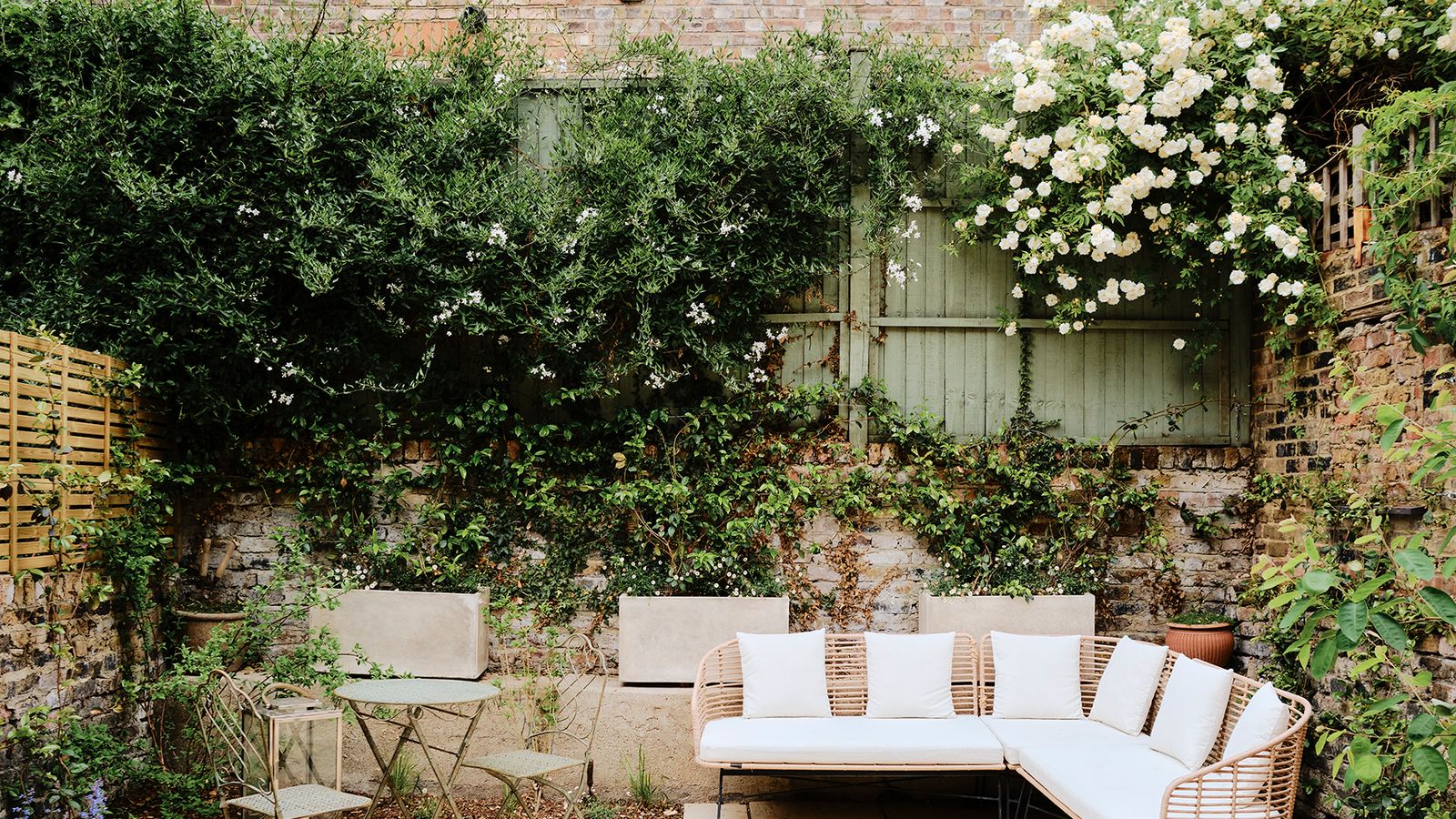
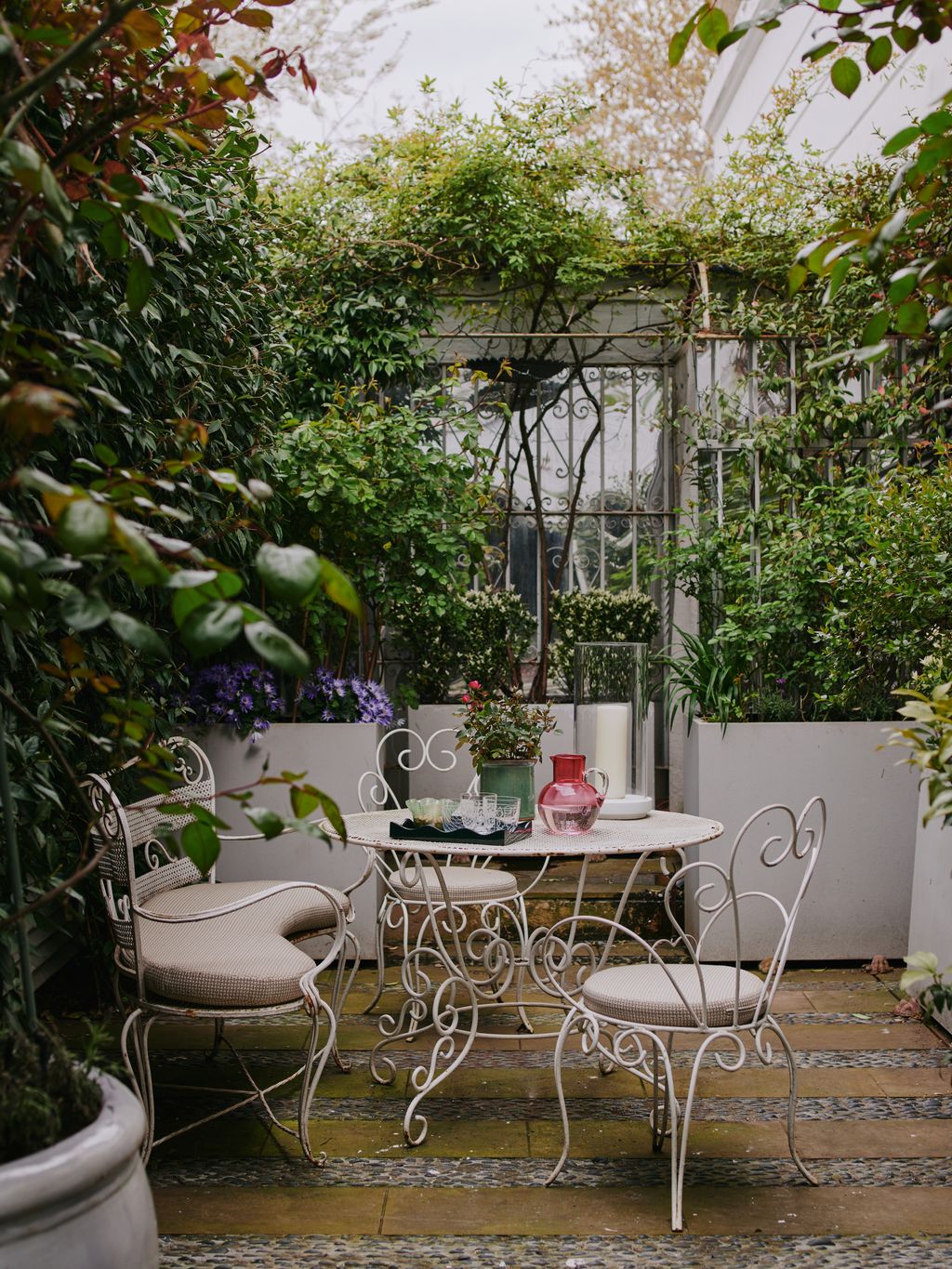
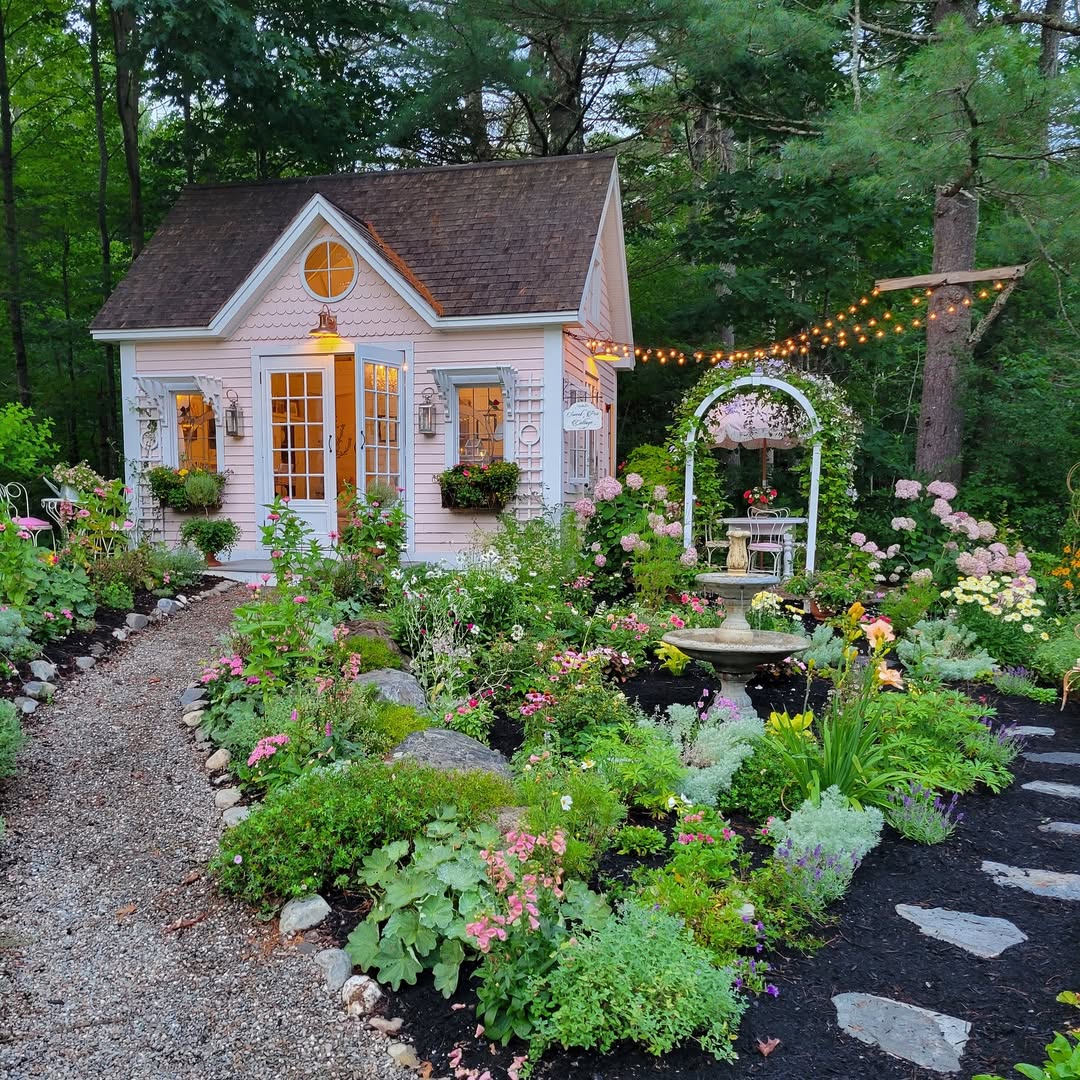
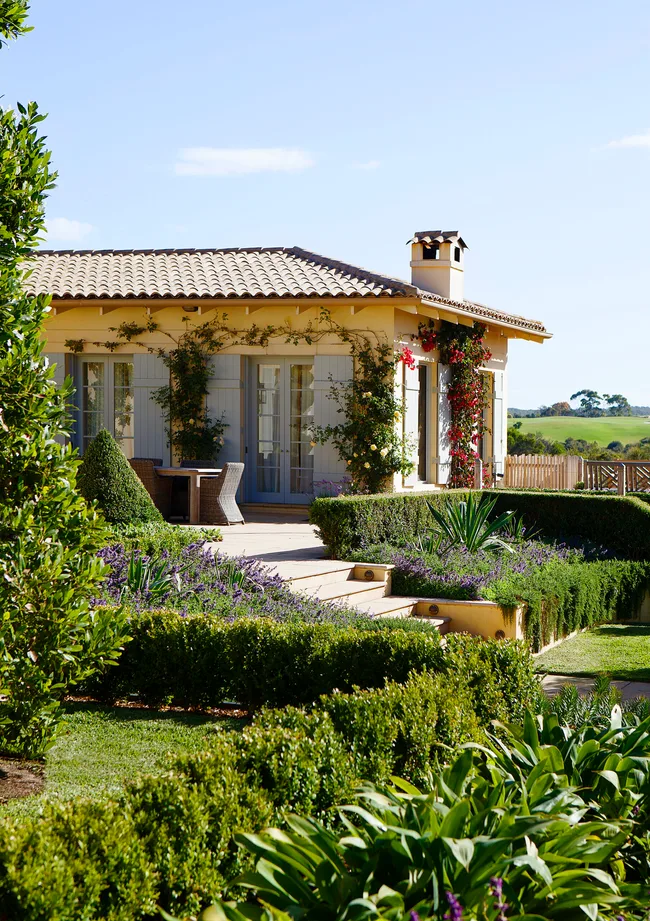
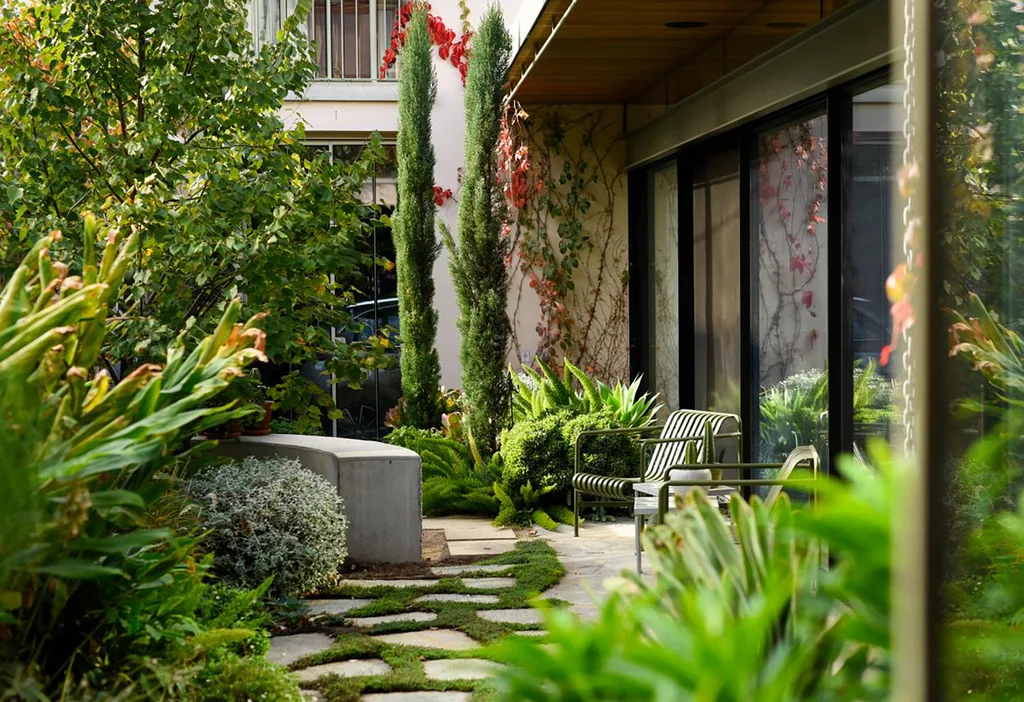
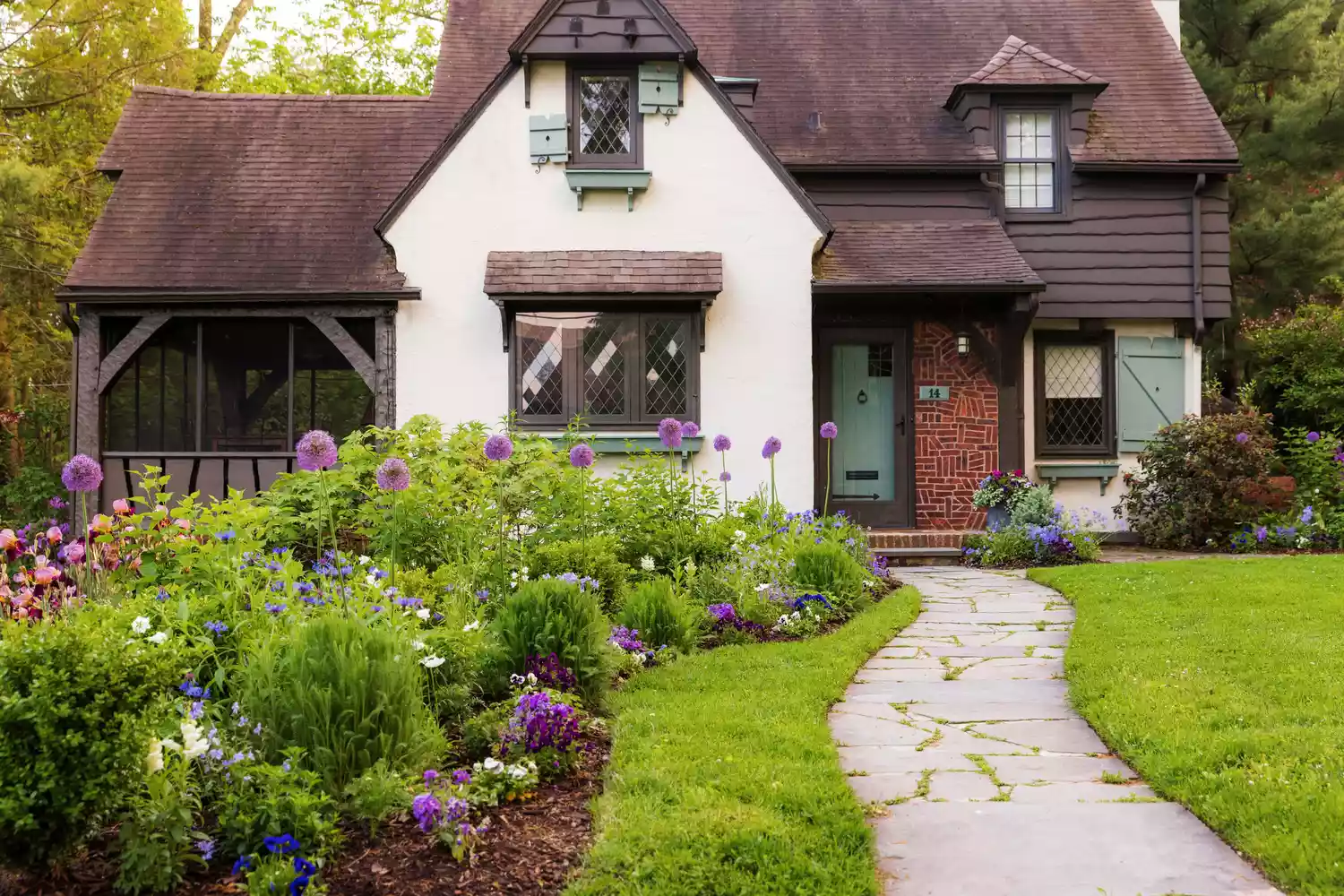
To create a French provincial garden, thoughtful planting is crucial to evoke the romance and elegance of the French countryside. This style extends the charm of a French provincial home outdoors, creating an inviting space for alfresco dining under shady trees. While designing a French provincial garden involves soft landscaping, the specific plant choices bring it to life. The article highlights that the essence of a French countryside garden can be achieved using both US native plants and varieties suitable for various US hardiness zones.
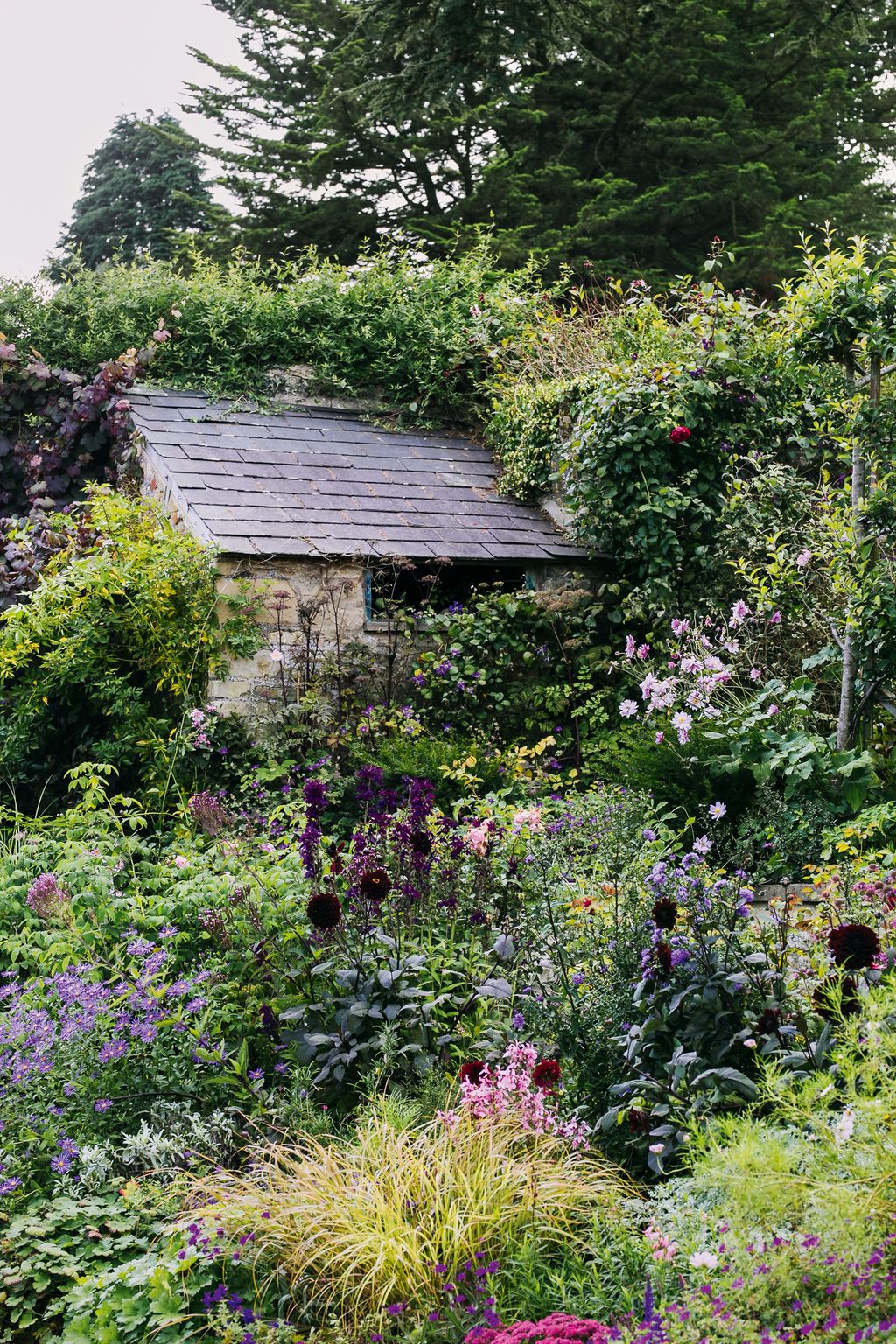
The climate of the French countryside typically features dry, hot summers and cool winters, making it ideal for certain plant types. For those in regions with a Mediterranean-like climate, many traditional French provincial plants will thrive. The classic French provincial aesthetic is elegant yet simple, characterized by an unfussy, warm, and inviting atmosphere rather than an overly manicured look. Achieving this style in an American yard requires careful plant selection.
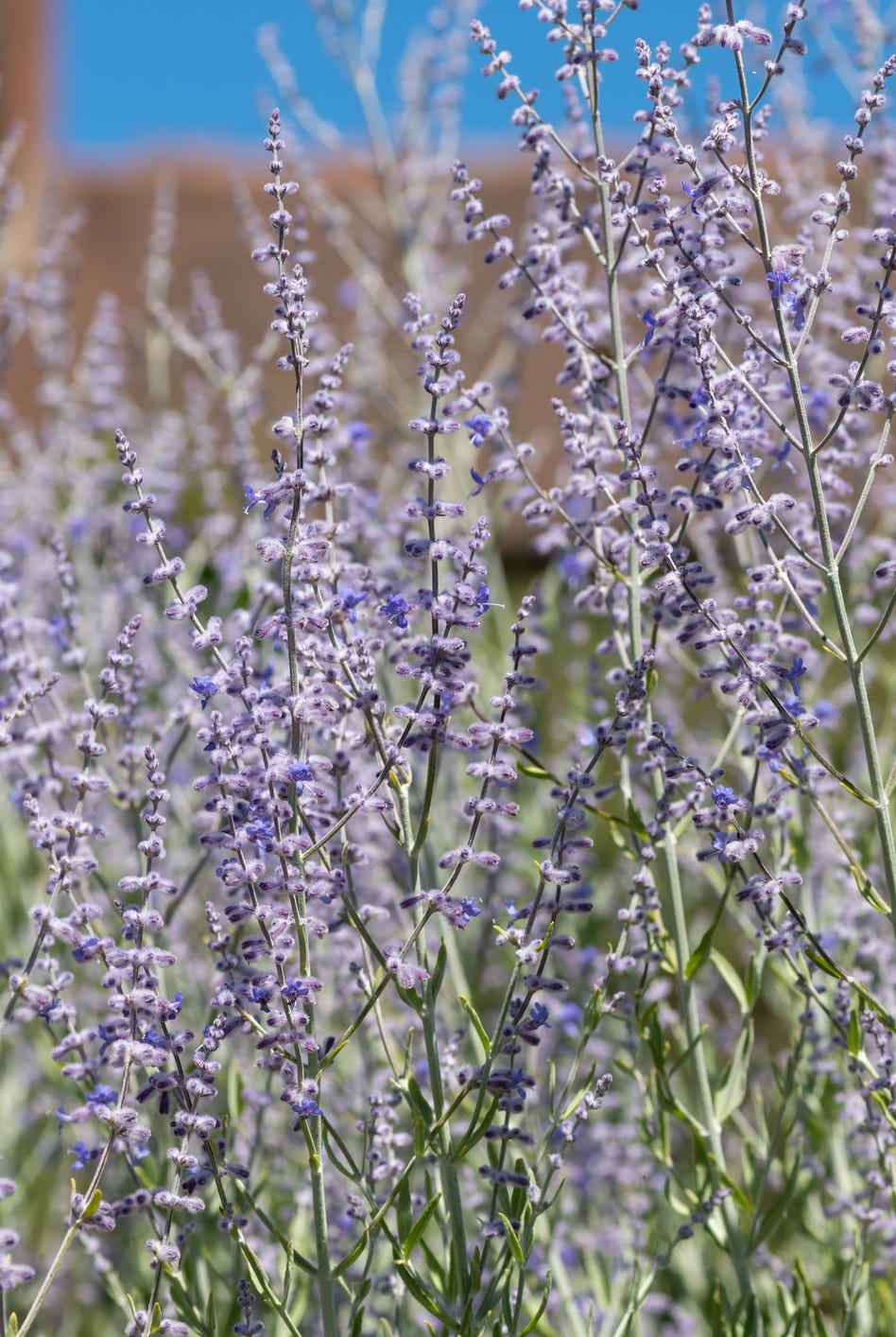
Lavender is identified as a cornerstone of the French countryside garden, with English lavender (Lavandula angustifolia) recommended for zones 5-8, and Spanish or French lavender for warmer areas. Lavender prefers Mediterranean conditions, disliking intense heat, humidity, very cold temperatures, or excessive rain. 'Phenomenal lavender' is particularly noted for its cold hardiness, making it suitable for wetter climates with colder winters, often supplemented with annual lavender for continuous summer appeal.
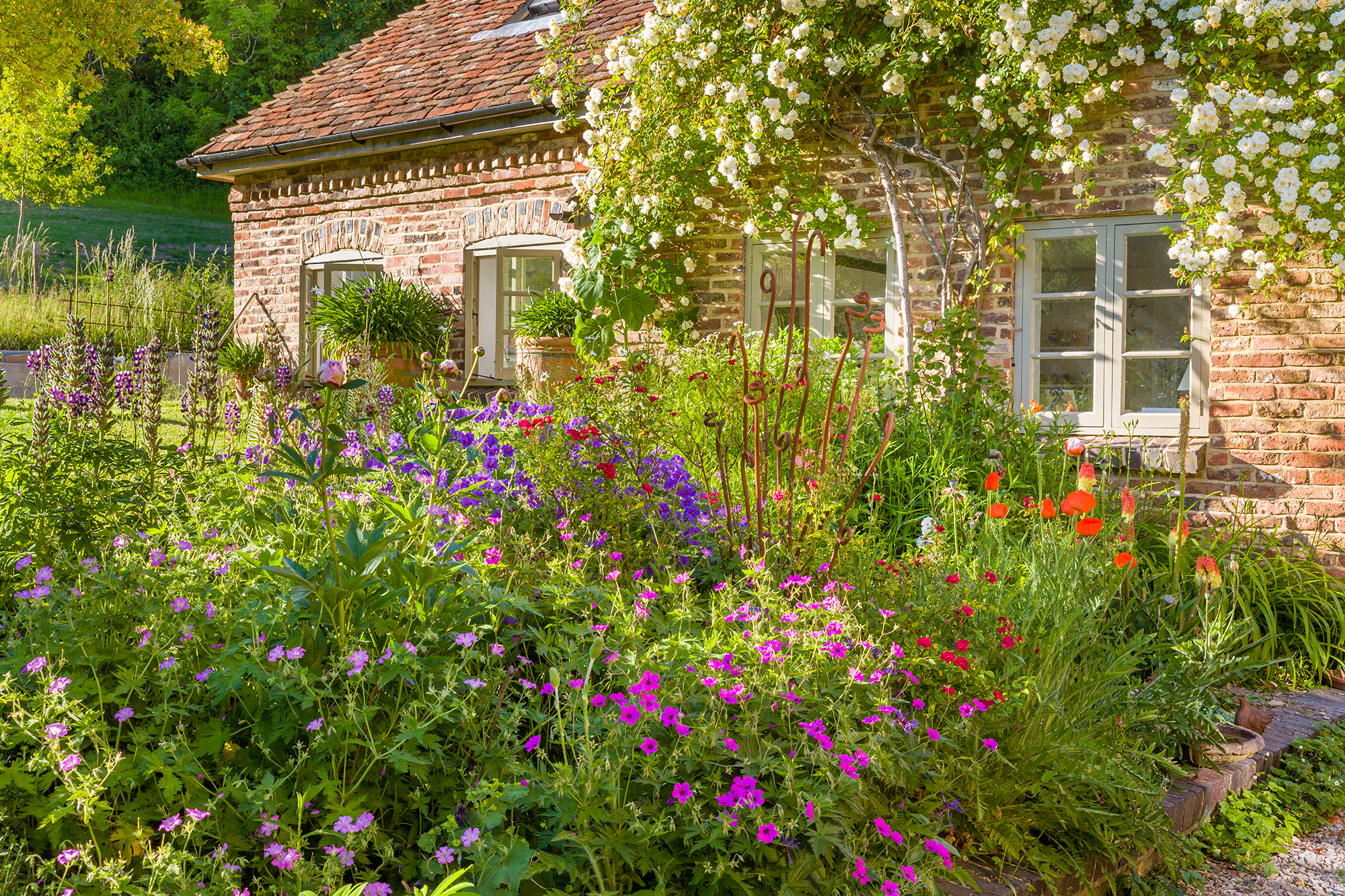
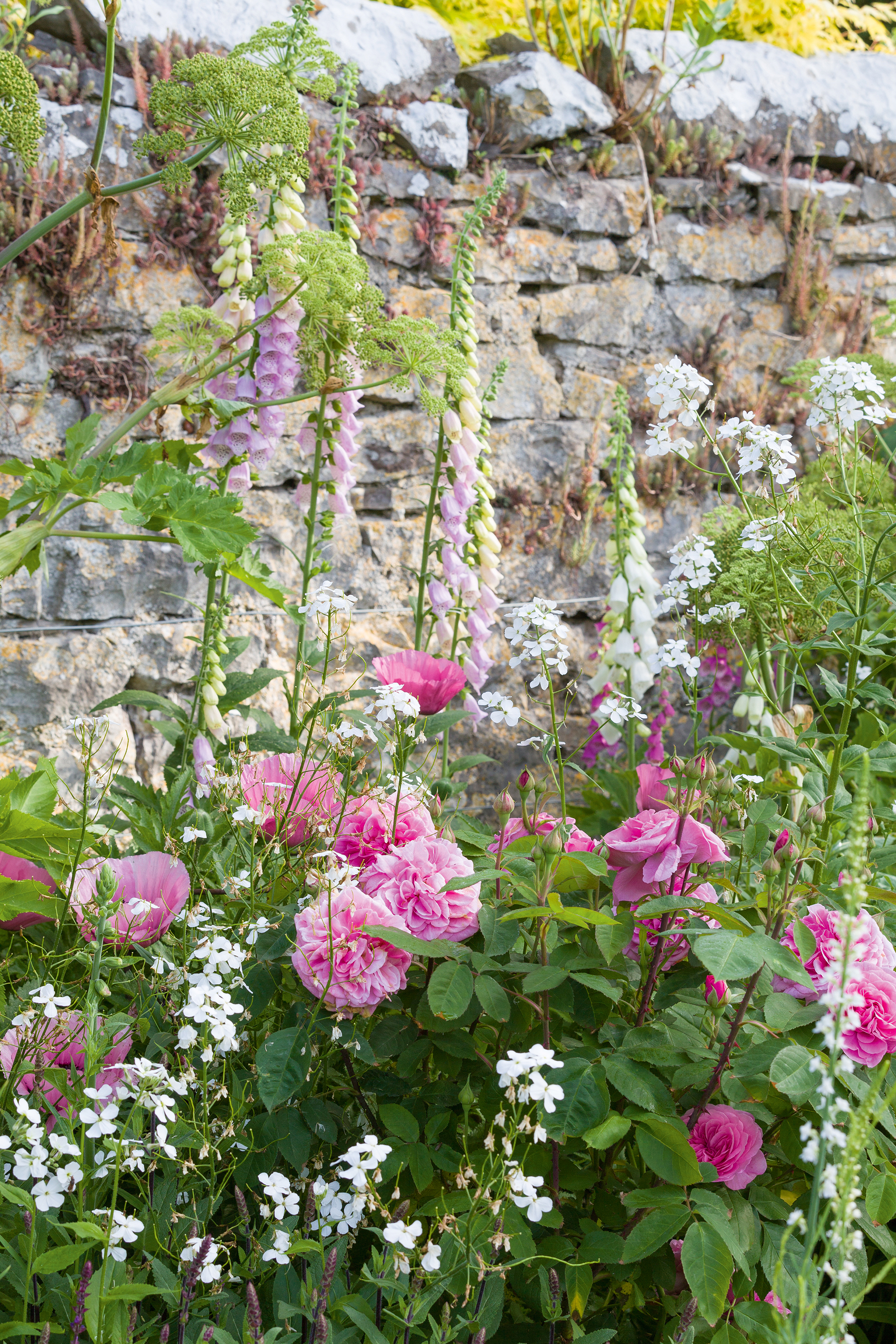
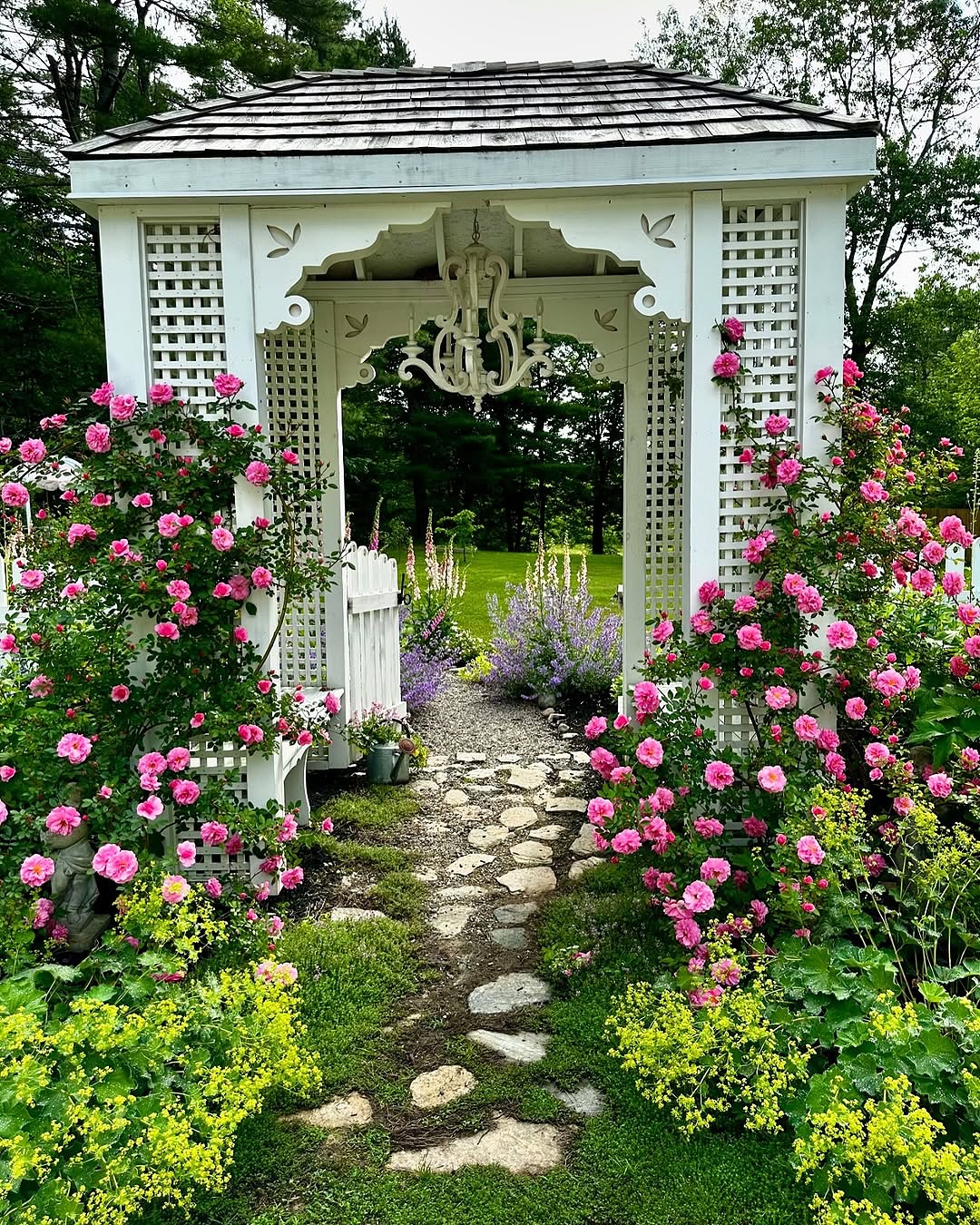
Roses are another essential element, contributing beauty and fragrance despite their thorns. Classic French roses, which are low-maintenance, are recommended. Climbing roses can adorn gates and structures, while rose bushes can soften stone walkways, requiring only basic pruning and occasional feeding. French roses thrive in zones 4a-8b, preferring full sun but susceptible to prolonged intense heat. They can endure freezing winters, provided the soil is not waterlogged to prevent root rot.
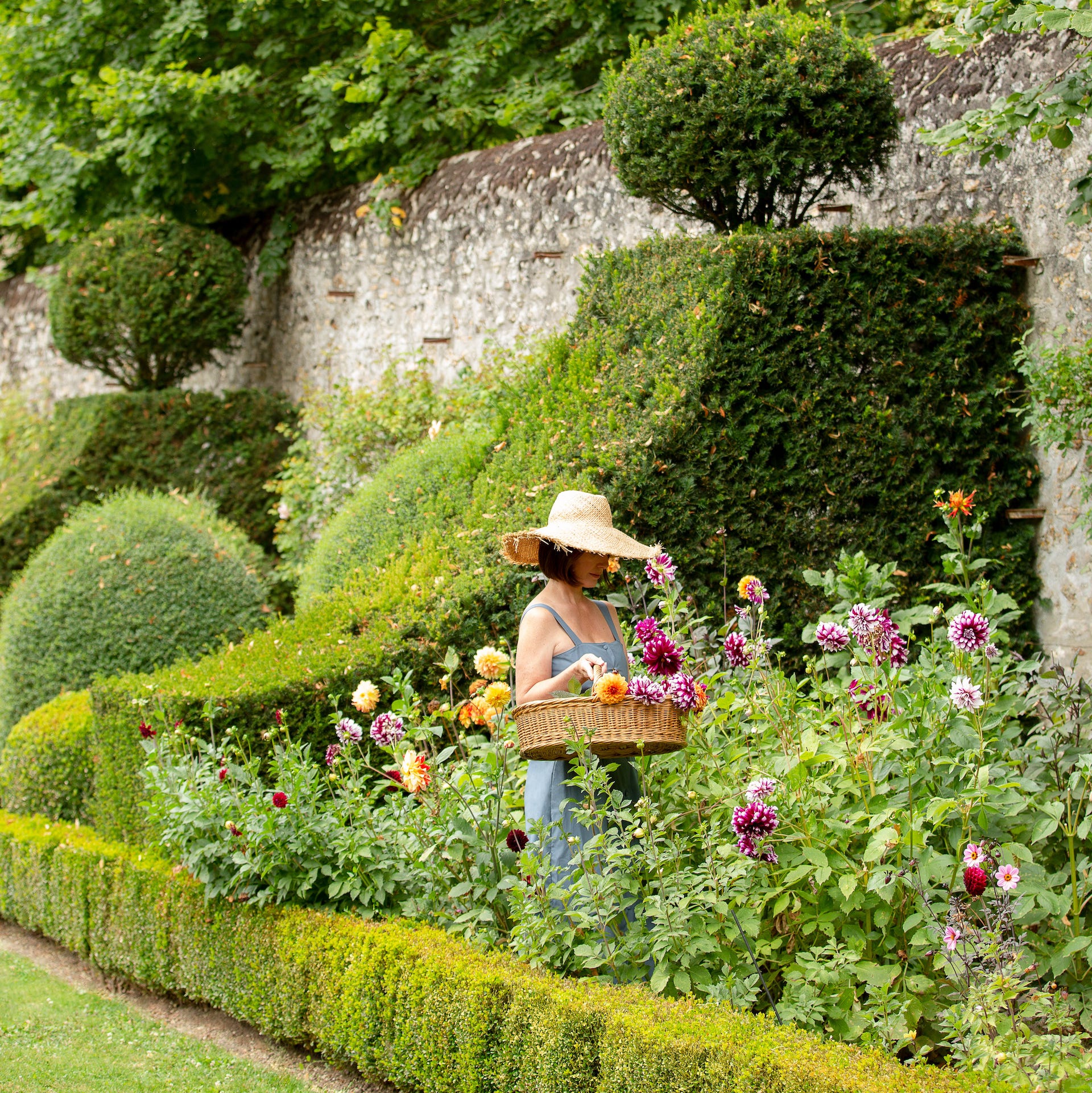
Geraniums are praised for their cheerful appearance and ability to withstand colder nights, fitting the French provincial feel without extensive care. They are versatile, suitable for pots, containers, beds, and hanging baskets, and can line pathways or be grouped for a colorful display. They prefer airy, well-drained soil, with hardy varieties flowering all summer.
Rosemary, with its distinct pine and lemon aroma, transports one to the French countryside. It's a dual-purpose plant, used in cooking and as a natural mosquito repellent. Rosemary is rustic and hardy in zones 7-10, and in many climates, it can overwinter.
Thyme, a natural companion to rosemary, shares similar sunlight and watering needs and is a staple in French cuisine. Its soft grey-green foliage emits a woodsy scent with floral and citrus notes. Creeping thyme serves as an informal ground cover, releasing fragrance when stepped on. This compact evergreen shrub flowers in early summer, attracting pollinators, and is drought-tolerant and low-maintenance in warm, sunny spots.
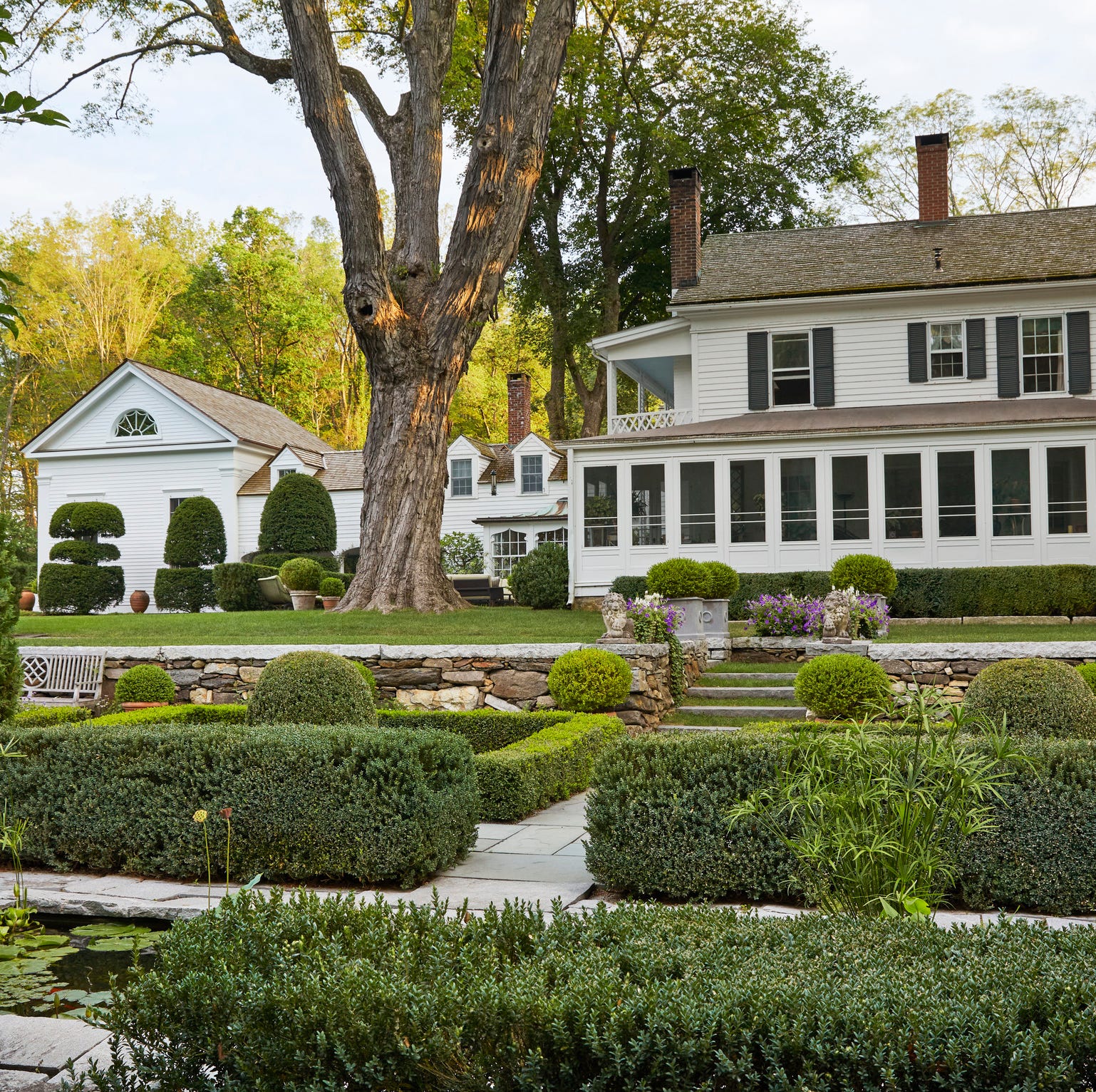
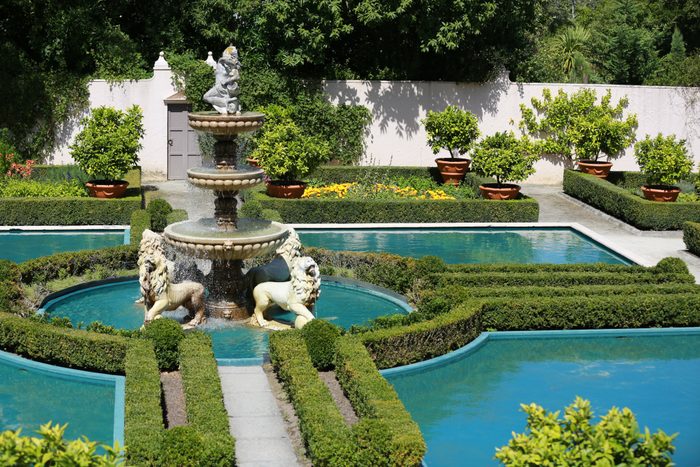
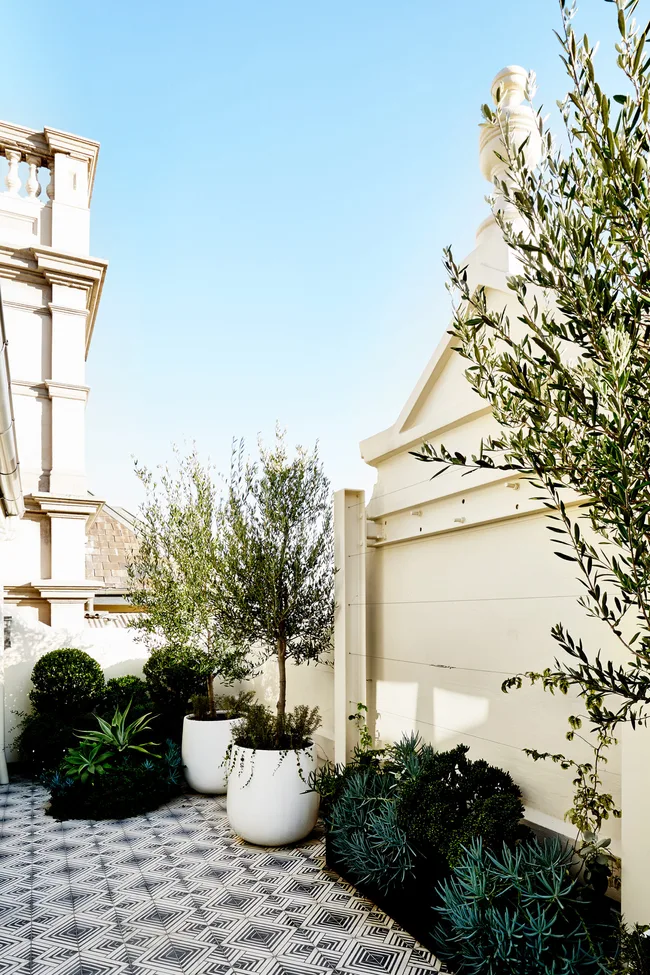
Boxwood is crucial for adding structure to the garden without demanding much attention, requiring only occasional trimming to maintain its neat, geometric shape. Most boxwoods flourish in zones 5-9, with some hybrids tolerating colder zones 4-5.
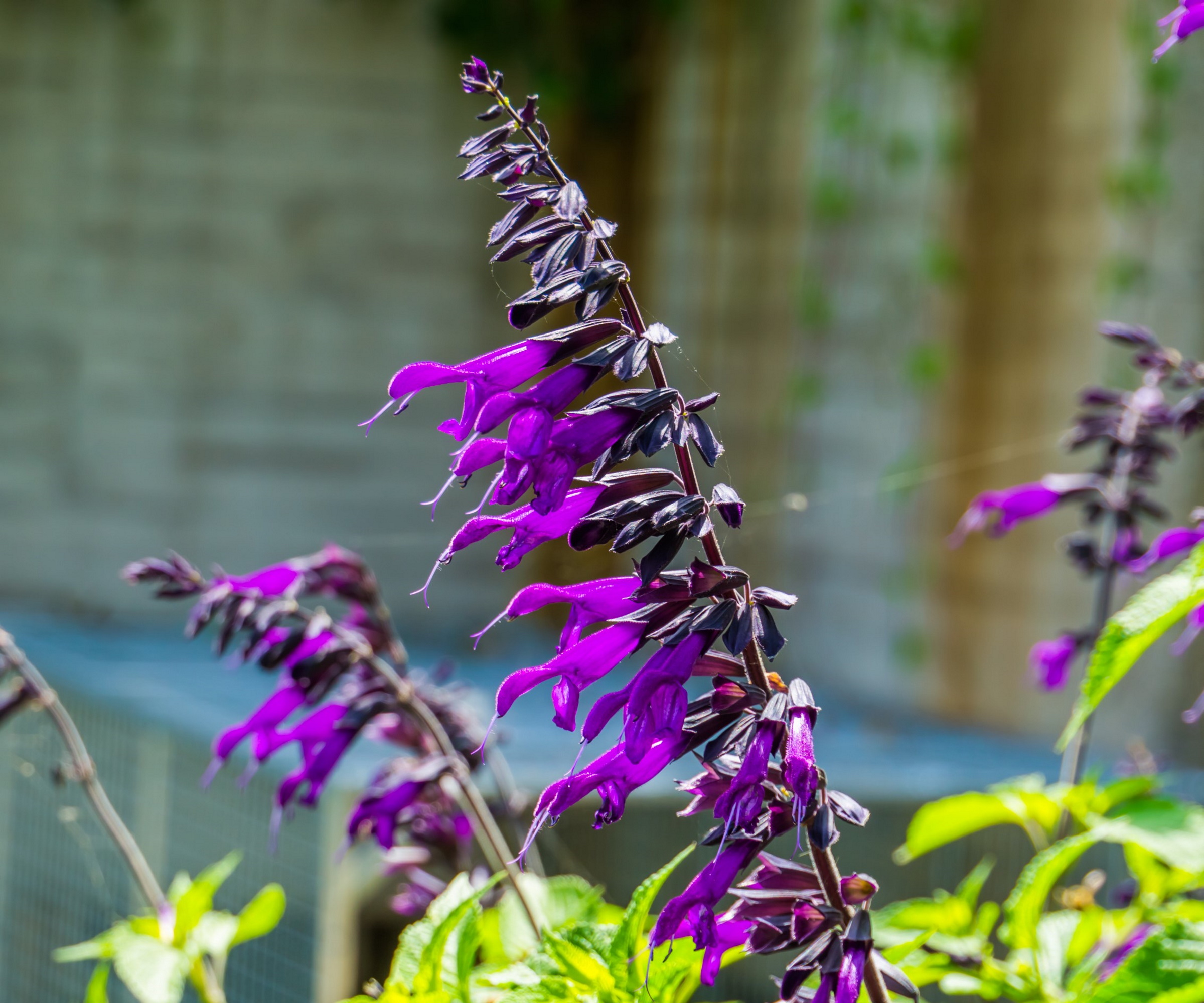
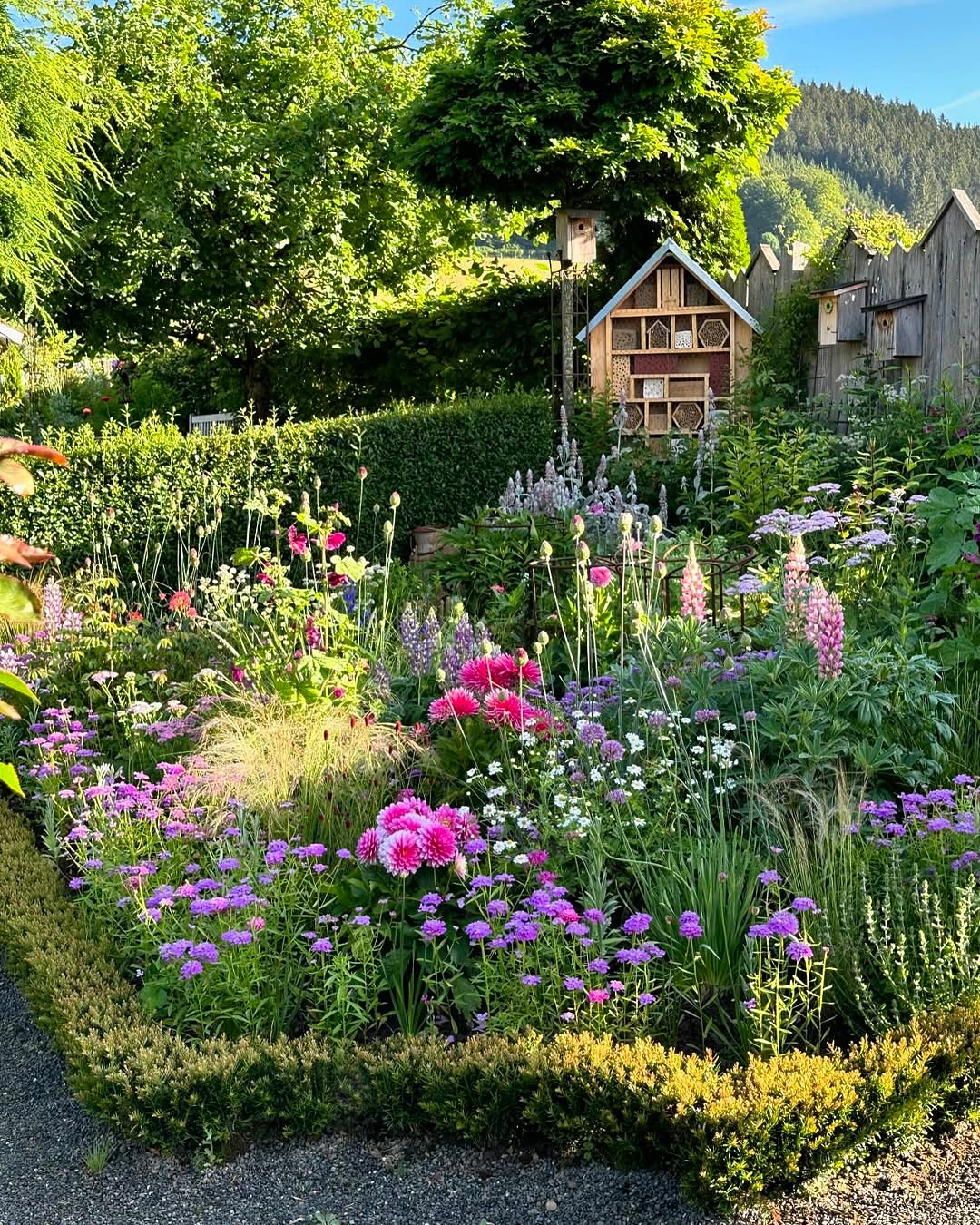
Salvia adds vertical interest with its beautiful, spiky blooms that remain attractive even after fading. It is effective for filling garden beds, offering texture and contrast with its purple, blue, pink, white, or yellow varieties. Hardy perennial salvias generally thrive in zones 3-9, attracting pollinators like bees, hummingbirds, and butterflies. Culinary sage (_Salvia officinalis_) is also a variety of salvia.
Wisteria, particularly the American variety (Wisteria frutescens), creates a dramatic display with its lilac blooms cascading from trellises and pergolas in early summer. While appearing delicate, American wisteria is less invasive than some other varieties and can thrive beautifully in various climates.
Catmint, an herbaceous perennial, attracts felines and pollinators while repelling mosquitoes and flies. It is hardy and easy to care for, with soft spikes of dusty green foliage and lavender-blue, white, or yellow blooms. Its round form is ideal for a meadow-like feel, with varieties available for border planting or filling larger spaces. Catmint thrives in zones 3-8 in sunny spots with light, free-draining soil.
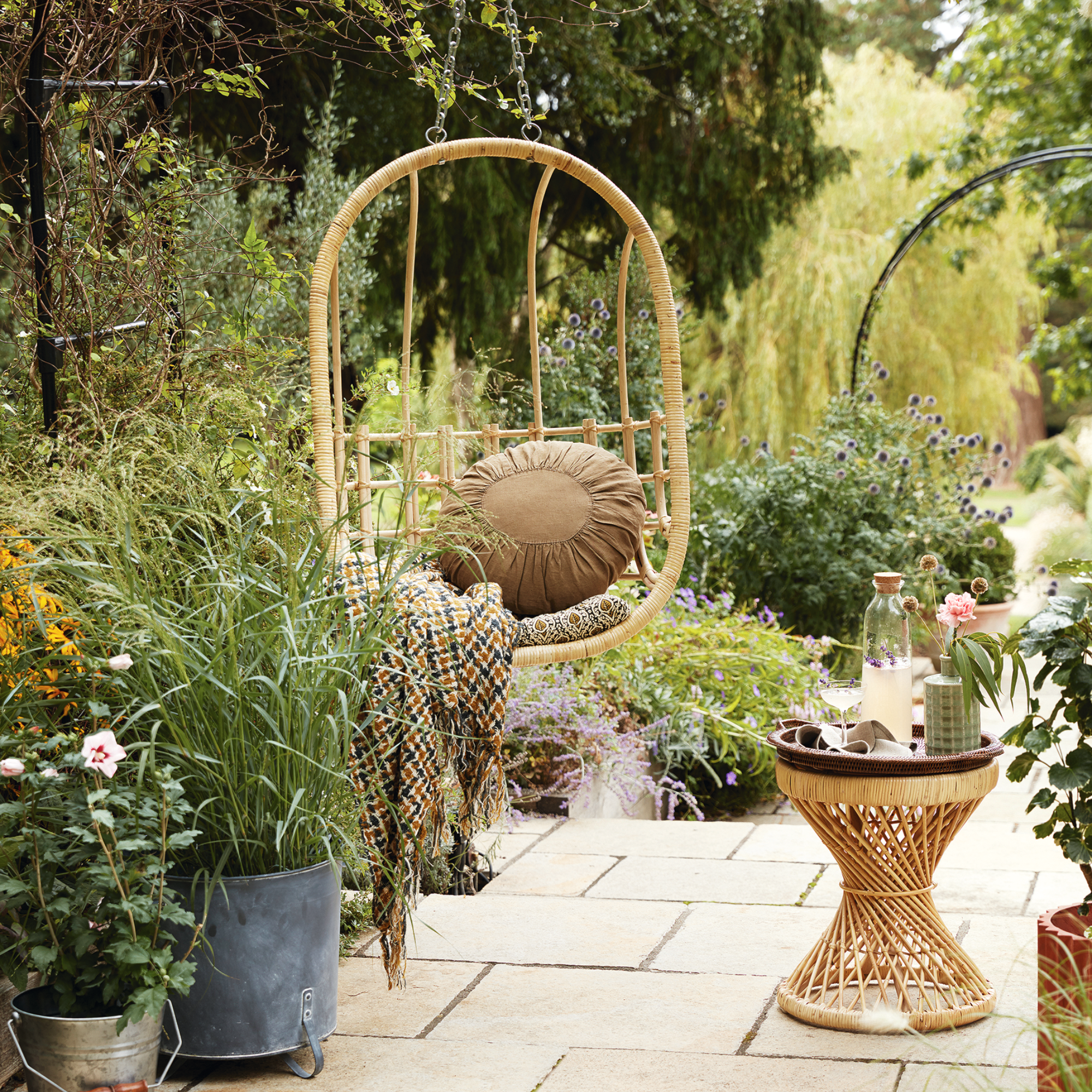
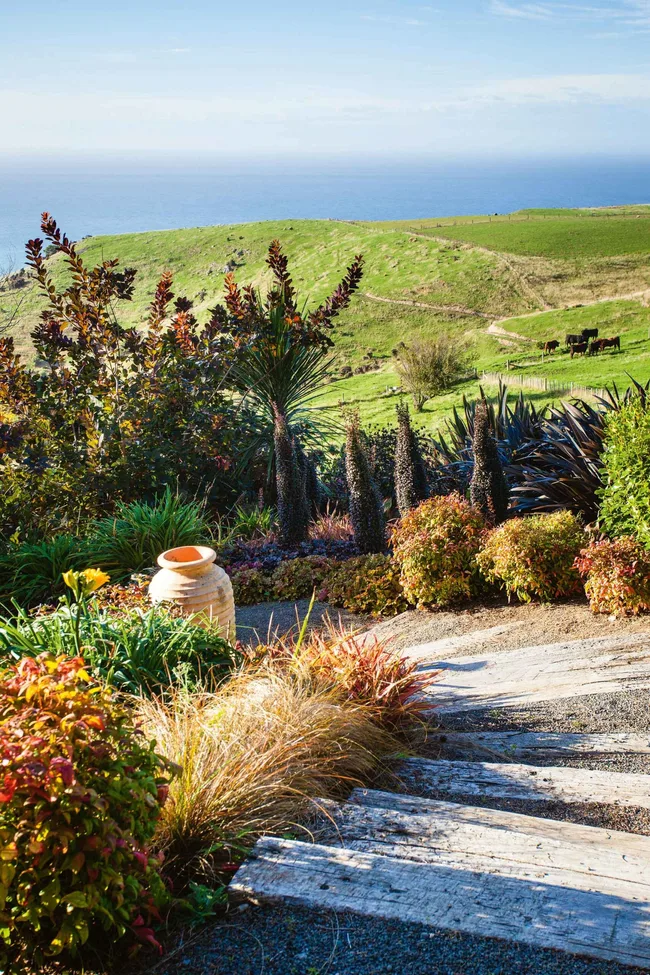
Ornamental grasses provide movement and texture, serving as striking backdrops or border plants. Examples include Hamlyn Fountain Grass, Mexican Feather Grass, and Blue Fescue Grass, which complement the garden's cool palette. Most grasses are low-maintenance and tolerant of poor soil, with evergreens needing minimal tidying and deciduous varieties requiring annual cutting back.
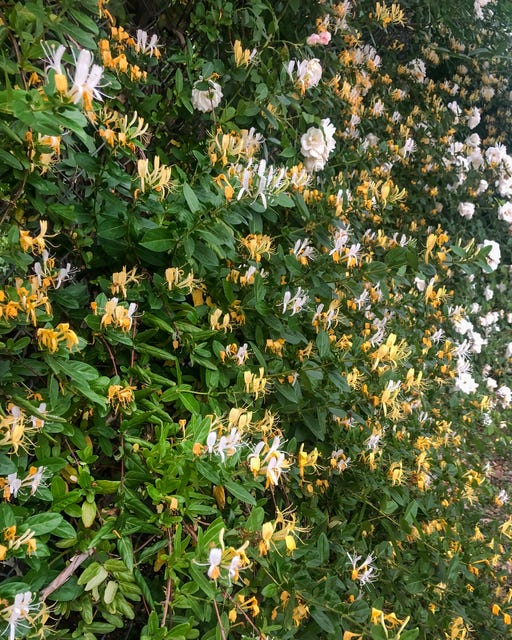
Jasmine, especially white jasmine, is ideal for creating an enchanting ambiance during long summer nights. Its night-blooming fragrance enhances outdoor evenings, reminiscent of Provence. While tropical in origin, hardy varieties can tolerate colder zone 6 temperatures, and it can be grown in containers and moved indoors during winter for colder climates.
#FrenchProvincialGarden #GardenDesign #PlantSelection #MediterraneanClimate #Lavender #Roses #Geraniums #Rosemary #Thyme #Boxwood #Salvia #Wisteria #Catmint #OrnamentalGrasses #Jasmine #FrenchProvincialGarden #GardenDesign #PlantSelection #MediterraneanClimate #Lavender #Roses #Geraniums #Rosemary #Thyme #Boxwood #Salvia #Wisteria #Catmint #OrnamentalGrasses #Jasmine
0 comment in total
 No comments yet
You may also like
Wander Through These 27 Romantic French-Style Home Gardens

Best indoor plants: the best house plants for stylish greenery

Cottage backyard ideas – 25 ways to bring a rural, rustic feel to any garden plot
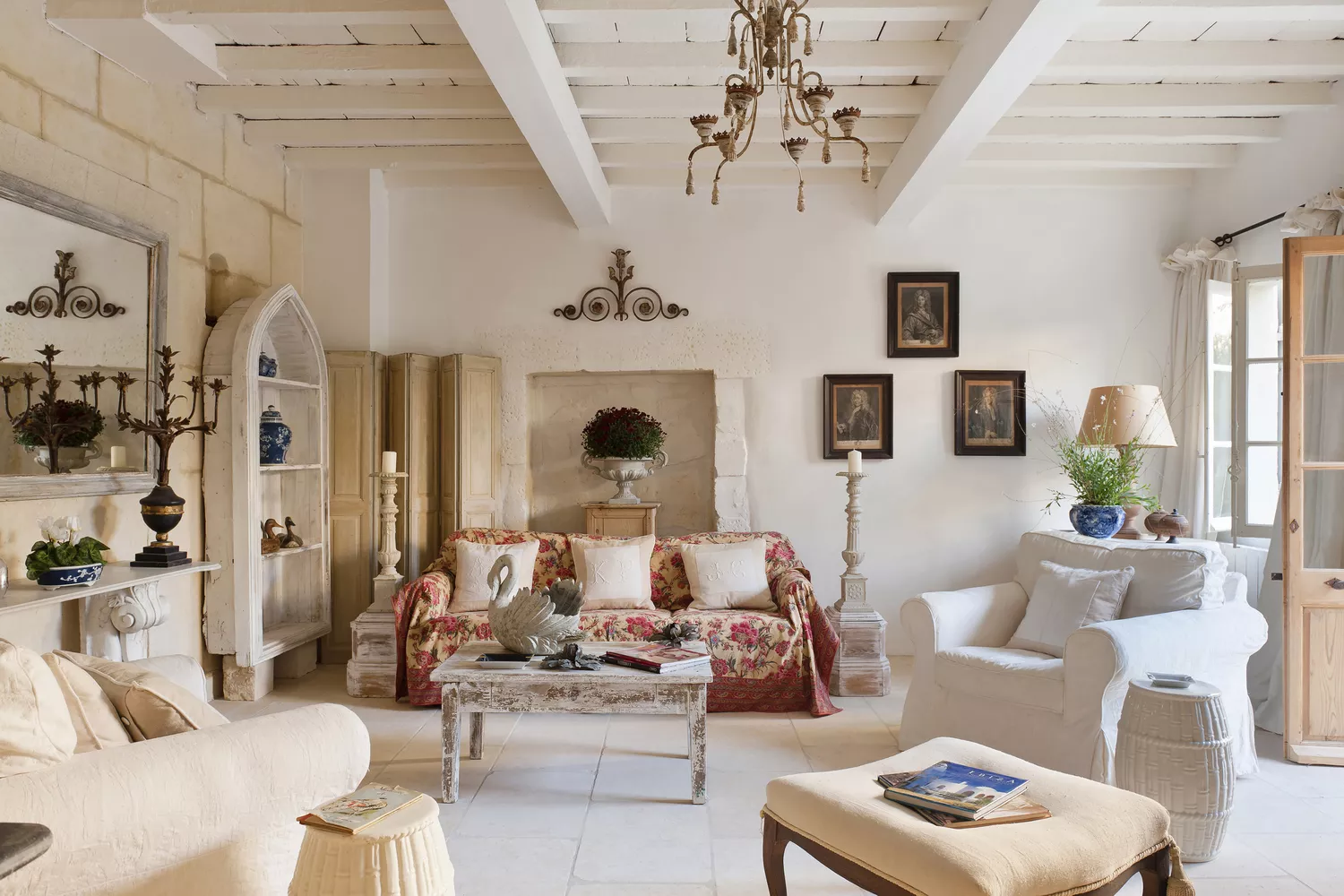
French Country Decor 101: How to Get This Cozy-Yet-Elegant Style

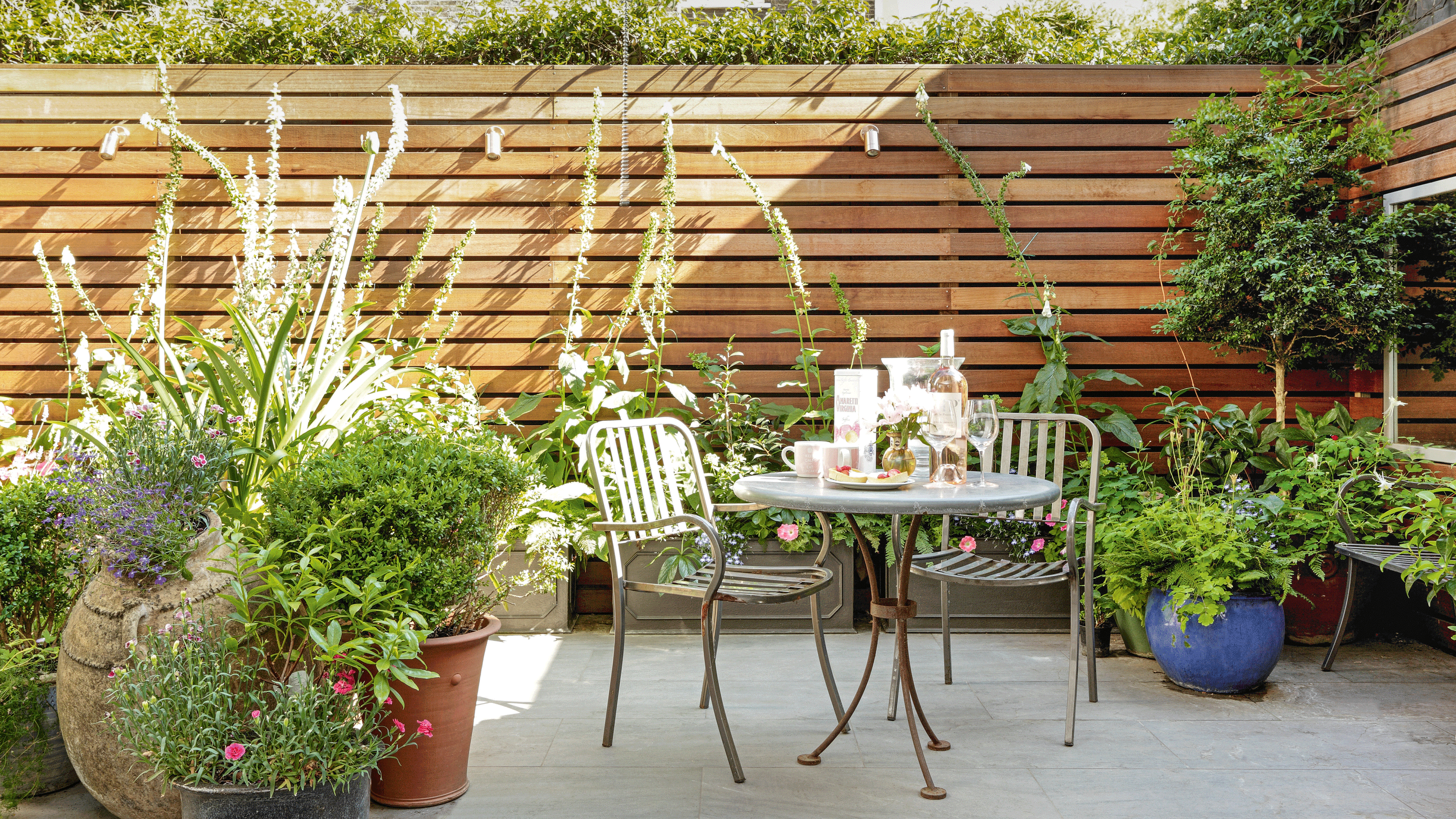
French courtyard gardens are set to be a huge trend for 2025
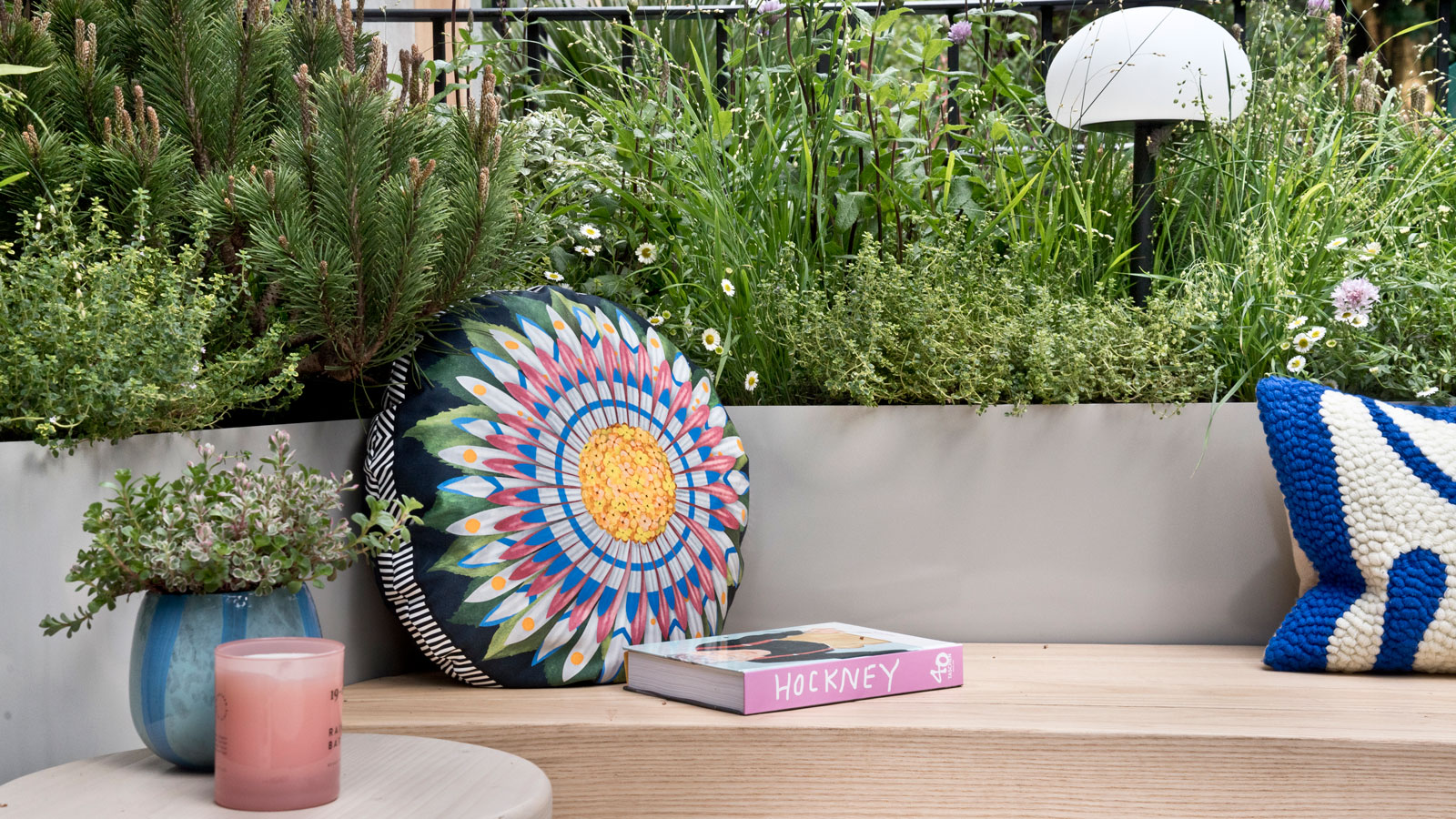
Best plants for a courtyard garden – 8 favorites to grow for maximum impact in a small space
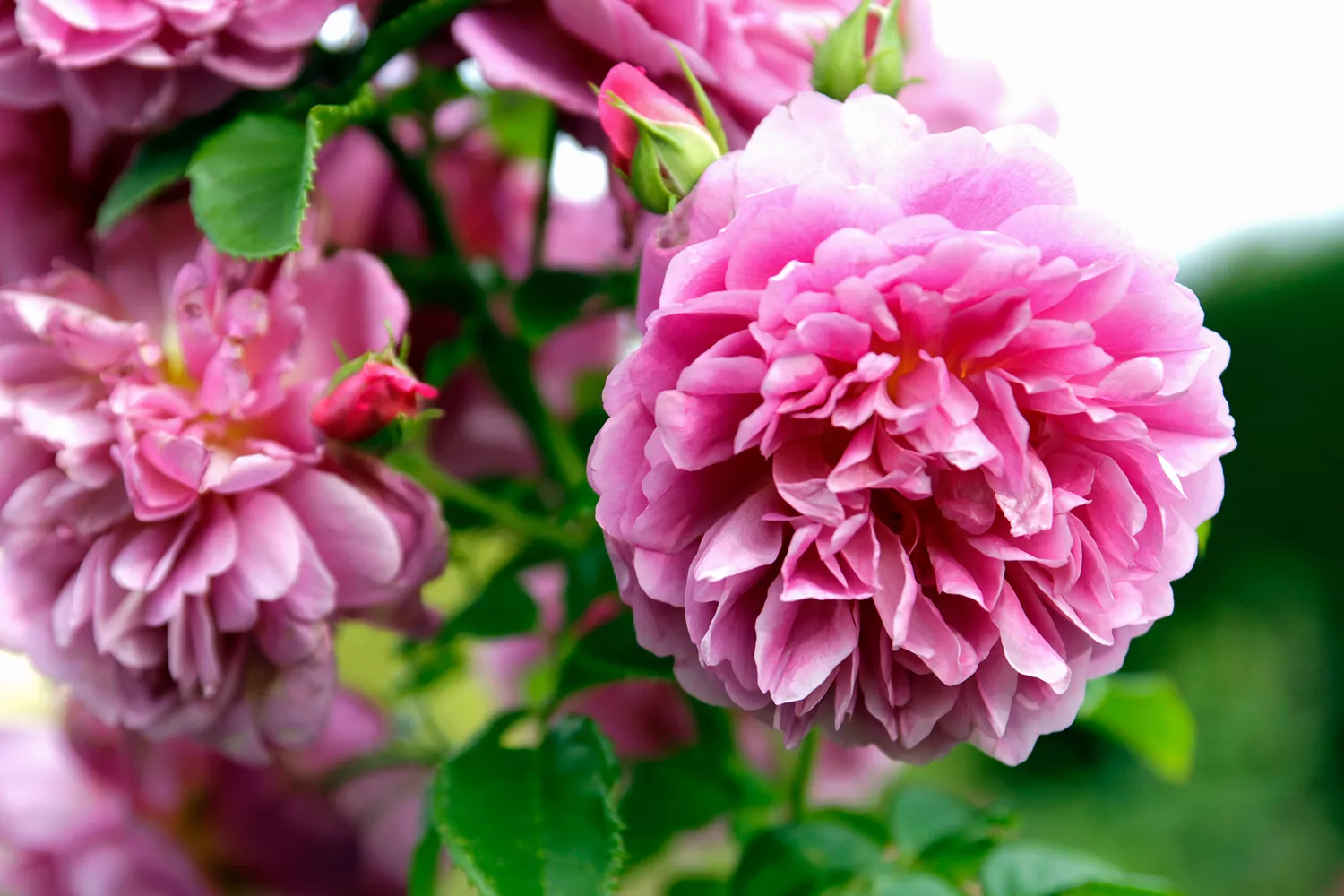
19 Fragrant Flowers That Will Make Your Garden Smell–and Look—Amazing
These Beautiful Flowering Shrubs Will Add Major Color to Your Garden

9 Garden Styles From Around the World To Inspire You

Rustic and Elegant: French Country Decor and How to Embrace It in Your Space

The best French provincial kitchen ideas on Pinterest

14 Gorgeous Flowers That Start With V
5 Design Ideas to Steal from a French Style Icon for an Effortlessly Beautiful Garden

These Low-Maintenance Perennial Flowers Bloom Every Season

22 English Cottage Garden Ideas That Bring Whimsy and Charm to Your Outdoors

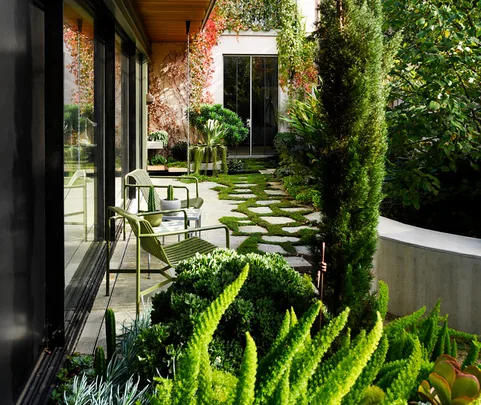
A private European-style courtyard garden
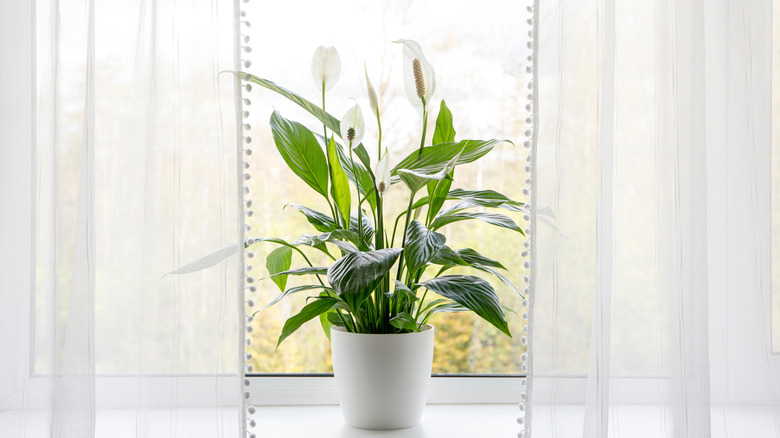
The Perfect Plant For Your Style

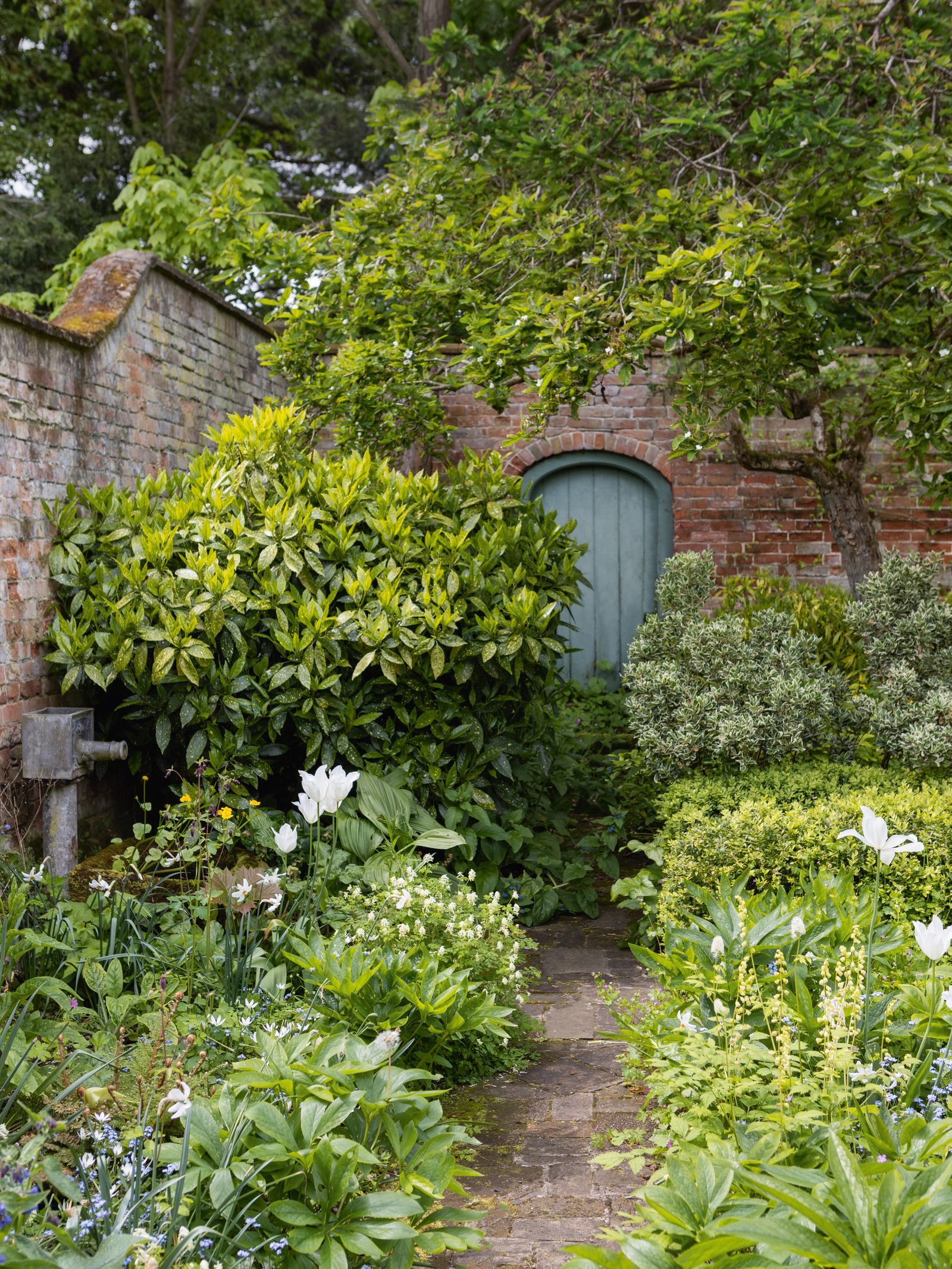
19 simple garden ideas for every style, size and budget
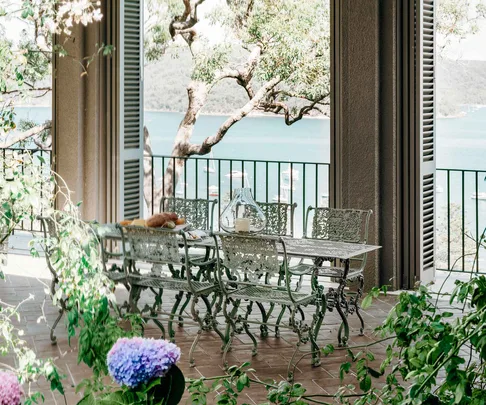
7 key elements of a modern Mediterranean garden
How to Create a Dreamy English Cottage Garden Without Spending More Than $25