1/7
Maximalism by design: how to do ‘more’ better
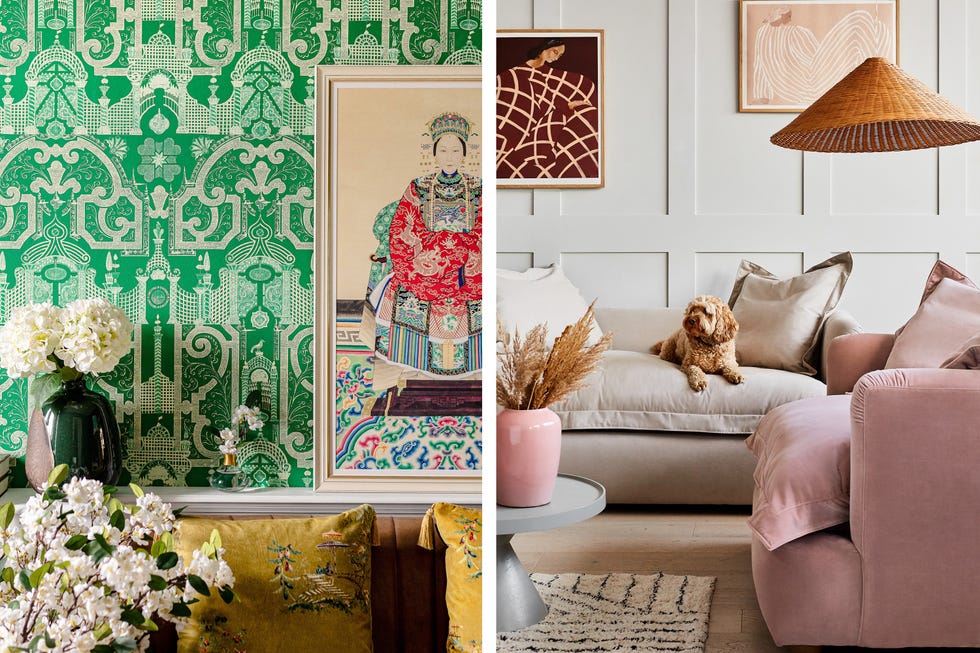
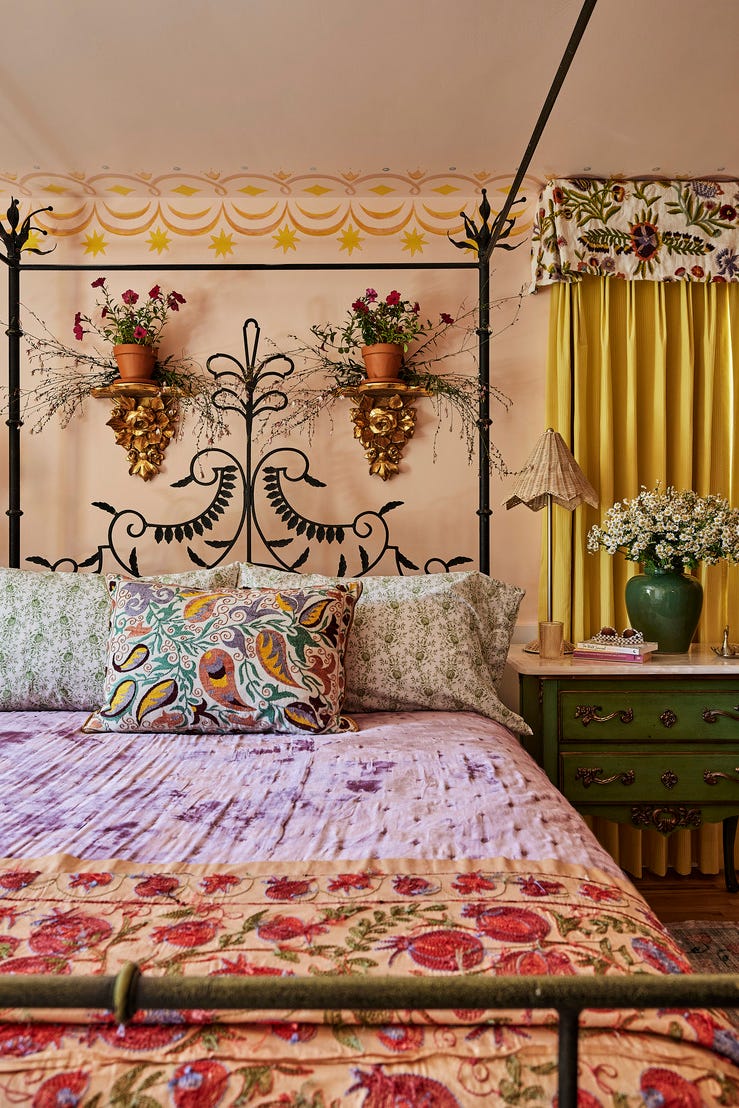
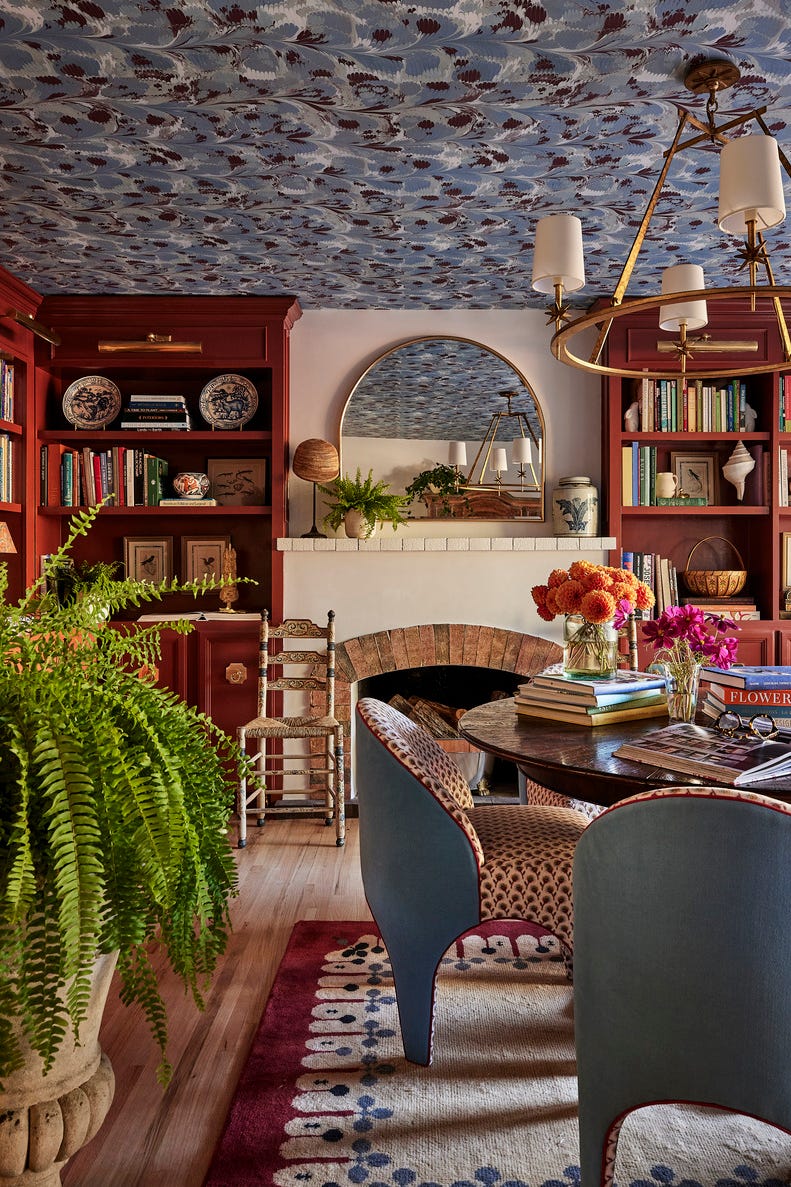
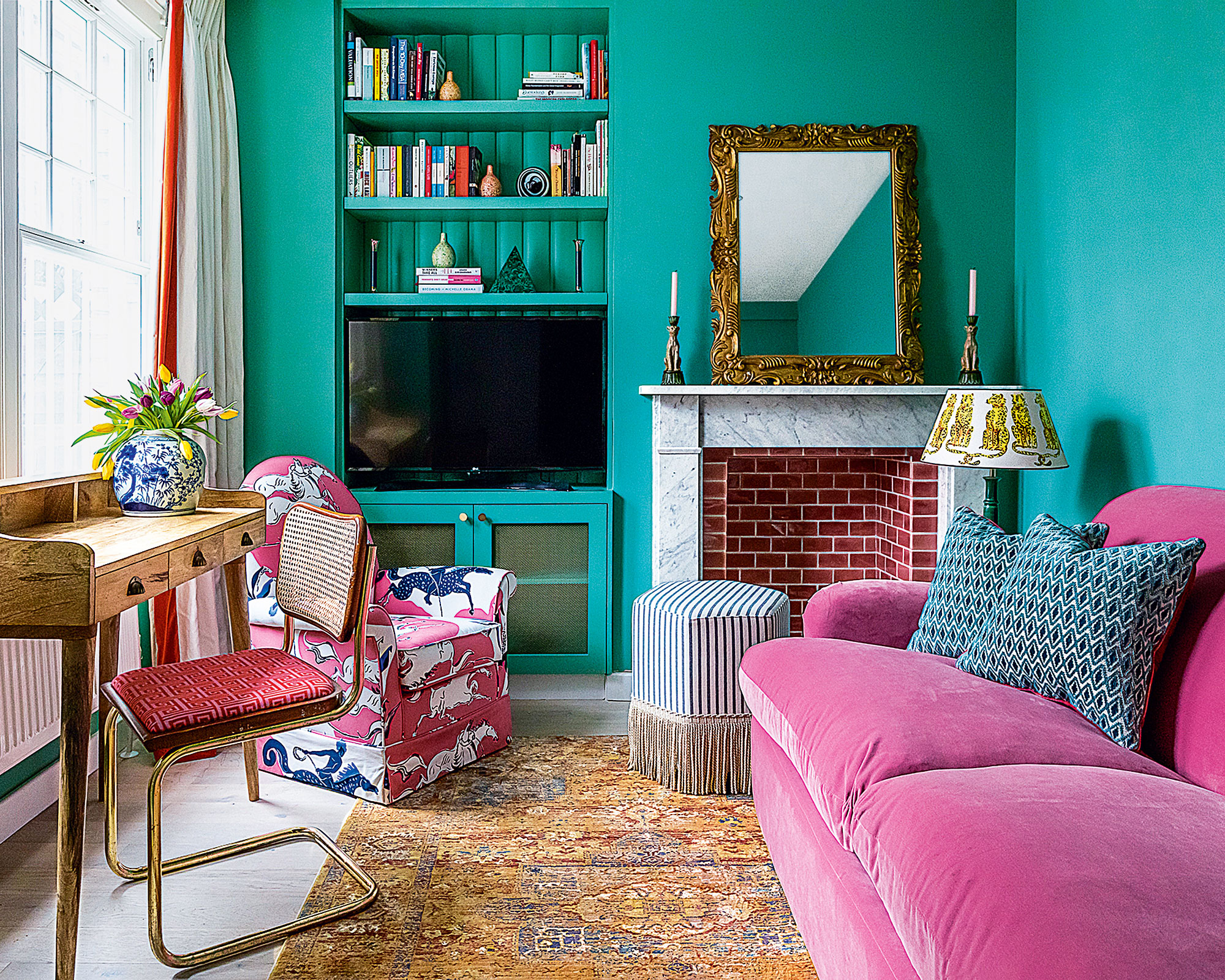
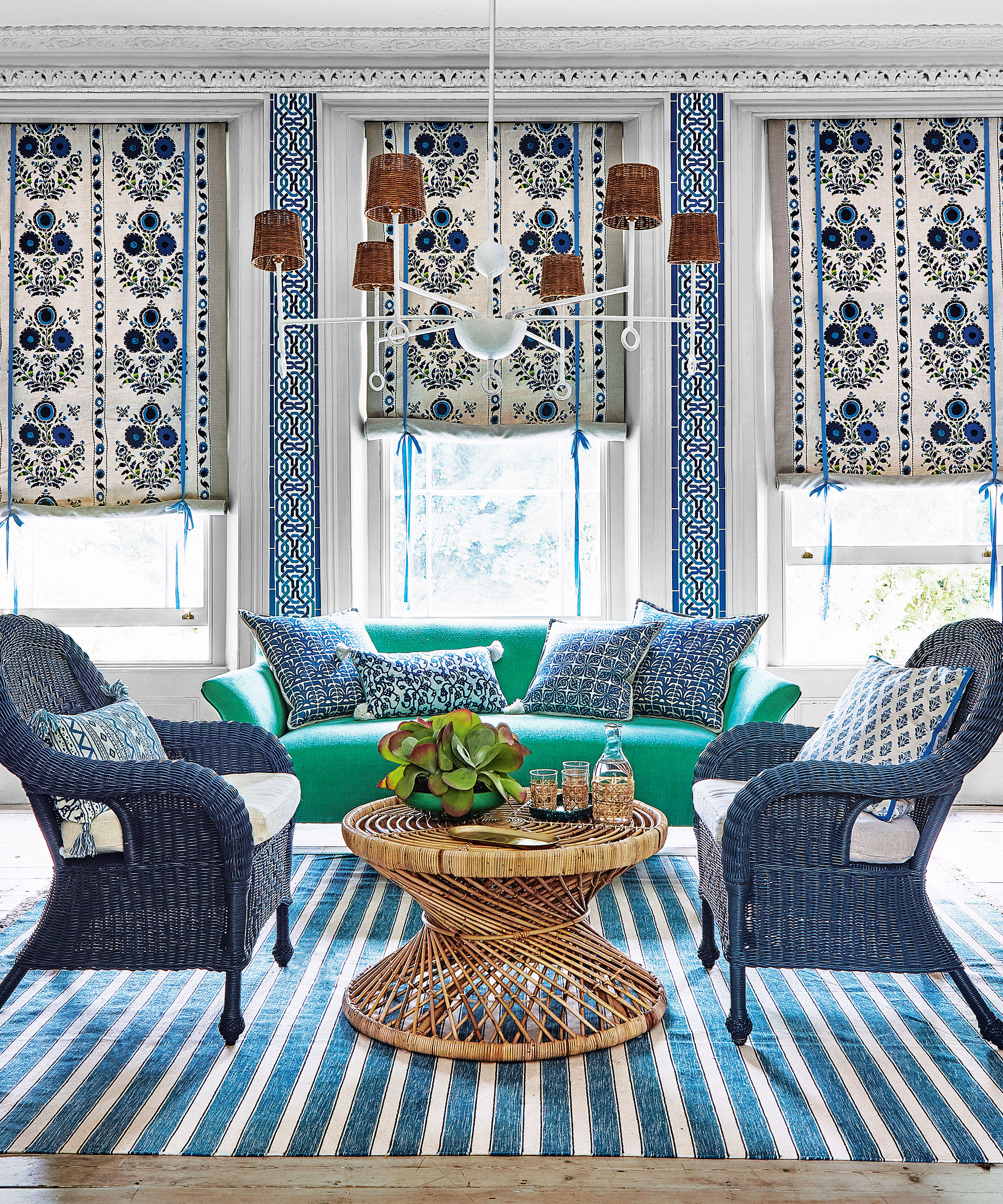
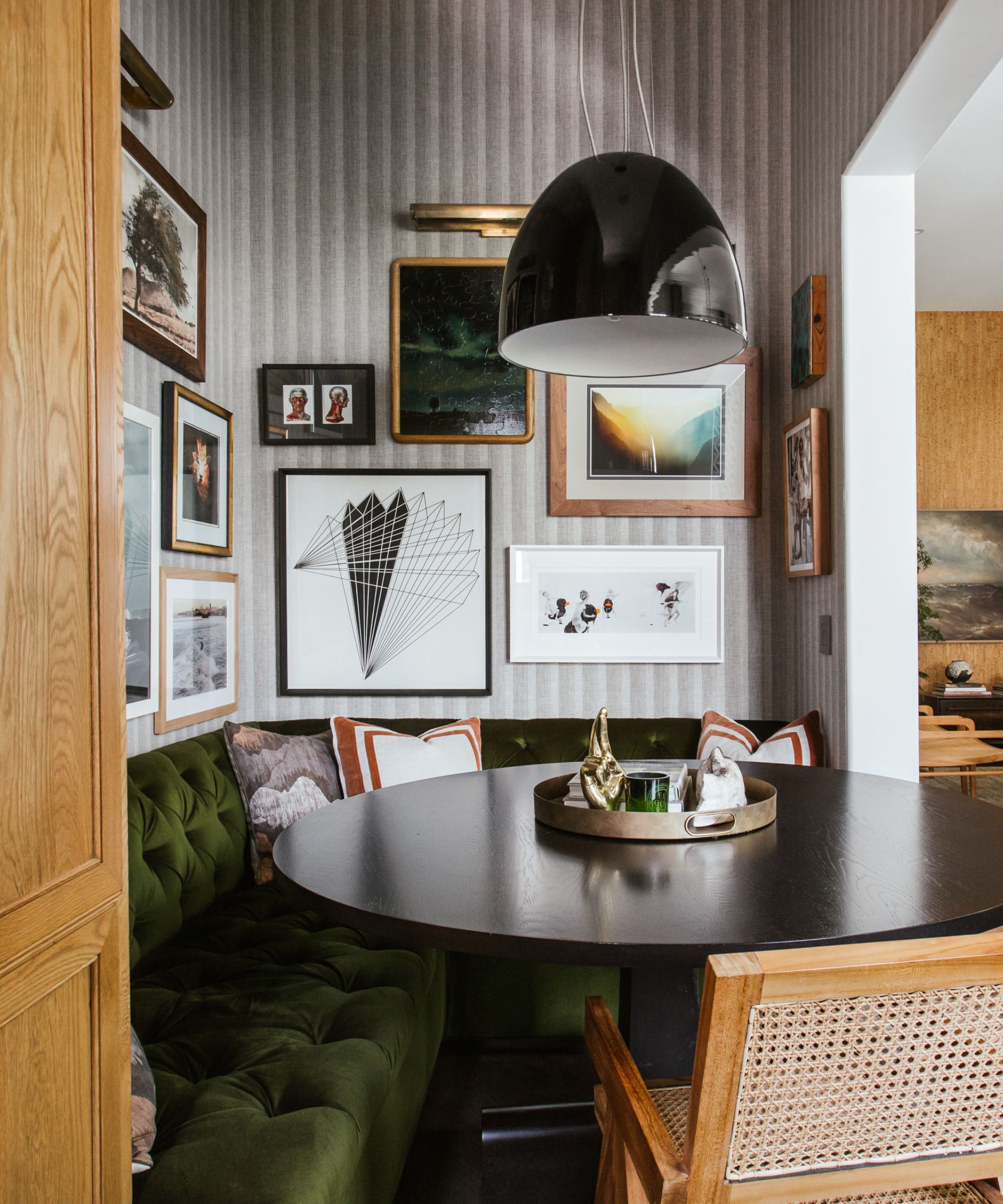
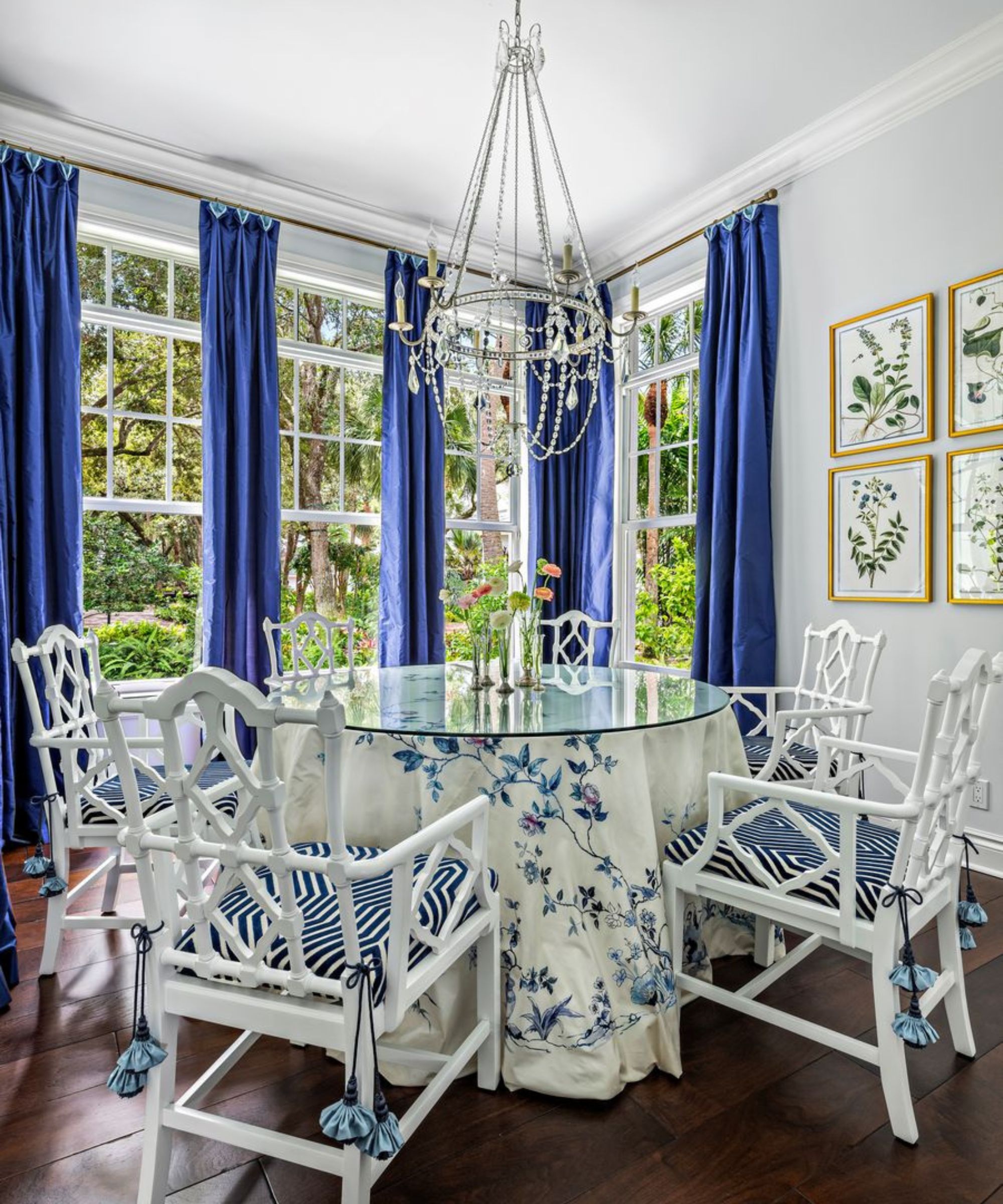
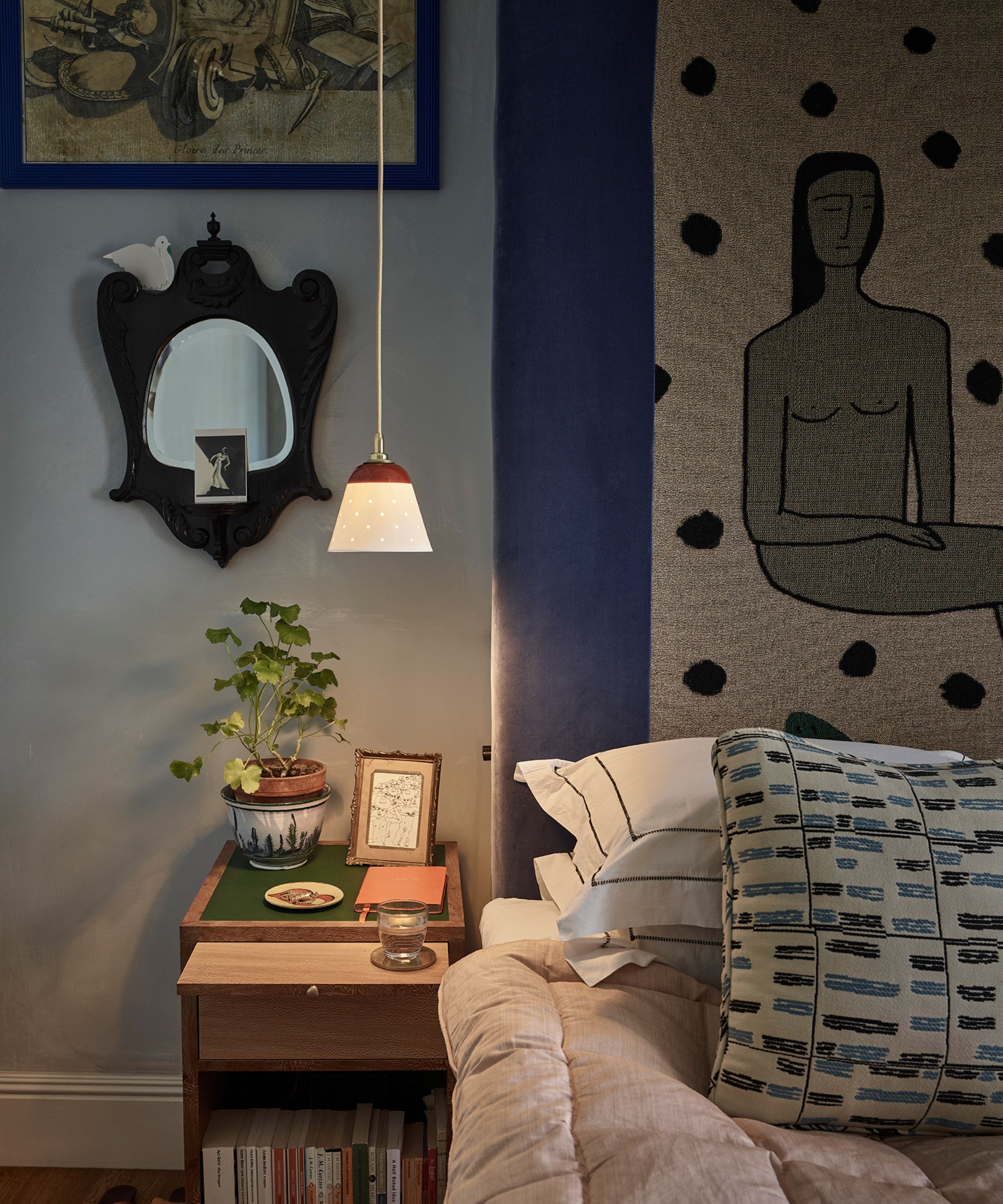
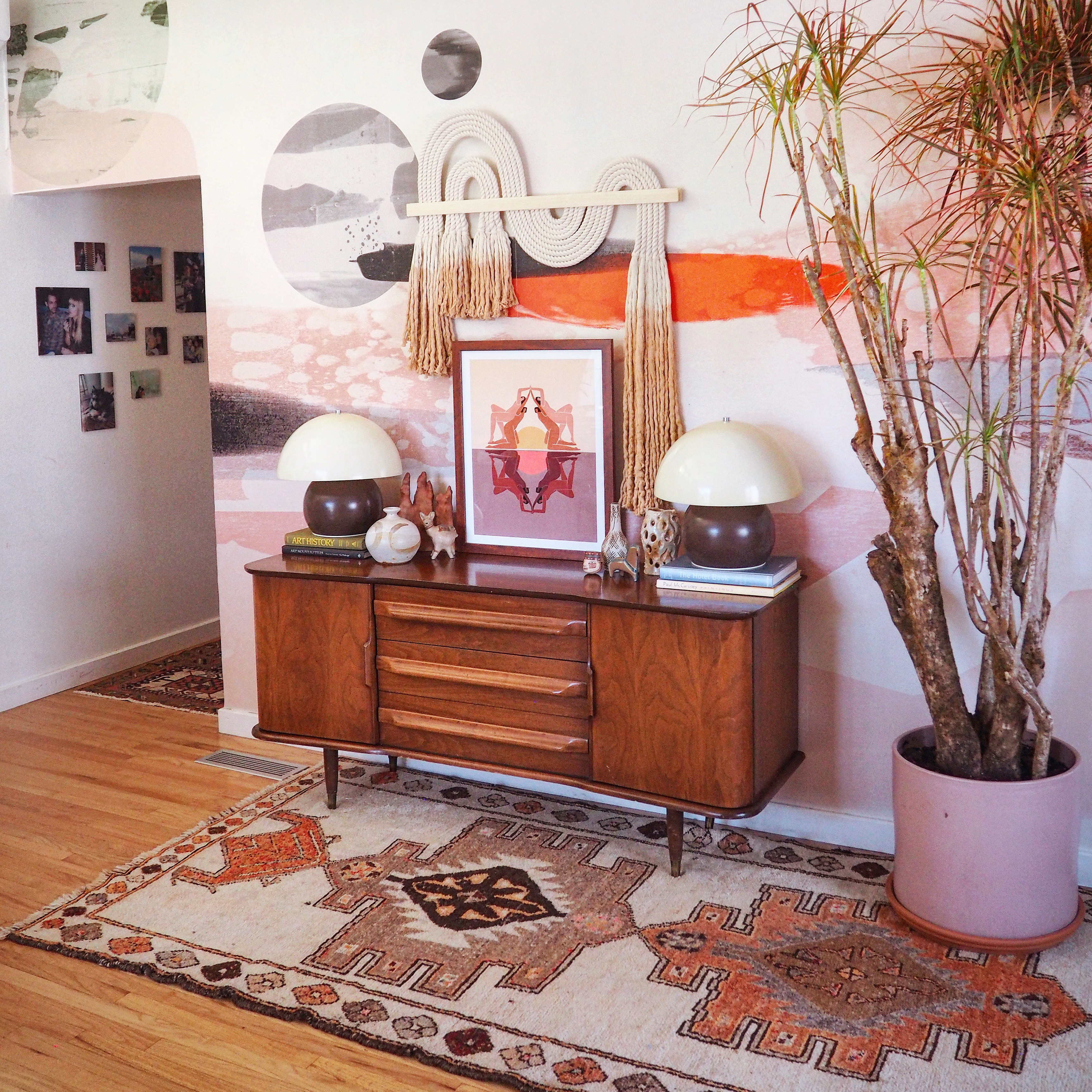
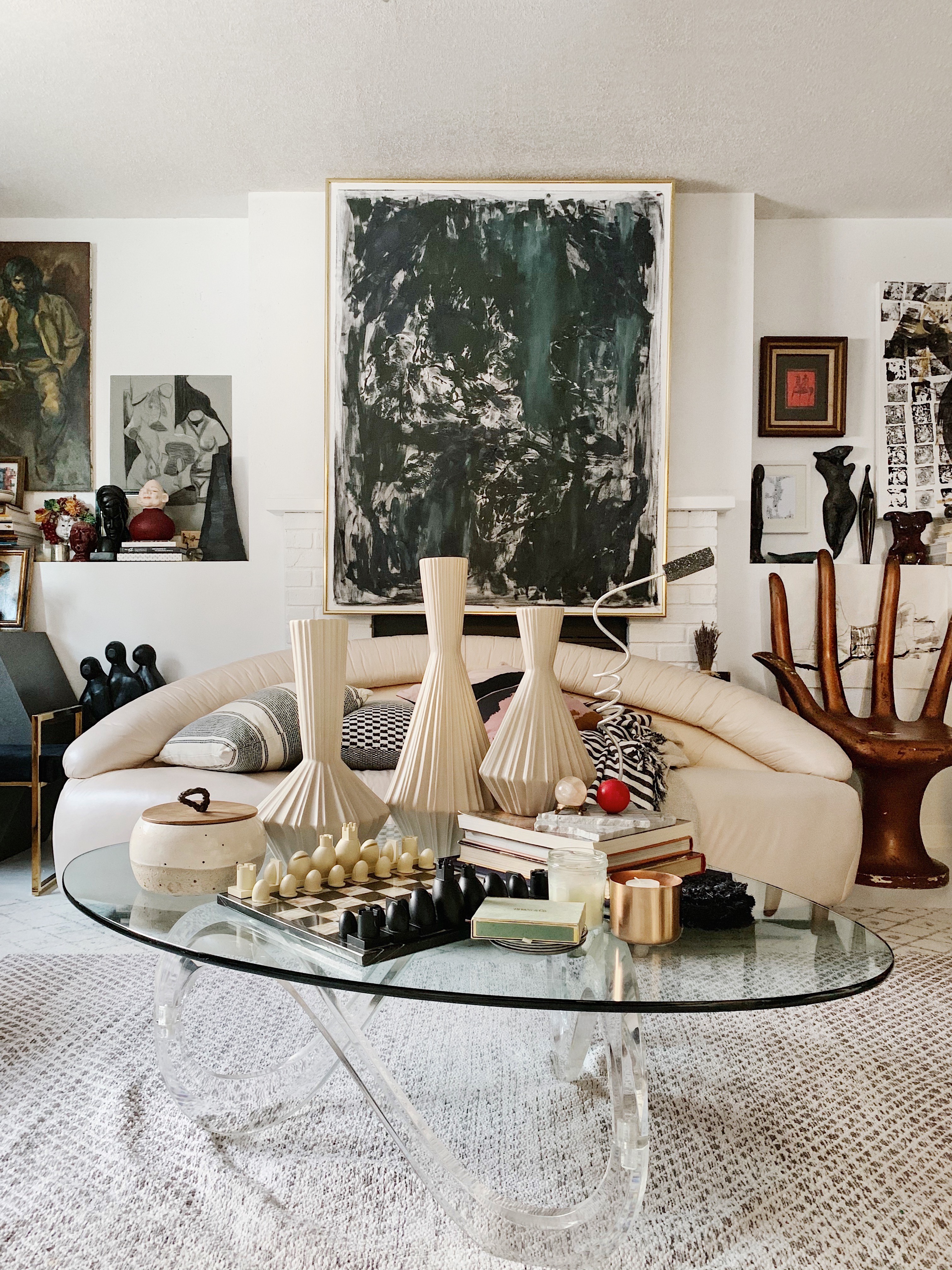
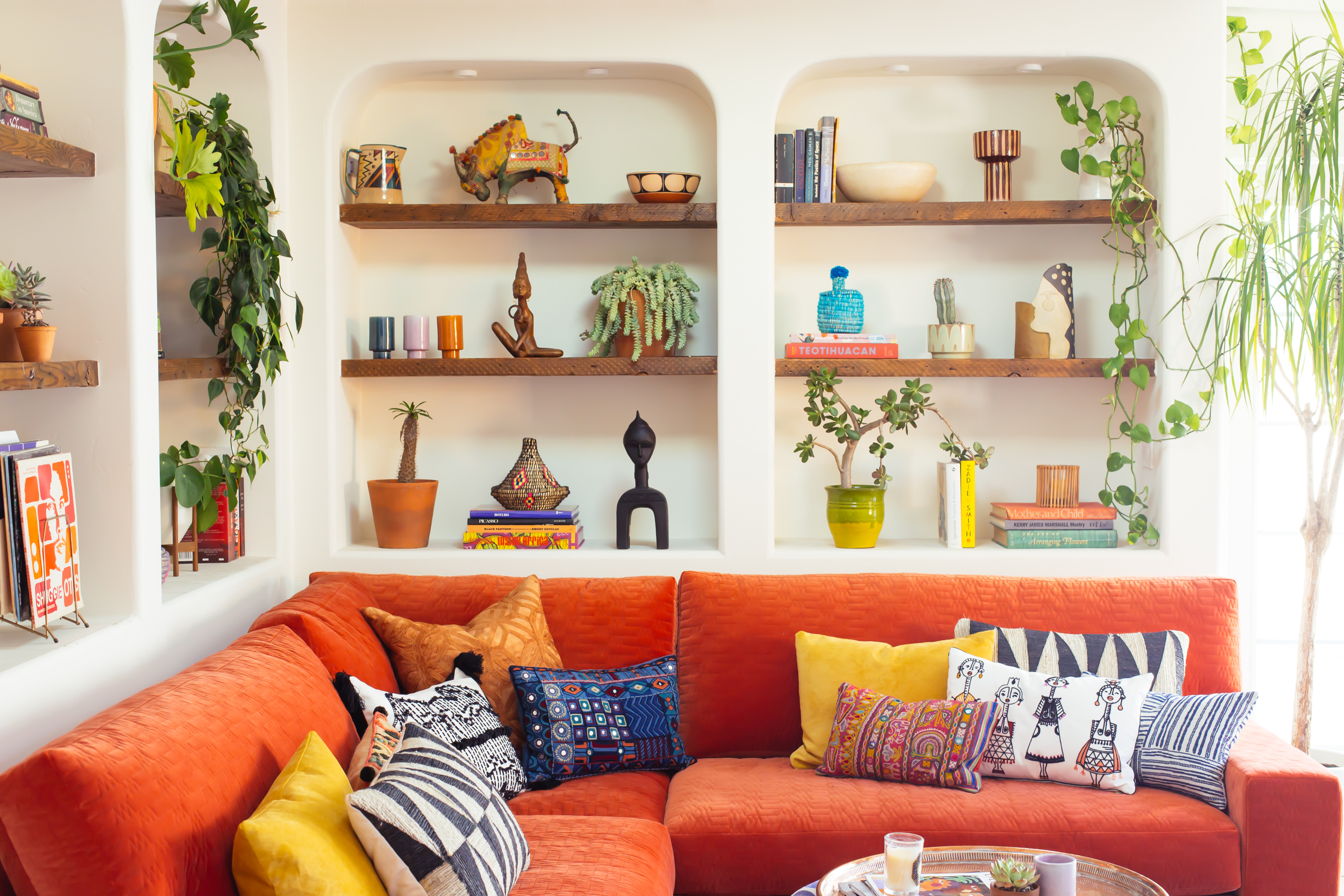
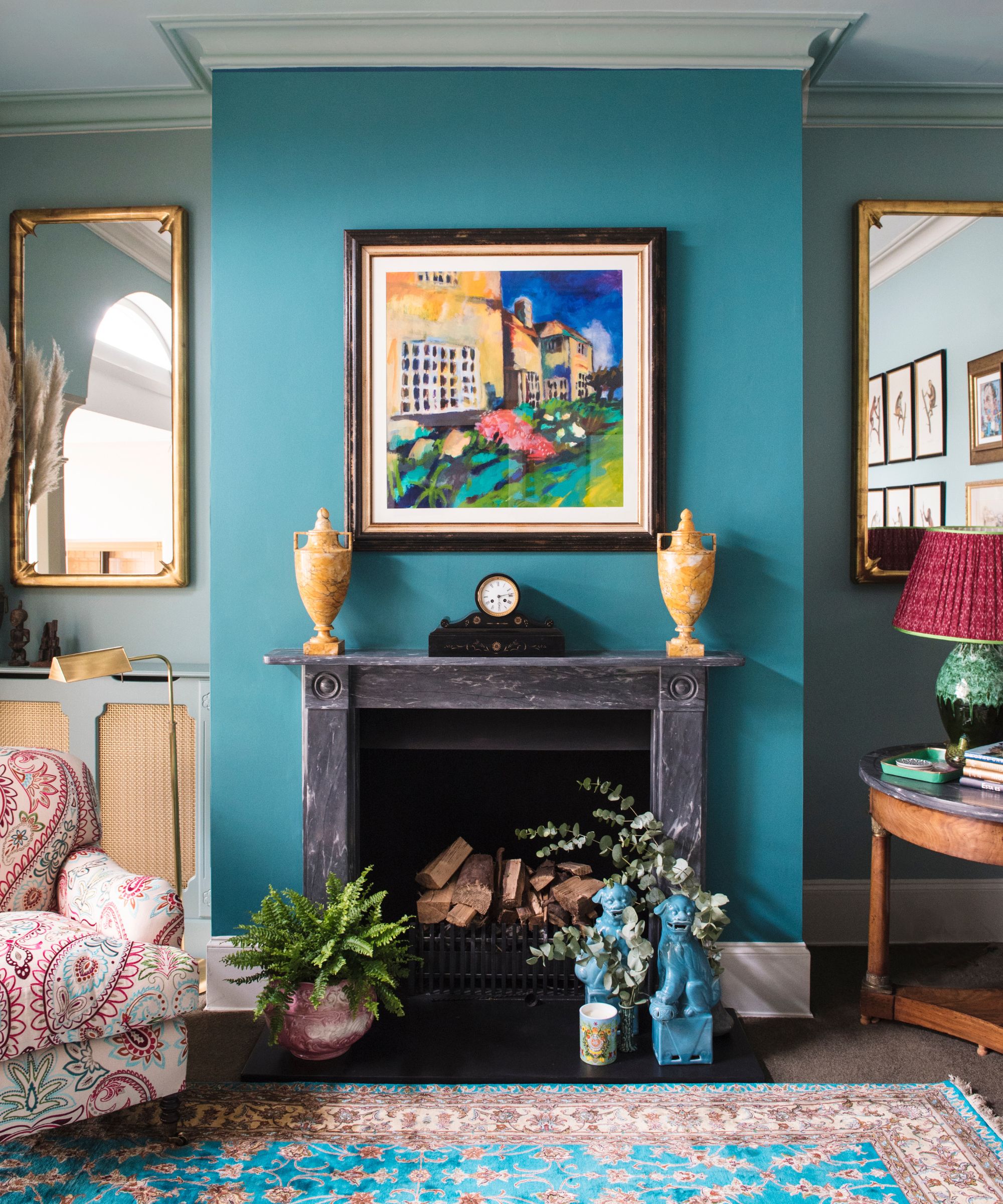
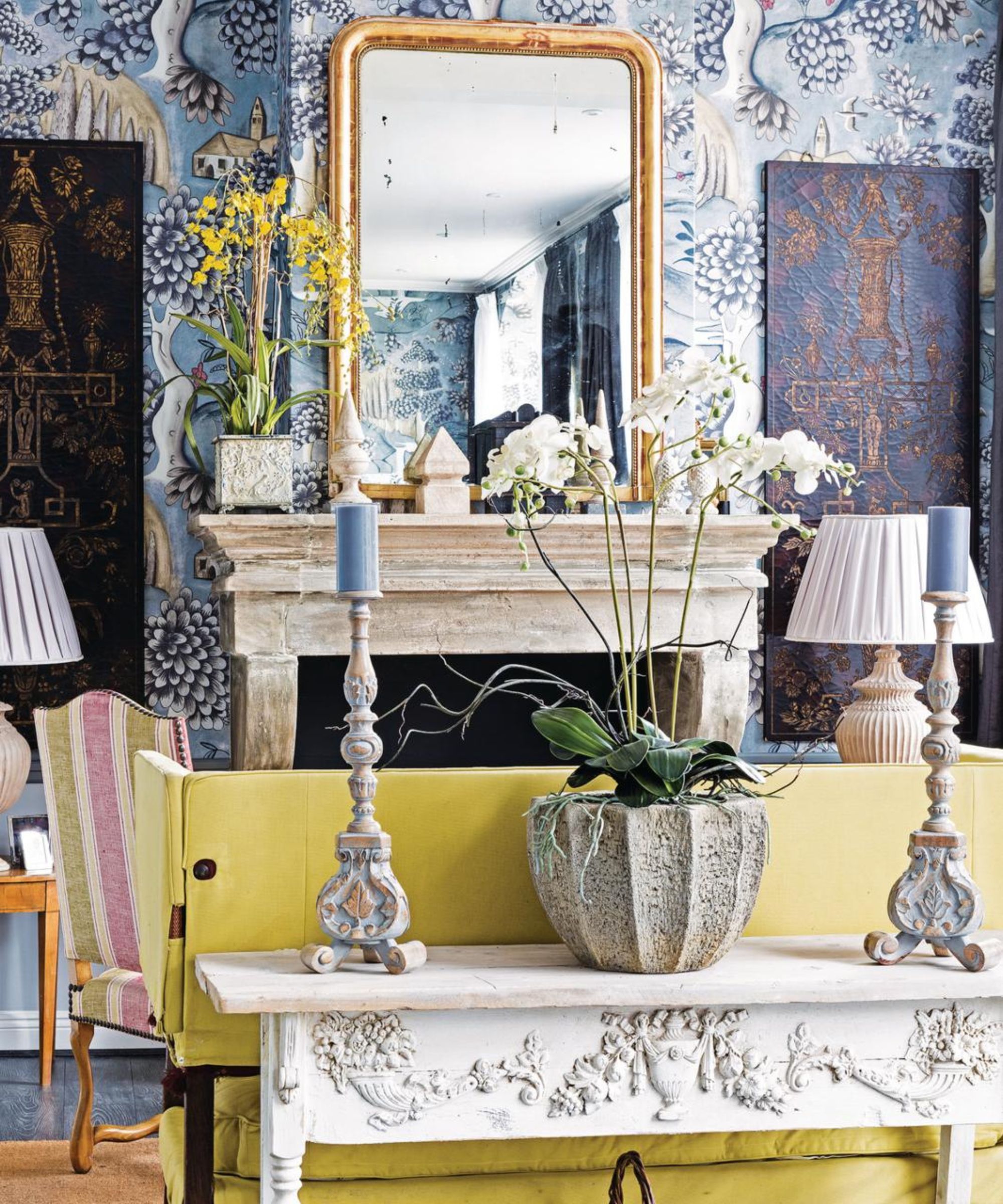
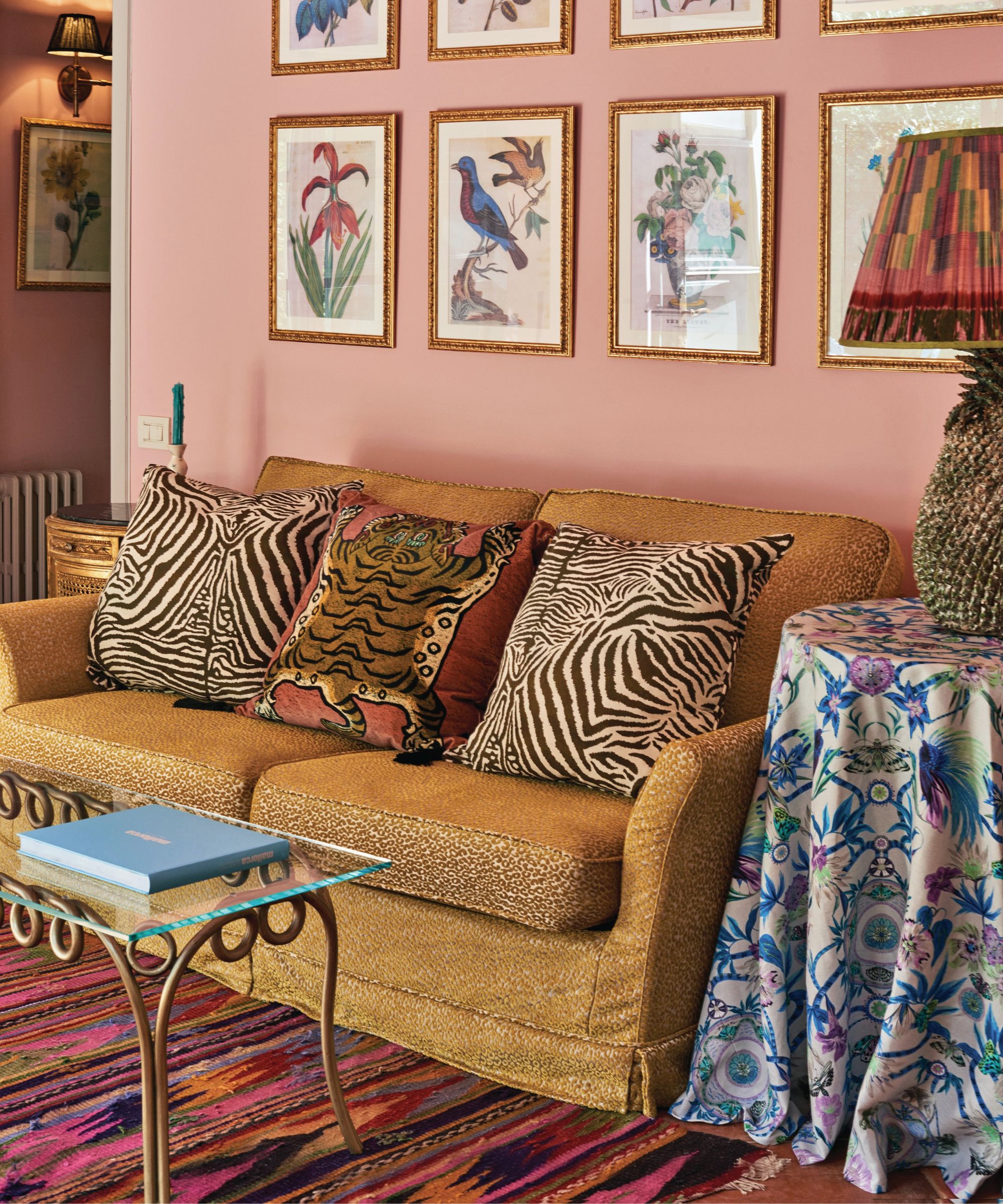
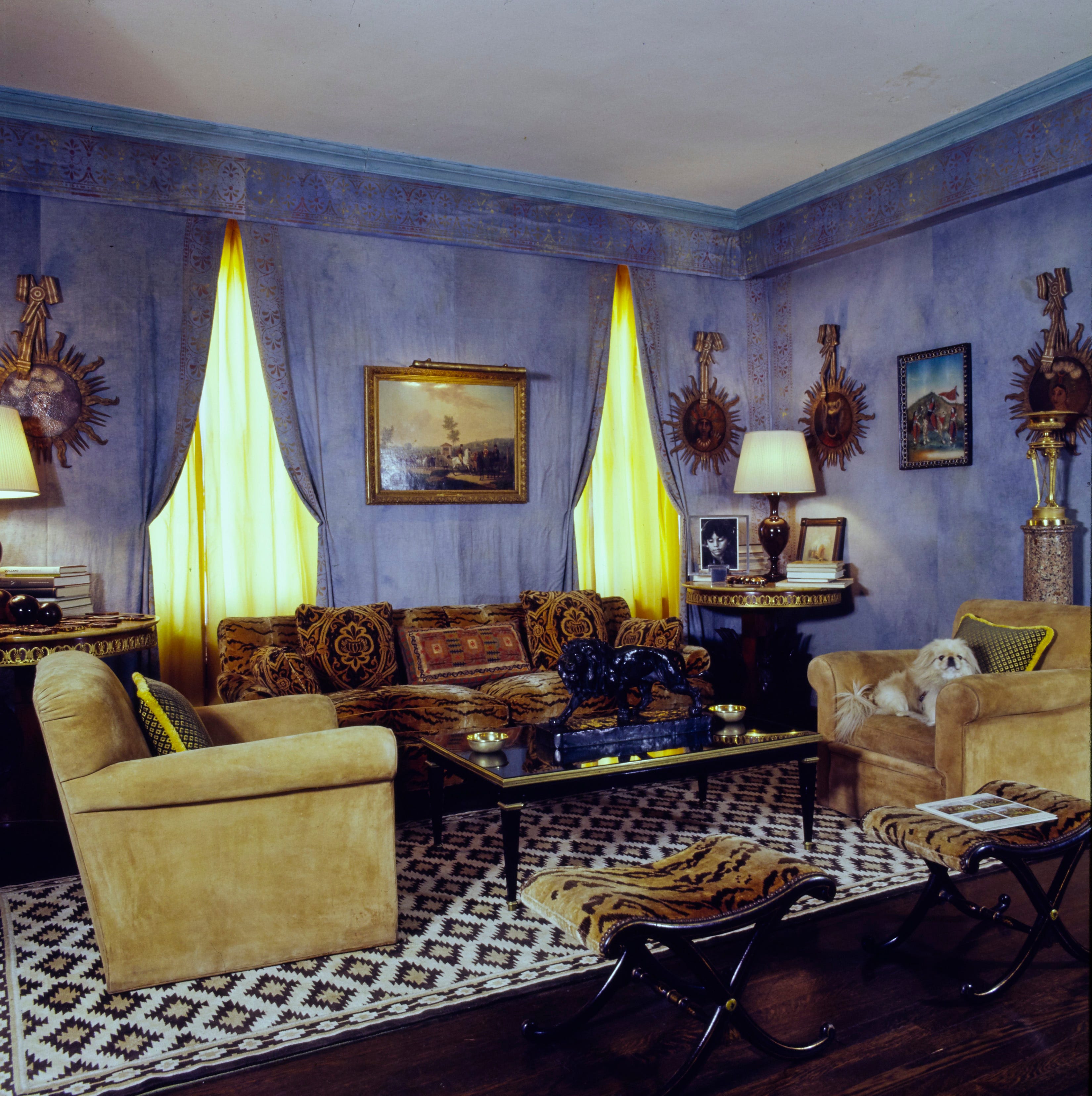
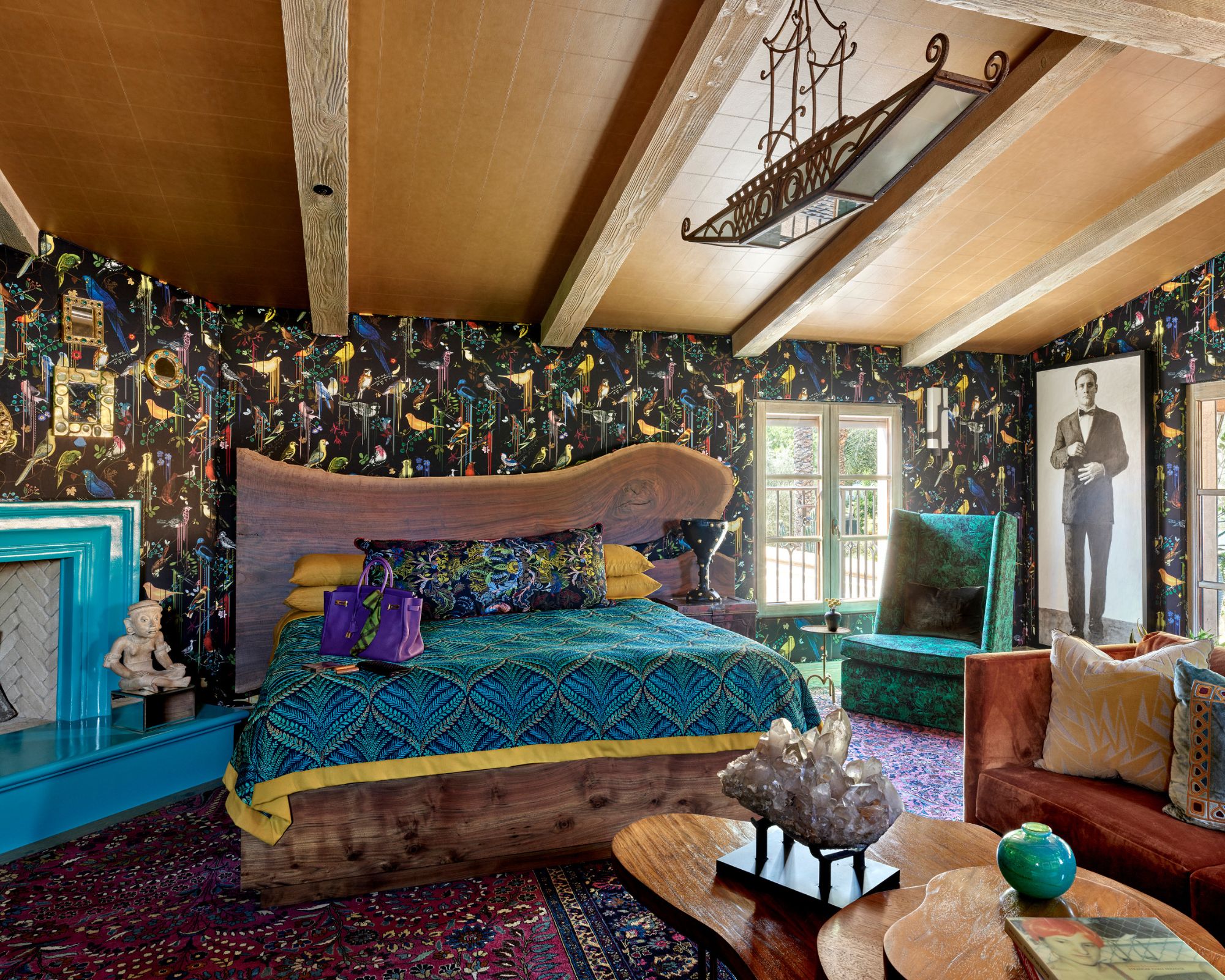
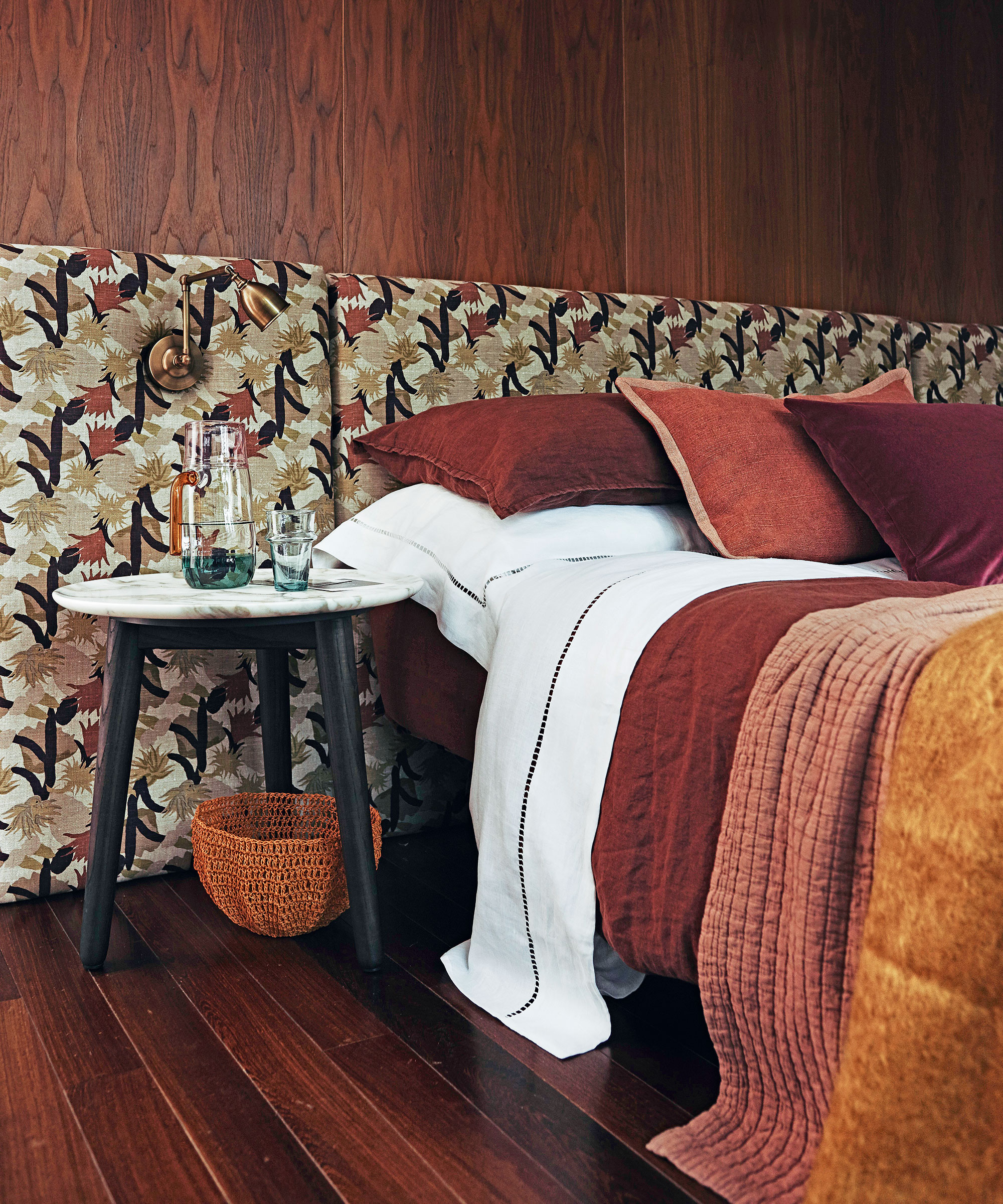
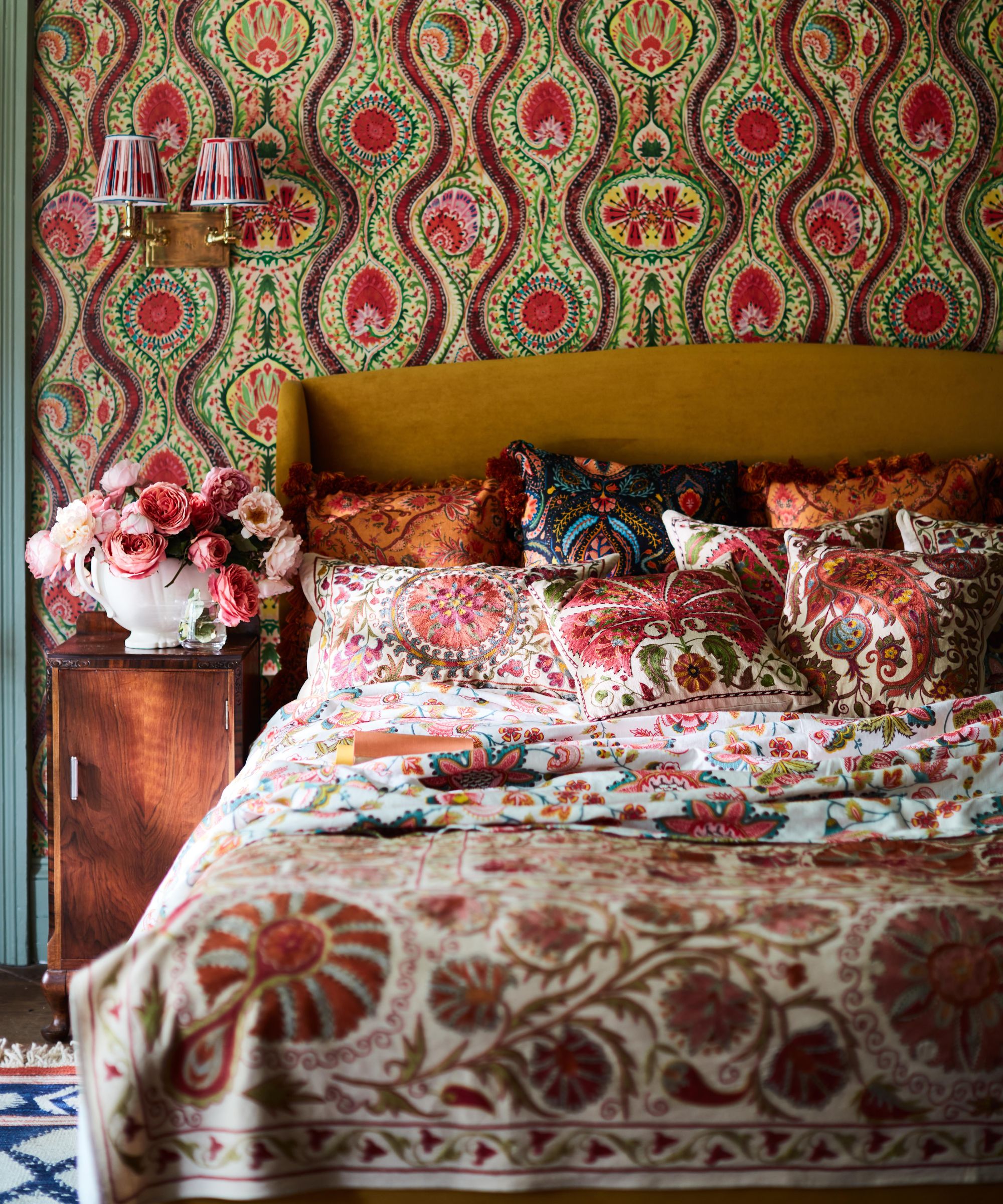
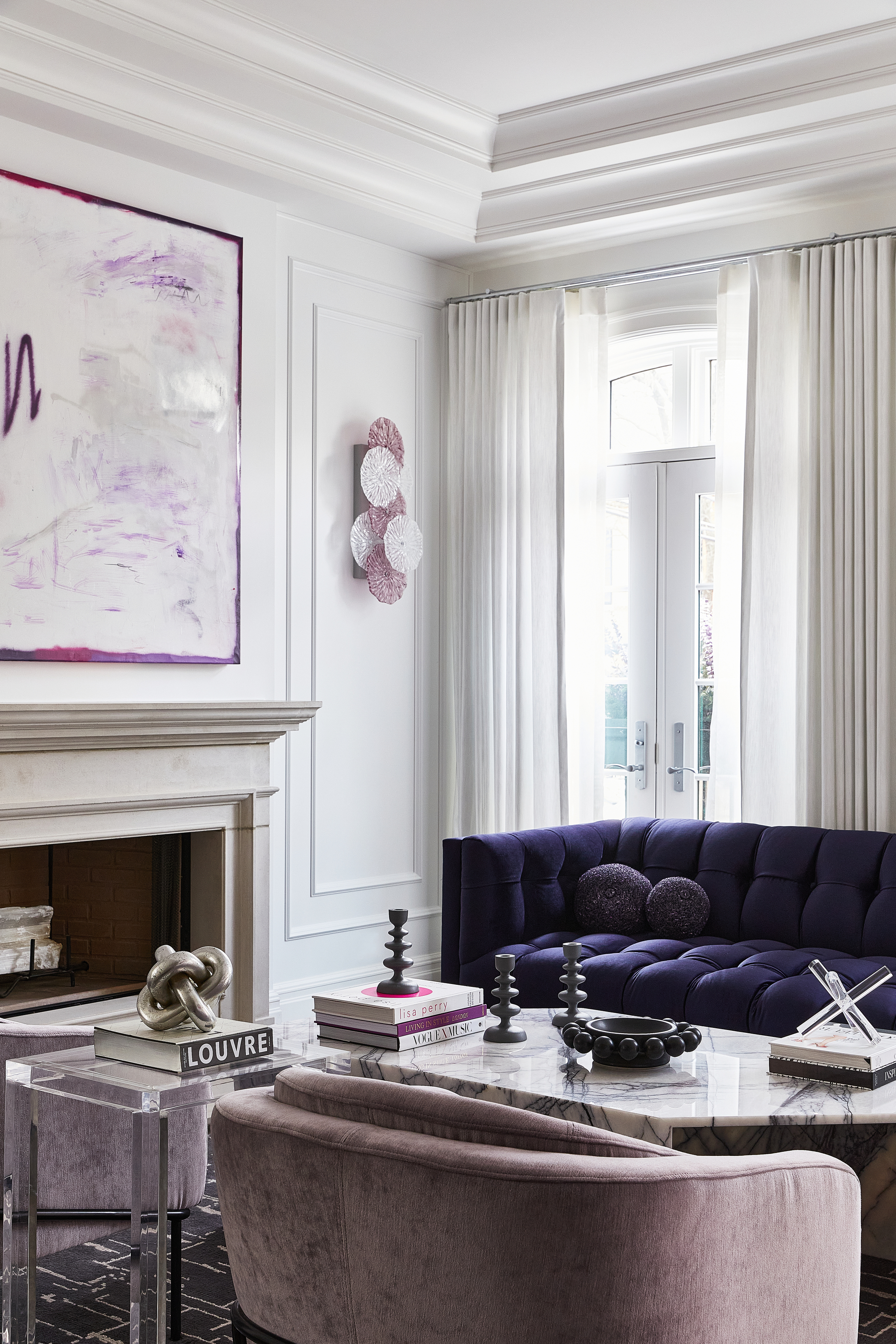
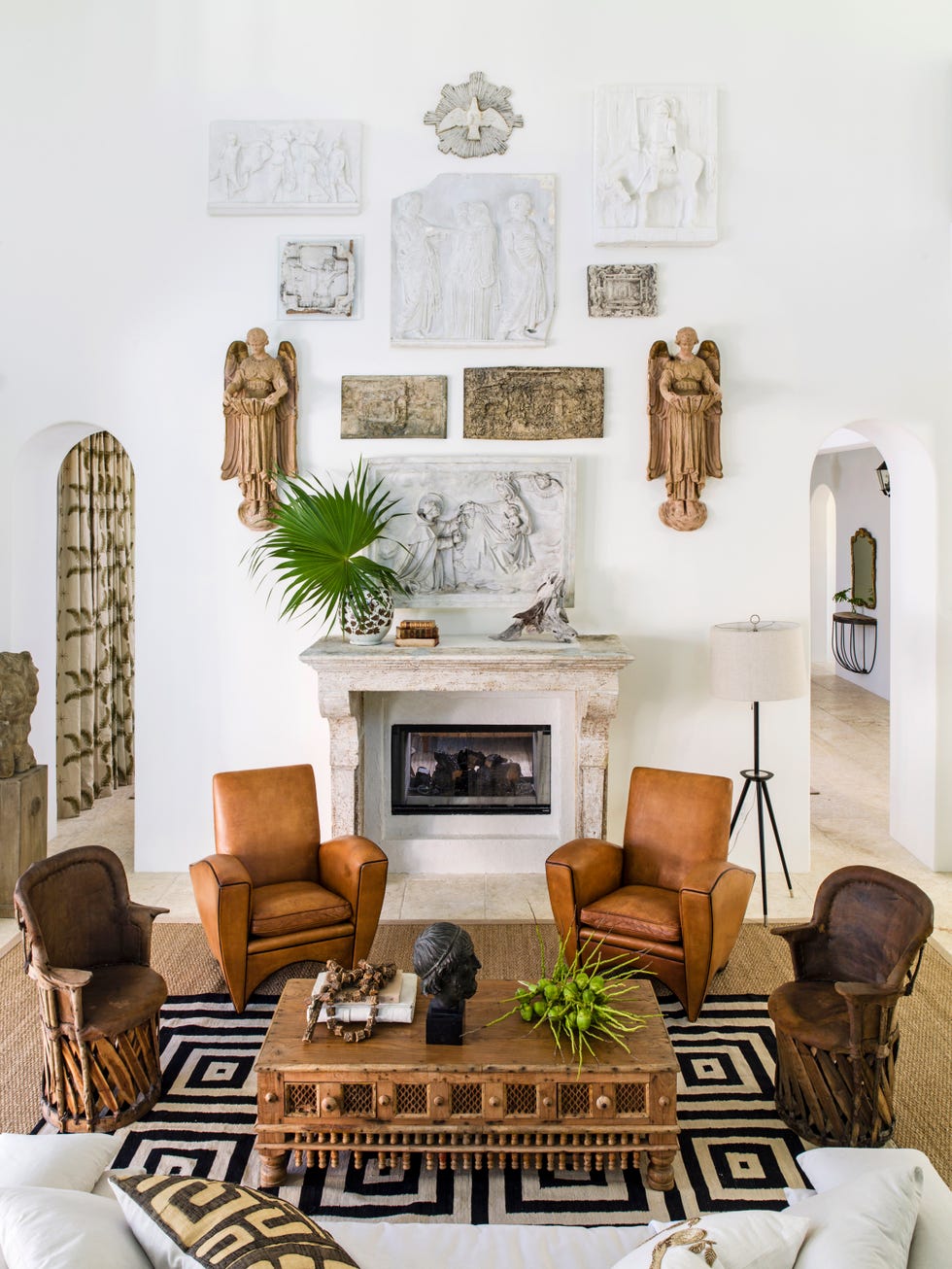
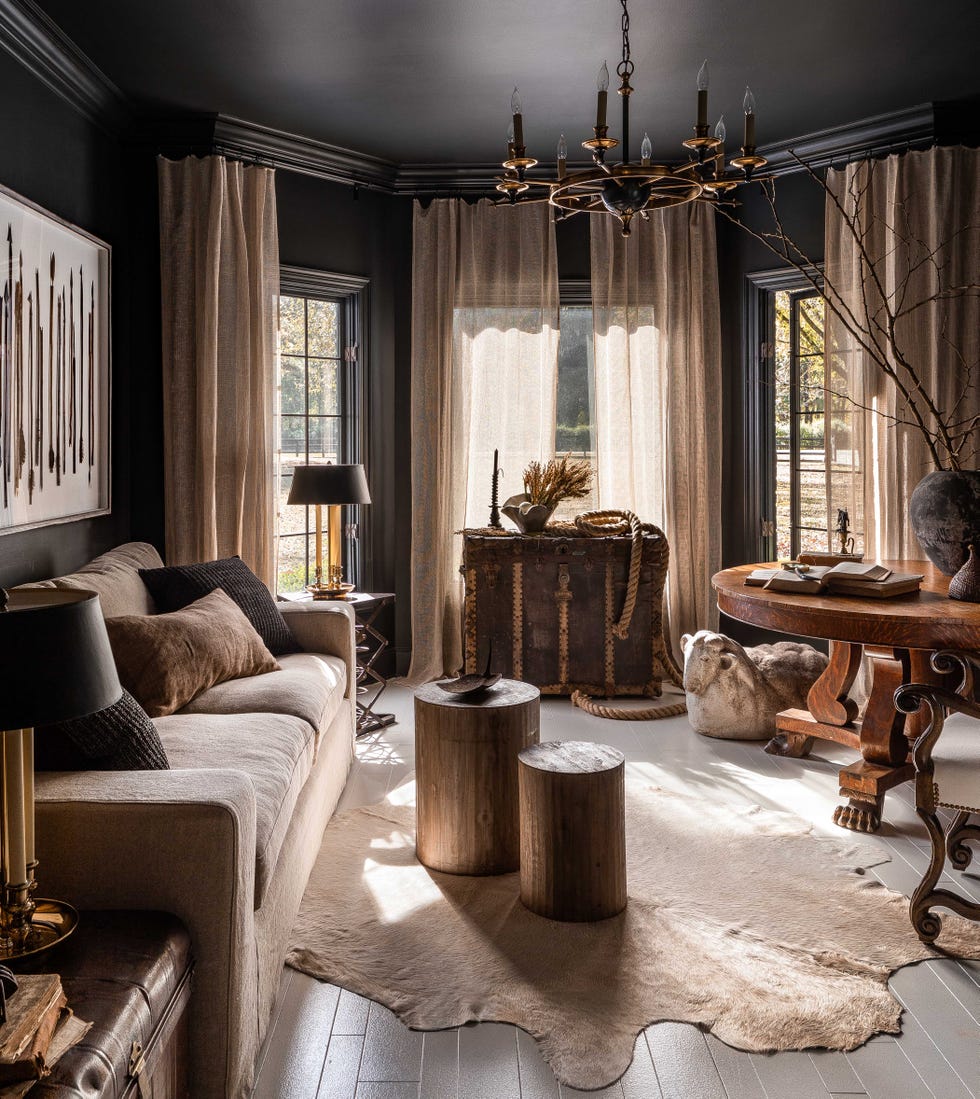
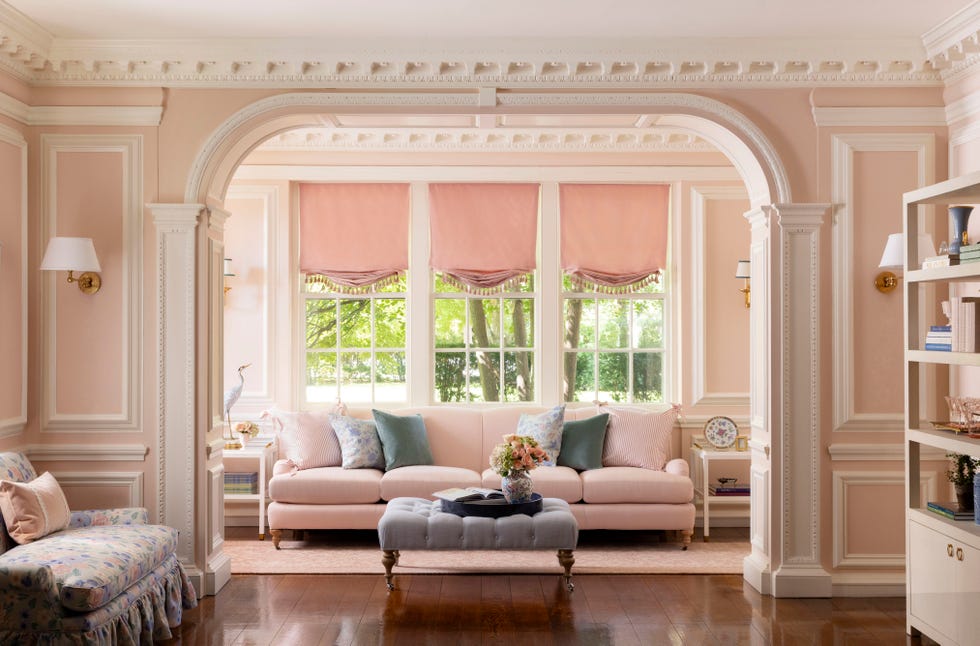
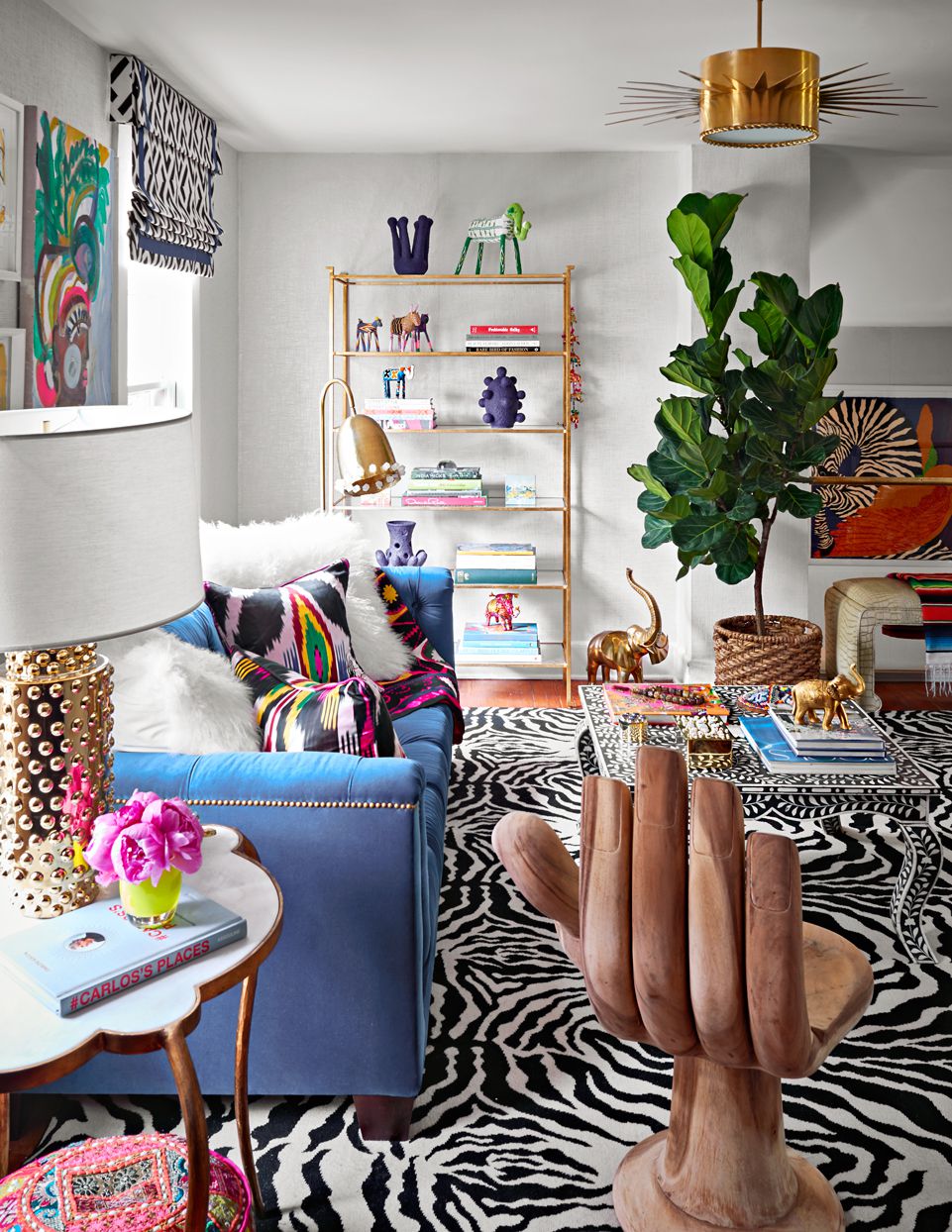
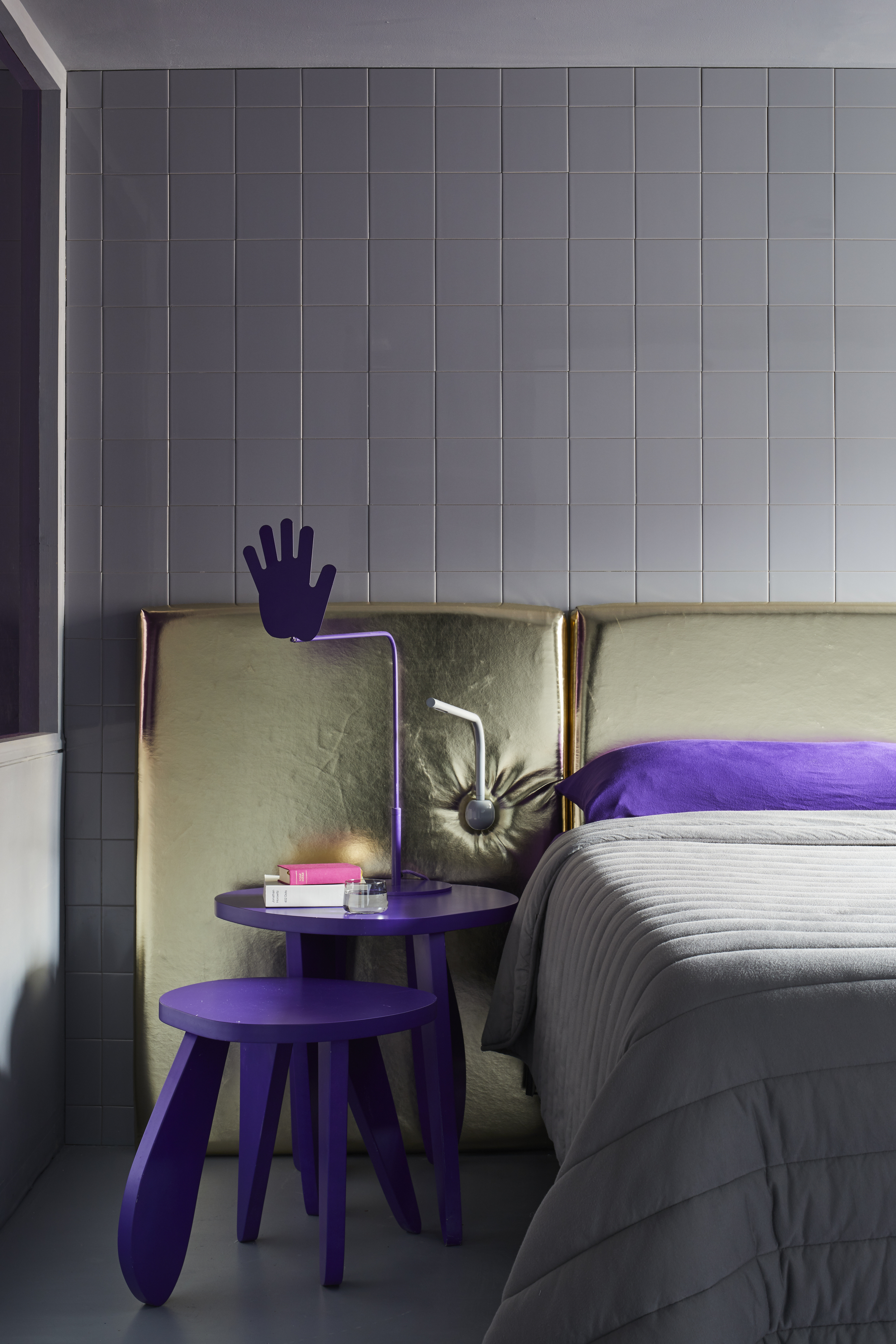
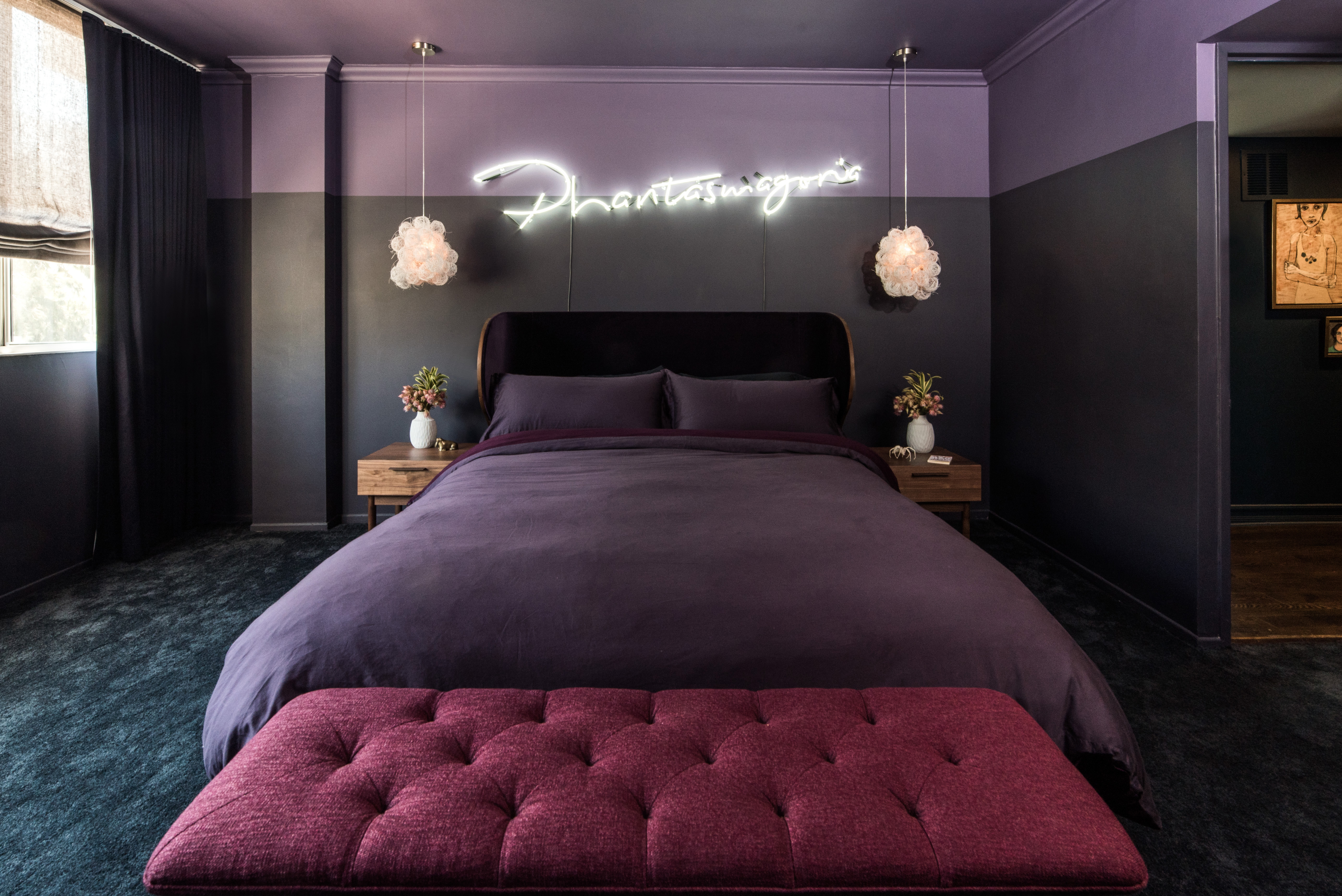
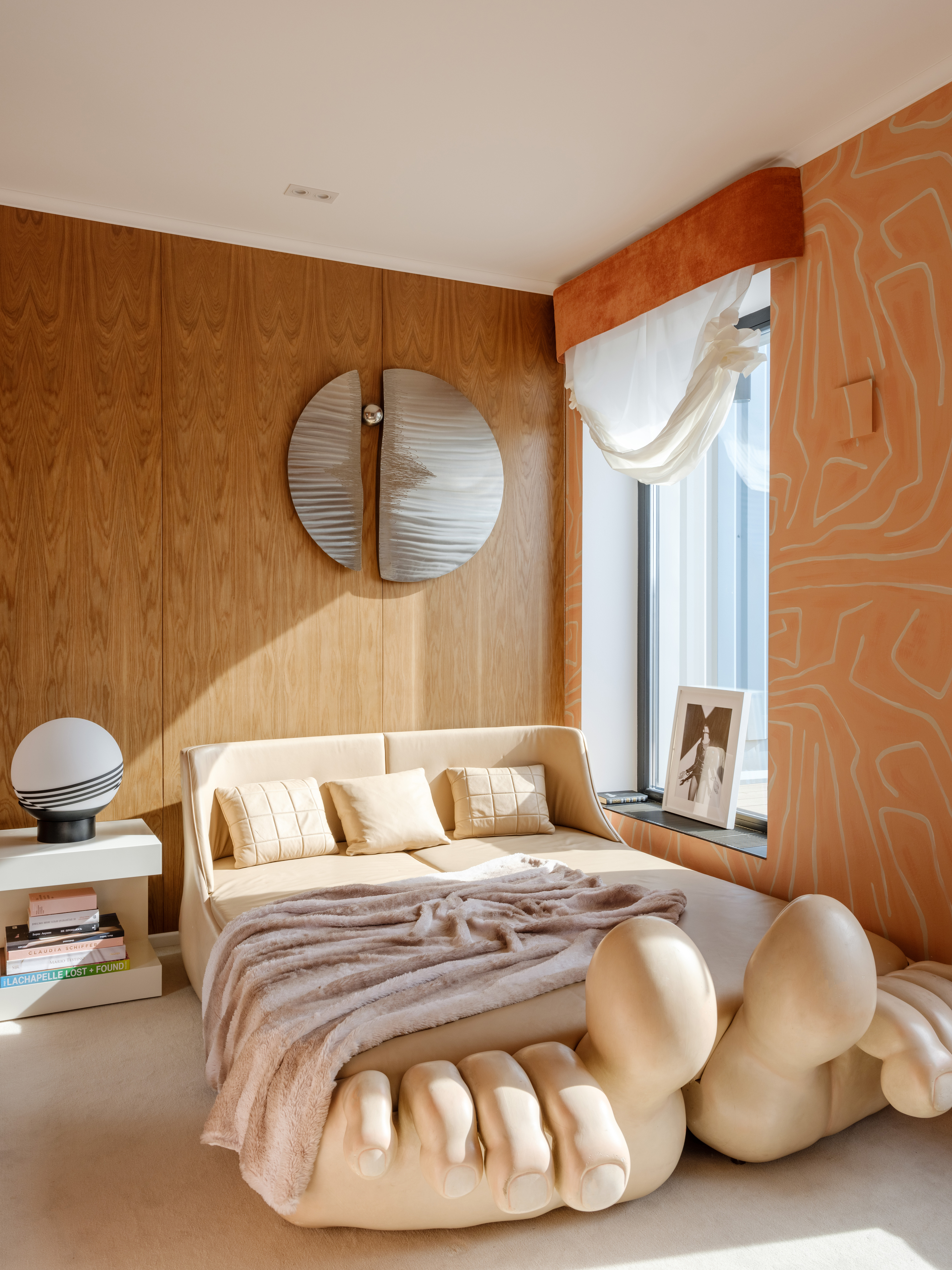
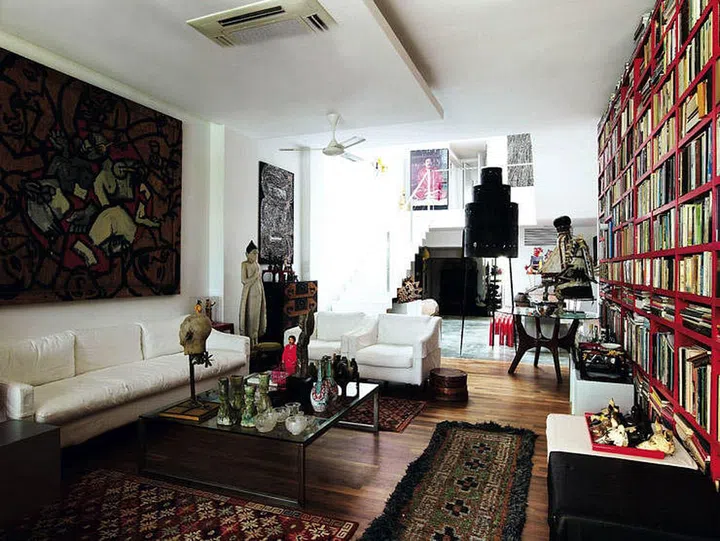
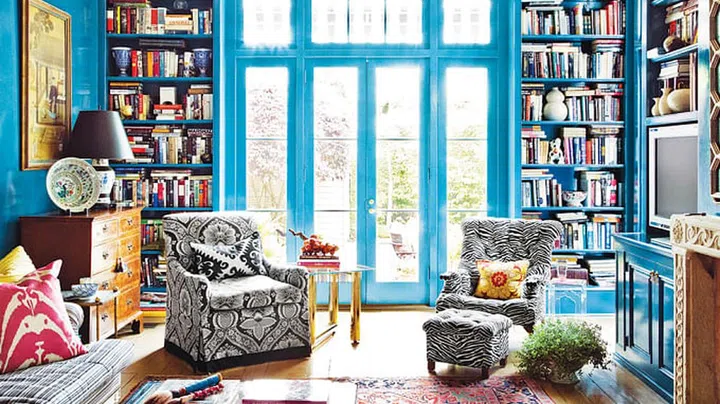
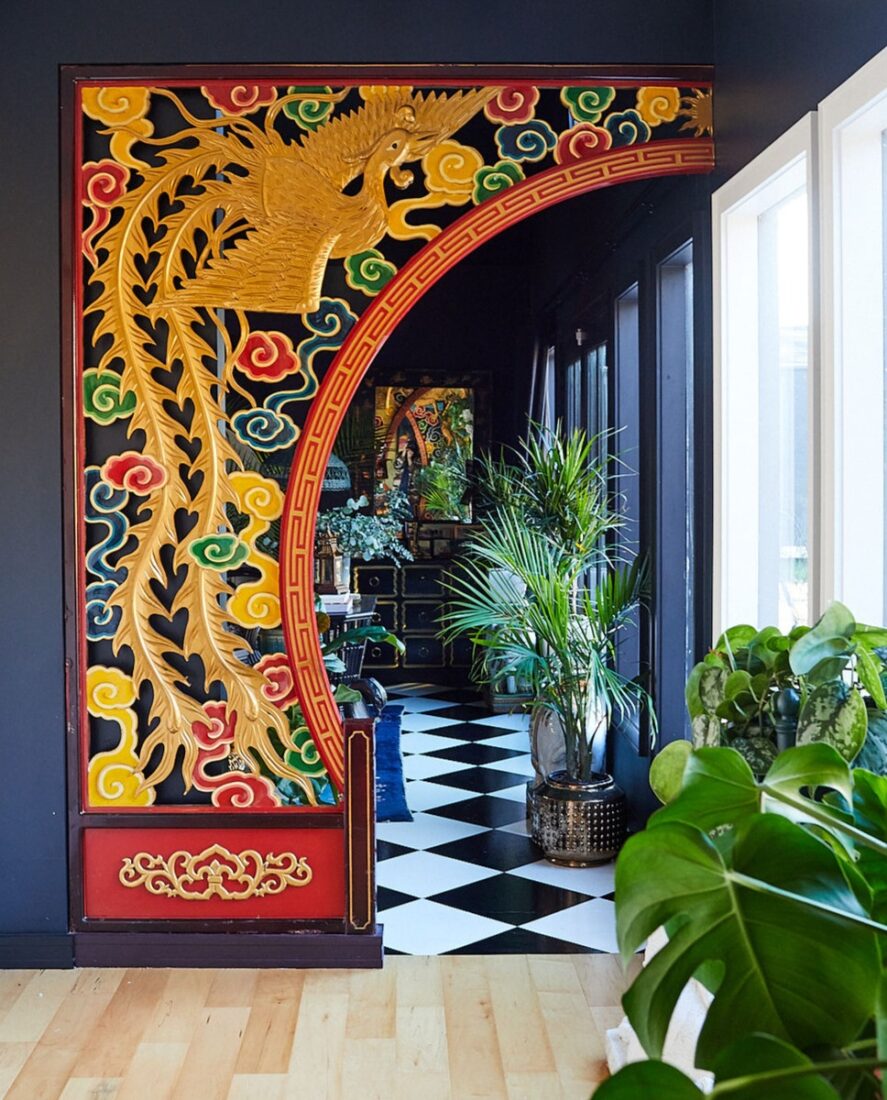
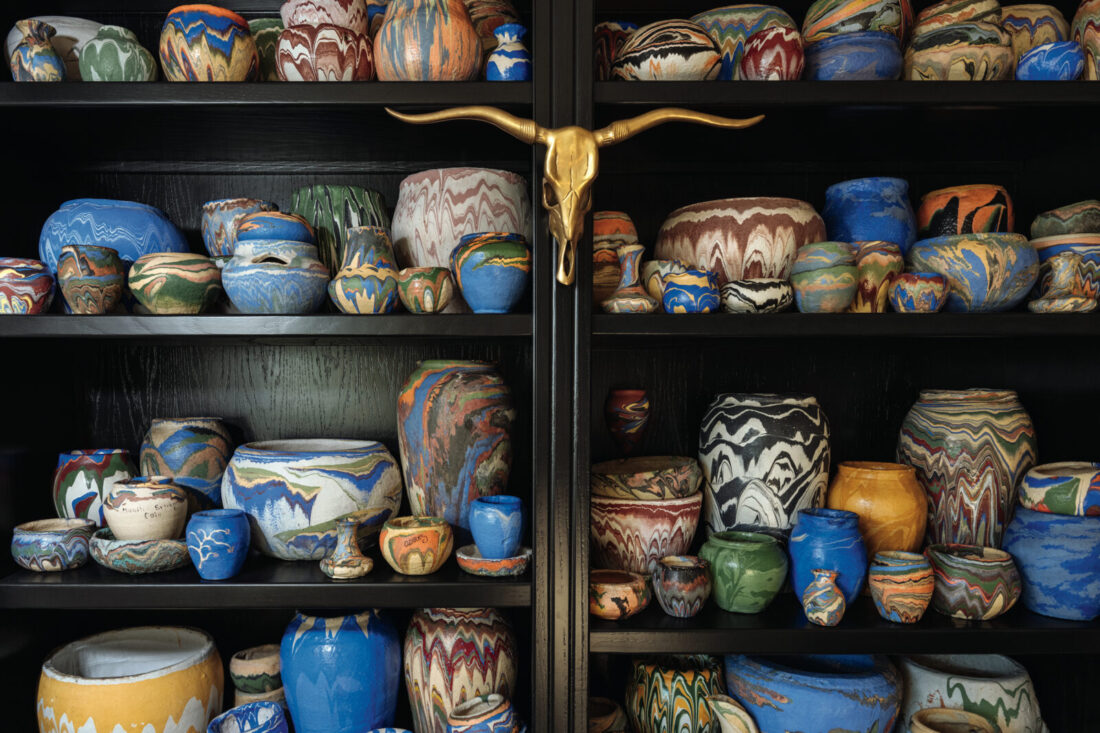
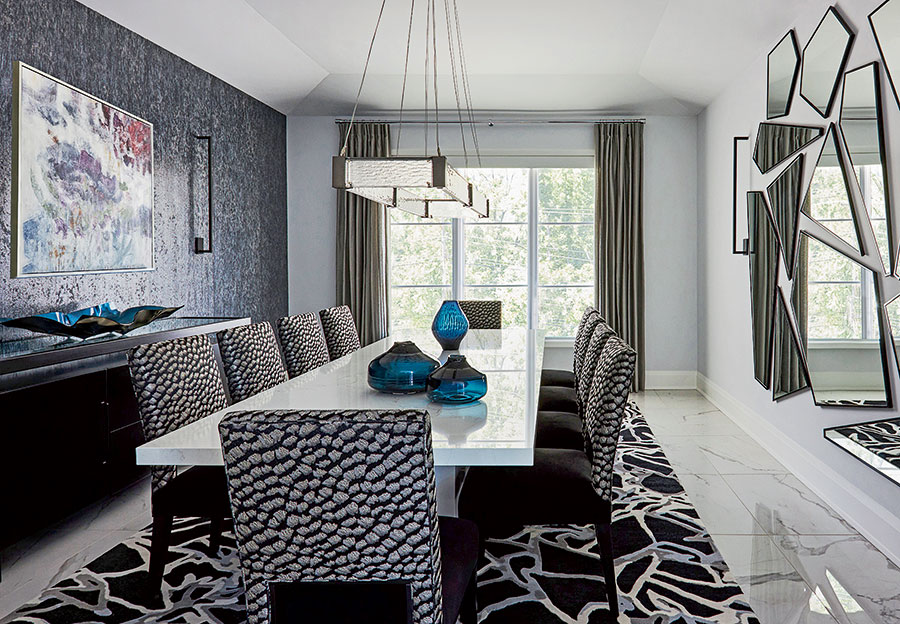
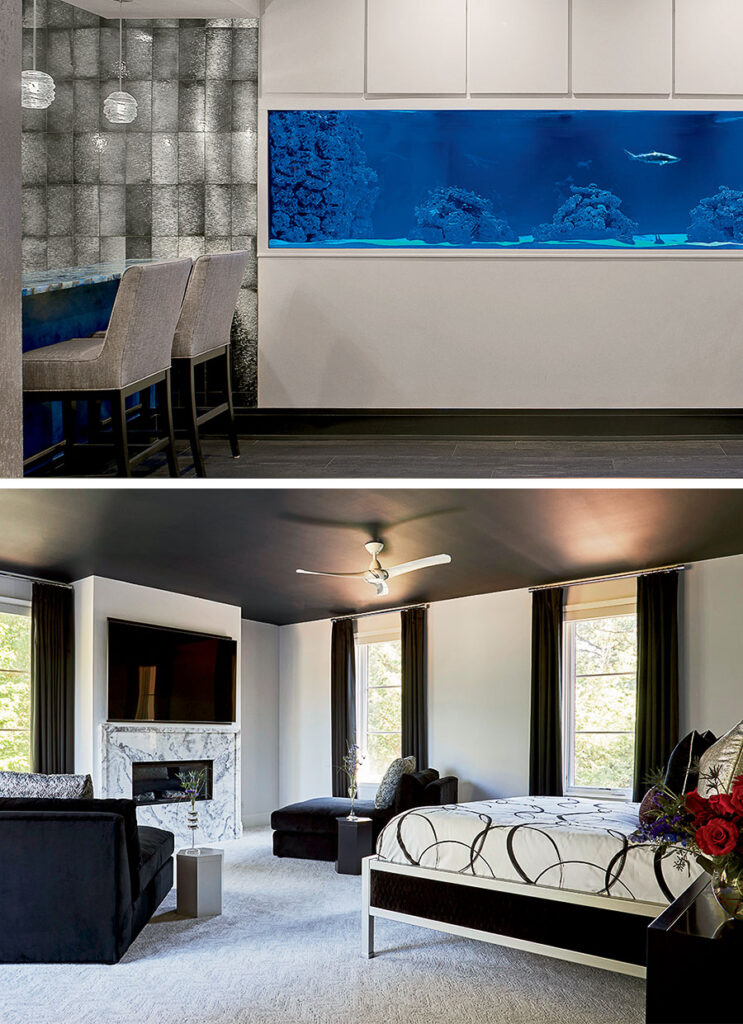
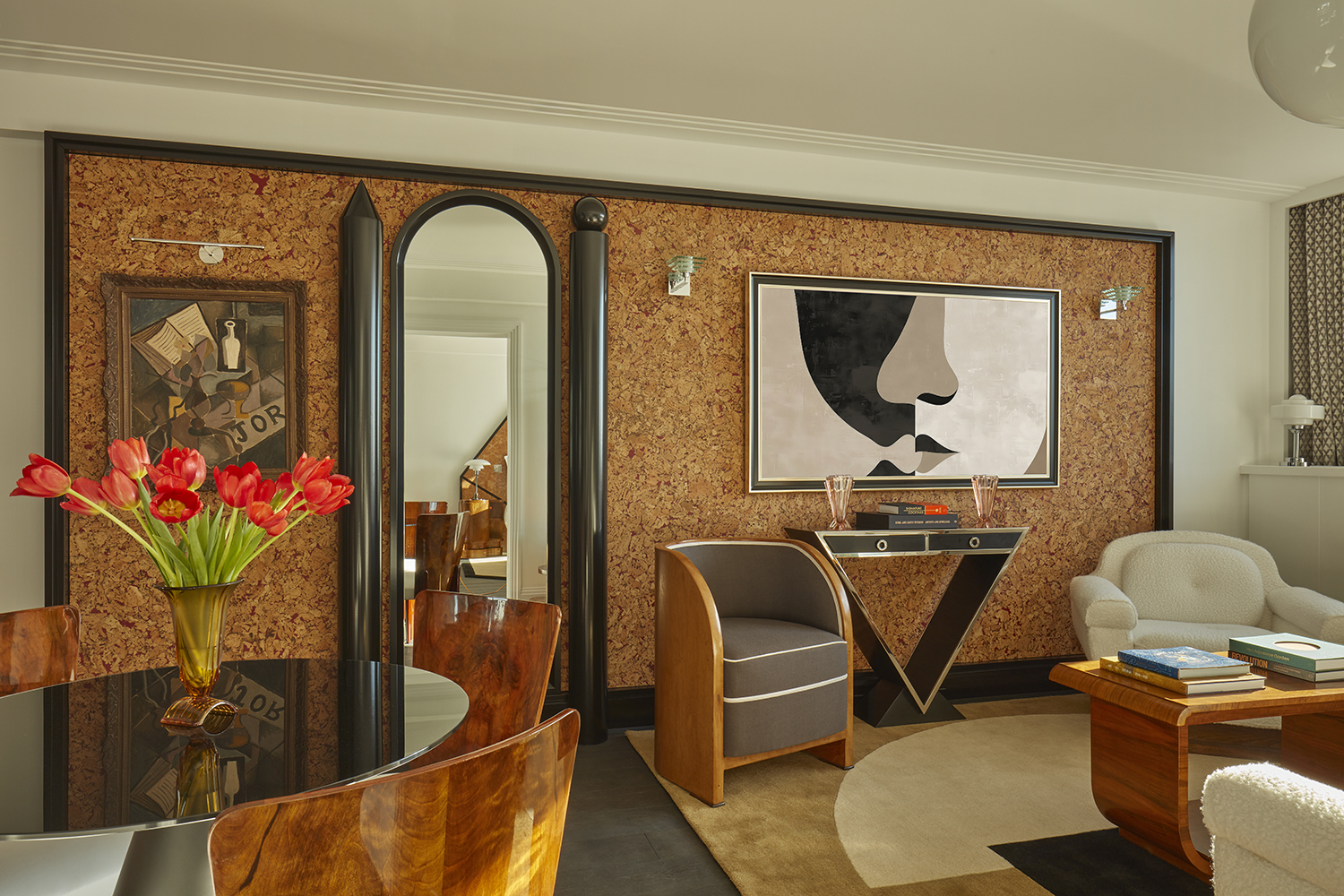
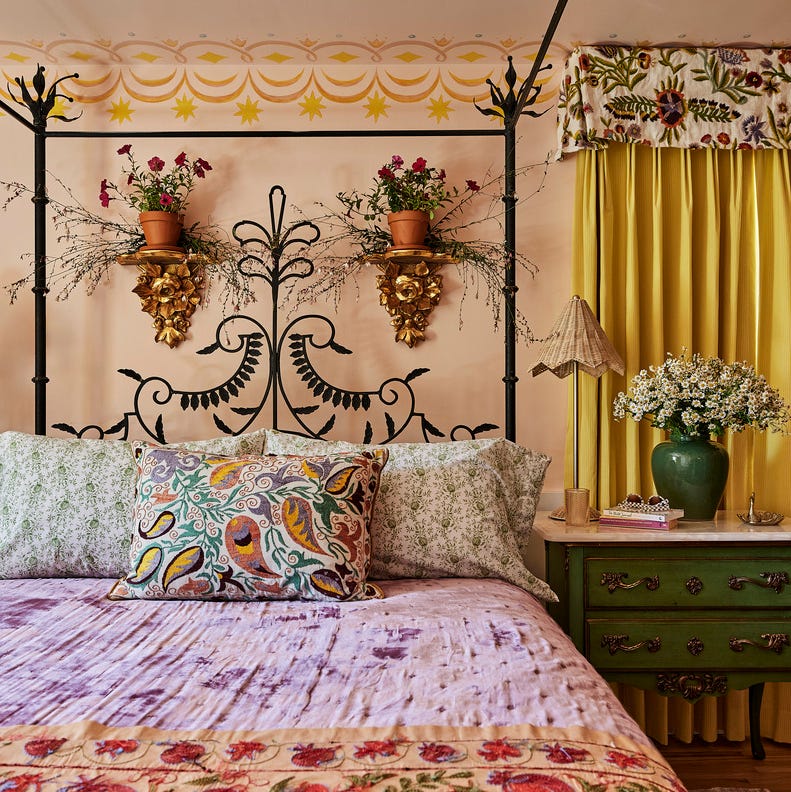
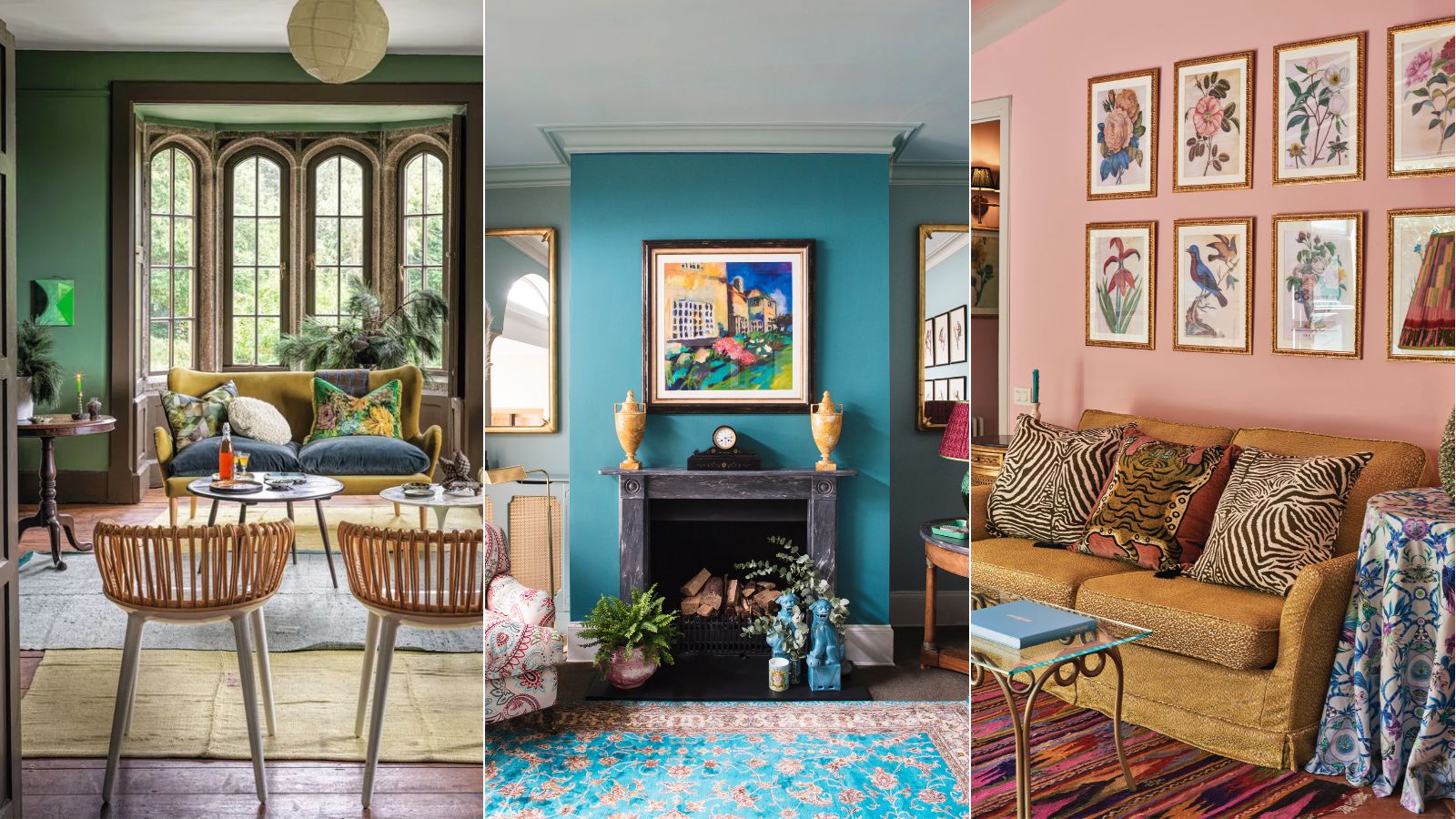
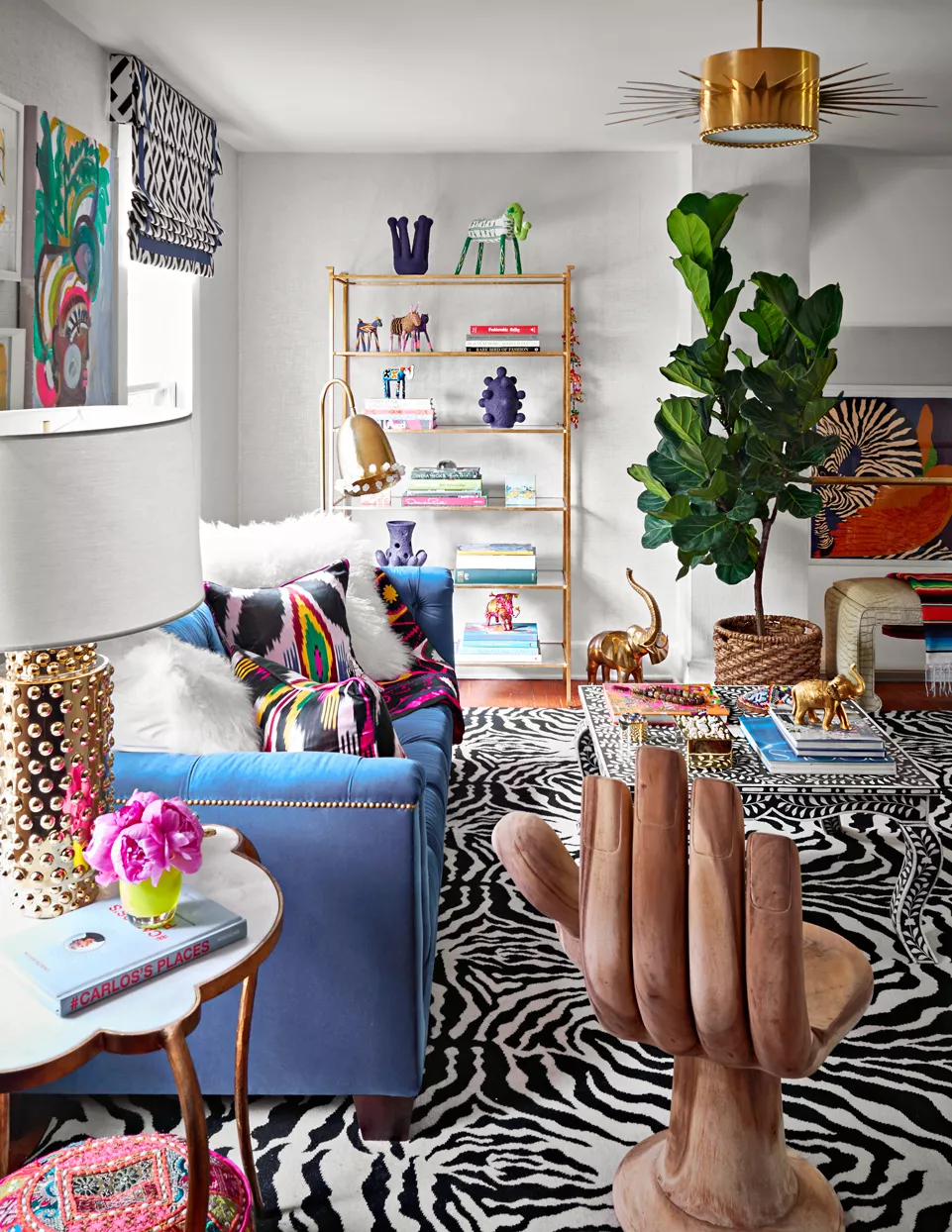
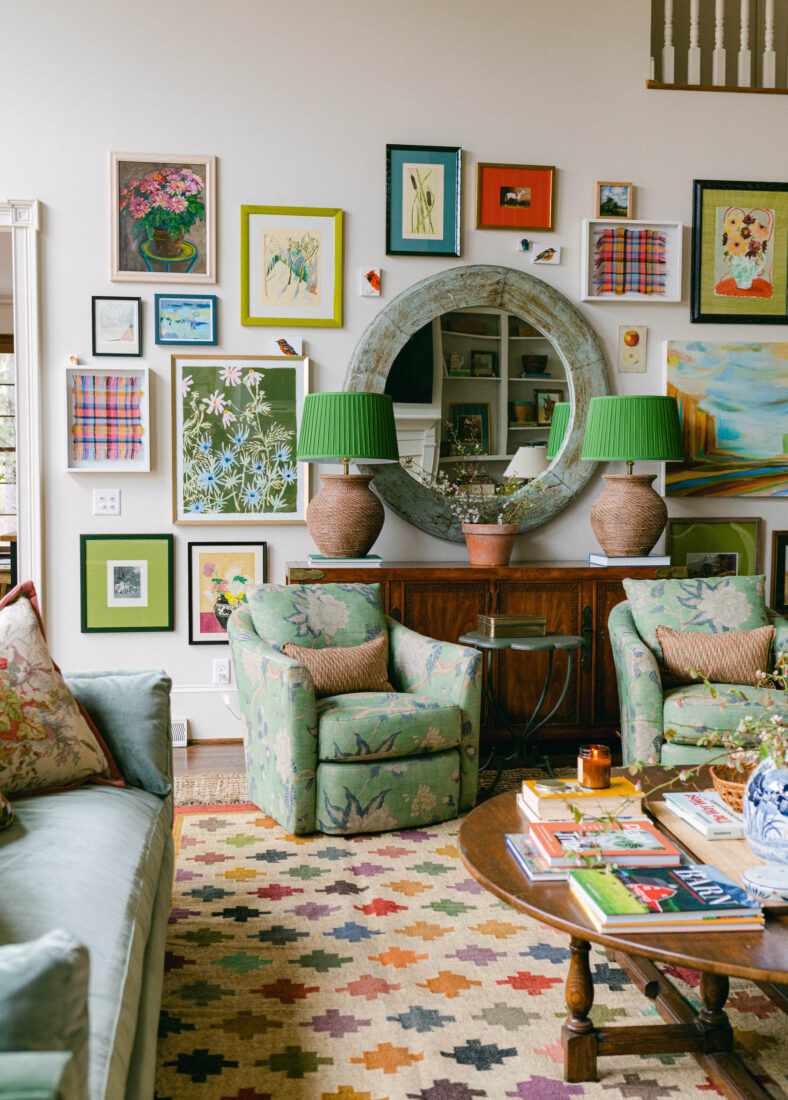
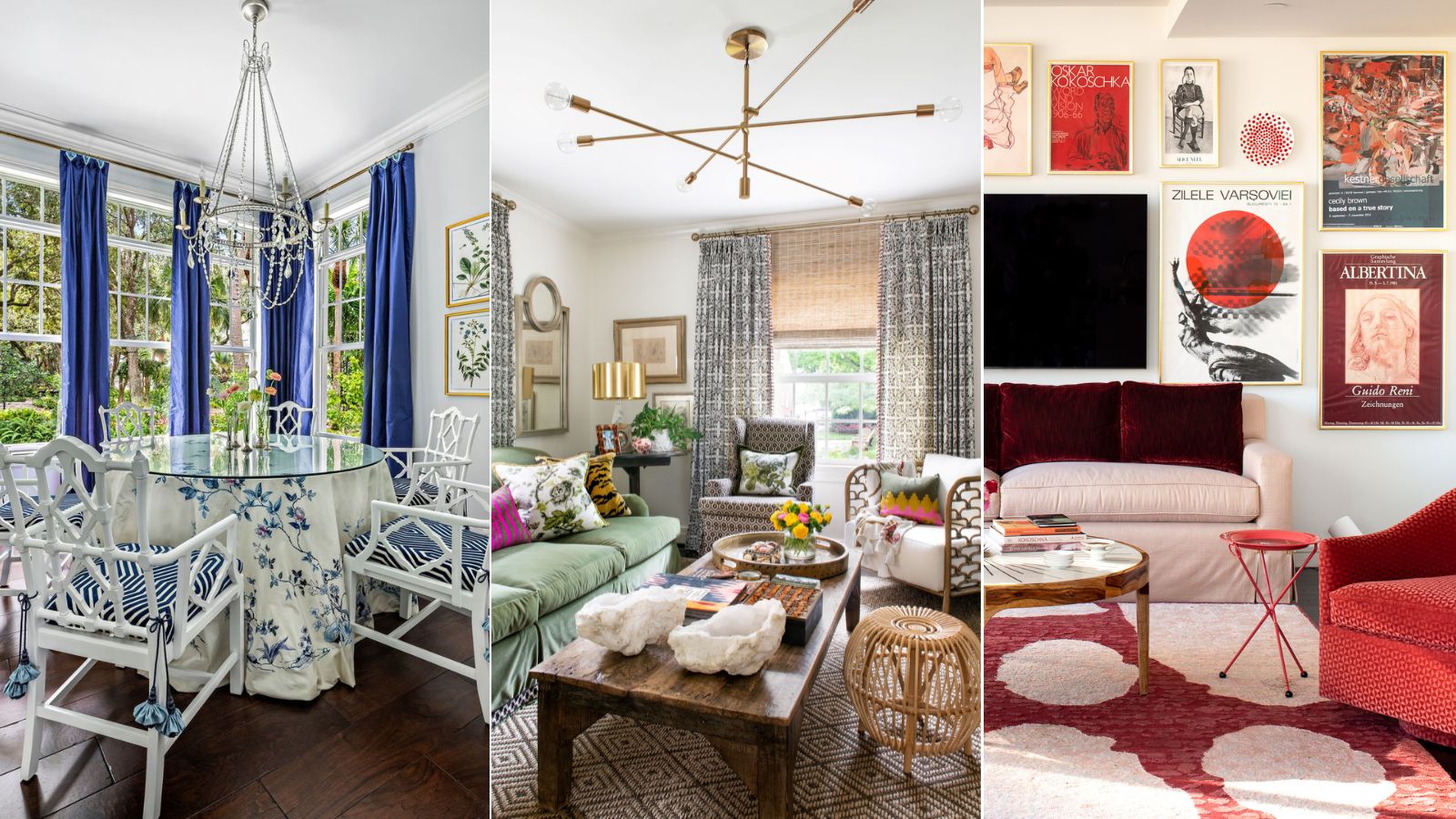
Maximalism, a design trend emphasizing bold colors, fabrics, patterns, and meaningful objects, has re-emerged with a focus on intentional curation and personal narrative. Often referred to as 'intentional clutter,' this contemporary approach to maximalism prioritizes items that hold authentic significance, moving beyond mere excess. The trend, which combines nostalgic coziness with masterfully interwoven styles, celebrates individuality while acknowledging historical influences. This resurgence is evident in recent data, with Pinterest's 2024 Predicts Trend Report noting a 215% increase in searches for 'eclectic maximalism' and a 260% surge for 'vintage maximalism' year-over-year.
Experts emphasize that successful maximalism is not about indiscriminate accumulation but rather a rich and joyful storytelling through design elements. Jacu Strauss, design and creative director at Lore Group, highlights the importance of intention, stating that every piece should contribute a reason for its presence, whether it evokes a memory, showcases craftsmanship, or adds warmth and tactility to a space. This perspective frames maximalism as an art form requiring careful consideration rather than a superficial trend. To avoid a cluttered or chaotic outcome, designers suggest adhering to principles of class and thoughtful selection.
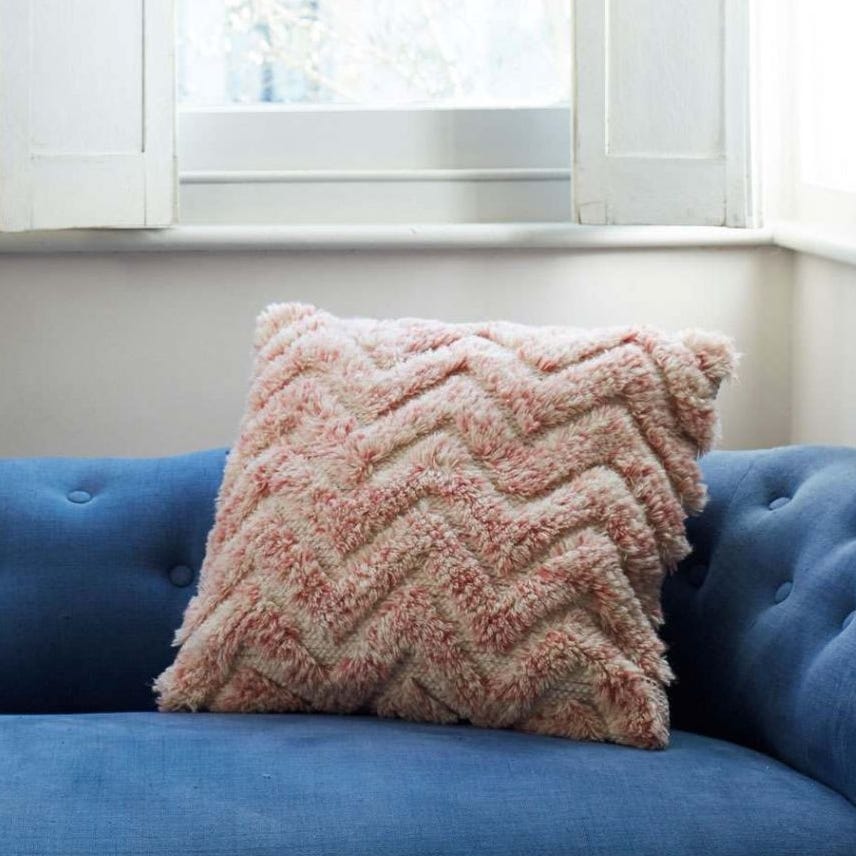
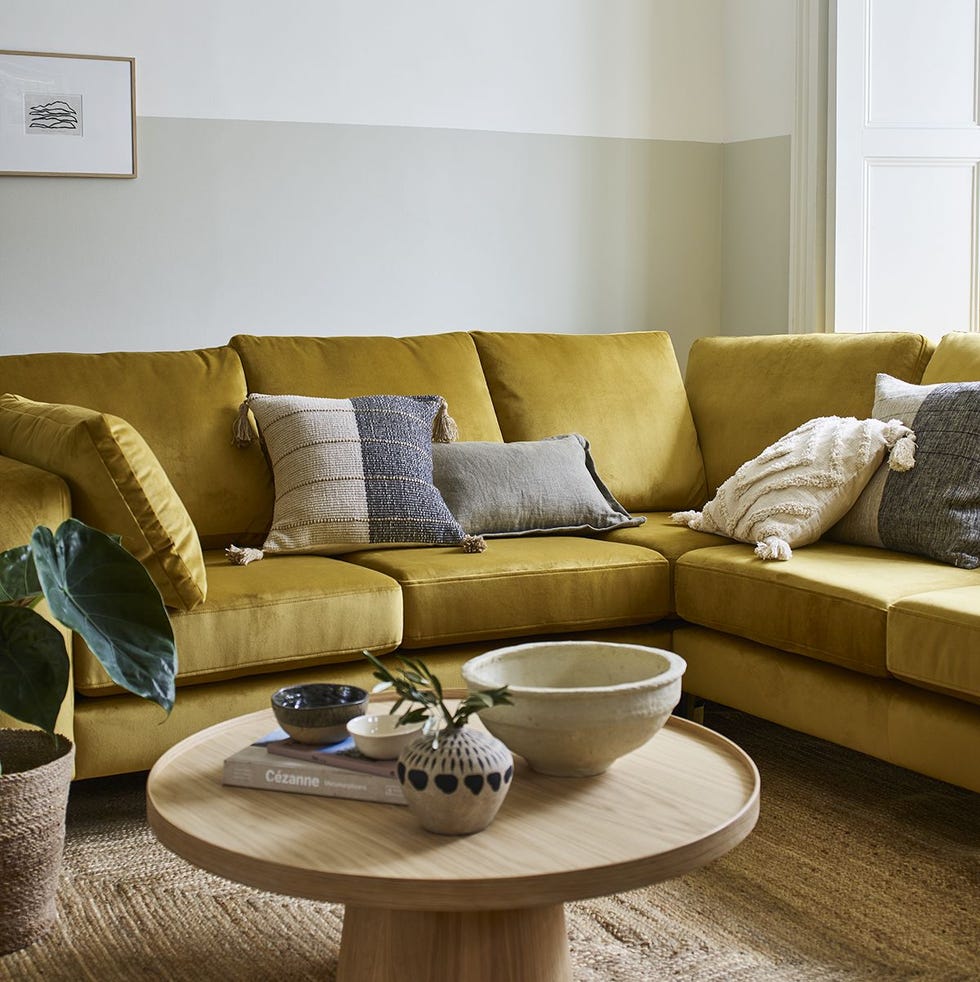
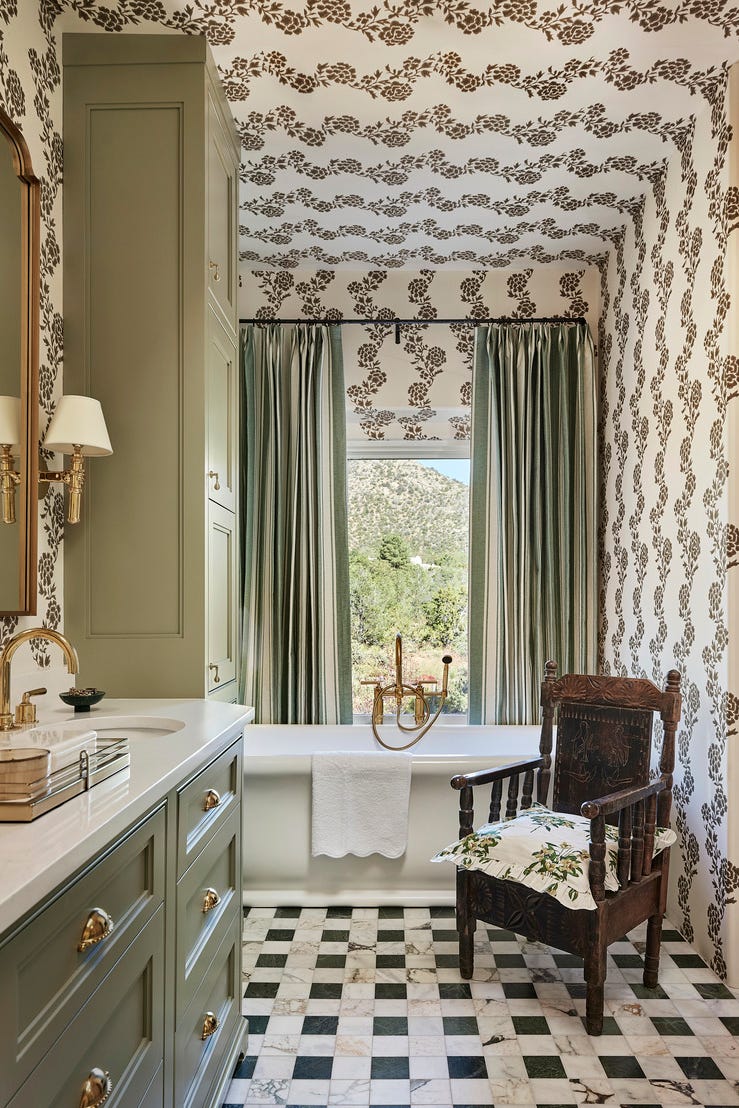
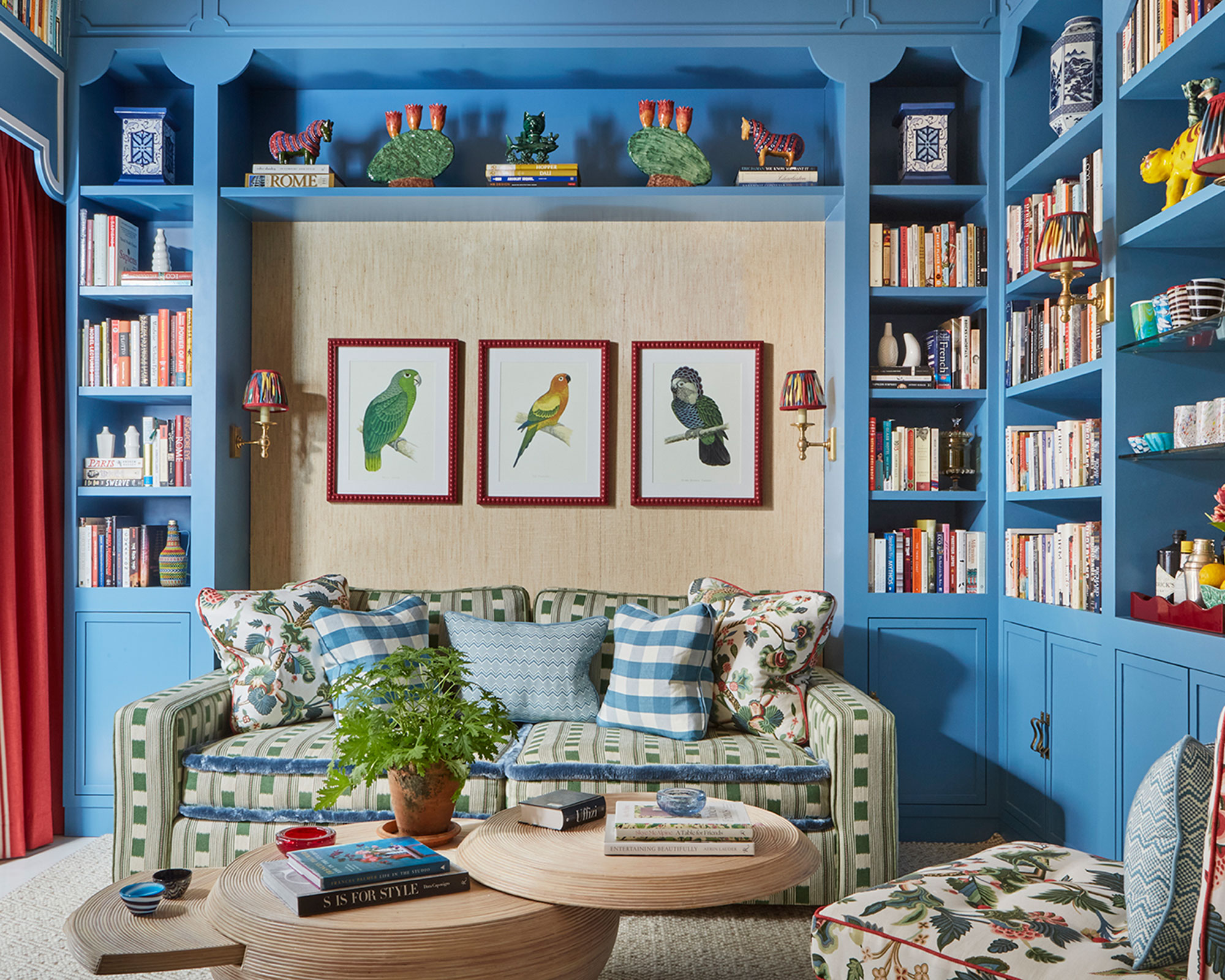
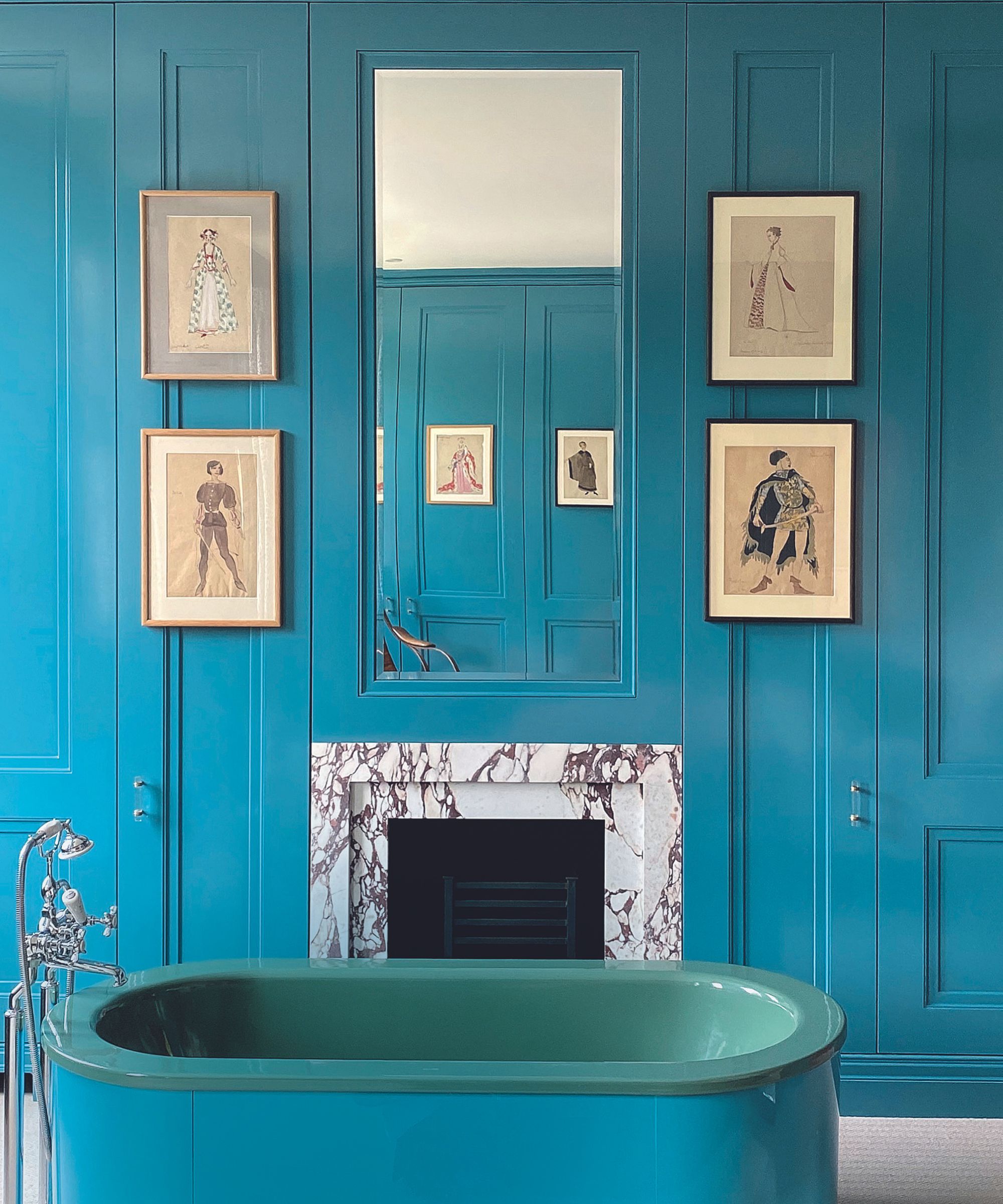
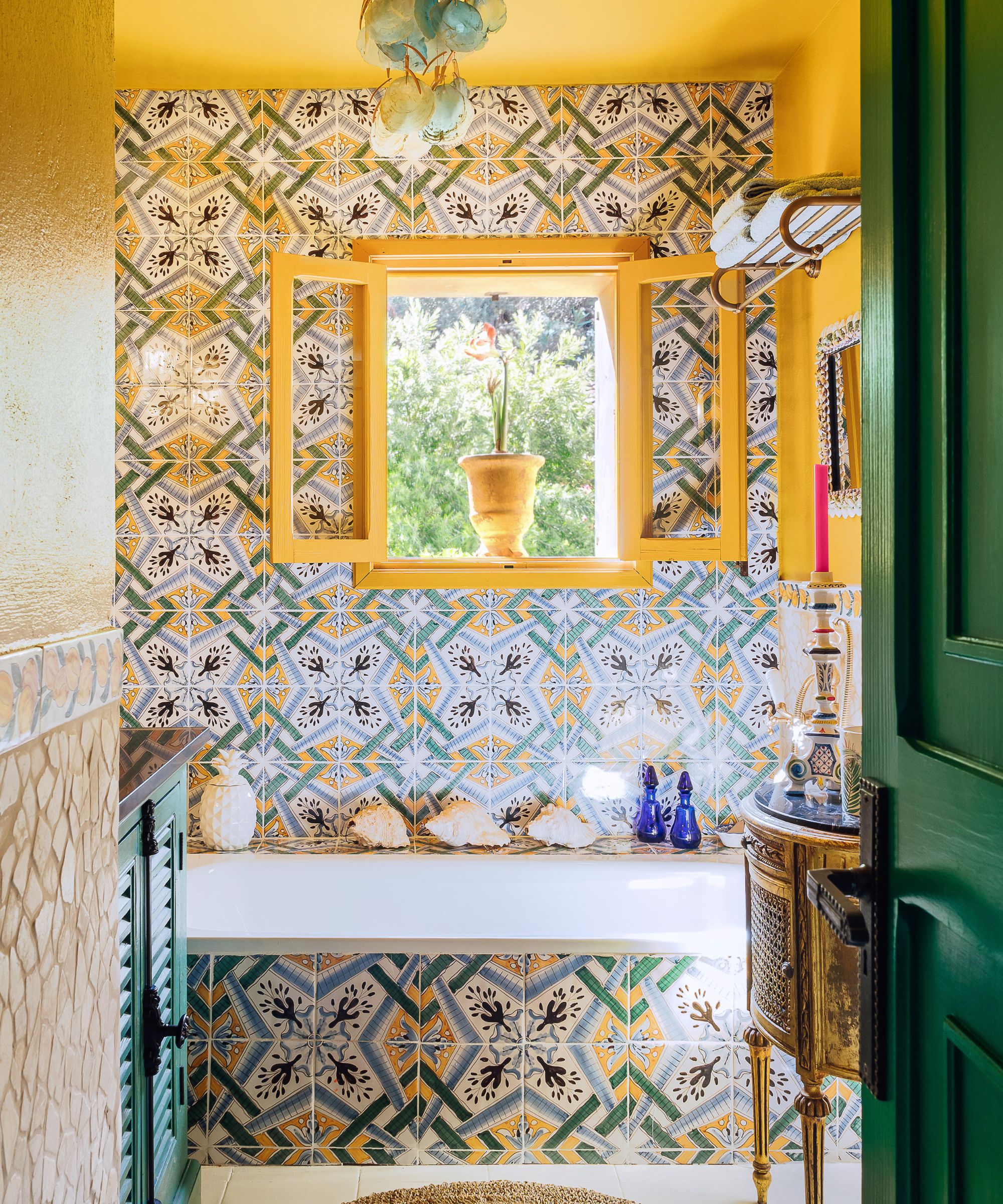
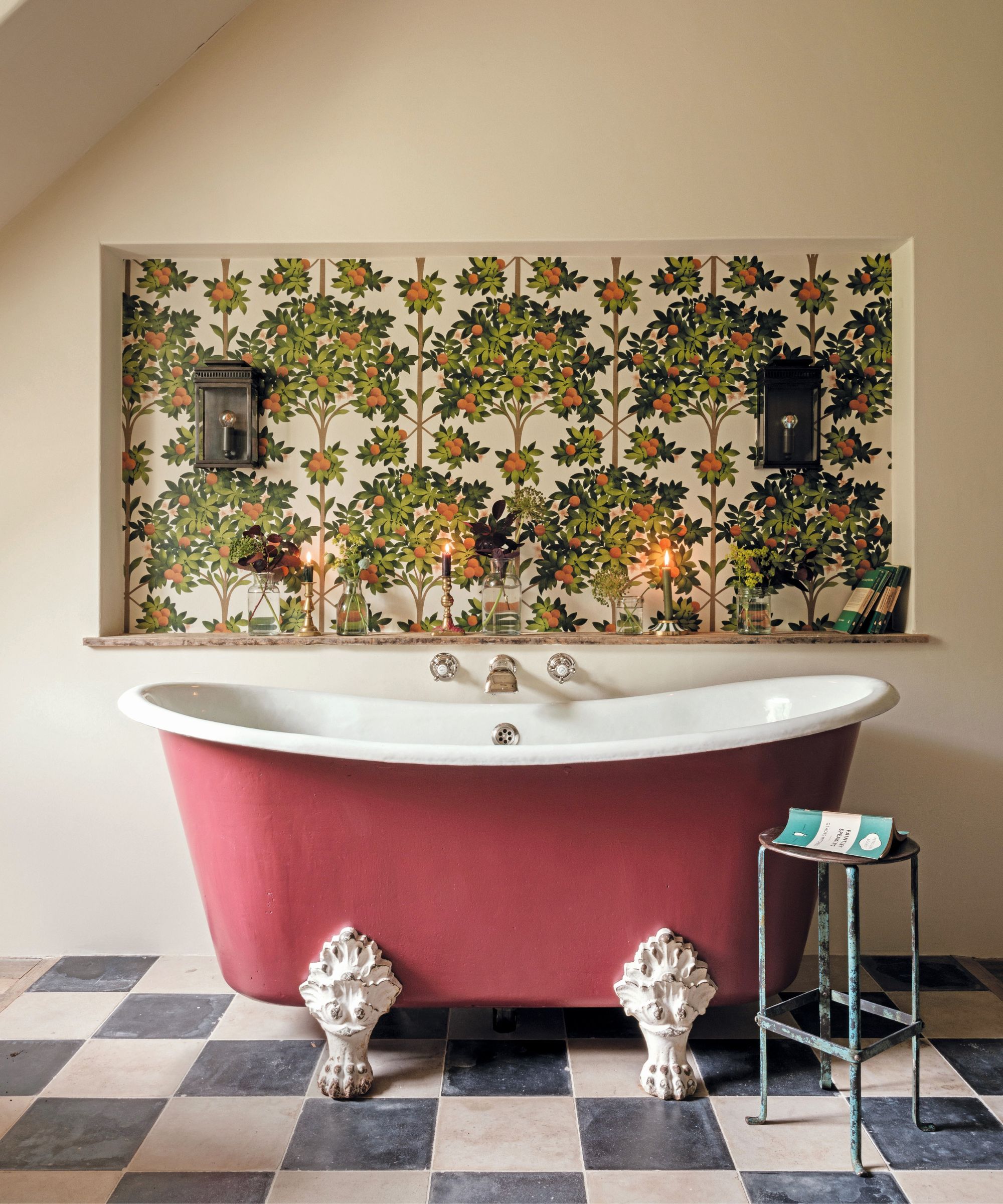
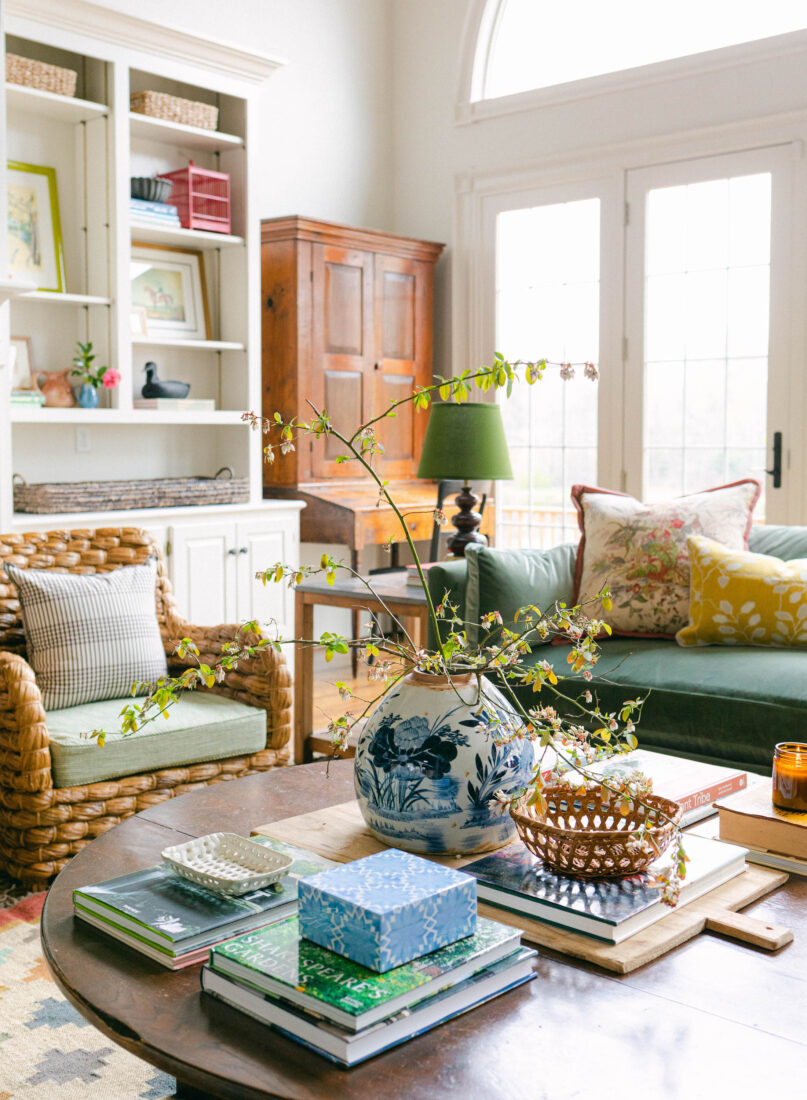
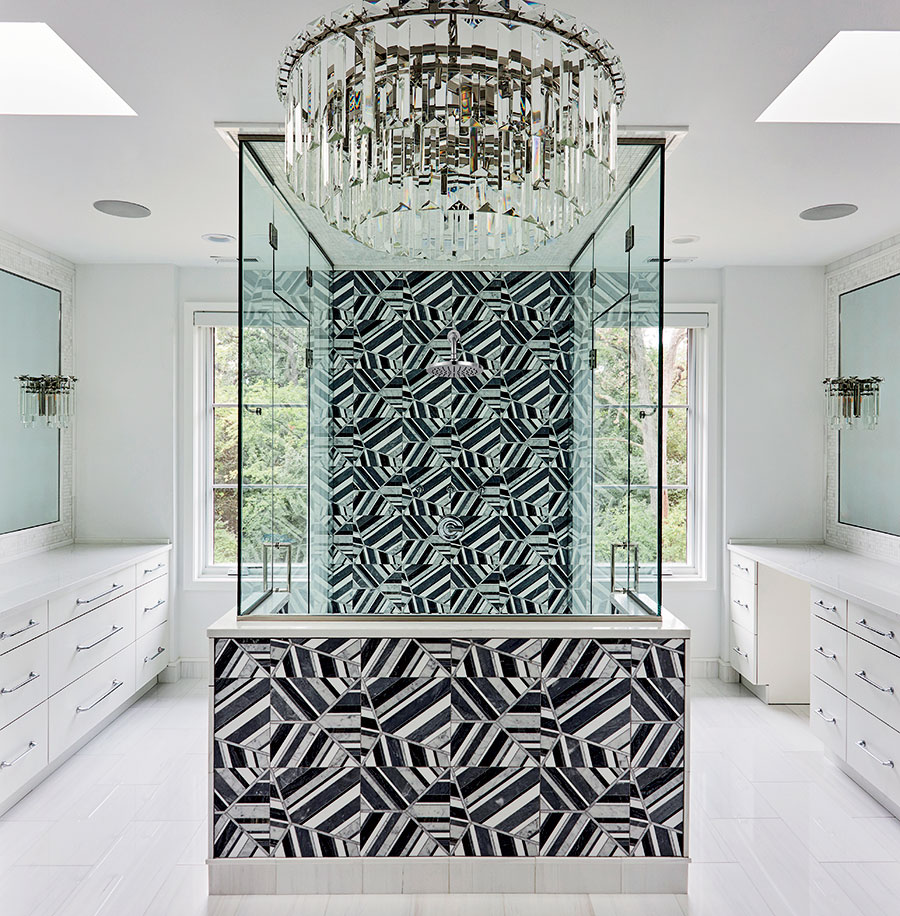
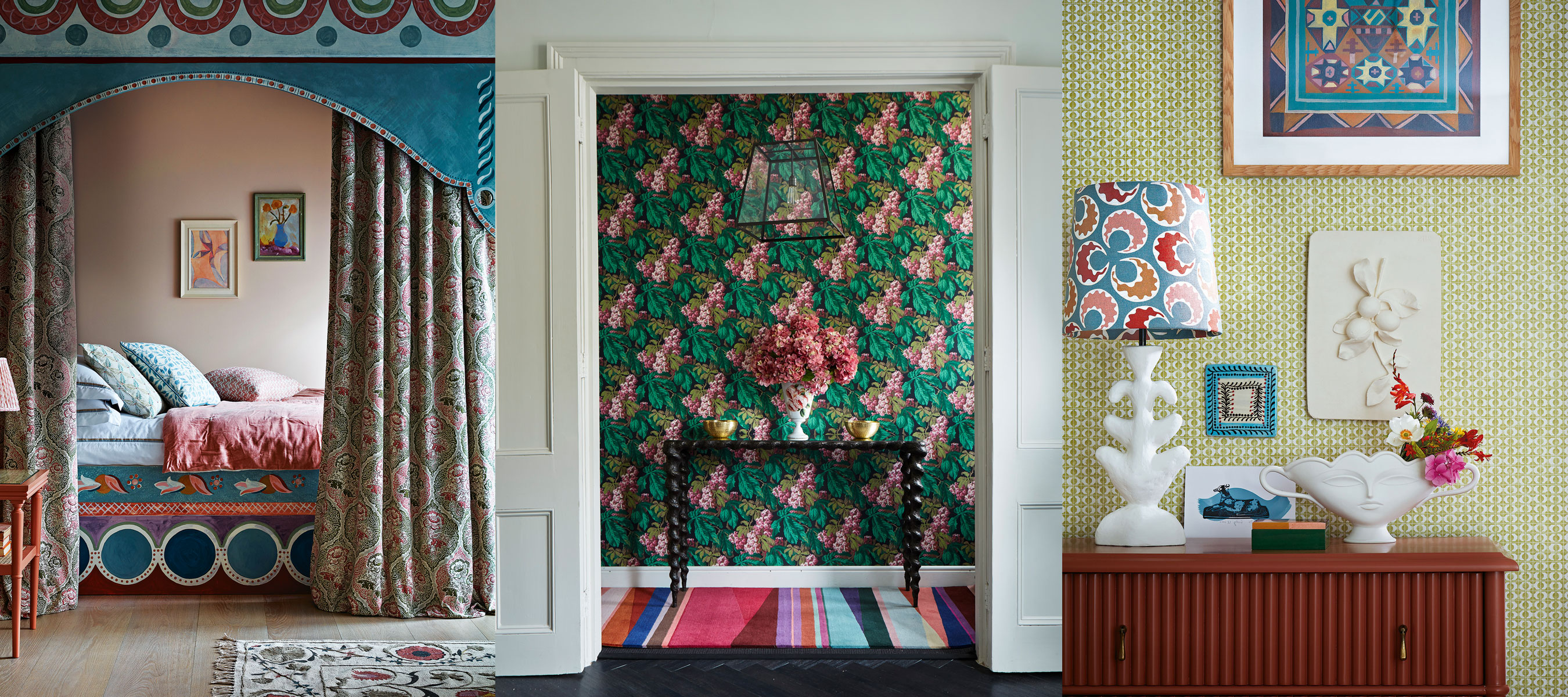
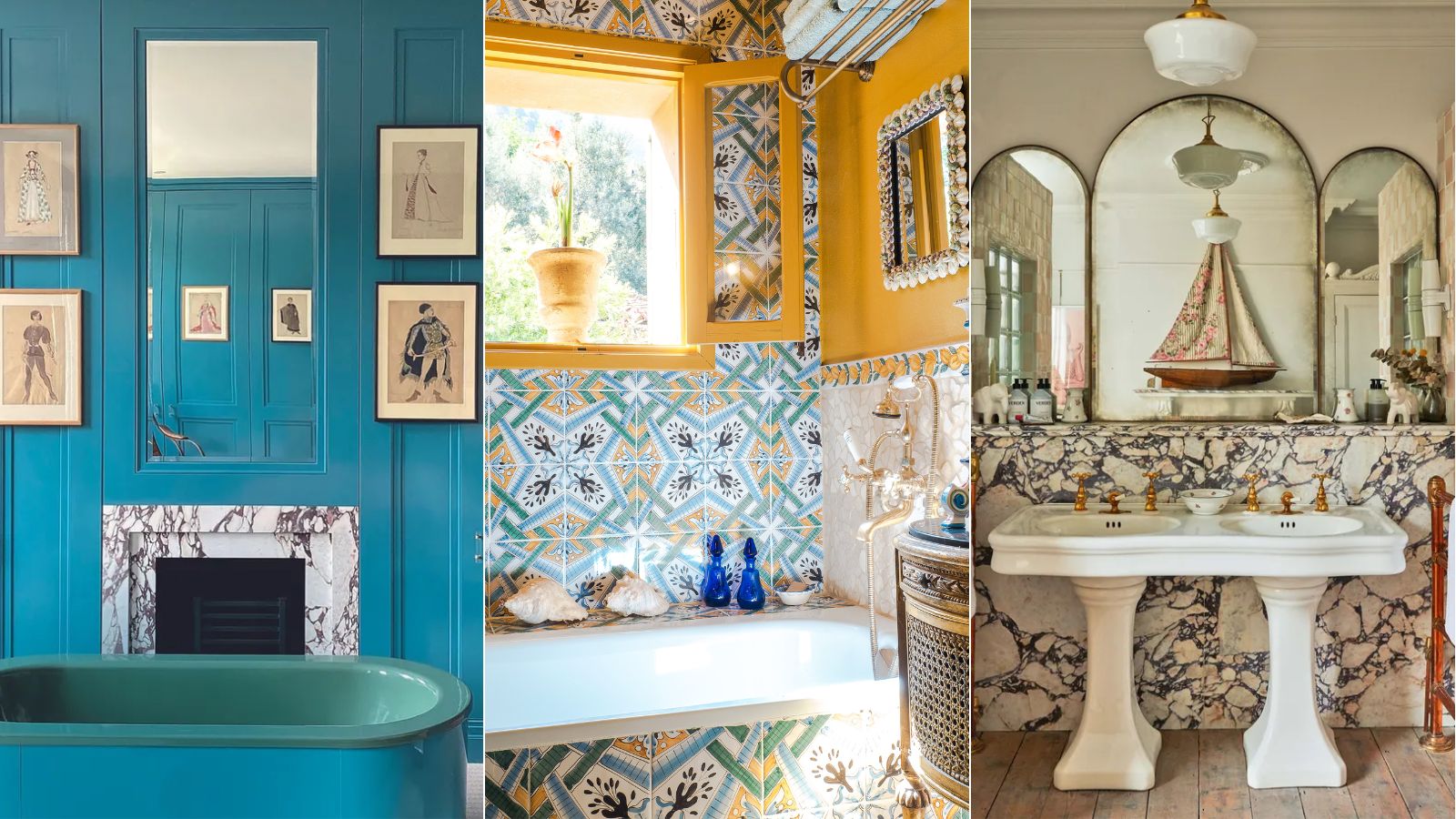
Rose Hanson and Charlie Tilbury of Penrose Tilbury advise against allowing vintage items to become kitsch. They advocate for each object to possess meaning, even if it represents a single memory. The designers suggest pairing vintage pieces with eye-catching color palettes, textured fabrics, and bold patterns to create a vibrant and lively atmosphere without overwhelming the space. They note that a mix of textures and patterns, including classic elements like gingham, stripes, and contrast piping, is crucial for elevating a maximalist scheme. Creative bathroom designs, incorporating statement tiles, bold shower curtains, or elaborate lighting with dramatic wallpaper, are presented as effective ways to introduce maximalist elements without committing to a whole-house theme.
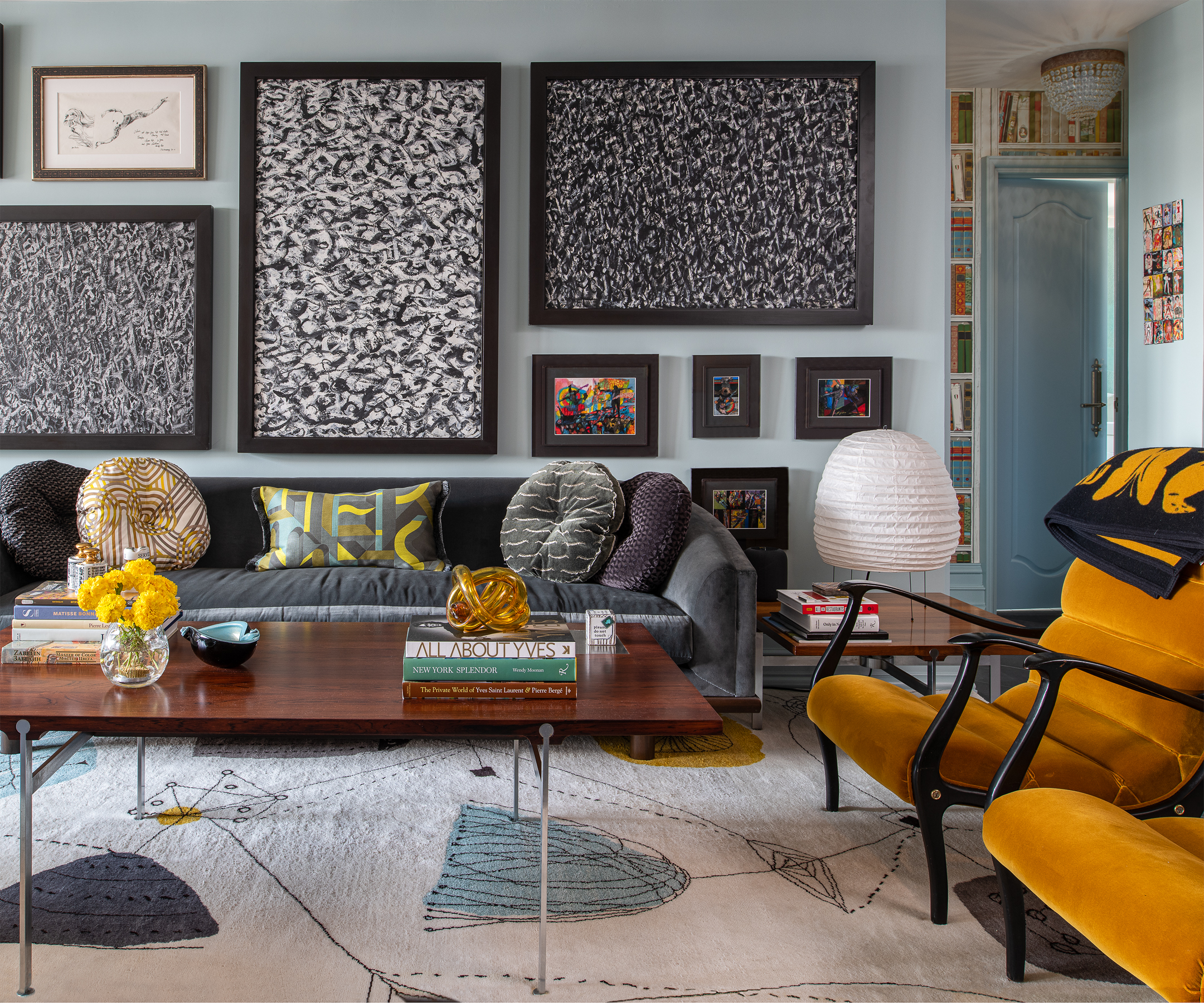
Personalization is a core tenet of modern maximalism. Chelcie Eastman of Gray Benko Home clarifies that the approach is about character, individuality, and creating rooms that tell a story, rather than mere clutter. The objective is to cultivate a home that appears thoughtfully curated over time, where every layer, pattern, or object serves a purpose, including evoking happiness. Eastman stresses that the current appeal of maximalism lies in its emphasis on meaning and confidence, demonstrating that 'more can be more' when executed with care and intention.
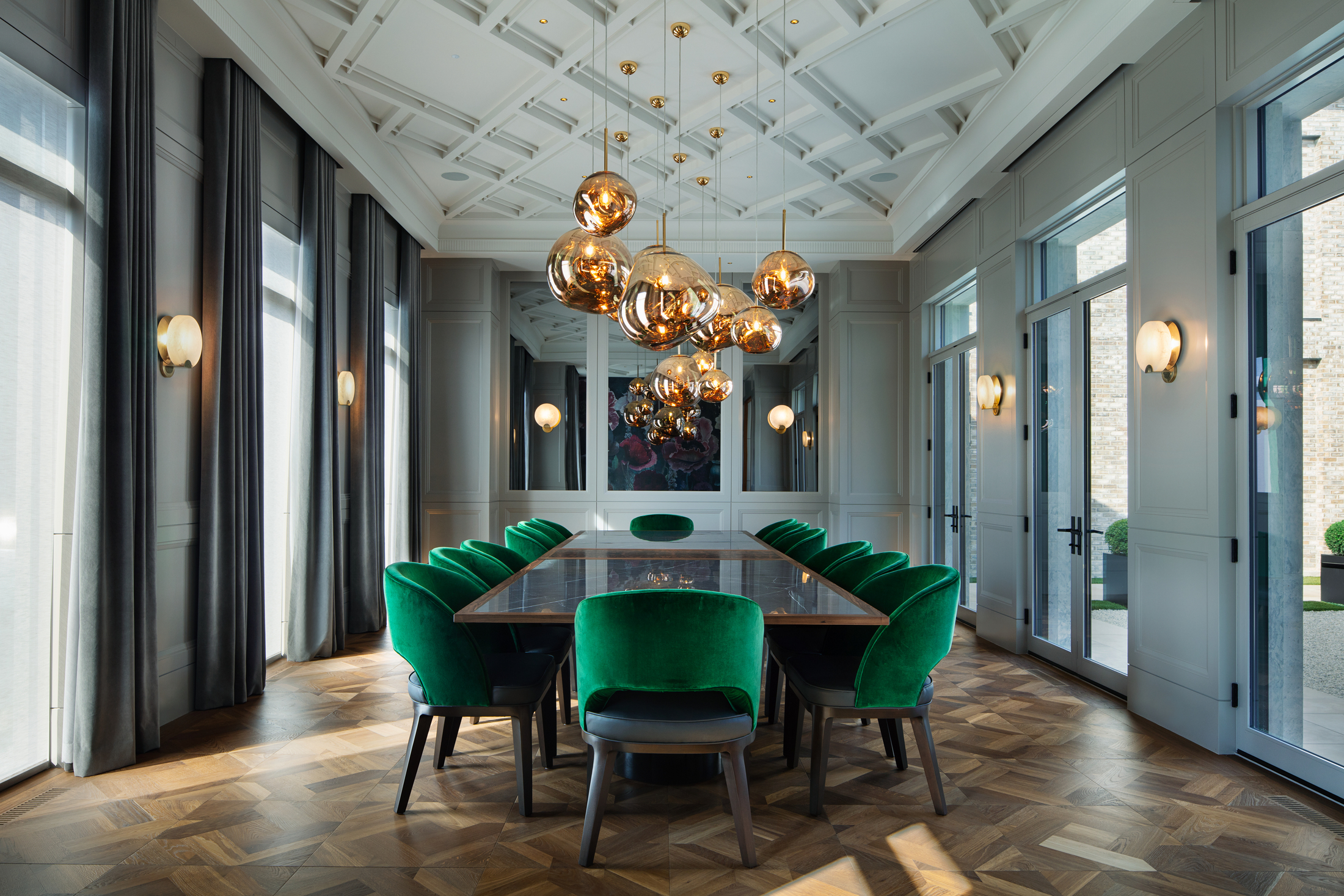
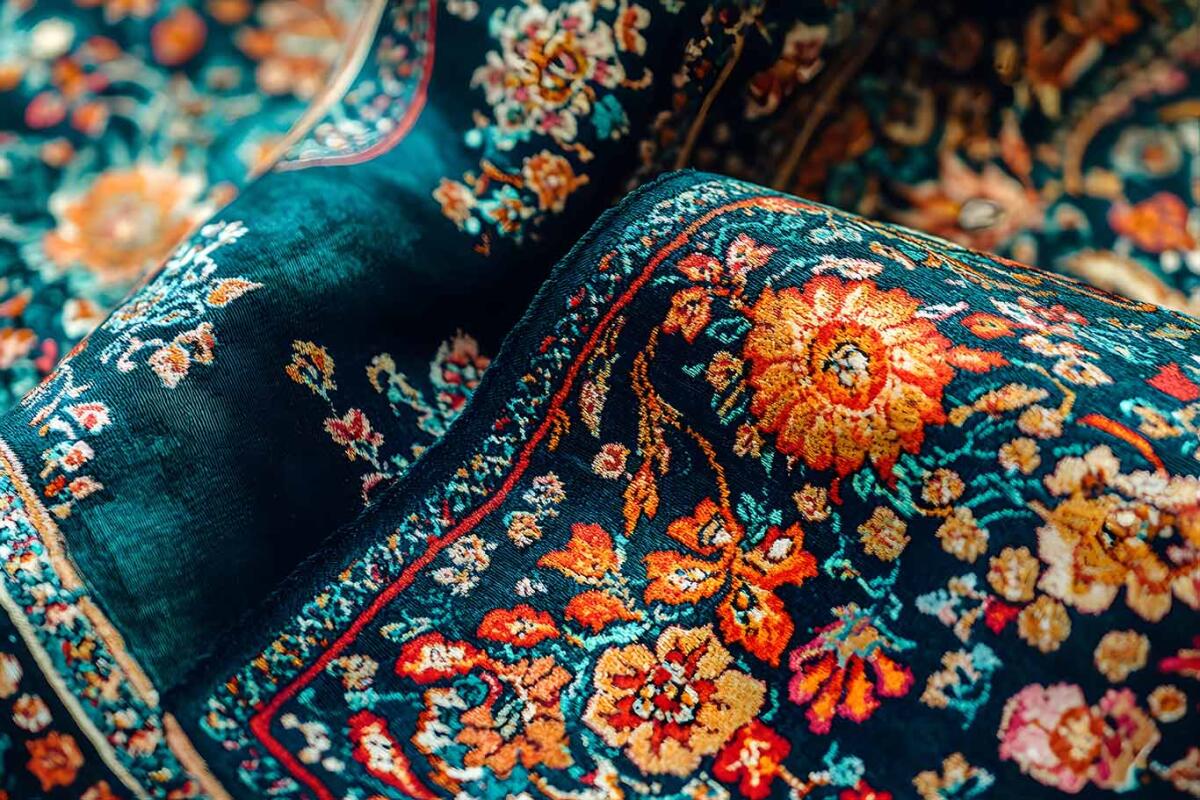
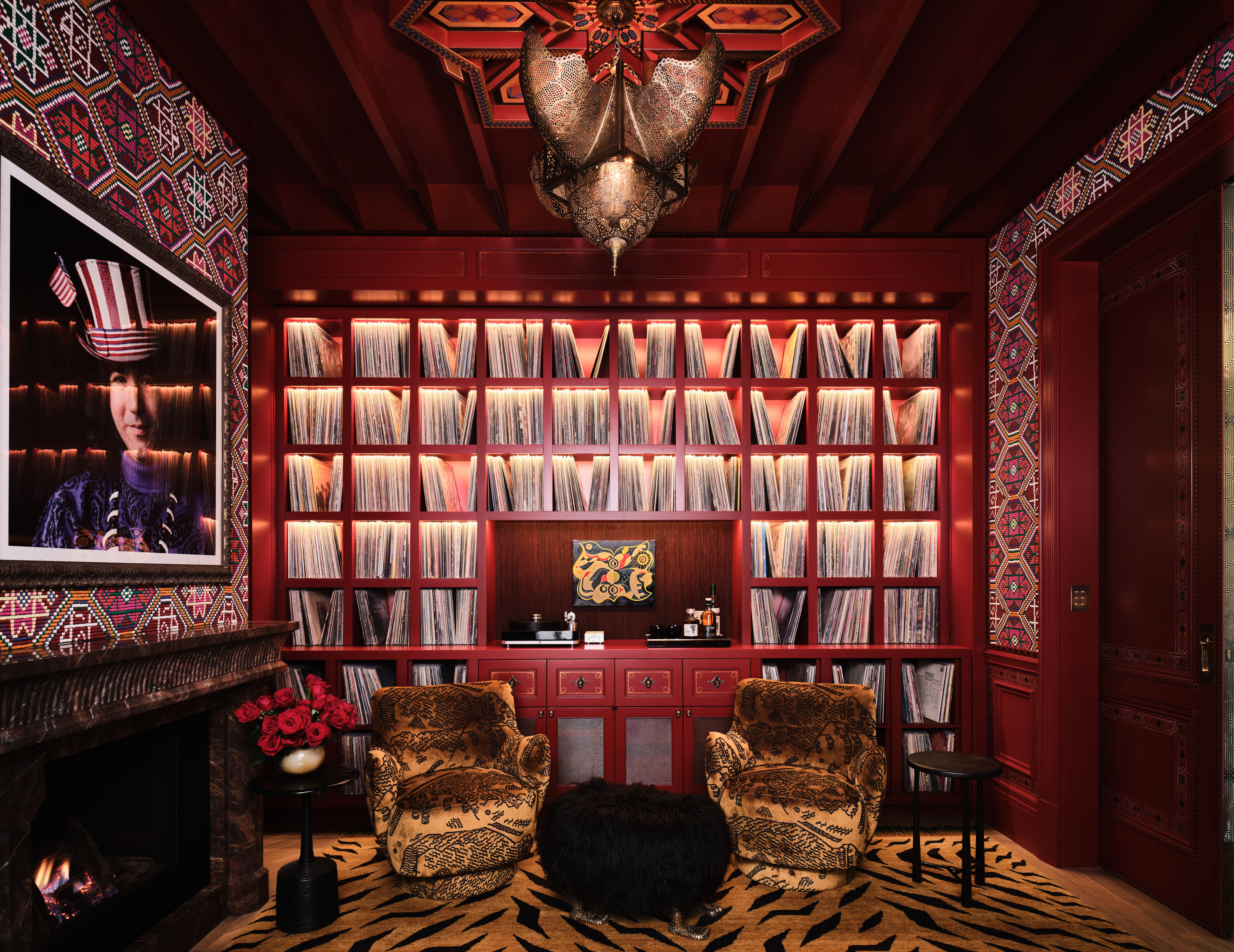
Adopting a thematic approach can provide structure and prevent maximalist designs from becoming overwhelming. Lessons from the hospitality sector illustrate this, where bars, restaurants, and hotels often draw on heritage or specific personalities to guide their designs. Run for the Hills' work on the Persian-inspired restaurant Dood exemplifies this, creating an immersive experience through elements inspired by the Silk Route. Chris Trotman, founding creative director, stresses that maximalism in such contexts requires a full commitment to the theme, ensuring all details, from tiles to art and textiles, contribute to the narrative. Elena Verdera Pastor of Studio Moren adds that in hospitality, maximalism thrives when anchored by a narrative, balancing richness with rhythm through strategic contrasts and moments of calm. Finally, the article highlights the importance of tactility in maximalist design. Franky Rousell, founder of Jolie, emphasizes that maximalism is about crafting spaces that feel alive and tactile, where materials, patterns, and lighting interact to shape the sensory experience of a room. This includes fabrics that invite touch, sculptural furniture, and lighting that creates warm, inviting pools, all contributing to a fully lived-in environment where every detail is intentional and engaging.
#Maximalism #InteriorDesign #HomeDecor #DesignTrends #IntentionalClutter #VintageMaximalism #EclecticMaximalism #HomeStyling #DesignPhilosophy #Maximalism #InteriorDesign #HomeDecor #DesignTrends #IntentionalClutter #VintageMaximalism #EclecticMaximalism #HomeStyling #DesignPhilosophy
0 comment in total
 No comments yet
You may also like
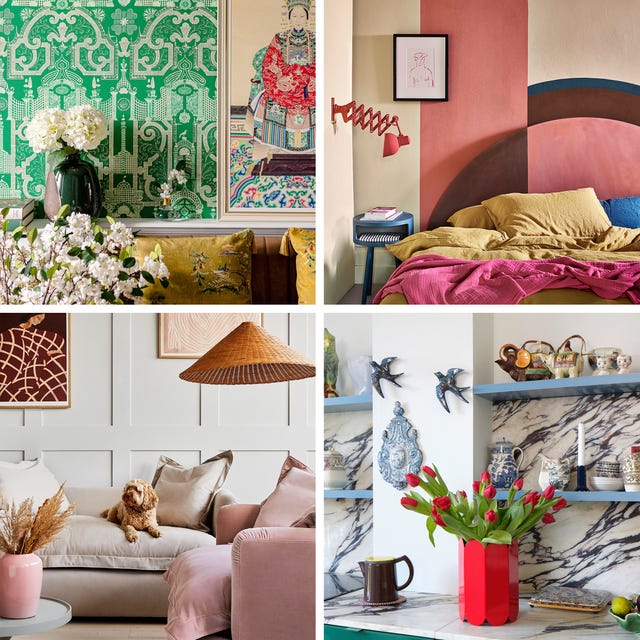
Go big: how to carry off maximalist interior design

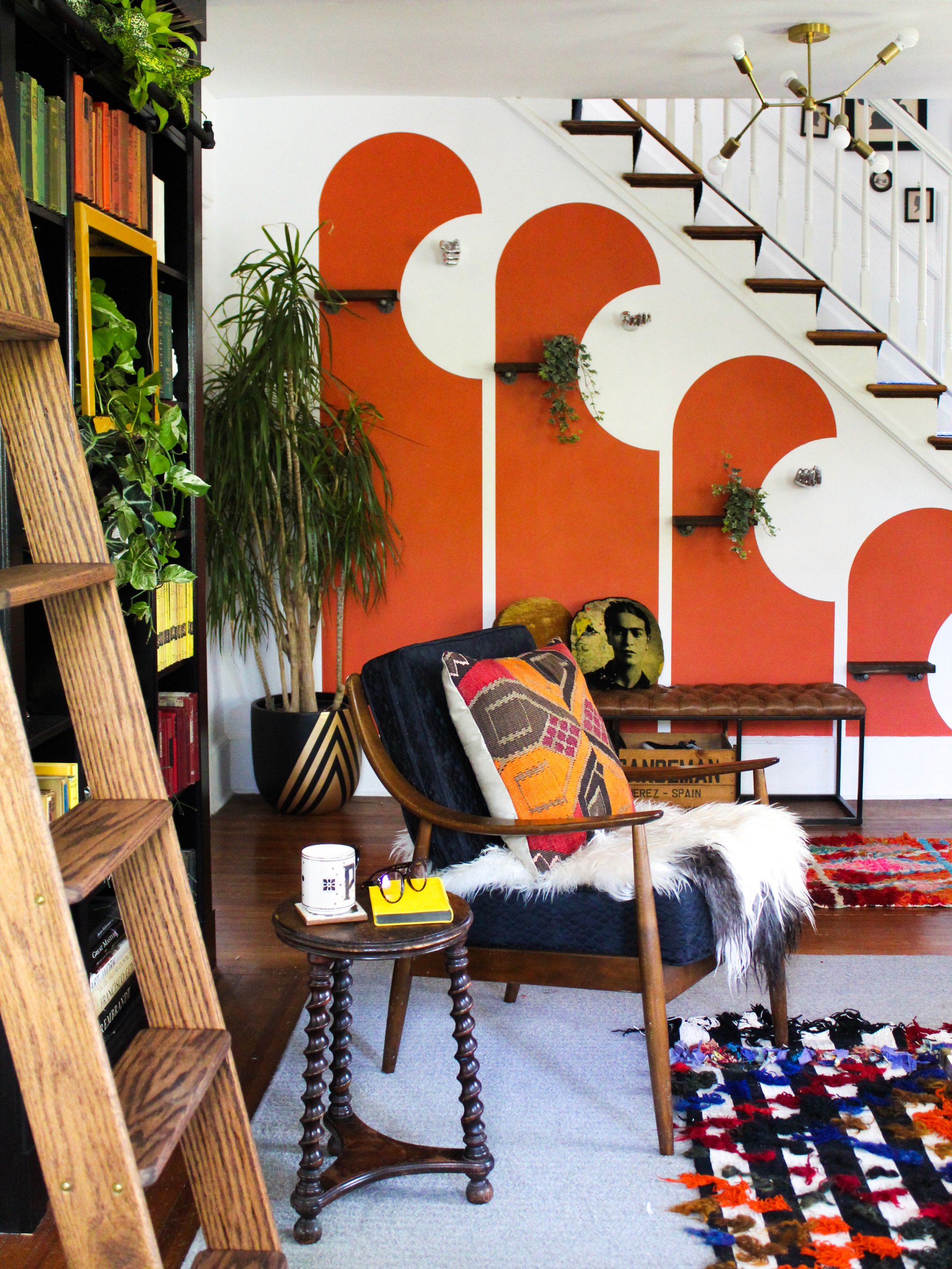
Gasp! Maximalists Have a Lot to Say About Organizing, Too

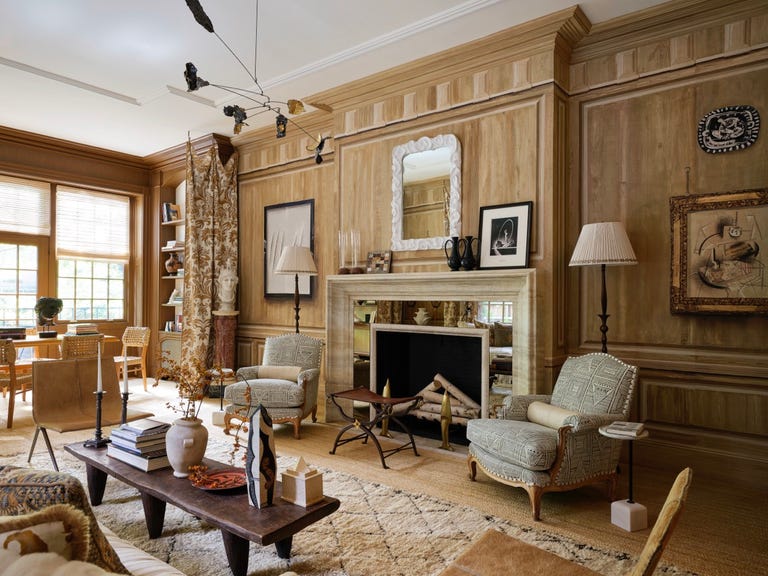
"Neutral Maximalism" Is Trending—Here's How to Make It Work, According to Designers

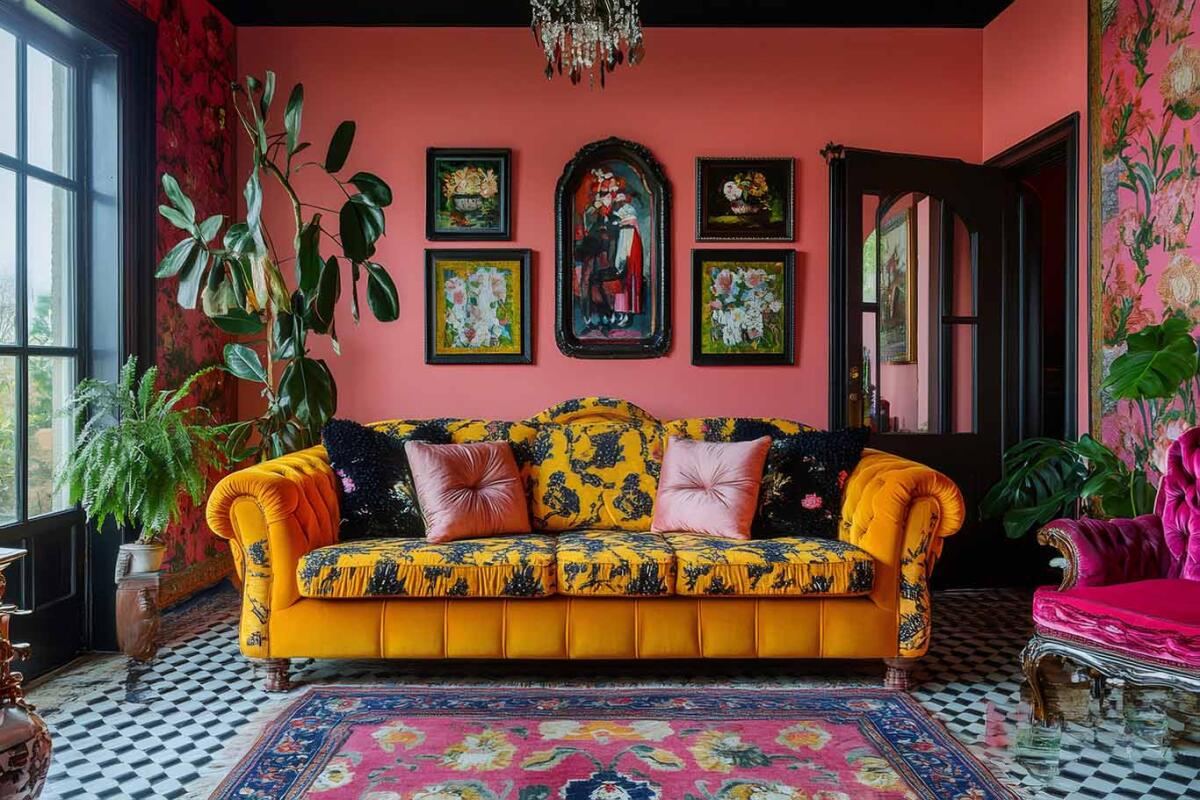
Bring on the Bold: Maximalist Decor and Layering with Confidence
23 Maximalism Decor Ideas That Embody a "More Is More" Sensibility
How do you design a maximalist living room that feels playful but still chic? 6 simple tips from interior designers
21 Spaces with Maximalist Decor that Nail the Over-the-Top Style

Beautiful, Layered Maximalism: Why the Trend Is a Southern Tradition
Maximalist decor ideas – 10 bold ways to embrace this joyous trend

A Design Expert Reconsiders Maximalism
5 ways to create a maximalist bathroom for an eclectic look that remains functional
Emptiness—not minimalism—is the path to creativity, explains MUJI’s design philosopher
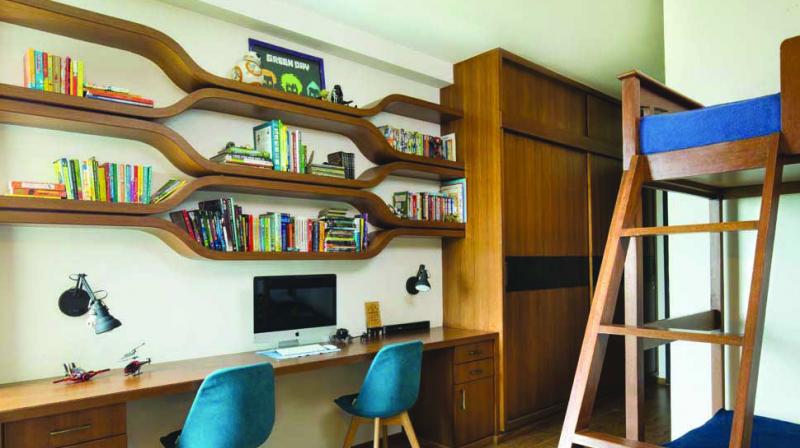
Maximise design and functionality

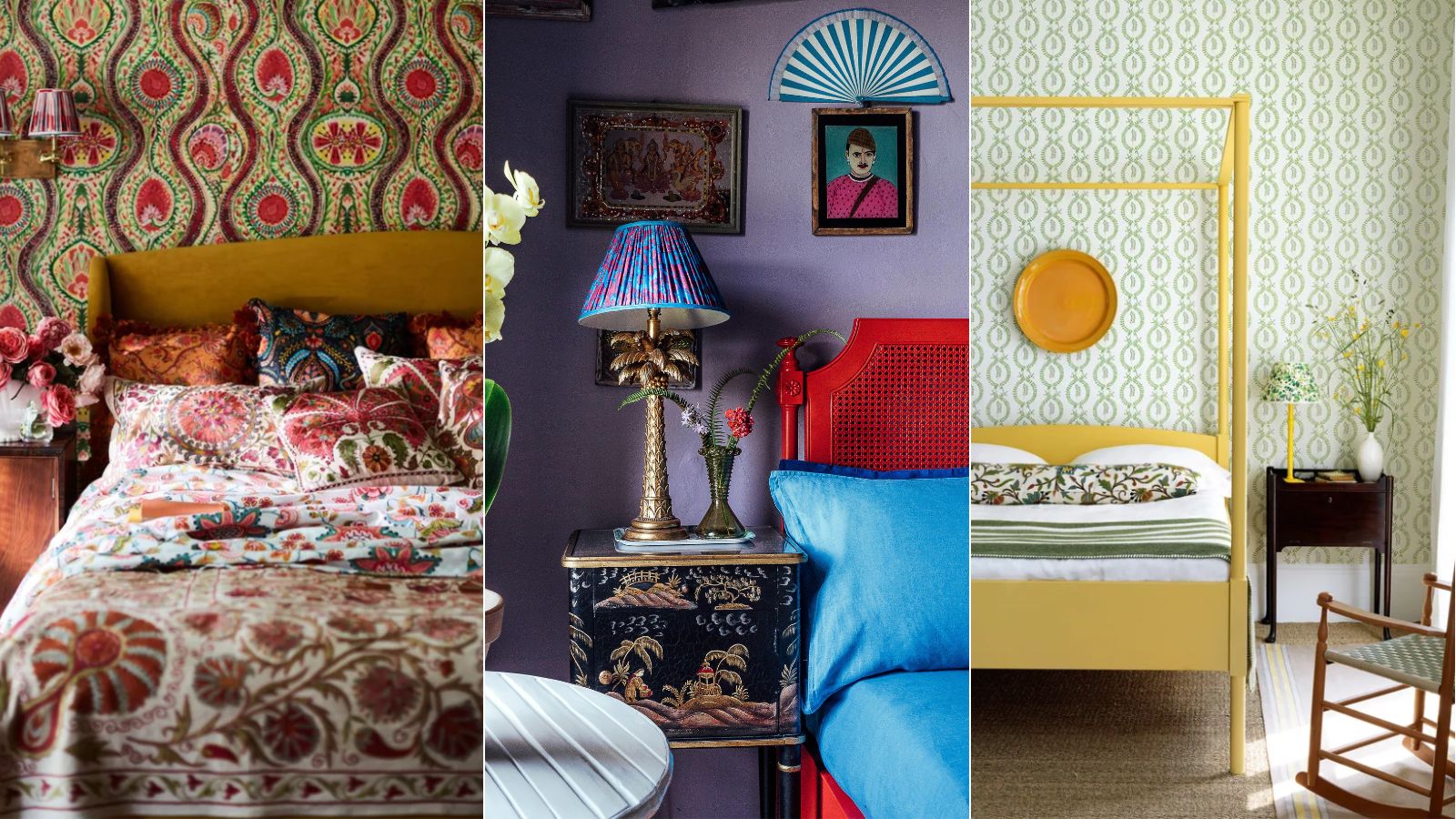
Maximalist bedroom ideas – 5 ways to create a vibrant and personalized decor scheme
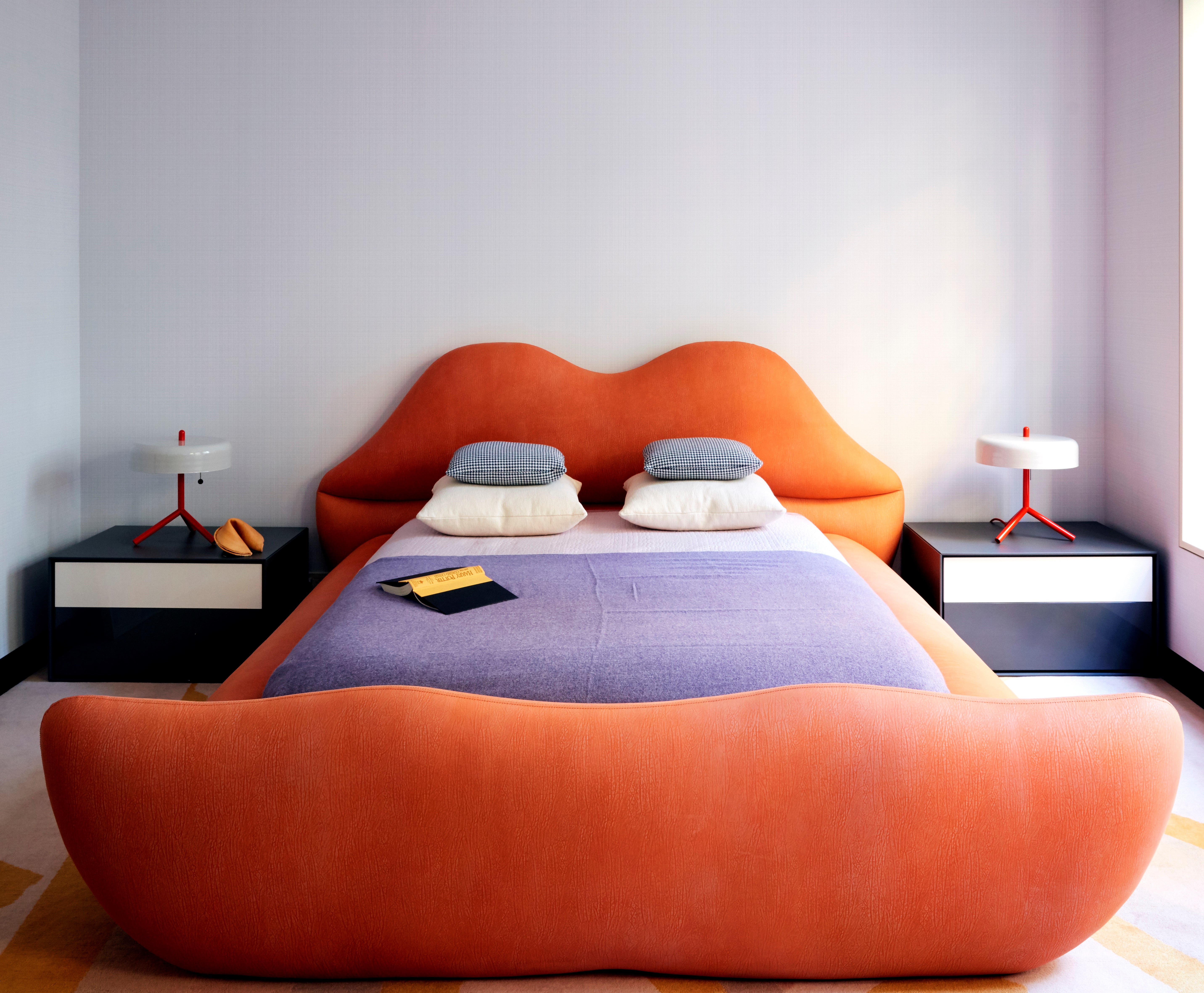
10 maximalist bedrooms that are brave and interesting, but that you can still get a good night's sleep in

When More Is More
What is maximalism? Interior designers who love the style talk us through the unique look
Is Maximalism Still In Style? This Is How Designers Are Doing Bold Spaces Now
6 homes that showcase maximalism at its best
17 maximalist decor ideas to liven up your space — from printed upholstery to sculptural lamps