1/5
This Throwback Fabric Trend Is Back in a Major Way | What Is Moiré?
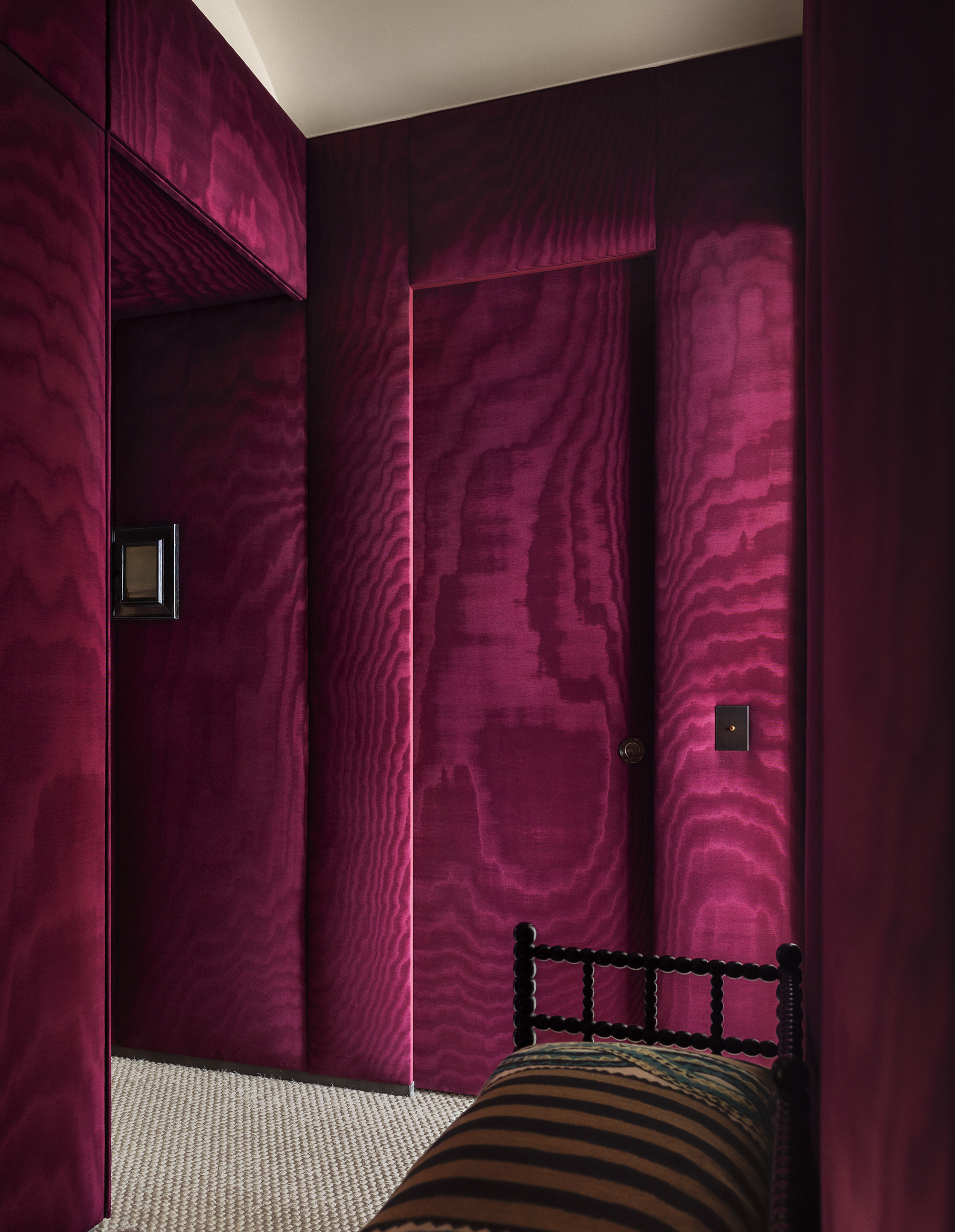
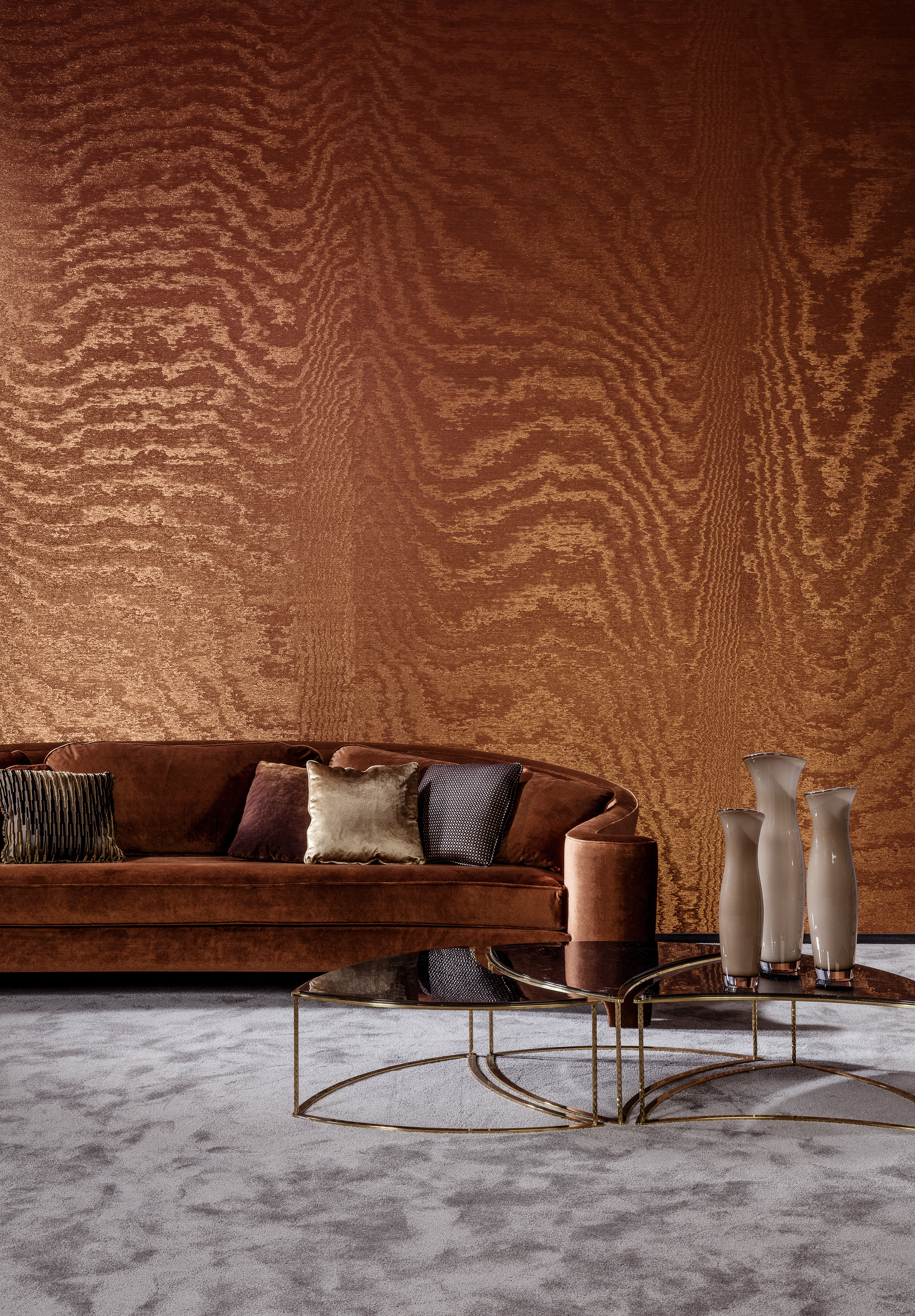
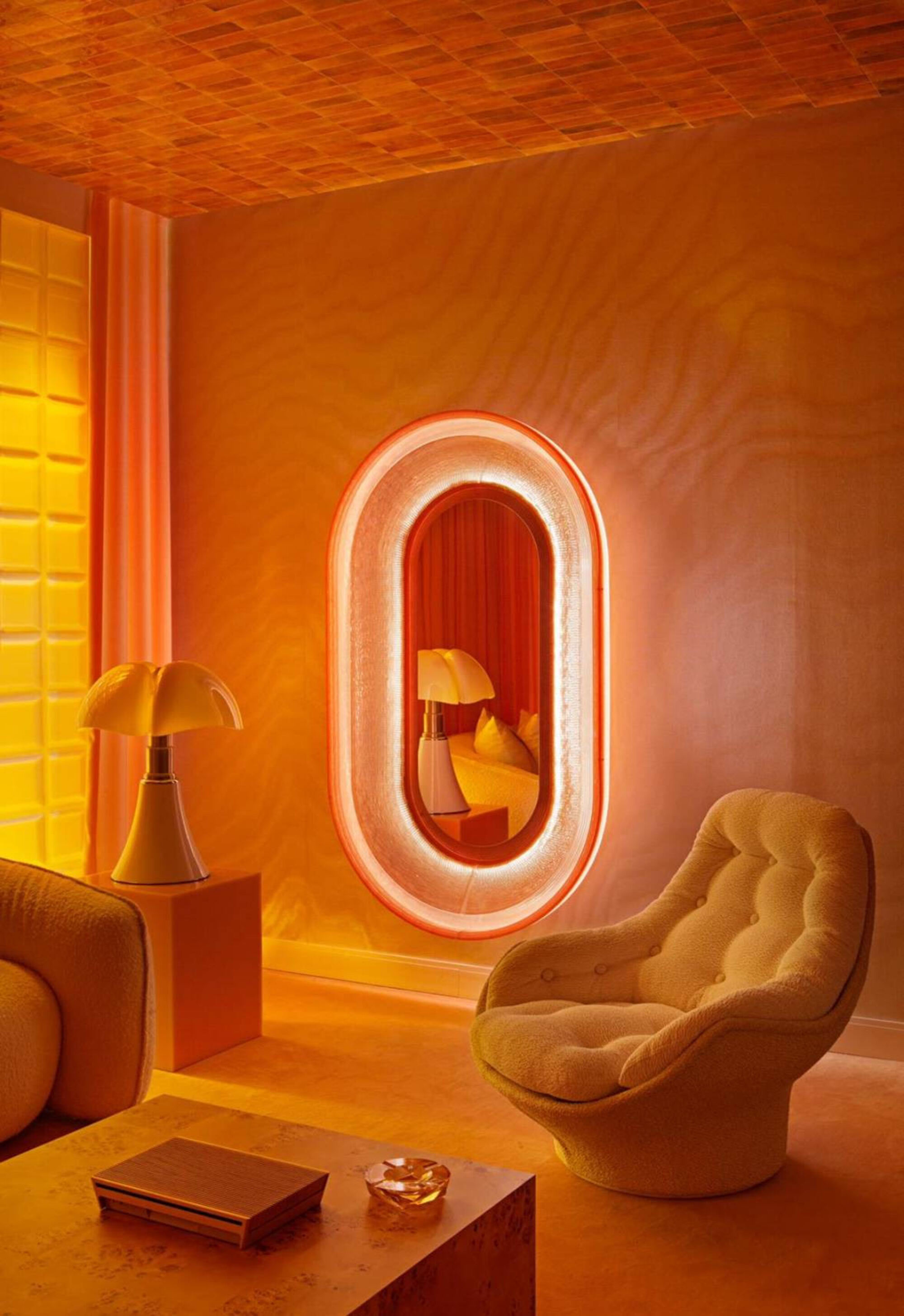
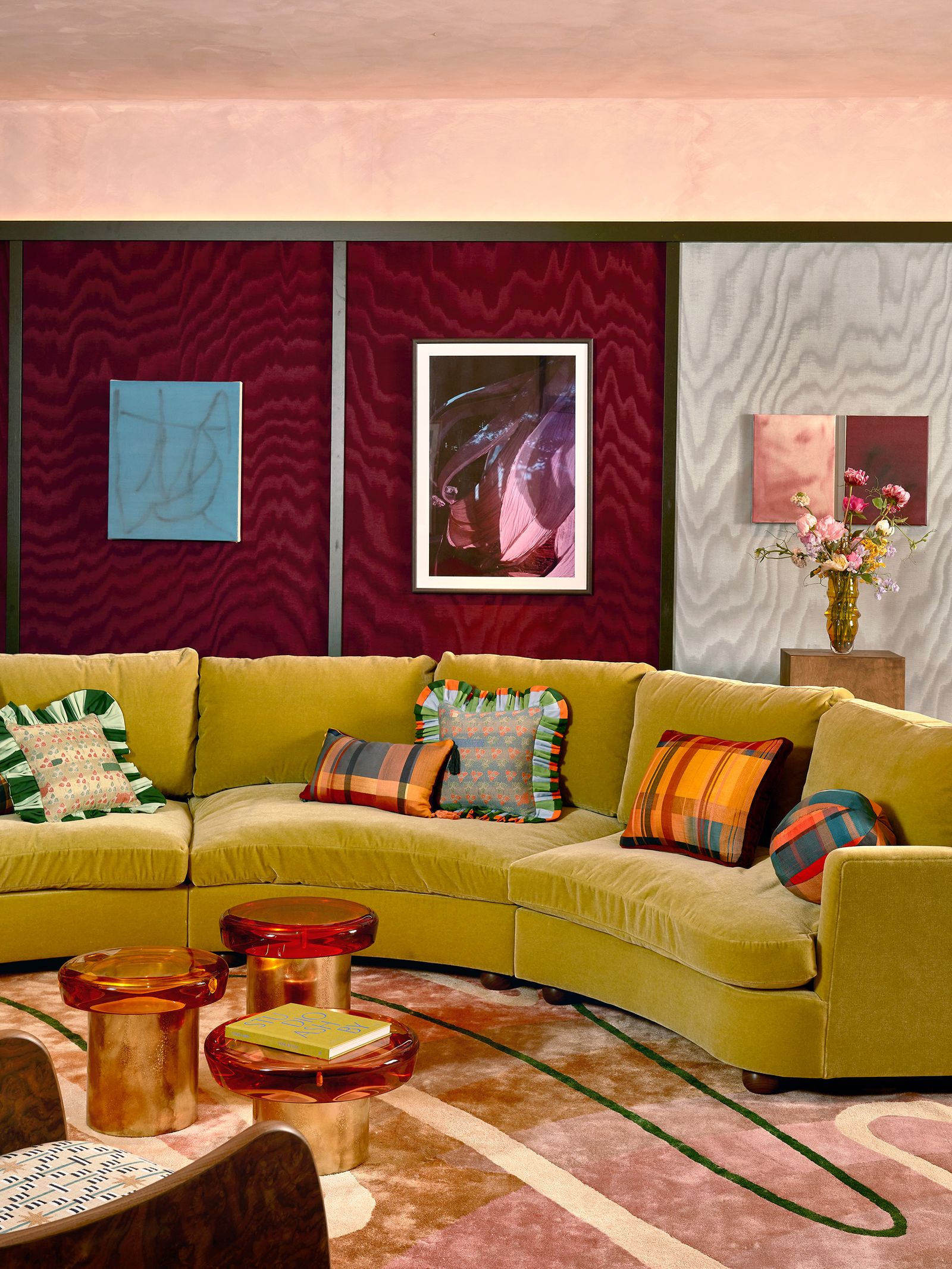
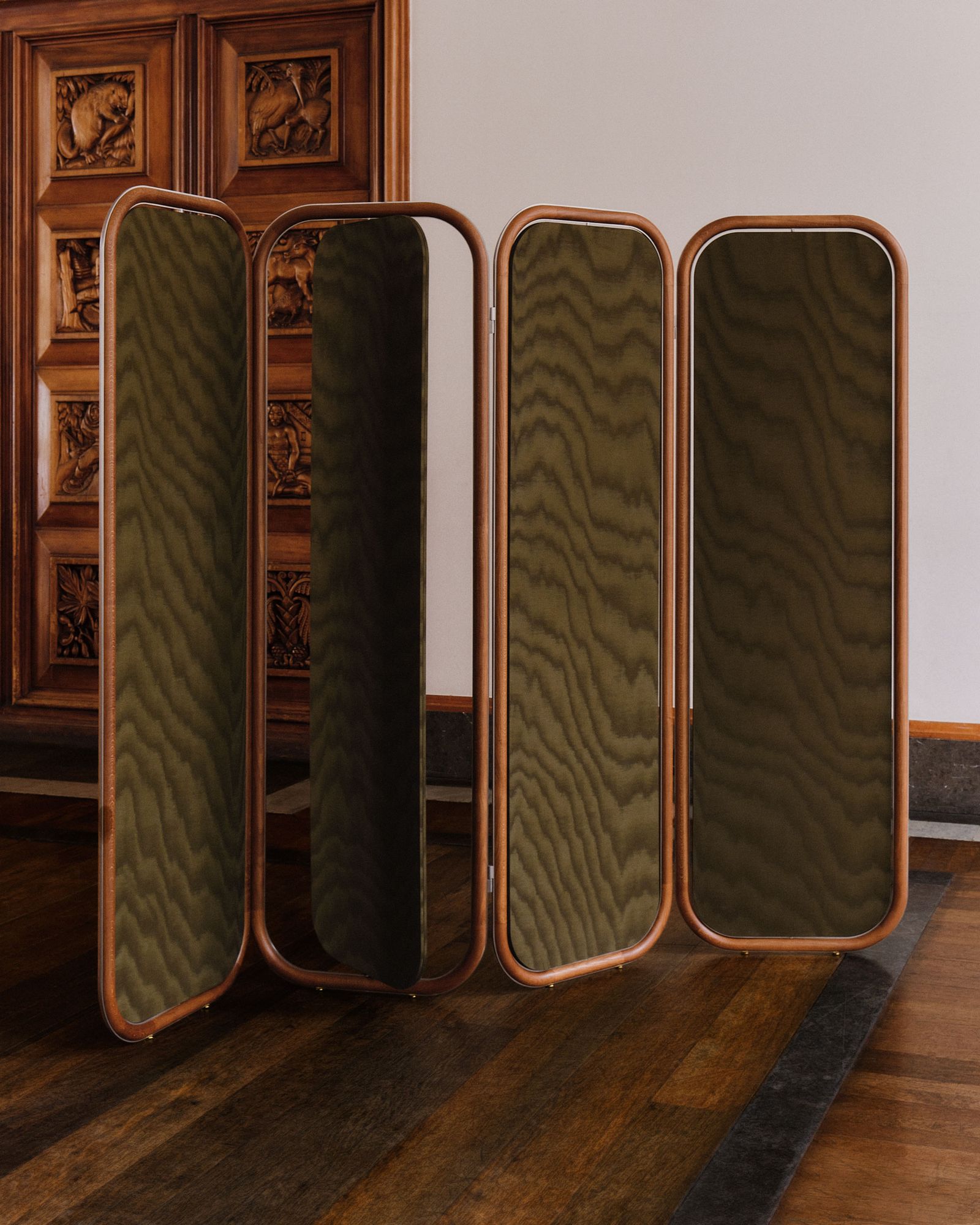
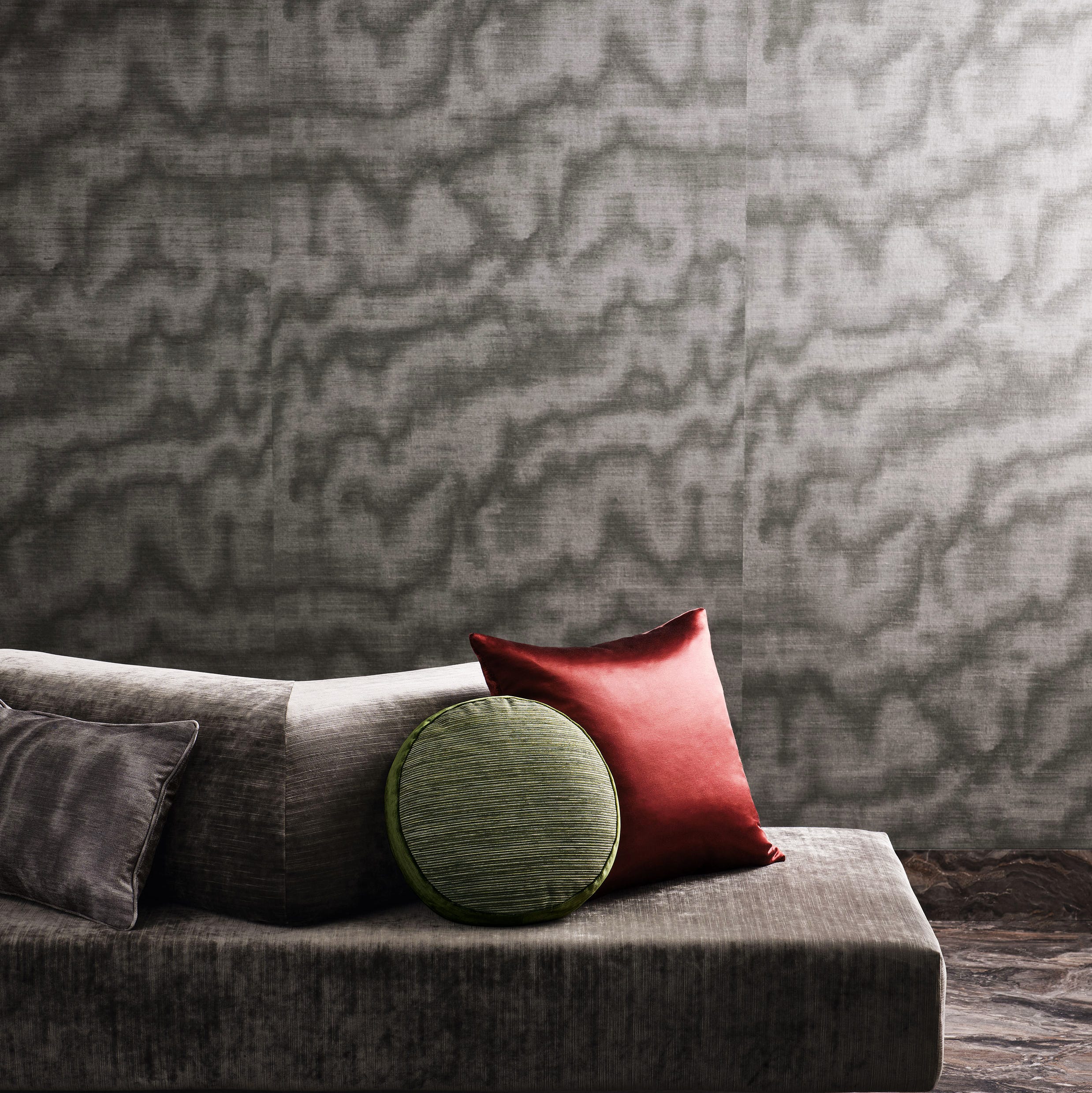
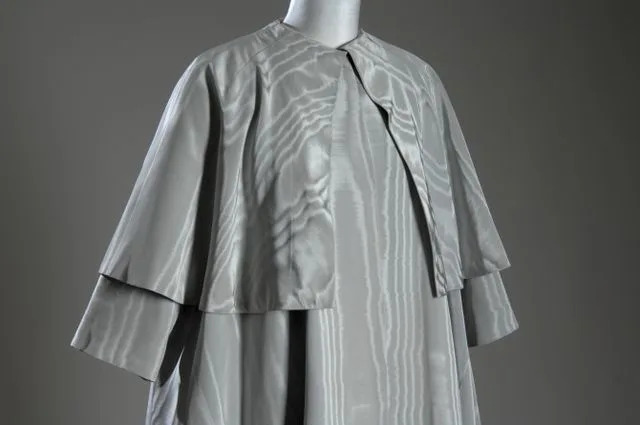
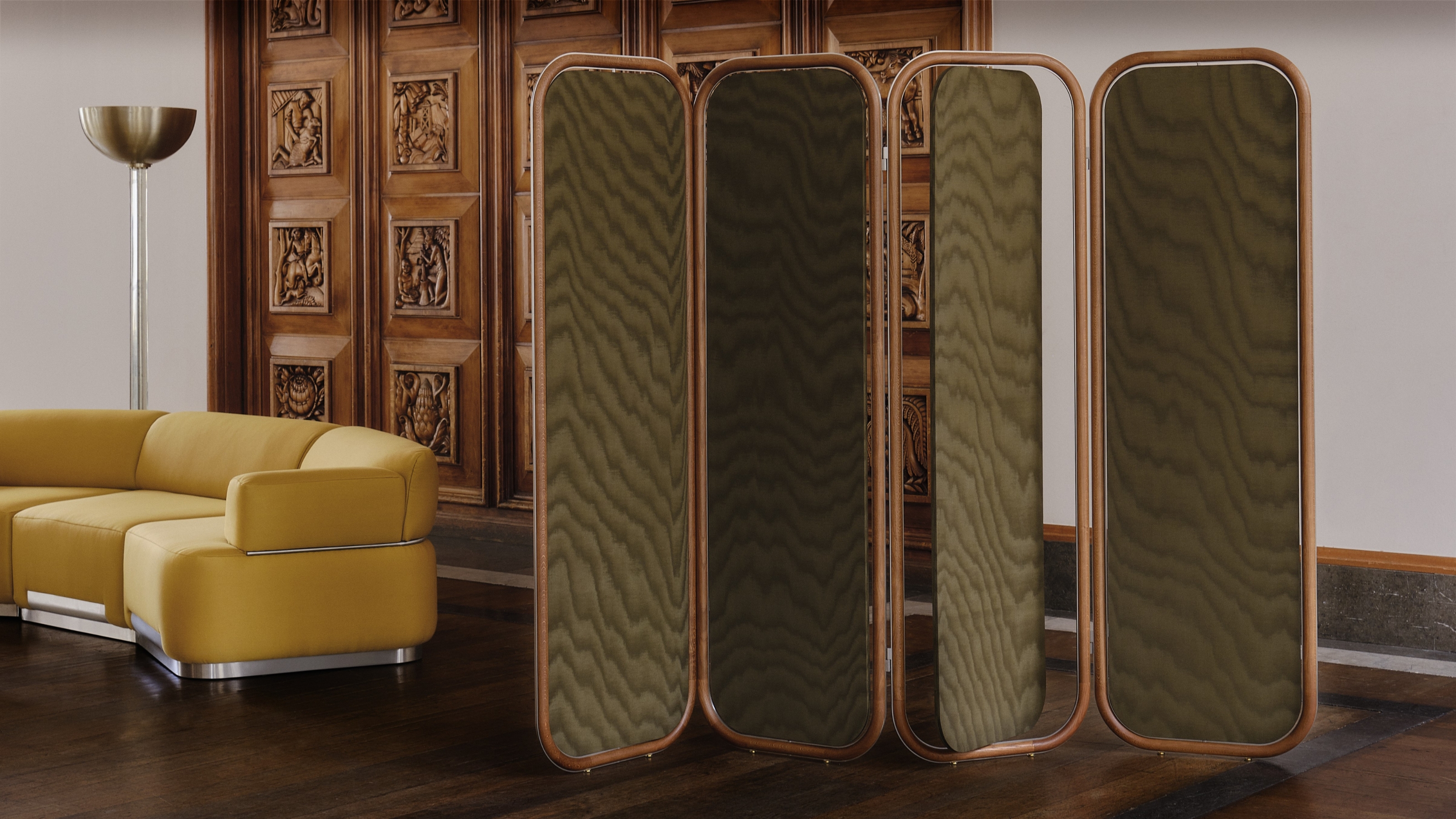
Moiré, a rippling silk textile known for its distinctive wavy pattern, is experiencing a significant resurgence in fashion and interior design. Historically, this fabric, often referred to as "watered silk," first emerged in Europe as early as the 18th century. Its characteristic wood-grain appearance was traditionally created by pressing and steaming two layers of horizontally ribbed fabric together, with misaligned ribs forming the unique wave. While modern techniques can replicate the moiré effect through printing and weaving, the authentic "moiré antique" method involves meticulous craftsmanship, as demonstrated by Humphries Weaving during the 2014 refurbishment of the Cumberland Art Gallery at Hampton Court Palace.
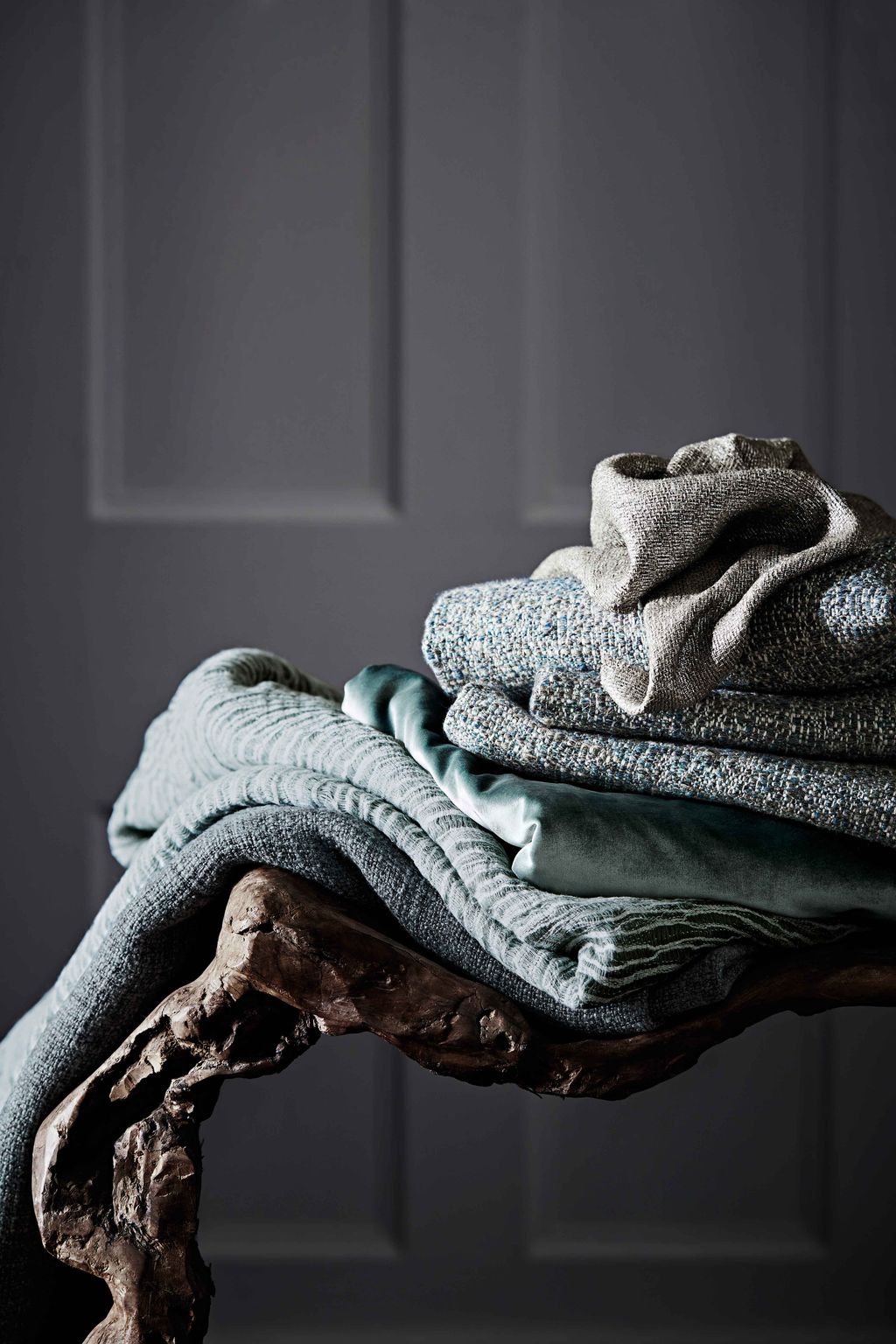
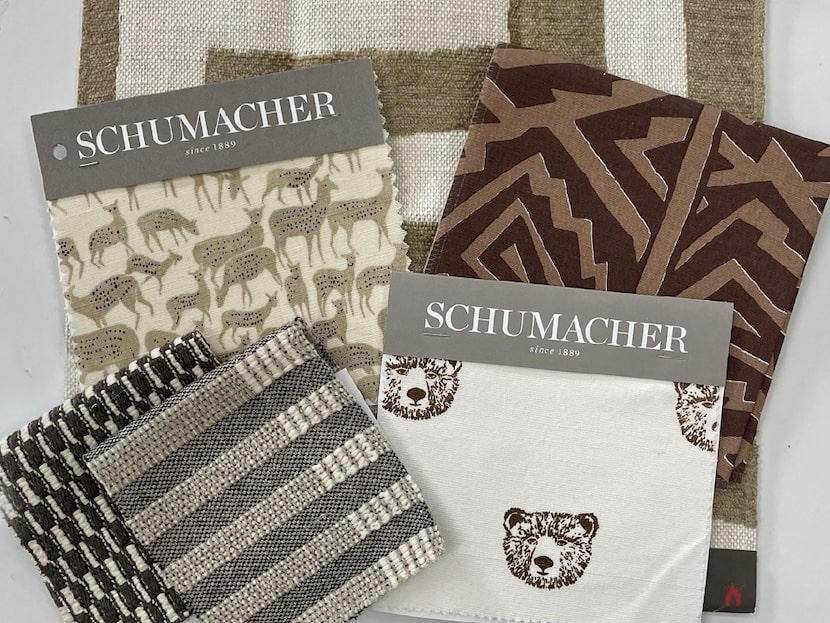
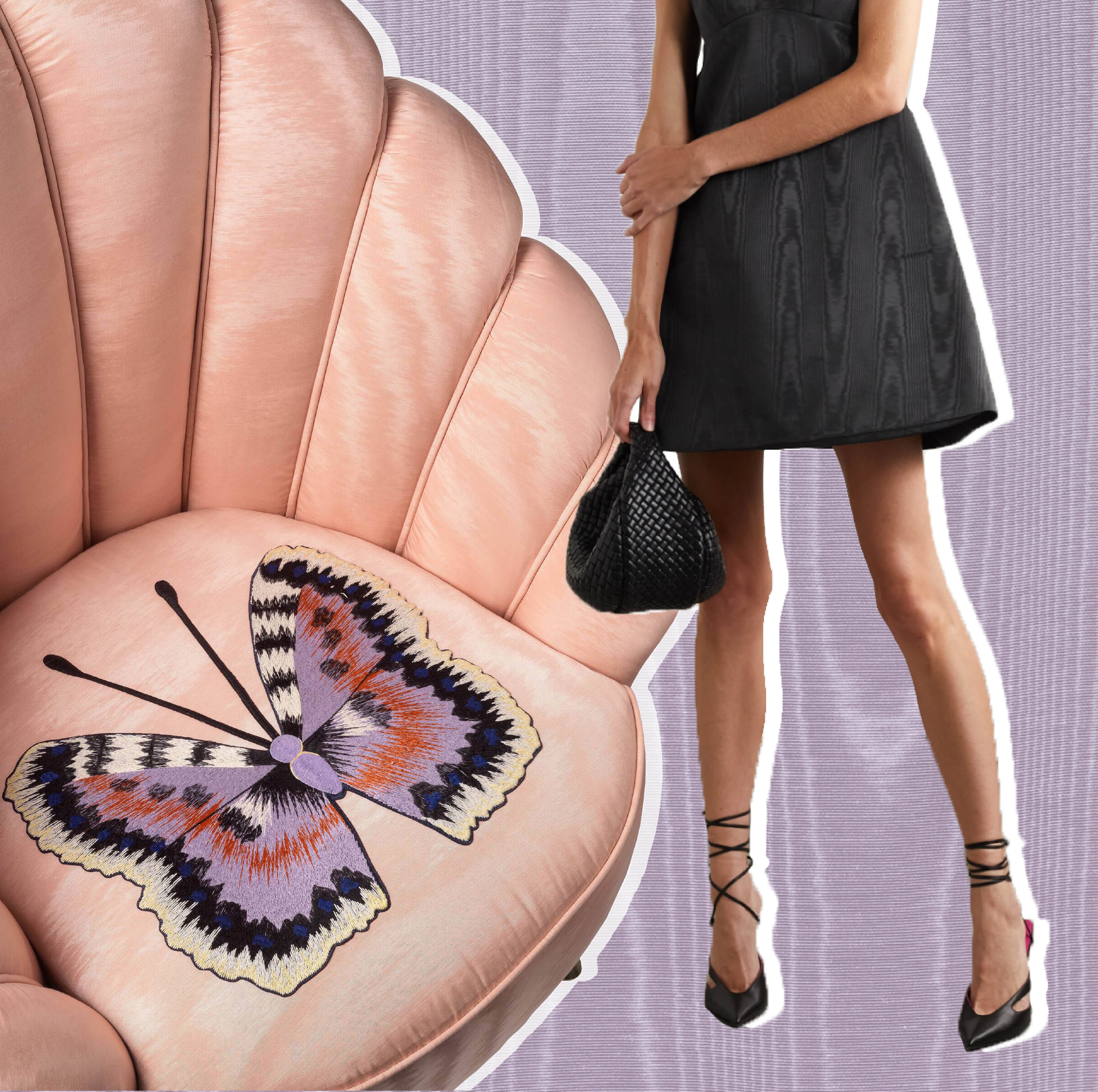
The current revival sees moiré appearing in diverse applications, from high fashion runways to sophisticated interior spaces. Designer Christian Siriano showcased a maximalist cape ensemble in acid green moiré silk in his Spring/Summer 2022 collection, while Tanya Taylor's pre-fall 2022 collection features textured taffeta with ruffles. For those looking to incorporate moiré into their wardrobe, options range from J. Crew shoes to a sleek little black dress by Brandon Maxwell. The trend also extends beyond traditional silk, with items like a Schumacher throw woven from merino wool featuring a moiré design, similar to faux bois.
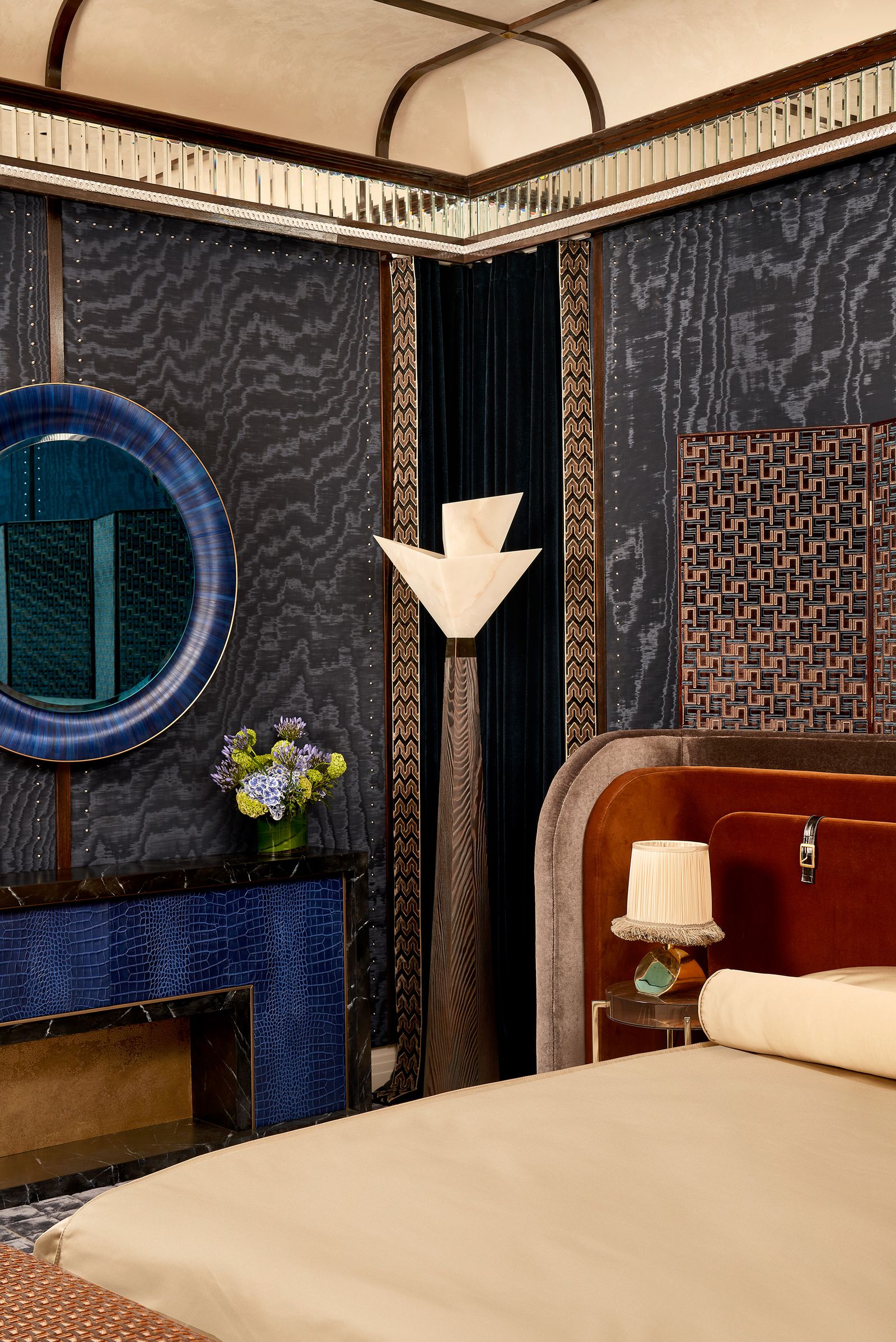
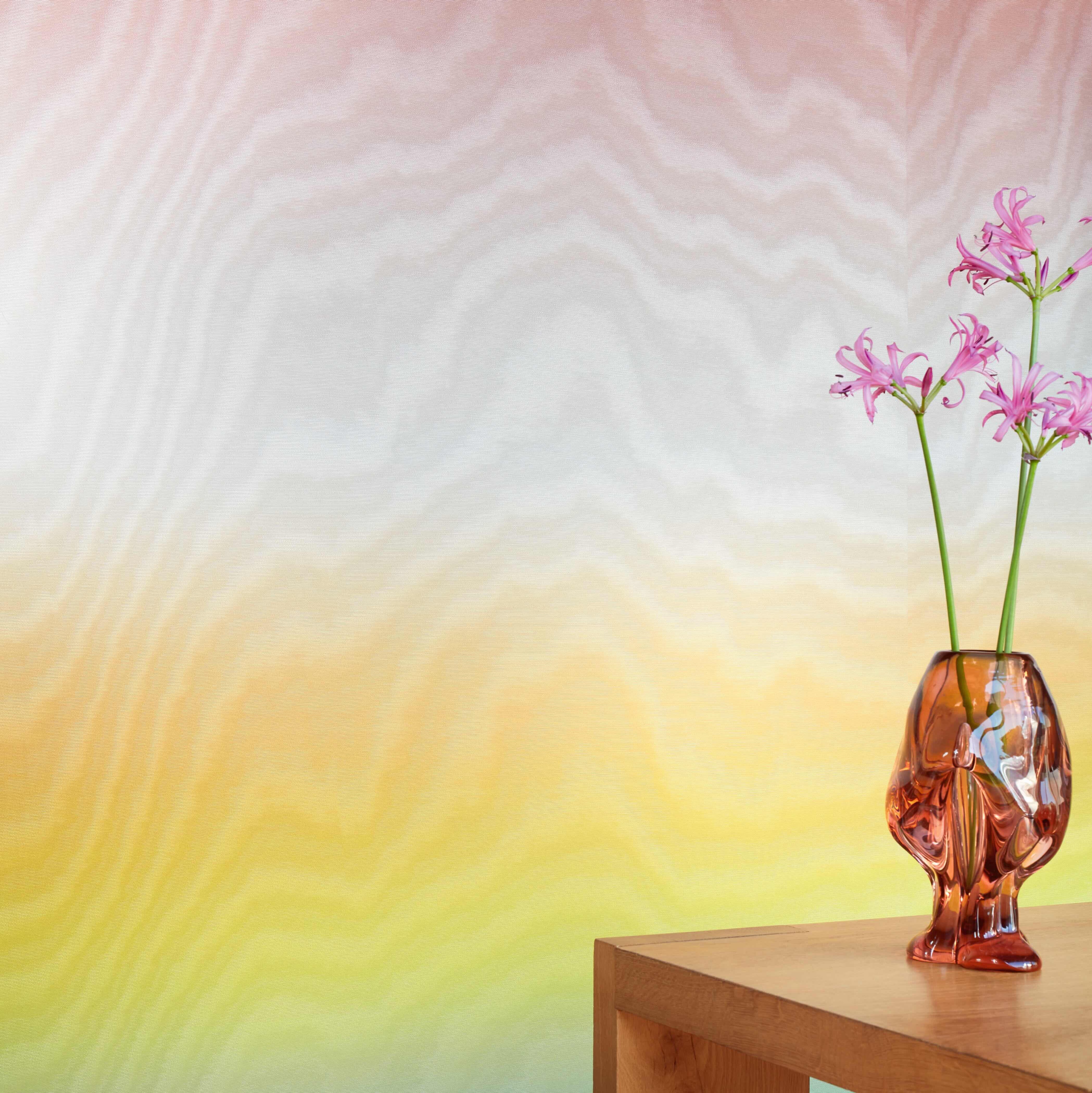
In interior design, moiré is being embraced for its luxurious glamour and historical resonance. Robert McKinley utilized salmon-colored moiré silk to cover the walls of the dining rooms at the Sant Ambroeus location in New York's Financial District. McKinley found the fabric to be an elegant yet versatile choice, drawing inspiration from classic European textiles found in Italian theaters and 18th- and 19th-century cafés, as well as formalwear. He aimed for a material that evokes a sense of recognition and connection, albeit from a distant past.
Design duo Duncan Campbell and Charlotte Rey also incorporated moiré into their "Fabrizia cocktail chair" for the Invisible Collection, upholstering it in a vibrant lavender Dedar moiré fabric. Campbell explains that the fabric's layered historical associations made it ideal for a piece that blends the elegance of a Jean-Antoine Watteau gown with the geometric impact of David Hicks's interiors, offering a historically anchored, light, fun, and irreverent aesthetic. Rey emphasizes the desire for permanence and the idea of furniture as future heirlooms, noting moiré's versatility and chic decorative quality without being overly frilly or chintzy.
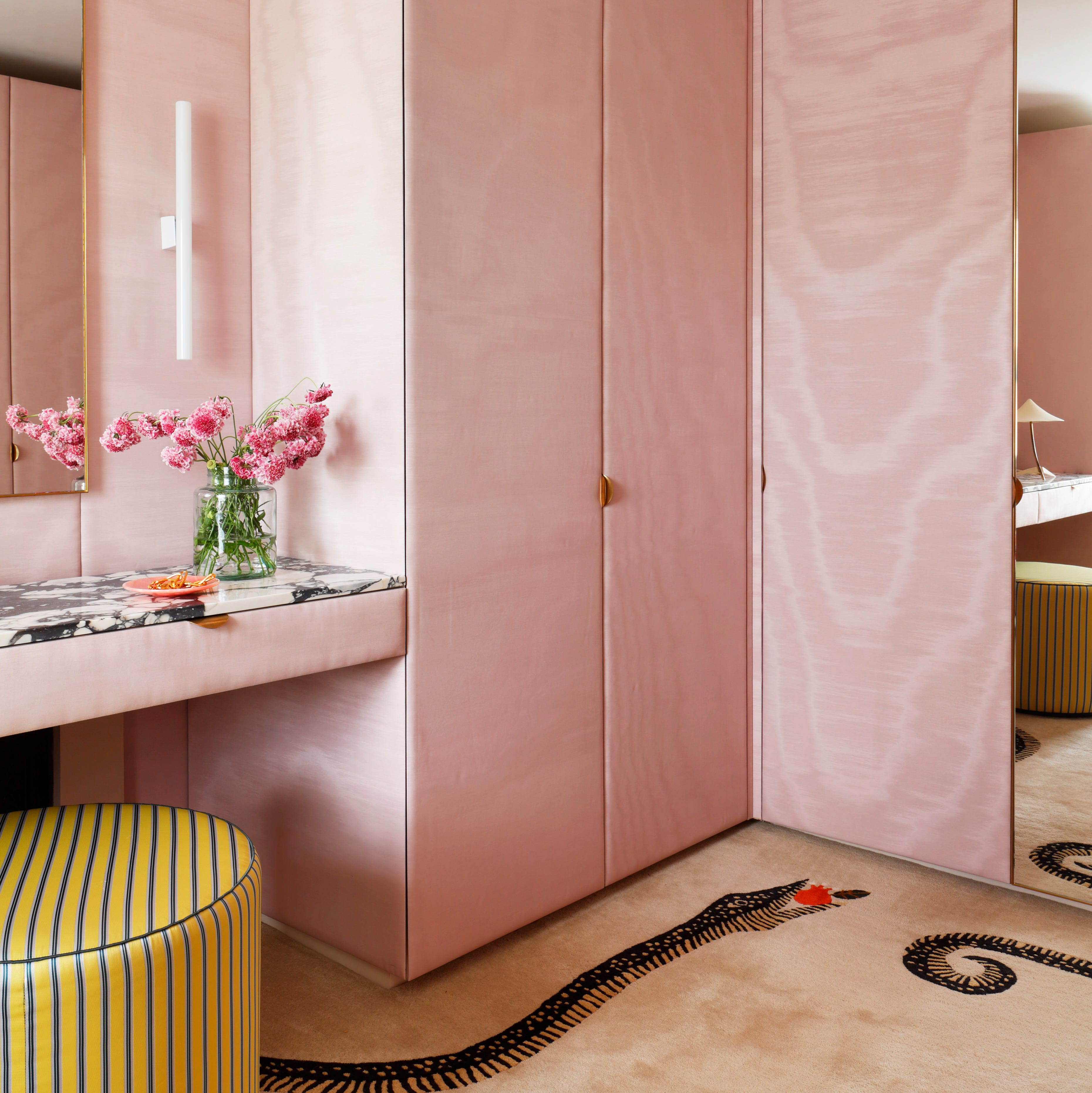
Fiona Leahy, another designer, is lining her London bedroom walls with pale pink moiré fabric, a decision that is both aesthetic and symbolic. Following a house flood, the "watered silk" provided a poetic solution, signaling feminine refinement while cheekily acknowledging the mishap. She appreciates moiré's subtle, almost invisible pattern, which she describes as an illusion of a shadow. Additionally, she connects moiré with festive occasions, associating it with evening dresses, beautiful ribbons, and grand architectural spaces, giving her room a perpetually celebratory ambiance, even during quiet hibernation, as seen in a moiré-covered powder room in a Brooklyn apartment designed by Jett Projects. This widespread adoption underscores moiré's return as a prominent and adaptable trend.
#MoiréFabric #InteriorDesignTrends #FashionTrends #HomeDecor #TextileHistory #LuxuryFabrics #DesignRevival #ElegantInteriors #MoiréFabric #InteriorDesignTrends #FashionTrends #HomeDecor #TextileHistory #LuxuryFabrics #DesignRevival #ElegantInteriors
0 comment in total
 No comments yet
You may also like
This 400-Year-Old Pattern Is the Emerging Trend That Designers Are Using to Bring 'Rhythm' to Their Projects

These 3 Retro Fabric Techniques Are Making A Killer Comeback

9 Inspiring Fabric and Wallcovering Trends You Should Know Now

The Jewel-Toned Fabric Trend That's Replacing Boucle Furniture
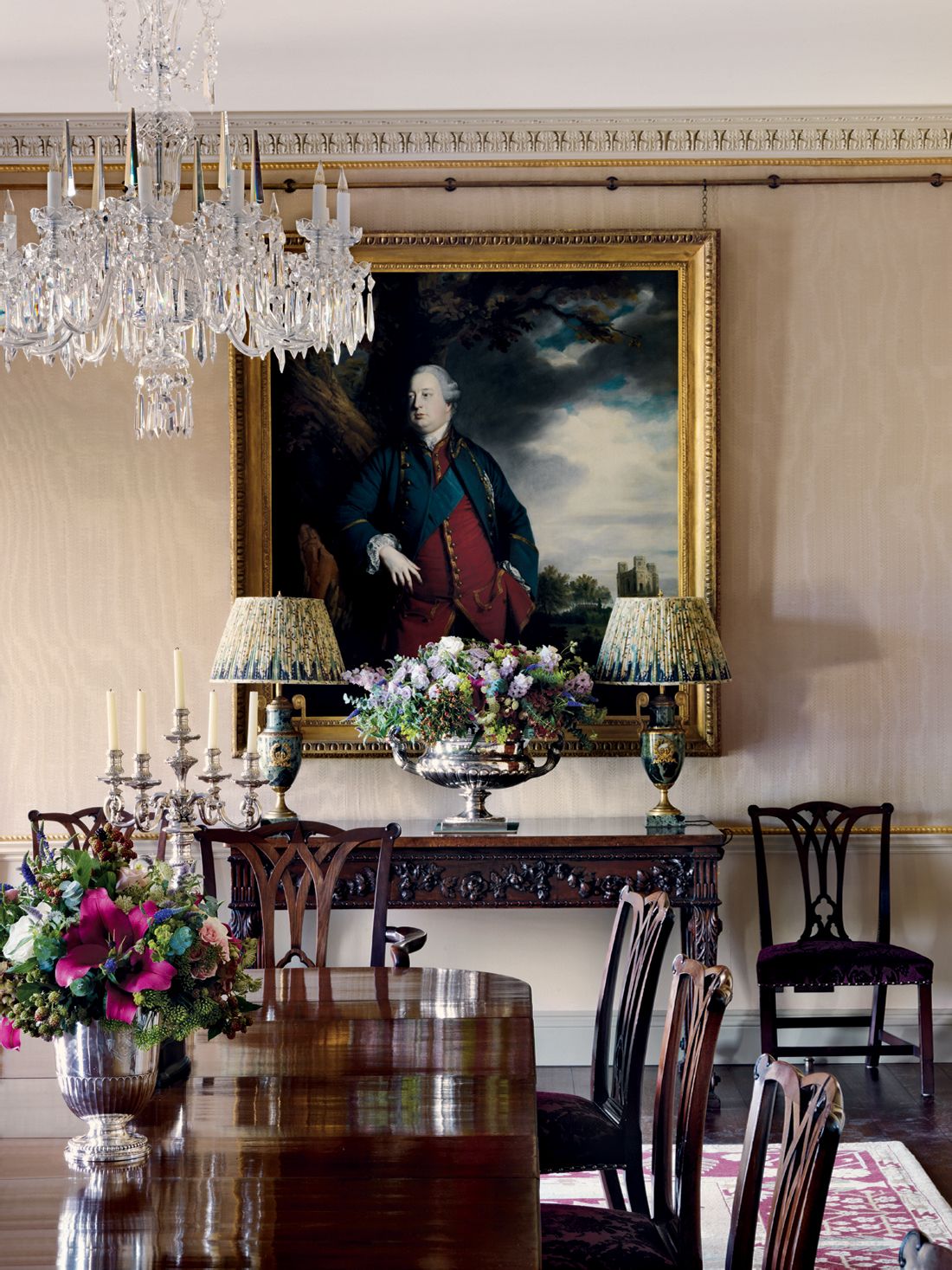
Moiré is coming back in a way – here's how interior designers are using the pattern
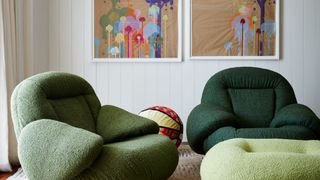
Bouclé Fabric Is Back

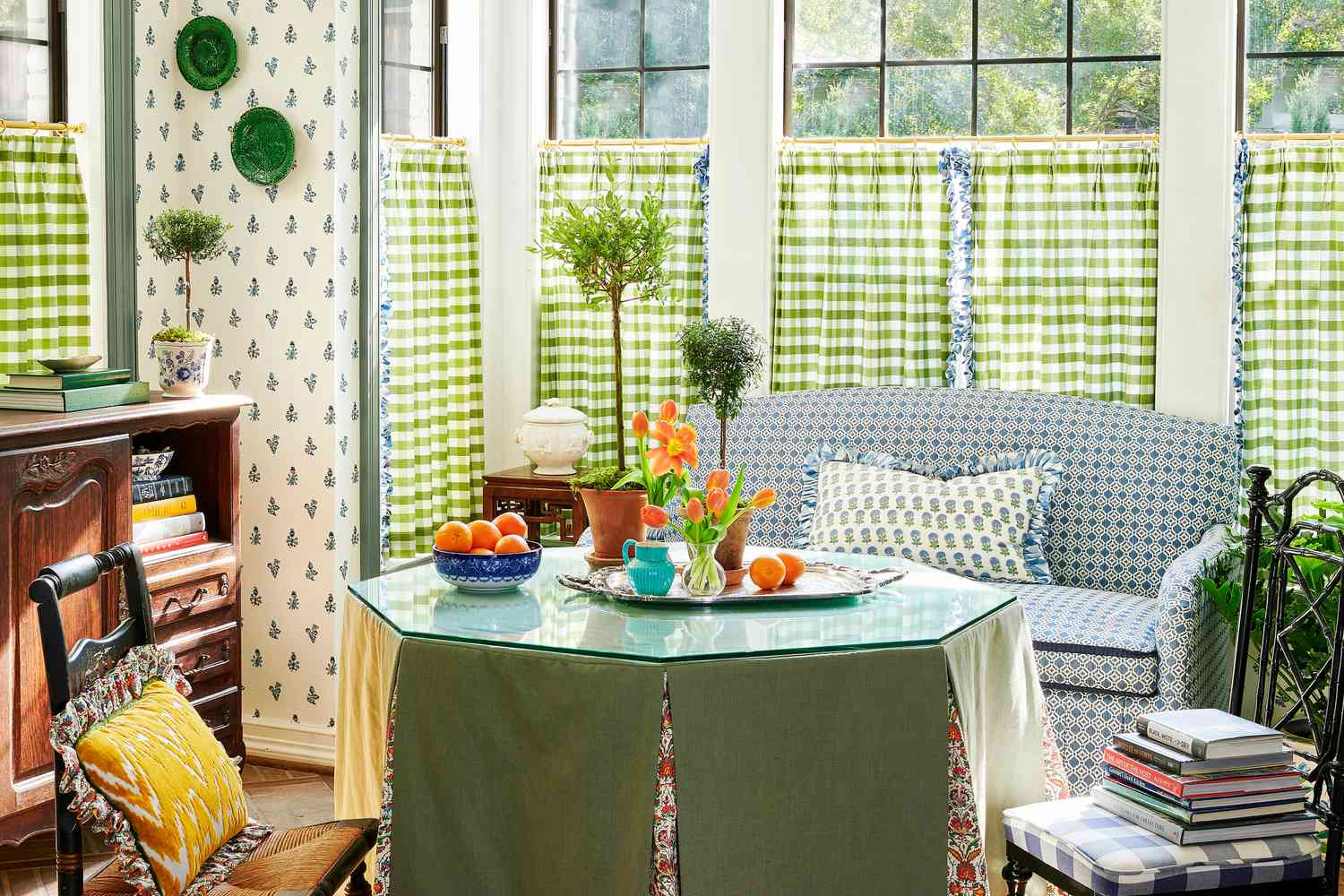
The Retro Curtain Style Your Grandma Loved Is Making A Comeback
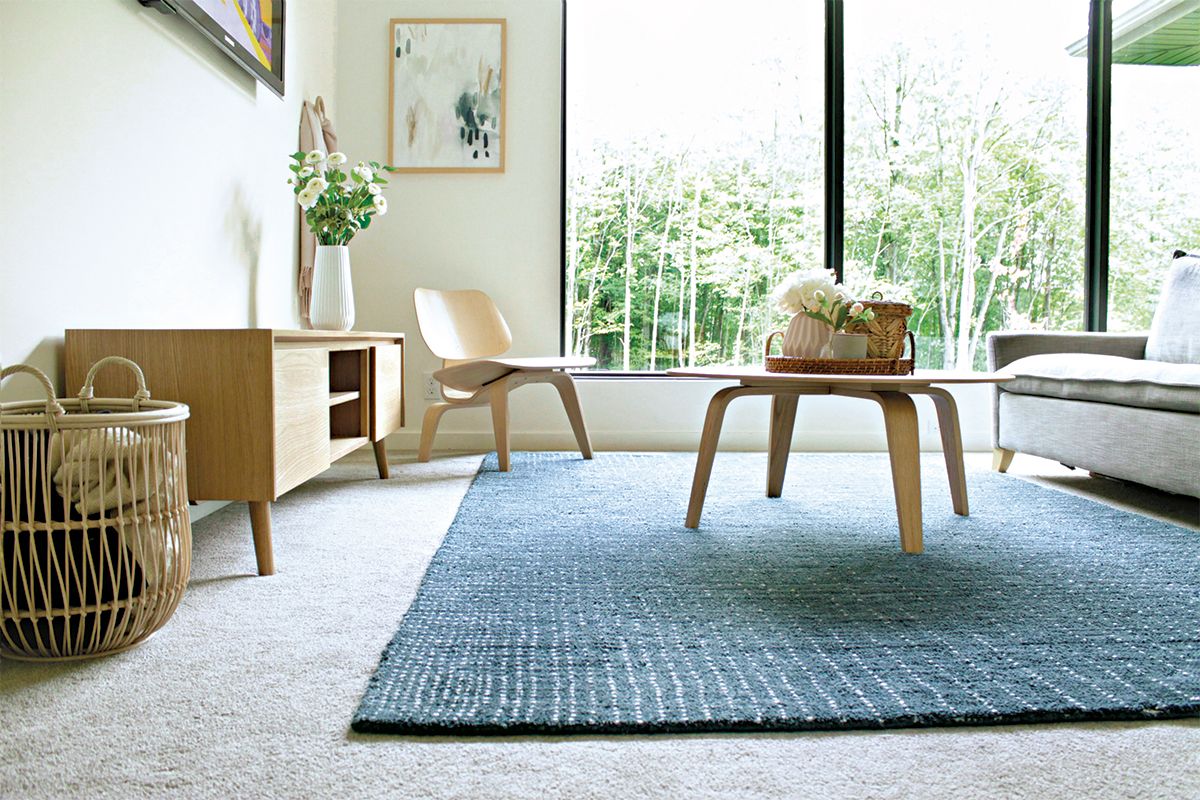
Comfy carpet, once dismissed as out-of-date, is back in vogue

Moiré has dominated interiors in 2024: this is why

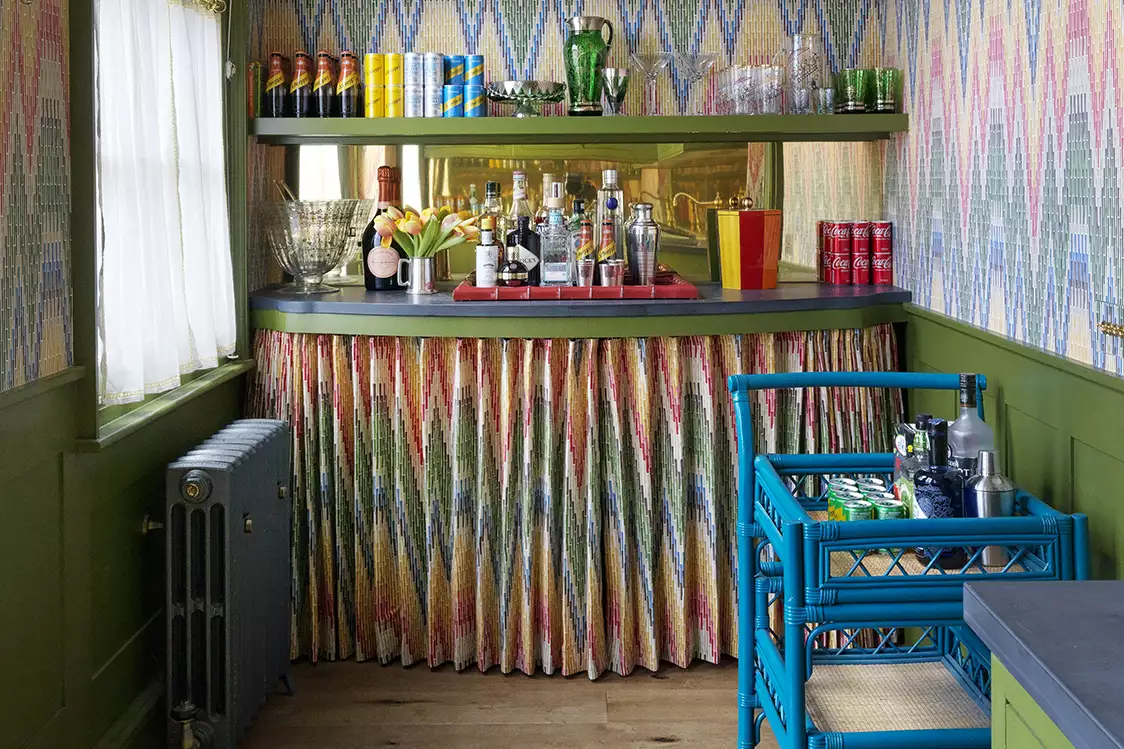
This Throwback Trend Is Coming Back in Style—and Designers Have Mixed Opinions


Is Fringe Furniture Making a Sexy Comeback?
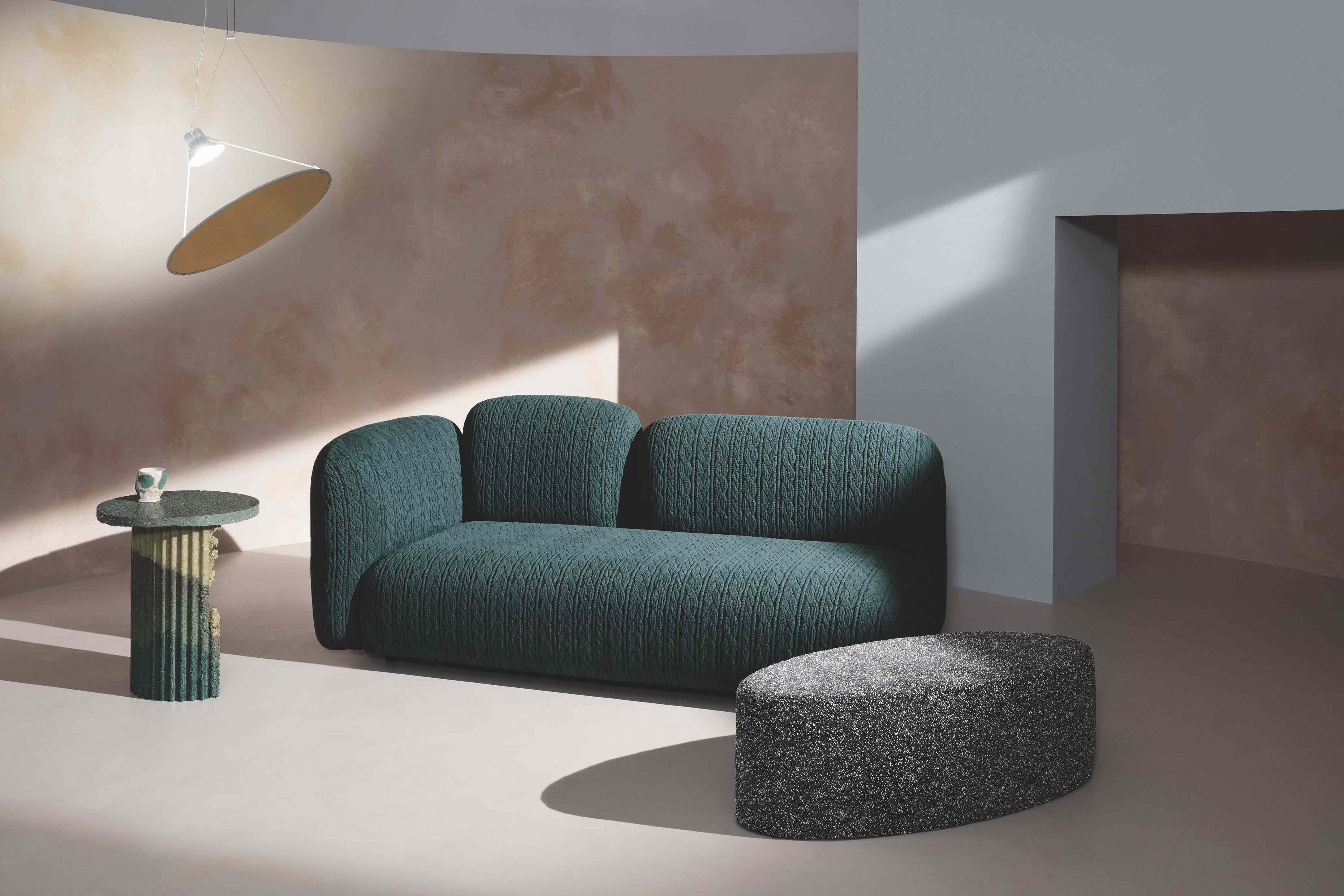
Update your furniture with extreme texture, the biggest trend in upholstery…
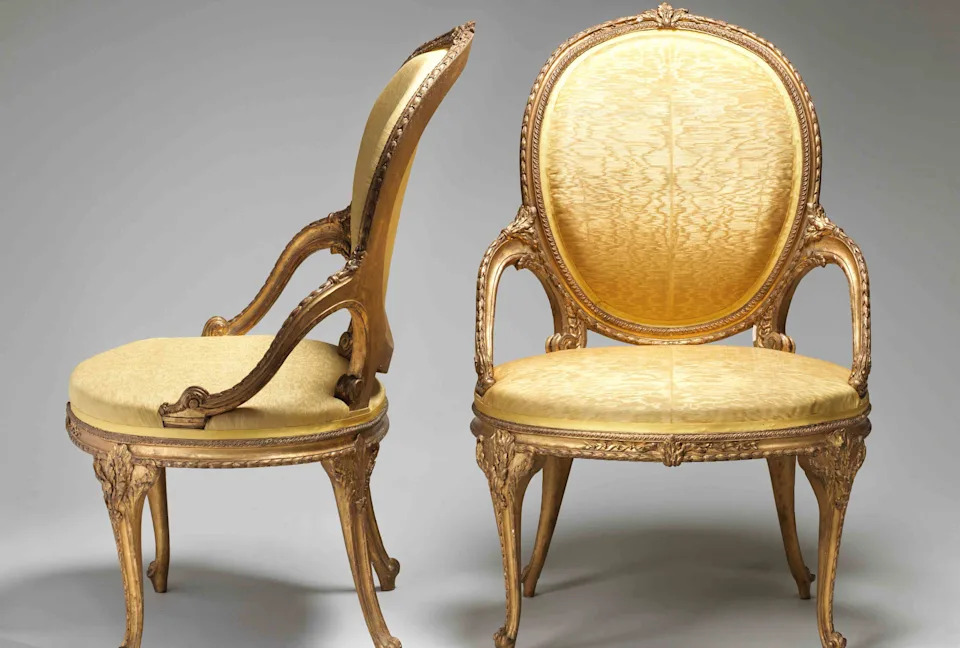
Moire Is a Luxe Fabric Pattern with a Posh History (and It's Back in Style)
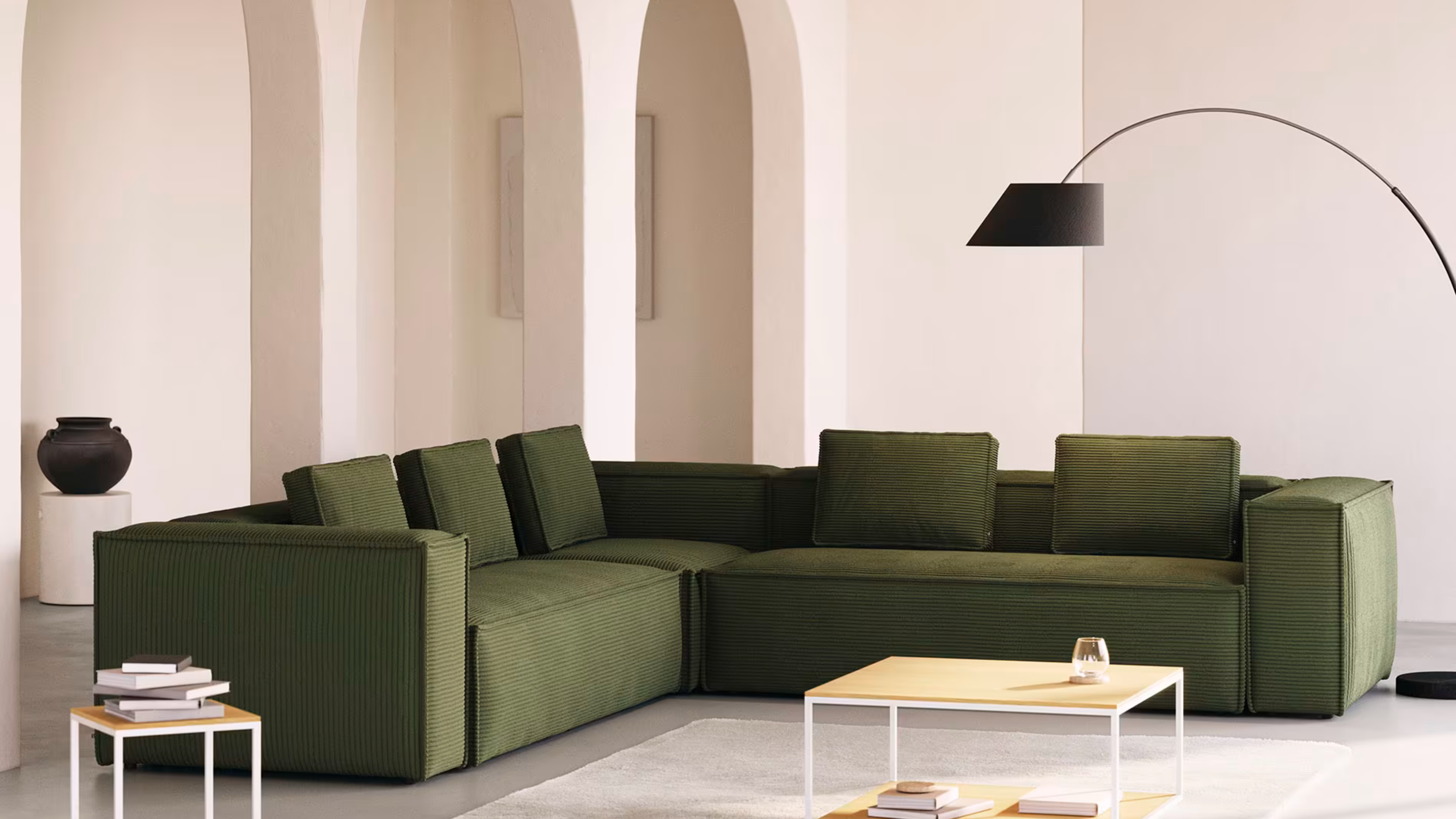
Bouclé vs Corduroy — What's the Difference and How To Pick

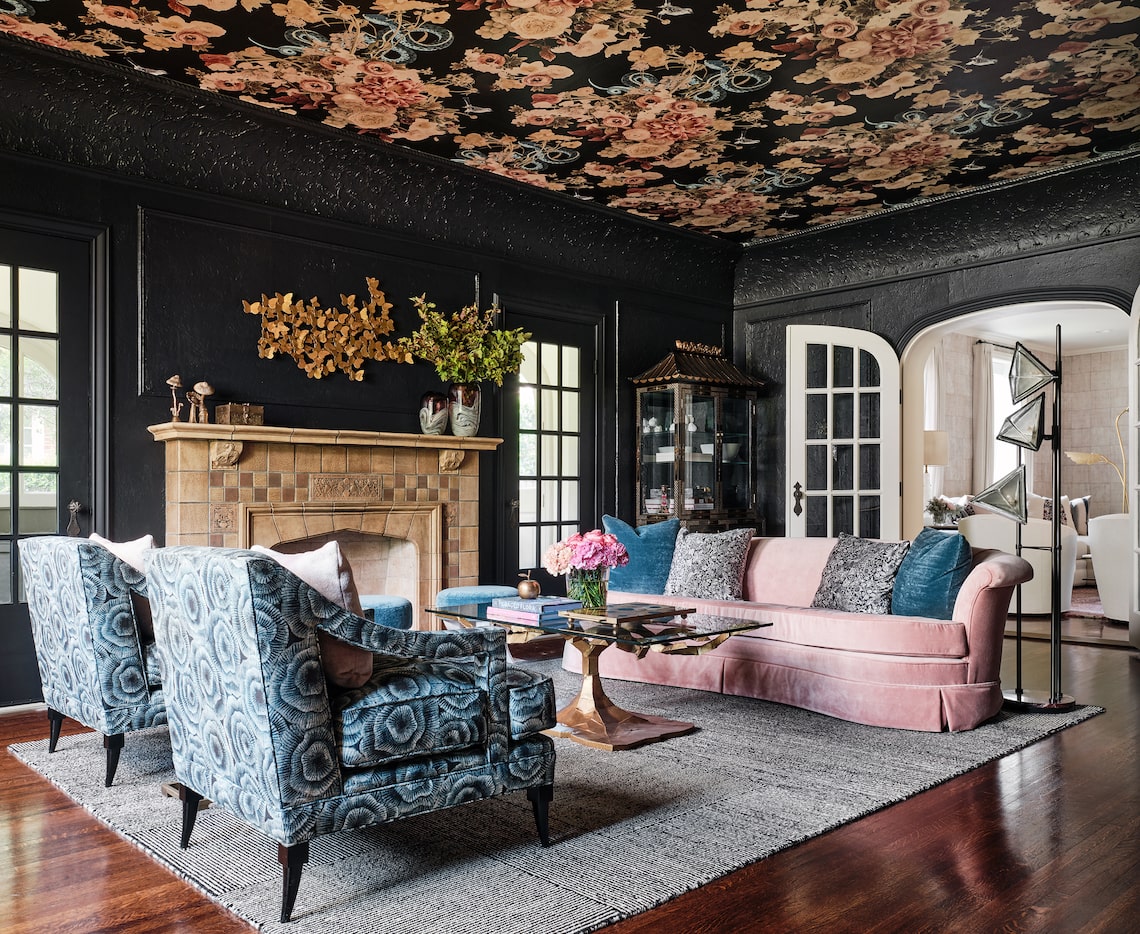
Trending now — bold fabrics that will update your home style

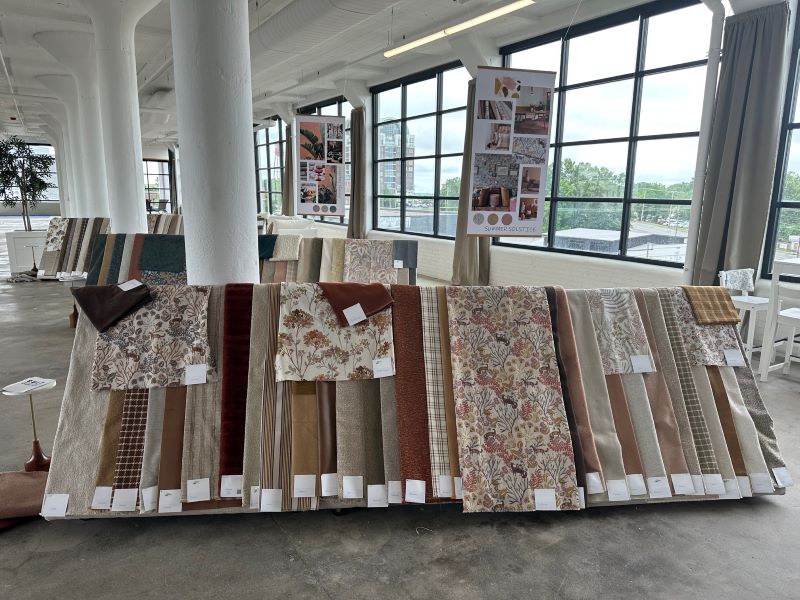
Seen at Interwoven May 2024

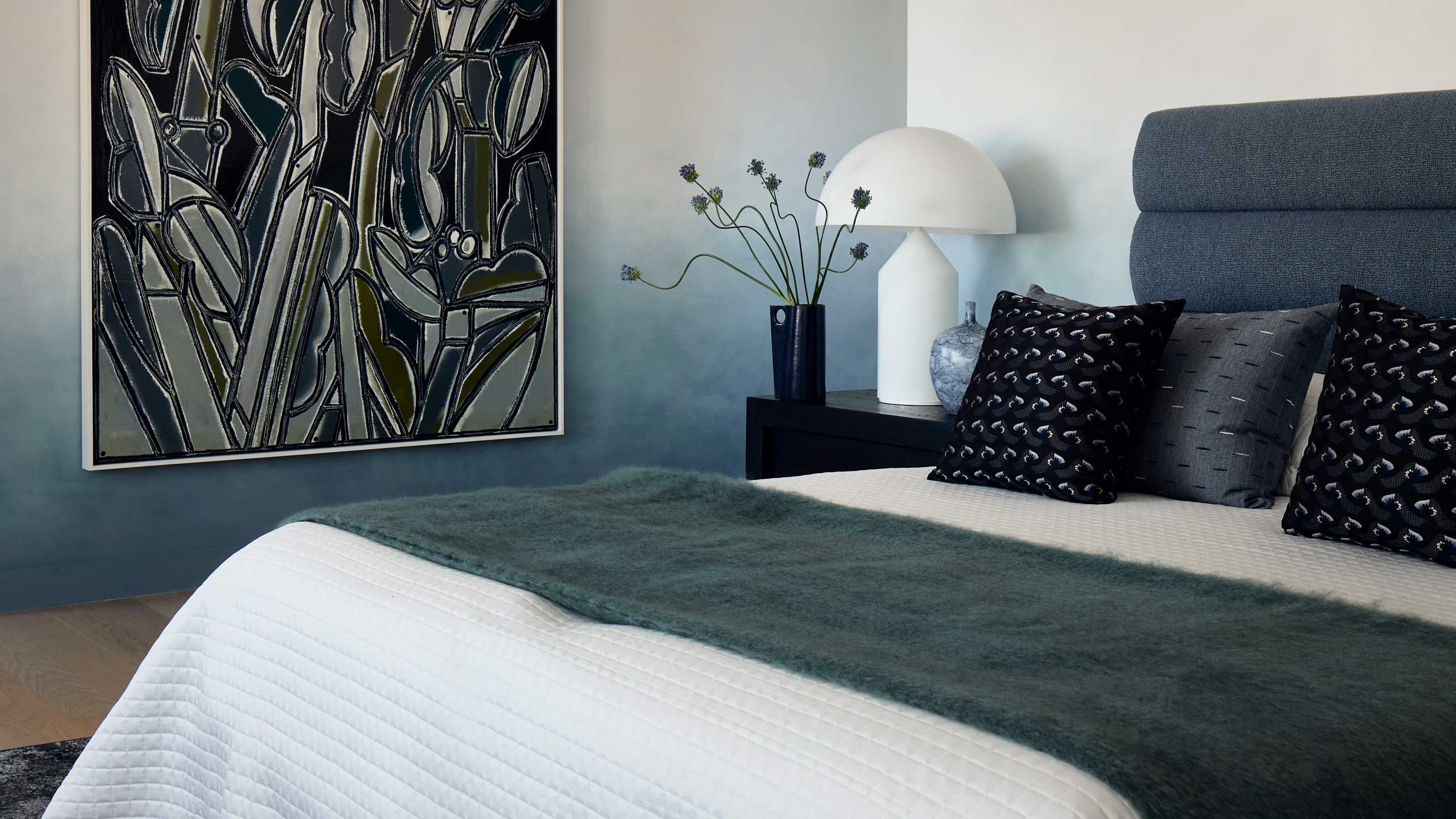
This surprising color trend is having a comeback
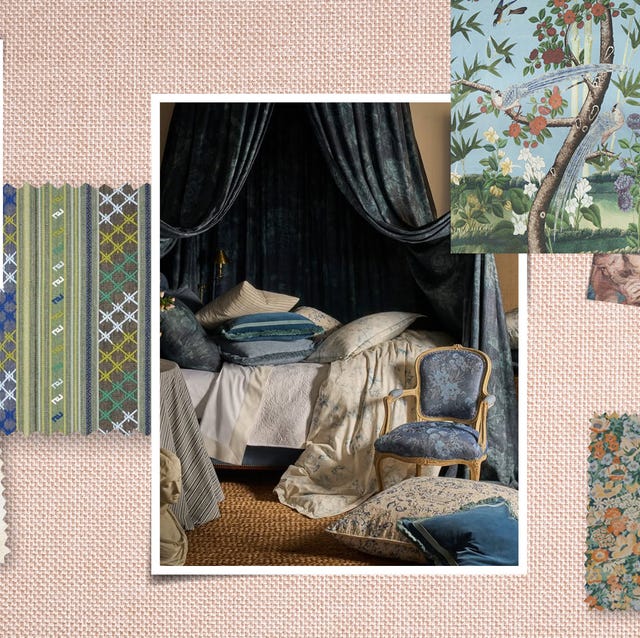
These 5 Textile and Wallpaper Trends Will Dominate the Design World in 2025

Move over bouclé: corduroy is this year's favorite fabric

7 Fabric Trends Taking Over Interior Design in 2024