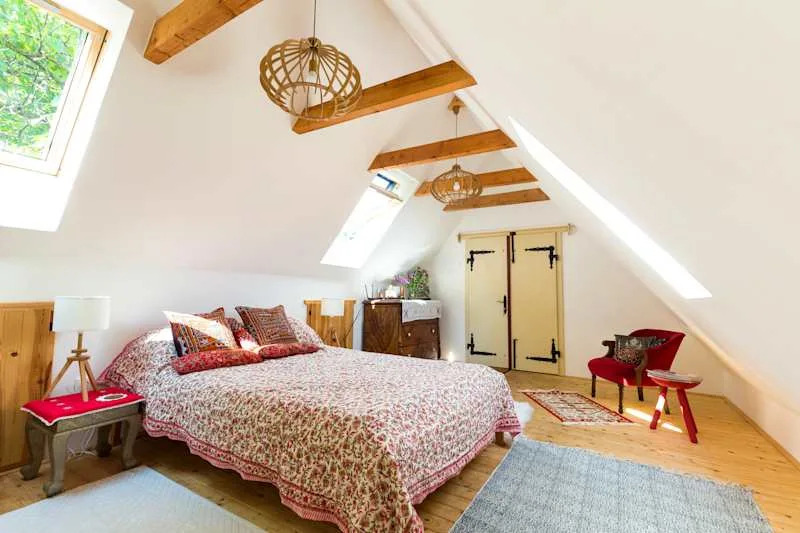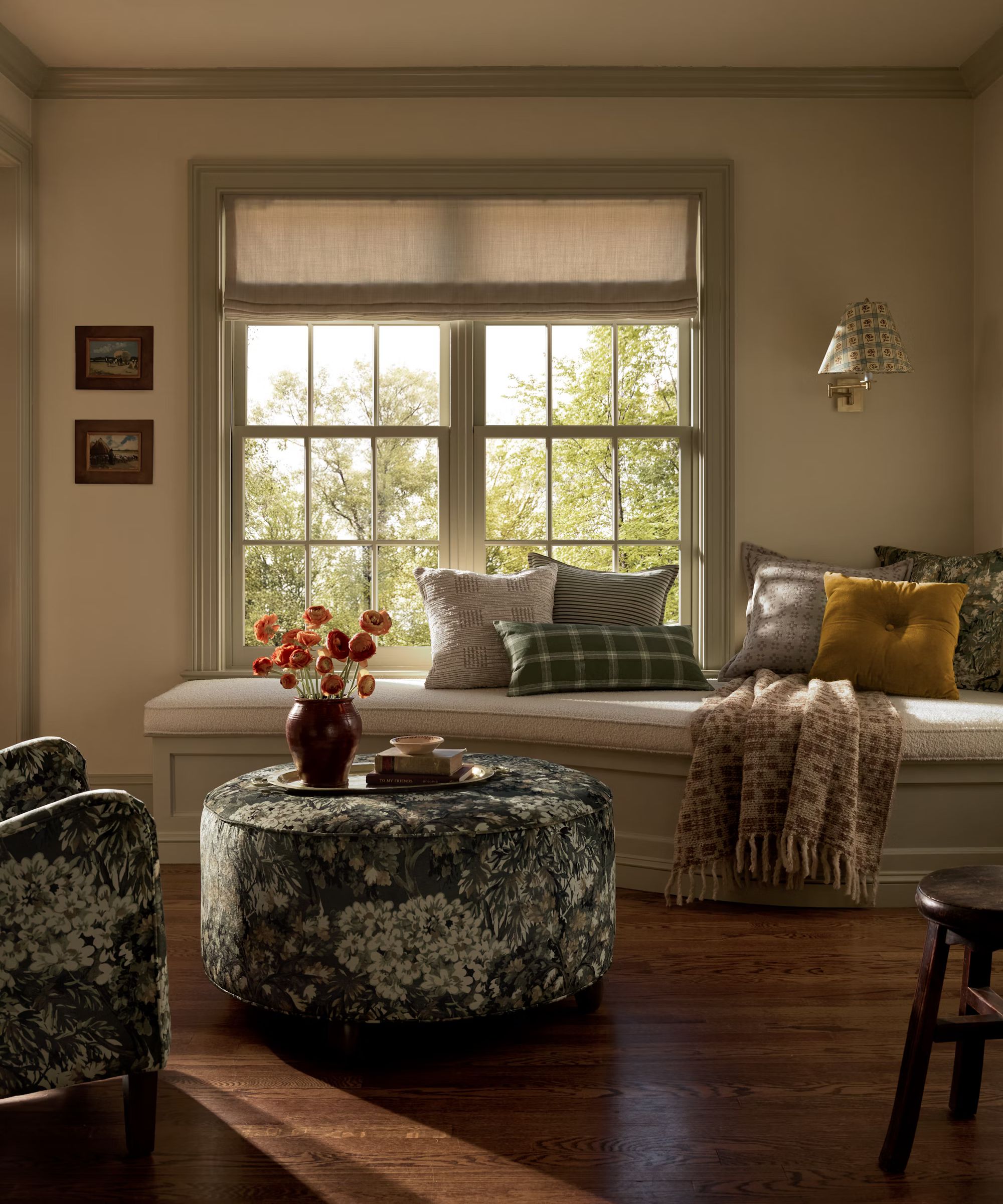
Sorry, but These Design Trends Will Be Outdated in 2025
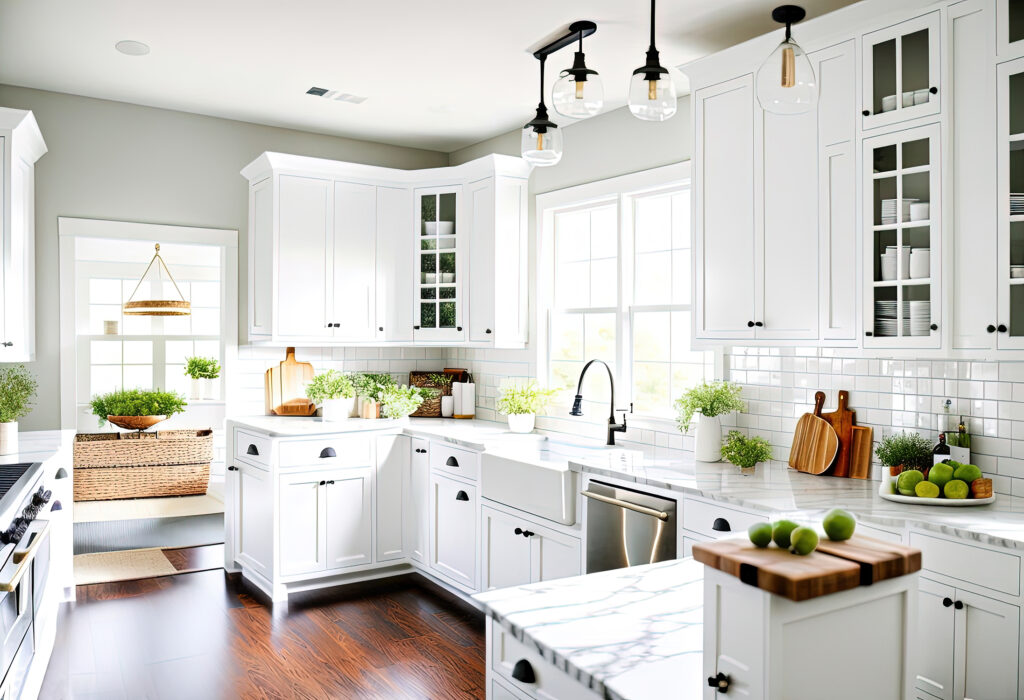
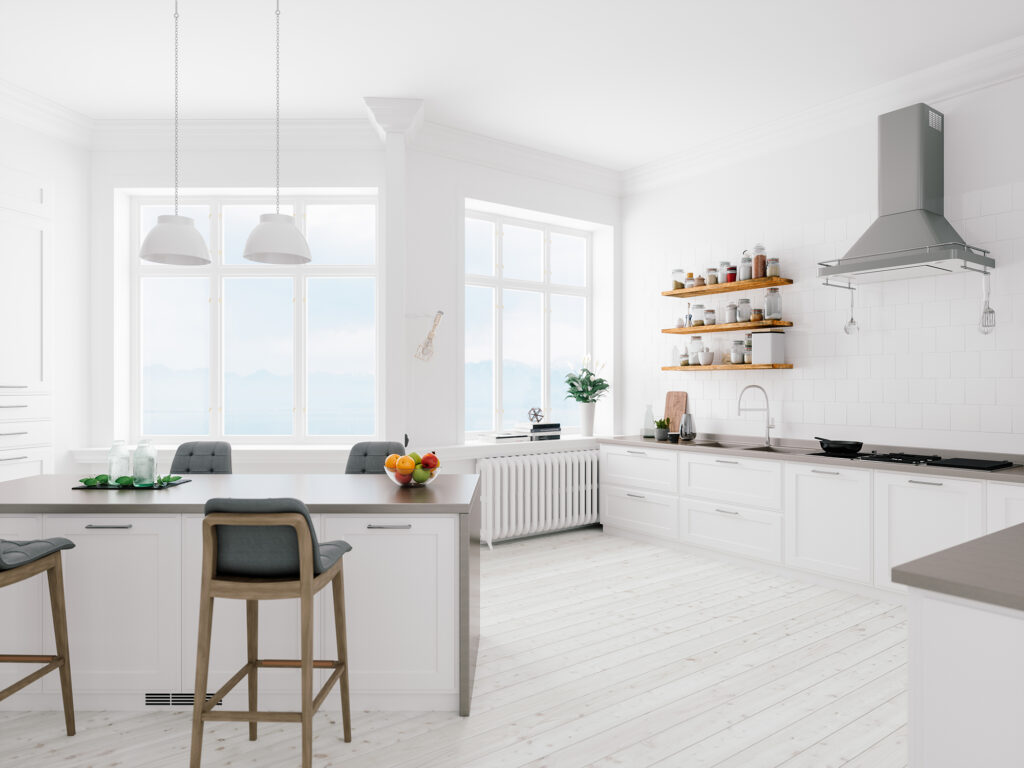
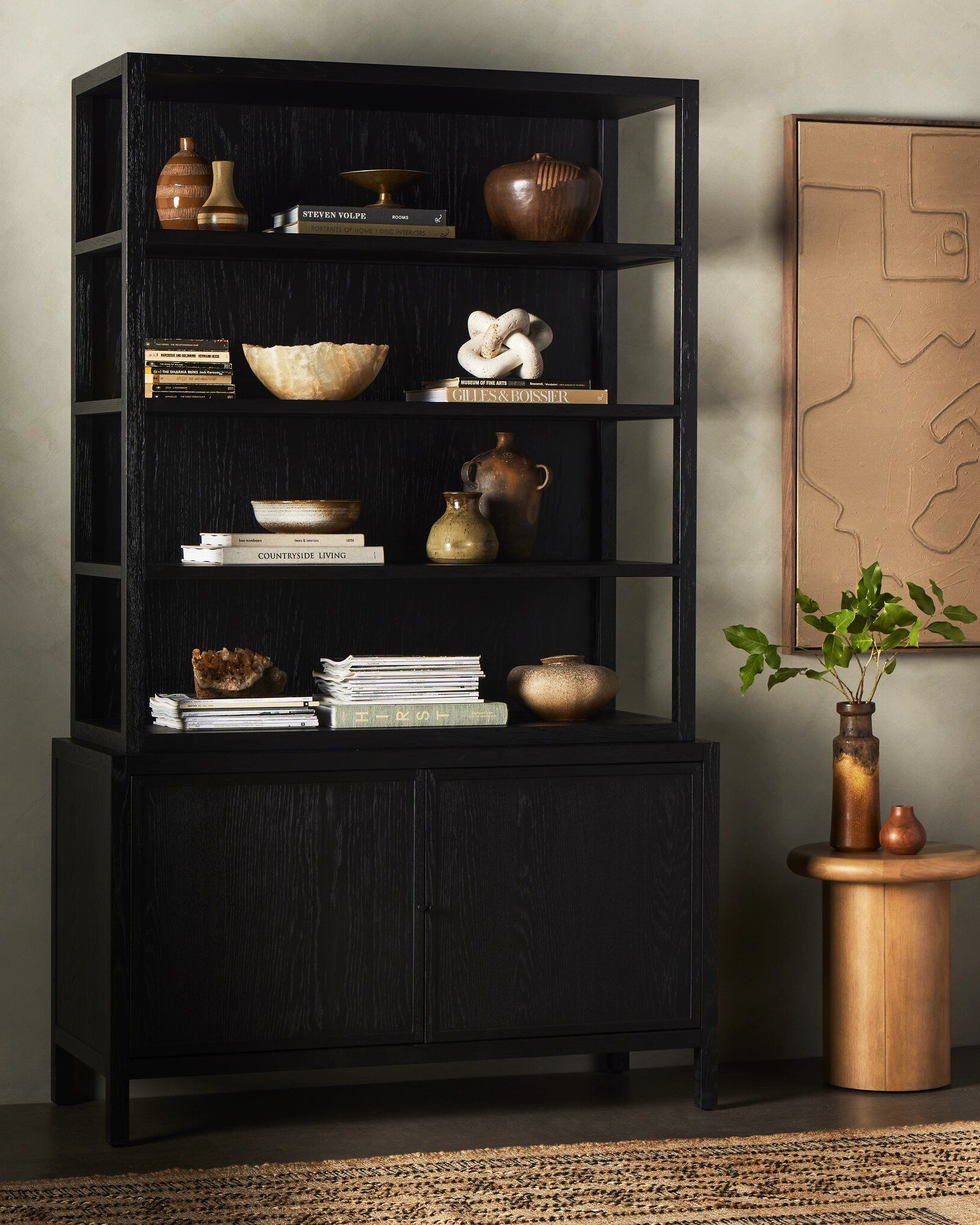
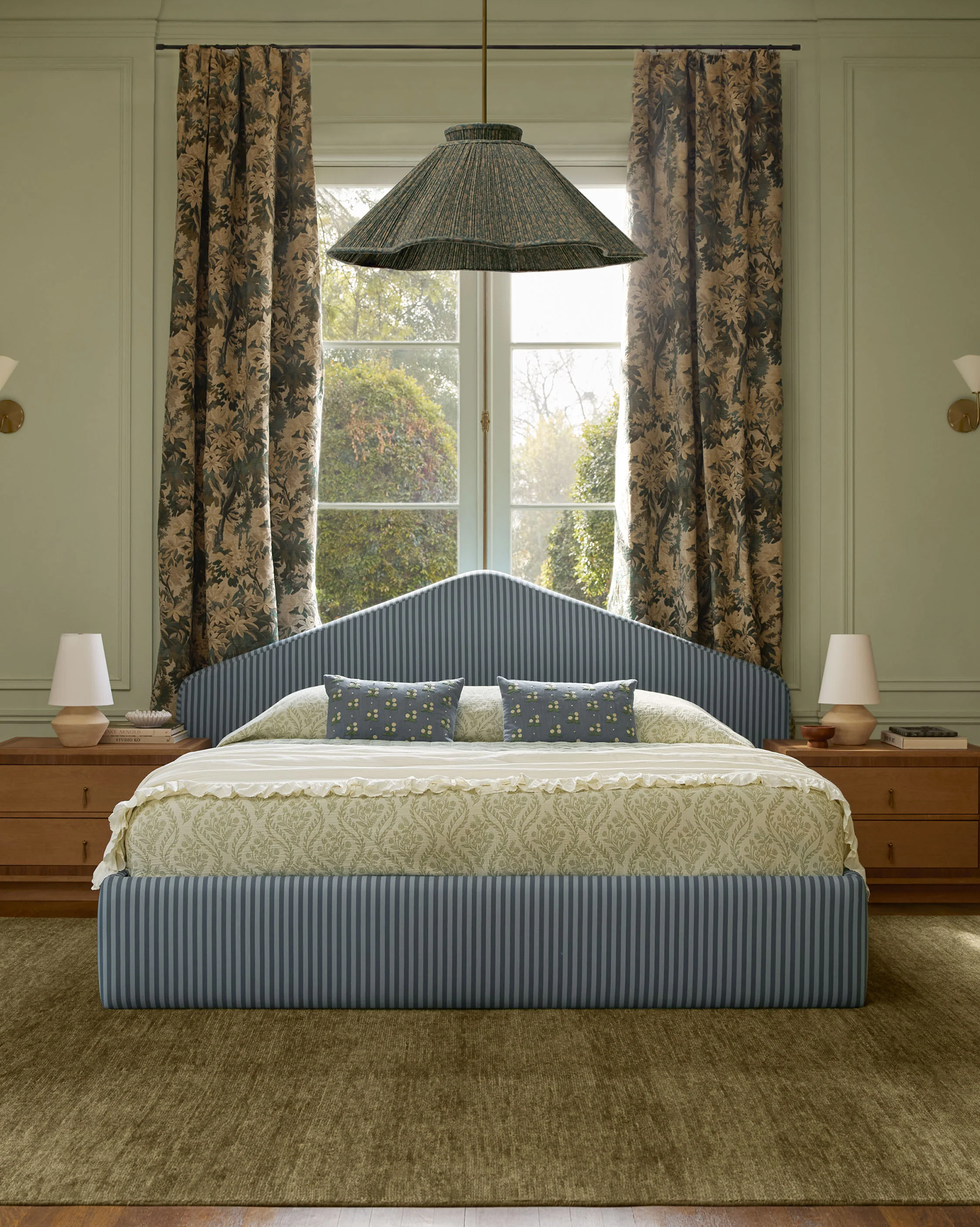
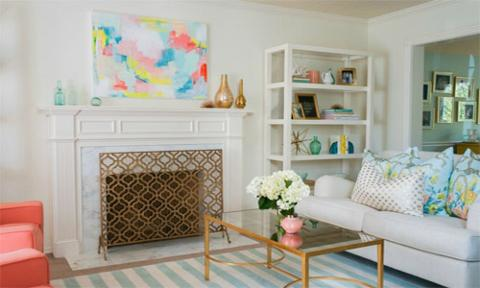
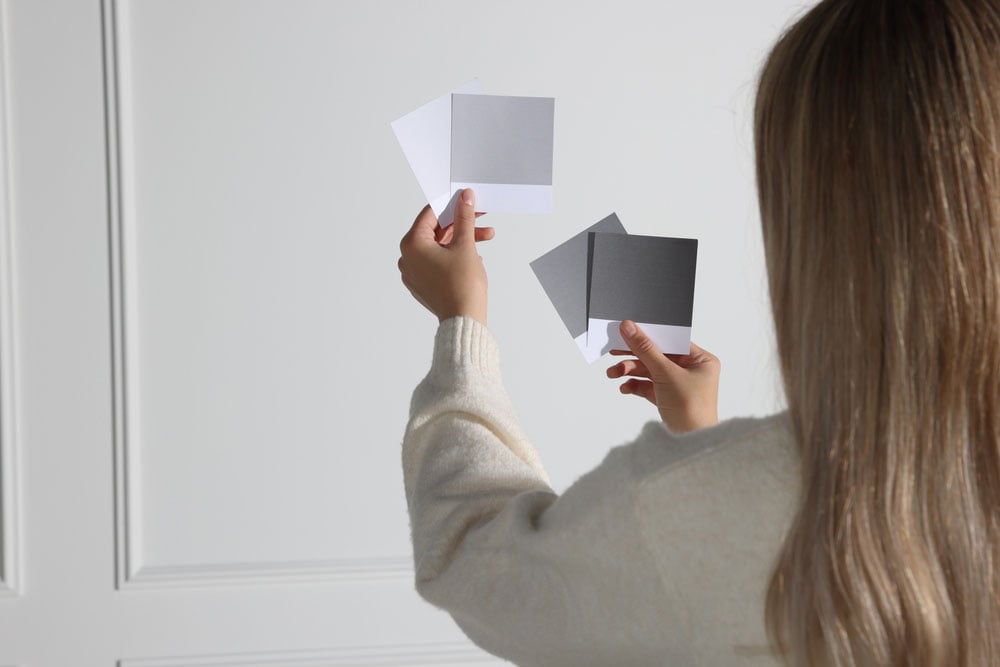
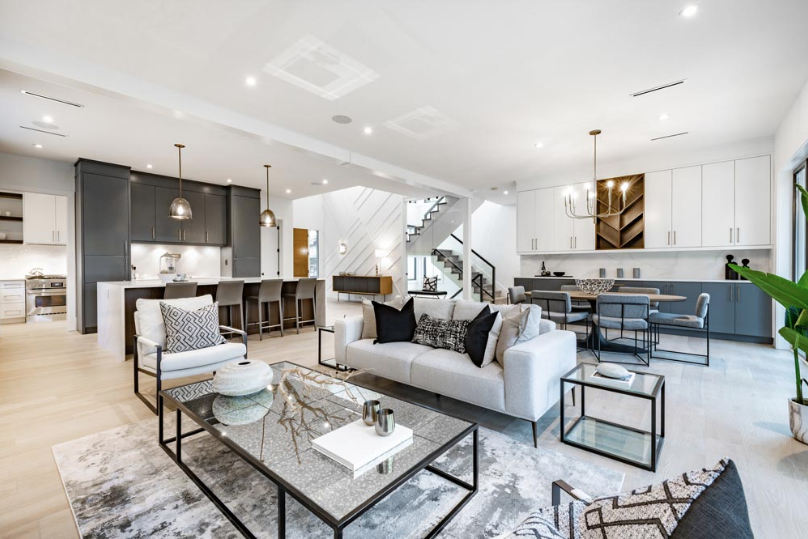
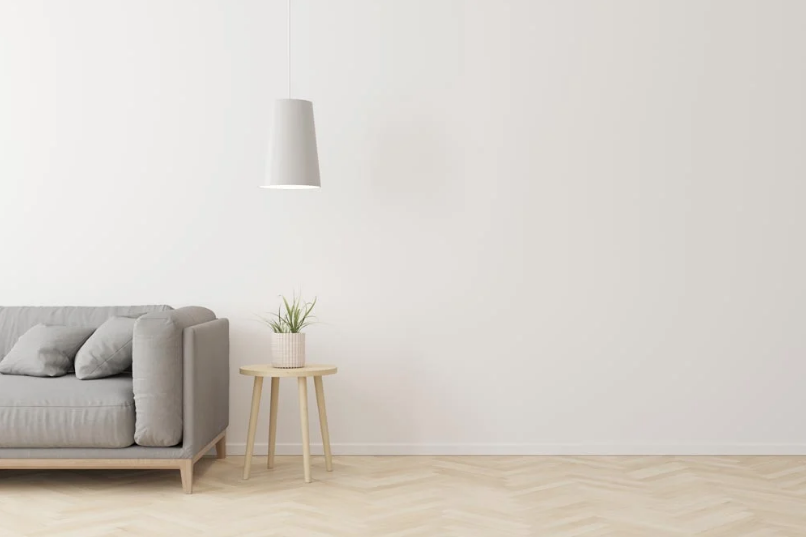
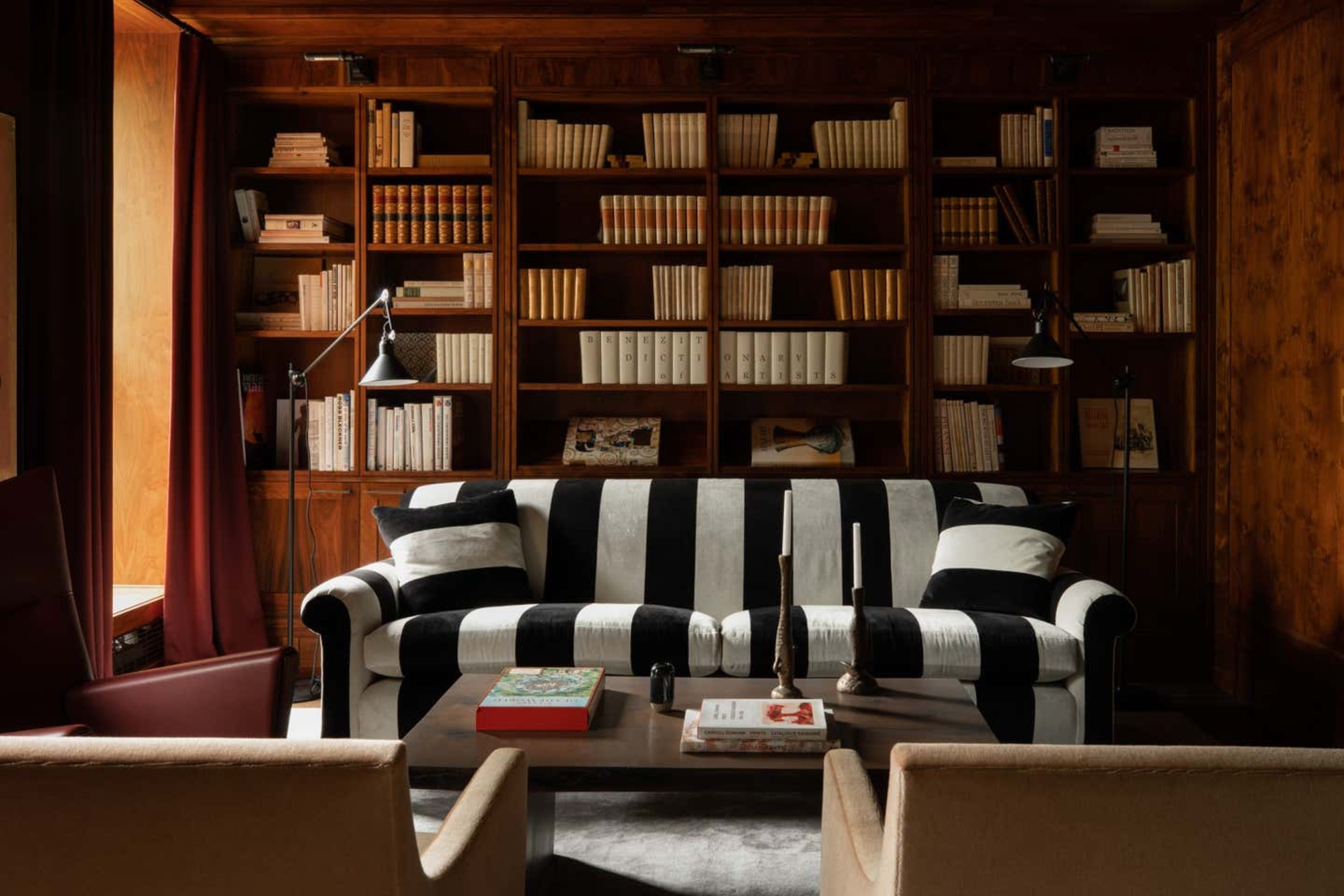
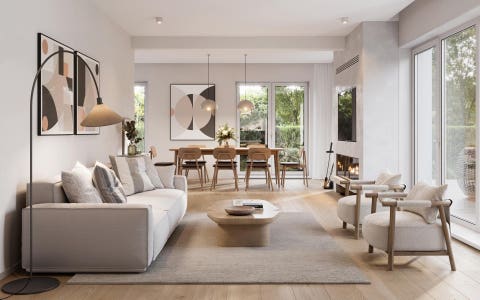
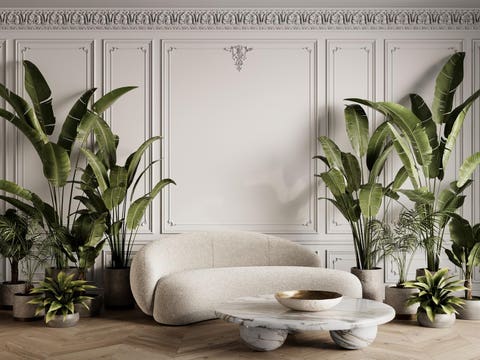
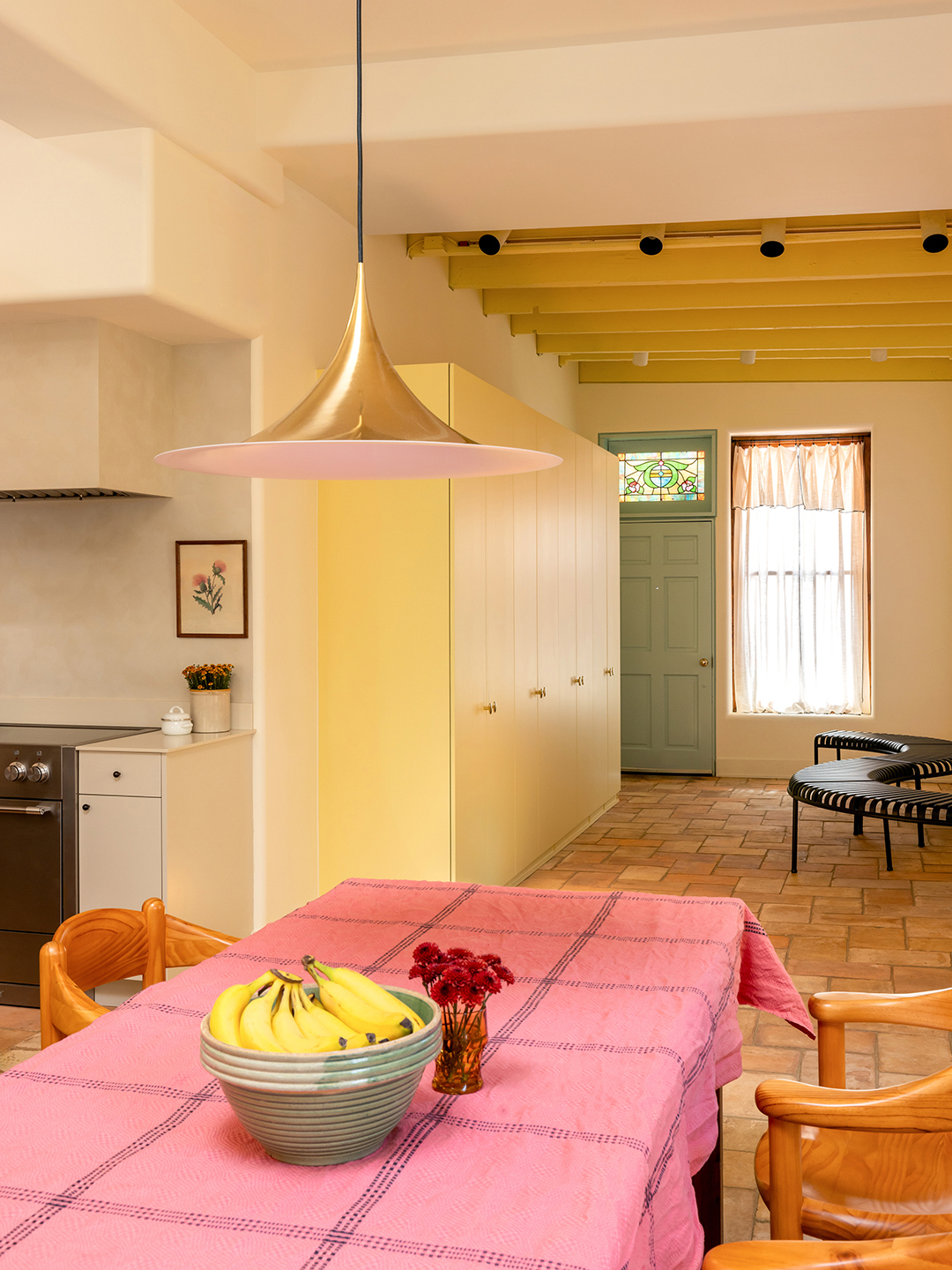
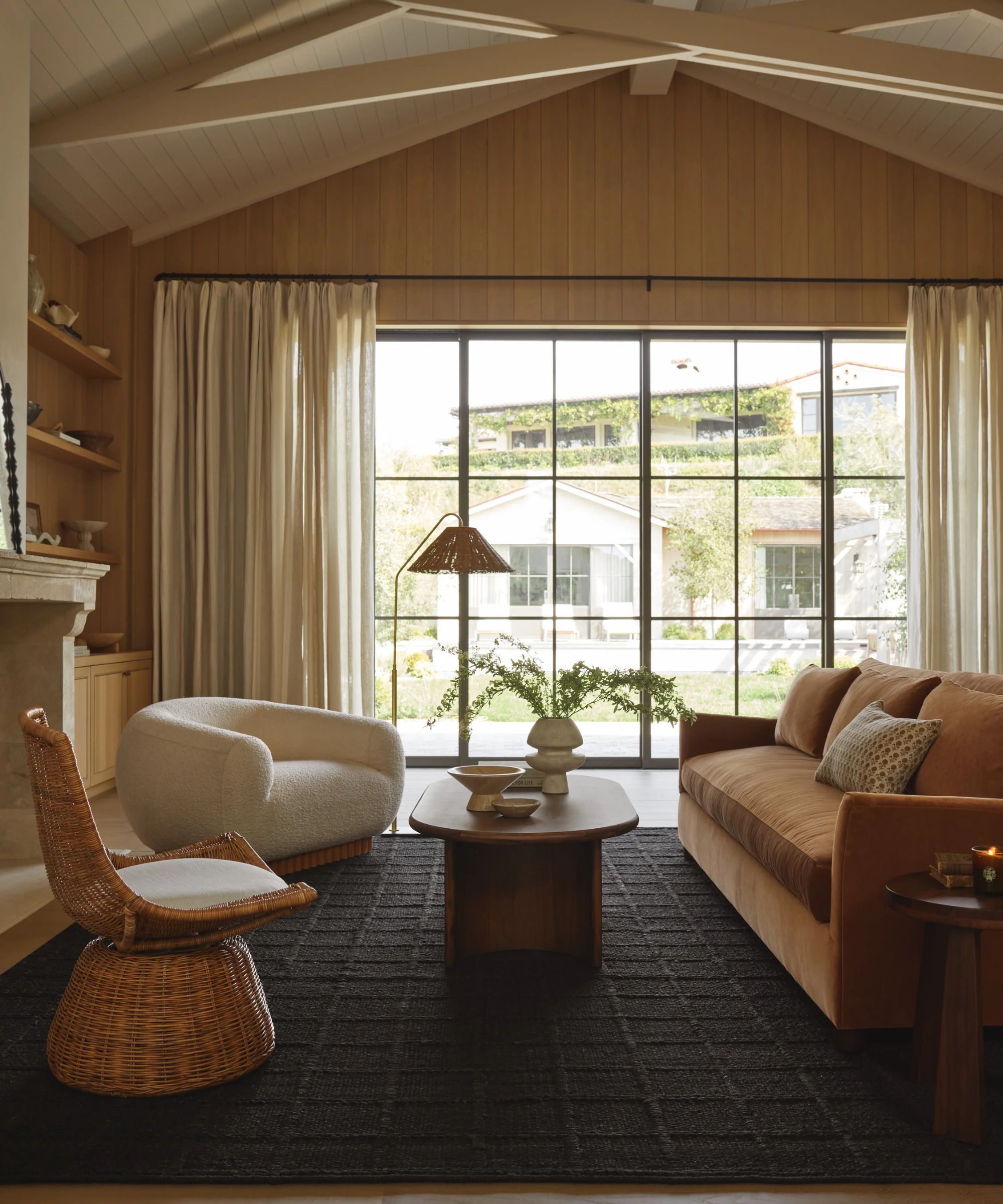
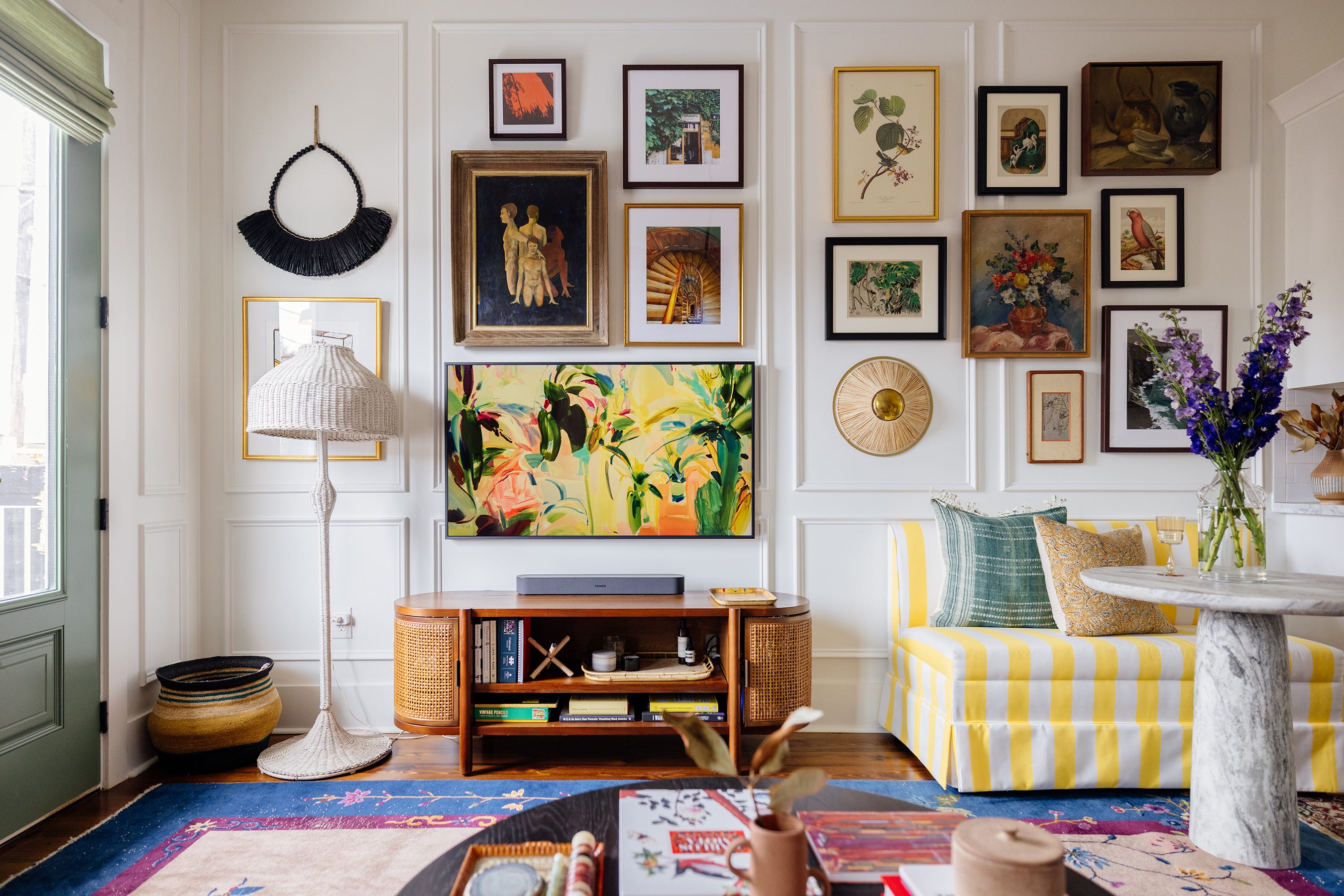
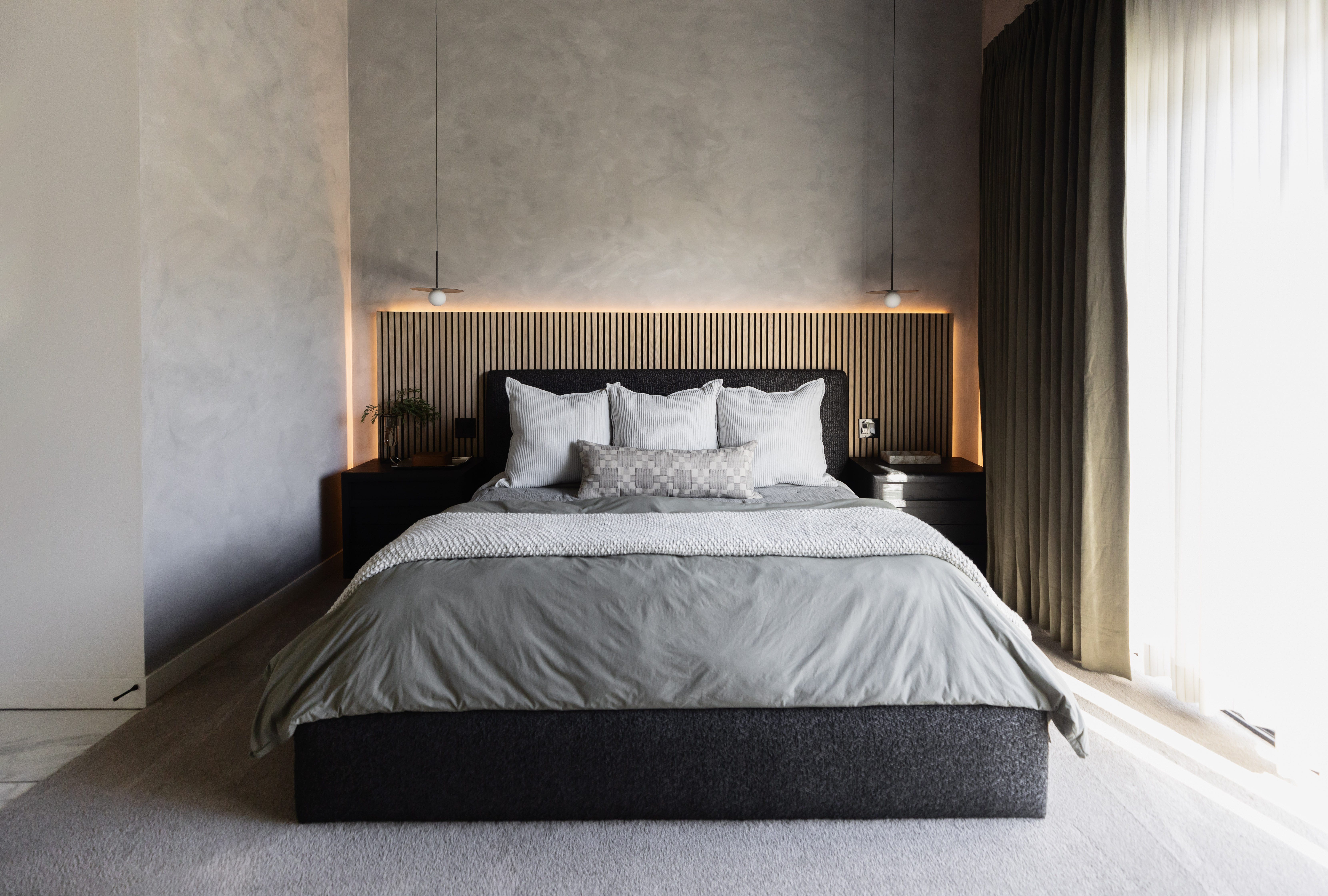
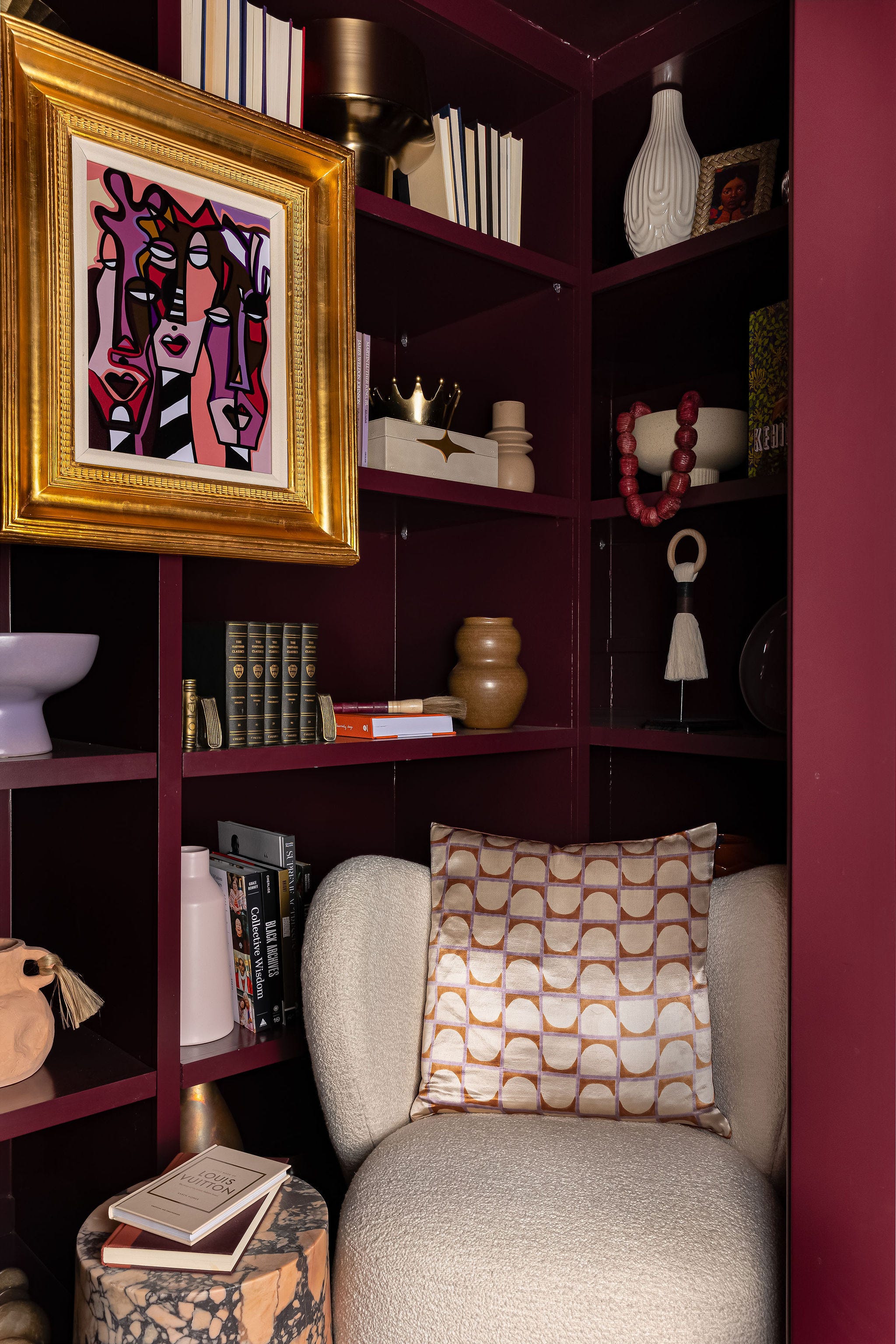
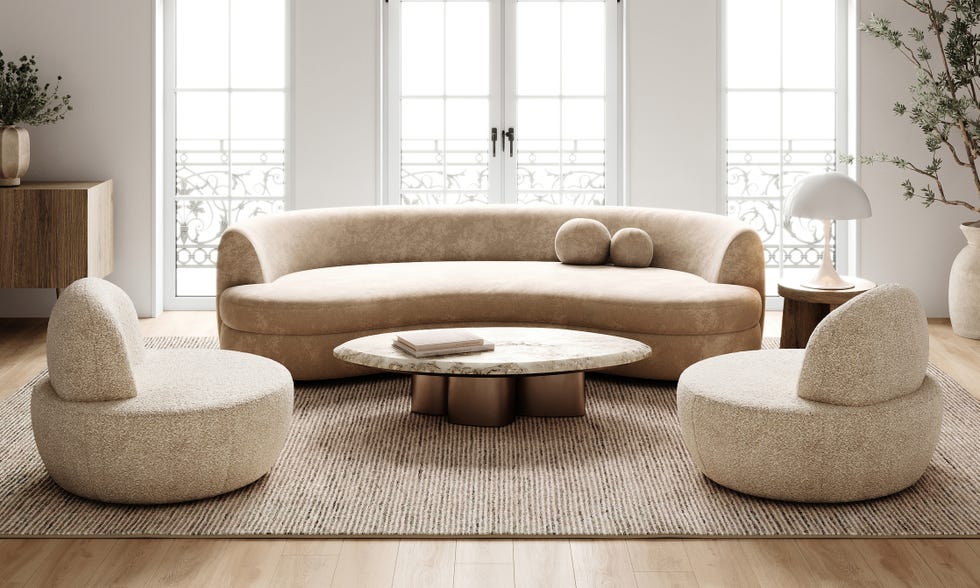
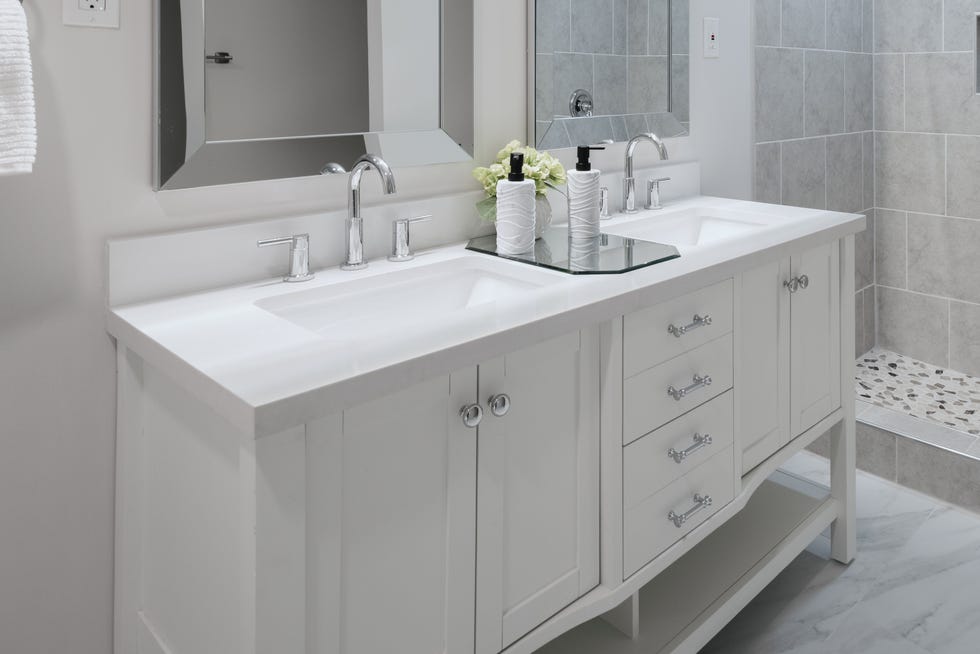
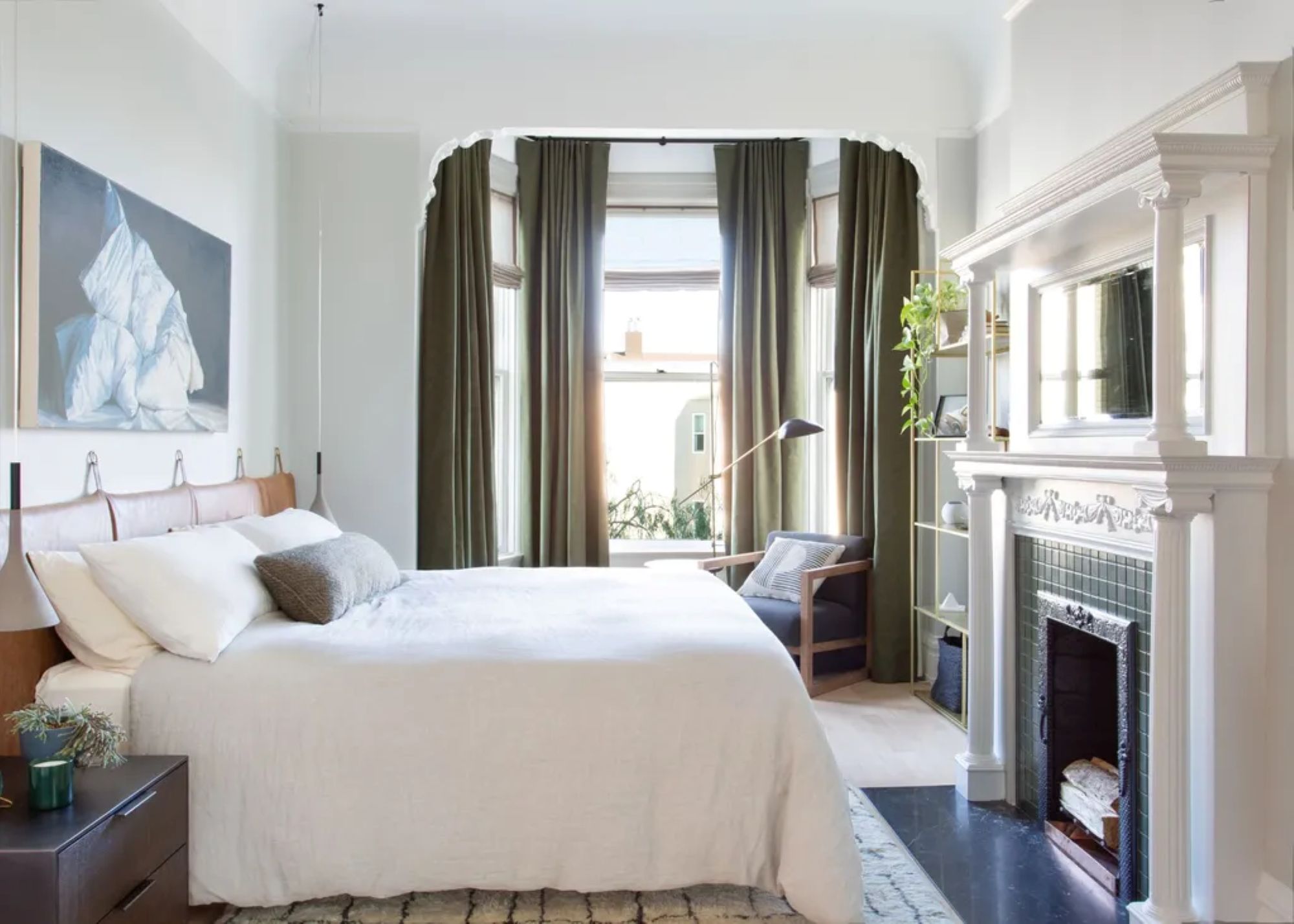
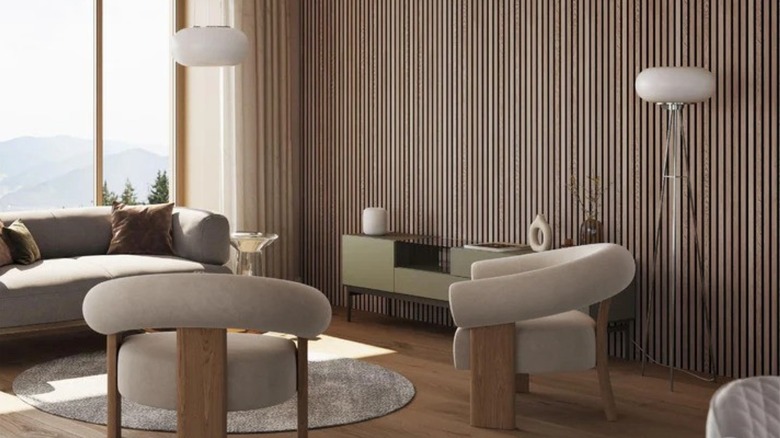
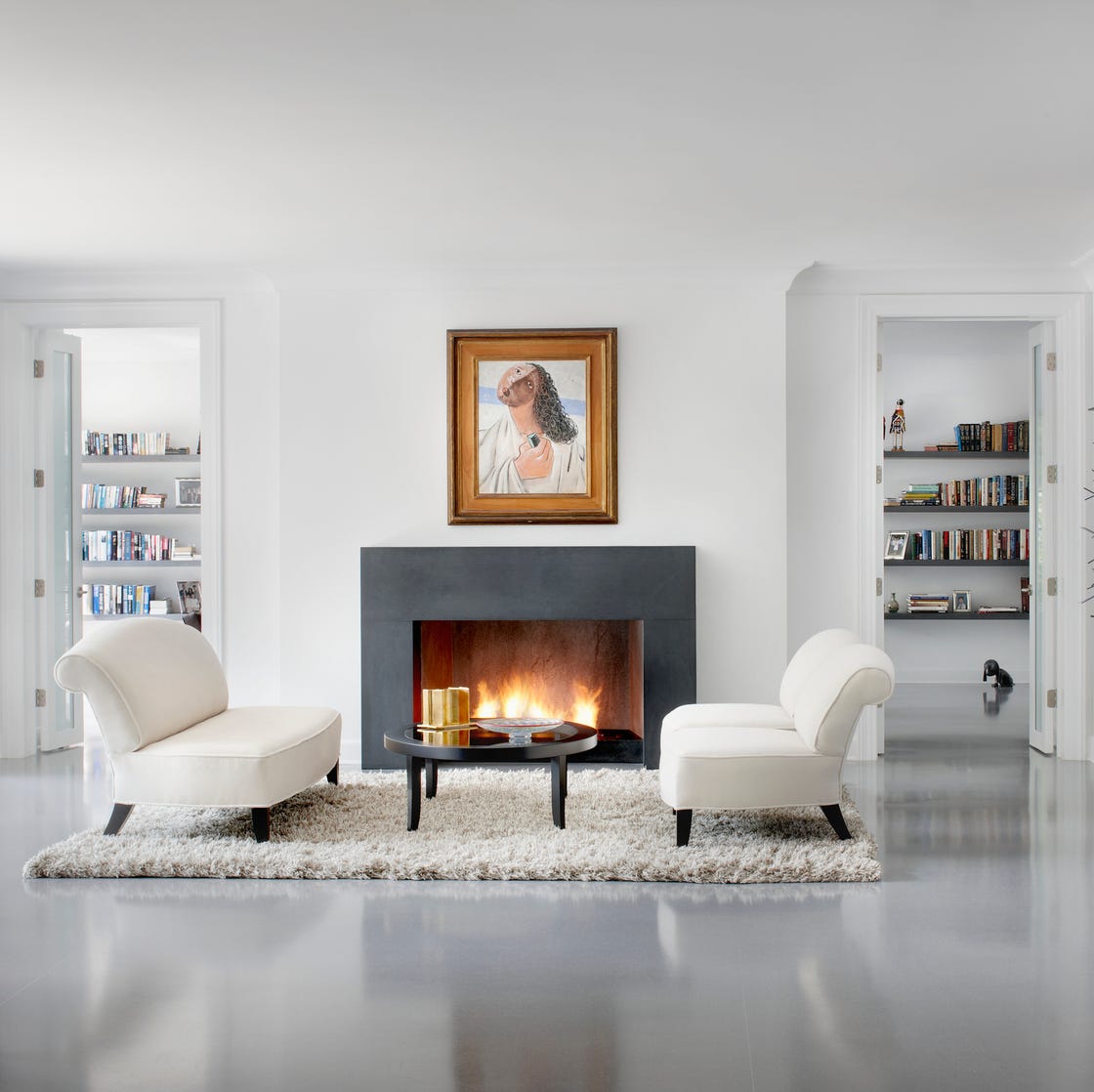
As 2025 approaches, interior design experts are collectively identifying trends they believe will become obsolete, encouraging a shift towards more personalized and authentic home aesthetics. Several prominent design elements that have dominated in recent years are expected to lose their appeal. Bouclé fabric, despite its textured appeal, is cited as impractical and oversaturated, especially for households with pets or children, due to its tendency to snag. Designers are also moving away from monochromatic palettes, specifically all-white interiors and stark black and white color schemes. The shift is towards embracing more color, warmth, and softer tones, with black transitioning from a dominant shade to an accent and white remaining timeless but less prevalent in overall proportion. This evolution seeks to create spaces that blend colors harmoniously and feel more inviting.
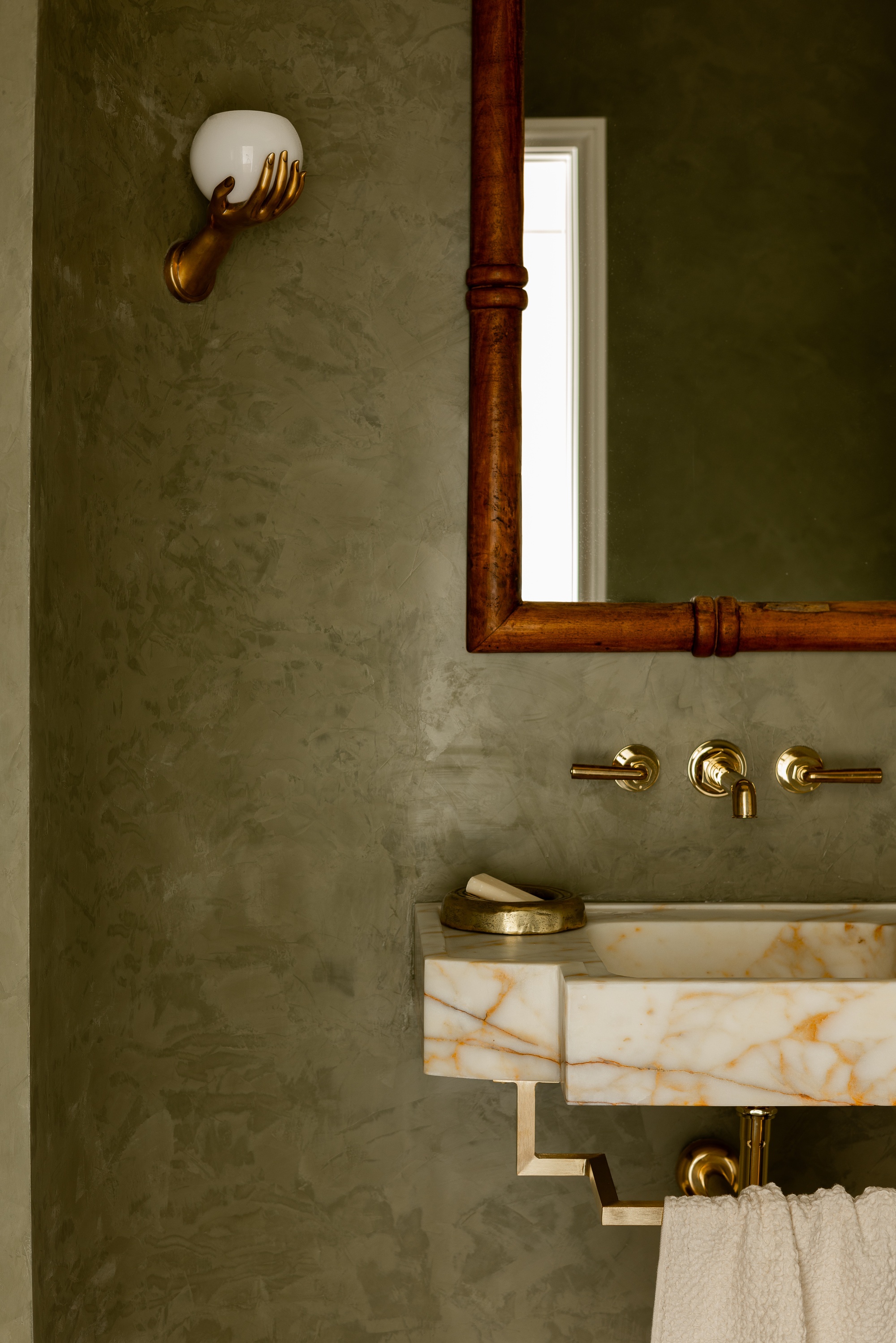
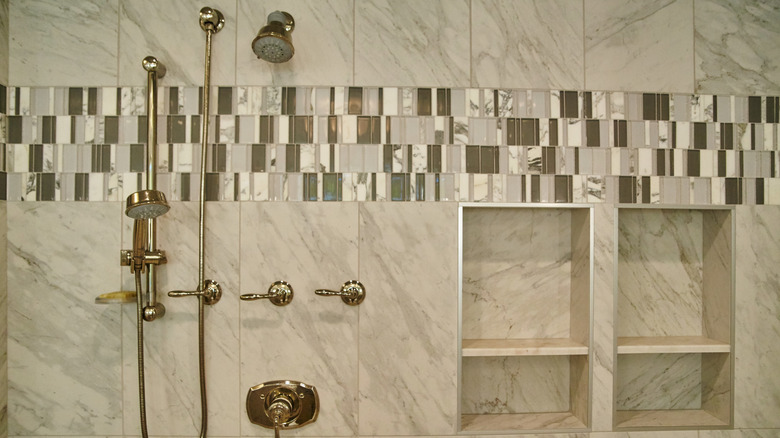
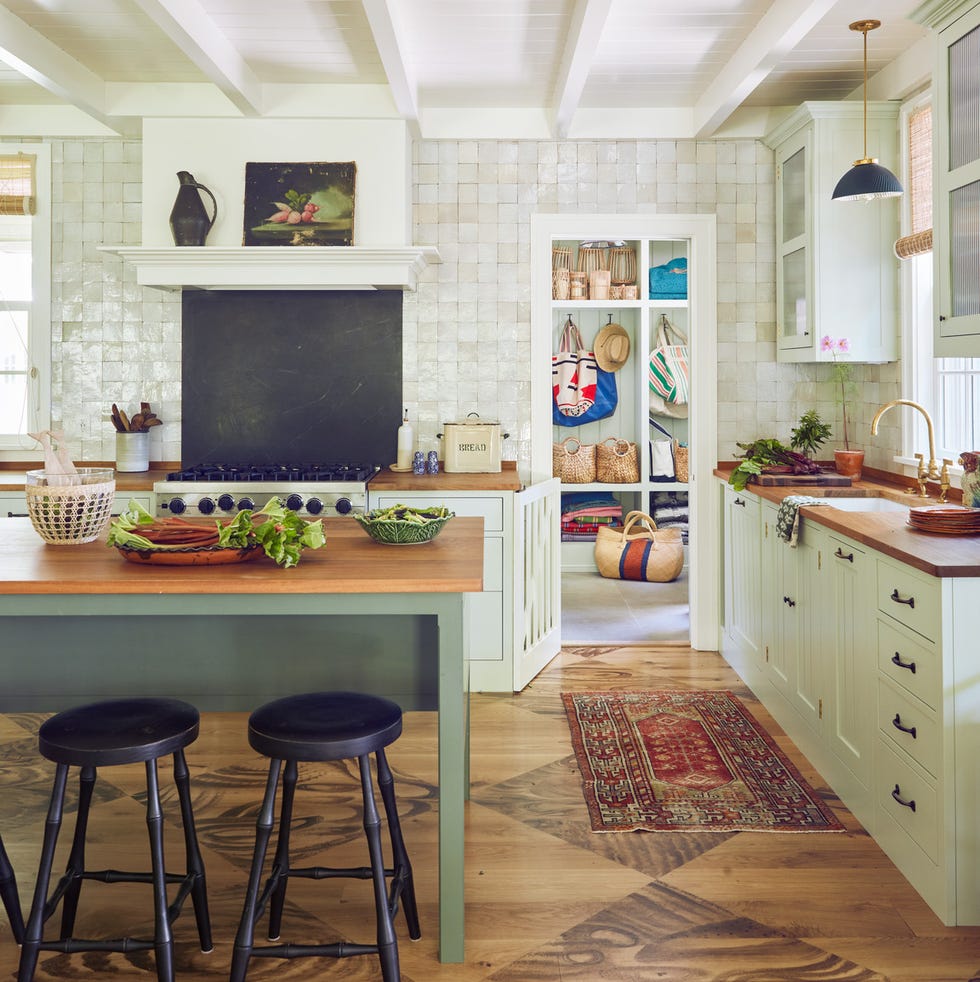
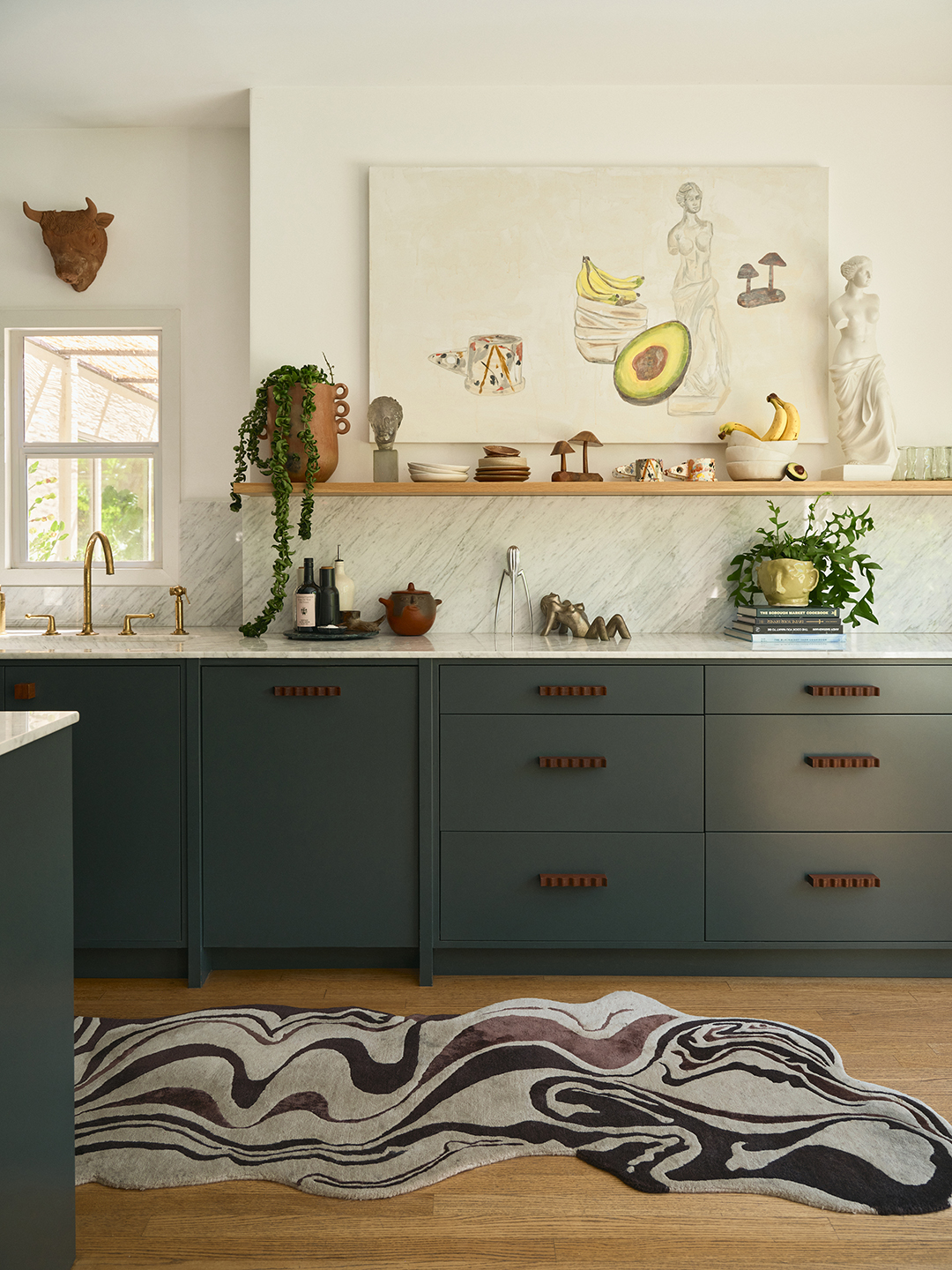
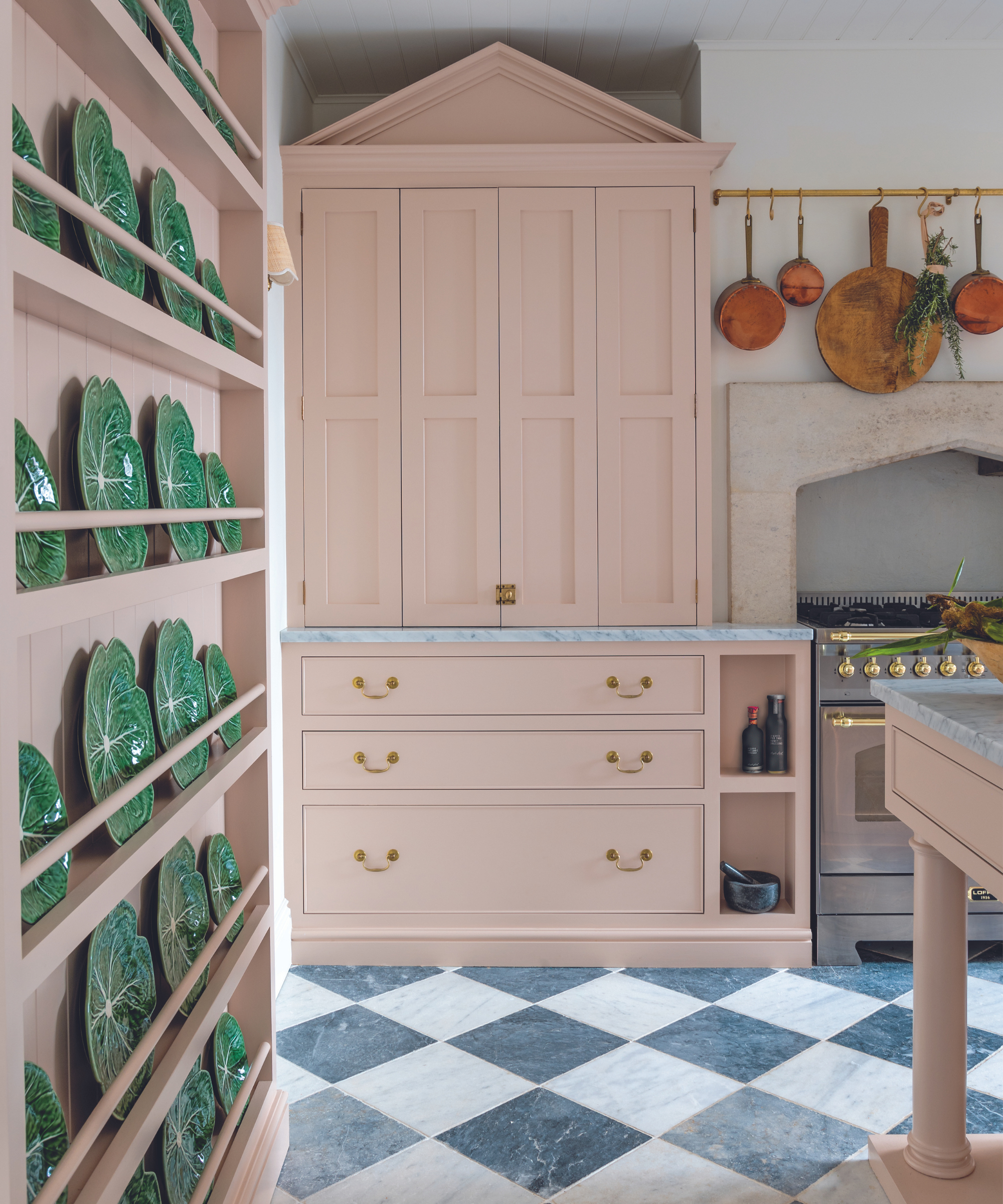
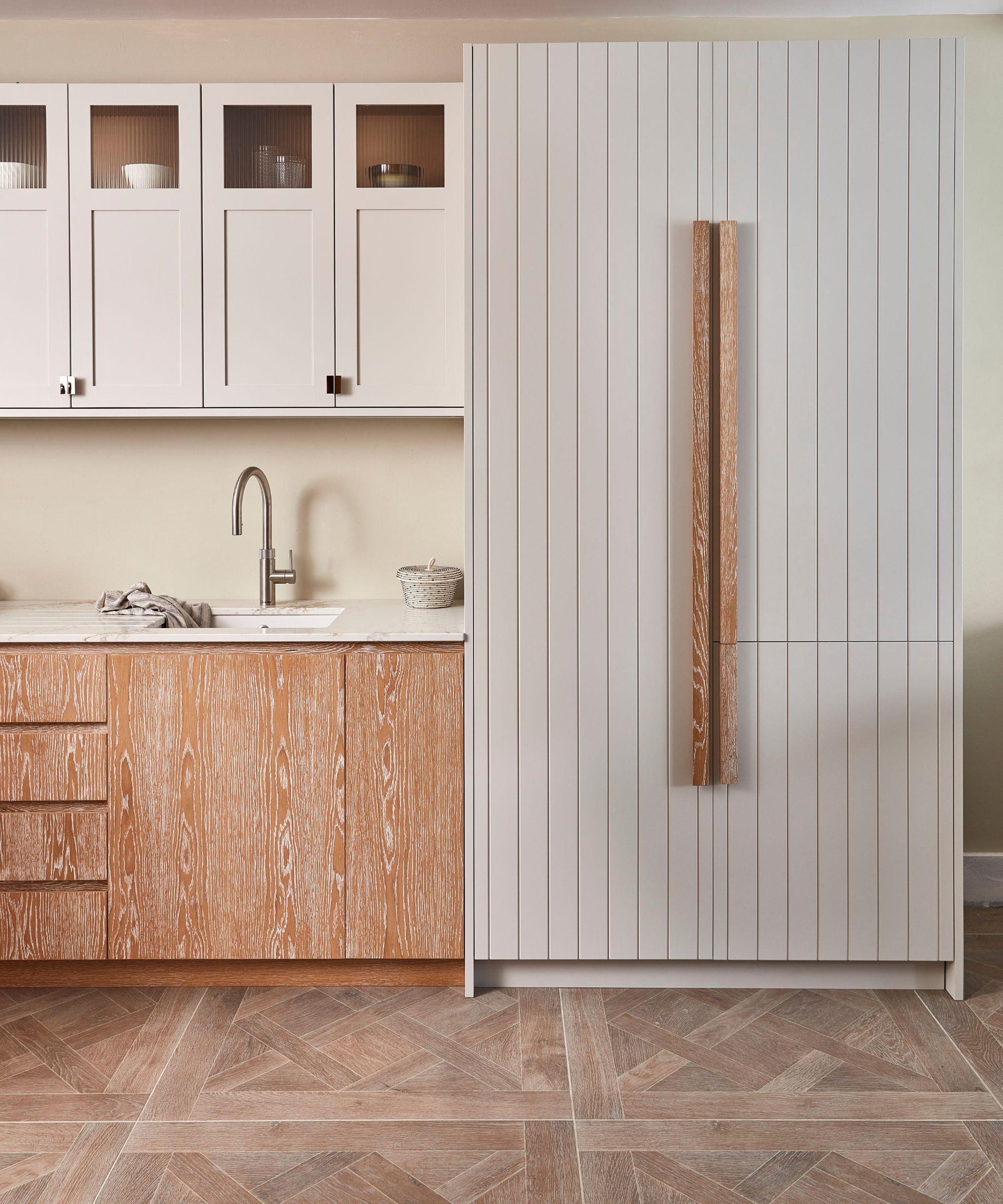
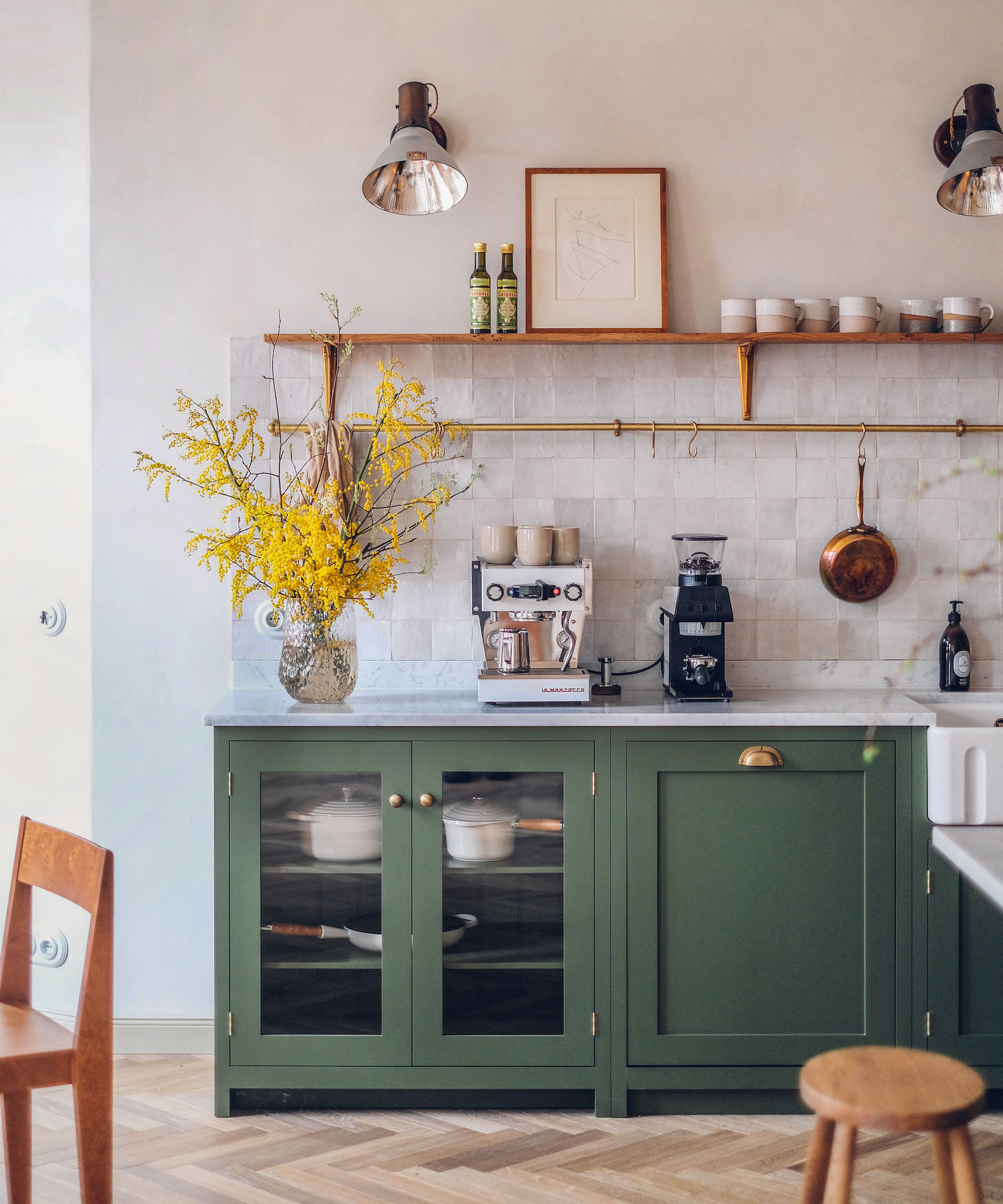
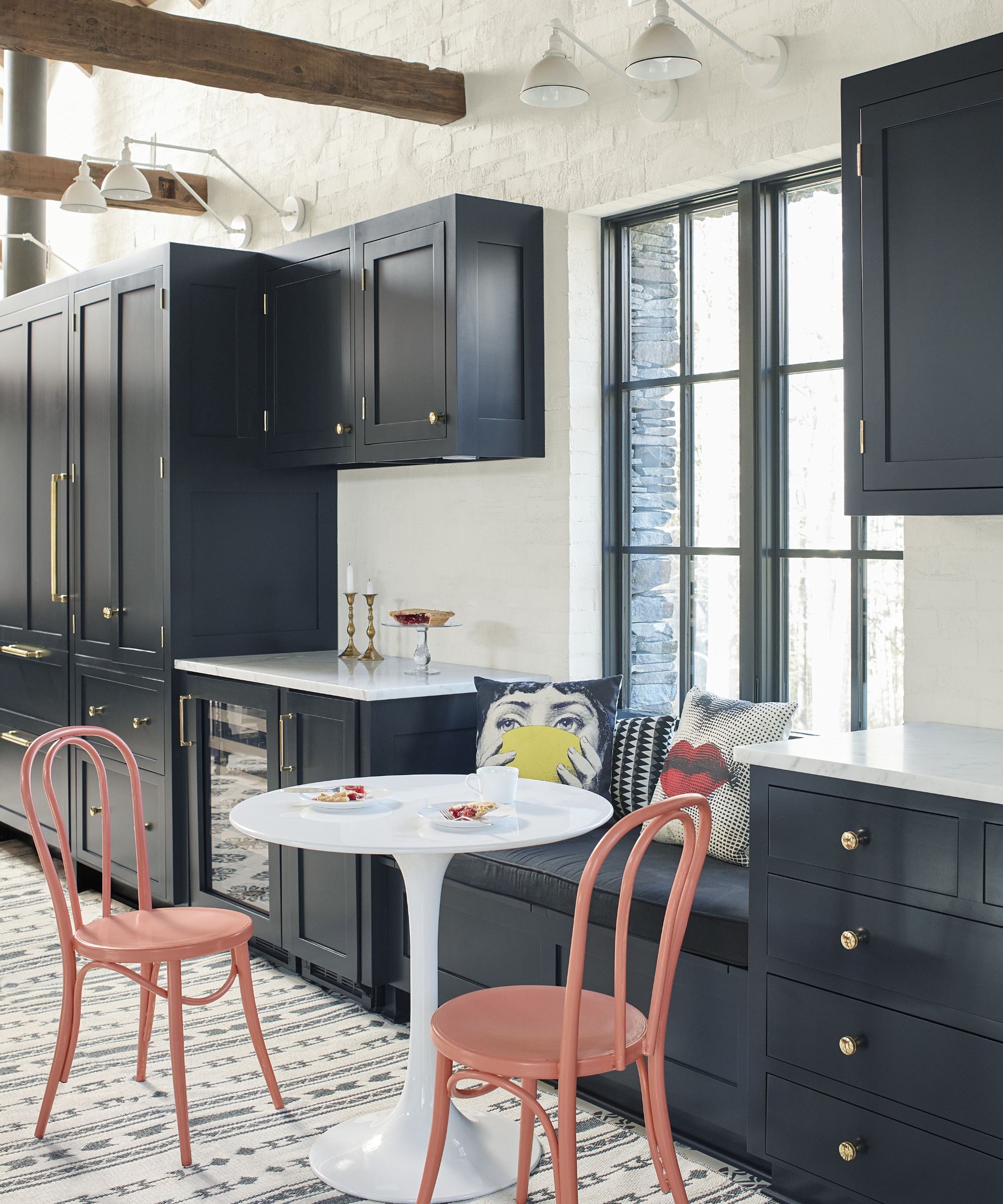
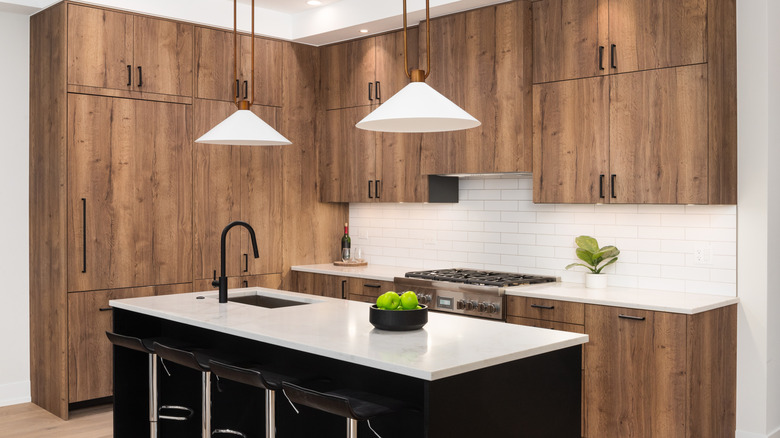
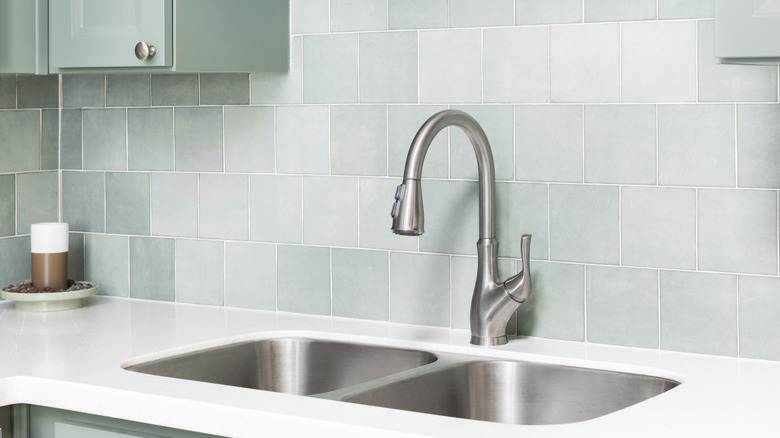
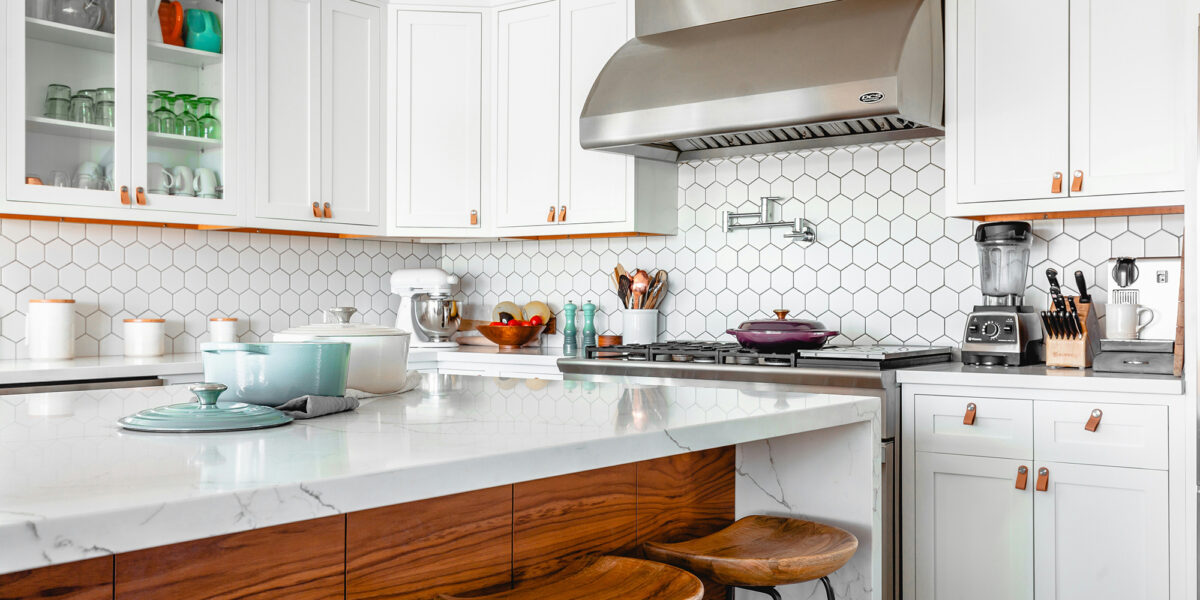
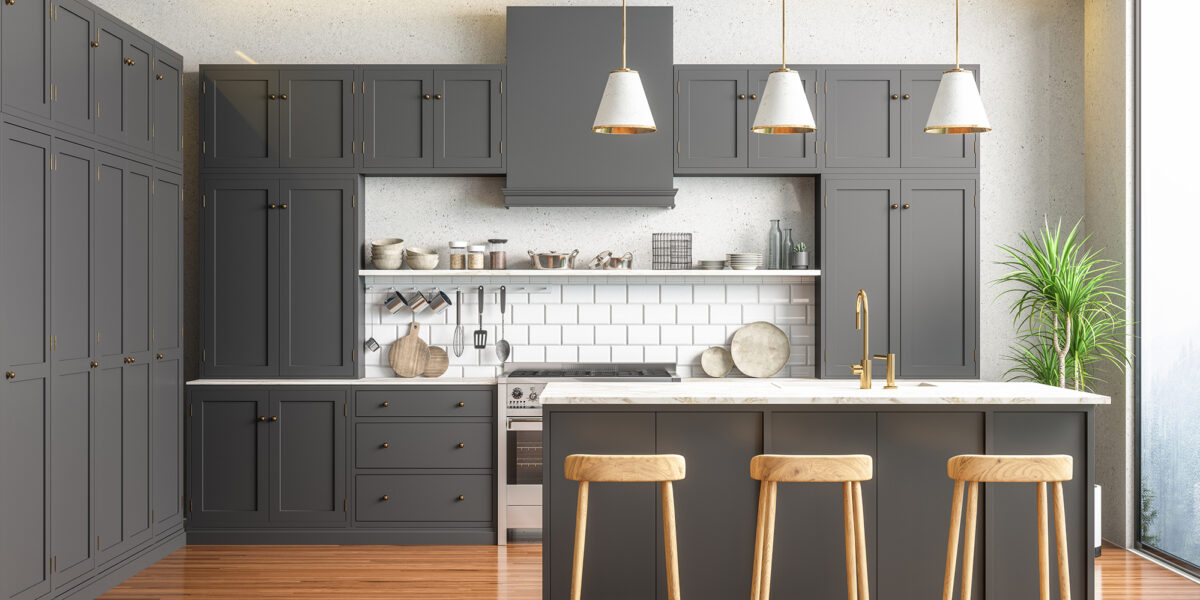
Kitchen design is also undergoing a transformation. Waterfall countertops, while once popular for their sleekness, are now perceived as too cold and are being replaced by islands featuring mixed materials and unique details to inject more warmth and character into the space. The trend of matching every piece of hardware and plumbing in black is also considered outdated. Instead, designers advocate for mixing materials and finishes, particularly those with hand-applied or patinated effects, to achieve a more custom and sophisticated look. This approach encourages a departure from uniformity towards curated individuality.
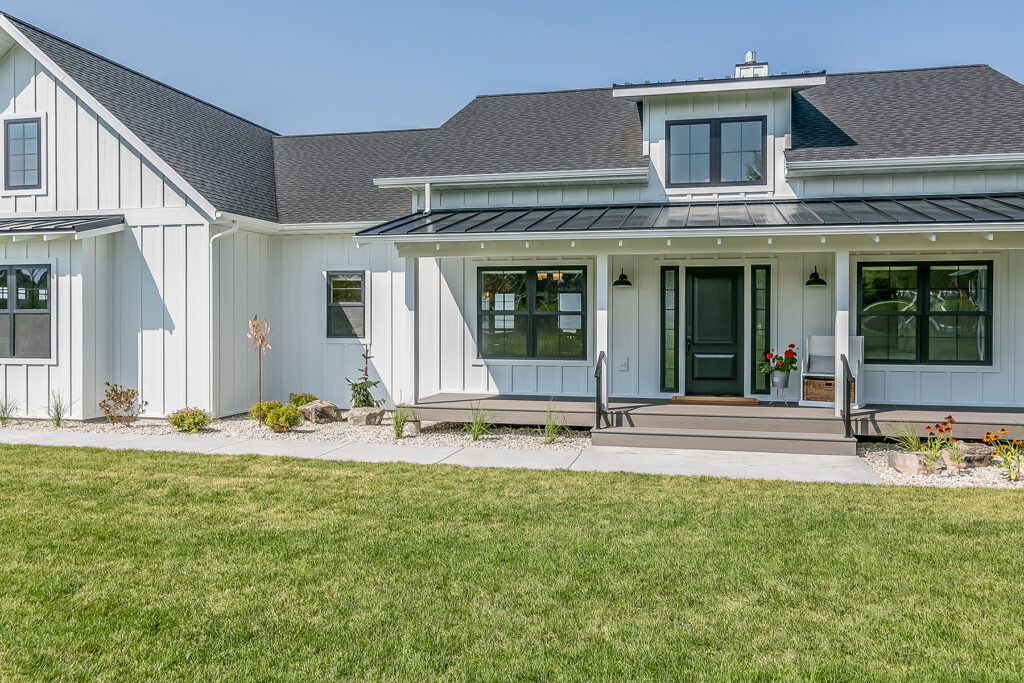
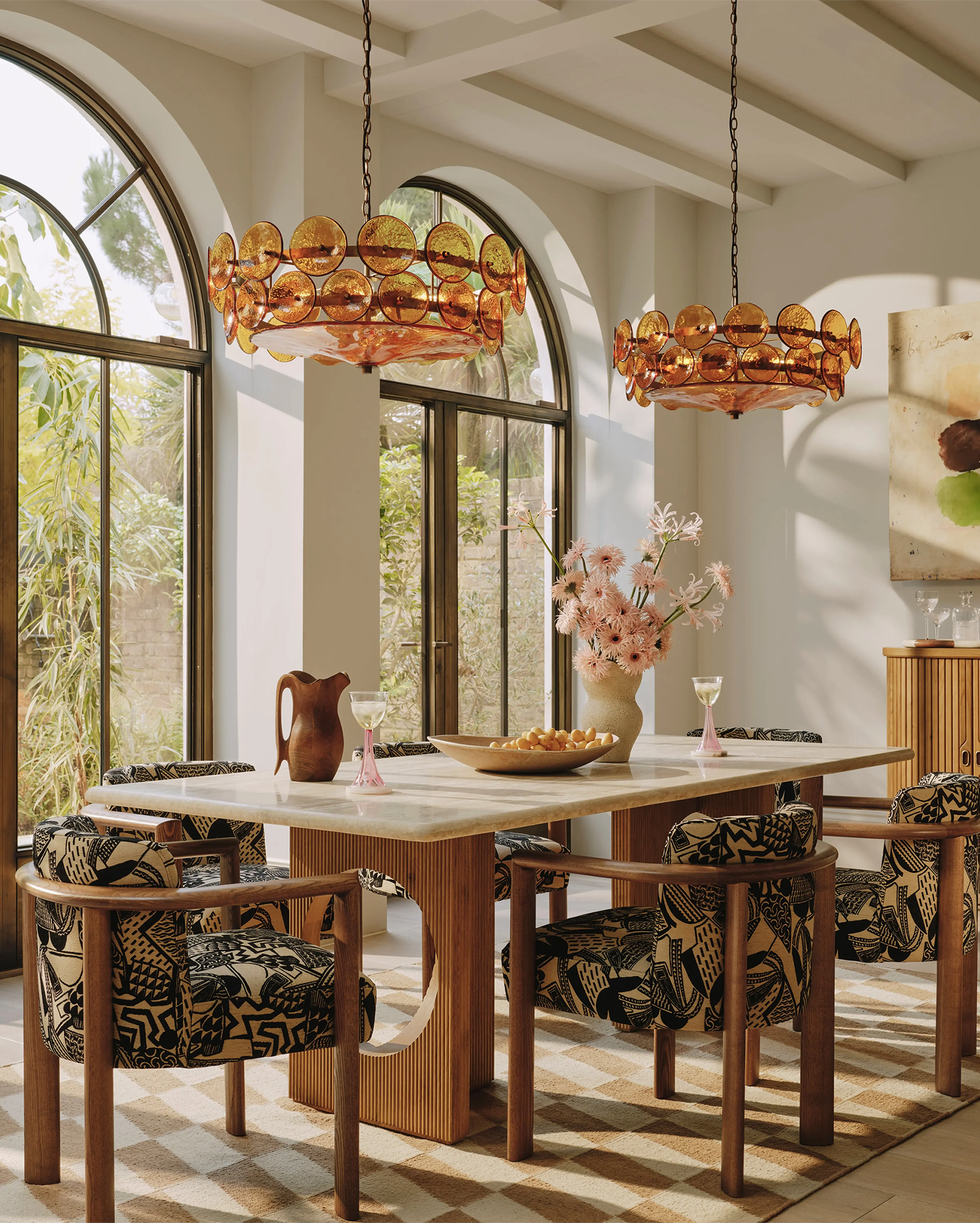
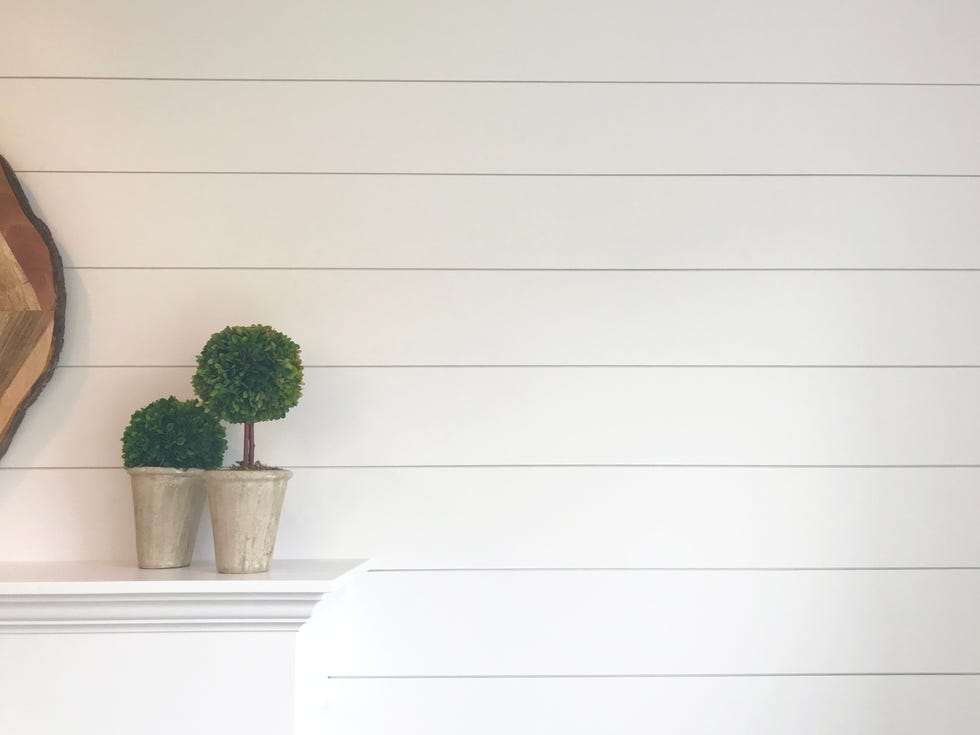
Beyond specific elements, broader design philosophies are being re-evaluated. The era of “supercharged trends” like maximalism and various “-cores” is seen as contributing to excessive consumption, with experts urging a return to foundational design principles over fleeting styles. Modern farmhouse, characterized by shiplap walls and generic signage, is particularly singled out as a trend that has become uninspired and lacking in personal expression. The push is towards designs that genuinely reflect the homeowner's personality rather than appearing as if they were mass-produced. Similarly, single-purpose rooms are becoming less favored, as homeowners seek multifunctional spaces that maximize utility and adaptability, akin to furniture designed for versatile use.
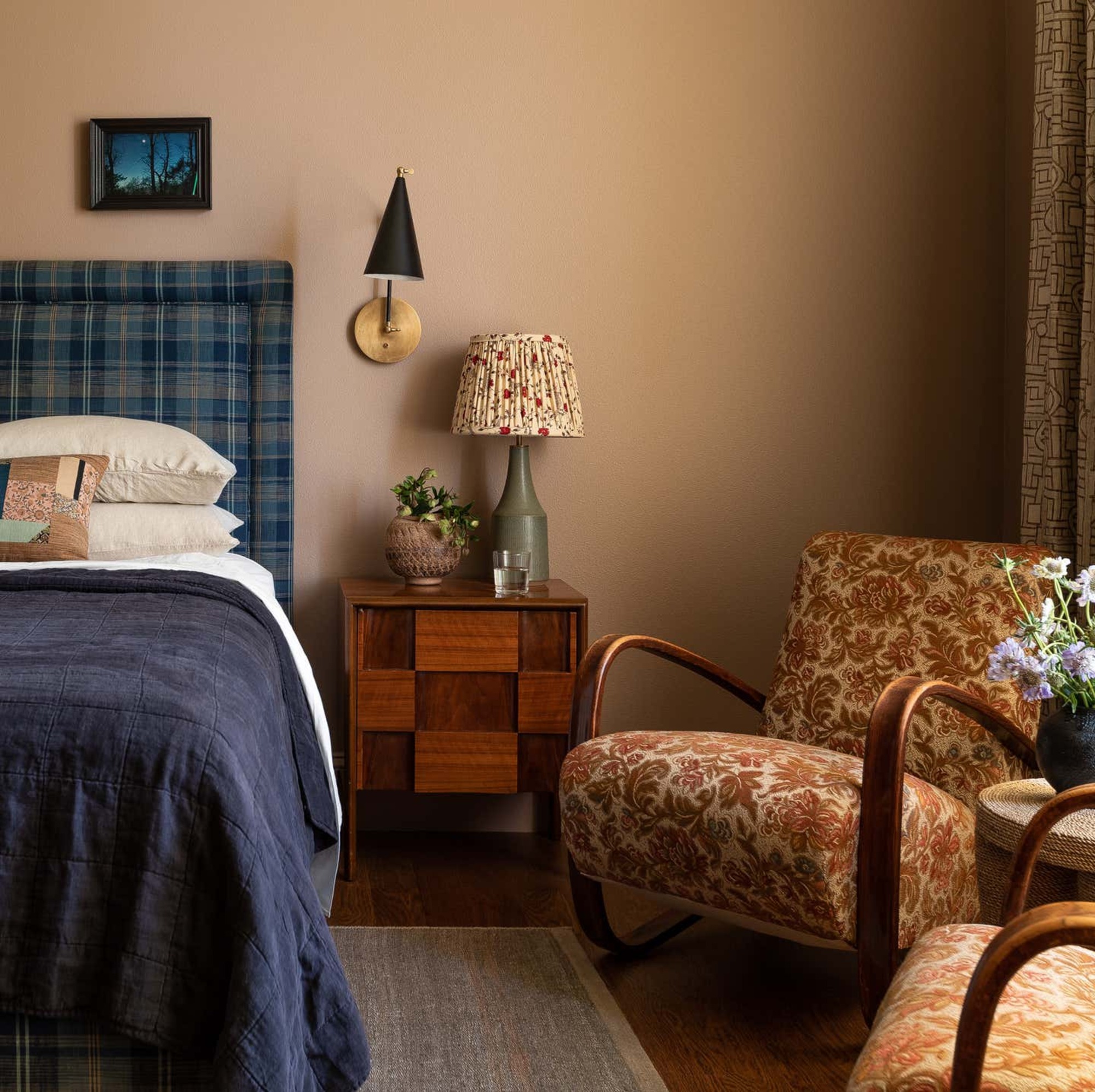
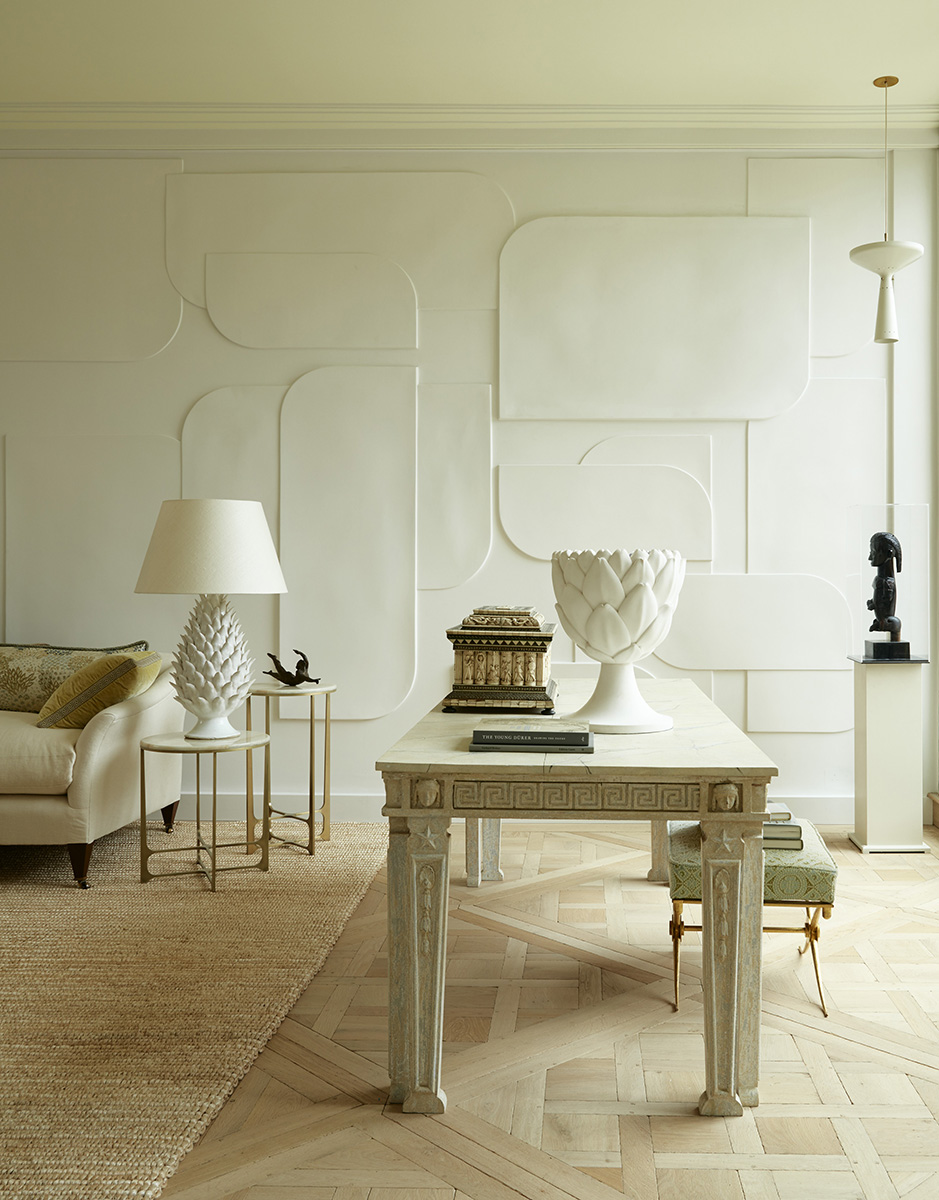
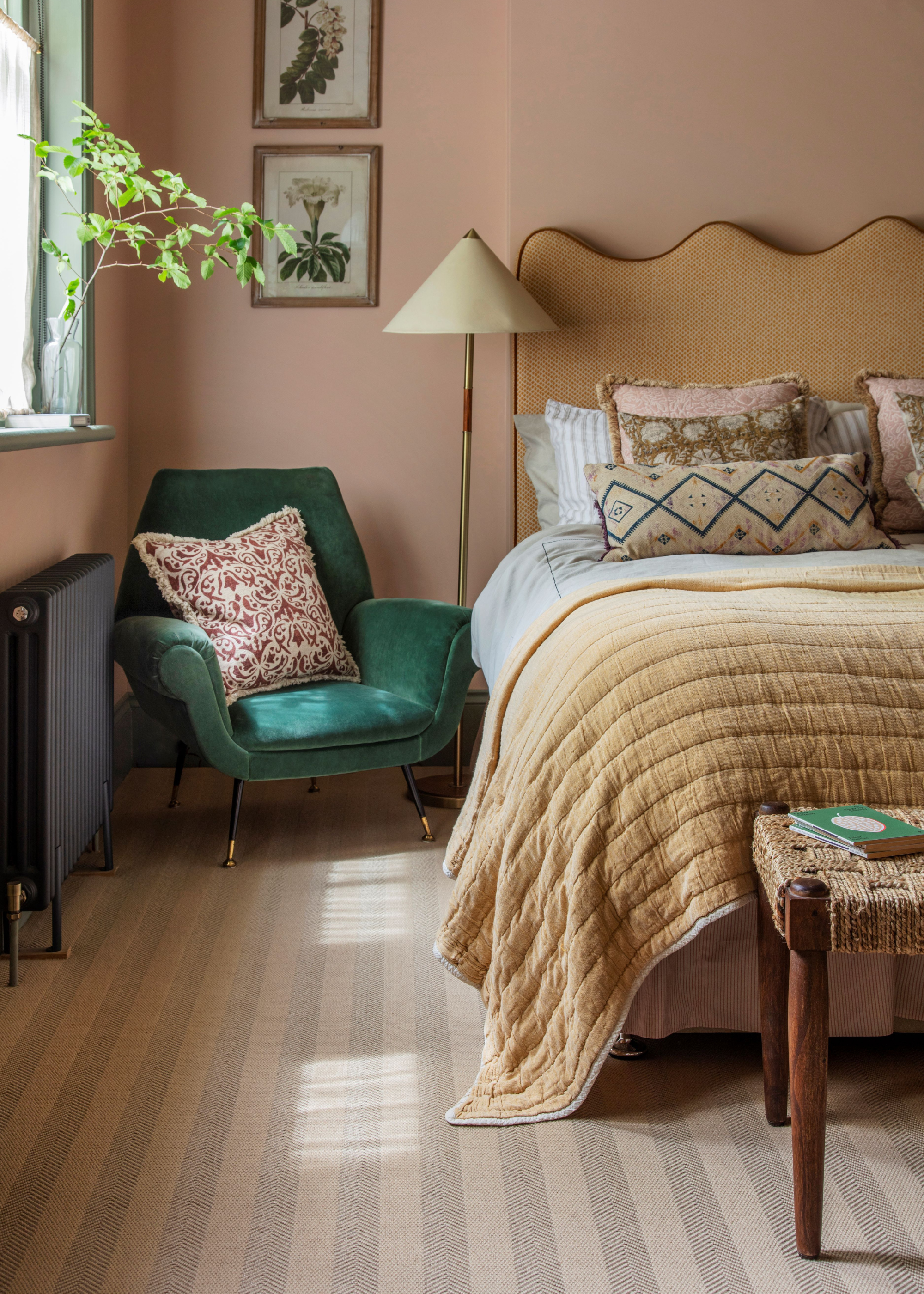
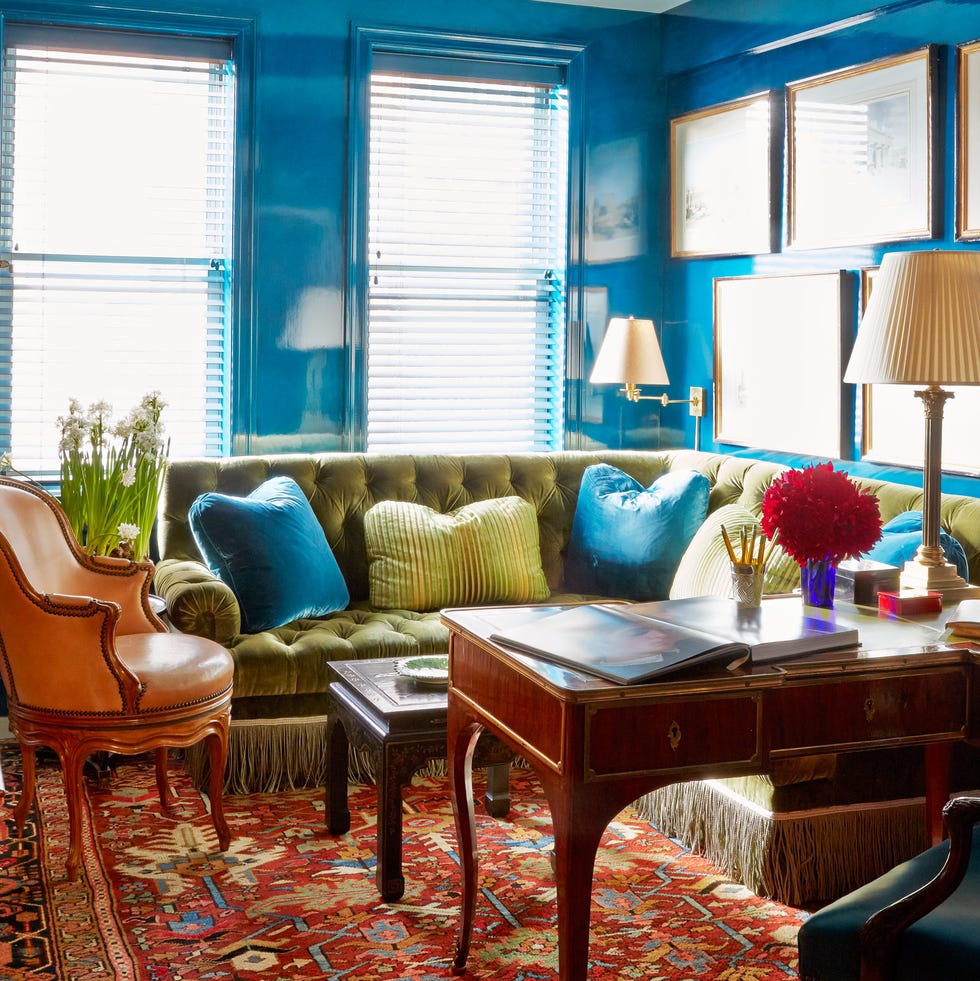
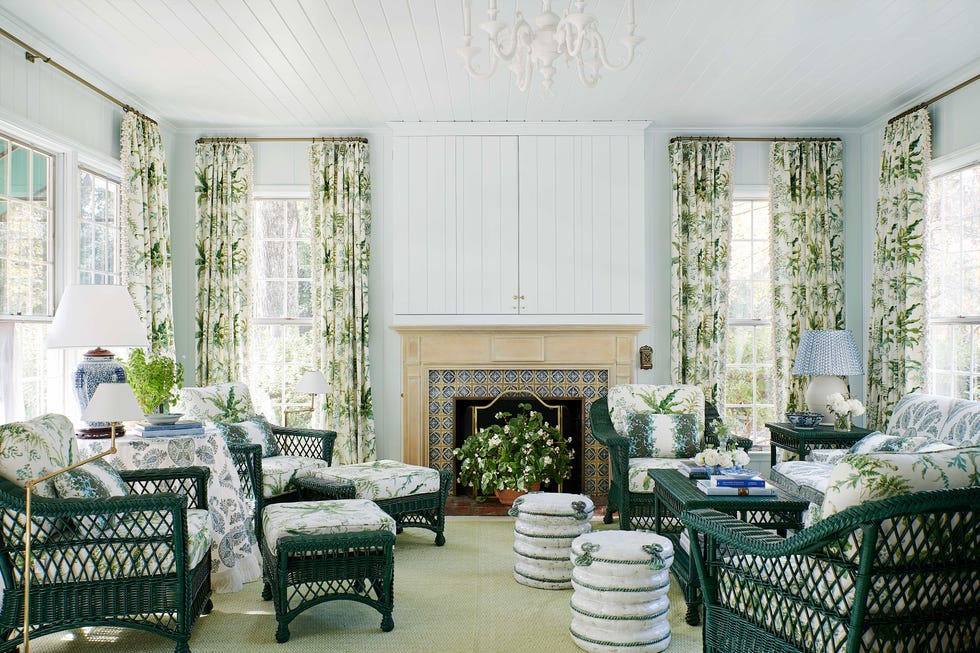
Furthermore, the preference for man-made quartz countertops is expected to wane, with a resurgence in the appreciation for natural stone, a material hoped to be a more enduring trend. One-dimensional interiors, which strictly adhere to either modern or traditional styles, are also falling out of favor. Such spaces often feel like curated exhibits rather than lived-in homes, lacking the warmth, authenticity, and personality that comes from a blend of styles and eras. The rigid pursuit of perfect, period-correct elements can ironically lead to sterile environments.
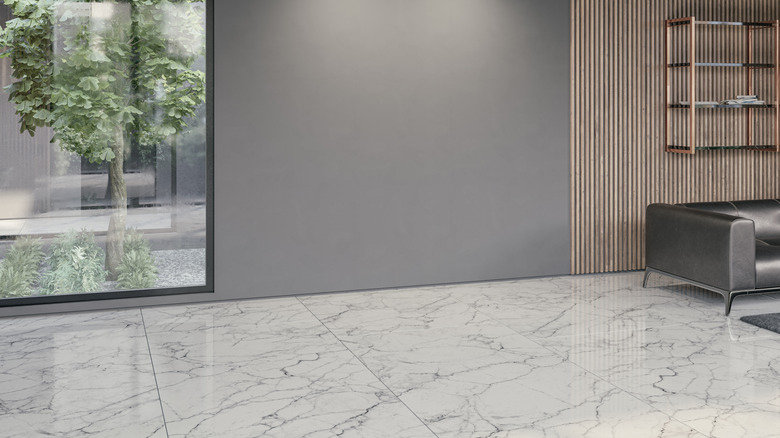
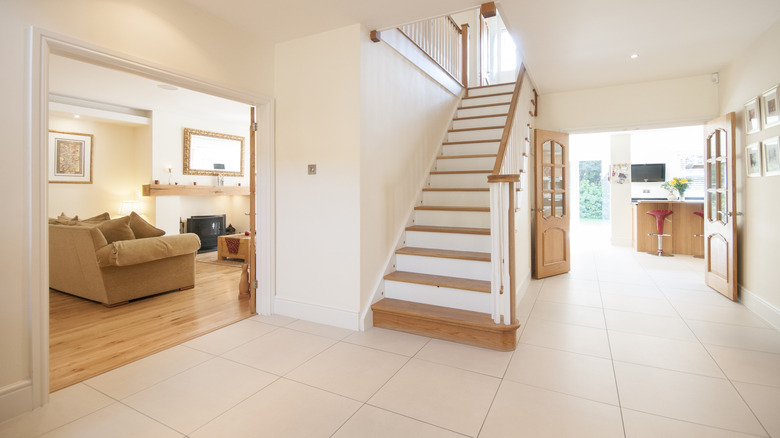
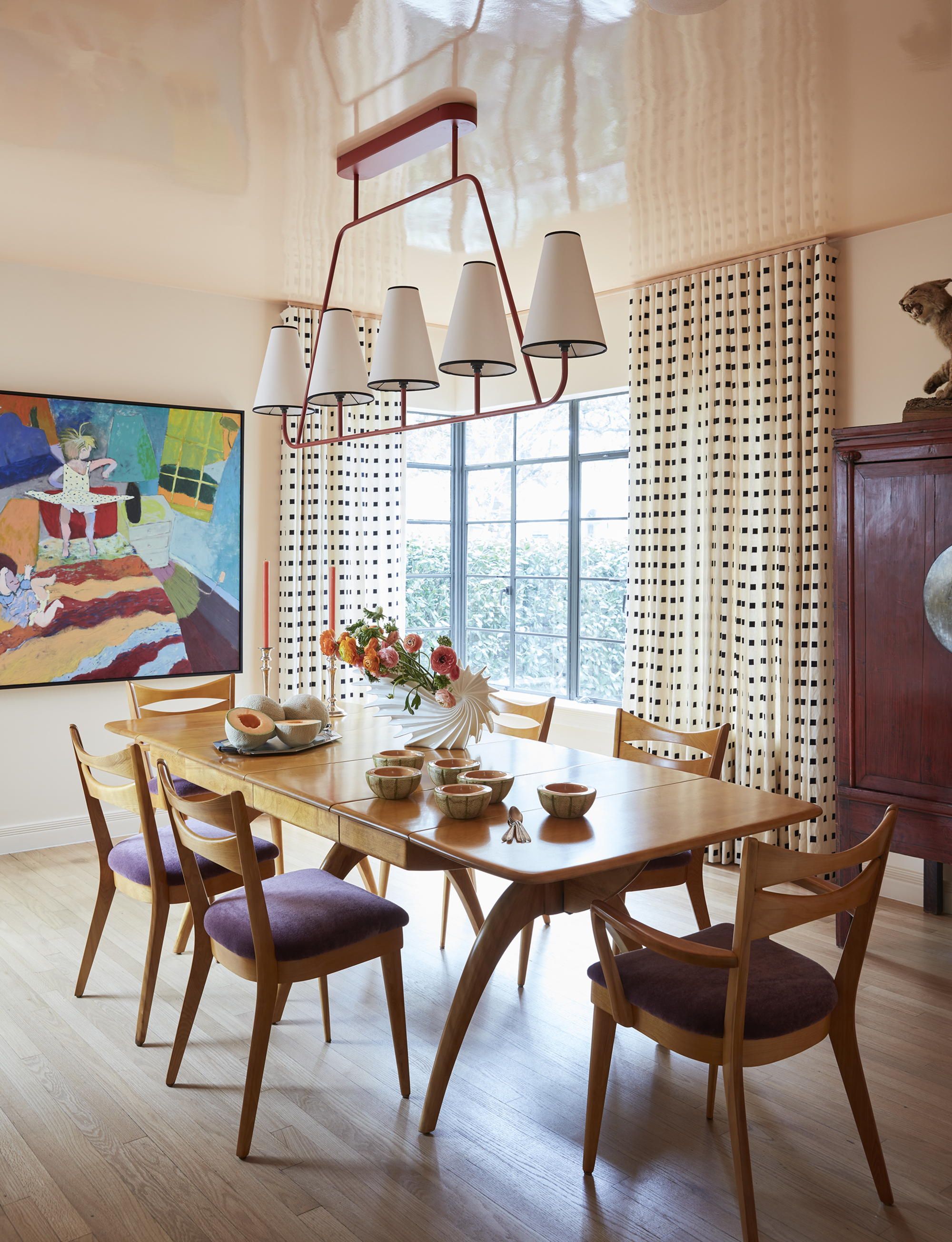
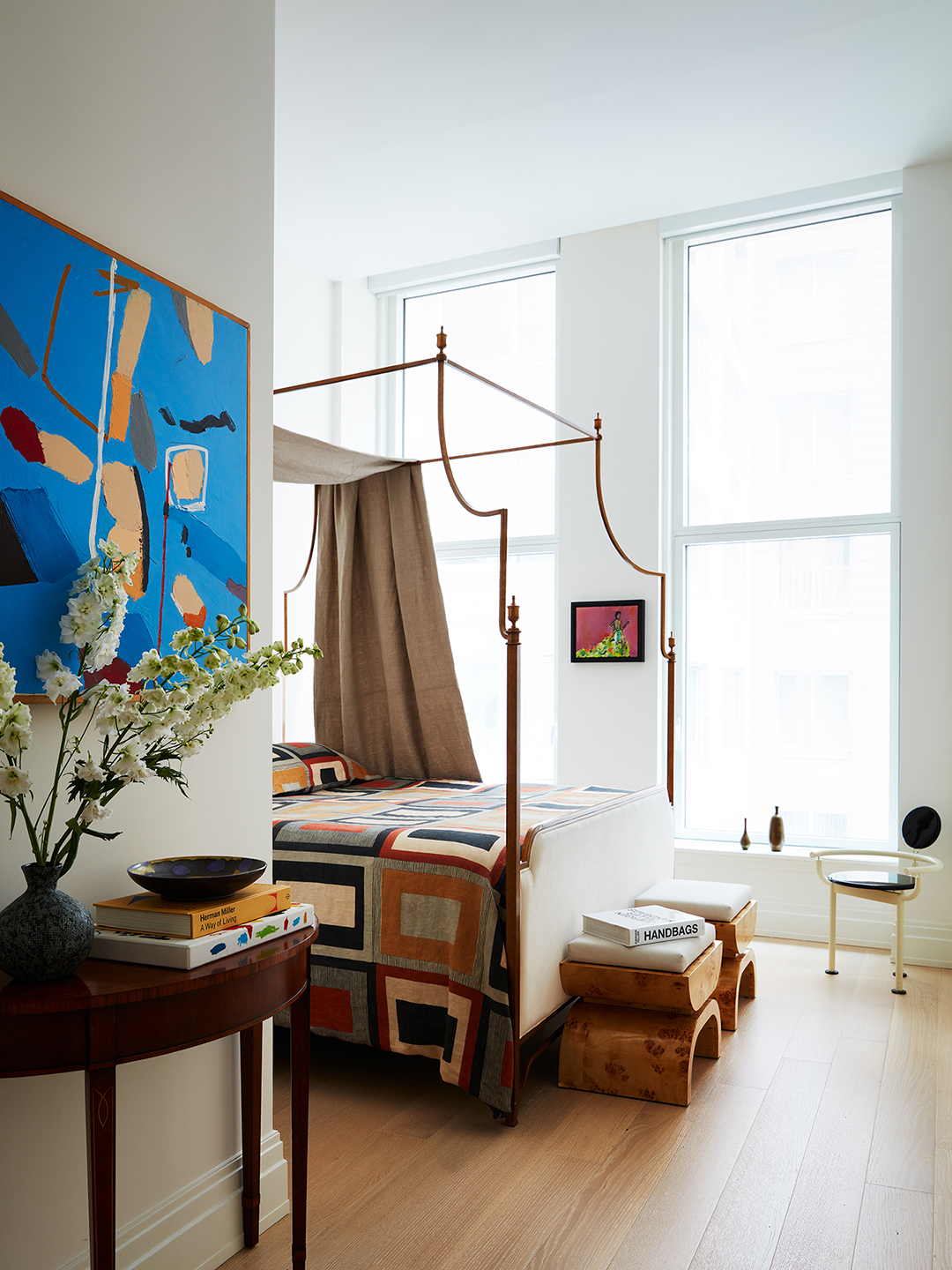
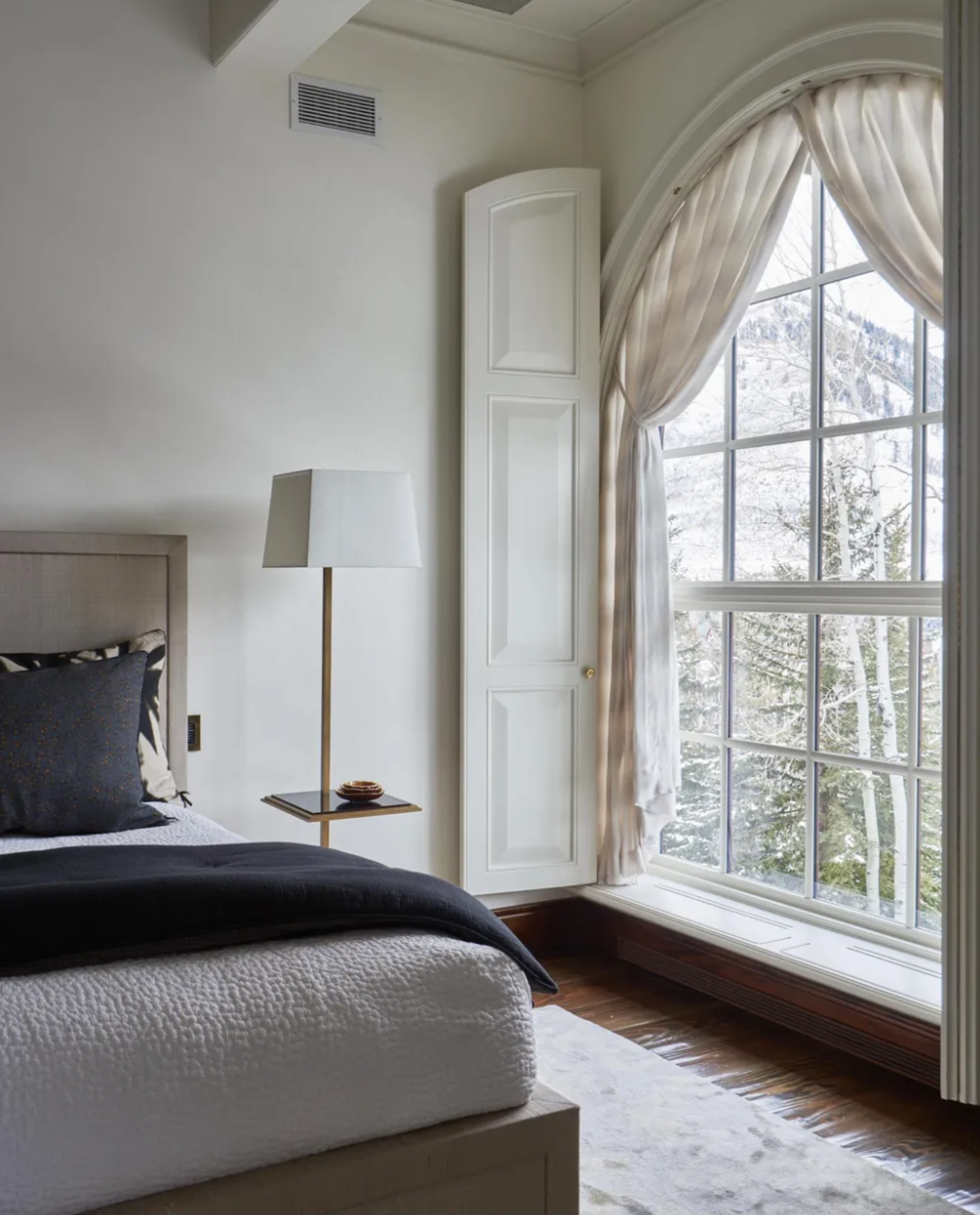
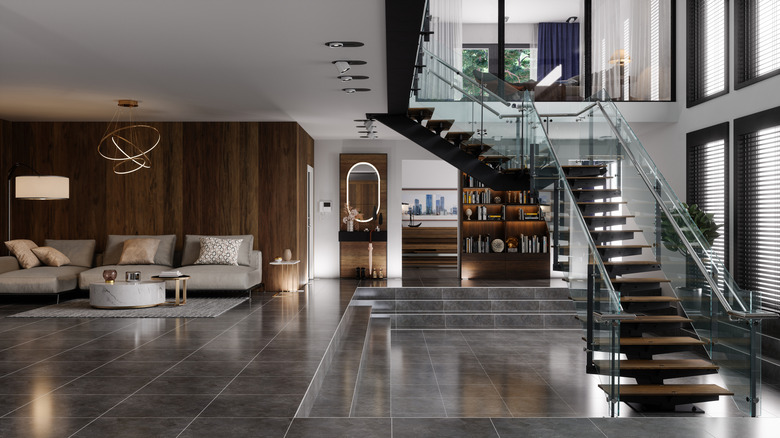
Finally, functional design elements like lighting and flooring are also subject to change. Can lighting, for instance, is identified as an overused and uninspiring option, prompting a call for more thoughtful and mood-enhancing lighting solutions. Similarly, light-colored, wide-plank wood flooring and large-format tiles, previously staples for a transitional style, are now viewed as impersonal and predictable. The preference is shifting towards flooring materials that offer greater texture and authenticity, moving away from sterile and uniform expanses. These changes collectively point towards a future where interior design prioritizes individuality, warmth, functionality, and timelessness over transient trends.
#InteriorDesign #DesignTrends #HomeDecor #OutdatedTrends #KitchenDesign #BathroomDesign #LivingSpaces #MaterialSelection #HomeRenovation #InteriorDesign #DesignTrends #HomeDecor #OutdatedTrends #KitchenDesign #BathroomDesign #LivingSpaces #MaterialSelection #HomeRenovation
0 comment in total
 No comments yet
You may also like
It’s Time to Say Goodbye to These Outdated Design Trends in 2024
Sorry, But It’s Time to Retire These 5 Interior Design Trends in 2024

The Decorating Trends Designers Are Leaving Behind in 2026

5 Outdated Color Combinations We're Saying Goodbye to in 2025, According to Designers

Sorry, but It's 2025 — These Outdated Interior Design Rules (Too Many People Still Swear By) Should Be Ignored

Designers' Reveal the Biggest Pattern Trends for 2025, and It's Shaping Up to Be a Bold Return to the Classics
The Controversial Design Style That's Out for 2025, According to Designers
These are the outdated kitchen cabinet trends designers say you should ditch in 2025
Ready to Redecorate? 2025’s Top Design Trends Just Dropped

Designers Say These Trends Will Go Out of Style in 2025—Here Are Some to Try Instead

The decorating trends designers definitely want you to leave behind in 2025 – from fads to faux pas

5 Curtain Colors Designers Say Are Officially Out of Style in 2025 Projects, and What They're Replacing Them With
Designers Say This Beloved Style Is Completely Out for 2025

10 Interior Design Trends Going Away In 2025

The Pros Have Spoken: These Interior Design Trends Will Define 2025
Retro Design Trends That Are Making A Comeback In 2025
Outdated Tile Trends That Are Going Away In 2025
8 Decorating Trends Designers Wish Would Go Away in 2025

These Trendy Home Additions Will Look "Dated" in 2026, According to Designers

3 "Timeless" Trends Designers Say Are Out—and Making Homes Look Dated in 2026