1/19
Send Wi-Fi companies floor plans, receive the ultimate mesh networking test
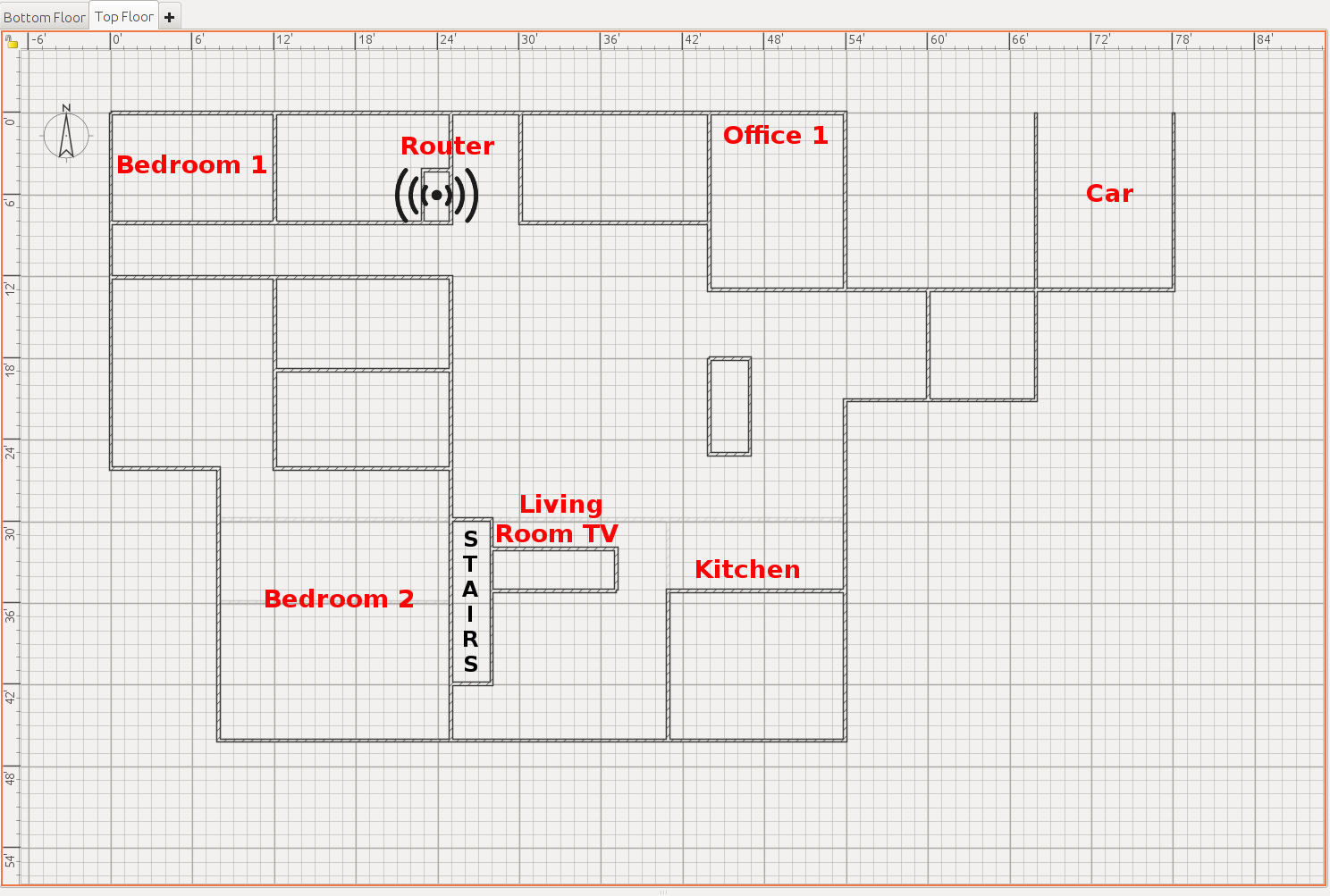
This article details a comprehensive mesh Wi-Fi network testing methodology that involves sending floor plans to Wi-Fi companies and allowing them to recommend optimal access point (AP) placement. This approach arose from criticisms of previous tests, where companies like Google Wifi and AmpliFi HD claimed their devices were improperly placed. The author aimed to eliminate personal bias by letting the experts dictate placement, thus ensuring a more representative evaluation of each system's performance in a real-world home environment. The testing shifted focus from RF heat maps, which were found to be misleading, to iperf3 throughput measurements (both upload and download) across seven distinct locations within the test house.
The test house, with its two floors, presents a variety of challenging scenarios for Wi-Fi coverage. Test sites include Upstairs Bedroom 1, Office 1, and Bedroom 2, along with Downstairs Office 2, Downstairs Bath, and Bedroom 3. An additional extreme long-range "car" test location is included, simulating a challenging outdoor connection through multiple obstacles. Each mesh system underwent two testing modes: "Hard Mode," where the client device (an Acer C720 Chromebook with a USB3-connected Archer T4U 802.11ac wNIC) was left to autonomously roam and band-steer, and "Easy Mode," where manual intervention, such as disconnecting and reconnecting the Wi-Fi adapter or selecting specific SSIDs, was permitted to optimize connection. This dual-mode approach addresses both the desire for a hands-off, convenient user experience and the pursuit of maximum possible performance.
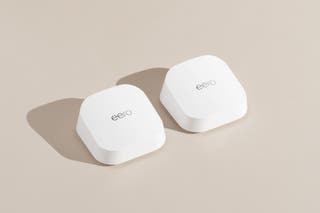
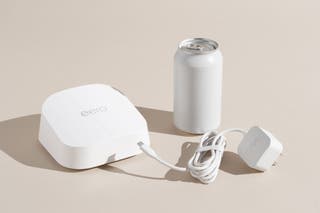
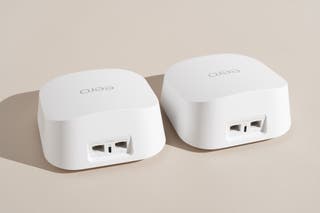
Detailed breakdowns of AmpliFi HD, Google Wifi, Eero, Orbi, and Plume are provided. AmpliFi HD's team suggested downstairs AP placement and emphasized the directional nature of their mesh points. Testing confirmed the mesh points' directionality, particularly on 5 GHz, which introduced complexities for users regarding optimal aiming. Configuring AmpliFi HD for optimal performance proved challenging, often requiring manual intervention to force the correct backhaul path and client connection spectrum. Google Wifi also recommended downstairs AP placement, and while its APs formed a tree topology successfully, roaming performance in Hard Mode was poor, leading to significant connectivity issues in some locations. Eero, on the other hand, declined to provide specific placement, trusting the tester's judgment, and its v2.1 firmware was tested in what were considered optimal locations for a three-piece kit. Eero used dynamic channel selection and aggressive client steering to manage bandwidth, though it experienced occasional network drops.
Orbi, typically sold as a two-piece kit, was tested with a three-piece setup. Netgear, its manufacturer, believed a two-piece kit would suffice but acknowledged the third unit could aid long-range coverage. Orbi used static client-facing channels, which was noted as a missed opportunity for further performance optimization, given its dedicated backhaul radio. Despite this, Orbi demonstrated high raw single-device throughput, even in Hard Mode, often connecting clients on 2.4 GHz even when 5 GHz was available. Plume, which also declined specific placement recommendations, was tested with an additional seventh pod for redundancy. Plume's strength lies in its cloud optimizer, which dynamically adjusts network configuration based on real-time environmental data. Plume exhibited exceptional consistency in its throughput measurements, with very low standard deviation between test runs, indicating reliable and predictable performance across locations.
The article concludes by emphasizing the critical importance of proper access point placement in mesh networking, akin to the real estate adage of "location, location, location." Retests with vendor-recommended placements for Google Wifi and AmpliFi HD demonstrated a significant decrease in performance compared to the original optimal placements, highlighting how suboptimal configurations can severely impact network efficiency and user experience. While Orbi offered impressive raw throughput, Plume's consistent performance and "cloud optimizer" approach positioned it as a highly reliable option. The testing revealed that while some systems can achieve high numbers with careful manual optimization, the true measure of a good mesh system is its ability to deliver consistent performance without user intervention.
#MeshWiFi #WiFiTesting #NetworkPerformance #SmartHome #HomeNetworking #AccessPointPlacement #ThroughputAnalysis #WirelessTechnology #FloorPlanOptimization #MeshWiFi #WiFiTesting #NetworkPerformance #SmartHome #HomeNetworking #AccessPointPlacement #ThroughputAnalysis #WirelessTechnology #FloorPlanOptimization
 No comments yet
The 4 Best Wi-Fi Mesh-Networking Systems of 2026 | Reviews by Wirecutter

Portico shade structure opens up new possibilities


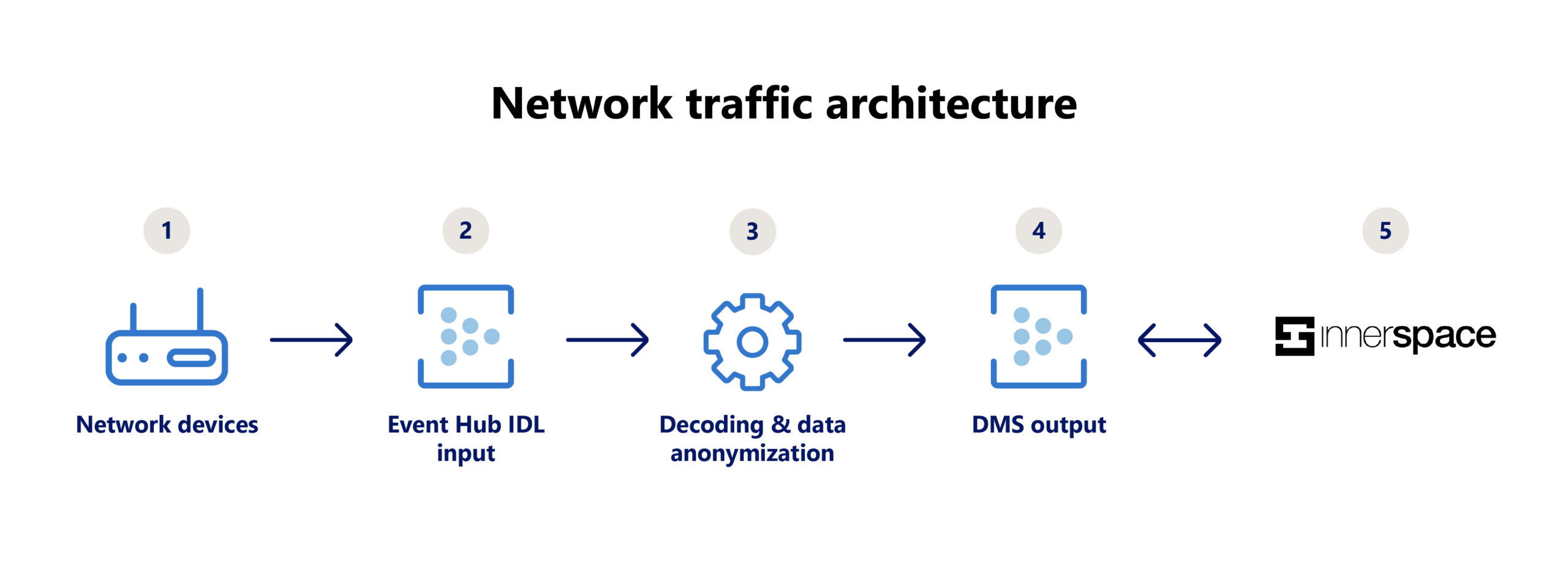
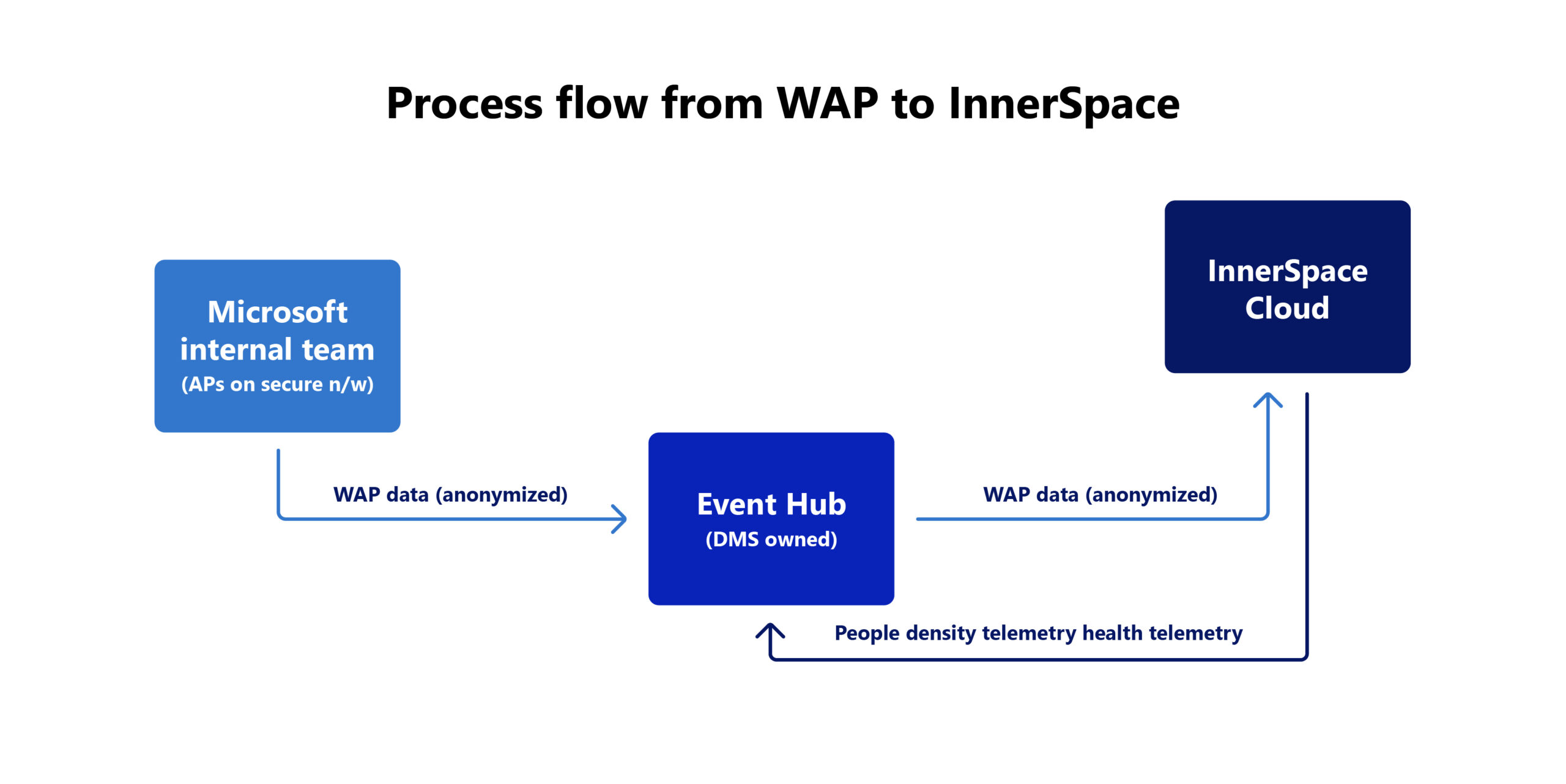
Enhancing space management internally at Microsoft with Wi-Fi data
Wi-Fi Technicians Reveal the 5 Worst Spots to Place Your Router

Find your Zen with the best ASUS mesh WiFi systems in 2023

Confirming the Connection Detail for a Residential Footing


Prefabricated wall panel system facilitates Passive House certification
Hue Perifo: Flexible corner connector can now be ordered


GPW: Ngee Ann Polytechnic"™s Vertical Extensive Green Wall Testing Facility