1/2
If You Can’t Get Plywood Now, Try This Instead
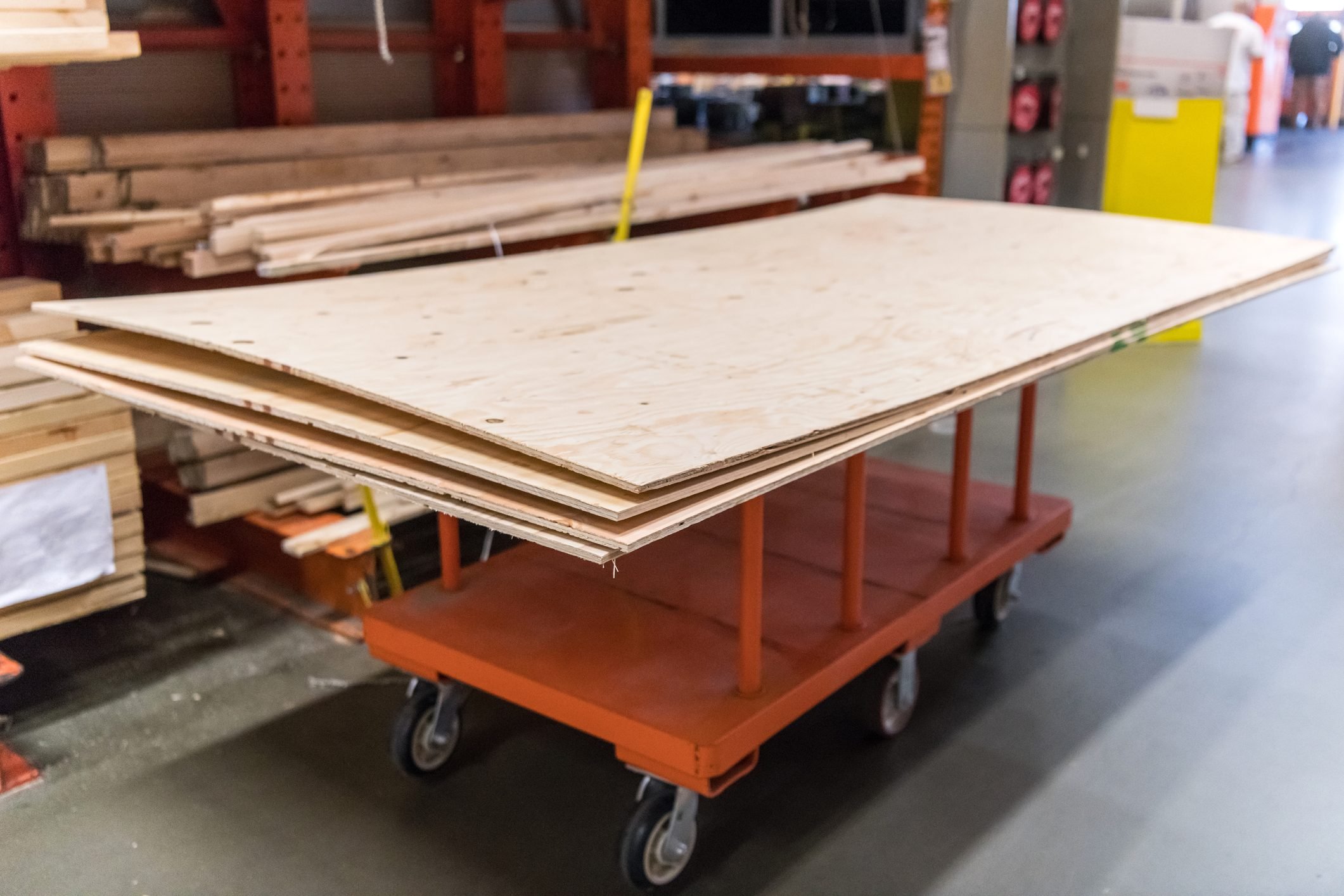
The article addresses the current scarcity and increased cost of plywood, a long-standing staple in construction and home improvement, tracing these issues back to the COVID-19 pandemic, related labor shortages, and recent wildfires in western North America. It notes that while plywood has been a preferred material for about a century, its availability and price have become problematic, necessitating a consideration of alternatives for both budgetary and scheduling reasons. The underlying causes of the plywood shortage are detailed, linking it to a broader lumber shortage. Wildfires, particularly in British Columbia, Washington, and Oregon, significantly reduced lumber production. For instance, Canfor, a major lumber producer, curtailed production by over 100 million board feet due to fires. Pandemic-induced labor shortages further exacerbated the problem by creating bottlenecks in American sawmills, which, despite offering higher wages, struggled with worker retention due to health concerns. These factors, combined with a spike in housing demand, created a perfect storm of reduced supply and increased demand for lumber products, including plywood. Supply chain issues, such as a truck driver shortage, have also driven up transportation costs, and general inflation is contributing to higher consumer goods prices across various sectors. The article acknowledges that production and supply chain issues are gradually being addressed, but the exact timeline for plywood prices to return to previous levels remains uncertain.
Given these challenges, the article explores several viable alternatives to plywood, emphasizing that the best choice depends on the specific application. Polyurethane foam board is dismissed for structural use due to its primary role as insulation. For structural applications requiring moisture resistance, Oriented Strand Board (OSB), also known as chipboard, is presented as a common substitute. Builders frequently use OSB interchangeably with plywood for roof and wall sheathing and subflooring. OSB is manufactured by layering wood chips and bonding them under pressure with wax or resin to achieve water resistance. While OSB offers similar performance for structural purposes and is available in the same sheet sizes as plywood, its textured surface makes it unsuitable for visible applications. Curiously, the article notes that OSB is not necessarily cheaper than plywood, citing a comparative price example from Home Depot where OSB was slightly more expensive. However, OSB's ability to be manufactured from wood waste ensures its availability even when plywood stocks are low.
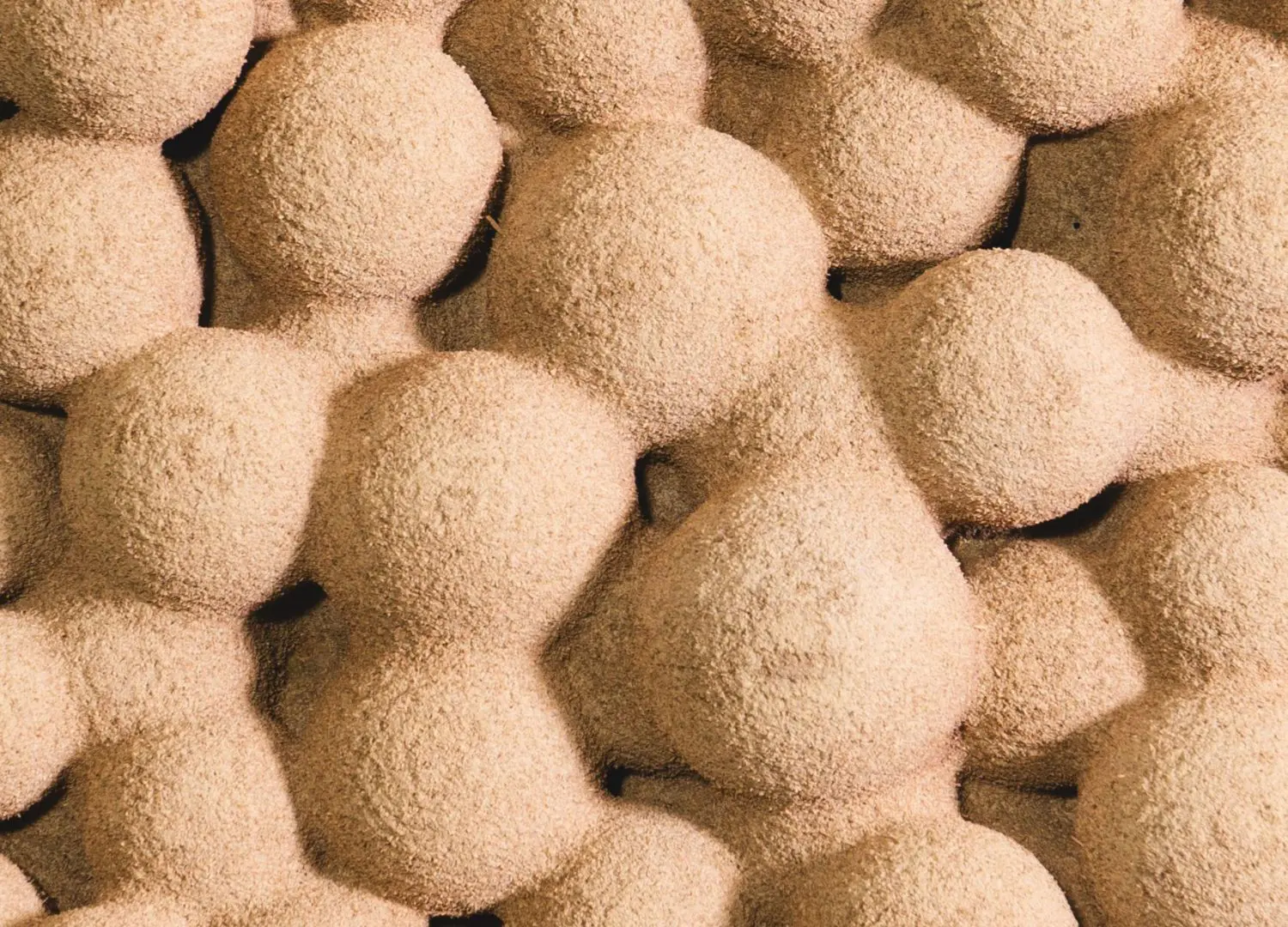
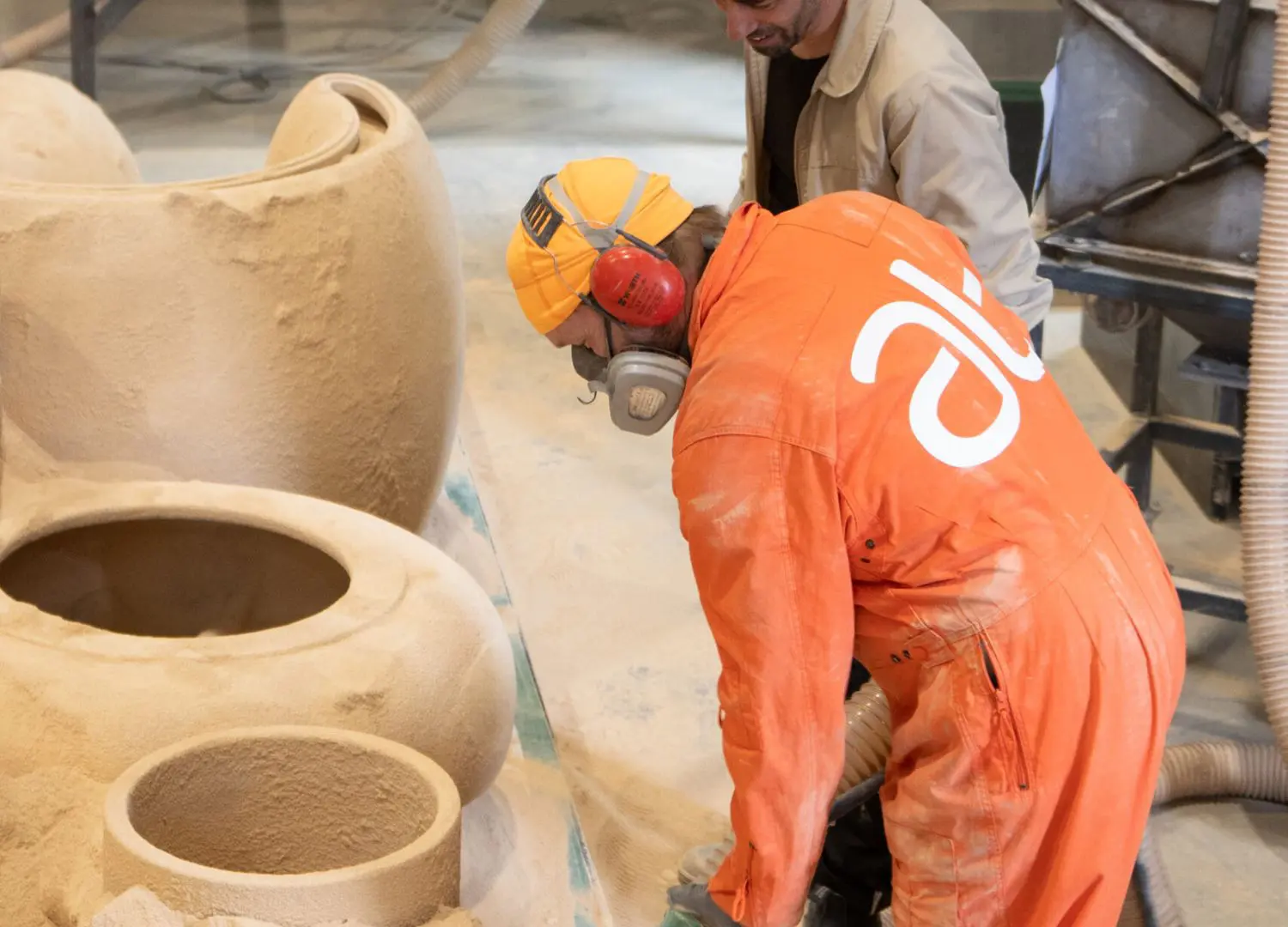
For interior applications like cabinetry, trim, and wall paneling, Medium Density Fiberboard (MDF) is recommended. MDF is created by pressing wood fibers with a strong adhesive, resulting in smooth, grain-free panels ideal for painting or veneering. Made from recycled materials, MDF is considered a more environmentally friendly option than plywood. It is heavier and less resilient than plywood but responds well to temperature and humidity changes when properly finished. A standard 4-ft. x 8-ft. sheet of 5/8-in. MDF weighs about 85 pounds, requiring two people for handling. High Density Fiberboard (HDF), or hardboard, is another fiberboard alternative, similar to MDF but with greater compression of wood particles, leading to a harder surface. HDF is popular among furniture makers and can be molded for wall panels and interior trim, though it is typically available only in thin sheets like 1/8-in. hardboard, often used as a substrate for vinyl and linoleum flooring. Finally, particleboard, also made from recycled materials, is highlighted as one of the most economical plywood alternatives. It is produced by pressing larger wood particles with adhesive, resulting in a less dense matrix. Particleboard is widely used as a substrate for laminates and can be purchased factory-laminated for cabinets, shelves, and interior furnishings. While unlaminated particleboard is generally unattractive, its laminated form is popular for store-bought vanities and kitchen cabinets, offering an attractive finish at a lower cost.
#PlywoodAlternatives #LumberShortage #OSB #MDF #HDF #Particleboard #BuildingMaterials #HomeImprovement #SupplyChain #PlywoodAlternatives #LumberShortage #OSB #MDF #HDF #Particleboard #BuildingMaterials #HomeImprovement #SupplyChain
0 comment in total
 No comments yet
You may also like
More Practical Than Plaster and Cement: This Material Is on Our Reno Radar

This Is Your Sign to Replace Your Plastic Cutting Board — These Wooden Picks Aced Our Tests

Wood Paneling Is Back—and Better Than Ever


Your Guide to Wood Flooring

Hardwood Isn’t Just for Your Floors Anymore
More and More People Are Skipping Pricey Wood Floors for This Alternative
Hardwood Report 2025: The hardwood industry continues to improve its offering – March 2025

Trend Alert: Wood Walls Are BACK!
econitWood™ turns timber scraps into new material resources

New options in flooring


It's Only a Paper Floor, But You'd Believe It's Real -Wood Planks

The 7 Best Low-Cost Alternatives to Hardwood Flooring
This Underrated Hardwood Is About to Become Your New Favorite Material

6 Wood Substitutes and When to Use Them


Plywood Sheets

Timber

Set the Stage With These Flooring Options


15 Types Of Wood That Are Easy To Build With
Types of wood flooring
Wood Floors Make (Another) Comeback