1/6
Complete guide to buying an electric fireplace
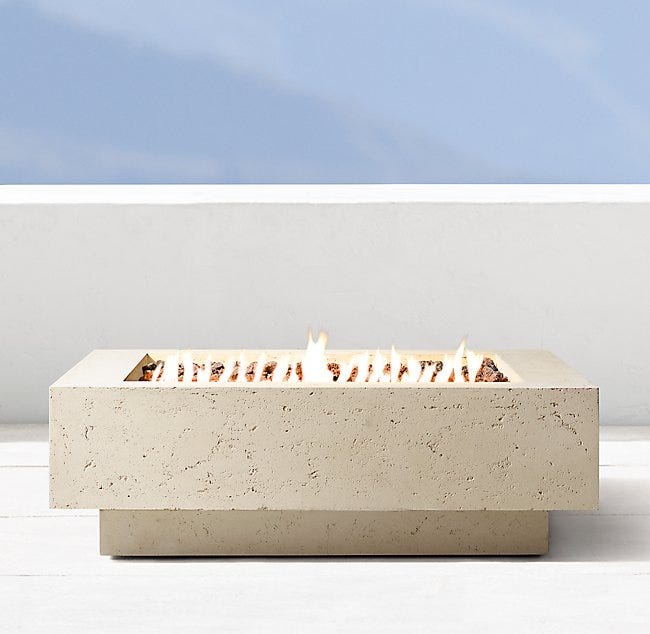
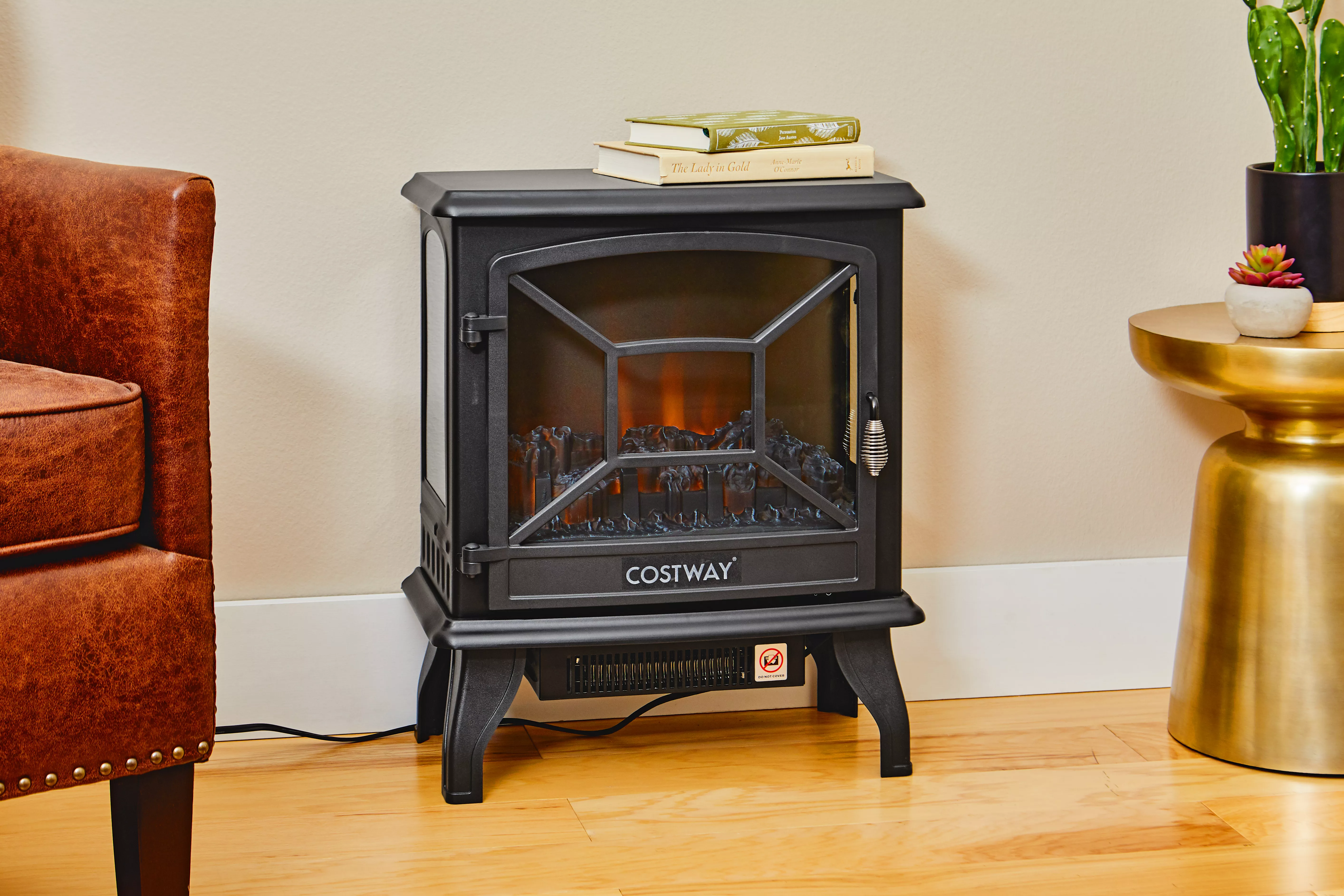
Electric fireplaces offer an aesthetic solution for creating a cozy ambiance without the complexities associated with traditional gas or wood-burning fires. Unlike their counterparts, electric fireplaces are primarily decorative and produce less heat, making them unsuitable as a primary heating source for a room. However, they are 100% efficient in converting electricity into heat, as no energy is lost through chimneys or flues. The cost of electricity, which is typically higher than gas, makes electric fireplaces more expensive to run per kilowatt of heat generated.
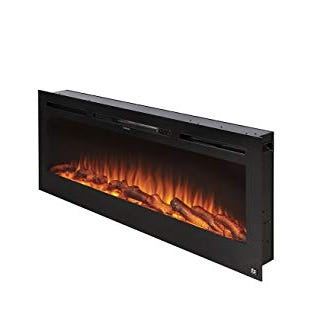
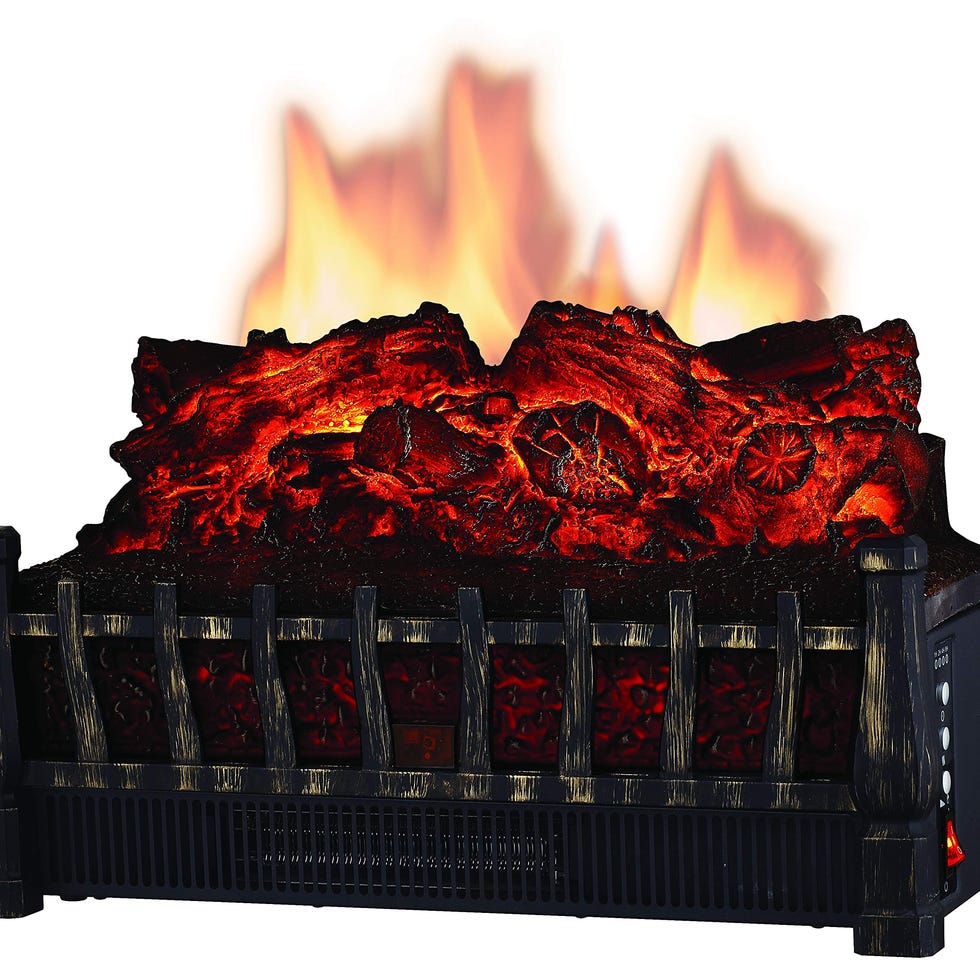
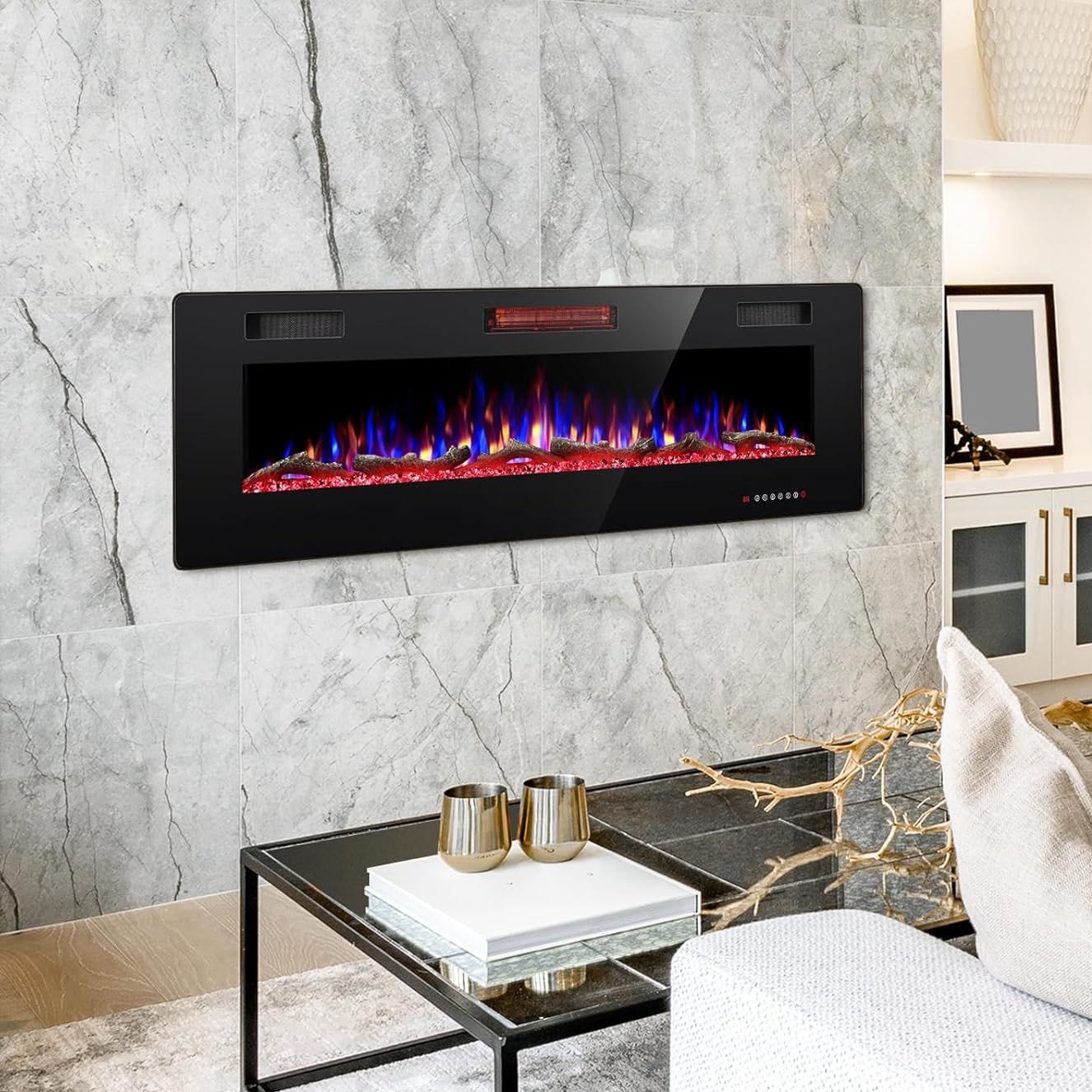
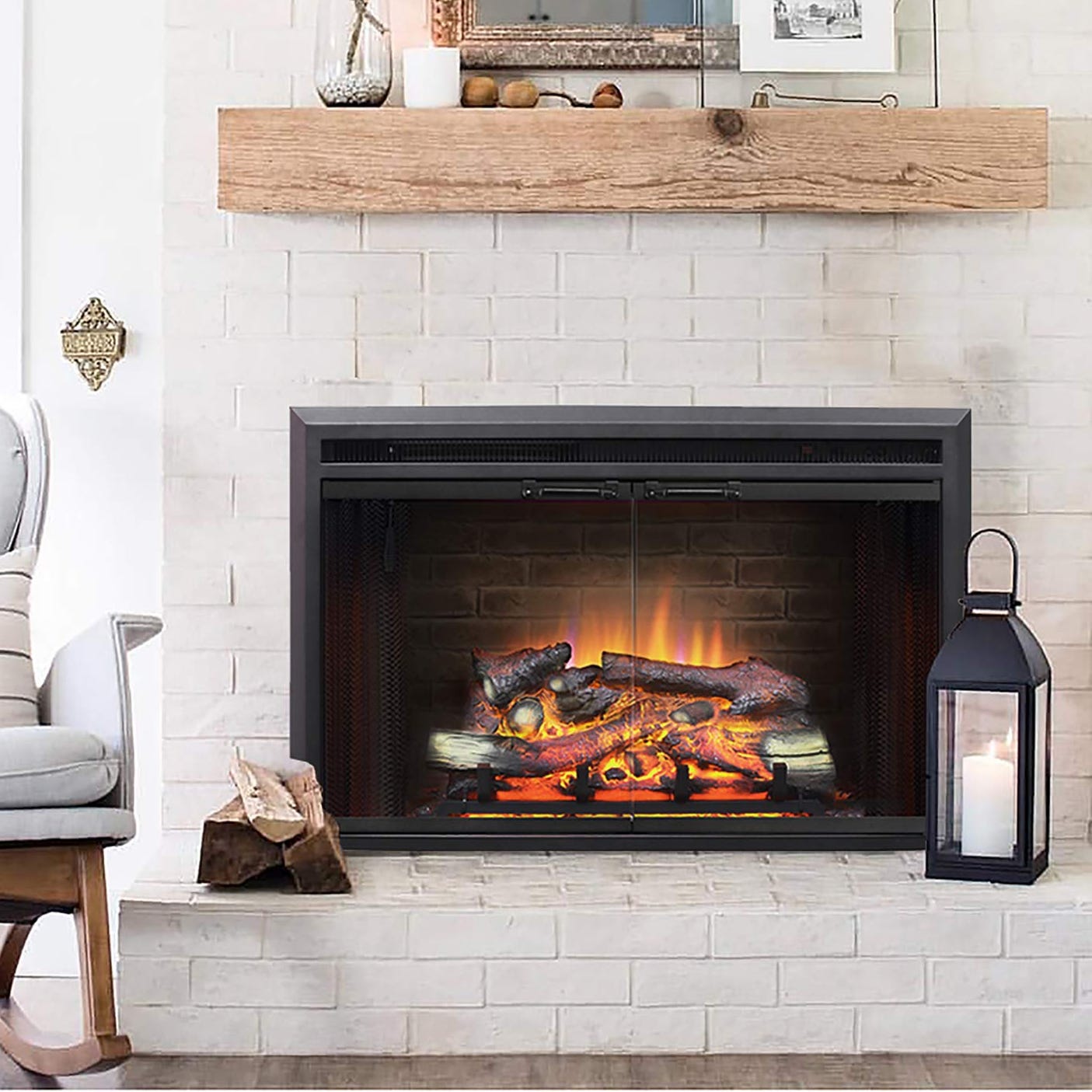
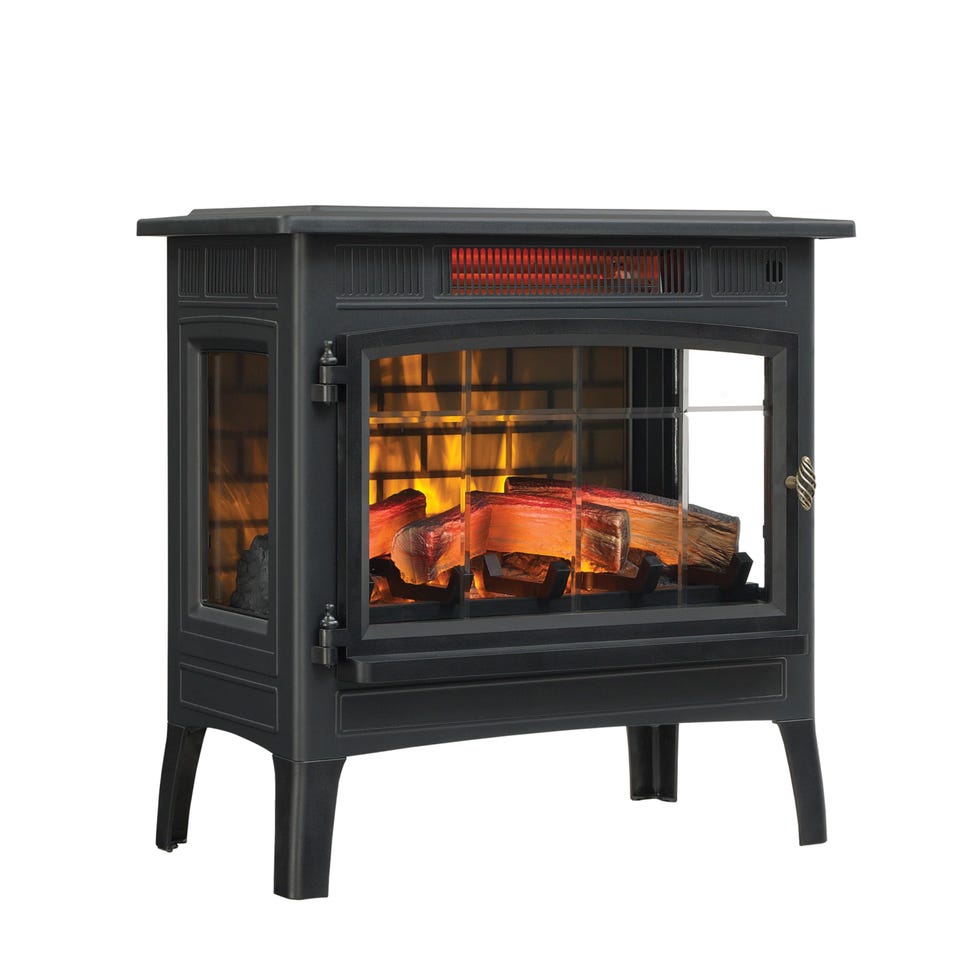
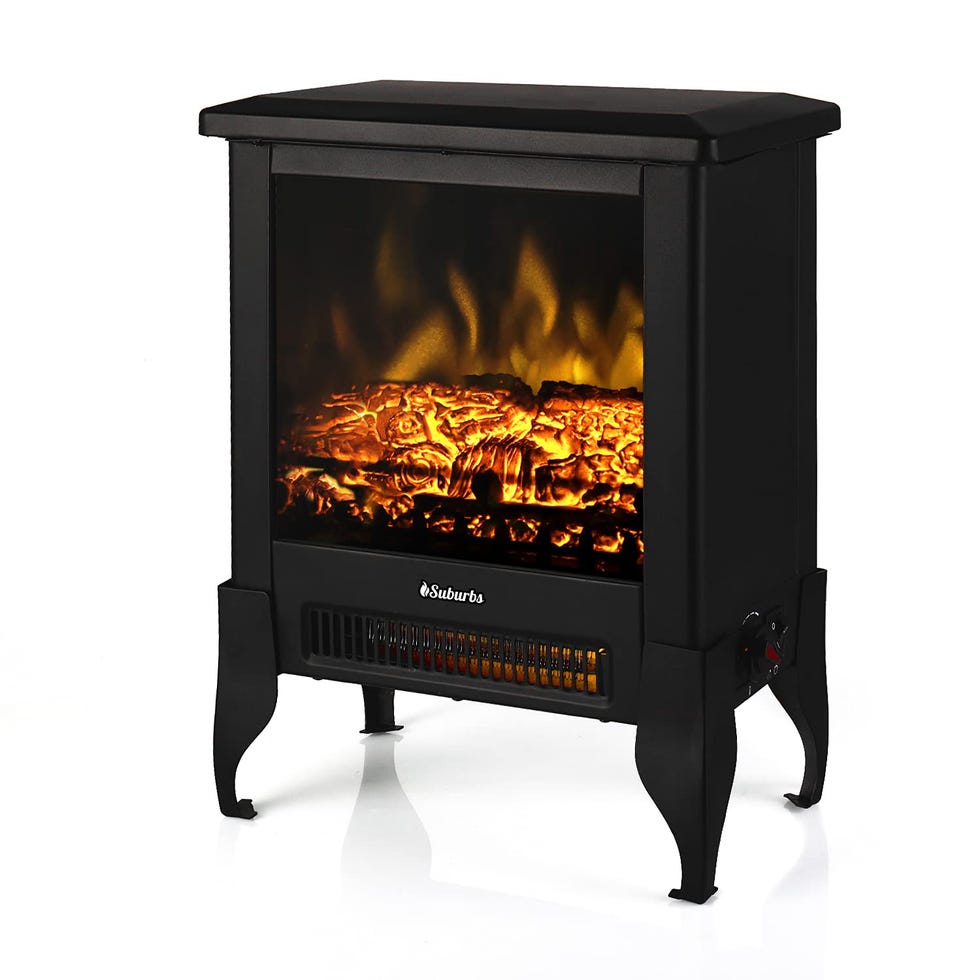
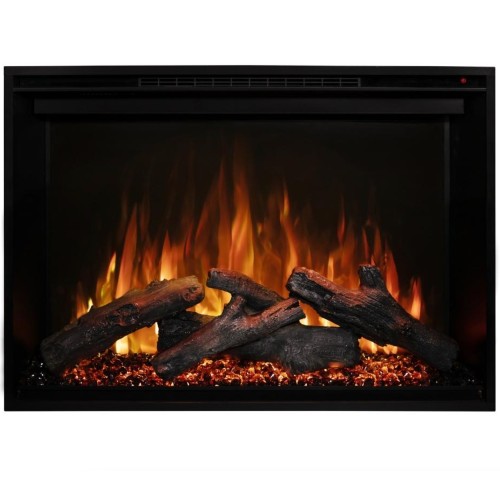
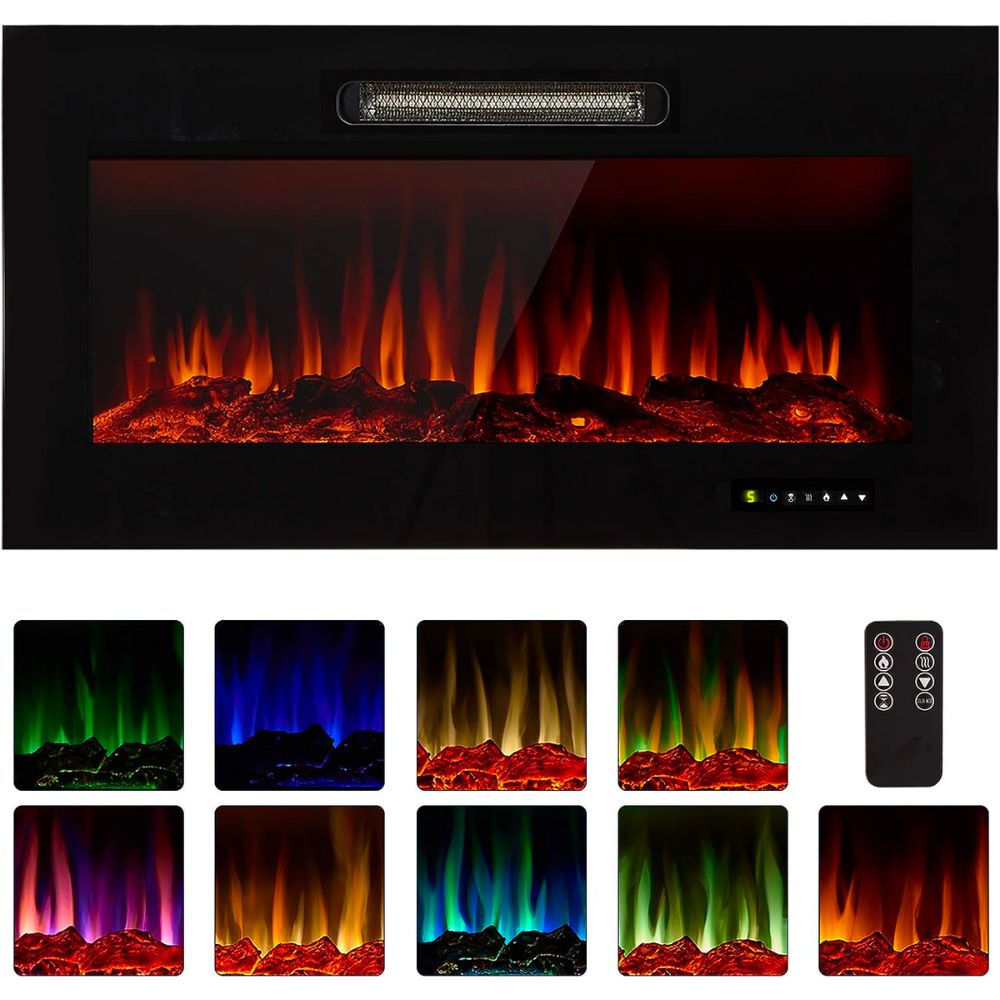
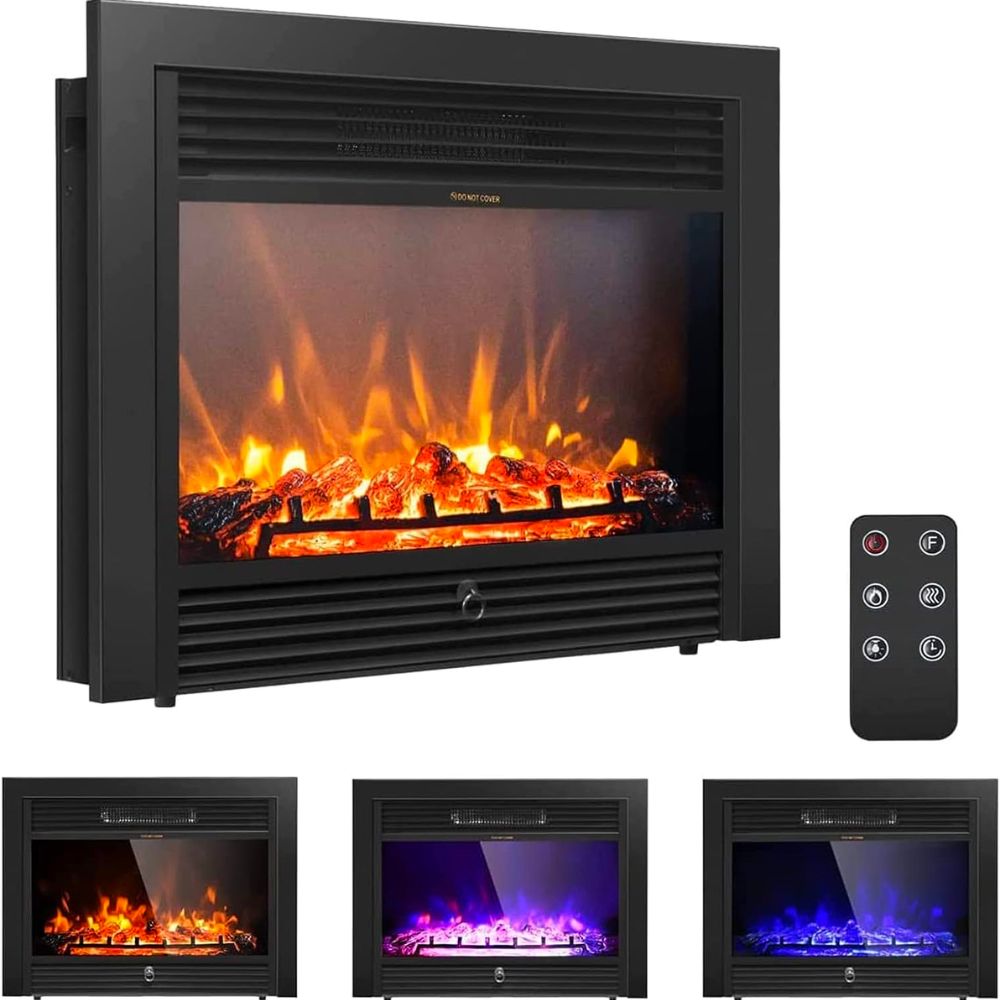
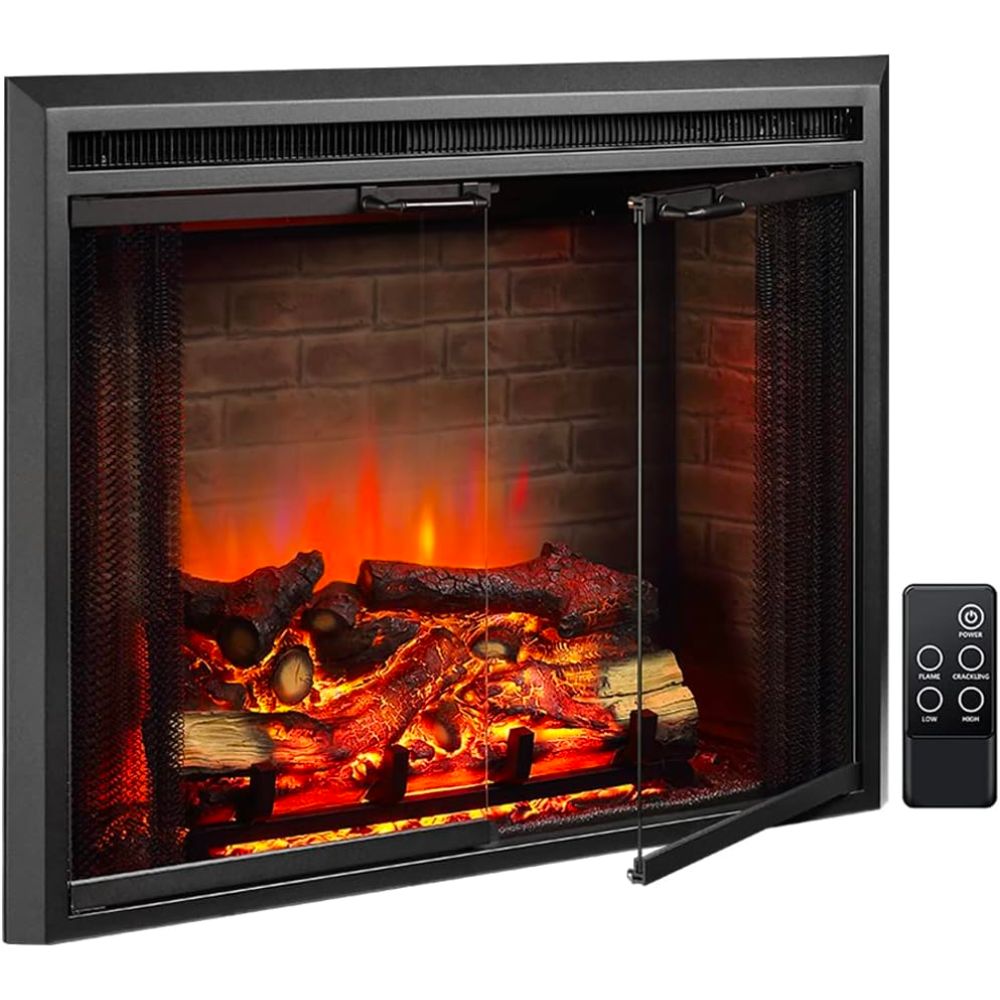
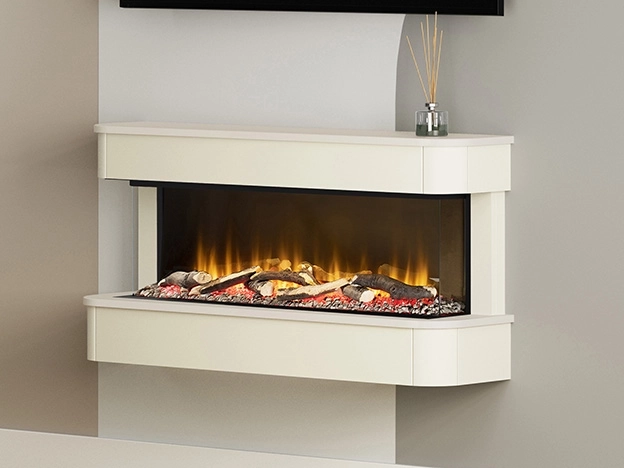
There are various types of electric fireplaces, each offering distinct visual effects and installation methods. Mechanical electric fires use flickering LED lights to simulate flames, while more advanced water vapor electric fires project LED lights onto a fine mist of water to create a realistic flame illusion. Holographic electric fires utilize advanced projection technology to display a highly realistic flame image onto a log bed. A significant advantage of electric fireplaces is that they do not require a chimney or any form of ventilation since they do not produce fumes. This flexibility allows them to be installed in almost any room where an electrical outlet is available.
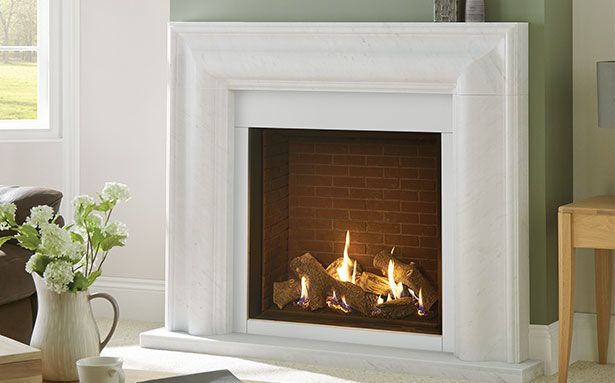
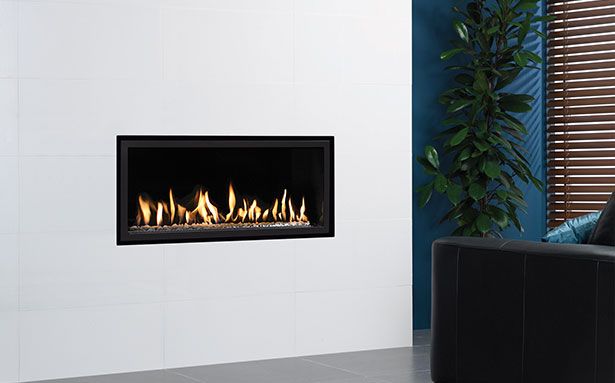
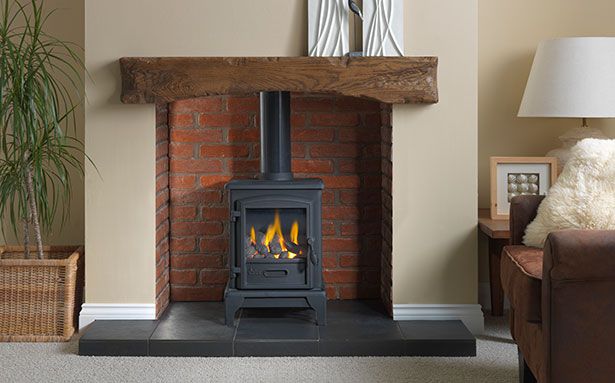
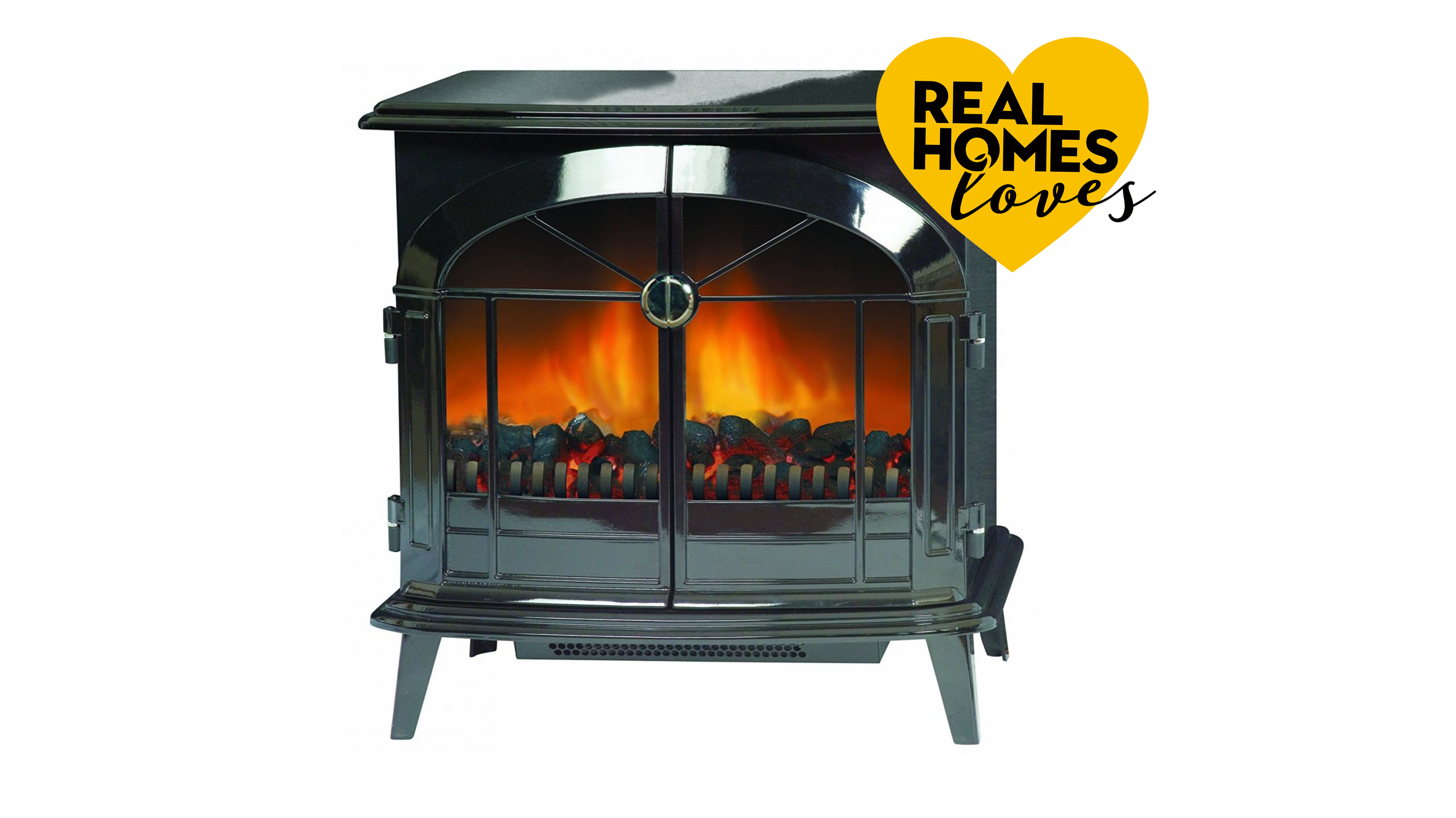
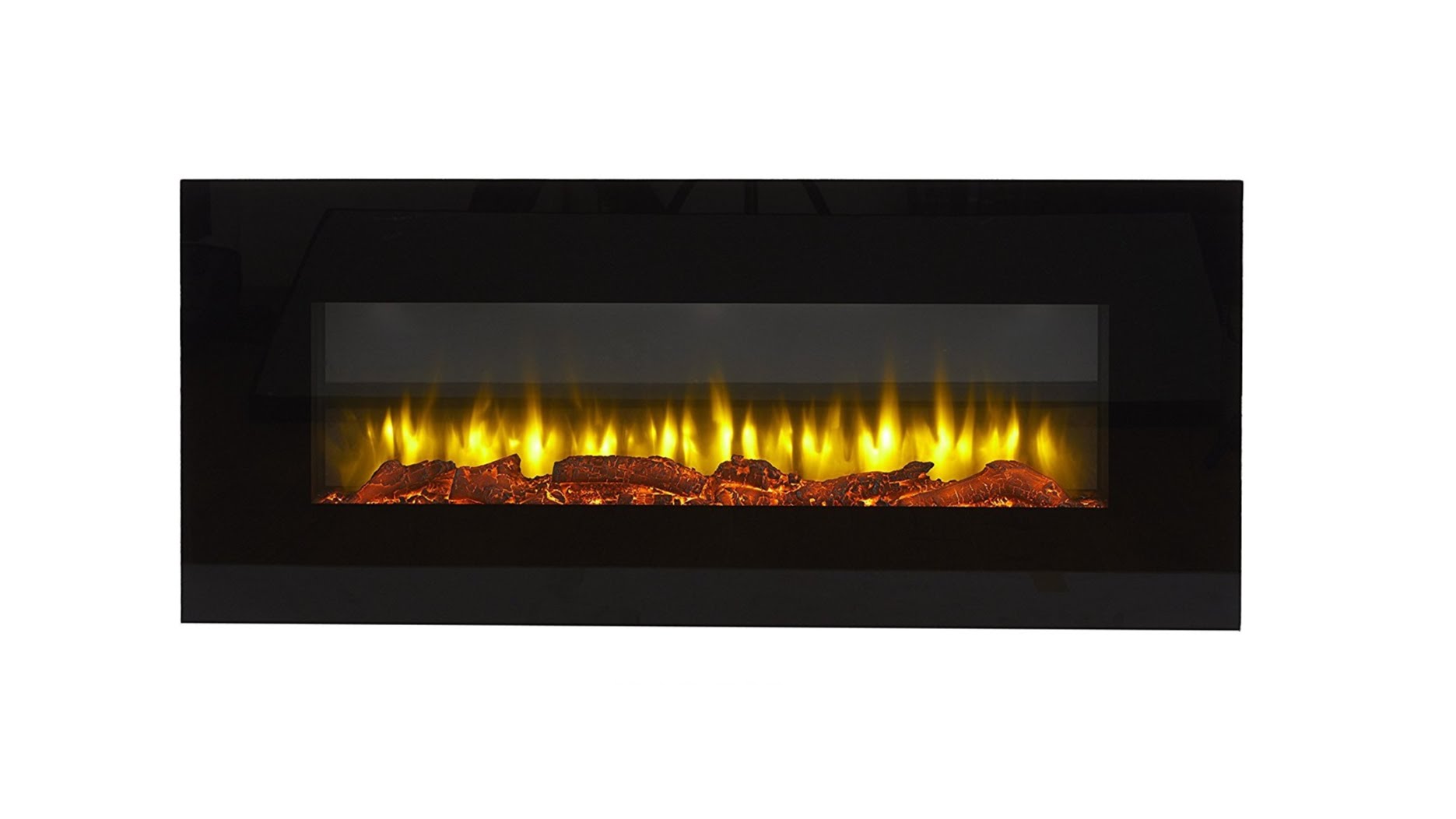
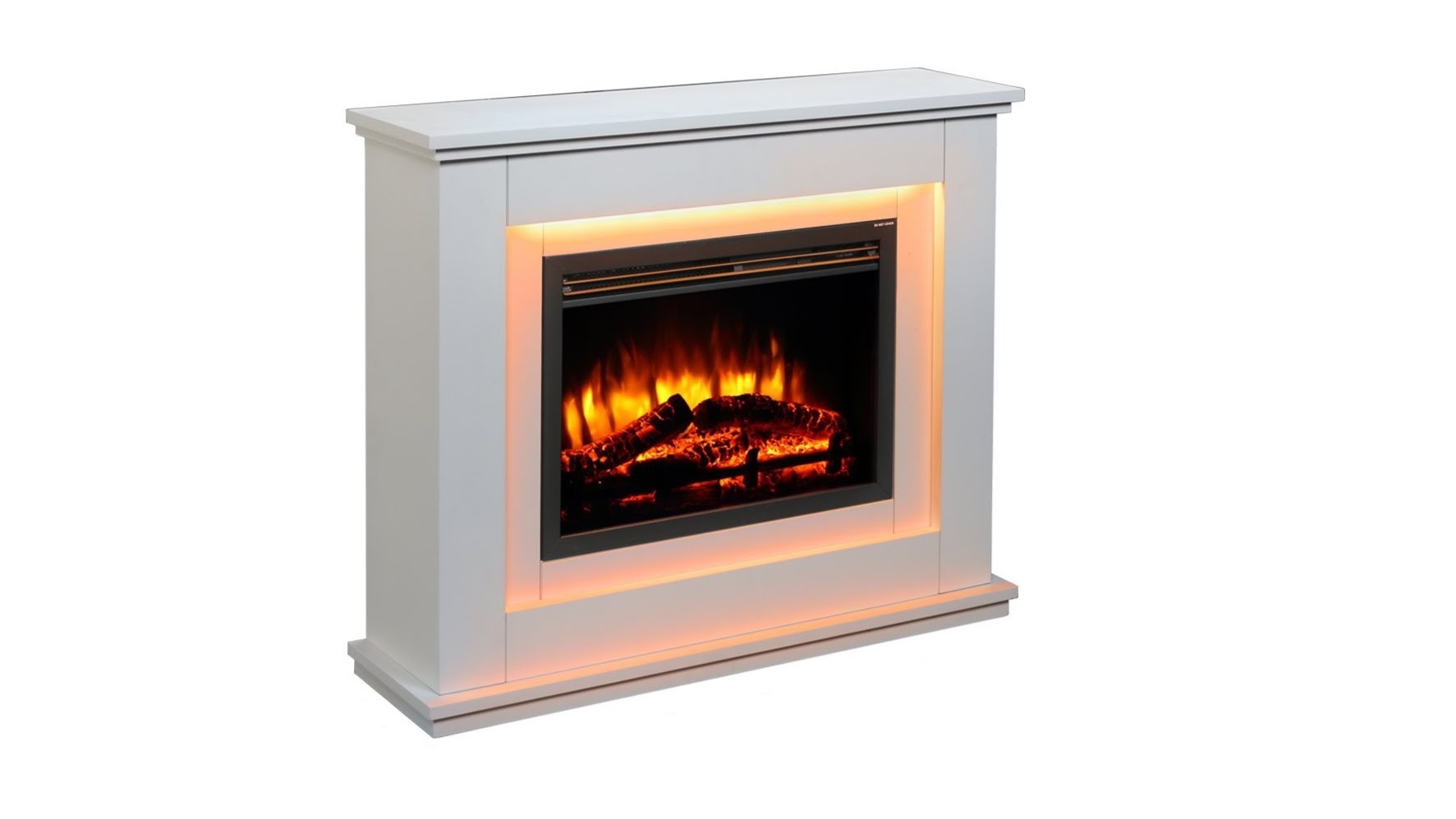
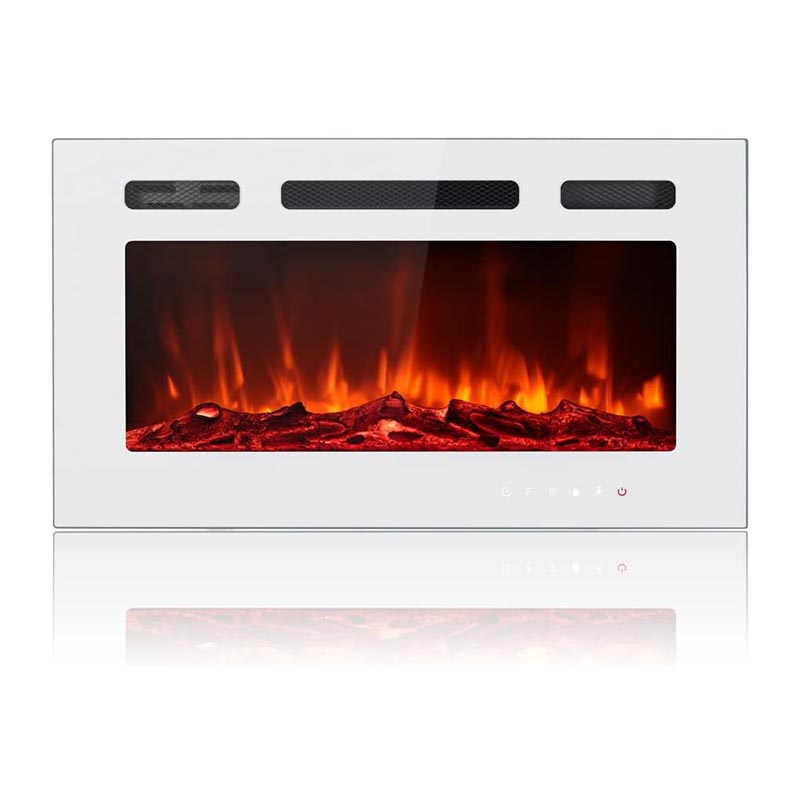
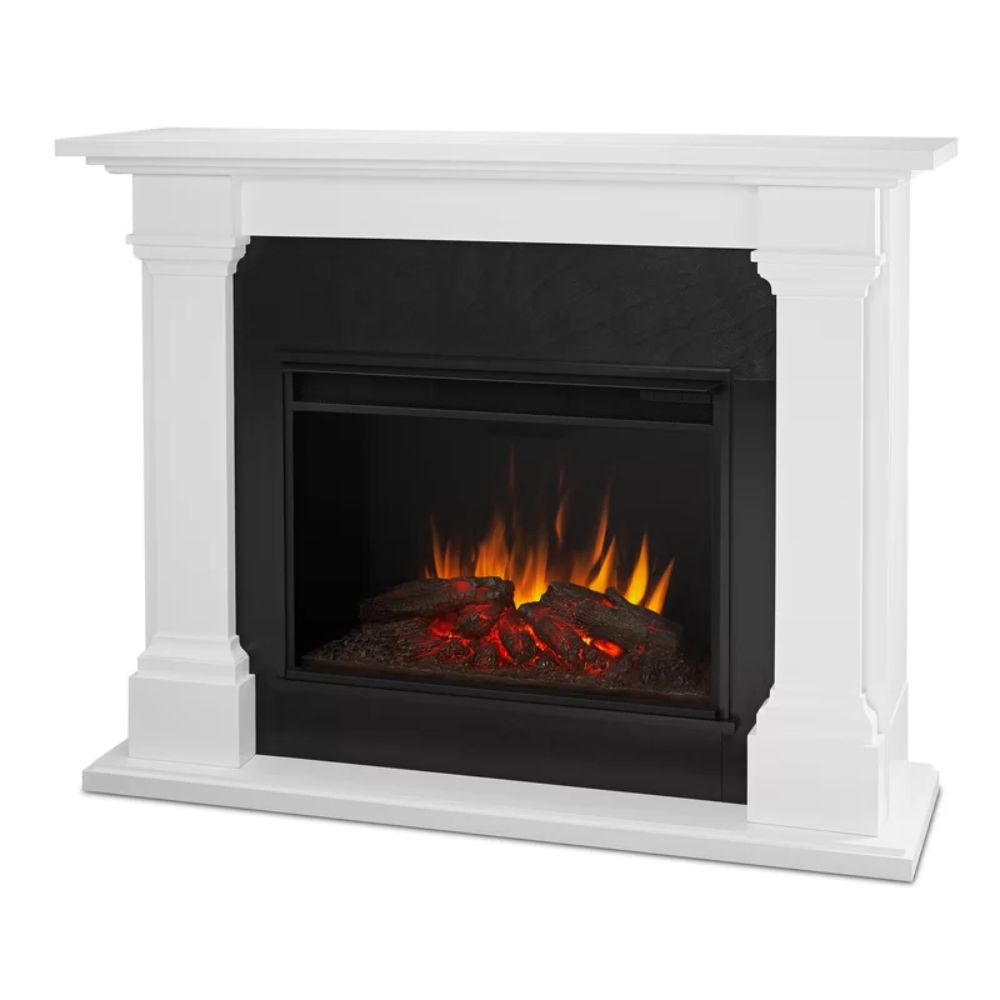
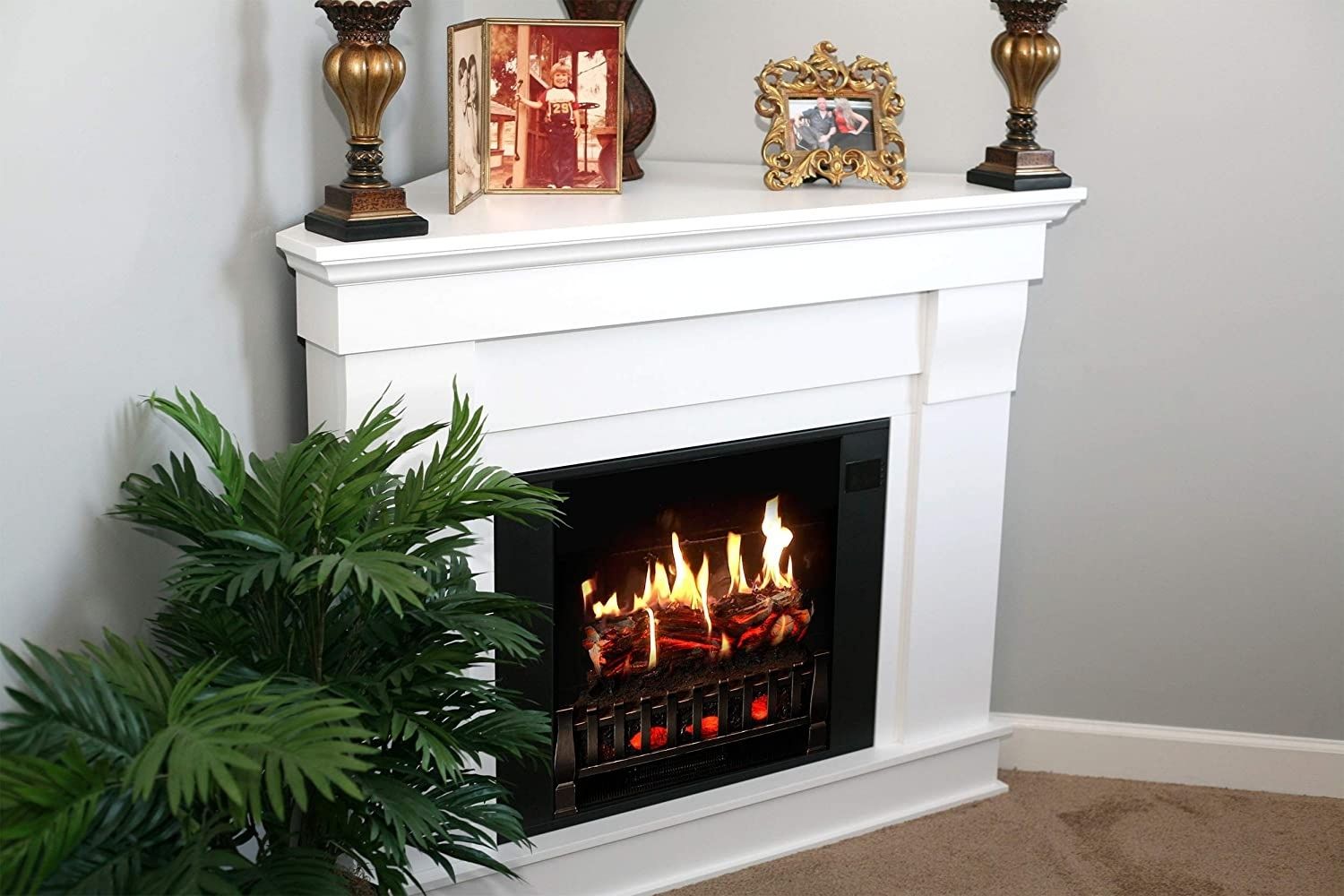
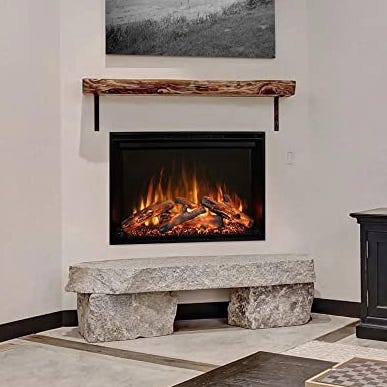
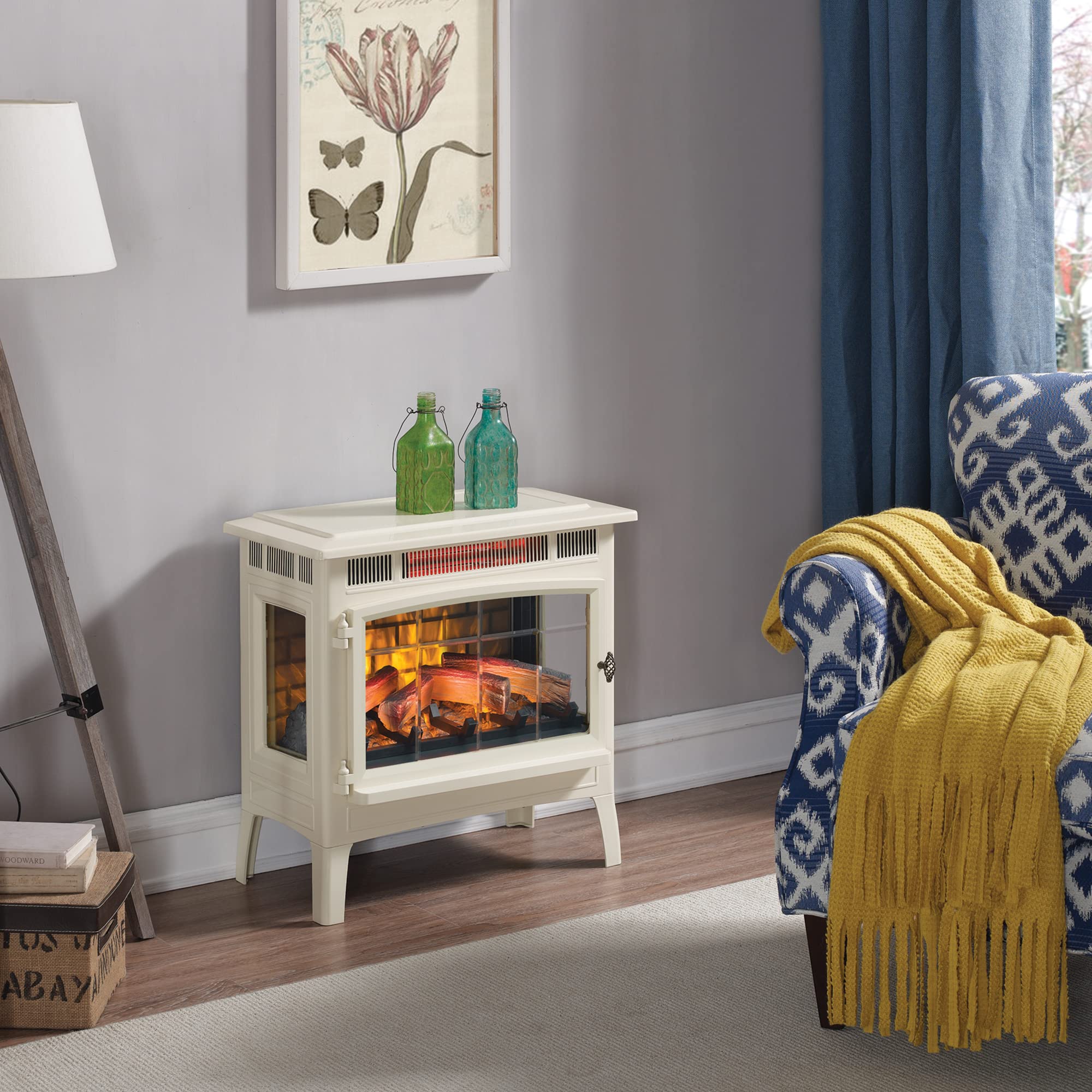
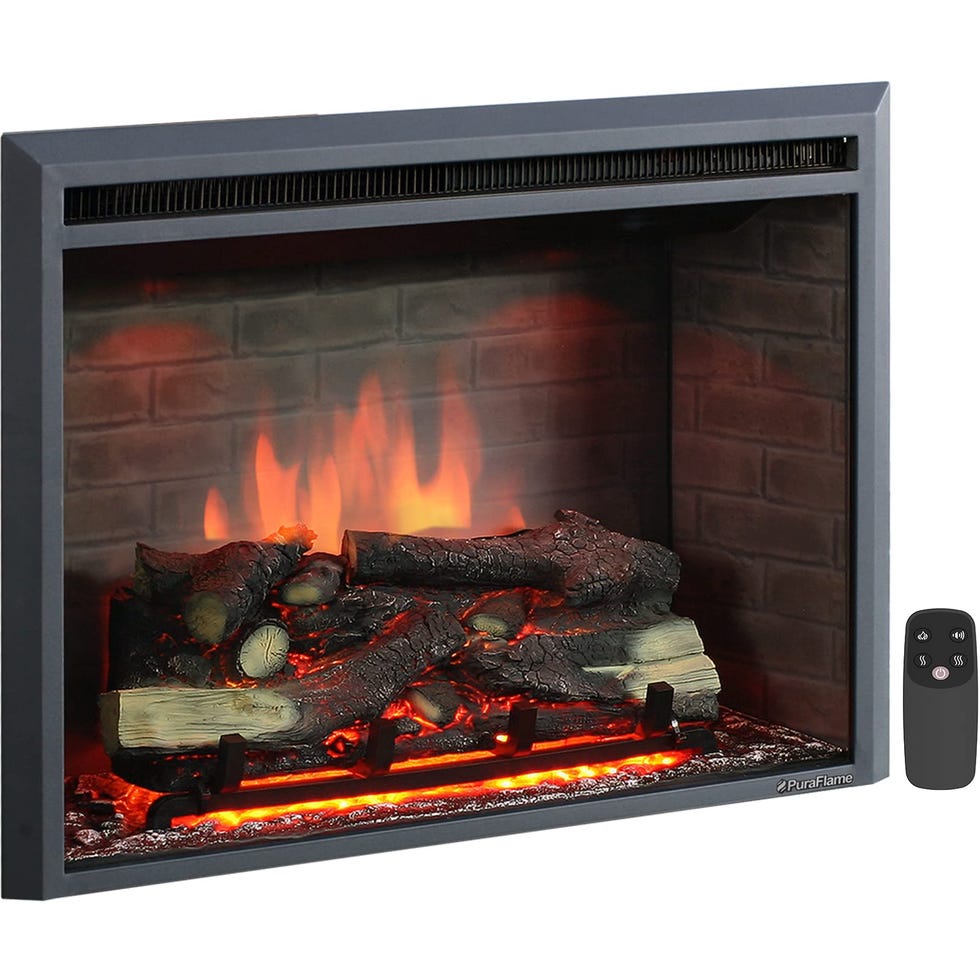
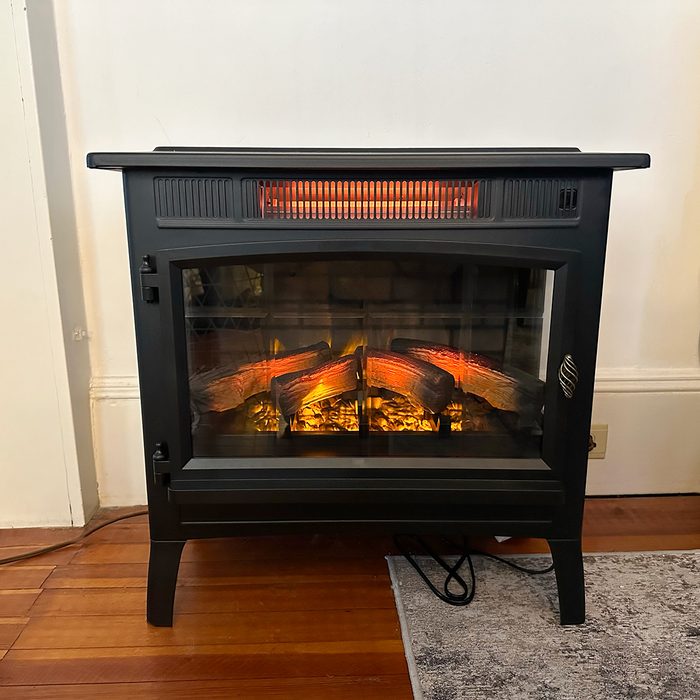
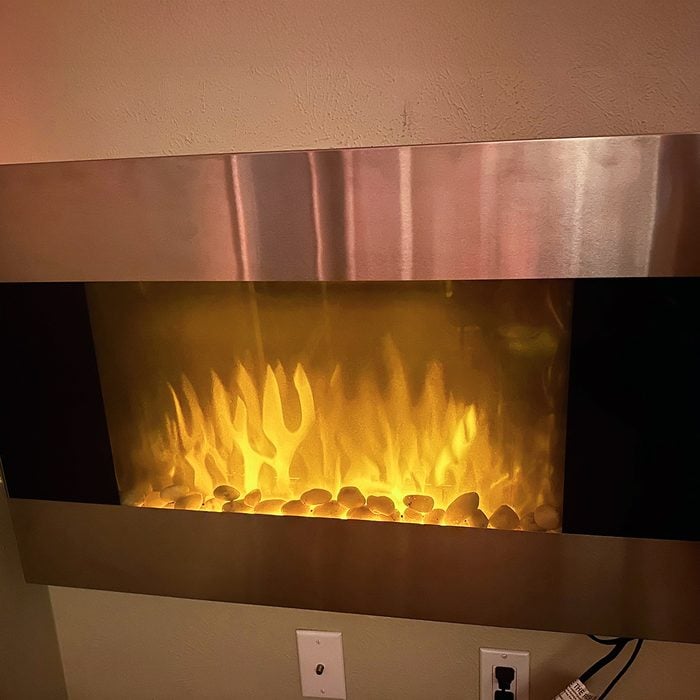
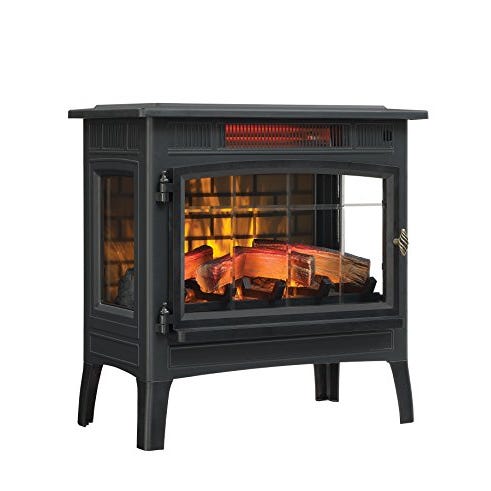
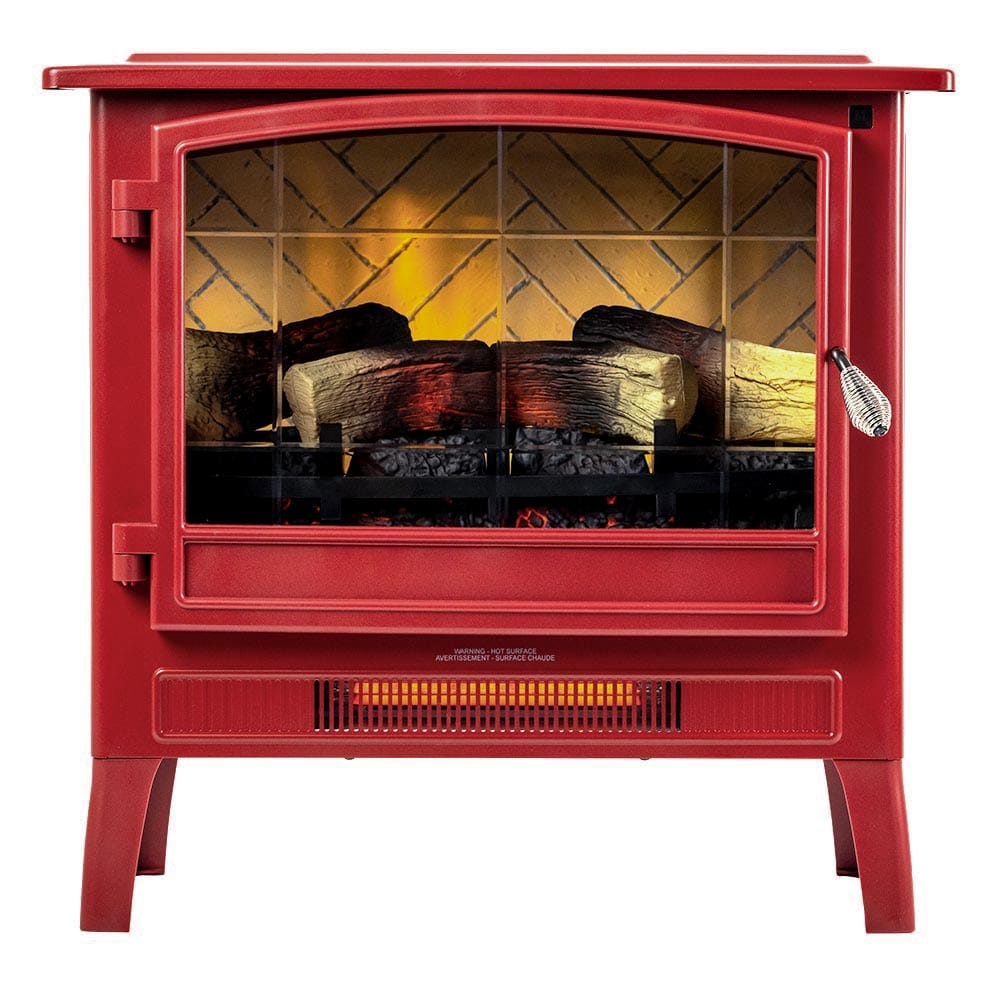
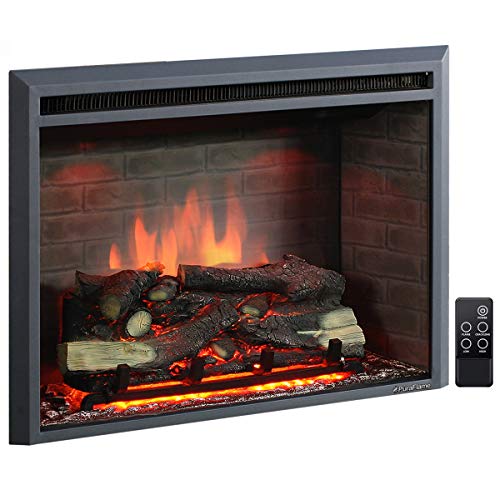
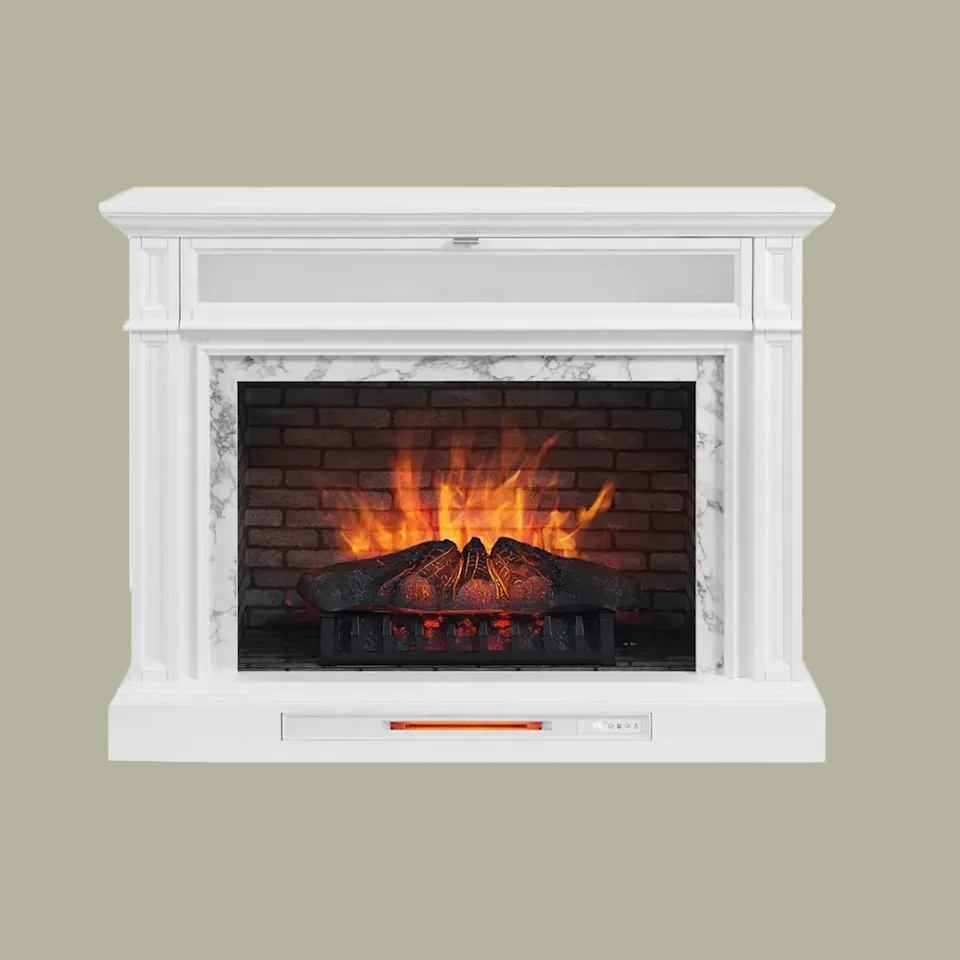
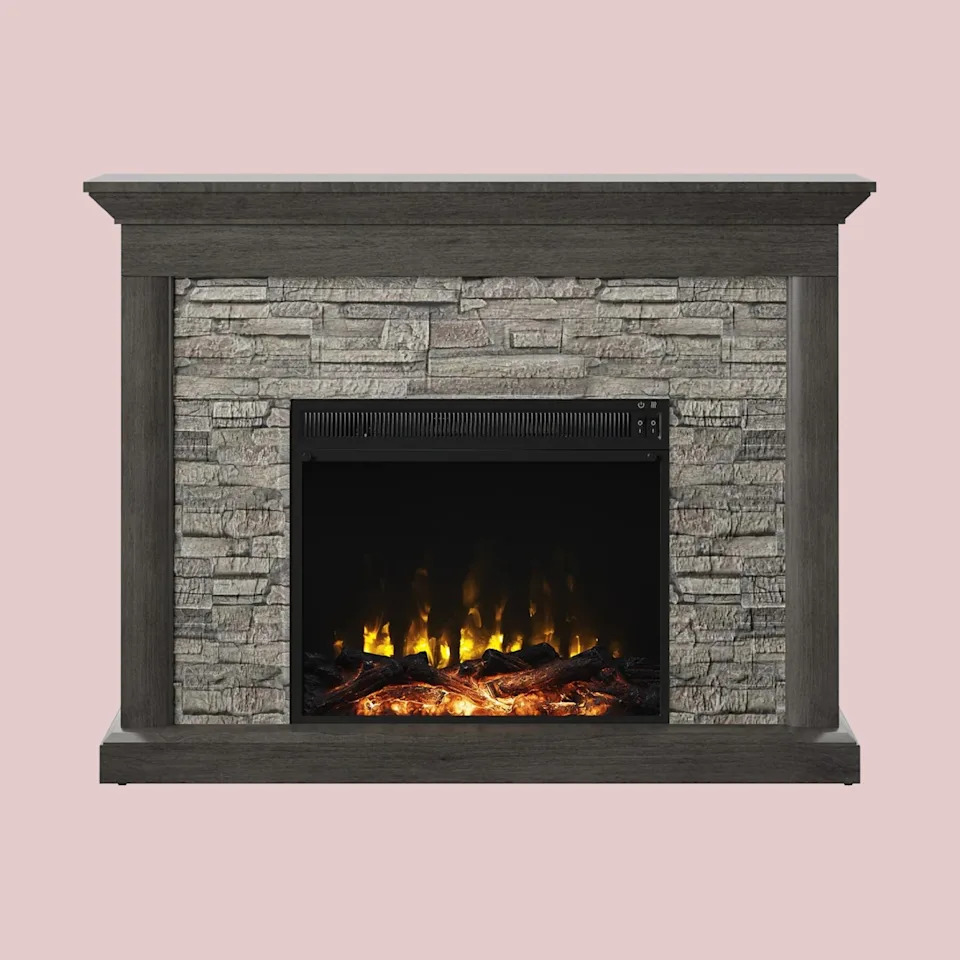
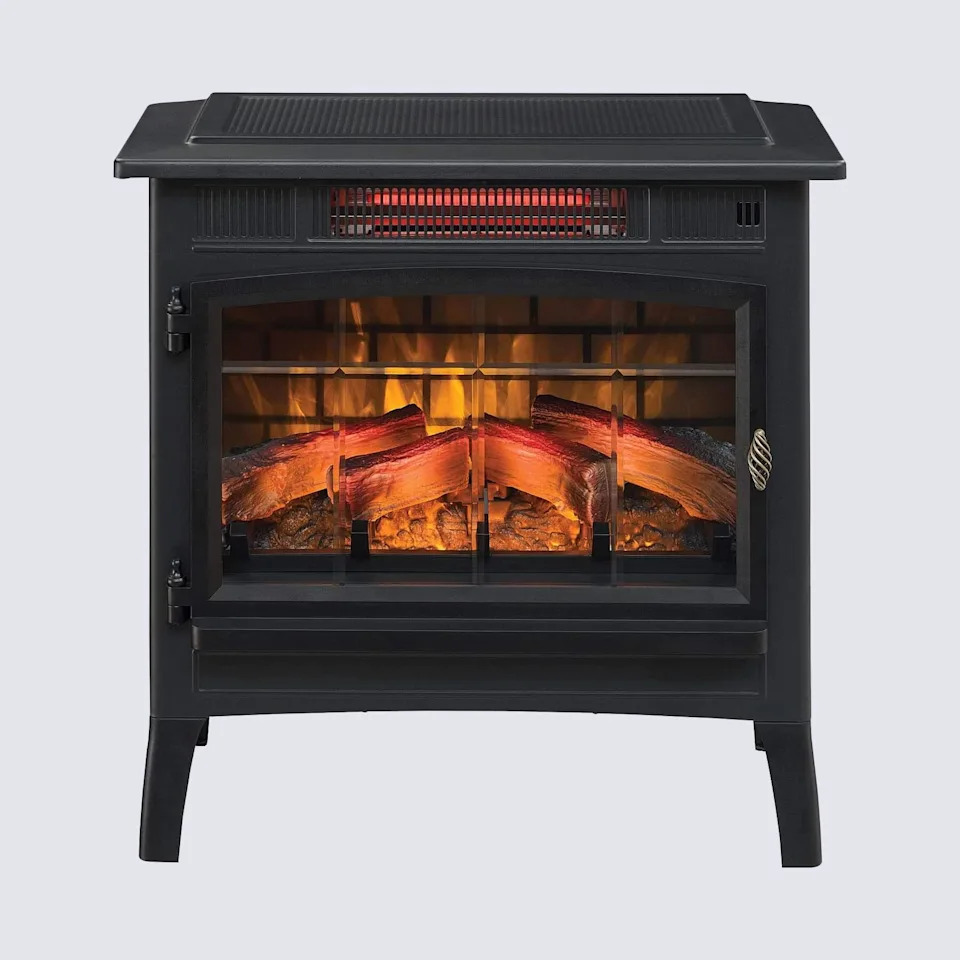
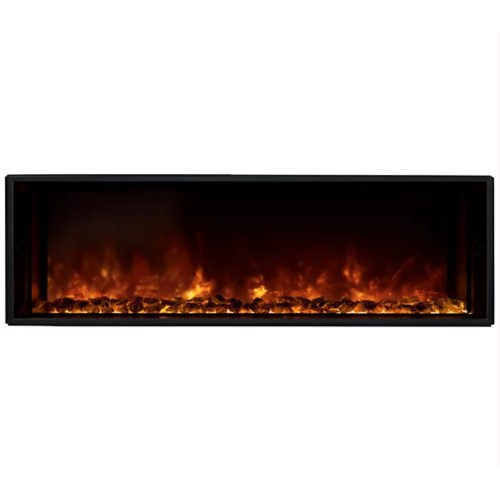
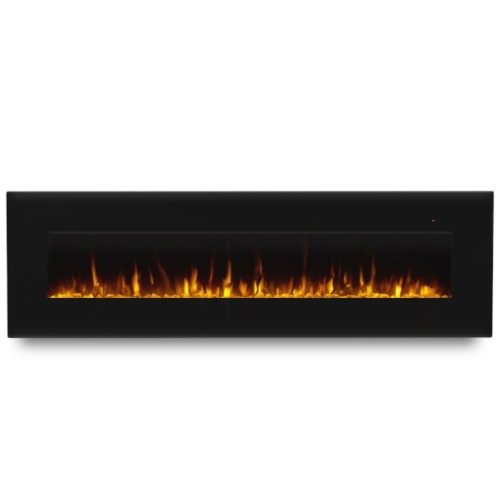
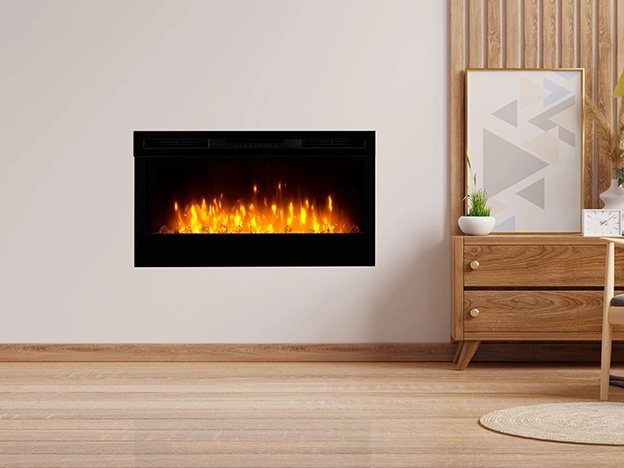
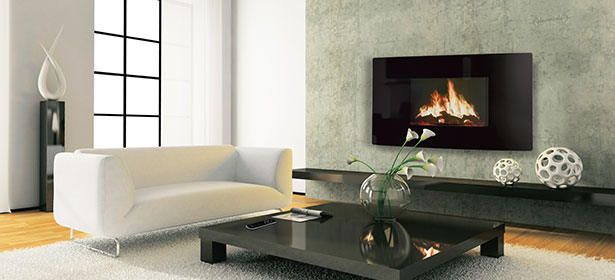
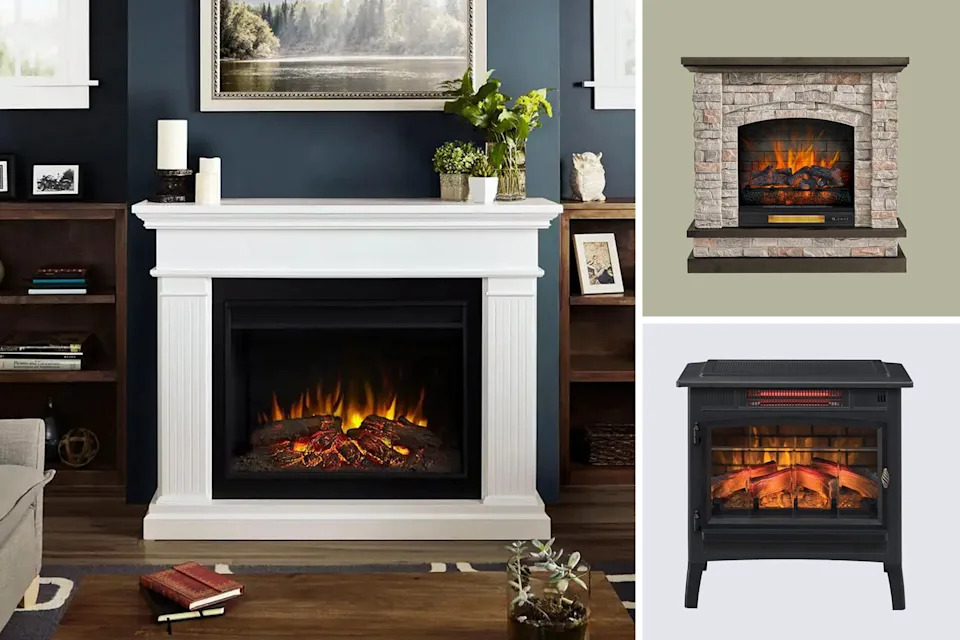
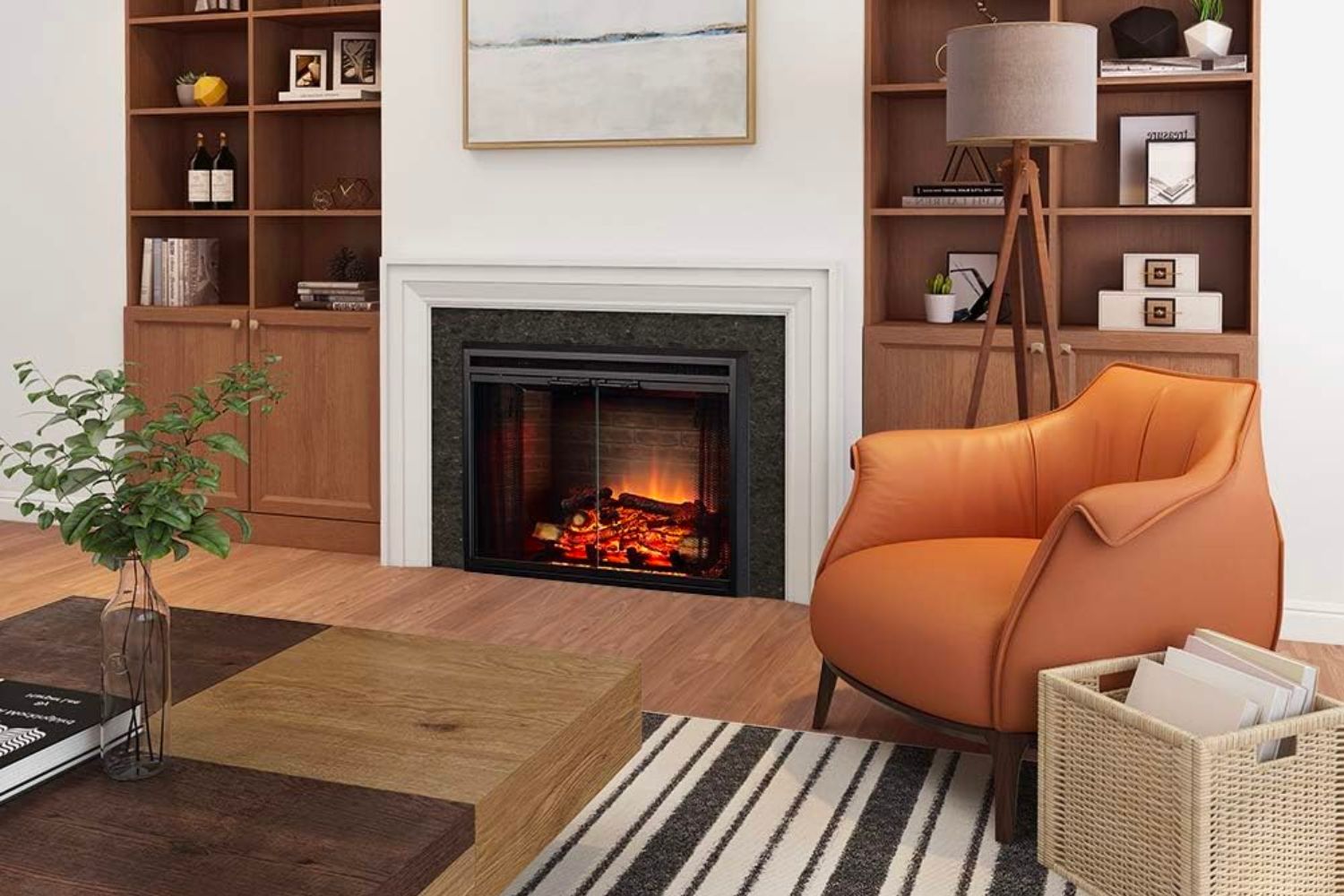
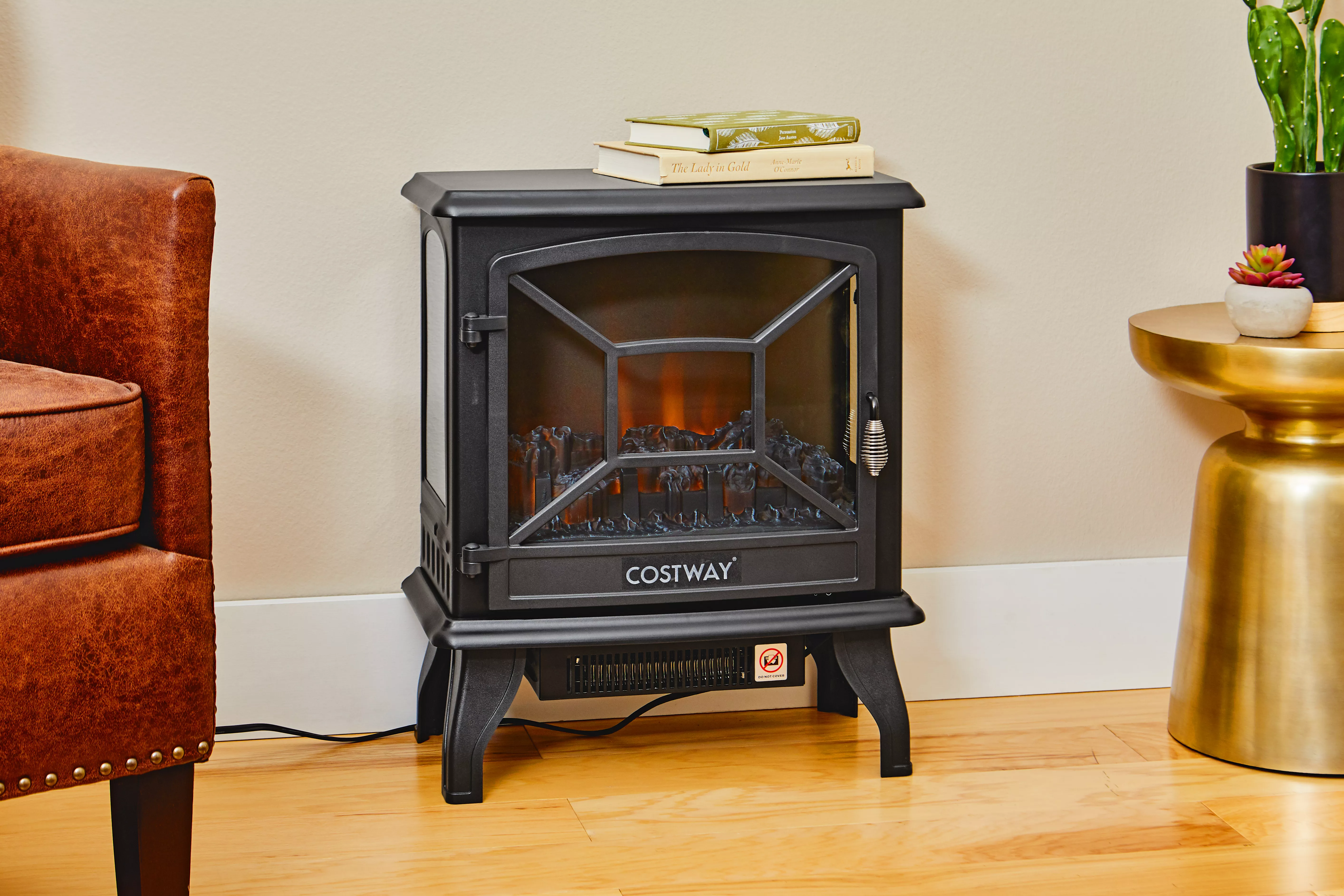
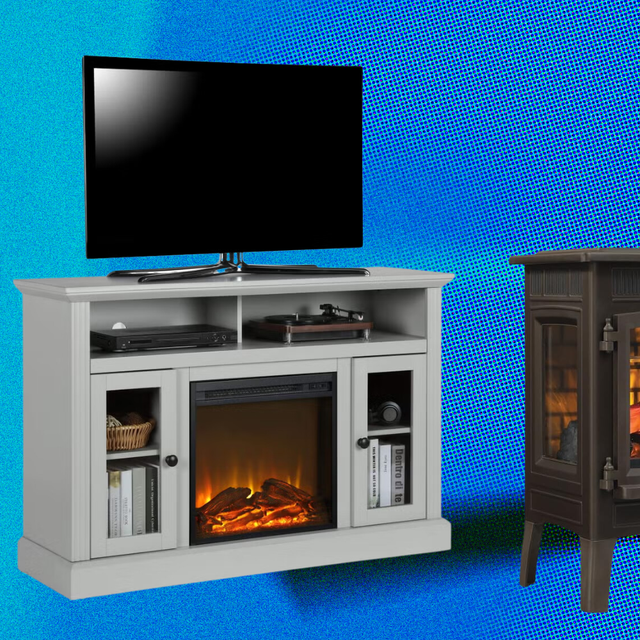
Installation options for electric fireplaces include freestanding models, which can be placed against a wall with a fireplace surround, inset fires that fit into existing fireplace recesses or custom wall cavities, and wall-mounted units, ideal for spaces with limited floor area. When positioning an electric fireplace, it is crucial to maintain a distance of at least 8 inches, and ideally 12 inches or more, between the fireplace and any television placed above it to prevent heat damage to the TV.
Electric fireplaces typically have a heat output of up to 2kW. While a 2kW unit might be sufficient to add supplemental warmth to a small, well-insulated room, it is generally not powerful enough to fully heat a room, especially in colder weather. For those primarily seeking the visual appeal of a fire rather than significant heat, smaller models are a good choice, complementing existing central heating systems. If the primary goal is room heating, gas fires or portable electric heaters are more effective alternatives.
The unit cost of electric fireplaces varies, and specific pricing information from a 2024 survey of 122 owners is available to subscribers. Installation can range from simple plug-and-play for basic models to professional installation for more complex inset or wall-mounted units that may require structural modifications or concealed wiring. The running costs are a key consideration; for example, a 2kW stove running for an hour at full power would cost approximately 53p based on a hypothetical electricity price cap of 26.35p per kW. Daily use for three hours could accumulate to about £1.58 daily, £47.43 monthly, and £289.38 over six months.
The main benefits of electric fires include their aesthetic appeal, ease of installation (requiring only an electrical outlet), low maintenance, and environmental sustainability compared to combustion-based heating. However, the significant drawbacks are their high running costs due to electricity prices and their limited heat output, which makes them less effective for heating entire rooms. Despite these cons, surveys indicate varying levels of owner satisfaction regarding the value and performance of their electric fireplaces. Common problems, though not explicitly detailed in the public content, are also surveyed among owners, providing insights into potential issues.
#ElectricFireplace #HomeHeating #InteriorDesign #HomeImprovements #EnergyEfficiency #RunningCosts #InstallationGuide #HomeDecor #HeatingSolutions #ElectricFireplace #HomeHeating #InteriorDesign #HomeImprovements #EnergyEfficiency #RunningCosts #InstallationGuide #HomeDecor #HeatingSolutions
0 comment in total
 No comments yet
You may also like
Complete guide to buying a gas fireplace
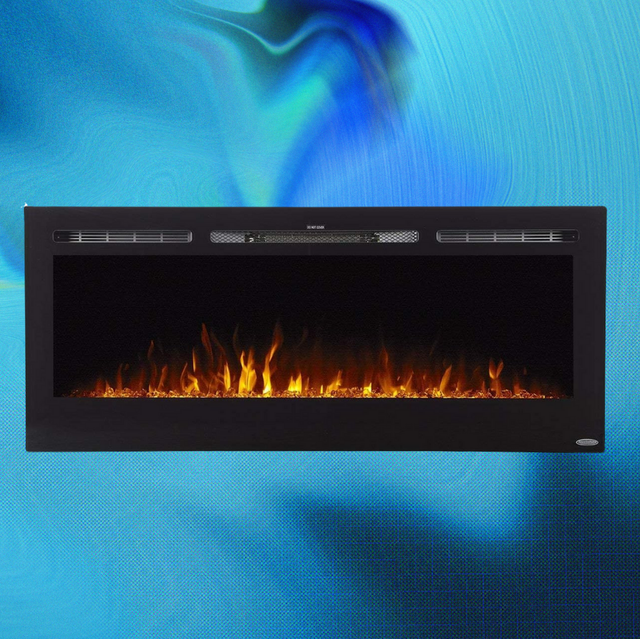
Cozy Up Your Home With an Electric Fireplace Insert

Take the Chill Off with an Electric Fireplace
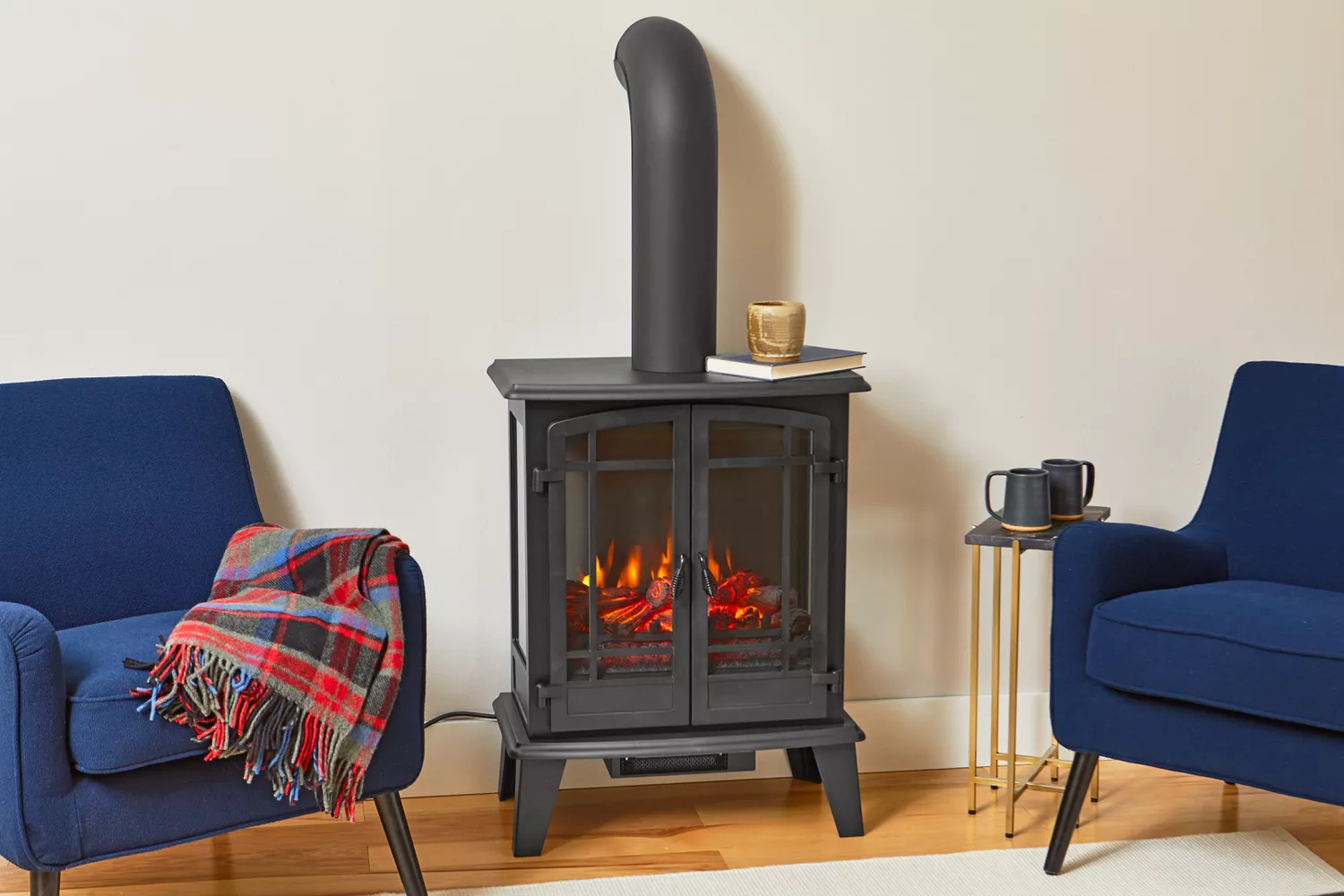
We Tested 30 Electric Fireplaces—These 4 Will Keep Your Space Warm and Cozy, No Chimney Required

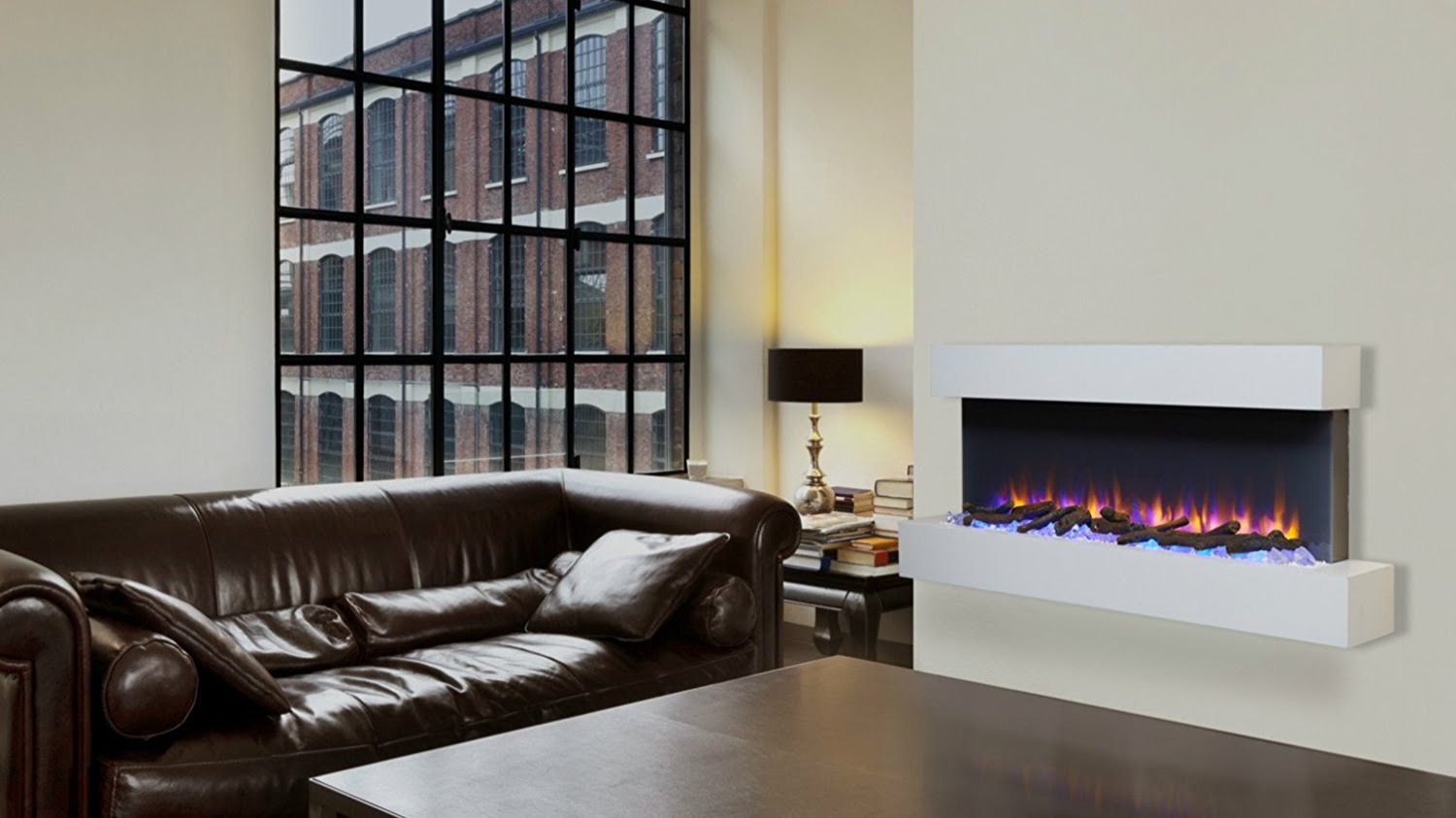
The best electric fires: wall-mounted and freestanding

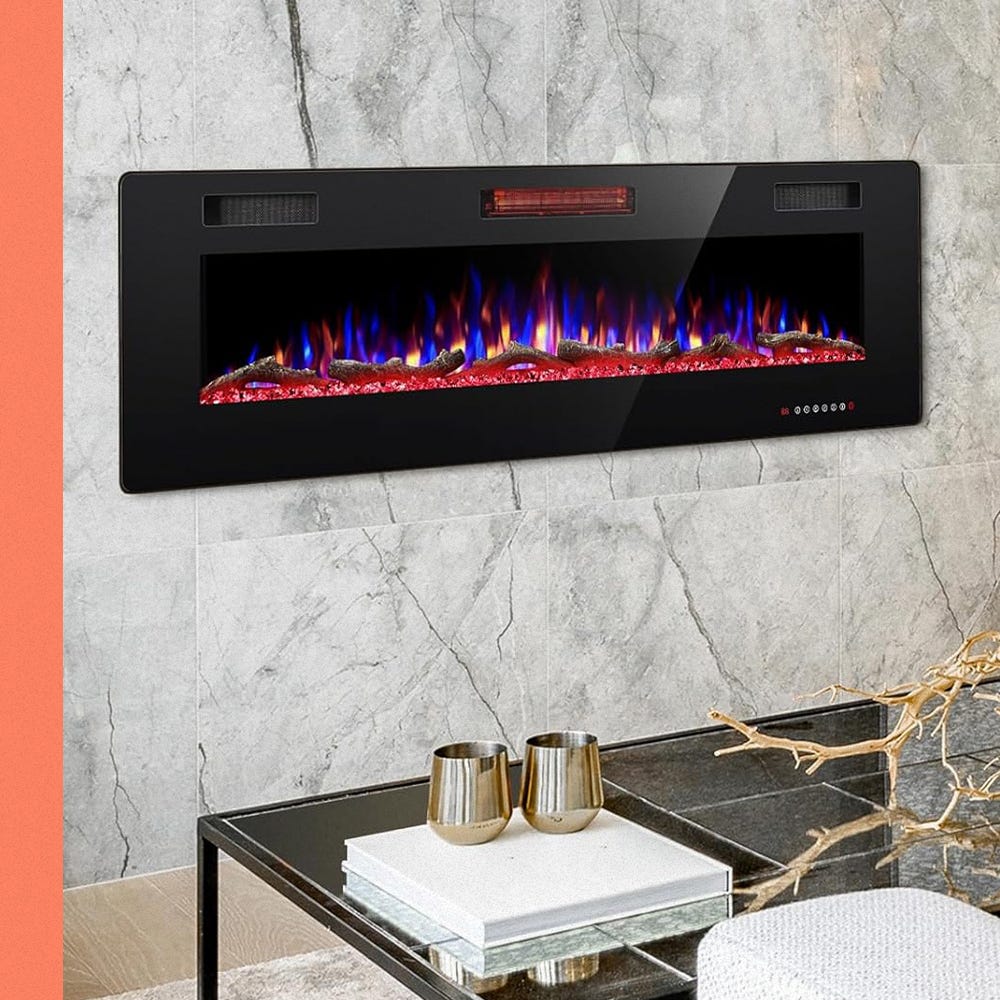
Turn Your Home Into a Cozy Winter Retreat With Our Favorite Electric Fireplaces
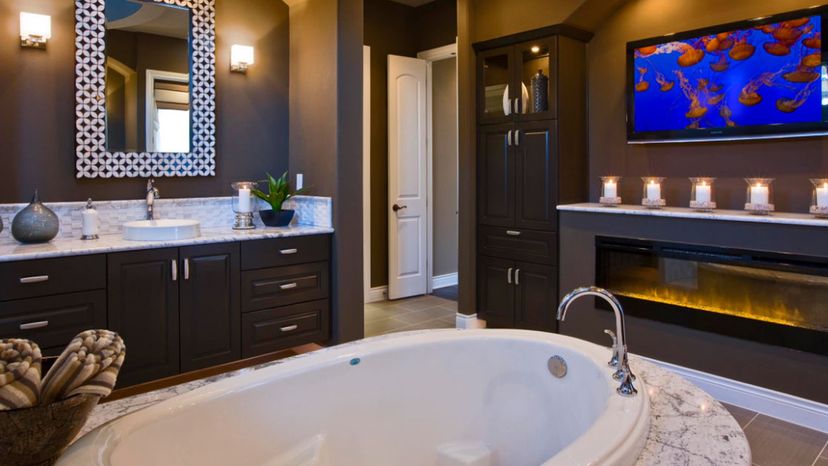
Why Electric Fireplaces Are Hot
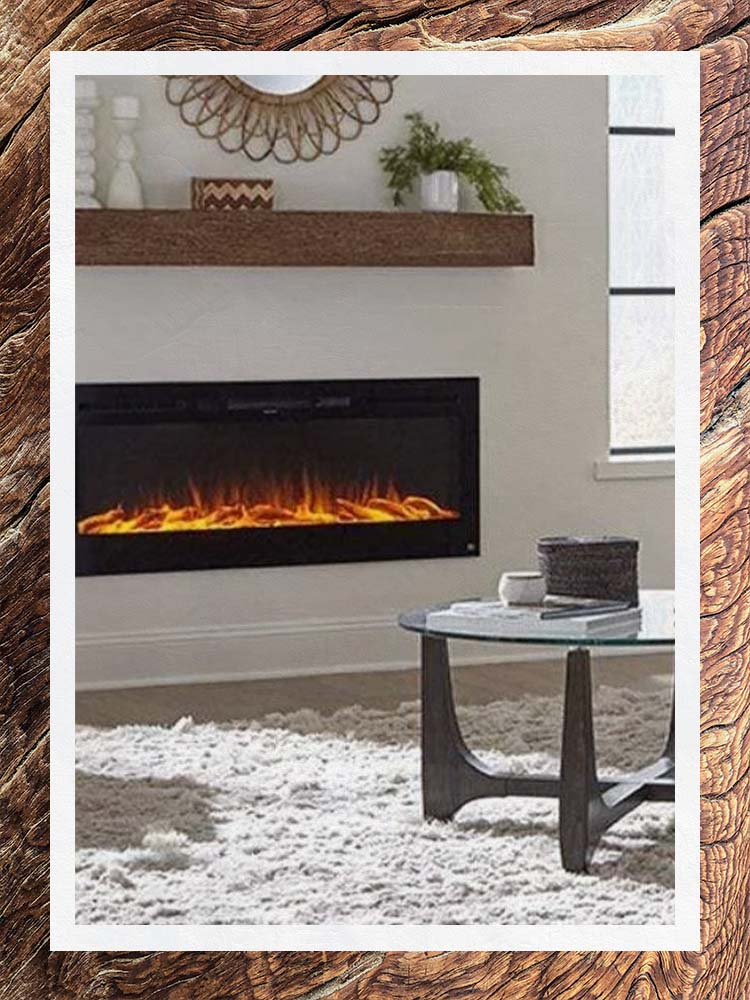
The Best Electric Fireplace Inserts Offer All of the Charm, None of the Ashes


Everything You Need To Know About Buying An Outdoor Fireplace

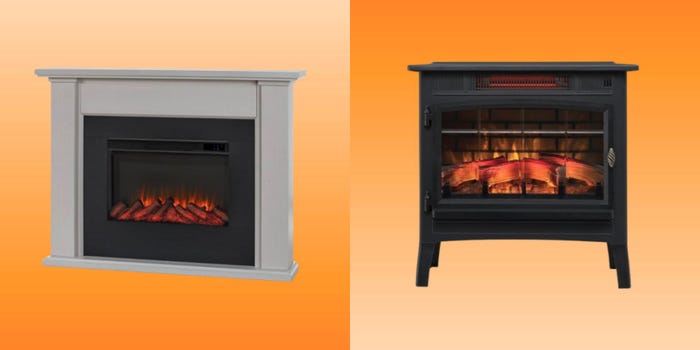
The best electric fireplaces are safe, stylish, and powerful — these are our favorites
These 11 Electric Fireplaces Will Add Warmth (and Style) to Your Home

The Best Electric Fireplace Inserts for Any Home

Cozy Up Next to One of The 5 Best Electric Fireplaces That We Tested

Here's Why You're Going to Want an Electric Fireplace This Winter
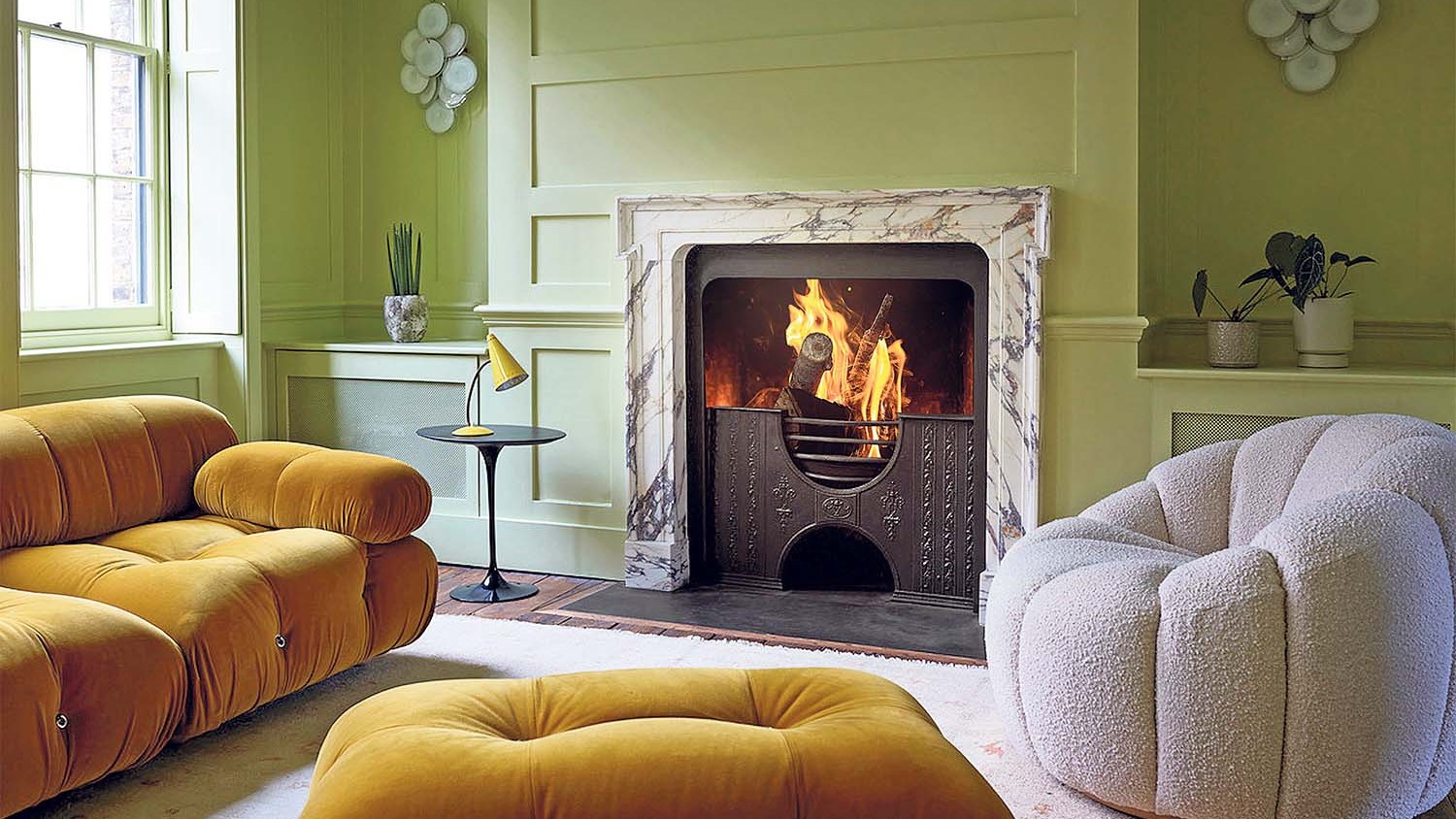
How to choose the right fireplace for your home
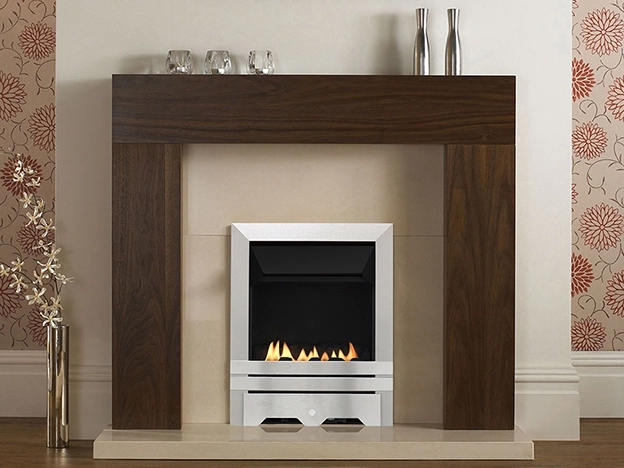
Fires & Fireplaces

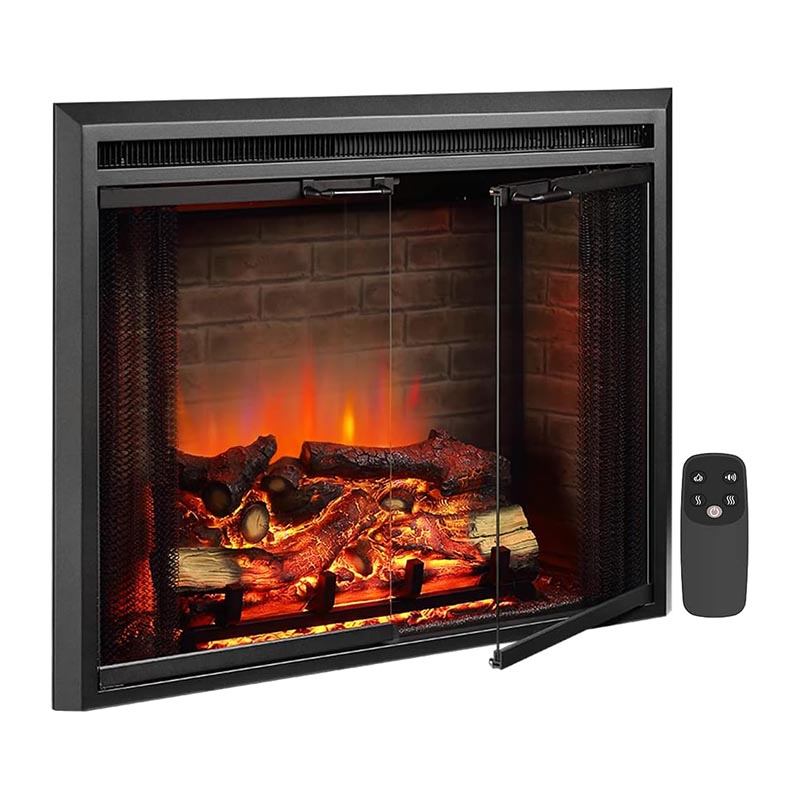
Our Favorite Electric Fireplace Is Easy to Install for a Life-Like Fire
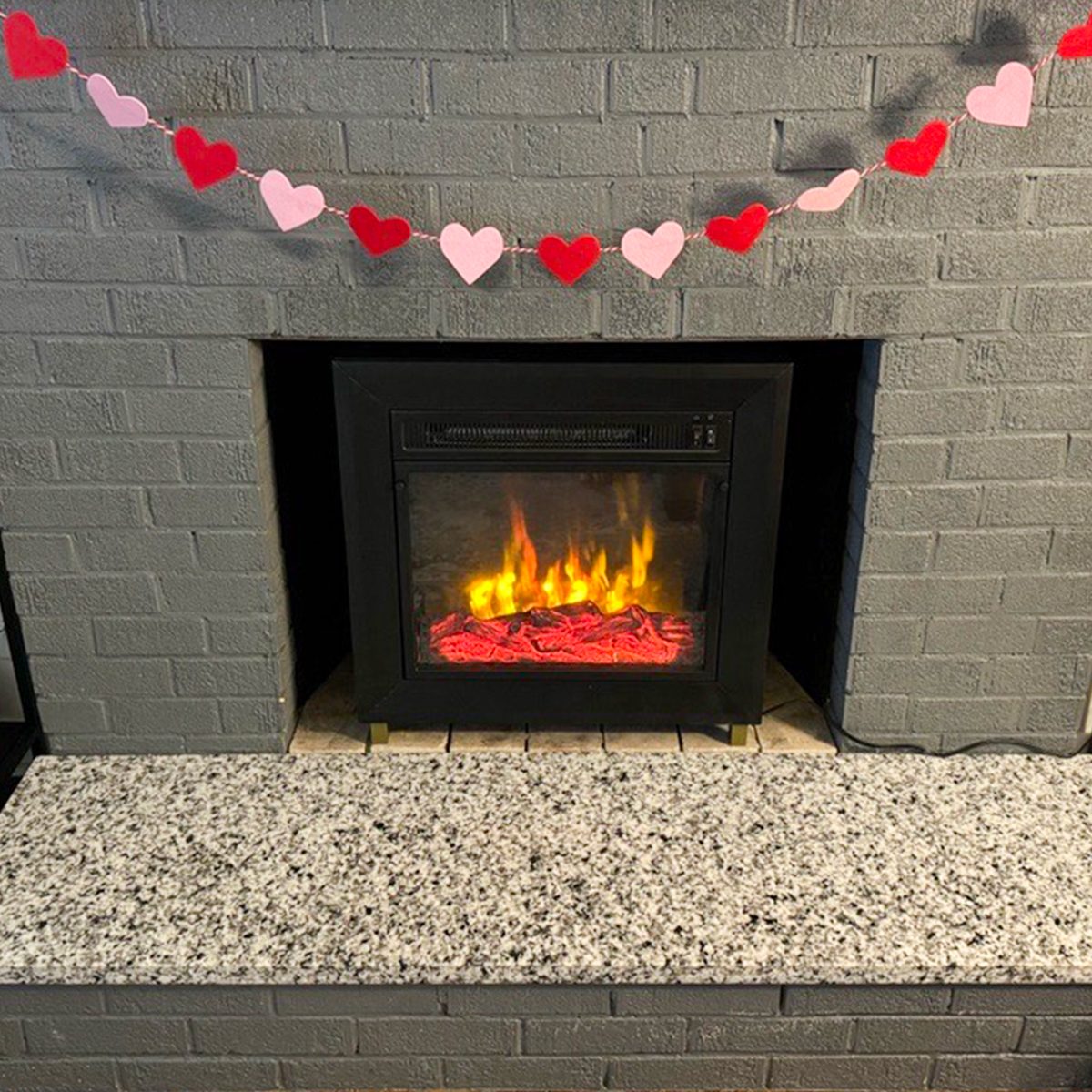
The 4 Best Electric Fireplaces, Tested by Shopping Experts


How to choose the right fireplace for your home

The 6 Best Electric Fireplaces, Tested by BHG