1/19
How to choose the right fireplace for your home
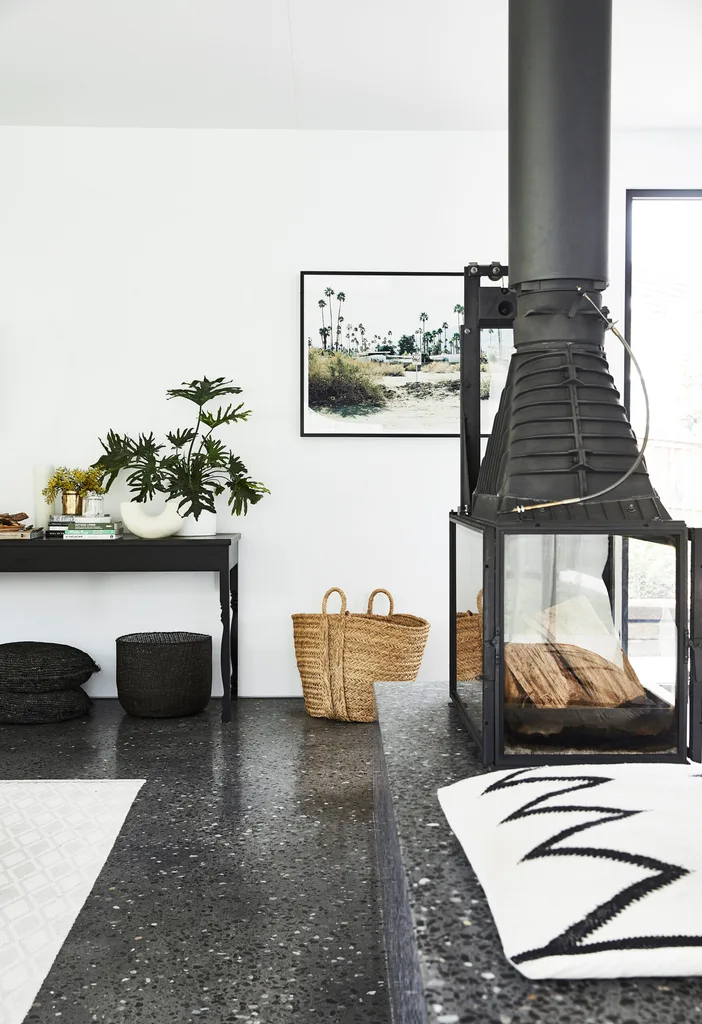
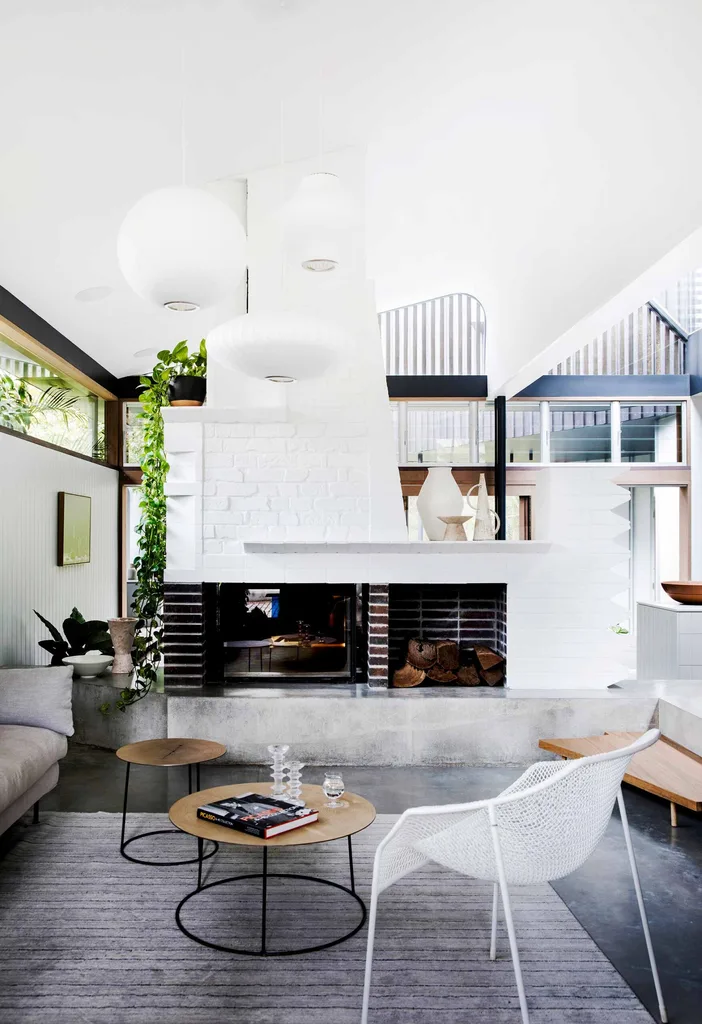
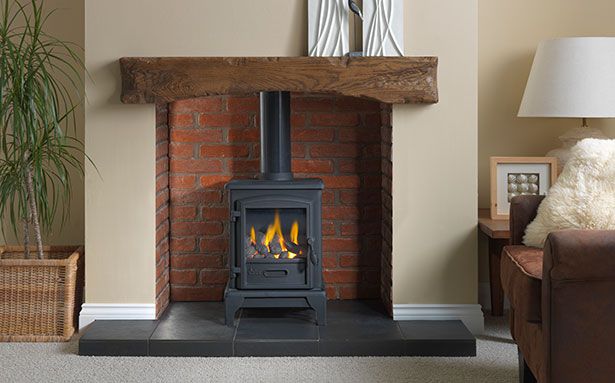
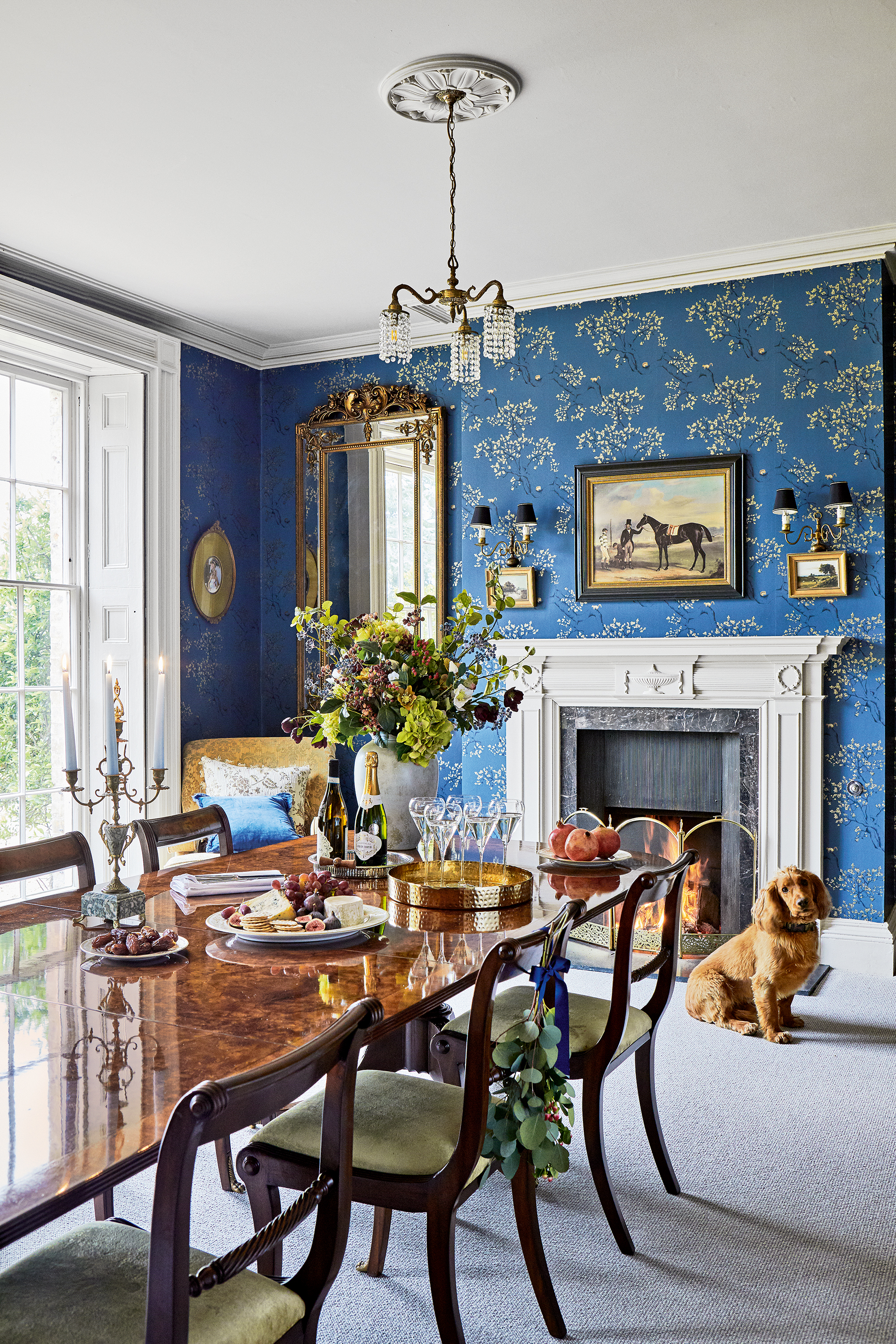
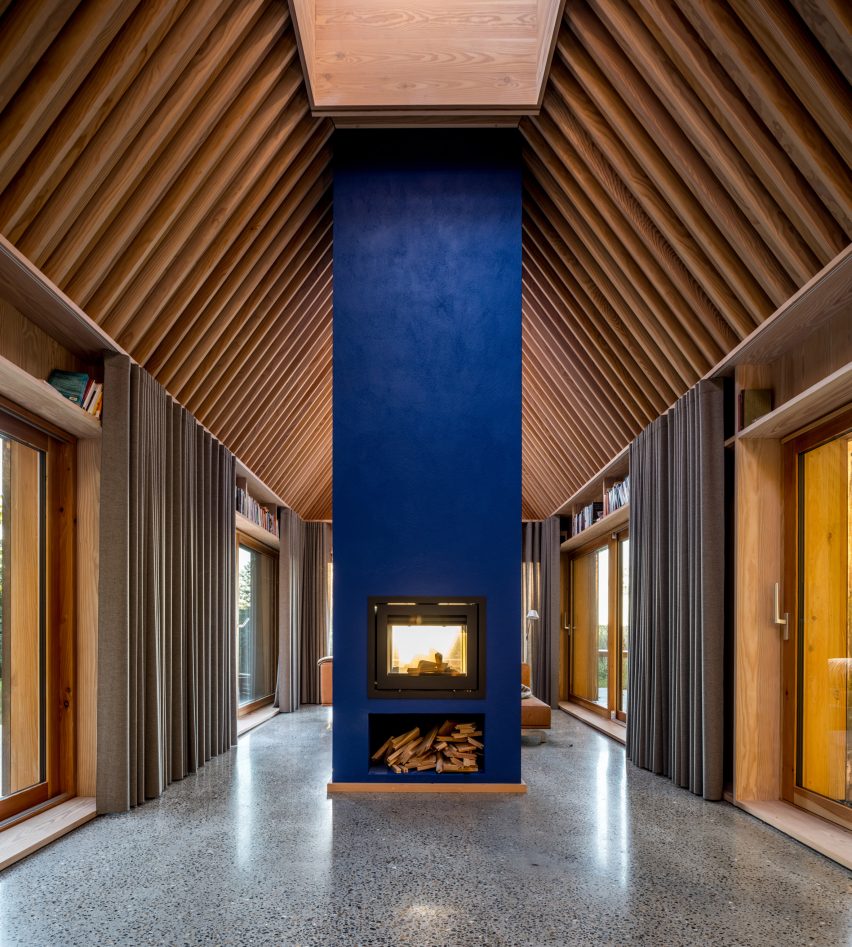
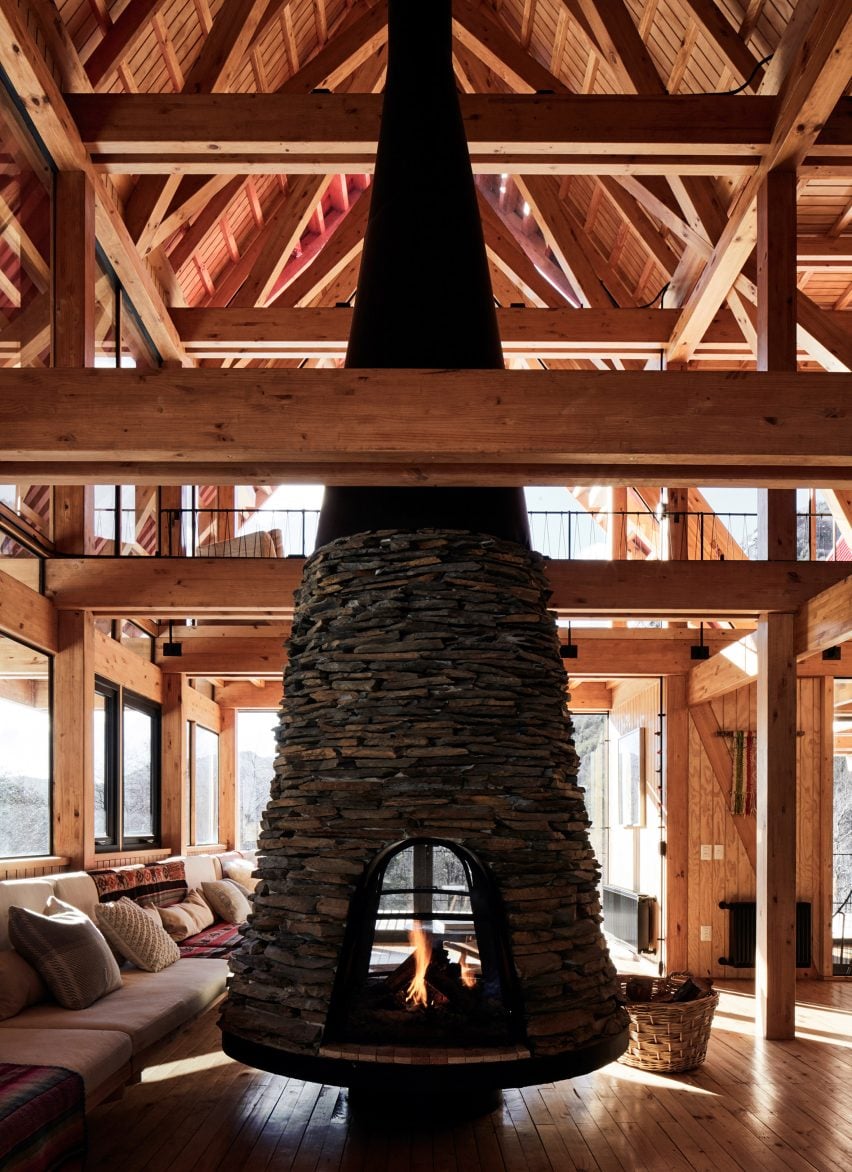
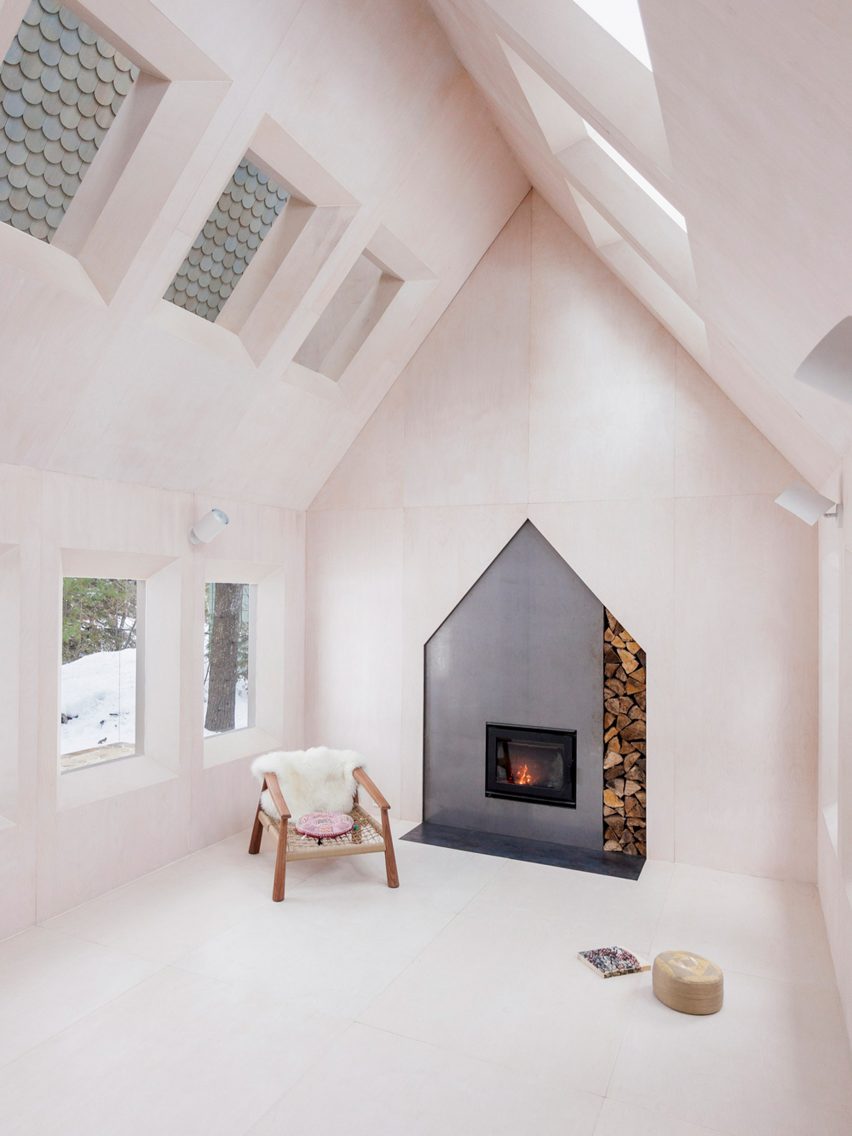
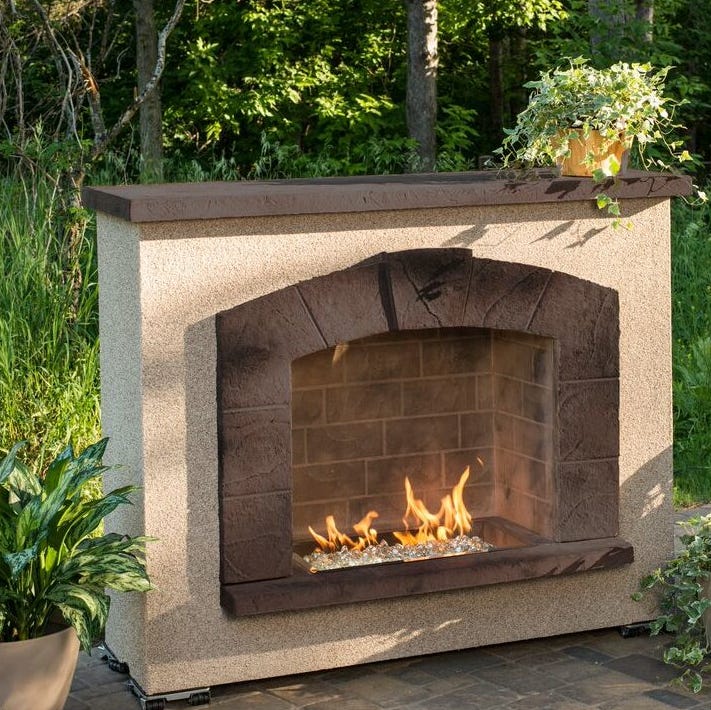
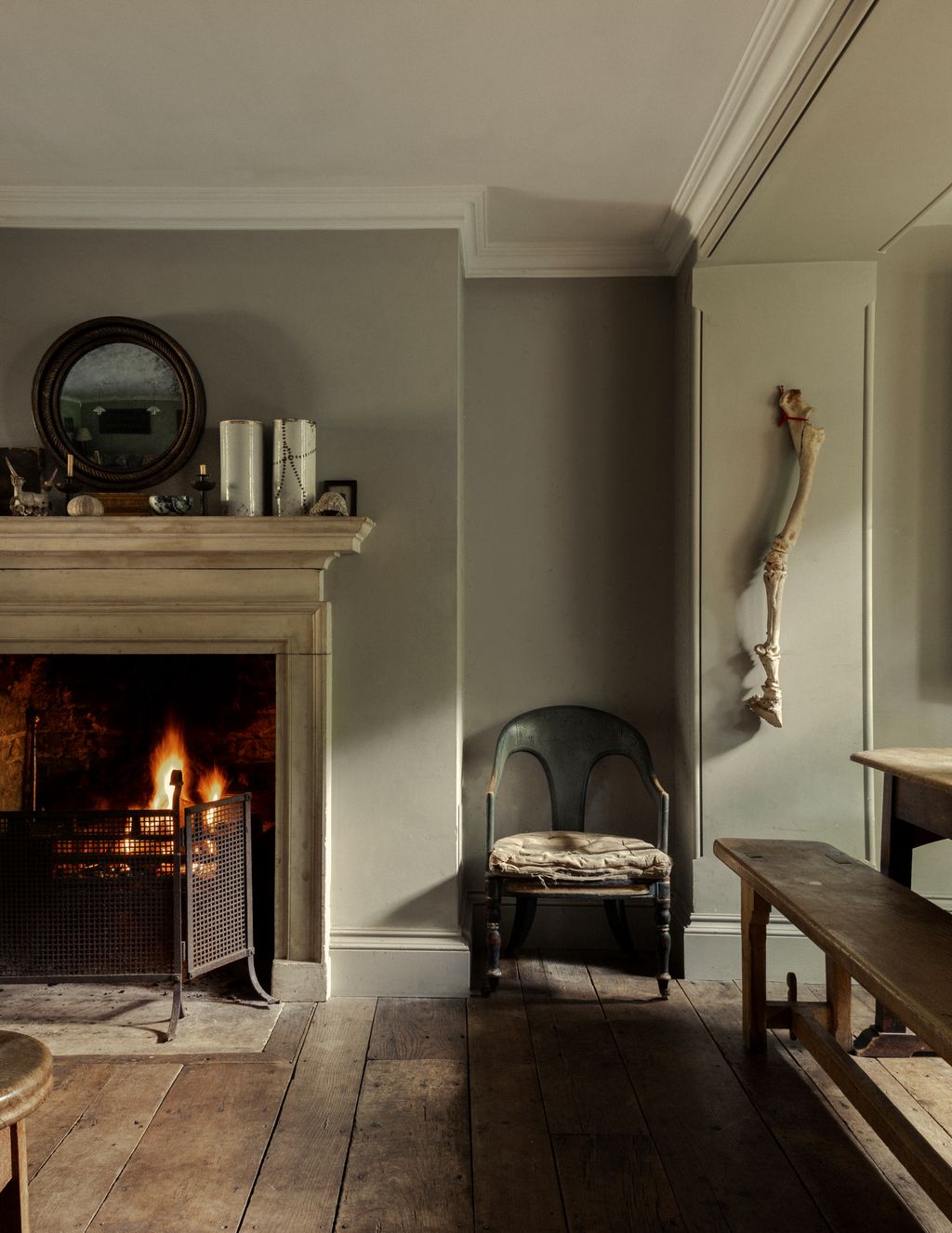
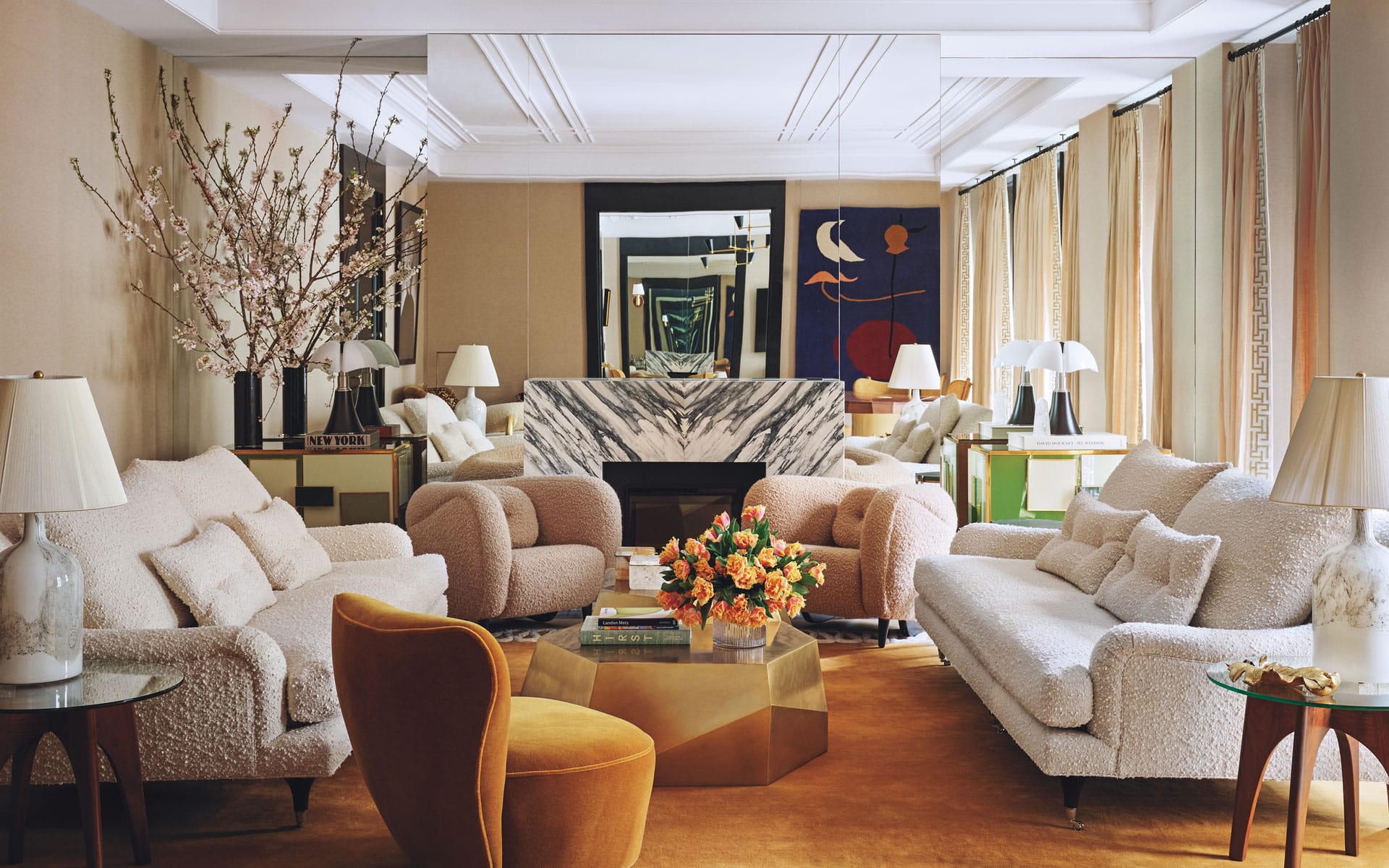
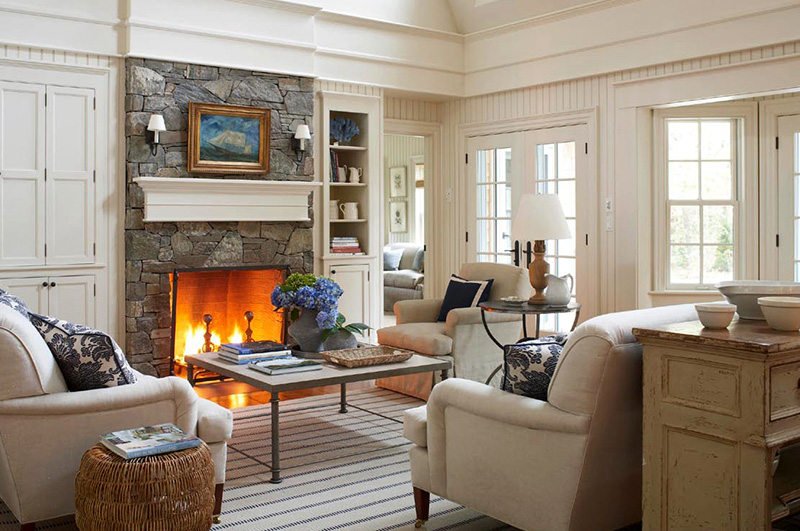
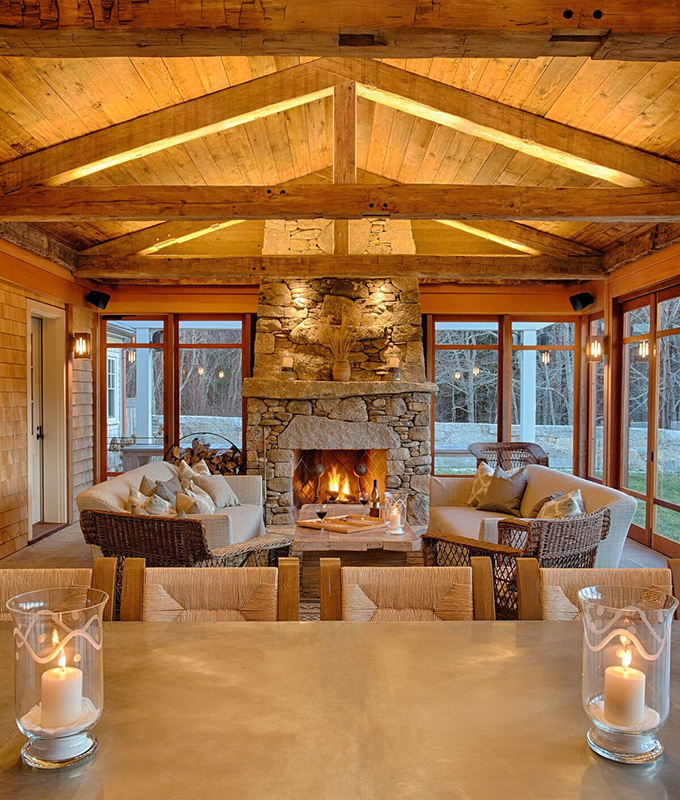
In light of rising energy costs and a renewed appreciation for home comfort, fireplaces are experiencing a resurgence as the focal point of living spaces. This article explores the growing trend of reinstating or installing fireplaces, not only for warmth but also for their aesthetic and decorative value. The minimalist trends of the Nineties and Noughties, which saw many traditional mantelpieces removed, are being replaced by a maximalist revival, highlighting the desire for period features and a sense of history in homes. Online estate agency Inigo, specializing in historic homes, observes a younger demographic, primarily in their early thirties, being drawn to properties with character and original features, with fireplaces often serving as the most striking element.
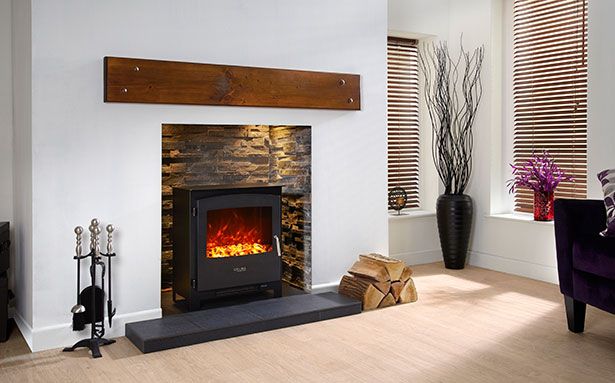
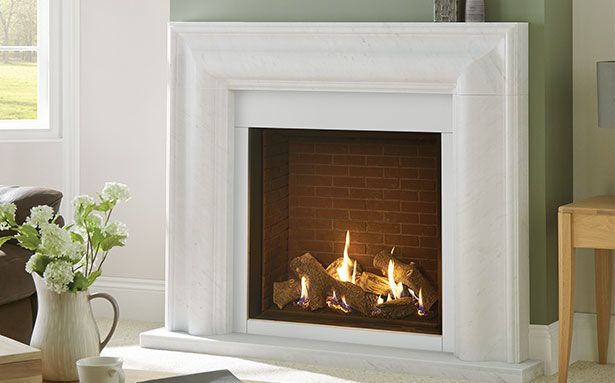
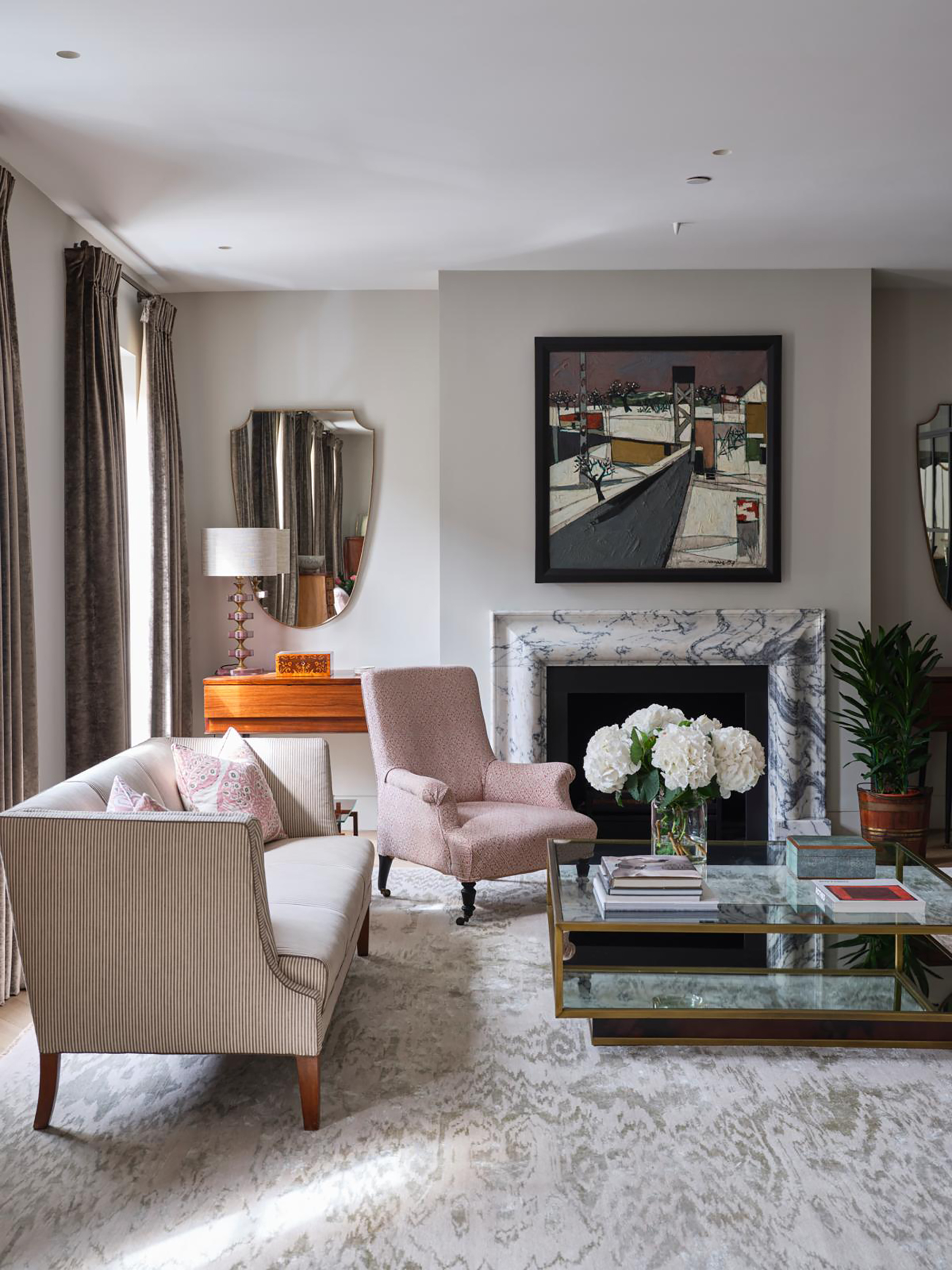
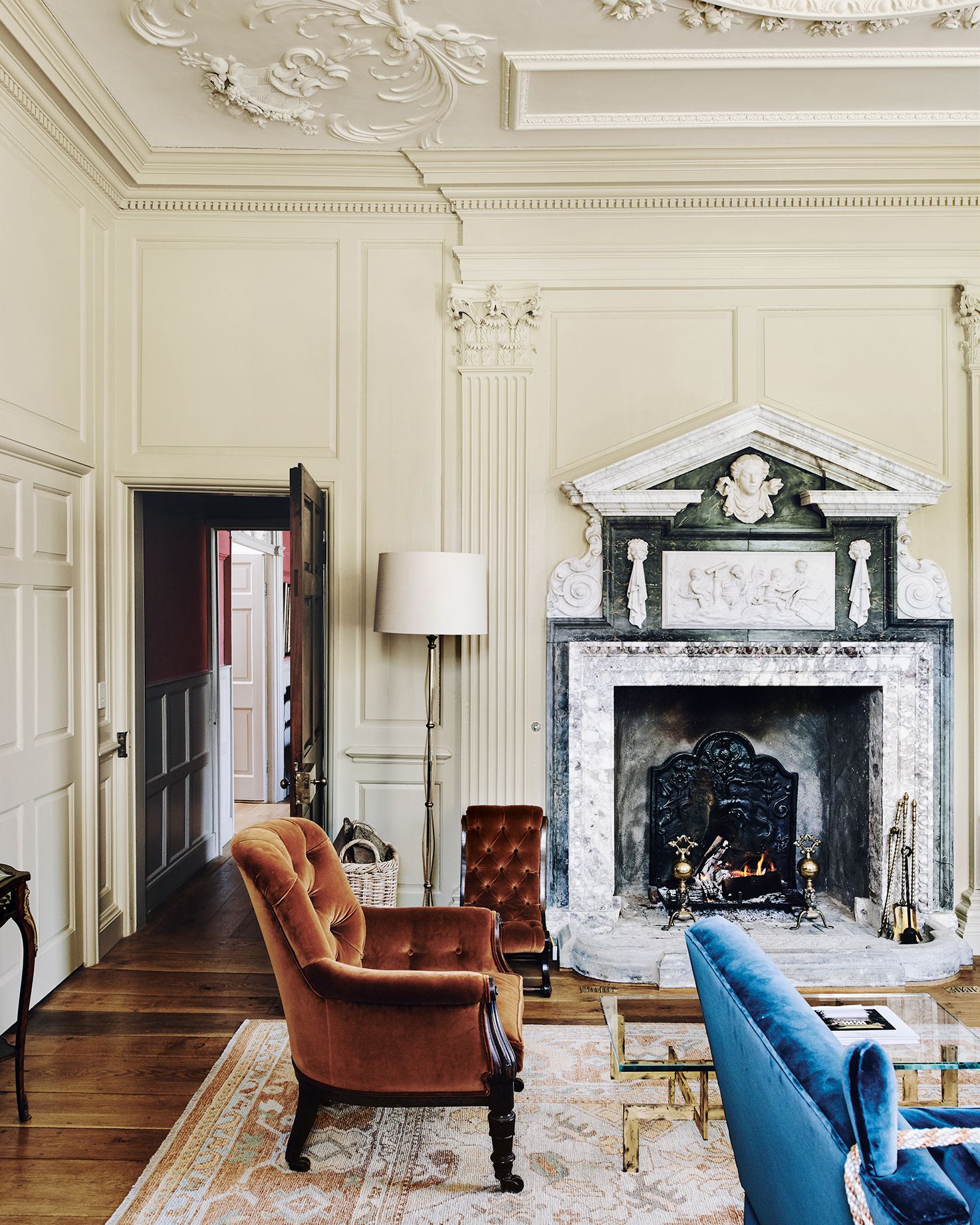
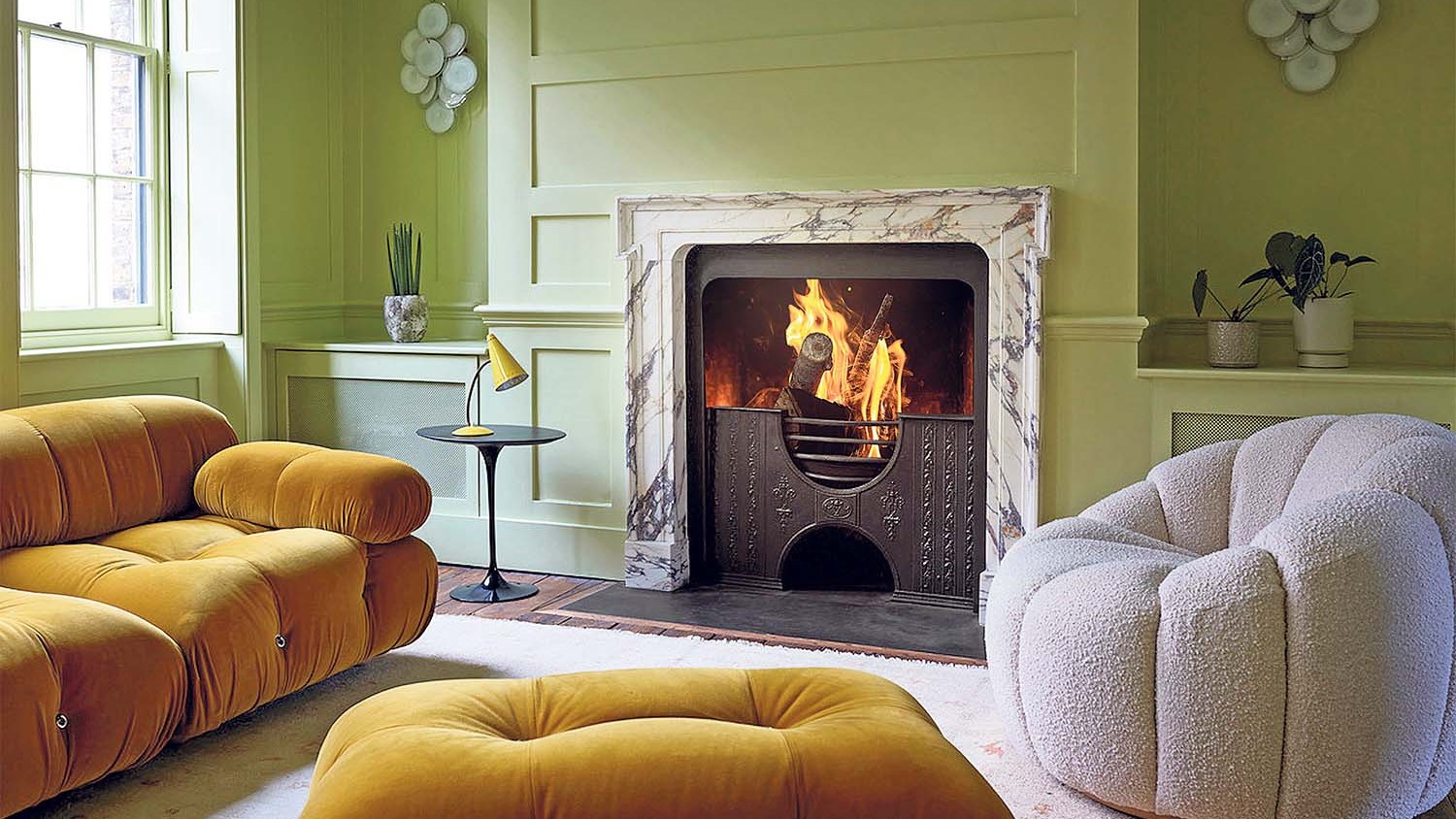
For homes lacking a chimneypiece, options include sourcing reclaimed mantelpieces from salvage yards or purchasing new ones from specialists like Jamb, Renaissance, or Chesneys. These suppliers are noticing a shift away from limestone and minimalist designs towards more ornamental materials. Paul Chesney highlights a growing enthusiasm for luxurious marbles, selected for their unique color, striation, and rarity, such as Calacatta Viola and Gold Travertine, moving beyond what he terms "the taupe era." Owen Pacey of Renaissance points to the enduring popularity of "bolection" fireplaces, characterized by their simple, curved shapes, a style that has been appreciated since the 16th century and saw a revival in the 1930s. These designs are valued for their elegant simplicity.
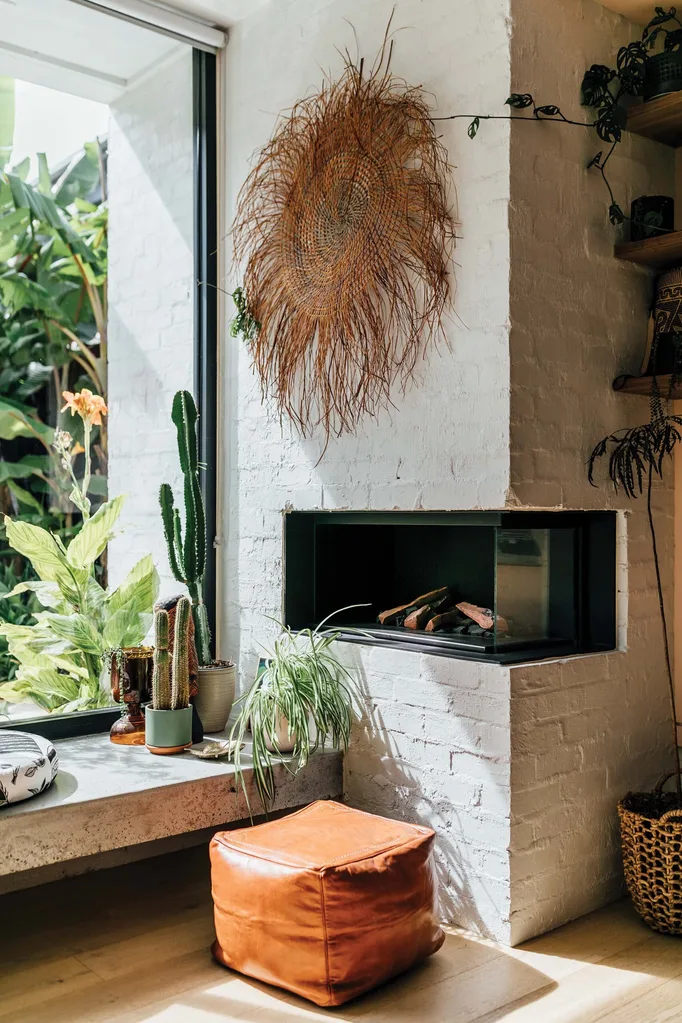
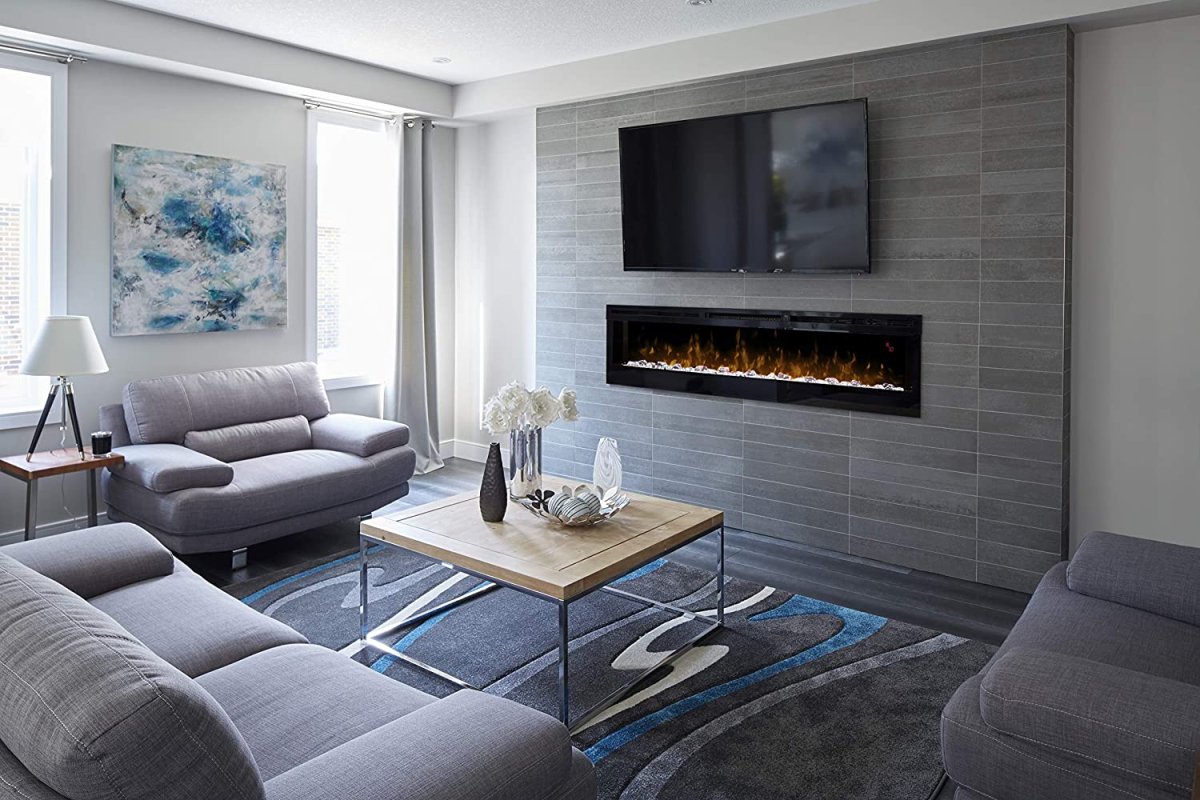
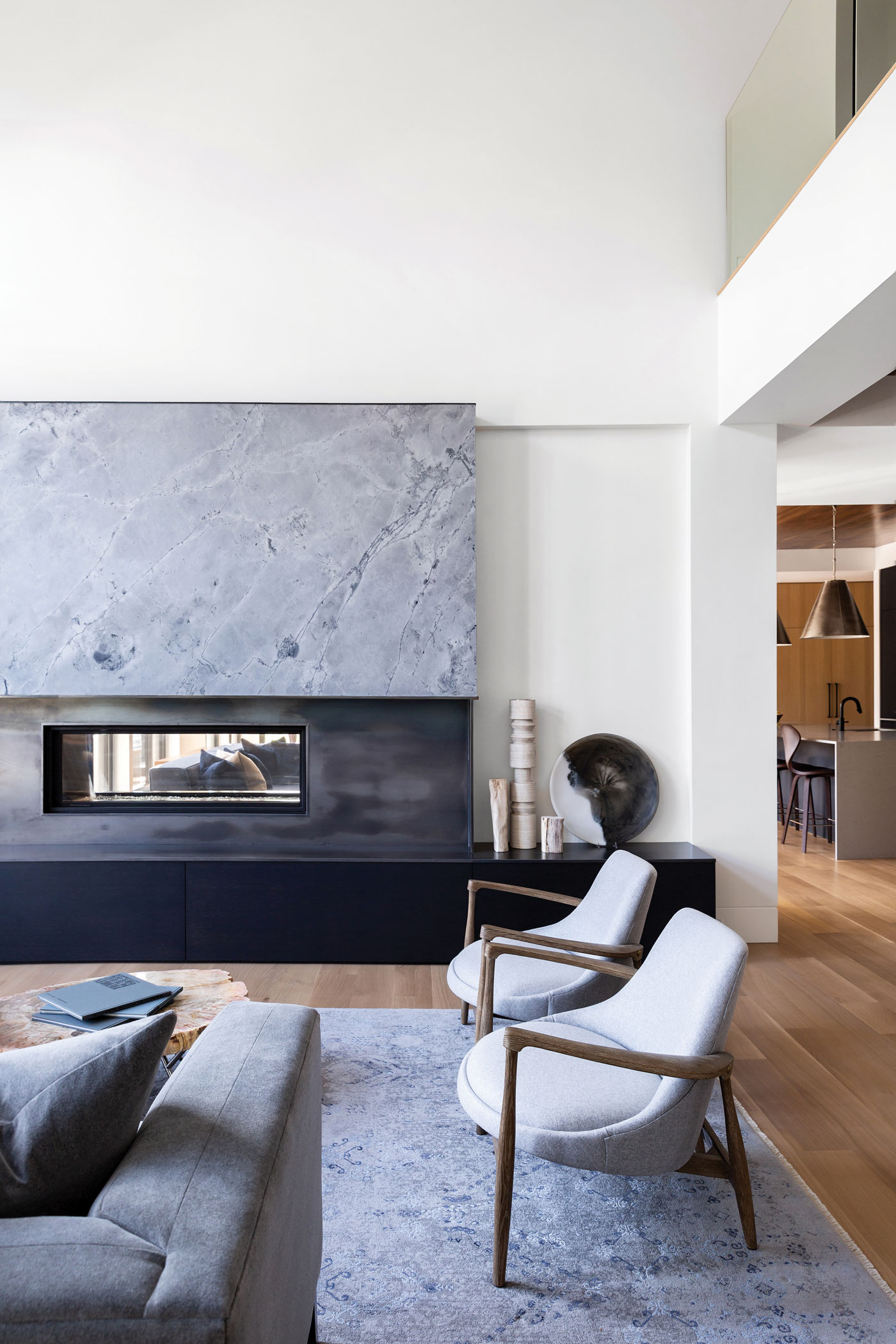
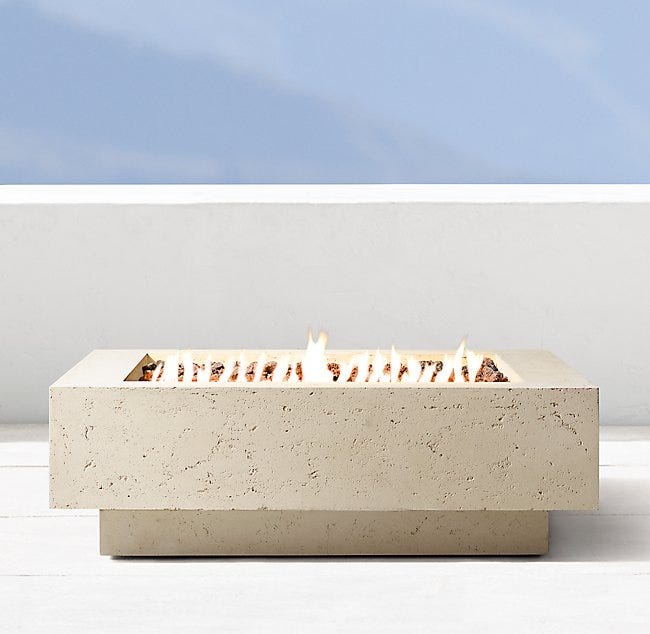
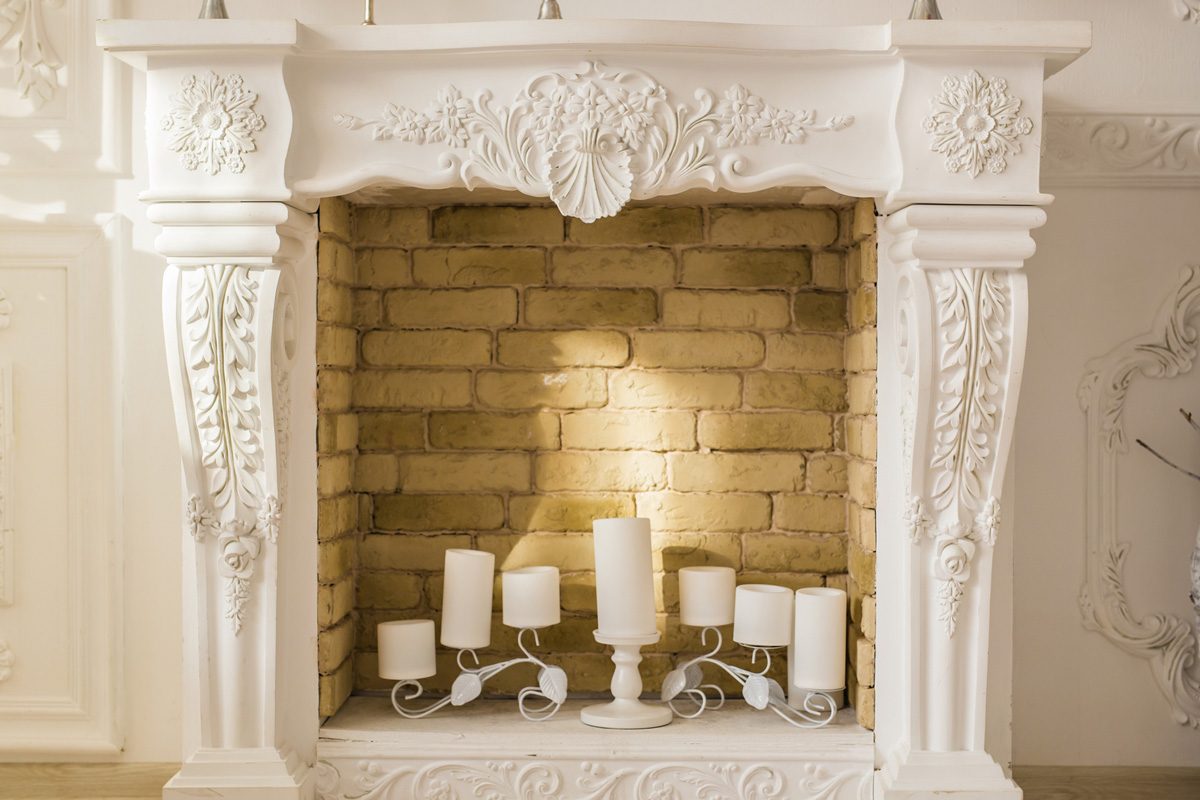
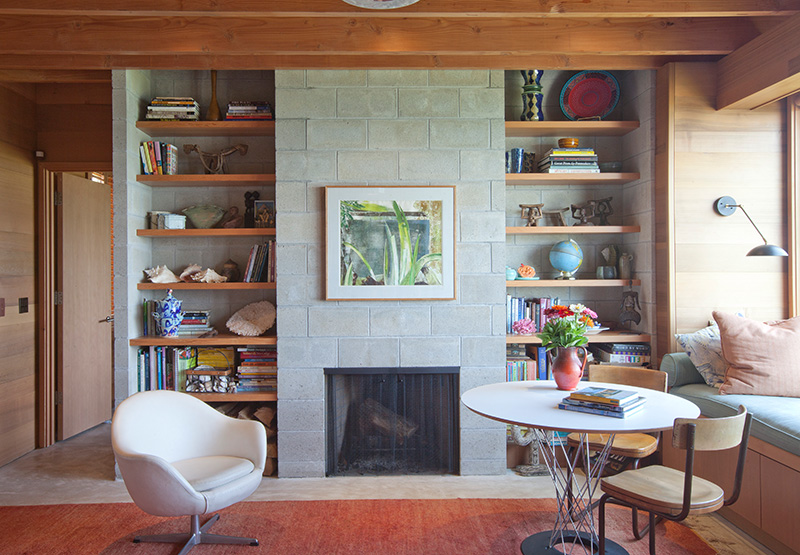
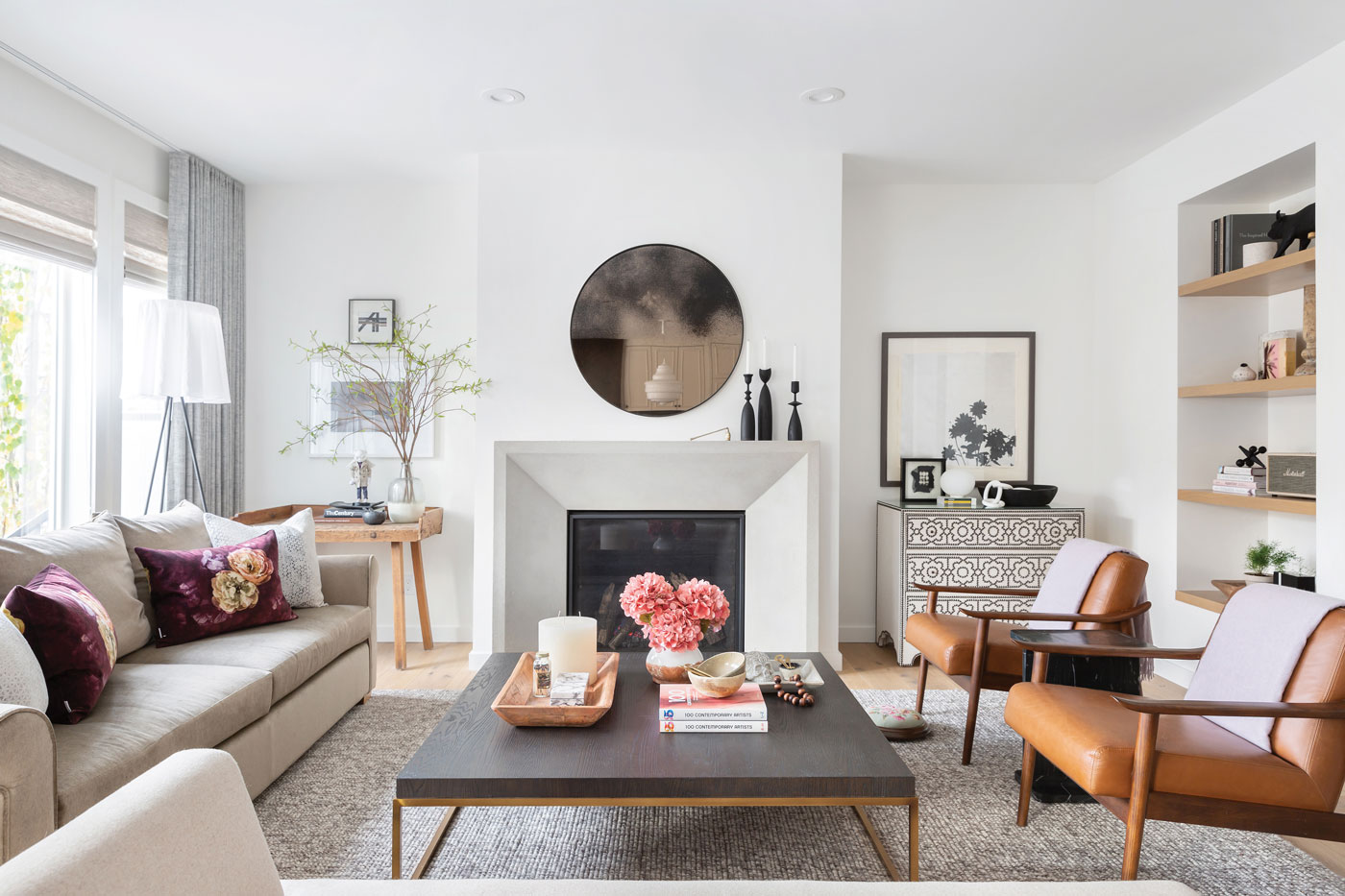
The article also addresses the choice of fuel, noting the increasing popularity of ethanol fires. Bioethanol, derived from sugar cane and grain crops, offers a smoke and fume-free alternative, making it suitable for homes without a chimney, provided the room size is adequate for ventilation. Chesney has introduced a bioethanol stove that produces significant heat, bridging the gap between decorative and functional ethanol fireplaces. Many contemporary installations prioritize the decorative aspect of the fireplace, transforming mantelpieces into curated displays for personal collections, candles, and art.
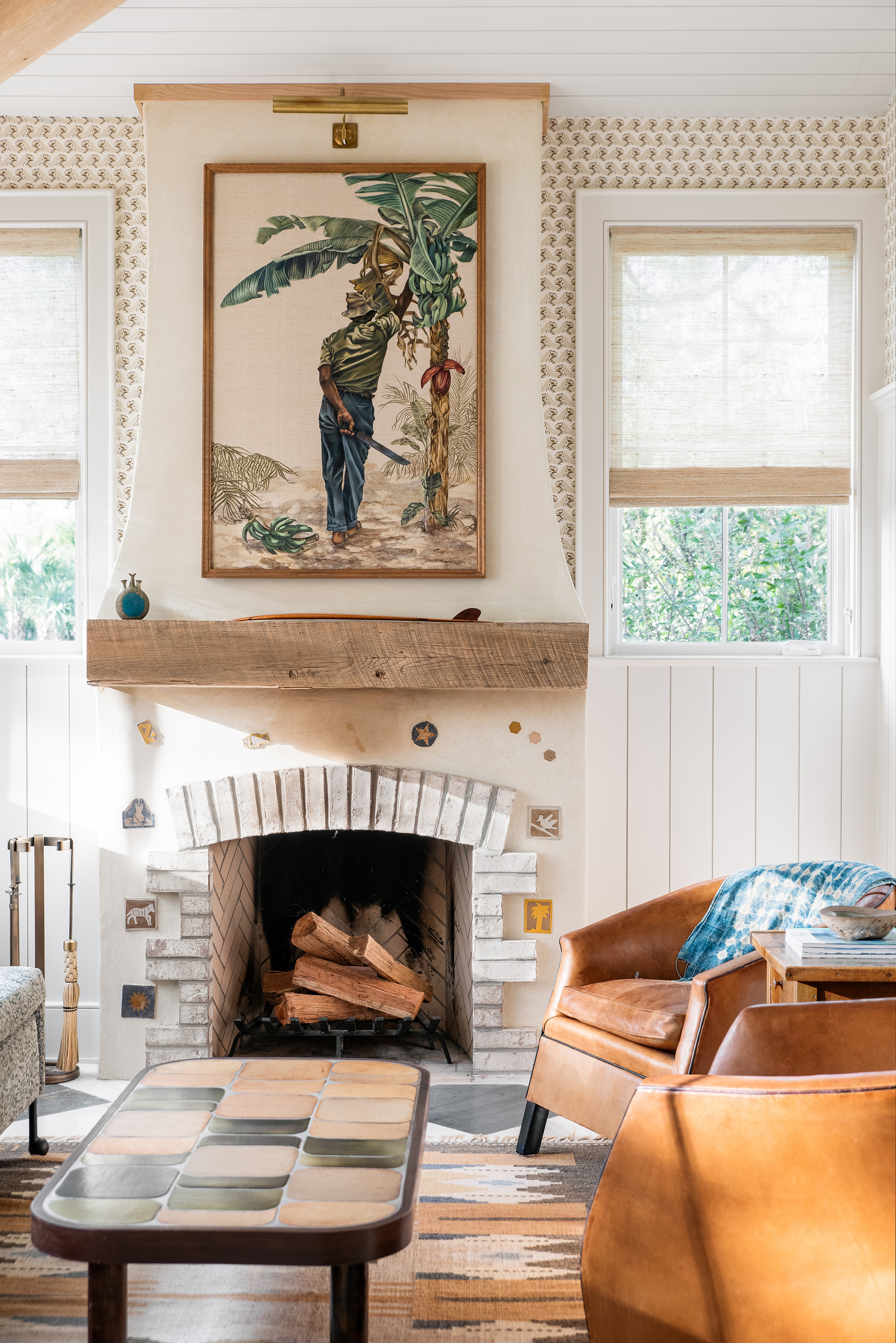
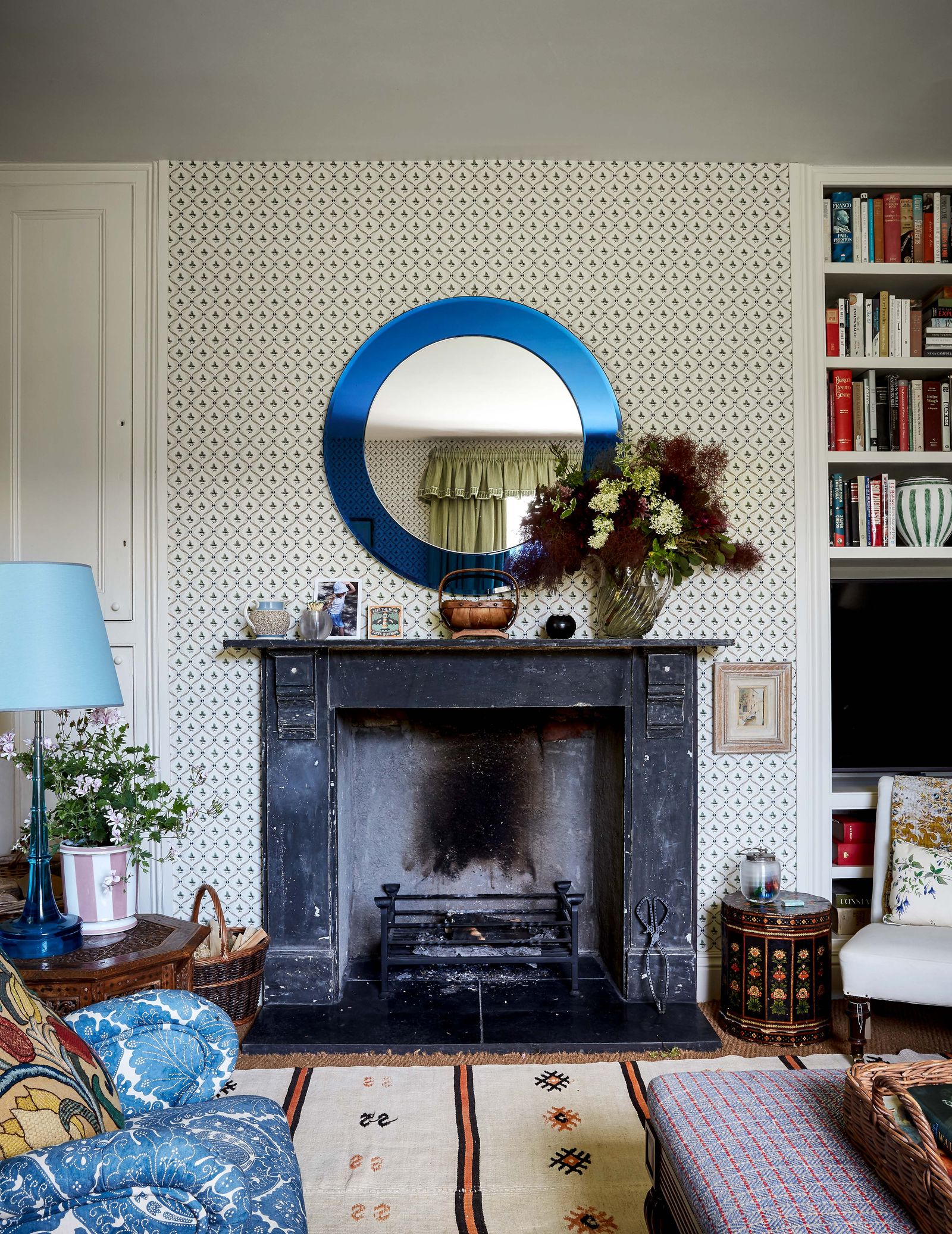
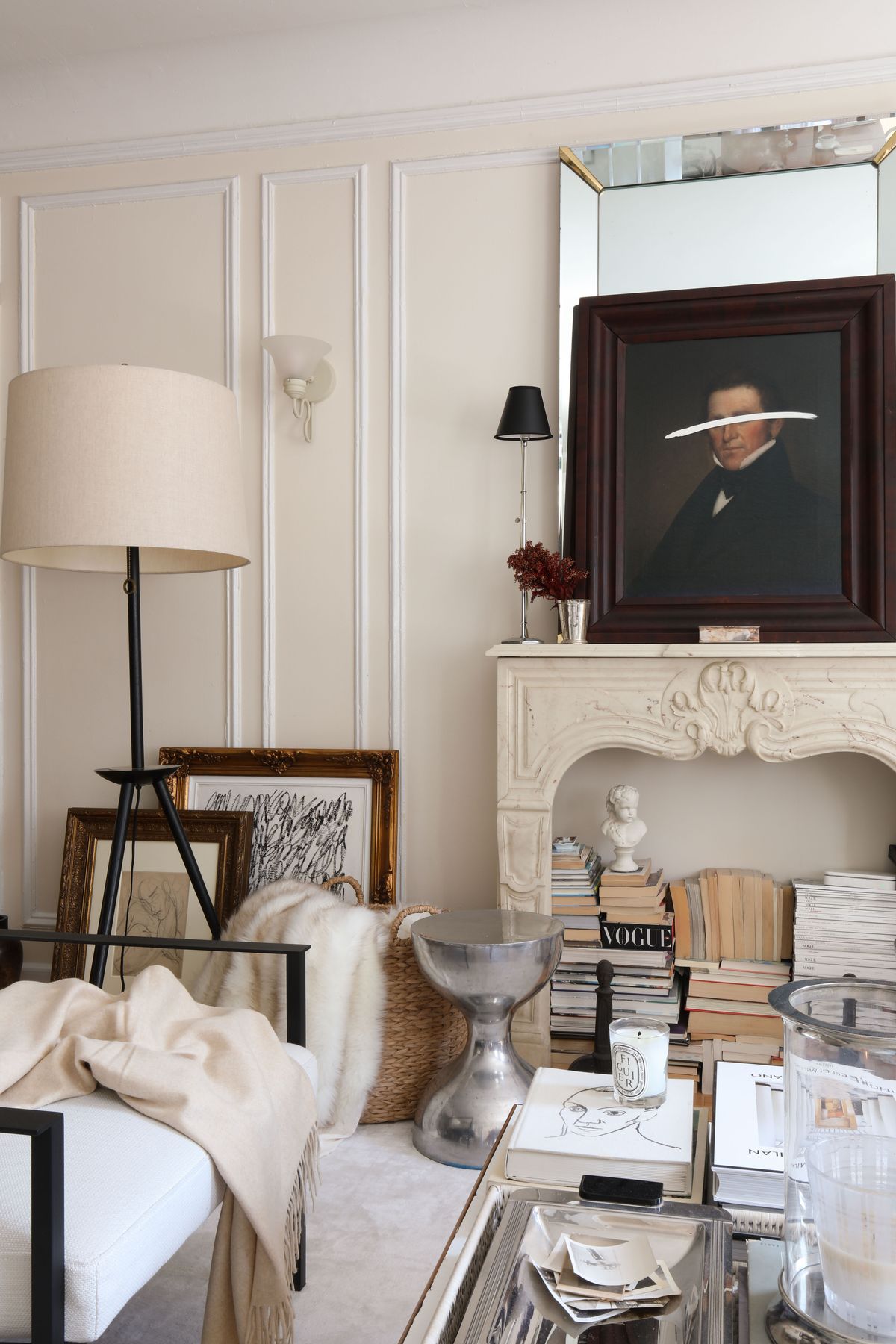
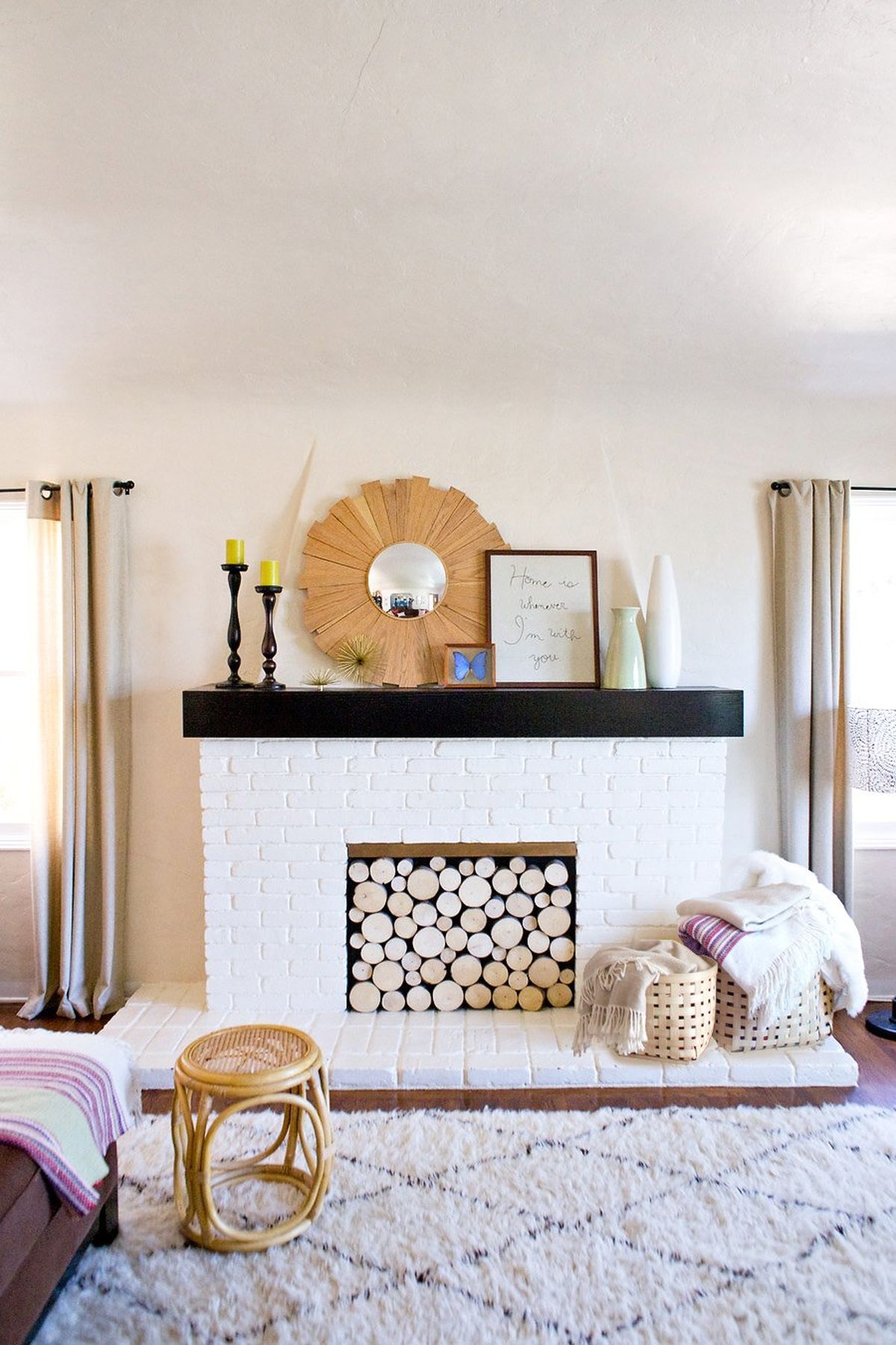
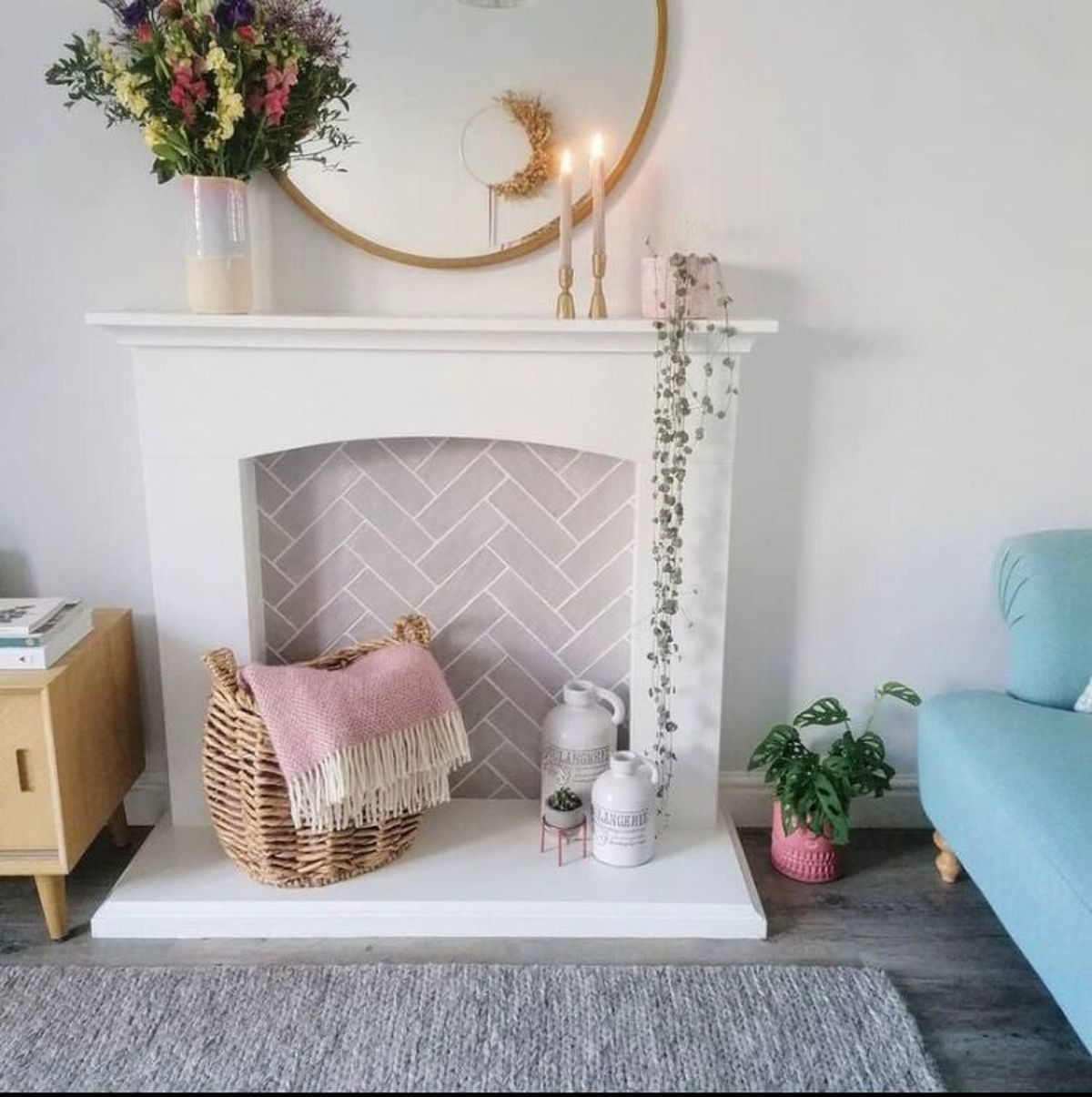
Expert advice on "mantelscaping" emphasizes creativity and personal expression. Antiques dealer Max Rollitt advocates for a "creative chaos" approach, filling mantelpieces with a diverse array of mismatched items like candlesticks, tea lights, small lamps, figurines, postcards, photos, and small paintings, including invitations. In contrast, Léa Zana of Vaisselle favors a more artistic, impactful style using fewer elements but with clashing colors and varied scales, such as an oversized jug next to a mini vase. The article cautions against overly symmetrical arrangements or rows of identical objects, which can appear dated or uninspired. Instead, it suggests multi-level compositions weighted to one side, anchored by a large mirror or picture. It also encourages integrating unconventional items like beach glass, Lego, or vintage fishing reels to add a unique touch, as exemplified by Kit Kemp's arrangement of white painted watering cans in a Covent Garden Hotel suite.
#FireplaceDesign #HomeDecor #InteriorDesign #Mantelscaping #PeriodFeatures #EthanolFireplaces #MaximalistRevival #HistoricHomes #HomeRenovation #FireplaceDesign #HomeDecor #InteriorDesign #Mantelscaping #PeriodFeatures #EthanolFireplaces #MaximalistRevival #HistoricHomes #HomeRenovation
0 comment in total
 No comments yet
You may also like
How to choose the right fireplace for your home

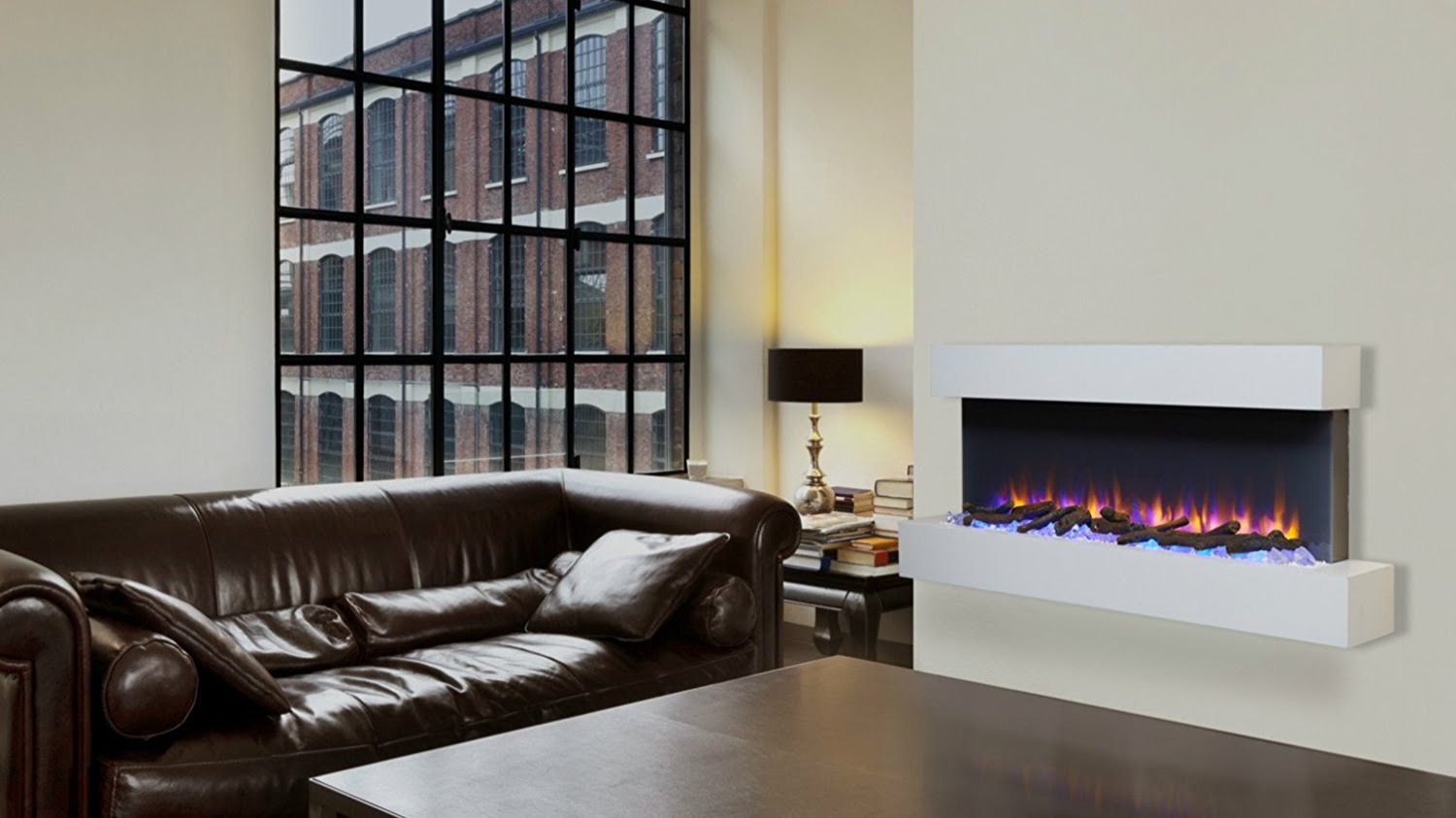
The best electric fires: wall-mounted and freestanding

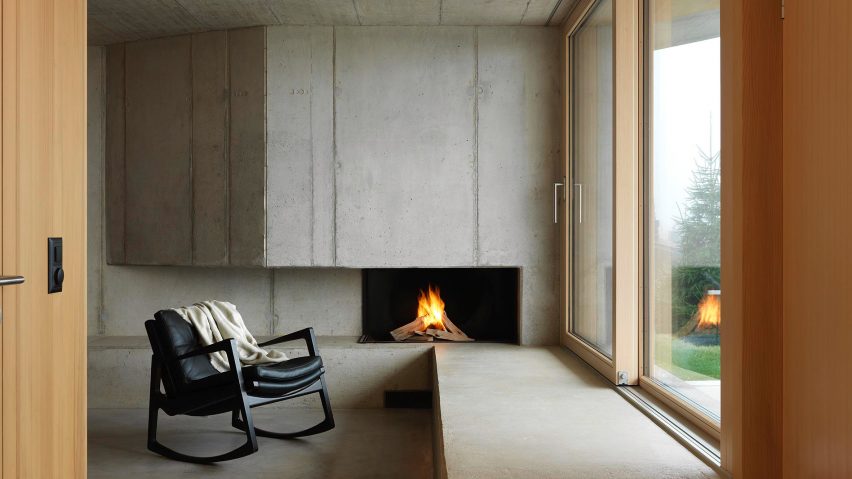
Ten striking fireplaces at the heart of the home
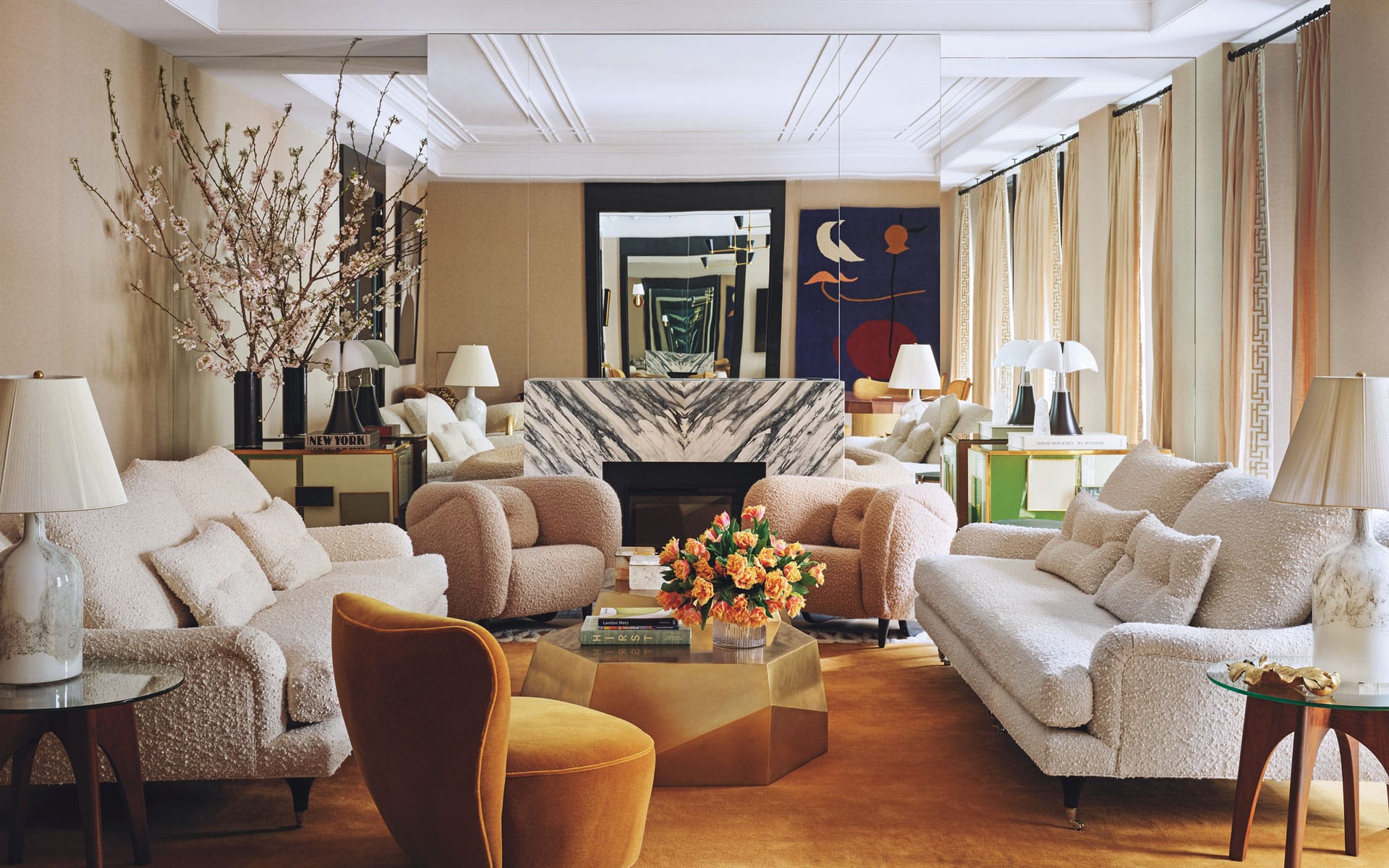
Interior Experts Share the Secrets to Crafting an Exquisite Space Around a Chic and Cozy Fireplace

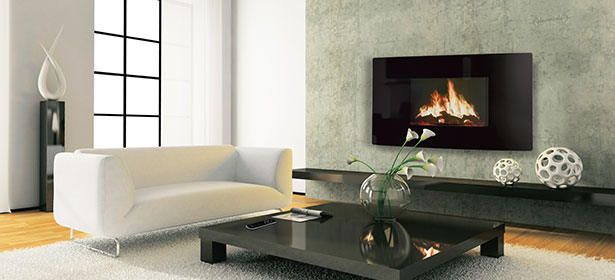
Complete guide to buying an electric fireplace
The Best Gas Fireplace Inserts Top Picks

Fireplace design reflect personal style, focal point for home

Fireplace Ideas and Installation

Complete guide to buying a gas fireplace
What You Need to Know About Fireplace Installation in Your Home

Everything You Need To Know About Buying An Outdoor Fireplace

Design Q+A: Fireplaces
What to Consider When Choosing a Home Fireplace
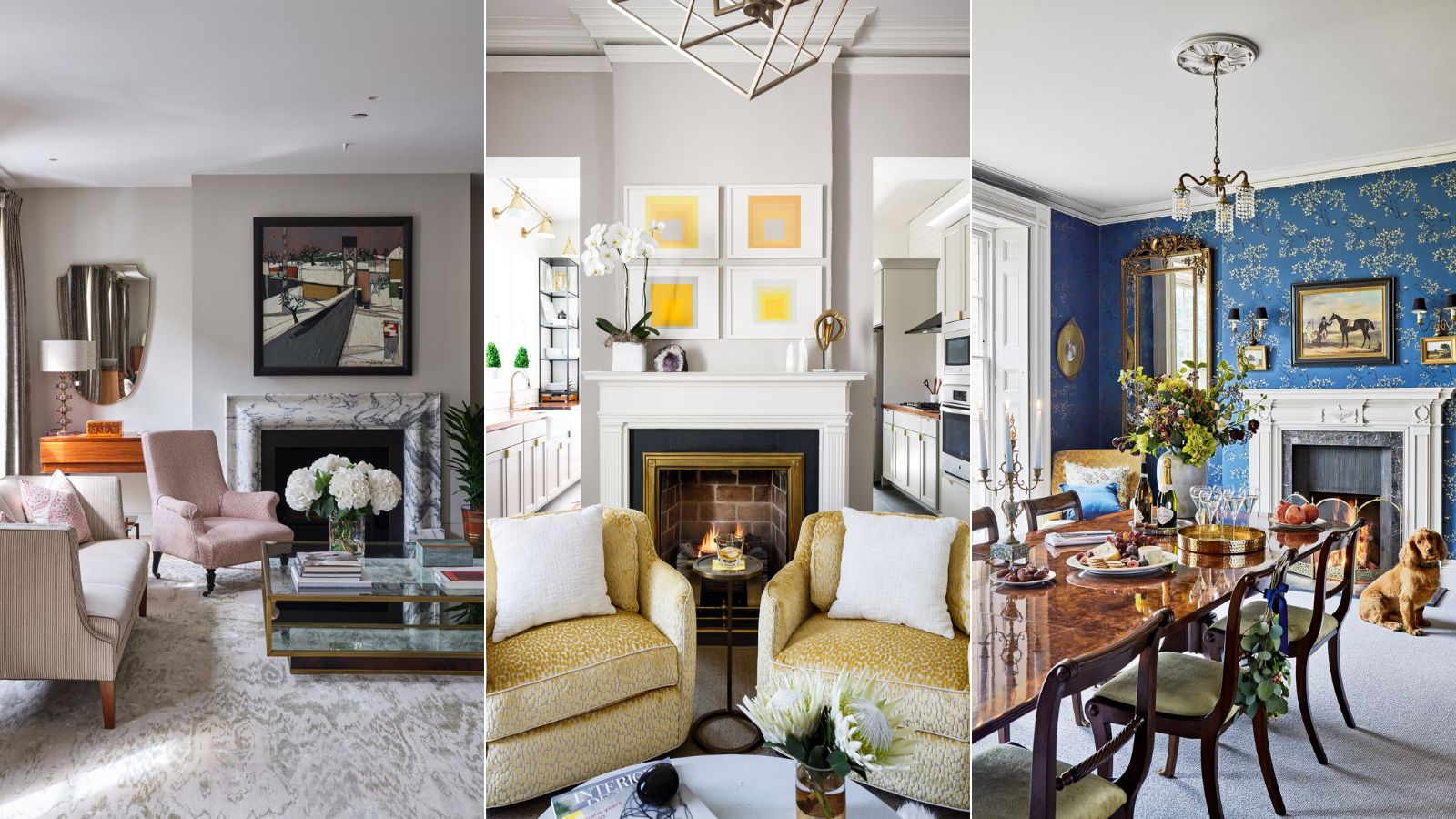
Fireplace ideas – 18 fabulous ways with fireplace design

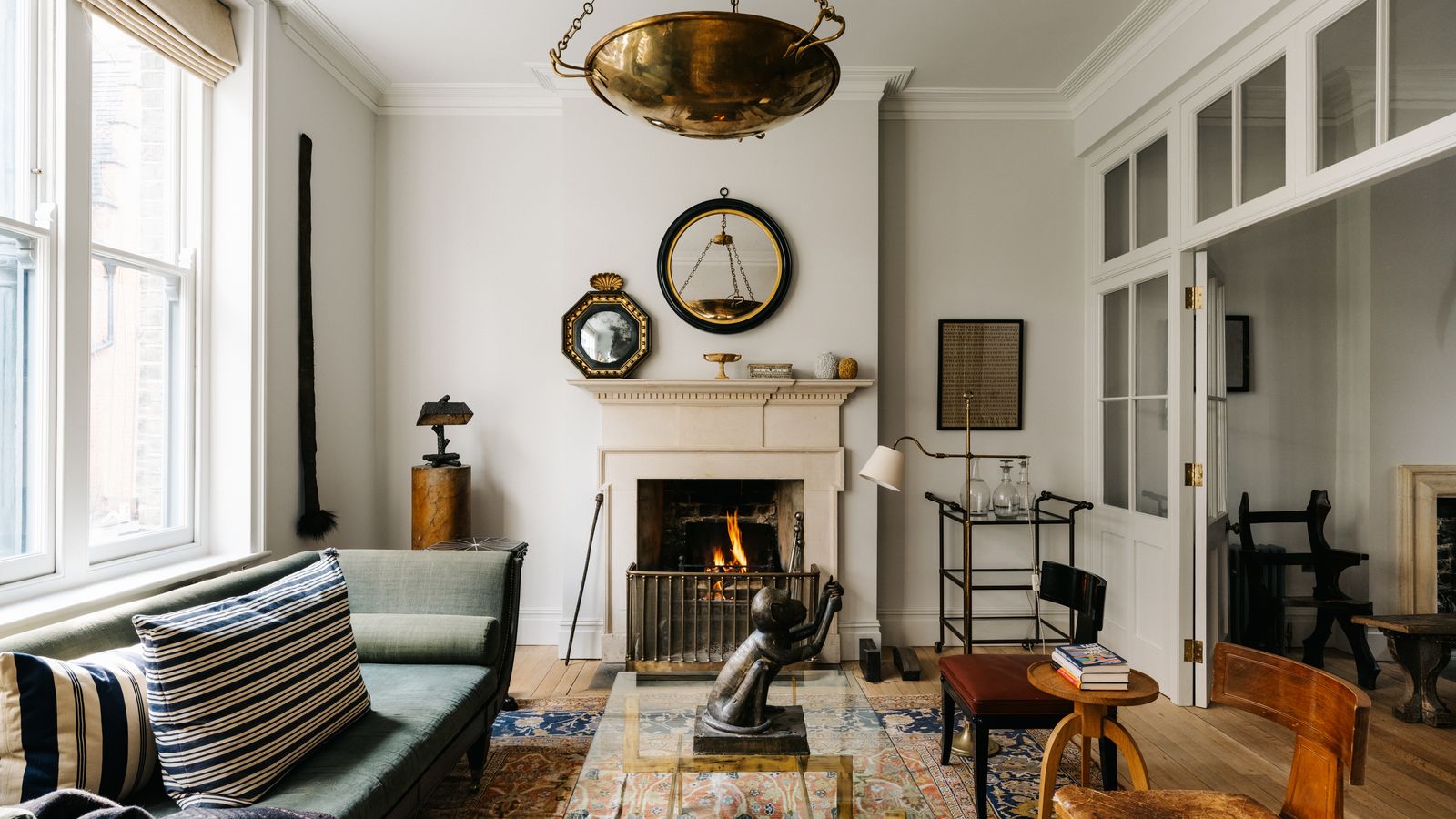
Elegant fireplace ideas for homes old and new
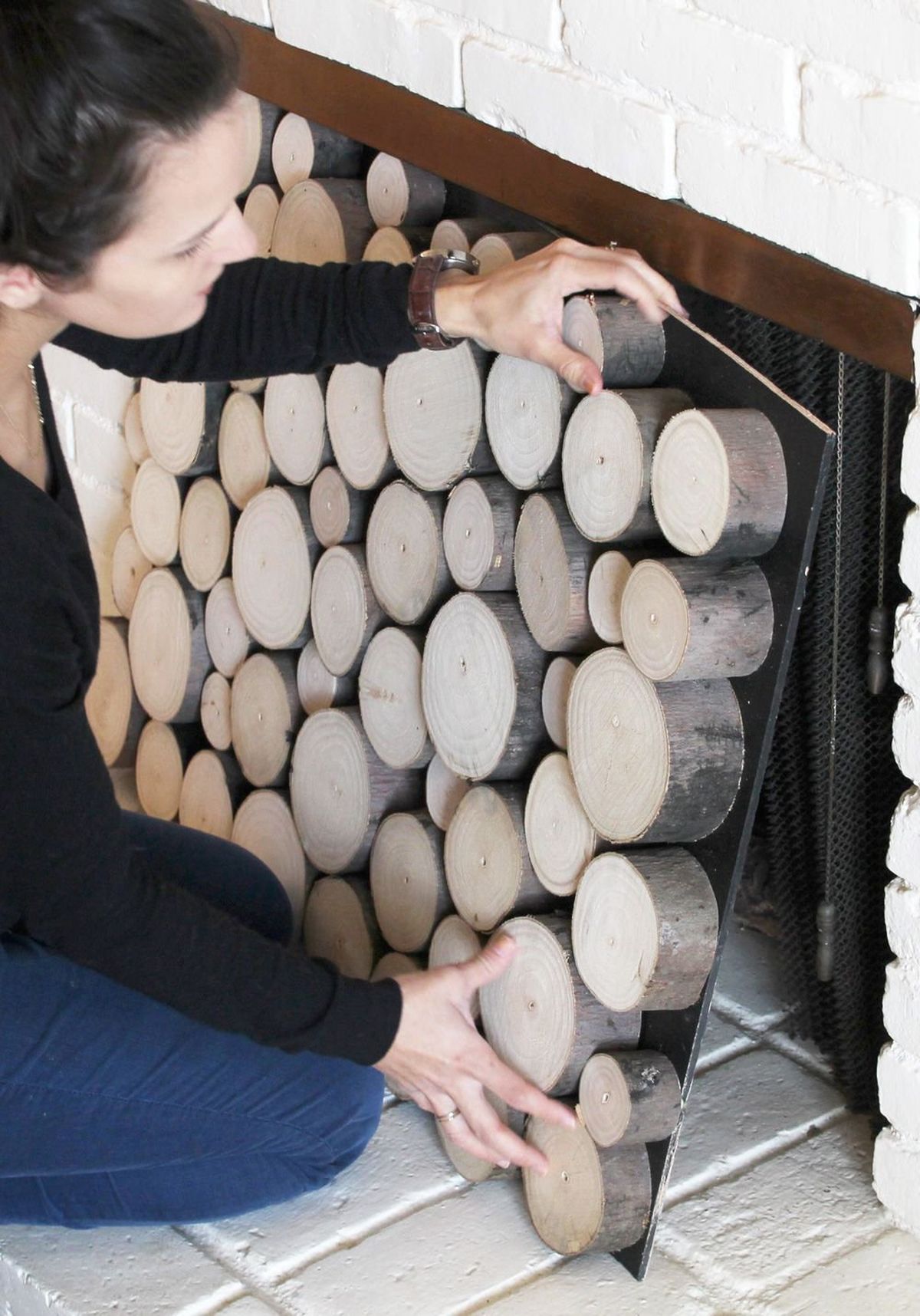
Turn your nonworking fireplace into something beautiful

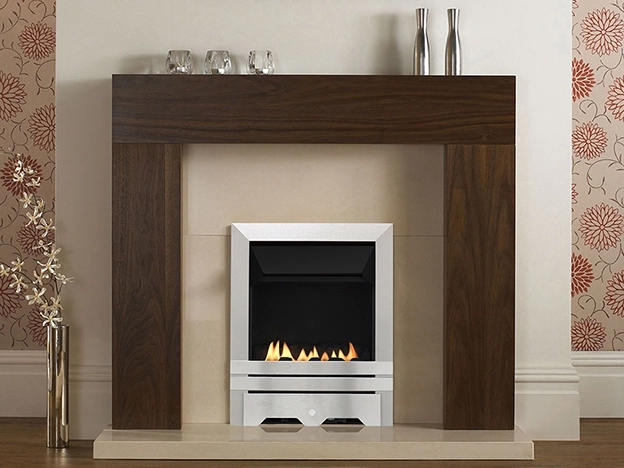
Fires & Fireplaces

3 Fireplace Styles That Will Bring Cozy Vibes into Your Home
Cozy Up Your Home With an Electric Fireplace Insert

The 6 Best Electric Fireplaces, Tested by BHG