Why Electric Fireplaces Are Hot
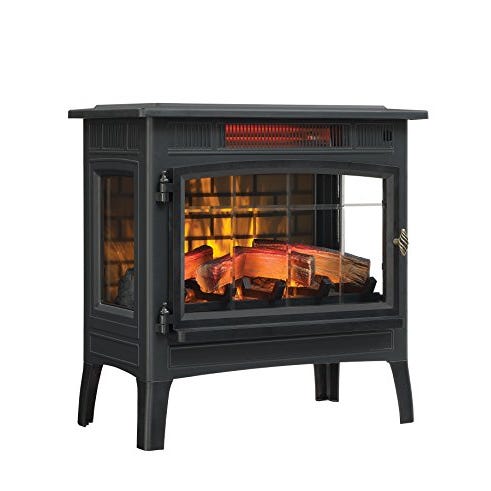
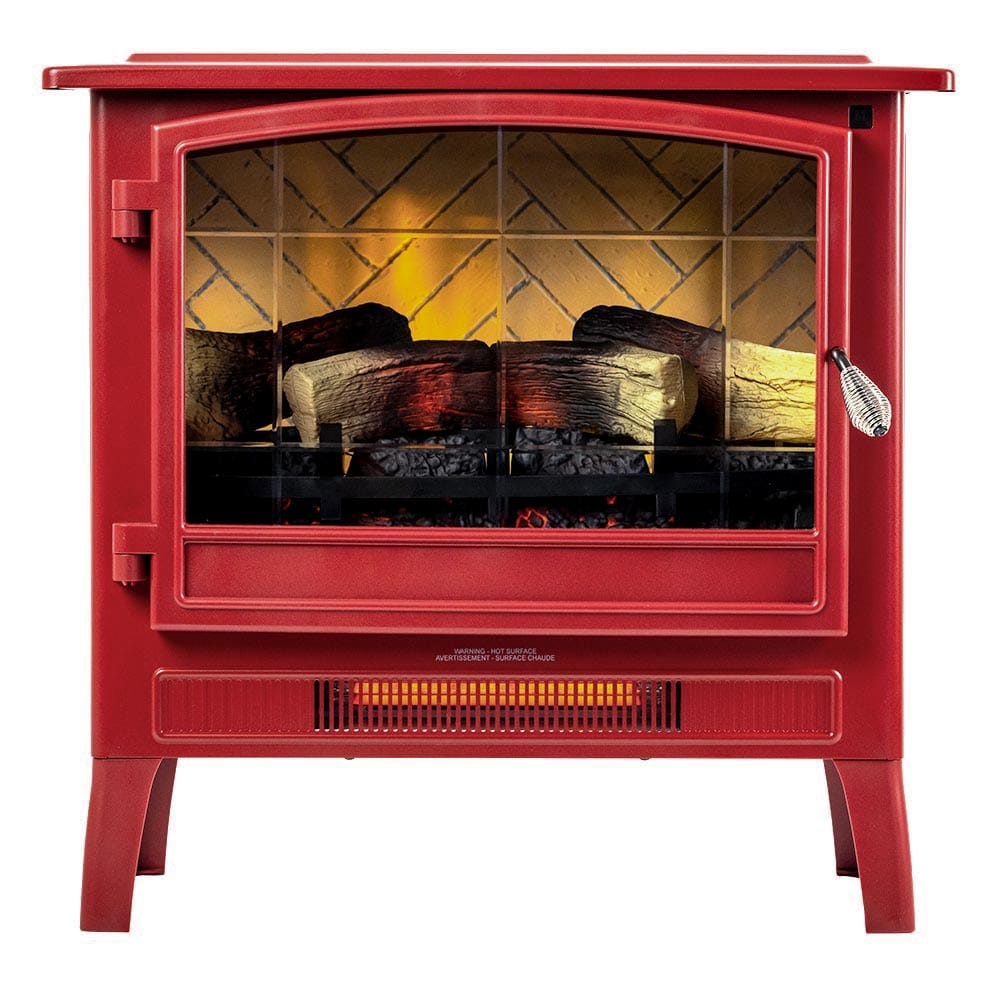
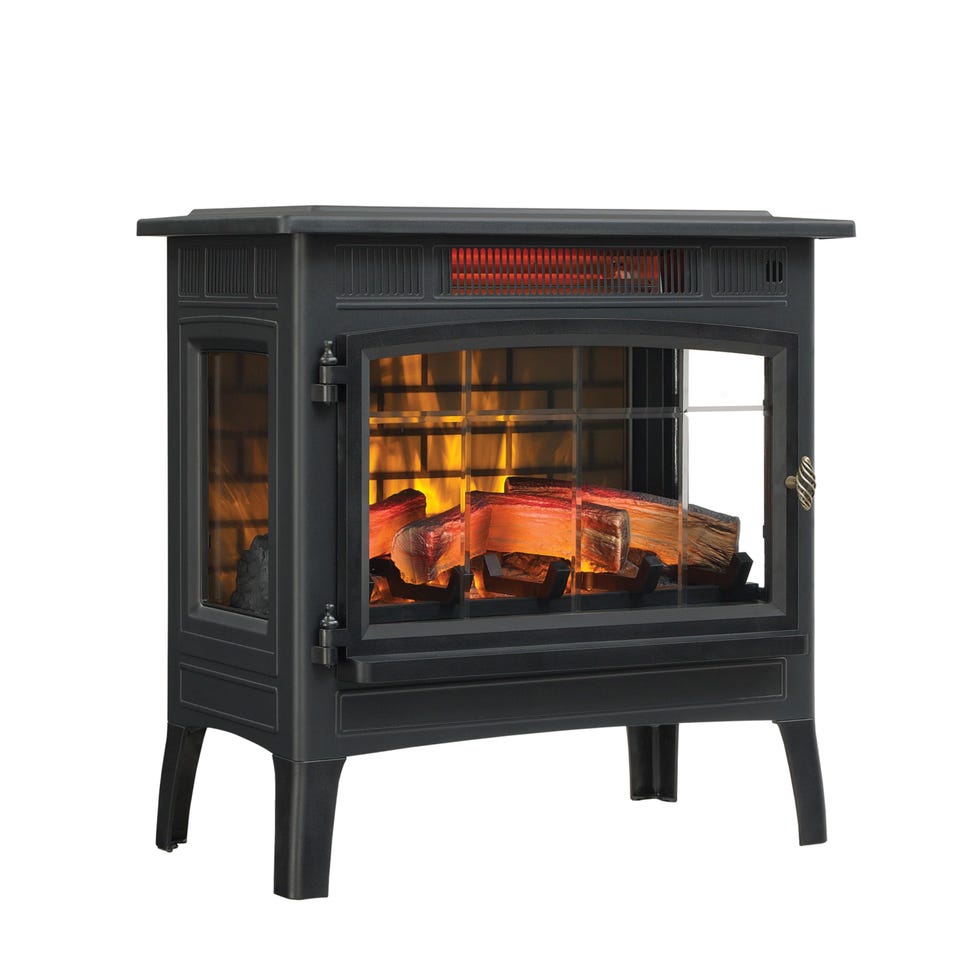
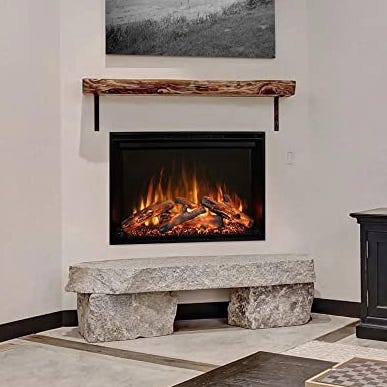
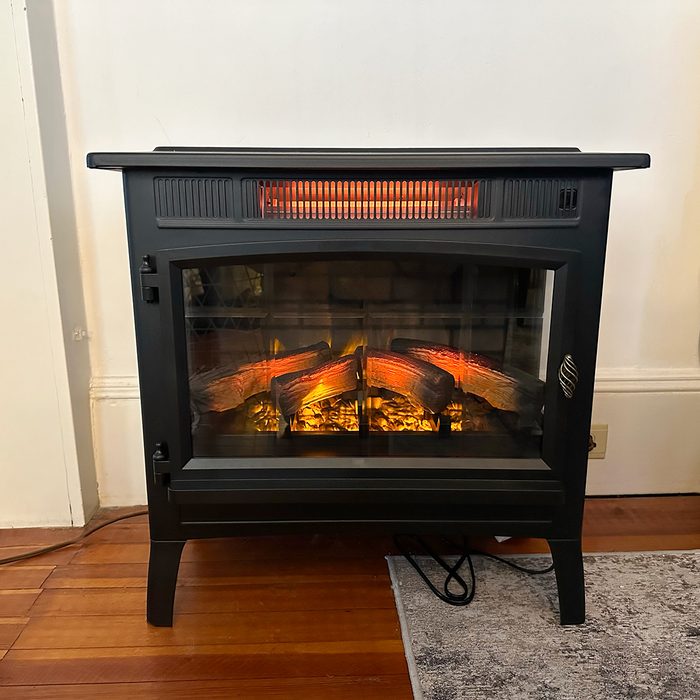
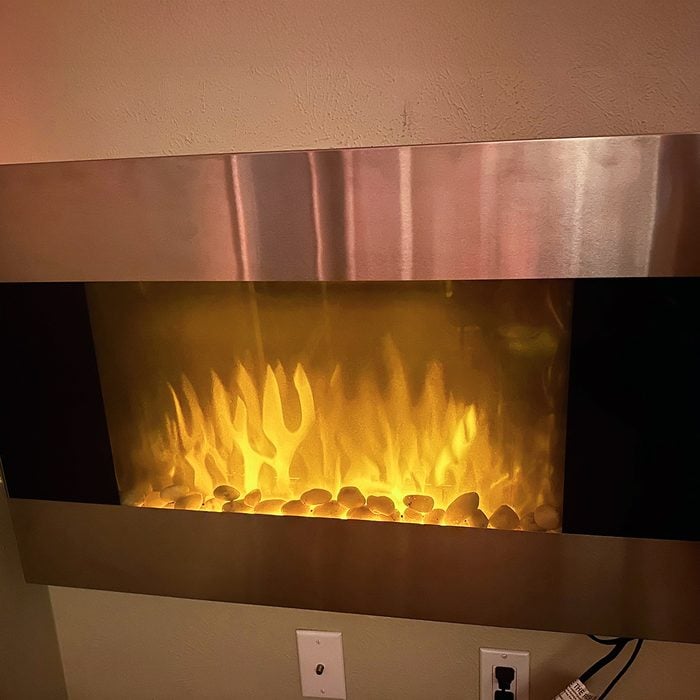
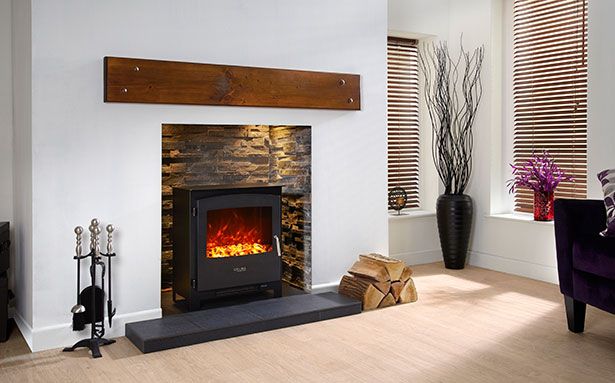
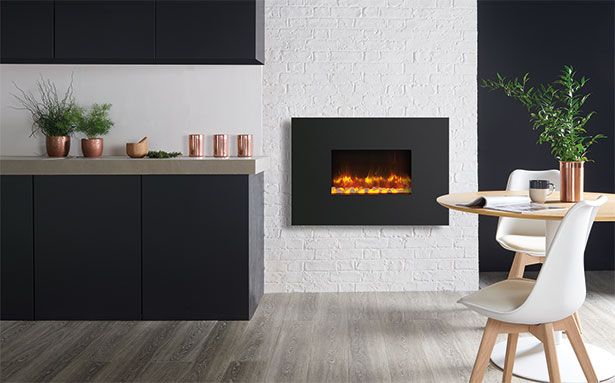
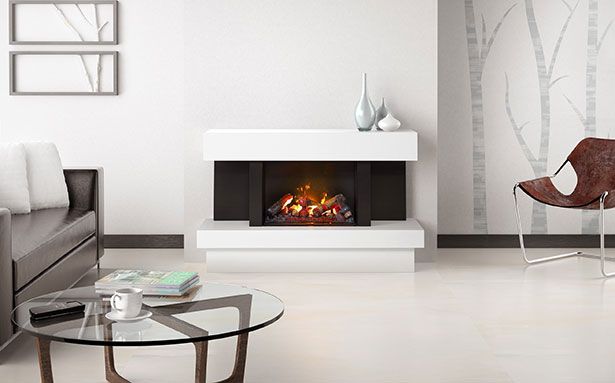
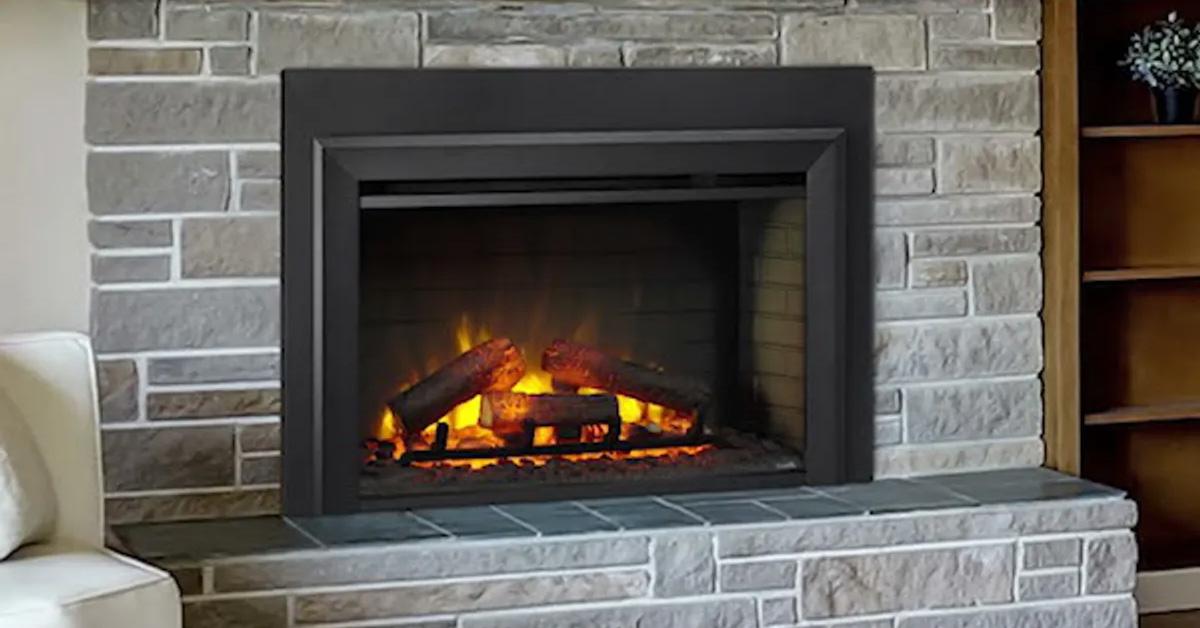
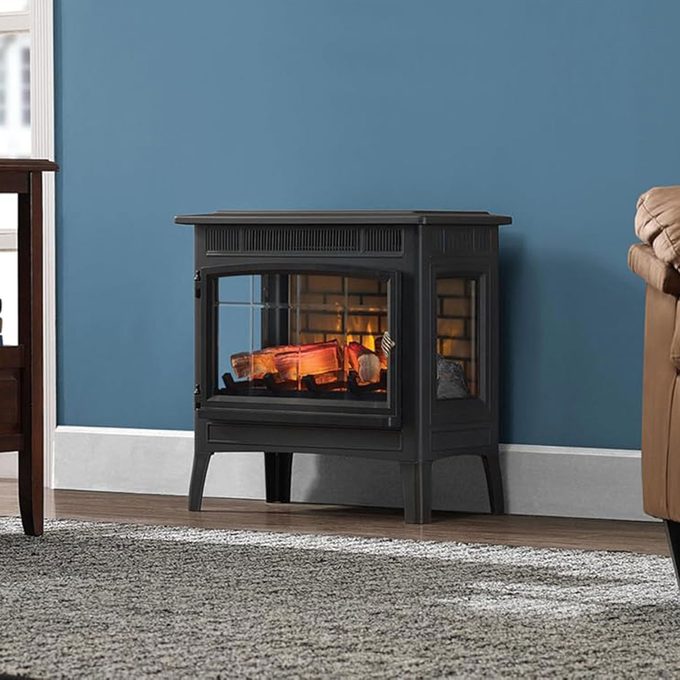
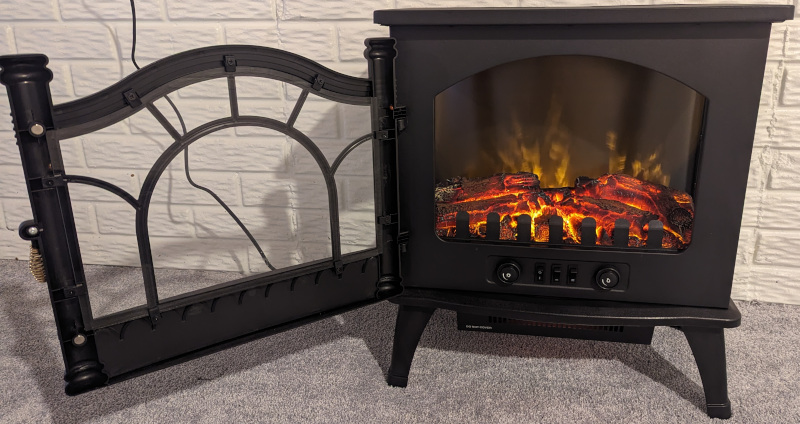
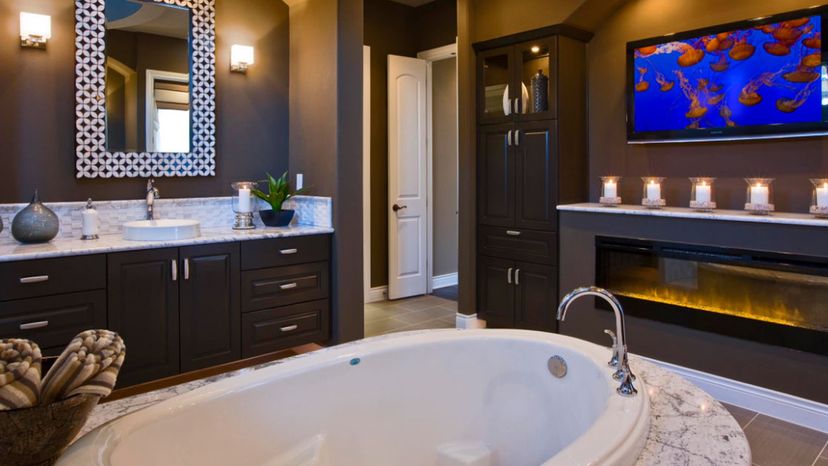
Electric fireplaces are gaining popularity due to their convenience, safety, and modern features, offering an alternative to traditional wood or gas fireplaces. These appliances function as heaters that mimic the aesthetic and warmth of real flames using electrical components. They are designed for simple and safe operation, requiring only a power outlet for installation and use. Unlike traditional fireplaces, electric models do not require venting or professional installation, allowing them to be placed in various locations such as bathrooms or kitchens. They contribute to a room's ambiance and can heat a space within minutes with a simple switch.
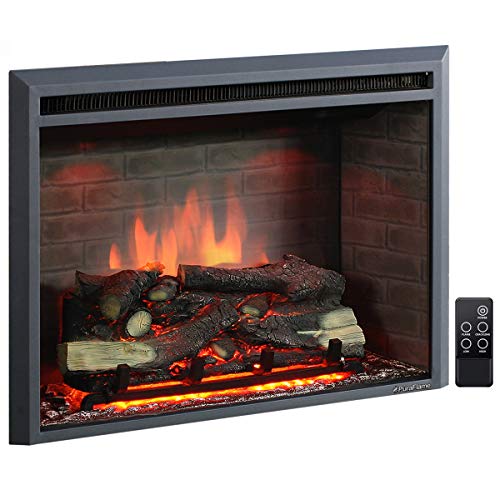
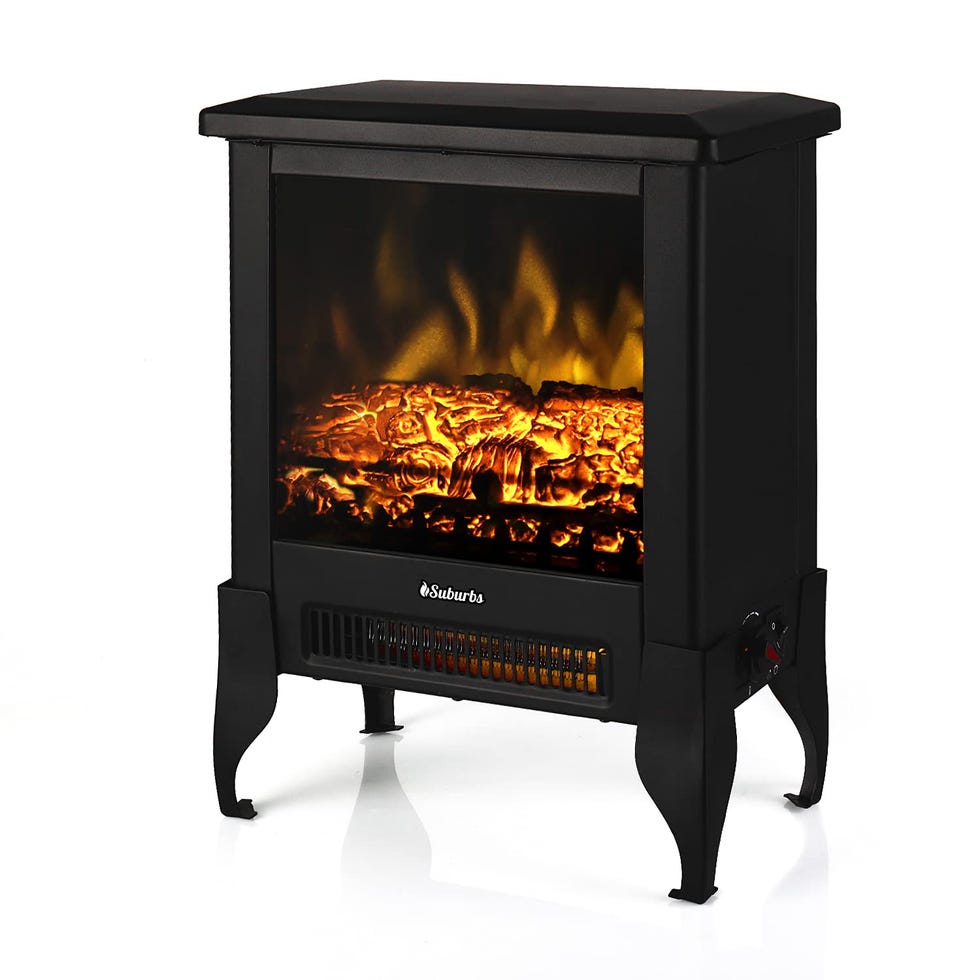
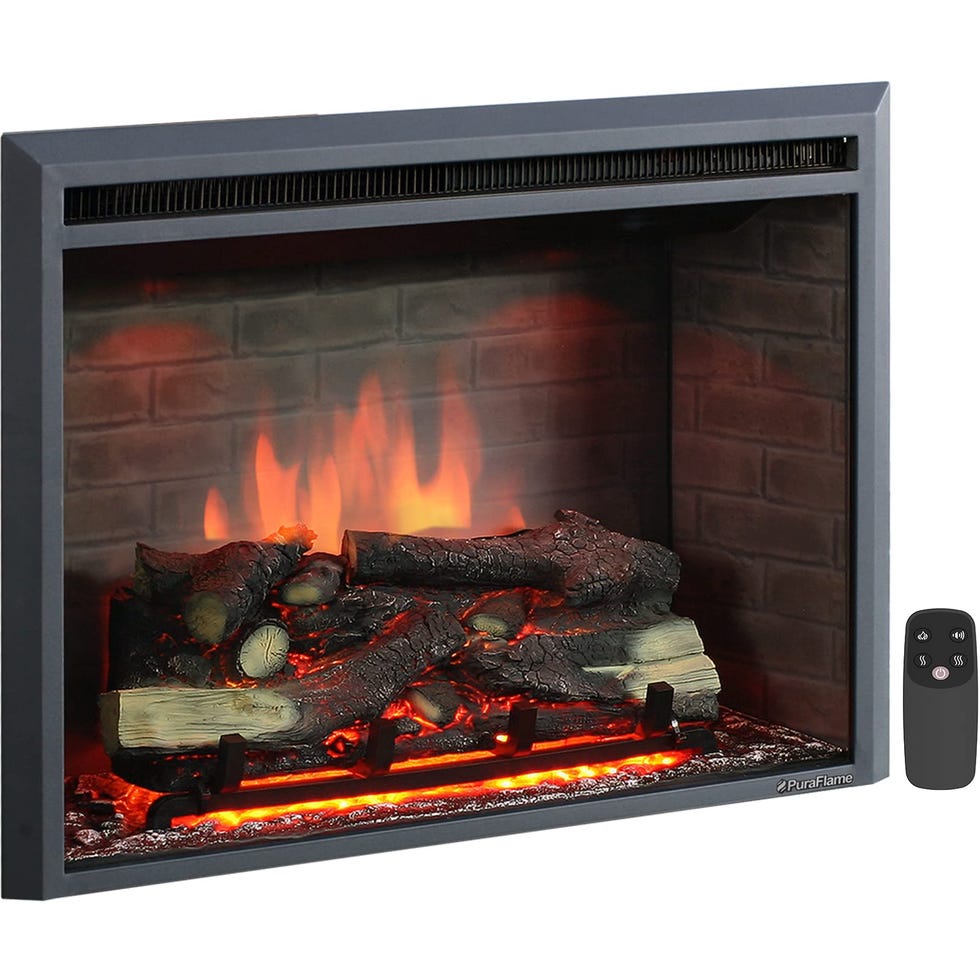
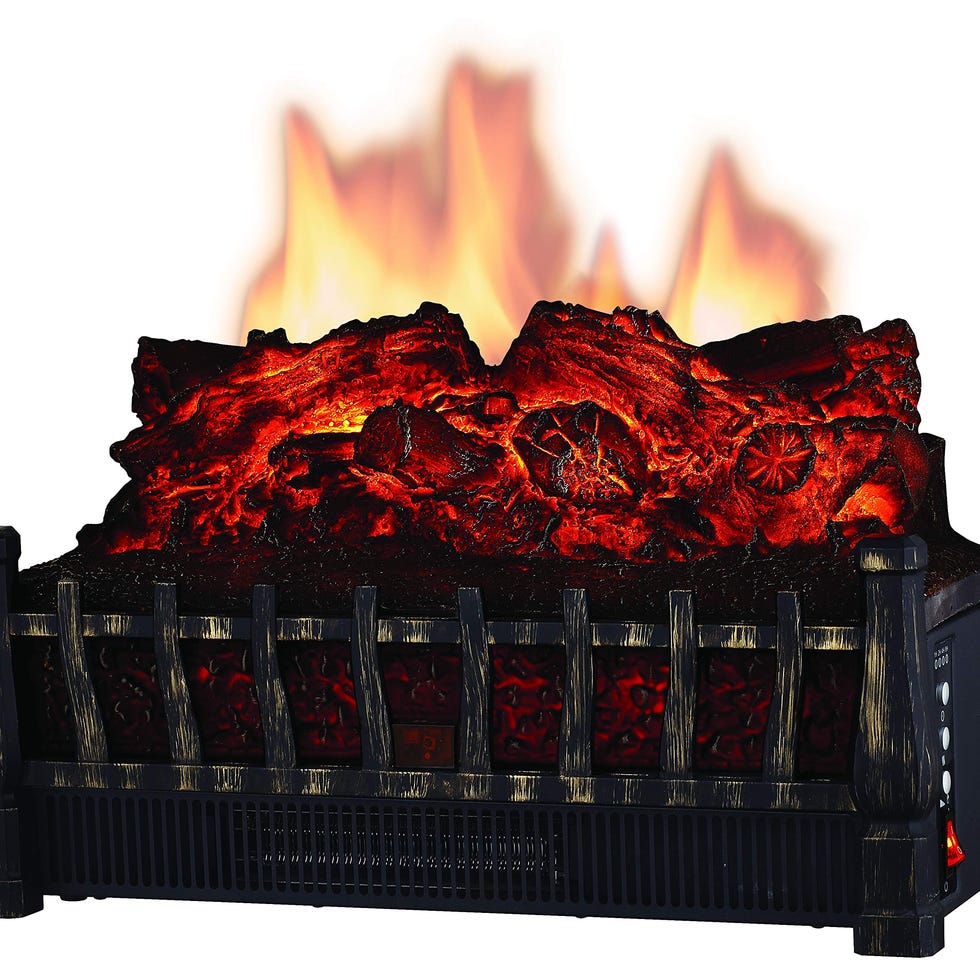
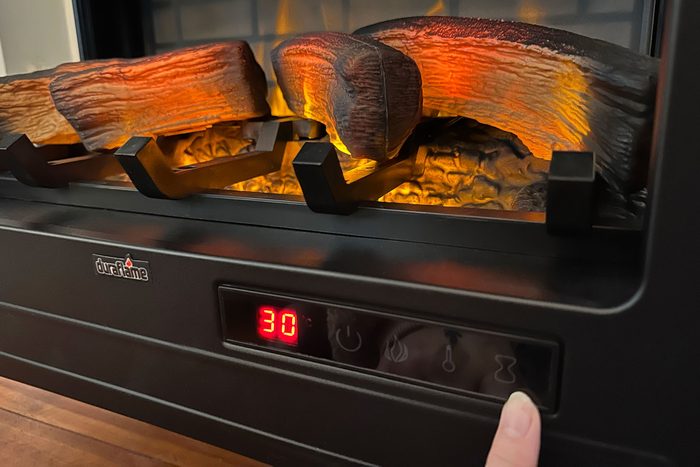
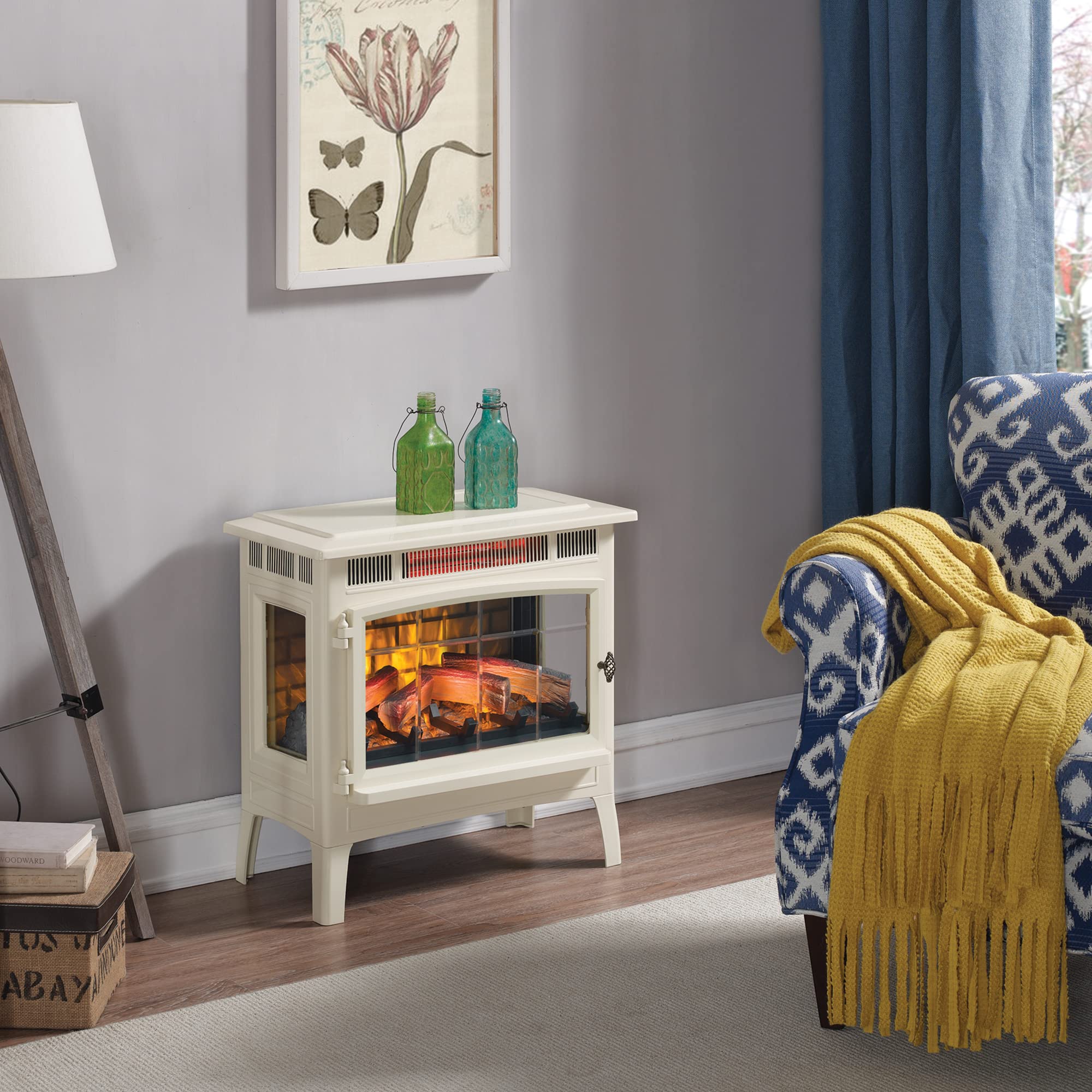
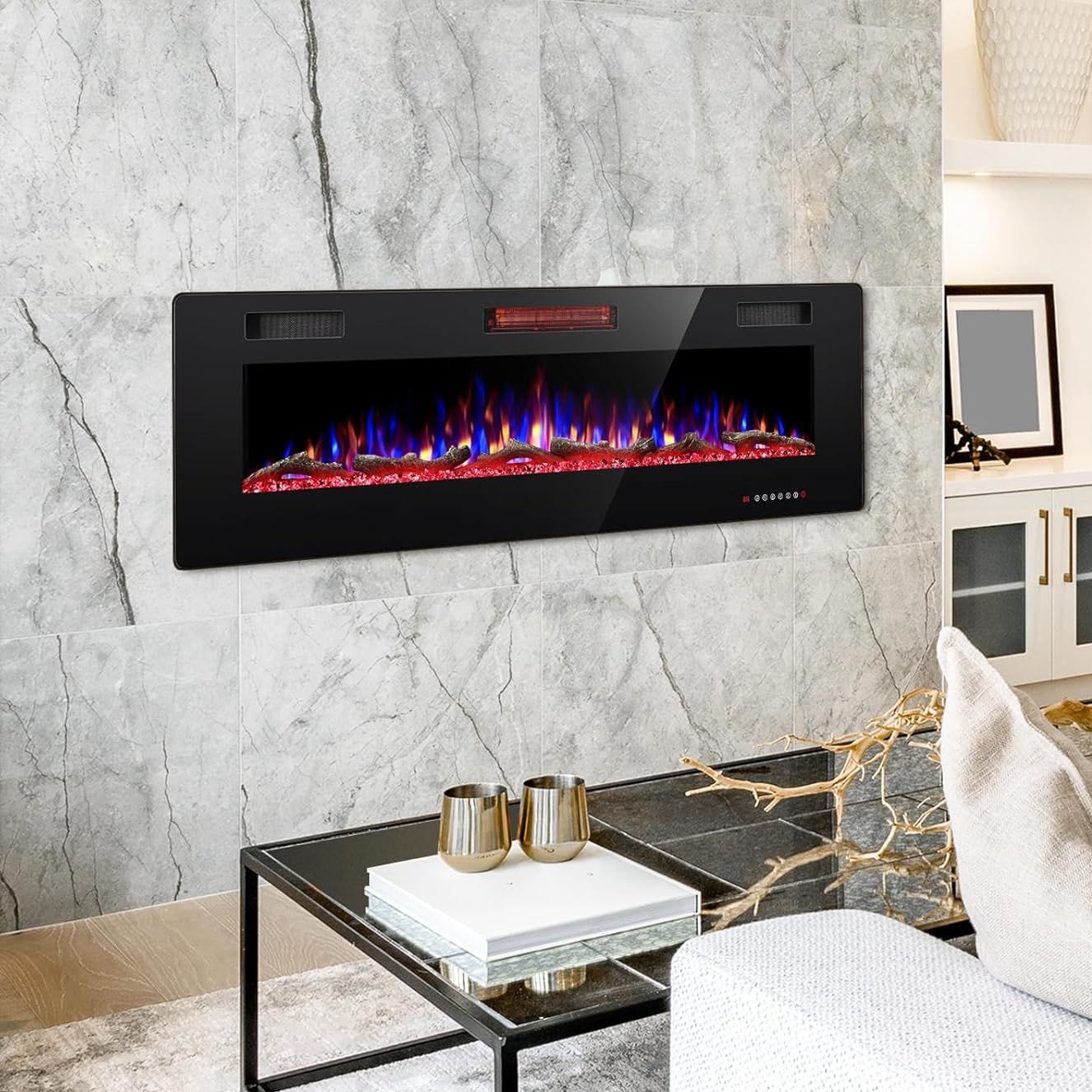
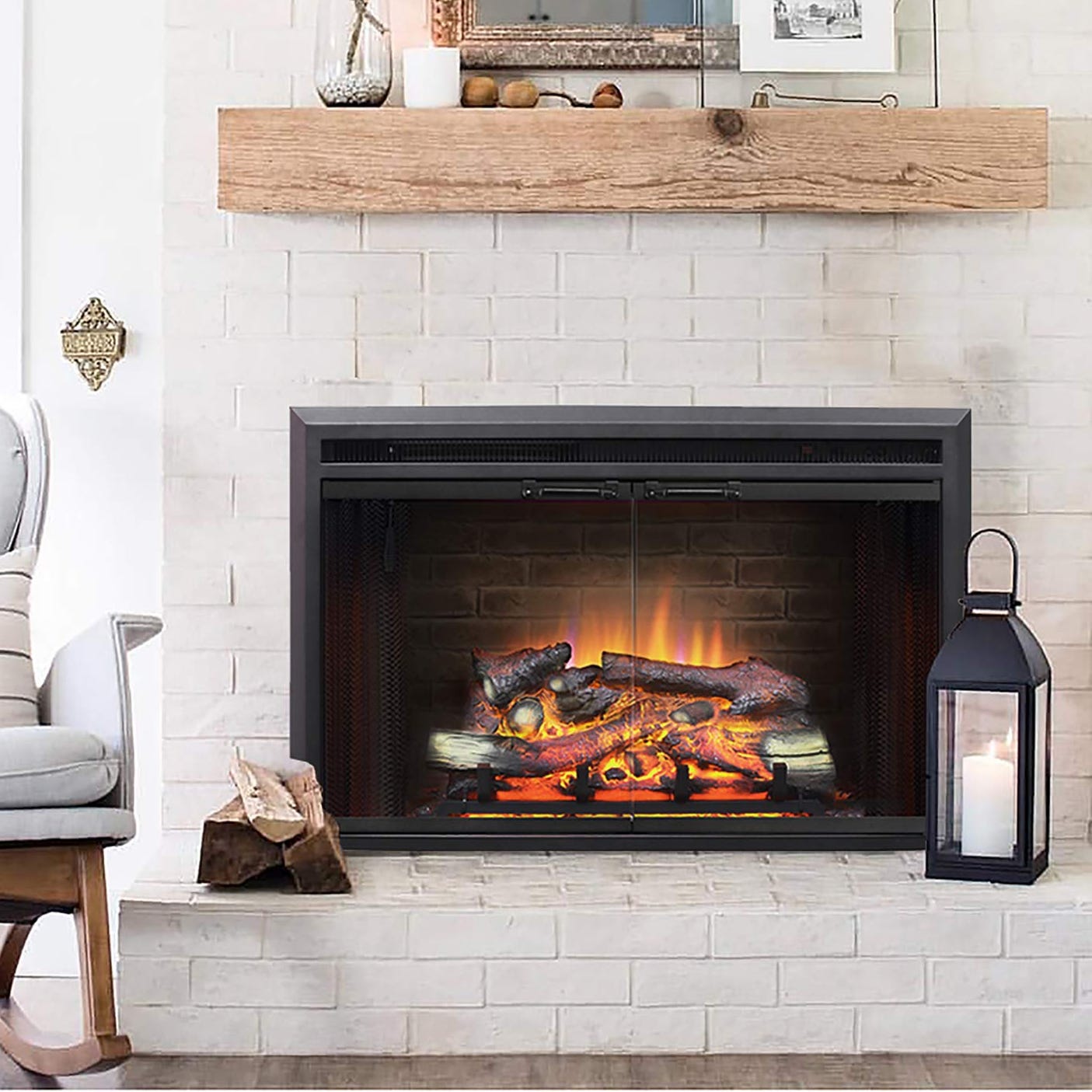
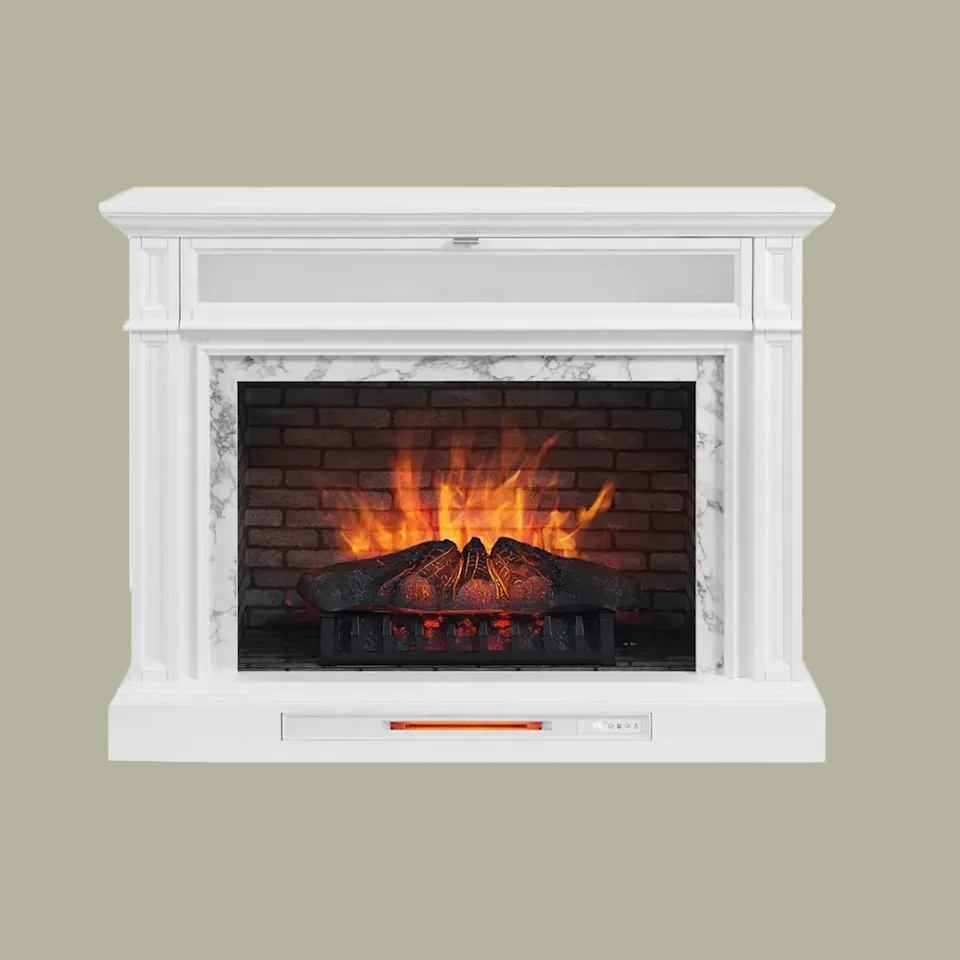
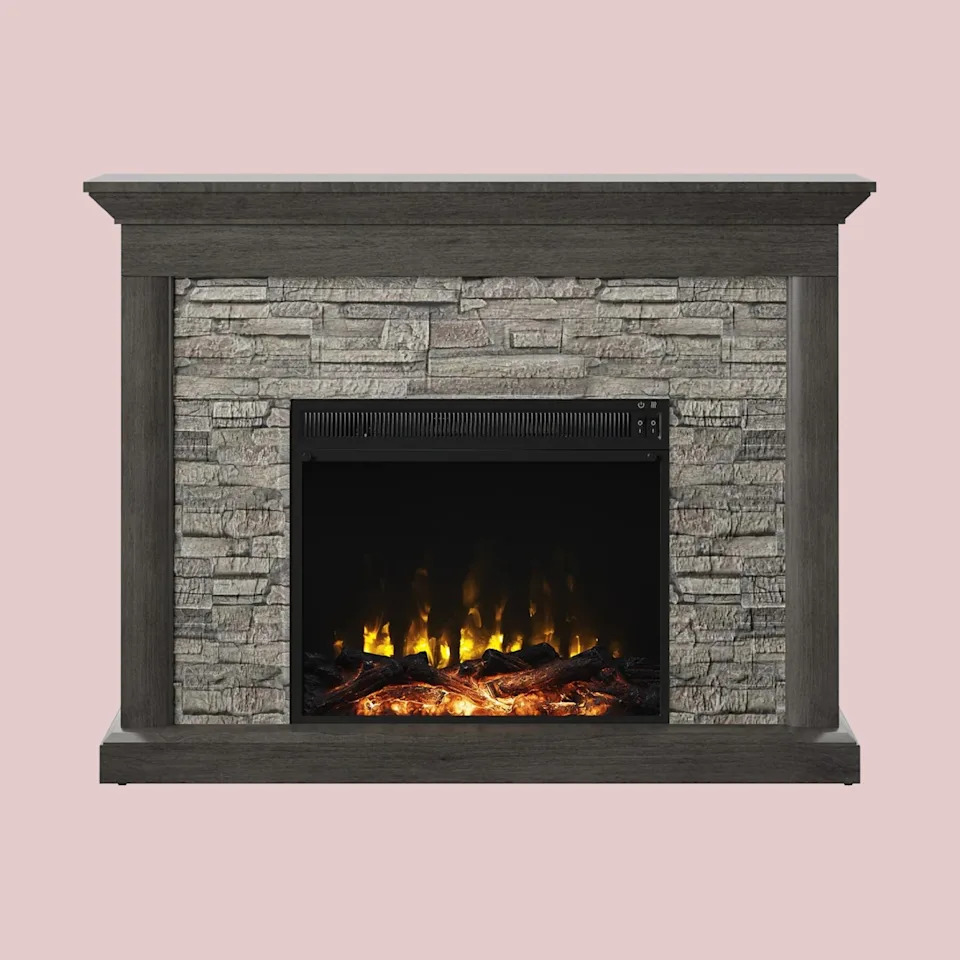
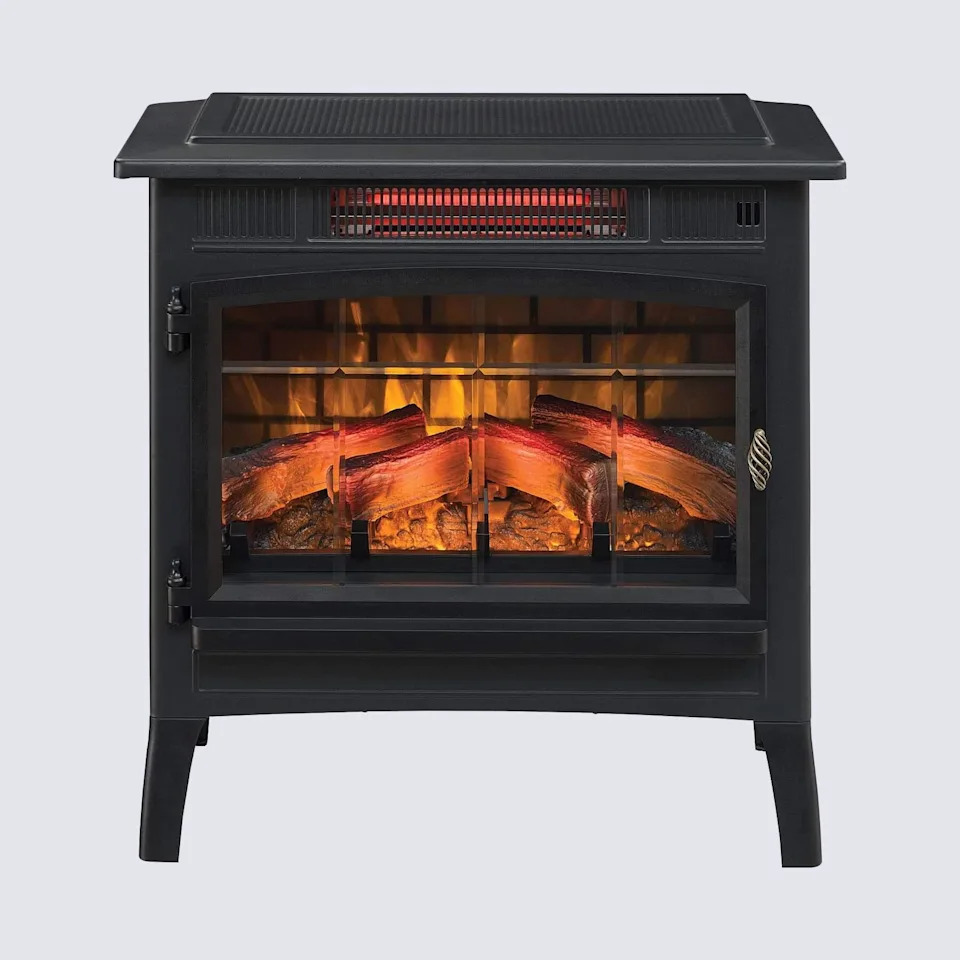
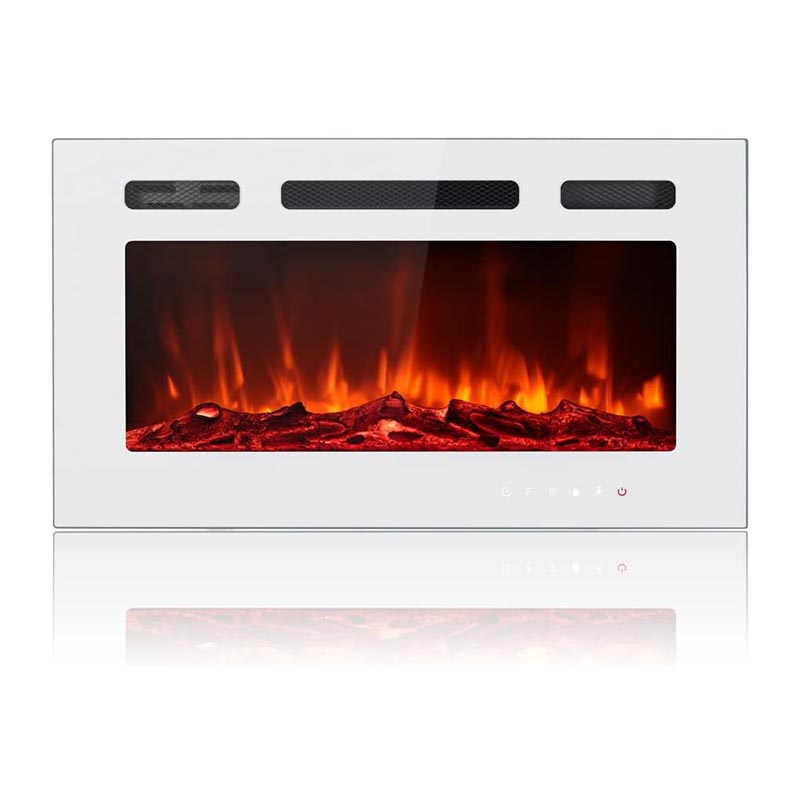
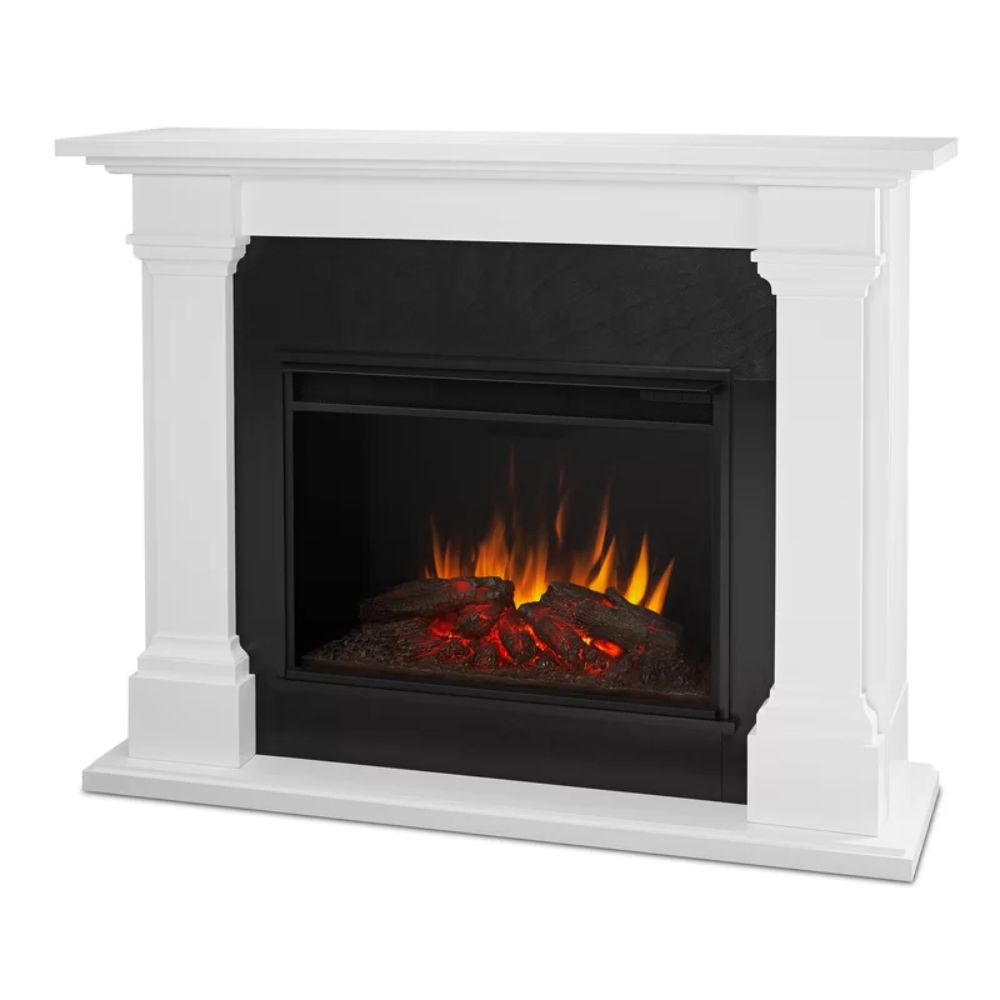
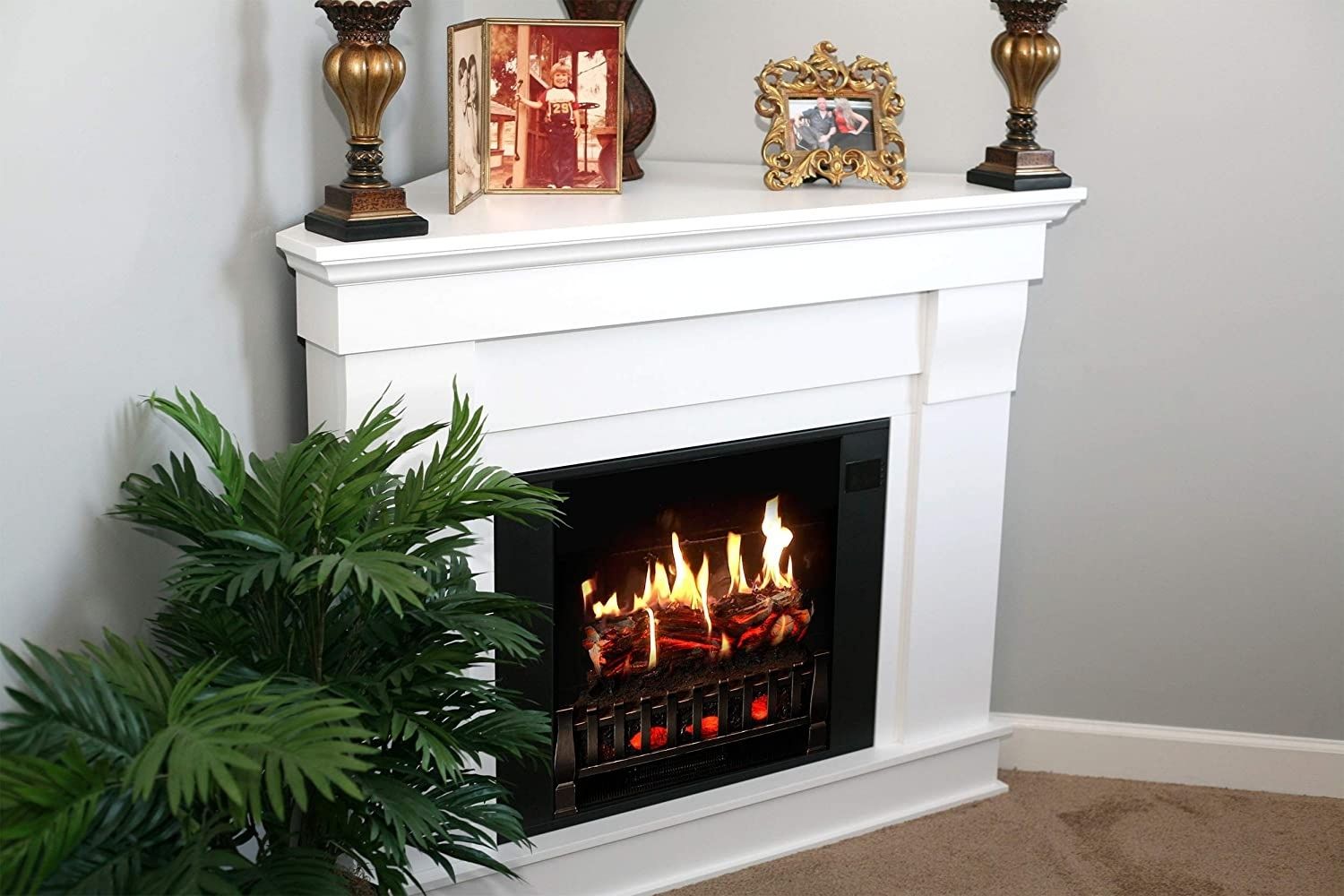
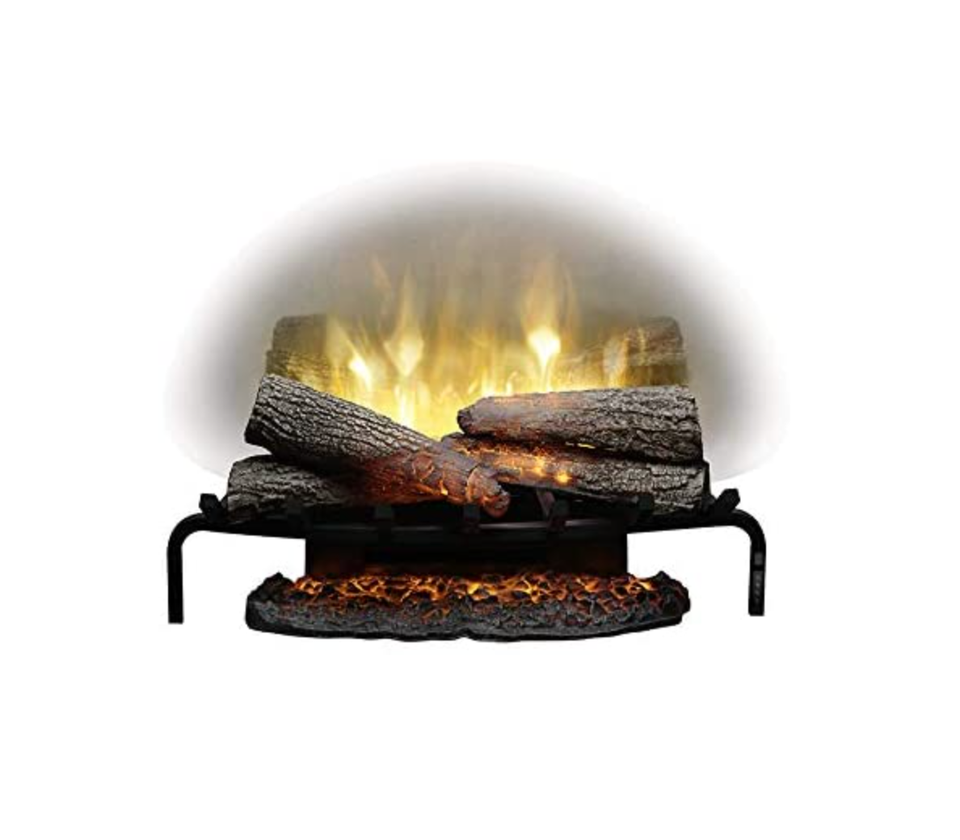
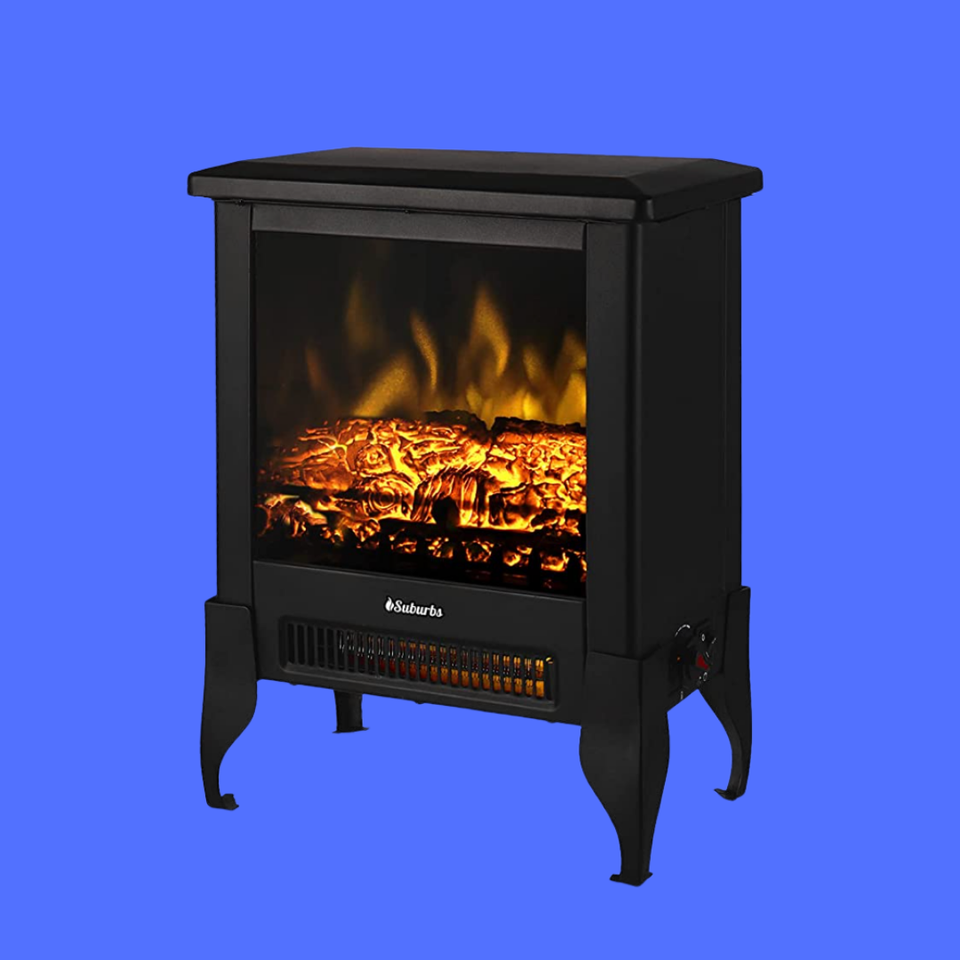
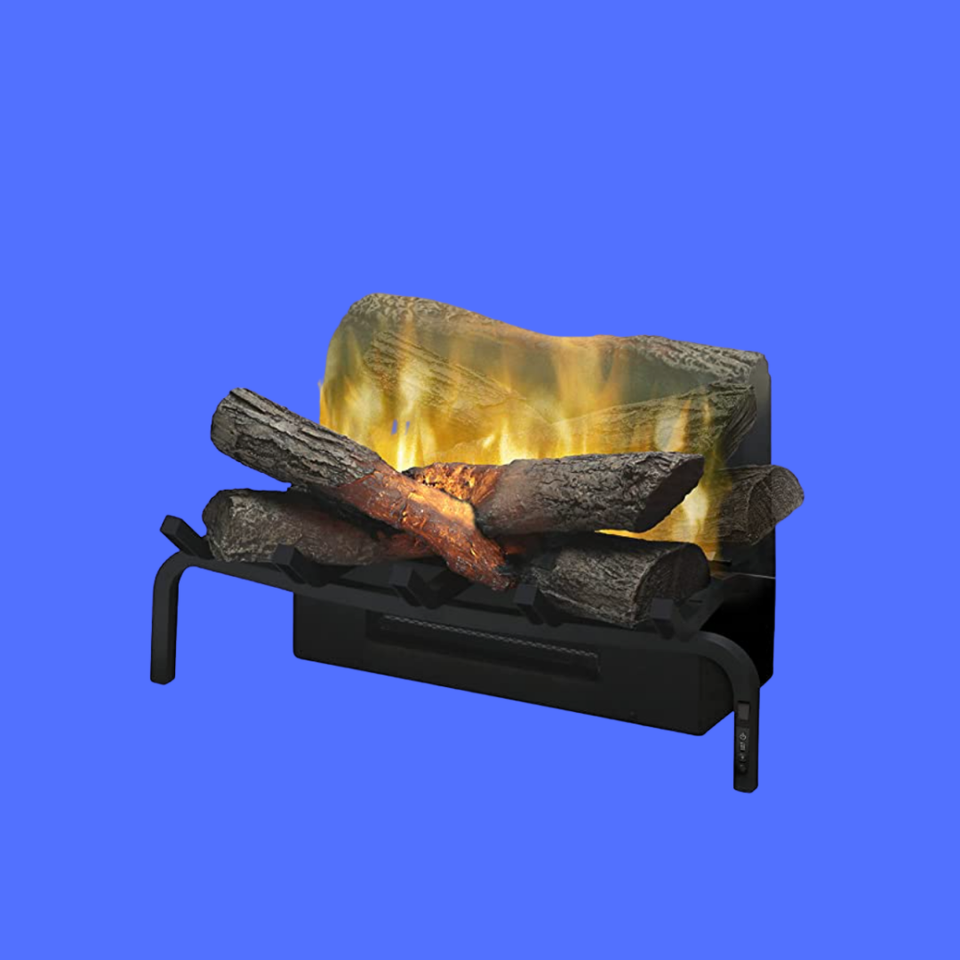
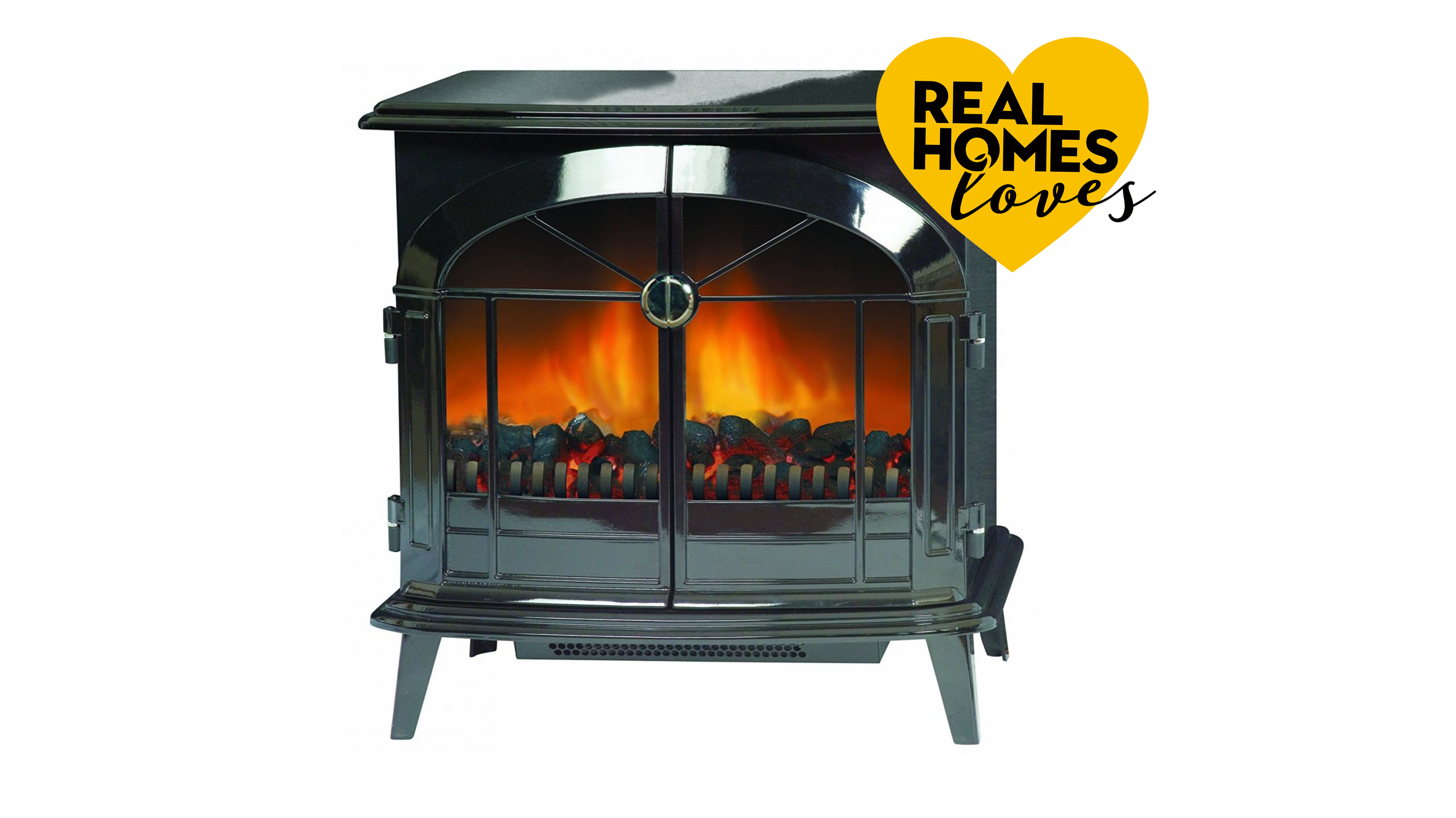
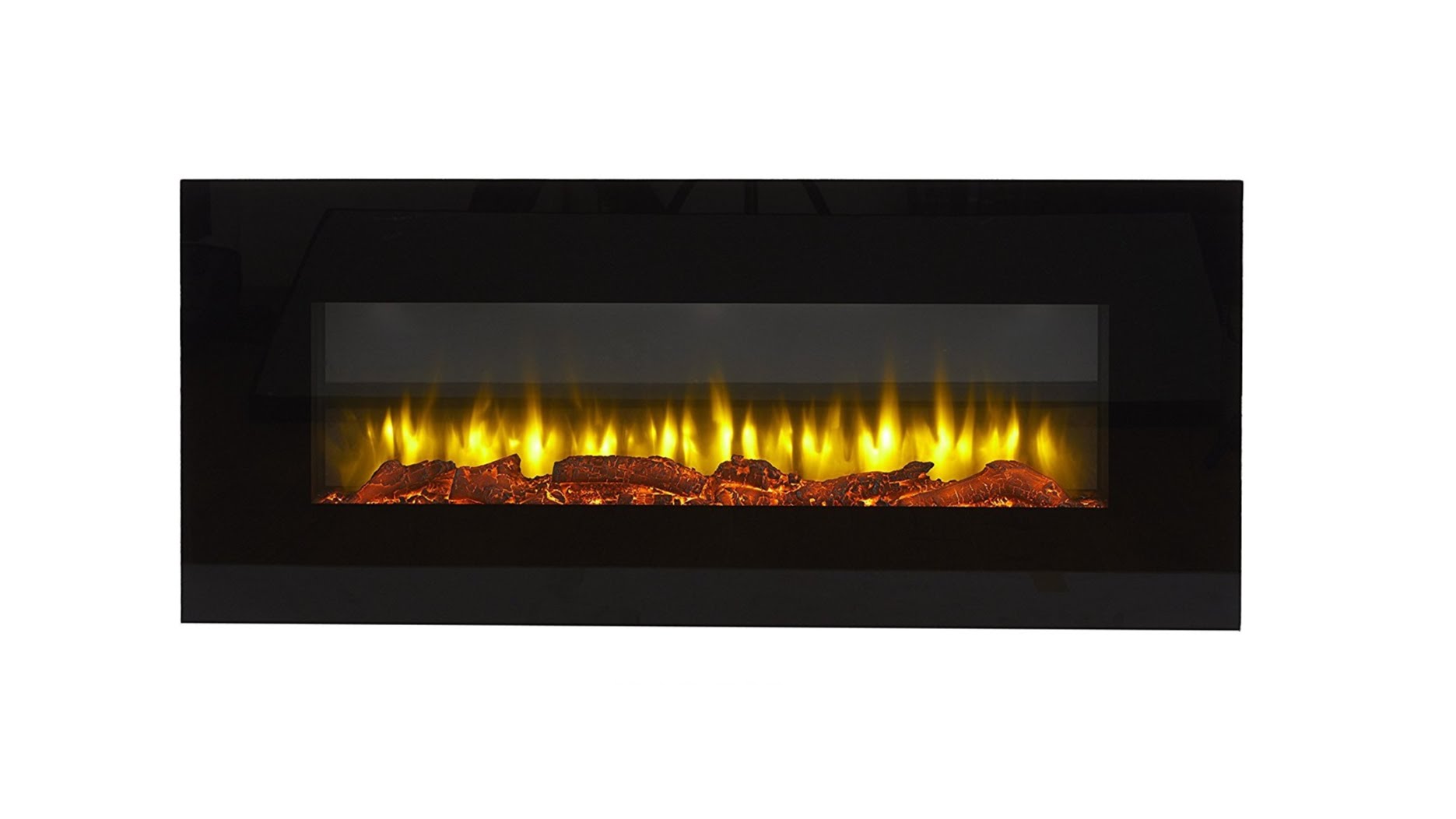
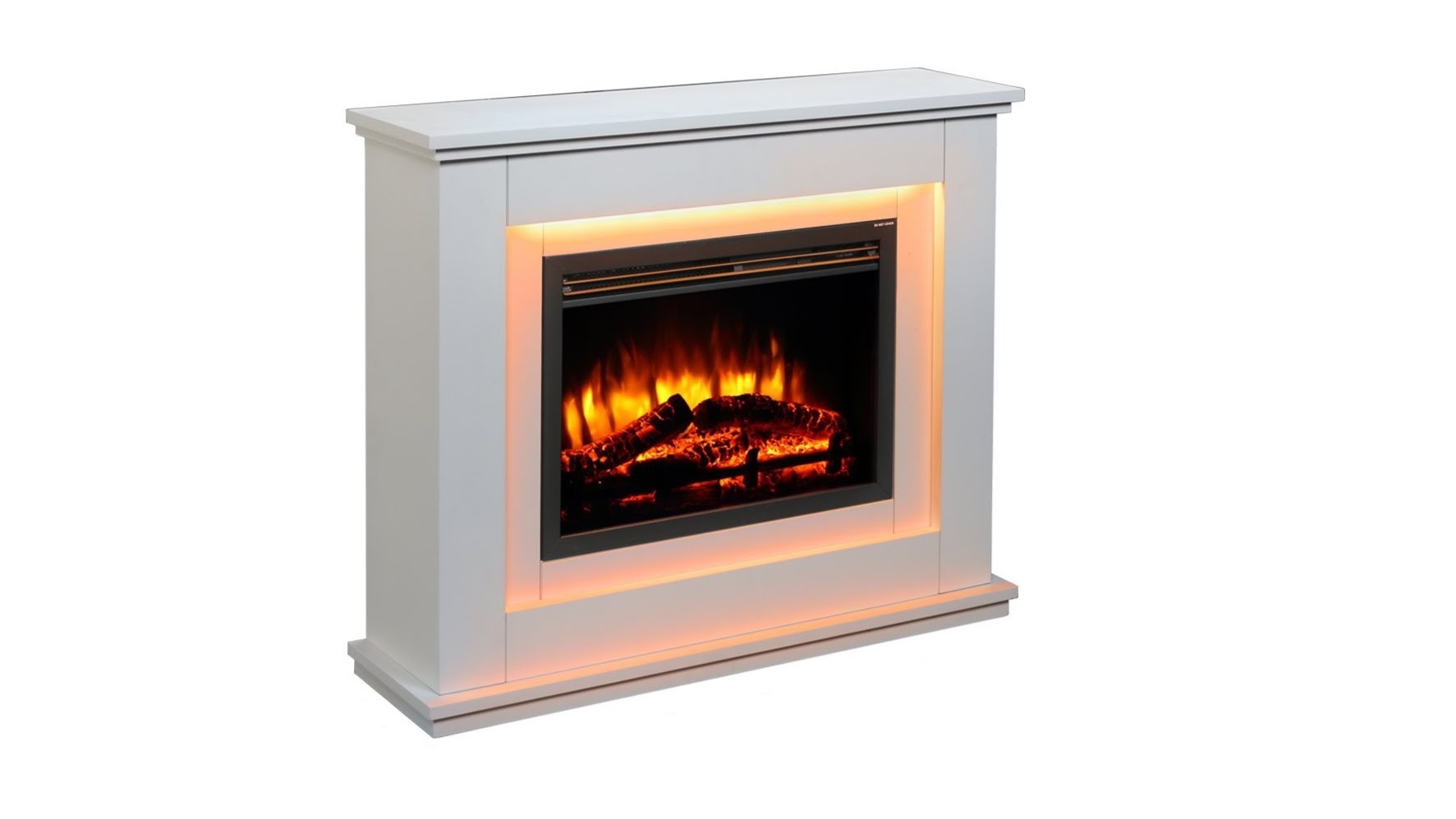
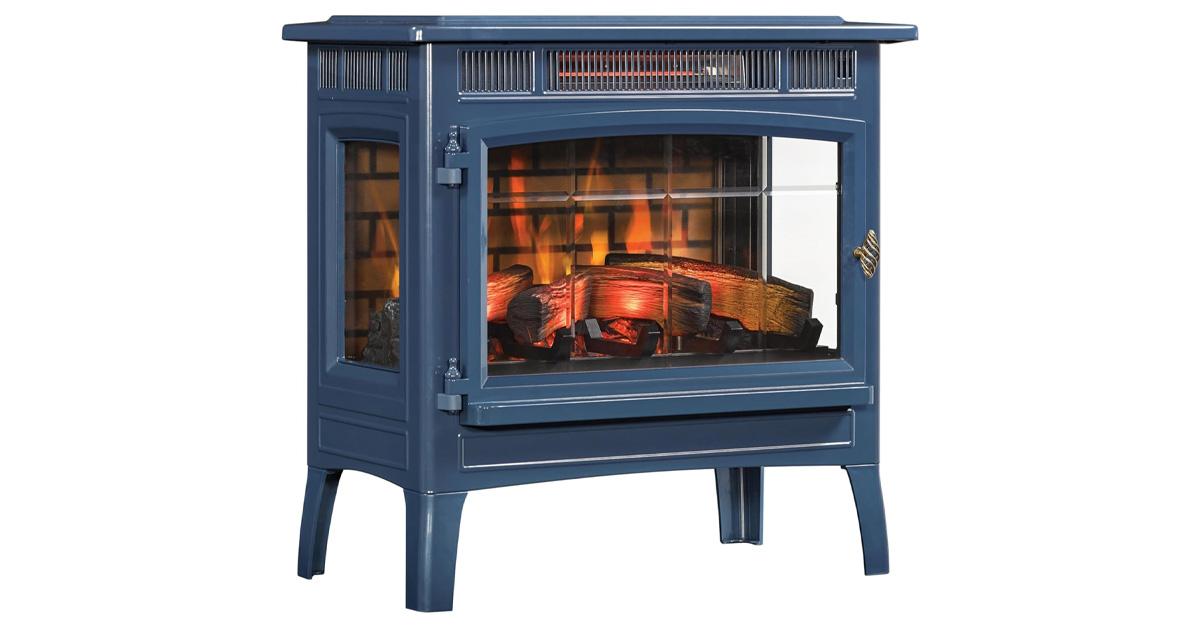
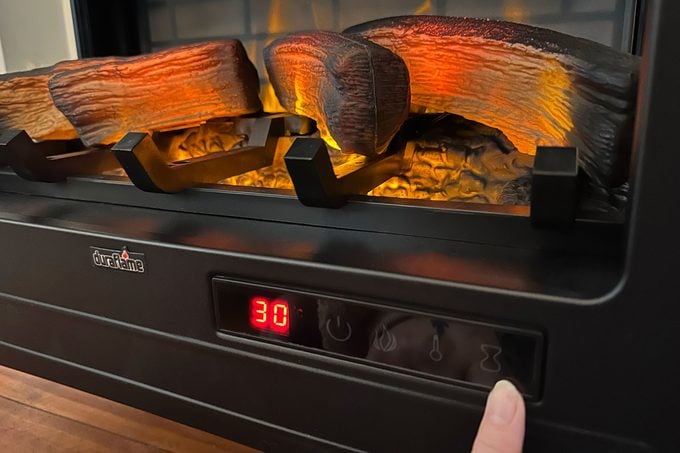
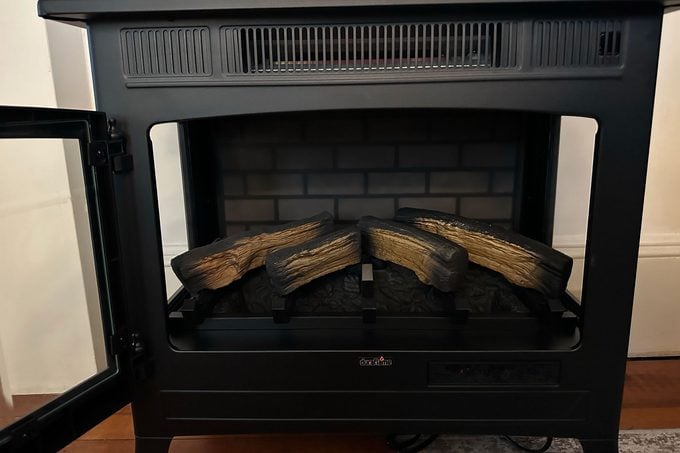
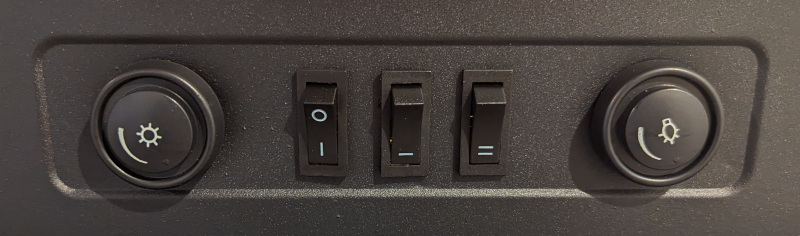
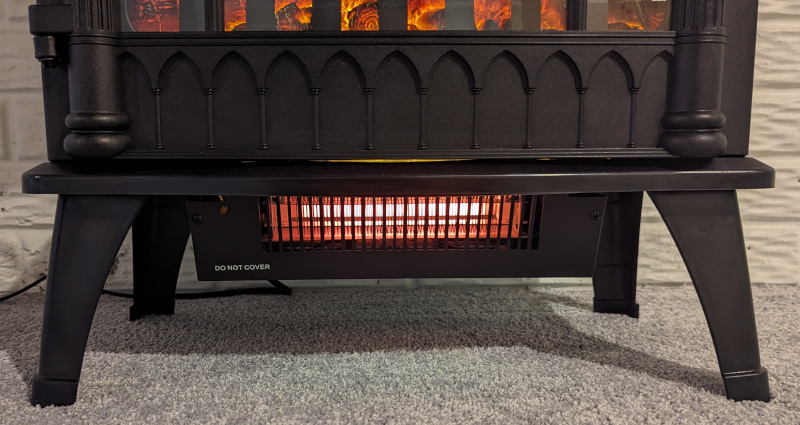
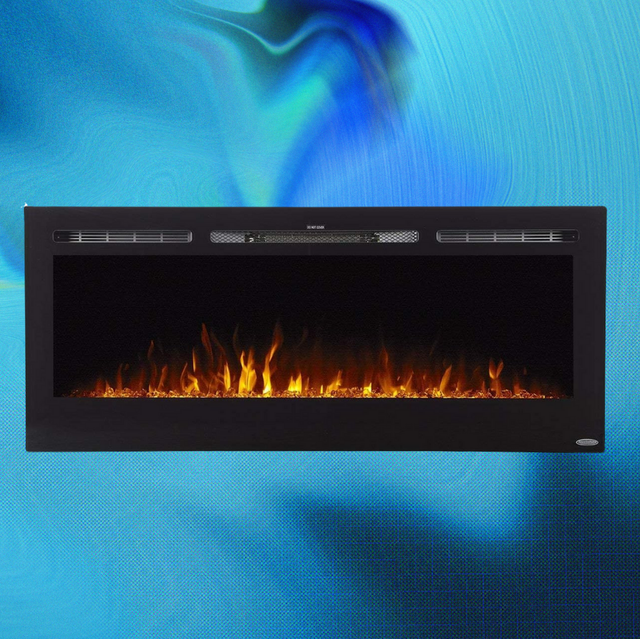
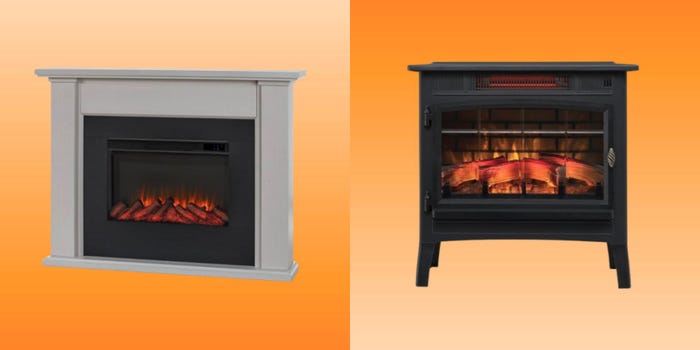
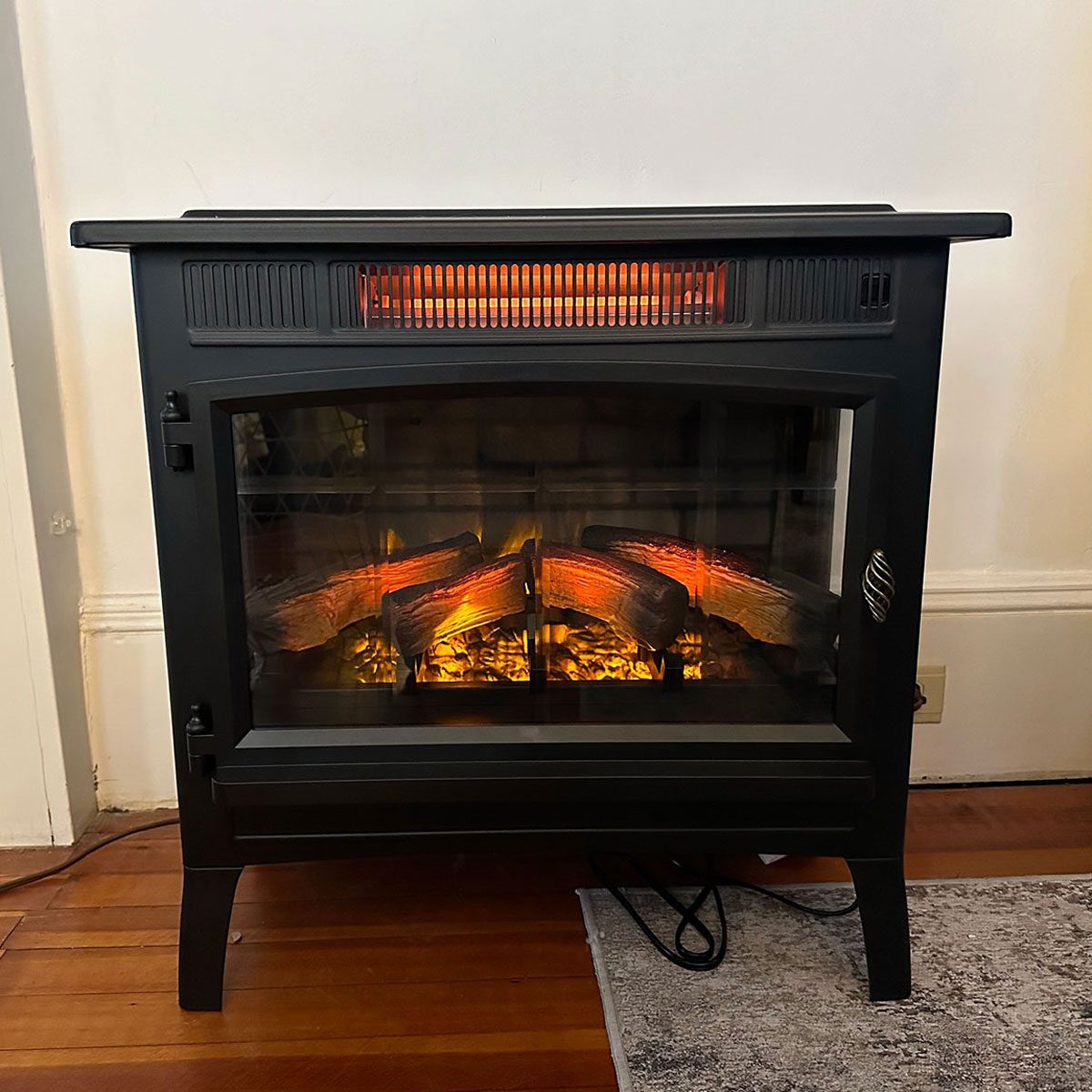
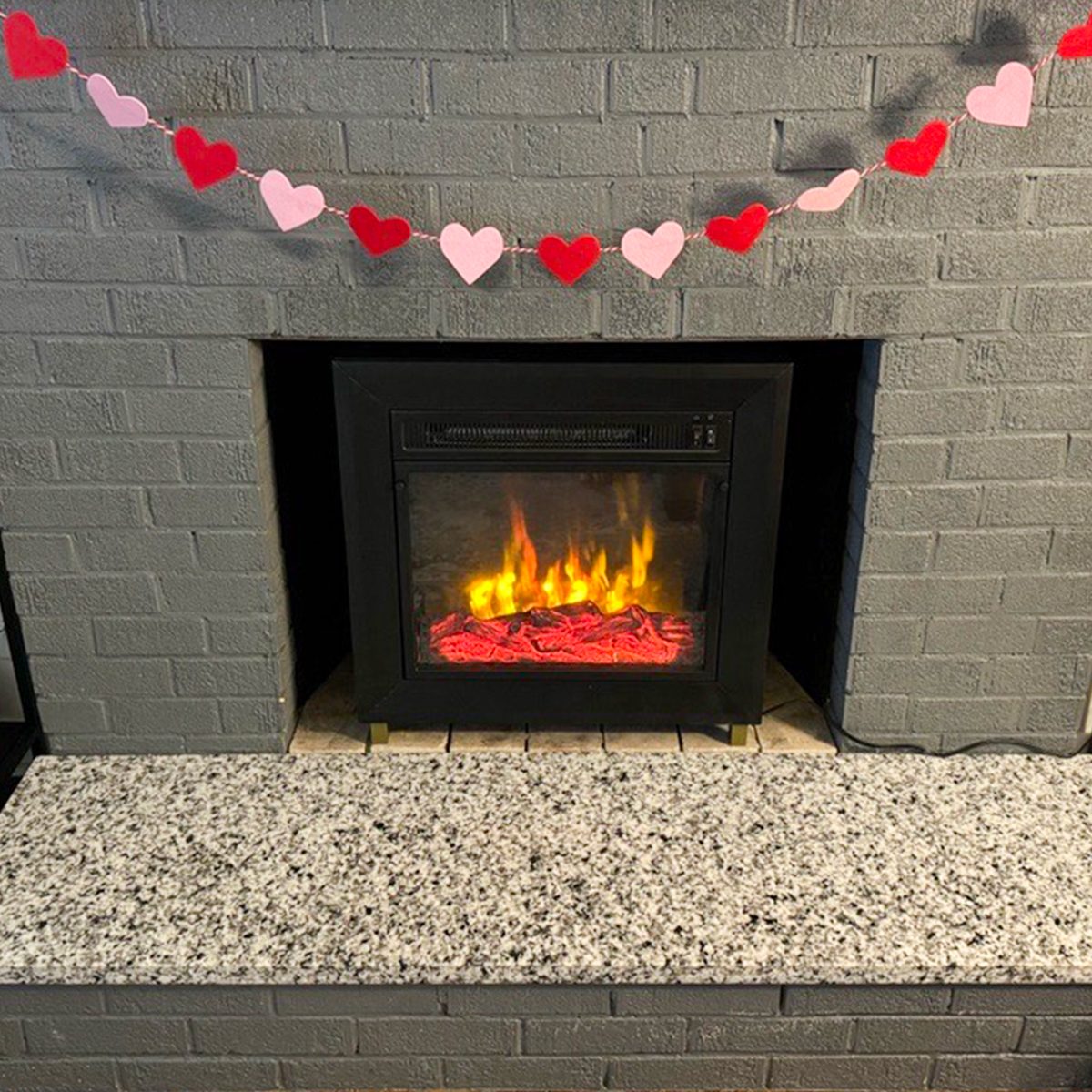
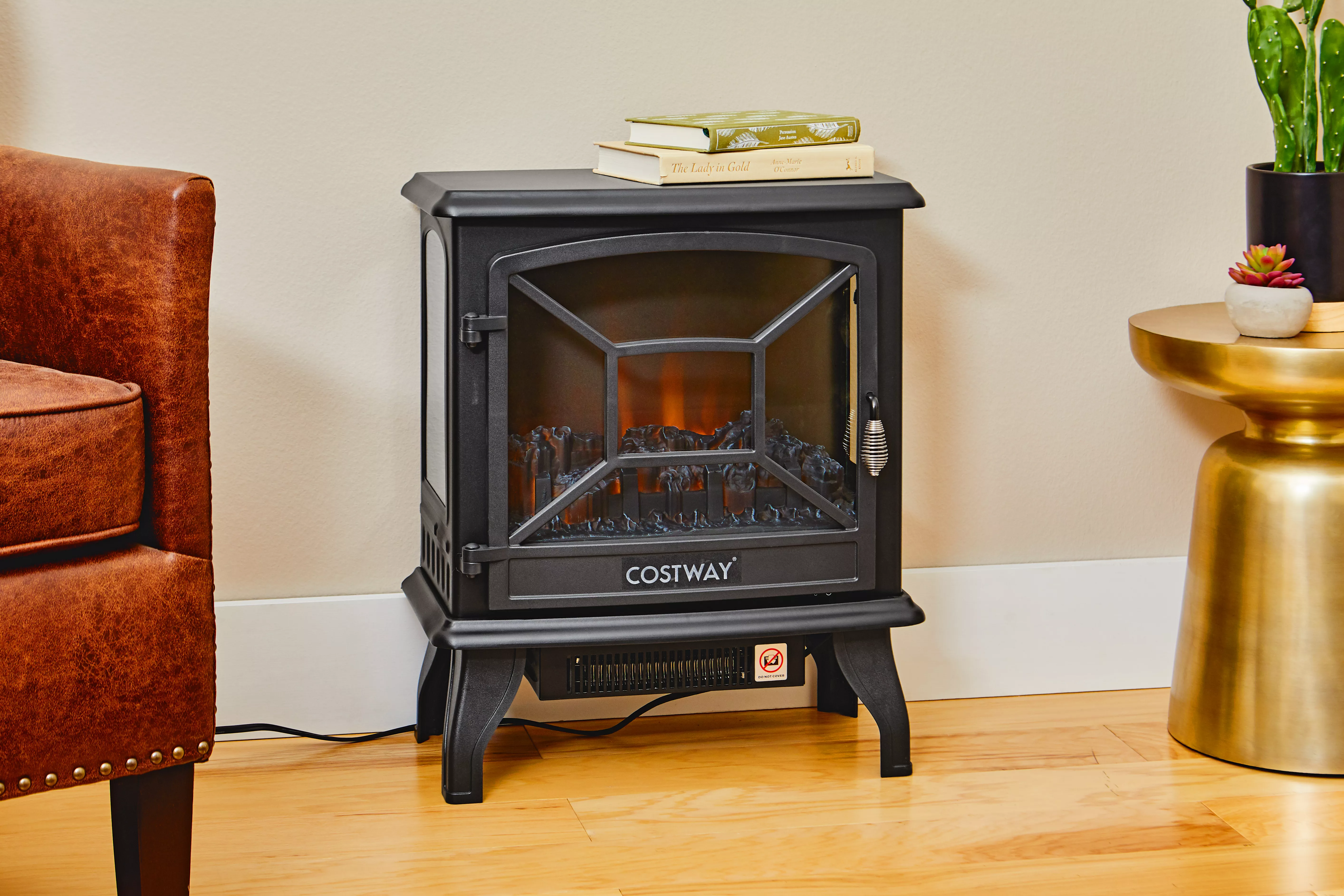
There are three main types of electric fireplaces: standalone models with a mantel and heater, custom versions for wall or furniture integration, and inserts for existing hearths. These devices generate heat through metal coils, with a blower motor distributing the warmed air. Some models also incorporate infrared technology for heating. Realistic flame effects are achieved by refractors reflecting light from LED bulbs, creating a flickering illusion. Certain fireplaces even include a crackling sound feature to enhance the authentic experience. While they are not substitutes for central heating systems, electric fireplaces are effective for warming immediate spaces, typically producing around 4,000 BTUs, sufficient for a 400-square-foot room. A significant advantage is their 100-percent heat containment, contrasting with traditional fireplaces that lose approximately 50 percent of their heat through chimneys.
The benefits of electric fireplaces include low operating costs, as they eliminate the need for wood or gas. They consume about 1,500 watts of electricity, costing roughly 8-9 cents per hour for heating, and even less for flame-only operation. The annual operating cost for an average homeowner ranges from $50 to $100. Installation is easy, as they work with standard 120-volt outlets, and some larger models are compatible with 240-volt outlets. Electric fireplaces are mess-free because they do not produce real flames, soot, or ash, requiring no chimney cleaning or inspection. They are also safer, emitting no hazardous byproducts or cancer-causing agents, unlike wood-burning fireplaces which release dangerous fumes like carbon dioxide and monoxide. They can even be used safely in bathrooms if rated for moisture-prone areas.
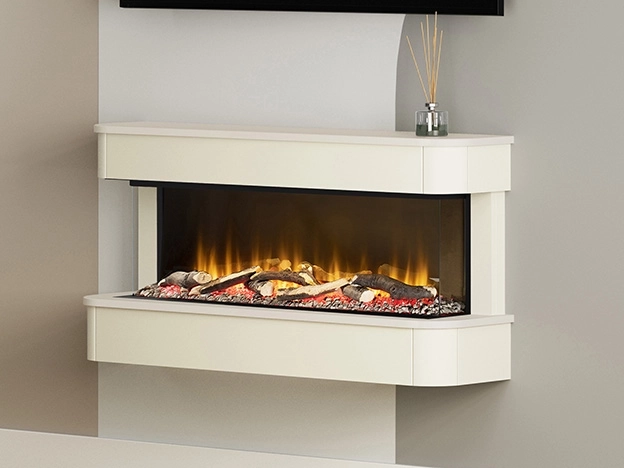
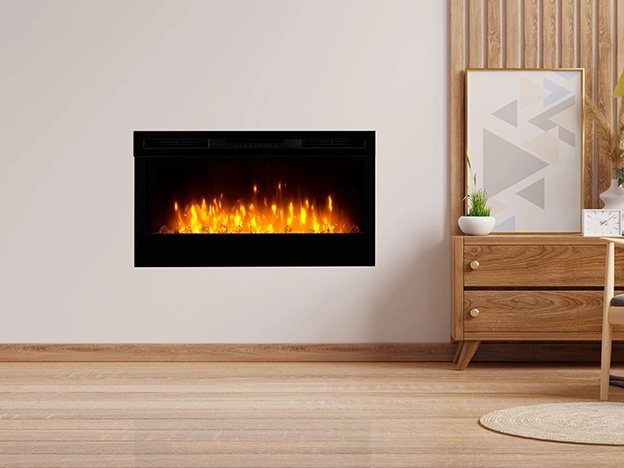
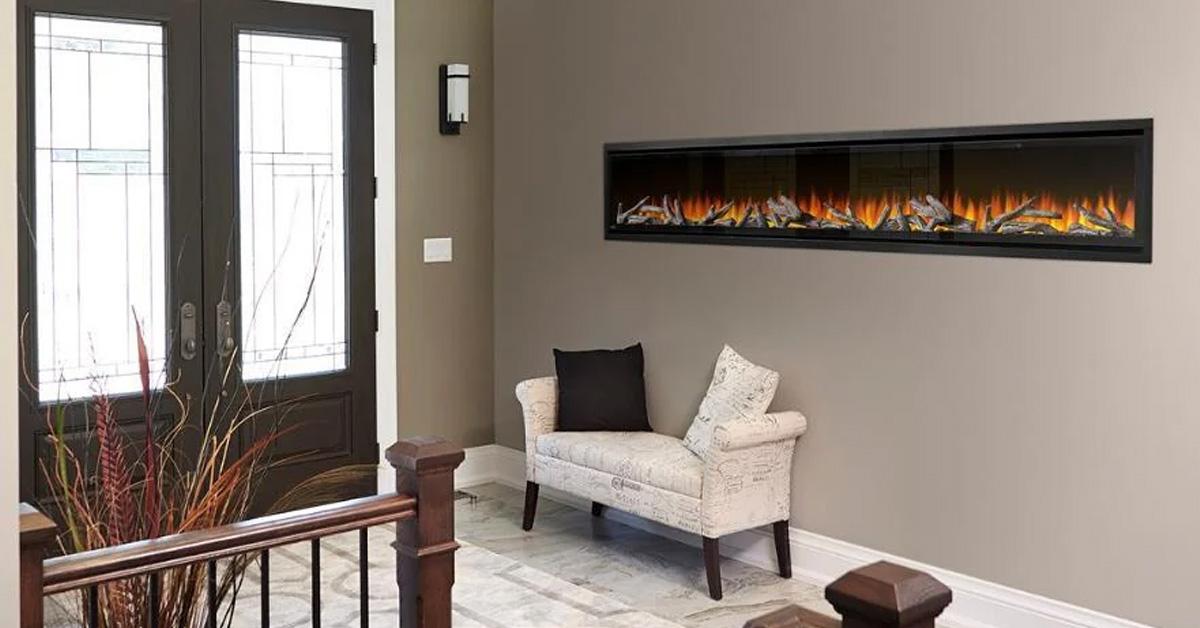
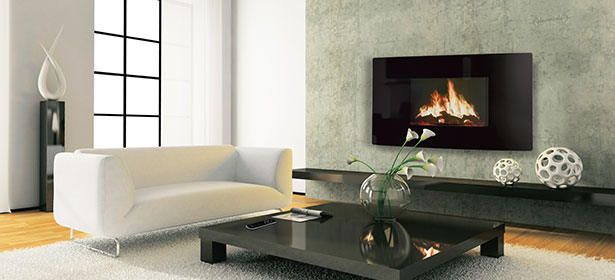
Electric fireplaces offer extensive customization options to complement any home decor. They are suitable for spaces where traditional fireplaces cannot be installed, such as apartments, condos, small homes, and RVs. They can also be integrated into furniture like bookshelves or entertainment centers. Custom accessories, such as different log installments (e.g., burnt driftwood, black rocks, natural river rocks, white stones), allow for further aesthetic modification. LED light sets enable users to change the flame color to options like orange, red, pink, and blue, enhancing the modern appeal. Historically, electric fireplaces were used in American playhouses as early as 1912 and became common in homes during the midcentury modern period of the 1950s and '60s, with realistic flame effects evolving in the '80s and '90s.
#ElectricFireplaces #HomeHeating #InteriorDesign #HomeImprovement #EnergyEfficiency #ModernHome #SafetyFeatures #DIYHome #ElectricFireplaces #HomeHeating #InteriorDesign #HomeImprovement #EnergyEfficiency #ModernHome #SafetyFeatures #DIYHome
0 comment in total
 No comments yet
You may also like
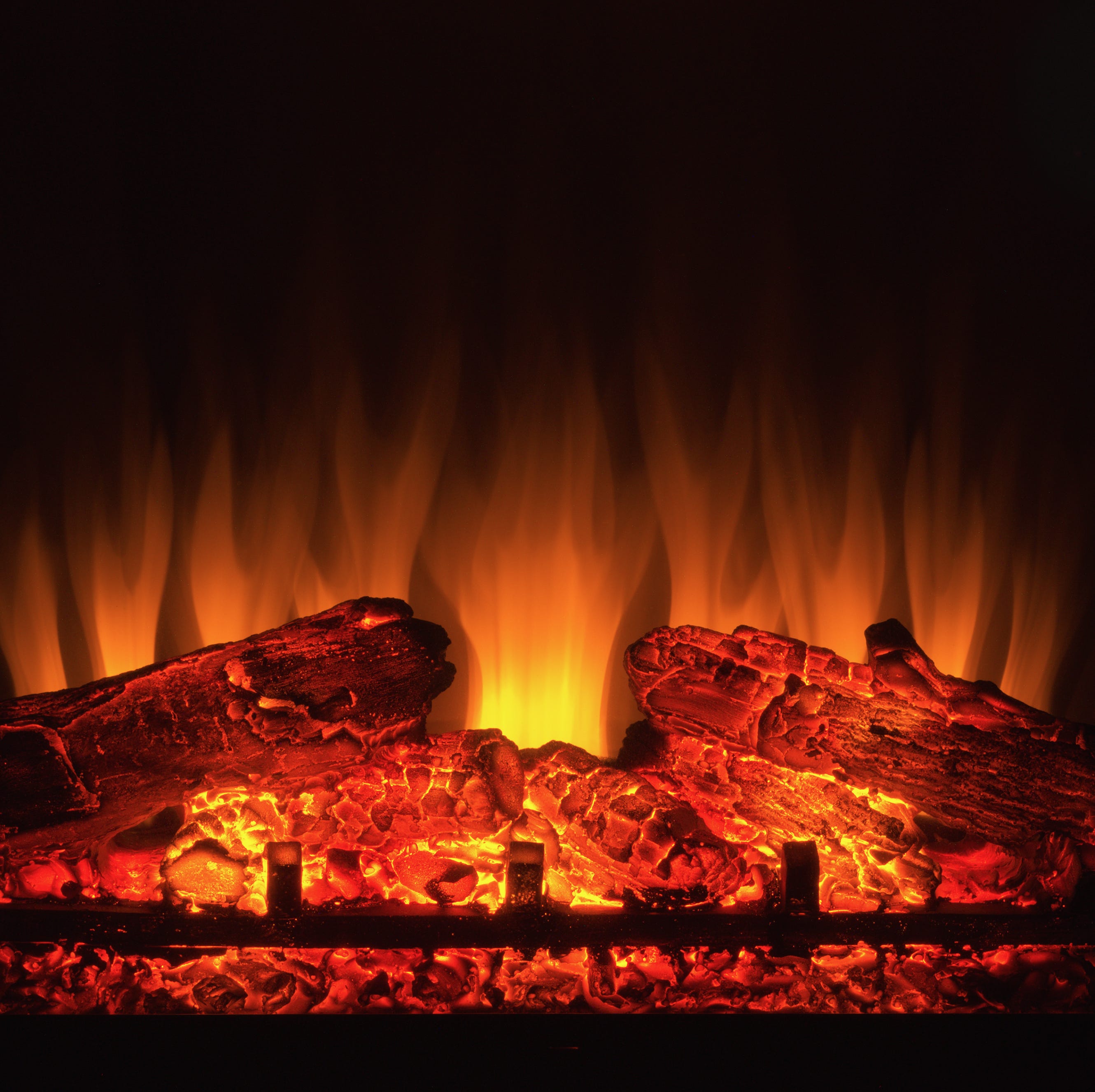
Take the Chill Off with an Electric Fireplace
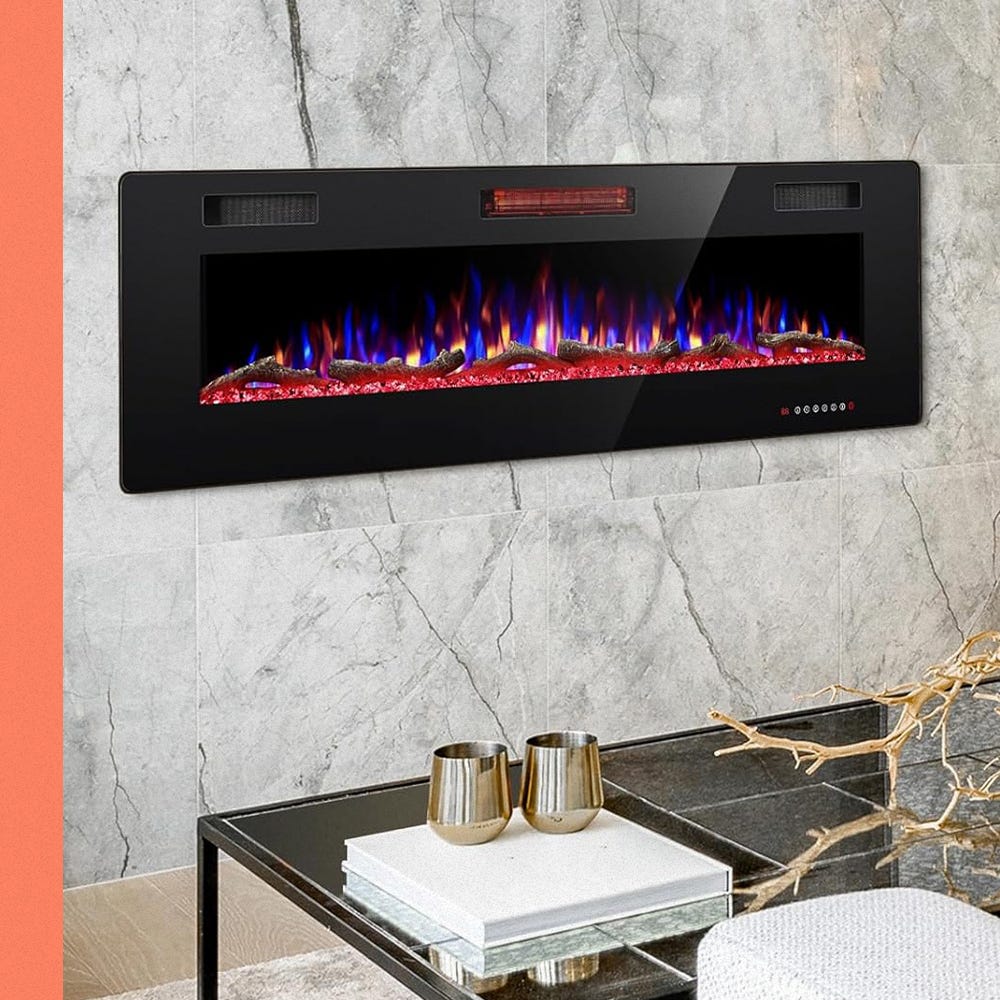
Turn Your Home Into a Cozy Winter Retreat With Our Favorite Electric Fireplaces
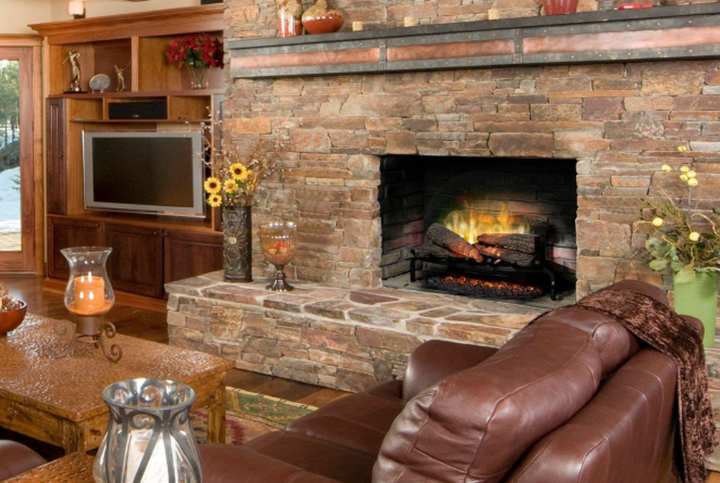
The Most Realistic Electric Fireplaces And Fireplace Inserts
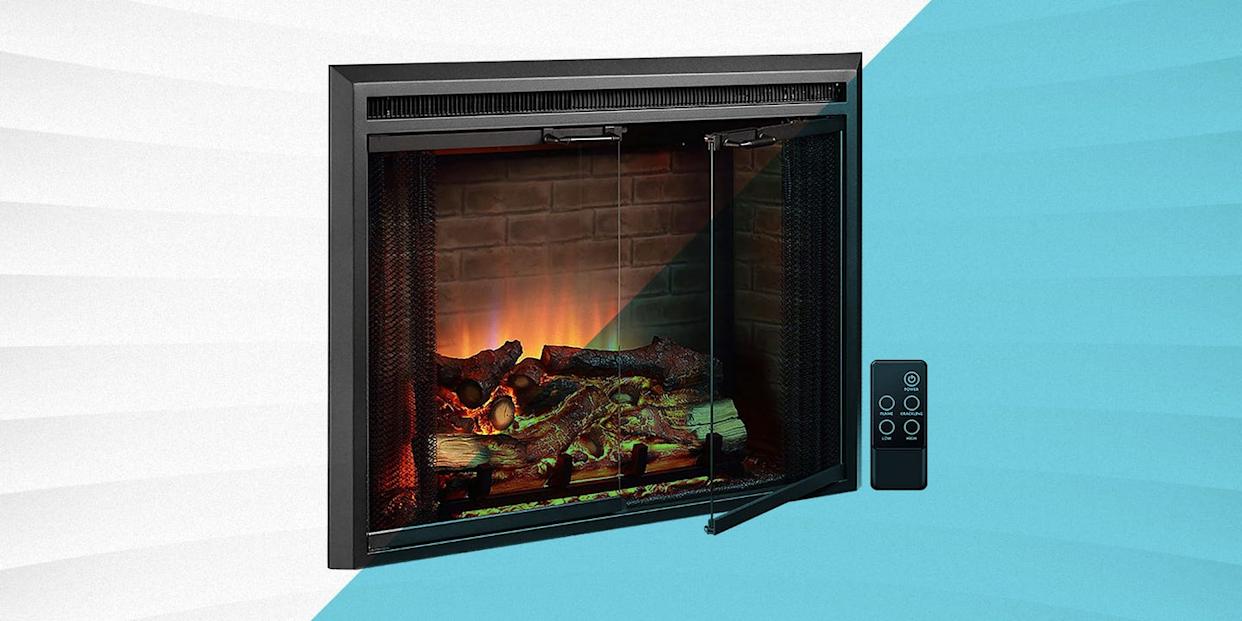
These Electric Fireplaces Will Turn Your Home Into a Cozy Winter Retreat
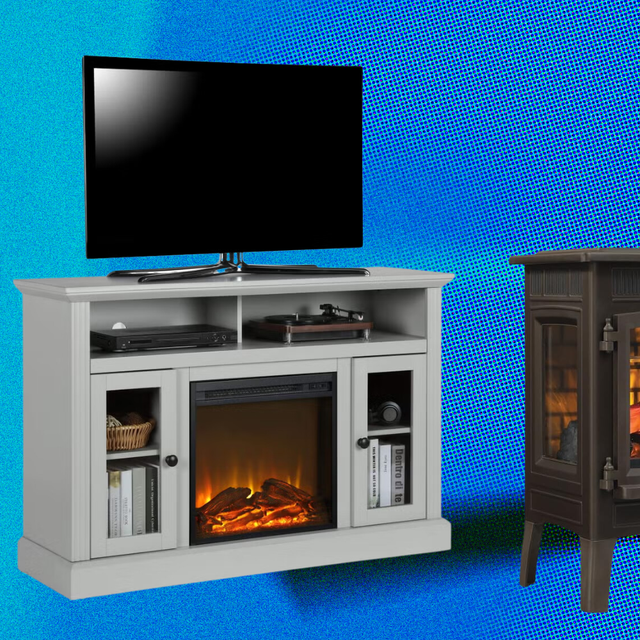
Here's Why You're Going to Want an Electric Fireplace This Winter

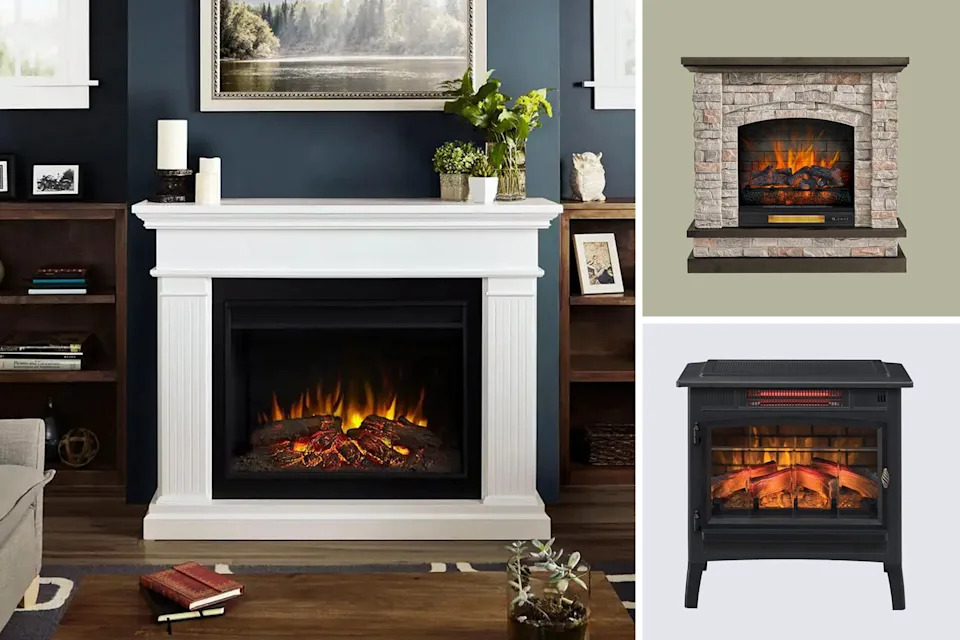
These 11 Electric Fireplaces Will Add Warmth (and Style) to Your Home

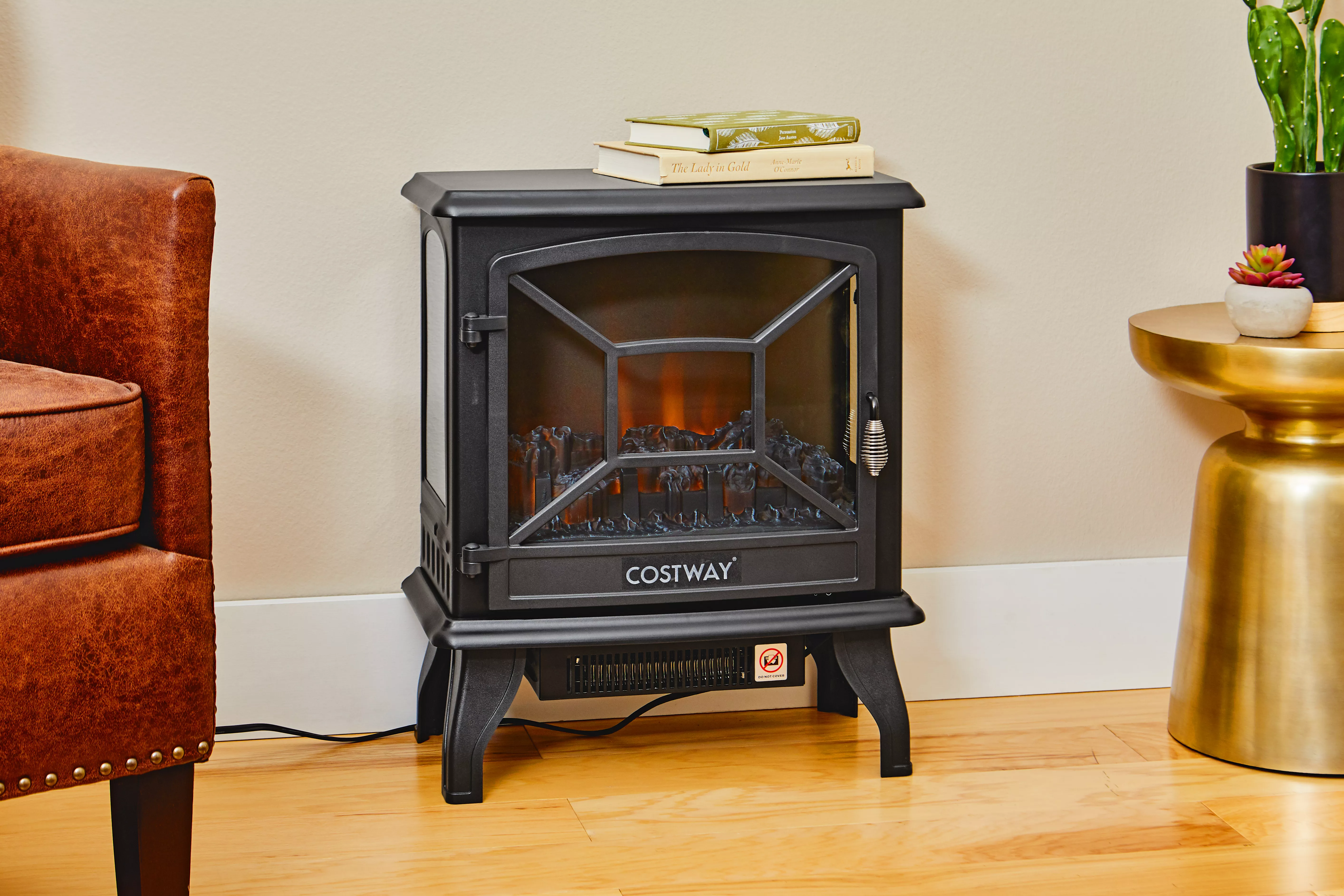
Cozy Up Next to One of The 5 Best Electric Fireplaces That We Tested

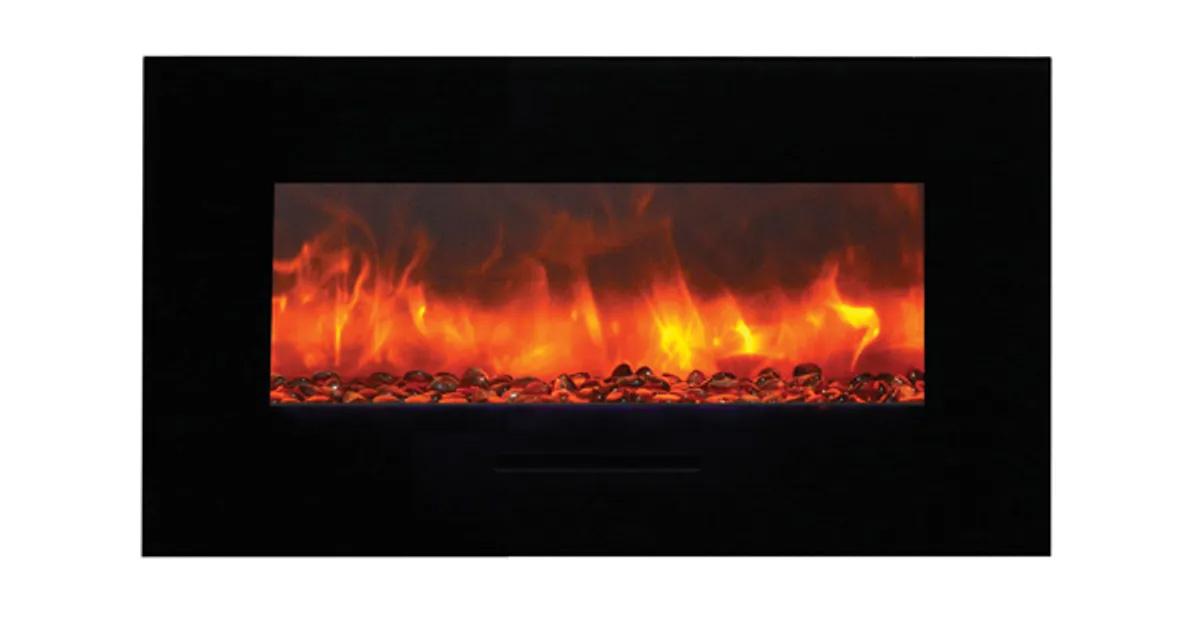
The 5 Best Electric Fireplaces To Give Your Home an Energy-Efficient Glow Up

Cozy Up Your Home With an Electric Fireplace Insert
The best electric fireplaces are safe, stylish, and powerful — these are our favorites
Complete guide to buying an electric fireplace
We Tested the Duraflame Electric Fireplace, and It Delivers Warmth and Ambience

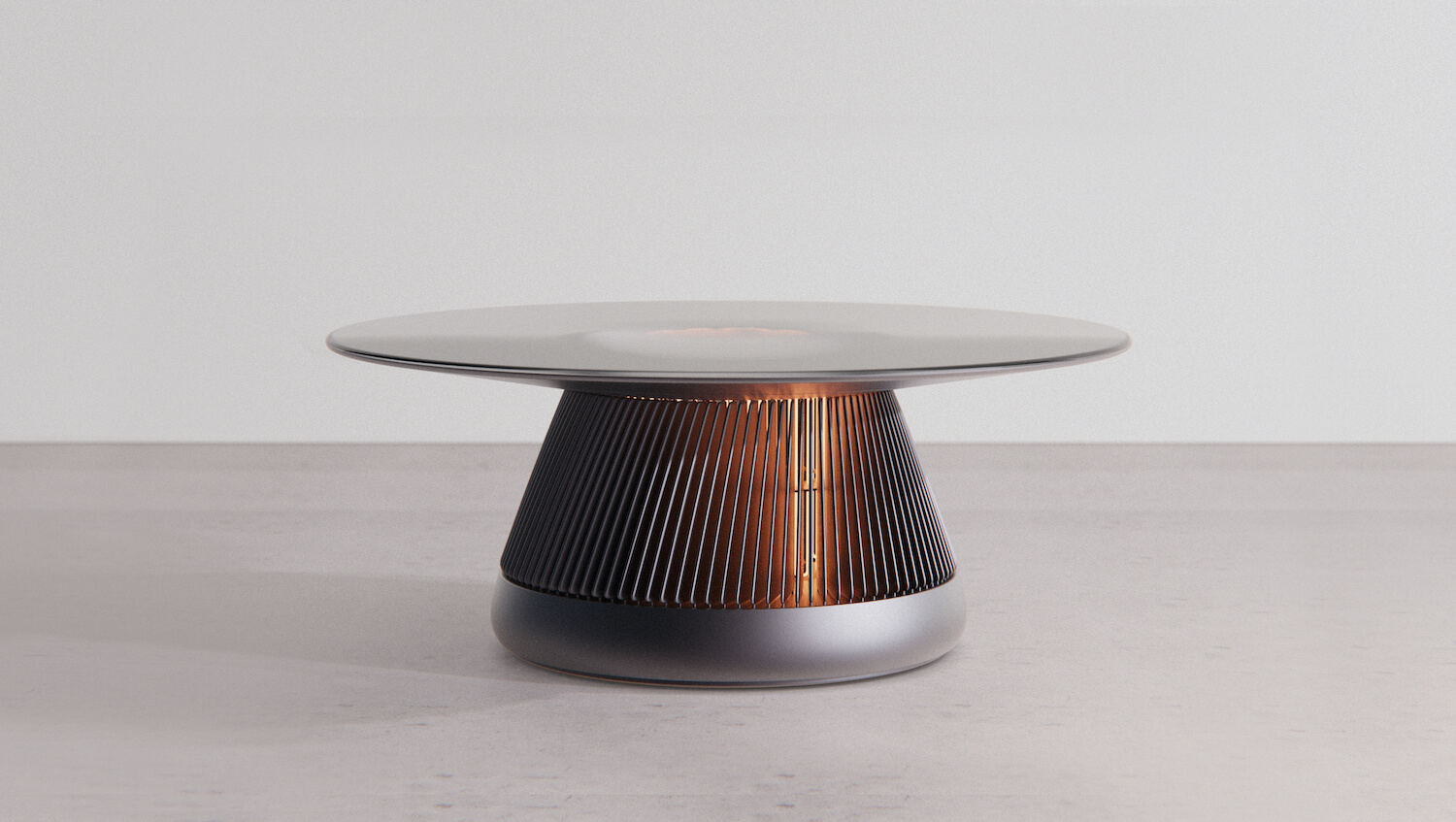
The Hearth electric heater puts a twist on the act of building a fire

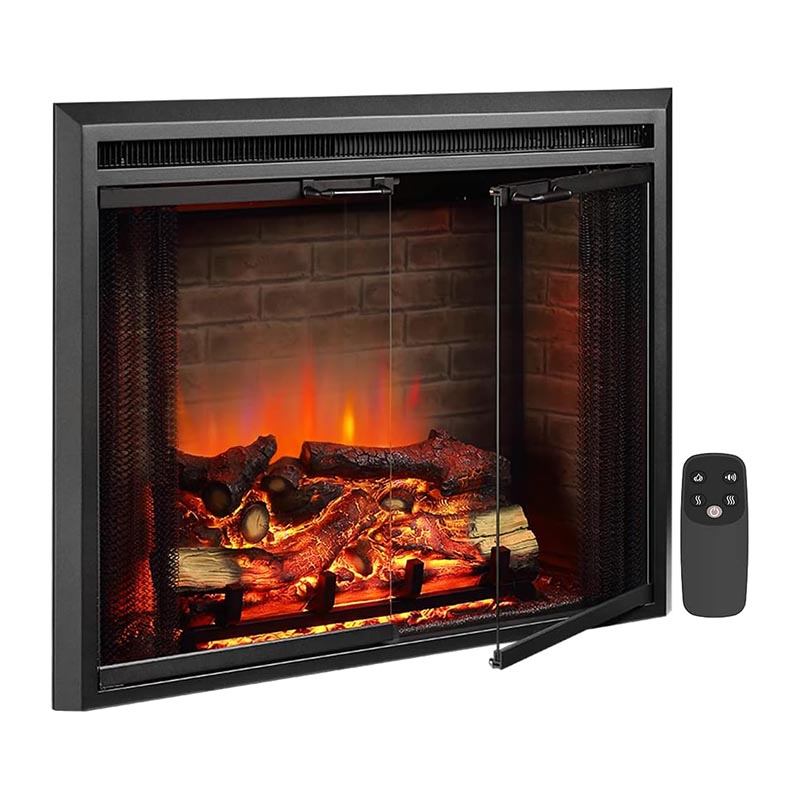
Our Favorite Electric Fireplace Is Easy to Install for a Life-Like Fire

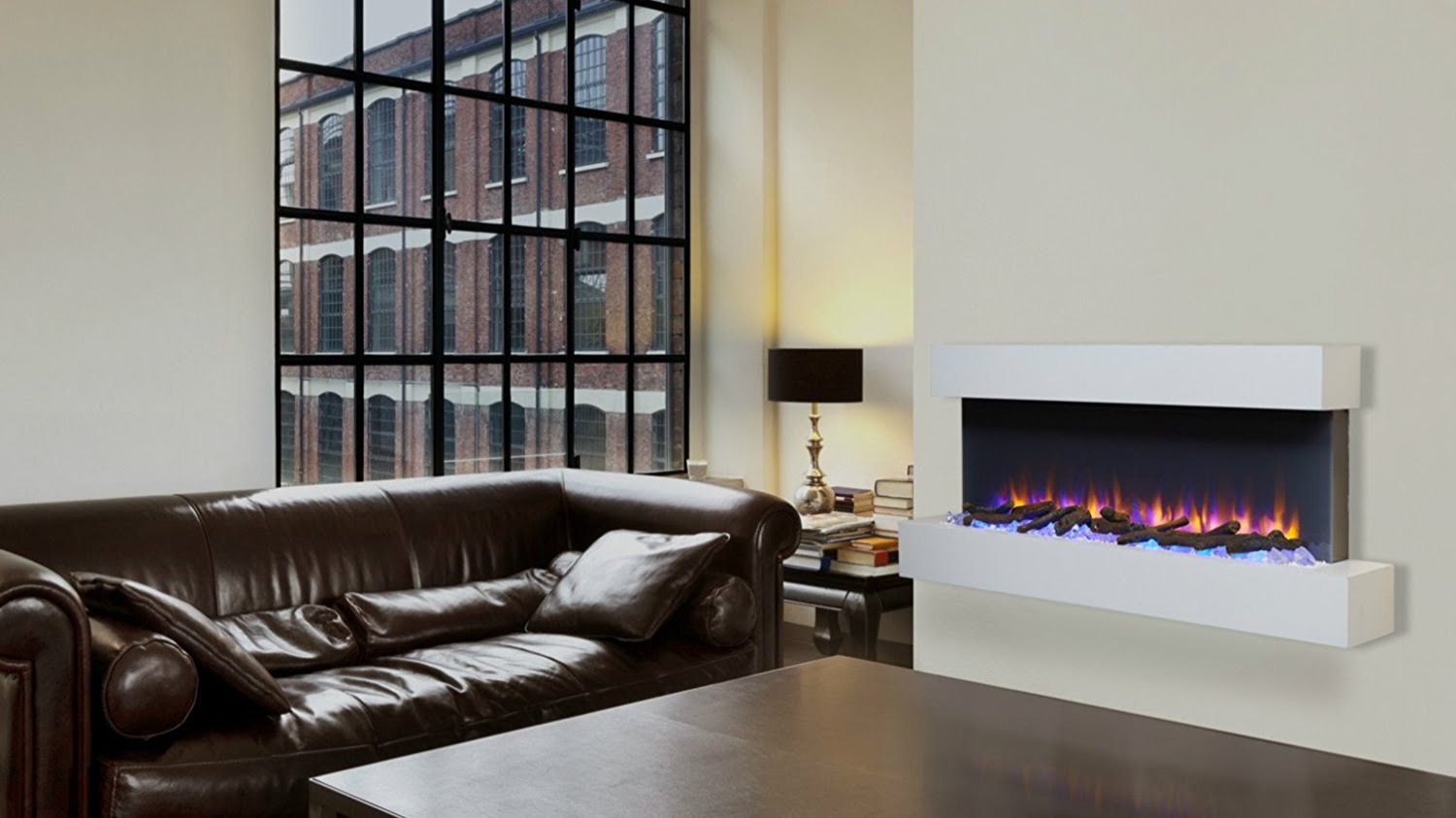
The best electric fires: wall-mounted and freestanding

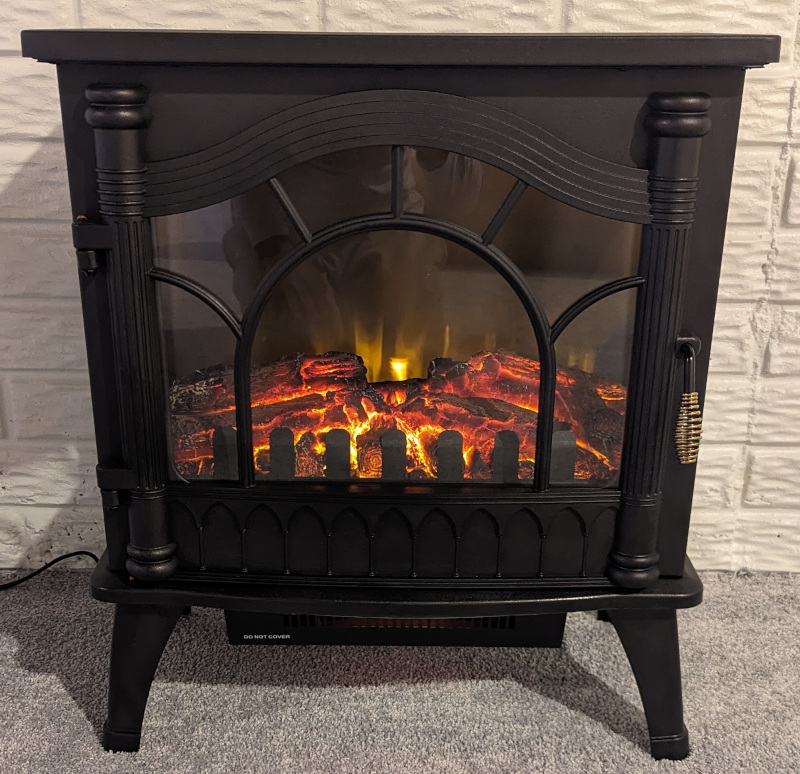
Joy Pebble Electric Fireplace Heater review

The 4 Best Electric Fireplaces, Tested by Shopping Experts
Fires & Fireplaces

7 fireplace ideas for the home this winter
The 6 Best Electric Fireplaces, Tested by BHG