1/10
Nook: Flexible, Space-Saving Furniture for City Living
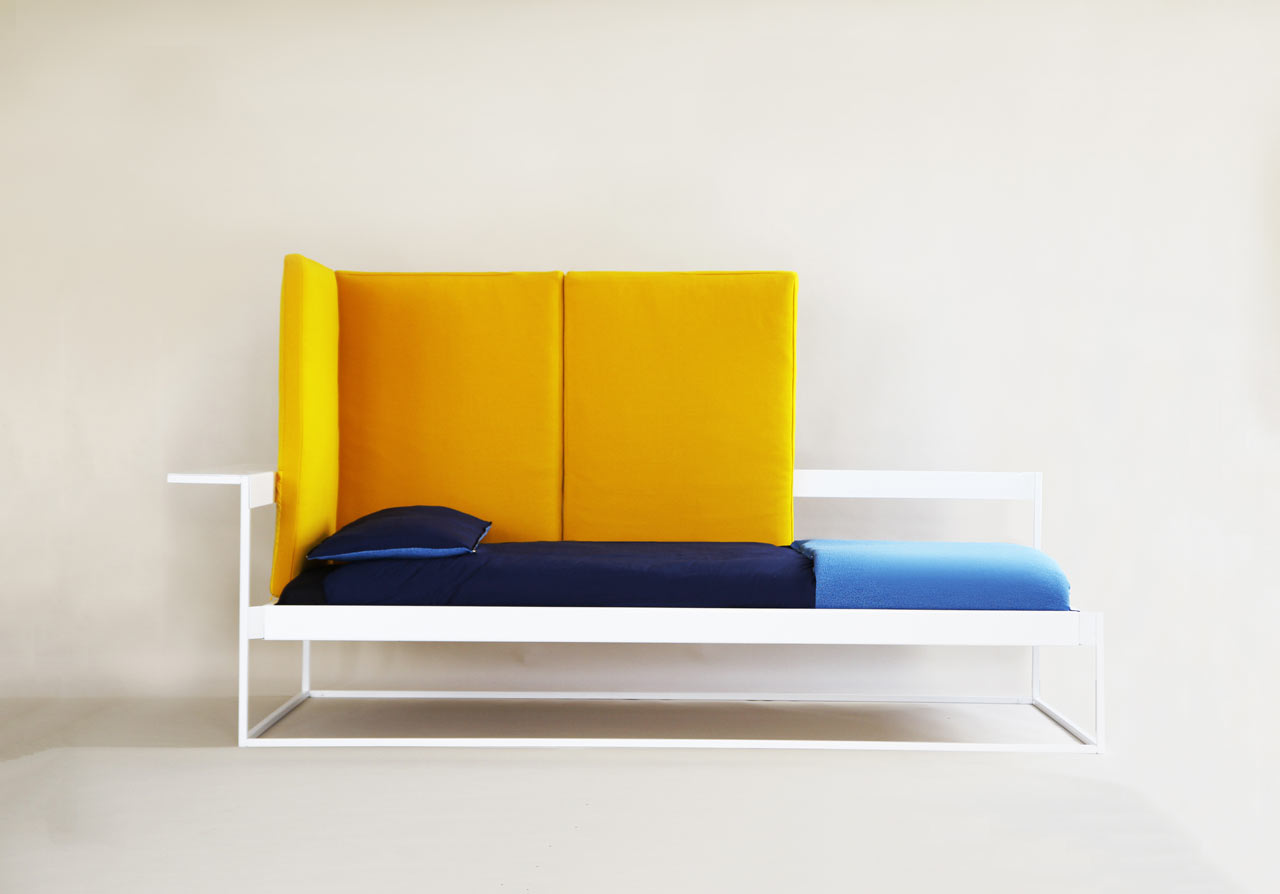
The increasing cost of urban living has led to a growing demand for compact and multi-functional living spaces. This trend often necessitates furniture that can perform multiple duties, efficiently adapting to various needs within a limited area. Royal College of Art graduate Andrea Pallarès addresses this challenge with her graduation project, Nook, an innovative furniture piece designed for flexible urban living. Nook is a bespoke bed frame that embodies the concept of adaptability, transitioning seamlessly between different functions throughout the day and night.
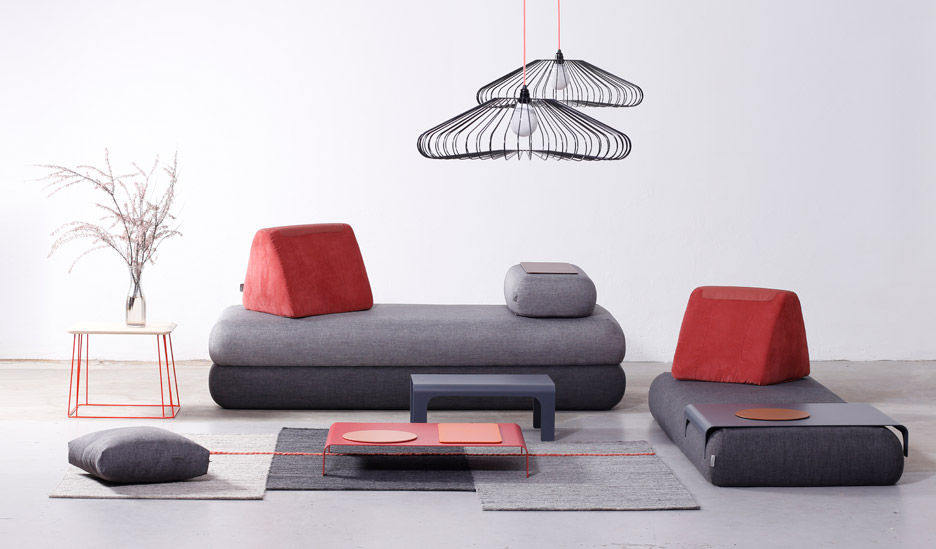
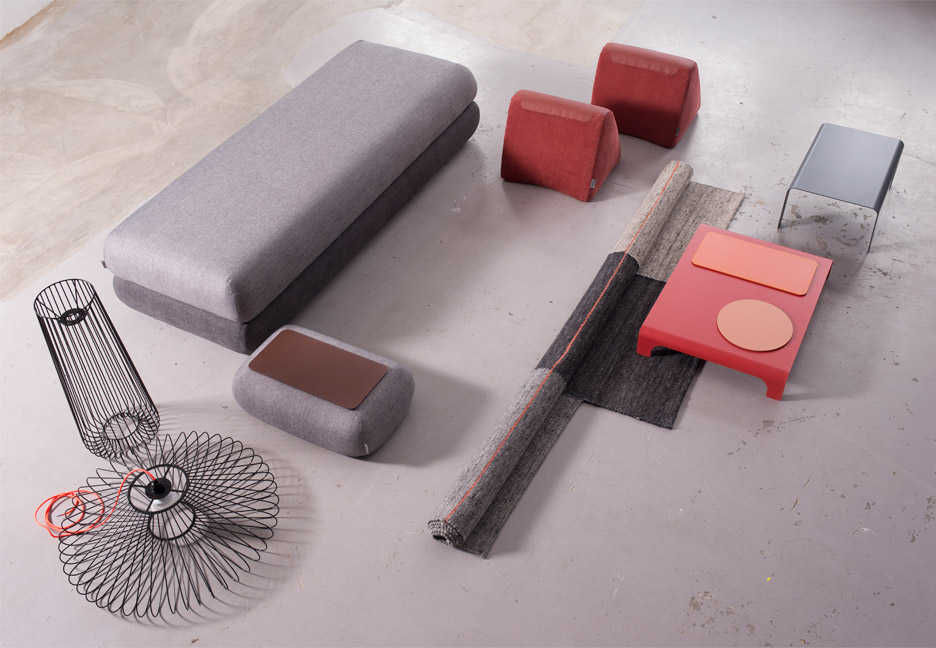
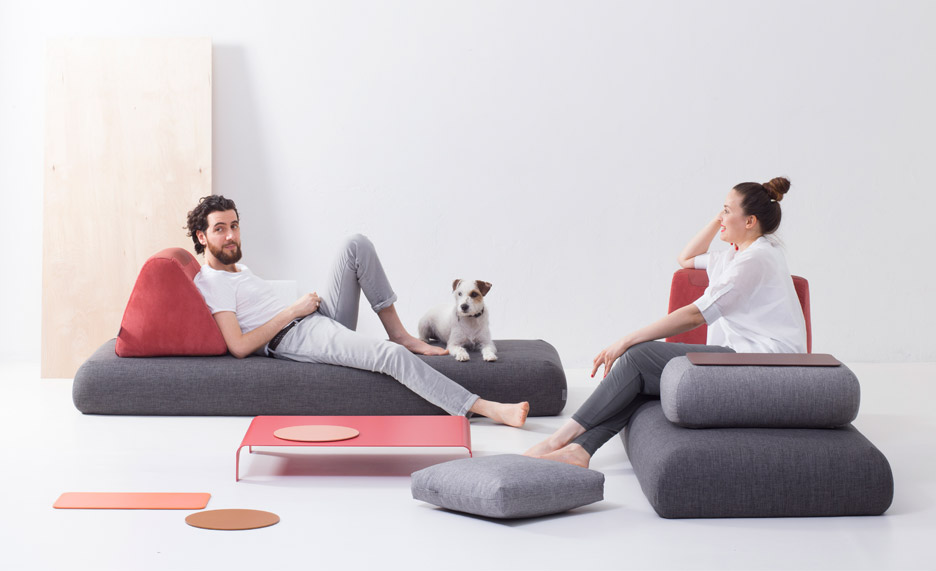
At its core, Nook is designed to serve as both a social area and a private sleeping space. The bed frame is accompanied by a pillow and duvet covers that are cleverly designed to double as a backrest and armrest when the piece is configured for daytime use. This allows Nook to transform from a sleeping arrangement into a comfortable seating area, suitable for welcoming guests or simply relaxing. Additionally, the design incorporates three upholstered cushions that can act as space dividers, offering a customizable level of privacy or separation within an open-plan living environment. This feature is particularly beneficial in small apartments or studios, where defined areas for different activities are often lacking.
One of the primary motivations behind Nook is to provide a comprehensive solution for individuals living in smaller homes who may not have the luxury of owning both a dedicated bed and a separate sofa. By combining these essential furniture items into a single, convertible unit, Nook optimizes space utilization without compromising on comfort or functionality. This integrated approach not only saves valuable floor space but also simplifies the furnishing process for those navigating the constraints of urban dwellings.
Beyond its primary function as a convertible bed and sofa, Nook offers additional practical features. A built-in flat surface on one side of the unit can serve as either a convenient side table or a functional desk. This thoughtful inclusion further enhances Nook's versatility, providing a spot for placing drinks, books, or a laptop, catering to various daily activities within the same footprint. The system of magnets integrated into the design allows the three cushions to be propped up vertically, effectively creating a sense of enclosure and privacy when desired. This magnetic mechanism facilitates easy and quick transformation, enabling users to adapt their living space to suit immediate needs.
The construction of Nook also highlights a commitment to quality materials and collaborative design. The furniture piece was created using textiles from FEBRIK, a company that half-sponsored the textile component of the project. This collaboration underscores the importance of material selection in achieving both aesthetic appeal and practical durability for flexible furniture solutions. Overall, Nook represents a well-considered and innovative response to the evolving demands of urban living, offering a smart, adaptable, and aesthetically pleasing furniture piece for compact spaces.
#FlexibleFurniture #SpaceSaving #UrbanLiving #MultiFunctionalDesign #AndreaPallarès #CompactLiving #HomeFurnishings #InteriorDesign #ConvertibleFurniture #FlexibleFurniture #SpaceSaving #UrbanLiving #MultiFunctionalDesign #AndreaPallarès #CompactLiving #HomeFurnishings #InteriorDesign #ConvertibleFurniture
0 comment in total
 No comments yet
You may also like
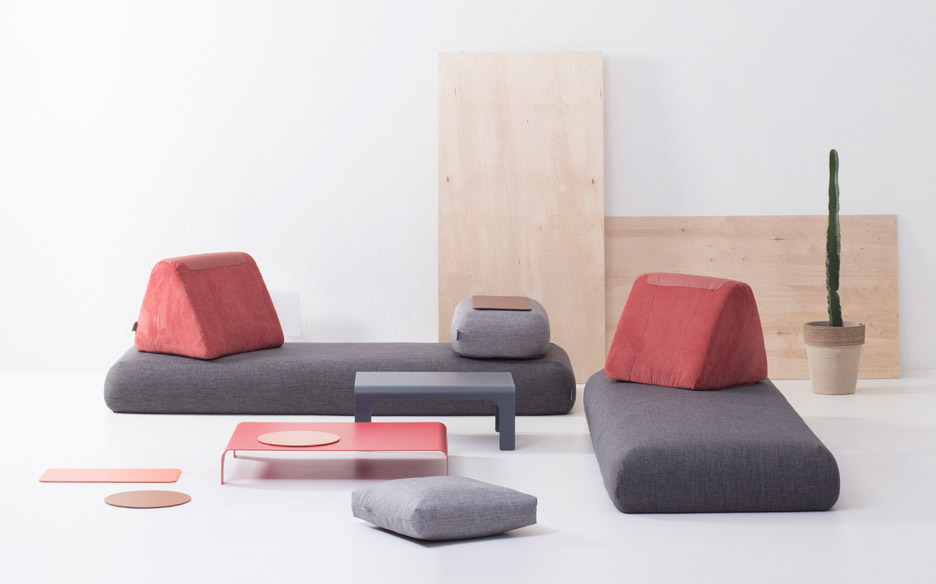
Hannabi designs modular Urban Nomad sofa for generation rent
You Have To See This Cabinet Expand Into A Full-Blown Craft Room

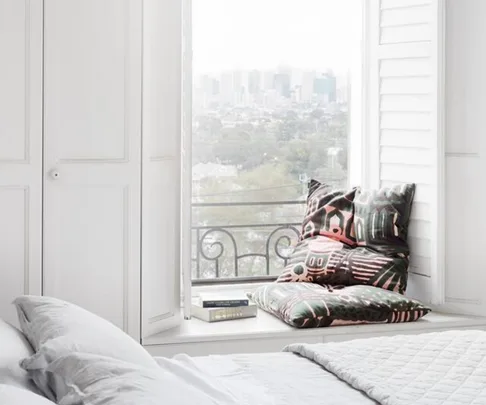
16 reading spots to curl up with a book

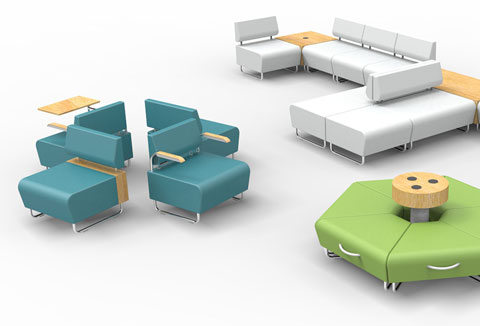
Sponsored Content: KI’s Hub Collection Brings Contemporary Styling to Modular Seating

Gallery: Urban eclectic decor
Entry Level Elevated: The Best Affordable Furniture Brands

10 Urban Outfitters Furniture Pieces for Less Money
Forget Watching TV - Here are 3 Ways to Make Your Living Room Better to Read in

19 Cozy Nooks That Radiate Charm and Comfort

Tips for designing a comfy reading nook

NYC's best furniture and home design shops
Interior Designers Reviewed the Best Furniture Brands, So You Don't Have to
Top 10 flat-pack designs that are super easy to carry + assemble
Urban Outfitters Just Dropped 4 New Furniture Collections, and Each One Feels Like a Vacation

5 Nap Nooks That Take Lounging to the Next Level
The Best Affordable, Space-Saving Furniture to Shop From Amazon
Stylish Study Break

Pinterest data shows Aussies are obsessed with nooks: How to add these cute spaces to your home

Eight compact micro interiors that make the most of their small space
Circular Reading Nook Doubles As A Bookshelf