1/47
Another brick in the wall
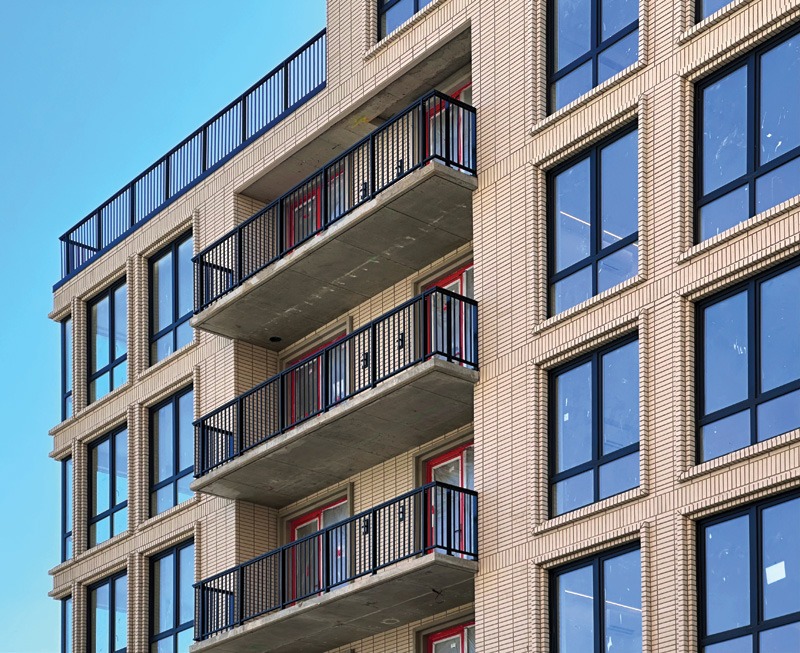
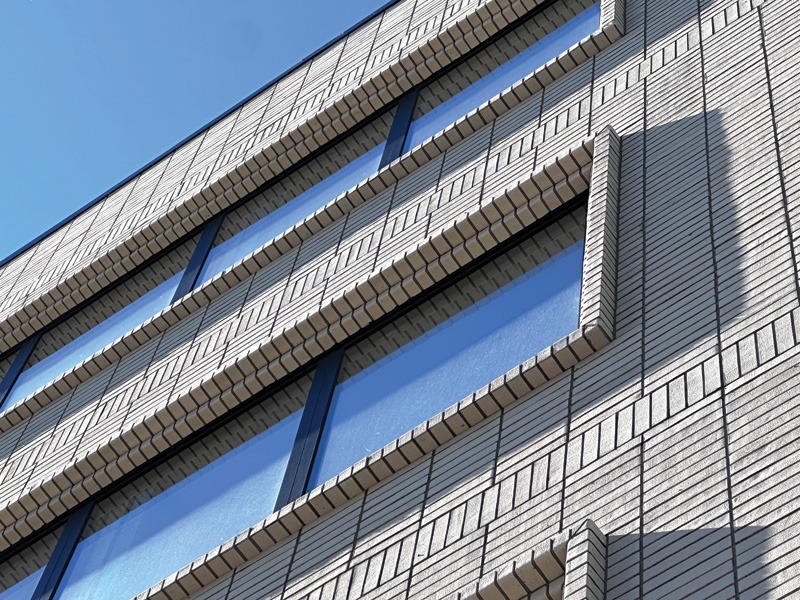
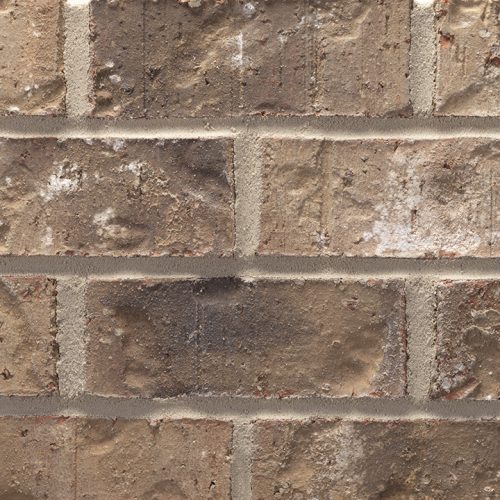
This article explores the enduring relevance and innovative applications of brick as a construction material in contemporary architecture. It begins by tracing the historical use of brick, from its ancient origins as sun-dried mud bricks over 6,000 years ago, including its presence in structures like the Great Wall of China, to its historical prominence in European home construction. The article highlights how brick, initially conceived as a unit manageable by a single person, has evolved into an extensive range of sizes and shapes, such as bullnose, channel, coping, cownose, and hollow bricks, each serving specific functions. Beyond traditional burnt clay, modern bricks are also made from materials like sand lime, concrete, fly ash clay, and even glass.
A significant turning point in the innovative use of brick is attributed to Uruguayan engineer and architect Eladio Dieste. Unlike many modernist contemporaries who favored concrete, Dieste pioneered sophisticated structural solutions using brick and ceramic tile, exemplified by his Atlantida Church. This structure ingeniously incorporated his inventions: the Gaussian vault and the vertical ruled surface, demonstrating that elegant and strong buildings could be constructed more economically than with reinforced concrete. The article argues that despite the rising popularity of timber, brick maintains its status as a versatile and preferred material due to its design flexibility and numerous benefits.
Contemporary architects now have a wide array of aesthetic options with brick, including diverse colors, textures, patterns, perforations, curvatures, and finishes. Beyond aesthetics, brick offers exceptional longevity, strength, durability, and resistance to extreme weather conditions. Its thermal mass properties are also noted, as bricks can absorb and gradually release heat, contributing to the regulation of interior temperatures within buildings. The article addresses common criticisms regarding brick's sustainability, specifically the energy-intensive firing process and associated carbon footprint. It counters this by emphasizing the broader definition of sustainability, which encompasses a material's life cycle performance, maintenance, durability, and recyclability. Research from the UK Brick Development Association is cited, indicating that the embodied energy of clay bricks in a modern semi-detached home constitutes a mere 1.87% of the total heating requirement over its 150-year lifespan. Furthermore, brick is highlighted for its reusability and recyclability in new projects or other building materials.
Several projects are showcased to illustrate brick's modern applications. For instance, Glamuzina Paterson Architects utilized 'seconds bricks' in their Lake Hawea Courtyard House to create a textured façade that harmonizes with the natural landscape. Aaron Paterson, one of the architects, commented on the initial skepticism from local bricklayers regarding the non-traditional random laying pattern but acknowledged the stunning visual effect achieved. Other examples include Gehry Partners' Dr Chau Chak Wing Building with its fluid brick veneer, Tompkins Rygole's Woodridge House referencing local heritage with Flemish-bonded handmade bricks, and Ola Studio's Ari Apartments using black perforated bricks for privacy and light. Further innovative uses include AOC's Green community center with a herringbone pattern, Monadnock's Abstract Tower featuring contrasting brick tones, Estudio Botteri-Connell's experimental pavilion with movable brick panels, and Onion's Sala Ayutthaya hotel with scalloped brick walls. Ross Langdon + Studio FH Architects' Health Education Centre uses perforated brickwork for light, Dallas Pierce Quintero's Courtyard House showcases dark, vertically striped bricks, Andra Matin's Katamama hotel features multi-hued Balinese bricks, MVRDV's Crystal Houses Amsterdam integrates transparent glass bricks, H.A.'s Zen House uses unrefined brick for a peaceful sanctuary, O’Donnell + Tuomey Architects' LSE Saw Hock Student Centre employs a permeable brick lattice, and MAKE Architecture's Little Brick Studio draws inspiration from nearby brick factories with a unique bond. These examples collectively demonstrate how this ancient material continues to inspire architects to push creative boundaries while offering practical advantages.
#ArchitecturalDesign #BrickConstruction #SustainableMaterials #BuildingInnovation #MaterialVersatility #ContemporaryArchitecture #HistoricalMaterials #ThermalPerformance #ArchitecturalDesign #BrickConstruction #SustainableMaterials #BuildingInnovation #MaterialVersatility #ContemporaryArchitecture #HistoricalMaterials #ThermalPerformance
0 comment in total
 No comments yet
You may also like
Masonry reinvented: One brick at a time
Cast Stone

Acme Brick, Tile and Stone – Northwest Arkansas
Bucket-Mixed Concrete


Cement

Brick by brick: Grey Street House
A manufactured stone installation that’s doomed to eventual failure
‘It’s a tough lesson to learn’ – brick homeowners must complete this outdoor maintenance task to avoid costly repairs and structural failure

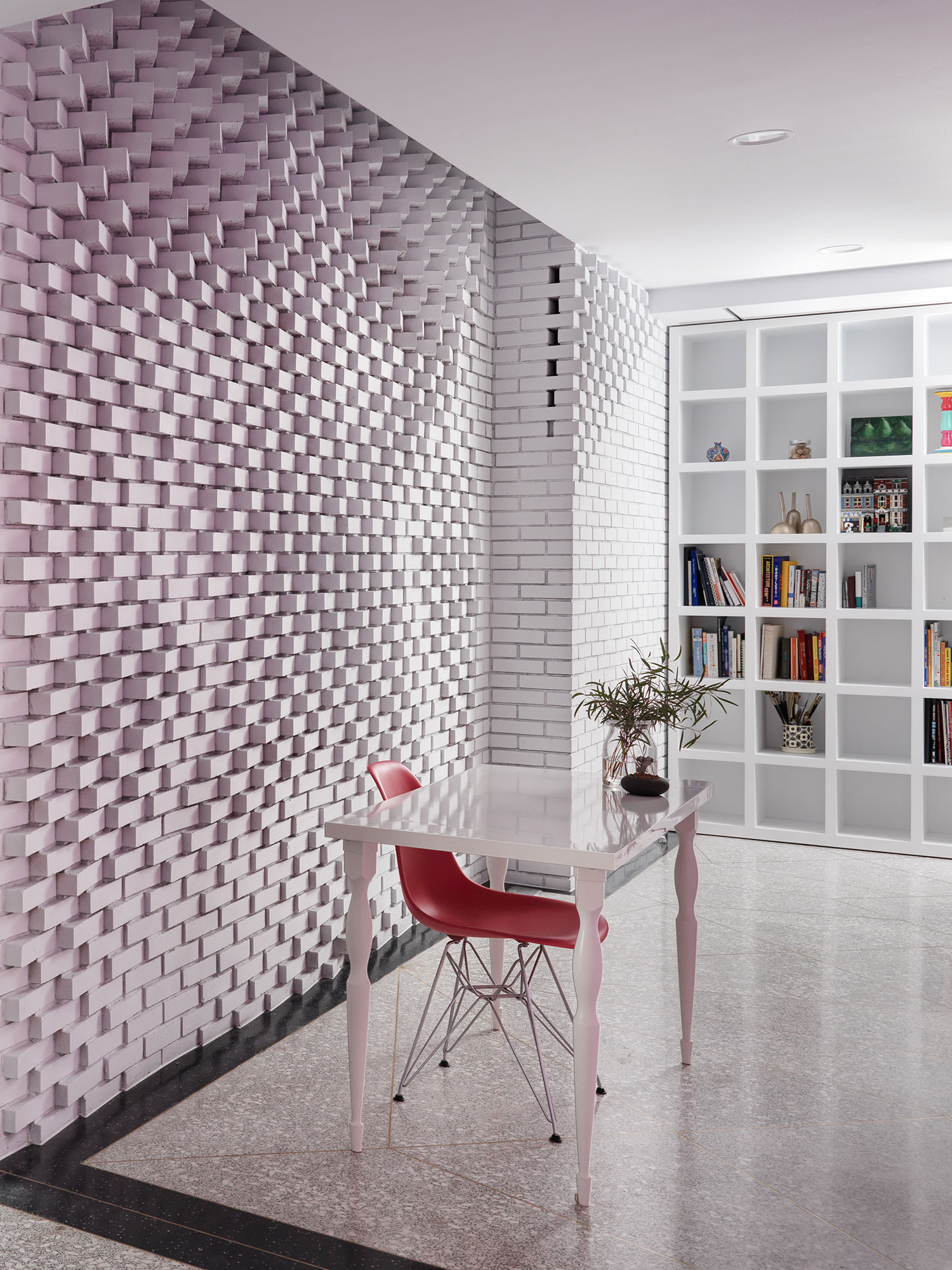
You've Never Seen A Brick Wall Like This Before
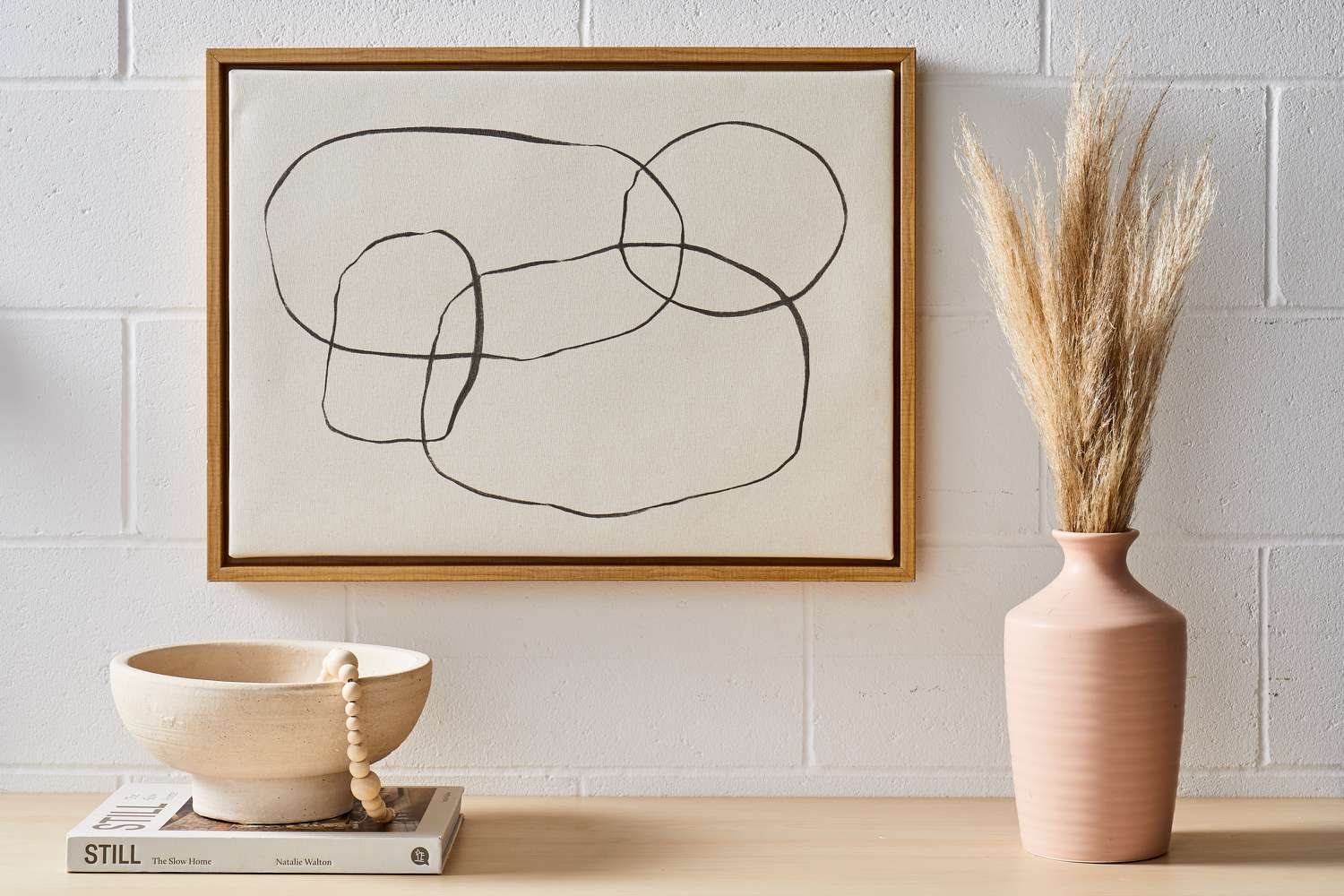
8 Ways to Attach Things to Cinder Block Walls

Acme Brick
Acme Brick, Tile and Stone – Jackson, TN
10 Ways to Update an Exposed Brick Wall—Beyond Just Painting It

Acme Brick, Tile and Stone – El Paso
K-Studio pairs stone with concrete for Greek holiday home
4 Common Wall Hanging Myths, Busted

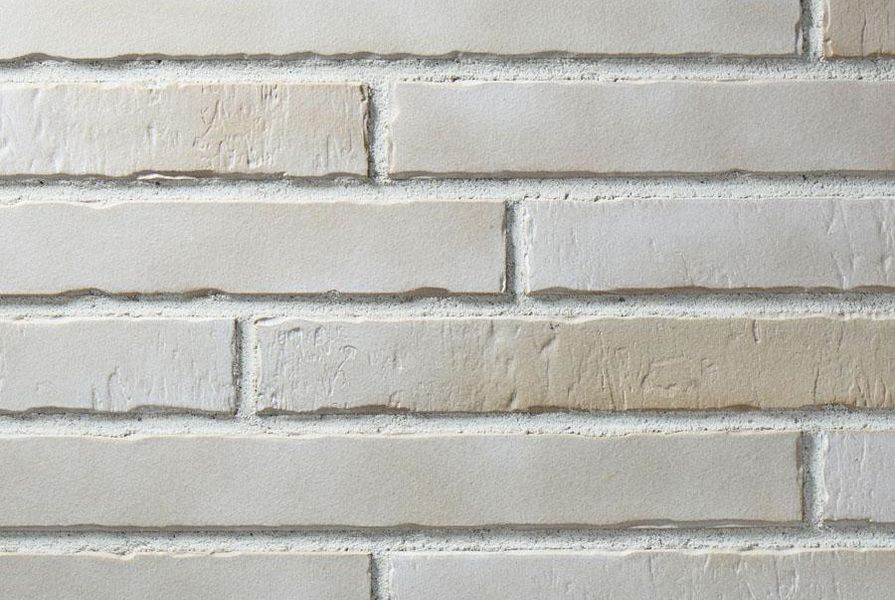
Long-format brick slips from Klay Tiles and Facades

Plasterboard
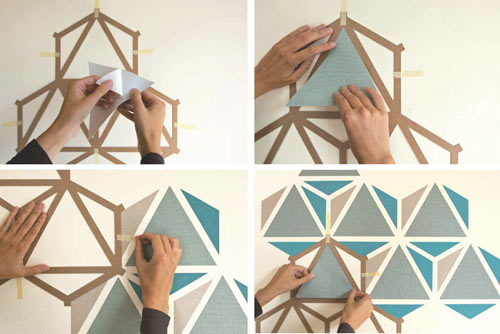
ZNAK Mosaic Wall

Picture of the Day: Super Sneaky Sliding Brick Wall Door