
1/8
A Homeowner’s Guide to Maintaining and Restoring a Brick Facade
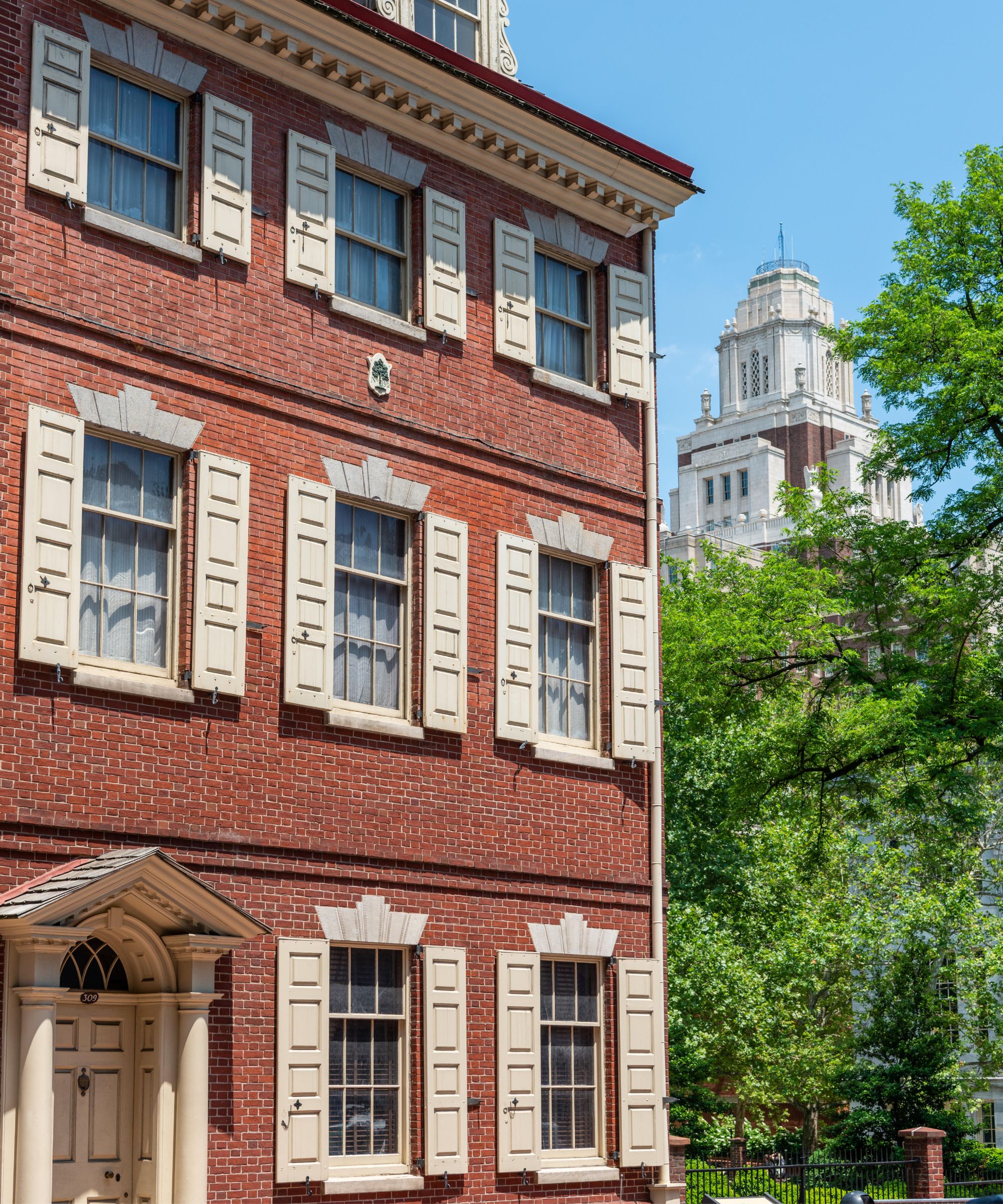
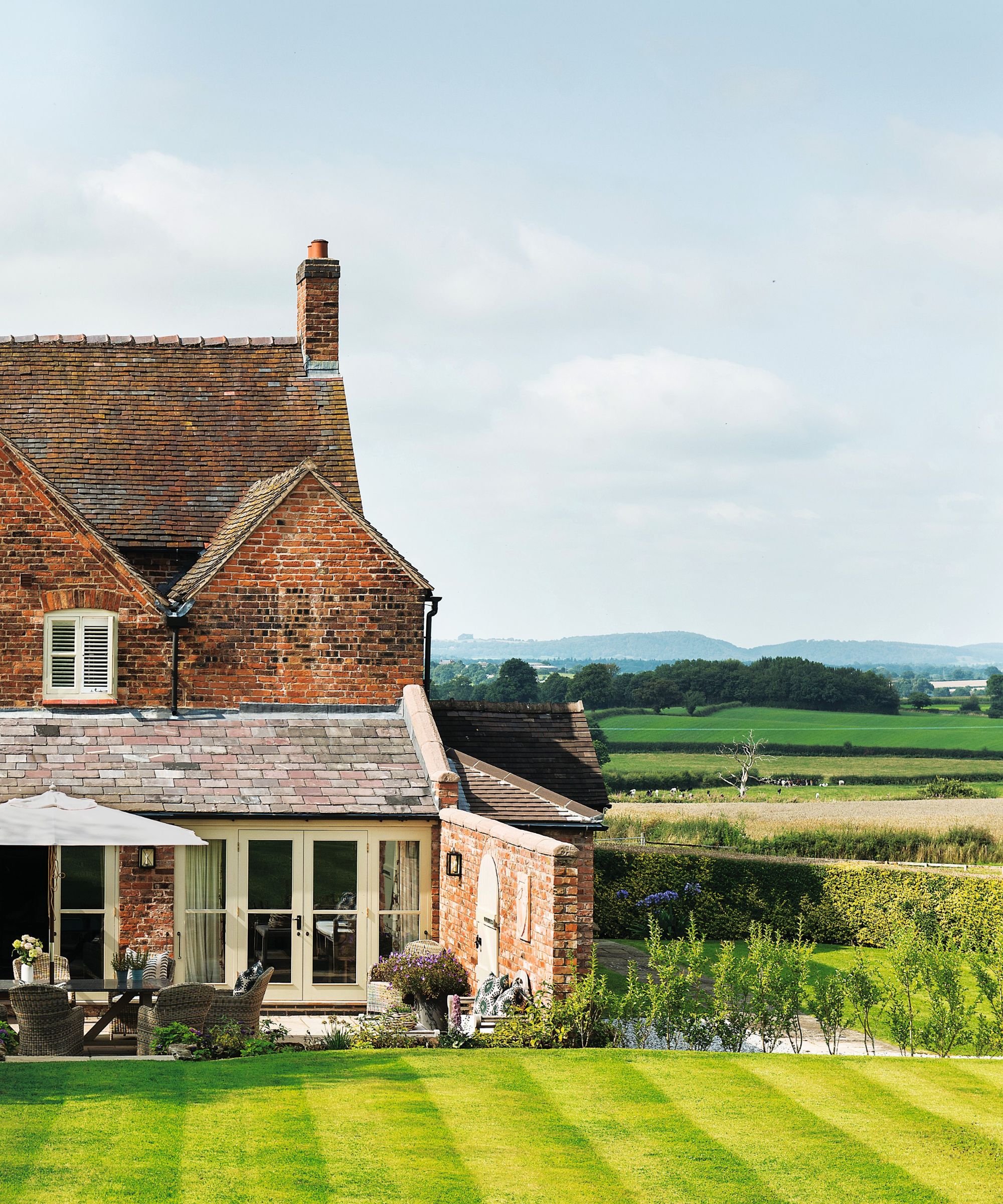
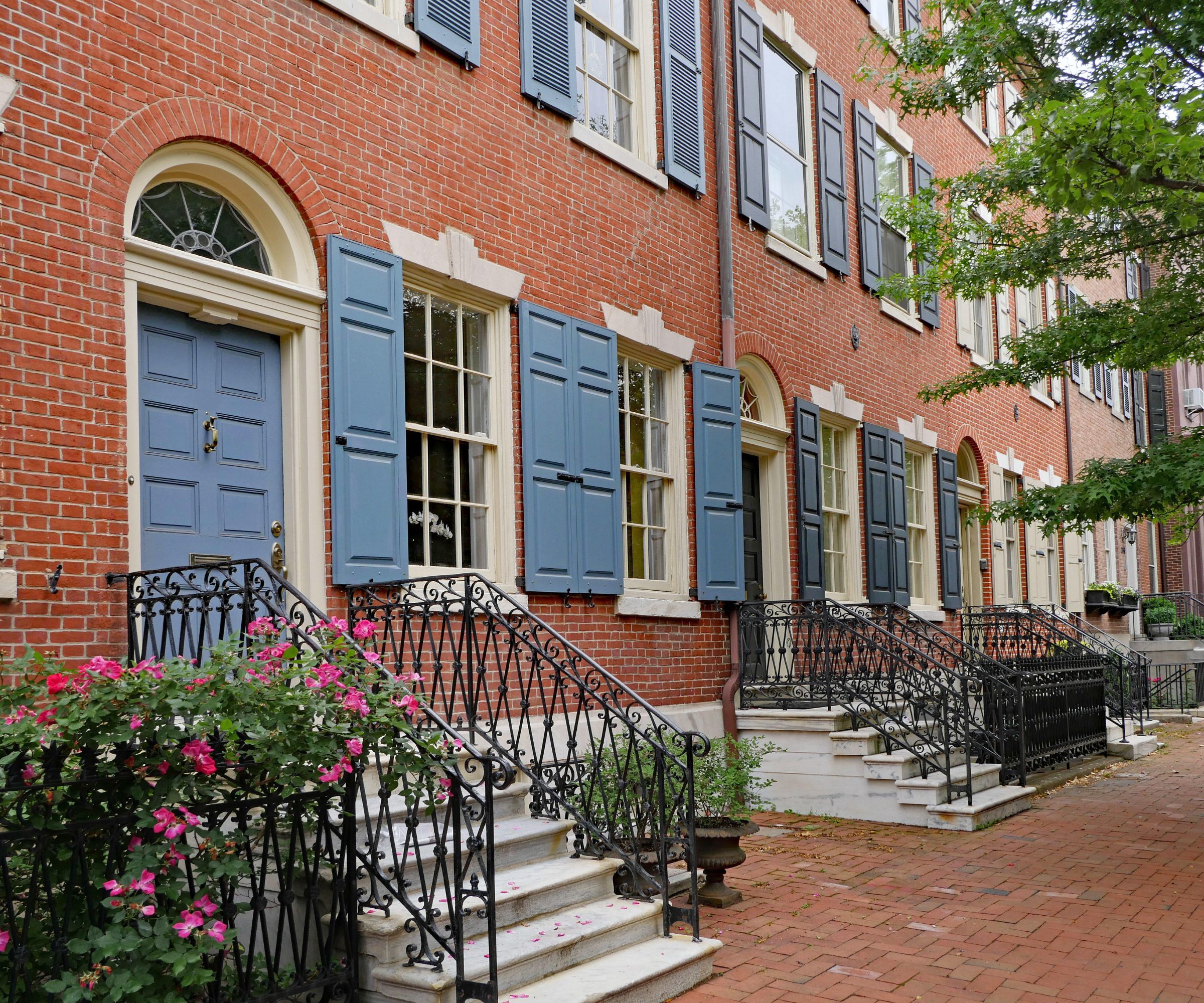
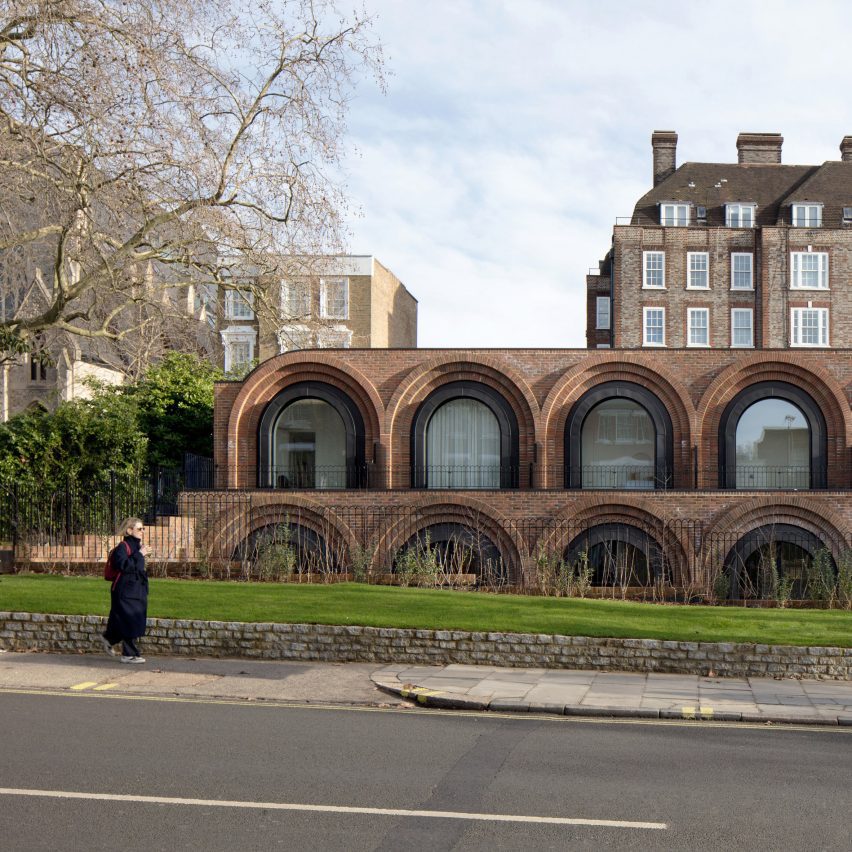
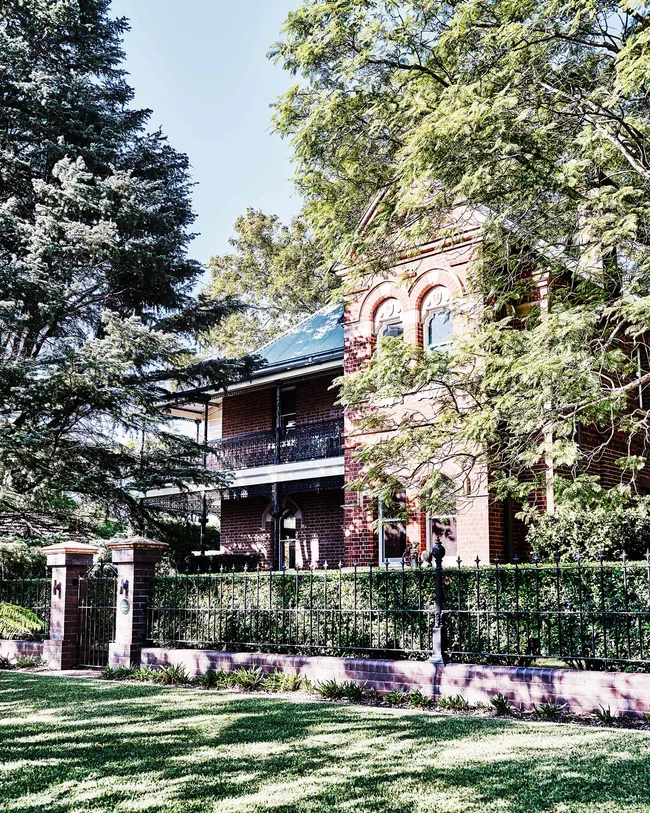
Maintaining and restoring a brick facade is essential for preserving the structural integrity and aesthetic appeal of a brick home, particularly in regions exposed to diverse weather conditions like Brooklyn. Regular upkeep is crucial to prevent water penetration, which can lead to leaks, cracking of mortar and brick, and overall deterioration. The process begins with a thorough inspection of the existing brickwork to identify signs of wear, such as surface cracks, deteriorated mortar, and efflorescence, a white stain indicating water presence. These indicators suggest that the facade's waterproofing capabilities may be compromised.
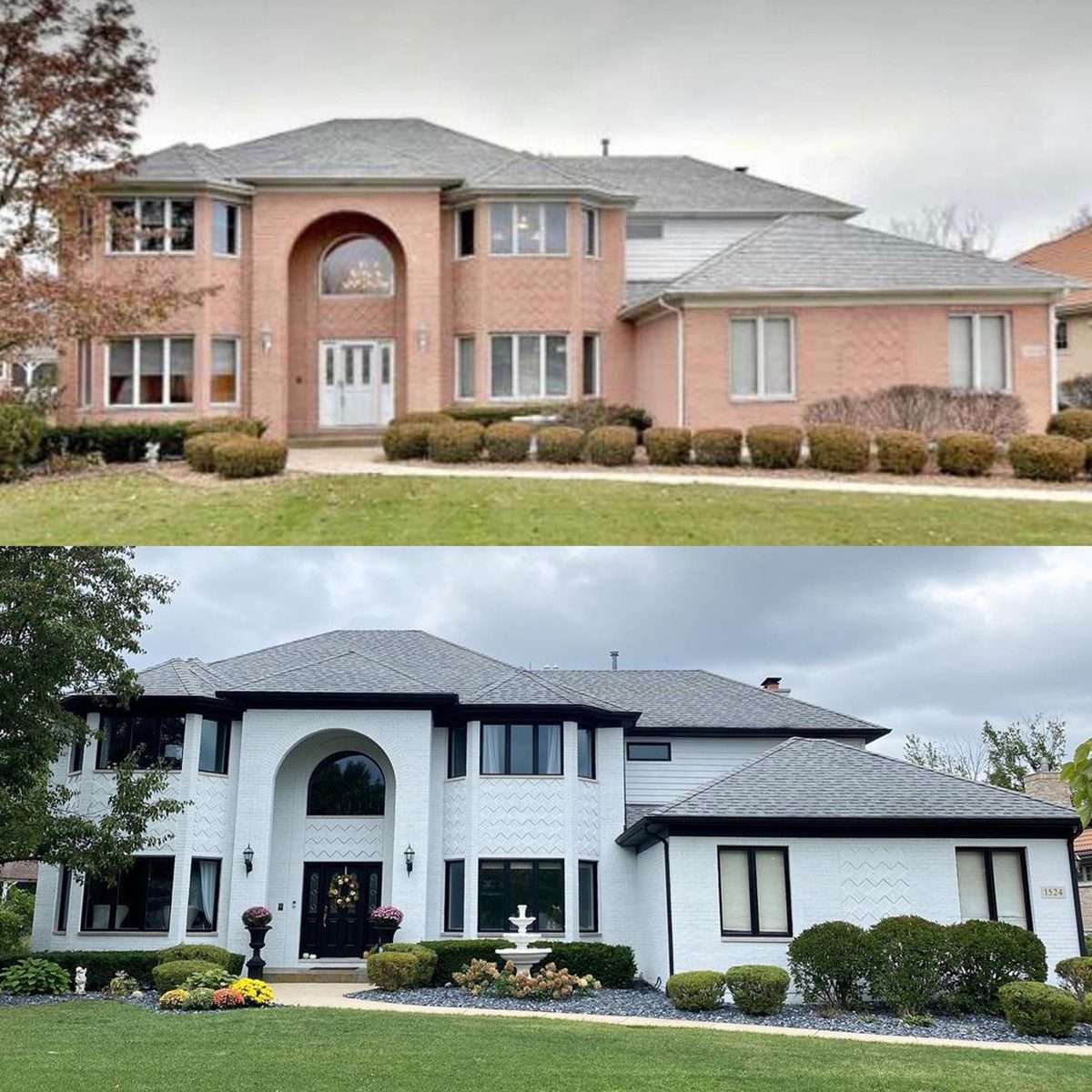
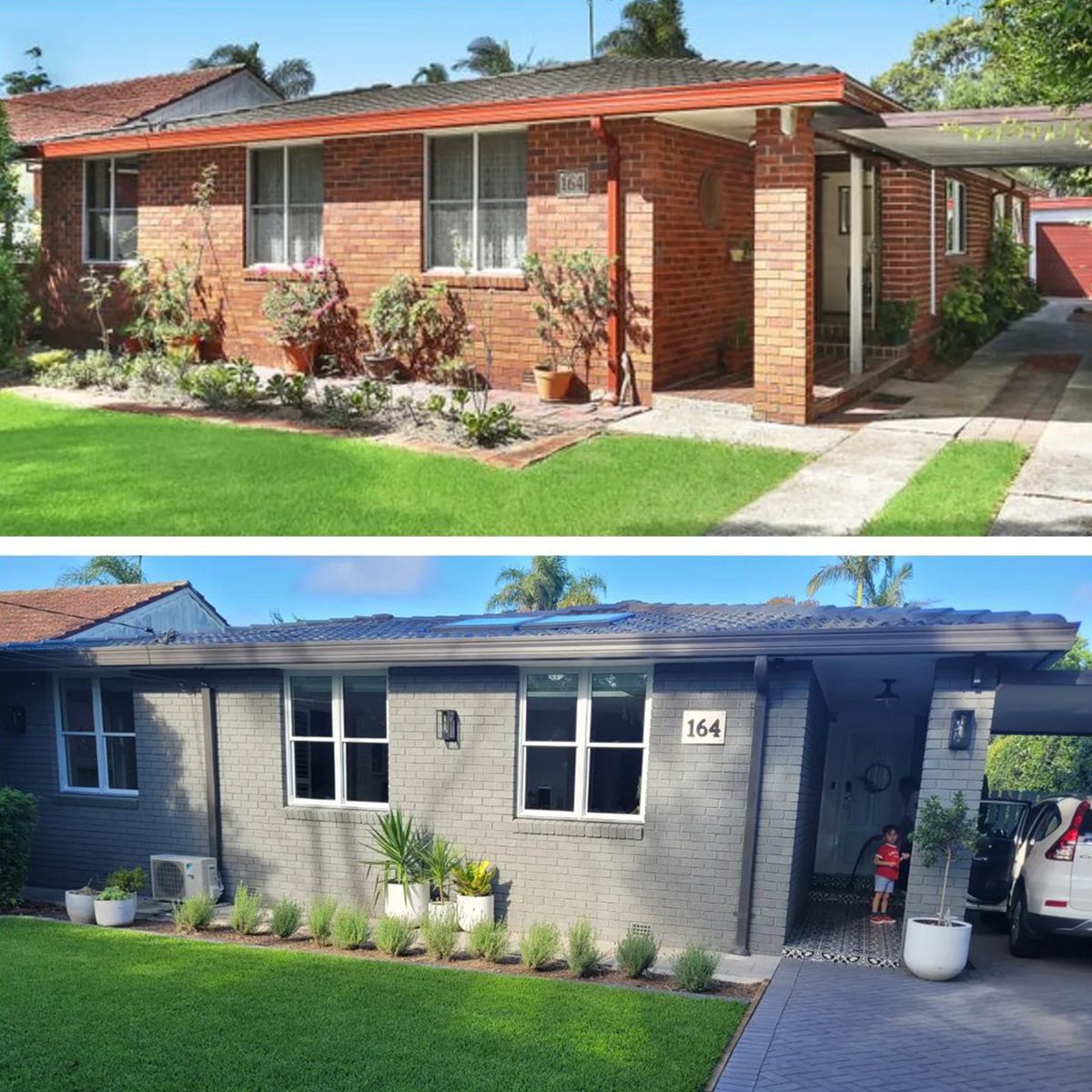
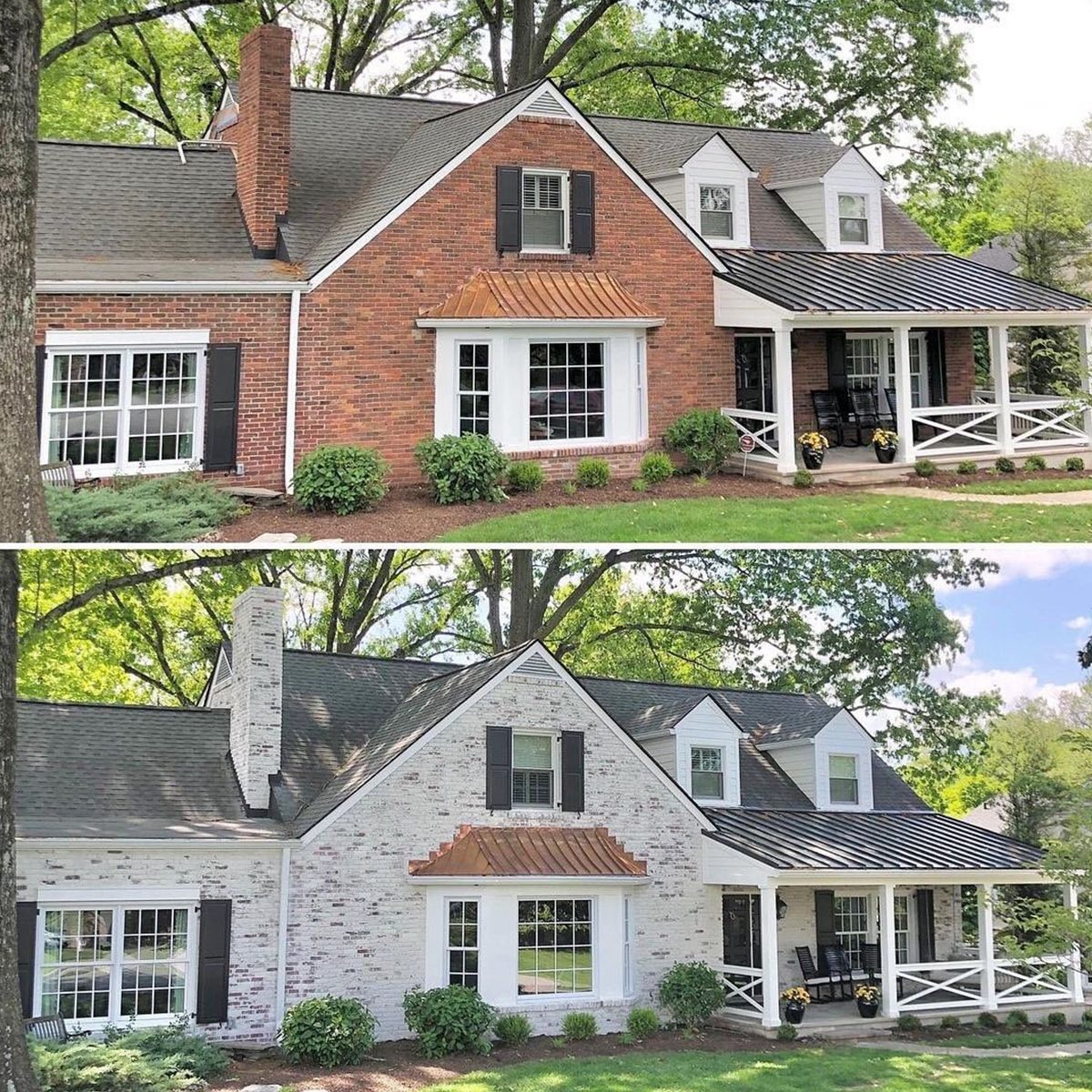
One critical aspect of brick facade maintenance is avoiding paint or other coatings on the brick surface. Ideally, brick should remain in its natural state to allow moisture to escape. Painting brick can trap moisture inside, accelerating its deterioration. If brick is already painted, homeowners may consider paint removal, although this can be a costly endeavor, or opt for repainting. Repointing, the process of renewing the external part of mortar joints, is another vital maintenance task. Mortar naturally degrades over time due to weathering, and when it becomes sandy or starts chipping away, it loses its ability to prevent water intrusion. This can be particularly problematic during winter, as freezing water can cause significant damage. A well-executed repointing job can last for decades, reinforcing the facade's resilience against the elements.
Brick replacement is necessary when individual bricks are damaged, exhibiting signs such as surface deterioration, cracks, or settling. This can range from replacing a few localized bricks to addressing damage across entire sections of a facade. When replacing bricks or repointing, selecting the correct mortar is paramount. Historic buildings, like many in Brooklyn, often require specific mortar compositions that differ from modern types. Using a mortar that is too strong can harm the brick itself. Therefore, it is advisable to consult a professional experienced with historic structures to ensure the new mortar matches the original in color, texture, permeability, and softness. The replacement mortar should always be softer and more permeable than the brick it supports.
Finally, cleaning the facade can be accomplished through power washing, but this must be done with extreme caution. Low-pressure power washing performed by an experienced professional is recommended to avoid damaging the brick surface. A comprehensive restoration and repointing effort, when executed properly, can extend the life of a brick facade for 30 to 40 years or even longer. Engaging reputable contractors, such as Excellent Contracting LLC, who specialize in restoring historical brownstones and townhouses, ensures that these intricate processes are handled with the necessary expertise and attention to detail.
#BrickFacade #HomeMaintenance #BrickRestoration #Repointing #Waterproofing #HistoricHomes #BrooklynHomes #BuildingExterior #HomeRenovation #BrickFacade #HomeMaintenance #BrickRestoration #Repointing #Waterproofing #HistoricHomes #BrooklynHomes #BuildingExterior #HomeRenovation
0 comment in total
 No comments yet
You may also like
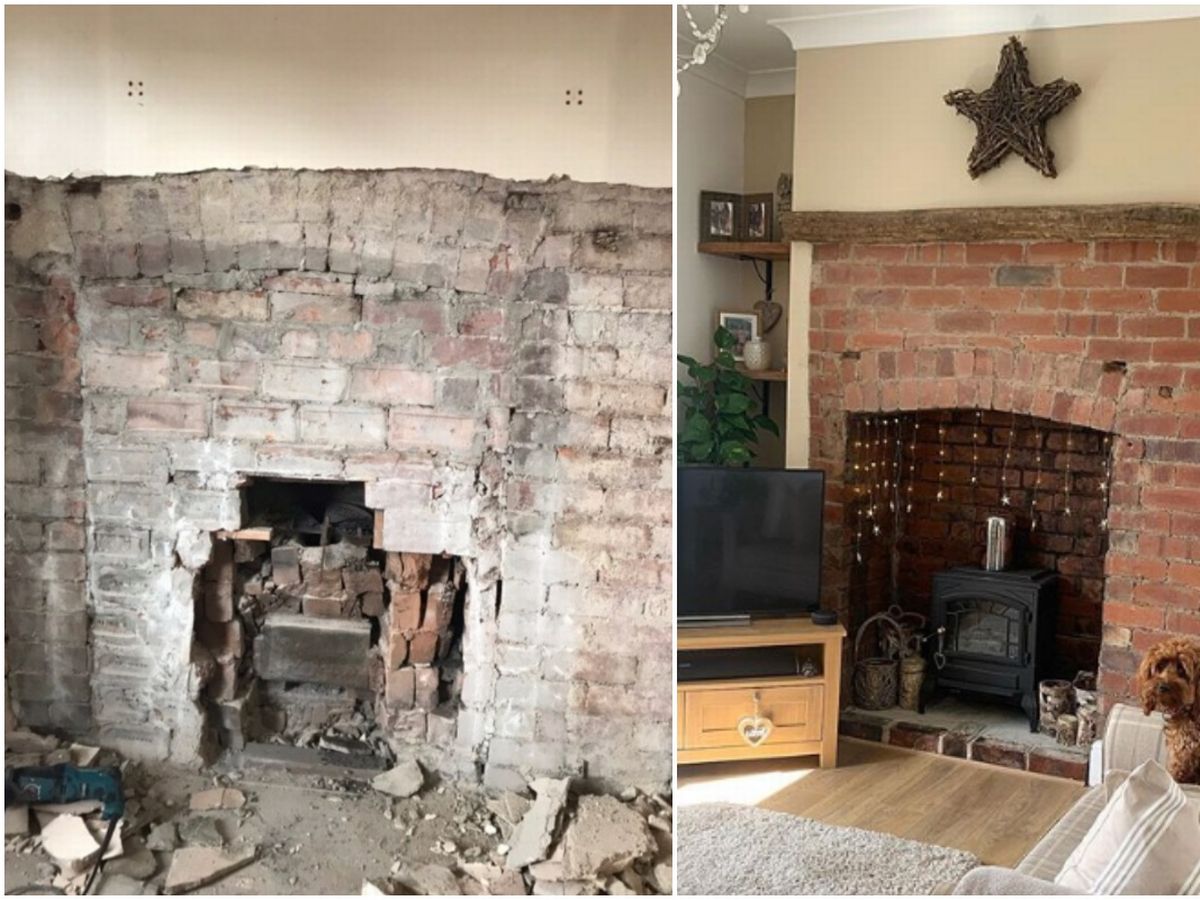
How to create an exposed brick feature wall or fireplace - and clean and maintain it like an expert
Statement bricks are the latest design trend

Fake exposed brick with wallpaper – see this savvy homeowner's trick

10 Ways to Update an Exposed Brick Wall—Beyond Just Painting It

‘It’s a tough lesson to learn’ – brick homeowners must complete this outdoor maintenance task to avoid costly repairs and structural failure

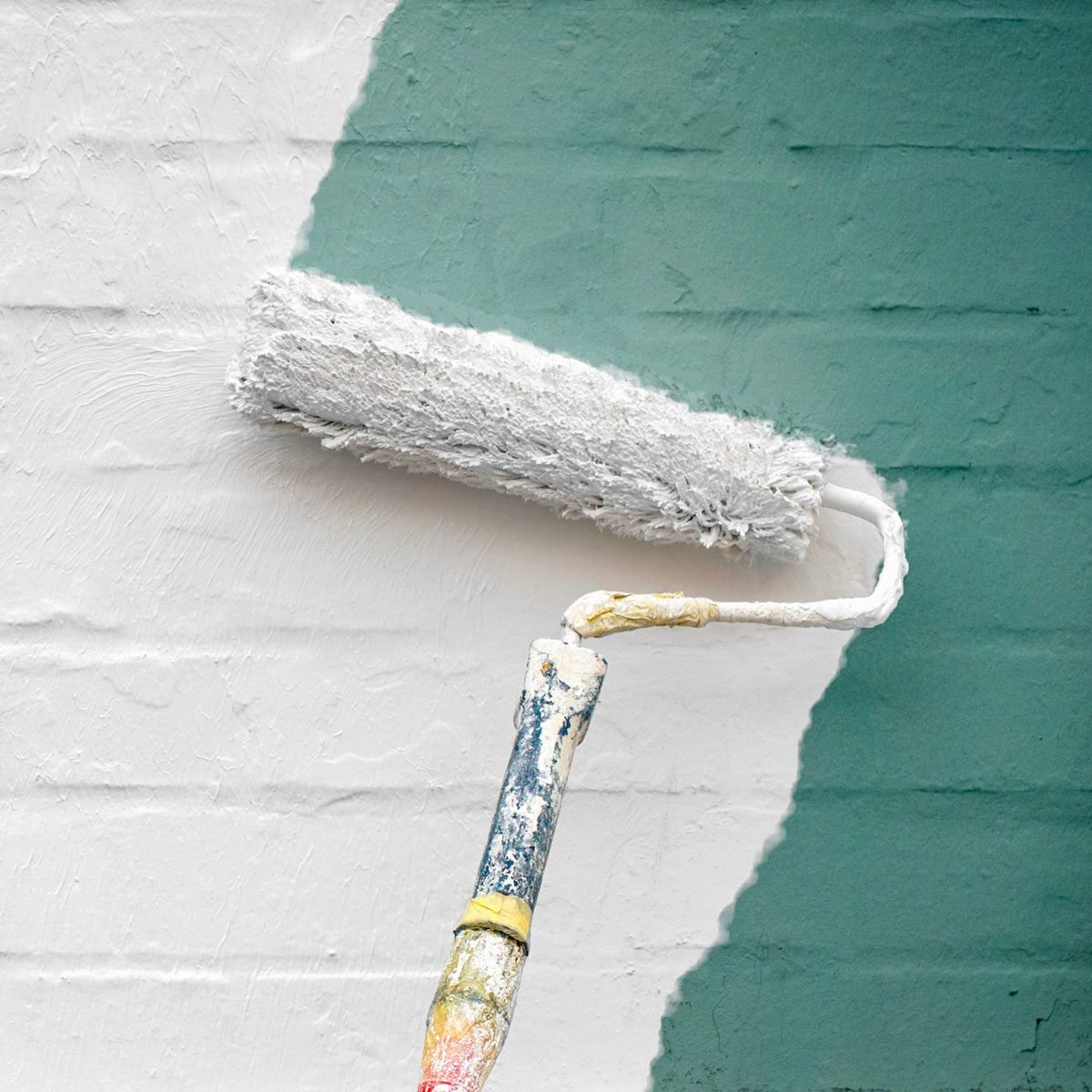
8 Exterior Brick Paint Color Ideas To Transform Your Home

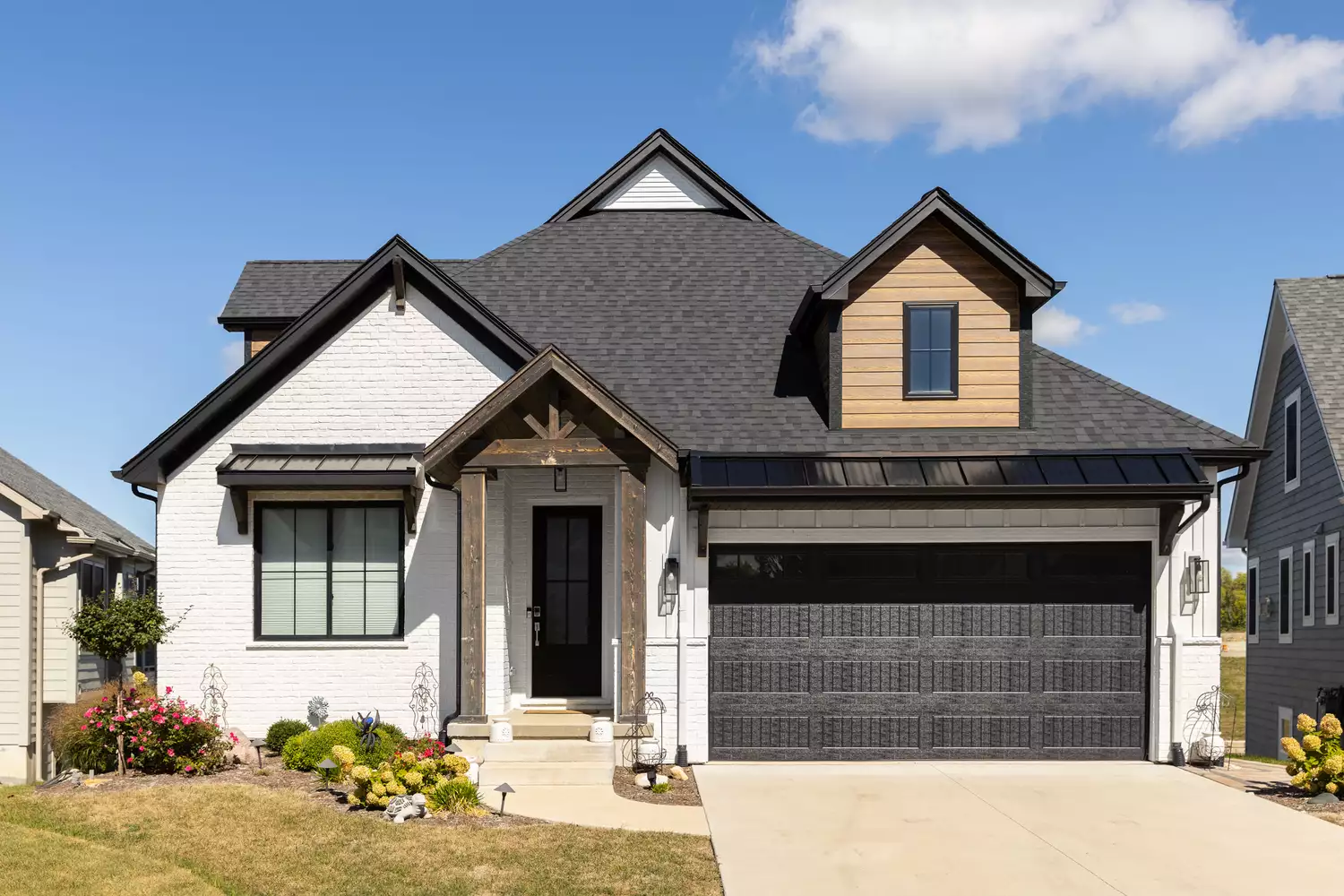
Painting Your Brick House Might Be Controversial, But It's Not Hard—How to Do It Right

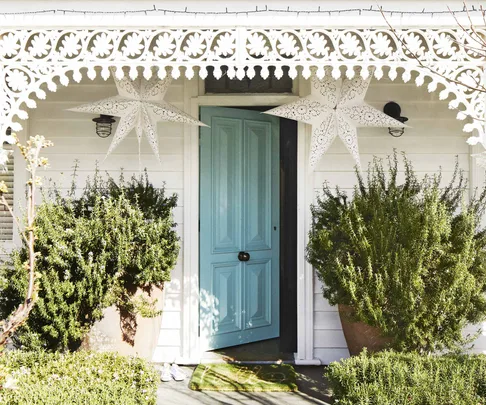
7 tips for restoring heritage homes to their former glory

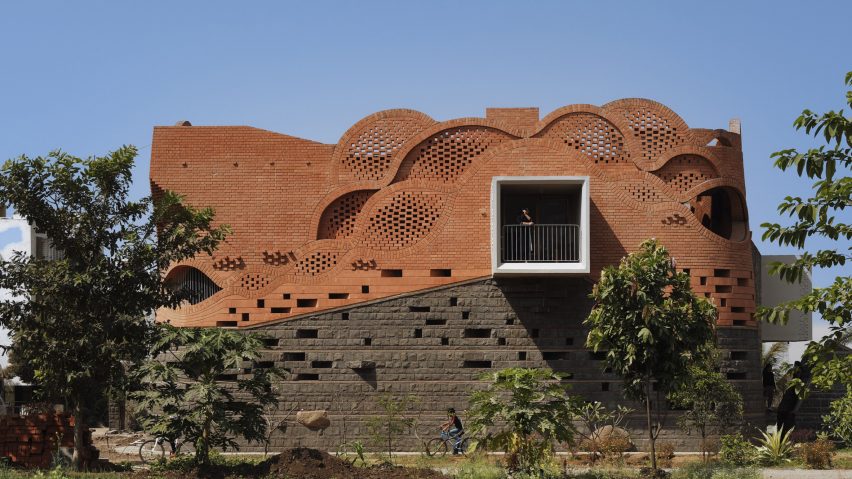
Ten buildings animated by expressive brick facades
How to Clean Brick on Your Interior and Exterior Surfaces
The Number-One Rule of Decorating a Space With Exposed Brick

Before and after: A red brick fireplace gets a $250 modern makeover

5 Reasons You Should Think Twice Before Painting Brick, Pros Say
These 15 brick houses prove this age-old material deserves icon status
Ready To Pick a Patio Pattern? Here Are 12 Designs To Consider
How to tile over a brick fireplace – An inexpensive DIY job with dramatic results

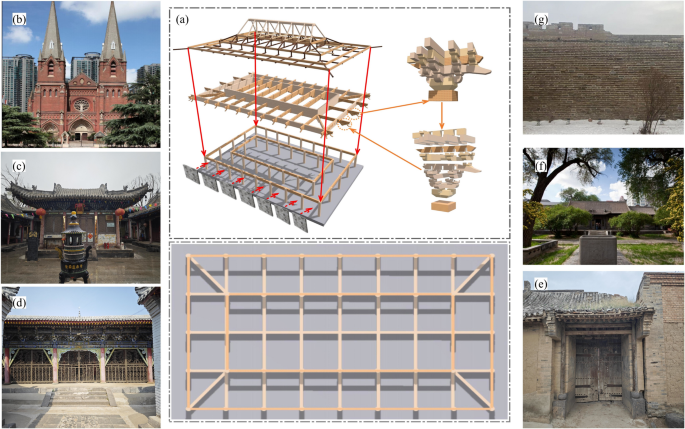
Damage and restoration technology of historic buildings of brick and wood structures: a review
10 of the most popular brick interiors on Dezeen's Pinterest boards

Brick Patio Ideas Don’t Have to Be Boring—Peep These 5 Outdoor Spaces

How to incorporate a brick wall in your home