Everything You Need to Know About Linen, Your New Favorite Fabric
Linen, an ancient textile dating back to 30,000 BCE, is experiencing a significant resurgence in popularity within home decor and fashion. This trend is driven by its sustainable nature and versatile aesthetic appeal. Originating from bast fibers, linen requires considerably less water and fertilizer than cotton to grow, and its carbon-drawing properties make it an eco-friendly choice. These environmental benefits, combined with its natural performance, position linen as a leading sustainable textile.
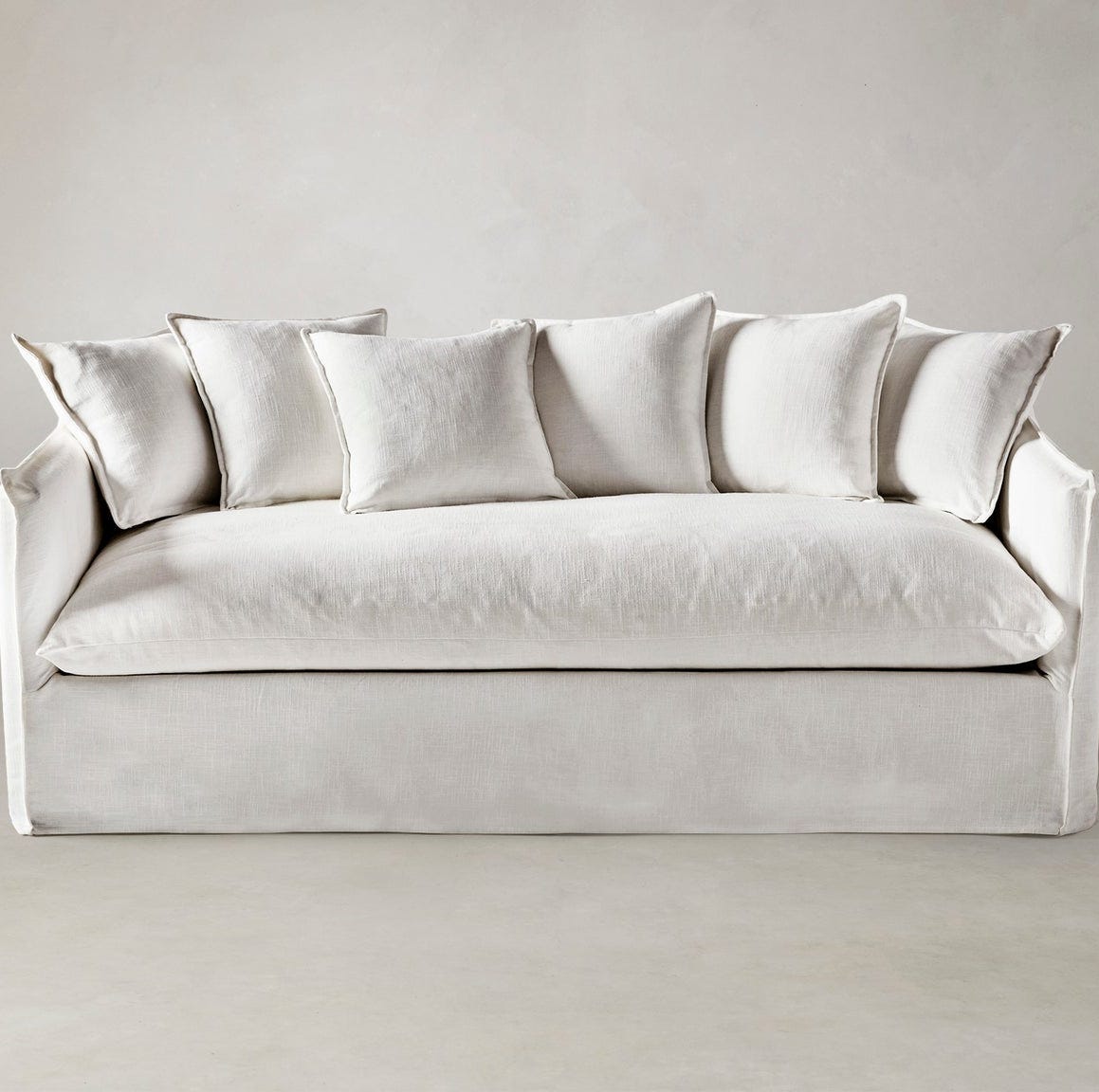
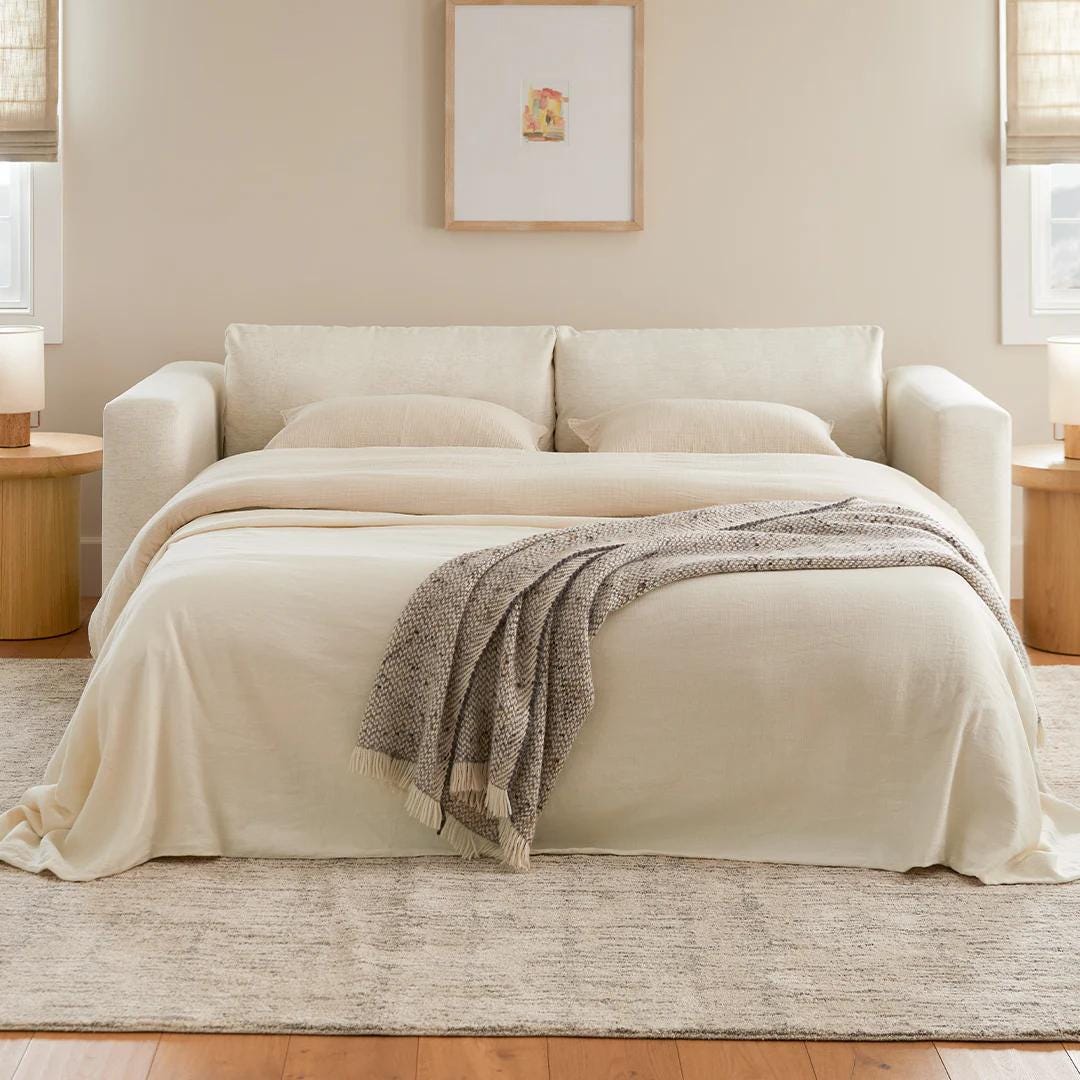
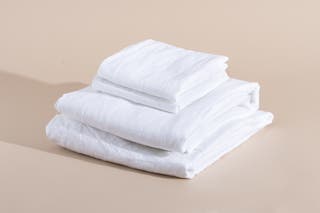
Historically, linen has been utilized across various civilizations for garments, religious purposes, and even as a material for books. Its prominence fluctuated, with a notable surge in popularity during the mid-18th century for household items and later in the 19th century for summertime suiting. The fabric saw a dramatic comeback in the 1990s, with a substantial increase in its use for apparel textiles. More recently, direct-to-consumer (DTC) brands have enthusiastically embraced linen for a wide array of products, including upholstery, tablecloths, apparel basics, and bedding, highlighting its inherent quality and natural origins.
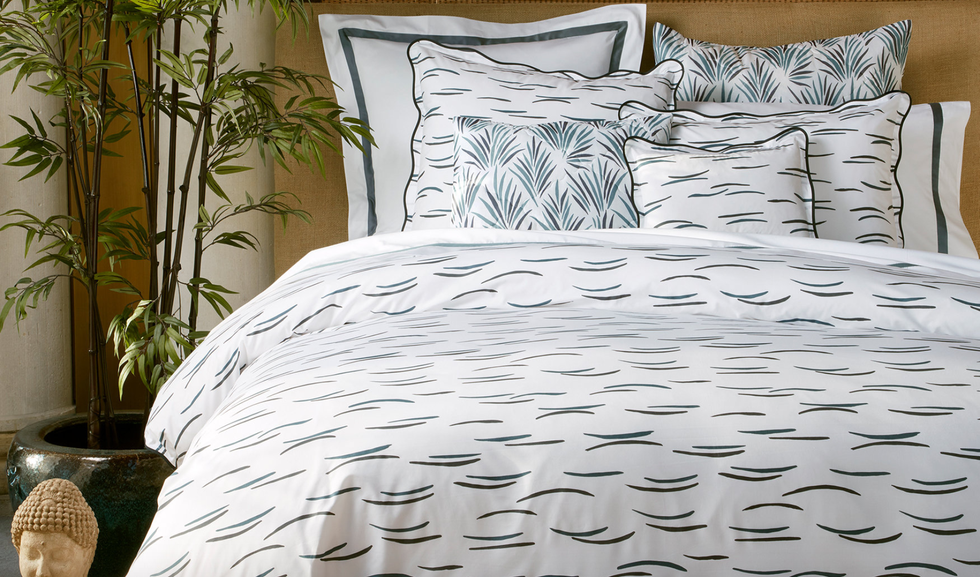
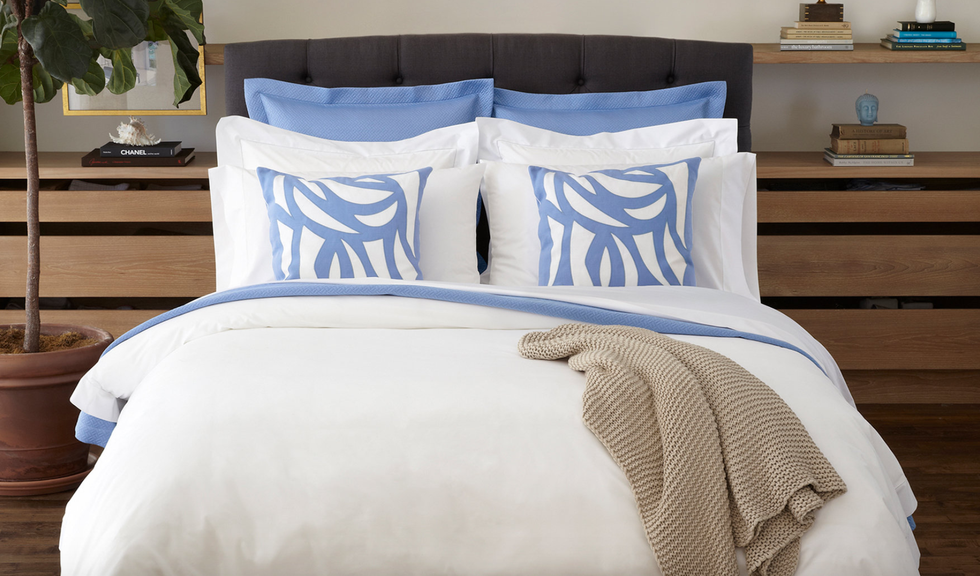
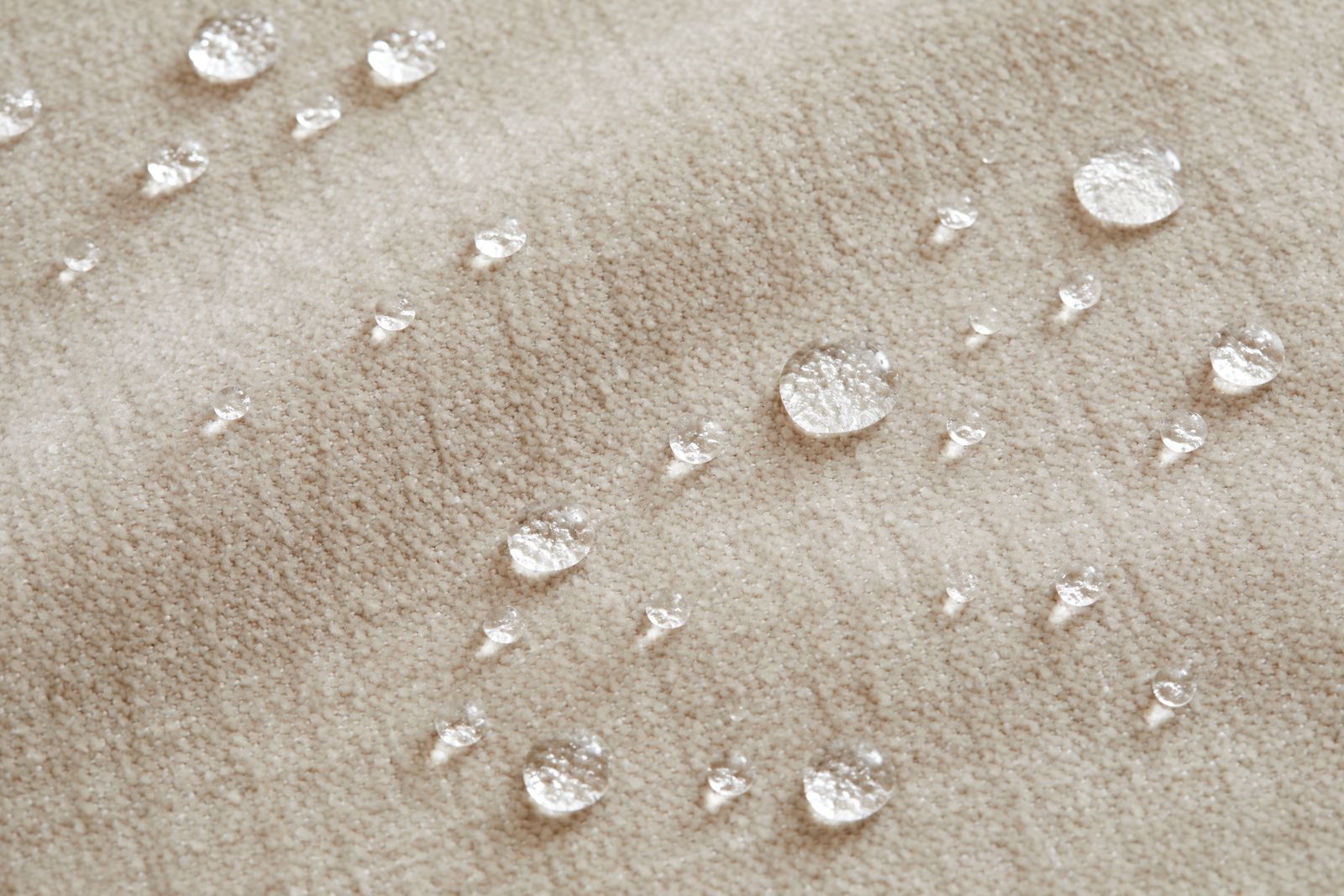
The appeal of linen stems from its unique properties. Its loose fabric structure promotes air circulation and does not retain moisture, creating an environment inhospitable to bacterial growth. Linen's high lignin content, which is seven times greater than cotton's, provides natural defense against pests and pathogens, enhances cell wall support, and makes it water repellent, contributing to its durability and suitability for home goods. The porous nature of linen also allows it to act as a natural thermoregulator, keeping users warm in winter and cool in summer, making it ideal for year-round bedding.
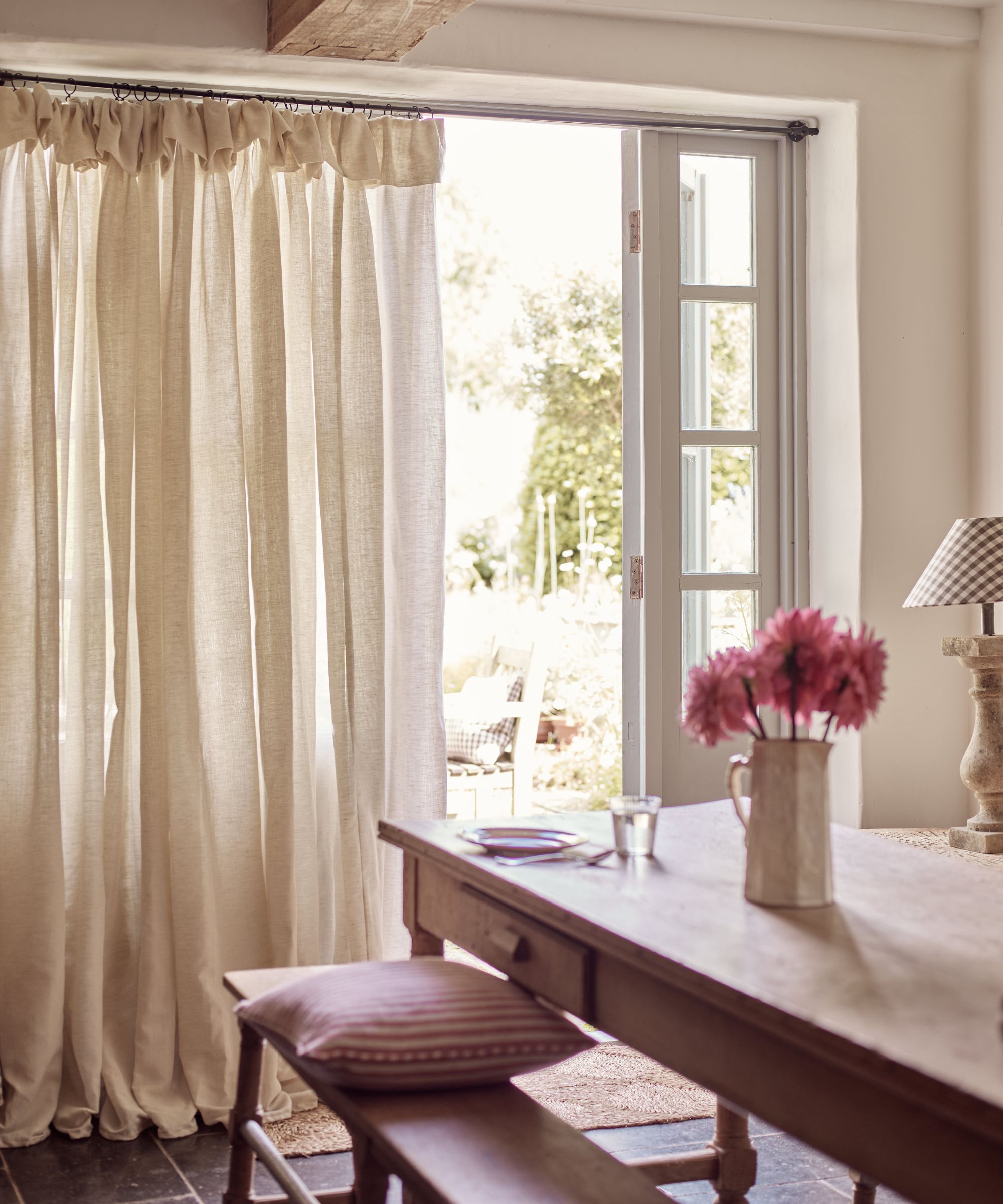
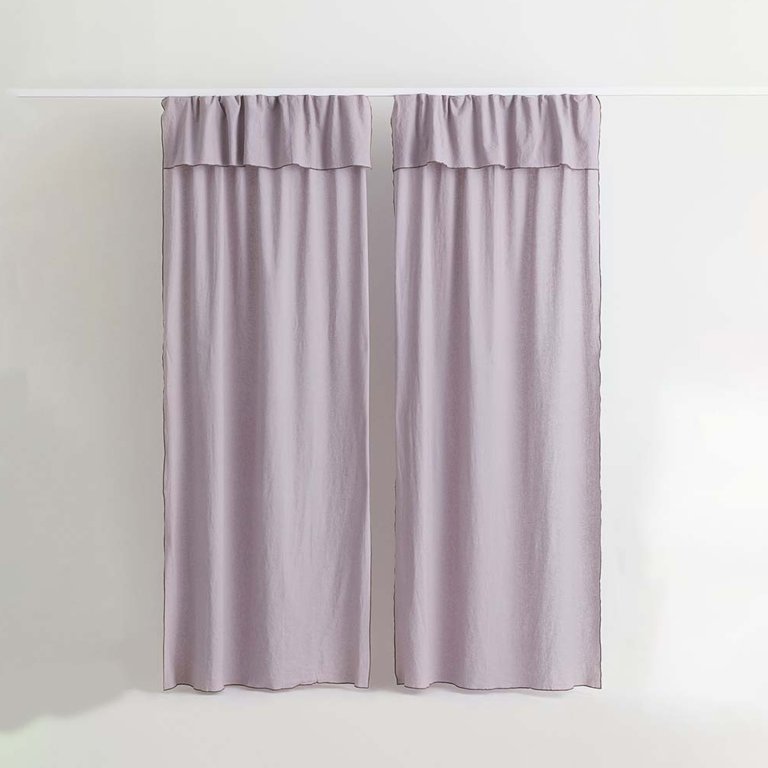
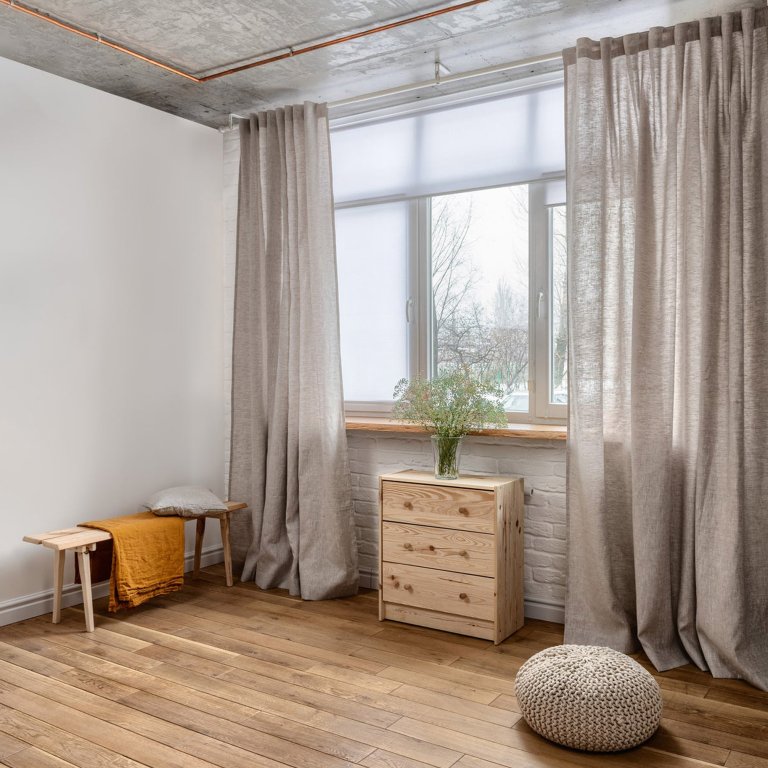
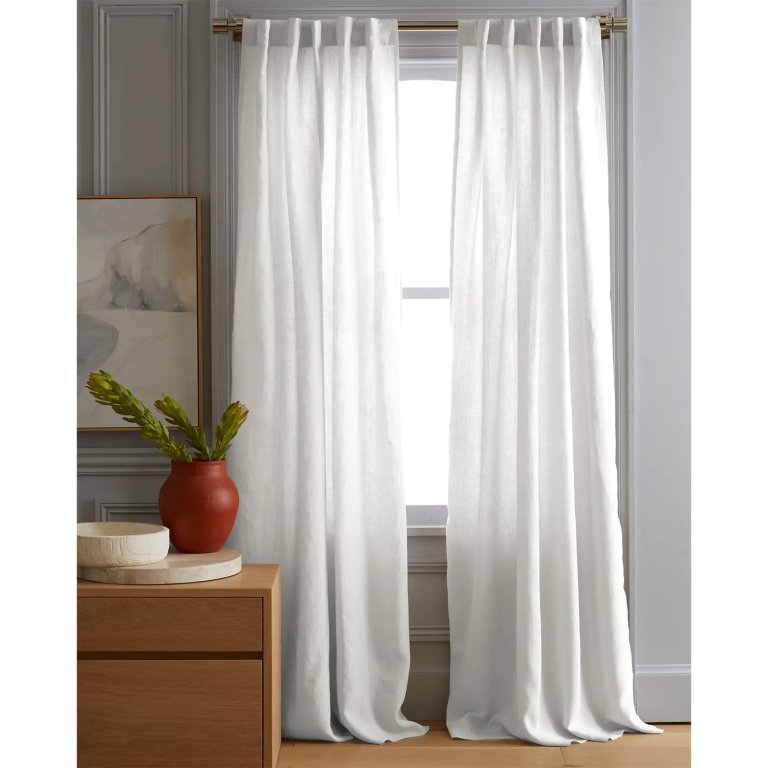
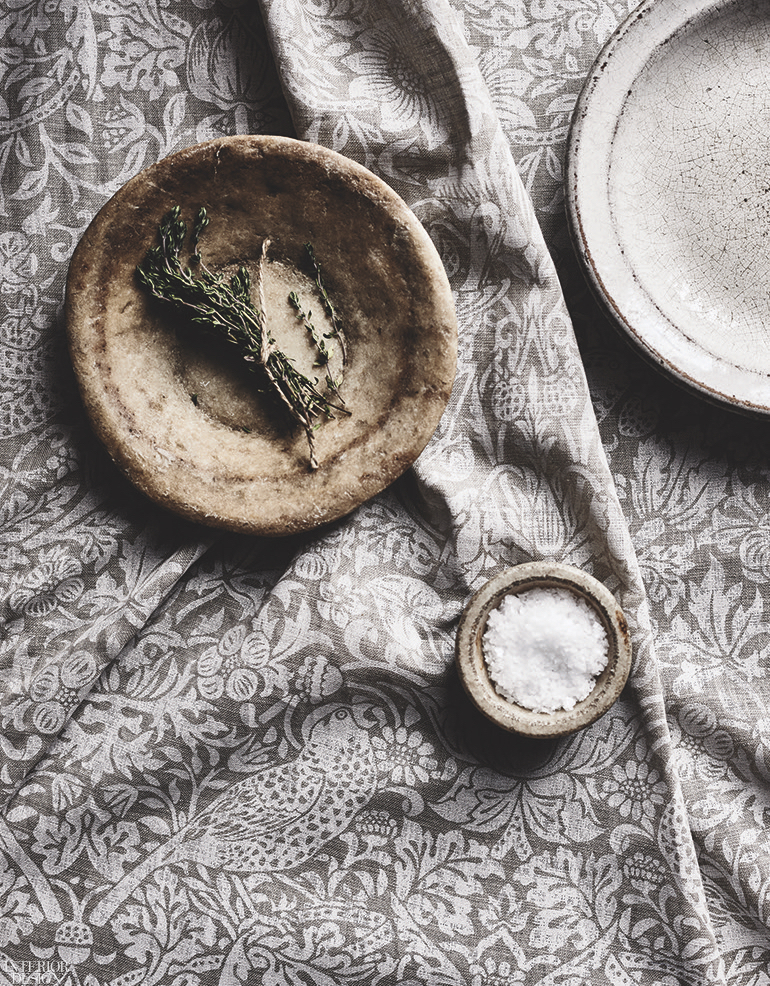
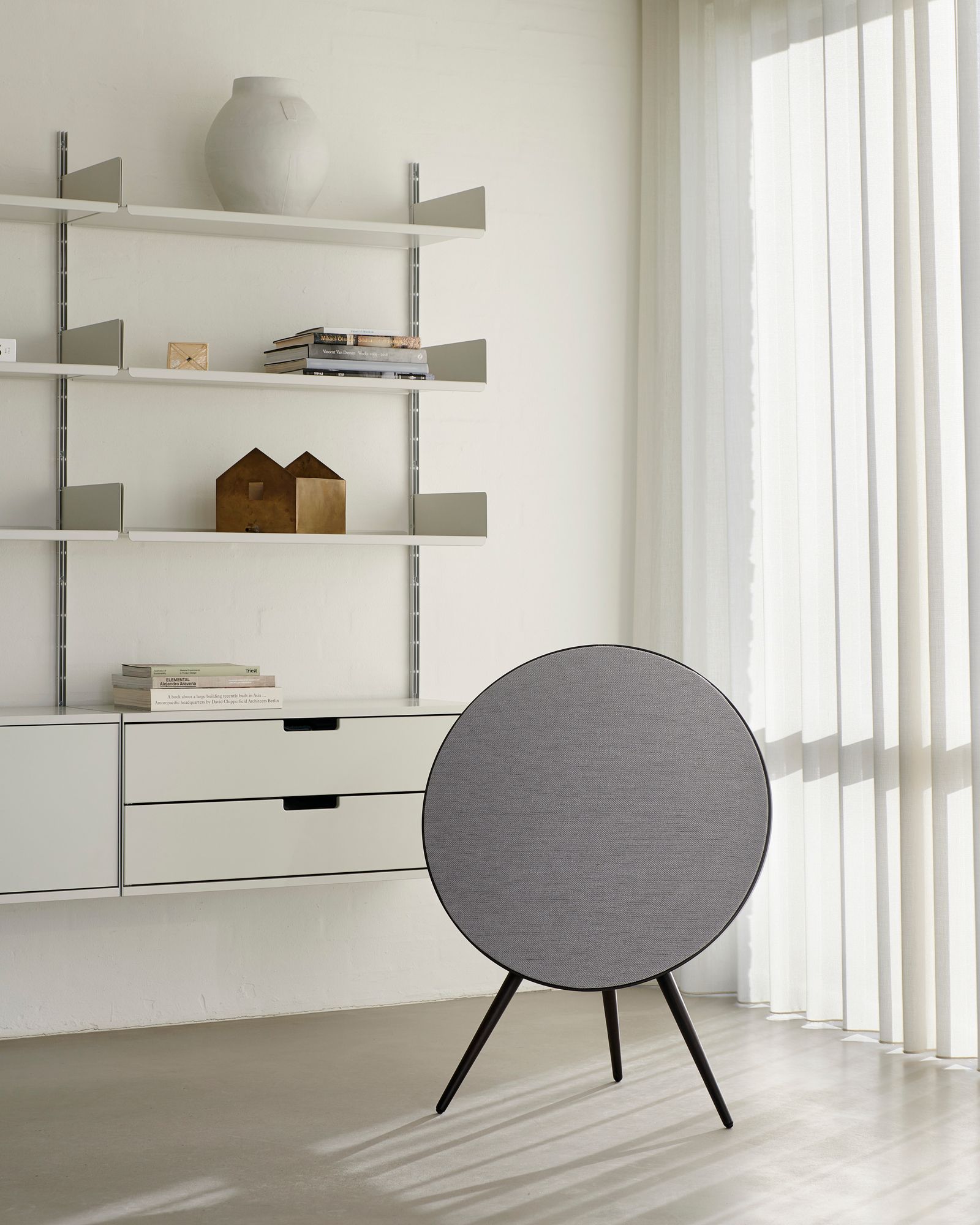
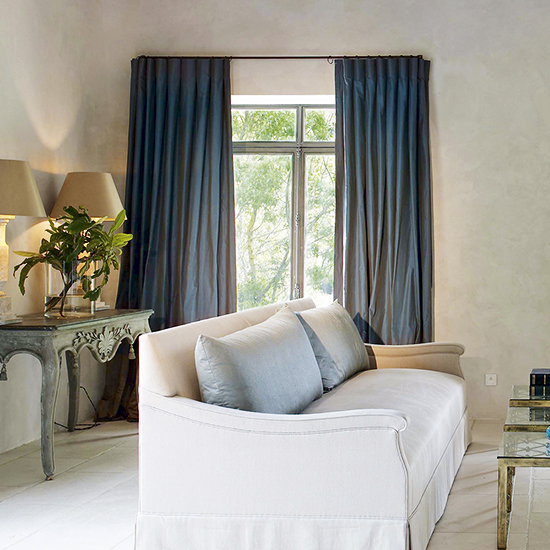
Furthermore, linen possesses a distinctive texture and drape. Its heft can provide a comforting weight, similar to weighted blankets, and its looser weave allows for soft light diffusion when used in curtains. When selecting linen, terms like "French Flax" or "Belgian Flax" typically refer to the origin of the flax plant, not necessarily where it was processed. However, "Belgian Linen" is a geographically trademarked term, ensuring both the flax's origin and processing occur in Belgium. While brands may champion specific national origins, there is no universal consensus on which nation produces the superior flax, with claims often based on craftsmanship or ideal growing climates.
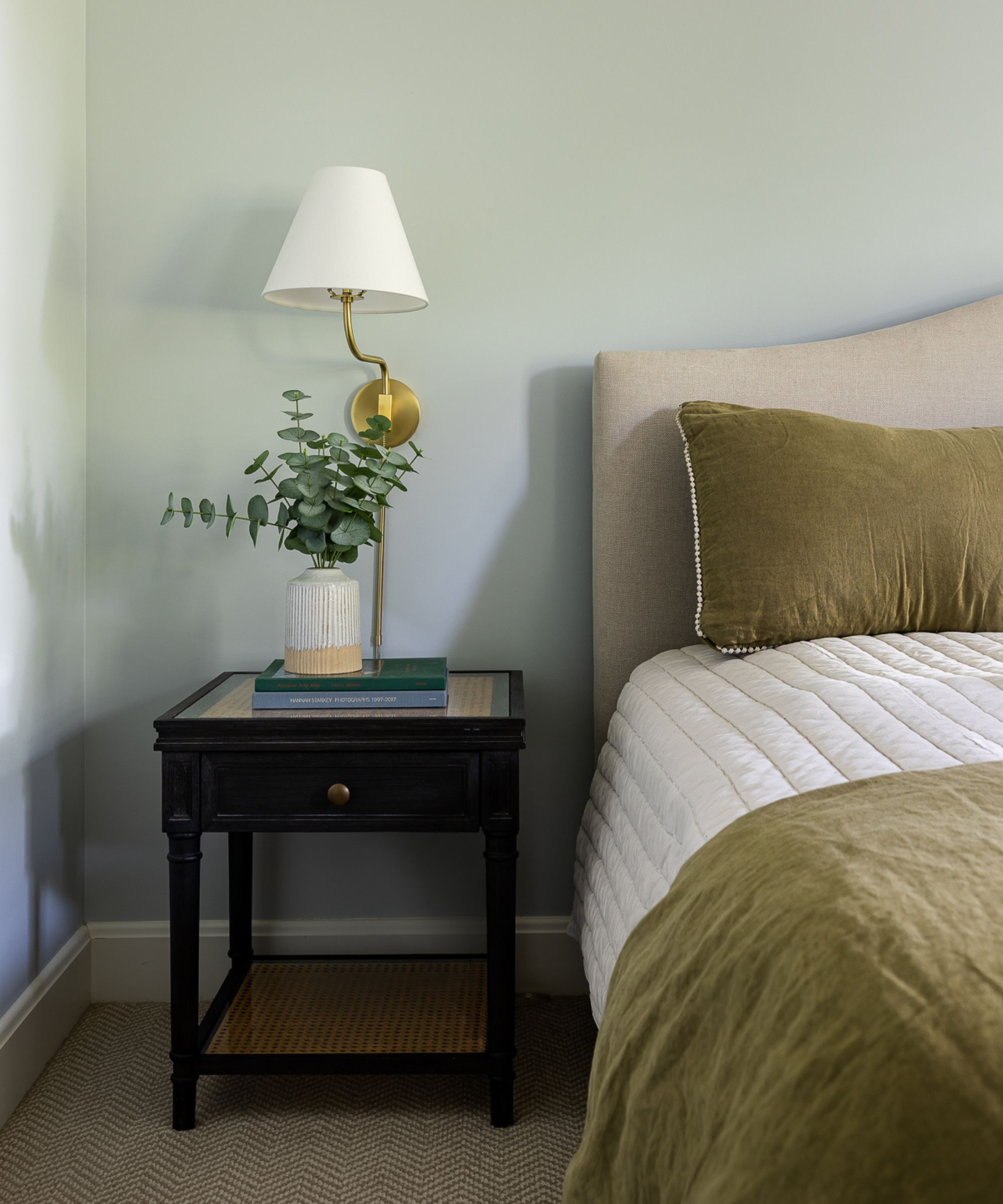
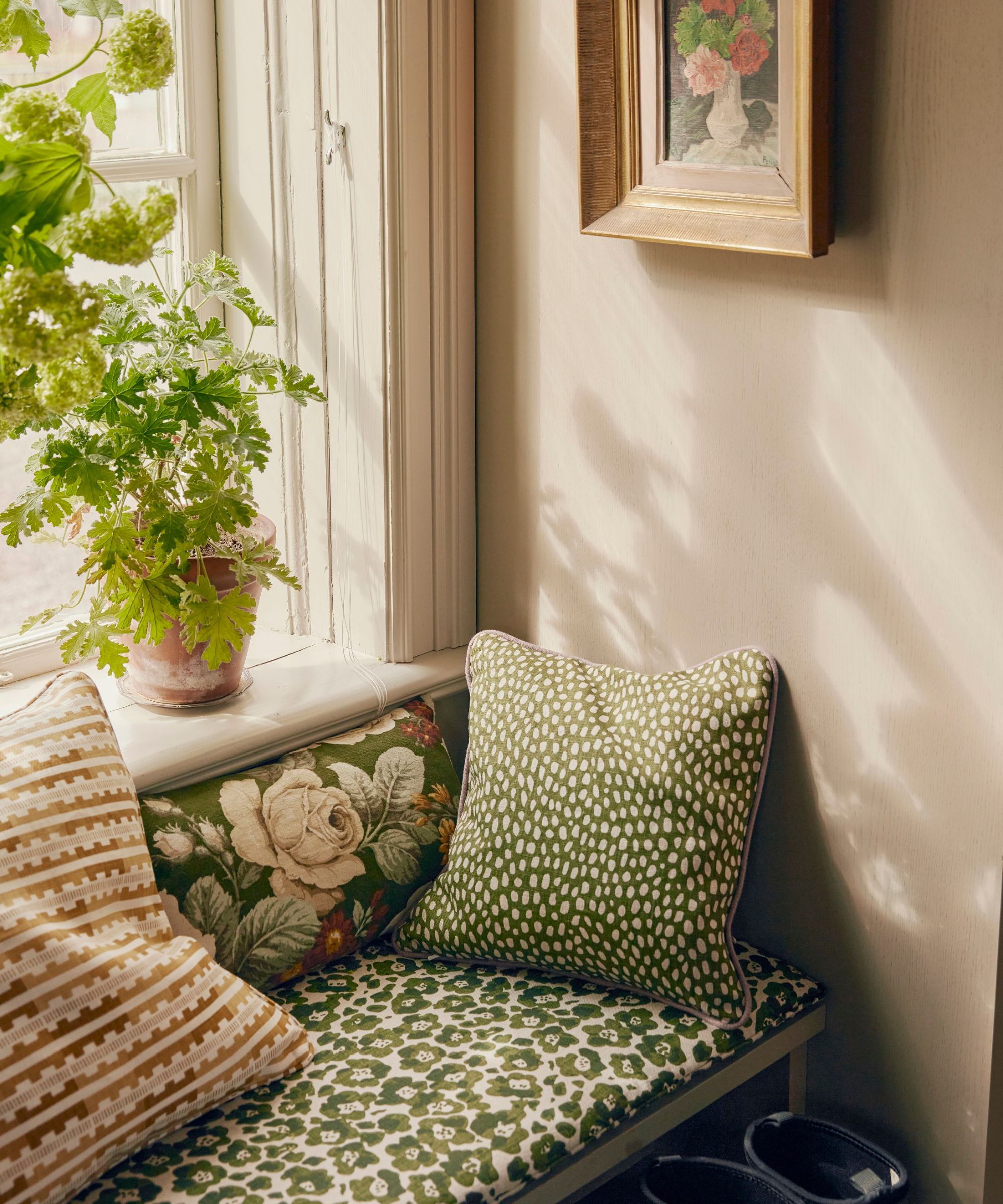
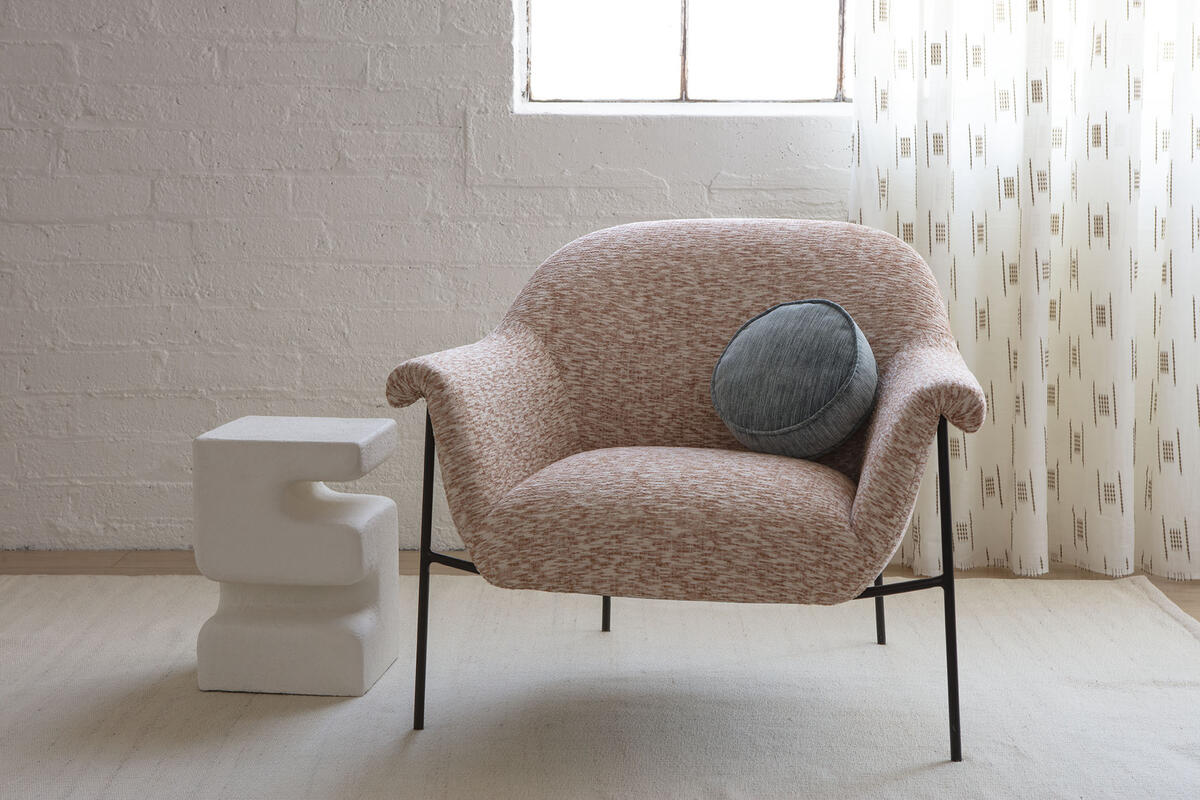
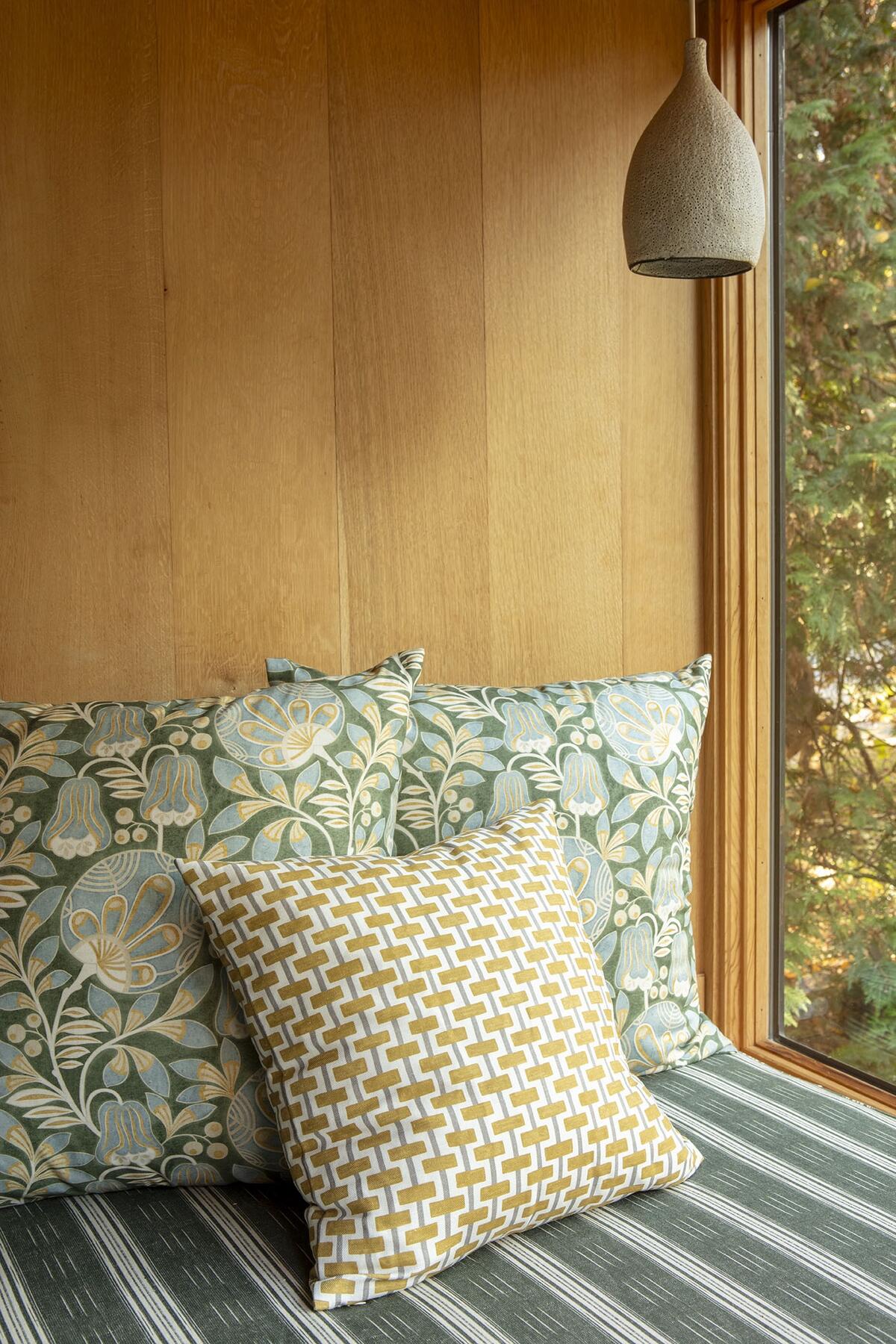
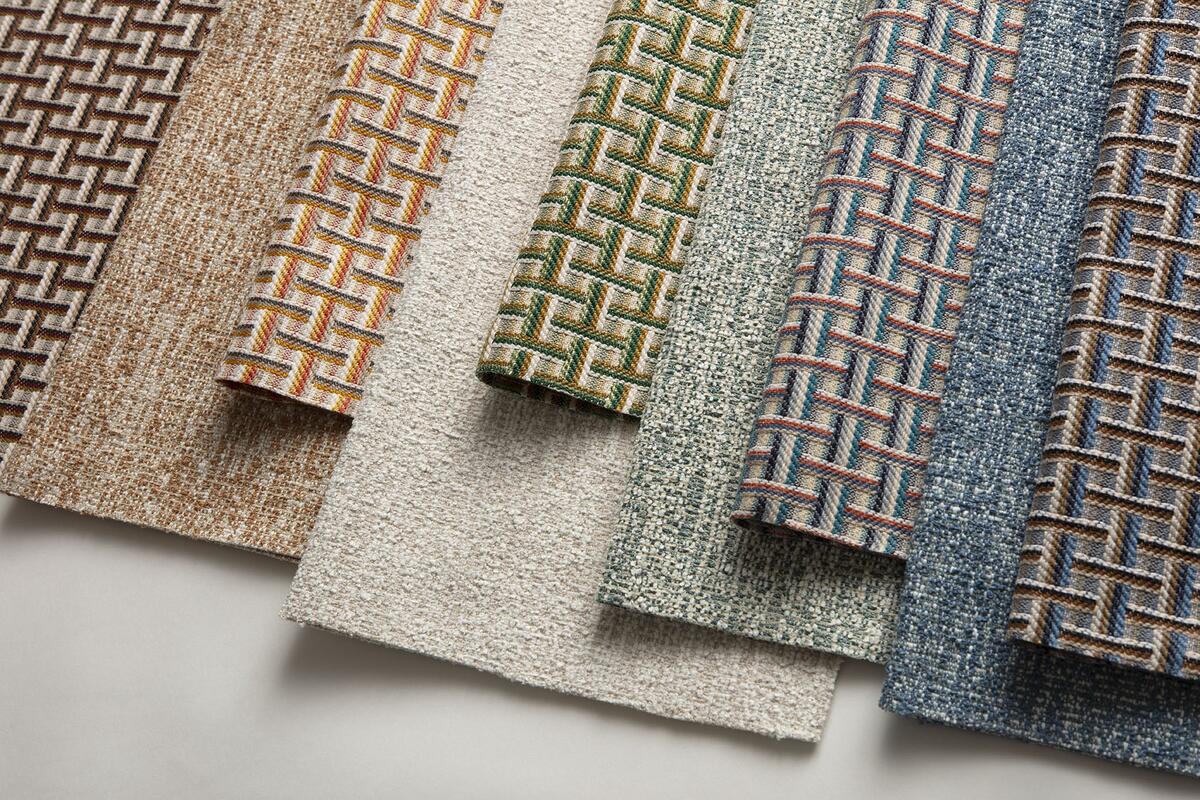
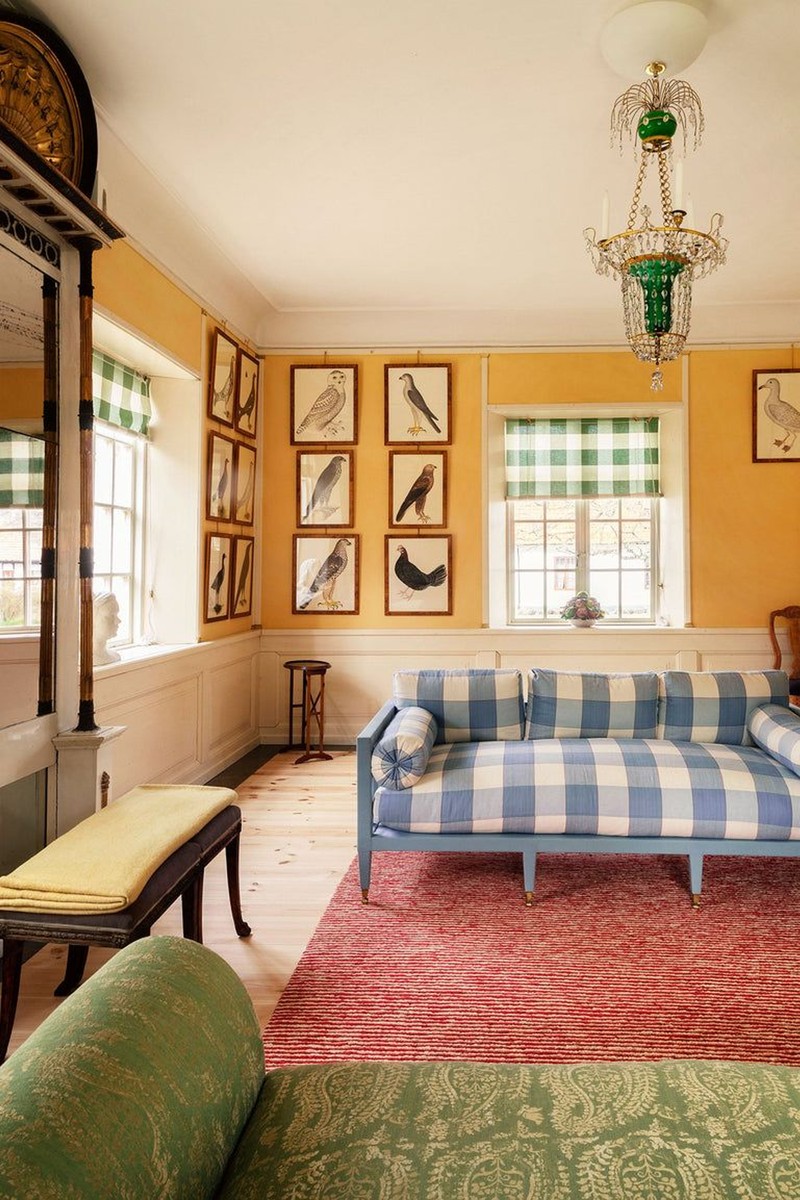
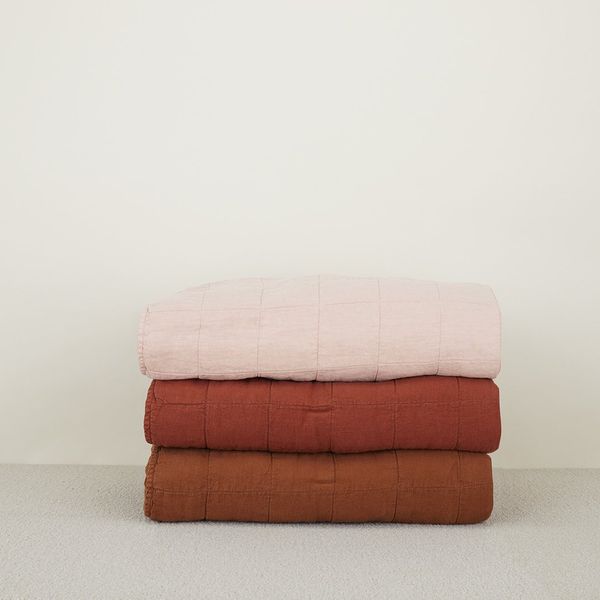
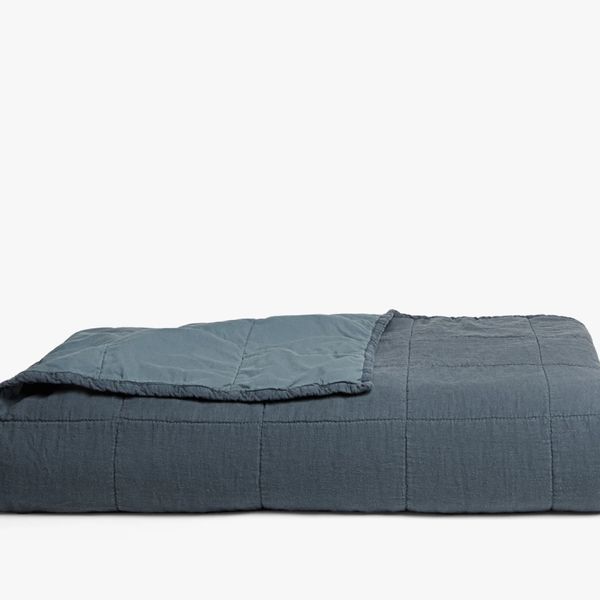
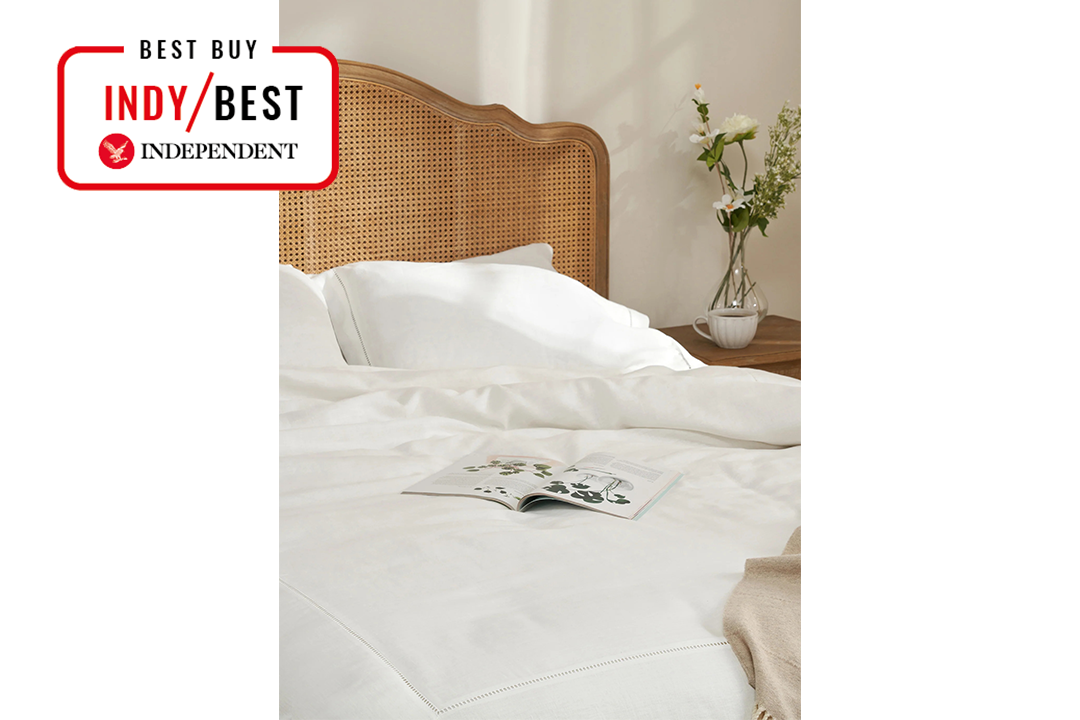
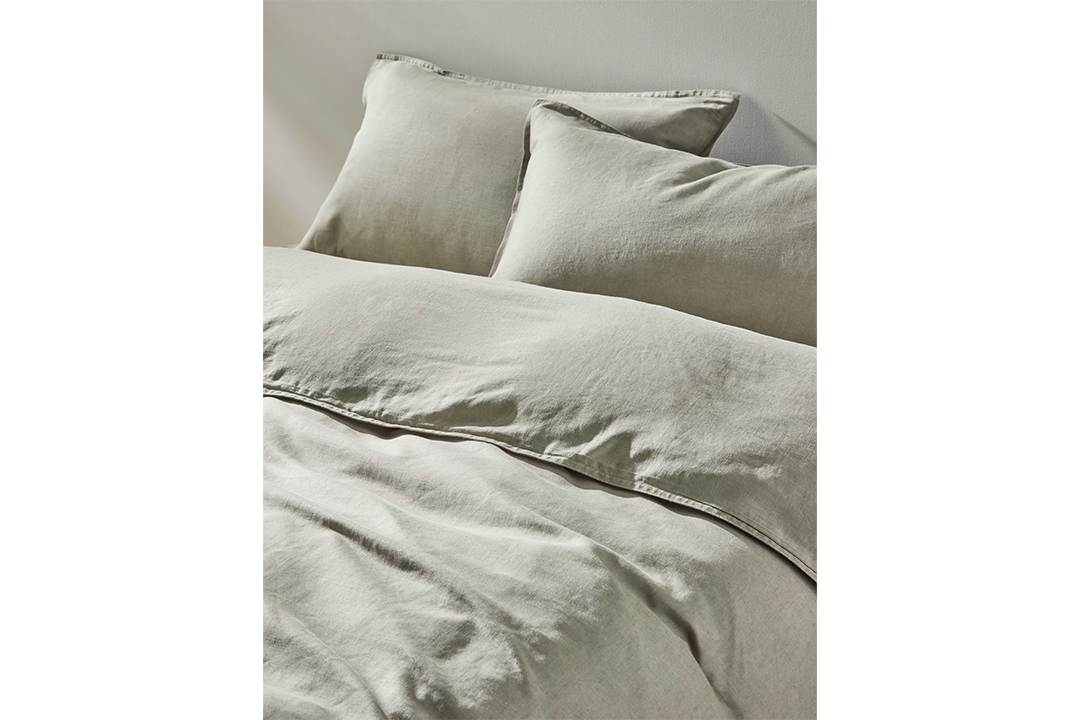
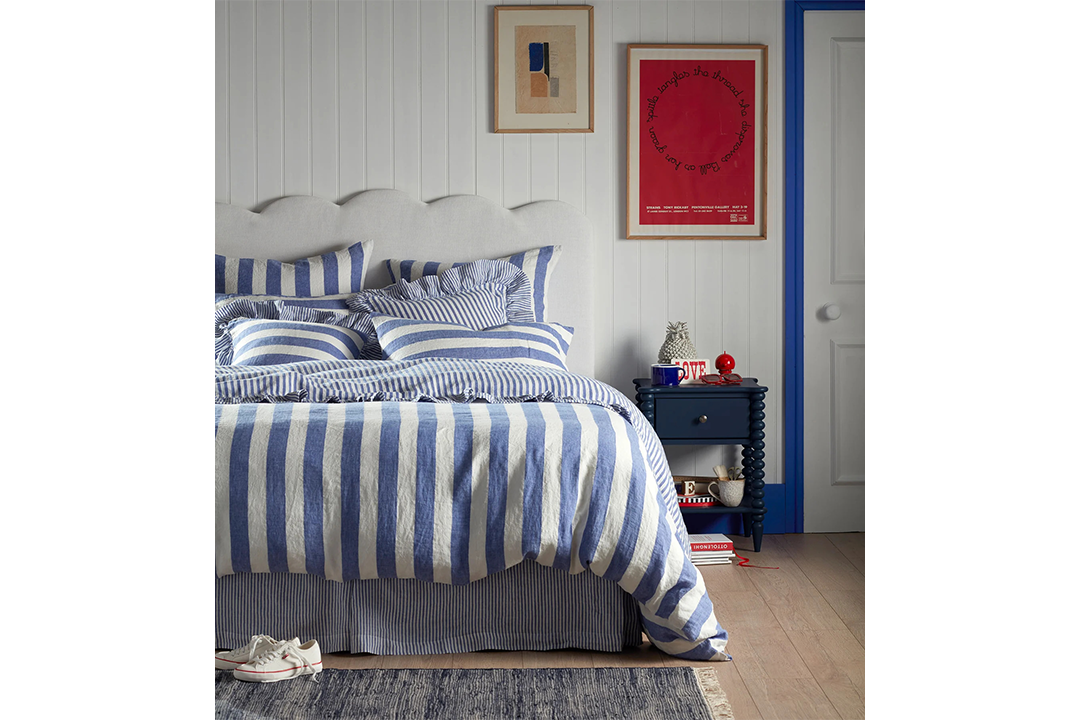
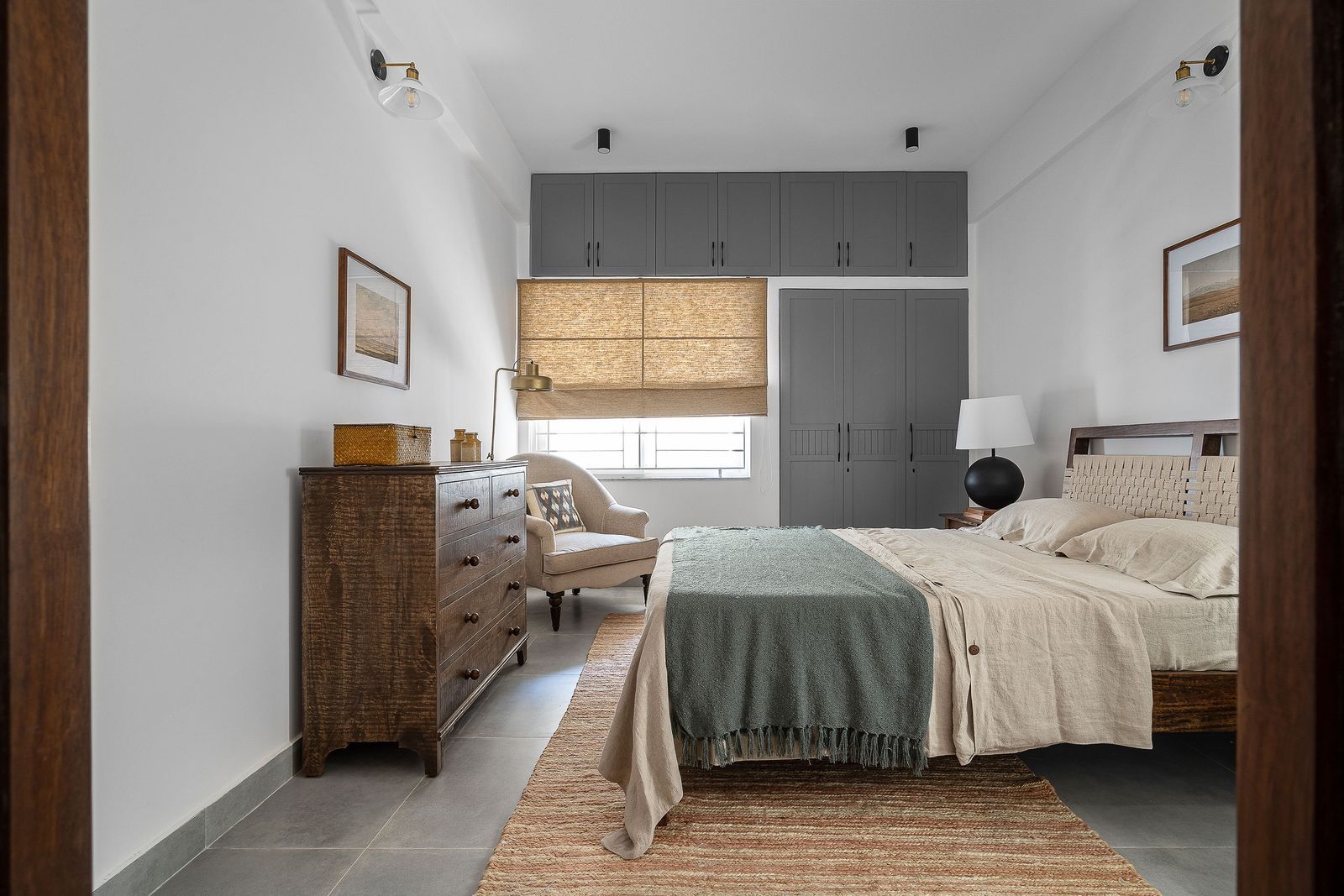
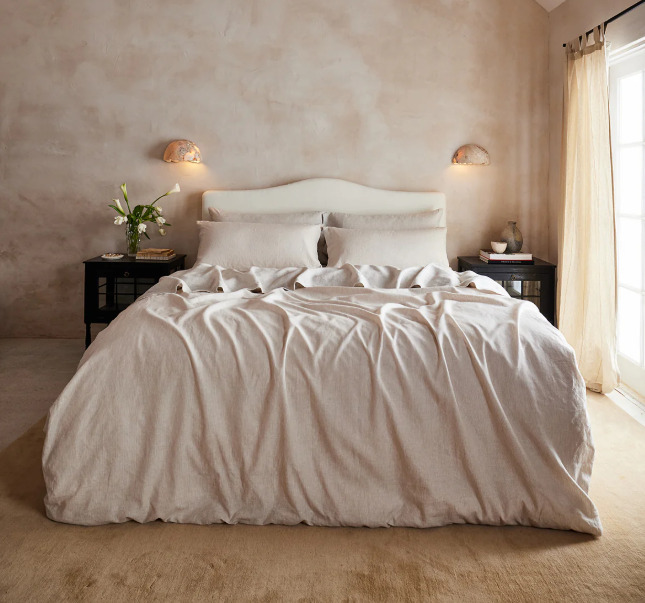
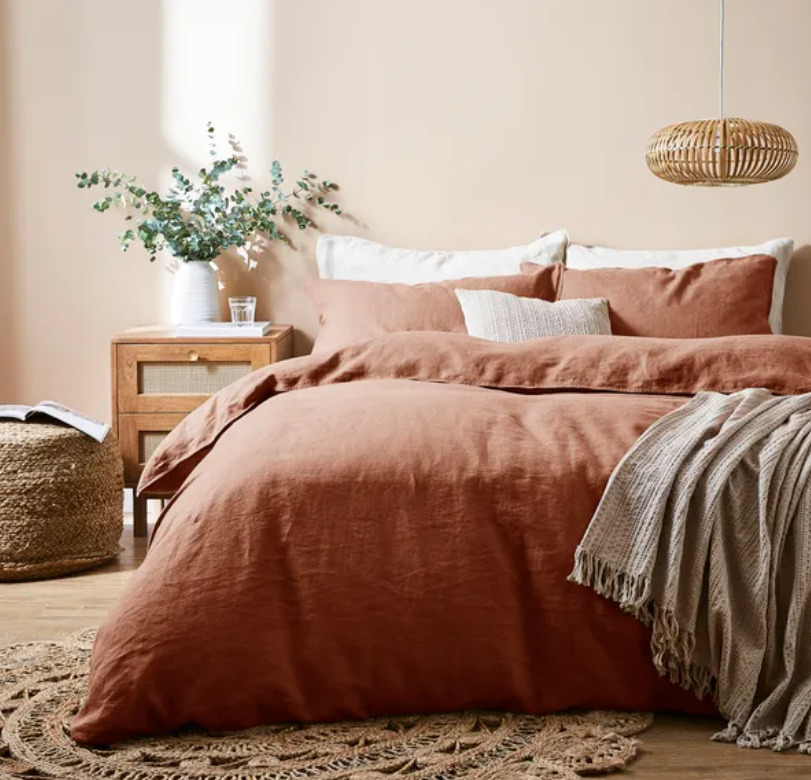
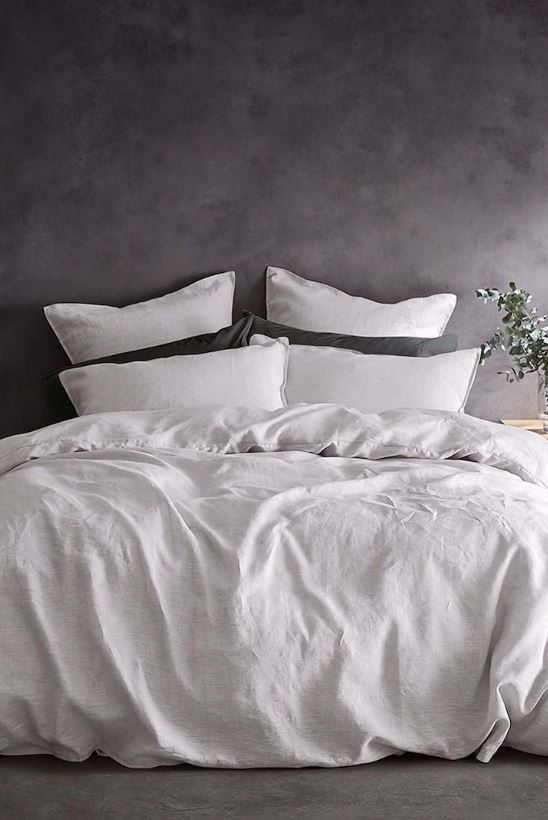
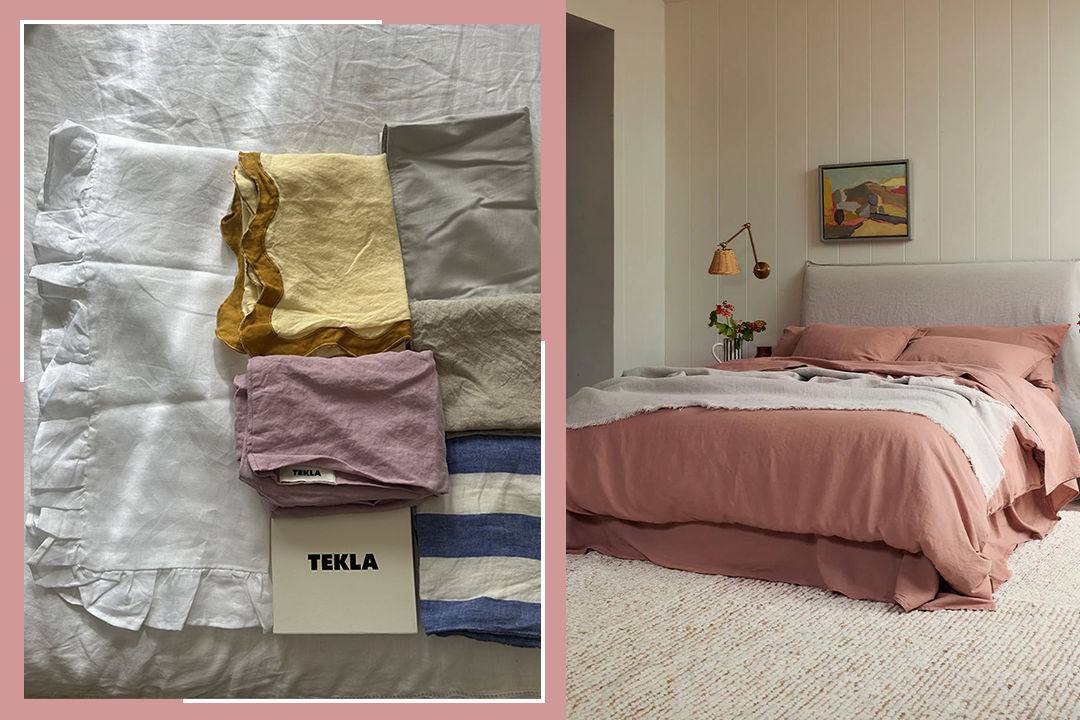
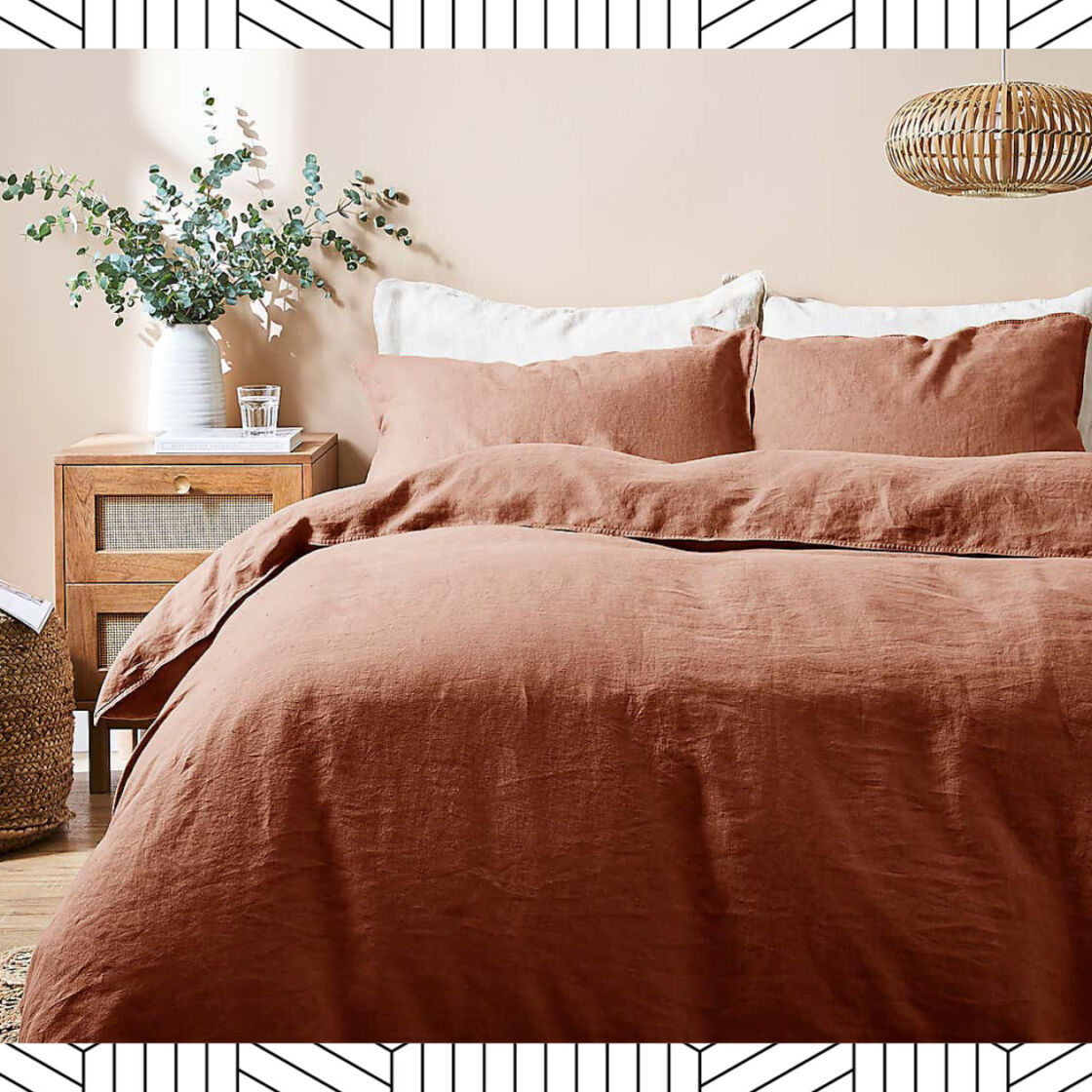
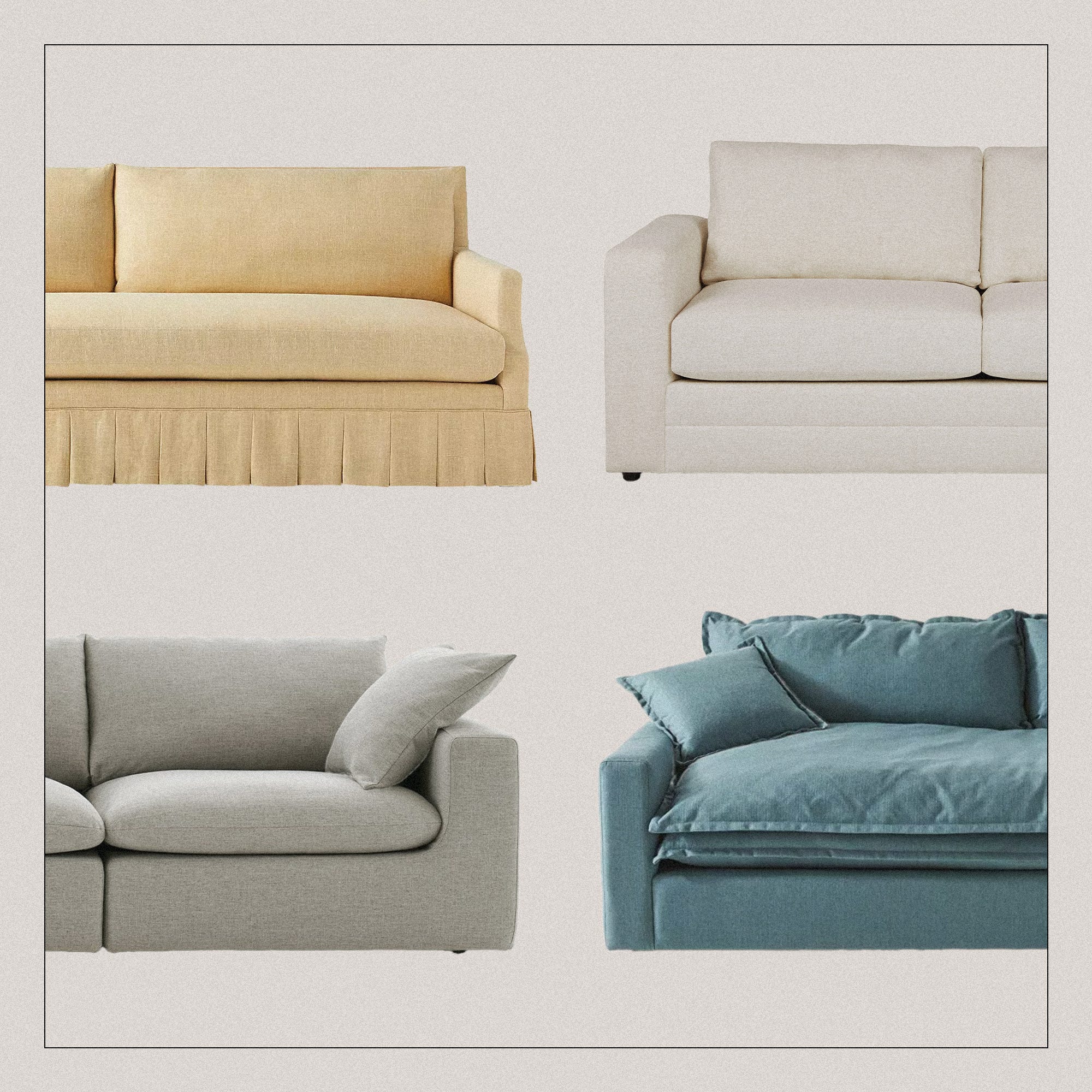
Linen's enduring appeal lies in its ability to seamlessly integrate into diverse design aesthetics. It complements minimalist Scandi-inspired spaces, texture-rich hygge rooms, and even distressed, rustic, or Victorian styles like shabby chic or cottagecore. Its medium weight also lends itself to nautical-themed decor. While whites and off-whites are classic and safe choices, linen readily accepts color, allowing for bold and vibrant expressions. Rich, warm-toned hues such as marigold yellow, ochre, turmeric, rosewood, rose clay, and various sage colors have become popular in linen applications, offering contemporary and sophisticated alternatives to traditional palettes. The material's ability to look and feel better with age further solidifies its status as a timeless and versatile fabric for any home environment.
#LinenFabric #HomeDecor #SustainableTextiles #InteriorDesign #TextileHistory #Bedding #FabricProperties #ColorTrends #EcoFriendly #LinenFabric #HomeDecor #SustainableTextiles #InteriorDesign #TextileHistory #Bedding #FabricProperties #ColorTrends #EcoFriendly
0 comment in total
 No comments yet
You may also like
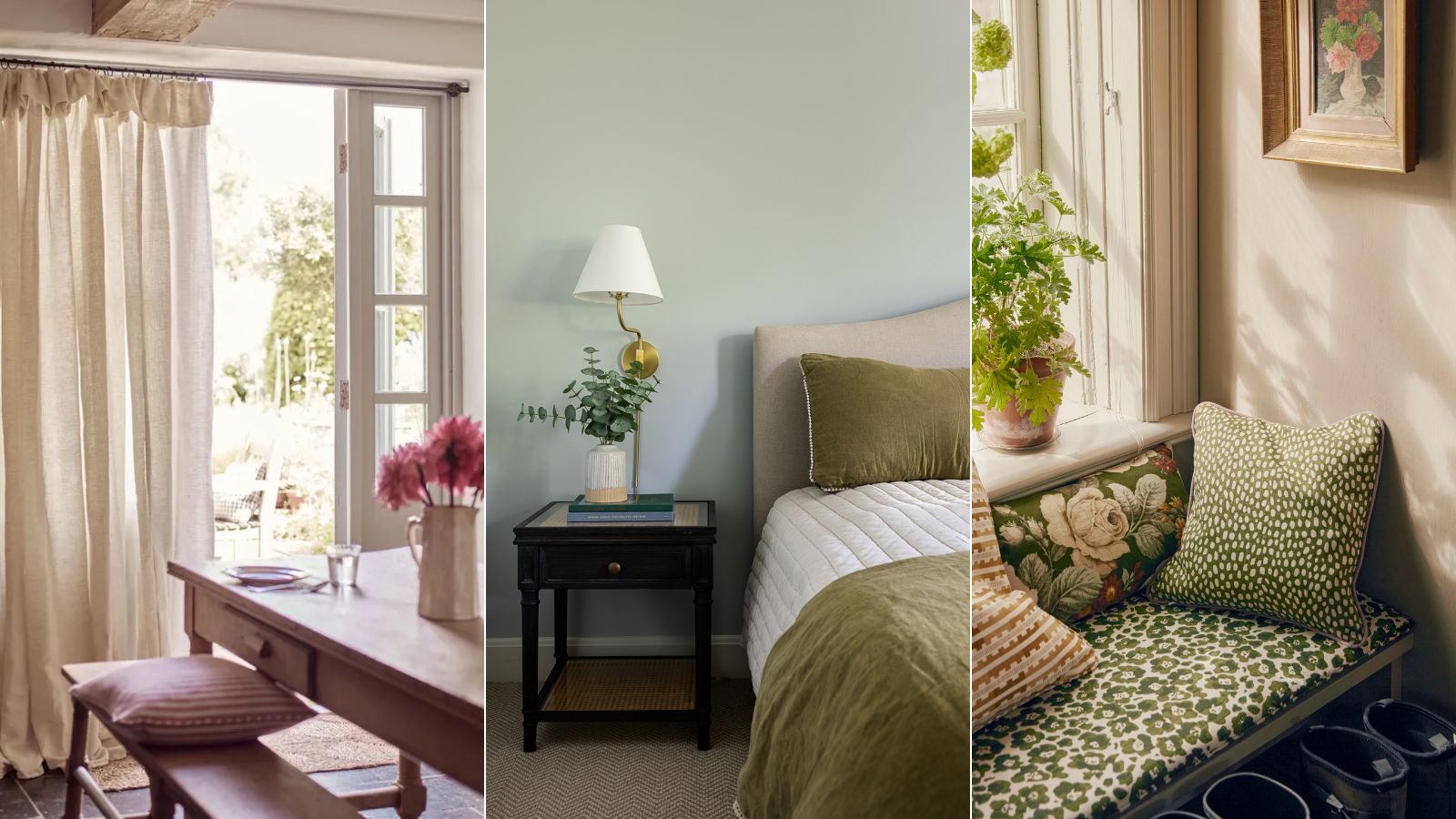
The best fabrics to use in your home during the summer

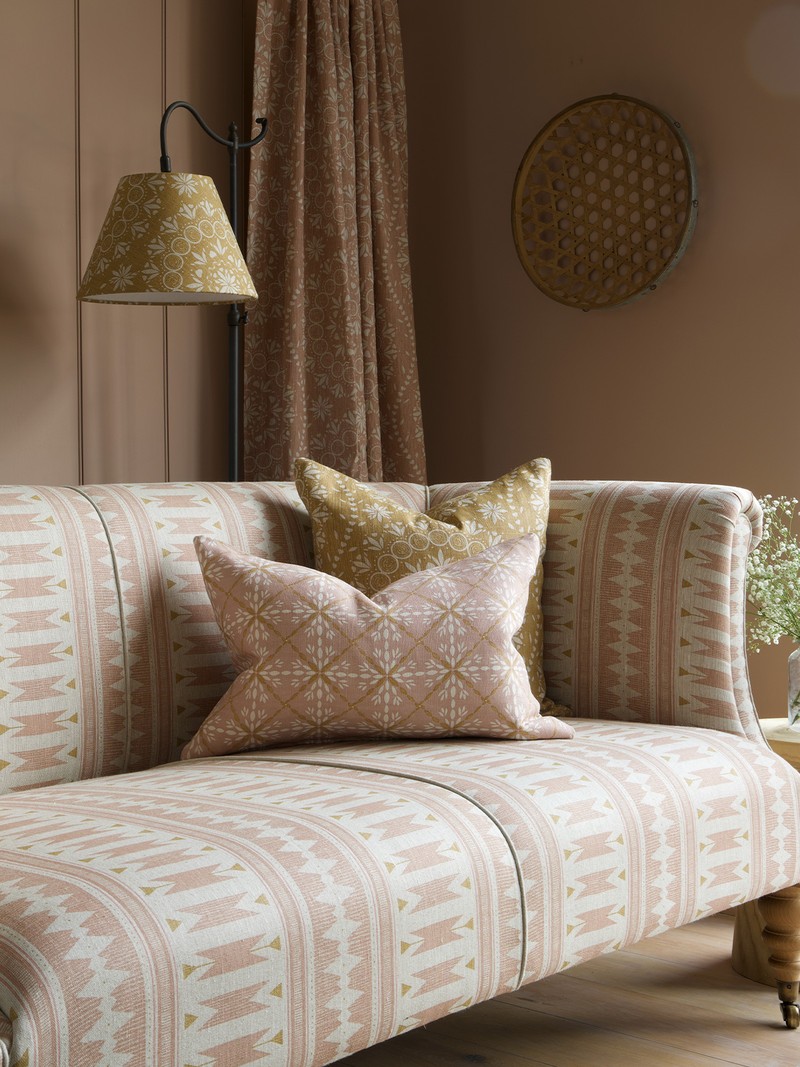
The New Fabric Launches Worth Knowing About
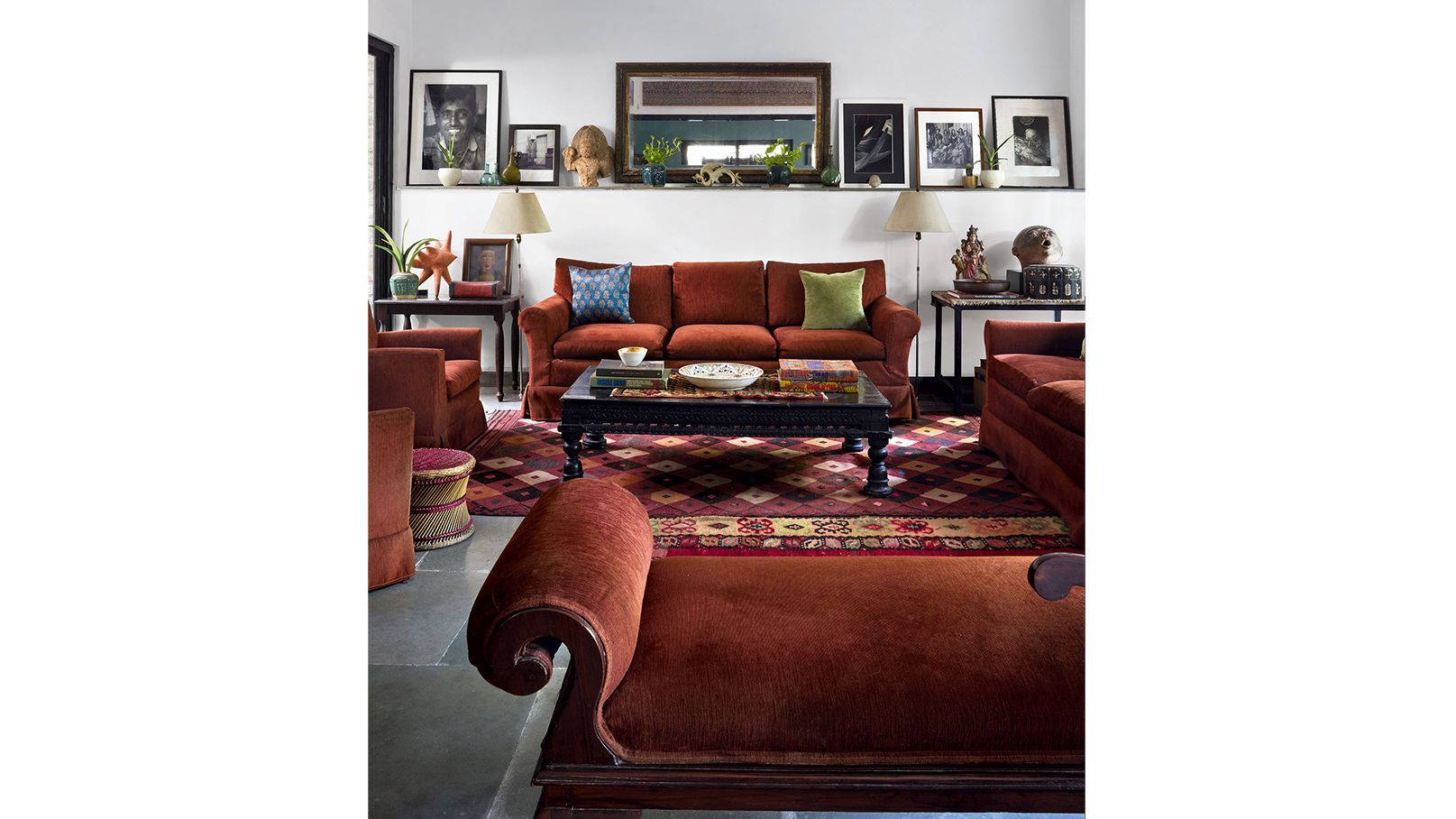
The 5 fabric trends ruling interiors now, according to the pros

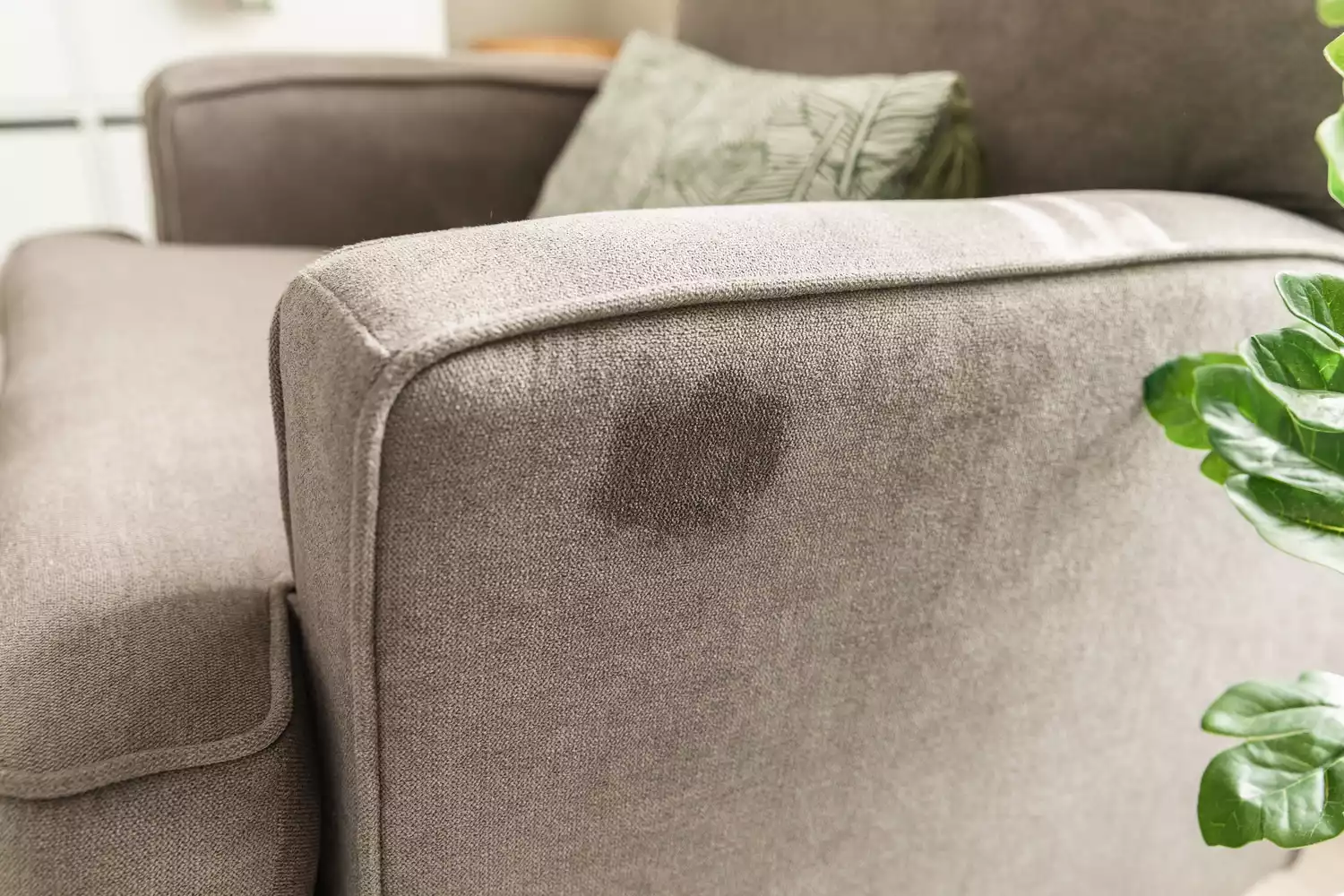
Designers Agree: These 6 Common Furniture Fabrics Look Great But Never Last

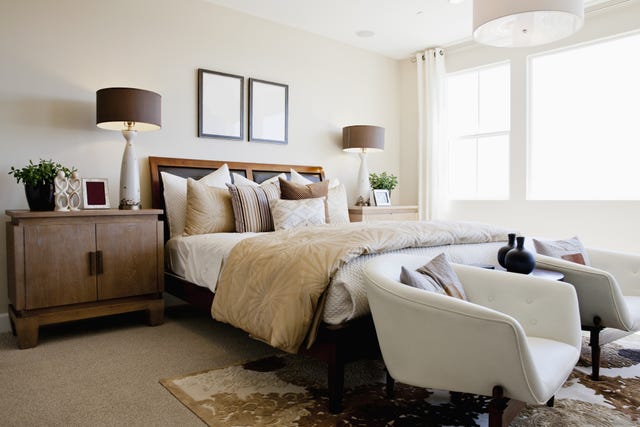
The Best Bed Linens for Every Design Style

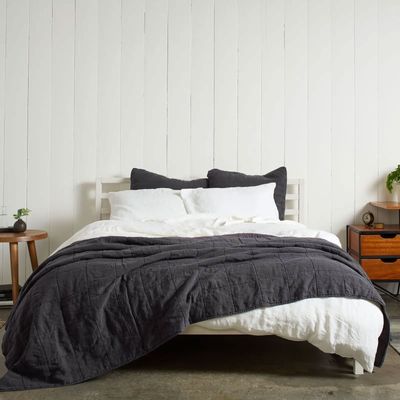
The 23 Very Best Quilts
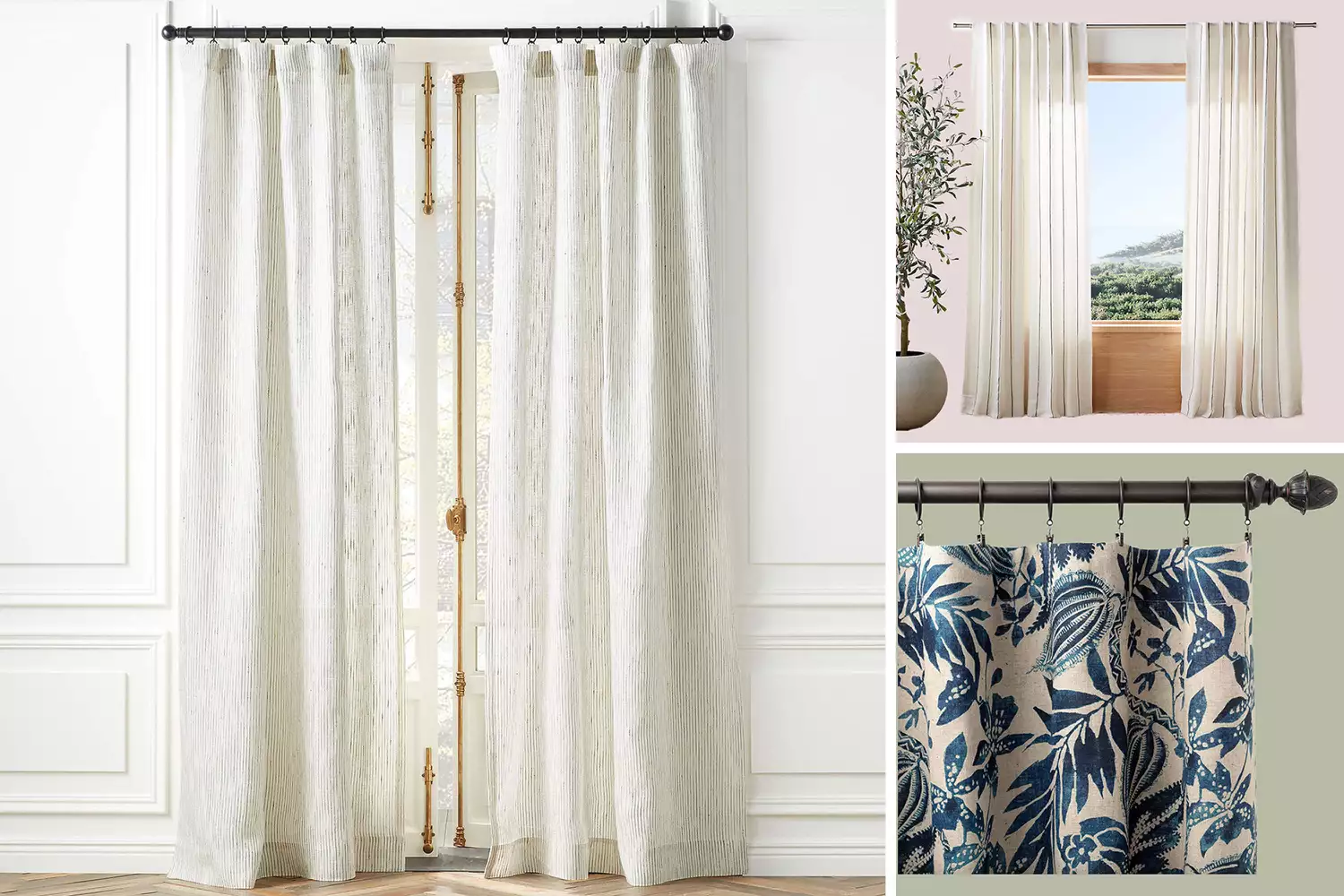
12 Linen Curtains to Elevate Every Room in Your Home


Our Favorite Linen Sheets
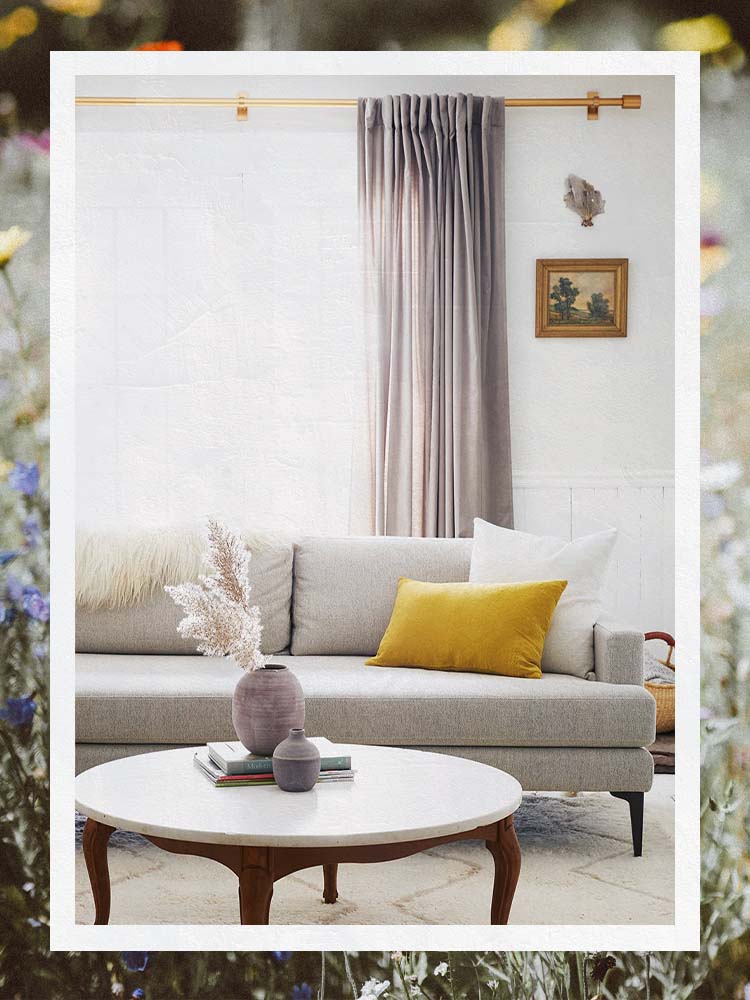
The Best Linen Curtains Go Beyond Just White and Cream

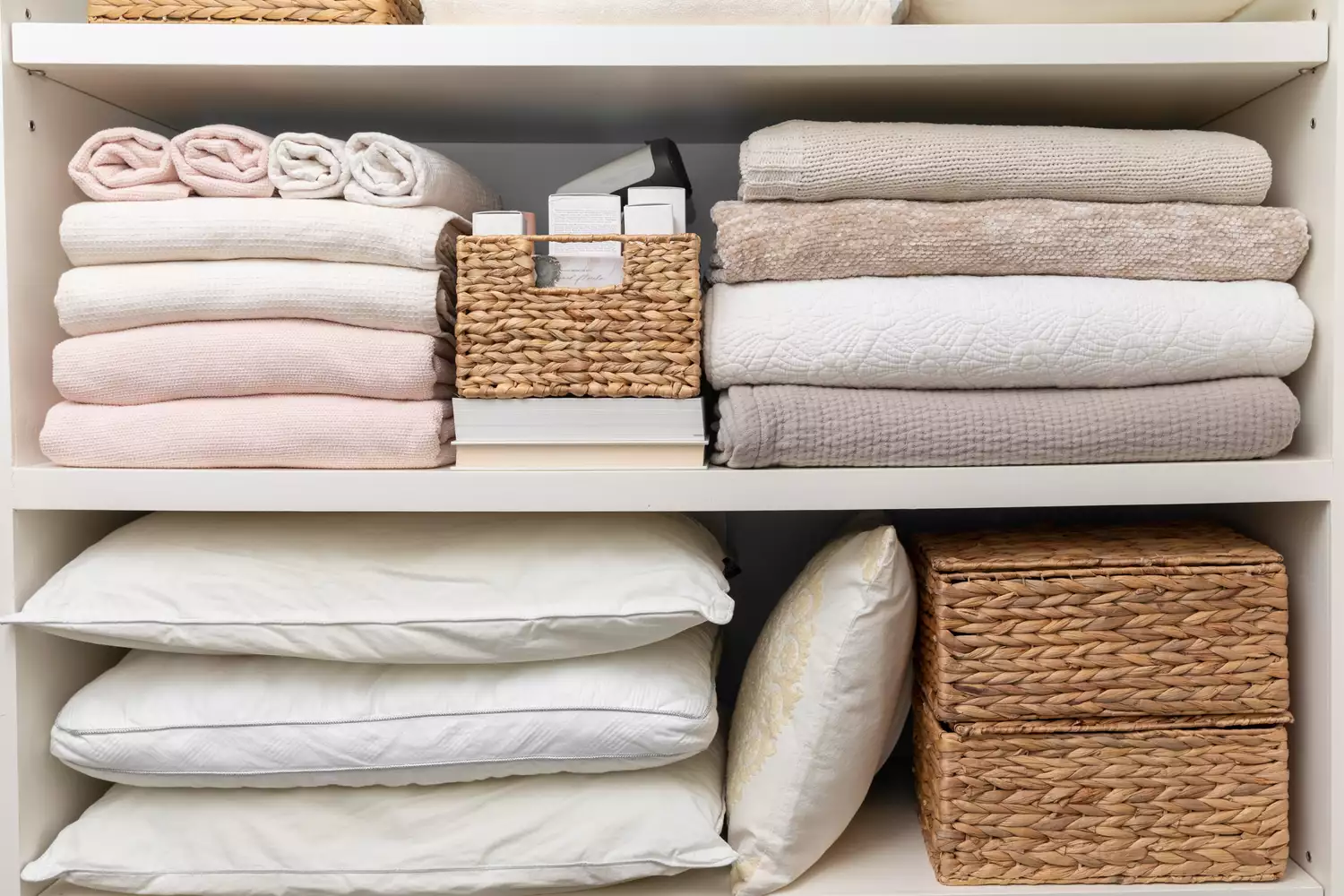
These Linen Closet Ideas Will Finally Get Finicky Fitted Sheets and More in Order
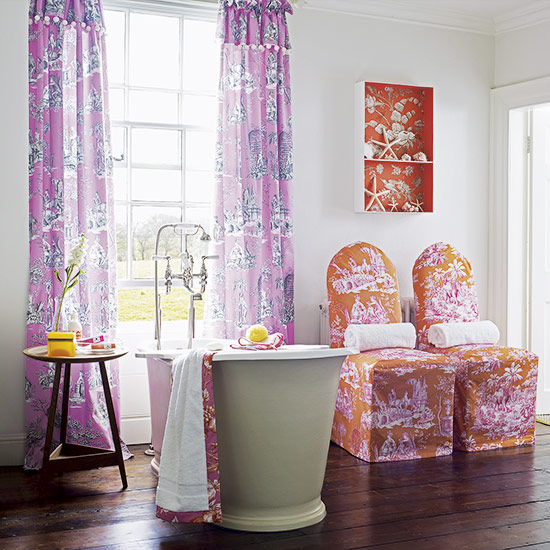
10 reasons to make natural-fiber textiles your go-to fabrics

Celia Rufey answers your fabric questions
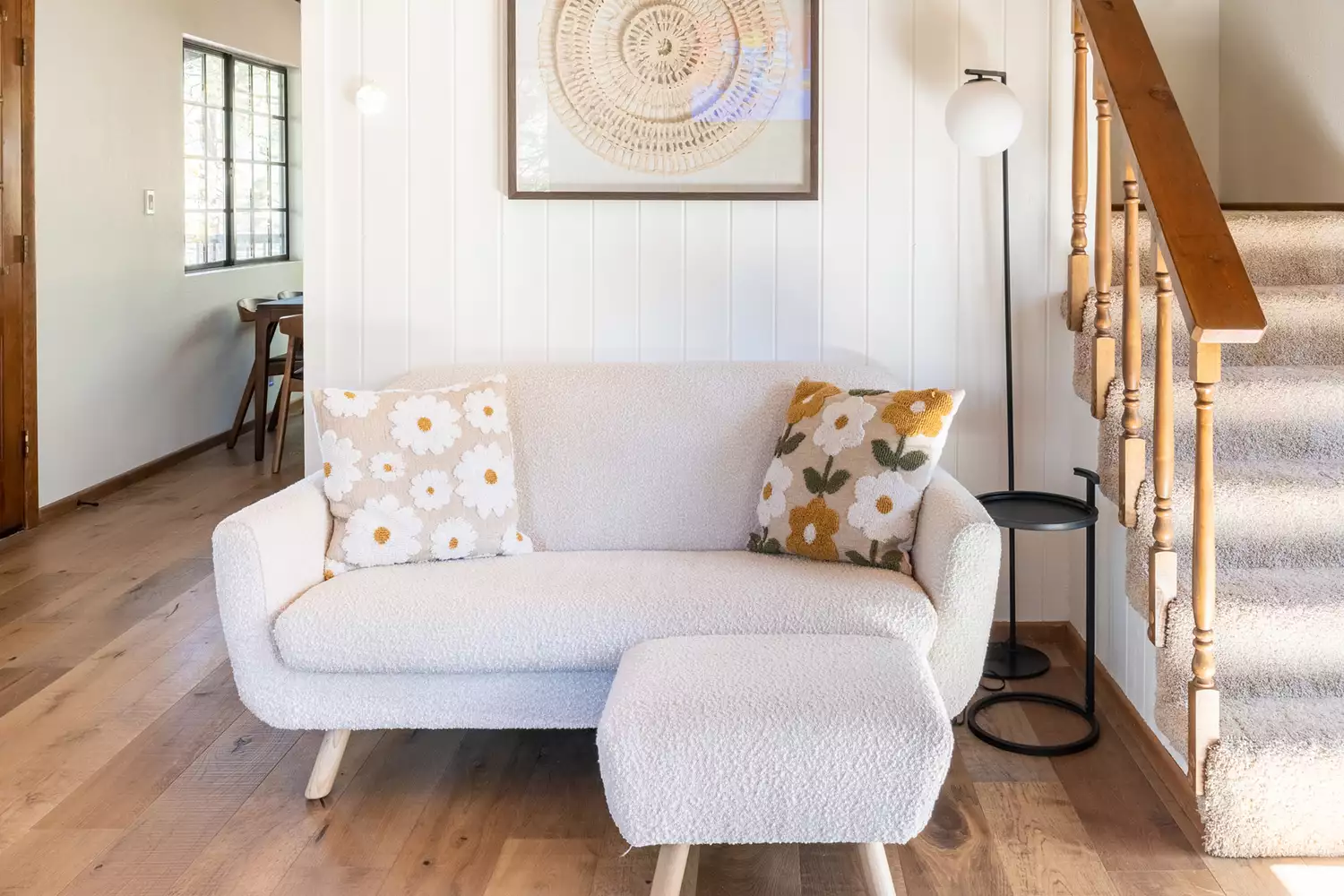
Everything You've Ever wanted to Know About Bouclé Fabric
Best linen bedding sets in 2025, tried and tested for a relaxing night’s sleep
The best linen bedding to see you through the hotter months in style
Best Linen Duvet Cover of 2025


The definitive textiles primer: Pollack’s fabric expert talks fibers, yarns and more
Fabric: Style Library

7 Linen Sofas That Strike a Good Balance Between Casual and Refined

Your Dining Table Needs an Upgrade — Here Are 6 Linen Tablecloths We Love