1/6
Crazy paving ideas to inspire a garden makeover
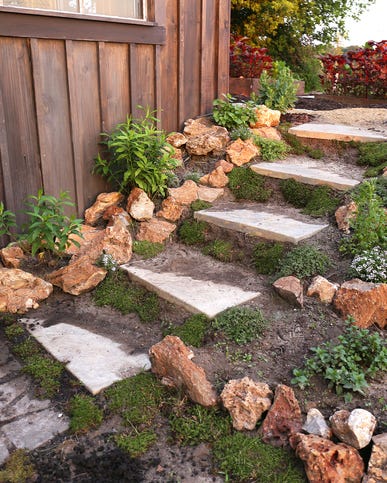
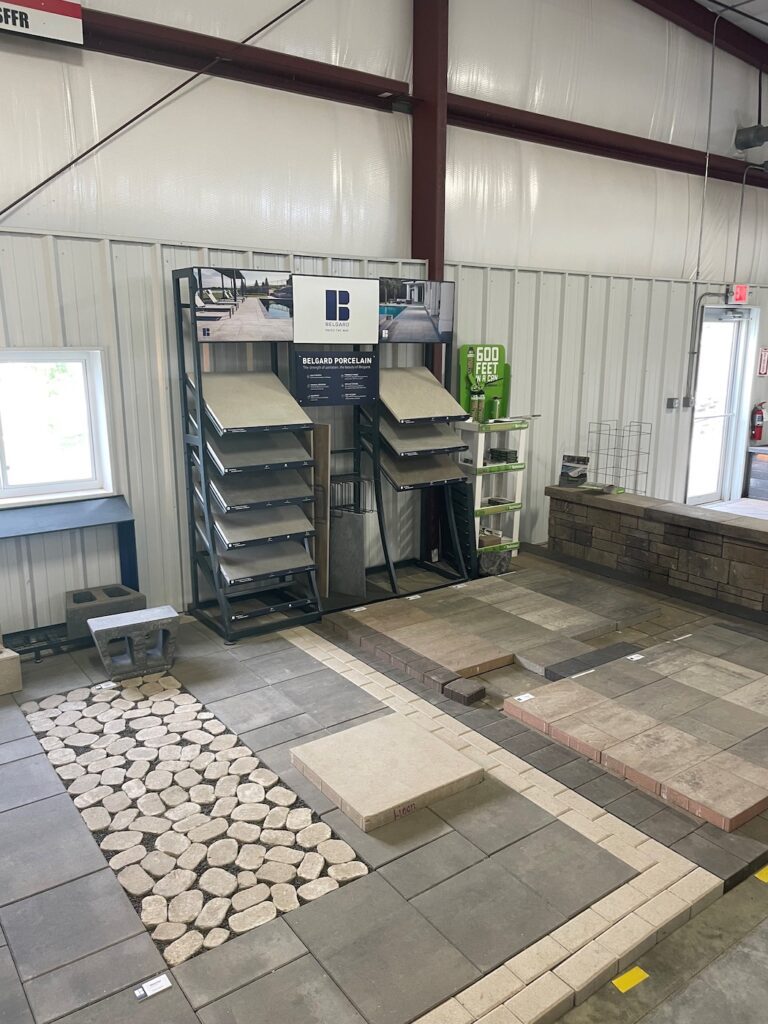
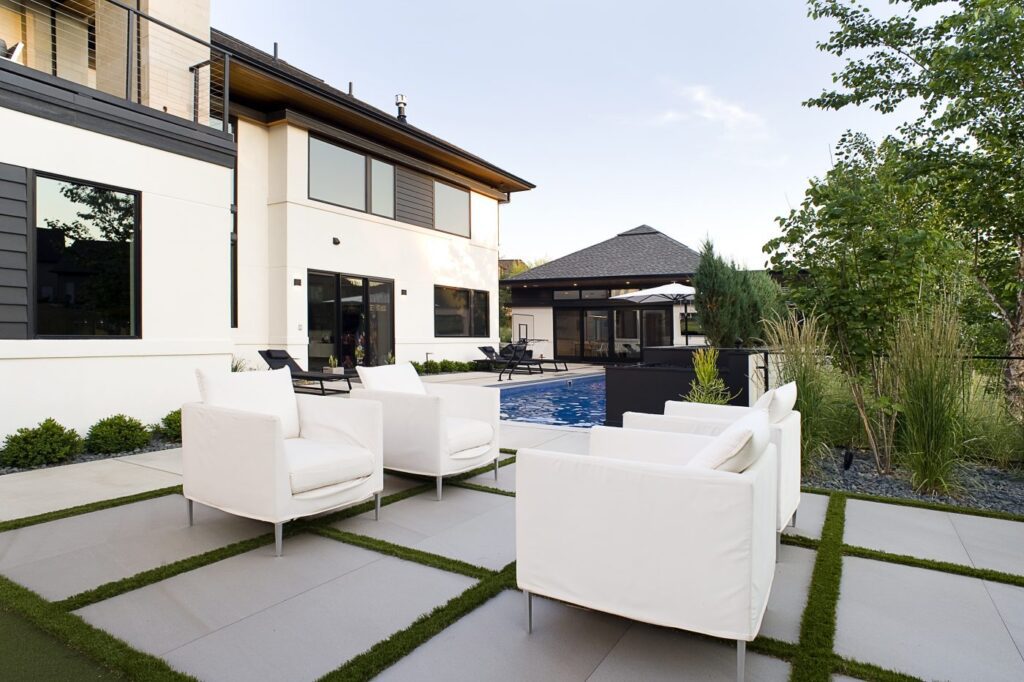
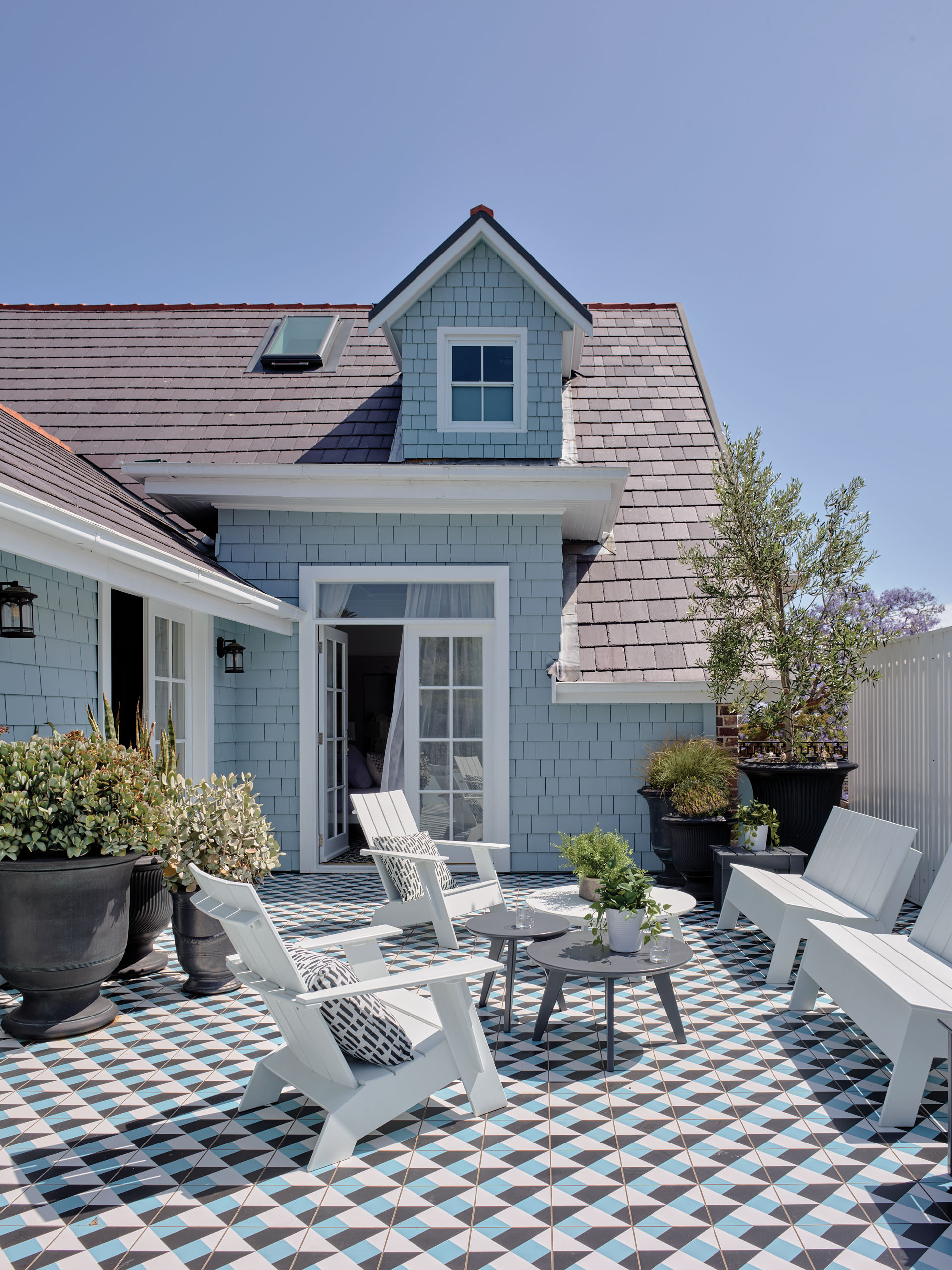
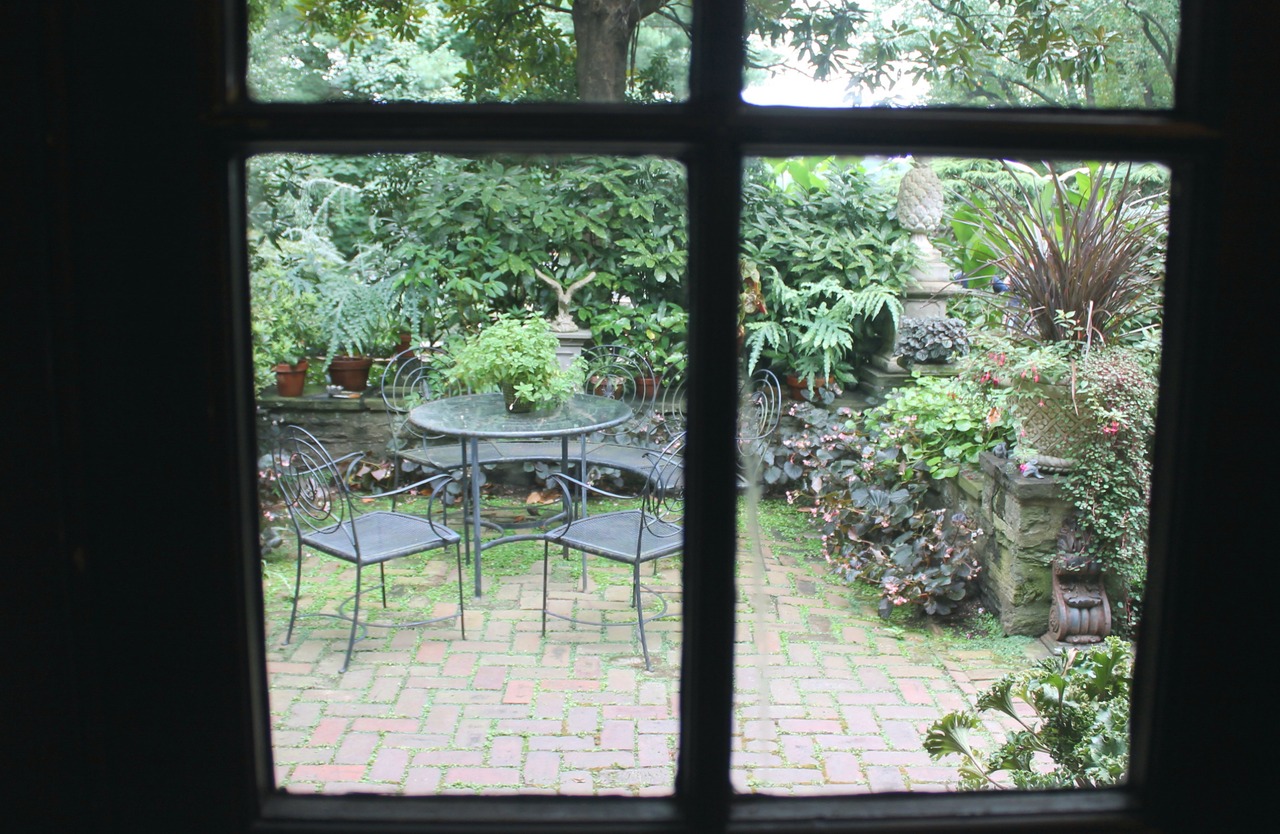
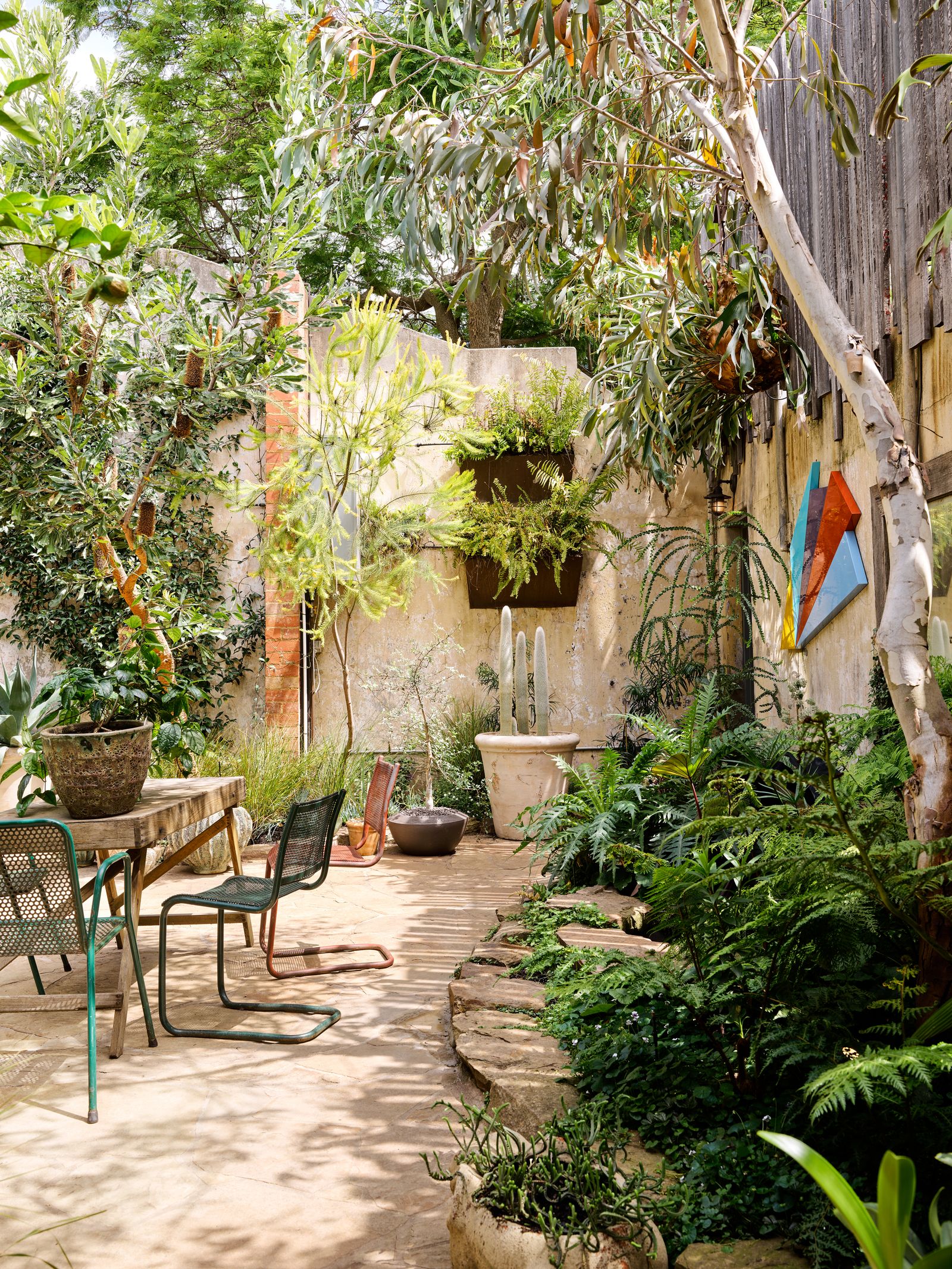
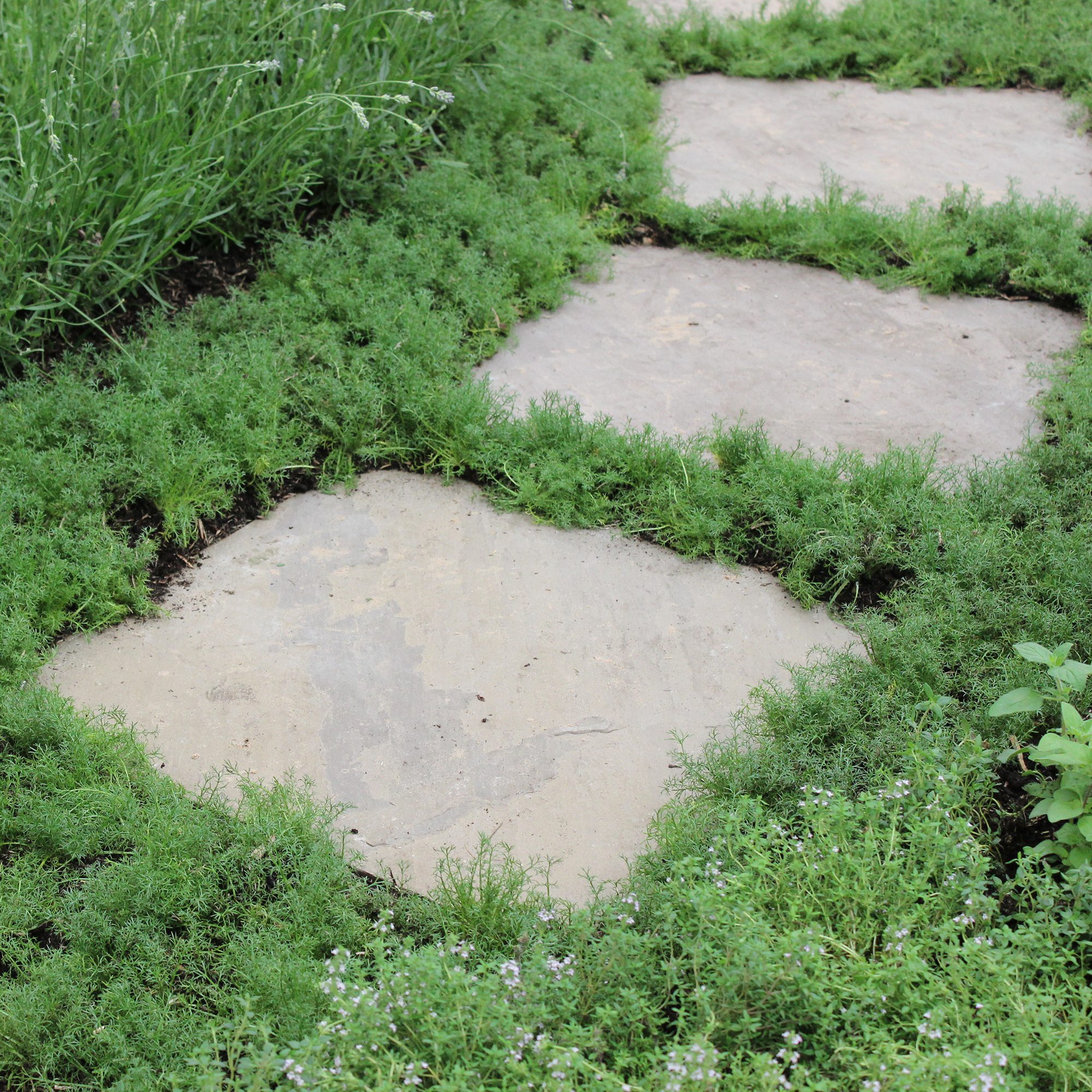
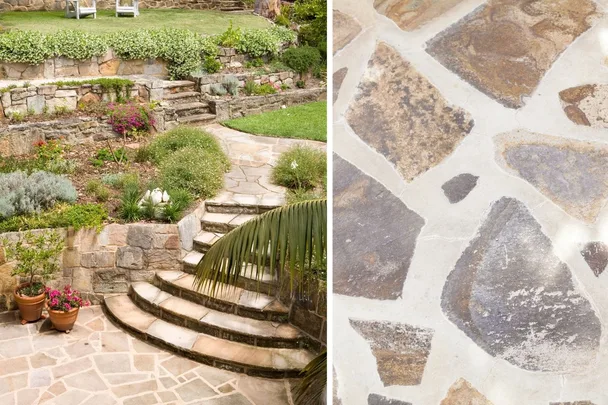
Crazy paving, also known as flagstone paving, is gaining popularity in landscaping as trends shift from manicured and minimalist styles to more natural and whimsical designs. This paving method involves laying irregular, asymmetrical pieces of stone in a mosaic-like pattern. Historically, flagstone paving originated from the practice of utilizing off-cuts and broken pieces of larger cut stone and outdoor pavers, making it an affordable and charming option.
Adam Robinson, an award-winning landscape and interior designer, highlights that crazy paving offers an organic approach to outdoor flooring, particularly effective in areas with limited space for planting, where it can still evoke a garden-like feel. This technique can be applied to various projects, from small courtyard tidying to extensive landscaping, effectively creating distinct zones within an outdoor space.
Rebecca Fox, marketing manager at Eco Outdoor, notes the versatility of crazy paving, attributing its popularity to its natural texture, and variations in color and size. This makes it suitable for diverse applications, seamlessly integrating into both external and internal areas of a home. Its aesthetic can visually expand a space, offering a dynamic and engaging flooring solution.
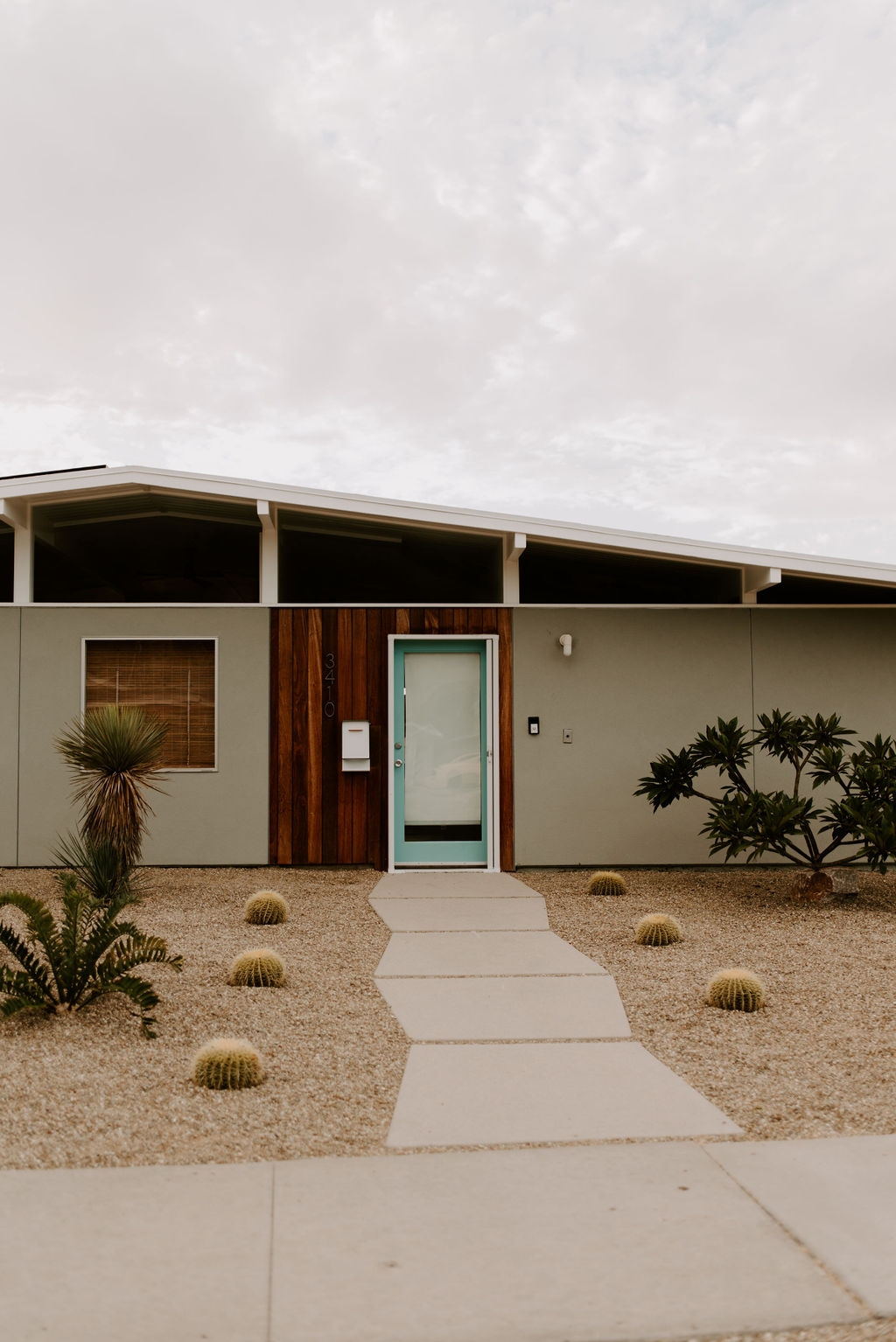
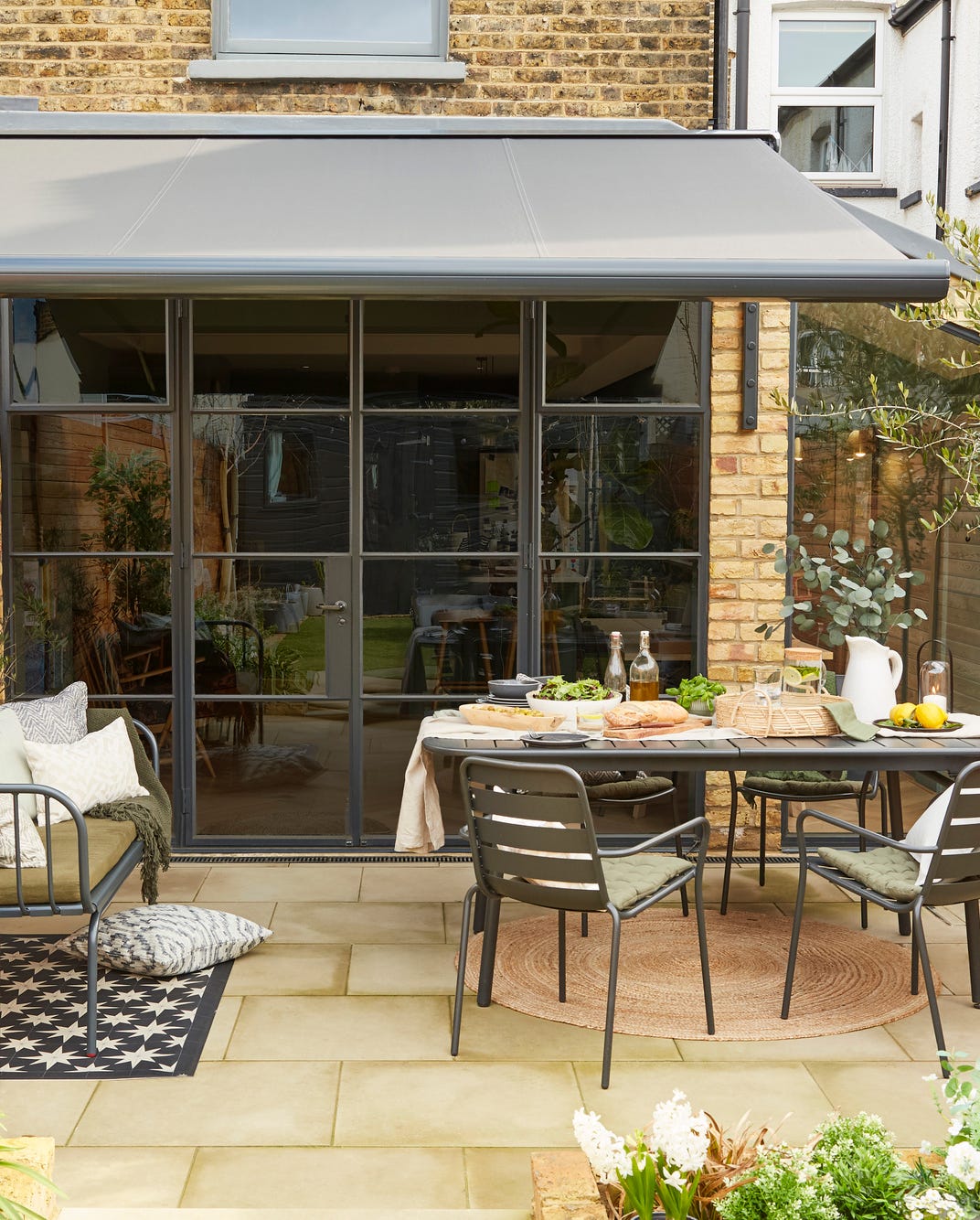
Crazy paving is particularly relevant for mid-century and 1970s home renovations. Homeowners are increasingly restoring existing crazy pave patterns, which not only provides retro charm but also makes financial sense. While sympathetic to older architectural styles, Adam Robinson also points out that crazy paving complements contemporary spaces beautifully, creating a seamless and organic surface that enhances modern architecture without exclusively reflecting a 1970s aesthetic.
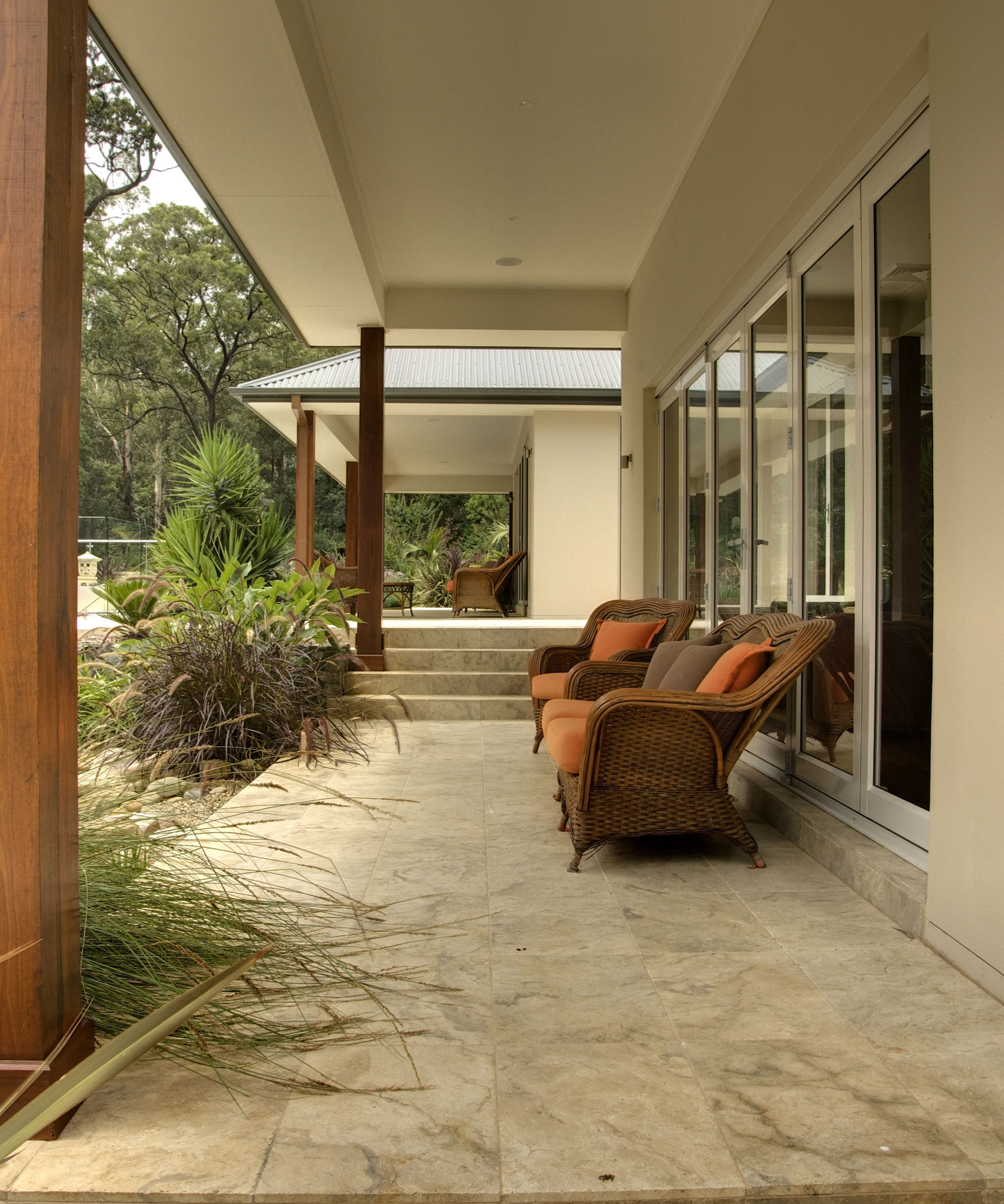
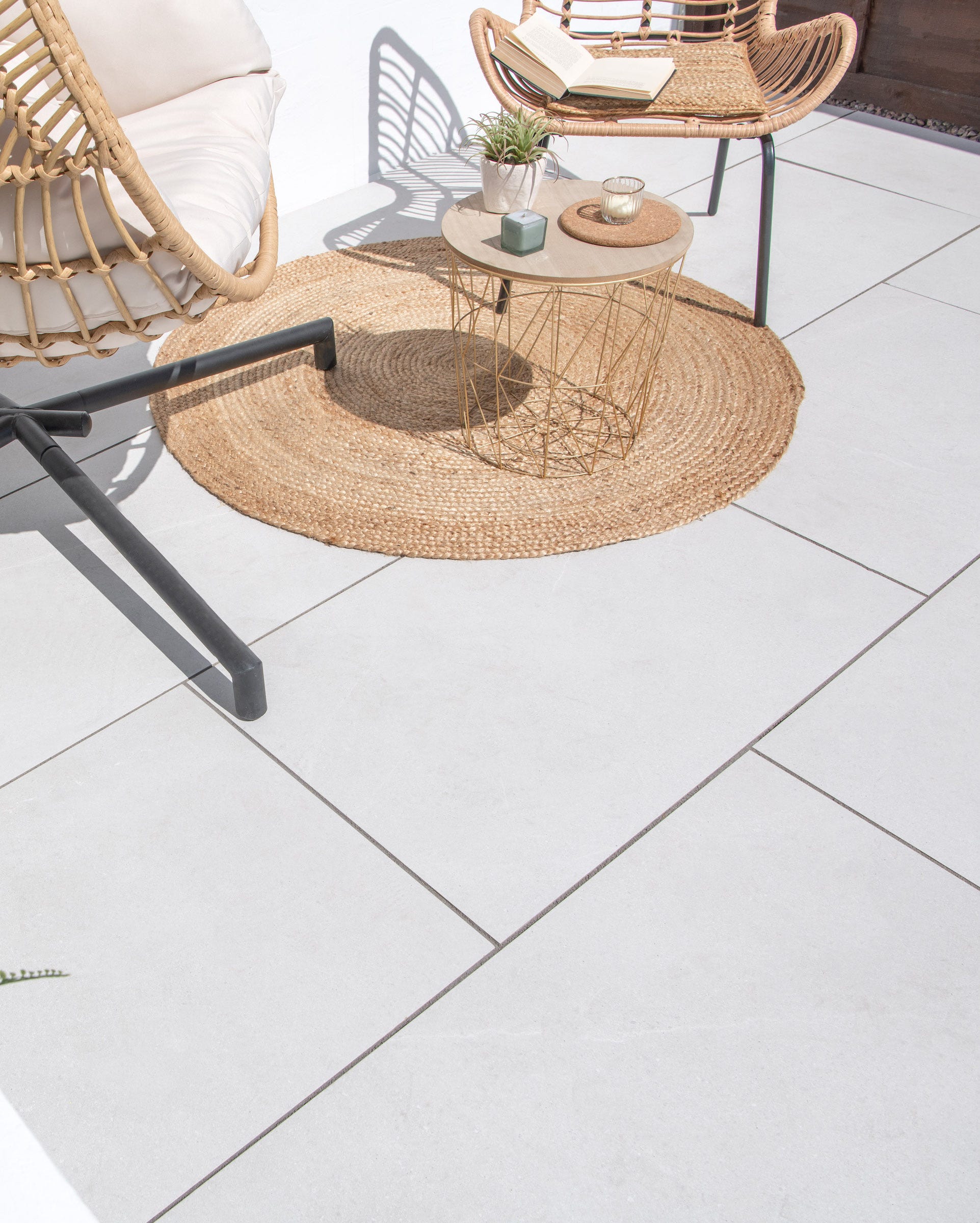
Selecting the appropriate stone is crucial for achieving a cohesive look. Adam suggests choosing a stone tone that harmonizes with the exterior colors of the house. Popular materials for crazy paving include sandstone, bluestone, limestone, split-stone, and slate. Beyond aesthetics, practical considerations are important; Rebecca Fox recommends selecting pavers with a low slip rating for high-traffic areas to ensure safety.
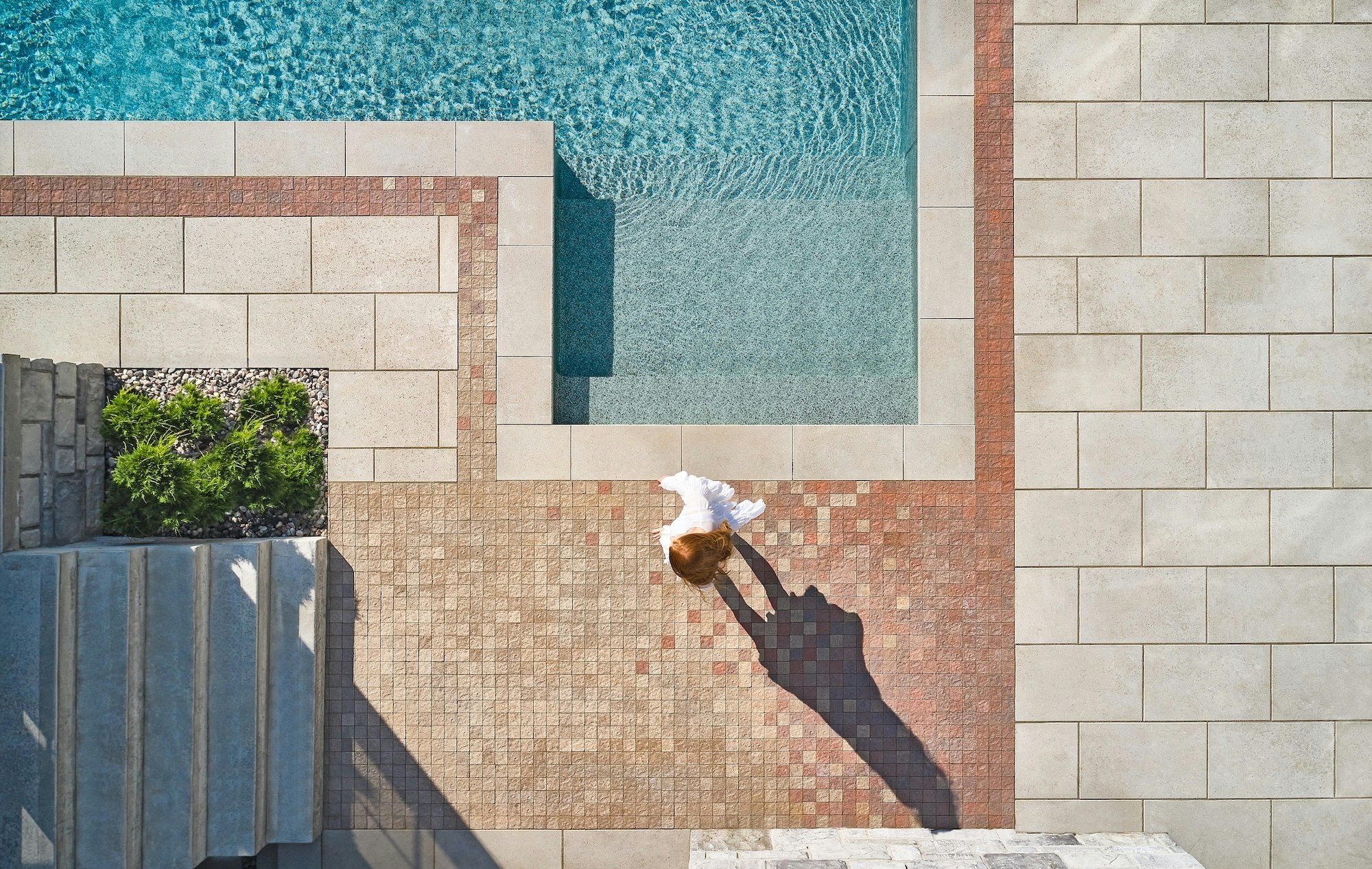
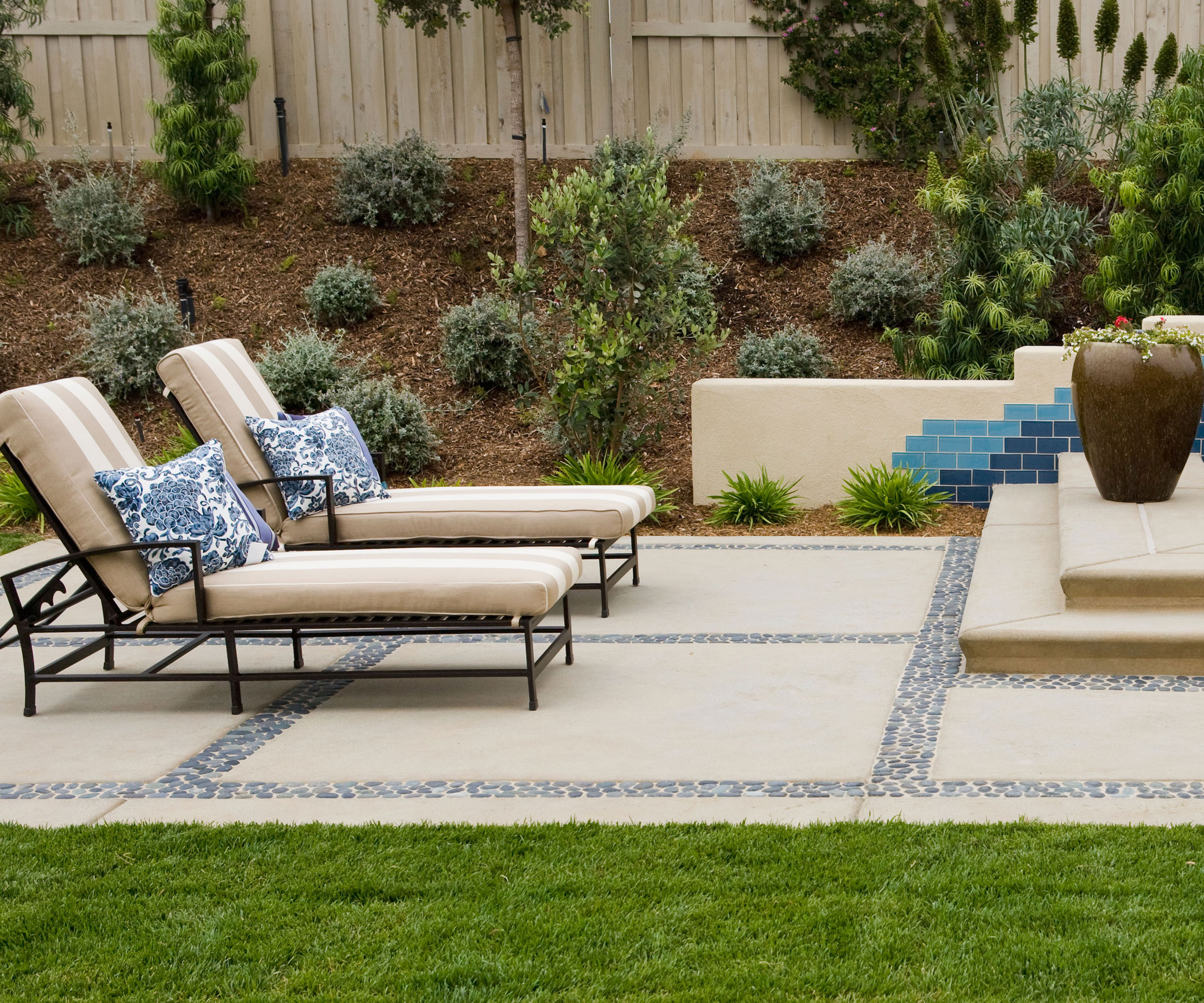
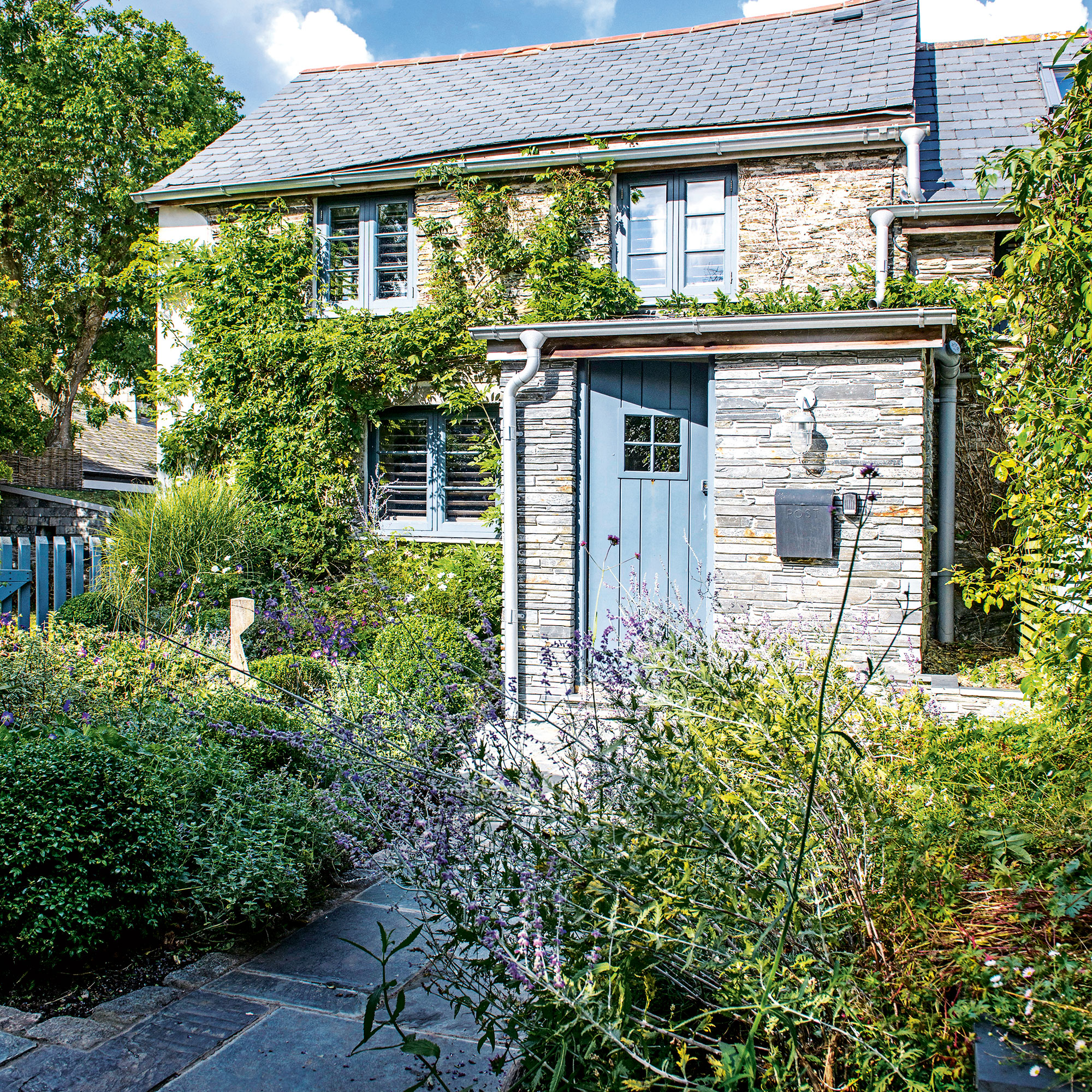
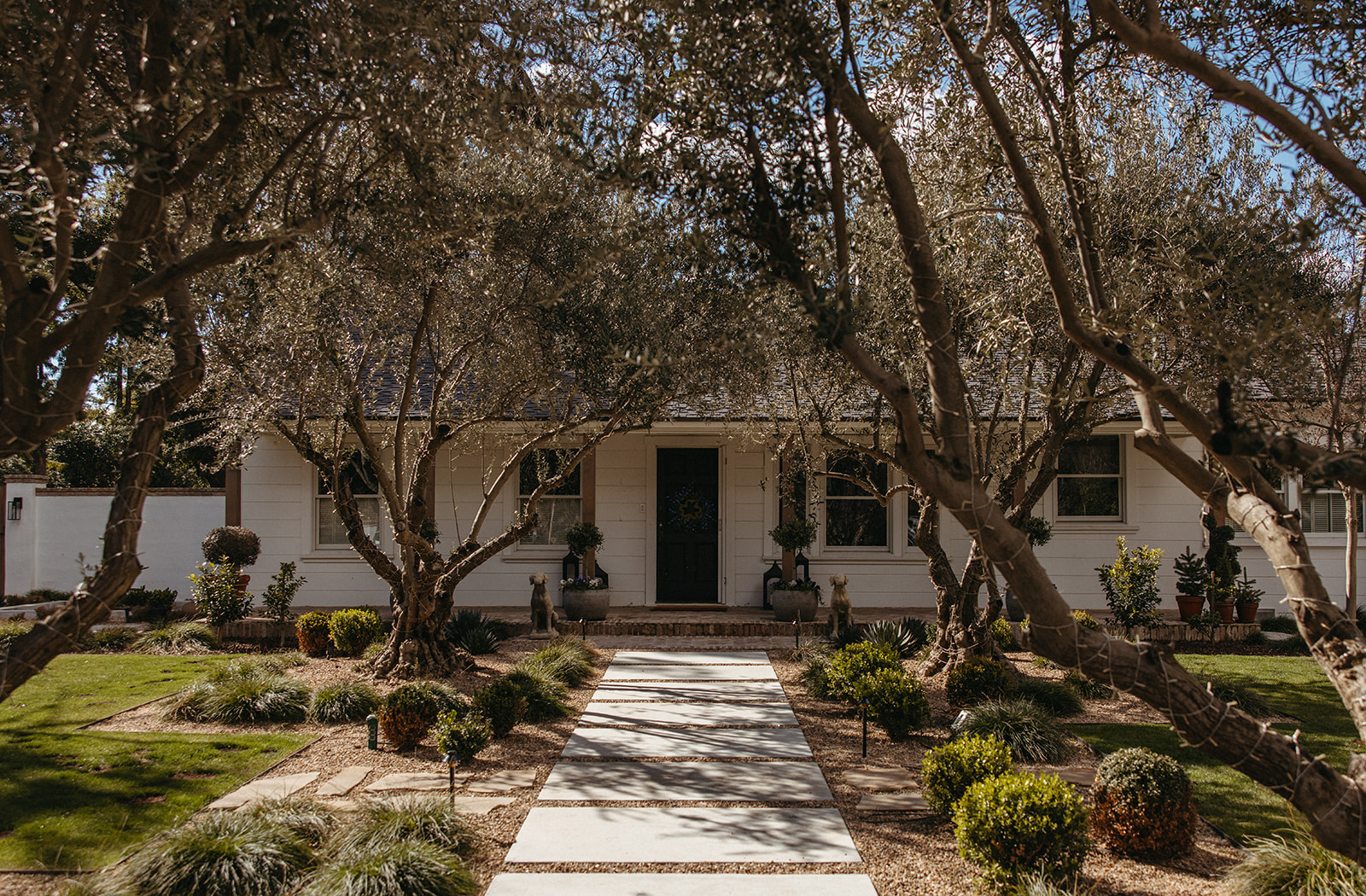
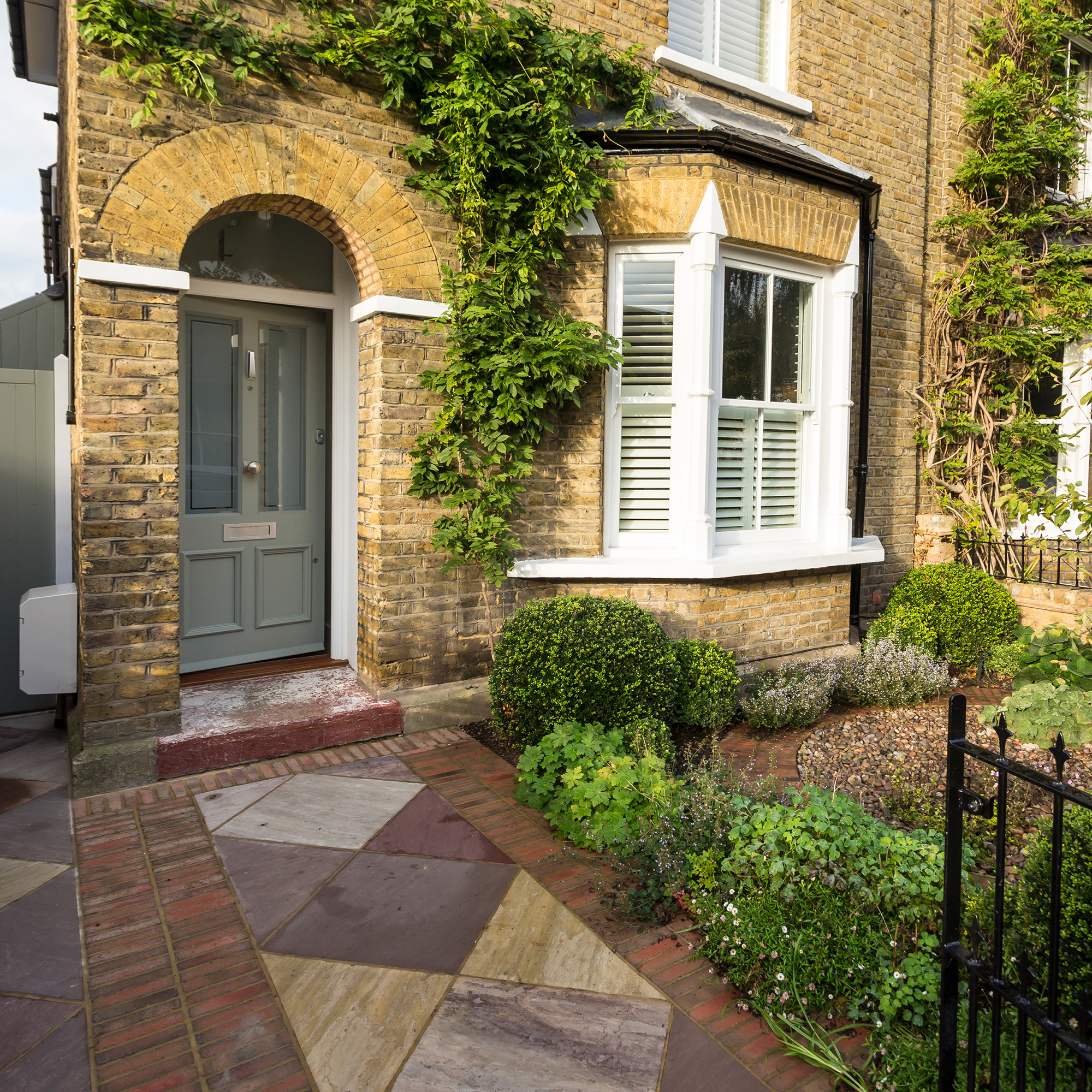
Due to its random pattern, crazy paving adapts well to irregular shapes and pathways, as effectively as it does to more formal outdoor paving designs. Rebecca states that crazy paving is an excellent choice for adding texture and visual interest to a project, commonly being used to create a striking feature around swimming pools or at home entrances.
#CrazyPaving #GardenDesign #LandscapingTrends #OutdoorPaving #HomeRenovation #StoneSelection #MidCenturyStyle #FlagstonePavers #CrazyPaving #GardenDesign #LandscapingTrends #OutdoorPaving #HomeRenovation #StoneSelection #MidCenturyStyle #FlagstonePavers
0 comment in total
 No comments yet
You may also like
15 Modern Patio Paver Ideas

Upgrade Your Backyard with These Creative Rock Garden Ideas

Great landscaping ideas for ‘regular people’ from a design expert
Pour some creativity into your driveway
5 brilliant budget alternatives to paving slabs that won't cost the earth
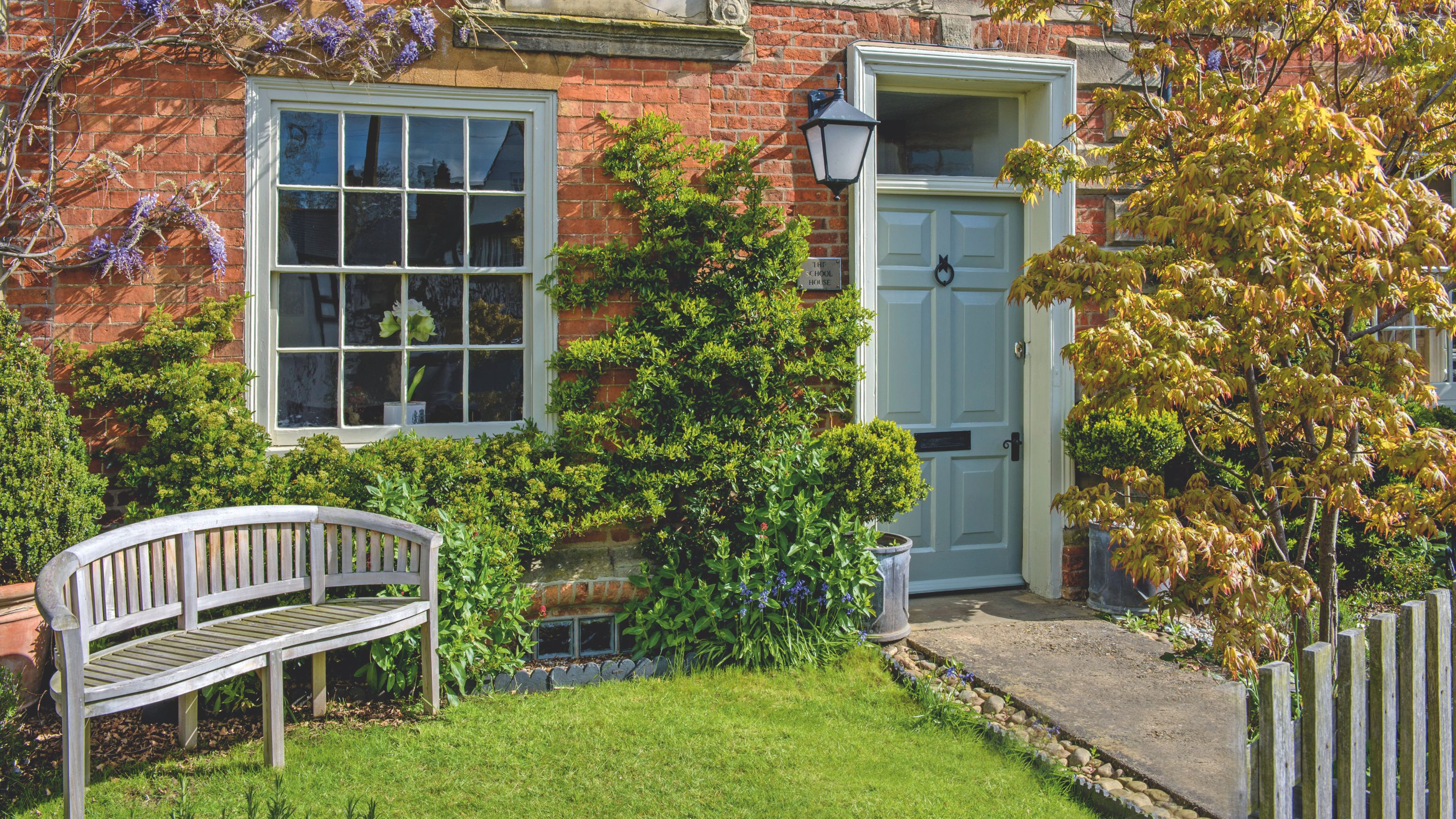
Front garden ideas – 32 ways to transform your space for the ultimate kerb appeal

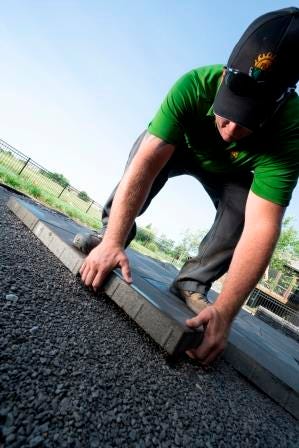
Piece by piece: Pros and cons of using pavers to spruce up your yard
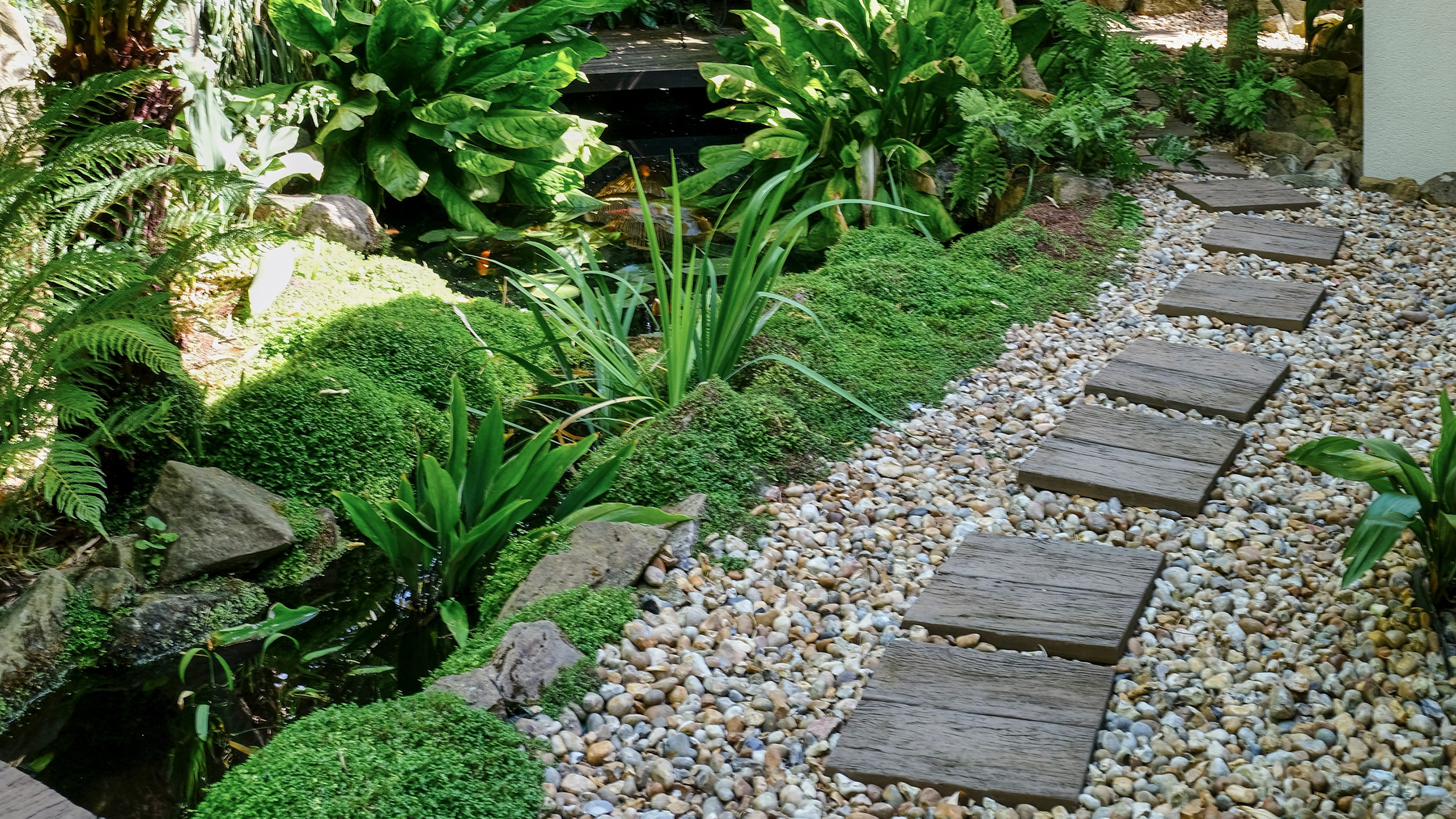
Front garden path ideas to up your kerb appeal
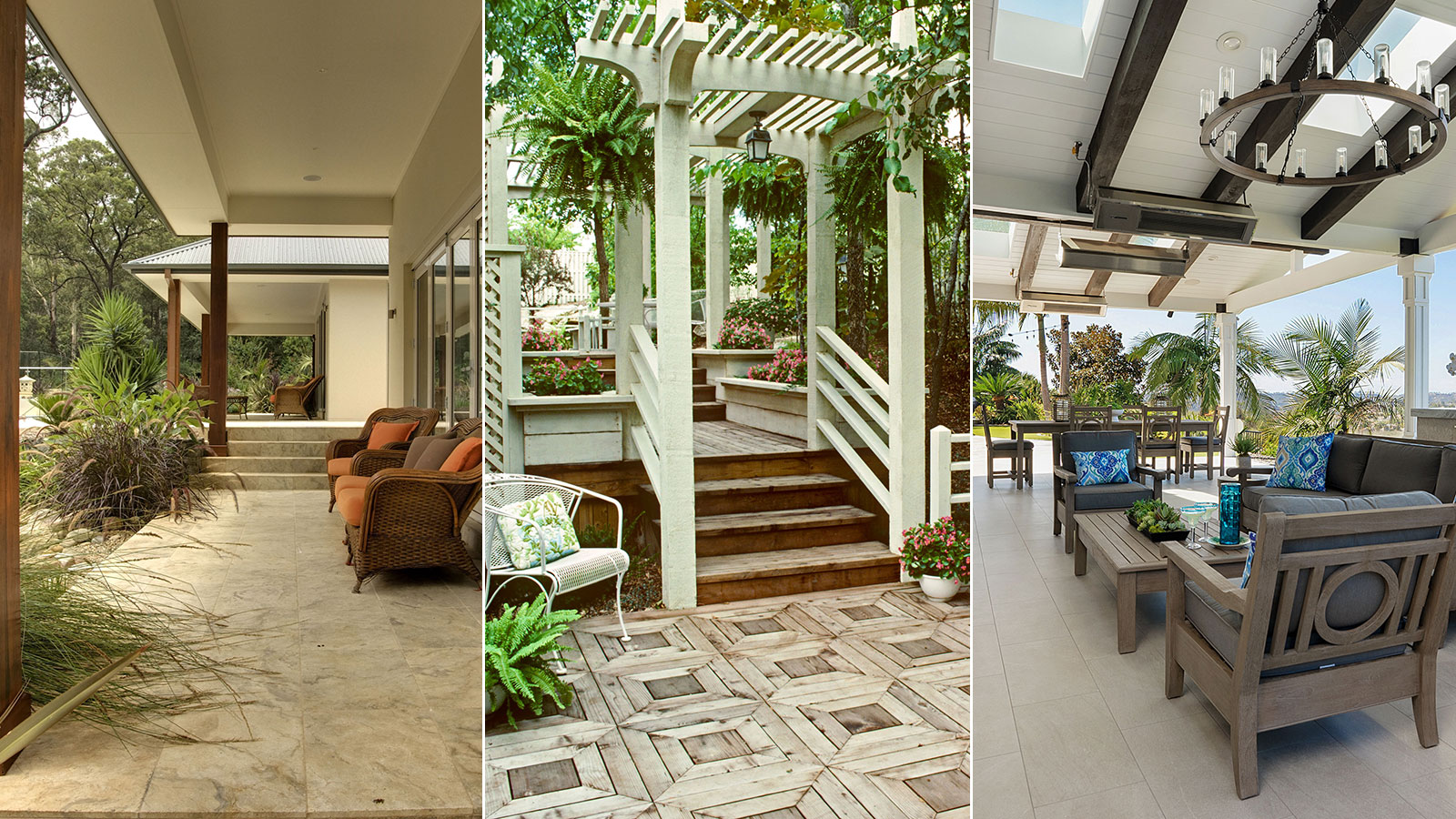
Patio flooring ideas – 10 smart looks to transform a paved outdoor space

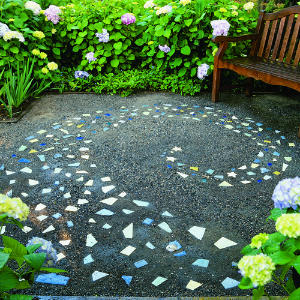
Playful paving

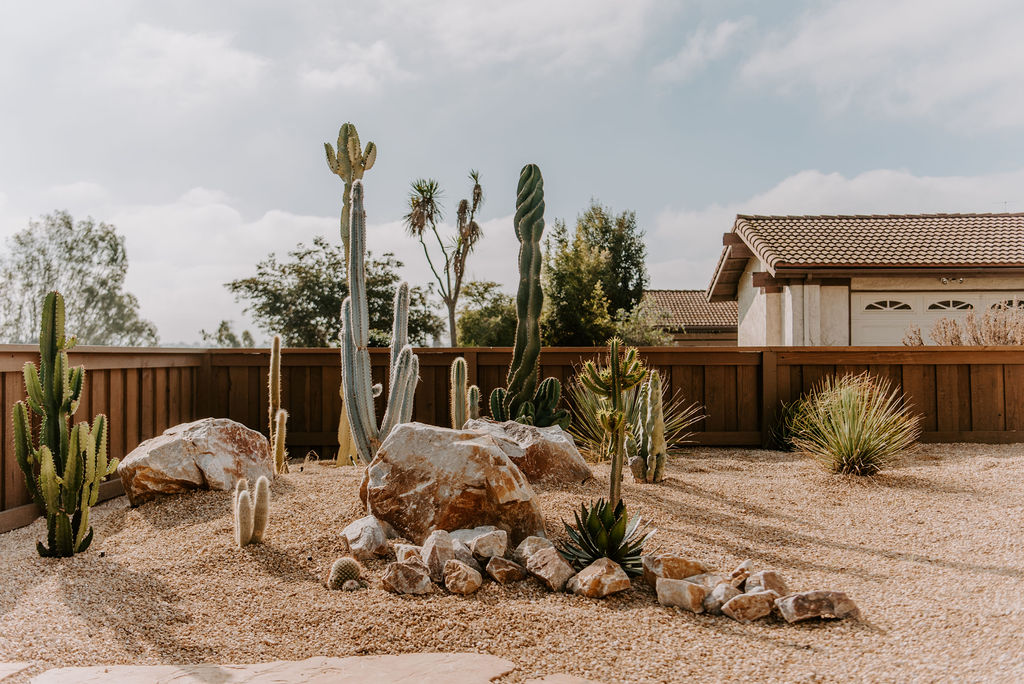
10 gravel landscaping ideas that have me convinced this is the lawn alternative to elevate modern backyards

How to lay a garden path

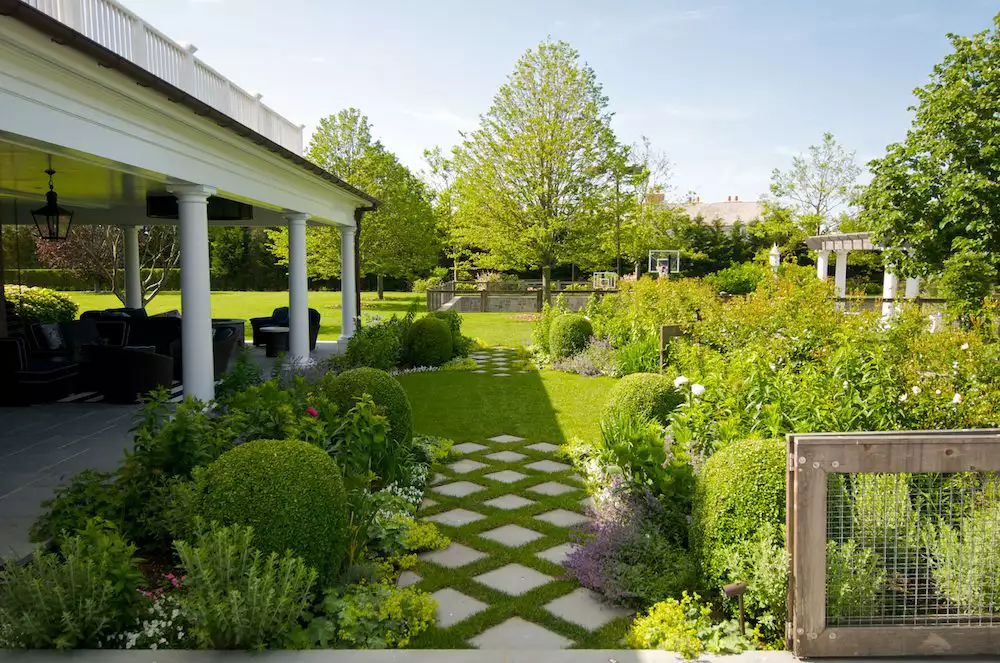
13 Budget-Friendly Paver Ideas to Beautifully Define Your Outdoor Spaces

New products, trends create exciting time for outdoor living projects
18 Genius Garden Landscaping Ideas From the AD Archive

19 ways to give your patio a makeover

11 beautiful ideas for awkward-shaped gardens
Garden decorating ideas – 24 ways to update your backyard

Garden Paving & Walling | Front Garden Paving & Block Paving Grout

Transform Your Backyard with Outdoor Makeovers