Ask the Builder: Installing mortarless stone veneers
The article discusses the growing popularity of mortarless stone veneer in home design, contrasting it with historical examples of mortarless masonry from ancient civilizations like the Egyptians at Giza and the Peruvian Indians at Machu Picchu. It highlights that while this technology might seem new, it is an ancient technique that allowed master stonemasons to fit stones together precisely without mortar, showcasing a high level of craftsmanship without modern tools.
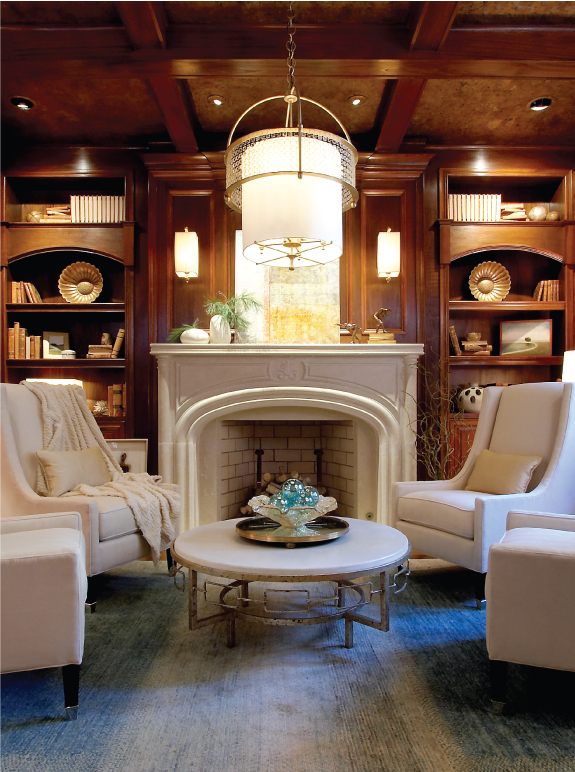
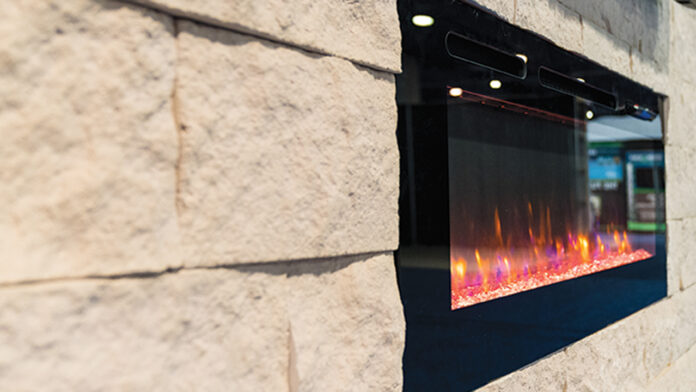
The author, Tim Carter, points out that the modern resurgence of mortarless stone veneer is driven by design trends and offers a practical solution to the declining quality of traditional masonry work. He shares examples of how this material is being successfully used in contemporary homes. One example features a woman who utilized thin, interlocking natural stone pieces as a surround for her new fireplace, seamlessly blending it with existing slate elements in her home. This demonstrates the versatility of mixing different stone types, textures, and sizes.
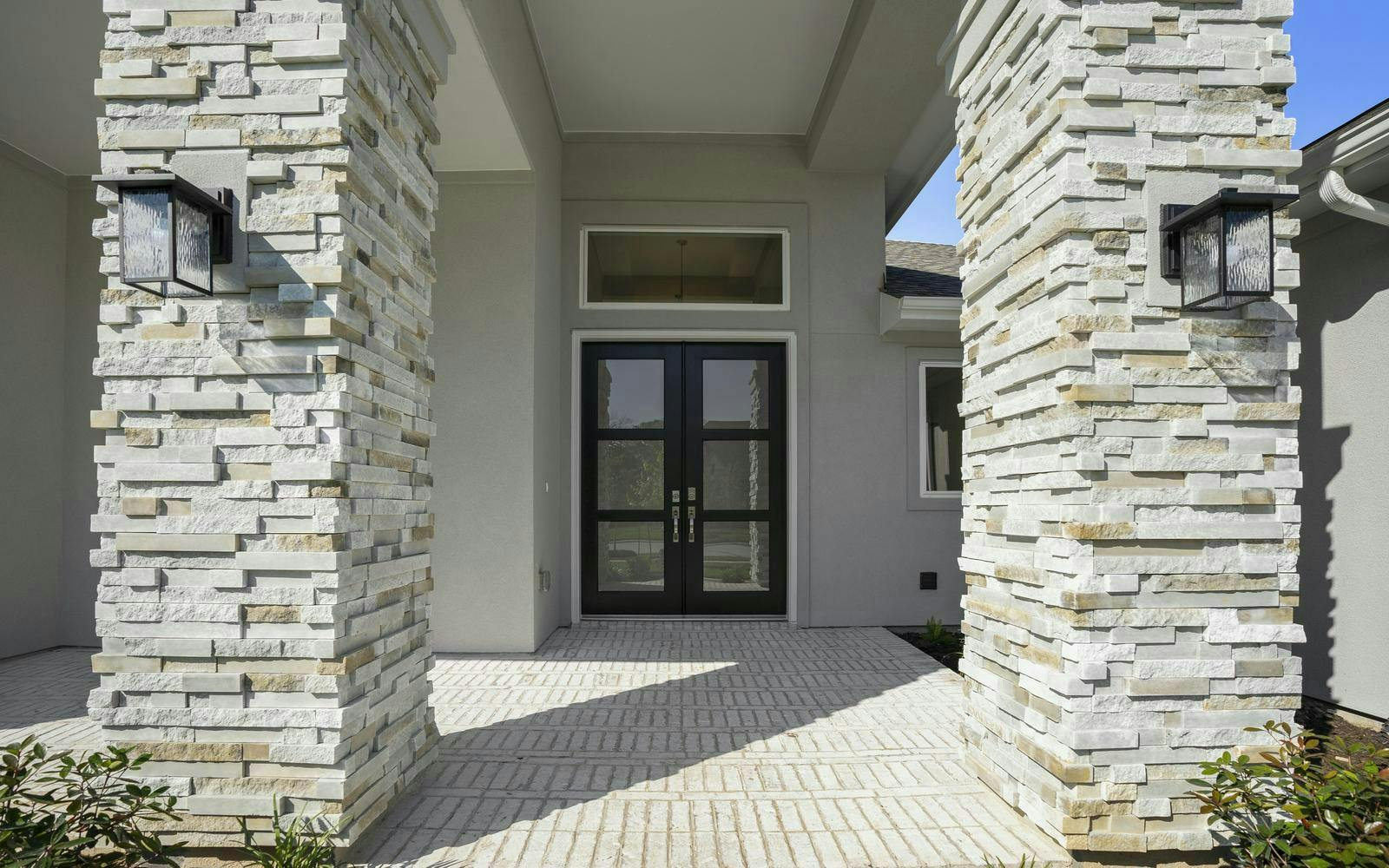
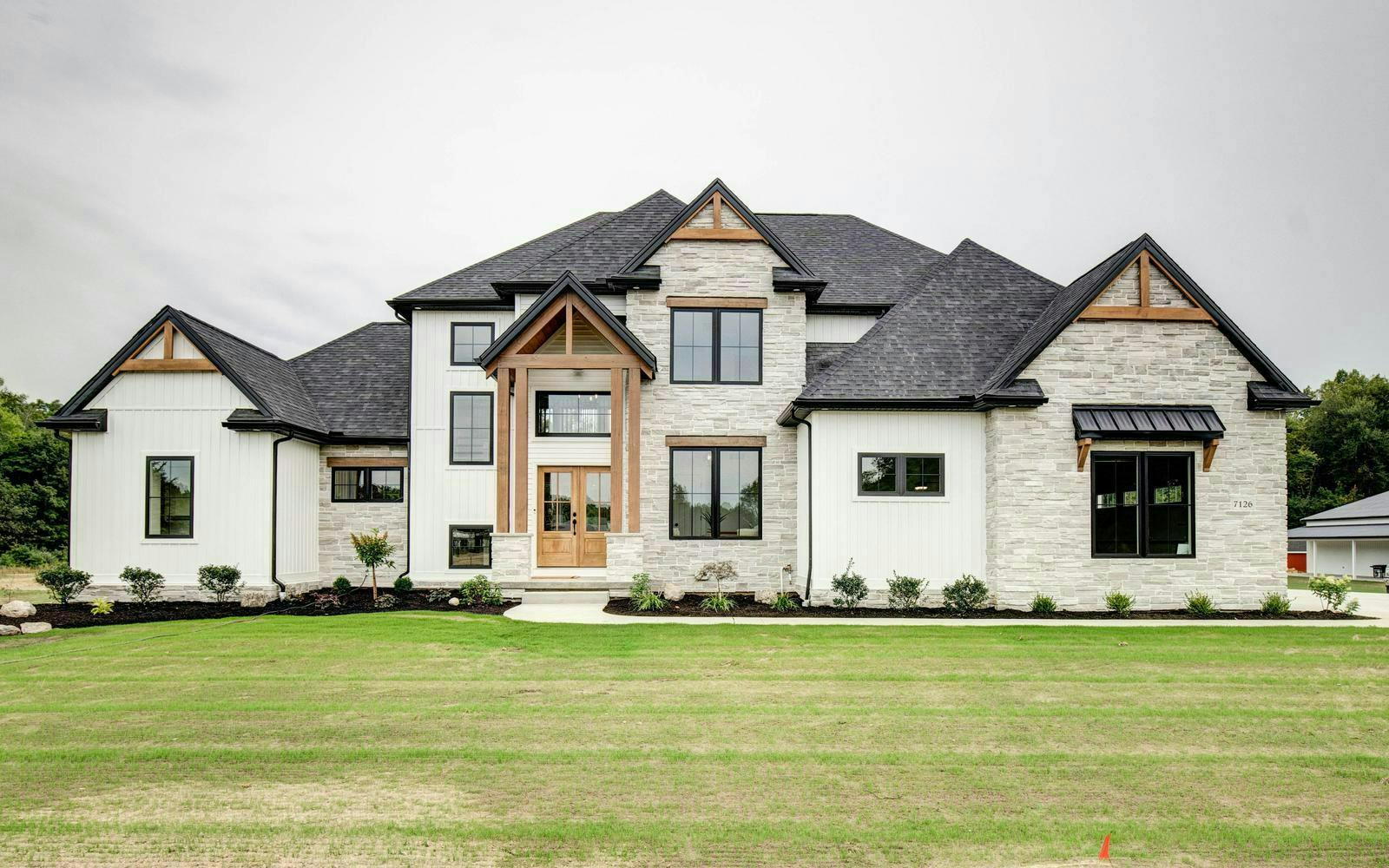
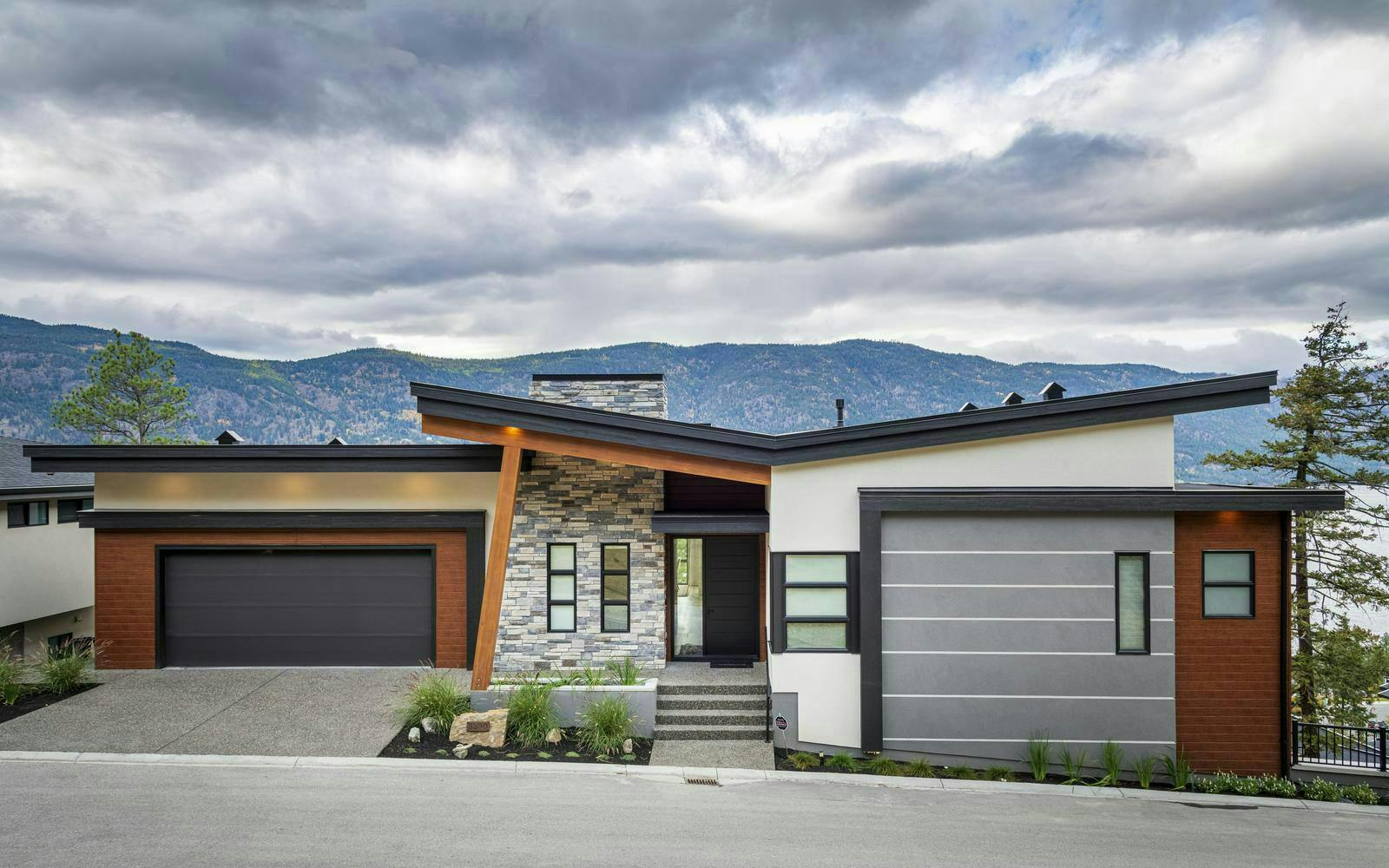
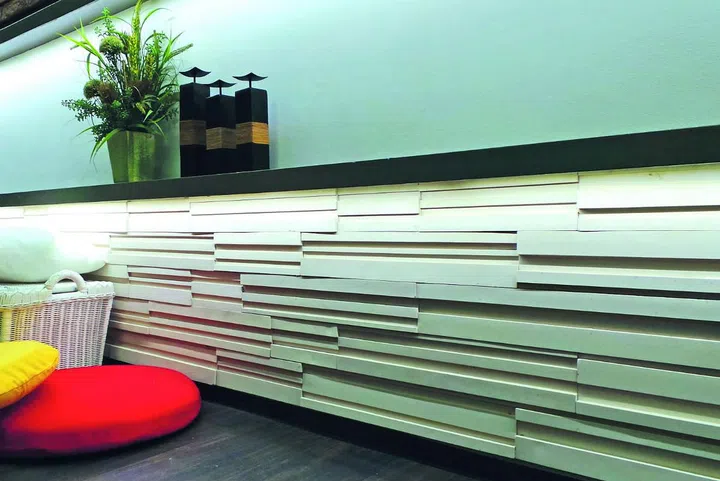
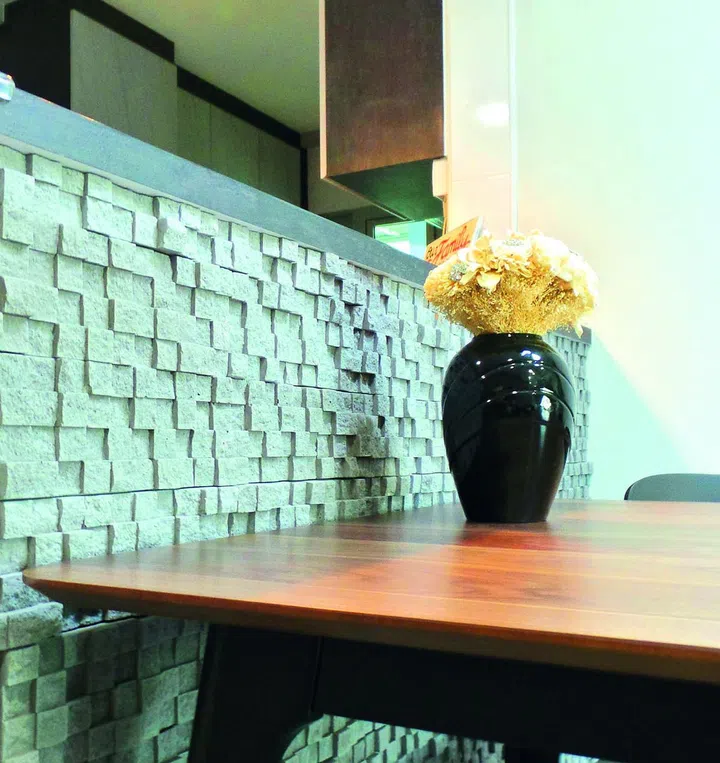
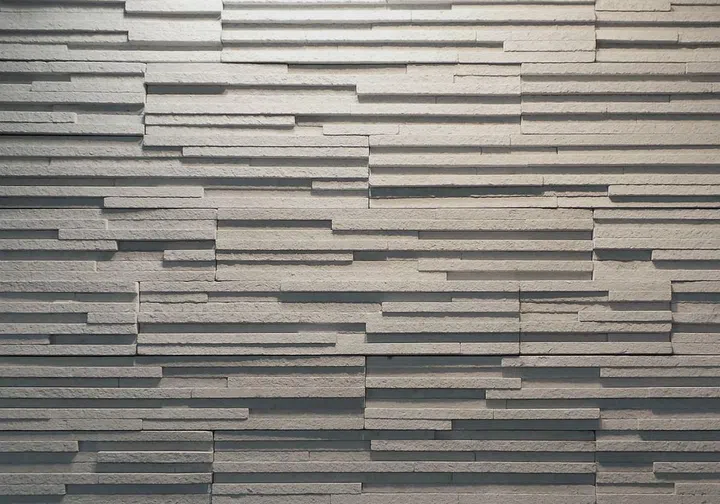
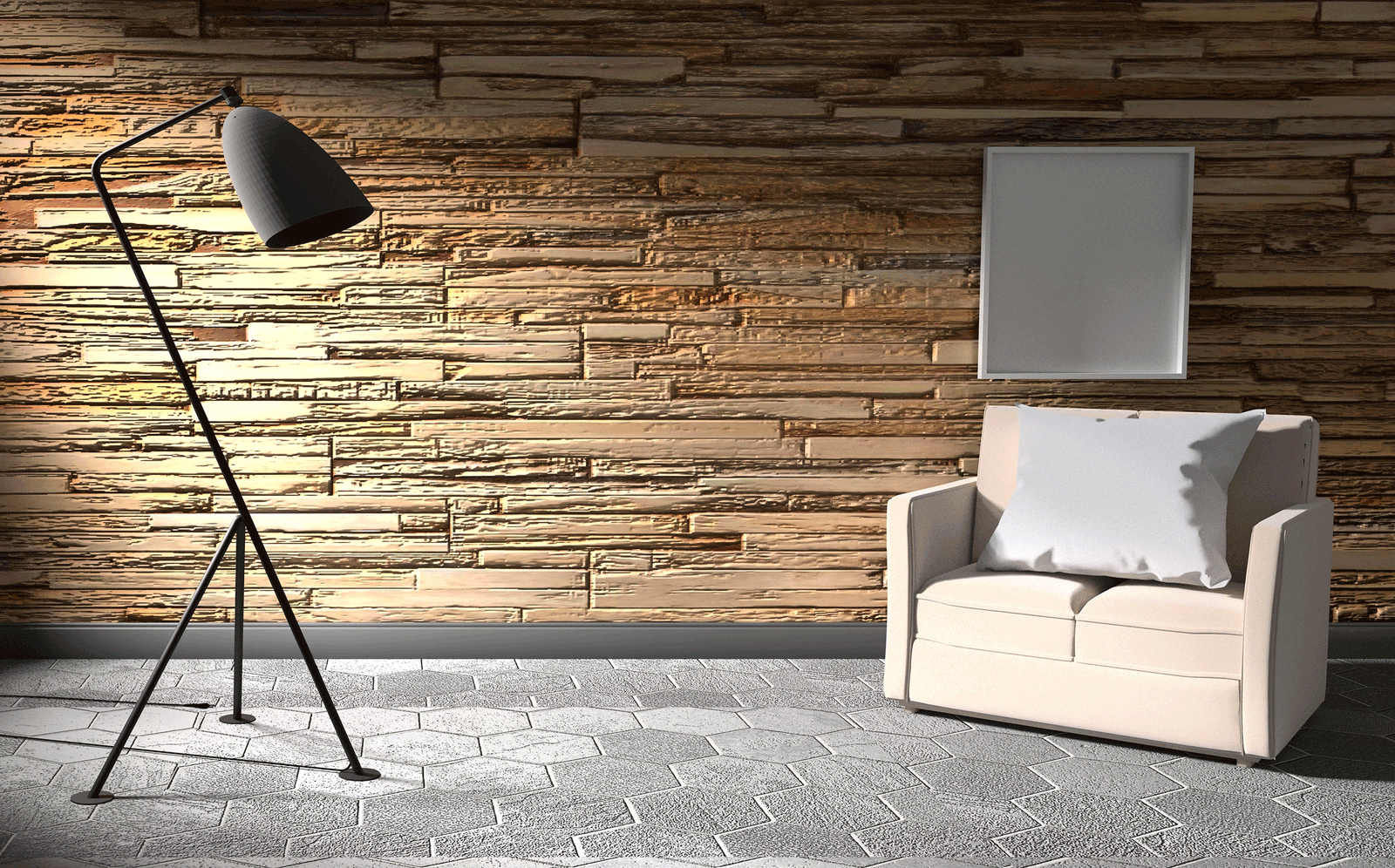
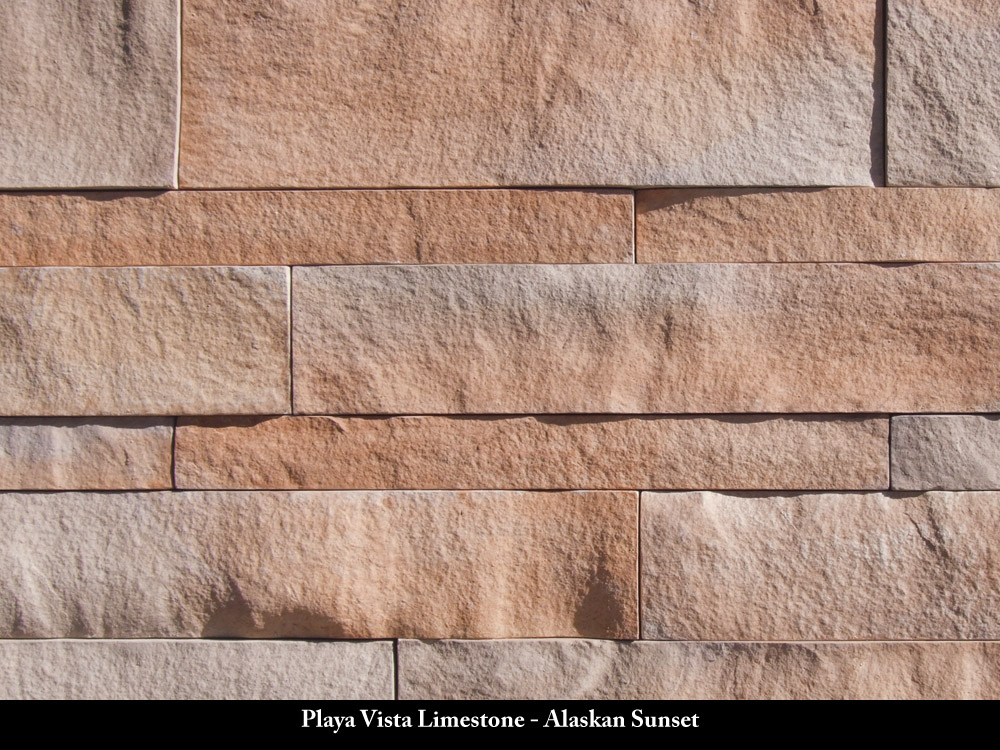
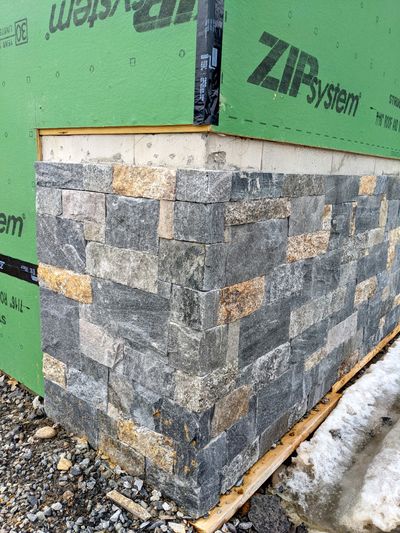
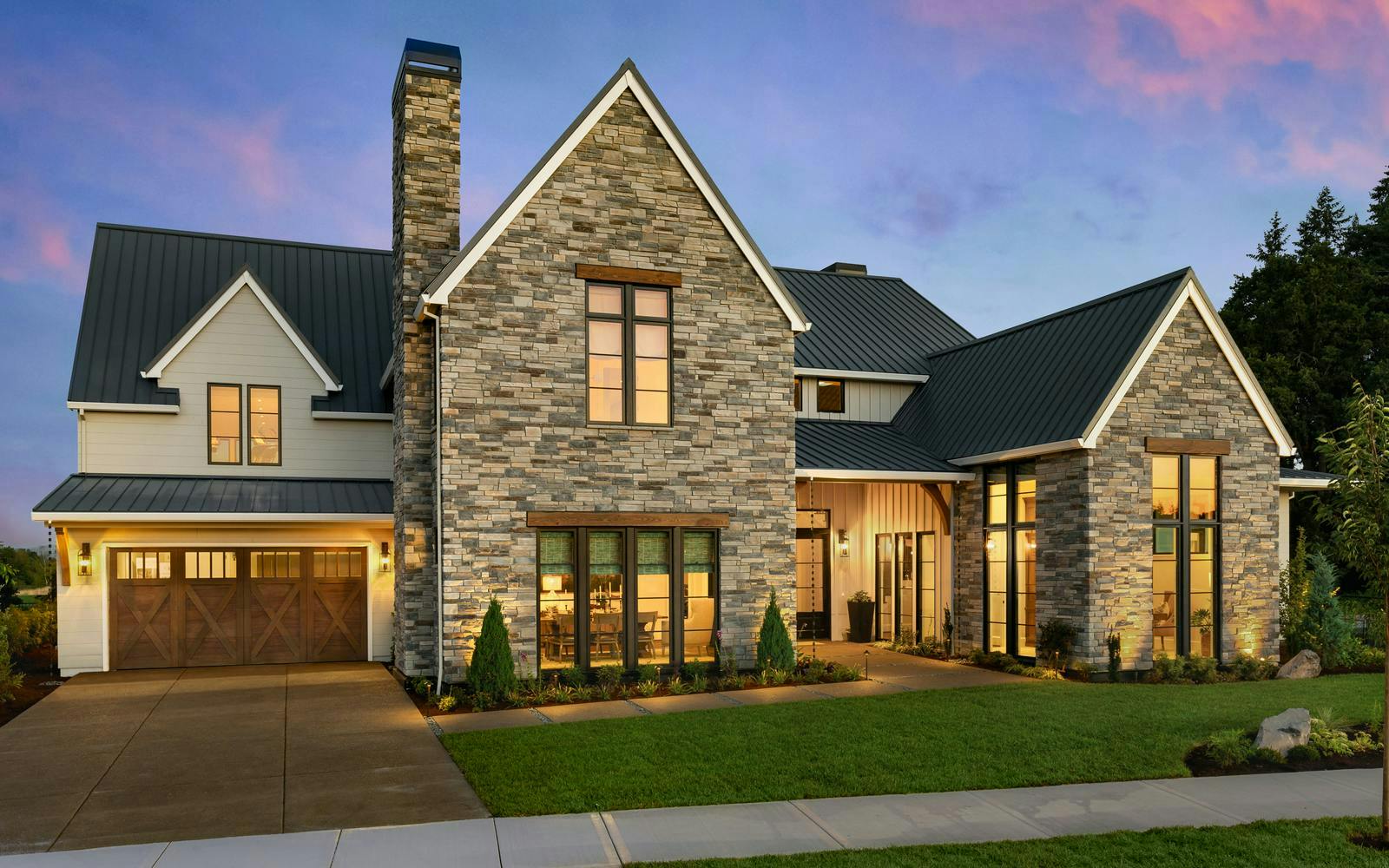
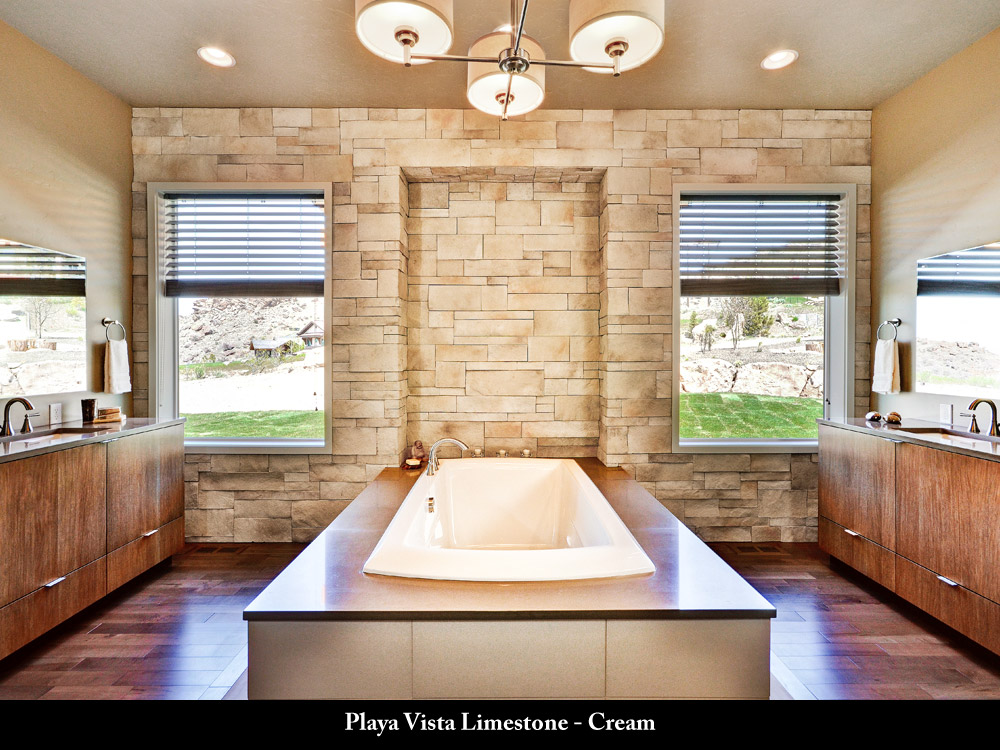
Another instance involves a friend who renovated a dated fireplace in an ocean-front condominium using thin mortarless stone veneer, which she installed herself due to its ease of use. The article emphasizes that this building material is suitable for both interior and exterior applications, provided it is installed correctly. It describes a new building near the author's home that uses mortarless stone veneer made from natural granite, cut to precise dimensions to allow for random stacking without gaps, similar to an Ashlar pattern in slate flooring.
The installation methods for mortarless stone veneers vary. Some products come as panels that can be screwed directly to a wall, while others consist of individual stone pieces adhered with Portland-cement-based thinset or traditional brick mortar. If using traditional mortar, the author advises adding hydrated lime and directs readers to his website for the specific formula. A crucial consideration is the significant cumulative weight of the stone veneer, which can be hundreds of pounds. Therefore, the initial course of stone must be solid and capable of supporting the subsequent layers.
For exterior applications, especially when covering concrete foundation walls, the article recommends incorporating a small shelf or ledge into the concrete during casting. This ensures that the entire weight of the stone veneer is transferred to the footing, preventing future structural failures. Architects should also ensure that the face of exterior frame walls, covered with sheathing, is flush with the stone veneer. This can be achieved with a wider bottom plate, allowing exterior siding materials like wood, vinyl, or fiber cement to overlap the stone veneer like roof shingles. This overlapping technique is critical for preventing water intrusion into the wood framing.
The author stresses the importance of reading installation instructions thoroughly for any product. He advises homeowners to review these instructions with their contractors or stonemasons before work begins, asserting that while some things like weather are beyond control, the quality of workmanship can be managed. The article promotes proactive engagement in the construction process to ensure satisfactory results.
#MortarlessStoneVeneer #HomeImprovement #HomeDesign #DIYHomeProjects #BuildingMaterials #ExteriorDesign #InteriorDesign #Masonry #ConstructionTips #MortarlessStoneVeneer #HomeImprovement #HomeDesign #DIYHomeProjects #BuildingMaterials #ExteriorDesign #InteriorDesign #Masonry #ConstructionTips
0 comment in total
 No comments yet
You may also like
Right the First Time: Manufactured Stone Veneer Installation

Cast Stone

Decorative Stones & Gravel

Designing brick veneer for loadbearing exterior walls
Stone Veneer Works Like Wood Veneer

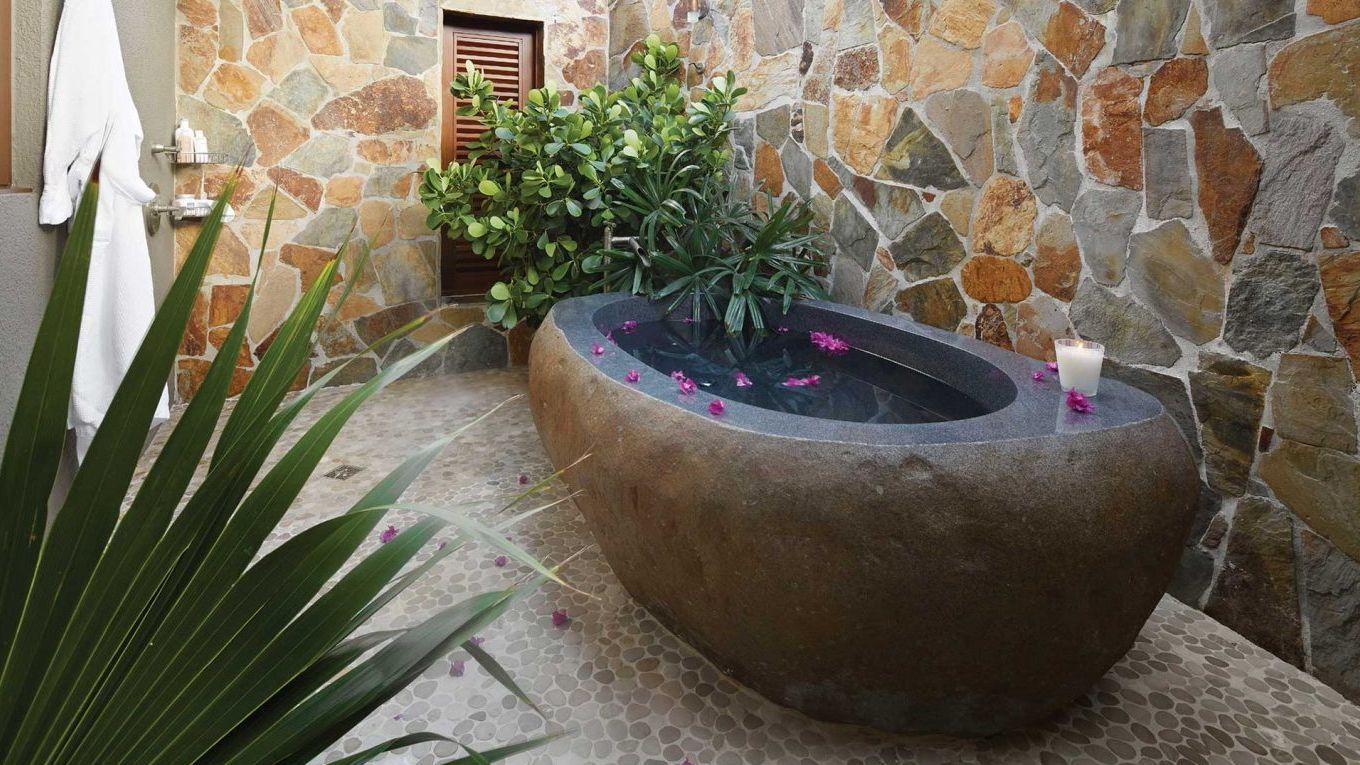
5 clever ways to use natural stone in home décor

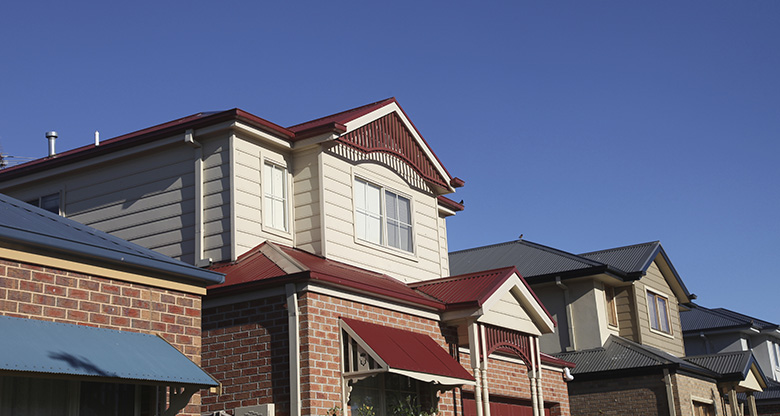
What is brick veneer?

BEHIND THE VENEER

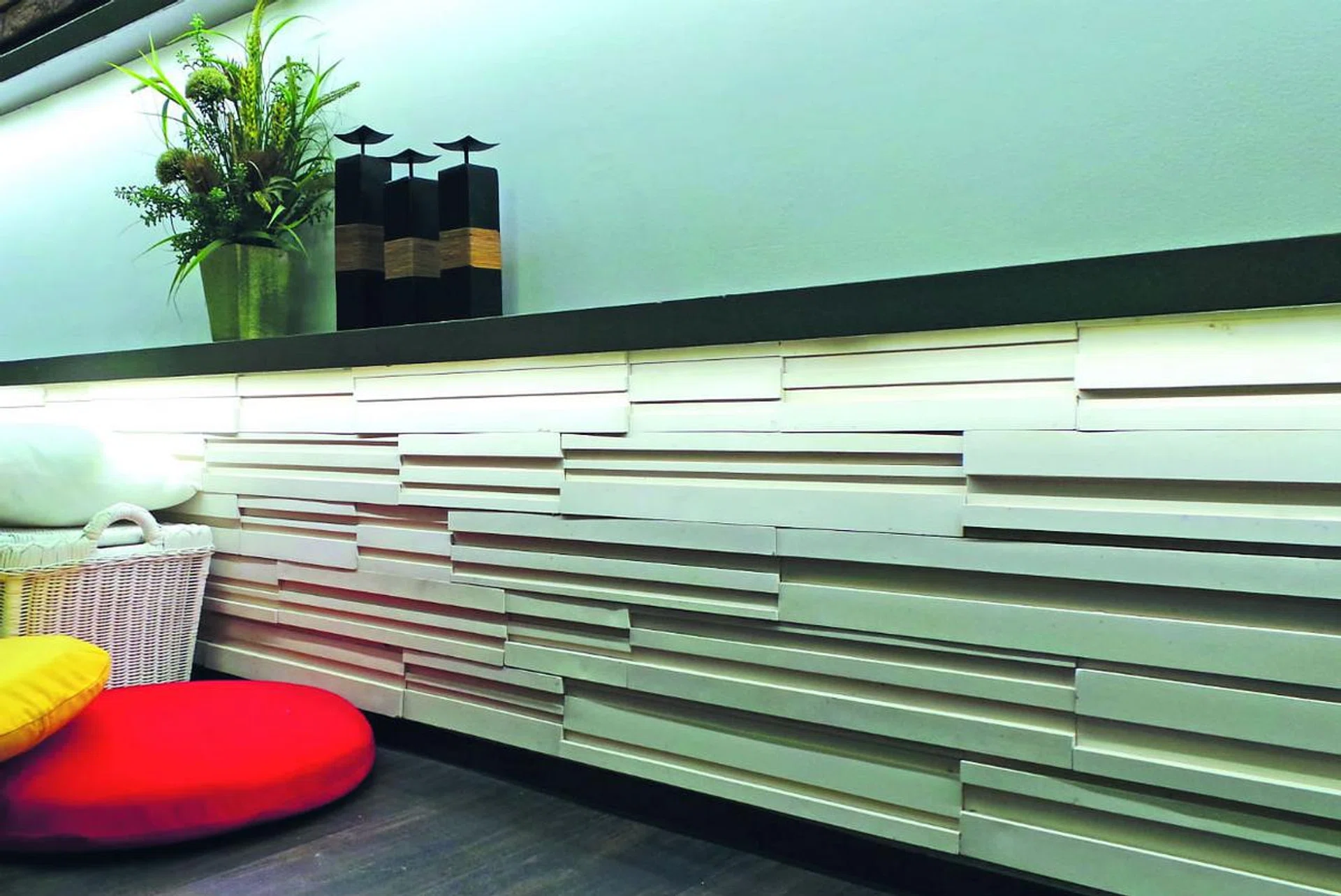
Stone veneer that adds instant texture to your walls
Coronado Stone Products: The Stunning Look of Stone with the Ease Of Installation Of Veneer

The family craft transforming walls into timeless works of art


Acme Brick, Tile and Stone – Northwest Arkansas
Evolve Stone Monument Gate Stone Veneer


Acme Brick, Tile and Stone – Florence
Everything You Need to Know About Venetian Plaster

What alternatives to marble are there? The 5 trending materials you should also consider for countertops and more

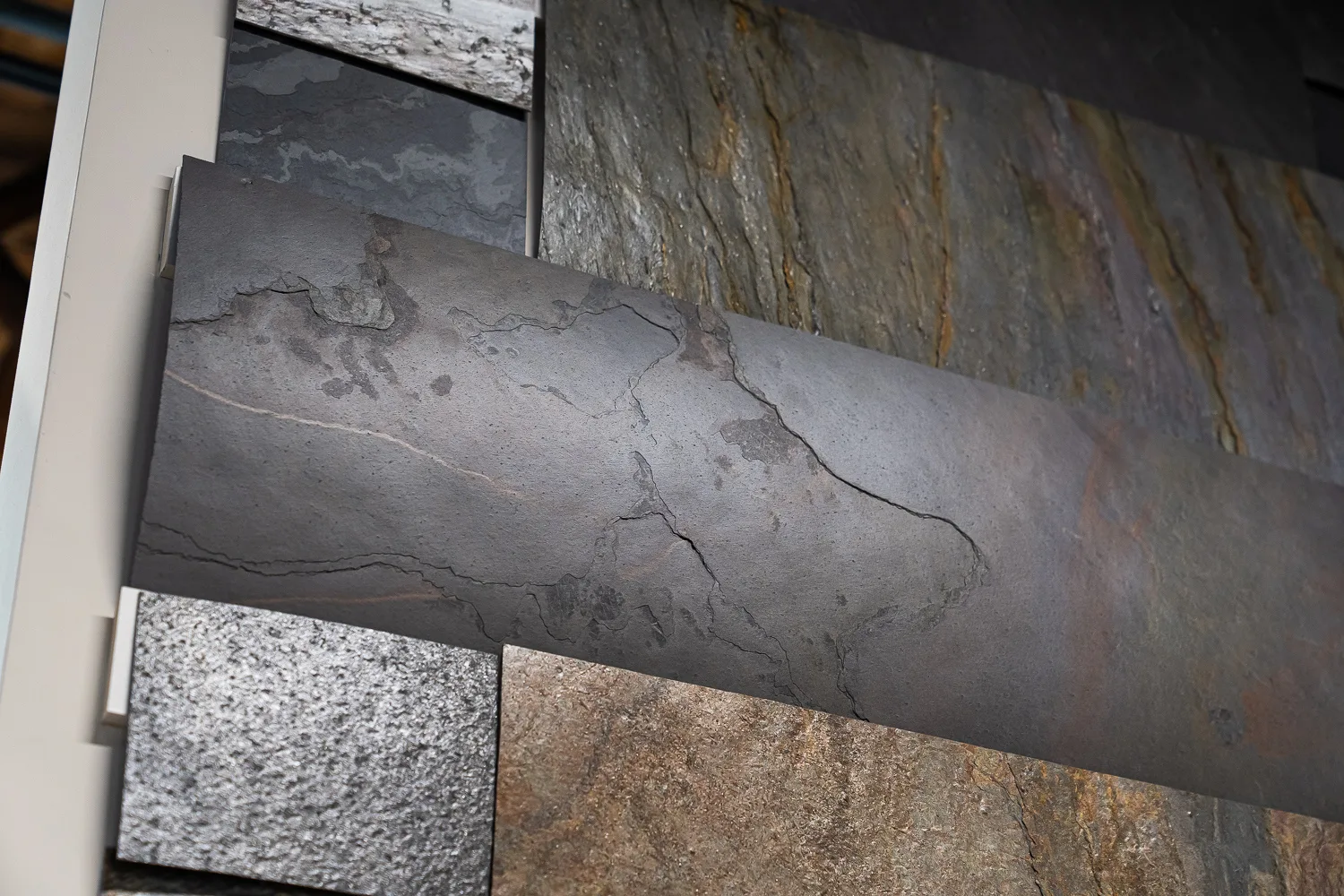
Design & Detail becomes exclusive North American Showroom for Casadenza Stone Veneers

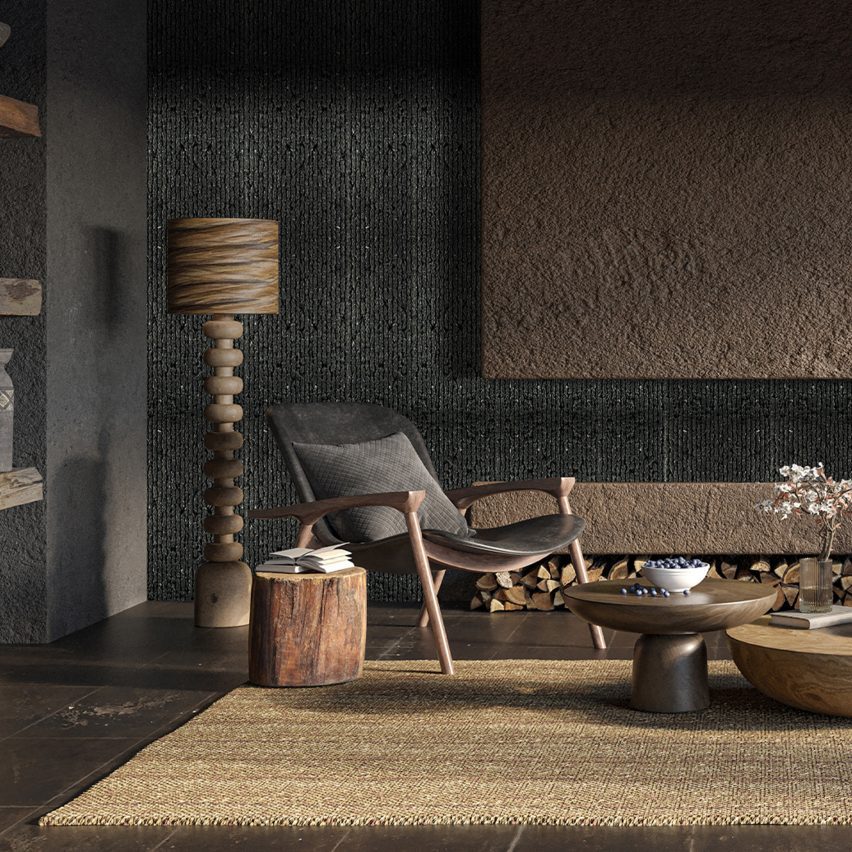
Piatraonline unveils Raw stone collection that "adds elegance and warmth to a room"
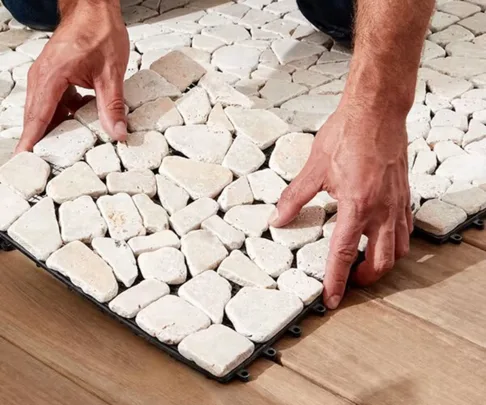
8 dreamy DIYs that use Kmart’s viral $29 stone decking tiles
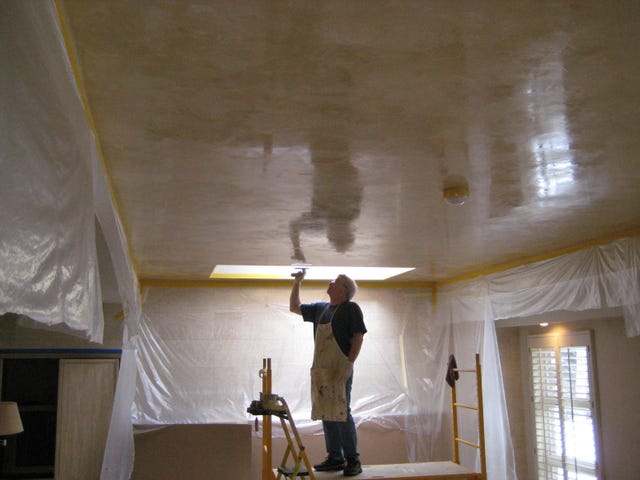
Use Venetian Plaster to Get That Old-World Look