5 Things To Consider Before Starting A Basement Remodel, According To Builders
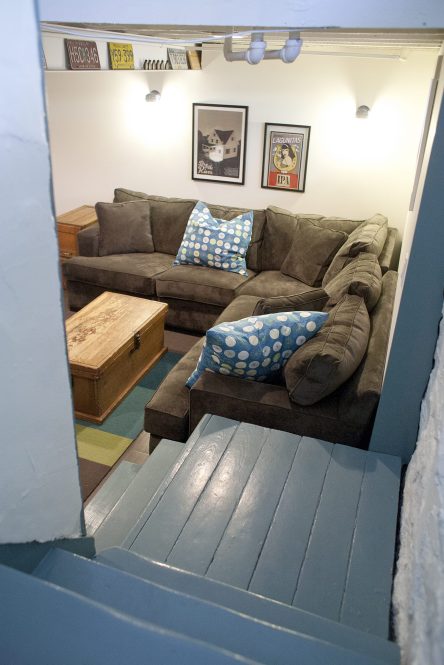
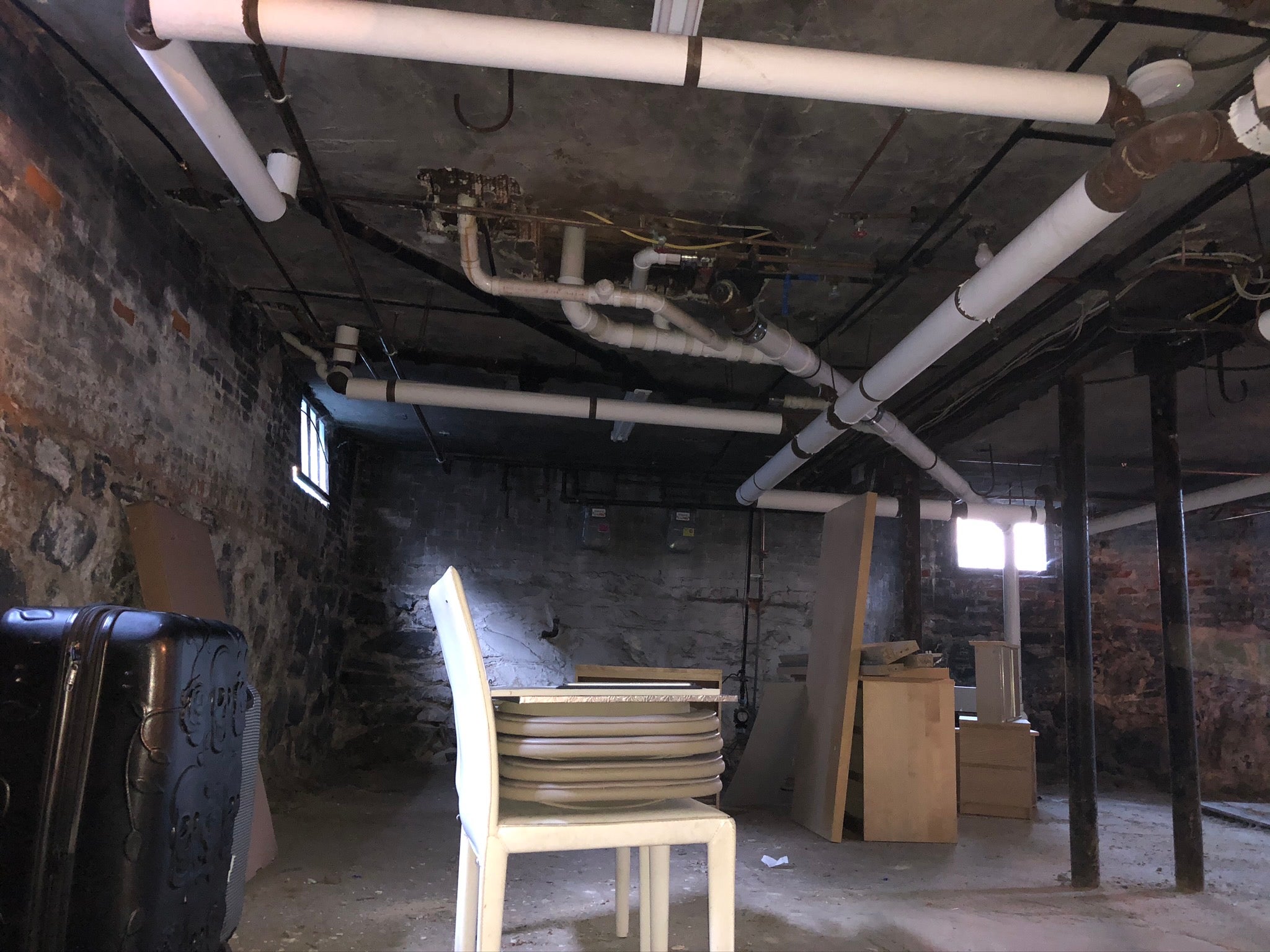
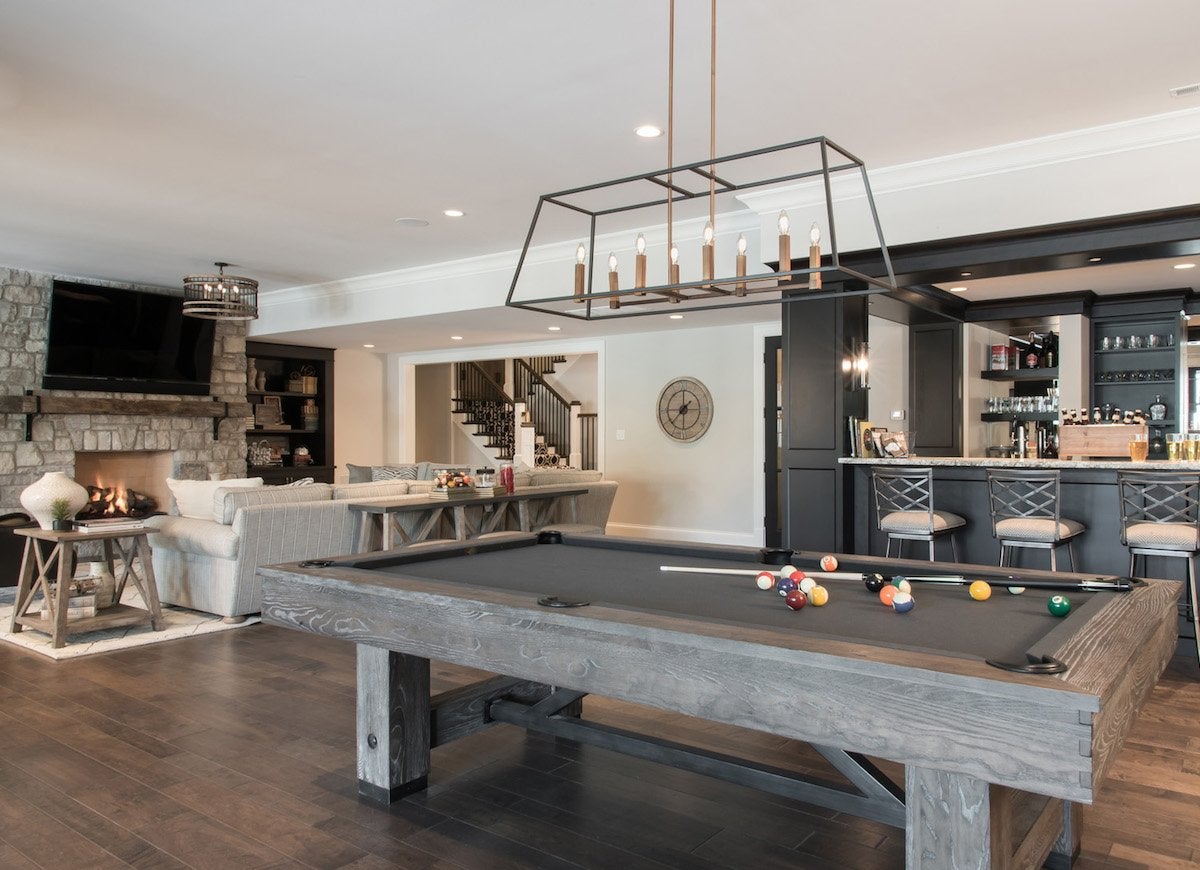
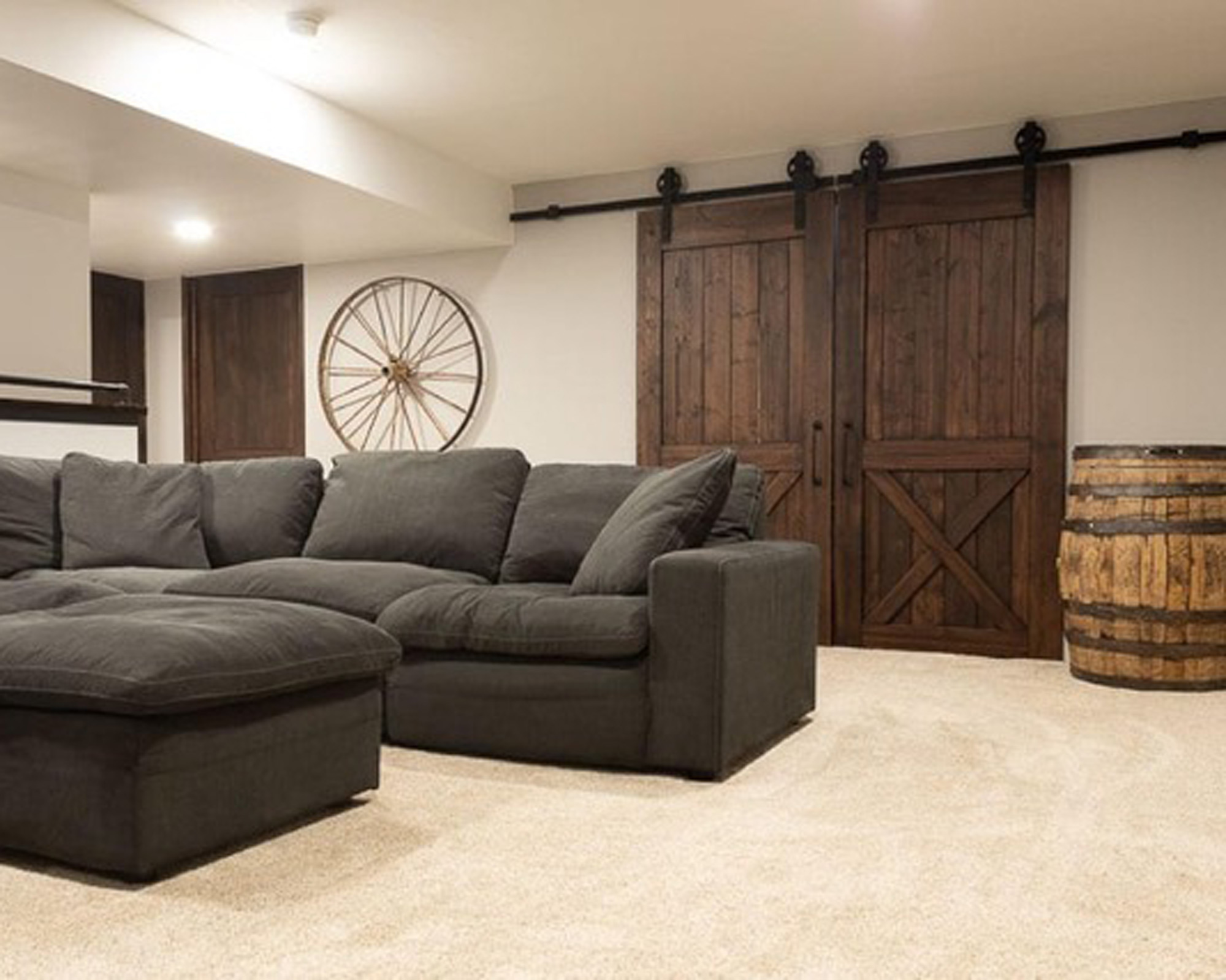
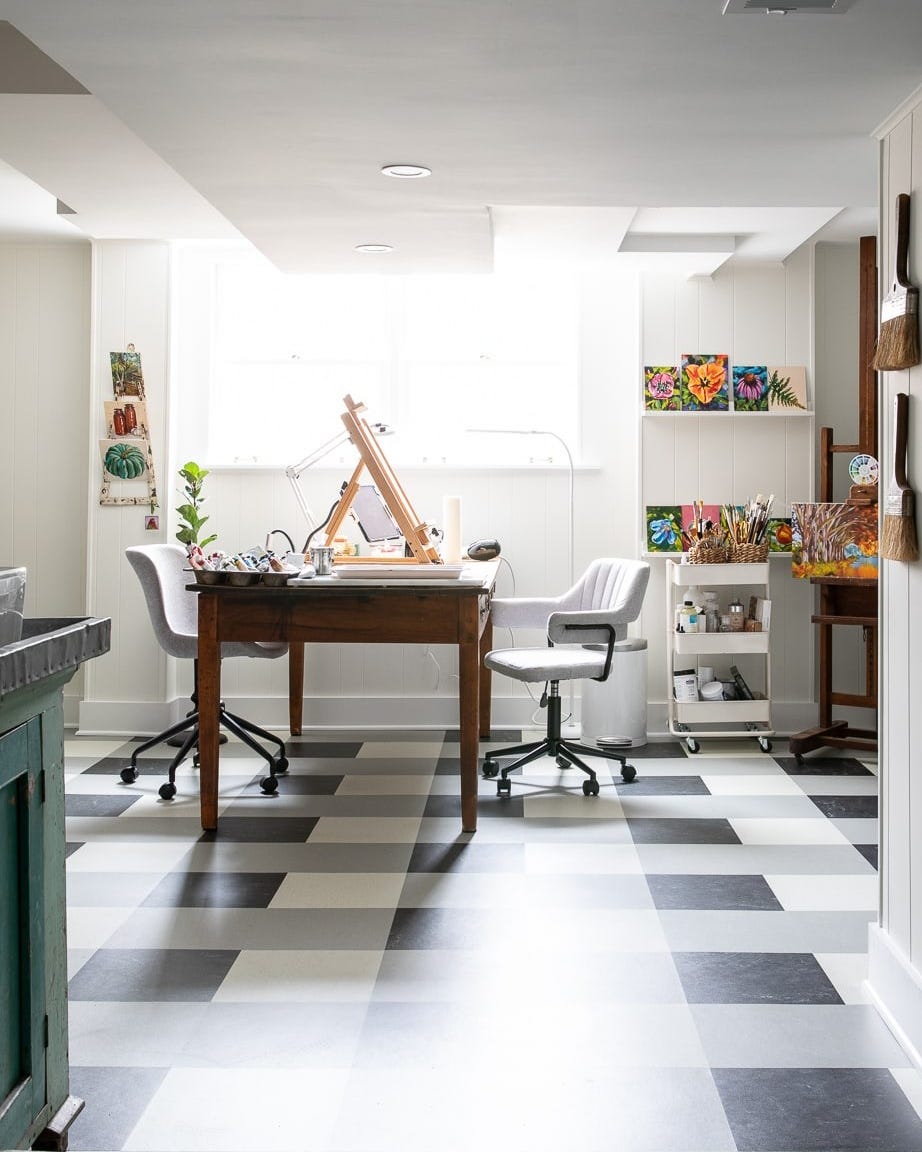
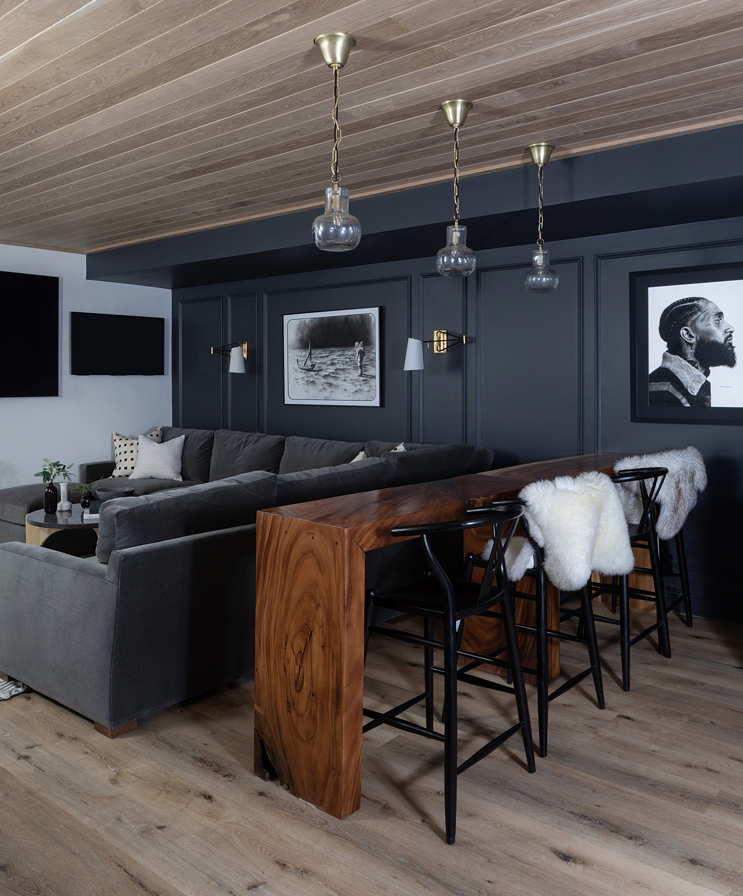
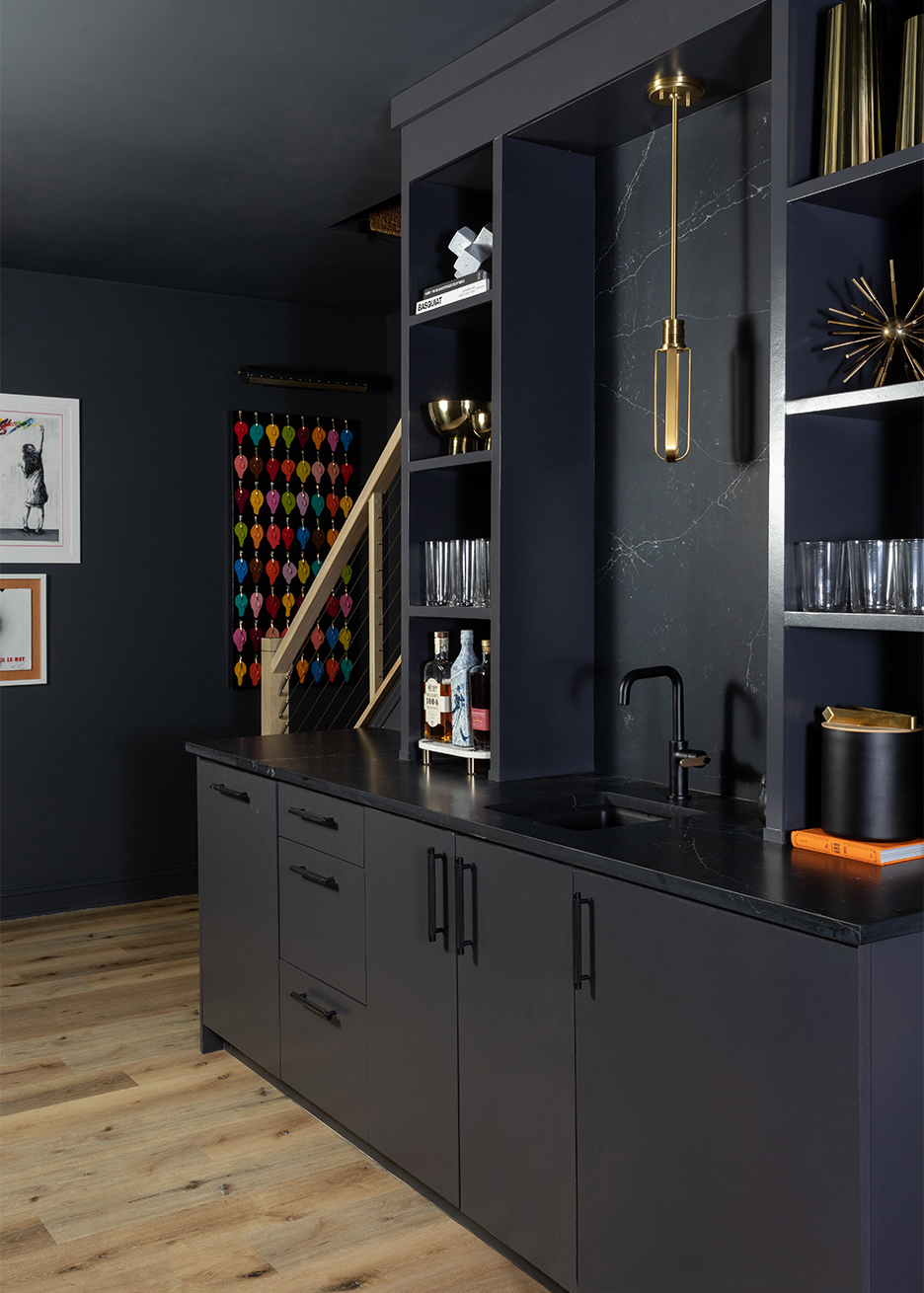
Remodeling a basement presents a significant opportunity to enhance a home's value, particularly when converting an unfinished space into a finished living area. Will King, a residential building expert and custom home builder, emphasizes that remodeling goes beyond mere cosmetic improvements, serving as a chance to rectify underlying issues such as high humidity and insufficient natural lighting. The primary objective is to create a comfortable, functional space that genuinely adds valuable square footage to the home, whether it's for extra bedrooms, an entertainment zone, or a craft room. While these foundational upgrades might not offer immediate visual gratification like new furniture, their long-term value and impact on comfort are substantial.
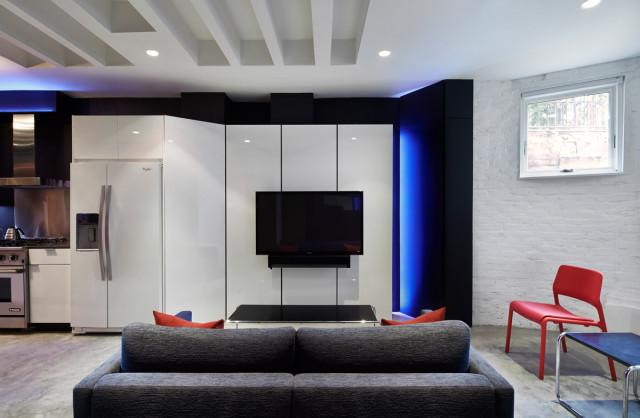
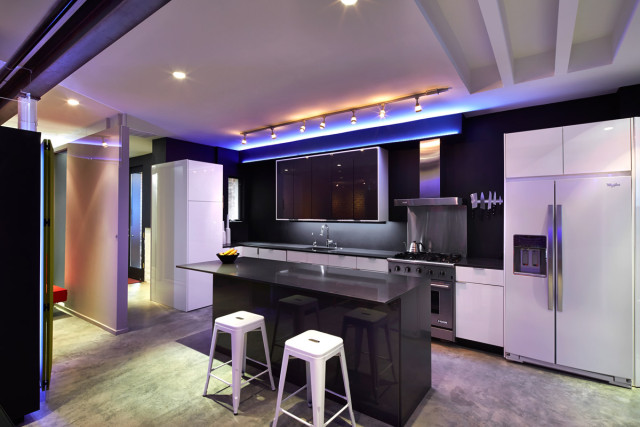
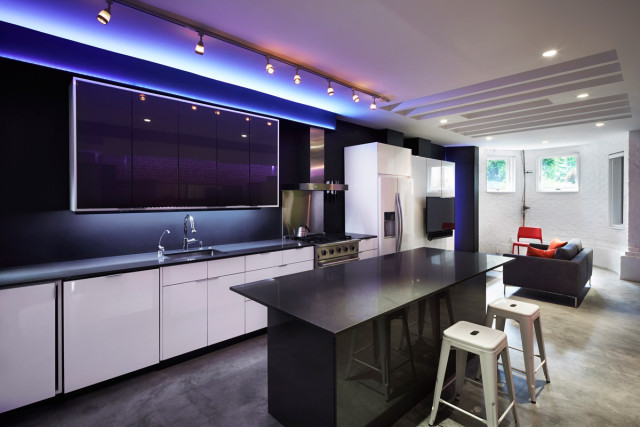
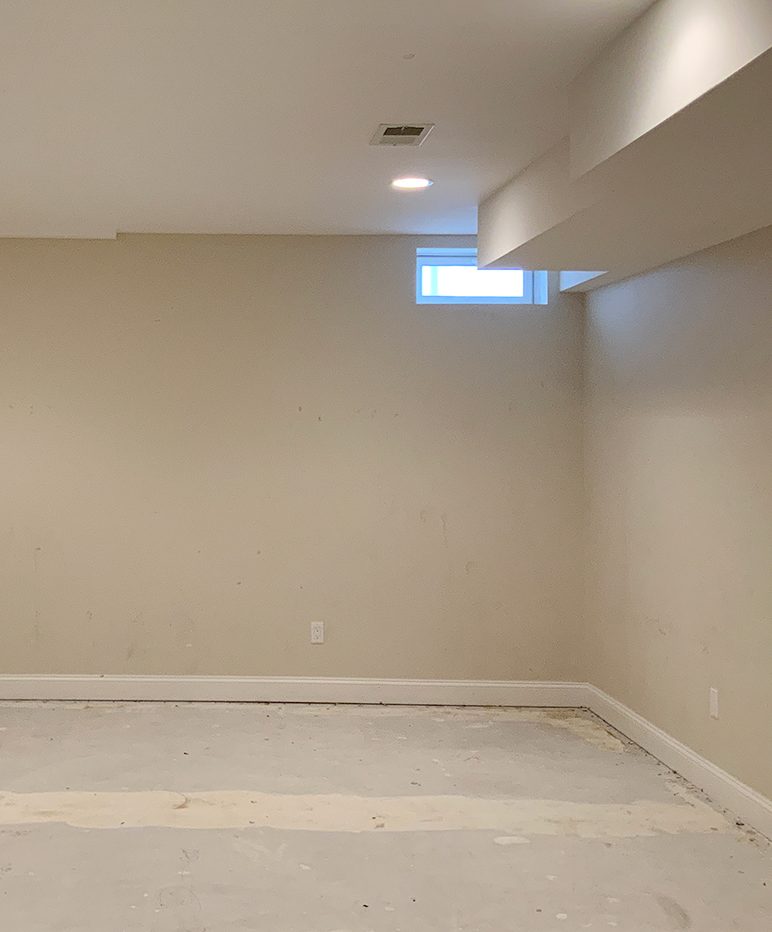
One critical consideration is the integration of adequate lighting. Basements, especially those not built on a grade that allows for ample natural light, tend to be dark and damp. King notes that poor lighting and moisture issues can deter from the appeal of any finished space. Since people prefer bright and open environments, and most basements naturally lack sunlight, the construction phase is an ideal time to install additional lighting. He advises incorporating disc lights, overhead fixtures, and more electrical outlets for lamps to brighten the area. Custom home builder Gabe Chatham adds that maximizing natural light from any existing windows or sliding doors is essential to prevent the space from feeling like a confined cave.
Controlling humidity is another vital aspect, crucial for personal comfort and preventing mold growth. King highlights that humidity significantly impacts how comfortable a space feels. He recommends installing a whole-home dehumidifier to maintain a dry environment year-round, especially in humid climates like the South. For basements with limited headroom that require HVAC additions, mini-split heat pumps are suggested as an efficient solution.
Insulation serves a dual purpose in basement remodels: temperature regulation and sound isolation. Chatham explains that soundproofing the ceiling with materials like cellulose insulation or rock wool can effectively contain noise from downstairs activities, allowing those on upper floors to rest undisturbed. Additionally, finishing a basement often involves framing out walls against a concrete foundation and isolating that space, making proper insulation a key component.
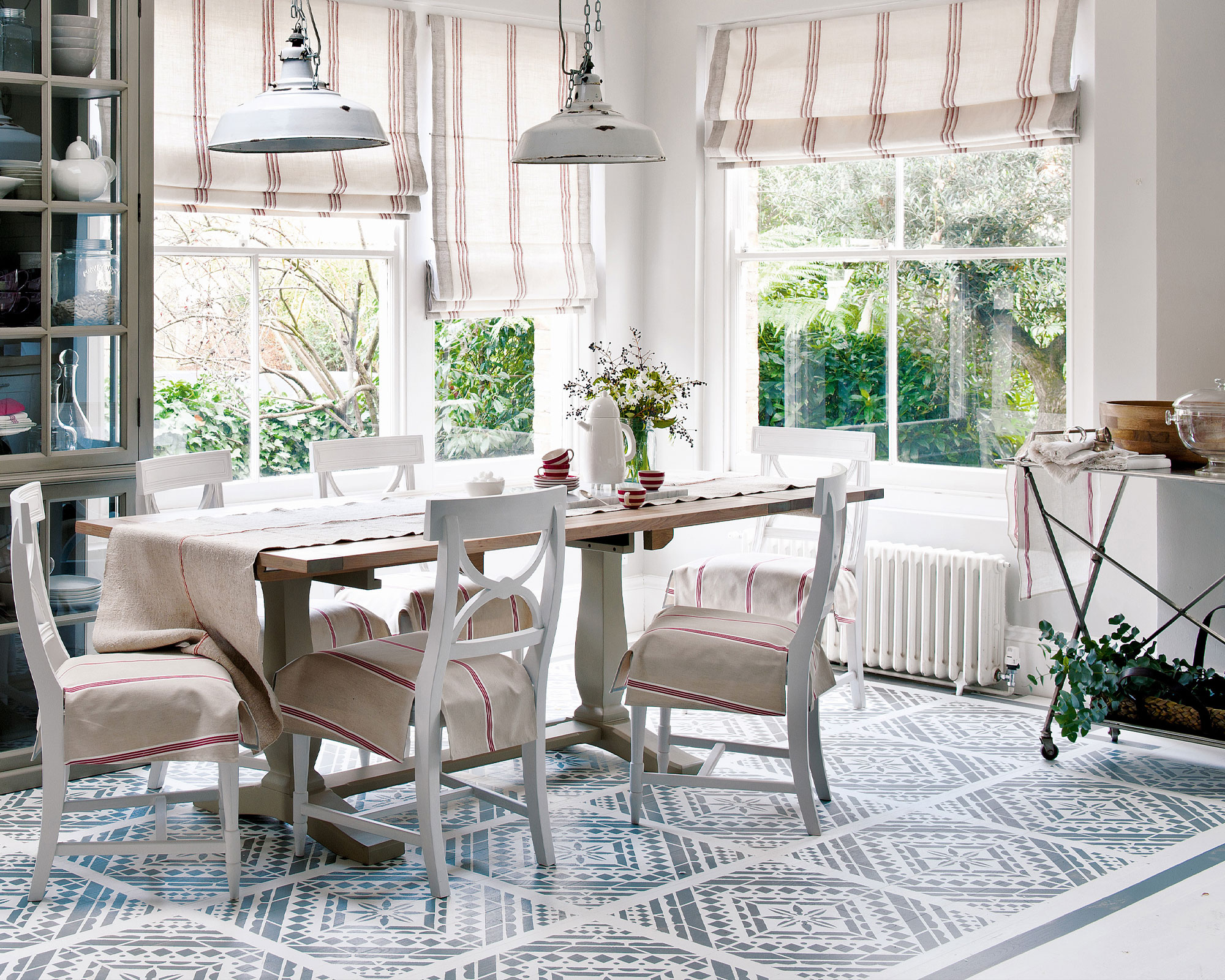
Selecting water-resistant flooring is important to protect the basement from moisture damage, whether from wet feet or unexpected flooding. Chatham specifically advises using waterproof flooring, such as tile or luxury vinyl plank (LVP), for areas with exterior access, particularly if there's a pool nearby. Finally, understanding permit requirements is non-negotiable. The scope of a remodel often dictates whether a permit is necessary, and while some minor projects may not require one, most municipalities will mandate permits for significant structural or functional changes to ensure safety and compliance with building codes.
#BasementRemodel #HomeImprovement #ResidentialBuilding #HomeValue #InteriorDesign #HumidityControl #LightingDesign #Soundproofing #WaterproofFlooring #BuildingPermits #BasementRemodel #HomeImprovement #ResidentialBuilding #HomeValue #InteriorDesign #HumidityControl #LightingDesign #Soundproofing #WaterproofFlooring #BuildingPermits
0 comment in total
 No comments yet
You may also like
Dope Basement Renovation
See this scary basement gets a clean and colorful DIY makeover

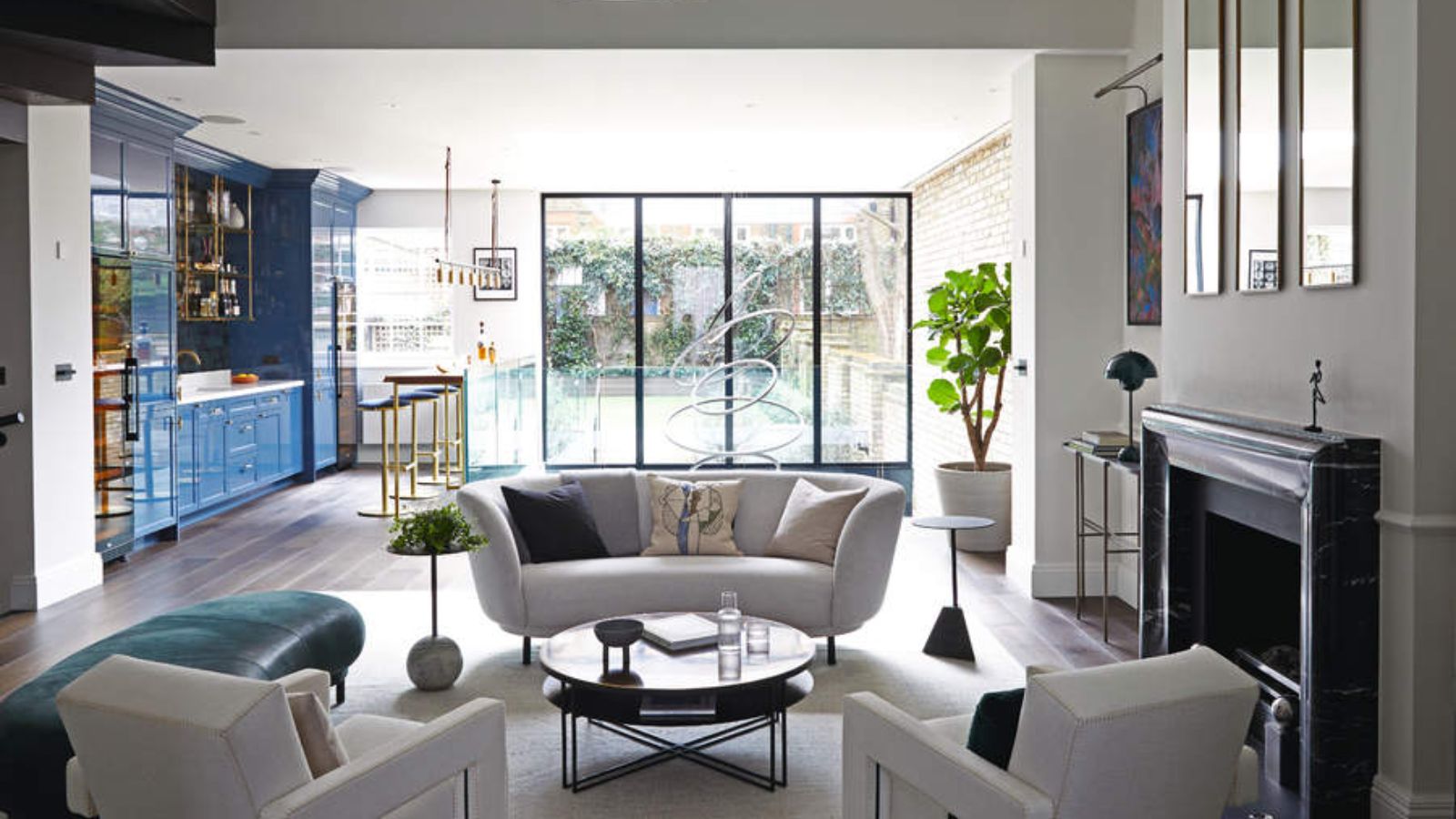
How to waterproof a basement – 5 steps from experts to safeguard this space

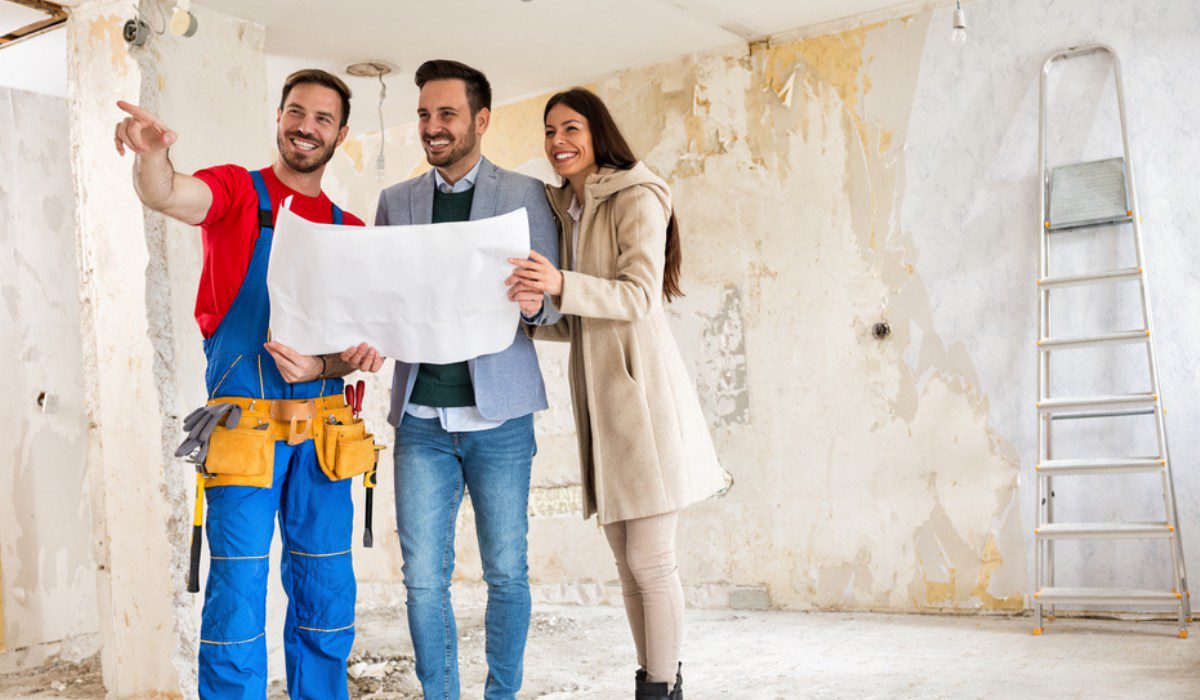
A beginner’s guide to home remodeling: 5 rules to follow
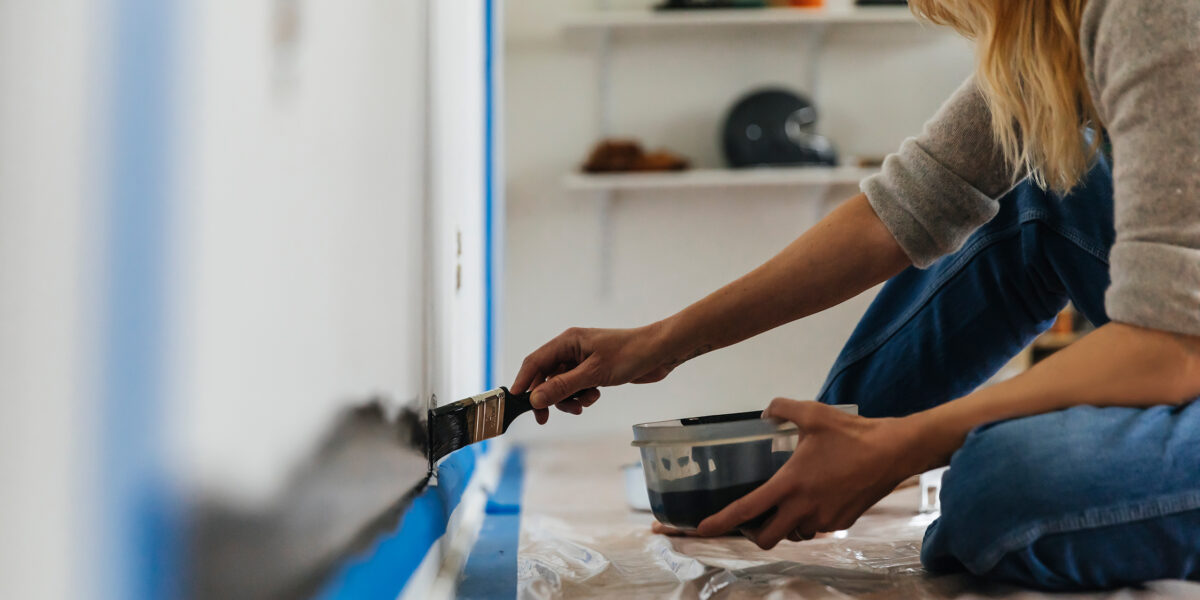
9 Things You Need to Know Before Renovating Your Home, According to Experts
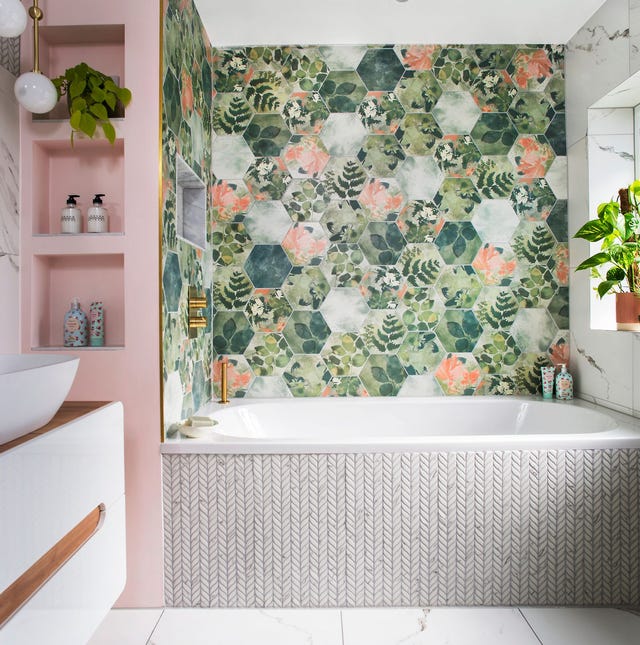
How To Save Big On Your Bathroom Renovation: 5 Expert-Recommended Tips


These Basement Remodel Ideas Will Change the Way You Think of This Space

5 flooring mistakes to avoid – according to architects and interior designers
Finished basements

Taking the plunge on a basement renovation — literally
A Finished Basement Is Just What Your Home Needs in 2025


6 Lessons I Wish I’d Known Before Renovating My Home
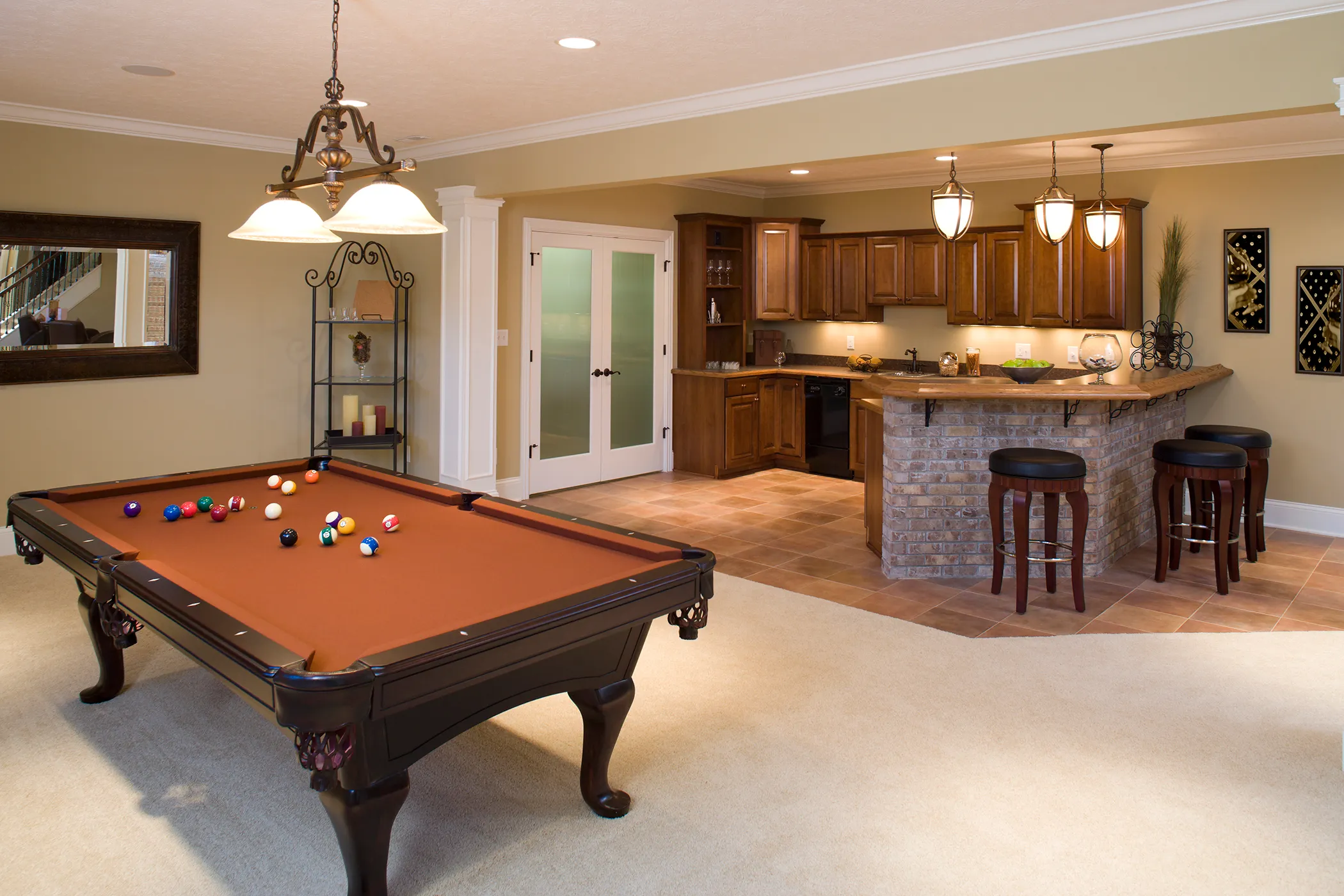
What to Know Before You Finish Your Basement
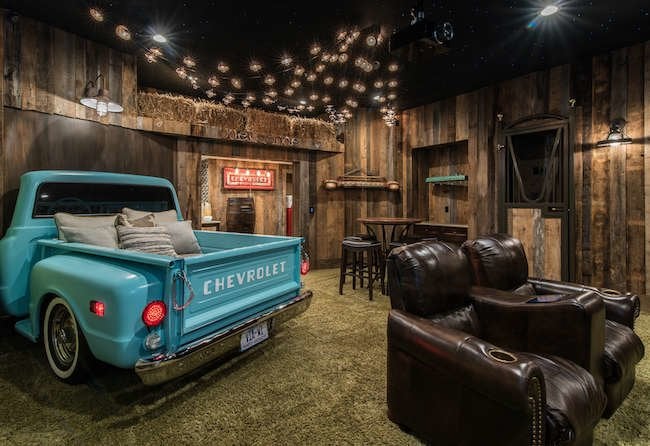
Beautiful Basements: 13 Surprisingly Cool Underground Amenities in Real American Homes
The first things to consider when planning a new bathroom – according to experts
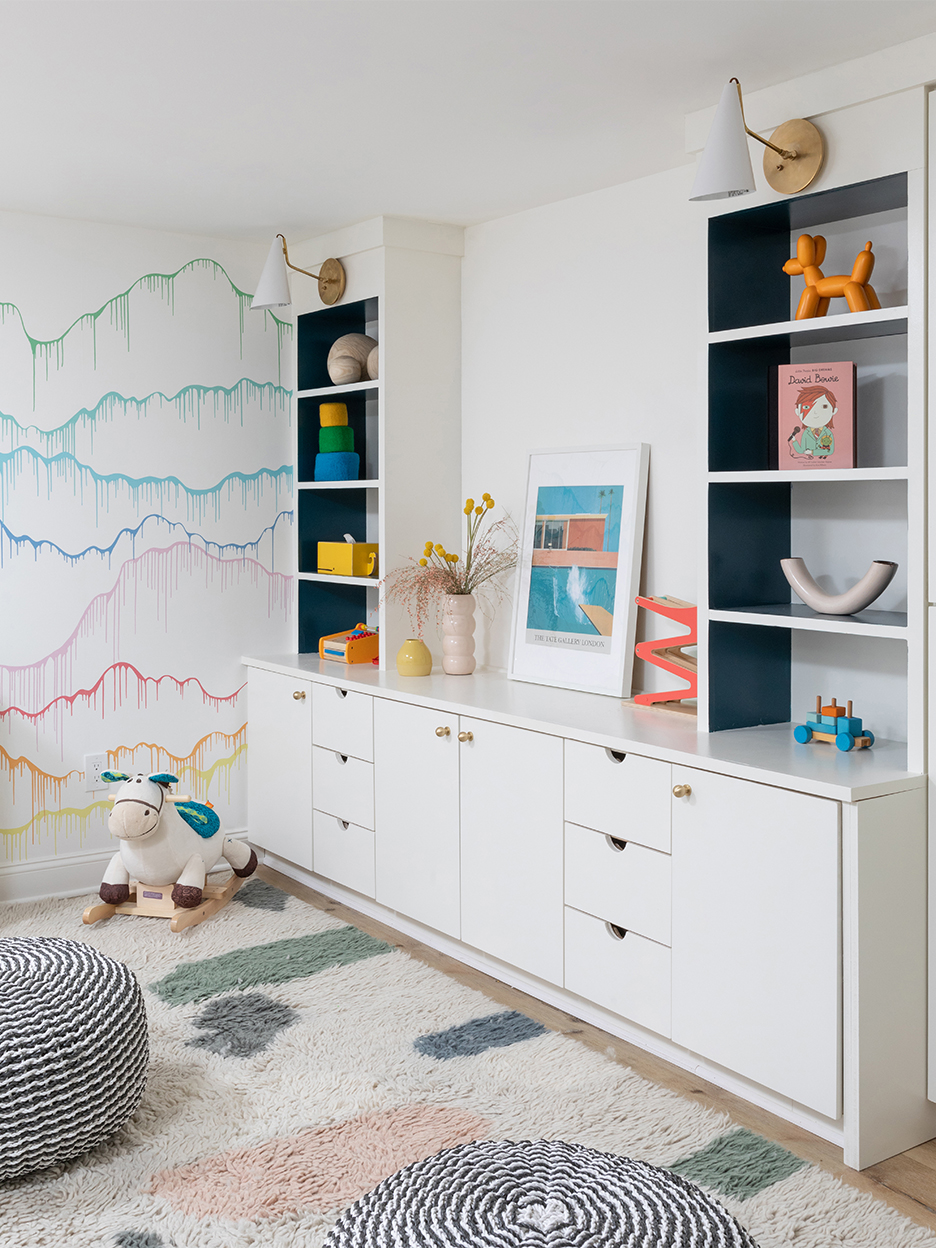
This New Jersey Family’s 900-Square-Foot Basement Got a High-Contrast Makeover
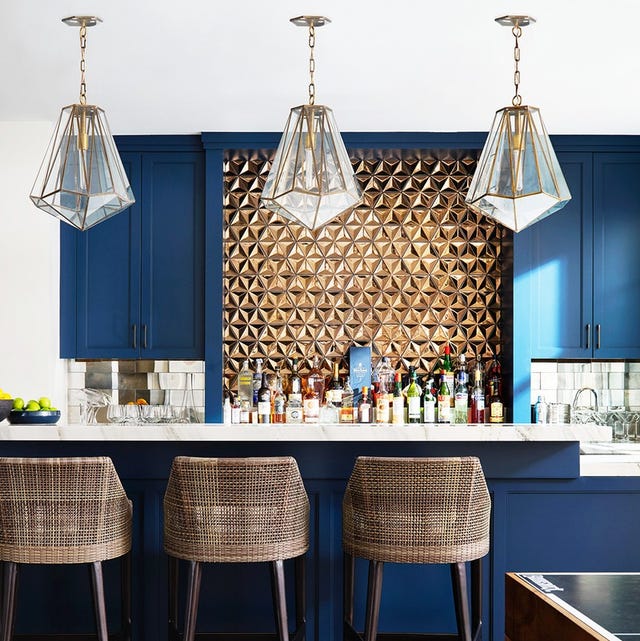
25 Finished Basement Ideas to Inspire Your Next Remodel

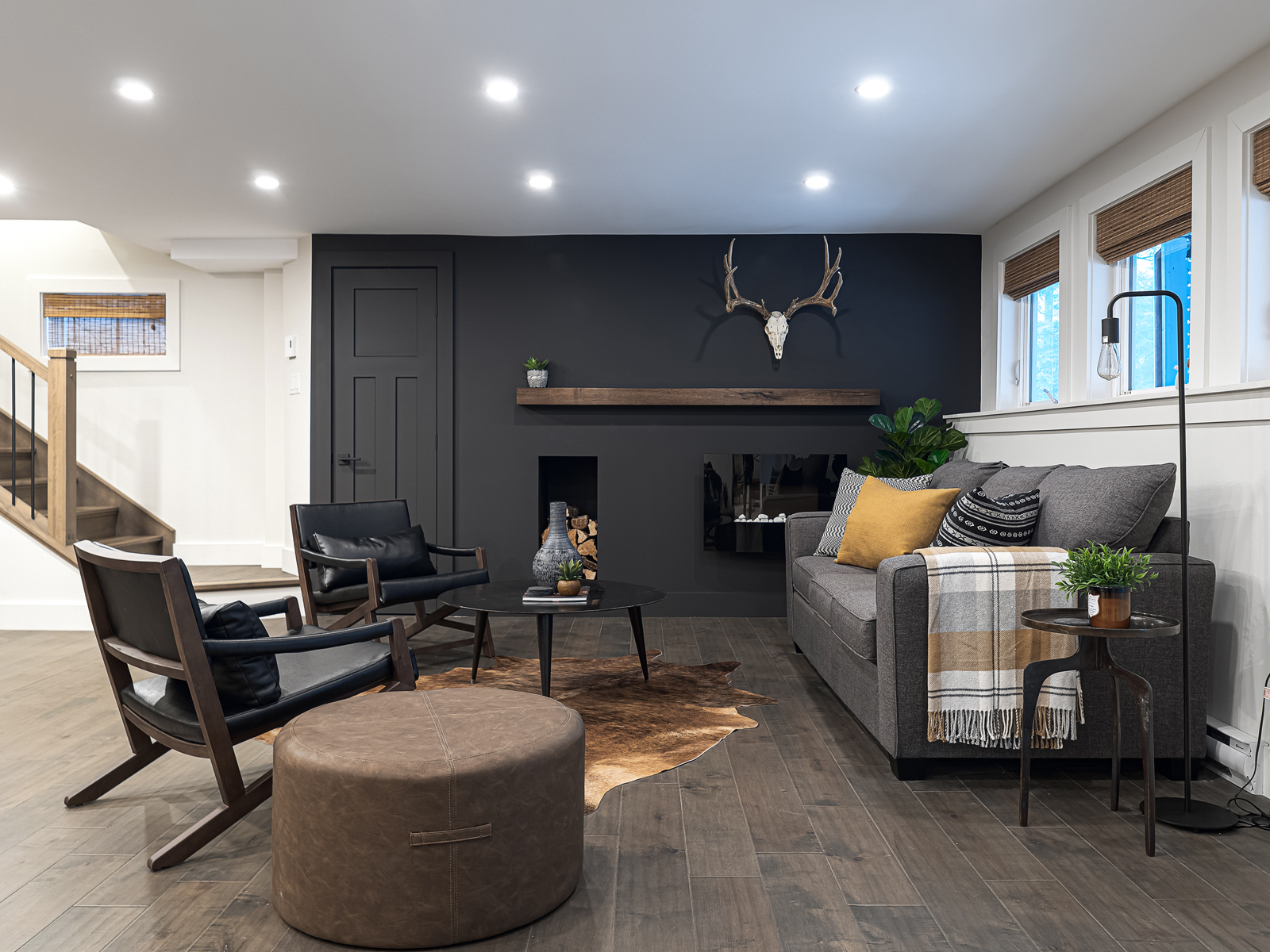
29 basement ideas to convert your downstairs space into a hidden gem of possibility

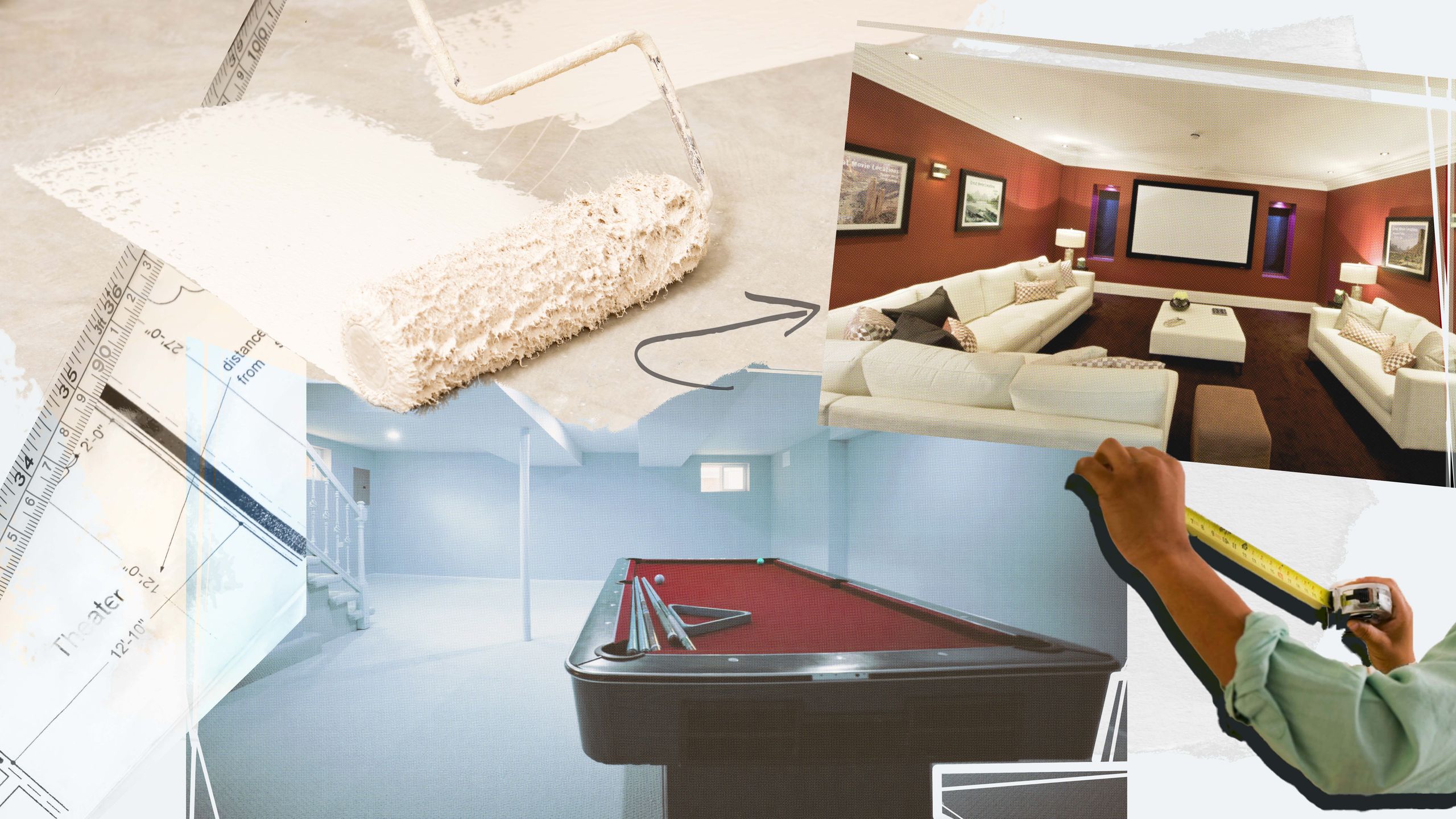
13 Creative Basement Ideas That Go Beyond Adding a Ping-Pong Table

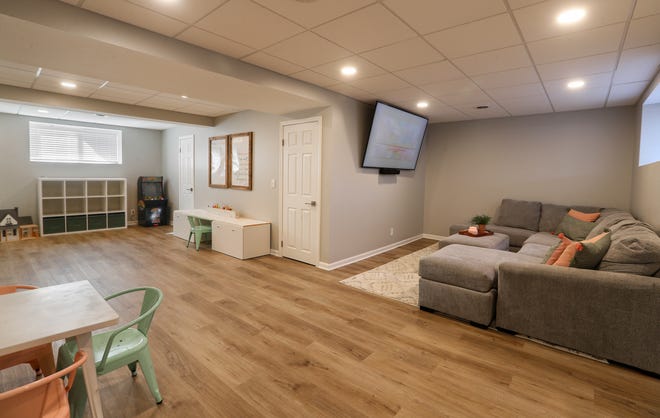
Finishing your basement can add space and value but you have to do it right