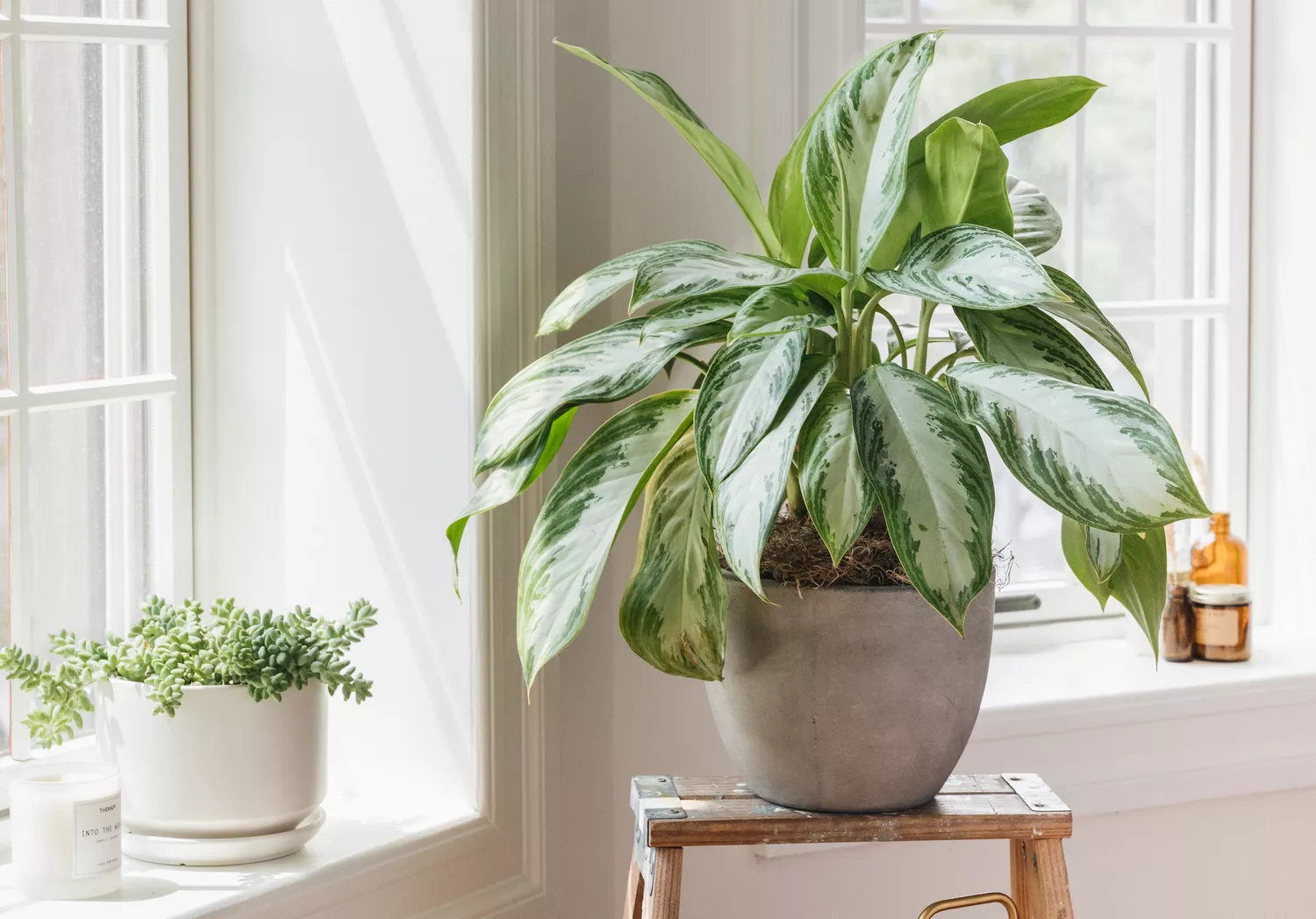
How Much Light Do Your Houseplants Need?
Ensuring houseplants receive the appropriate amount of sunlight is crucial for their health and longevity, as both excessive and insufficient light can lead to stress, disease, pests, and premature death. While plant labels typically indicate light preferences such as full sun or partial shade, understanding indoor sun exposure is essential for selecting suitable plants for a given space. Indoor lighting is broadly categorized into three types: bright light, indirect light, and low light.
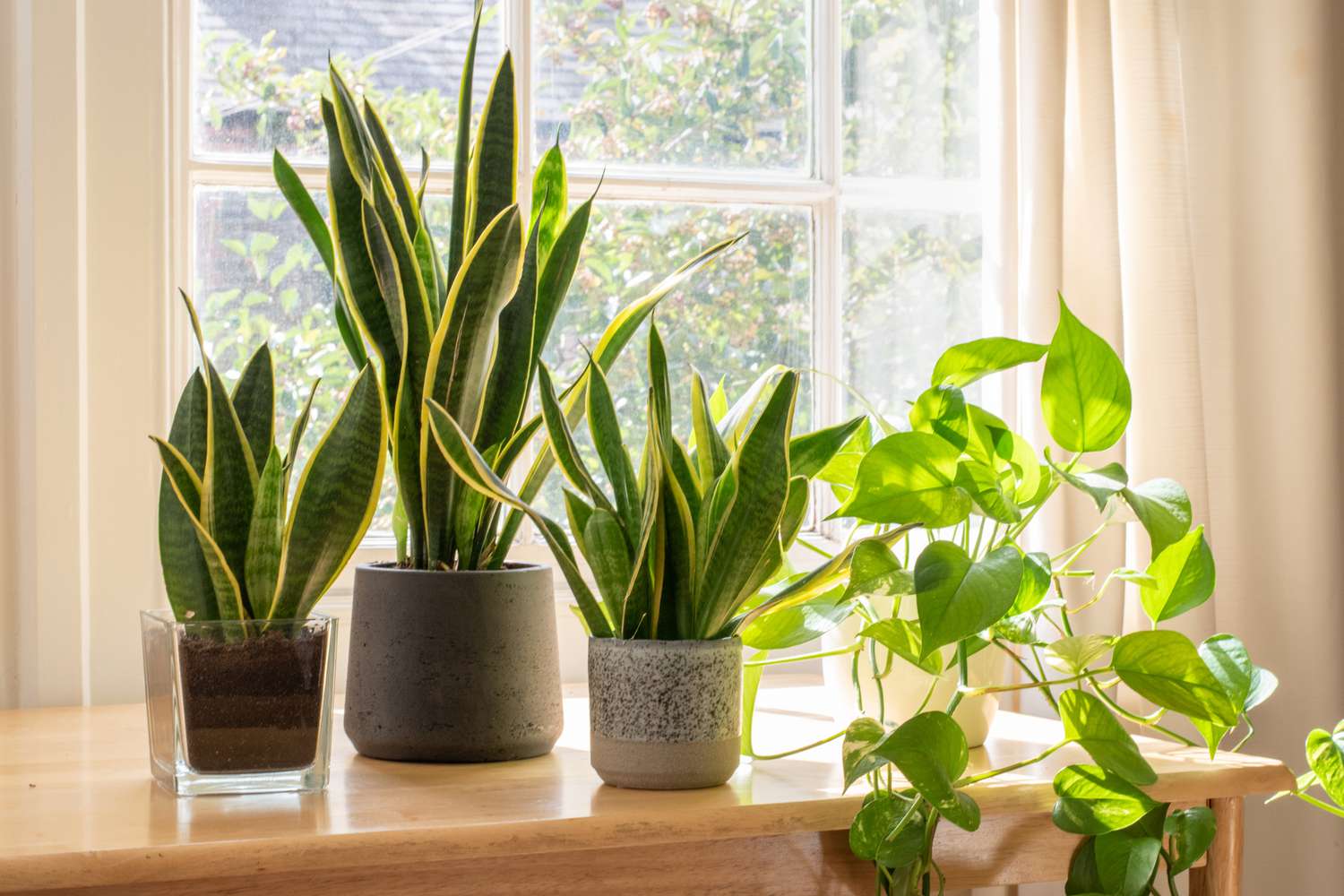
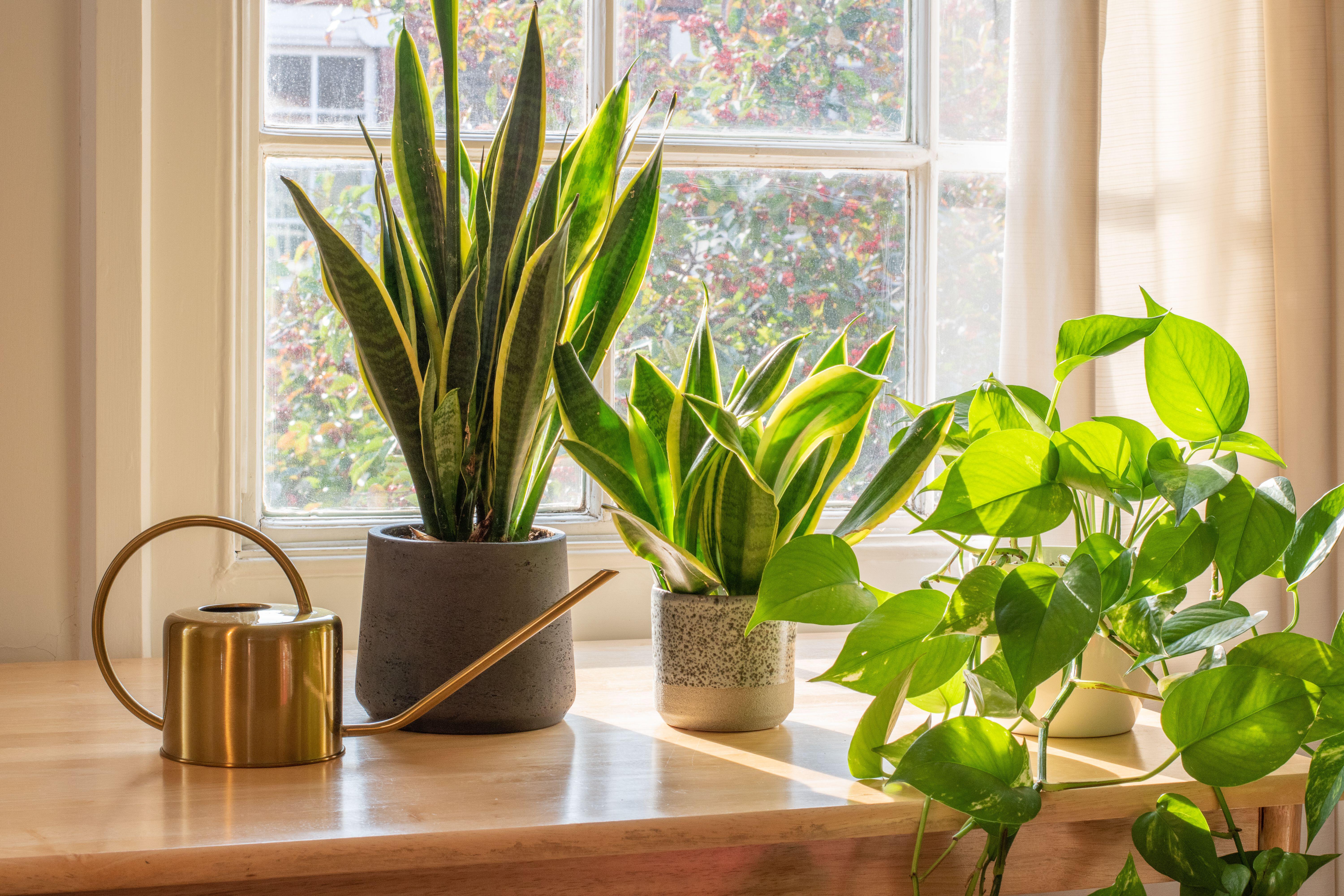
Bright light refers to conditions found in sunny southern- or western-facing windows that receive at least five to six hours of direct sunlight daily. Plants requiring bright light are synonymous with full sun plants. It is important to note that moving plants closer to windows in winter, when light is scarcer, can expose them to cold drafts that can be detrimental. Indirect light is present in east-facing windows or in the interior of rooms well-lit by south- or west-facing windows. This can also be achieved by using sheer curtains to diffuse direct light. Low light conditions characterize rooms with north-facing or partially shaded windows, especially during winter months. If a room is too dim to comfortably read a newspaper, it likely falls into the low-light category. While shade-loving plants thrive in such environments, artificial light can supplement natural light to support other plant types.
Observing a plant's behavior is key to determining its light needs. Signs of light deprivation include legginess, where stems become long and thin as the plant stretches for light, often accompanied by leaning or twisting. Stunted growth and unusually small leaves also indicate insufficient light, as the plant lacks the energy for proper development. Yellowing leaves can signal a lighting problem, and variegated plants turning entirely green indicate the plant is producing more chlorophyll to compensate for inadequate light. To remedy light deficiency, plants should be moved to brighter locations or supplemented with grow lights, especially during winter months when natural light is diminished.
Light intensity can be measured through observation, smartphone applications, or dedicated light meters. It is crucial to measure light levels throughout the day and across different seasons, as the sun's position and intensity vary significantly. Factors such as a home's geographical location (hemisphere, proximity to the equator) and the season impact the duration and angle of sunlight. Professionals quantify light using foot-candles (British system) or lux/lumens (metric system), with one foot-candle equivalent to 10.764 lux. While grow lights can supplement natural light, they are generally considered to provide indirect light, as they cannot fully replicate the sun's spectrum and power. Direct sunlight for indoor plants occurs when they are placed in a sunny window for at least five unobstructed hours.
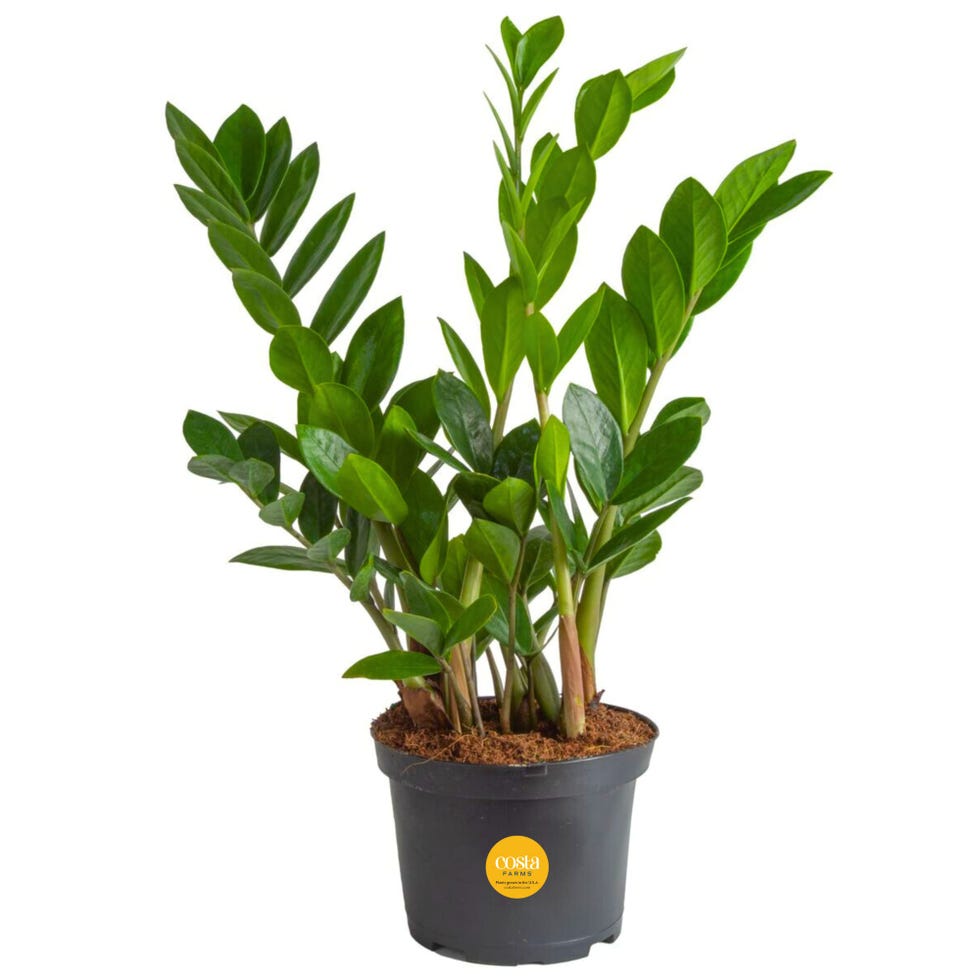
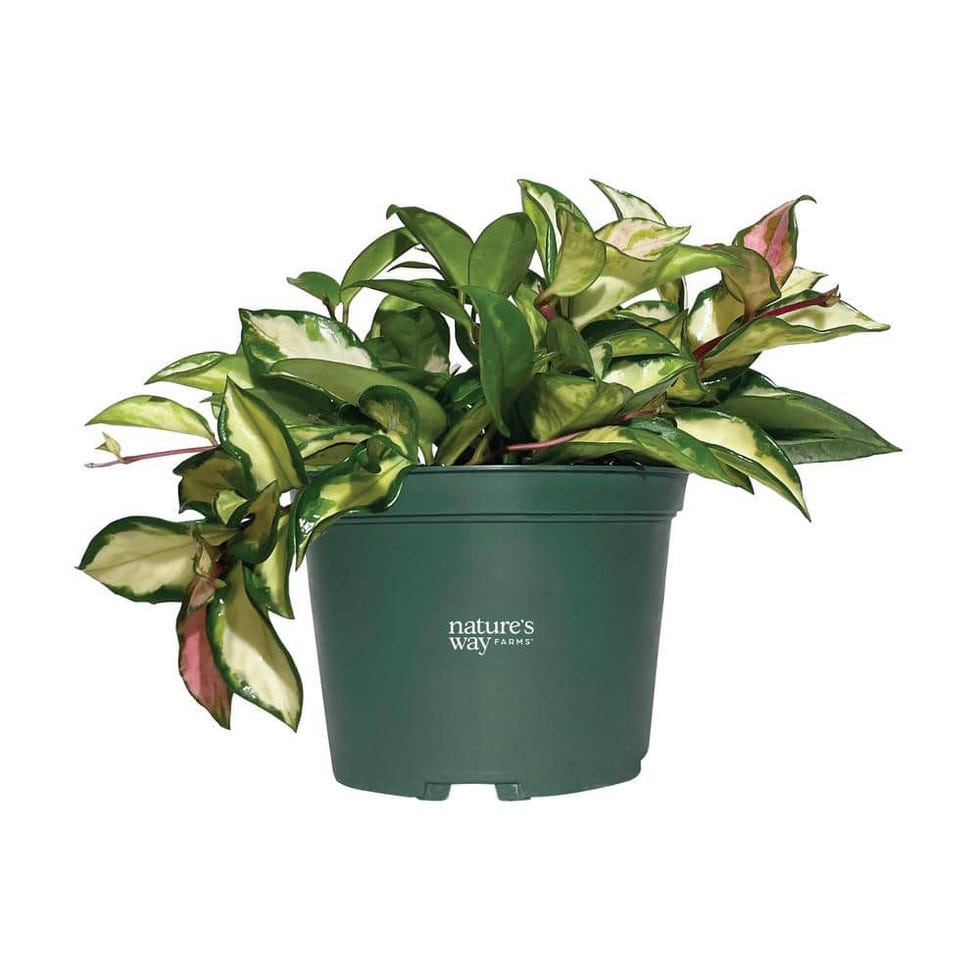
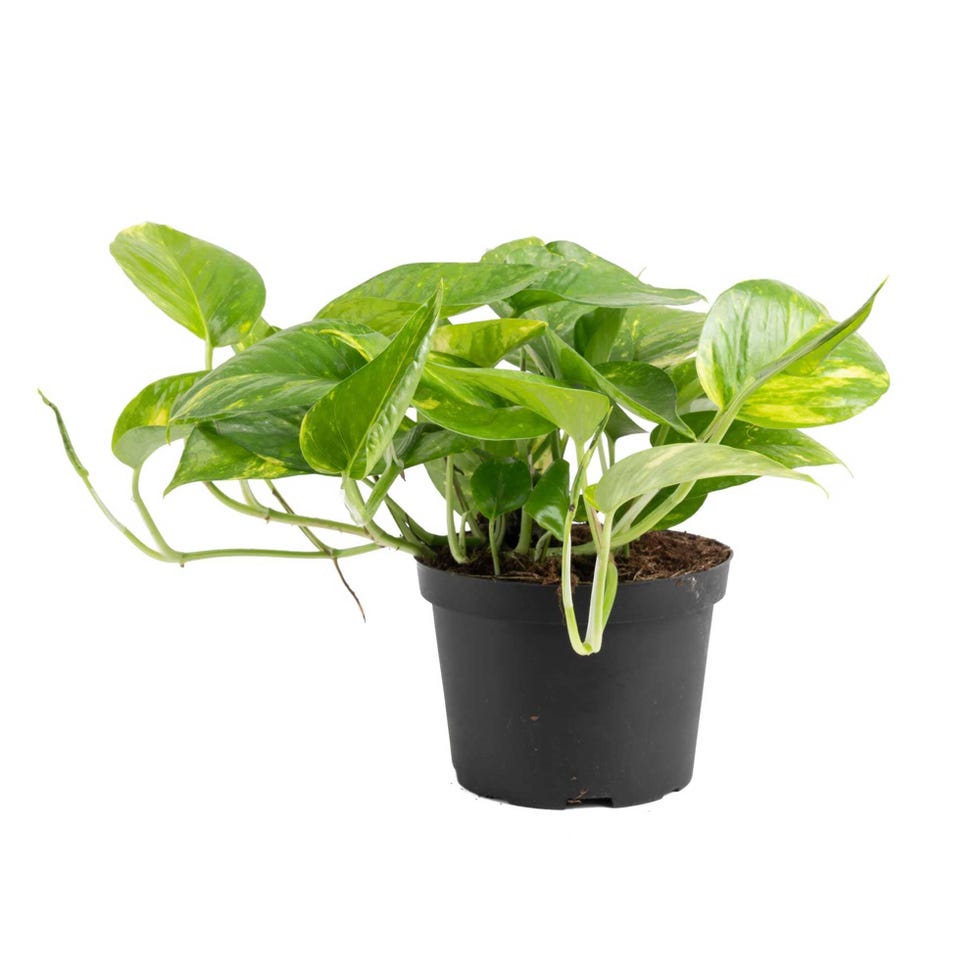
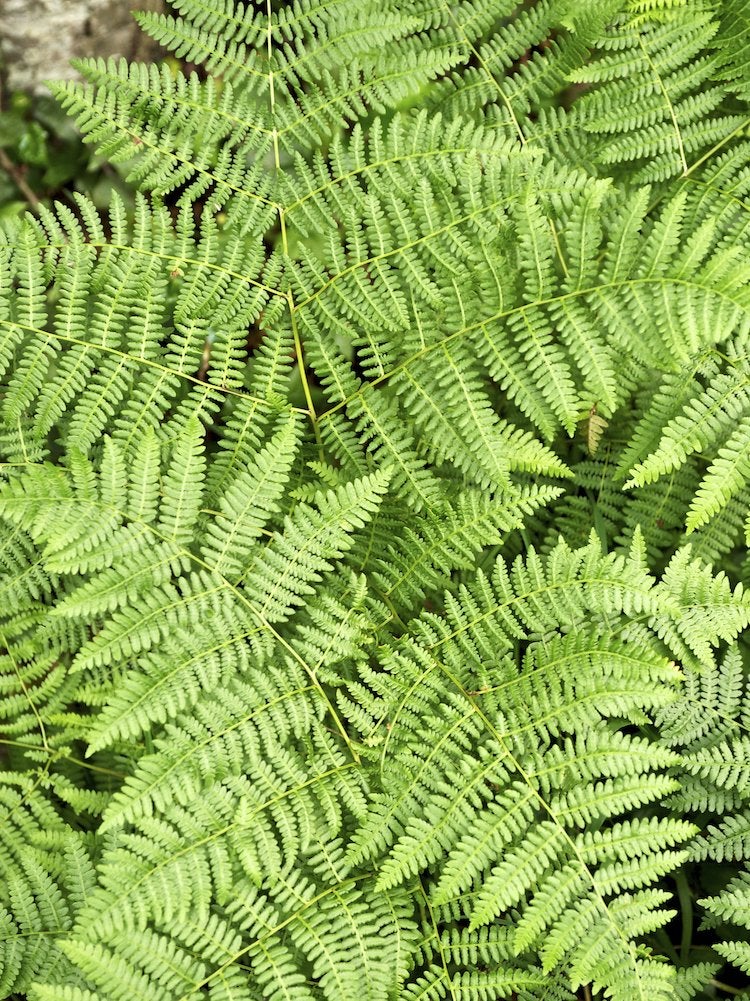
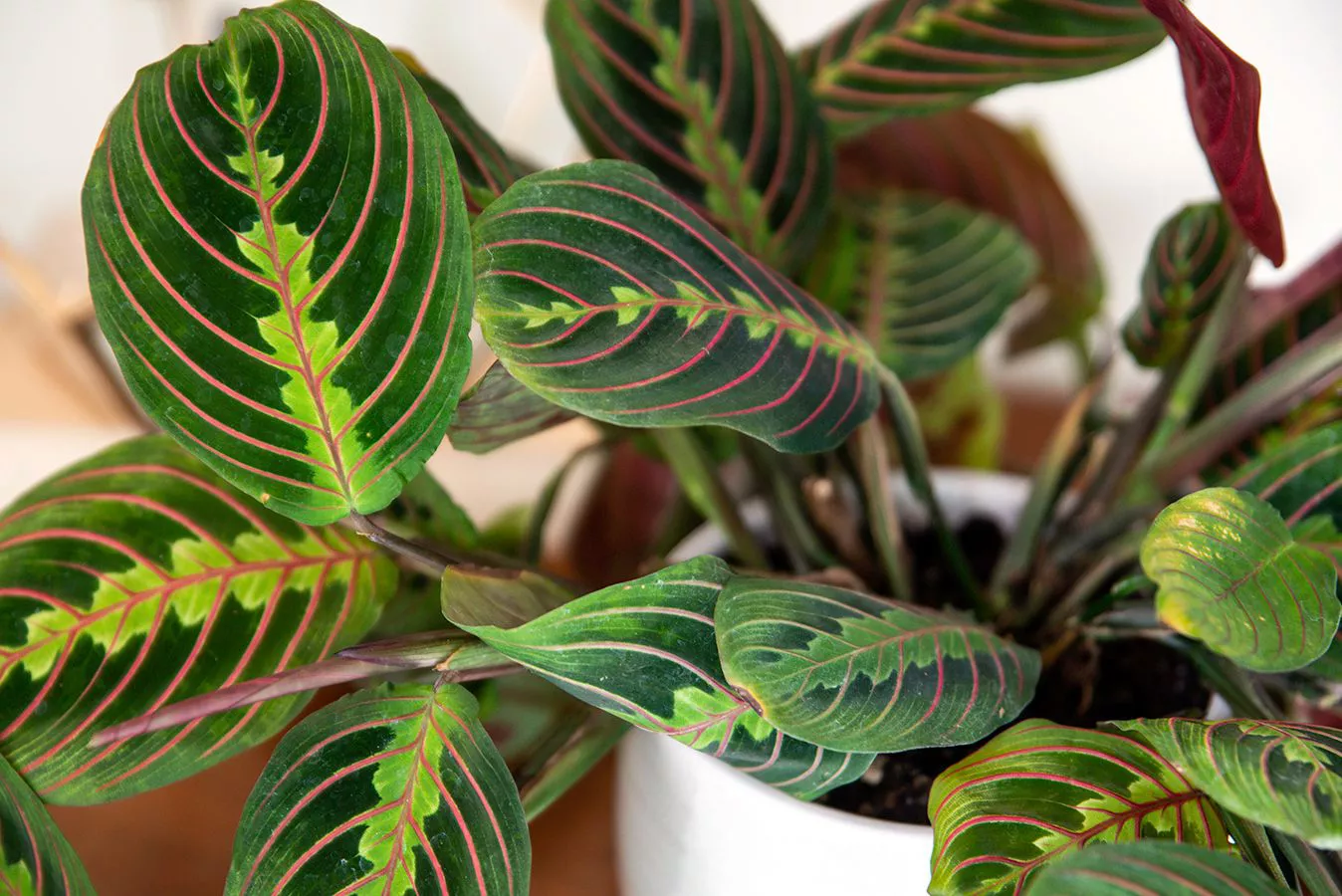
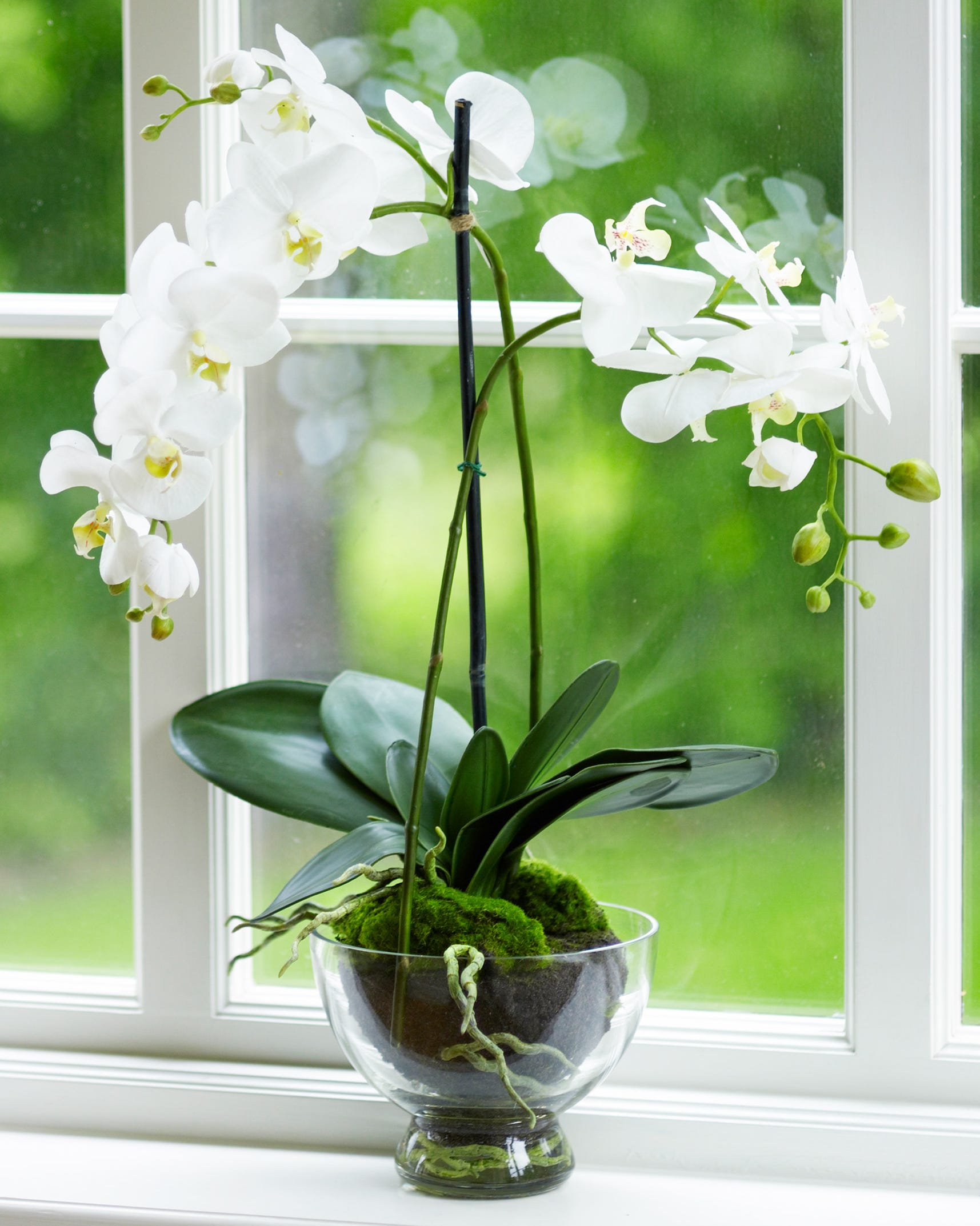
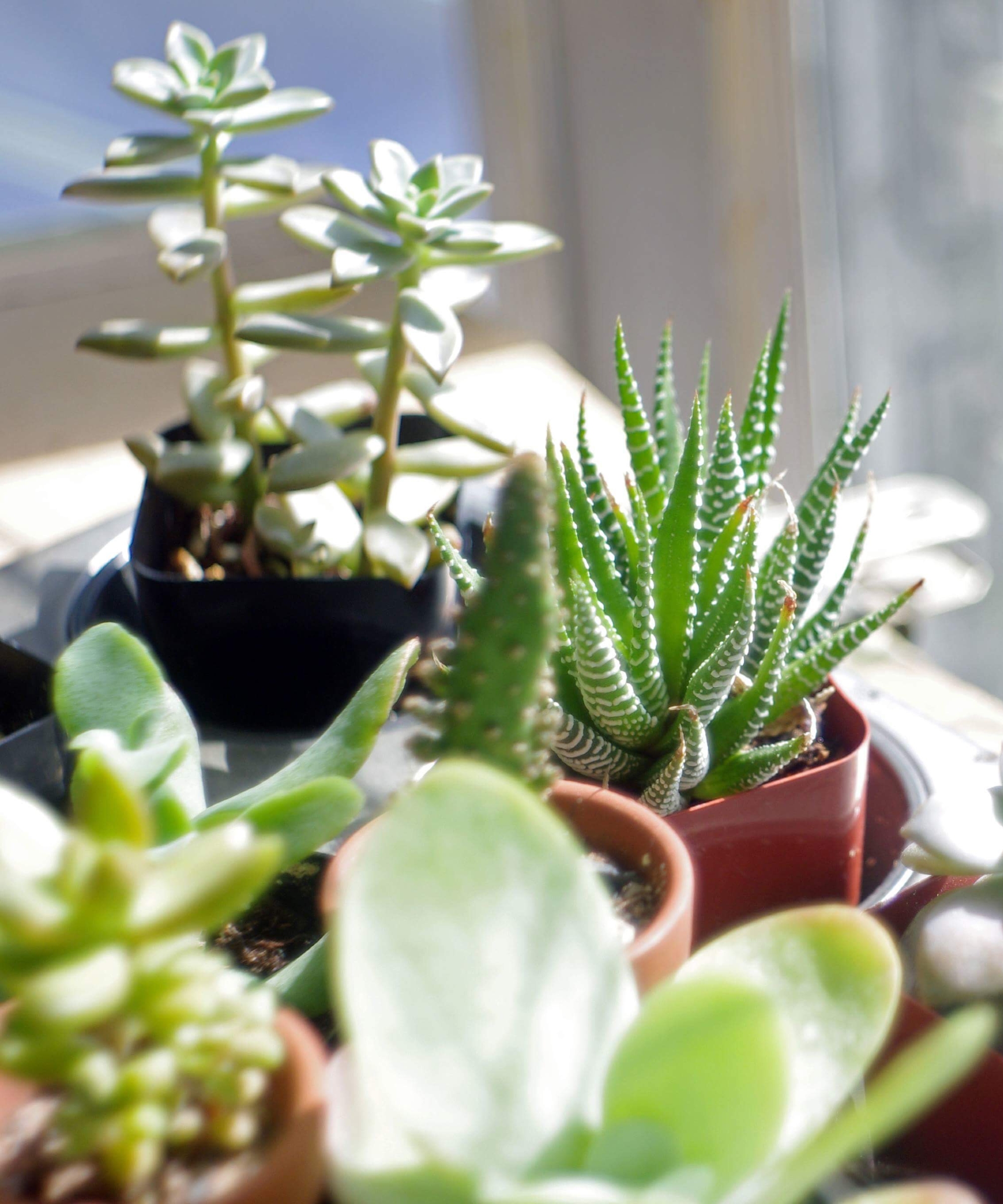
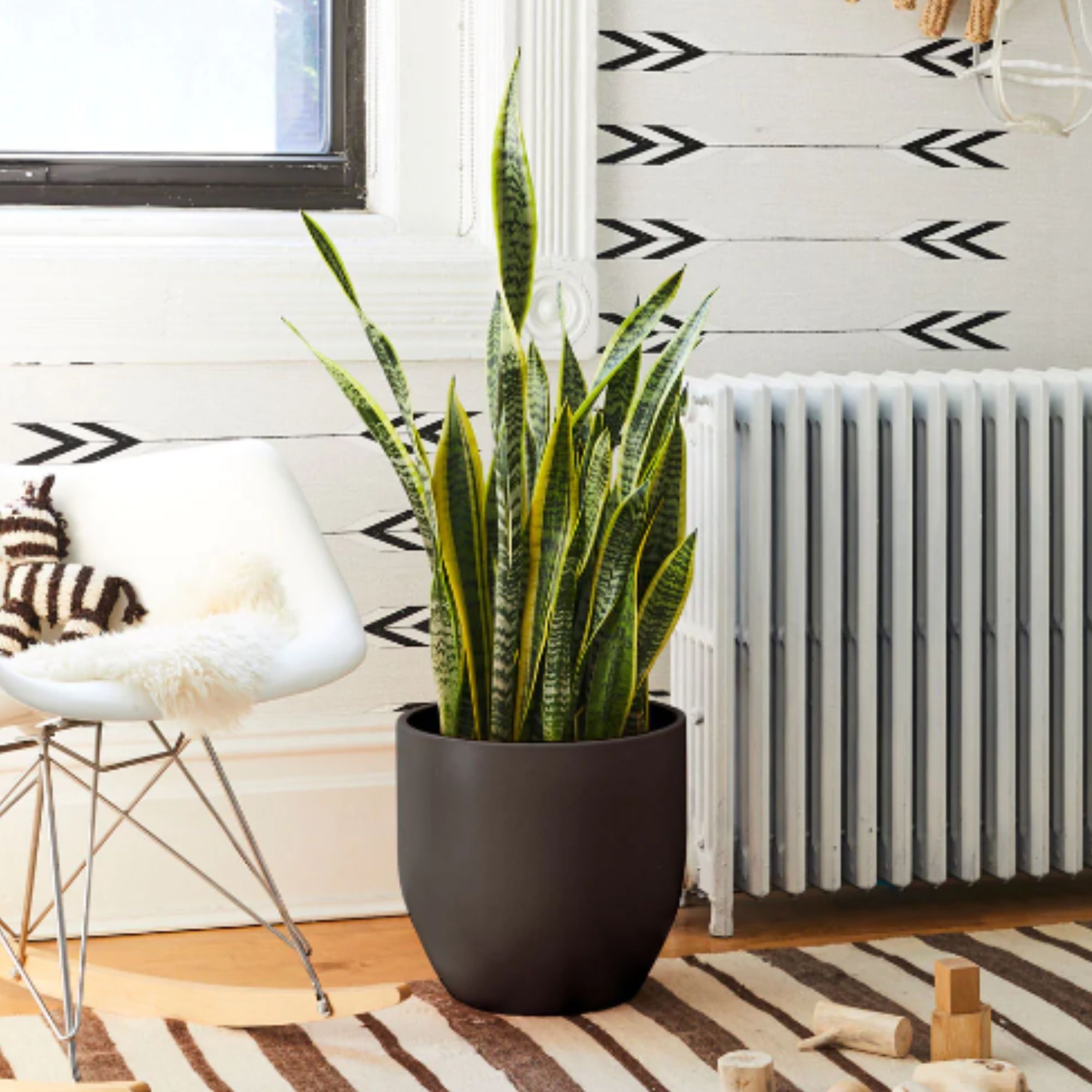
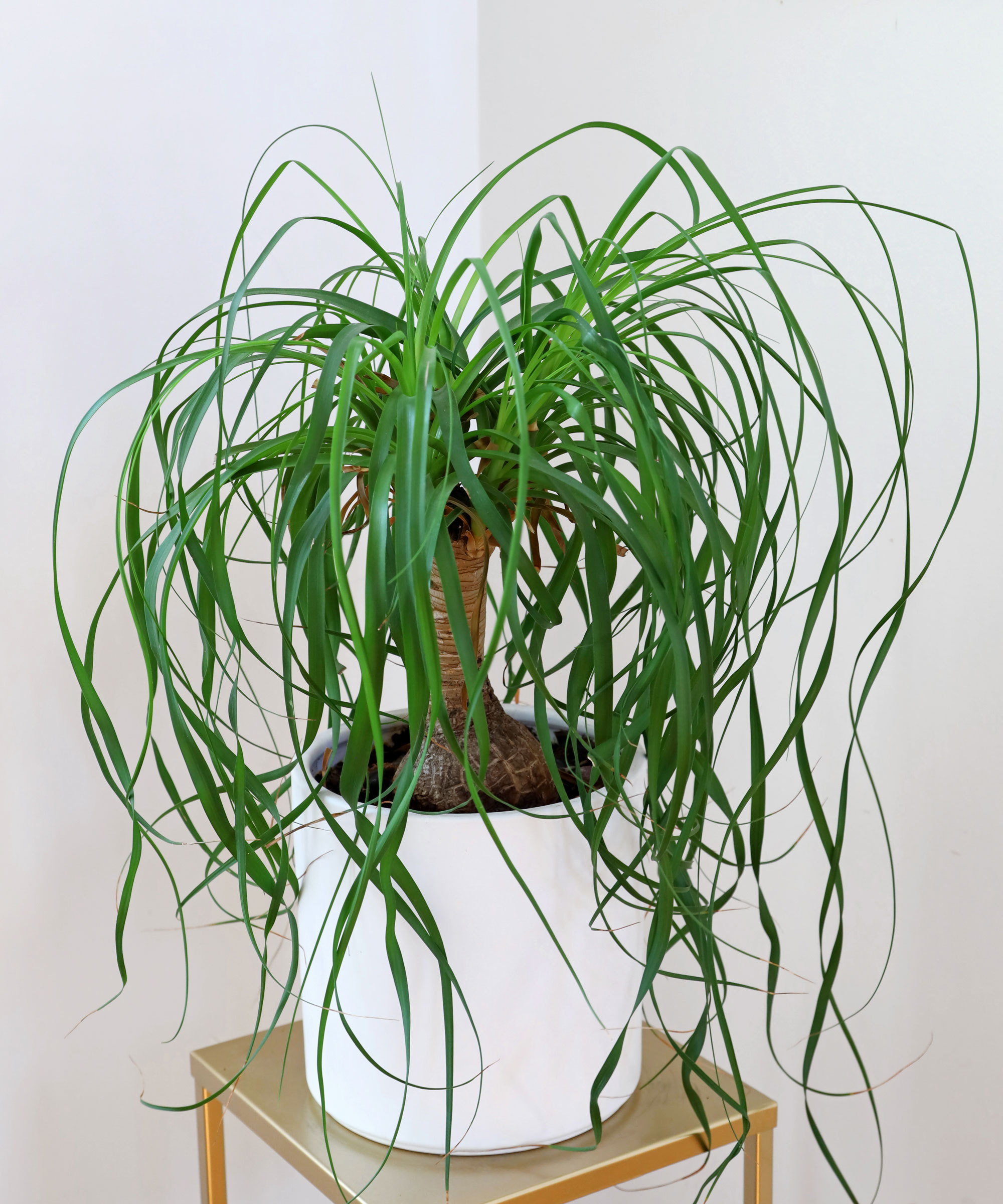
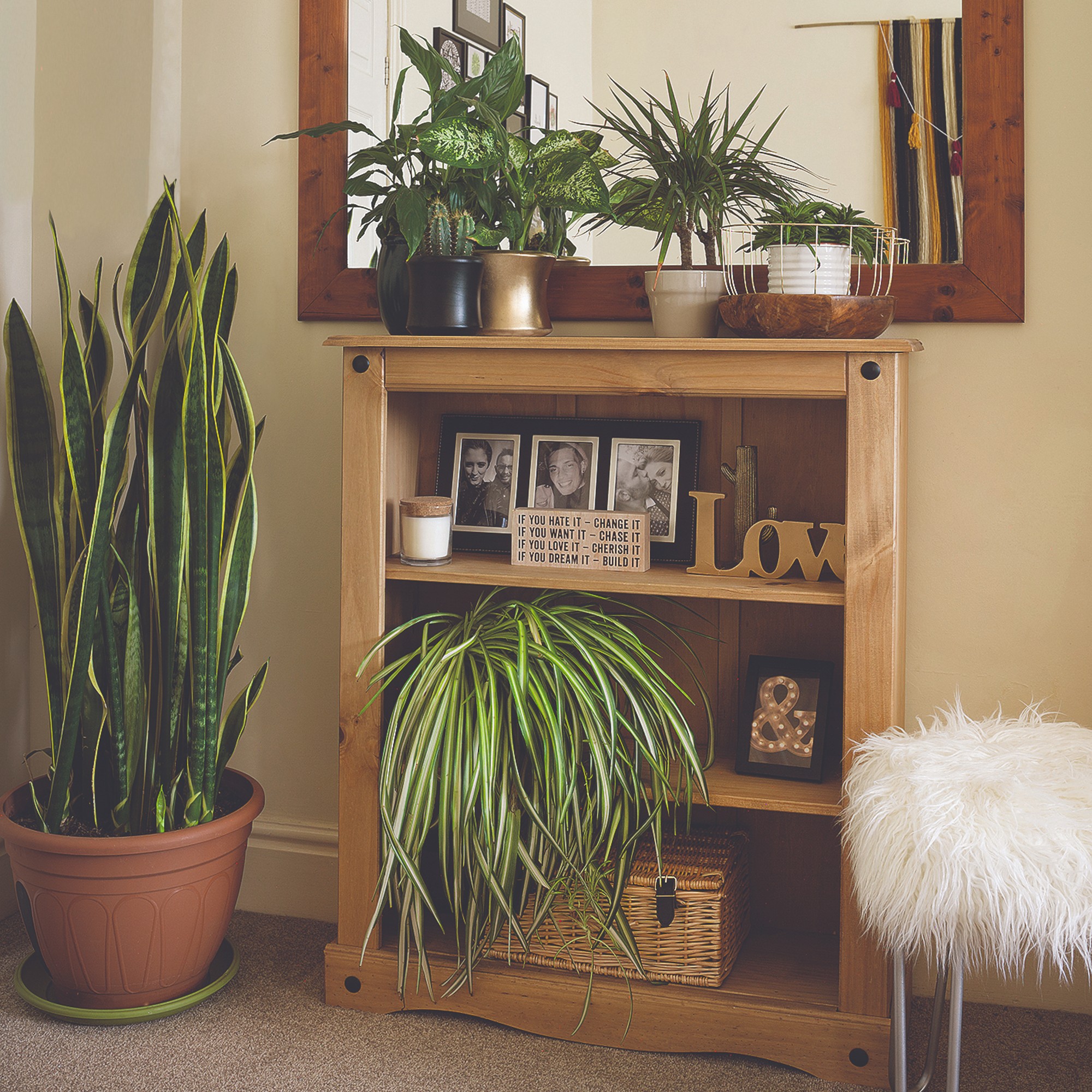
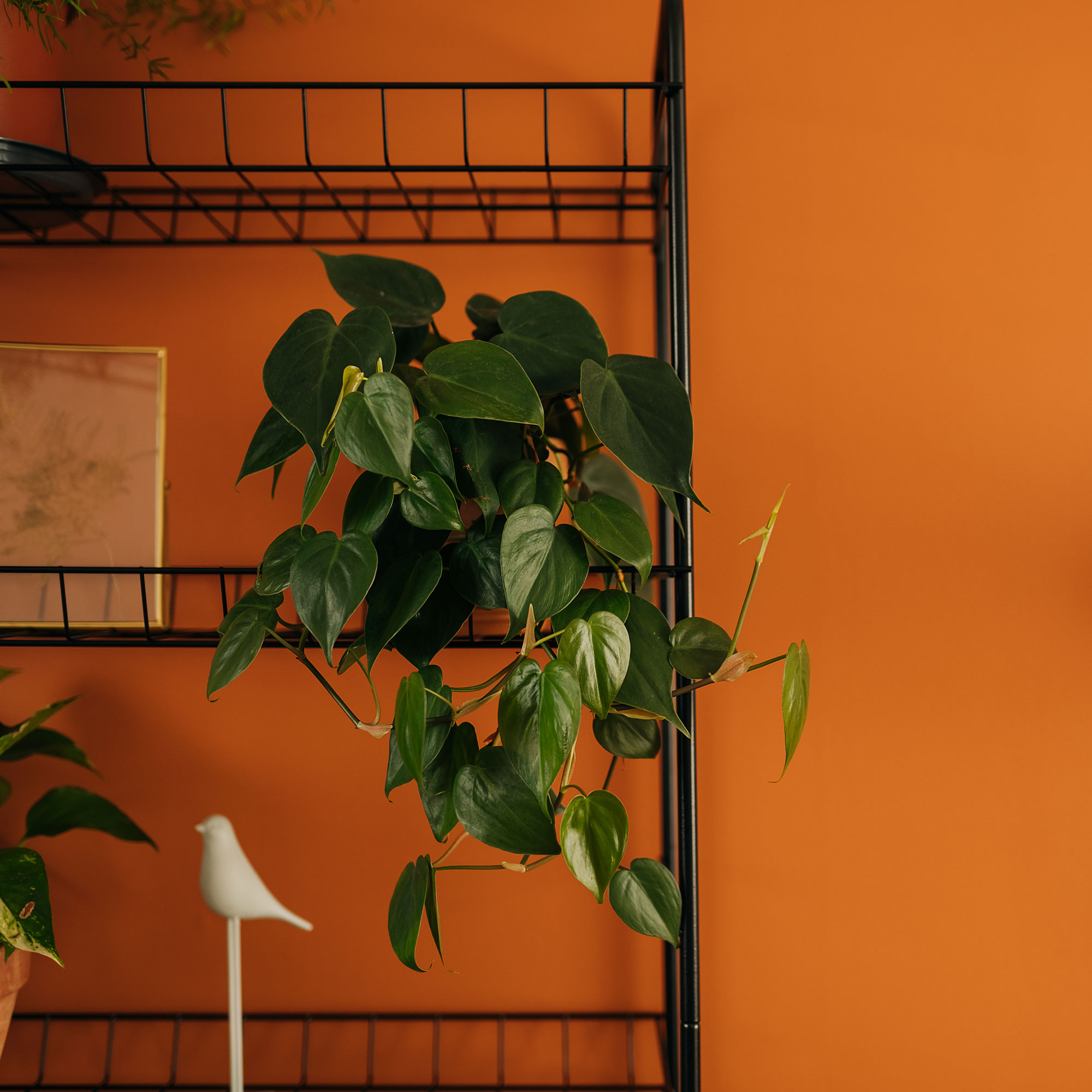
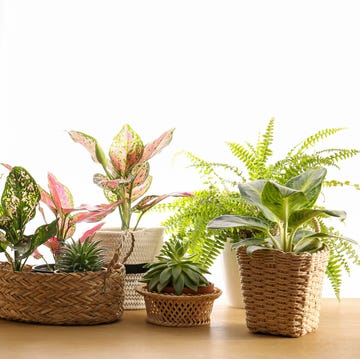
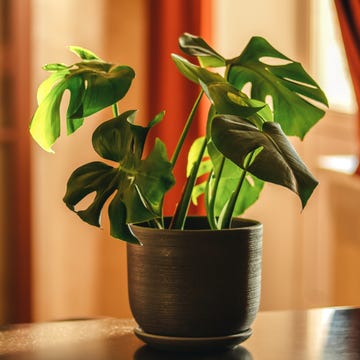
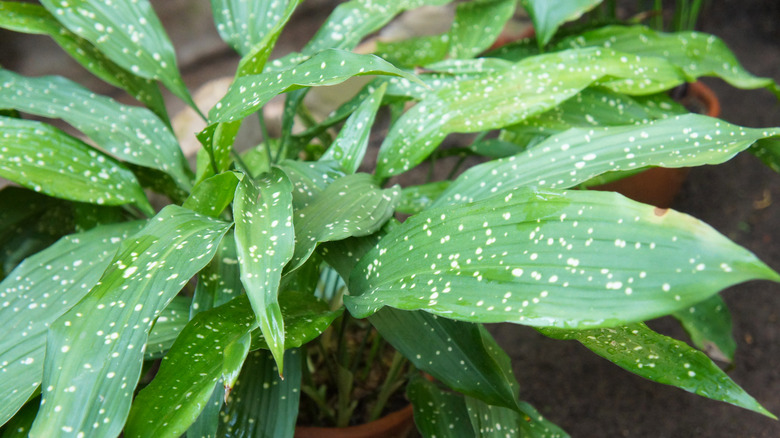
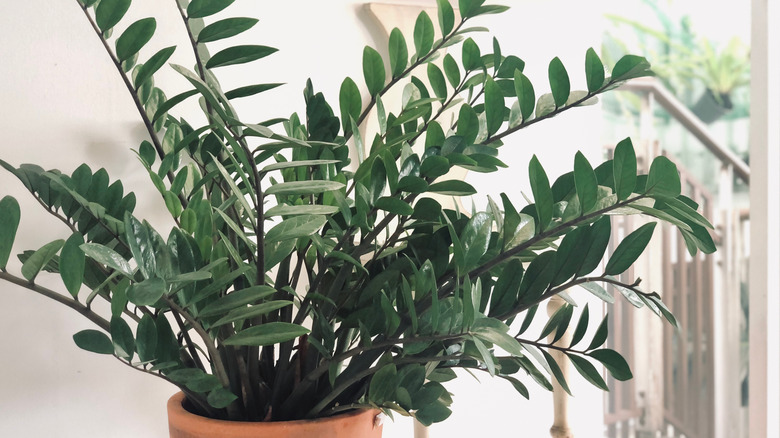
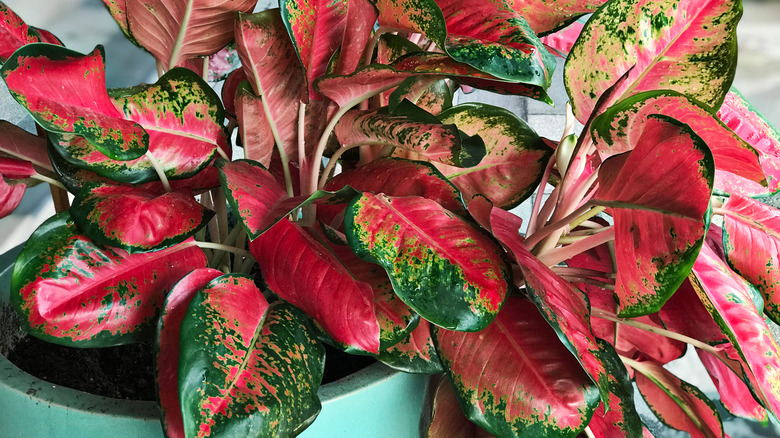
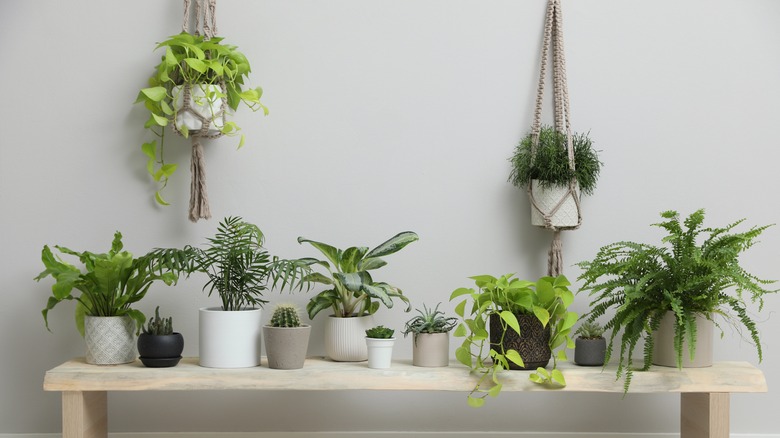
Different plants are suited for various indoor lighting conditions. Succulents (e.g., aloe, jade), palms (e.g., sago, ponytail), sedges/grasses (e.g., papyrus, bamboo), snake plants, spurge plants (e.g., crotons), and herbs thrive in bright light. Indirect light is ideal for plants like Ti plant, China doll plant, hibiscus, orchids, jasmine, dragon tree, and fiddle leaf fig. Low-light tolerant plants include lucky bamboo, pothos, ferns, ivy, peace lily, ZZ Plant, philodendron, monstera, Chinese evergreen, and prayer plant.
Beyond light, other environmental factors influence a houseplant's well-being. Temperature plays a significant role; plants near heat sources may struggle with bright light even if they typically tolerate it. Consistent wilting despite adequate watering could point to heat stress. Proper water and humidity levels are also vital, with lack of moisture leading to wilting. Misting or using humidifiers can help maintain optimal humidity. Good air circulation is essential for photosynthesis, respiration, and preventing pests and diseases, though most houseplants cannot tolerate strong drafts. Careful consideration of these interconnected factors ensures a healthy environment for indoor plants.
#HouseplantCare #IndoorGardening #SunlightRequirements #PlantLighting #BrightLightPlants #IndirectLightPlants #LowLightPlants #PlantHealth #HouseplantCare #IndoorGardening #SunlightRequirements #PlantLighting #BrightLightPlants #IndirectLightPlants #LowLightPlants #PlantHealth
0 comment in total
 No comments yet
You may also like
These 30 Low-Light Houseplants Refuse to Die in Dim Conditions

36 best indoor plants that will liven up any room
Best indoor plants for direct sunlight – 7 top choices for sunny spots in your home

Cornerstone Homebuyers Expands "Sell Water Damaged House" Service Throughout Florida
8 indoor plants that thrive in indirect or low sunlight

25 Shade-Loving Plants for Where the Sun Don’t Shine

32 Best Low-Light Indoor Plants to Brighten Up Your Home

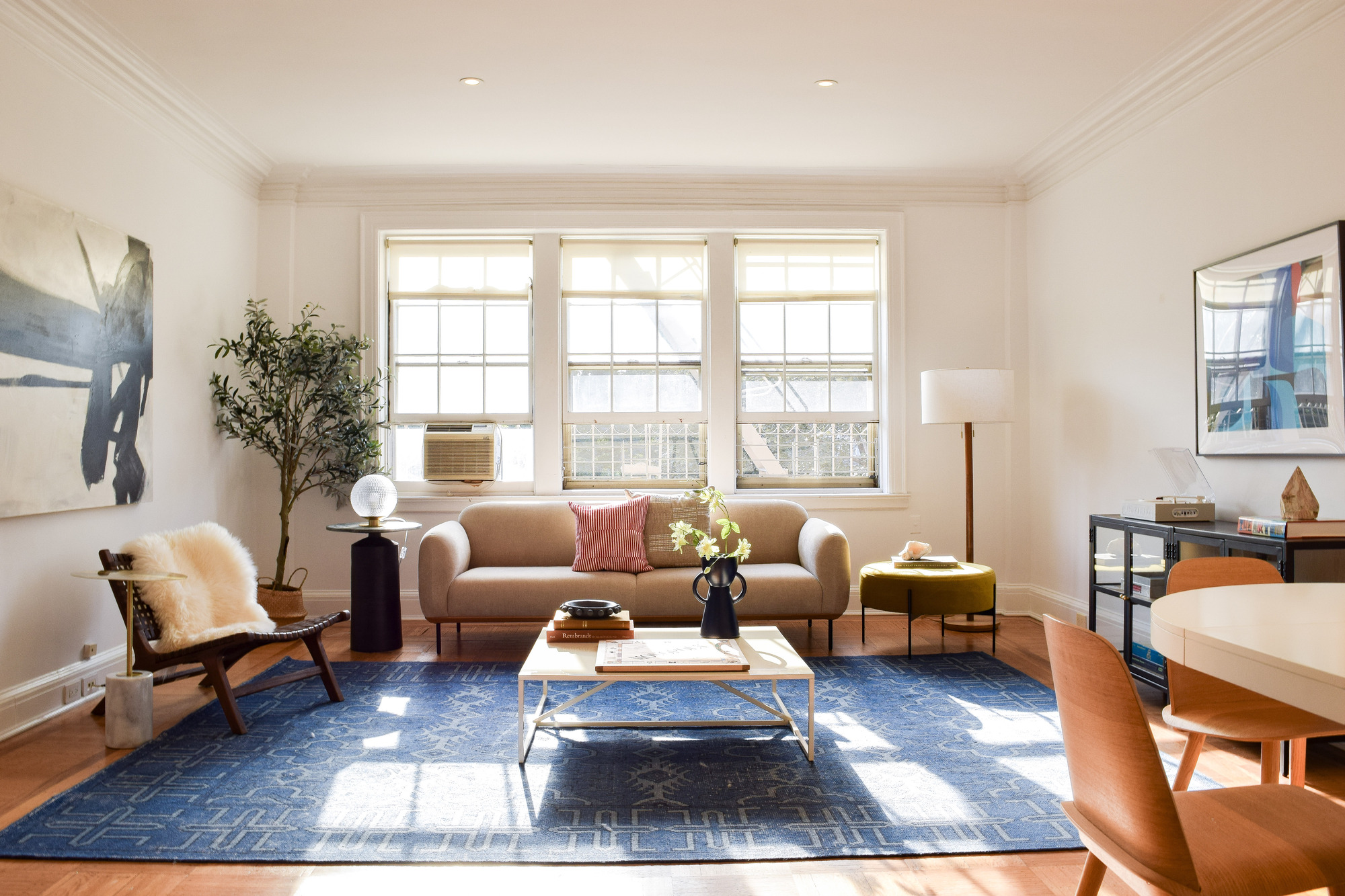
6 Plants That Professional Stagers Say Will Actually Help You Sell Your Home

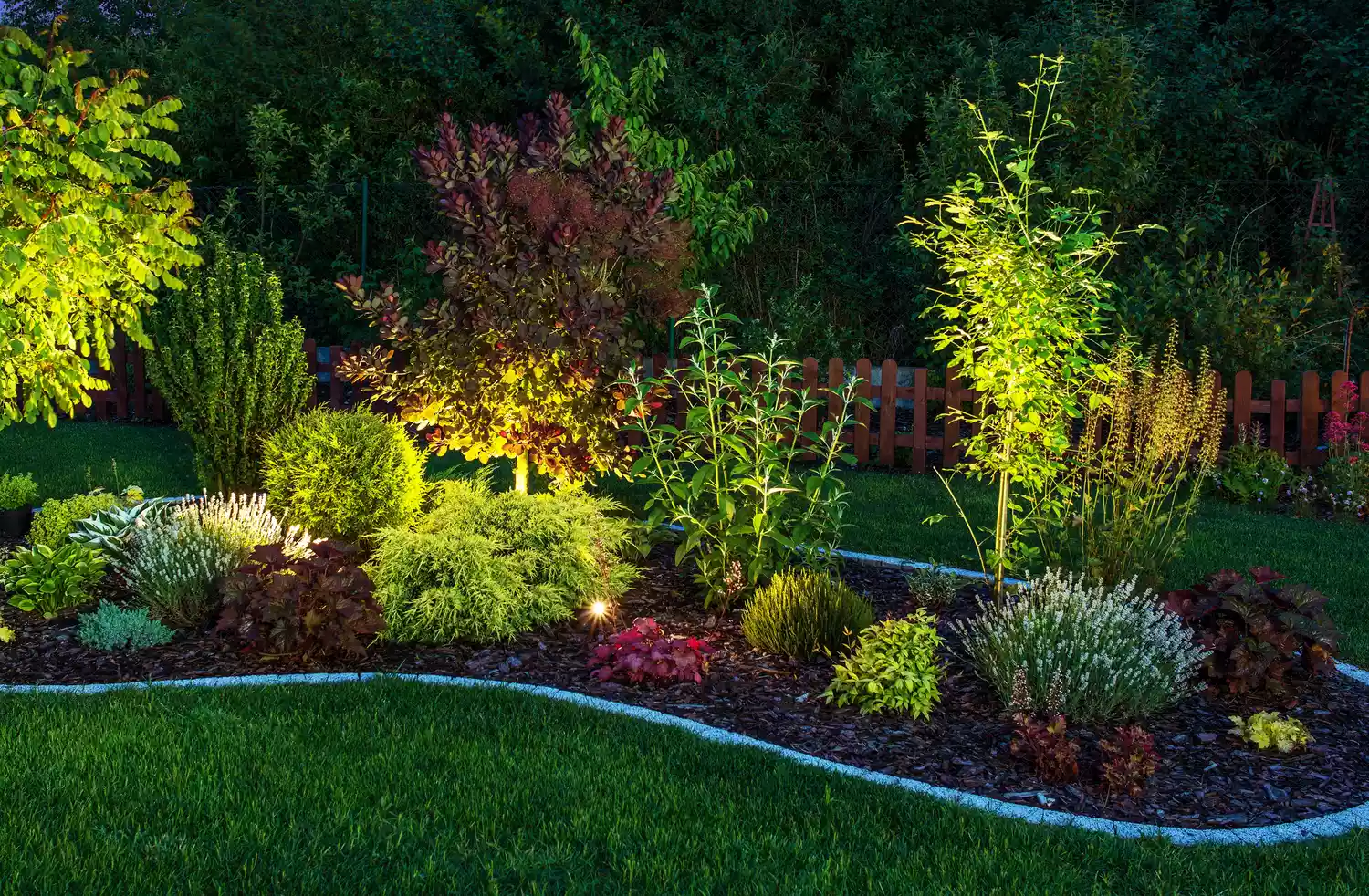
30 Garden Lighting Ideas to Make Your Plants Shine

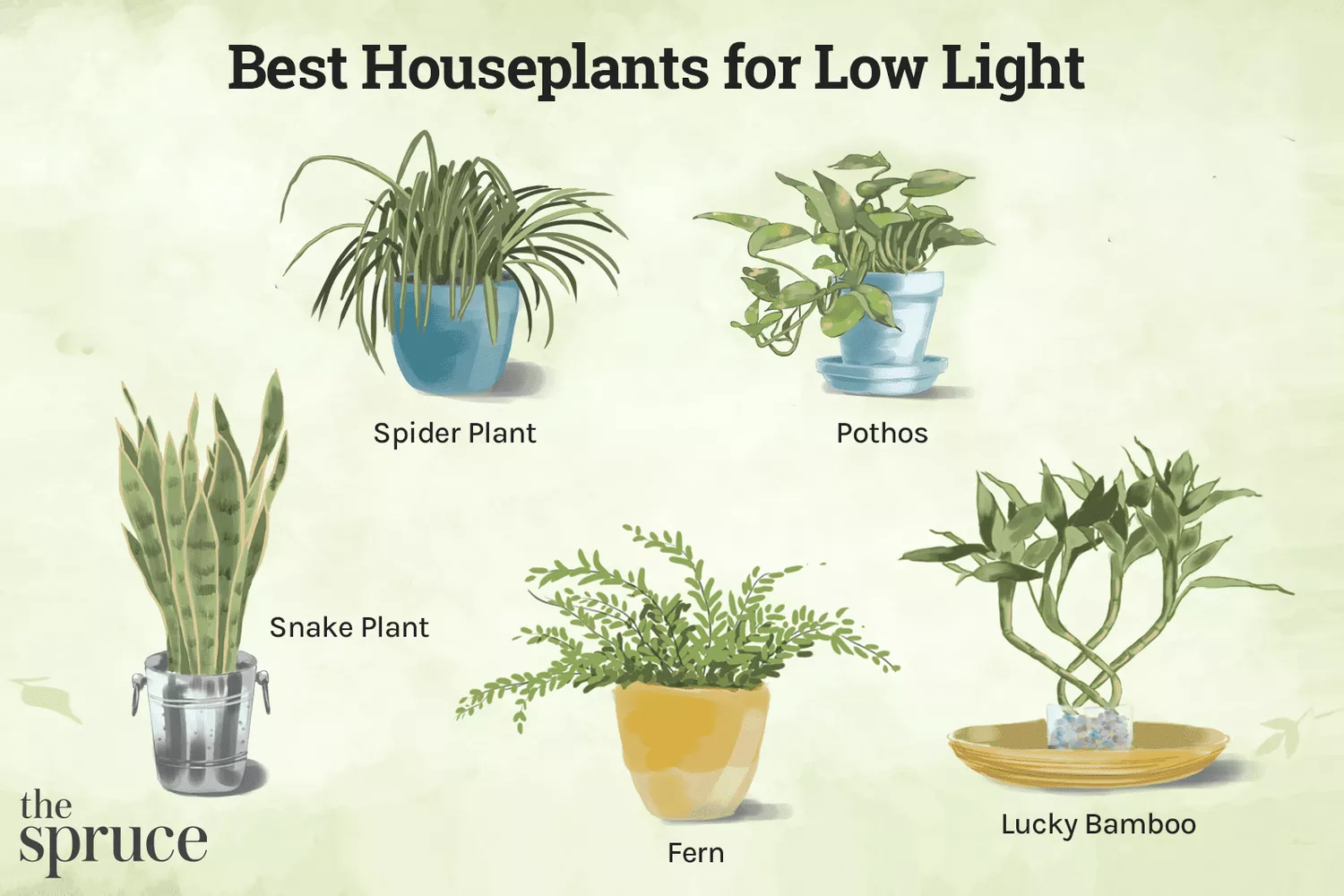
35 Best Low-Light Indoor Plants for Your Home
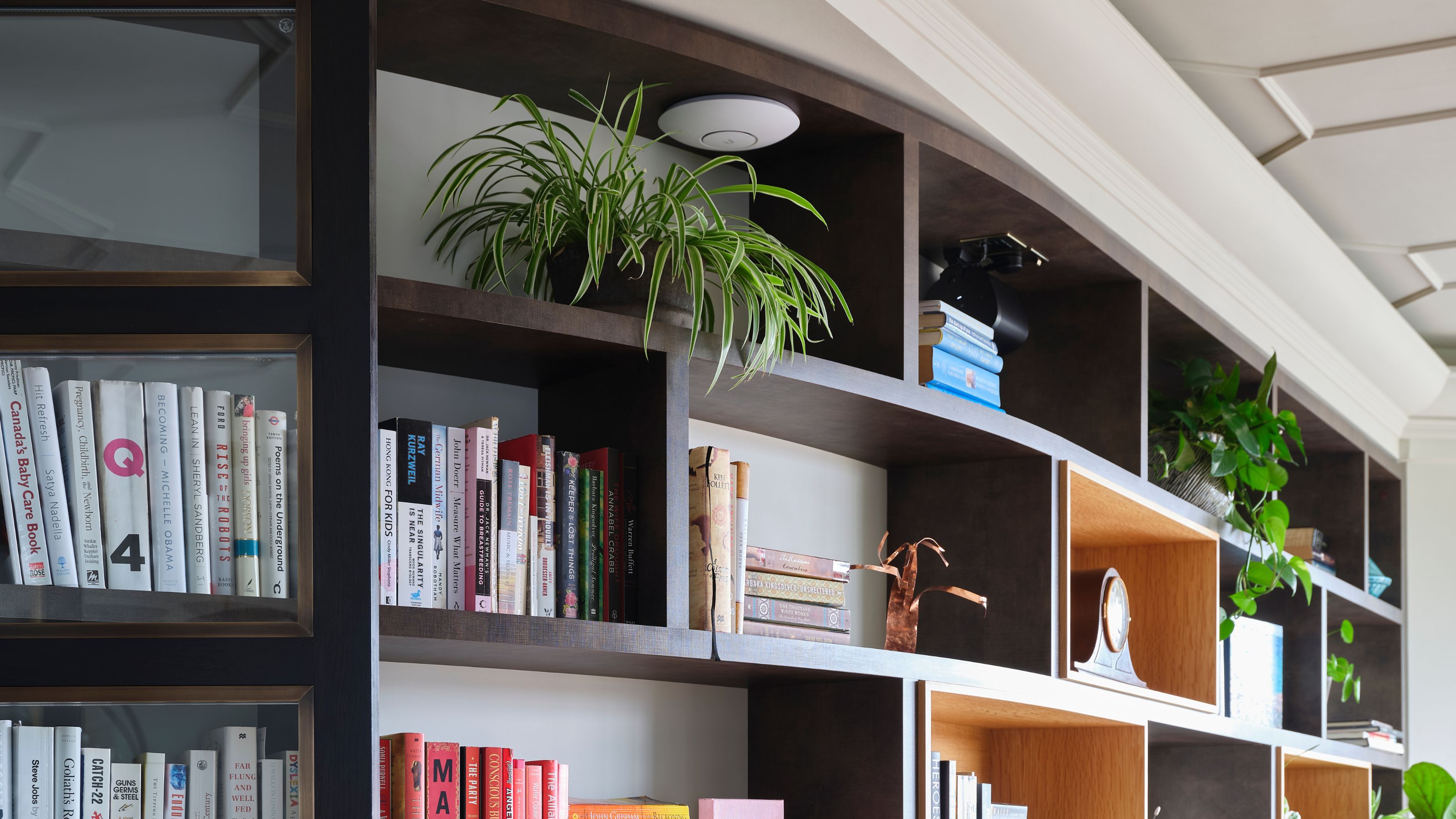
7 of the best low-light houseplants that will thrive in shady nooks and corners in the home
You Should Plant Night Sky Flowers in Your Yard ASAP

19 Tall Low-Light Plants That Are So Easy to Grow Indoors
The dos and don'ts of lighting your house
You don't need much space or sun to have a flourishing garden
15 Plants Perfect For A North-Facing Window

How many lights should there be in a kitchen? Designers agree on how to get it right
Create a Calming Space with These Bedroom Plants
'Too hot or cold and you risk damaging the plant' – this is the ideal watering temperature for healthy houseplants
The 24 Best Plants To Grow In Your Living Room