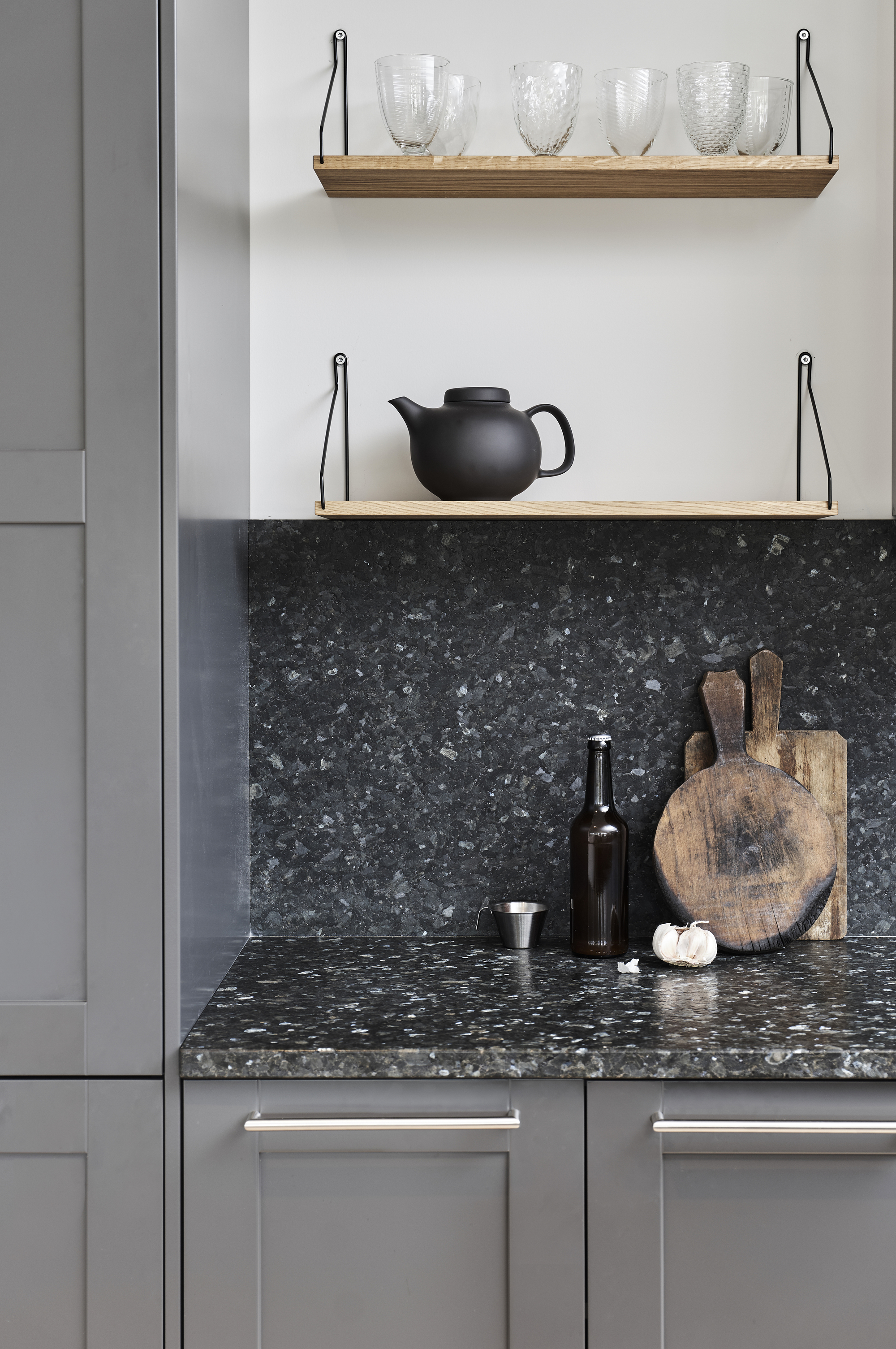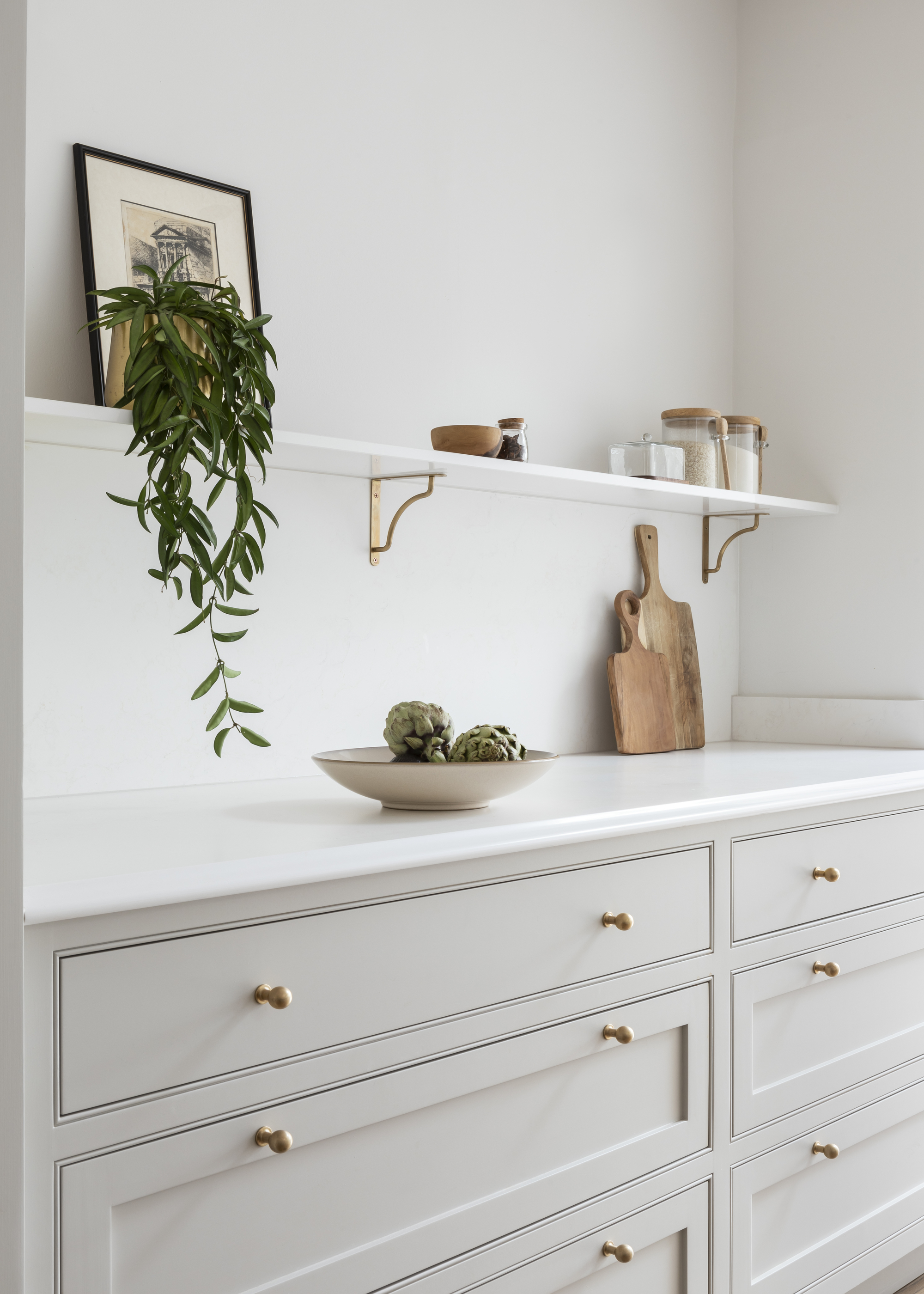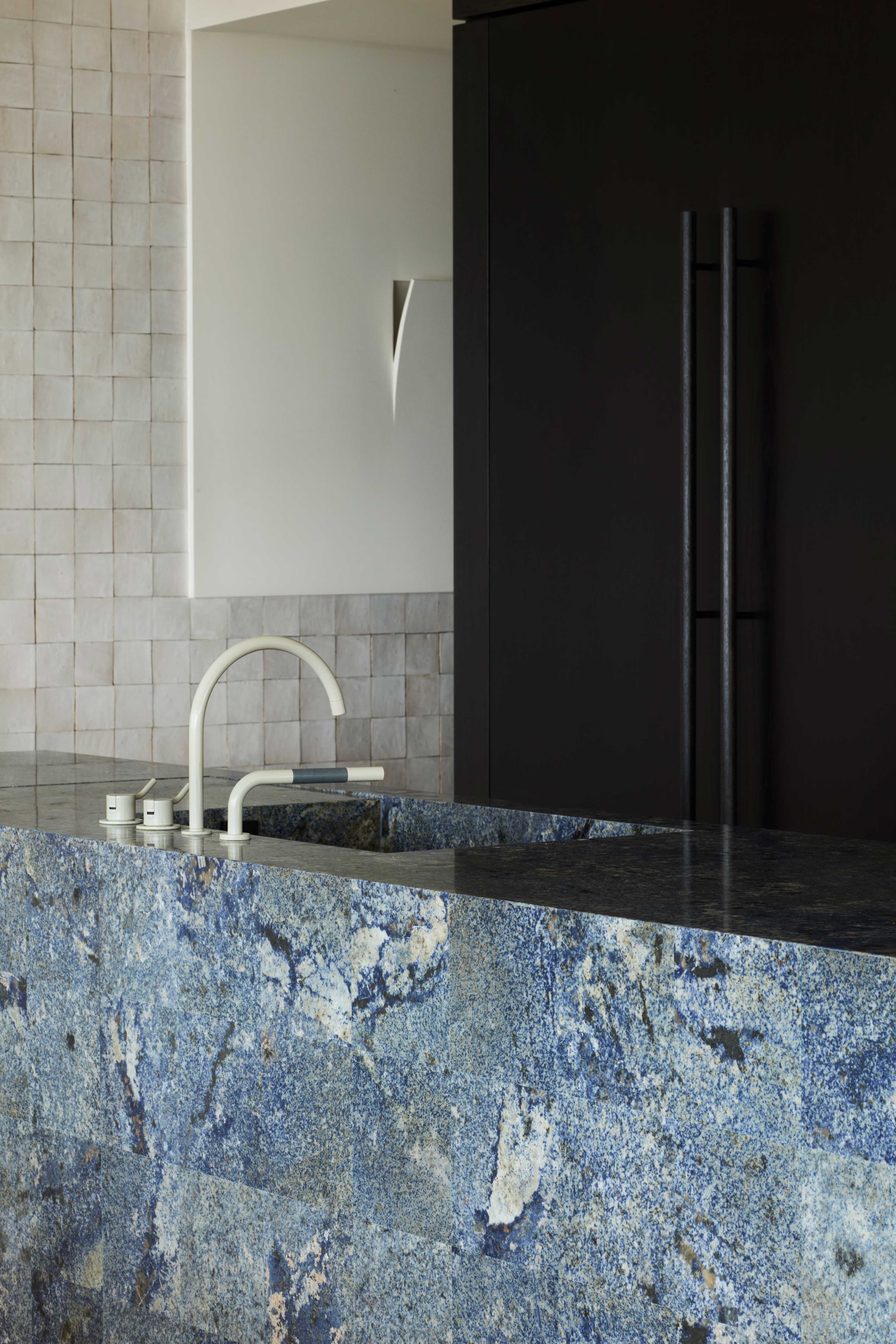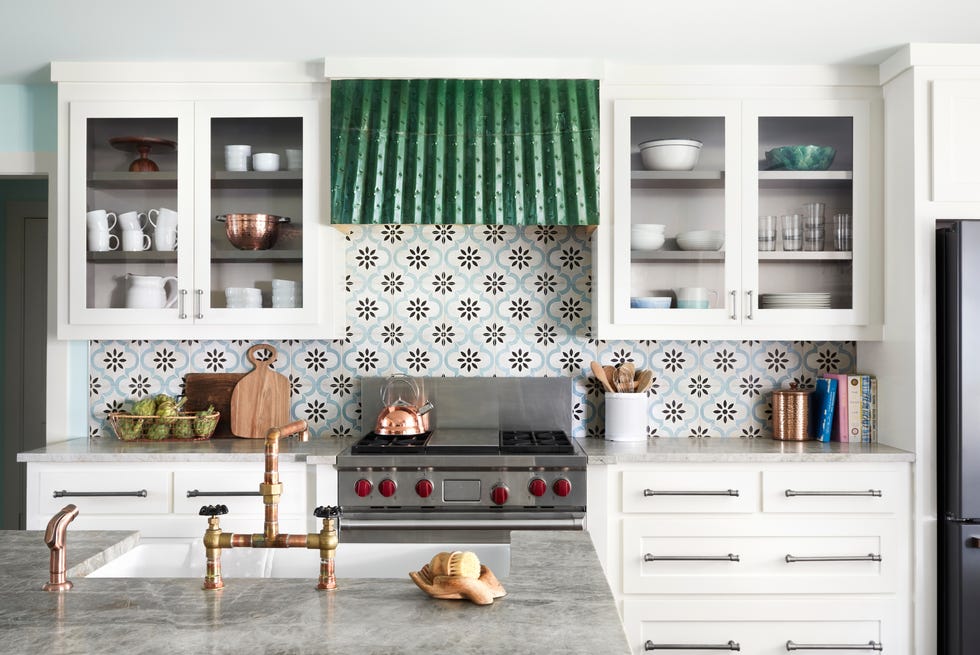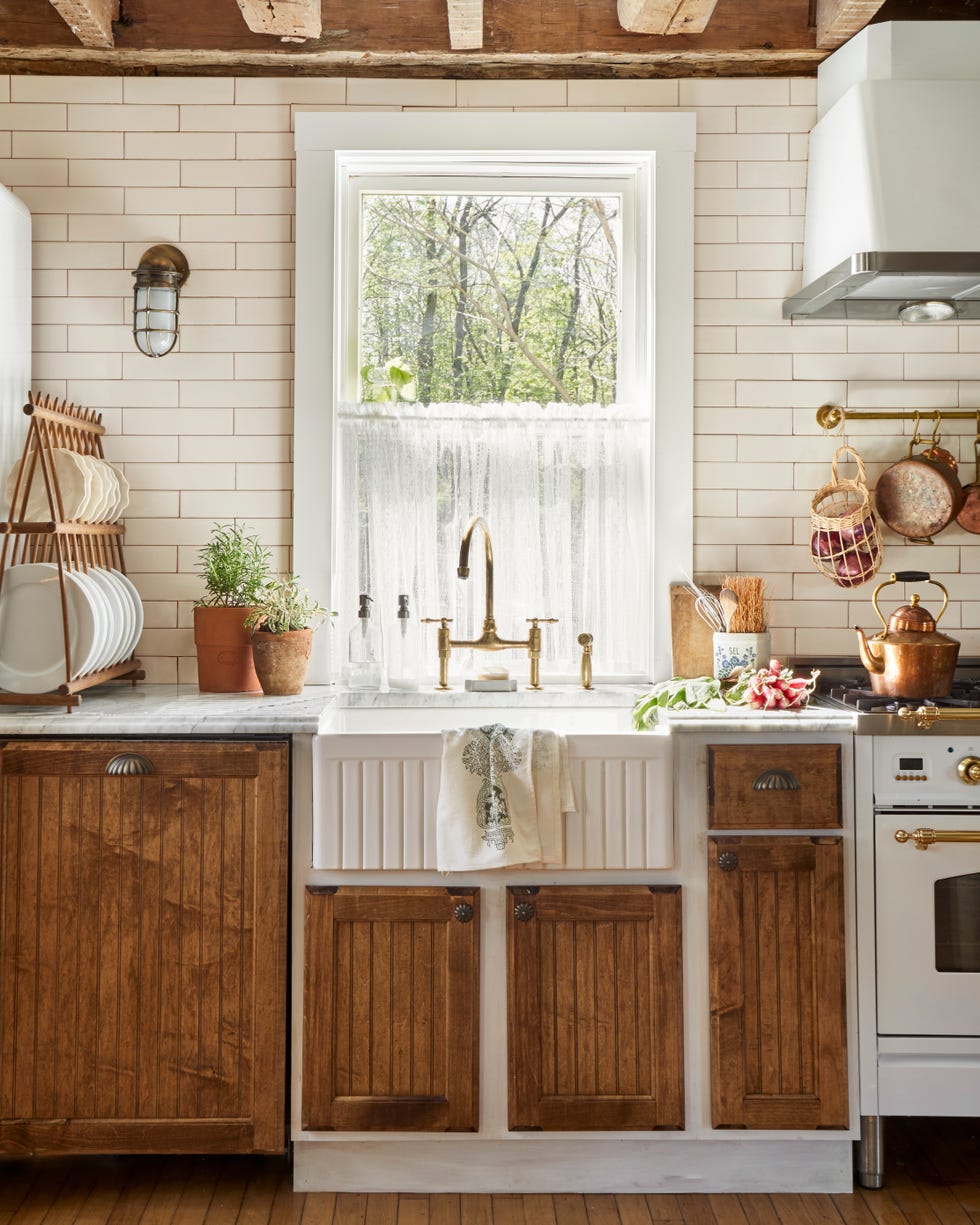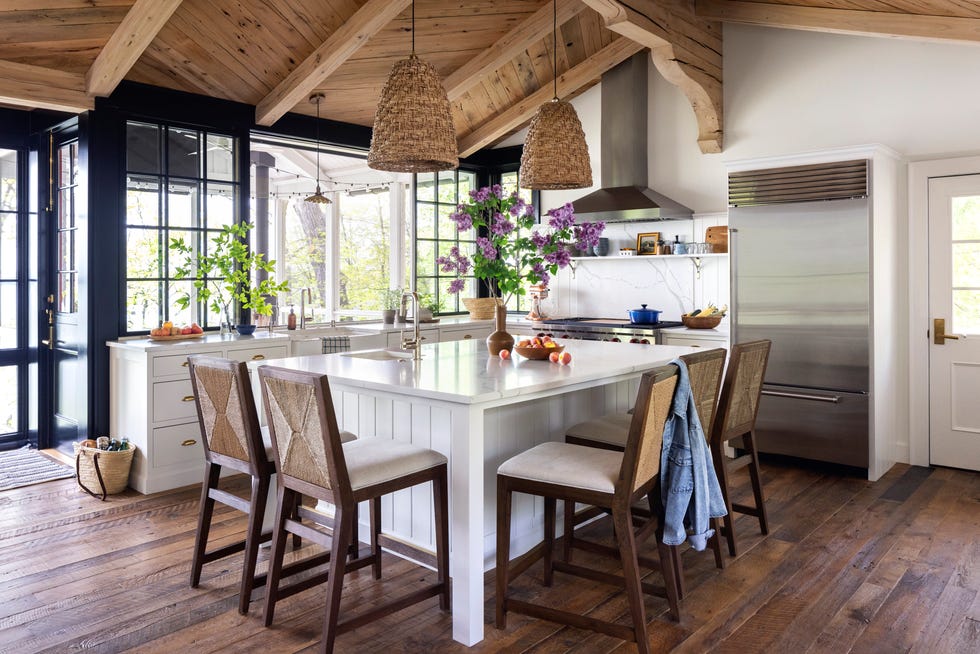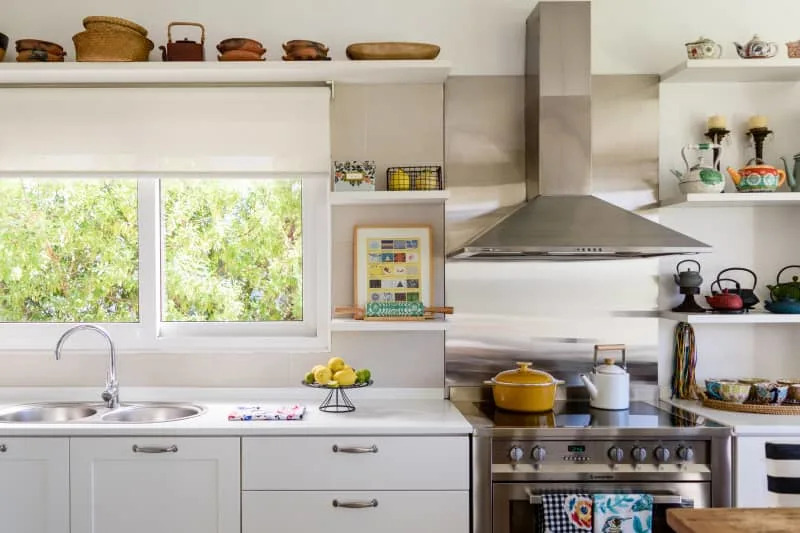
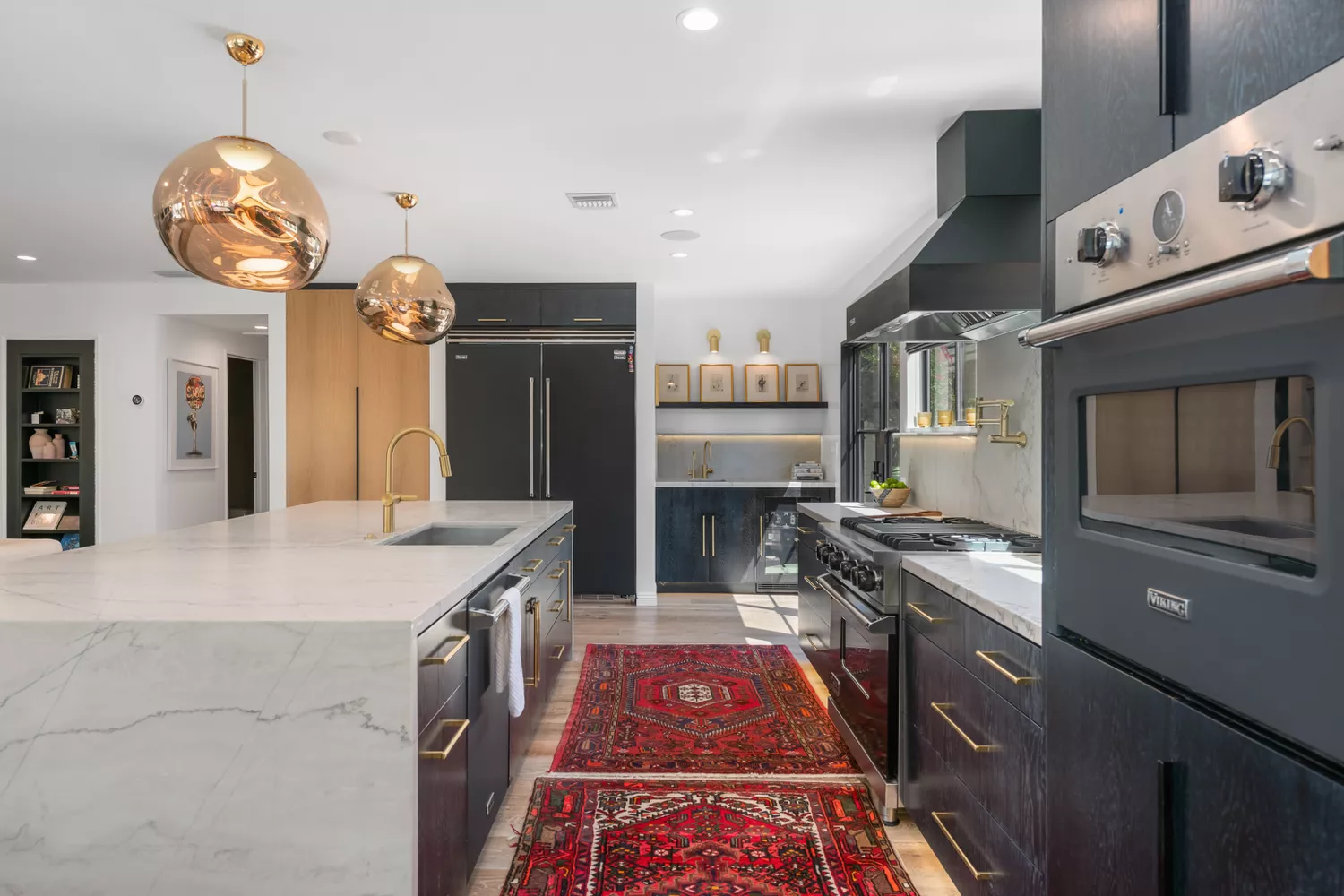
Should You Get a Marble or Quartz Countertop? Here's What Designers Say
Renovating a kitchen can be a daunting task, and one of the most significant decisions involves choosing the right countertop material. Marble and quartz are two common options that often appear similar to the untrained eye, but they possess key differences that impact practicality, aesthetics, and cost. Interior designers Shannon Askinasi of Ash and Pine Interiors and James Pearse Connelly provide expert insights to help homeowners make an informed choice.
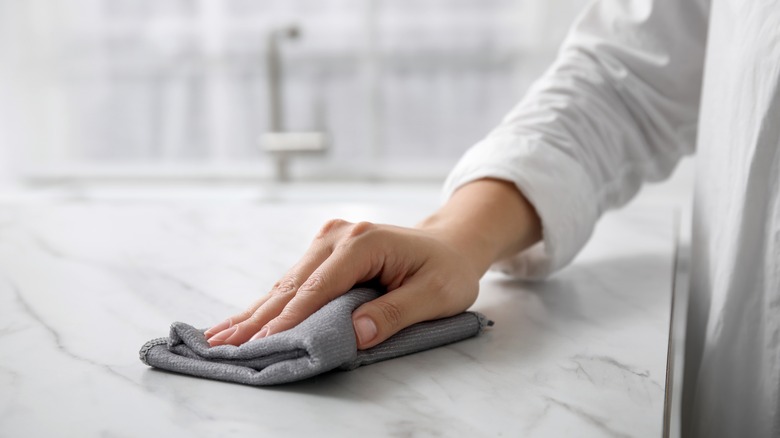
Quartz generally surpasses marble in terms of durability and ease of maintenance. Marble, being a porous natural stone, is susceptible to staining and etching, requiring more rigorous upkeep, often involving professional intervention to remove marks. Connelly highlights marble's brittleness, advising caution against dropping heavy objects. He also notes its porous nature, which allows it to absorb substances like ink and dye if not properly cared for. For individuals who prefer a low-maintenance surface or have an active household where spills and art projects are common, quartz is the more practical option. Askinasi confirms that quartz is highly durable, resistant to scratches and stains, and can be easily cleaned with soap and water. However, quartz is not heat resistant, unlike marble, which can withstand temperatures up to 350 degrees Fahrenheit. This minor drawback for quartz can be mitigated by using trivets or allowing hot cookware to cool before placing it on the surface.
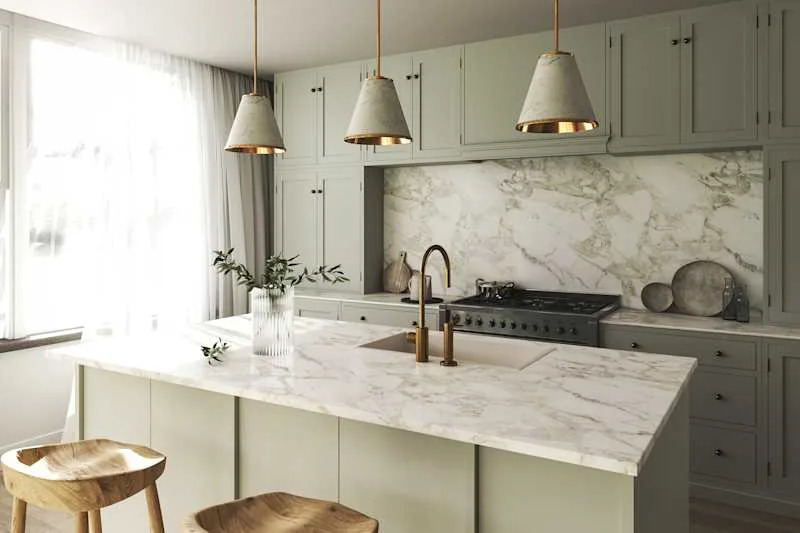
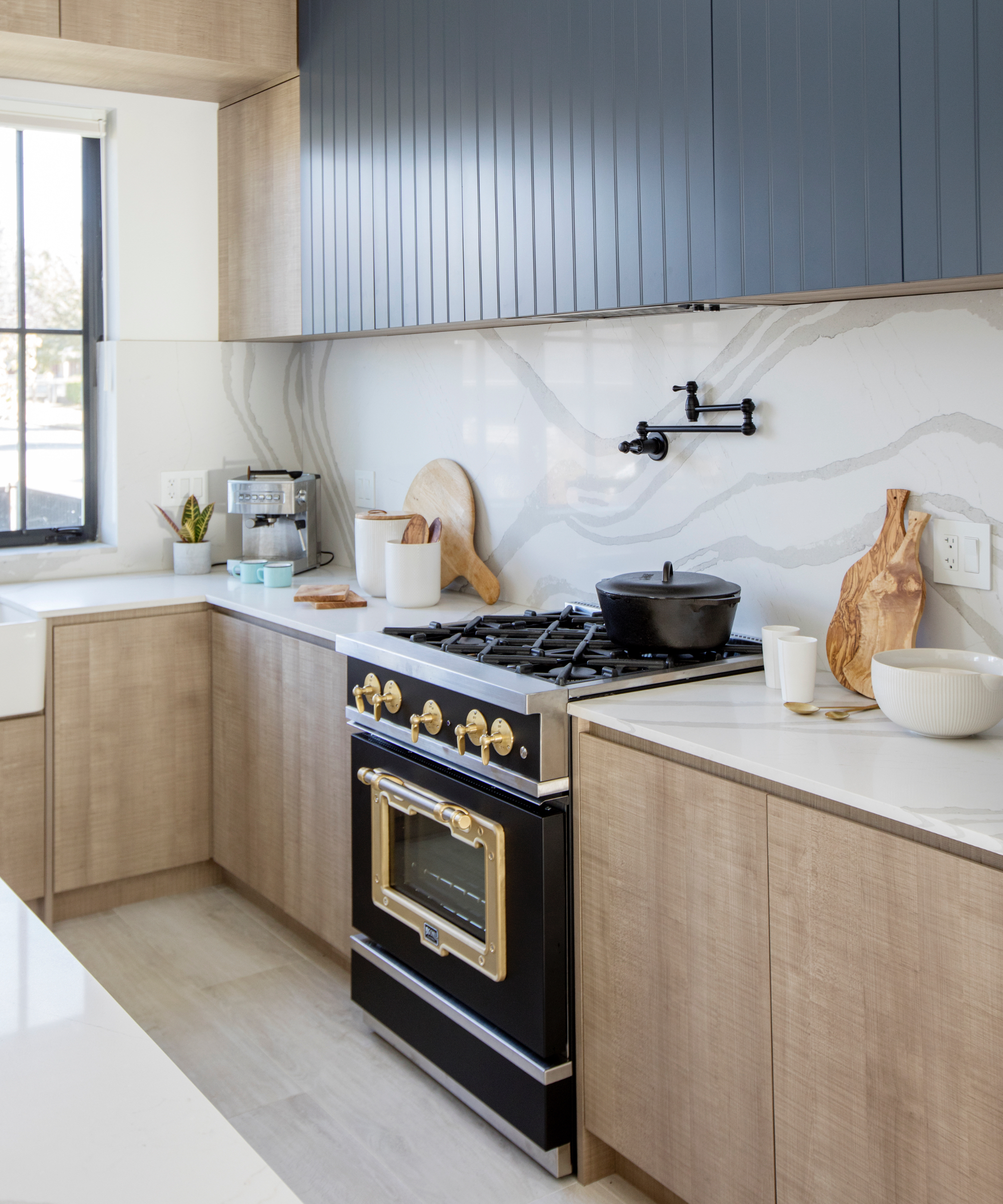
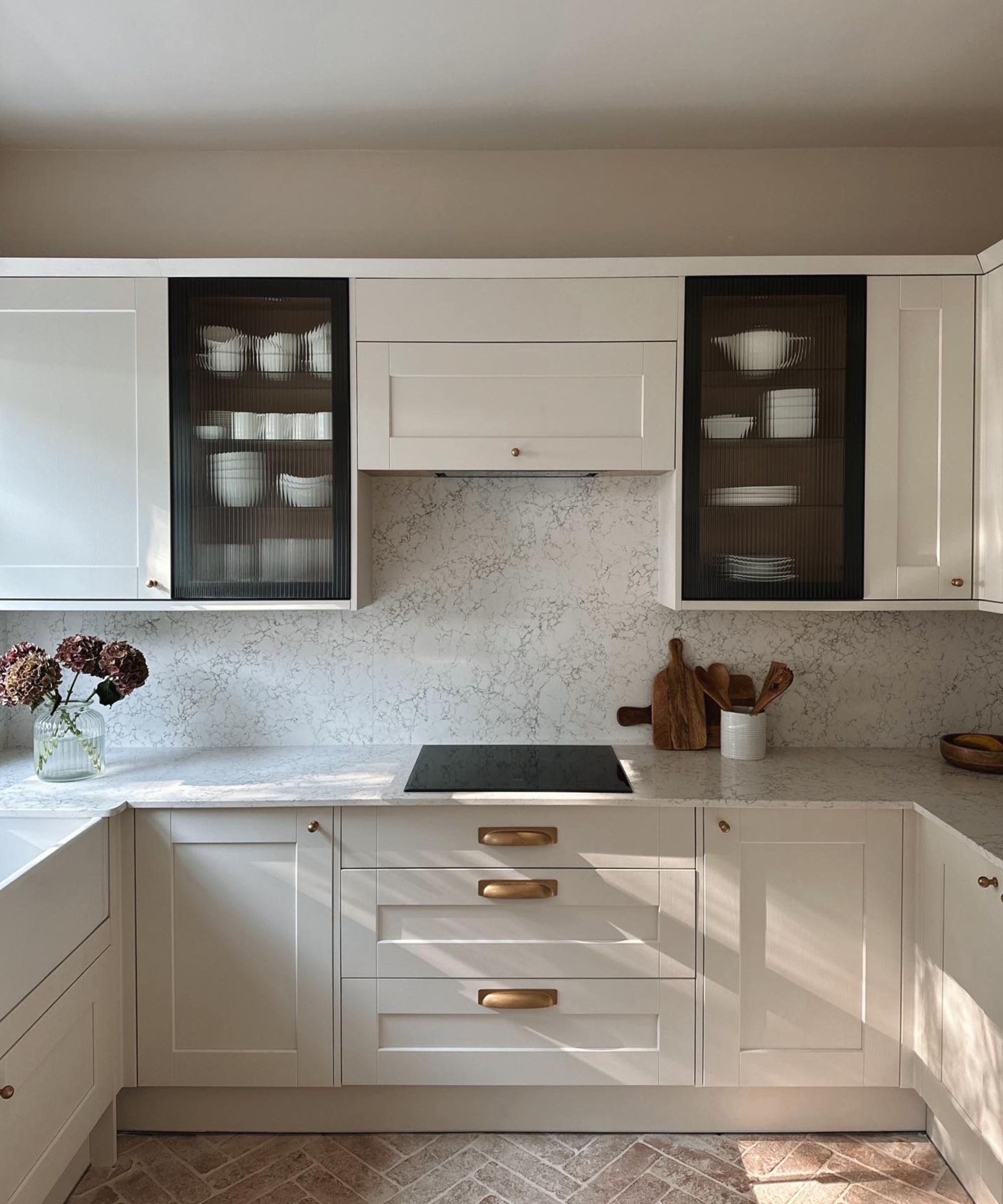
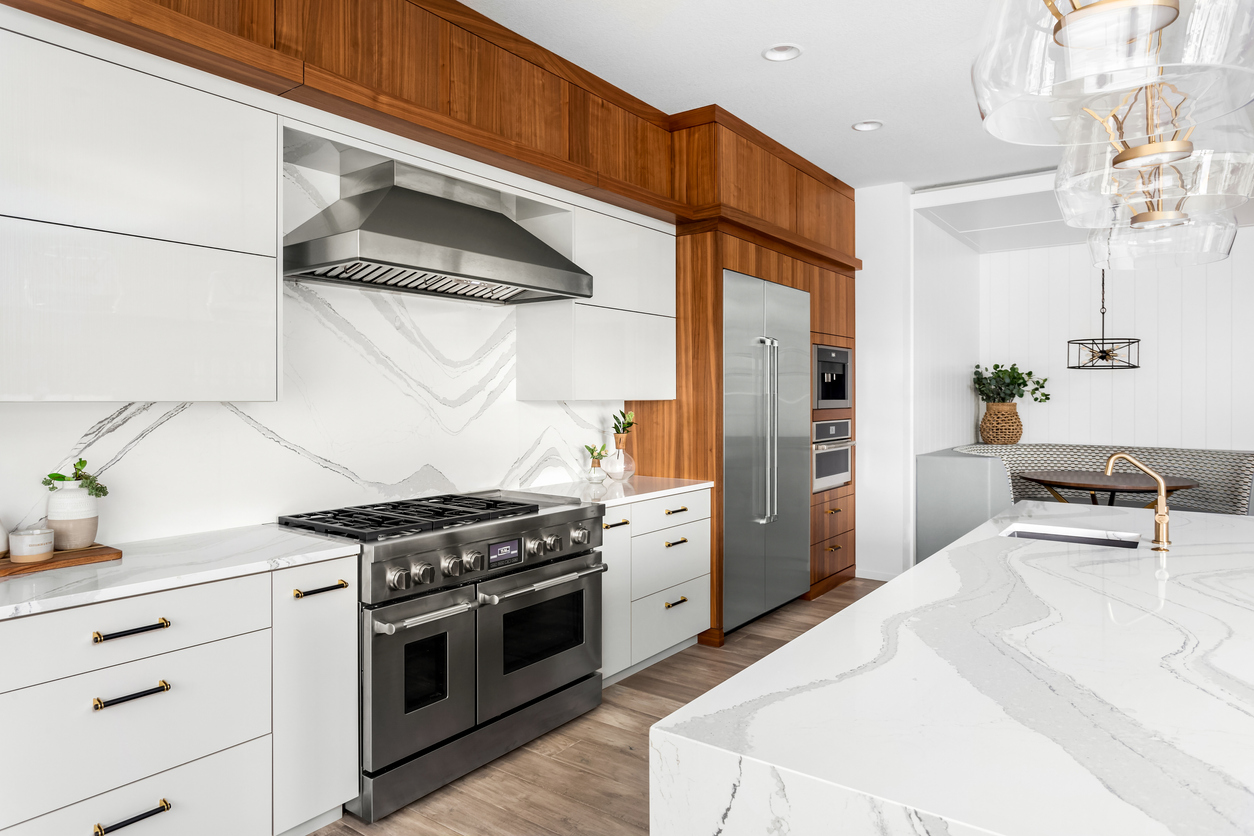
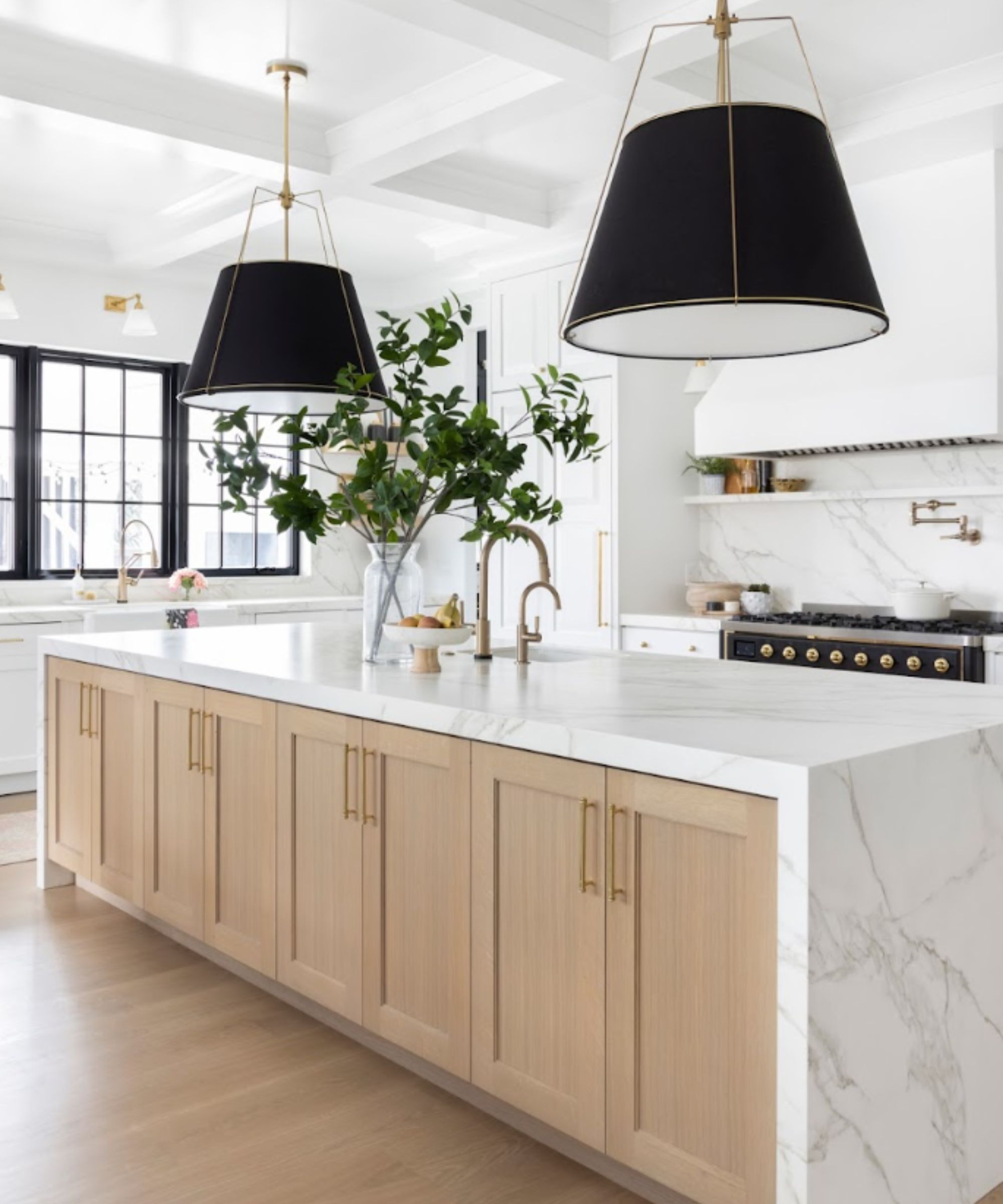
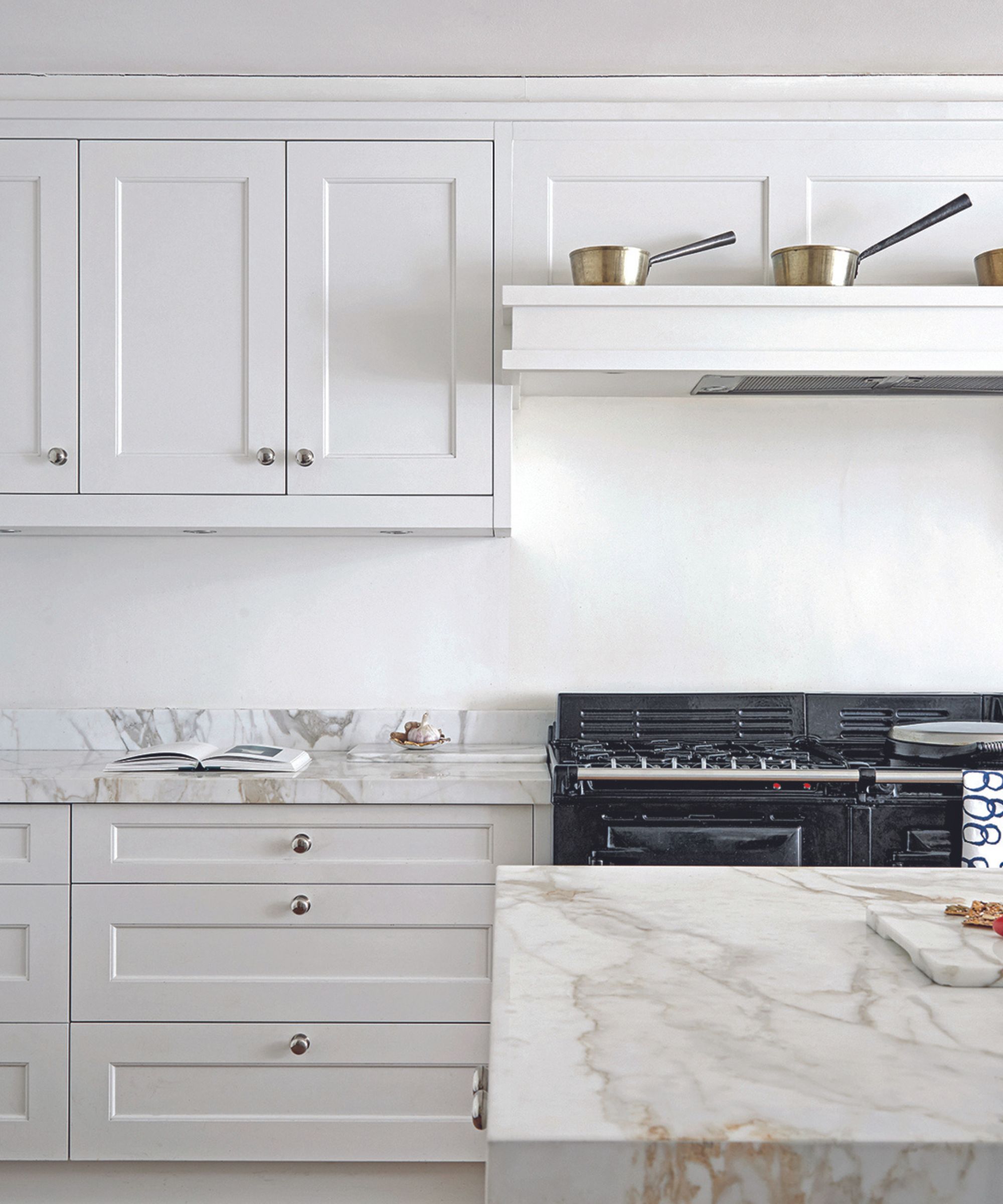
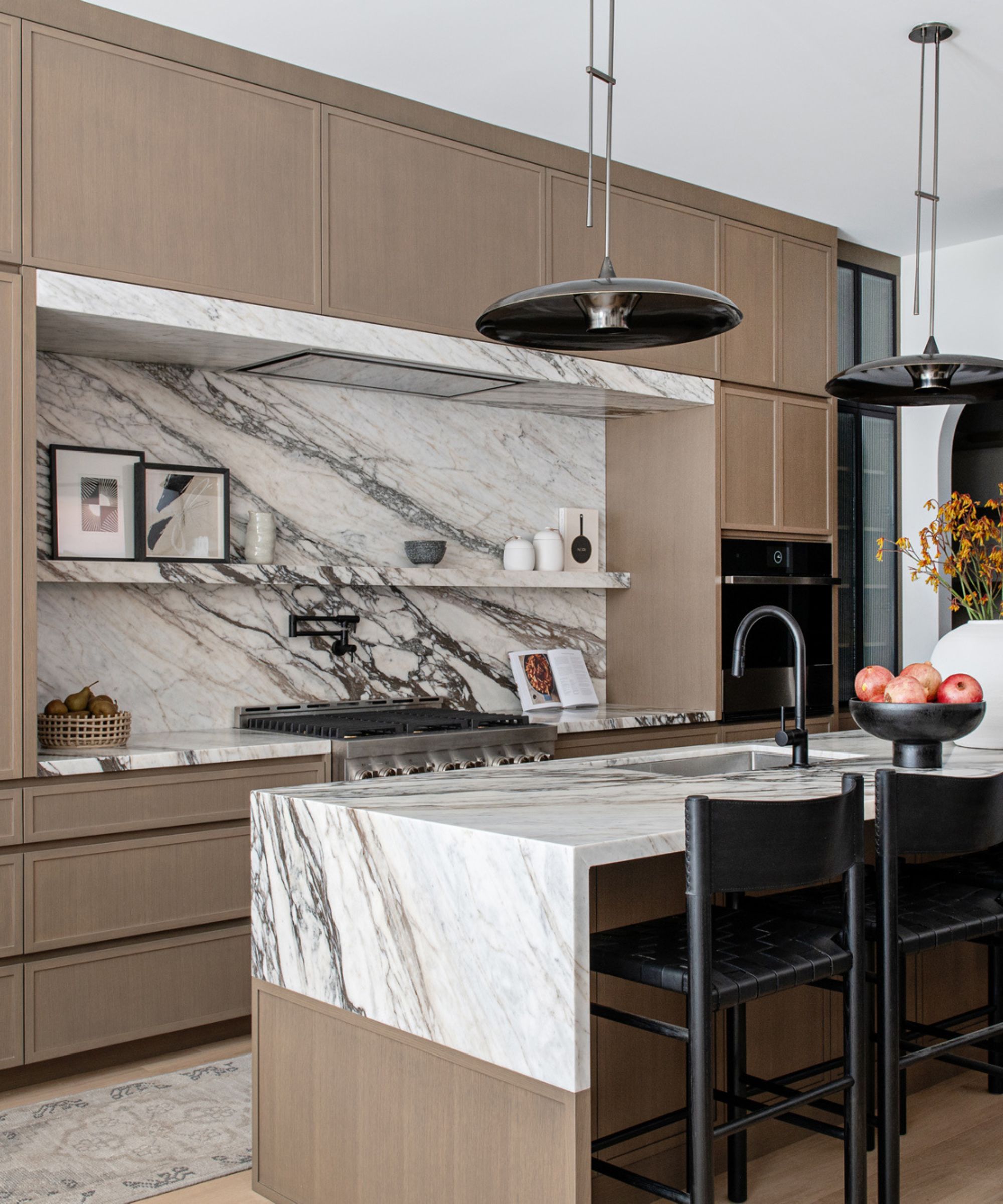
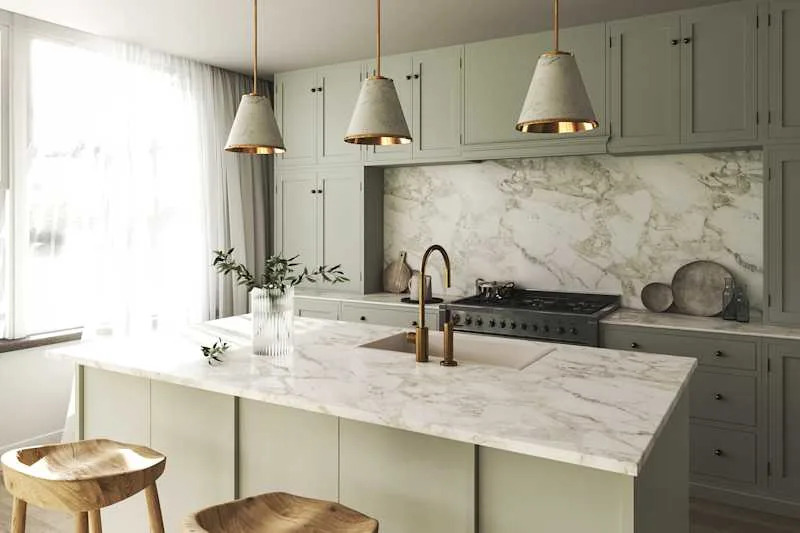
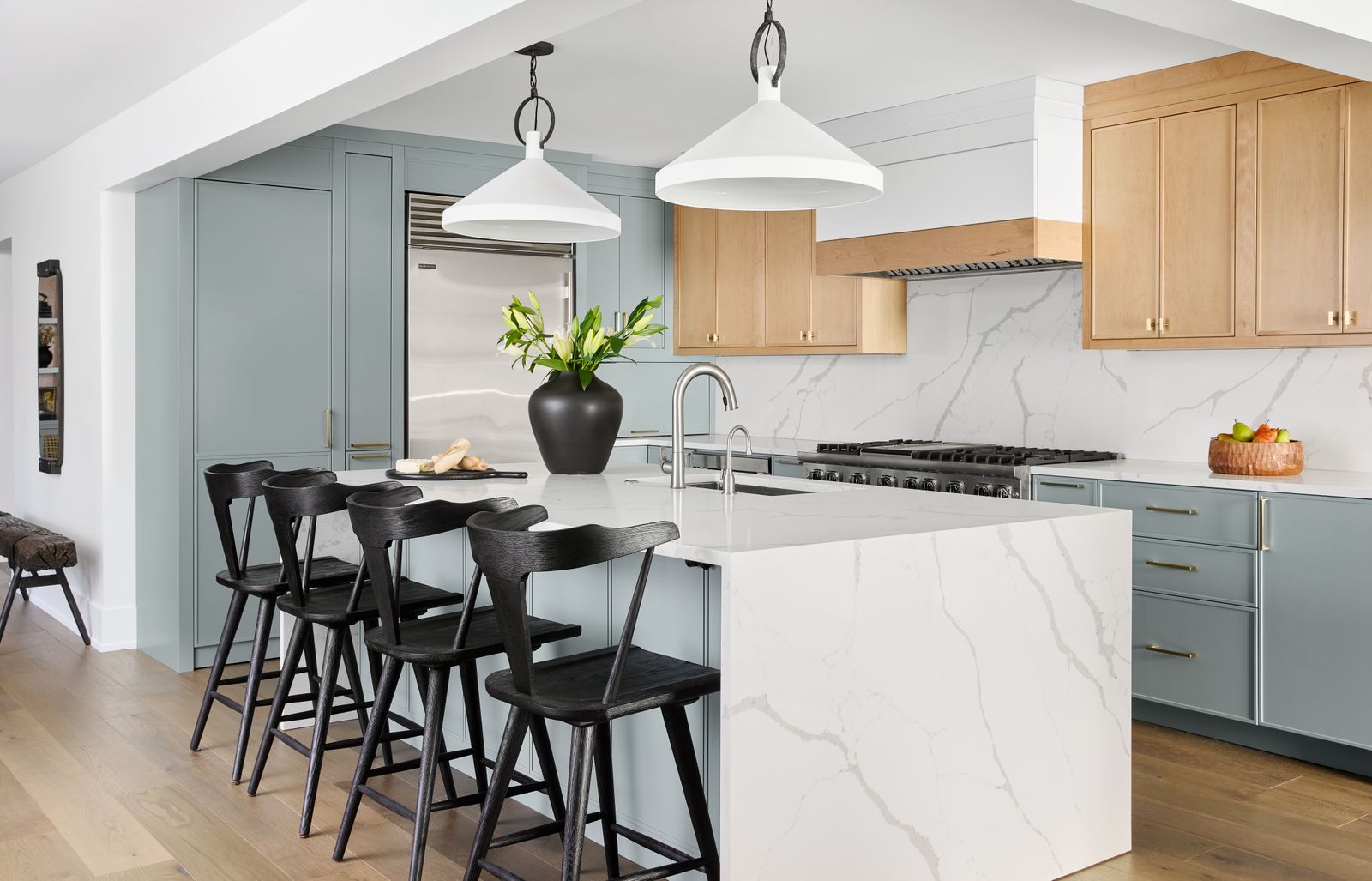
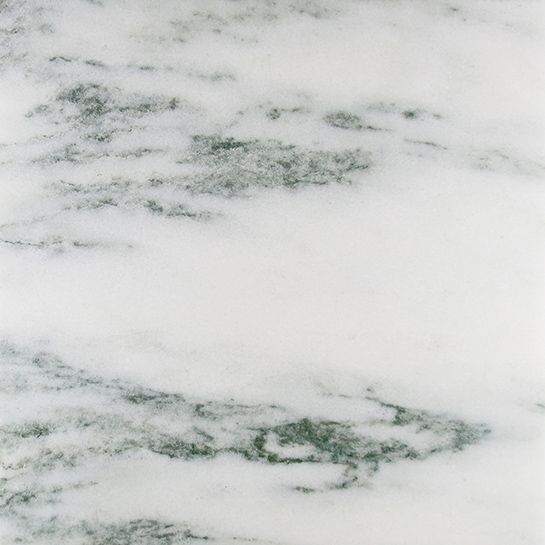
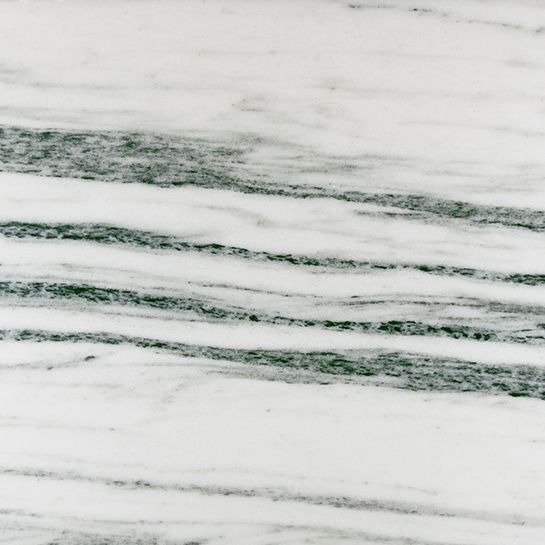
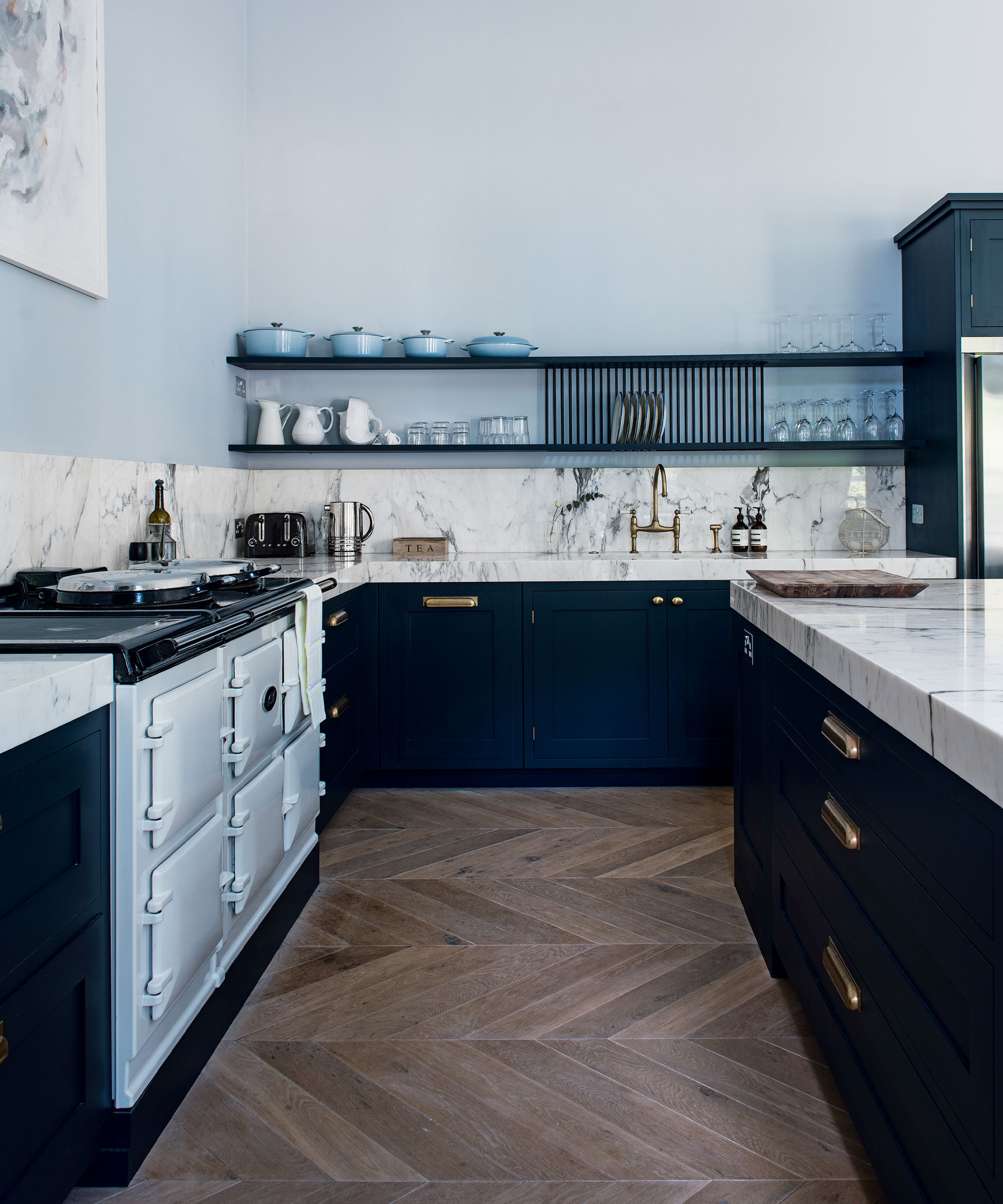
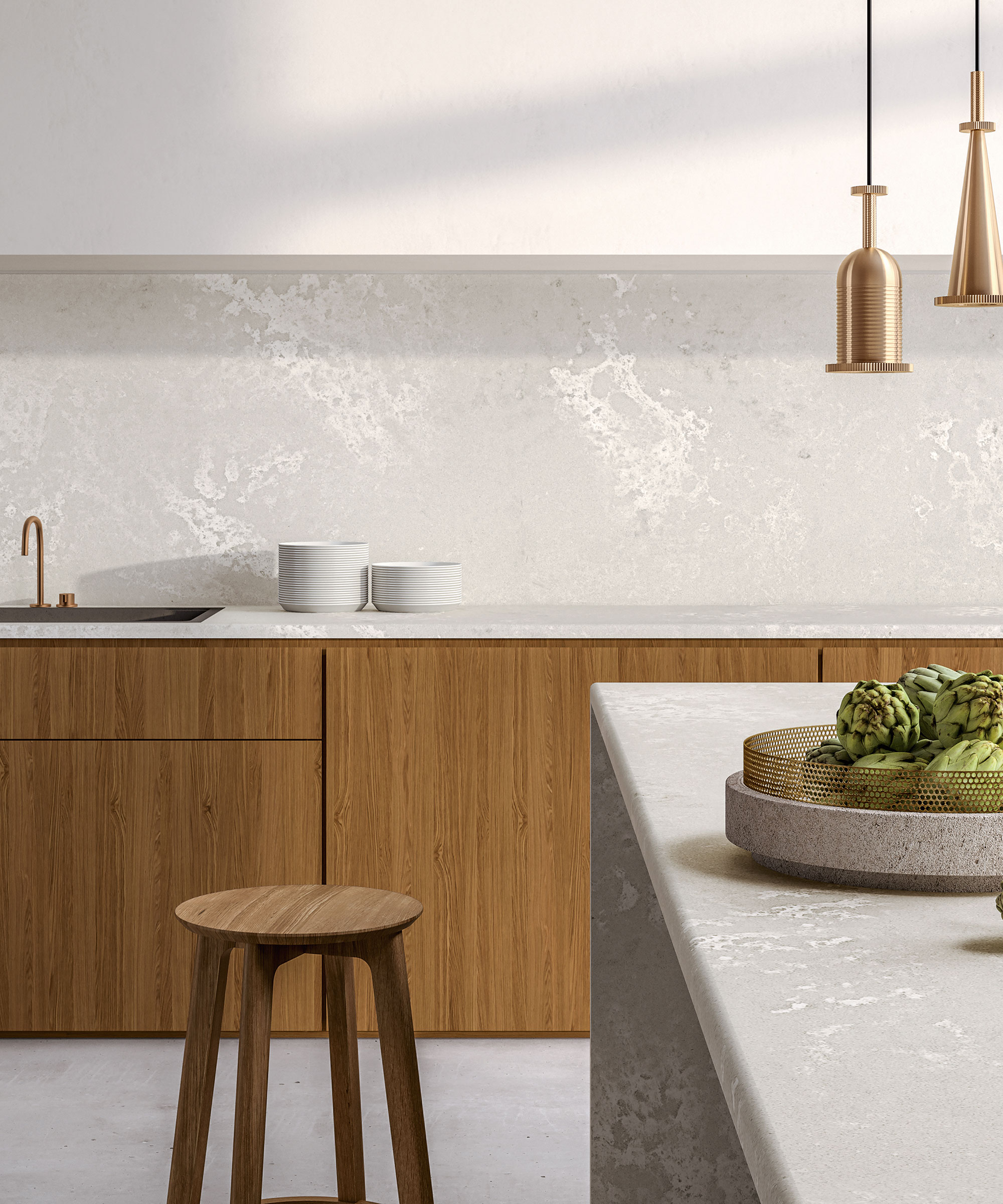
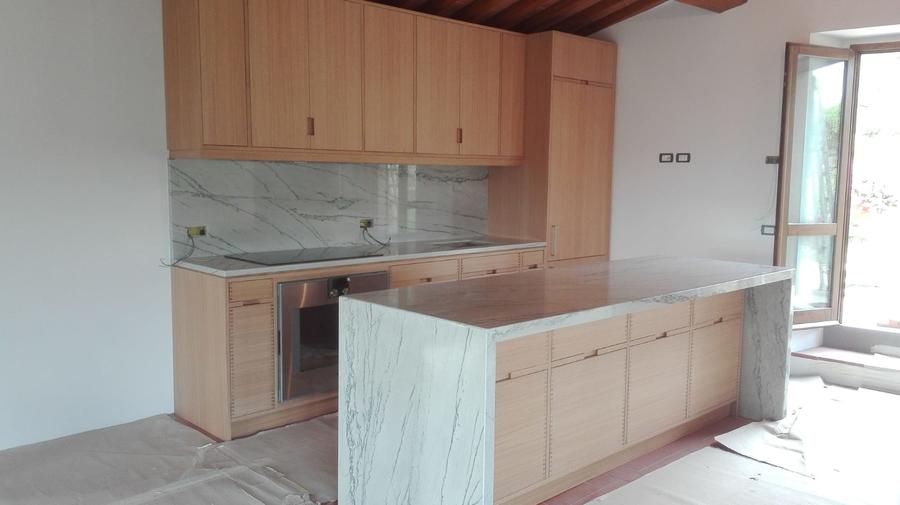
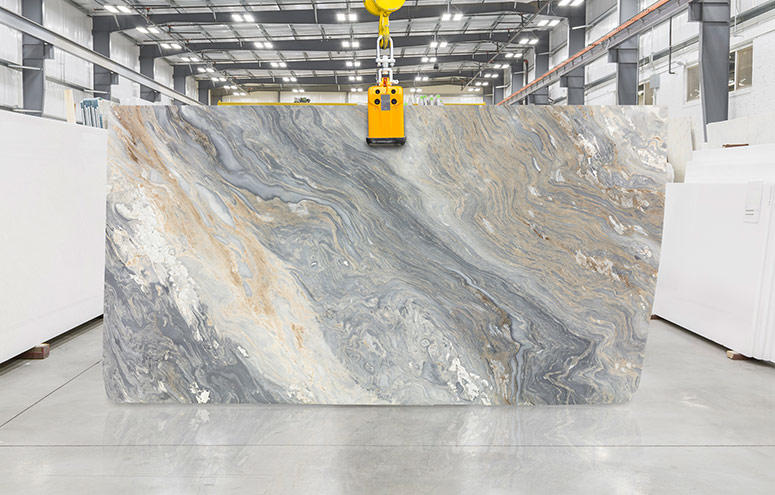
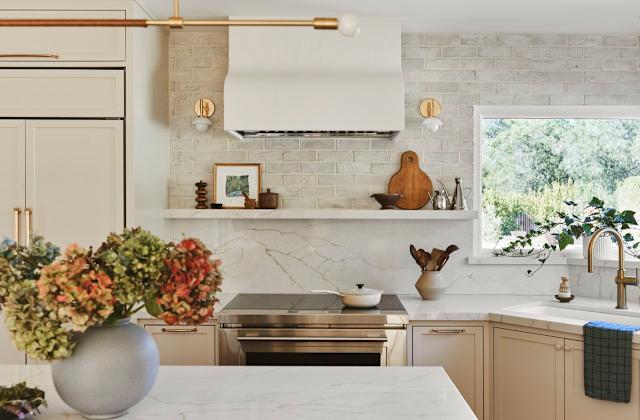
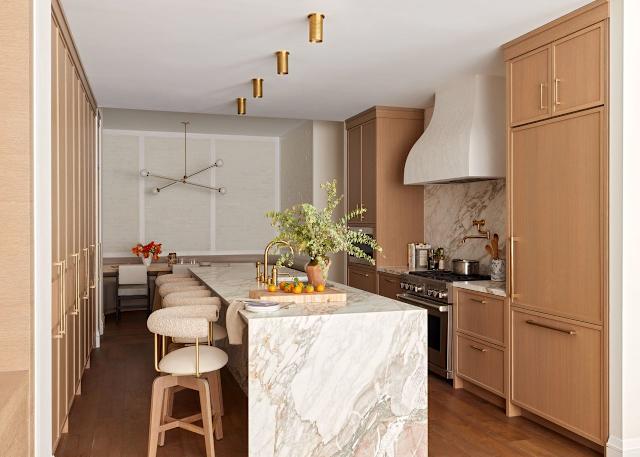
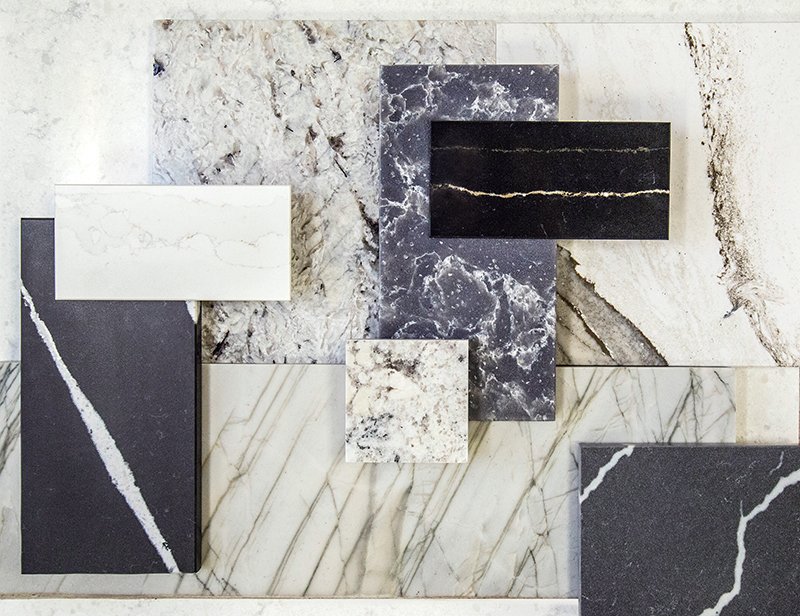
When it comes to aesthetics, marble often takes precedence. Designers agree that the natural beauty of marble, characterized by its large, sweeping organic veins, offers a unique depth and movement that engineered quartz struggles to replicate. While quartz technology is advancing to create more natural-looking veining, it cannot fully replicate the inherent variations, colors, lines, and textures found in natural marble slabs. Therefore, for those prioritizing natural beauty and a distinct, organic appearance, marble is generally the preferred choice.
Cost is another crucial factor. Countertops represent a significant investment, and the decision will impact the home for years to come. Quartz is typically less expensive upfront, but potential hidden costs exist. Askinasi cautions that digitally printed quartz, which features veining only on the surface, may require additional labor charges for mitered edges to maintain a consistent aesthetic. In such cases, the cost savings between pricier quartz and marble might diminish. The final verdict emphasizes self-awareness in decision-making. If a homeowner is comfortable with the natural aging and patina of marble and can commit to annual sealing, then marble might be suitable. However, if the potential for stains and etching is a significant concern, quartz offers a more resilient and worry-free alternative. Ultimately, the choice between marble and quartz depends on individual lifestyle, aesthetic preferences, and willingness to undertake maintenance.
#MarbleCountertops #QuartzCountertops #KitchenDesign #HomeImprovement #InteriorDesign #CountertopMaterials #KitchenRenovation #HomeDecor #MarbleCountertops #QuartzCountertops #KitchenDesign #HomeImprovement #InteriorDesign #CountertopMaterials #KitchenRenovation #HomeDecor
0 comment in total
 No comments yet
You may also like
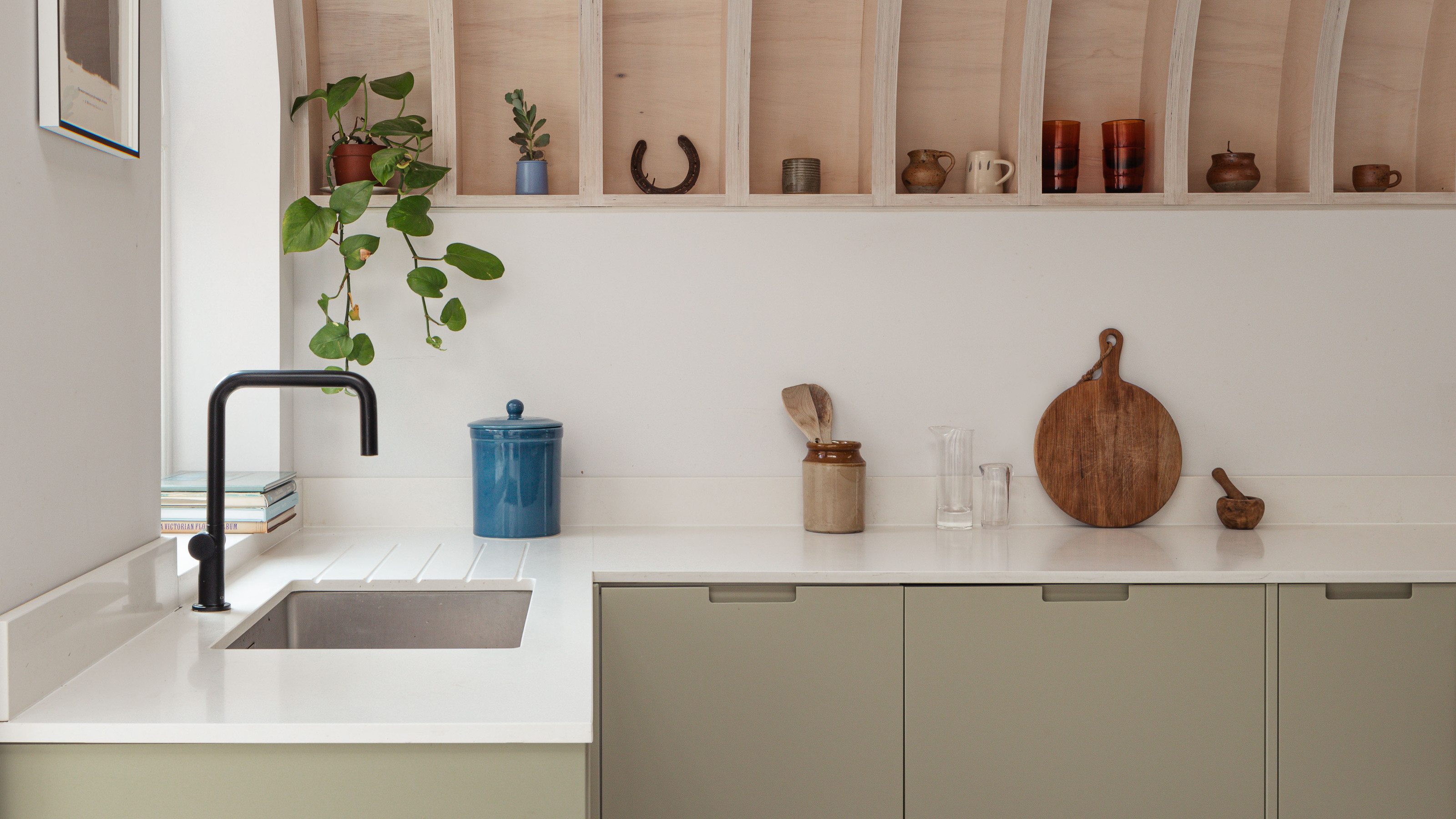
Should You Choose Quartz or Granite Countertops? Experts Settle the Debate on These Two Popular Materials

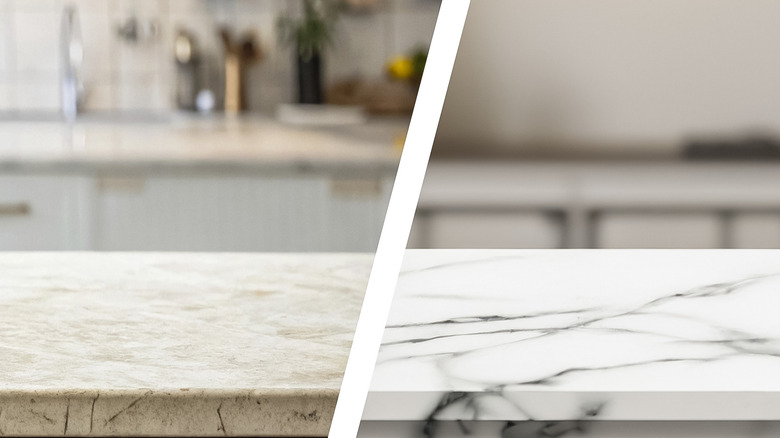
Granite Vs Marble Countertops: Which Is Best For Your Kitchen?

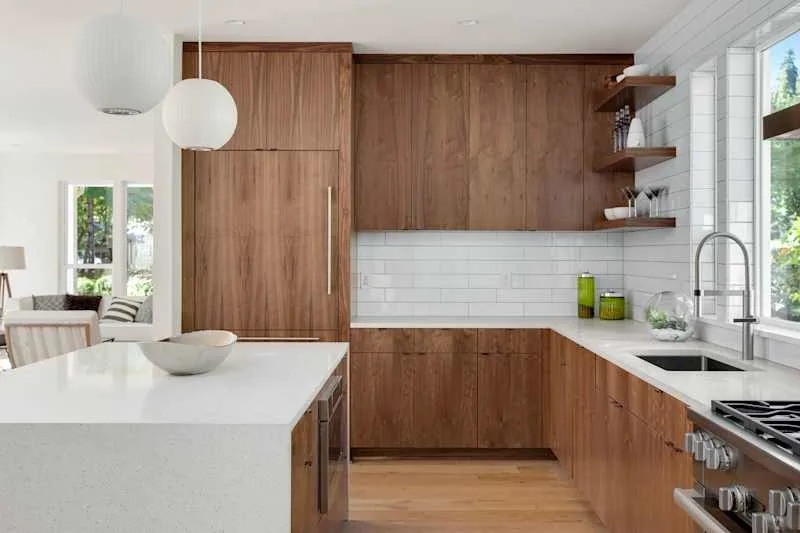
6 Kitchen Countertop Trends That Are on Their Way Out This Year (and What to Do Instead)
Ask the Experts: Hard Surfaces 101

Marble vs. Quartz Countertops: Which Is Better?

The Best Countertop Materials for Every Type of Kitchen

Quartz, granite and marble in your bathroom remodel
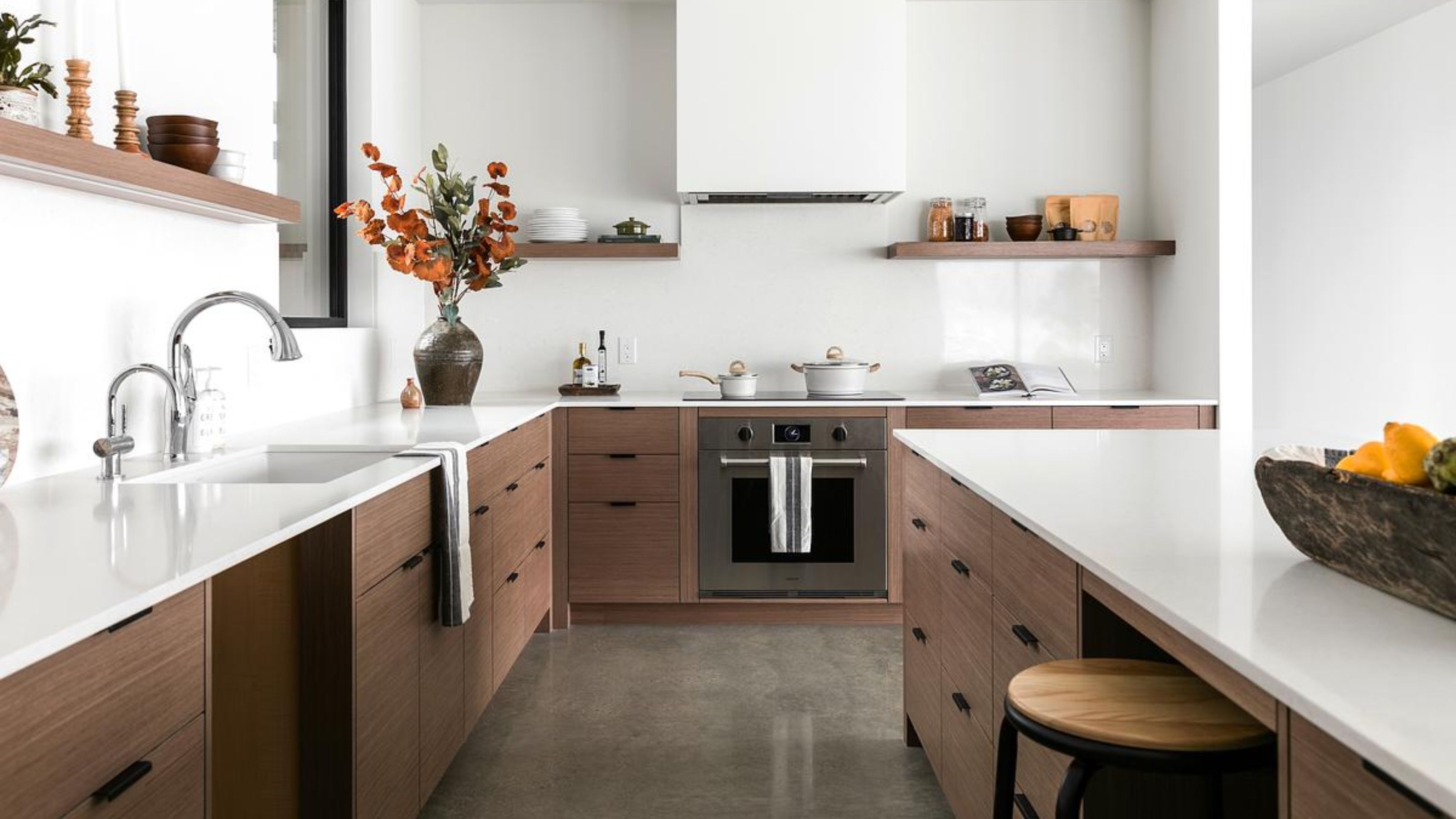
I Picked Quartz Countertops for My New Kitchen, but Was It the Right Choice? Experts Weigh Up the Pros and Cons
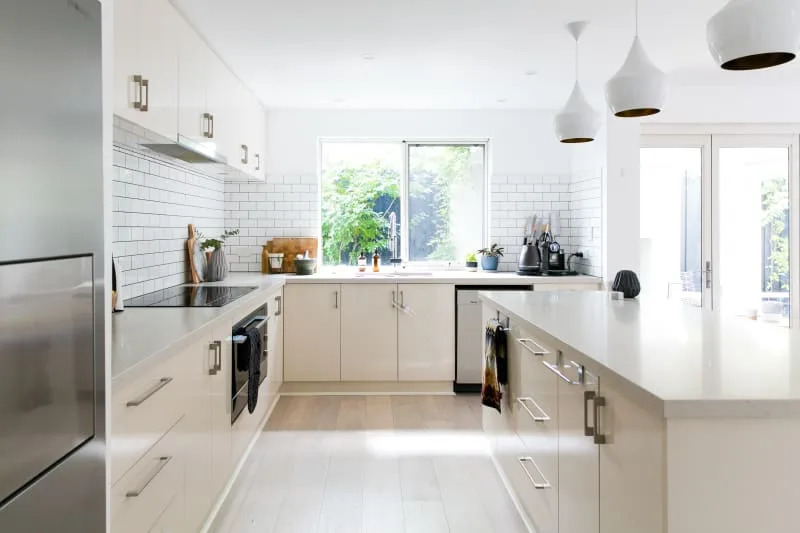
The Worst Thing About Every Popular Kitchen Countertop Designers Don’t Tell You
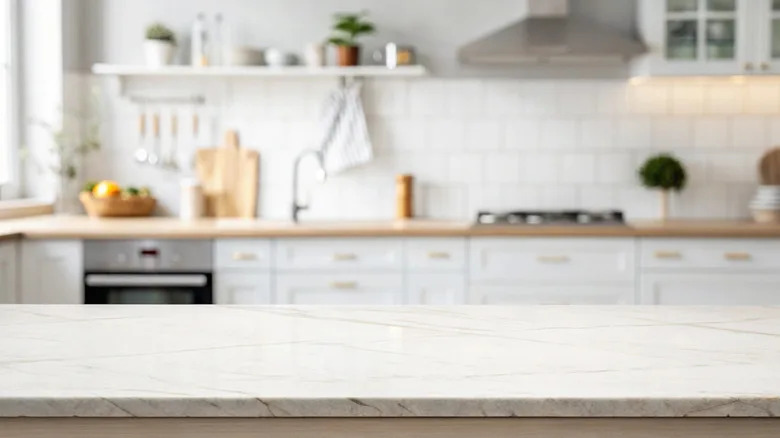
Quartz Vs Granite: Which One's Better For Kitchen Countertops?

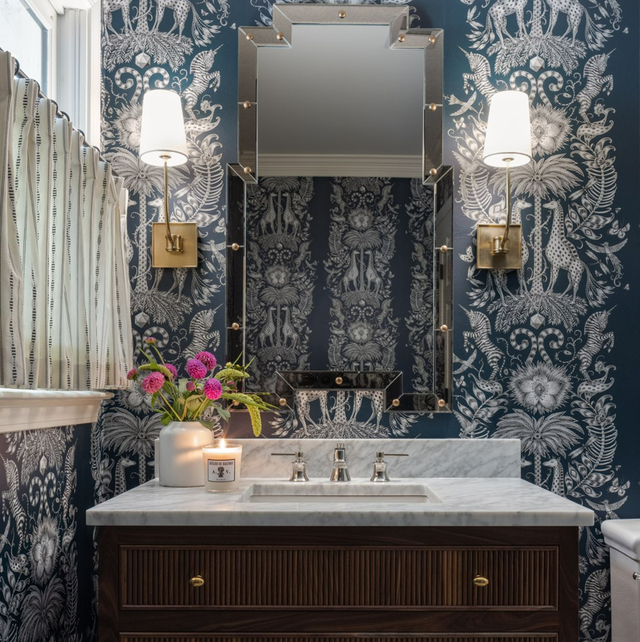
What Designers Call the "Little Black Dress" of Bathroom Countertops


The new rules of marble

Stone Secrets: 2025 Trends and the Marble vs Quartzite Truth

What's replacing granite countertops? These are the materials interior designers want to see more of

Marble Countertops: 9 Tips for Choosing a White Marble Slab

We Asked Designers What Kitchen Countertop Materials Are Out in 2026—Their Answers May Surprise You

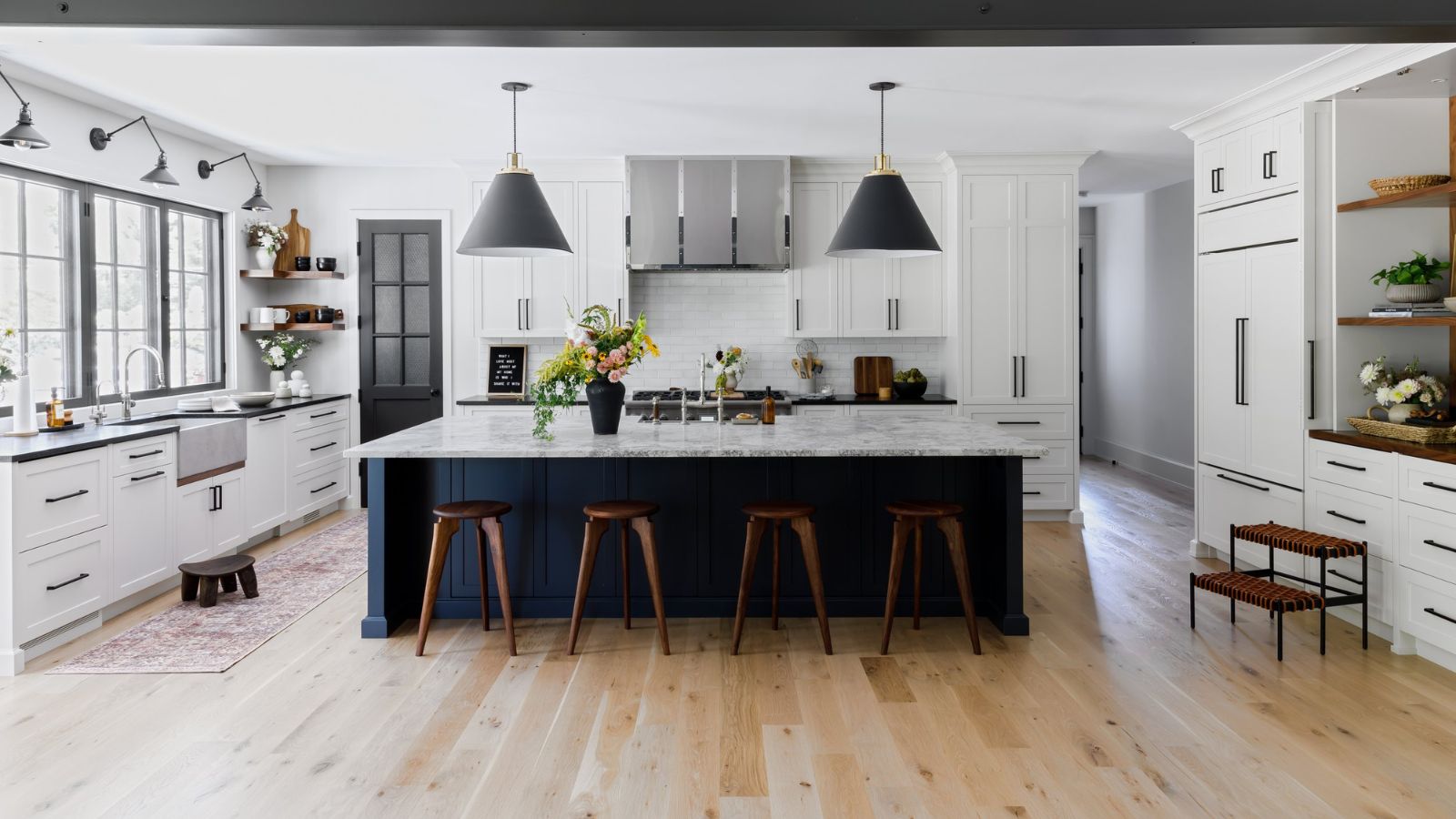
Quartz vs granite countertops: what's the best material
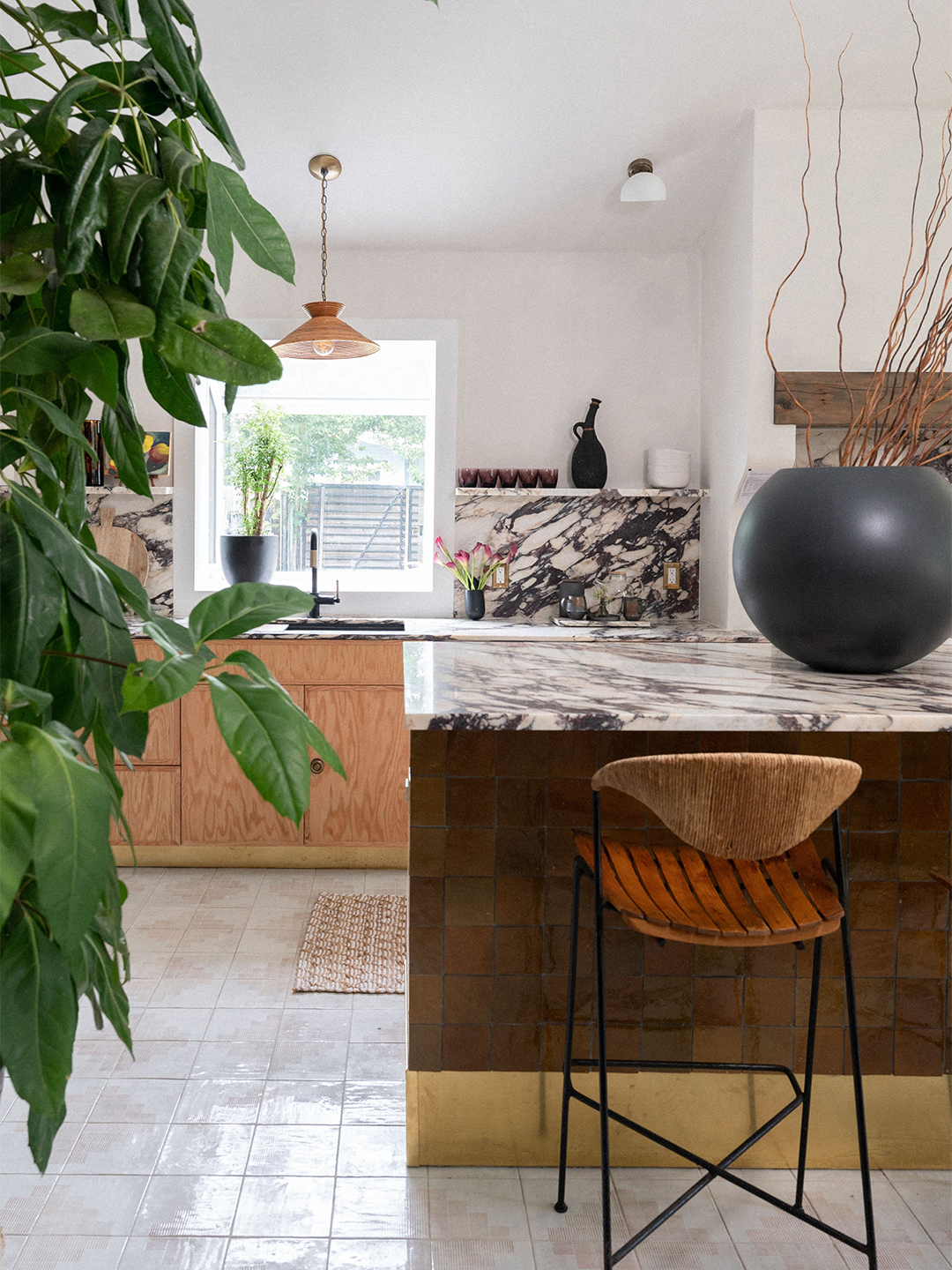
Burgundy Marble Counters Are In, But Designers Also Love These 4 Stones

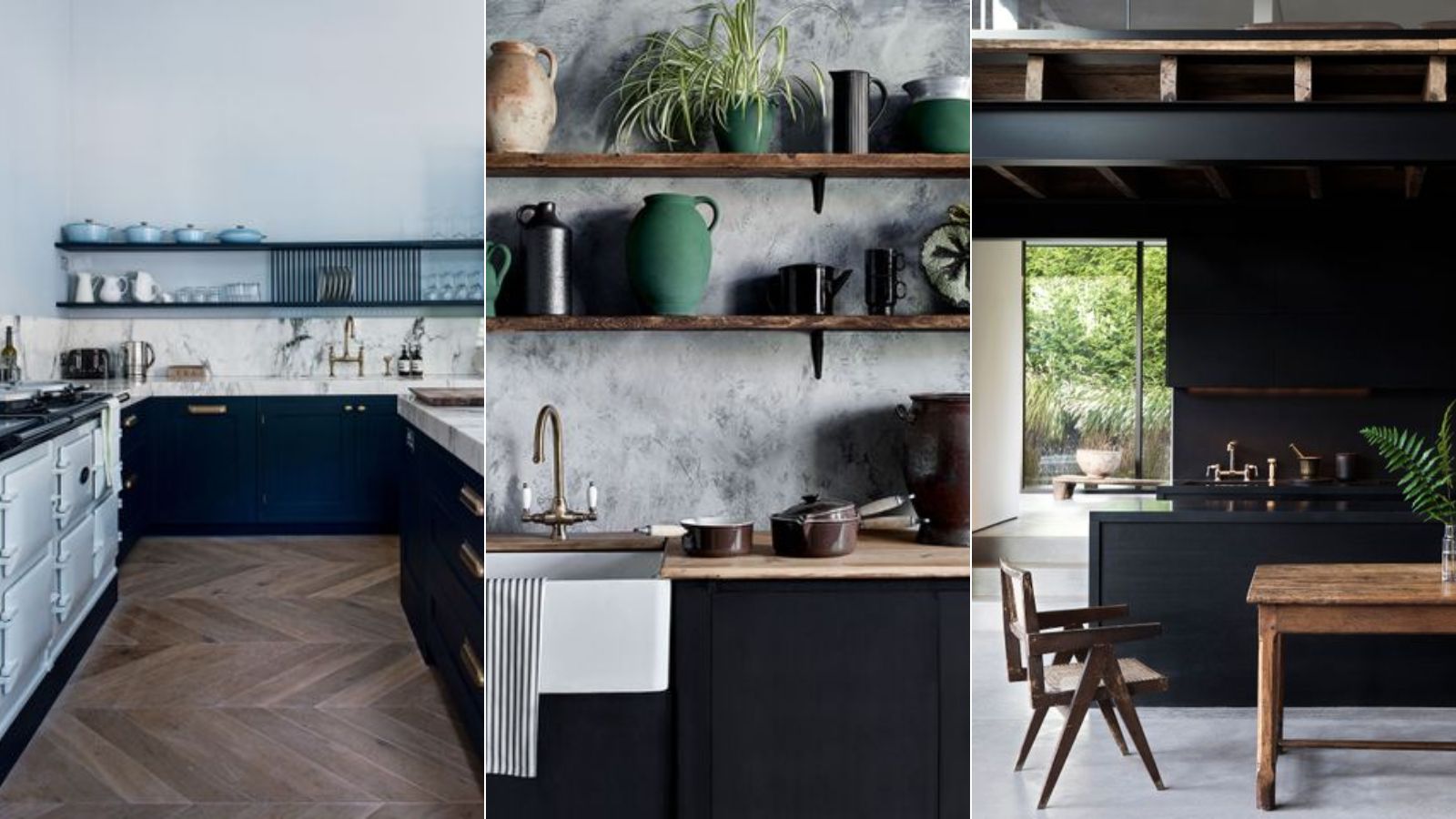
5 kitchen countertops that never go out of style – timeless choices to suit any homeowner
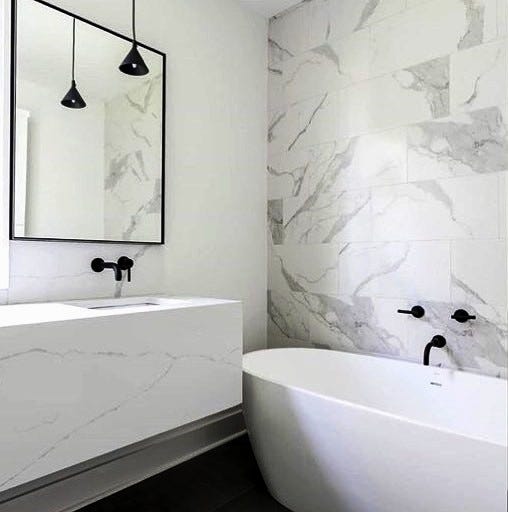
Networx: Quartz, granite and marble in your bathroom remodel