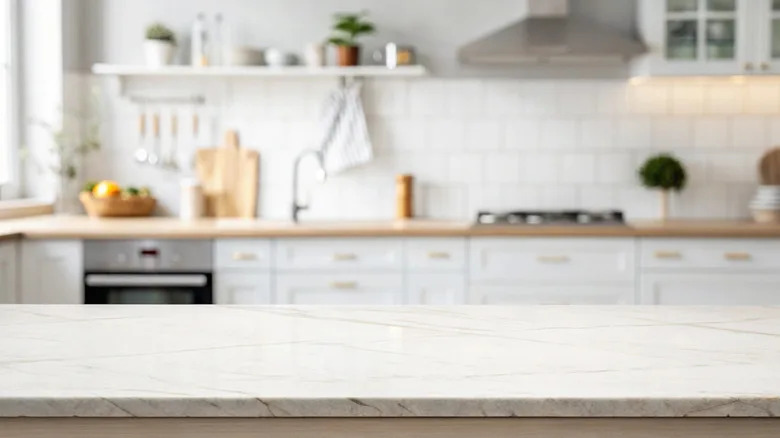
Quartz Vs Granite: Which One's Better For Kitchen Countertops?
Choosing the right kitchen countertop is a significant decision for any home renovation, and two of the most popular materials, quartz and granite, often lead the discussion. While seemingly similar in appearance to the untrained eye, these materials possess distinct characteristics that influence their suitability for different lifestyles and preferences. This article delves into the specifics of both, with insights from Jo Rich, a designer at Raydoor Sliding Walls & Doors, to help consumers make an informed choice.
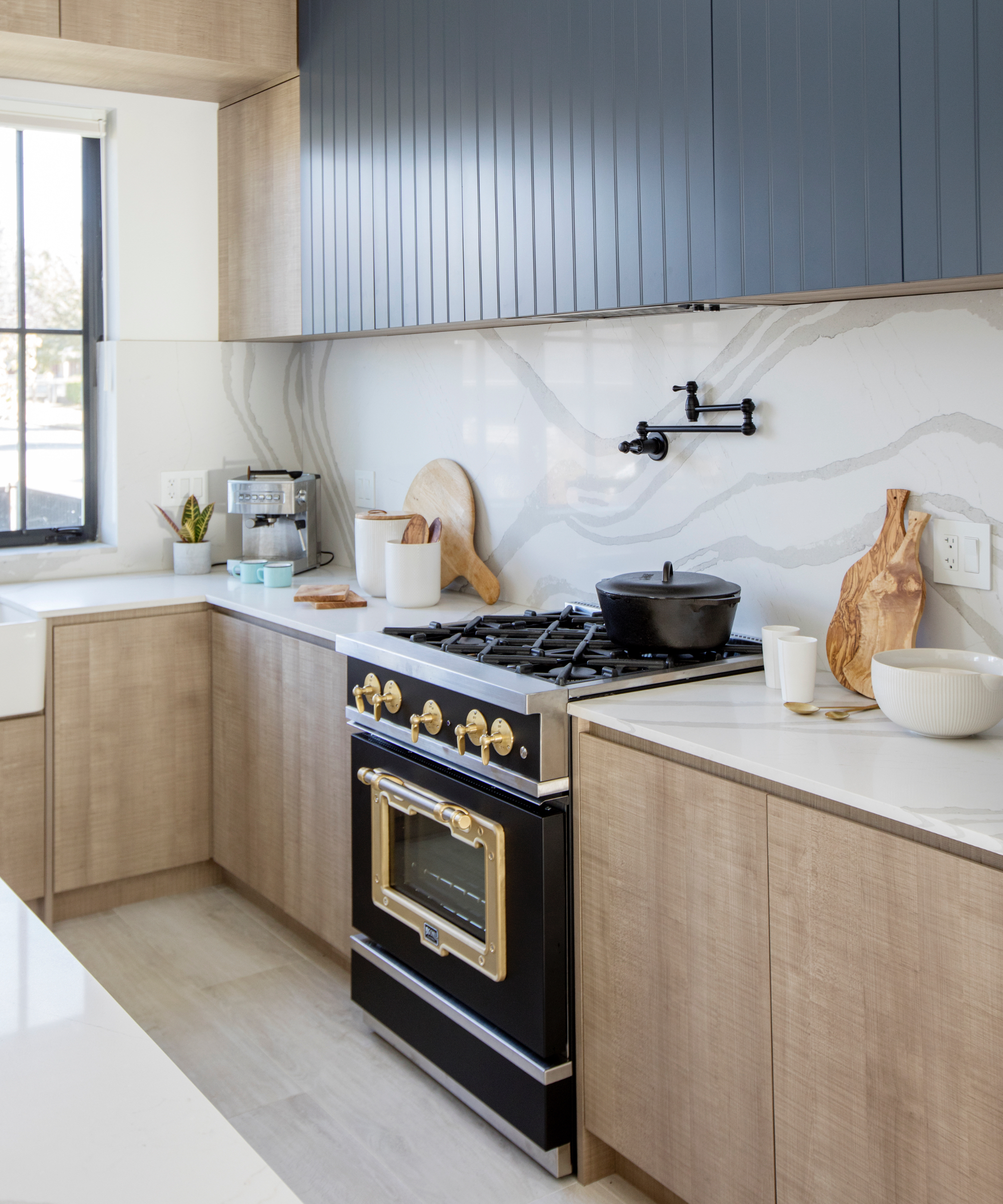
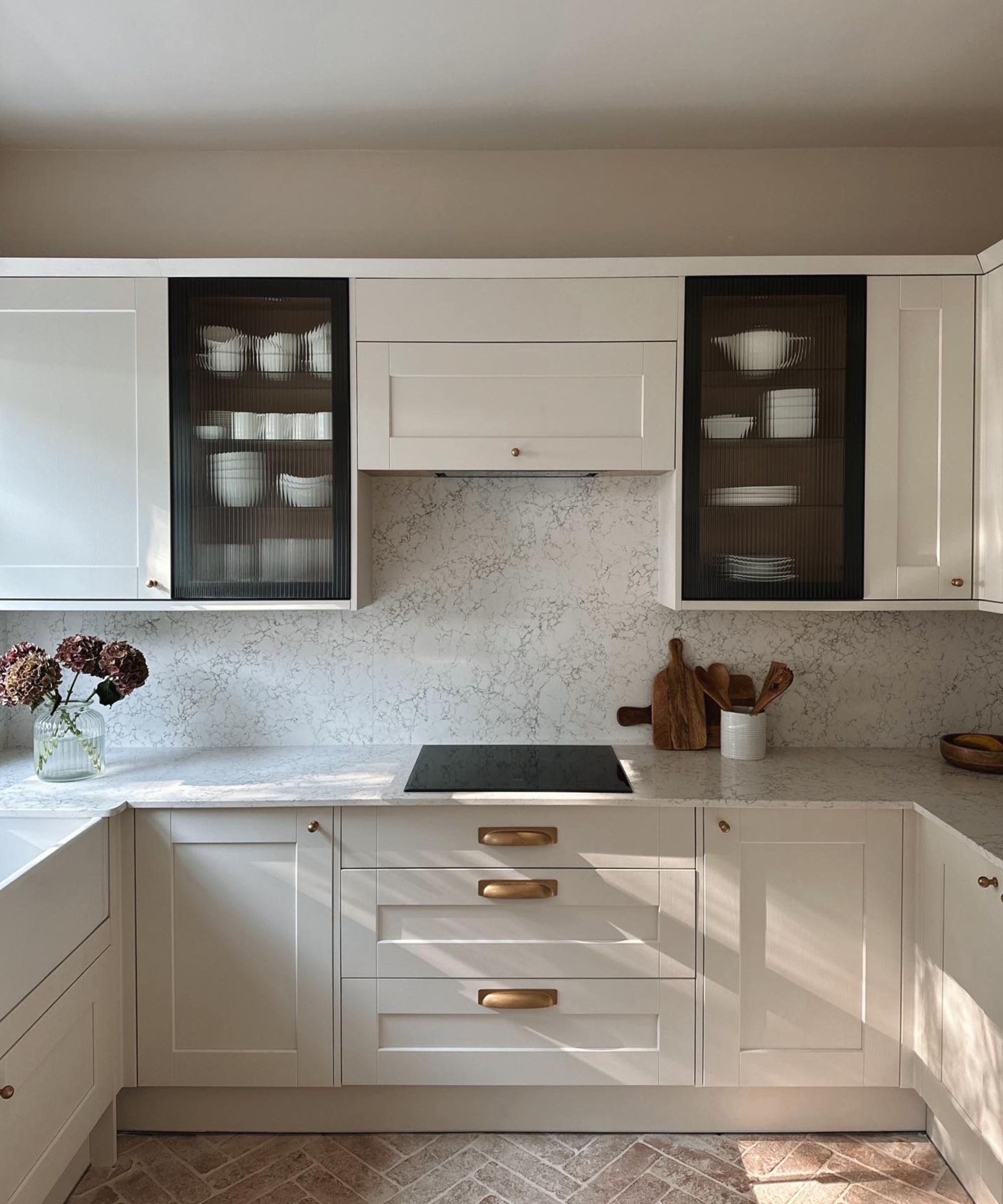
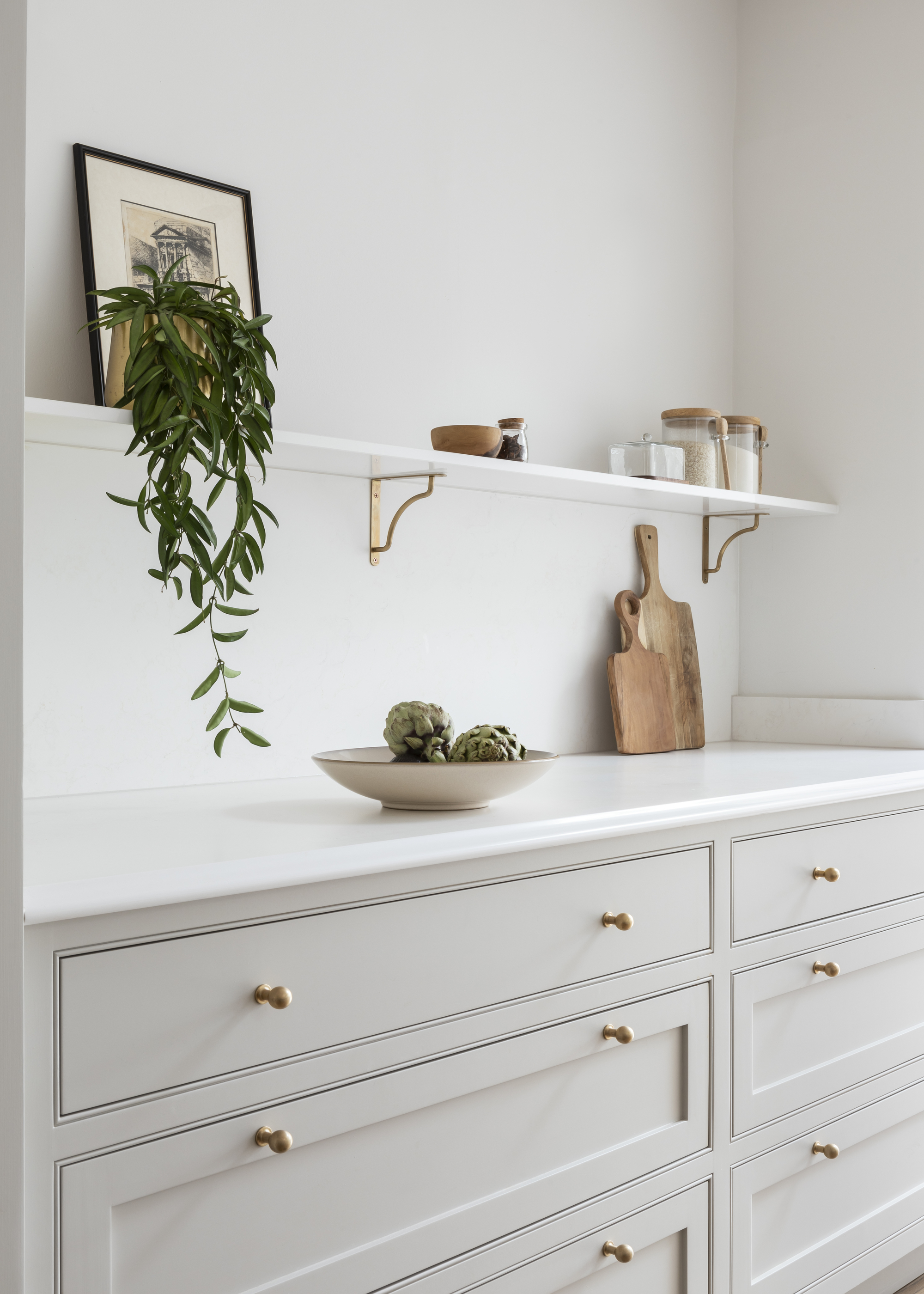
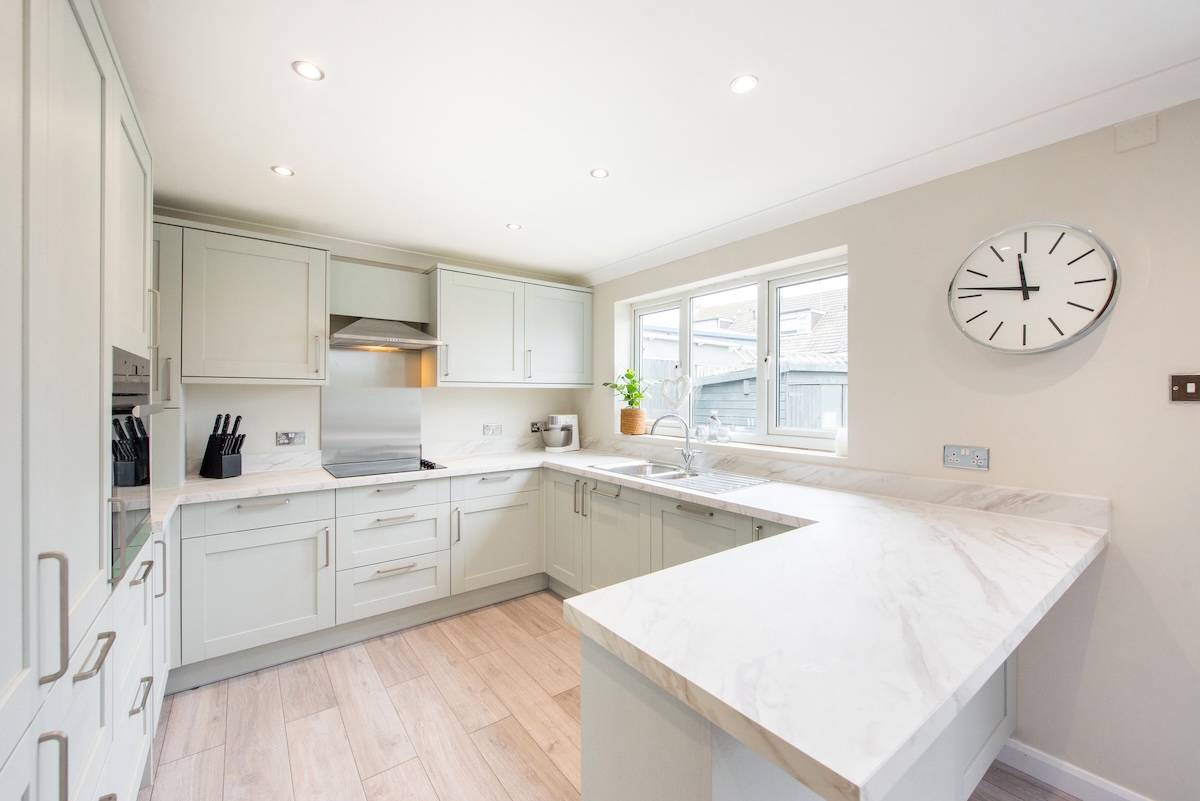
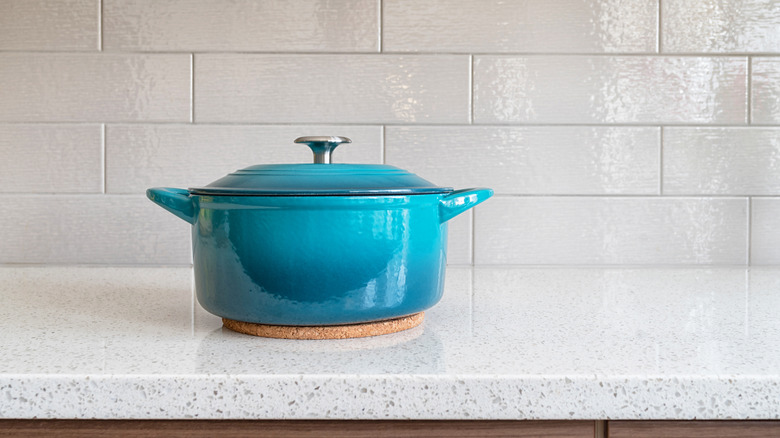
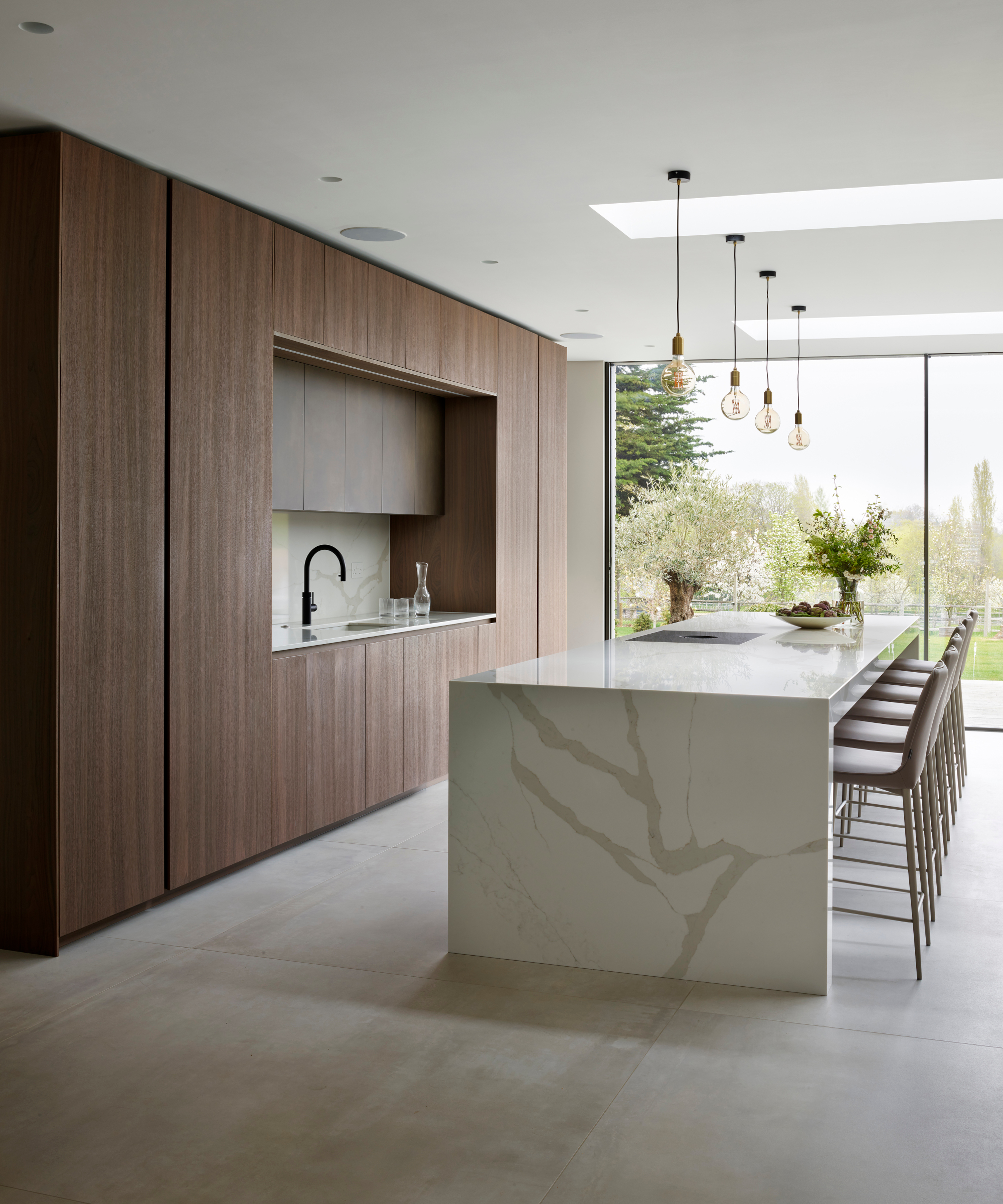
Quartz, an engineered stone, is manufactured from ground quartz combined with resins, polymers, and pigments. This composition makes it non-porous, meaning it is highly resistant to stains and does not require sealing, unlike natural stone options. Its non-porous nature also makes it a more hygienic choice for kitchens, as it prevents bacteria and mold growth. Furthermore, quartz offers a wide array of color and pattern options, providing design flexibility to match various kitchen aesthetics. Manufacturers can control its appearance, allowing for consistent patterns and colors across slabs, which can be advantageous for large installations where a uniform look is desired. However, quartz is generally less heat-resistant than granite, and direct contact with very hot pots or pans can cause damage, such as discoloration or cracking. It also tends to be more expensive than some granite varieties.
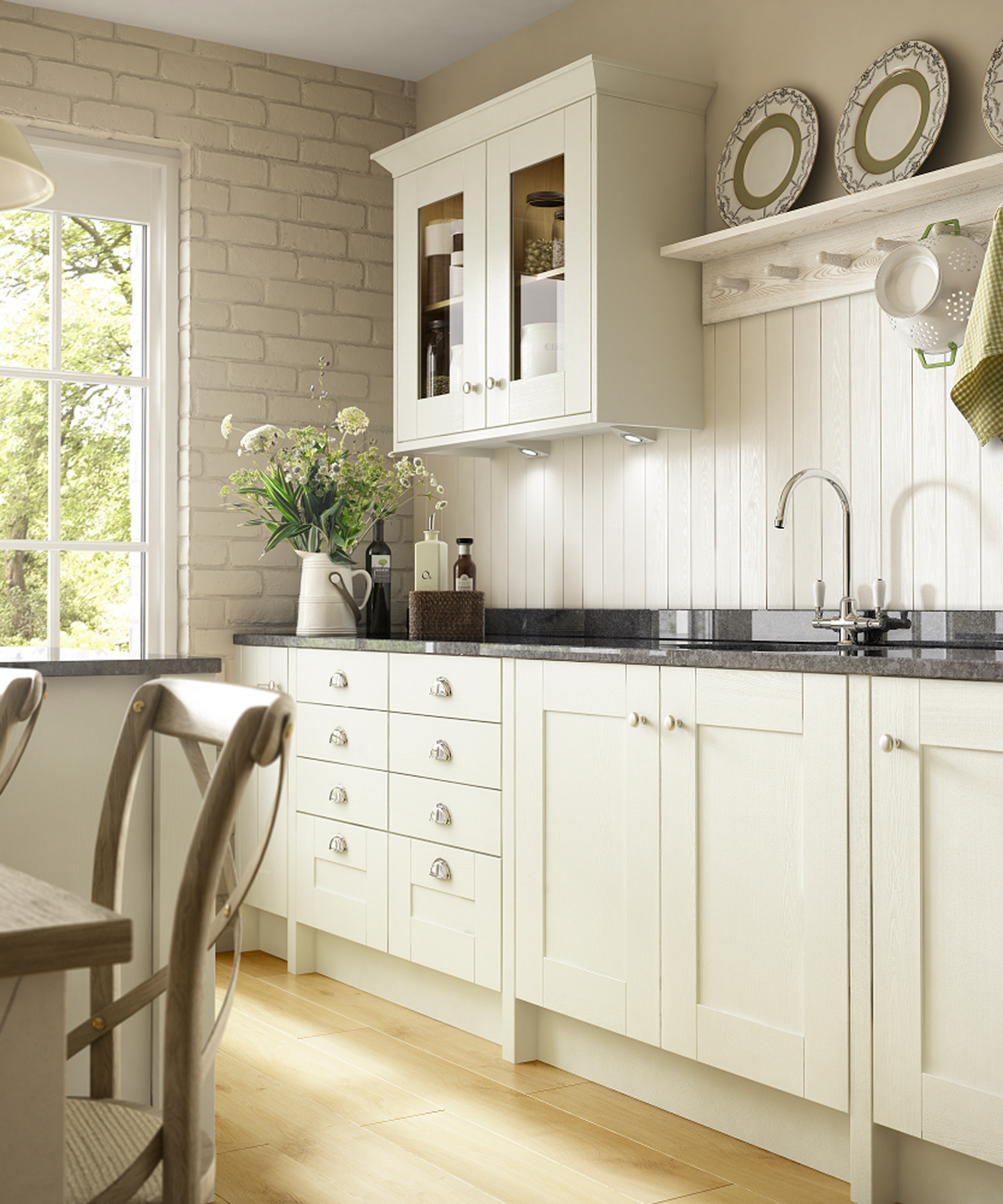
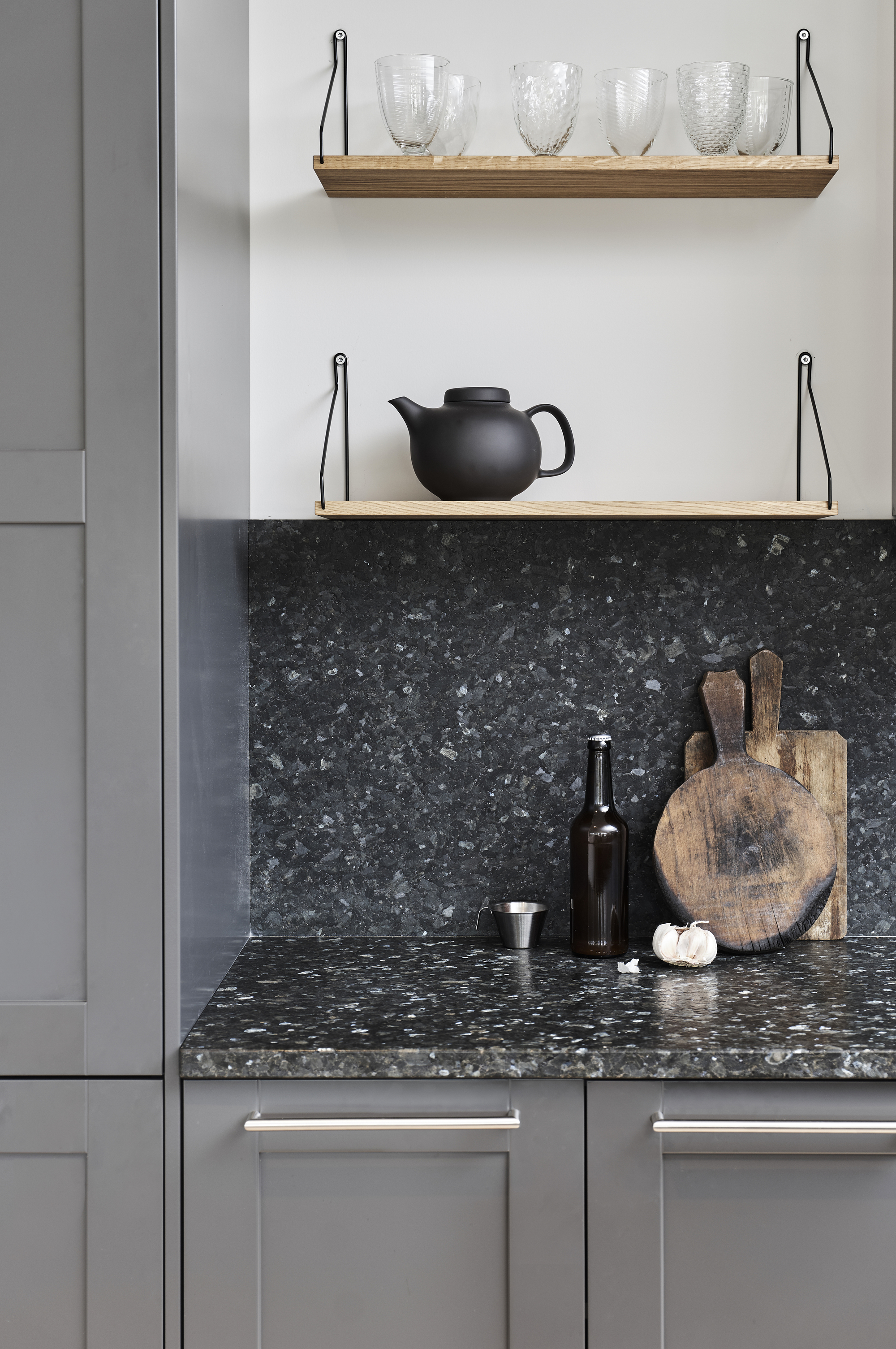
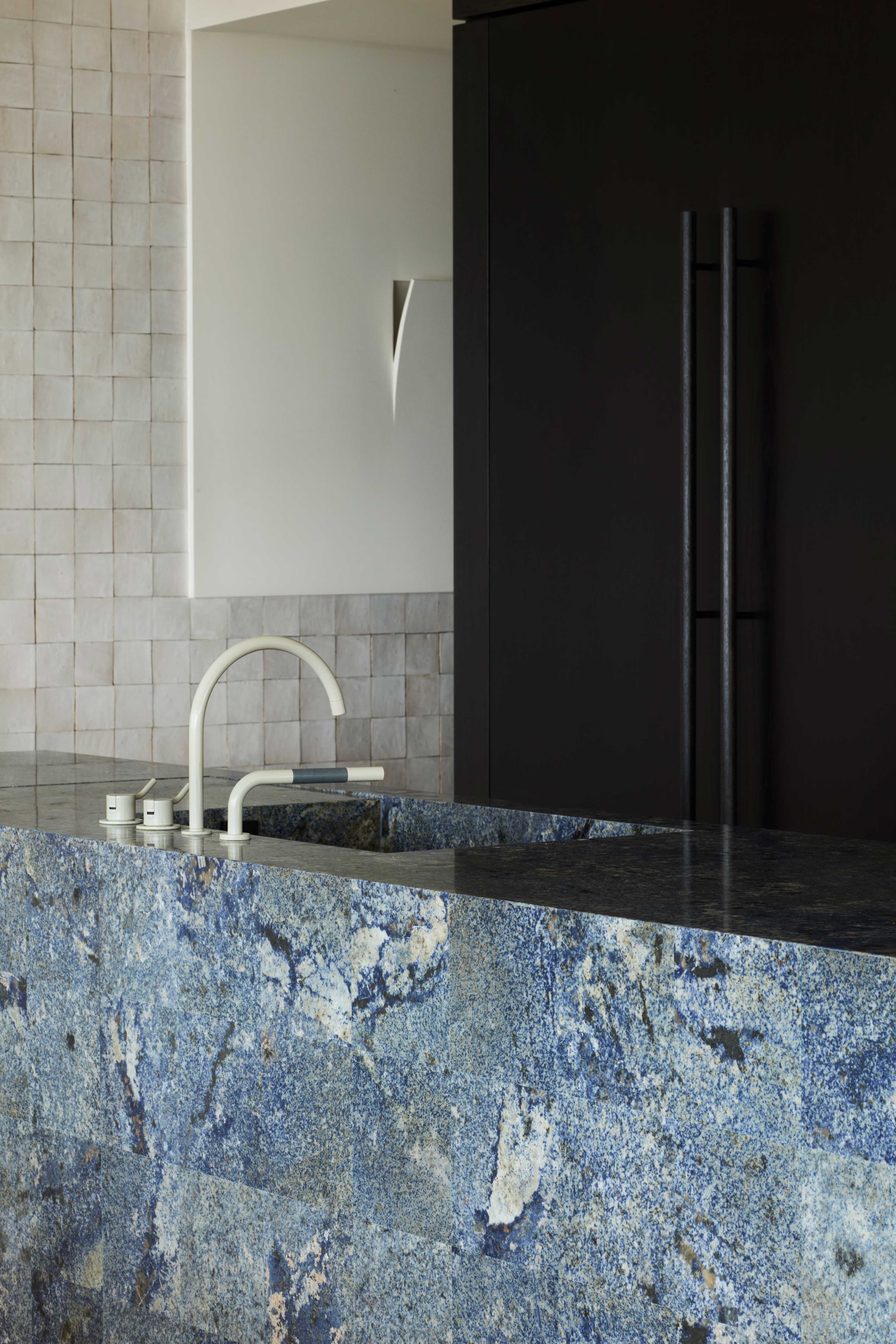
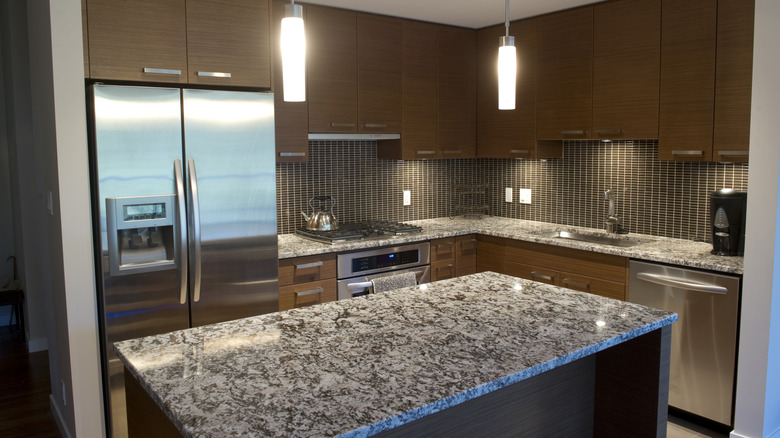
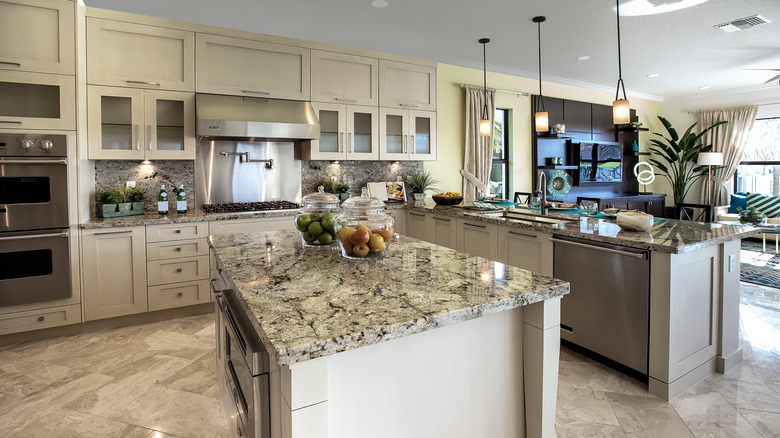
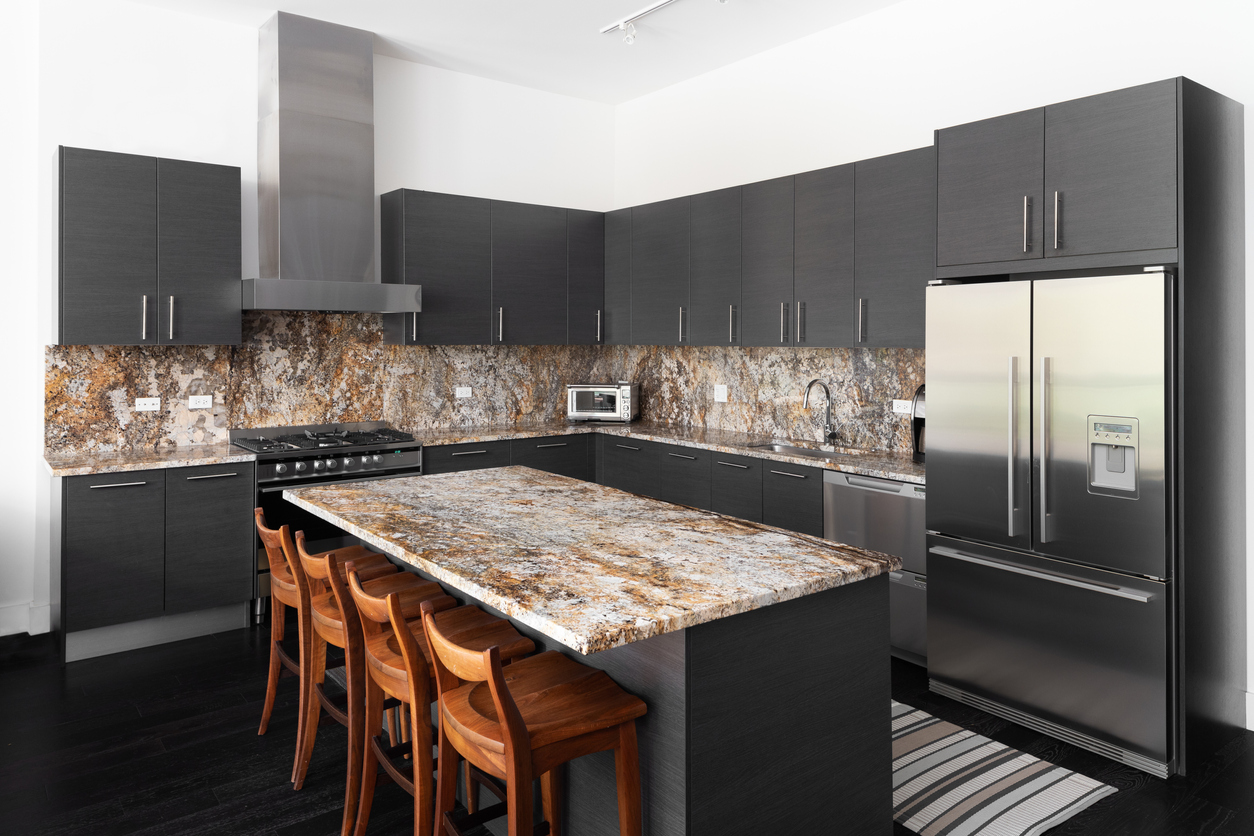
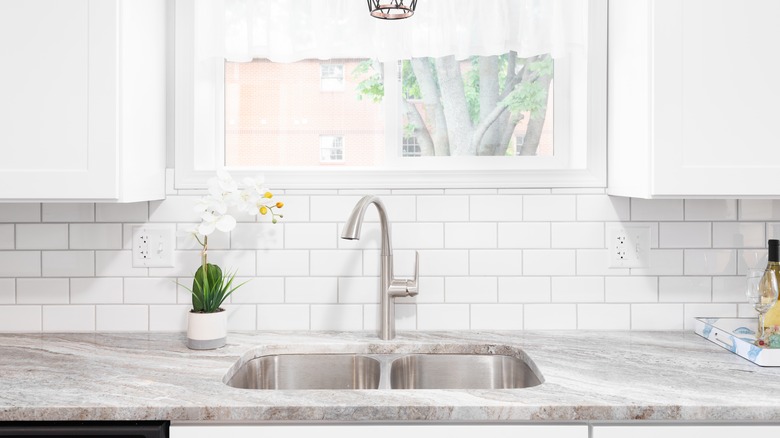
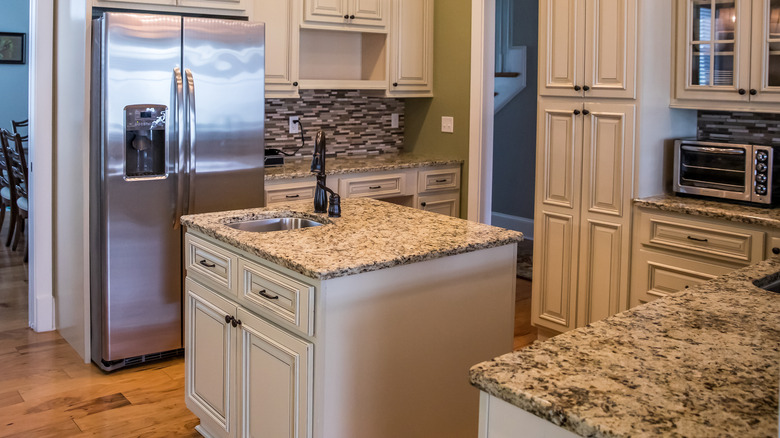
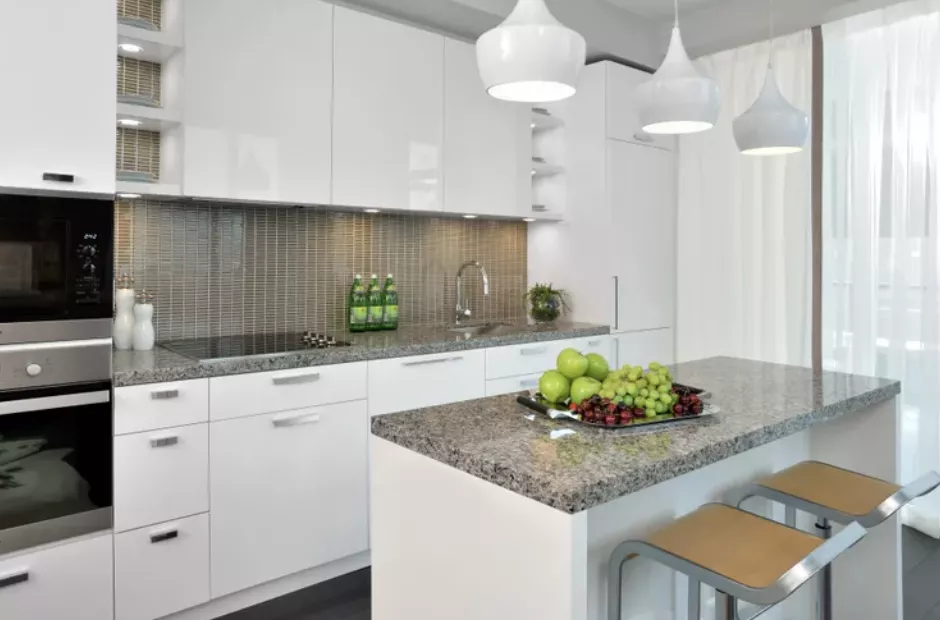
Granite, on the other hand, is a natural stone, quarried from the earth and then cut and polished into slabs. Each slab of granite is unique, featuring distinct patterns, specks, and veins, which appeals to those seeking a one-of-a-kind, organic look for their kitchen. Being a natural material, granite is incredibly durable and highly resistant to heat, making it an excellent surface for cooking and baking activities. However, granite is porous and requires regular sealing to prevent stains from liquids like wine, oil, or coffee, which can seep into the stone if left untreated. The maintenance involved, including periodic sealing, is a factor to consider for homeowners. Despite requiring sealing, granite is often more budget-friendly than quartz, depending on the specific type and rarity of the stone.
The decision between quartz and granite often comes down to balancing aesthetic preferences, maintenance requirements, durability, and cost. For those prioritizing low maintenance, hygiene, and a wide range of consistent design options, quartz might be the preferred choice, provided heat exposure is managed. Conversely, individuals who value the natural beauty, high heat resistance, and unique patterns of natural stone, and are willing to undertake the necessary sealing and maintenance, may find granite to be the superior option. Ultimately, understanding the inherent properties and practical implications of each material is crucial for selecting the best countertop for a kitchen renovation.
#KitchenCountertops #Quartz #Granite #HomeRenovation #InteriorDesign #EngineeredStone #NaturalStone #MaterialComparison #KitchenDesign #KitchenCountertops #Quartz #Granite #HomeRenovation #InteriorDesign #EngineeredStone #NaturalStone #MaterialComparison #KitchenDesign
0 comment in total
 No comments yet
You may also like
Quartz vs granite countertops: what's the best material

Are Granite Countertops Outdated?

The Worst Thing About Every Popular Kitchen Countertop Designers Don’t Tell You
Should You Get a Marble or Quartz Countertop? Here's What Designers Say

Should You Choose Quartz or Granite Countertops? Experts Settle the Debate on These Two Popular Materials

The Best Countertop Materials for Every Type of Kitchen

Homeowners Agree: This Dated Countertop Material One-Ups Trendy Quartz
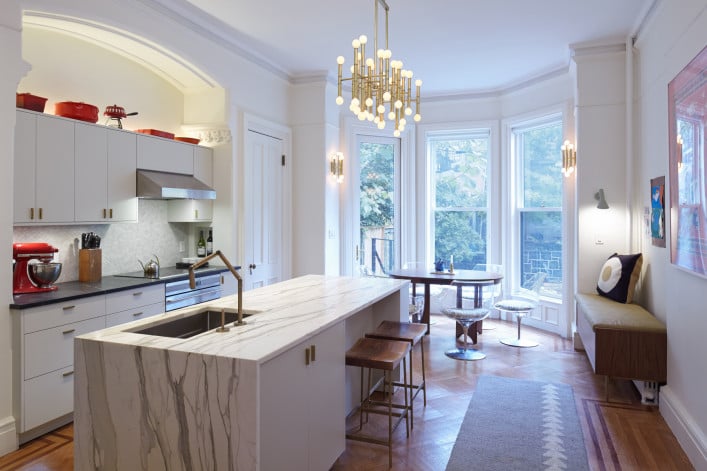
6 great alternatives to marble and granite for your NYC kitchen renovation: quartz, quartzite, porcelain, soapstone & more
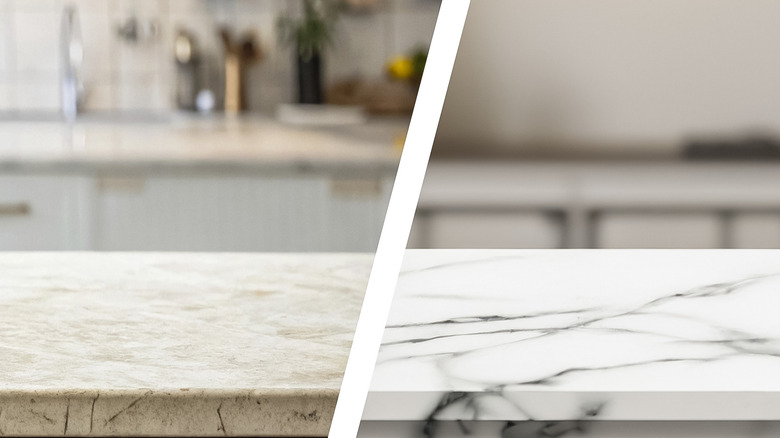
Granite Vs Marble Countertops: Which Is Best For Your Kitchen?

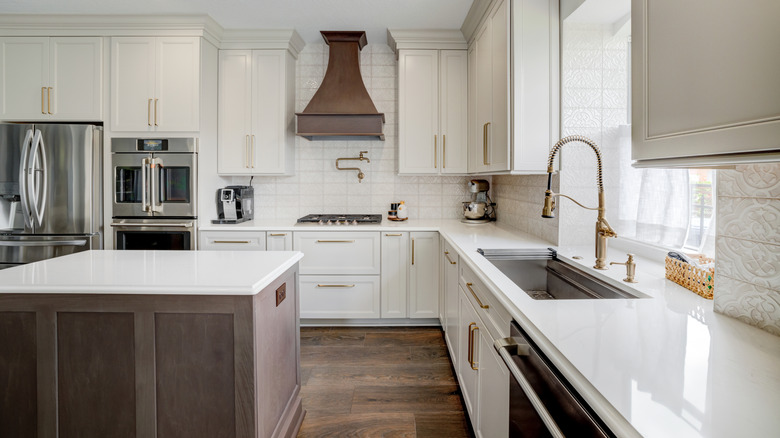
The Case Against Choosing Quartz Countertops For Your Kitchen
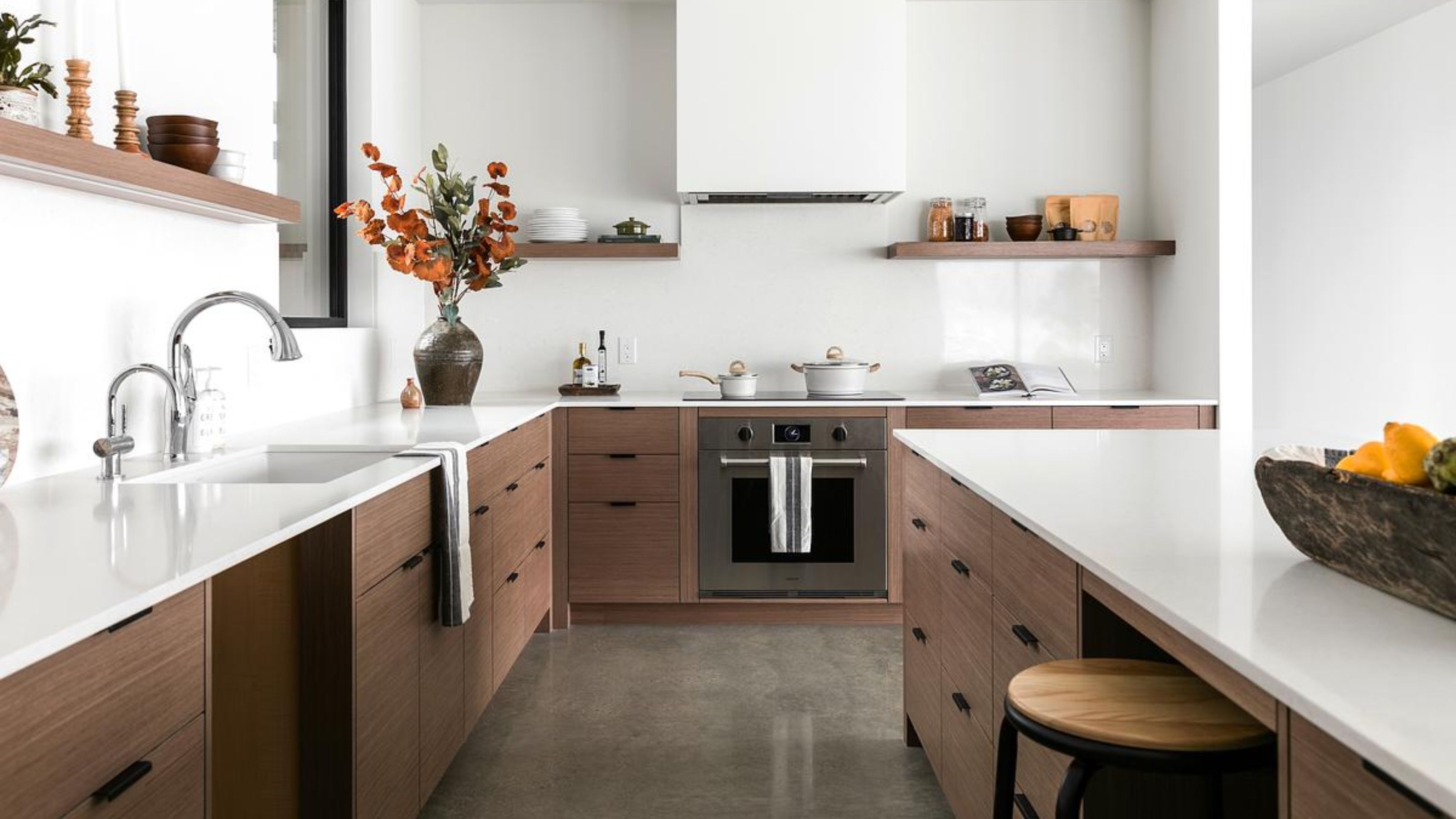
I Picked Quartz Countertops for My New Kitchen, but Was It the Right Choice? Experts Weigh Up the Pros and Cons
Quartz Countertops Guide: Maintenance Tips & 15 Chic Decor Ideas

Confused About the Differences Between Granite and Quartz? Here’s a Handy Guide

These Are The Best Granite Countertop Colors

Are quartz countertops right for your home? We examine the pros and cons
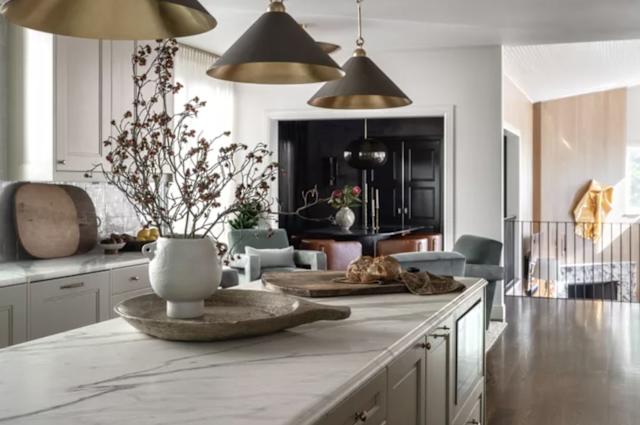
We Asked Designers What Kitchen Countertop Materials Are Out in 2026—Their Answers May Surprise You

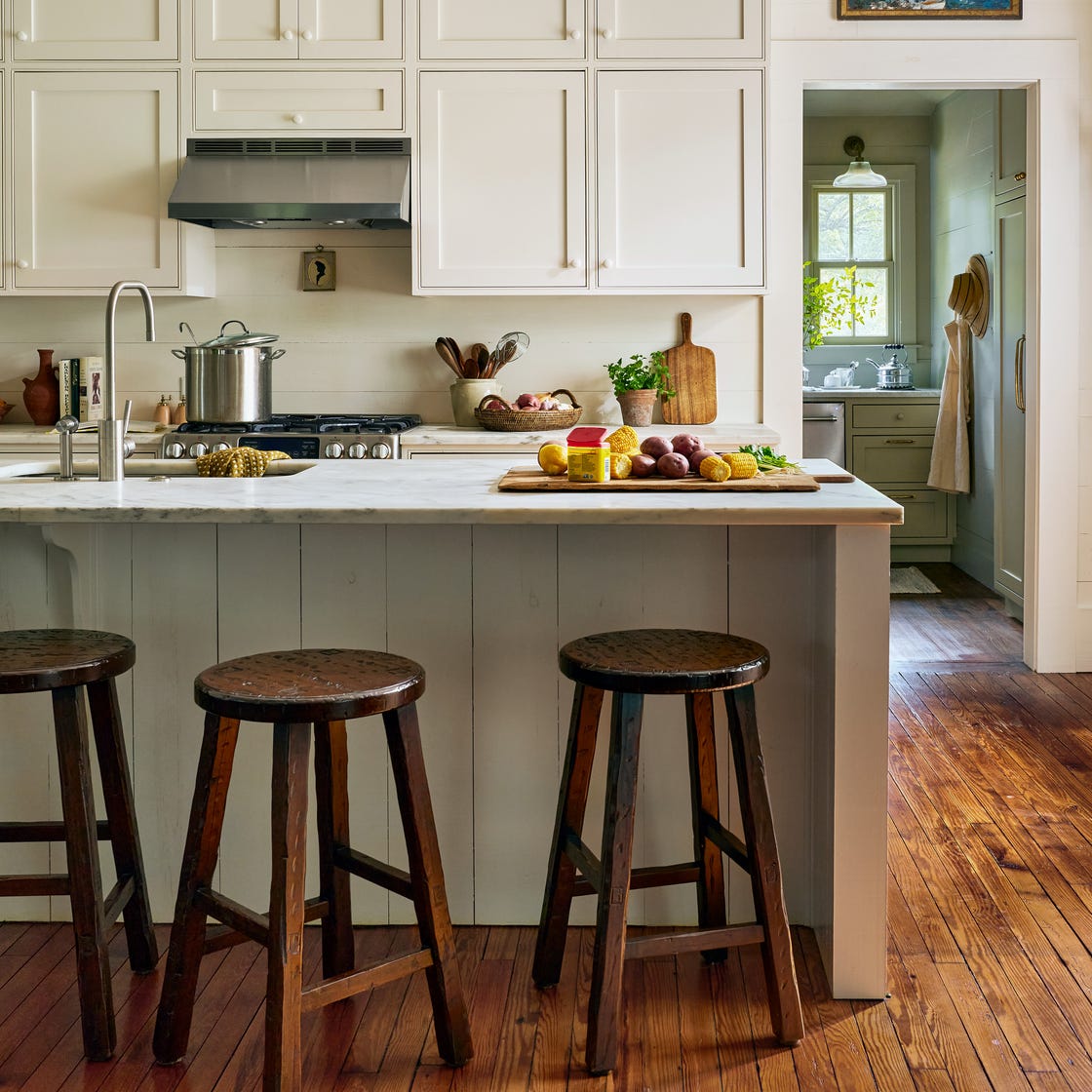
Marble vs. Quartz Countertops: Which Is Better?

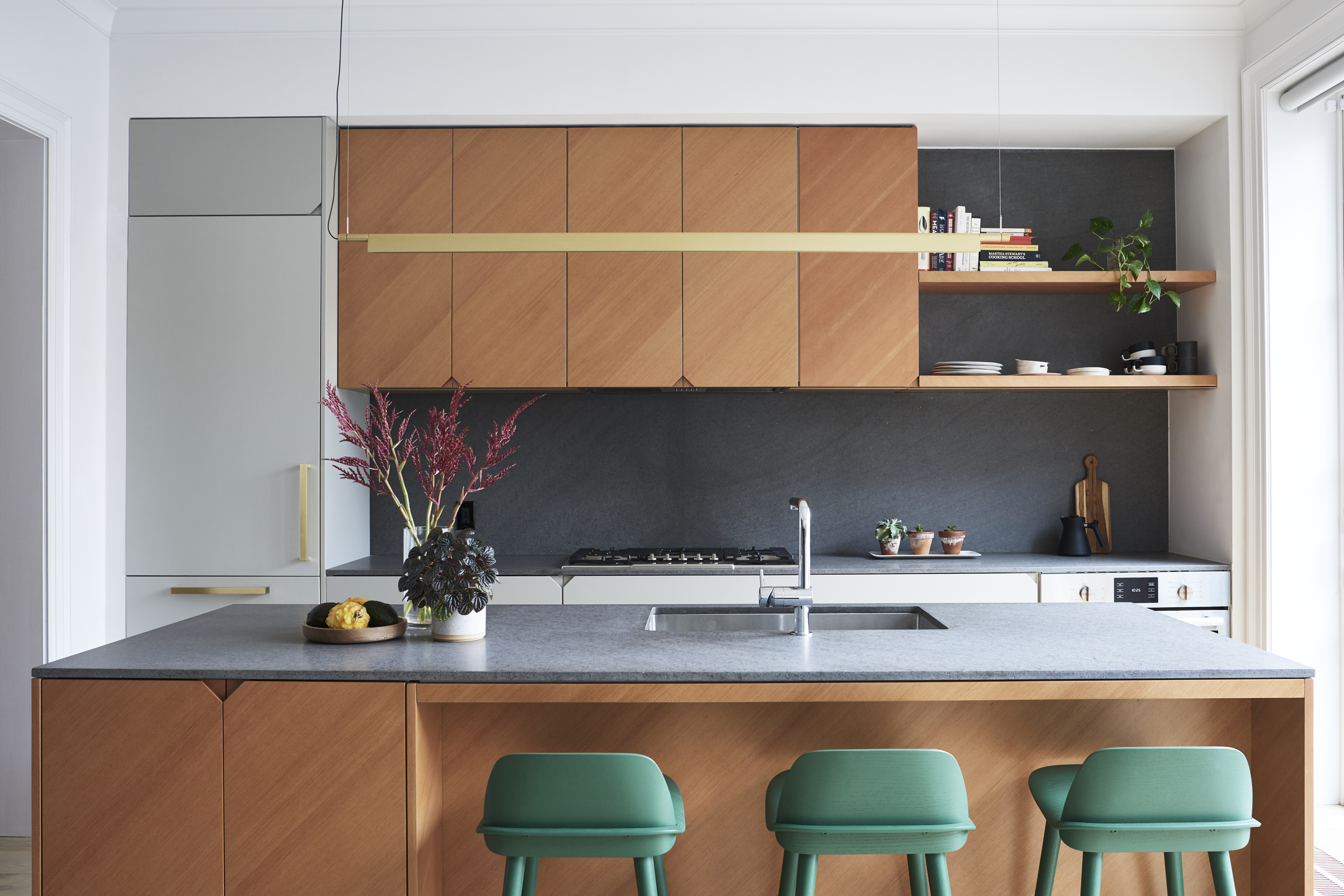
Outdated Granite Colors to Avoid for Kitchen Countertops — and What to Pick Instead for a Fresh Look
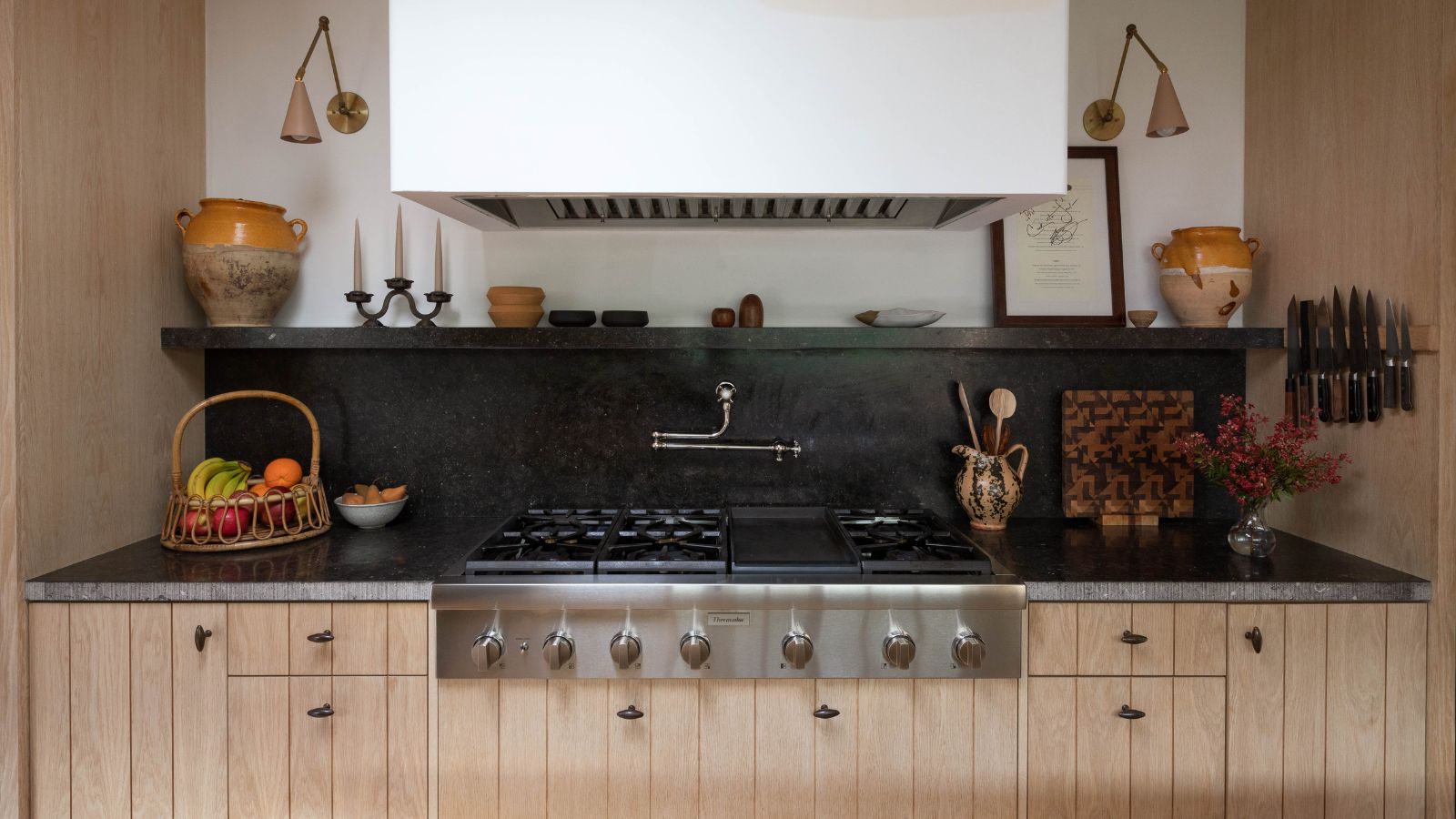
This is the One Material Designers Are Choosing Over Marble in 2026
Granite Countertops Are Still Popular—Every Type You Need to See Before Choosing One