1/4
The Beauty of Age: Wabi-Sabi Accent Chair Ideas 🛋️
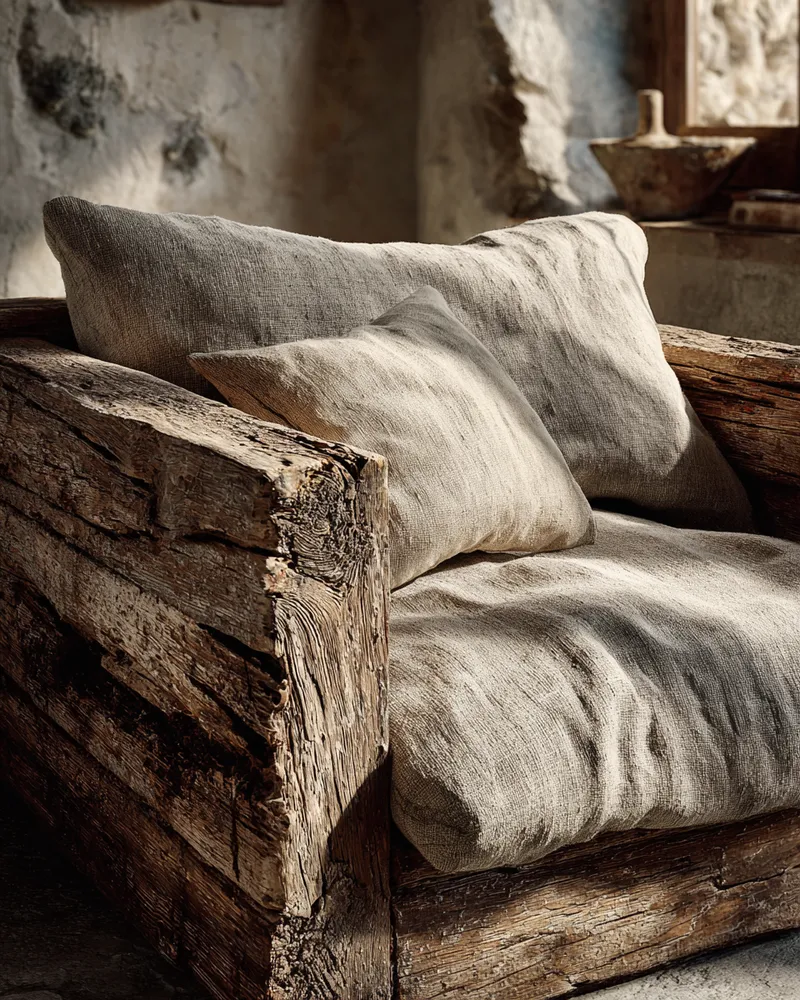
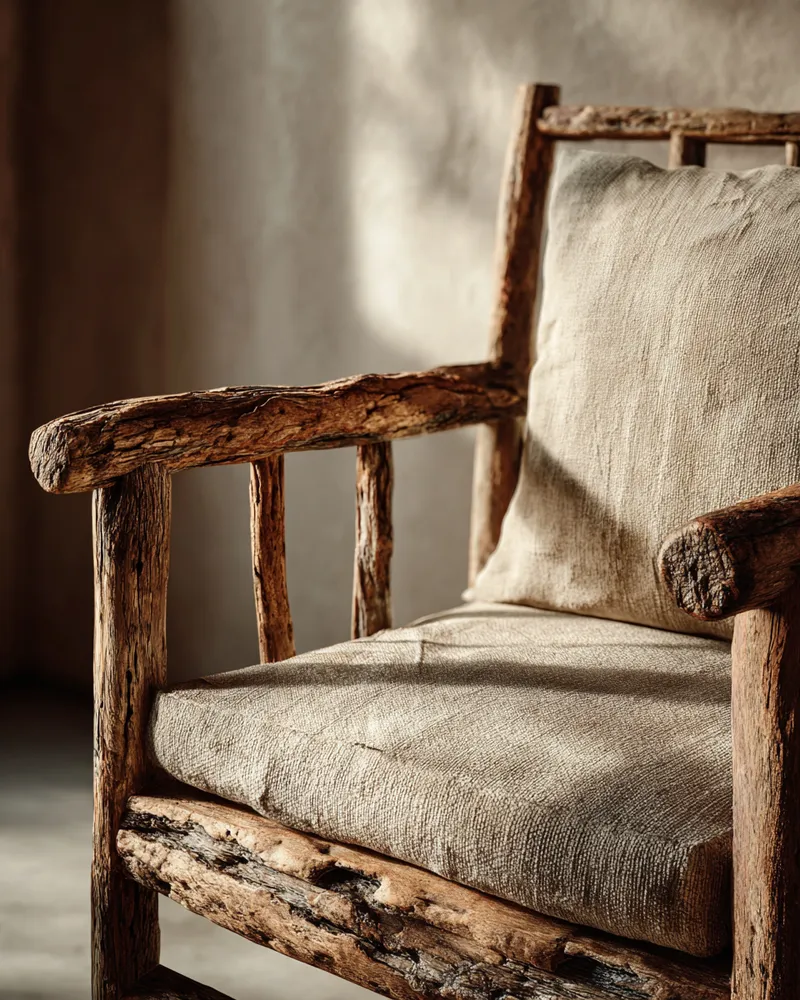
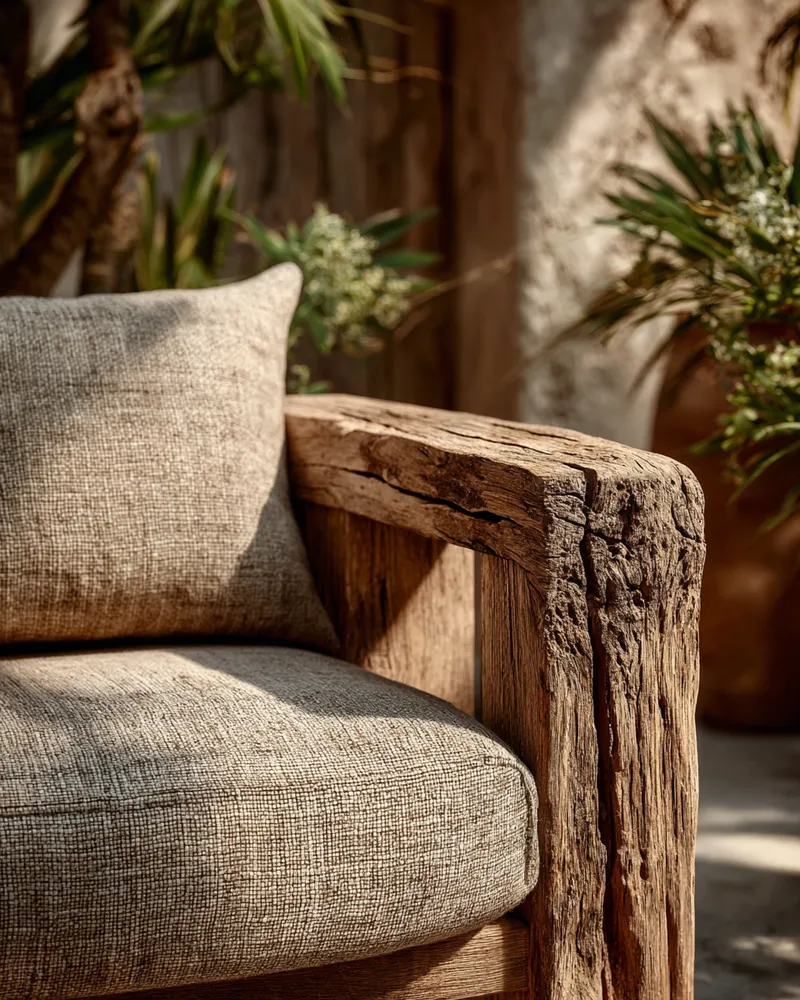
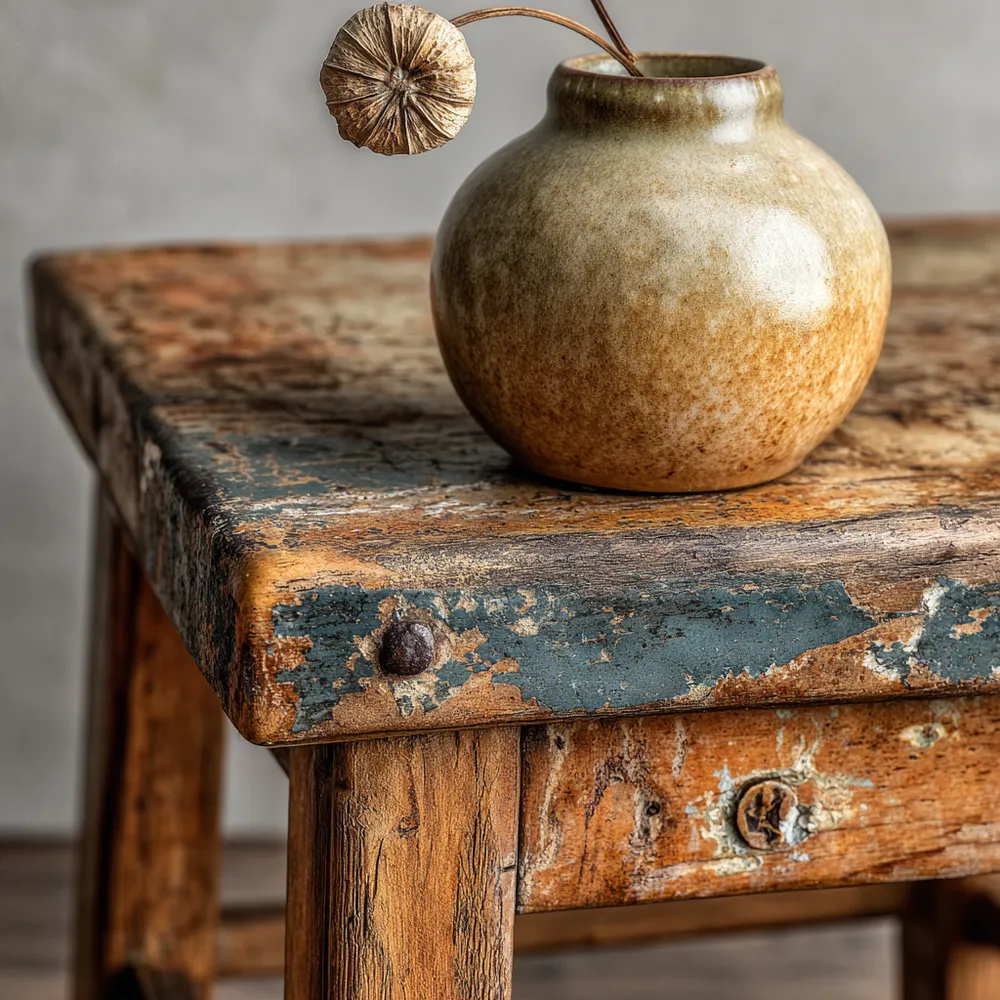
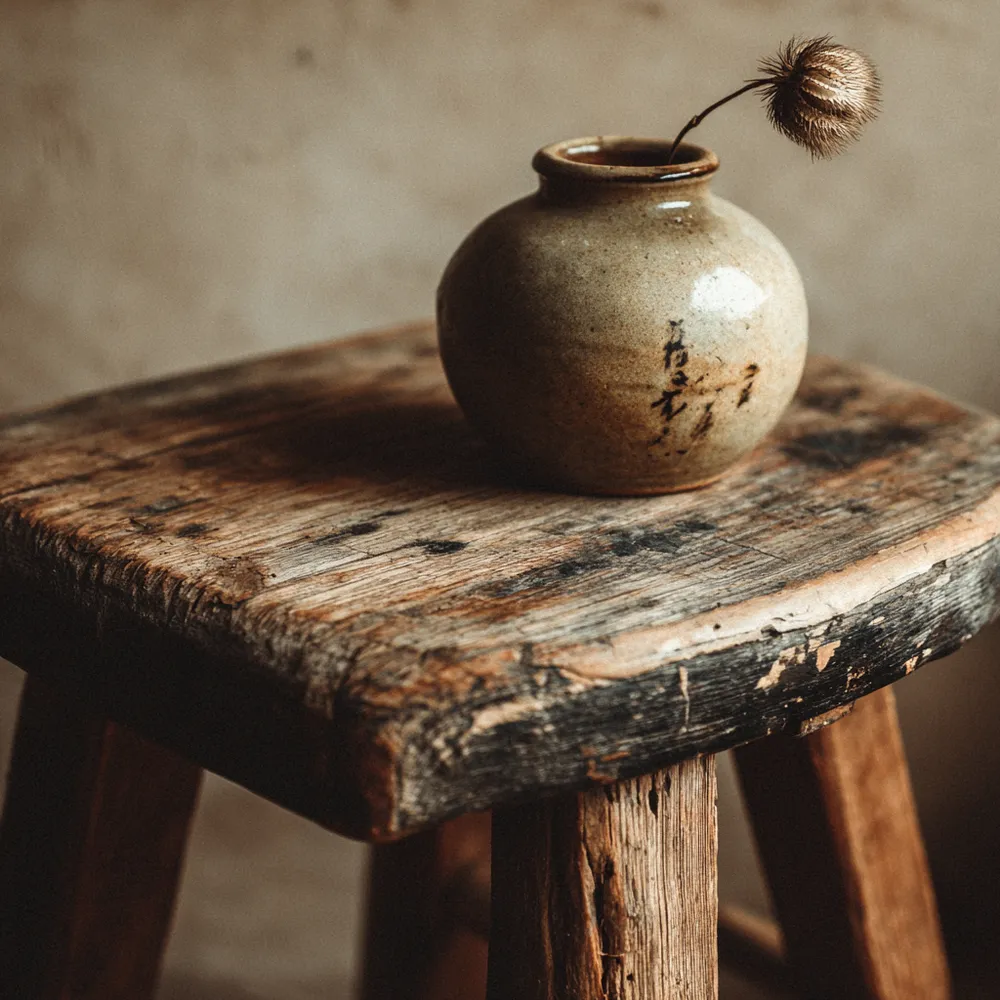
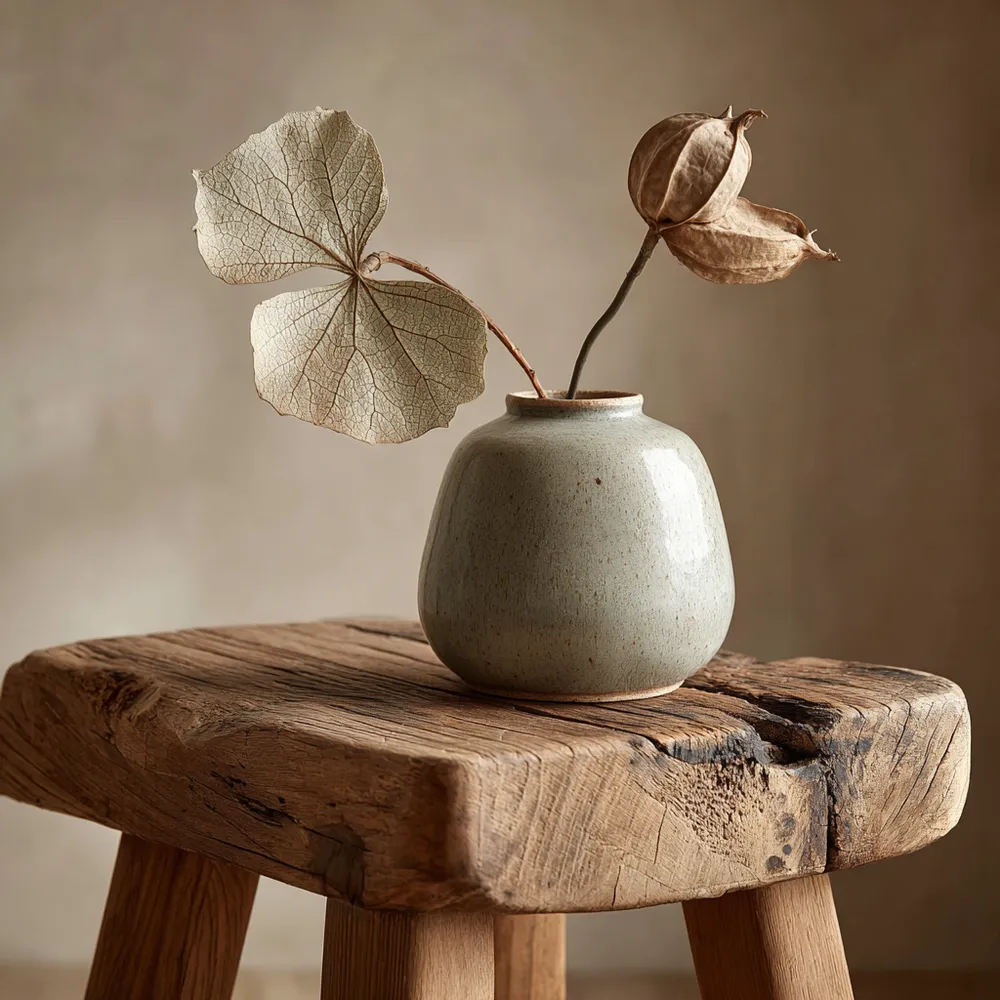
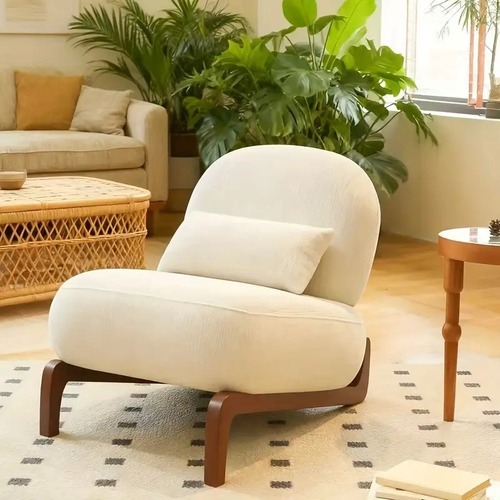
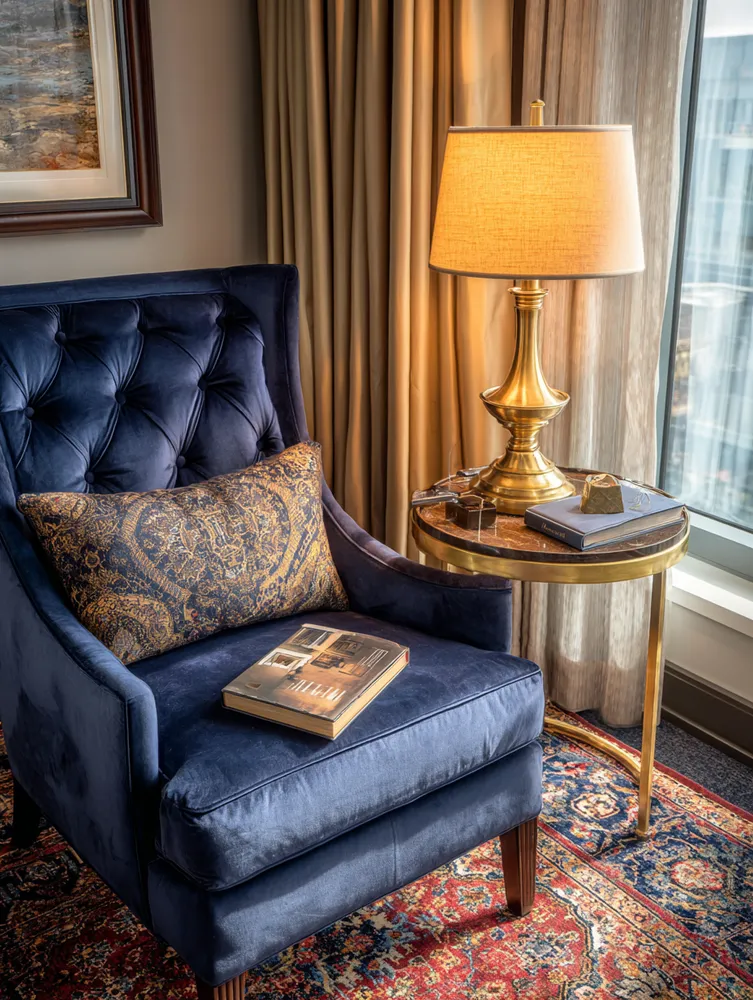
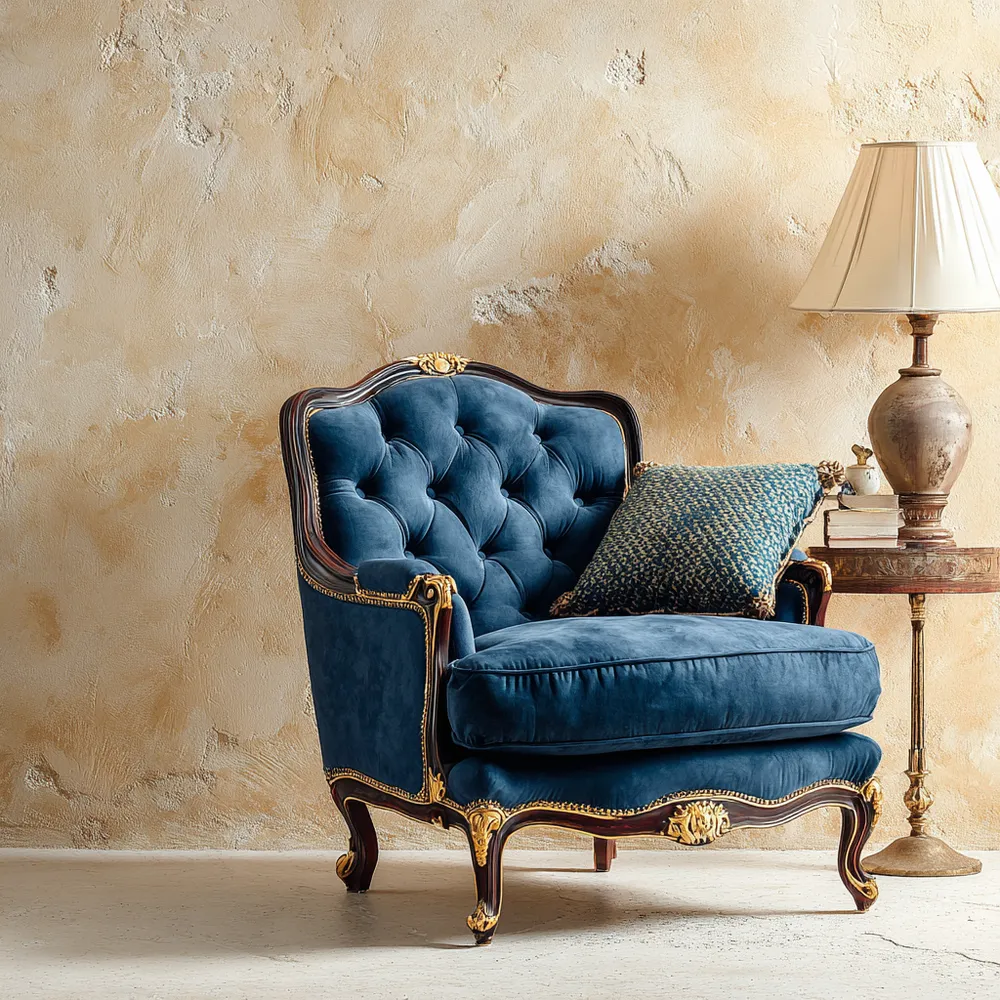
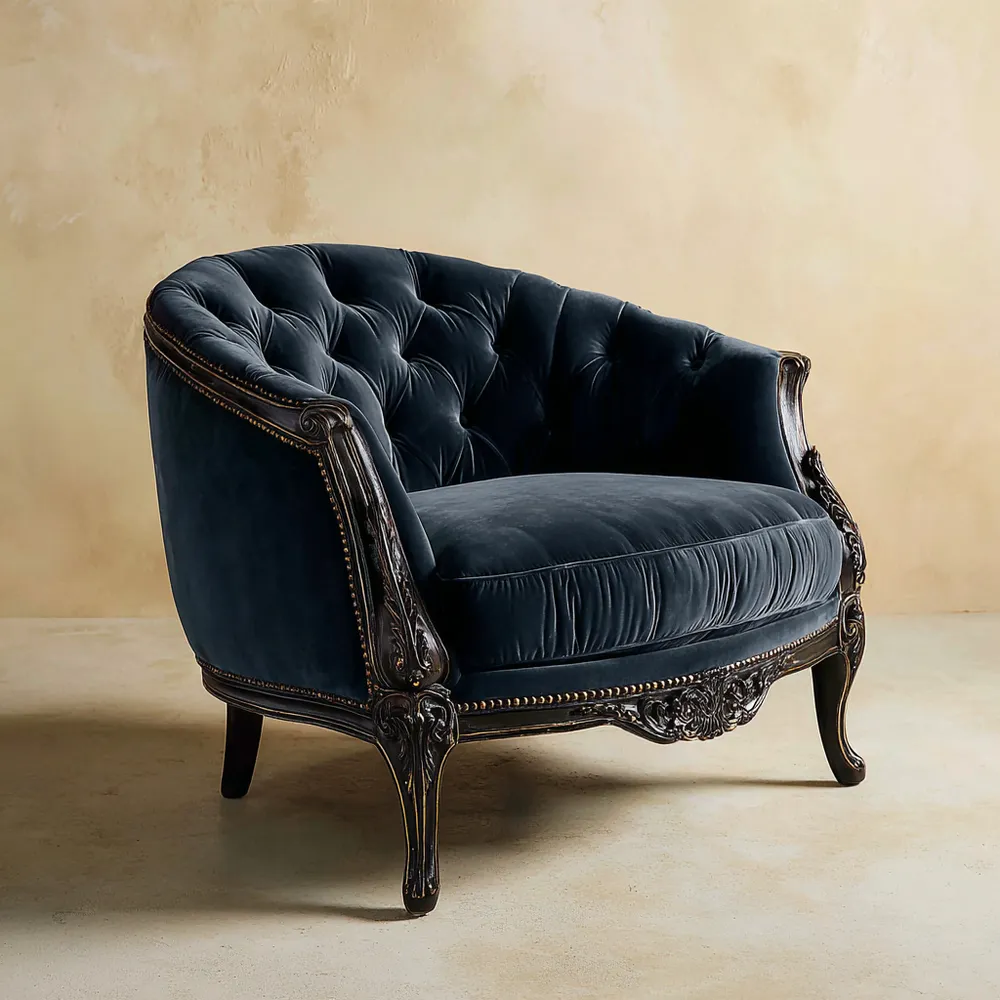
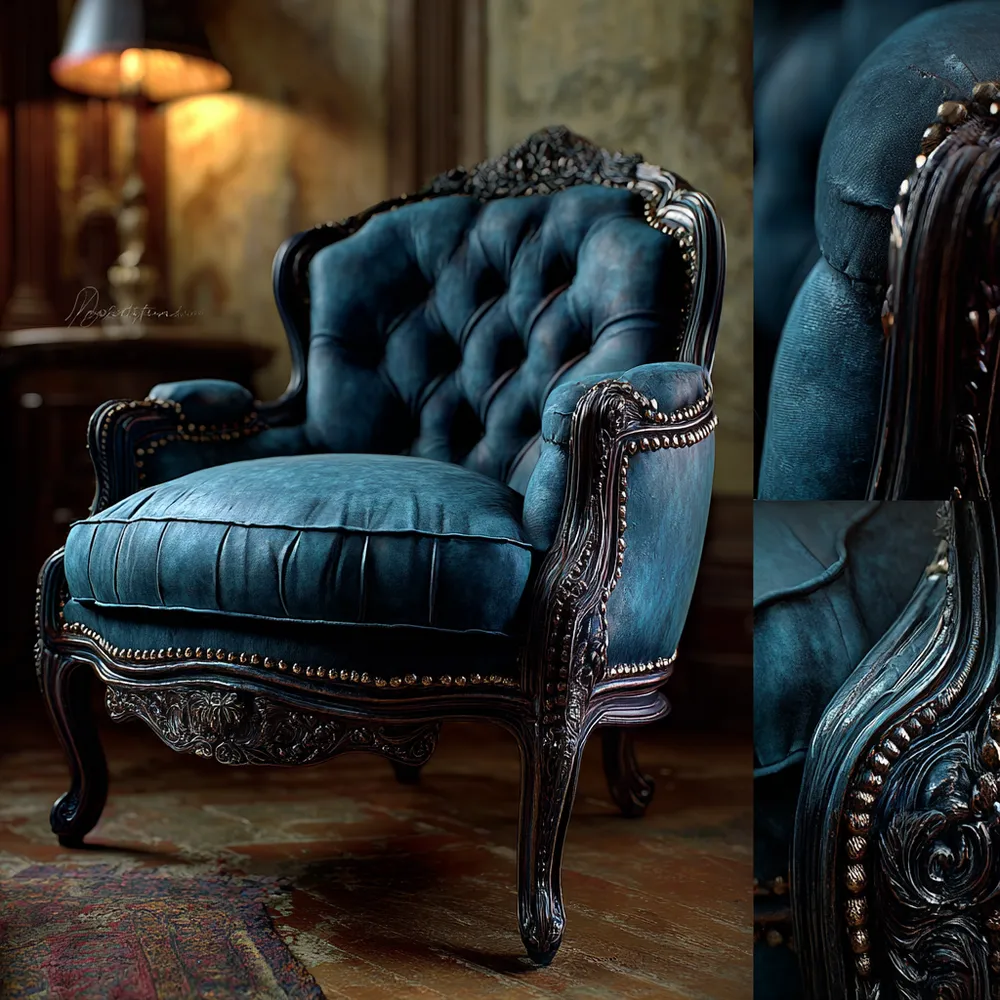
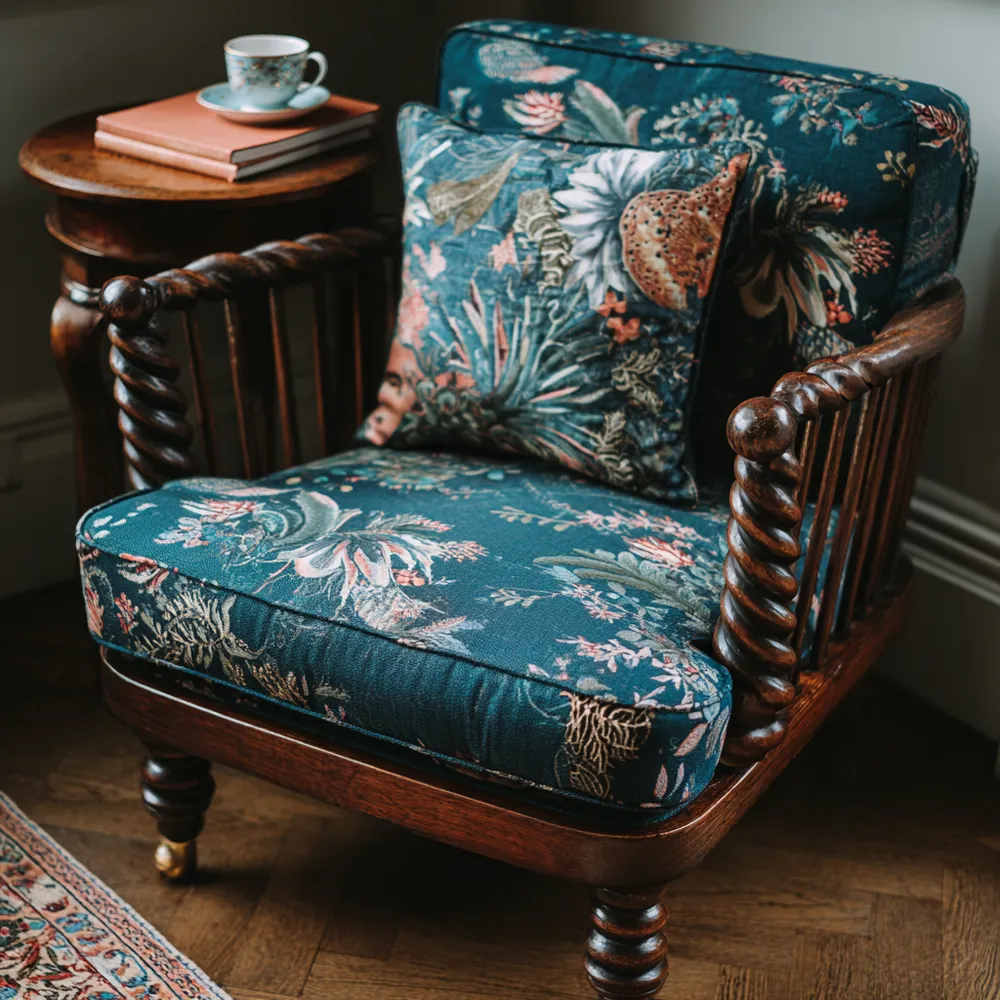
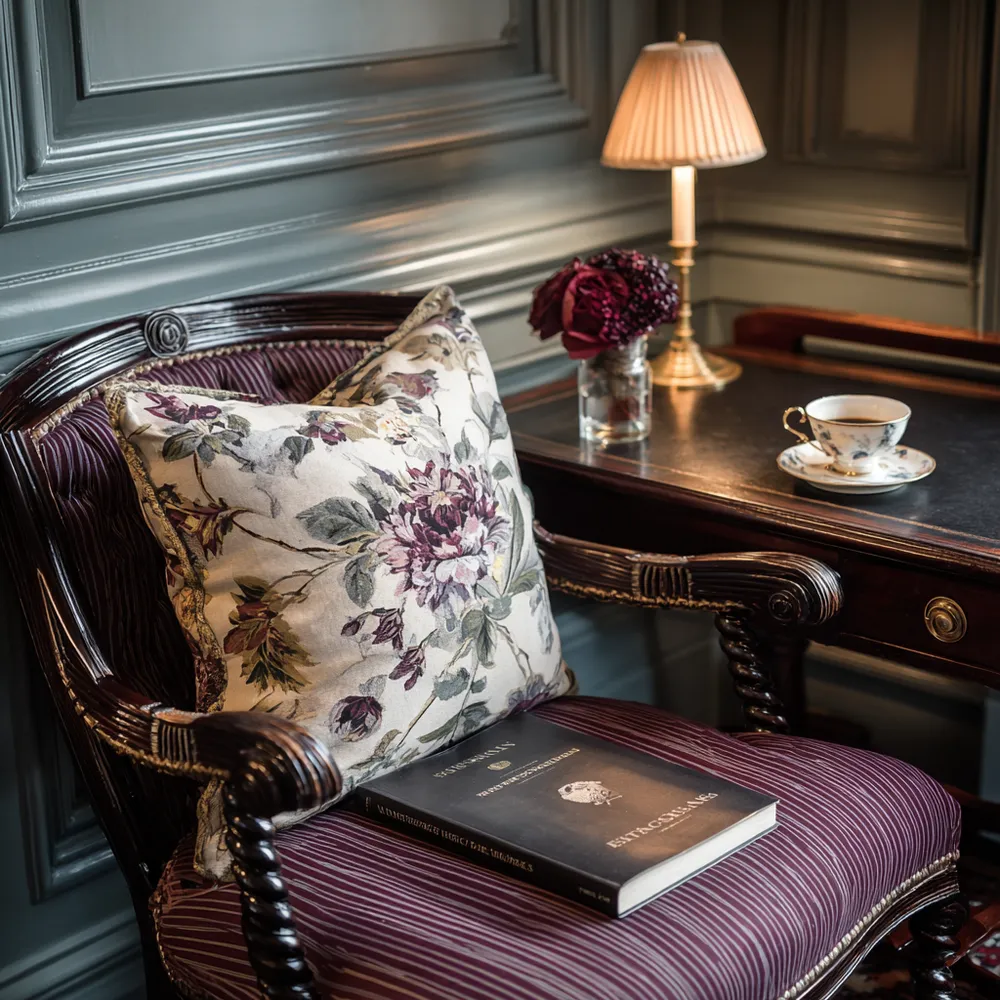
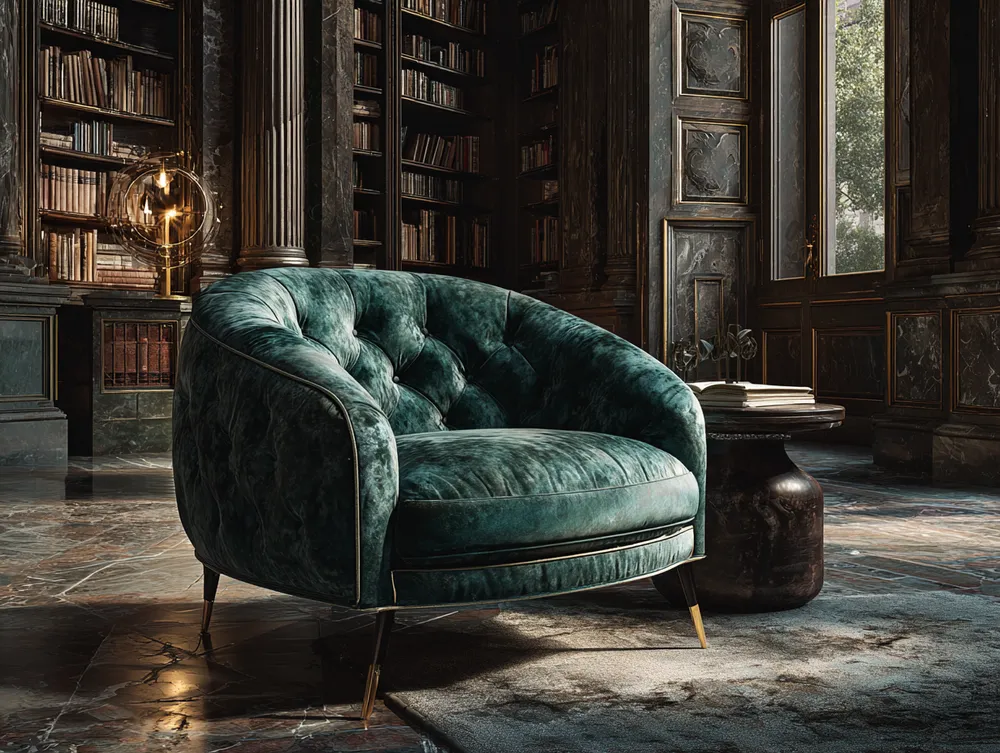
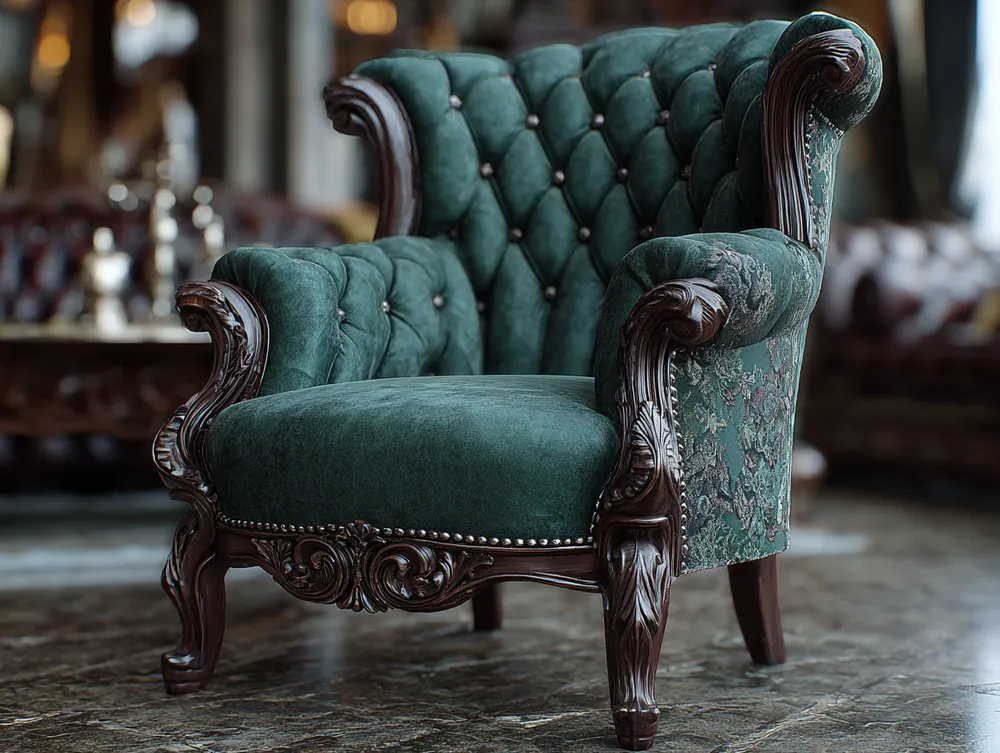
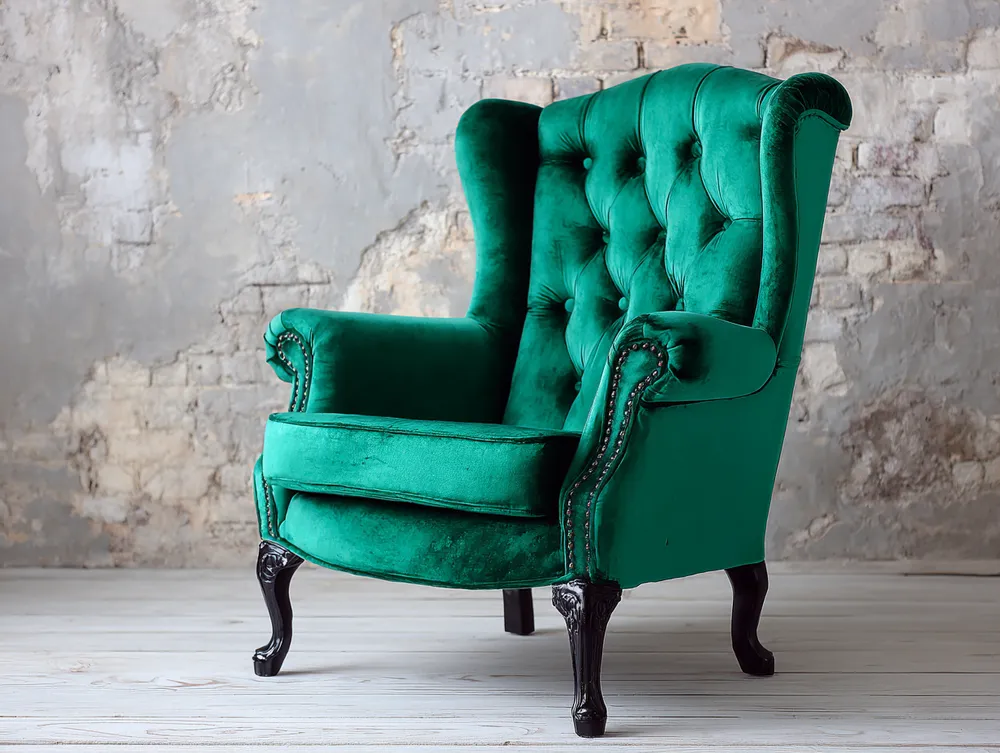
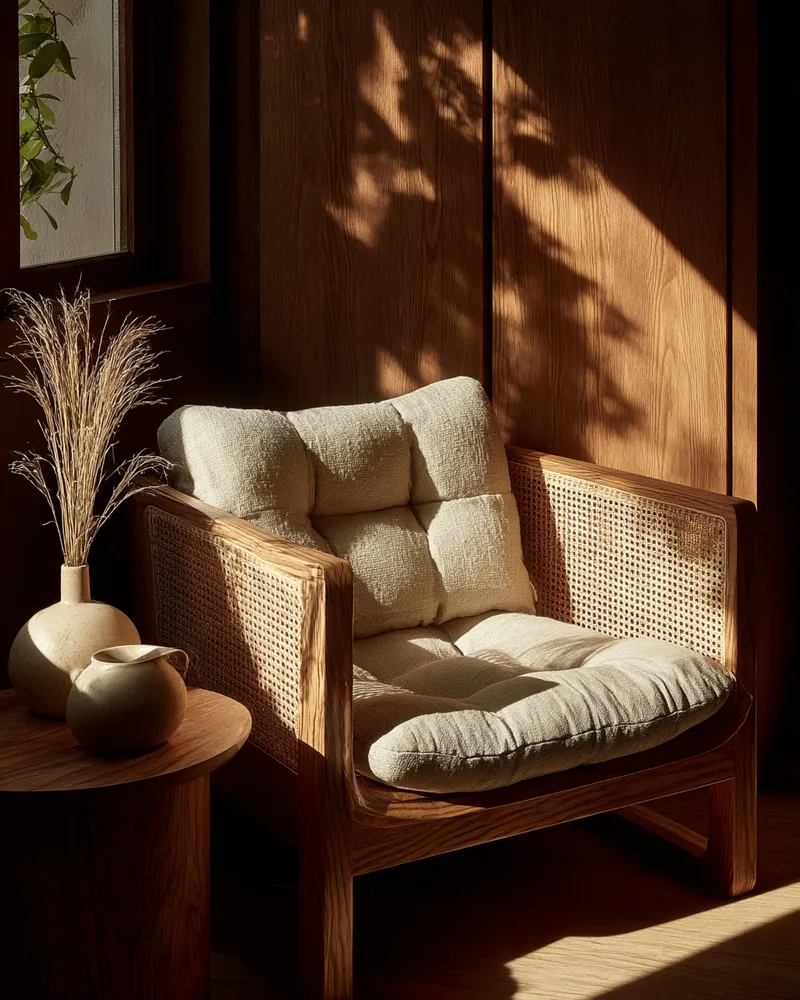
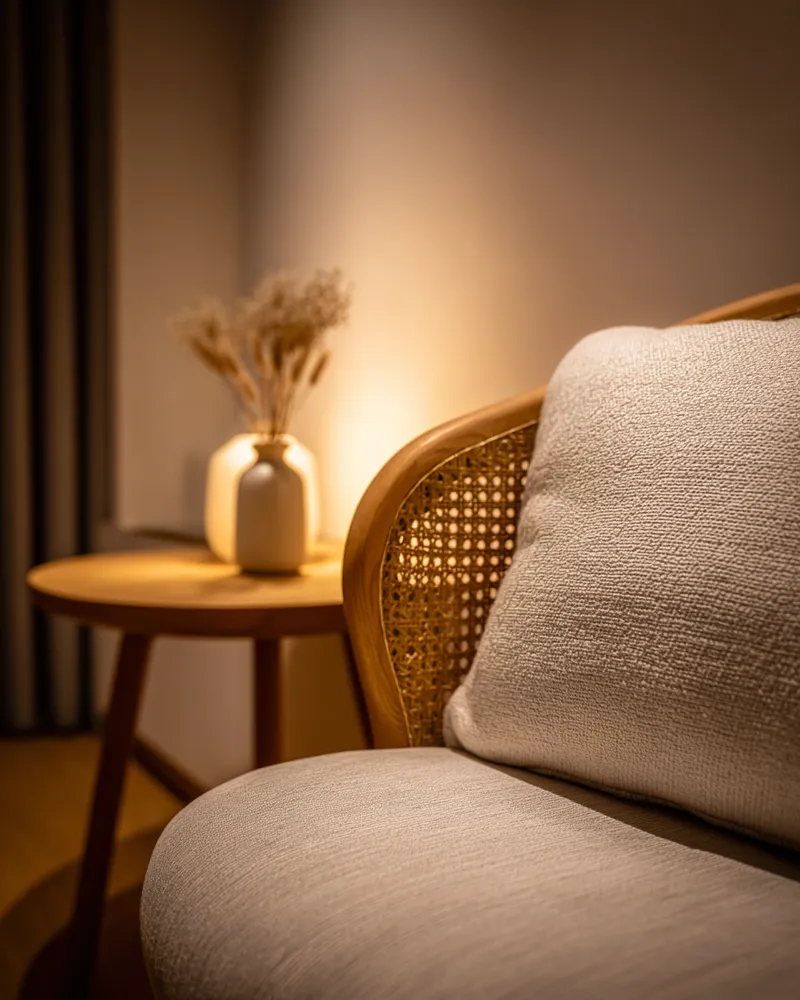
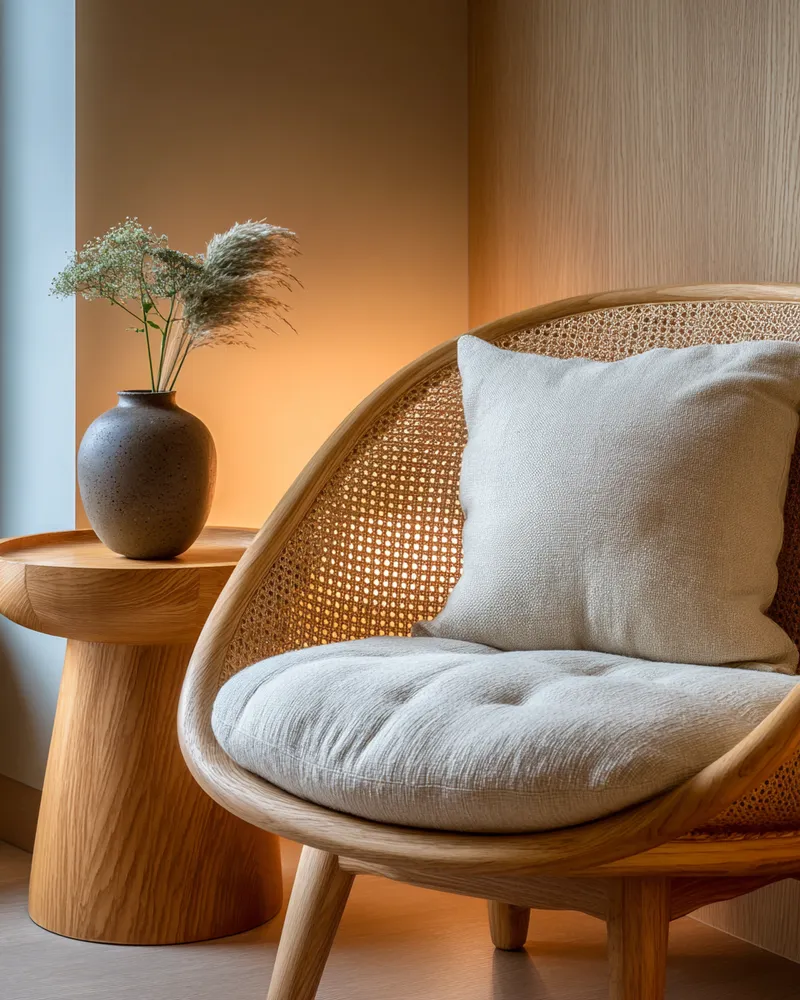
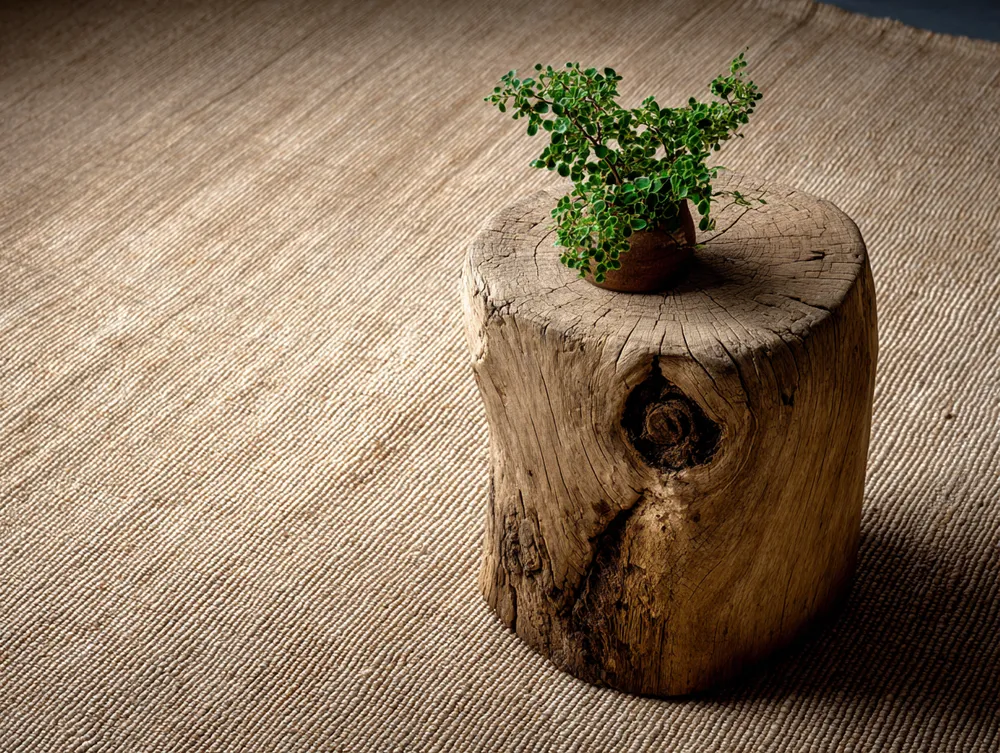
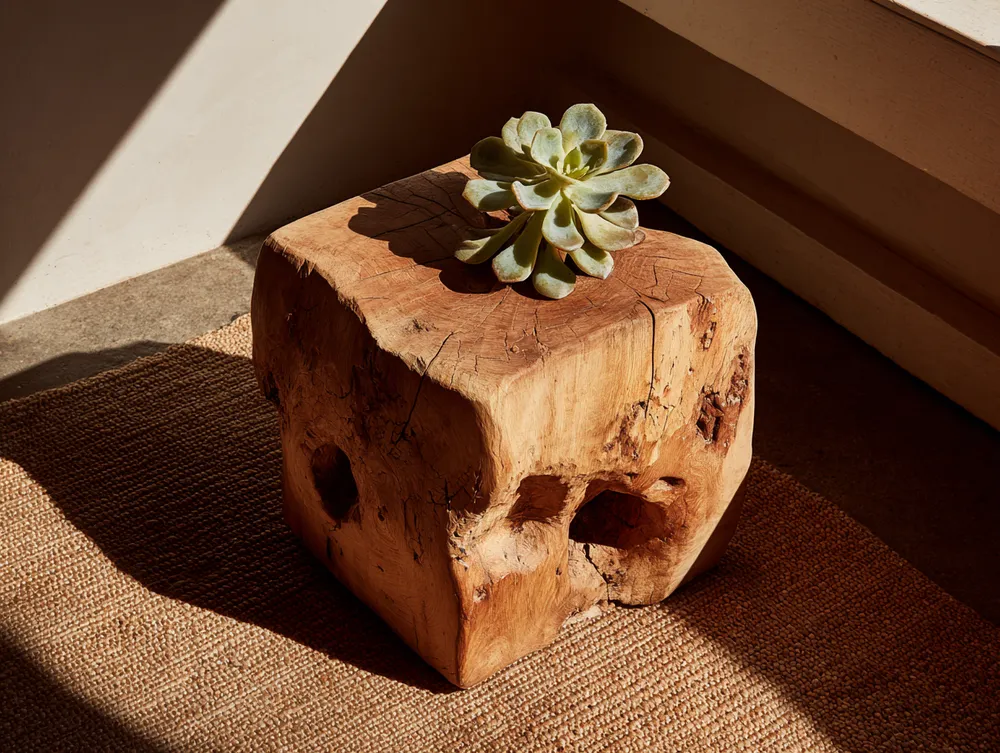
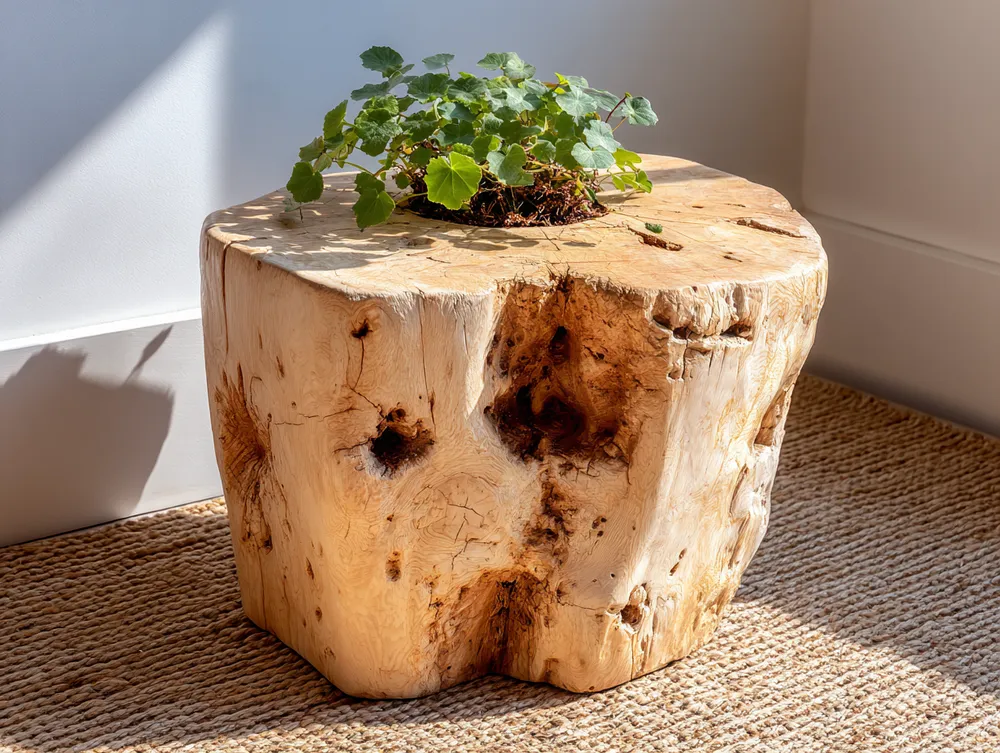
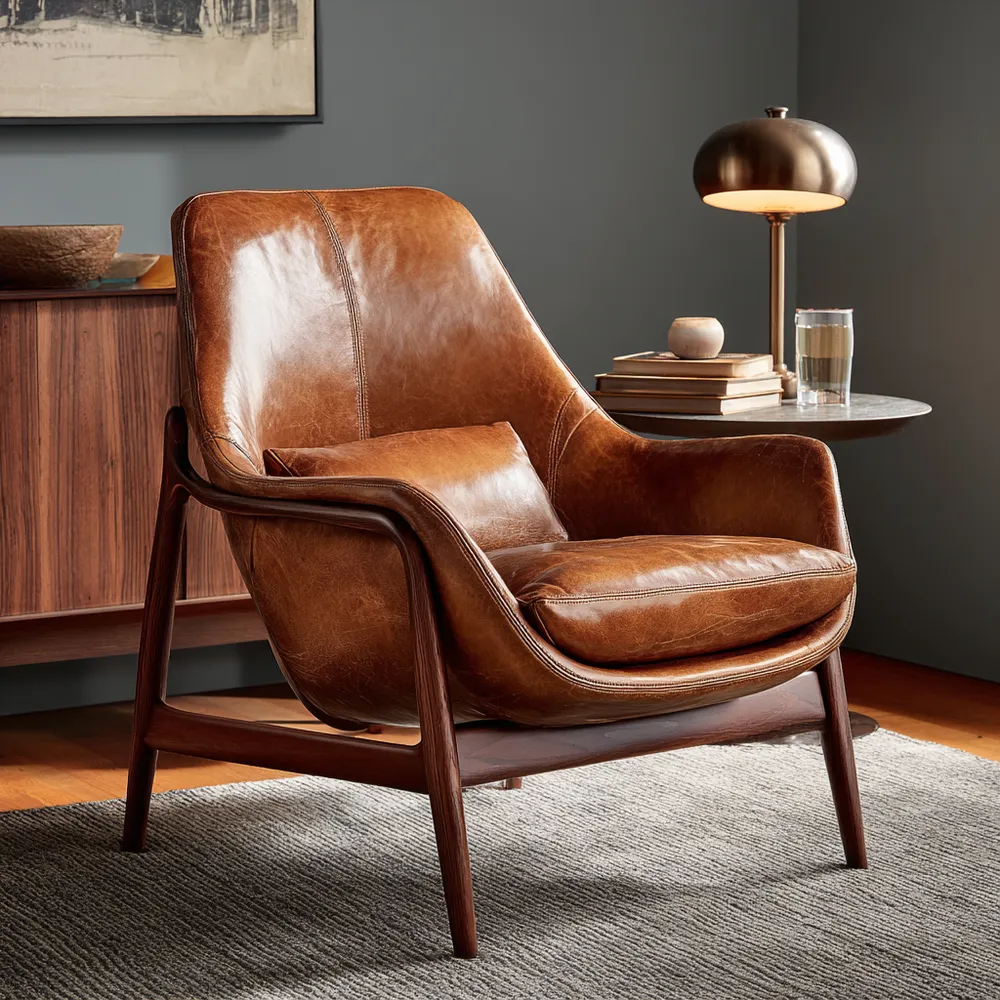
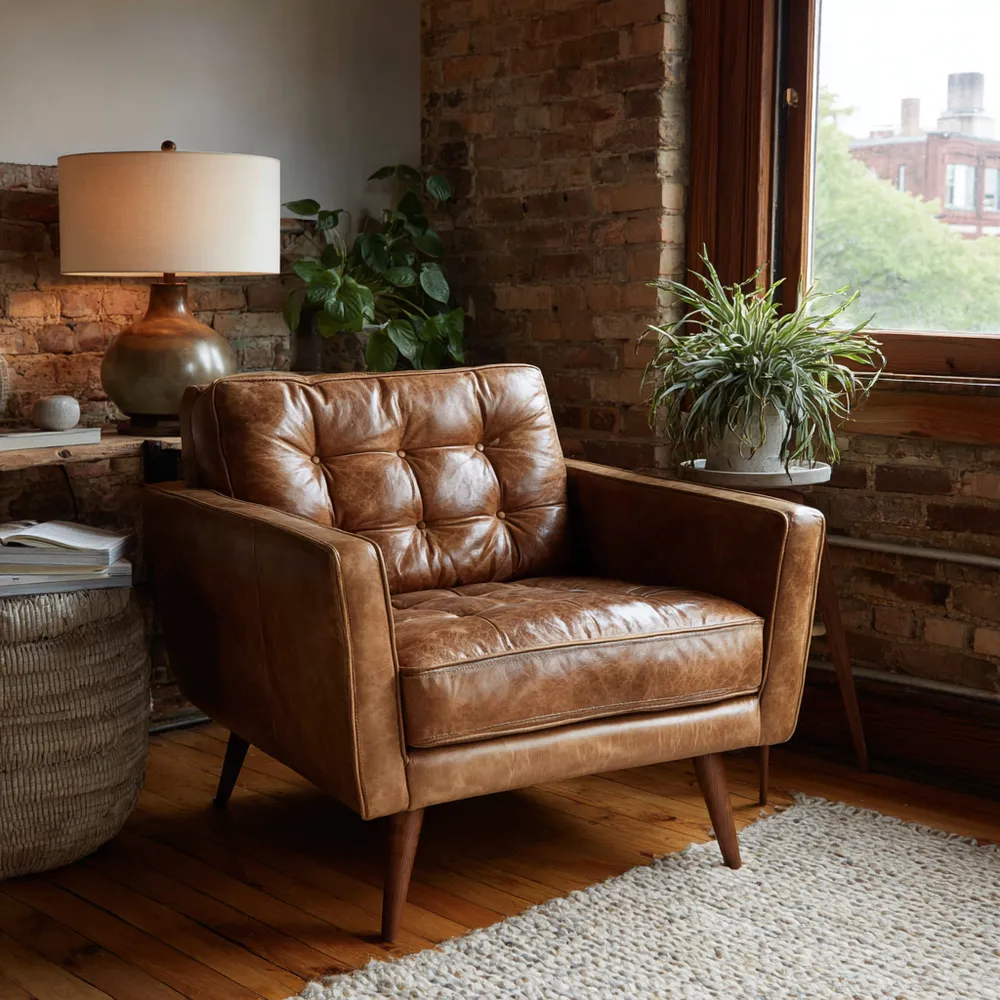
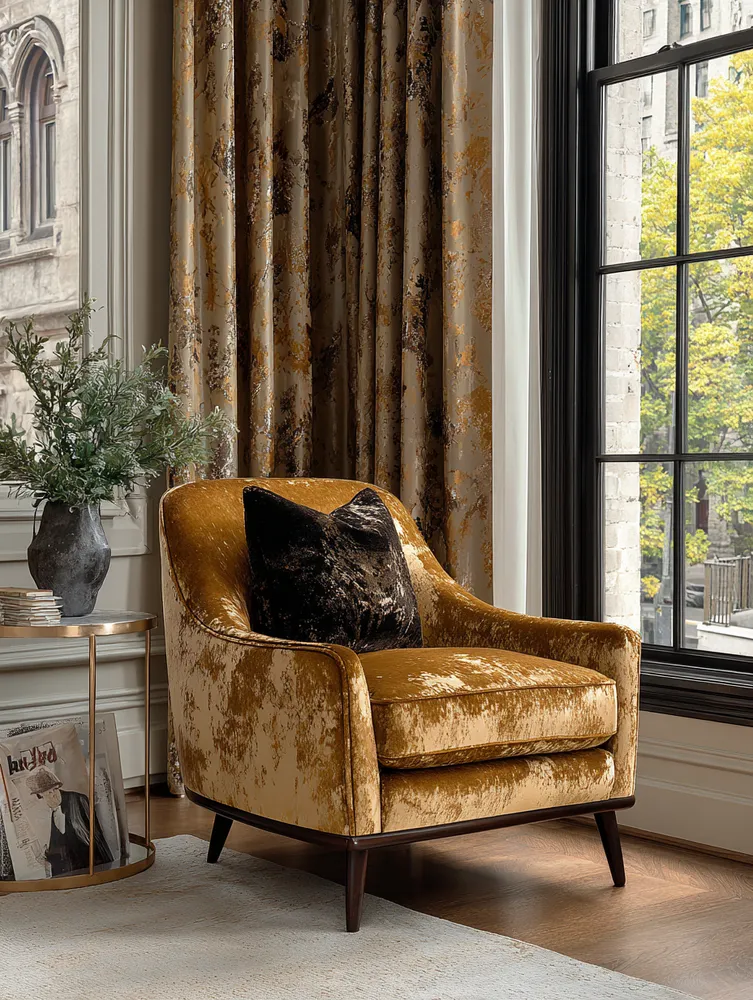
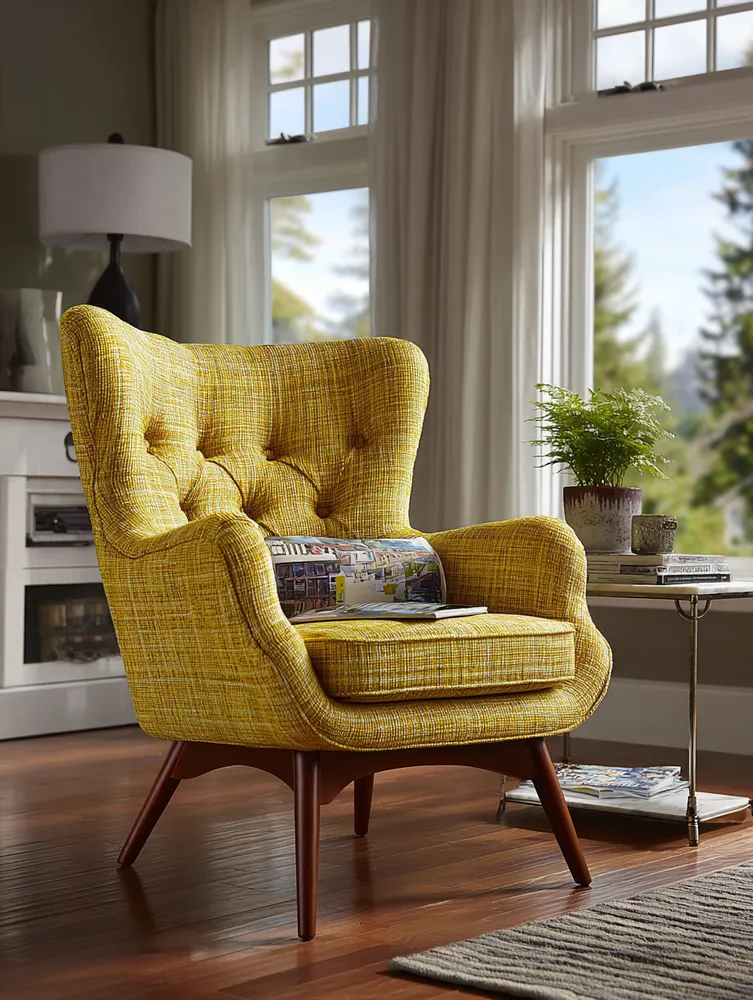
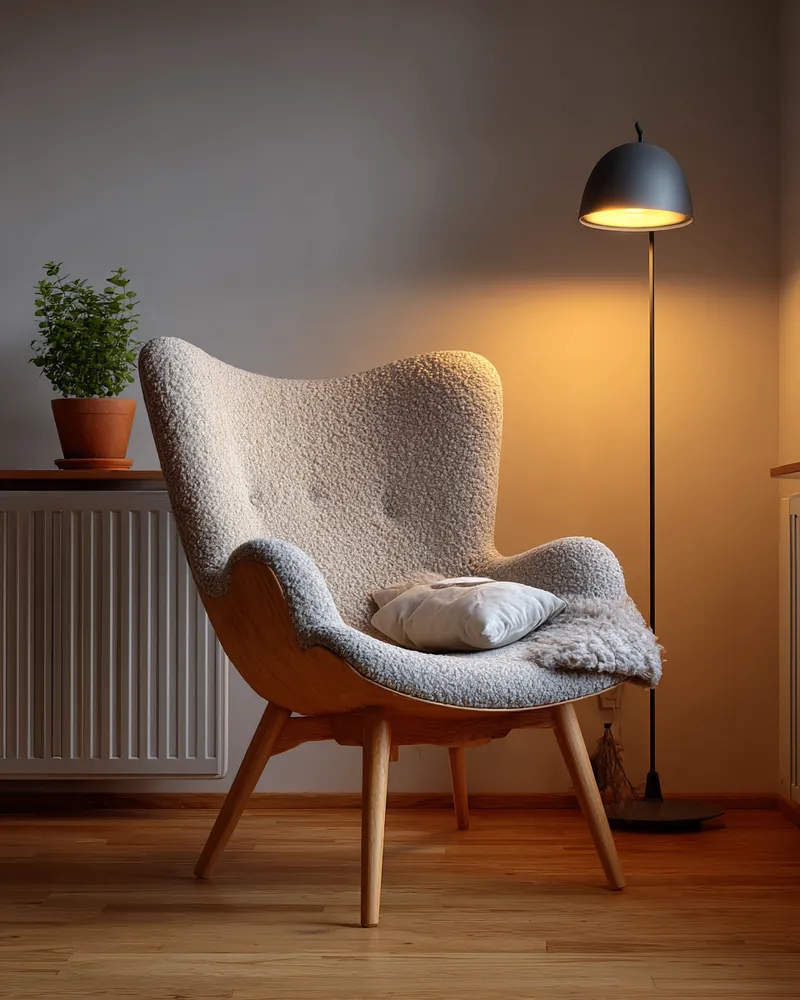
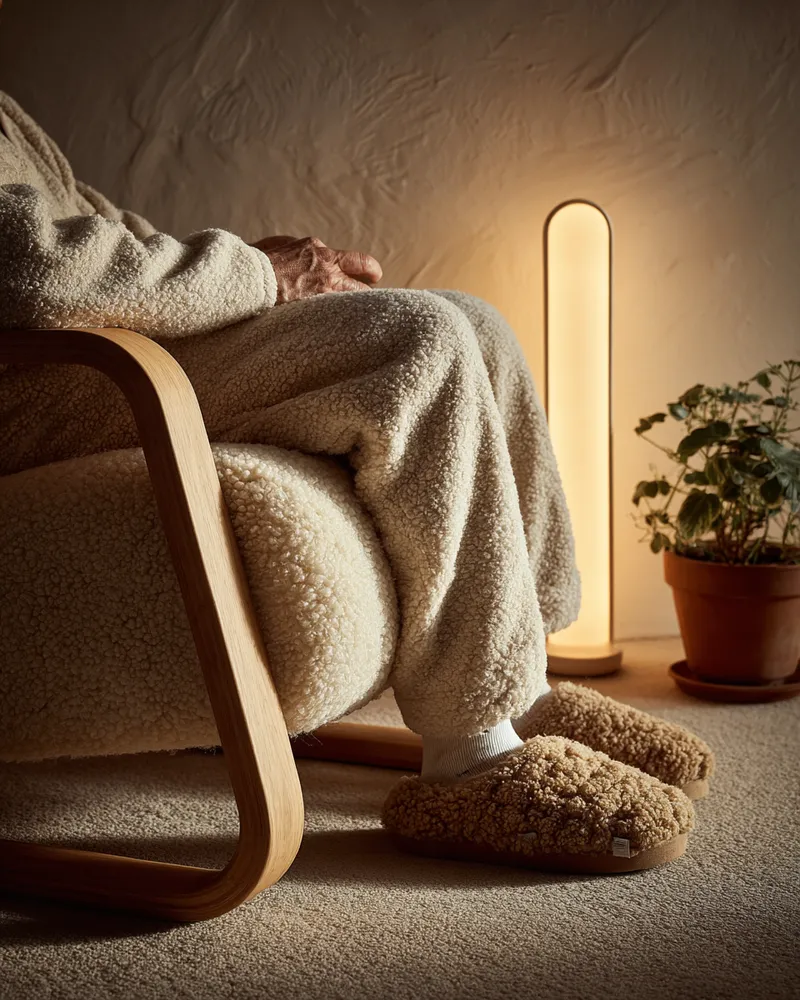
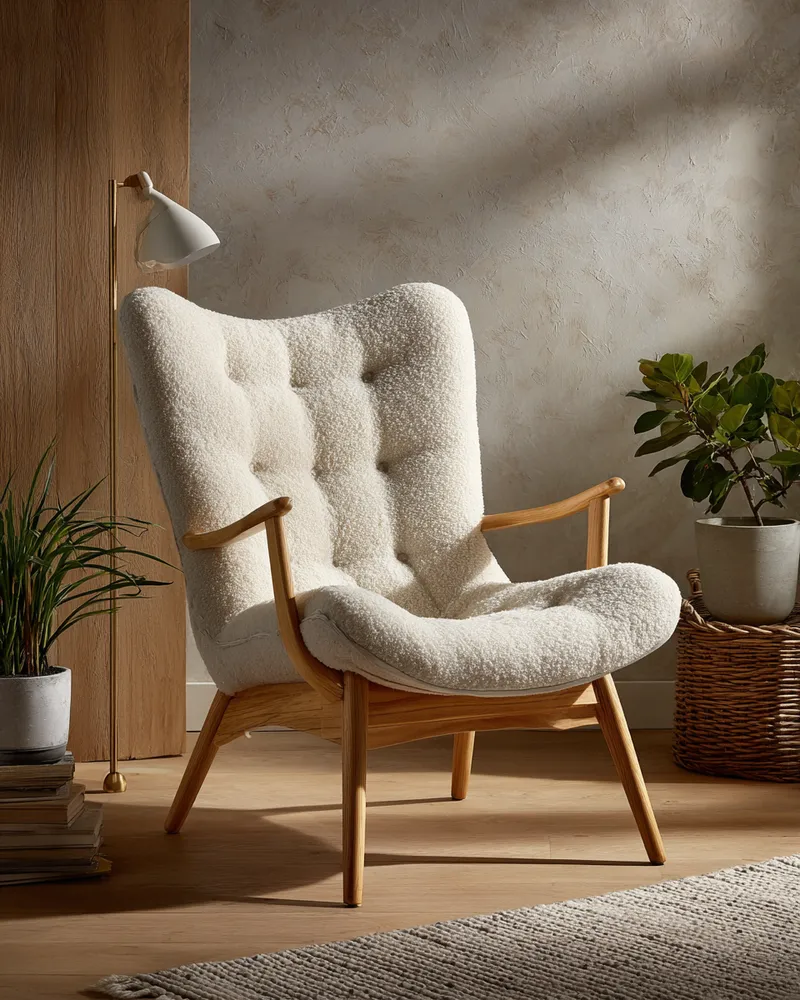
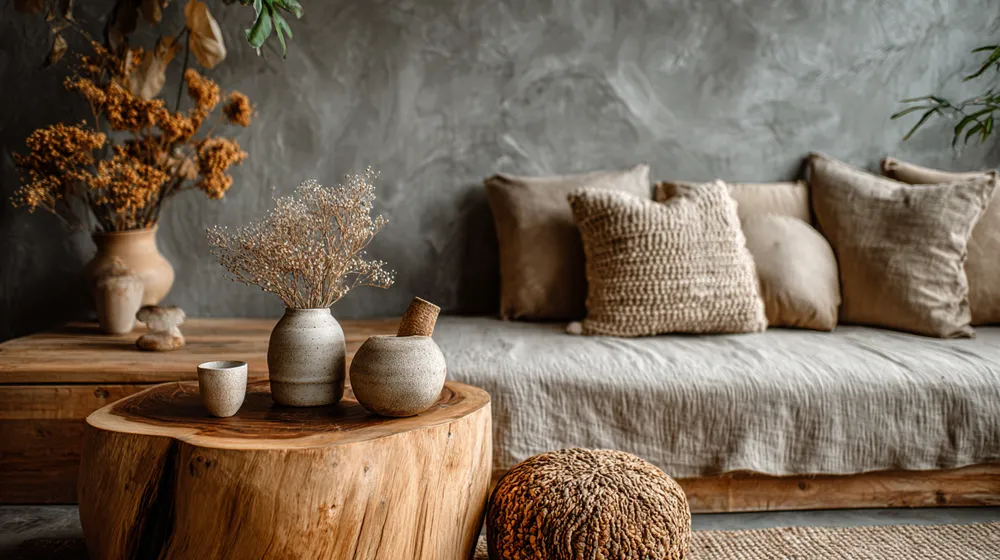
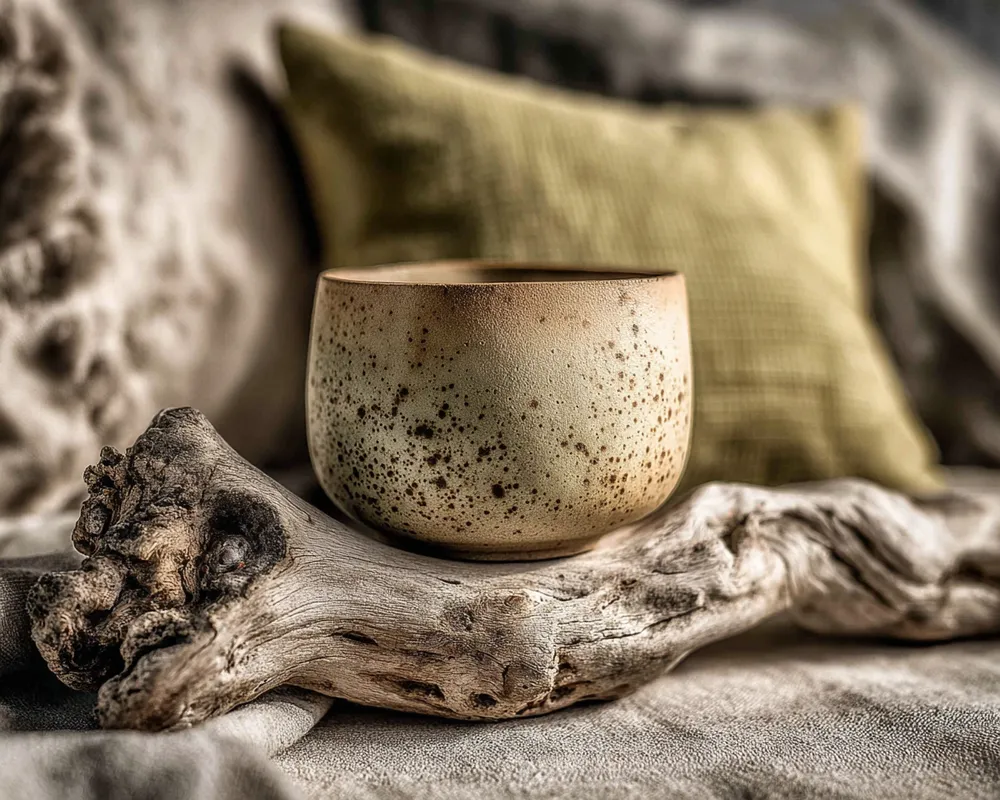
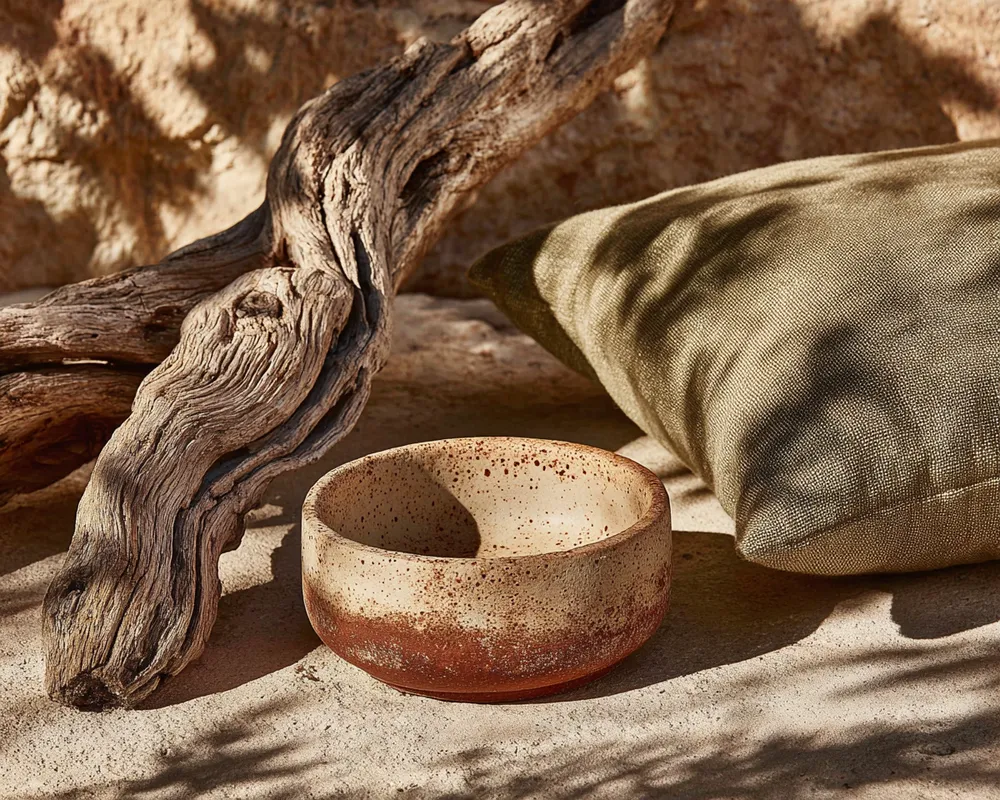
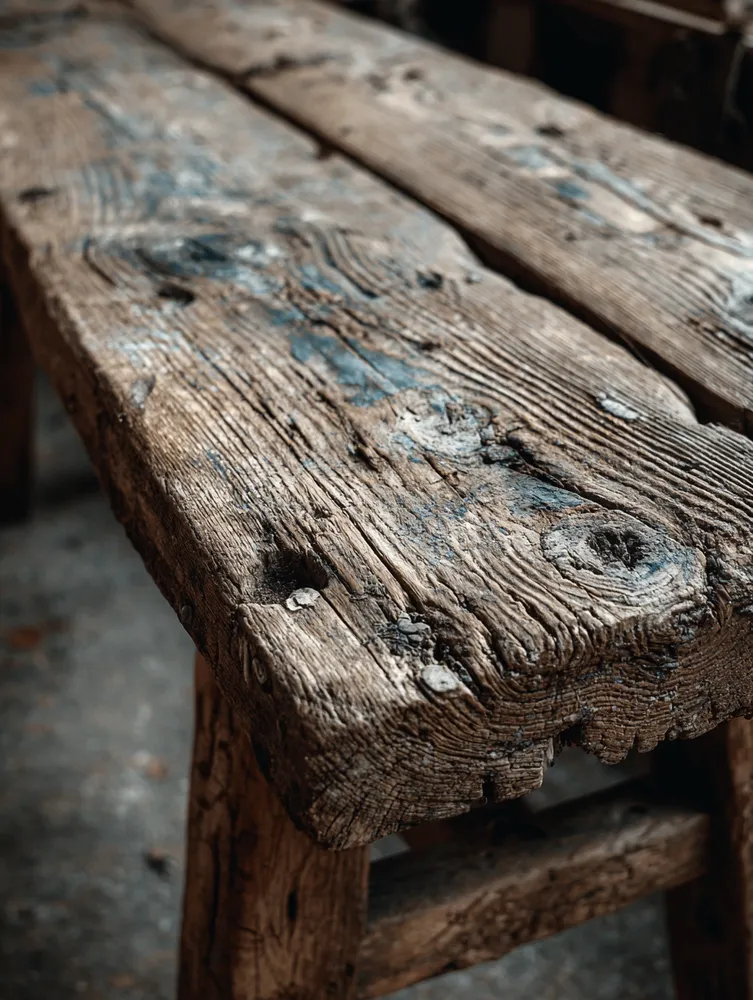
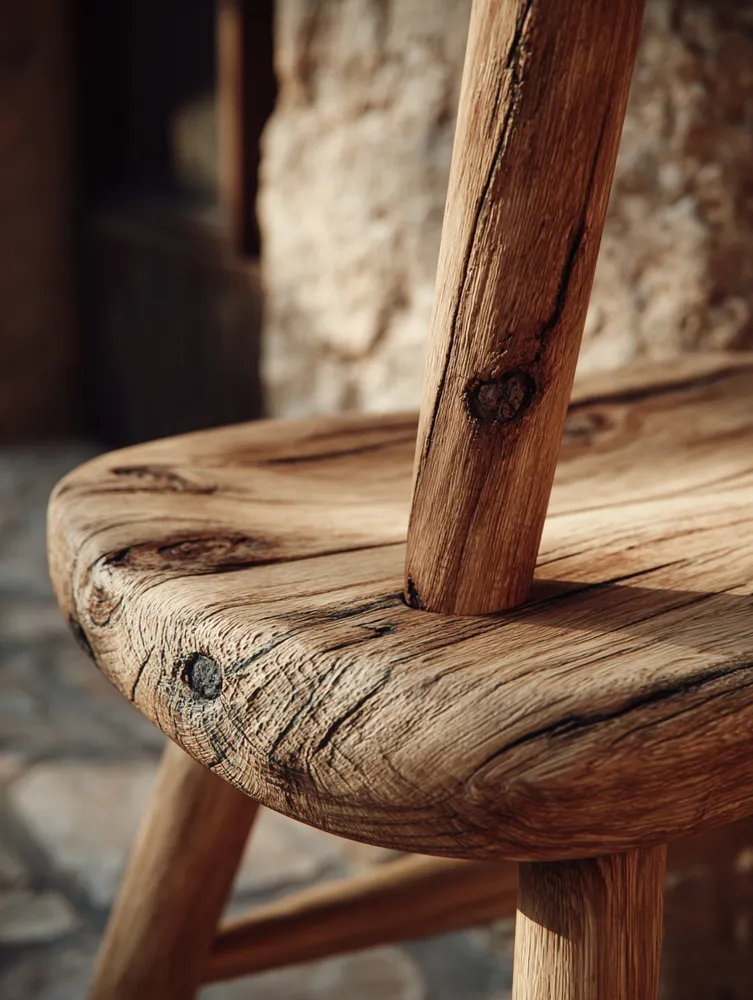
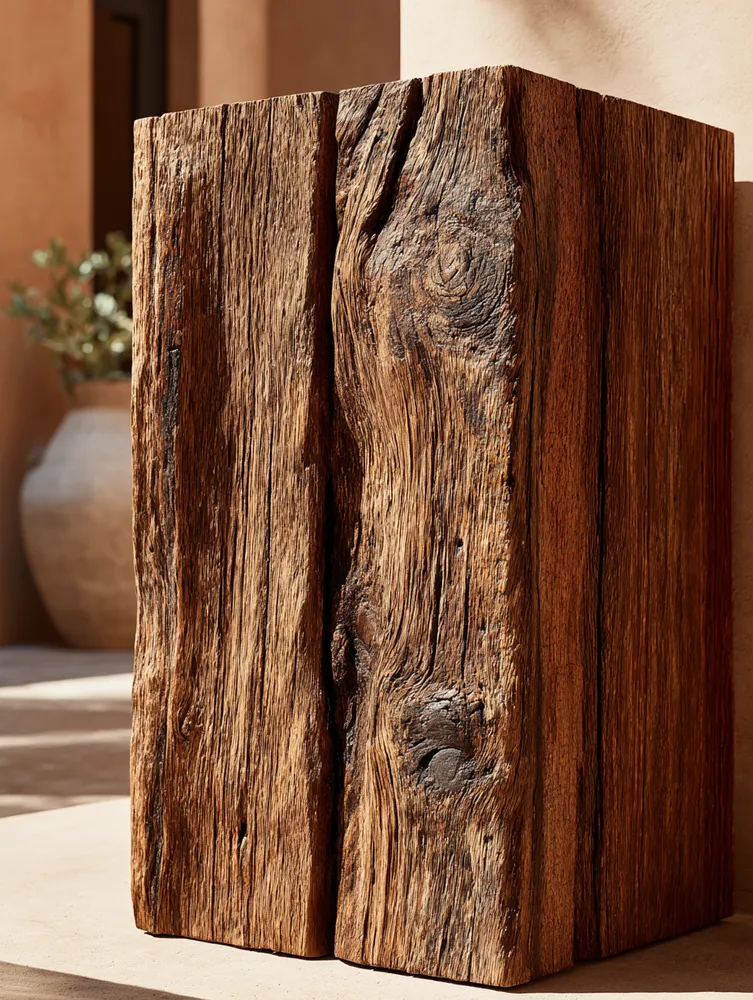
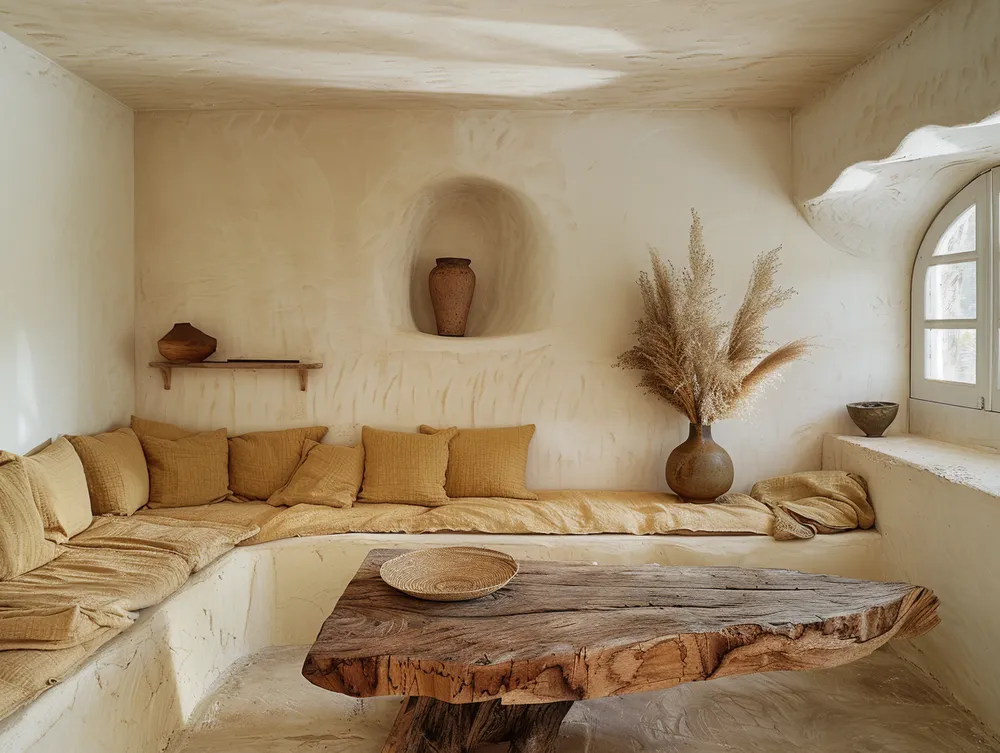
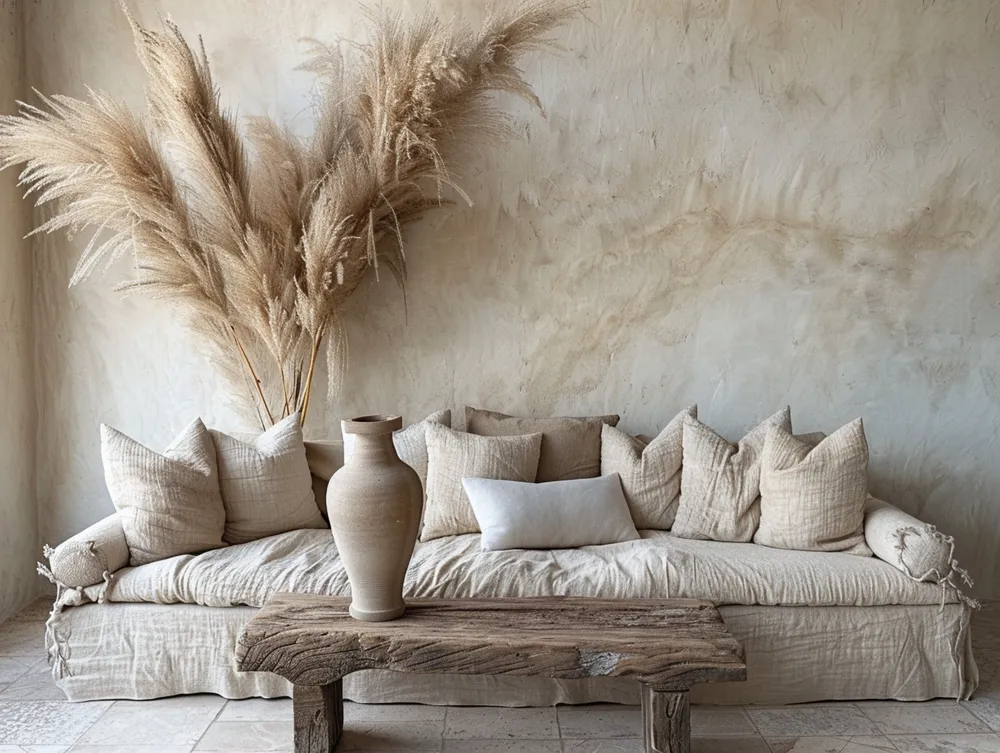
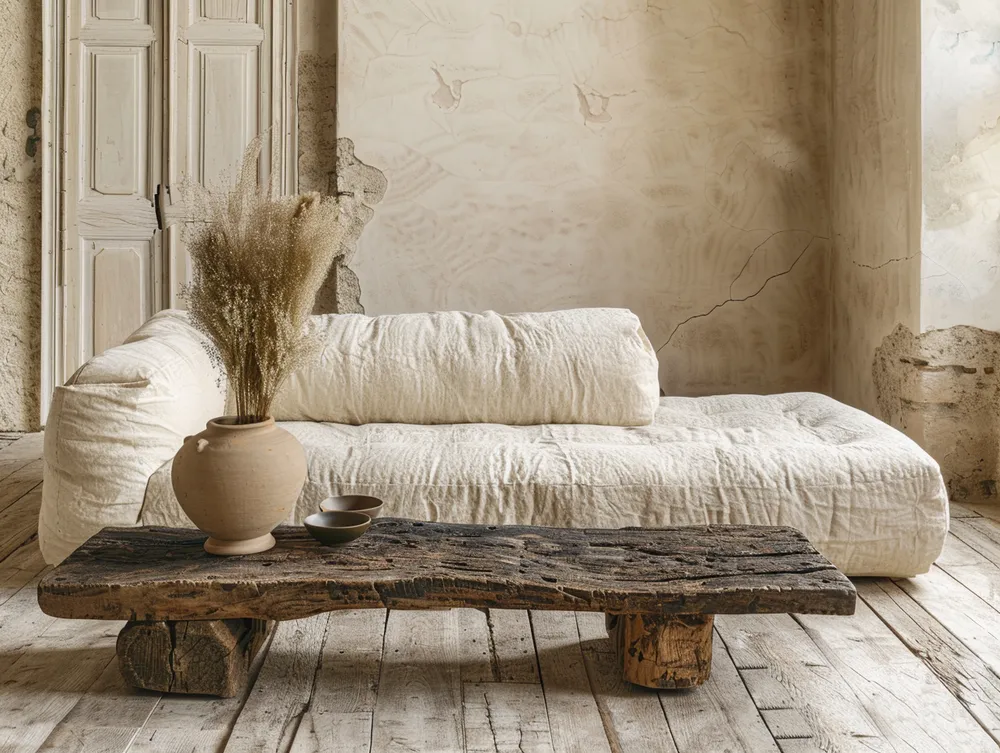
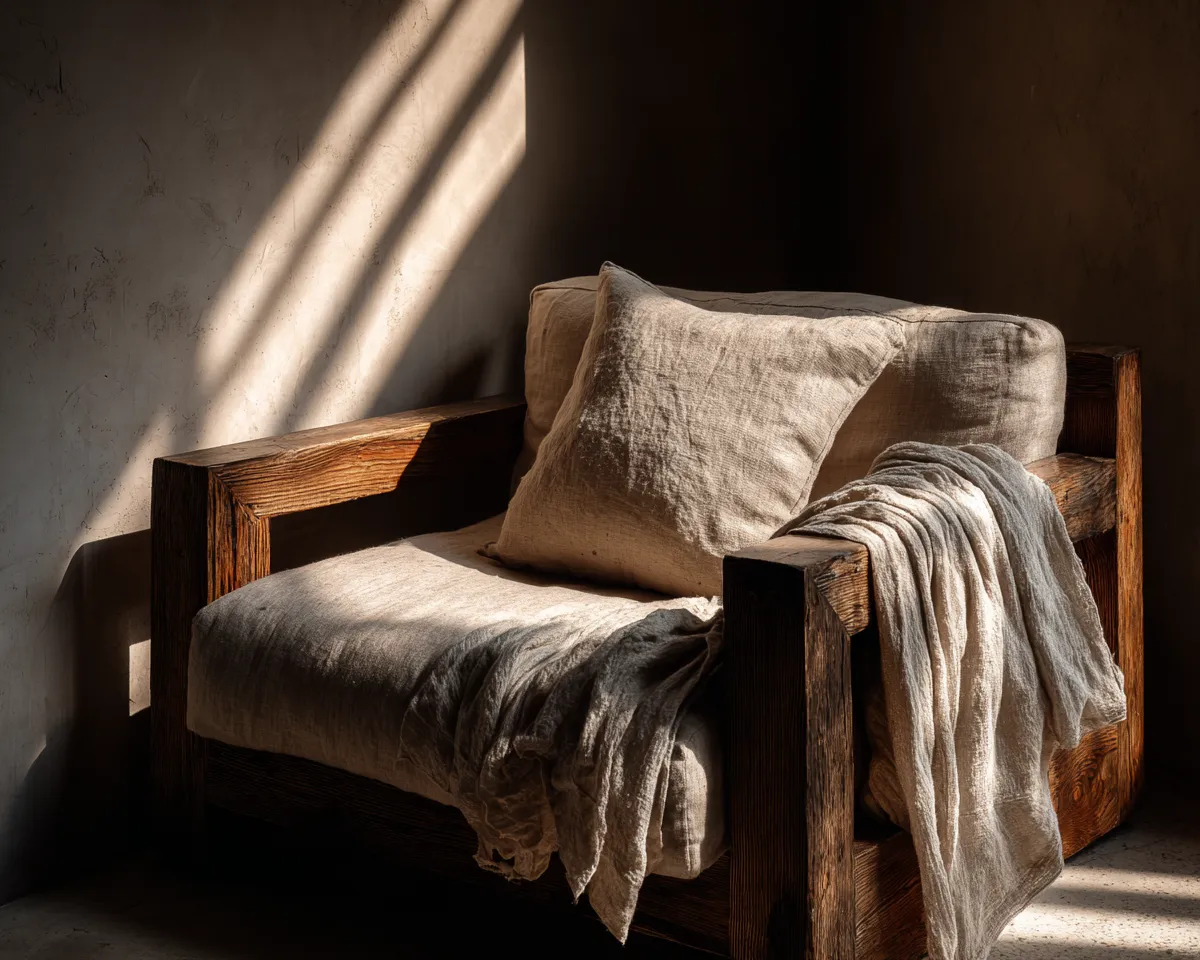
Incorporate a Wabi-Sabi accent chair into your space to embrace the beauty of imperfection and natural wear. Look for chairs crafted from materials that age gracefully, such as solid, unvarnished wood with visible grain, or natural fabrics like linen or worn leather. The charm lies in their subtle signs of use and history.
Consider chairs with organic shapes and a grounded feel, reflecting nature's own forms. The color palette should be muted and earthy, complementing the natural materials. Avoid overly pristine or mass-produced designs.
A Wabi-Sabi accent chair isn't just furniture; it's a piece that adds character, soul, and a gentle reminder of the beauty in transience. Save this for your seating inspo! 🍂 #wabisabi #wabisachair #chairideas #homedecorideas #accentchair #naturalfurniture #imperfectstyle #vintagefurniture #authenticdesign #cozyhome
2025年10月18日
スタイルをコピー
 まだコメントはありません
Wabi-Sabi Furniture: Embracing Age and Authenticity 🛋️

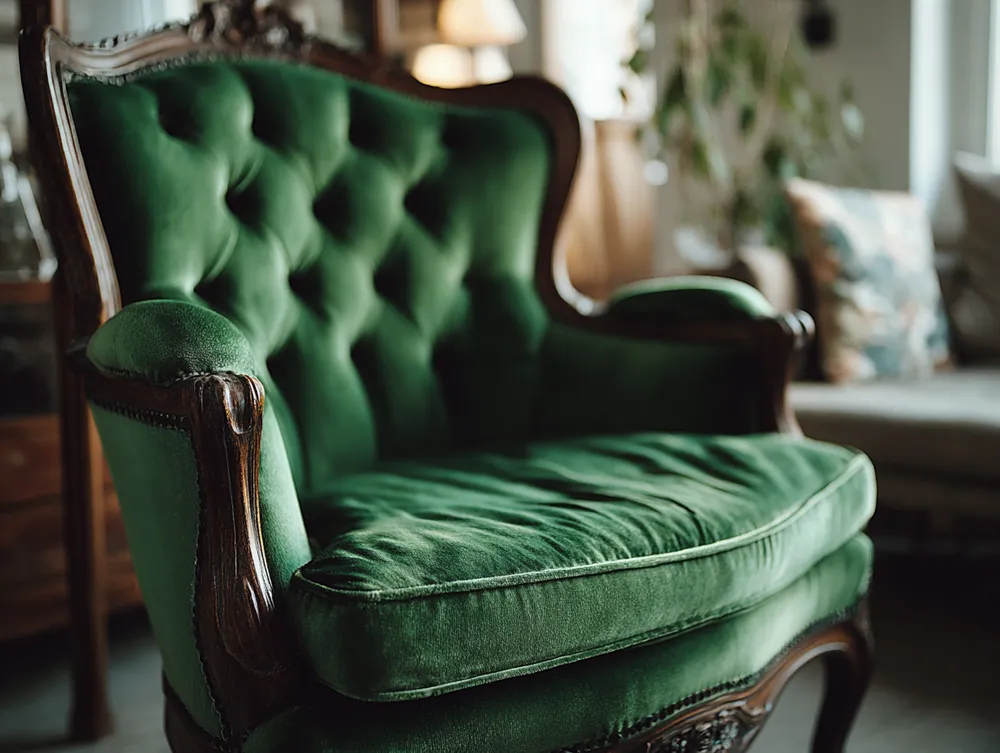
Neo-Classical Inspired Accent Chairs: Elegance Unveiled 🛋️

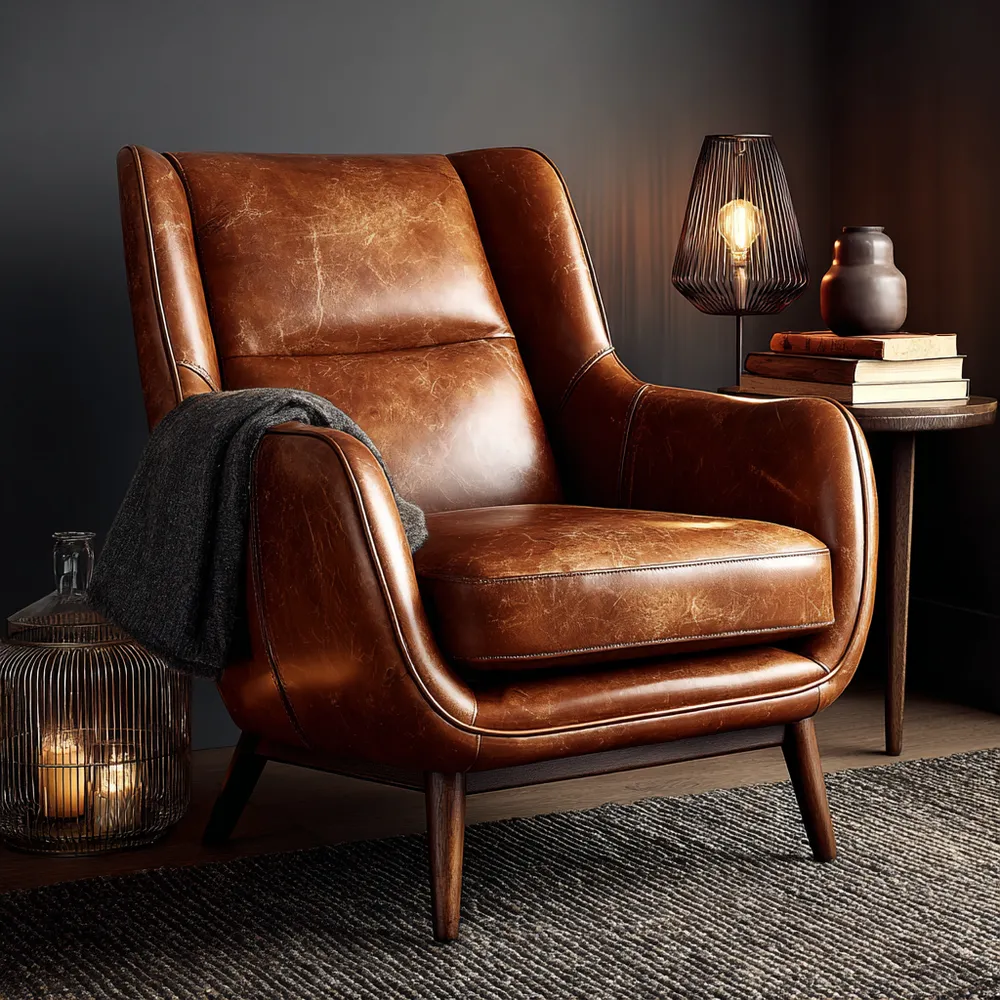
Mid-Century Armchair Love: Iconic Comfort & Style 🛋️

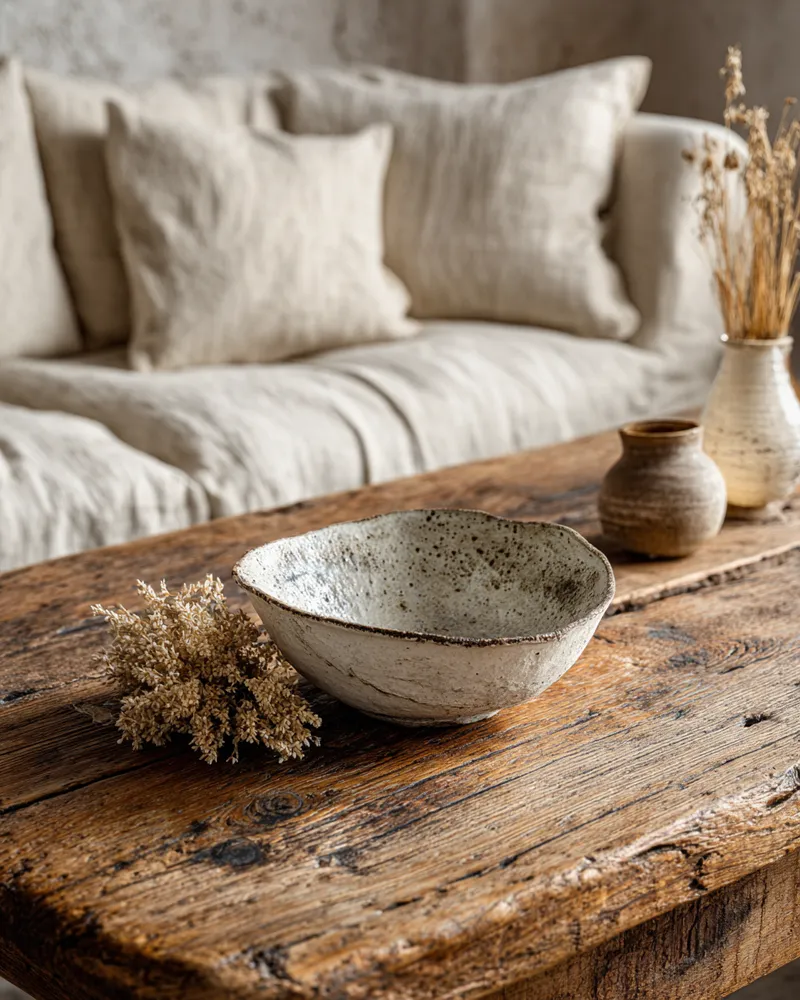
Your Guide to Harmonious Wabi-Sabi Living Room Accents 🤎🌿

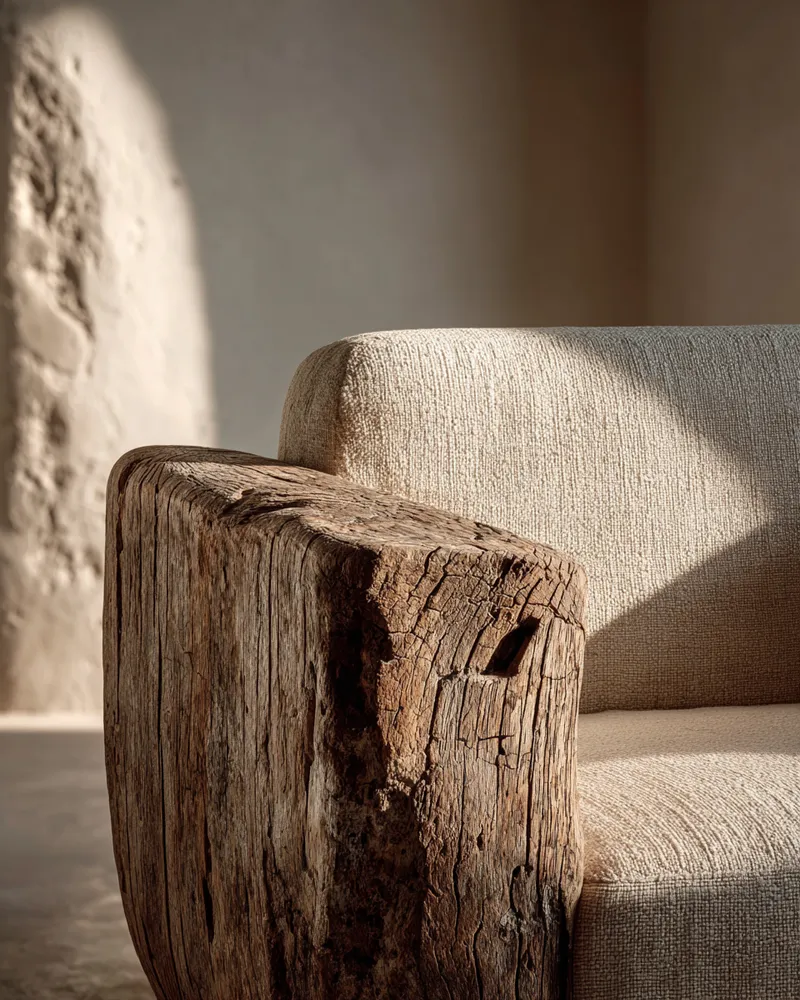
The Beauty of the Imperfect Chair: Wabi-Sabi Seating Ideas 🛋️
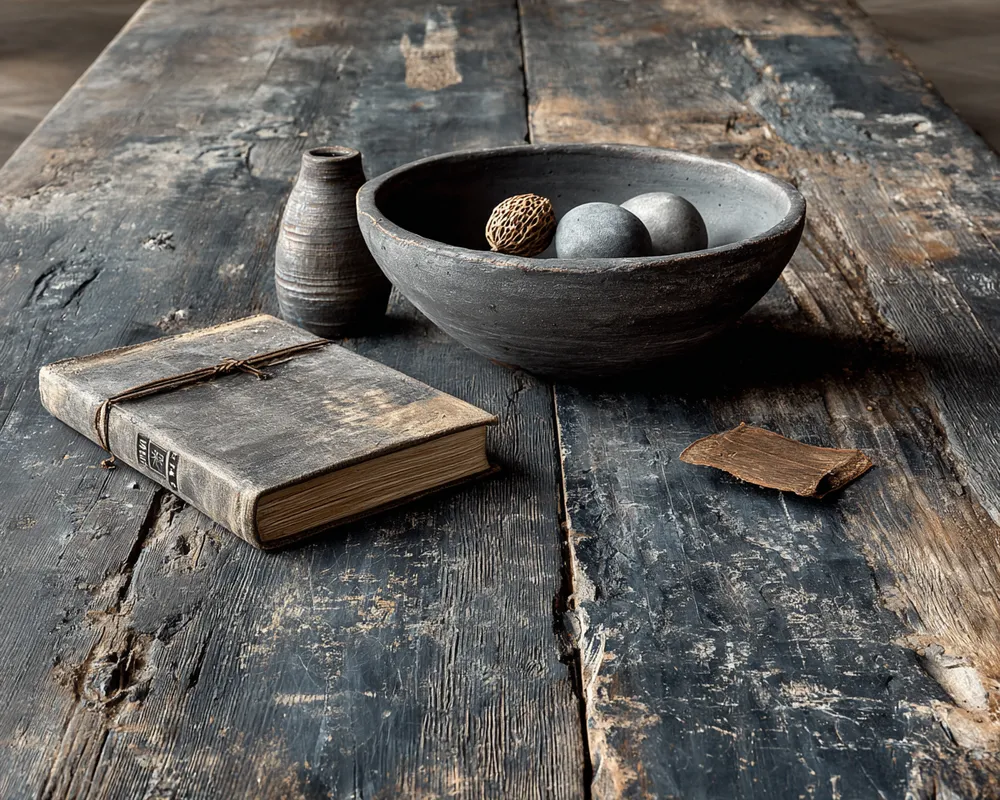
Wabi-Sabi Coffee Table Styling: Authentic Charm 🤎
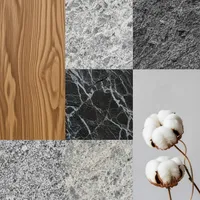
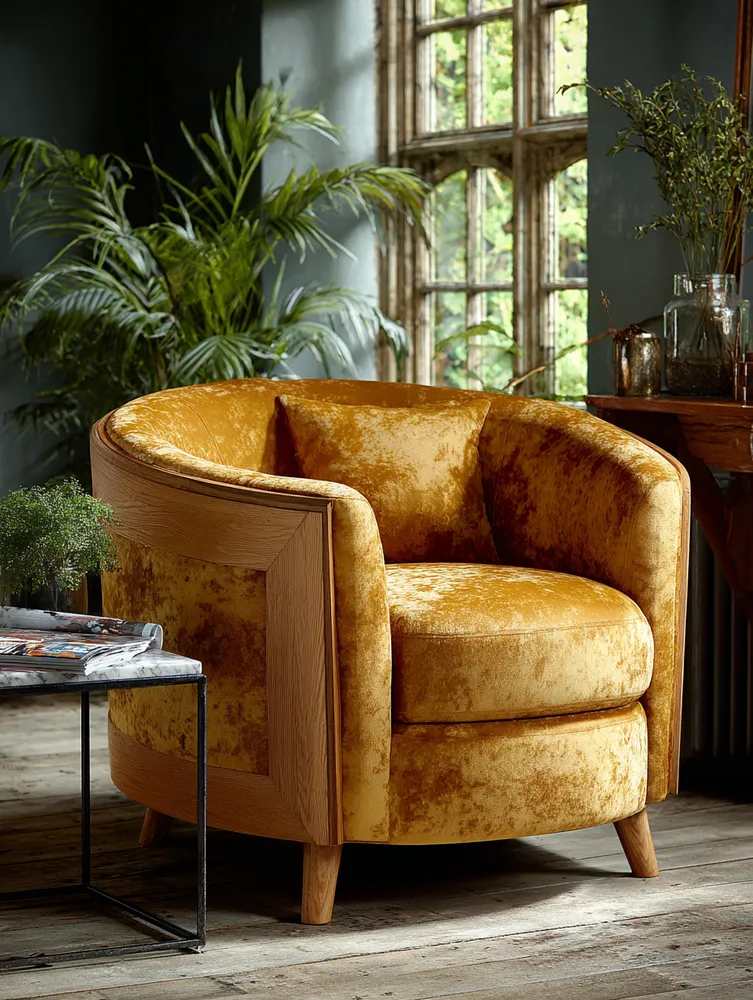
Retro Accent Chairs: Adding Personality & Retro Flair to Your Space 🪑

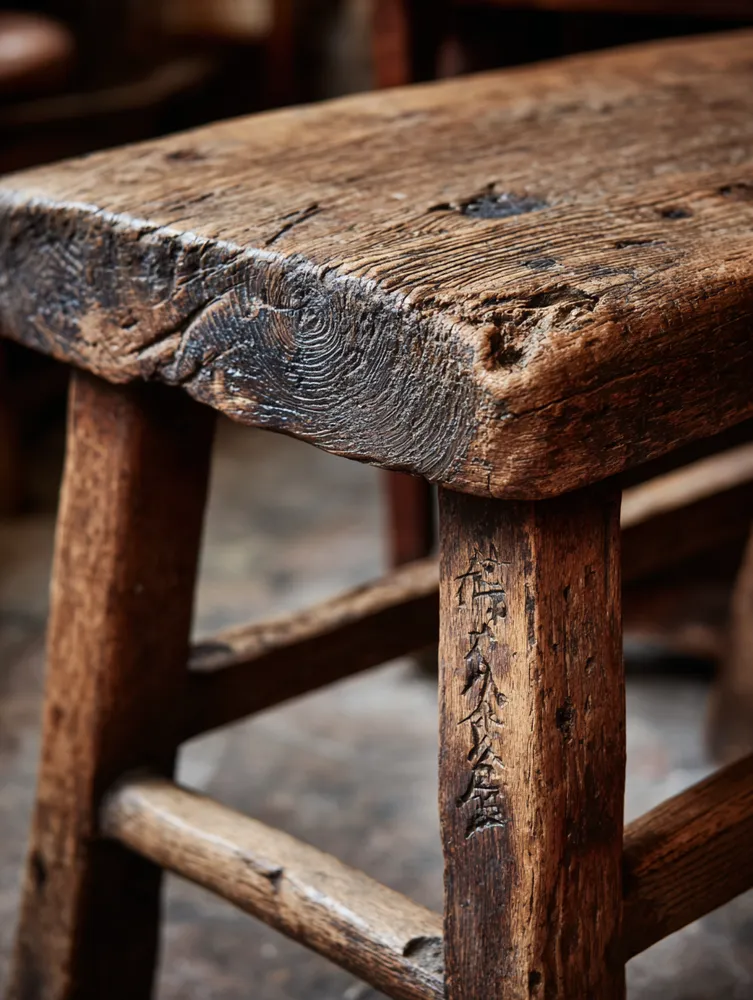
The Beauty of Imperfect Wood: Embracing Wabi-Sabi in Furniture 🪵✨

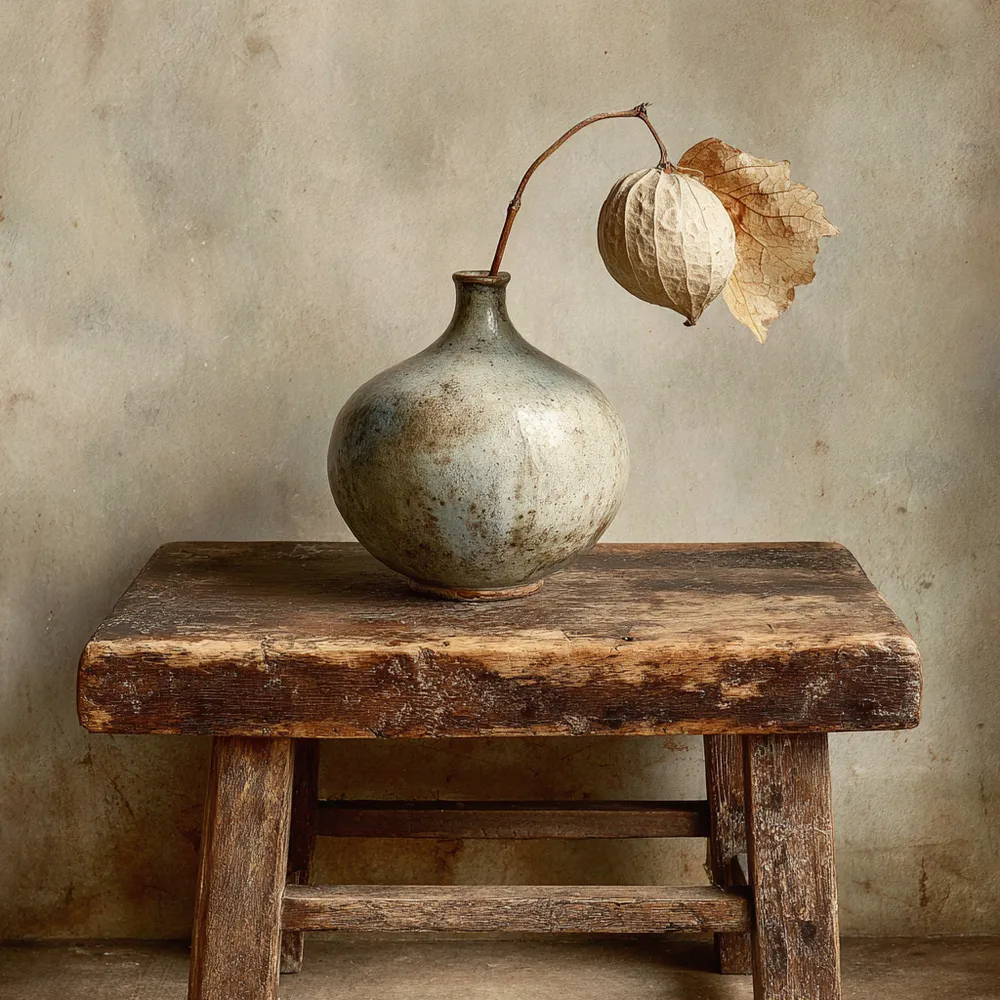
Wabi-Sabi Accents: The Beauty of Aged Elements ✨
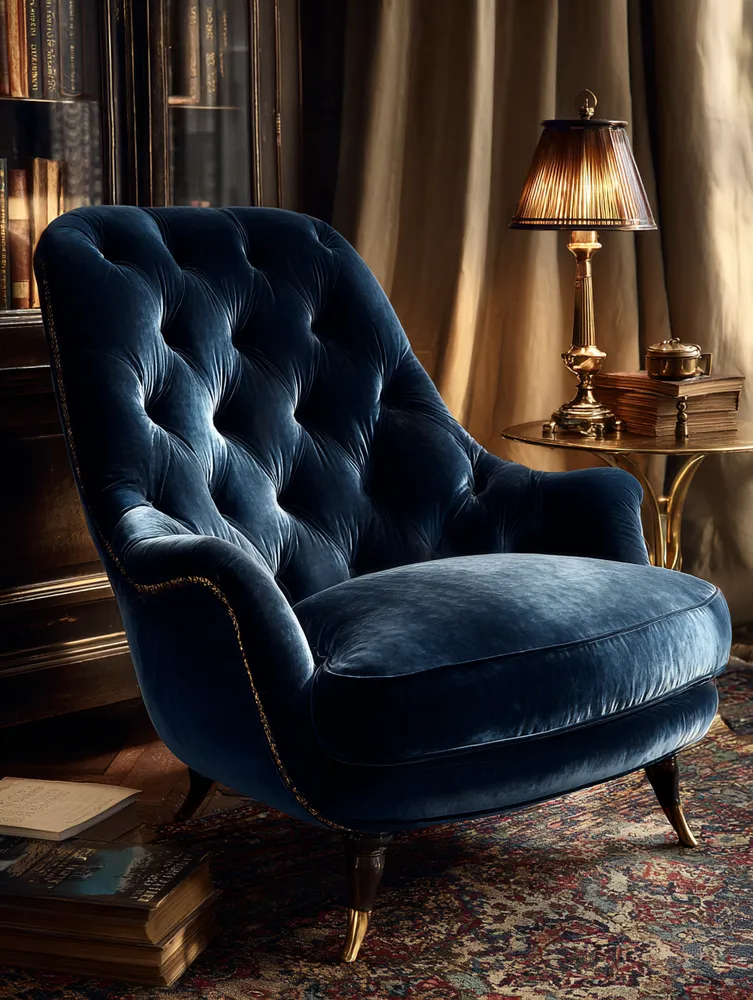
Gilded Age Grandeur: Velvet Accent Chair Styling 🛋️

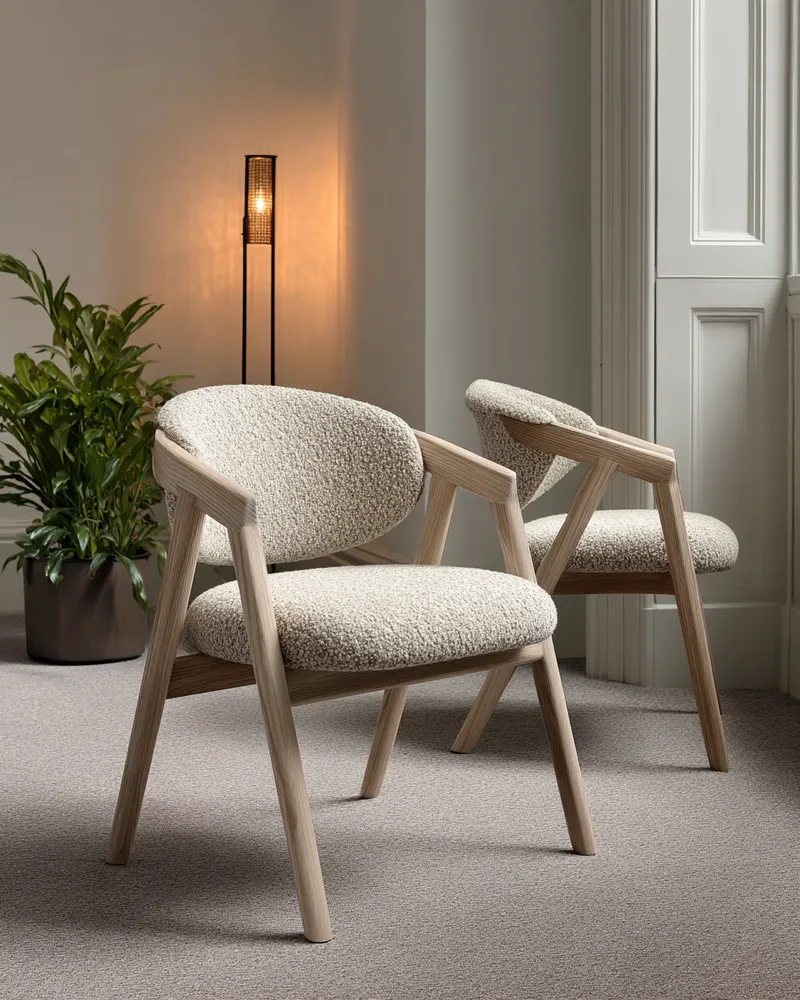
Sculptural Simplicity: The Beauty of Scandi Accent Chairs 🧘♀️🌿
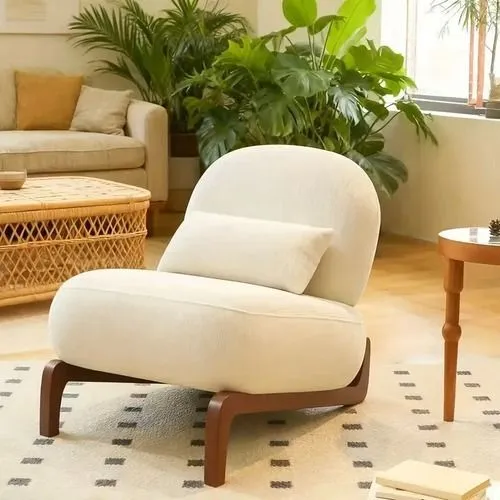
Modern Designer Velvet Accent Chair – Woodensure Collection

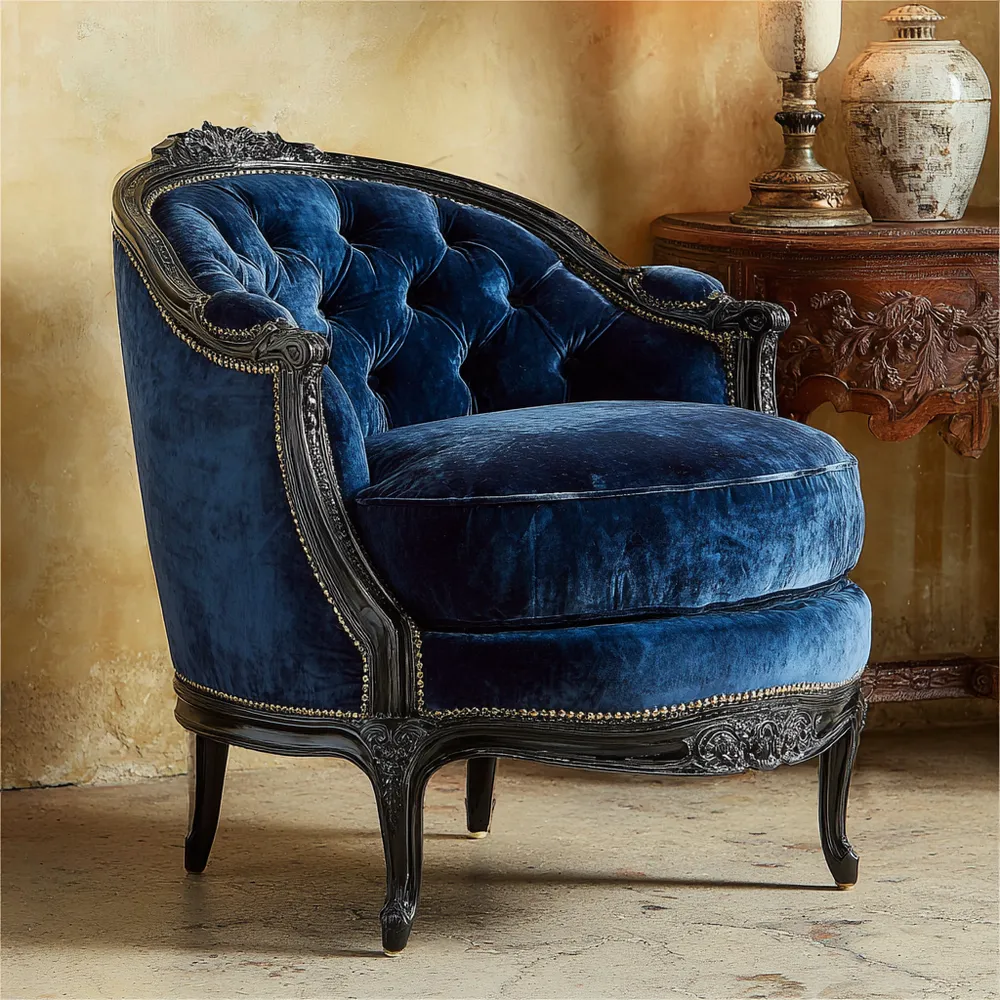
Gilded Age Accent Chairs: Regal Touches 👑✨

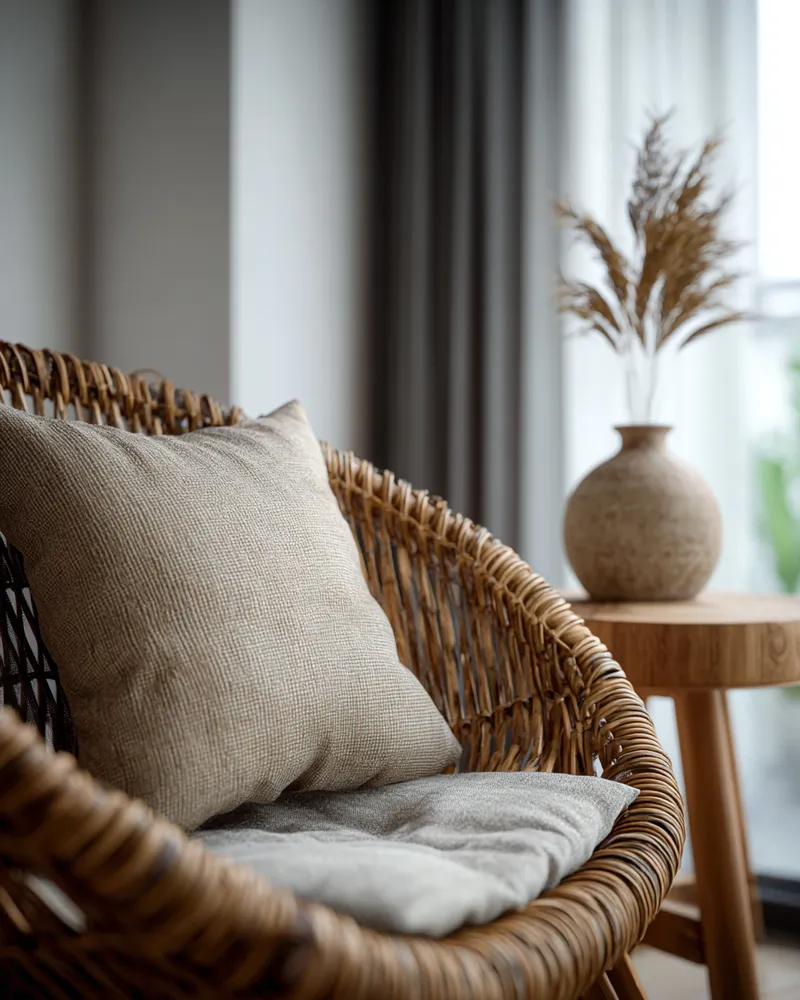
Woven Wonders: Japandi Accent Chair Styling 🌿🛋️
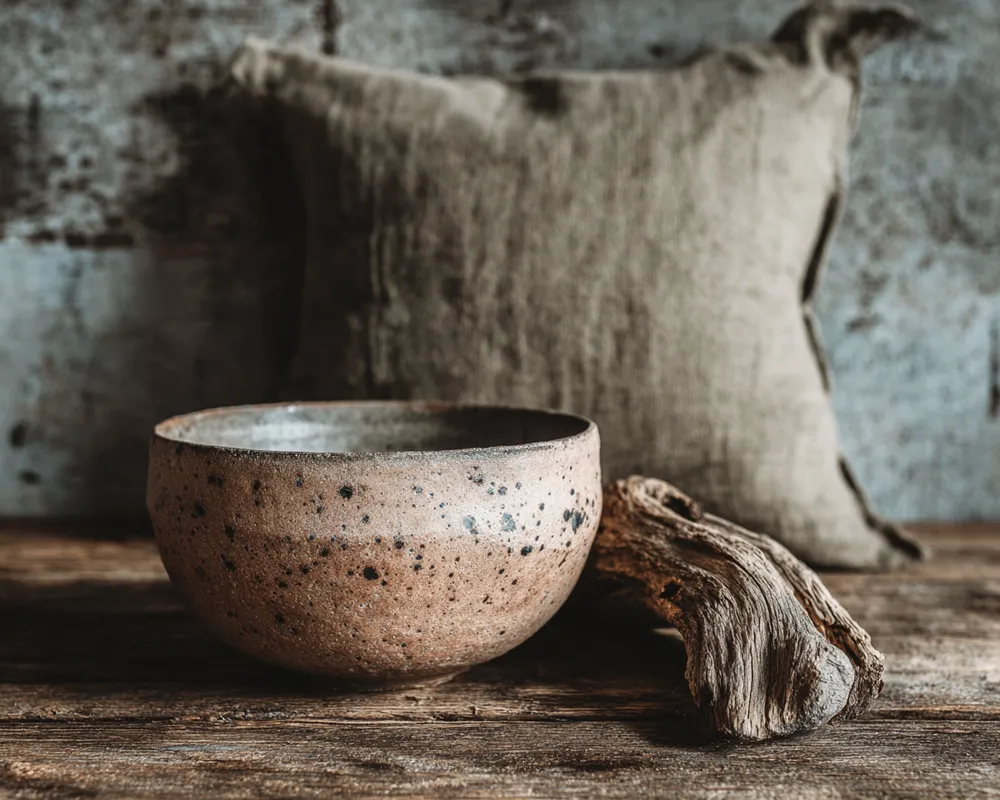
The Beauty of Imperfection: Wabi-Sabi Inspired Decor Accents 🌿

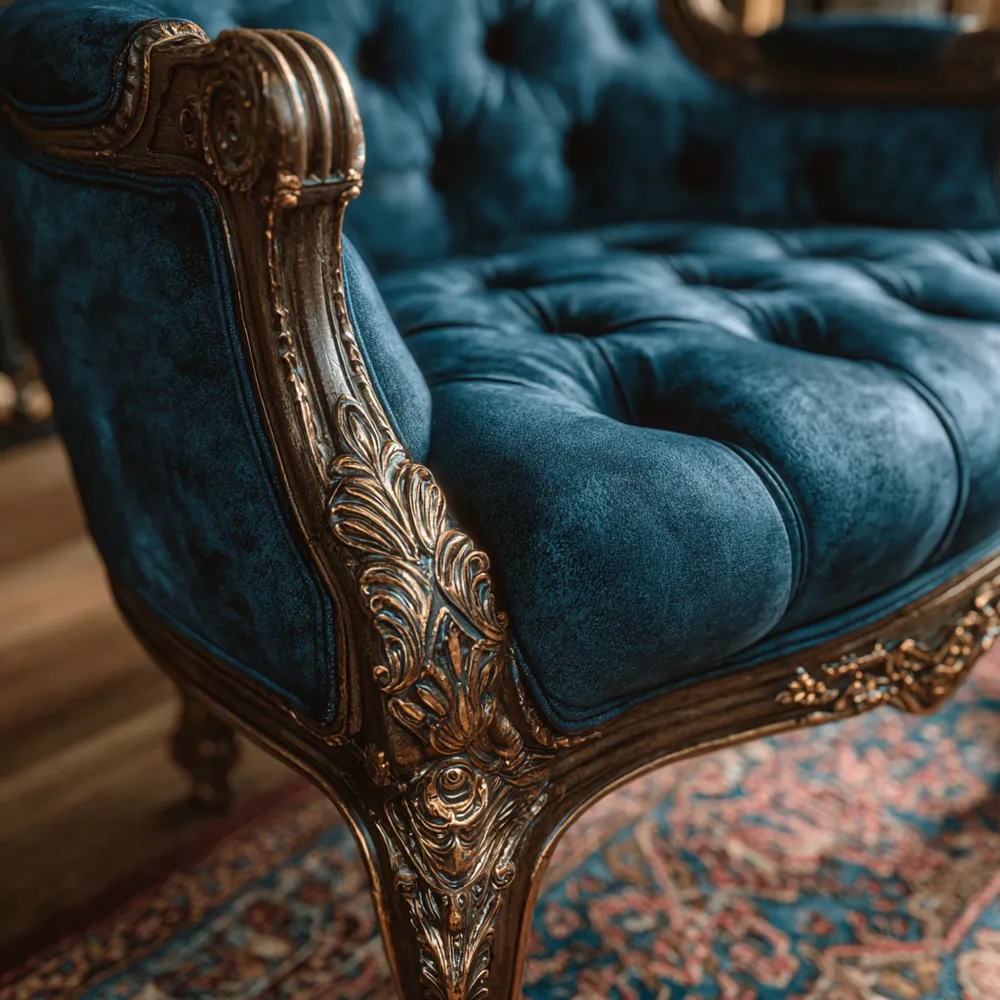
Unlocking Gilded Age Charm: Accent Chair Ideas for Timeless Style ✨

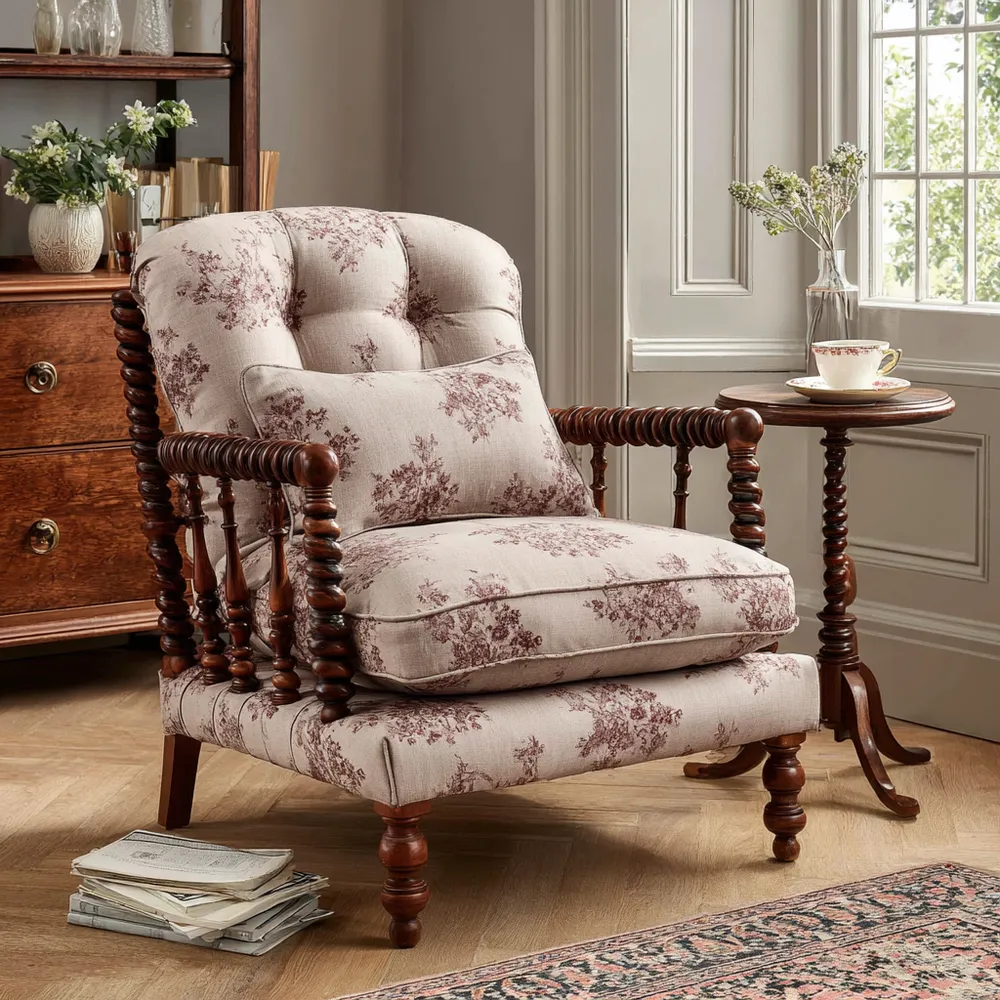
Antique Chairs: More Than Just Seating, They're Art! 🖼️

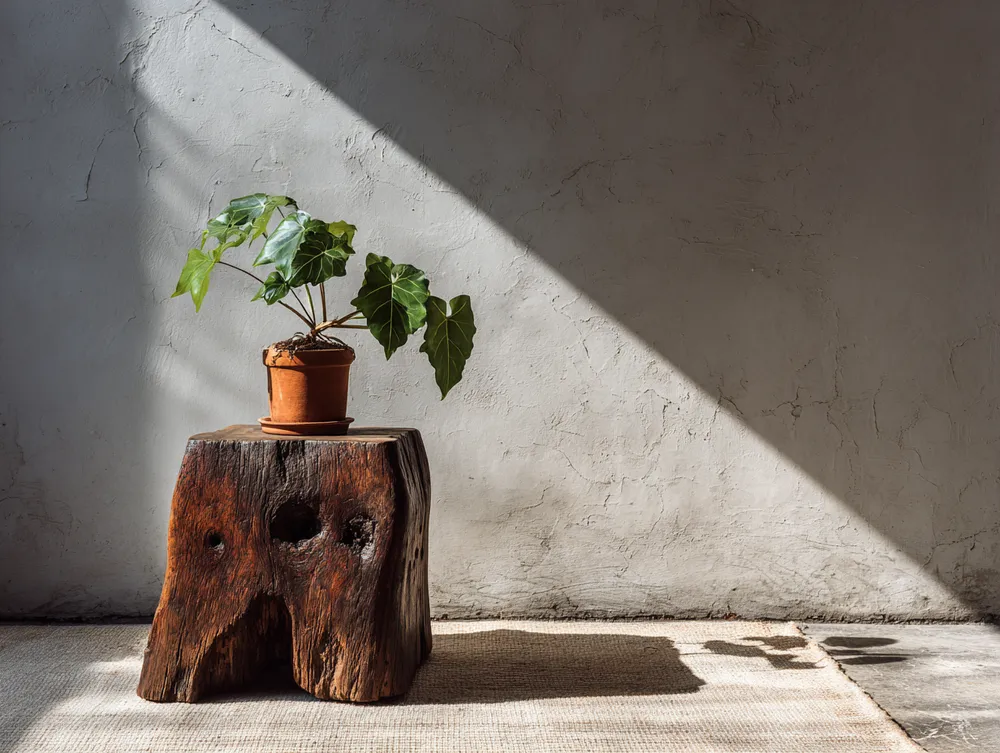
Wabi-Sabi Vibes: Imperfectly Perfect Wooden Stools 🪵
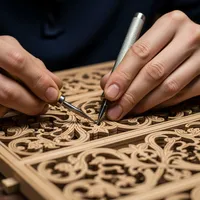
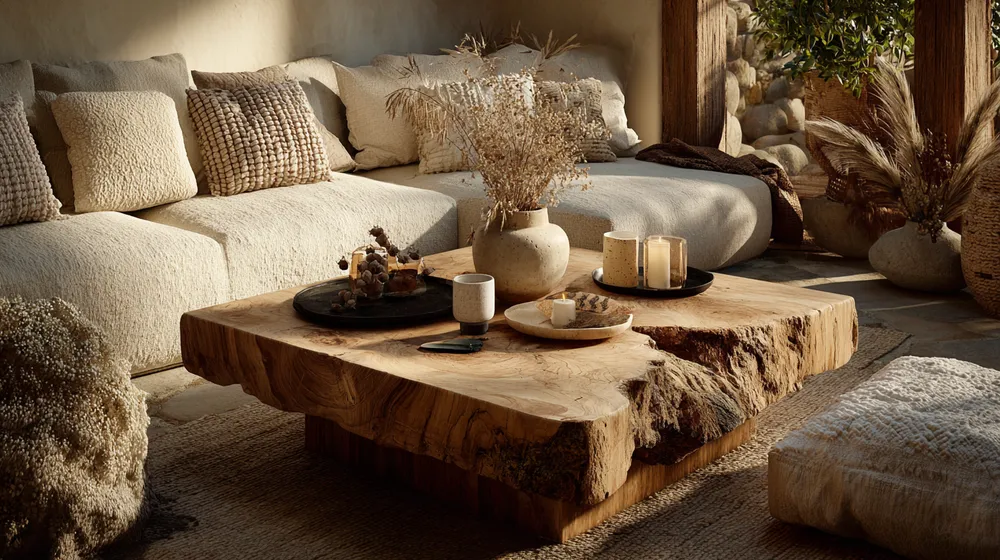
Wabi-Sabi Living Room: Imperfect Beauty, Enduring Comfort 🌿

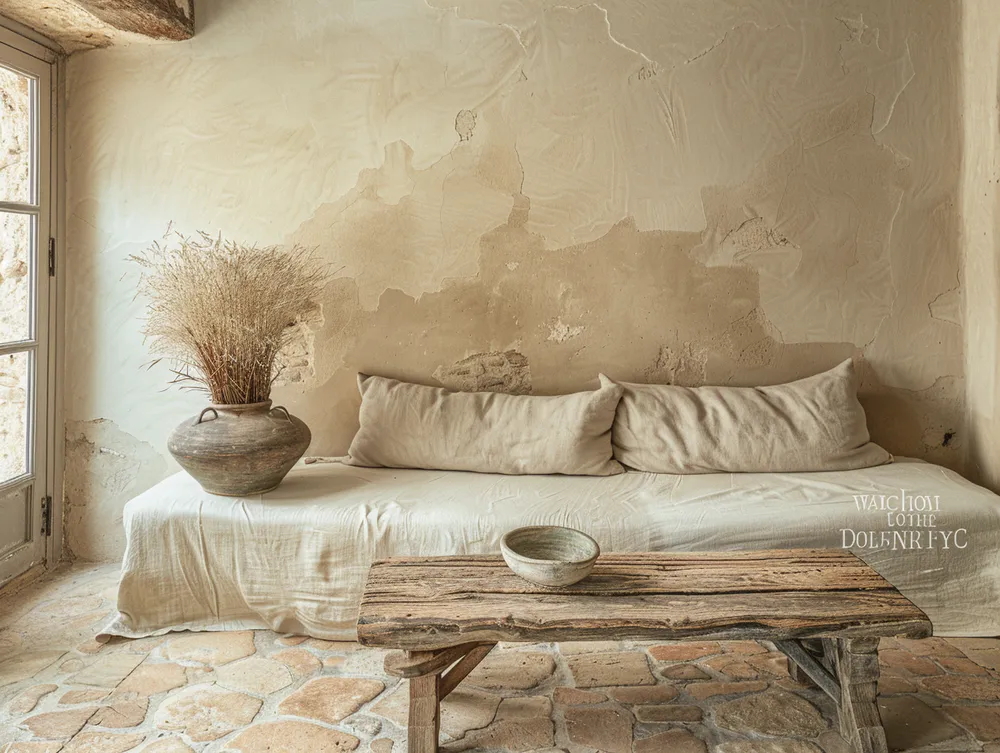
🌿 Wabi-Sabi Living Room: Finding Beauty in Imperfection ✨