Are Cultured Marble Countertops Actually Marble? Here's What You Need To Know
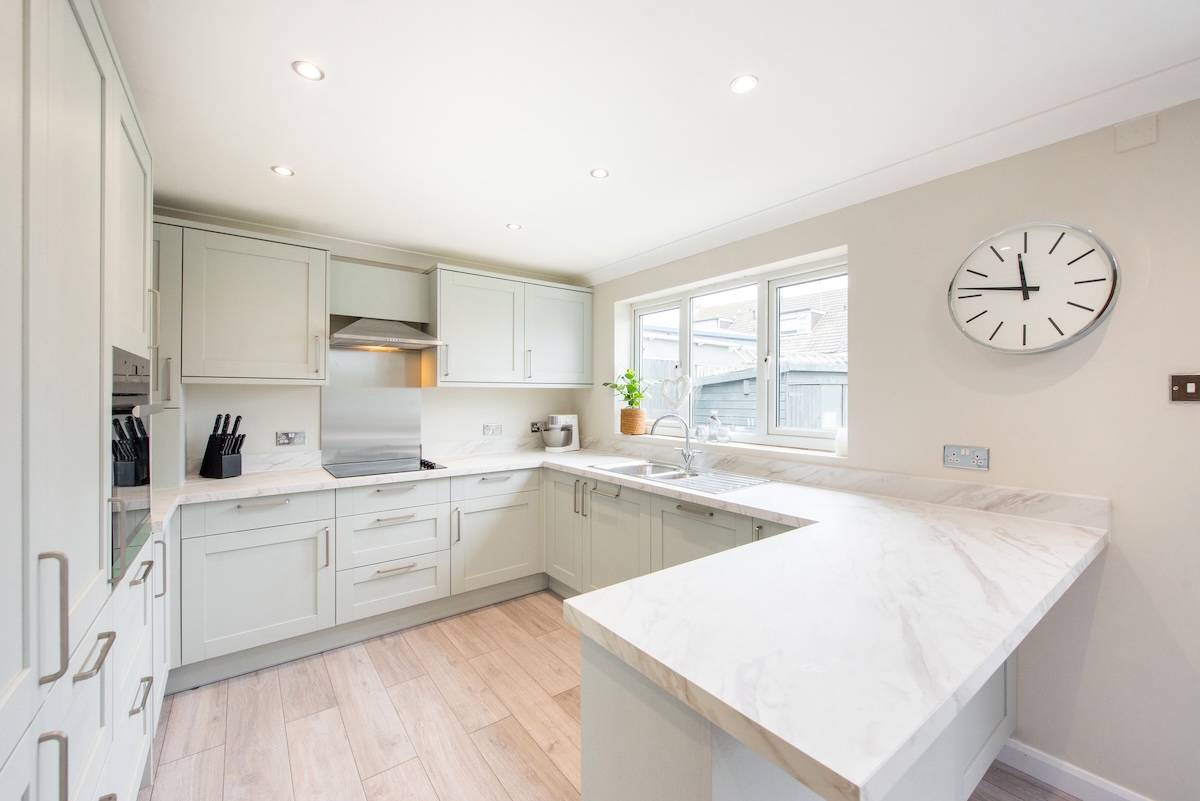
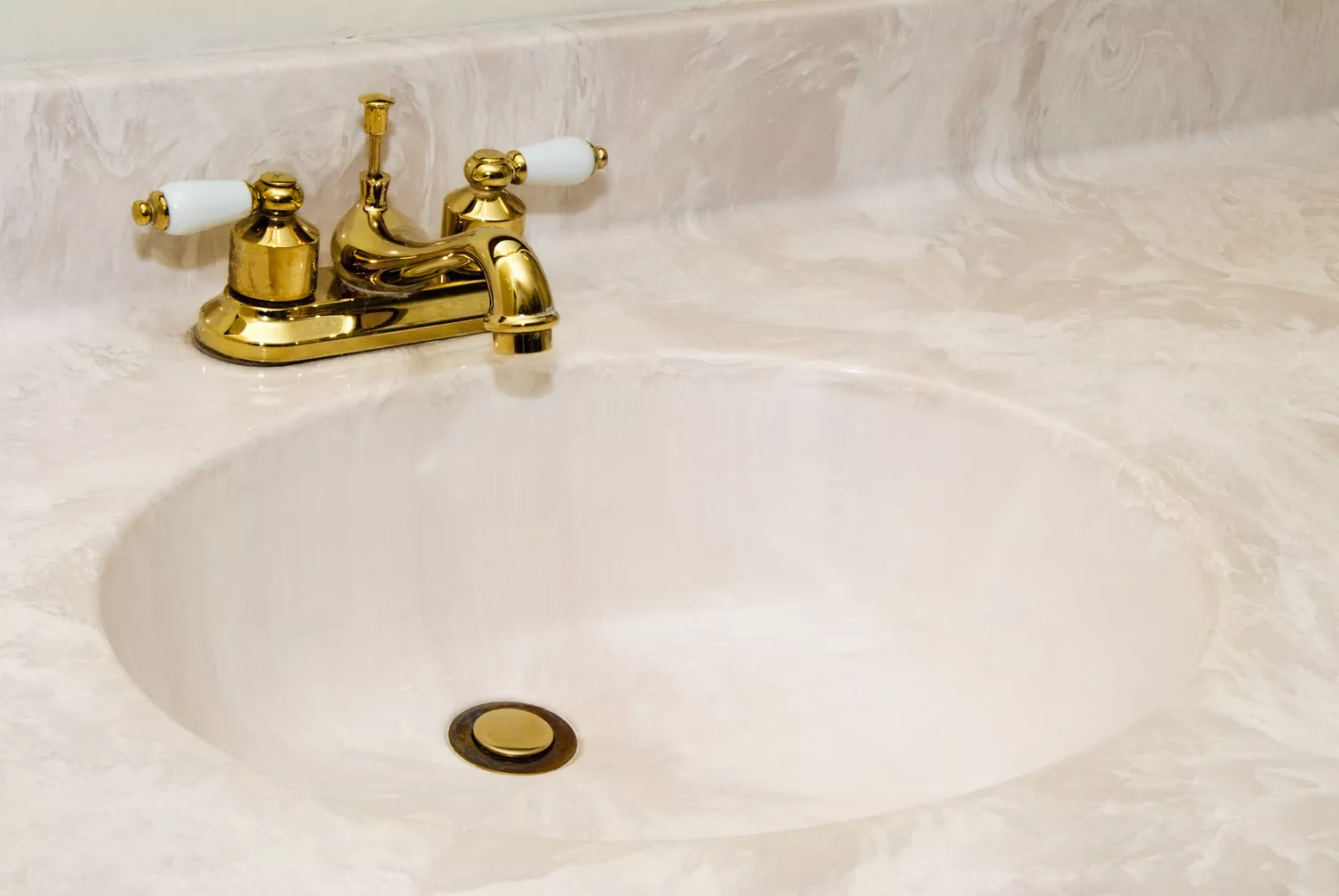
Cultured marble is a manufactured material designed to mimic the appearance of natural marble, offering an entry-level option for various home applications. This material is composed of polyester resin, crushed marble dust, and pigments. The manufacturing process involves coating a mold with a clear gel coat, followed by filling it with the resin and marble dust mixture, which then cures for several hours. After curing, the material is removed from the mold, and its bottom is ground flat before light sanding and buffing are applied to the surface.
One of the primary benefits of cultured marble is its nonporous nature, which makes it resistant to water damage and stains, positioning it as a durable option, albeit less so than natural stone but more robust than laminate. Its nonporous quality also simplifies cleaning and maintenance. A notable characteristic of cultured marble, historically, was its ability to integrate sinks and backsplashes seamlessly due to its molded production, reducing crevices and making cleaning easier. However, this integrated design is less common now.
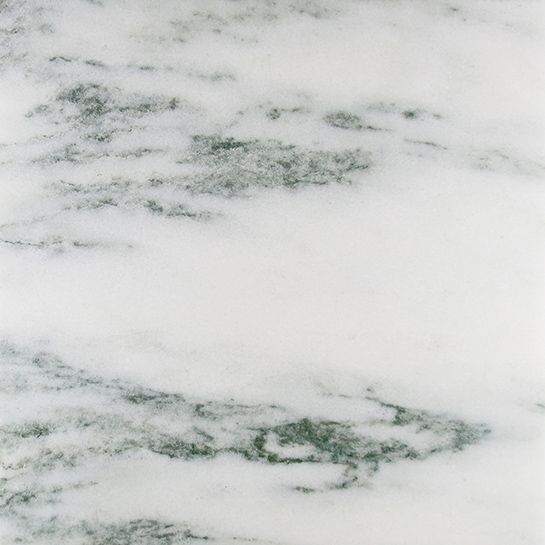
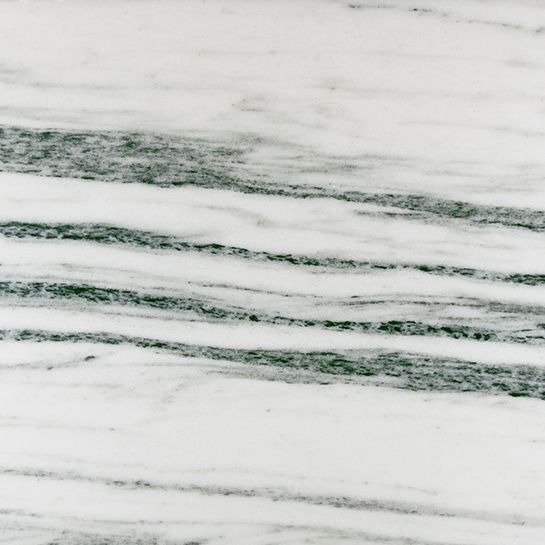
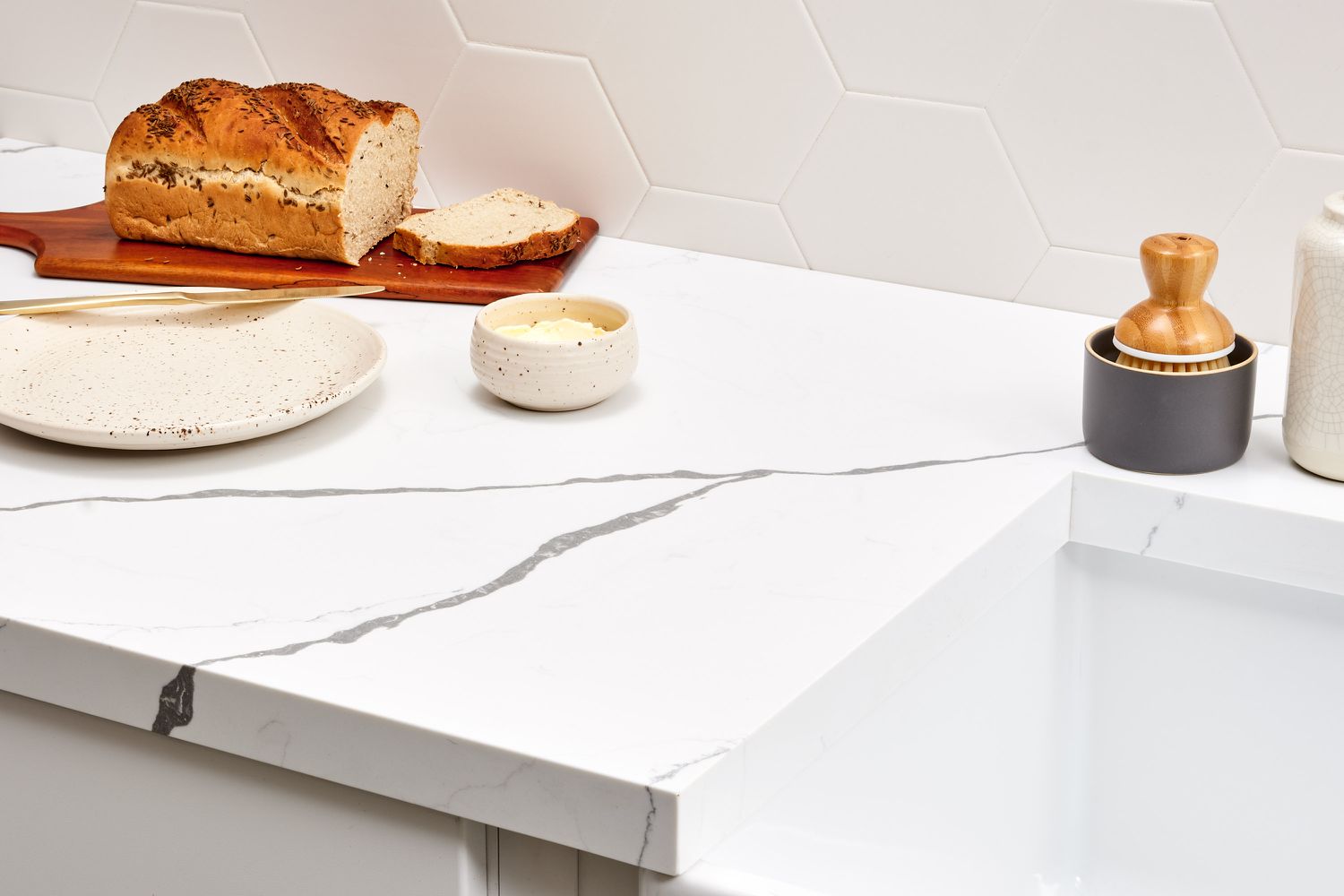
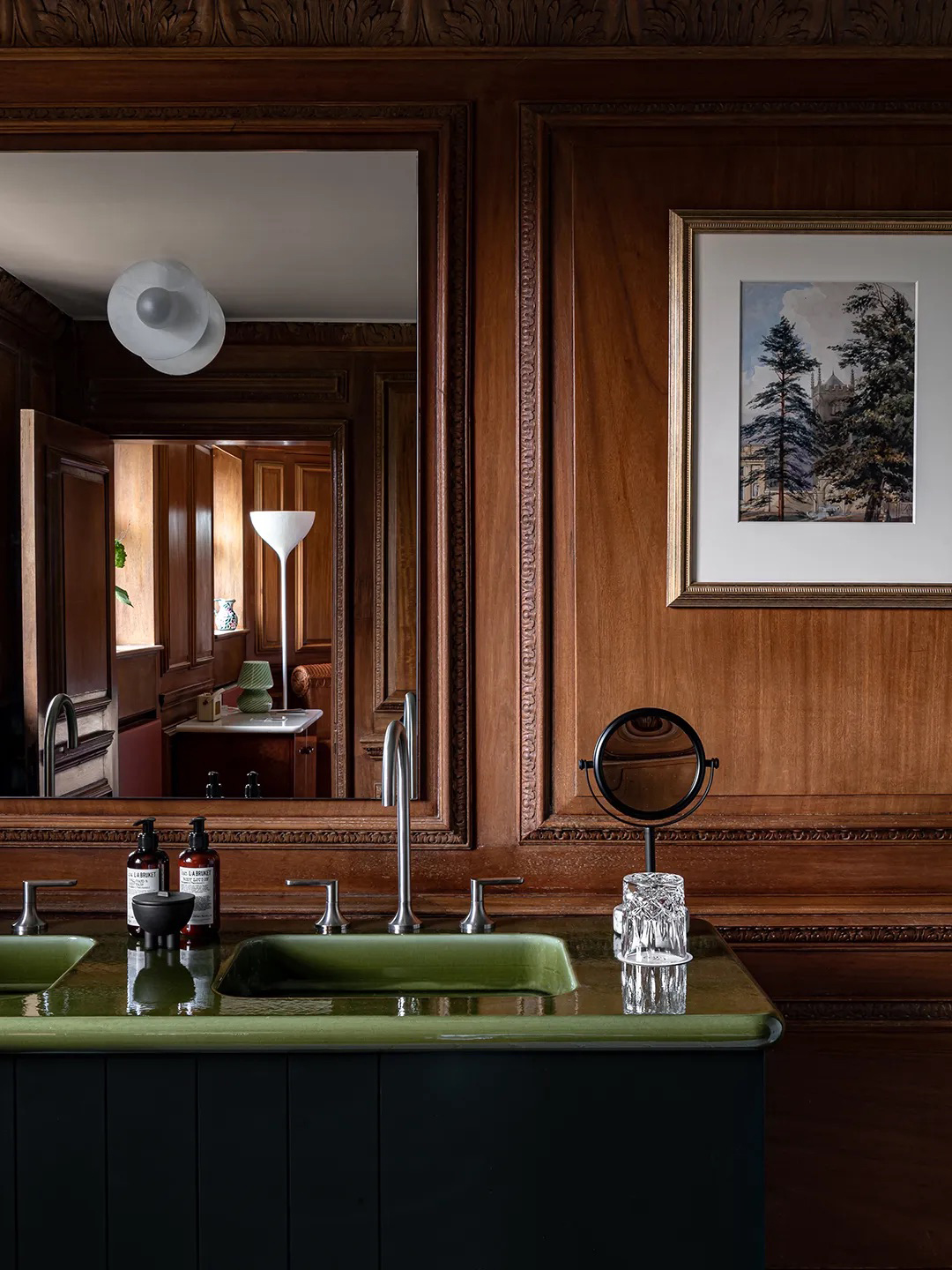
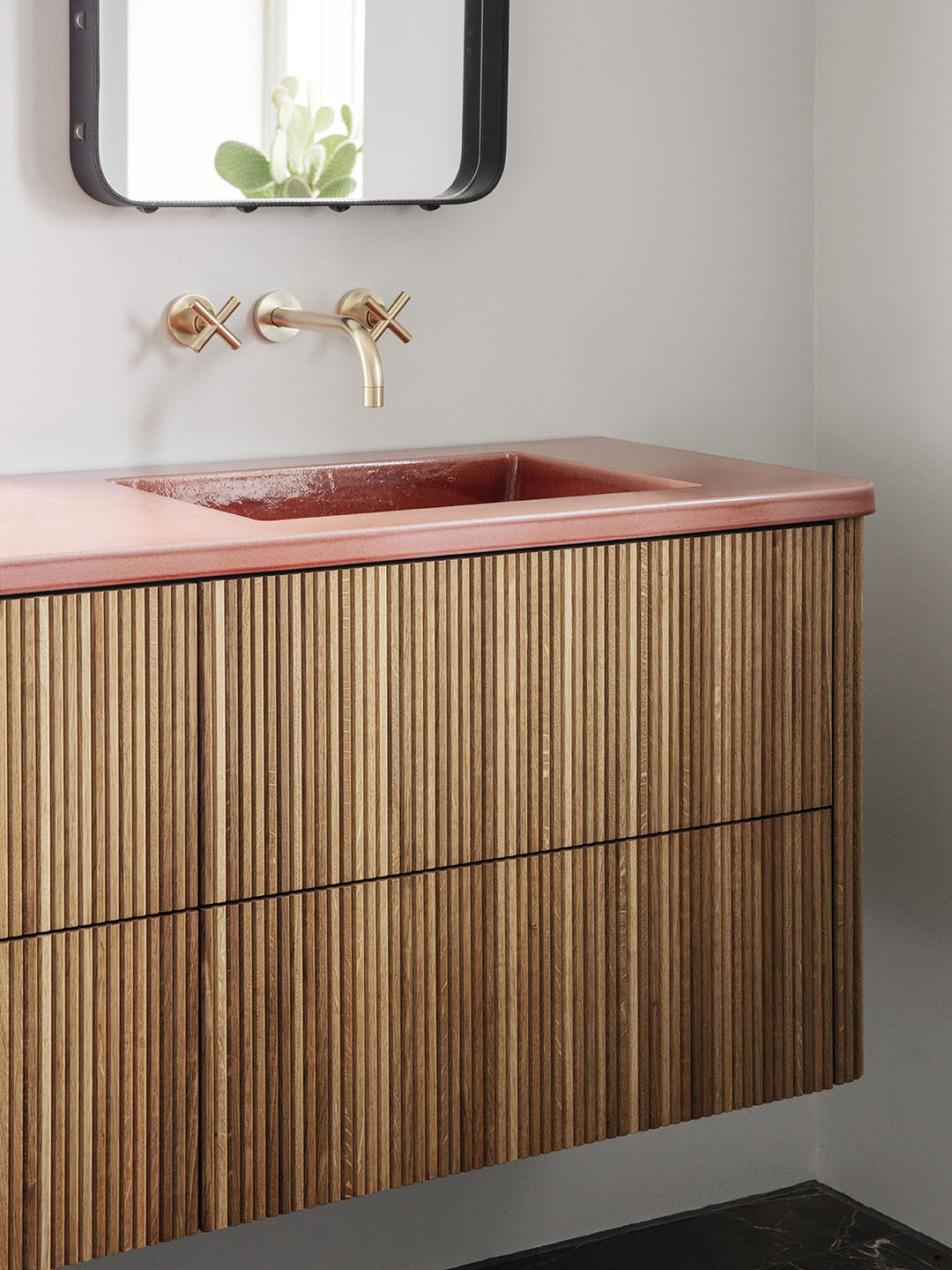
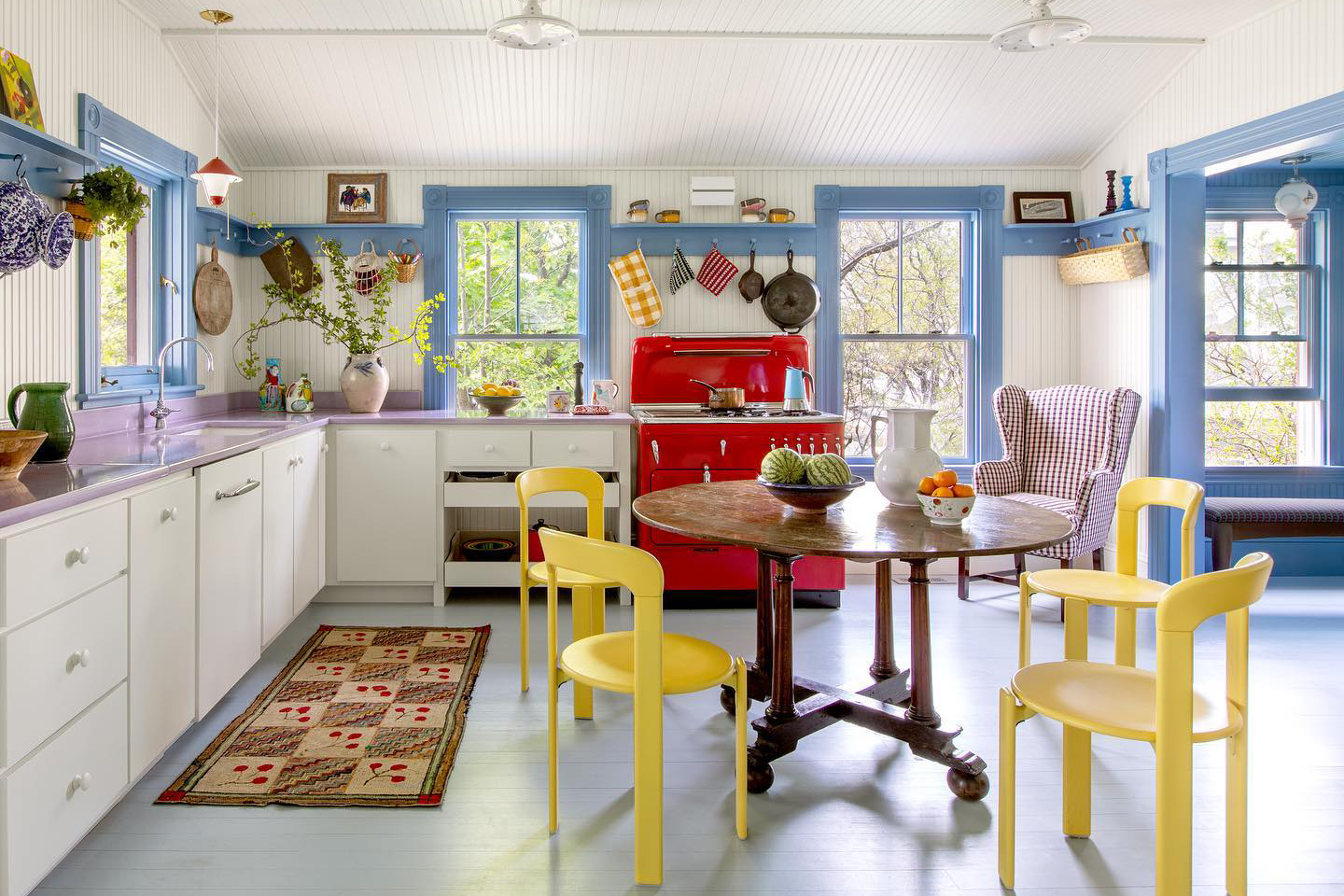
Customization is a significant advantage of cultured marble. Beyond standard white with veining, manufacturers can create engineered granite or quartz-like finishes with varying rock sizes. The finish can also be customized from shiny to matte, and separate sinks can be installed instead of integrated ones, offering flexibility in design. When compared to real marble, cultured marble presents several advantages, including more design options, lower cost (potentially 50% cheaper or more than premium stone), and superior durability with less maintenance. Unlike natural marble, cultured marble's gel coat surface does not require frequent sealing and is more resistant to staining due to its nonporous quality.
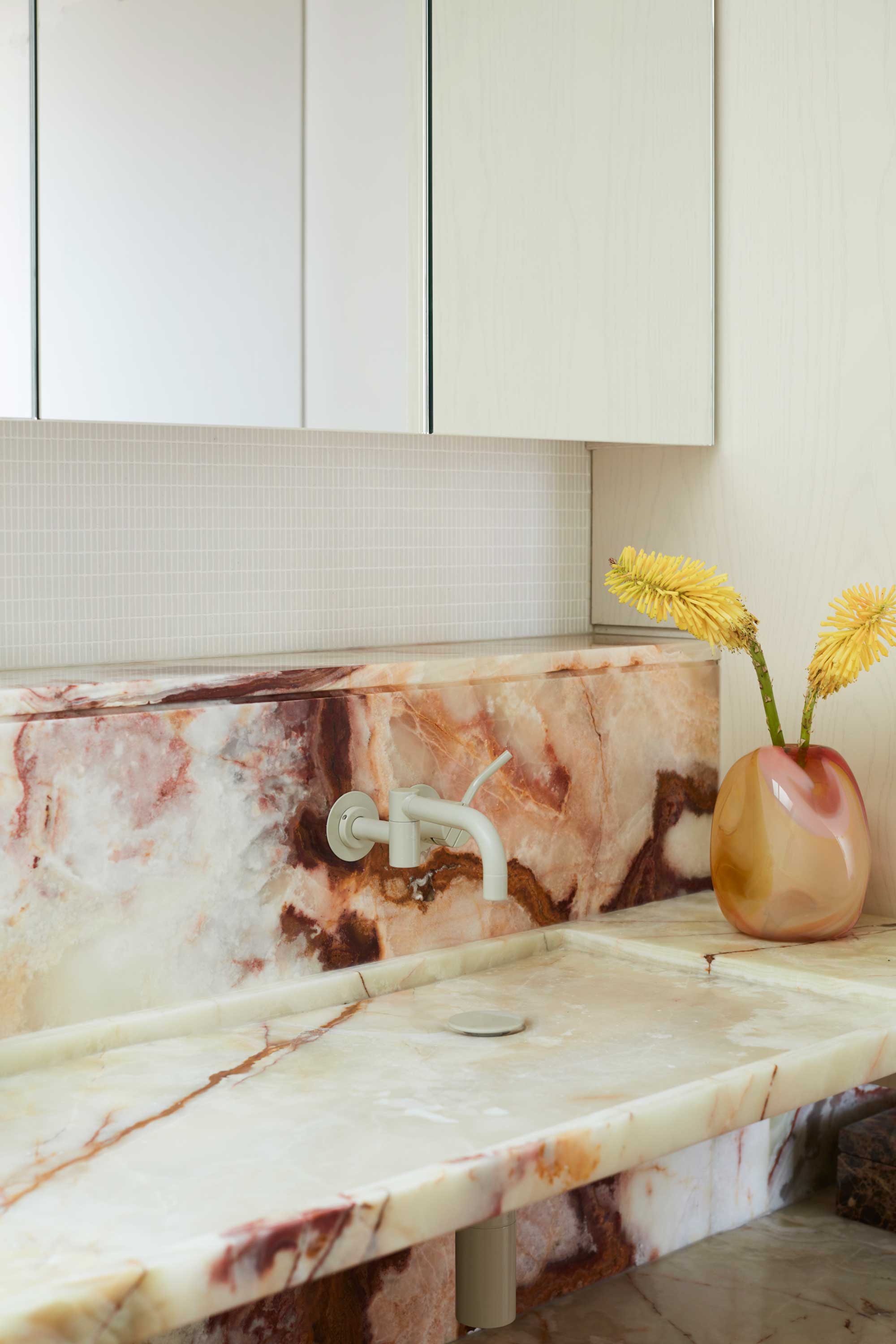
However, cultured marble also has its disadvantages. It may not perfectly replicate the nuanced variation, depth, and patina of natural marble, and a trained eye can often distinguish it. Its perception as an entry-level product can negatively impact a home's resale value compared to natural stone. Additionally, cultured marble is sensitive to heat, and prolonged exposure to hot items can damage its topcoat, making it less suitable for areas where hot styling tools or cooking implements are frequently used.
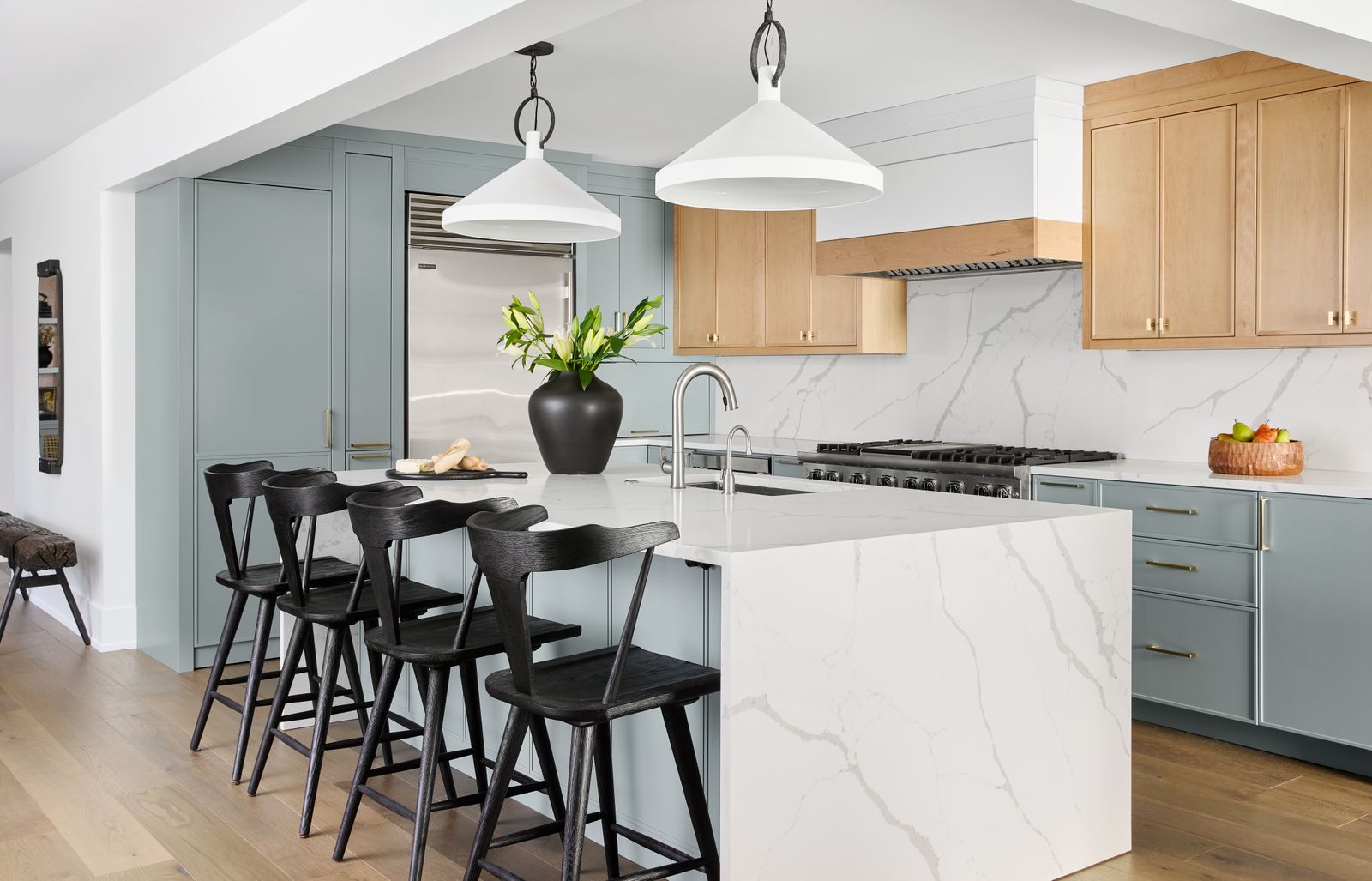
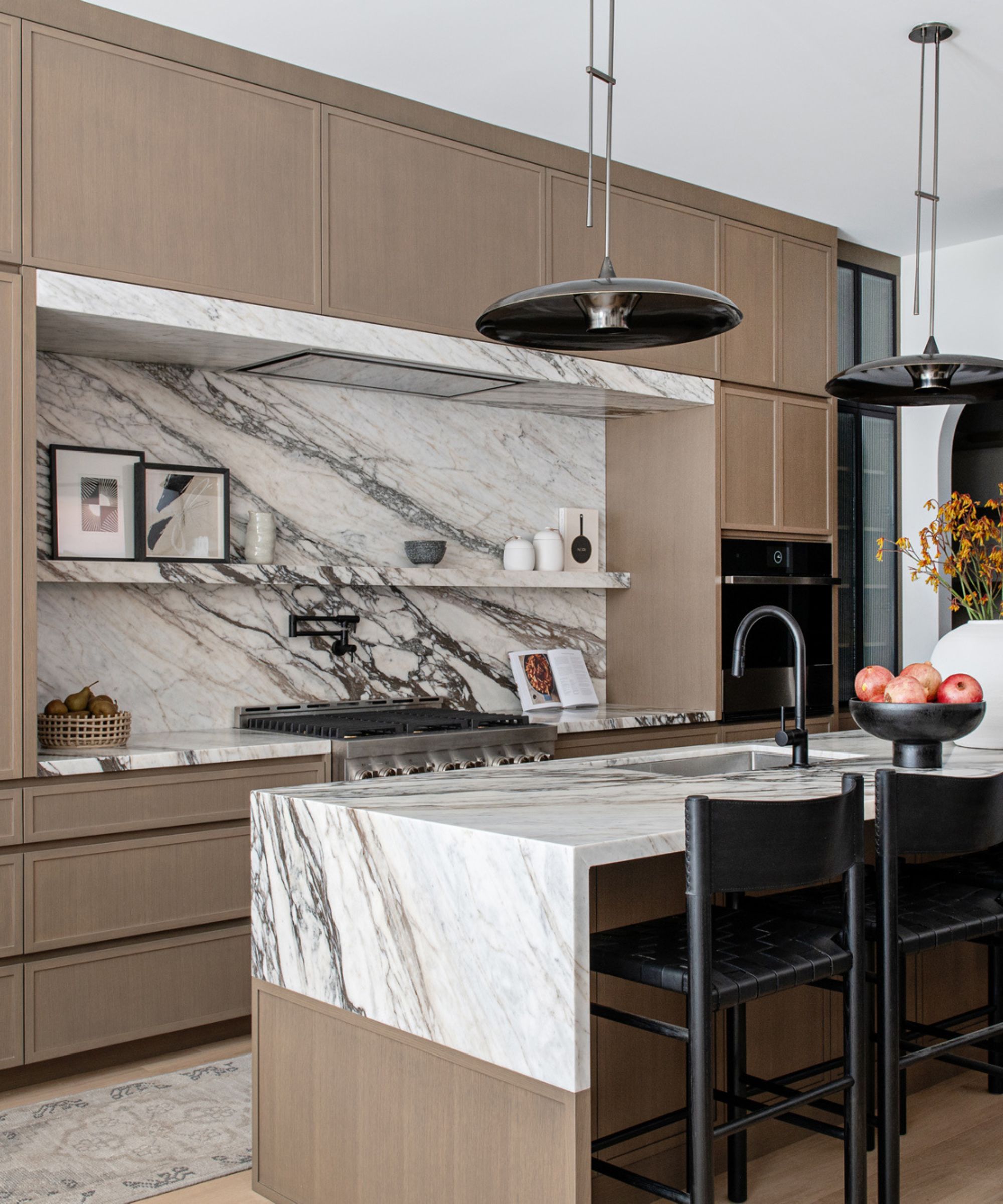
Common applications for cultured marble include countertops in kitchens and bathrooms, vanities, and shower surrounds. It particularly excels on vertical surfaces like tub surrounds and tub skirts. Modern manufacturing allows cultured marble to mimic tile, offering an alternative that eliminates the hassle of cleaning and regrouting traditional tile lines. It can also be used outdoors if treated with a UV-resistant gel coat to prevent yellowing. Cleaning cultured marble is straightforward, requiring only non-abrasive cleaners or soapy water, with denatured alcohol suitable for tougher stains. Periodic application of wax is recommended to enhance stain resistance and ease of cleaning.
Cost considerations reveal that cultured marble is generally more affordable than entry-level natural stone, with prices varying by market. It is typically comparable to or slightly more expensive than laminate but significantly cheaper than materials like quartz, soapstone, or stainless steel. Factors influencing the cost include size, installation, design complexity, and material quality, with custom designs and higher-end aesthetics increasing the overall price.
#CulturedMarble #HomeImprovement #BathroomDesign #KitchenCountertops #MaterialComparison #HomeRenovation #InteriorDesign #Durability #CostEfficiency #CulturedMarble #HomeImprovement #BathroomDesign #KitchenCountertops #MaterialComparison #HomeRenovation #InteriorDesign #Durability #CostEfficiency
0 comment in total
 No comments yet
You may also like
Marble Countertops: 9 Tips for Choosing a White Marble Slab

Gorgeous Countertop Materials Your Favorite HGTV Stars Swear By
The Coolest Countertops We’ve Seen Lately Are Blue Marble
Is Marble Sustainable? It’s Complicated

9 important tips for choosing a white marble slab

The Worst Thing About Every Popular Kitchen Countertop Designers Don’t Tell You
Are Marble Countertops Officially Out of Style? Interior Designers Weigh In

5 kitchen countertops that never go out of style – timeless choices to suit any homeowner
Is marble bad for kitchens? 10 things no one tells you about using this porous stone

Are Marble Countertops Worth the Price? We Break Down Every Cost Before You Buy

Burgundy Marble Counters Are In, But Designers Also Love These 4 Stones

What's replacing granite countertops? These are the materials interior designers want to see more of
Are Marble Countertops Officially Out of Style? Interior Designers Weigh In

What alternatives to marble are there? The 5 trending materials you should also consider for countertops and more

Is marble still on trend? Interior designers have their say
This Countertop Material Is More Durable and Colorful Than the Boldest of Marbles

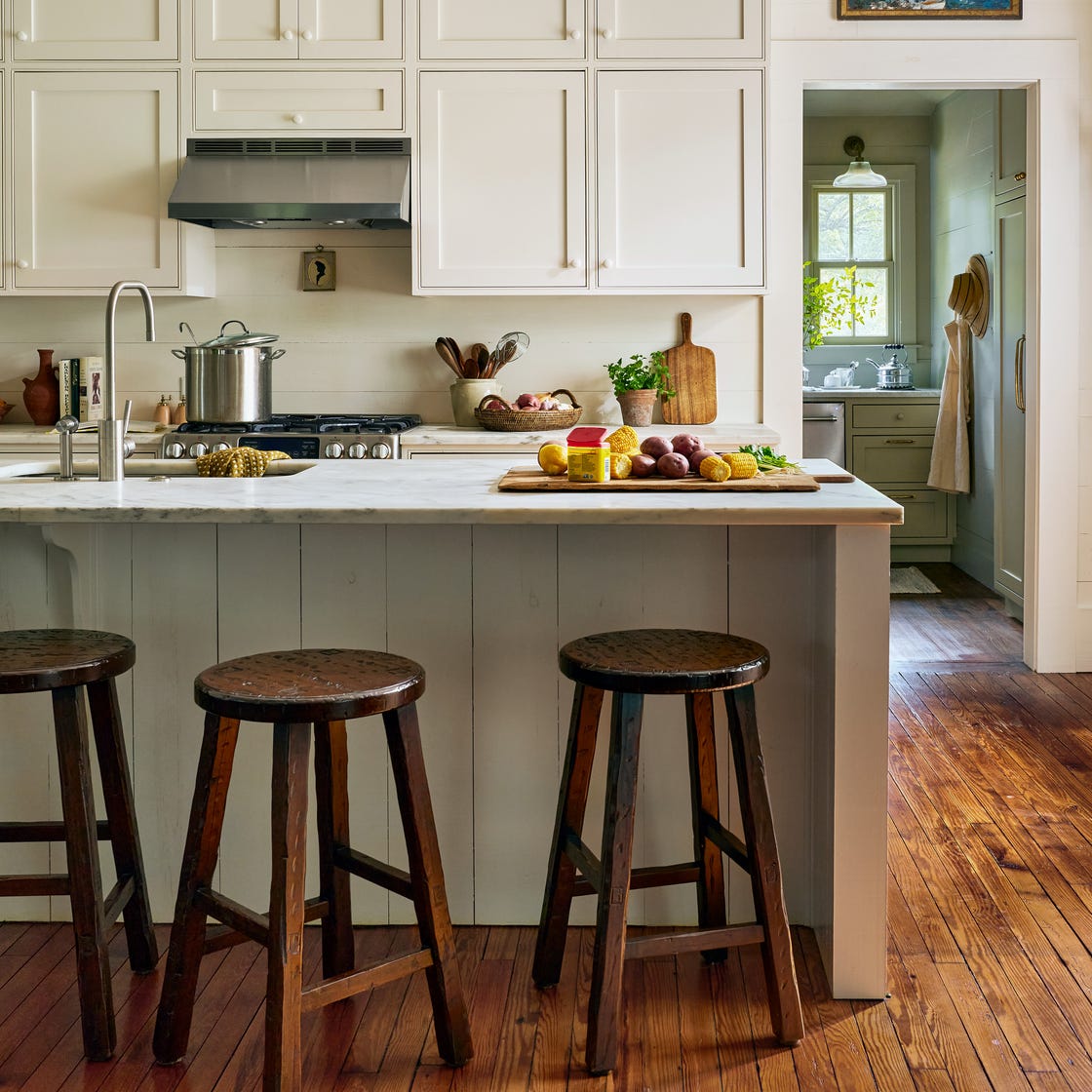
Marble vs. Quartz Countertops: Which Is Better?

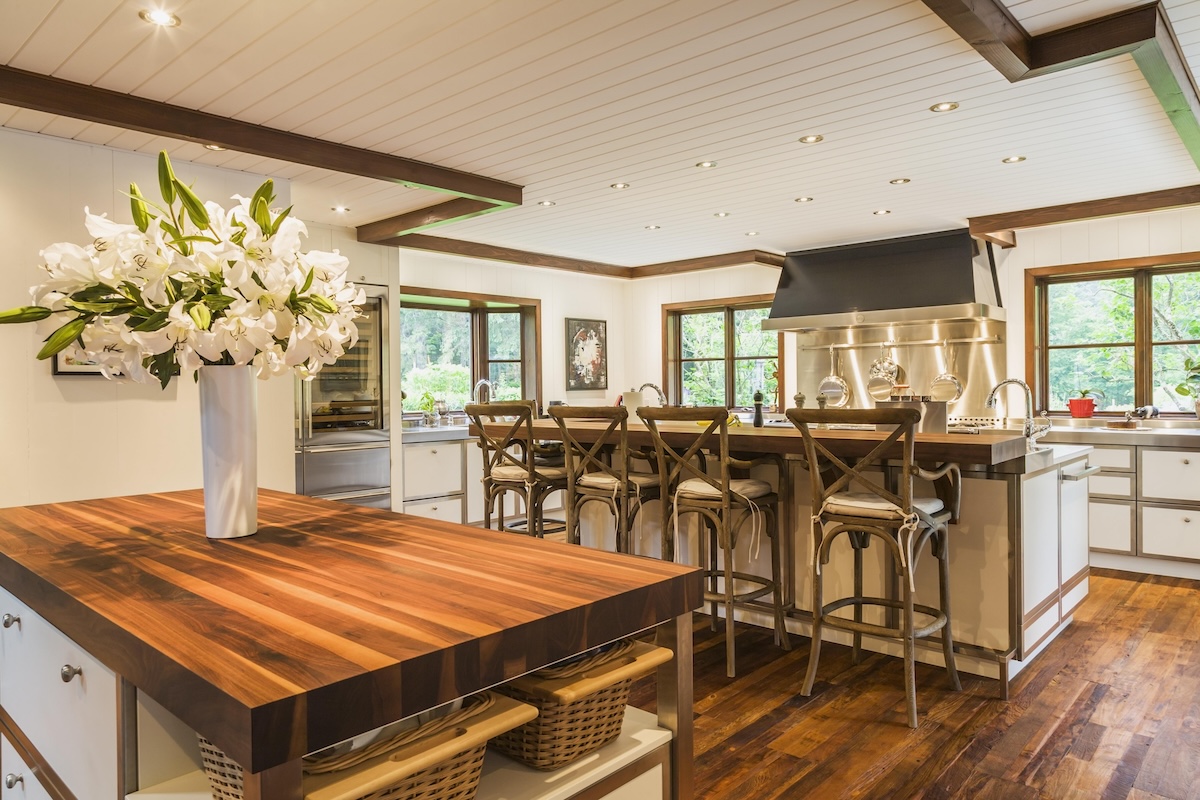
The Best Countertop Materials for Every Type of Kitchen

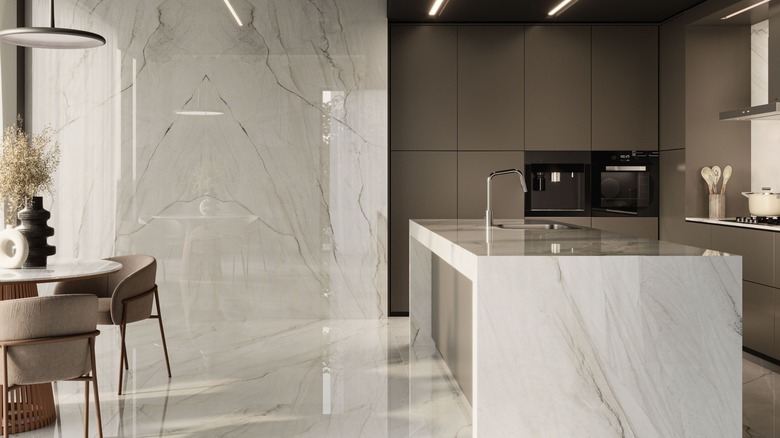
7 Stunning Countertops That Mimic The Beauty Of Marble (And 2 We'd Avoid)
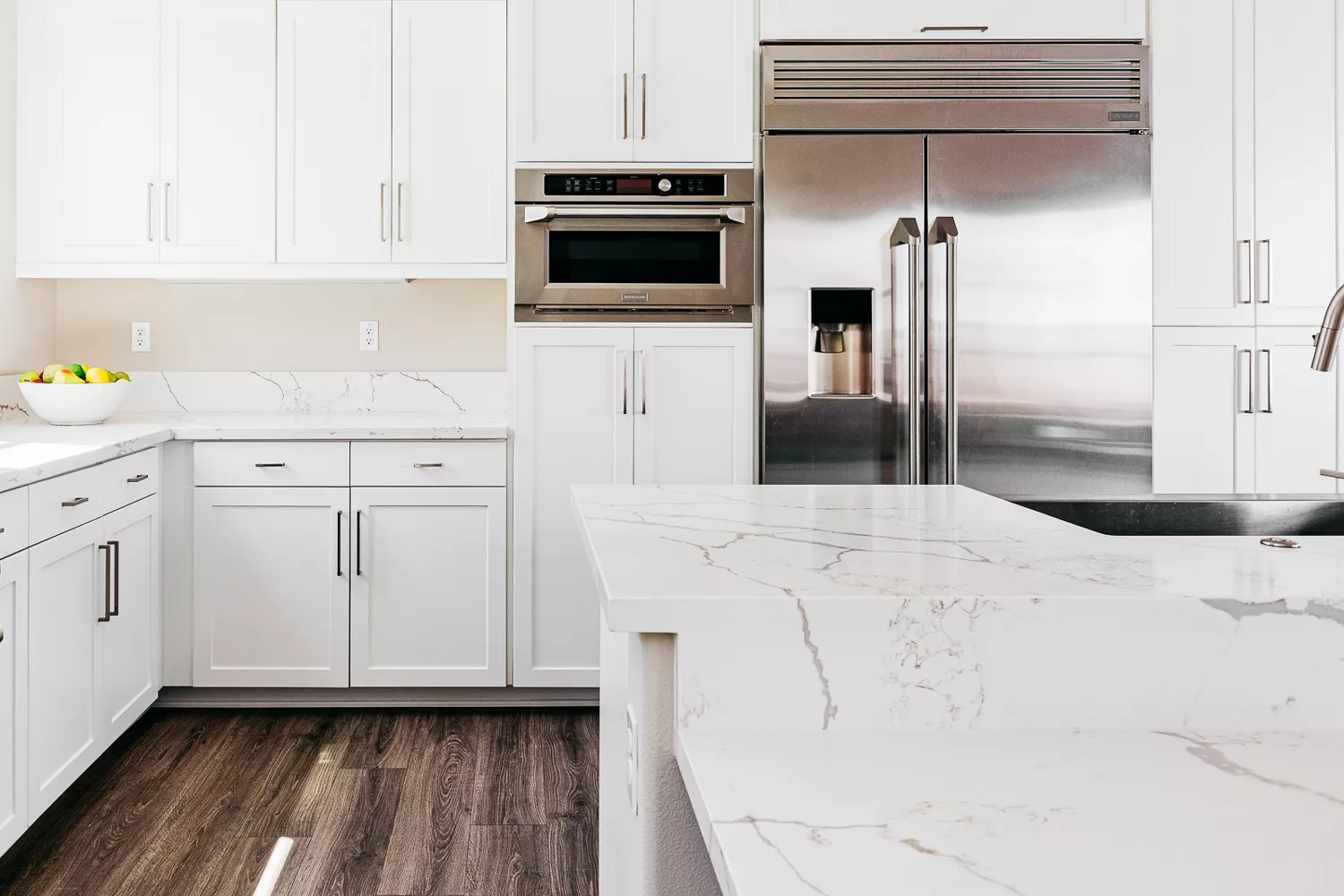
16 Beautiful Marble Countertops to Add a Classic Touch to Your Kitchen