
What Is a Mini Split—and Why It's Perfect for Cooling Your Home This Summer
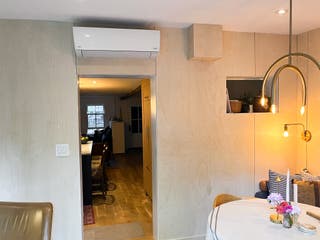
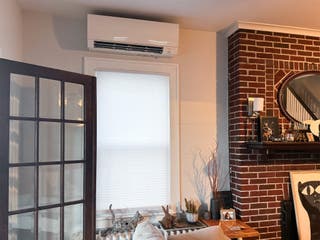
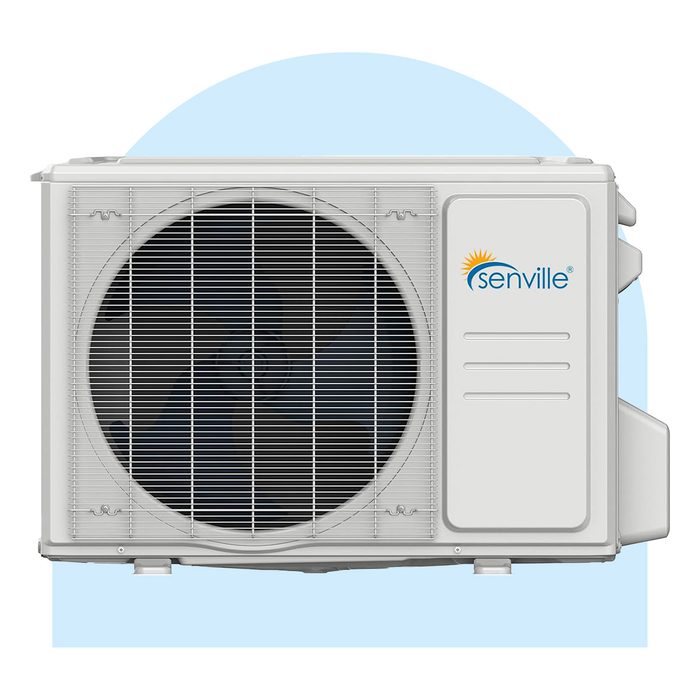
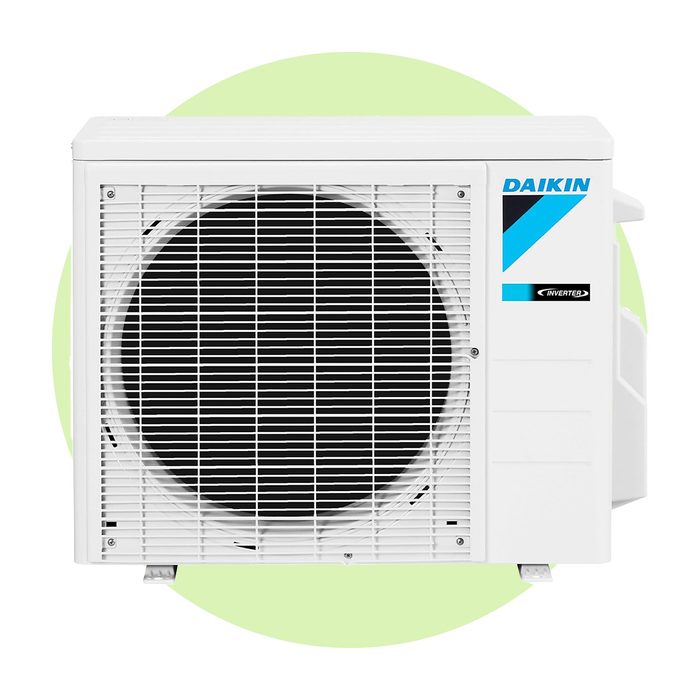
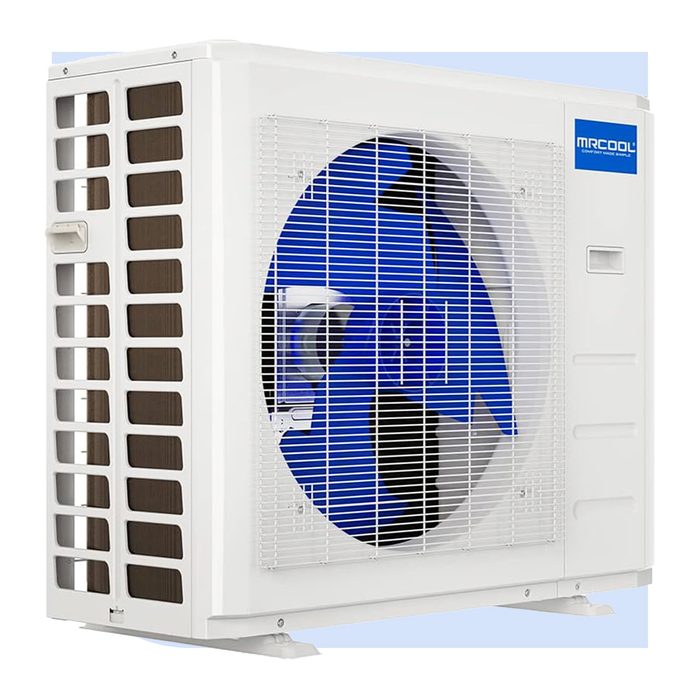
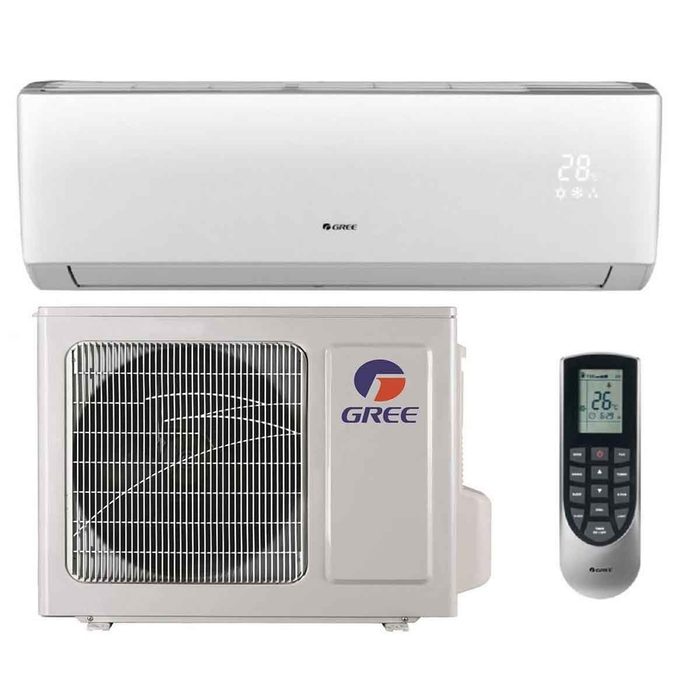
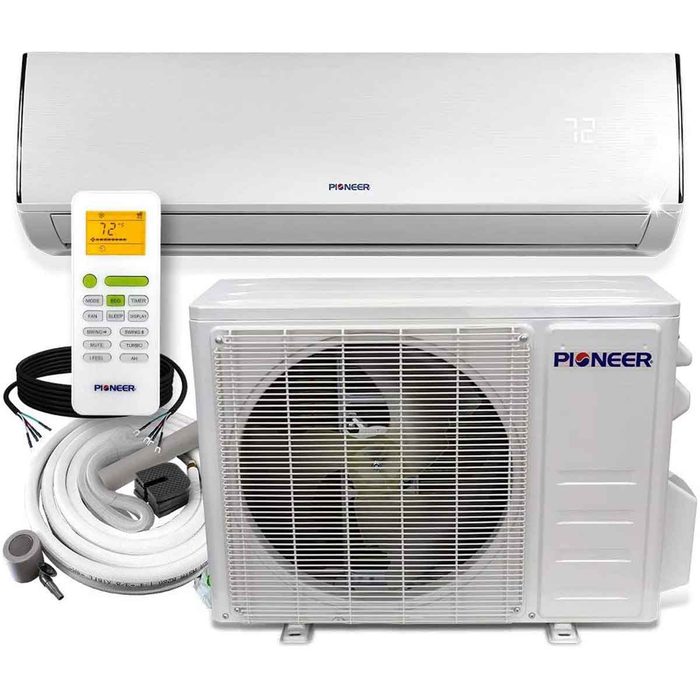
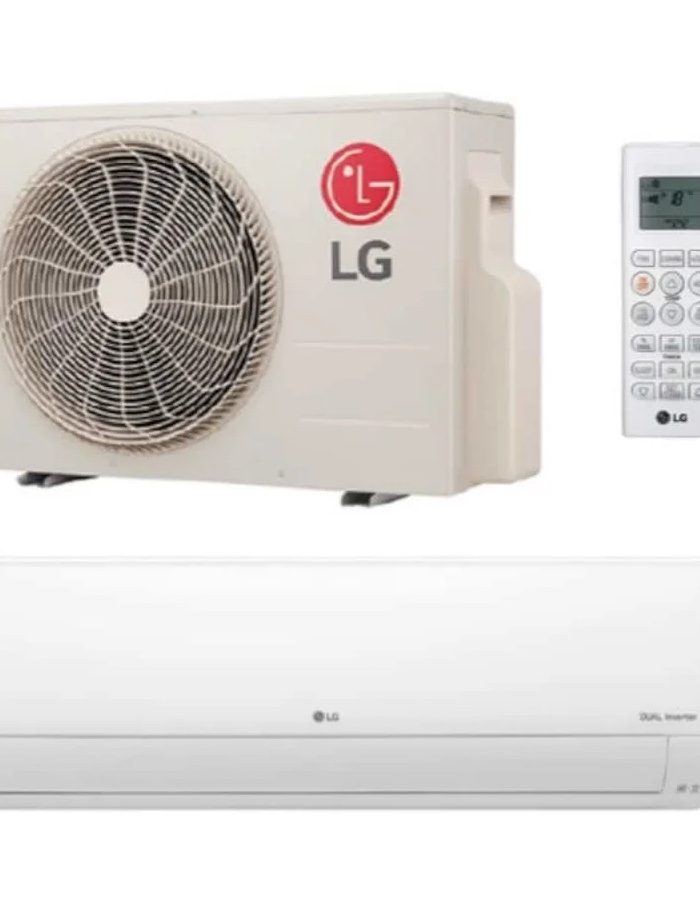
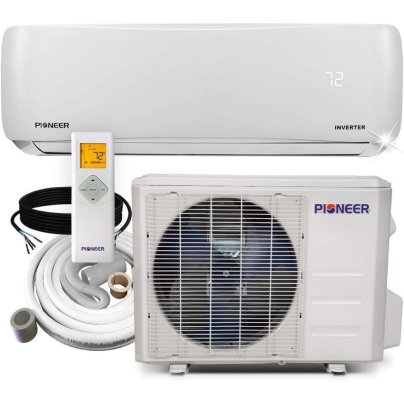
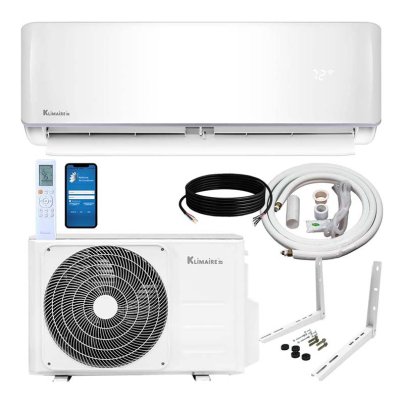
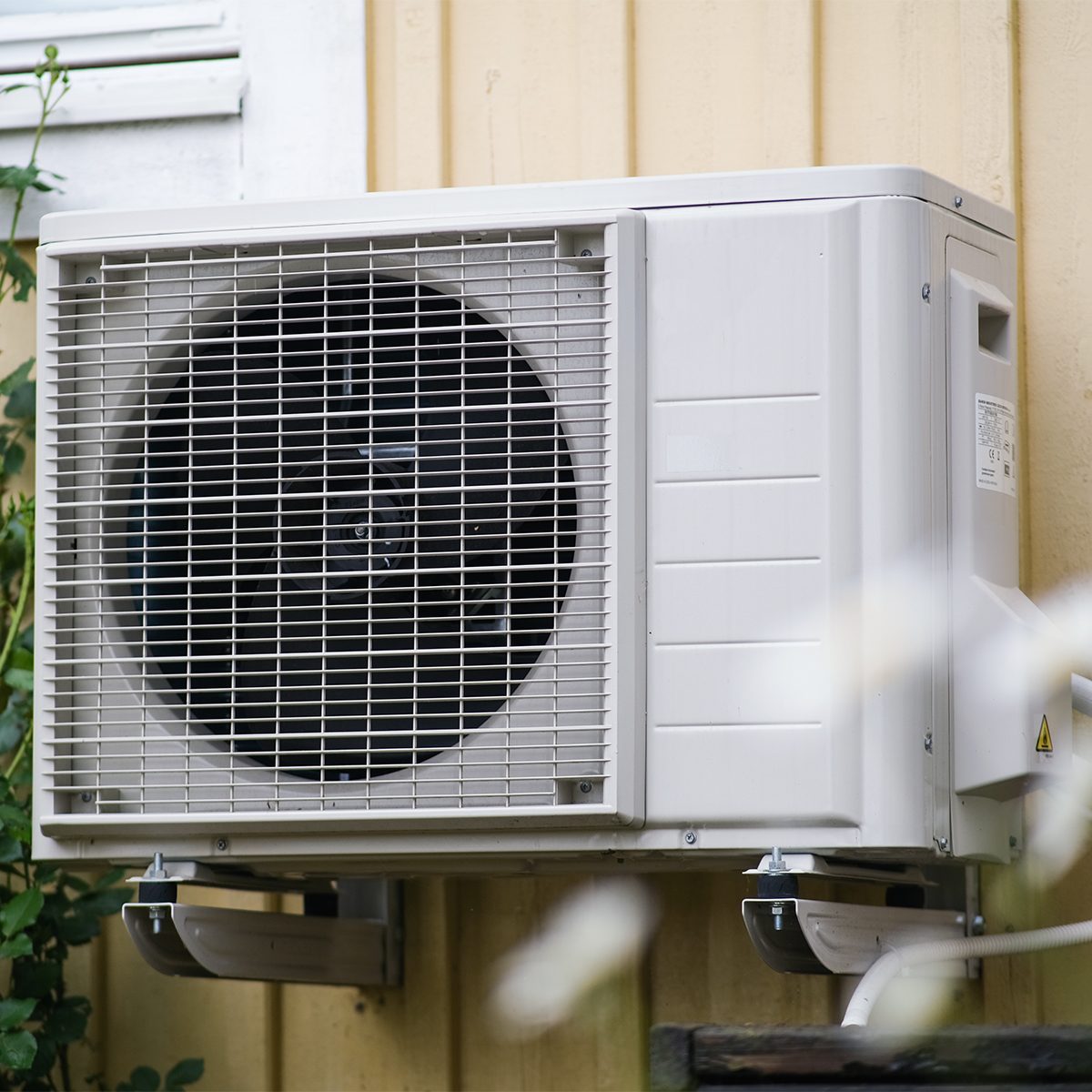
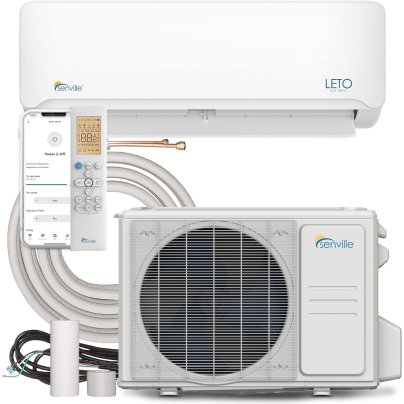
Mini-split systems, also known as ductless mini-split systems, ductless AC, or mini-split heat pumps, offer an alternative heating and cooling solution for homes, particularly those without existing ductwork. Unlike traditional central air conditioning systems that rely on extensive duct networks, mini splits consist of an outdoor unit for compression and heat exchange, and one or more indoor units mounted on walls, floors, or ceilings. These components are connected by small refrigerant lines and electrical wiring, making installation less invasive compared to conventional HVAC systems. This design flexibility makes mini splits ideal for older homes, new additions like converted basements or garages, and spaces where extending ductwork would be impractical or costly.
One of the primary advantages of mini splits is their ability to provide both heating and cooling without requiring central forced air. This is especially beneficial for homes that use radiators or baseboard heating. They are also effective for cooling remote areas of a home that central air systems might struggle to reach, such as attics or new room additions that lack adequate venting. Mini splits are highly energy-efficient, primarily due to their inverter-driven technology. This allows them to precisely adjust their output to meet the heating or cooling demands of a room, avoiding the constant on-and-off cycling of older systems, which can lead to significant energy savings. The energy losses associated with ductwork, which can account for up to 30 percent of energy use in central systems, are eliminated with ductless mini splits. Additionally, mini-split installations may qualify for federal tax credits, further enhancing their cost-effectiveness.
Mini splits offer zoned comfort, enabling occupants to control the temperature in individual rooms independently. This feature not only conserves energy and reduces utility costs by avoiding unnecessary heating or cooling of unused spaces but also provides personalized climate control for different household members. Furthermore, these systems are known for their quiet operation. The outdoor unit, which houses the compressor, minimizes indoor noise, and the sleek indoor units are generally quieter than window AC units, making them a less obtrusive option for maintaining indoor comfort.
Despite their many benefits, mini splits do have certain drawbacks. They are less efficient and can become costly for cooling large homes or multiple rooms uniformly, as it would necessitate installing numerous indoor and outdoor units. In such cases, a central HVAC system might be more economical if existing ductwork is in place. The initial investment for mini-split equipment and professional installation can be significant, especially when multiple units are required to cover an entire home, potentially deterring homeowners on a tight budget or those planning short-term residency. Aesthetically, the visible indoor air handlers, mounted on walls or ceilings, can be considered intrusive in carefully designed interiors, although concealed duct designs and ceiling-mounted options offer more discreet alternatives.
Regular maintenance is crucial for mini splits to ensure their efficiency and longevity. Filters in the indoor units need frequent cleaning, typically every few weeks, to prevent reduced performance, poor indoor air quality, and potential costly repairs. Lastly, mini splits may face limitations in extreme climates. Standard models can struggle to provide sufficient heat when outdoor temperatures drop significantly below freezing. Their performance is also influenced by a home's insulation, with poorly insulated homes potentially requiring additional energy upgrades to achieve desired temperatures with mini-split systems.
#MiniSplit #DuctlessAC #HomeCooling #EnergyEfficiency #HVAC #ZonedComfort #HomeImprovement #ModernLiving #SmartHome #MiniSplit #DuctlessAC #HomeCooling #EnergyEfficiency #HVAC #ZonedComfort #HomeImprovement #ModernLiving #SmartHome
0 comment in total
 No comments yet
You may also like

For Indoor Comfort Without Central HVAC, a Mini-Split Might Be the Answer
Beat the Summer Heat With One of Our Favorite Whole-House Fans


How to warm up your first floor – 7 expert tricks to hold heat downstairs for a cozy winter


Where to Place Fans in Your Home for Maximum Cooling

These Are the 5 Best Mini Split Brands, According to HVAC Experts

Here’s what to look for when buying a new fan — from ceiling fans to handhelds

Hot Garage? 6 Tips to Make It Instantly More Bearable, Even in Peak Summer Heat


How to Cool Down Your Sunroom — 5 Simple Methods to Stop This Spot Overheating in Summer

5 Best Ductless Air Conditioners of 2025
Is Your First Floor Always Cold? 8 Easy Fixes That Work, According to HVAC Pros

Sick of the heat? Here's how to keep your home cool, heatwave or not, if you don't have AC

No AC? No problem – this handy $50 upgrade will instantly cool any room
Quilt Mini-Split Cool and Heat Your Home with Stunning Design Inside and Out
The Best Heat Pumps for Cold Climates
We Tested Several Window Fans—Our Favorite Made Warm Days More Bearable

Yes, Insulation Is Important in the Summer, Too

How to keep a top-floor apartment cool in summer


Your Apartment + These Top-Rated Window A/C Units = True Summer Love

Comfort: Heating & Cooling

This Easy Ceiling Fan Trick Will Help Keep You Cool in the Summer