1/8
The first things to consider when planning a new bathroom – according to experts
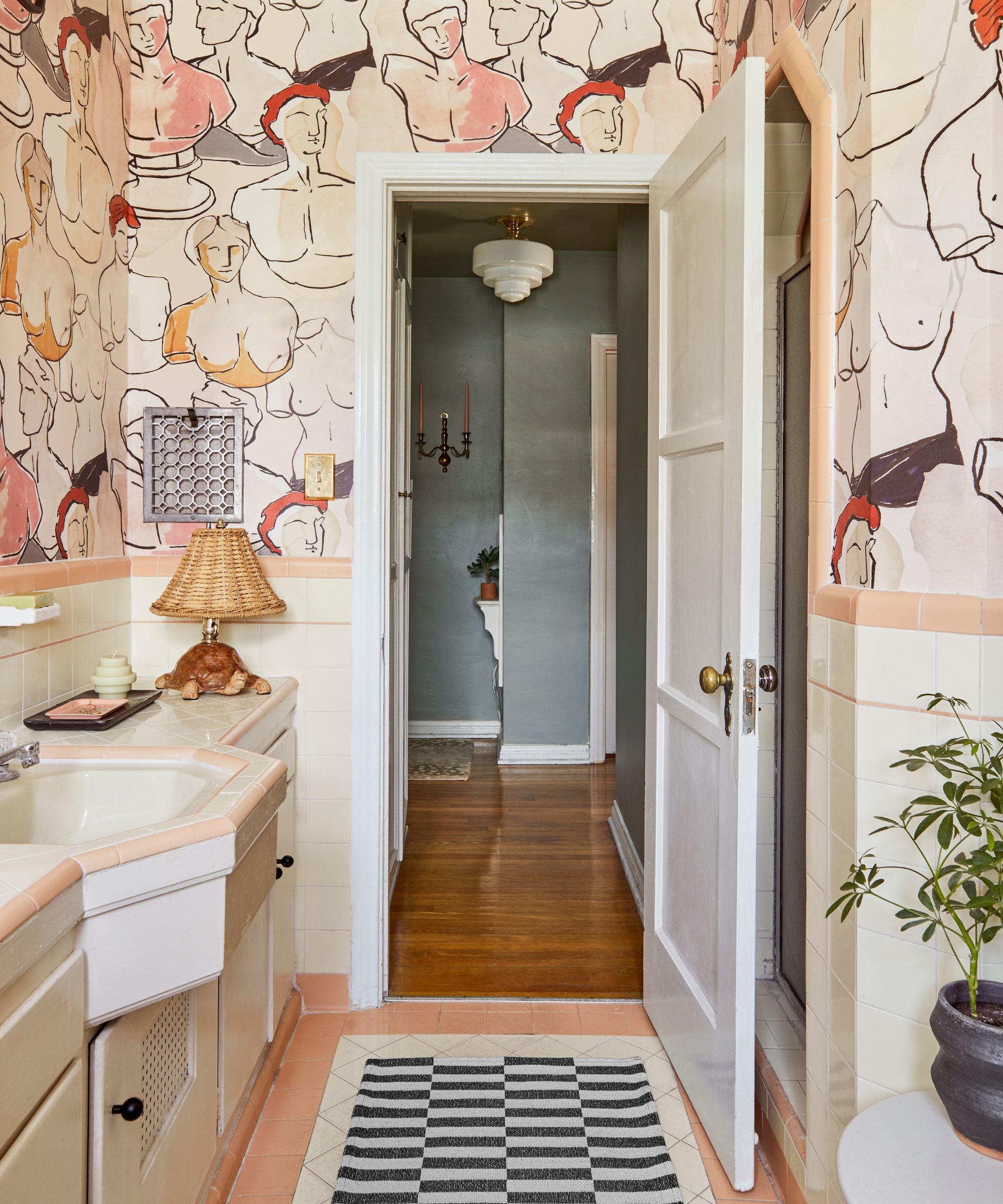
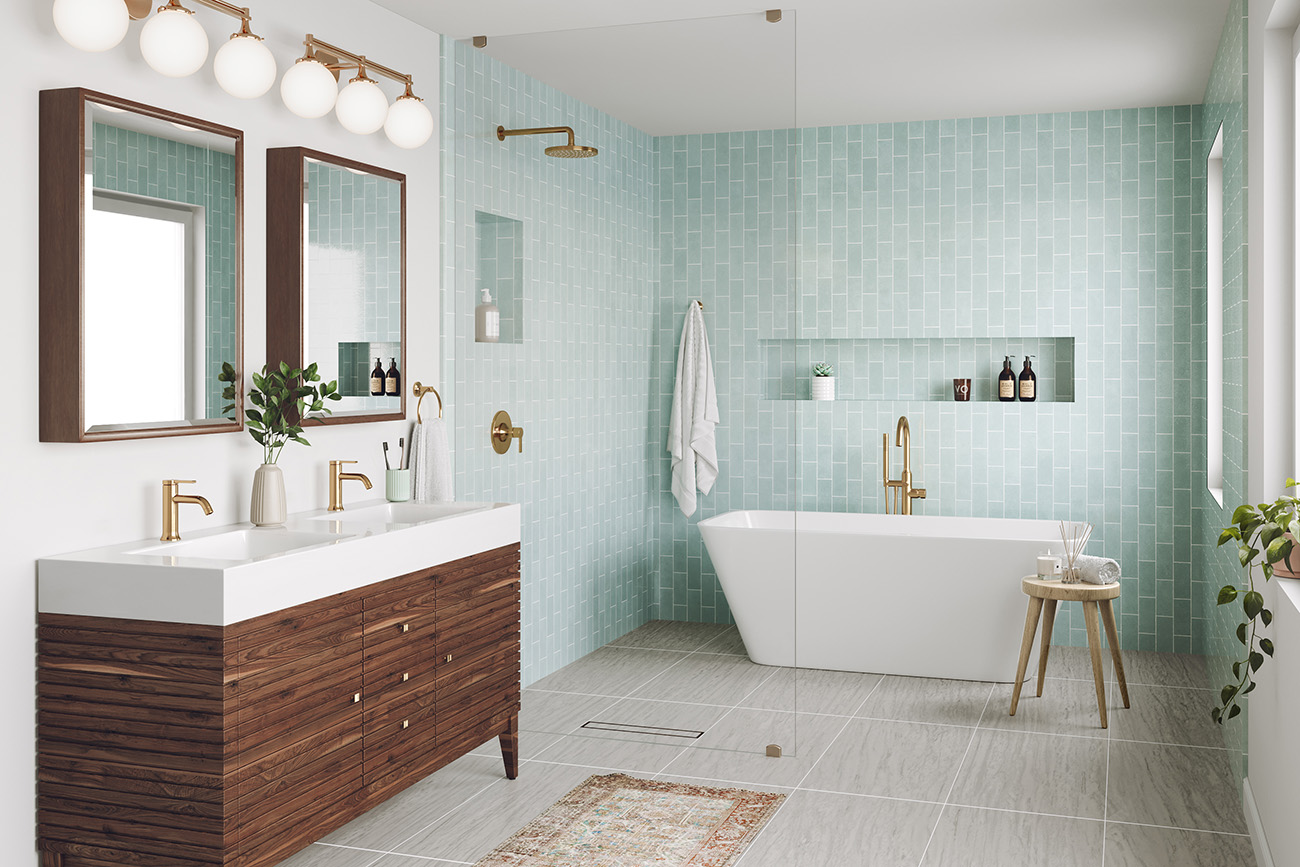
Planning a new bathroom involves numerous decisions to achieve a functional, stylish, durable, and budget-friendly space. Experts recommend a structured approach, beginning with crucial elements that will shape subsequent steps, whether designing for a small, large, family, or en-suite bathroom. Unlike other rooms, bathrooms require special consideration for design features to withstand temperature and humidity fluctuations.
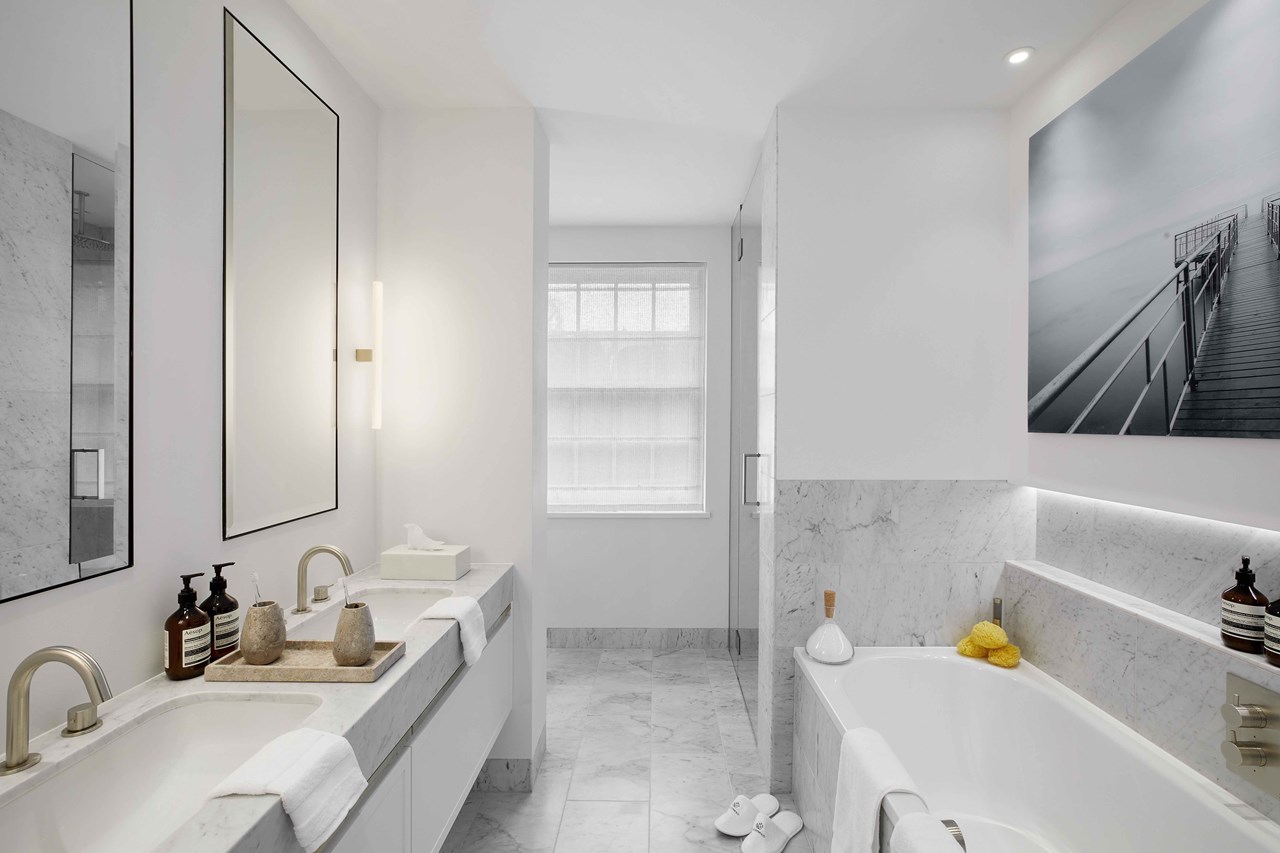
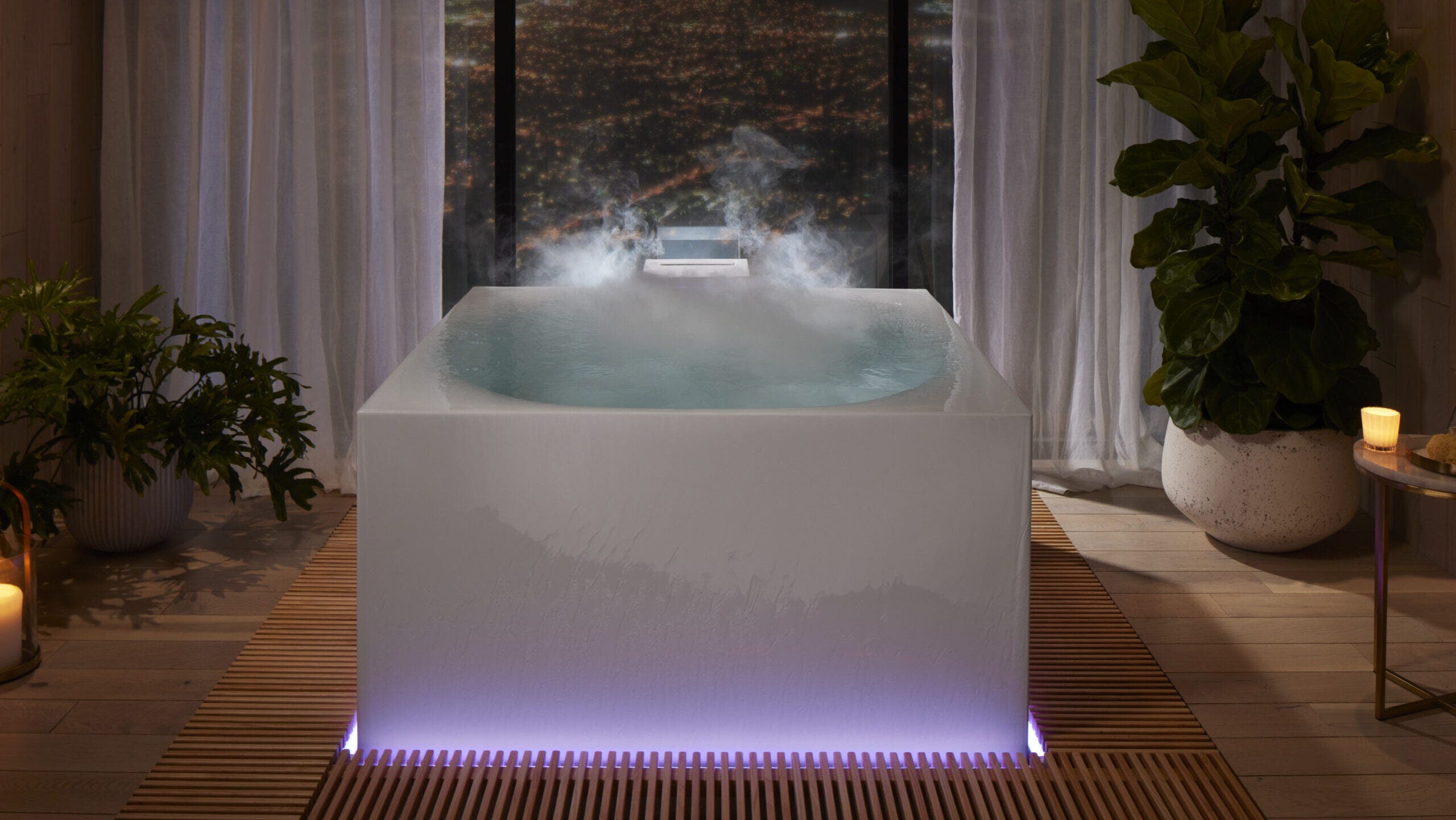
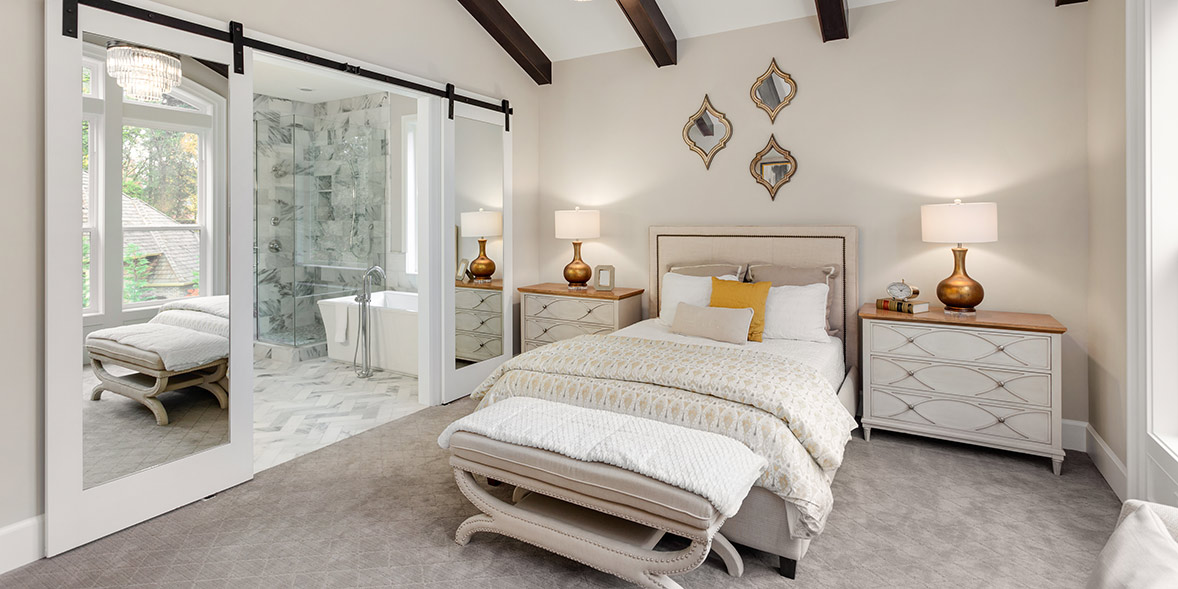
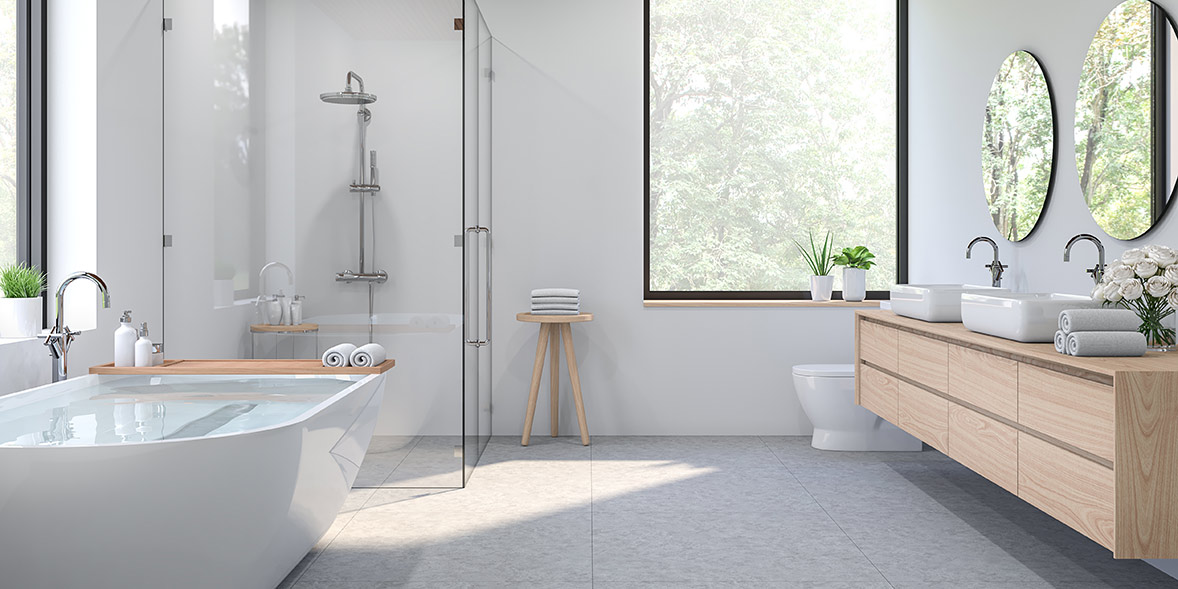
The initial step is to define the goals and needs for the space, understanding its primary function and who will be using it. A master en-suite, for example, prioritizes luxury and relaxation with features like a spacious shower or bath, ambient lighting, and a double vanity. In contrast, a family bathroom emphasizes functionality and durability, requiring ample storage for towels and children's essentials. Artem Kropovinsky, founder of Arsight, highlights the importance of tailoring the design to the specific requirements of the users and the bathroom type, as a powder room will have different needs than a guest bathroom.
Establishing a realistic budget is the second critical step. Hashi Mohamed, president of Ivy Cleans, stresses that the budget dictates material choices, fixtures, and the overall scope of the renovation. It's essential to account for material and labor costs, as well as potential unexpected expenses, to avoid overspending and make informed decisions. A clear budget prevents being swayed by overwhelming design choices later in the process.
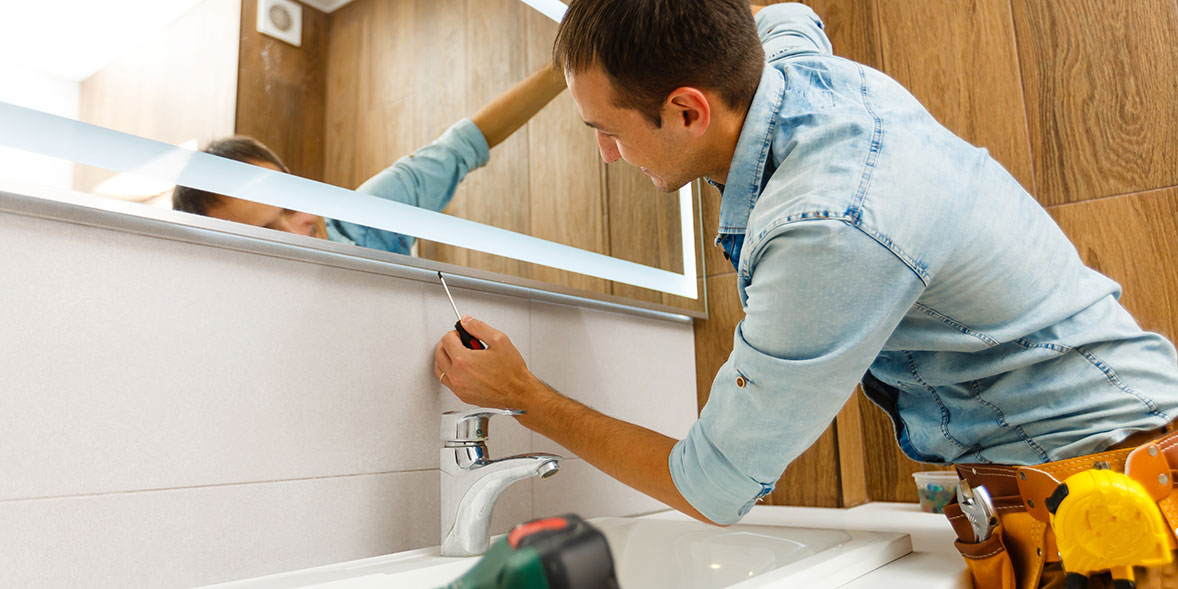
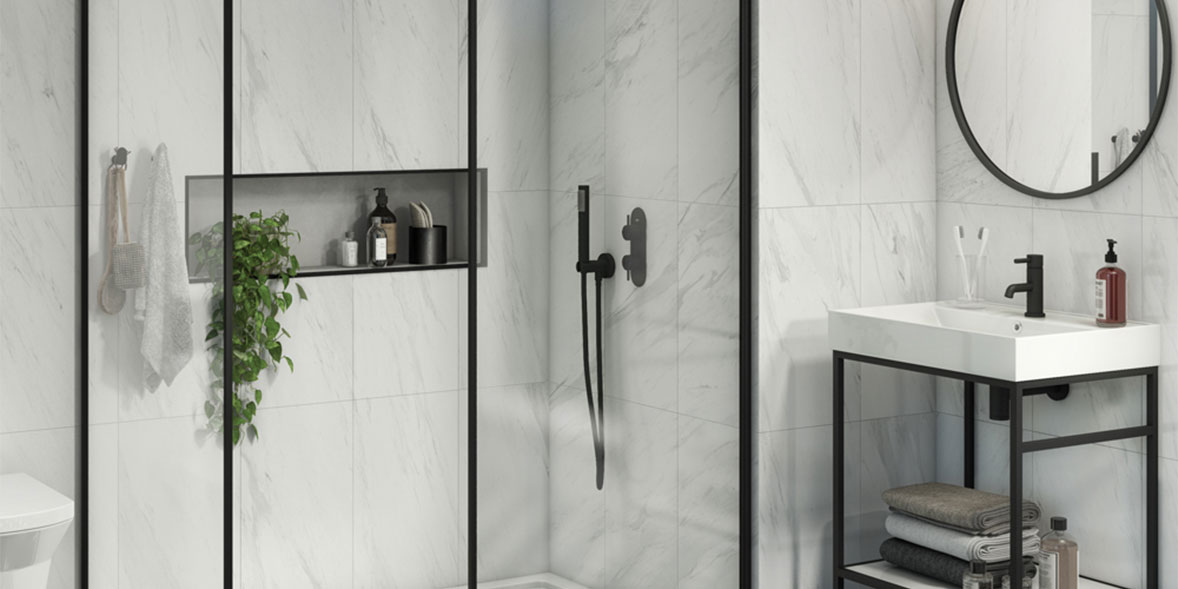
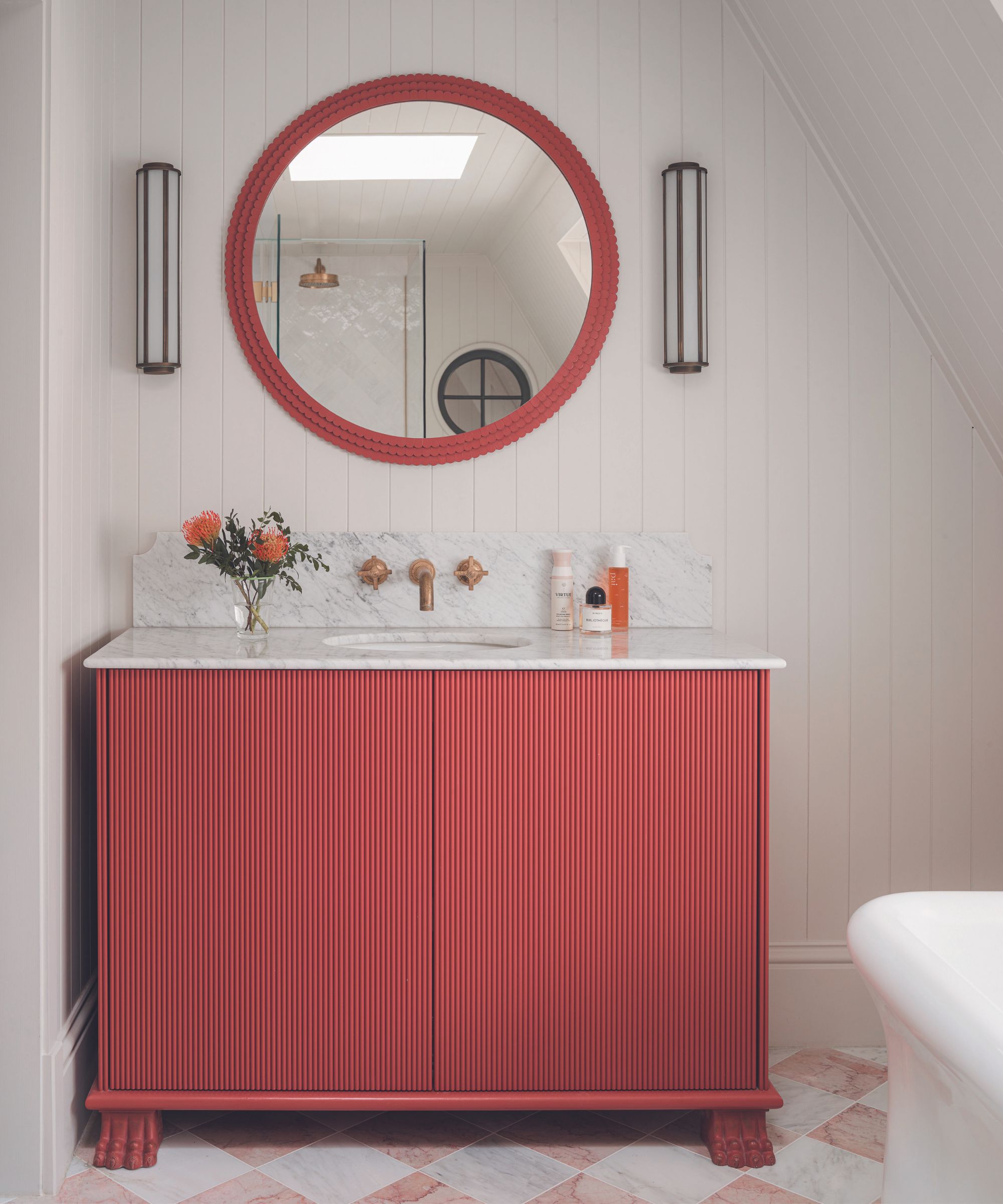
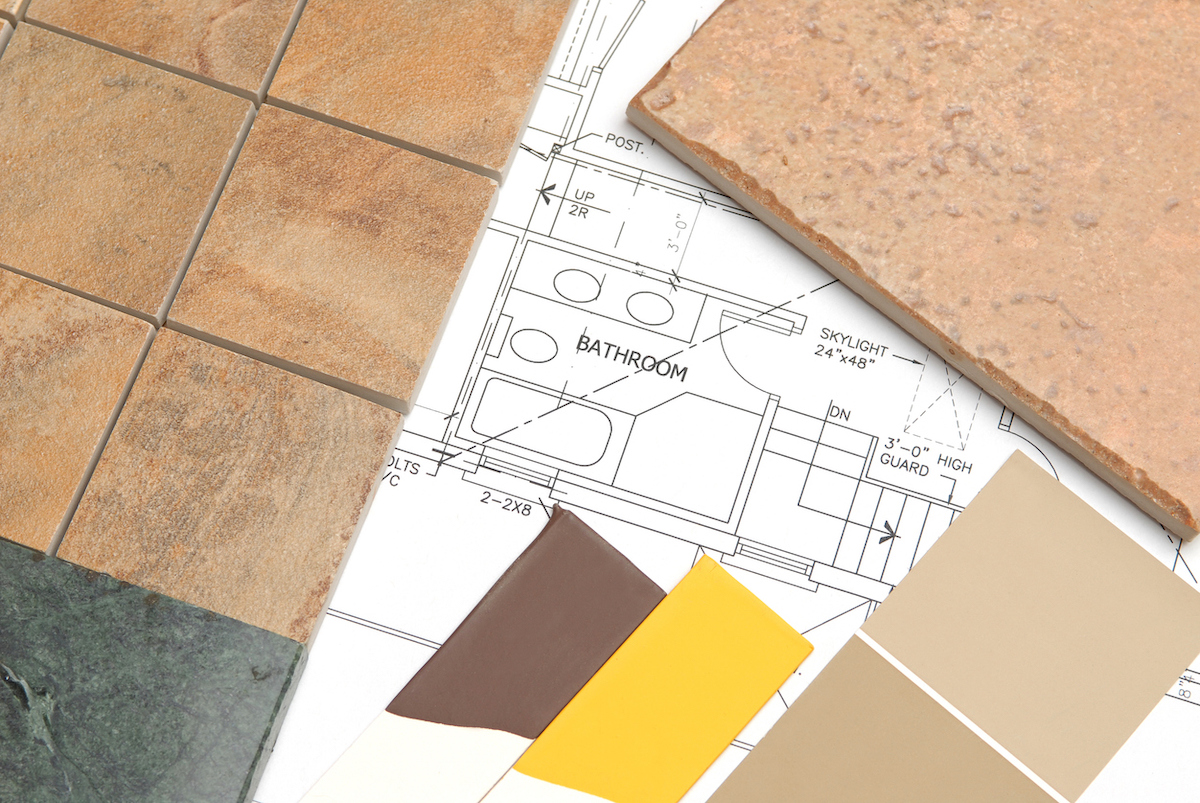
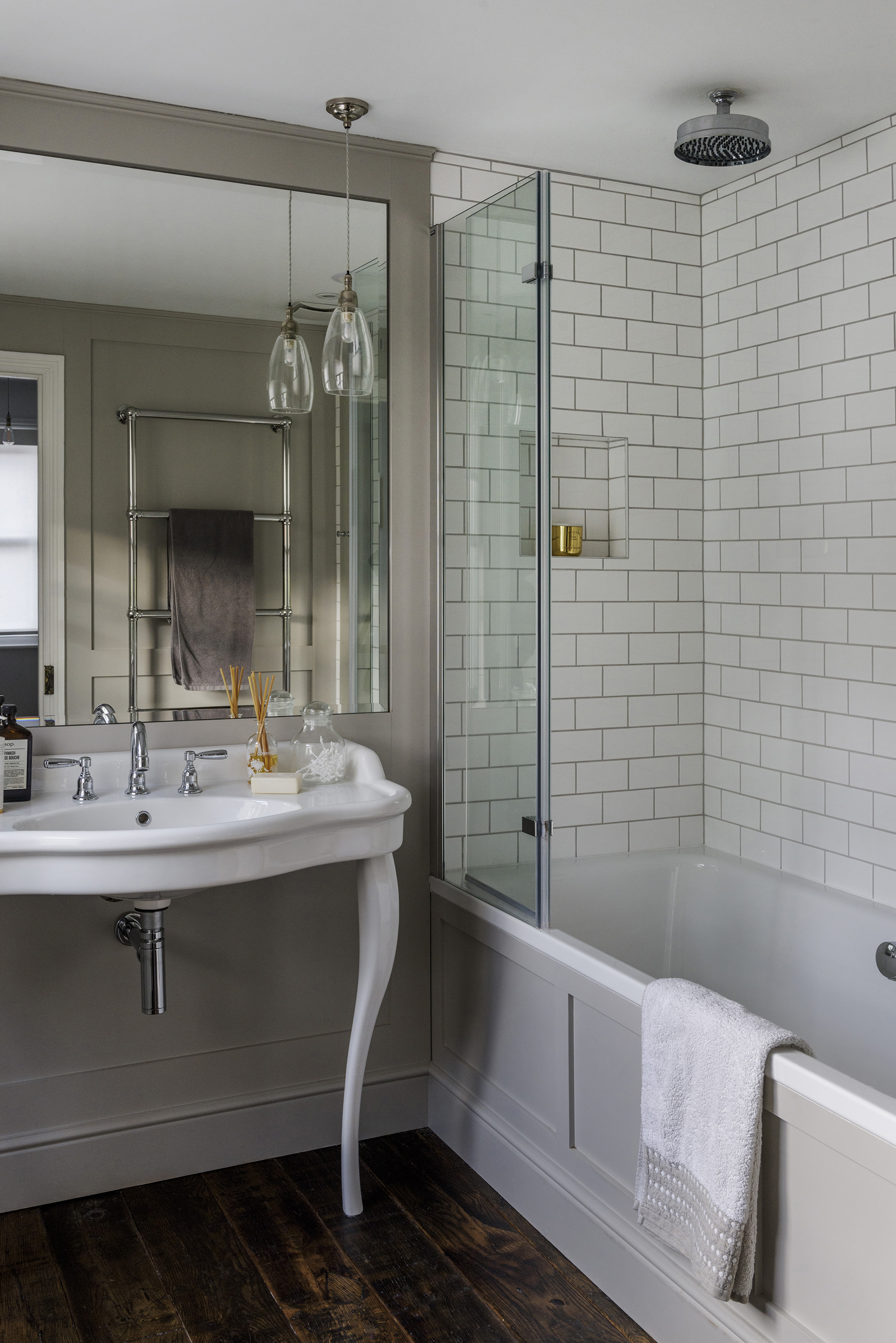
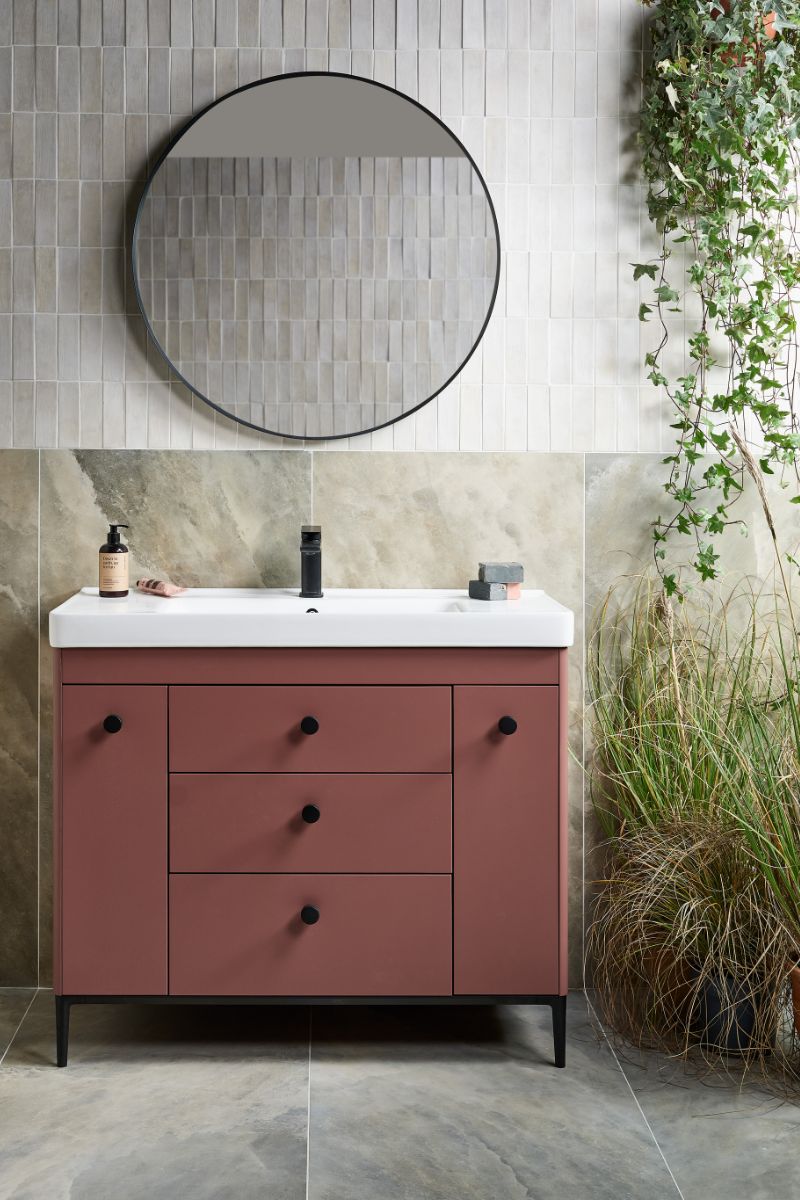
Efficient space planning is paramount for a well-functioning bathroom. This involves maximizing usability by carefully assessing the available space to determine the ideal placement of fixtures, storage solutions, and ensuring ease of movement. Karen Miller, owner of the Miller Design Group, notes that proper space planning facilitates discussions about aesthetics. Felix Naundorf, founder of Bummelwelt, advises incorporating clever storage solutions like built-in shelving or vanity drawers to minimize clutter and create an organized, efficient, and visually pleasing environment. Consideration of existing electrical and utility lines is crucial, as these dictate the feasibility of placing key fixtures and can significantly impact project costs, as explained by Martin Orefice, CEO of Rent To Own Labs.
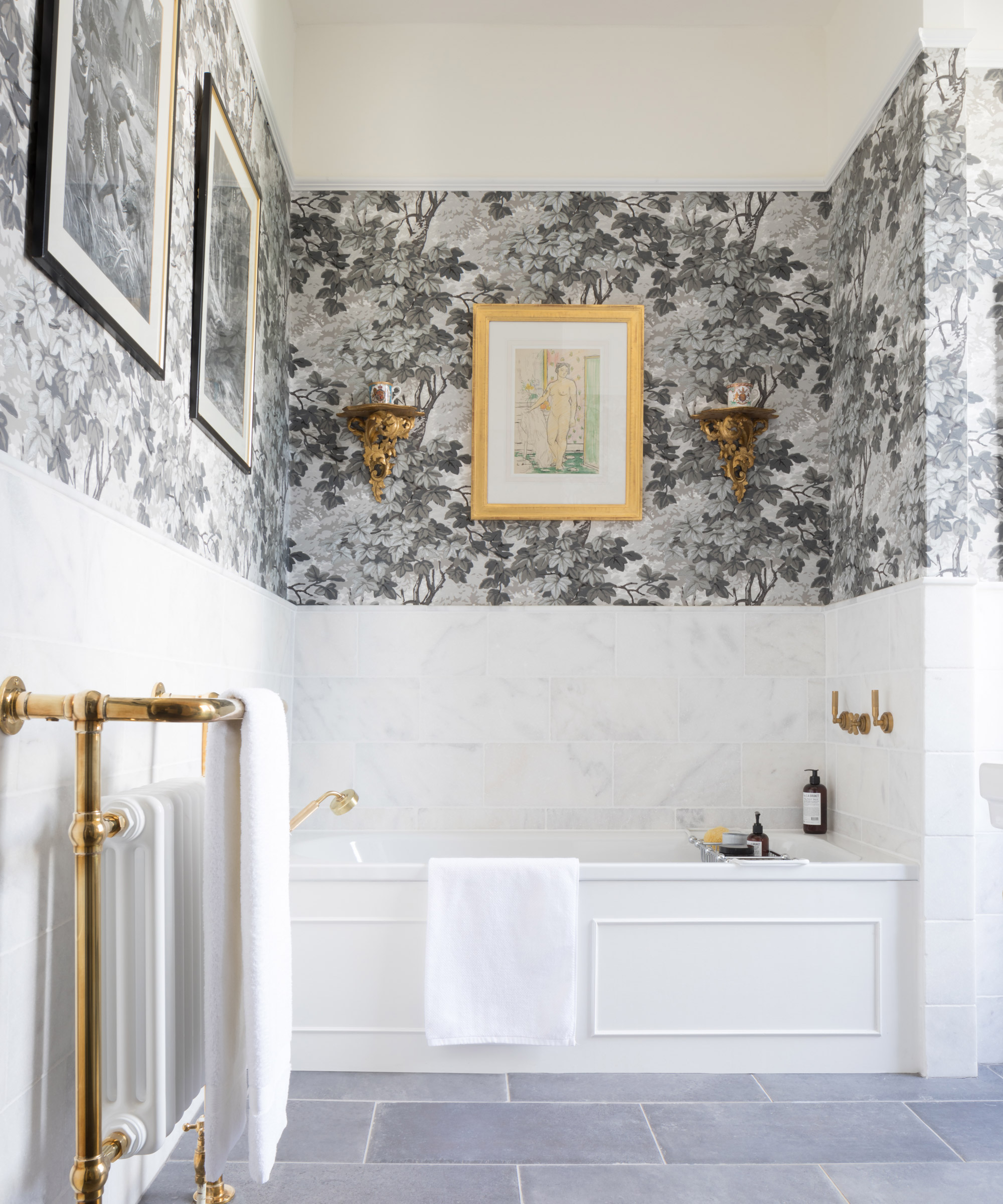
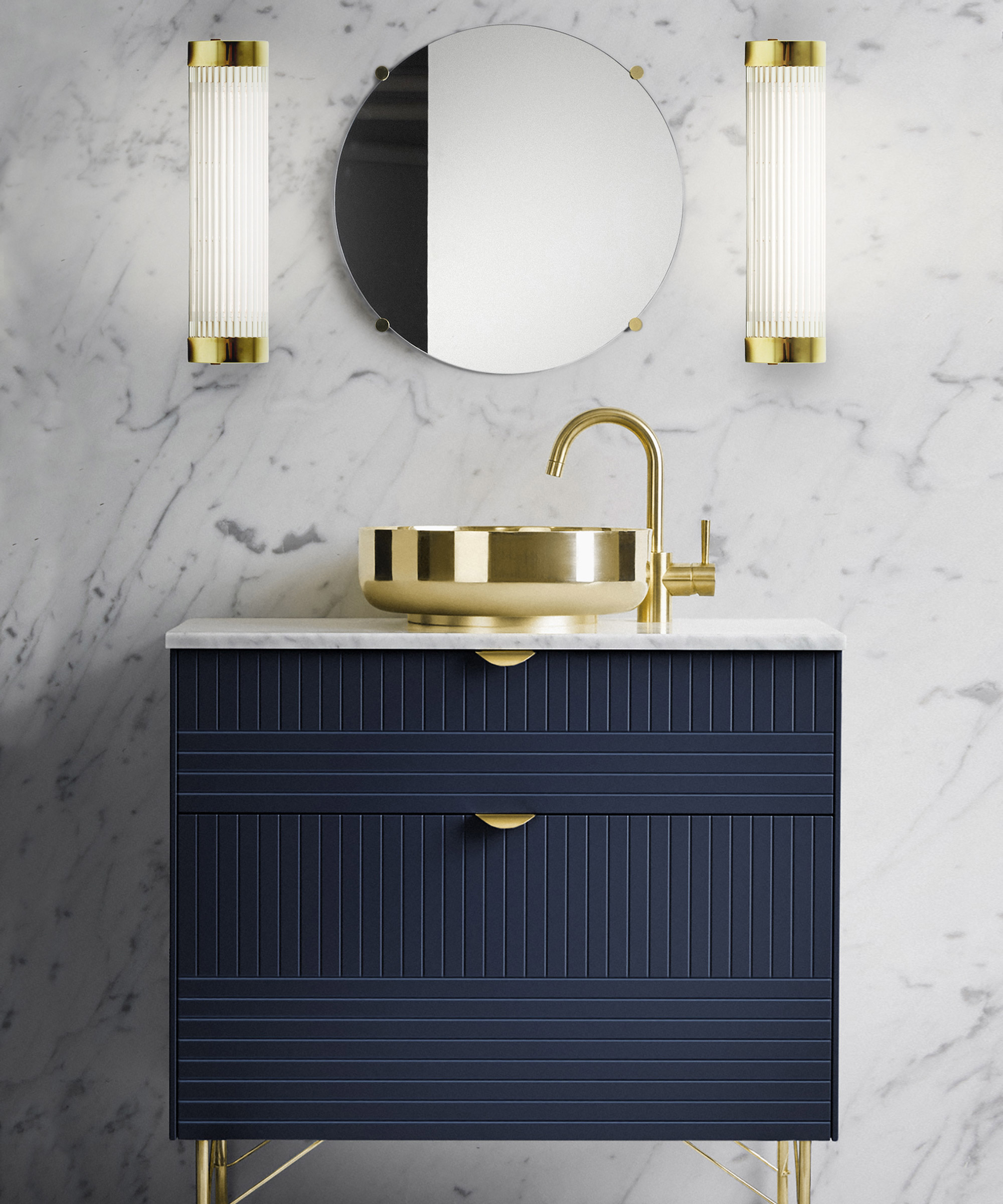
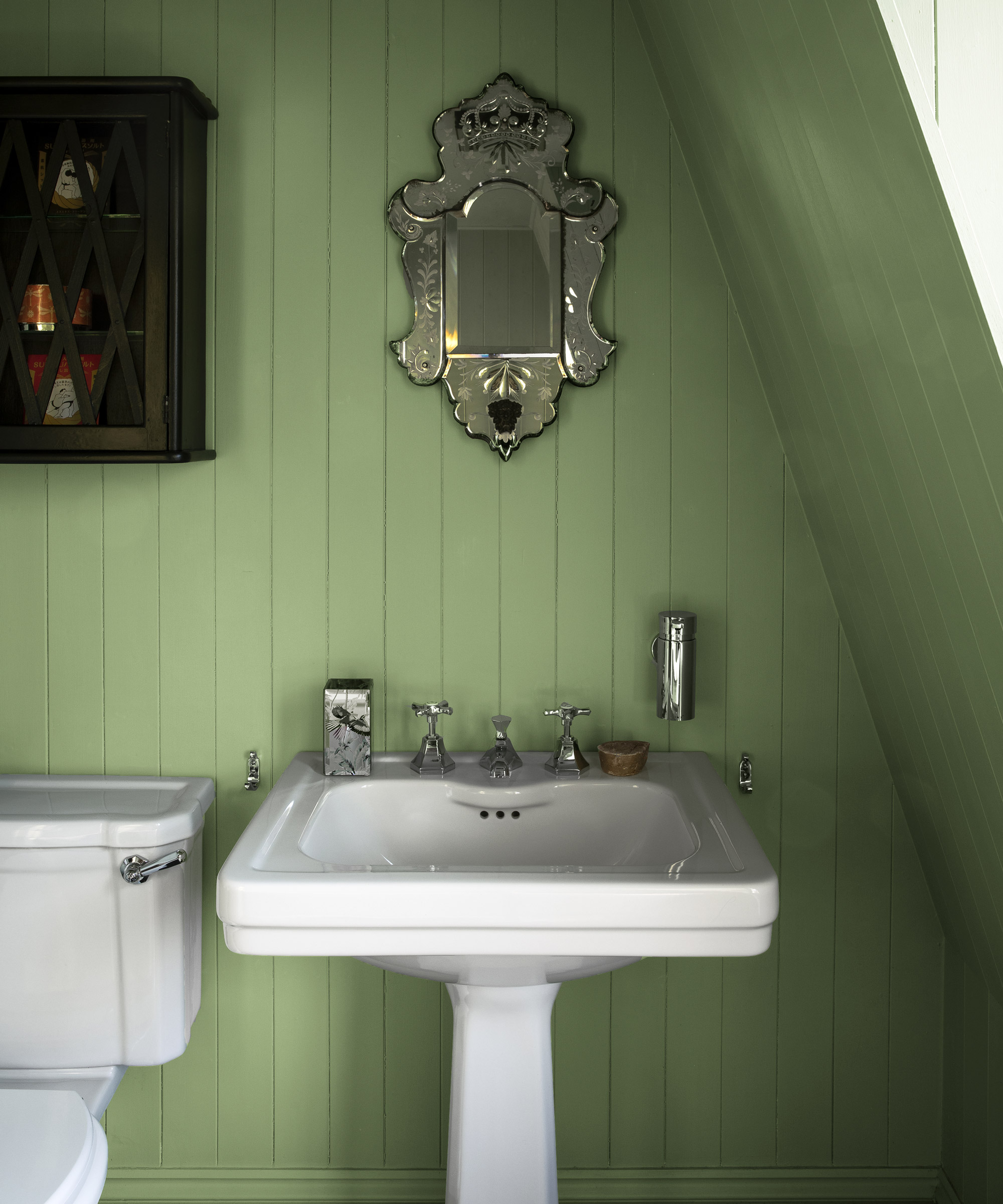
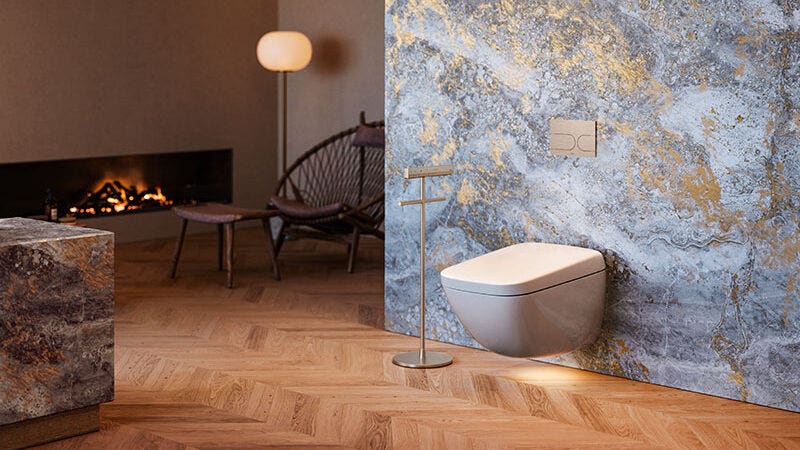
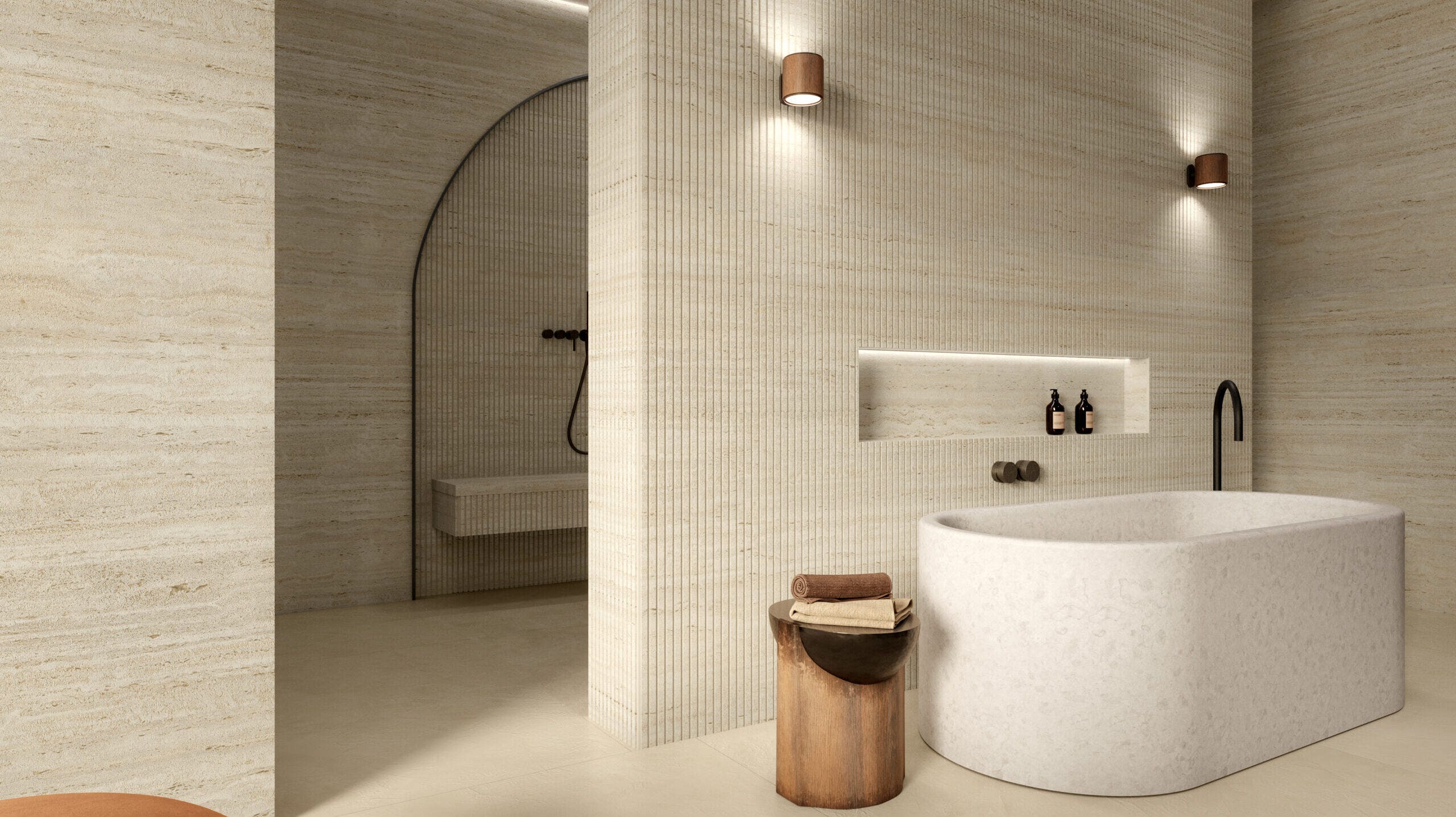
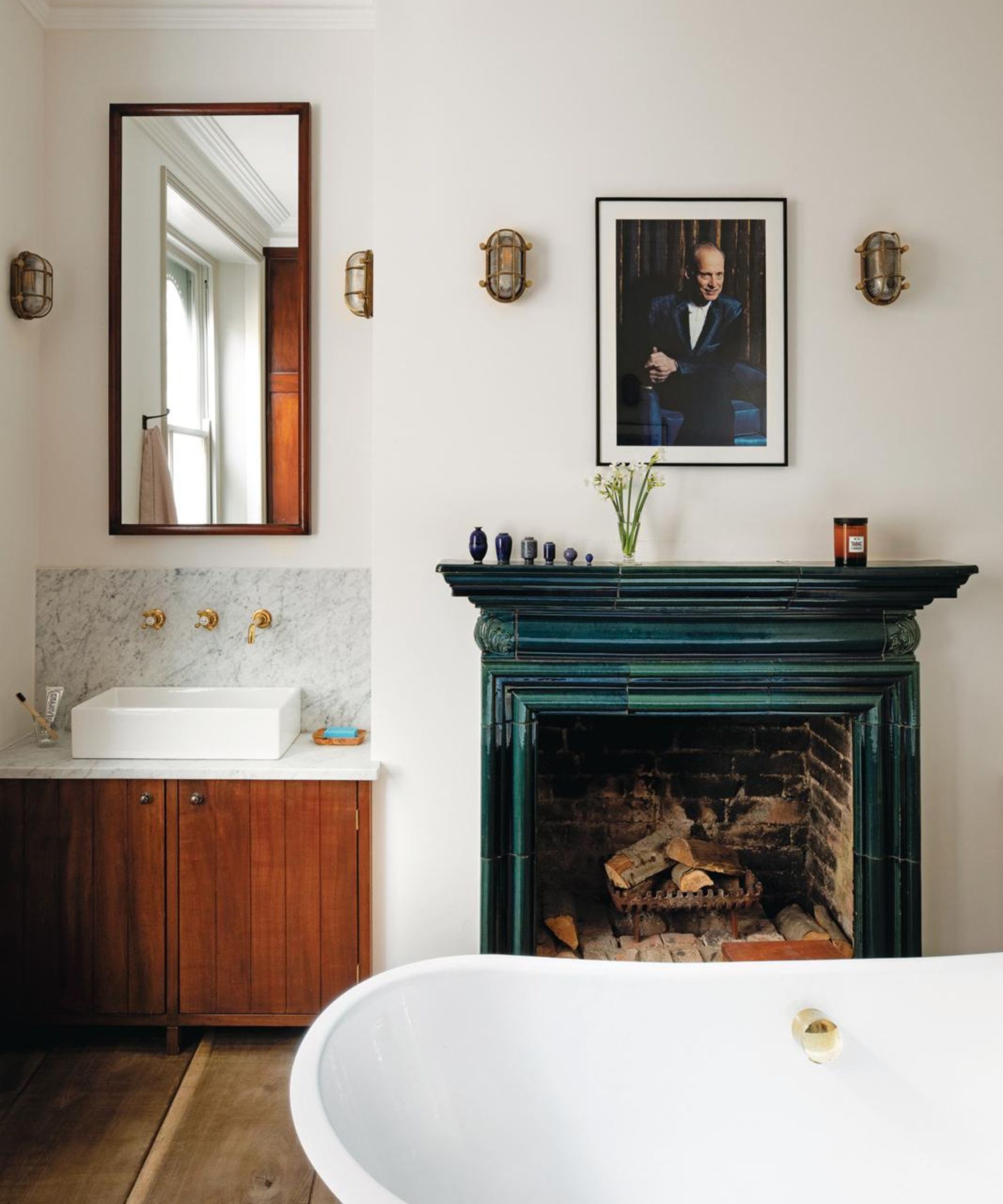
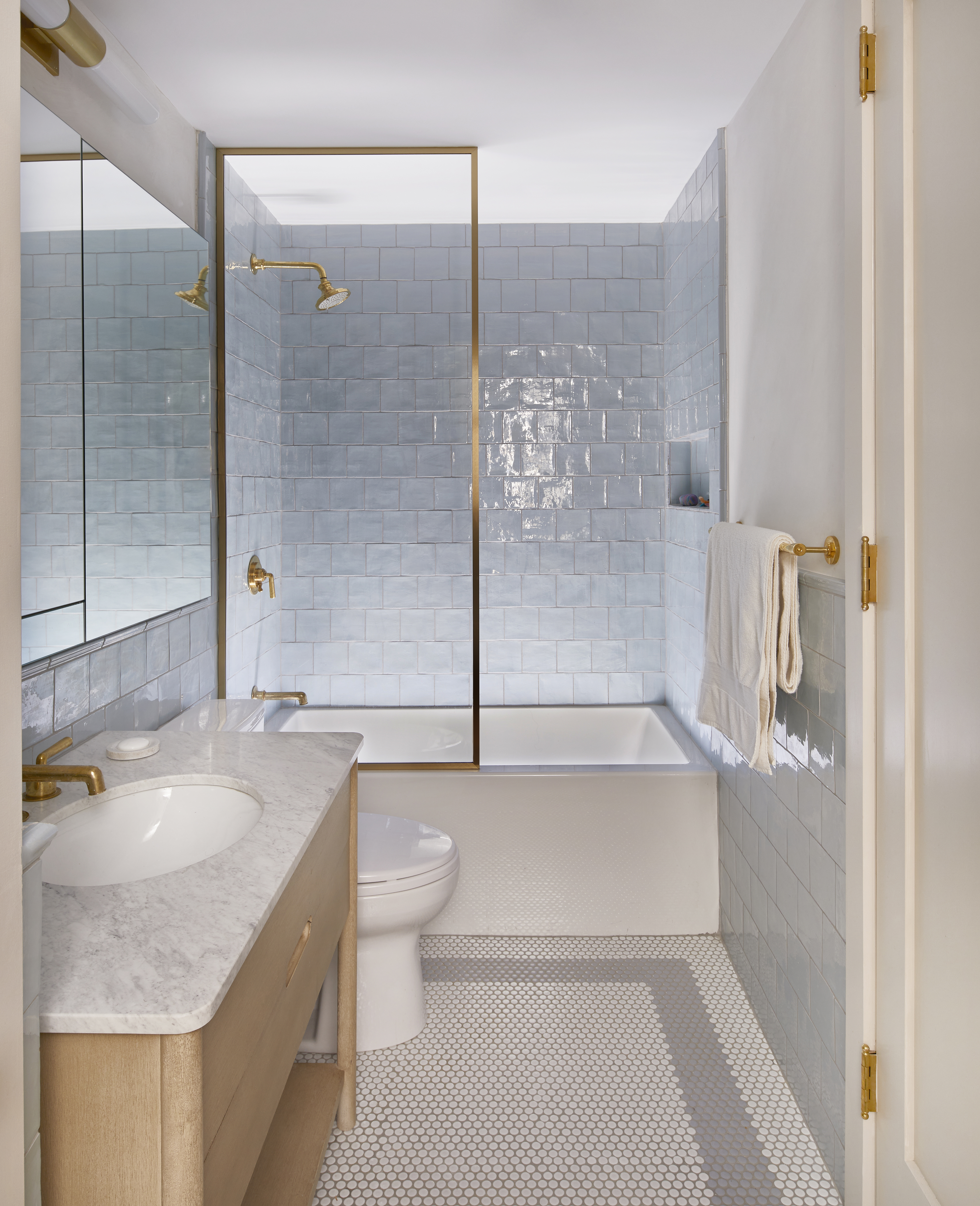
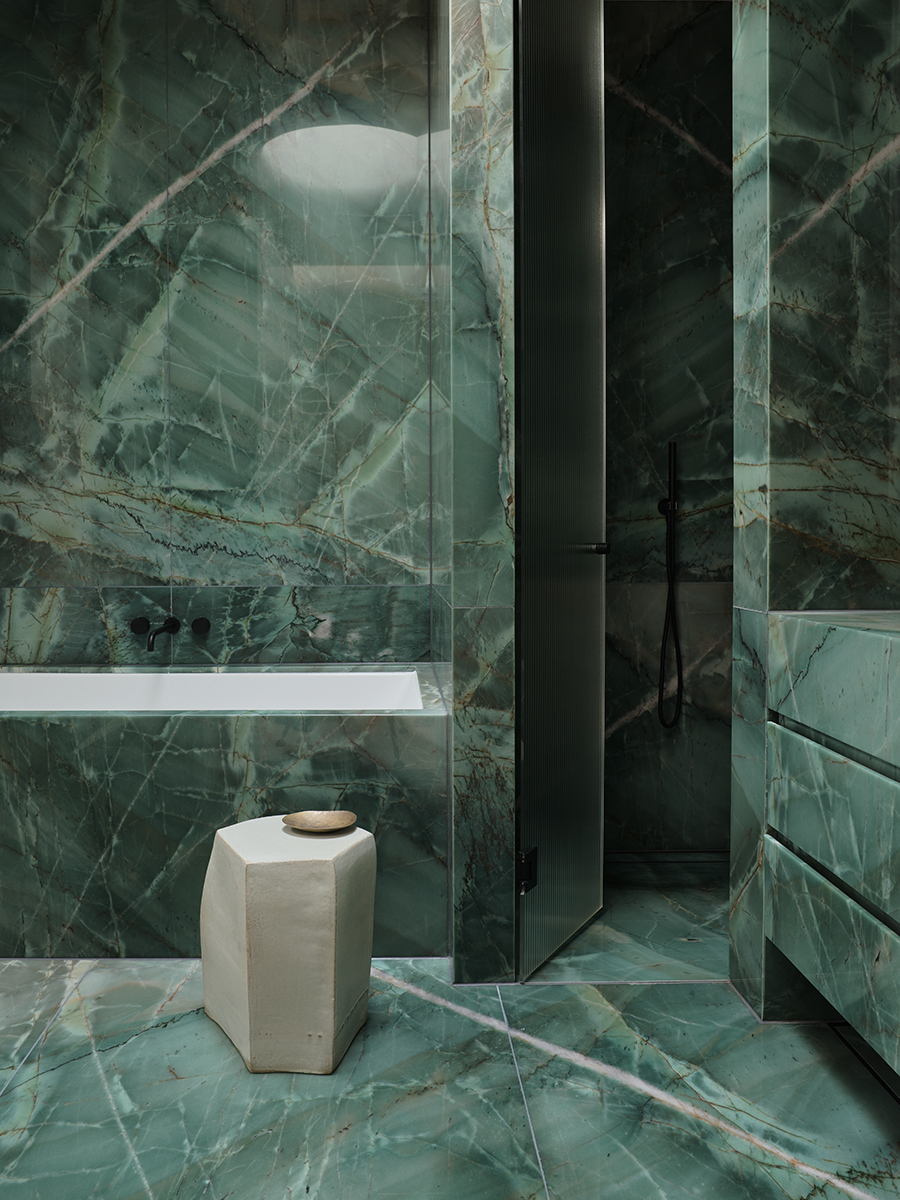
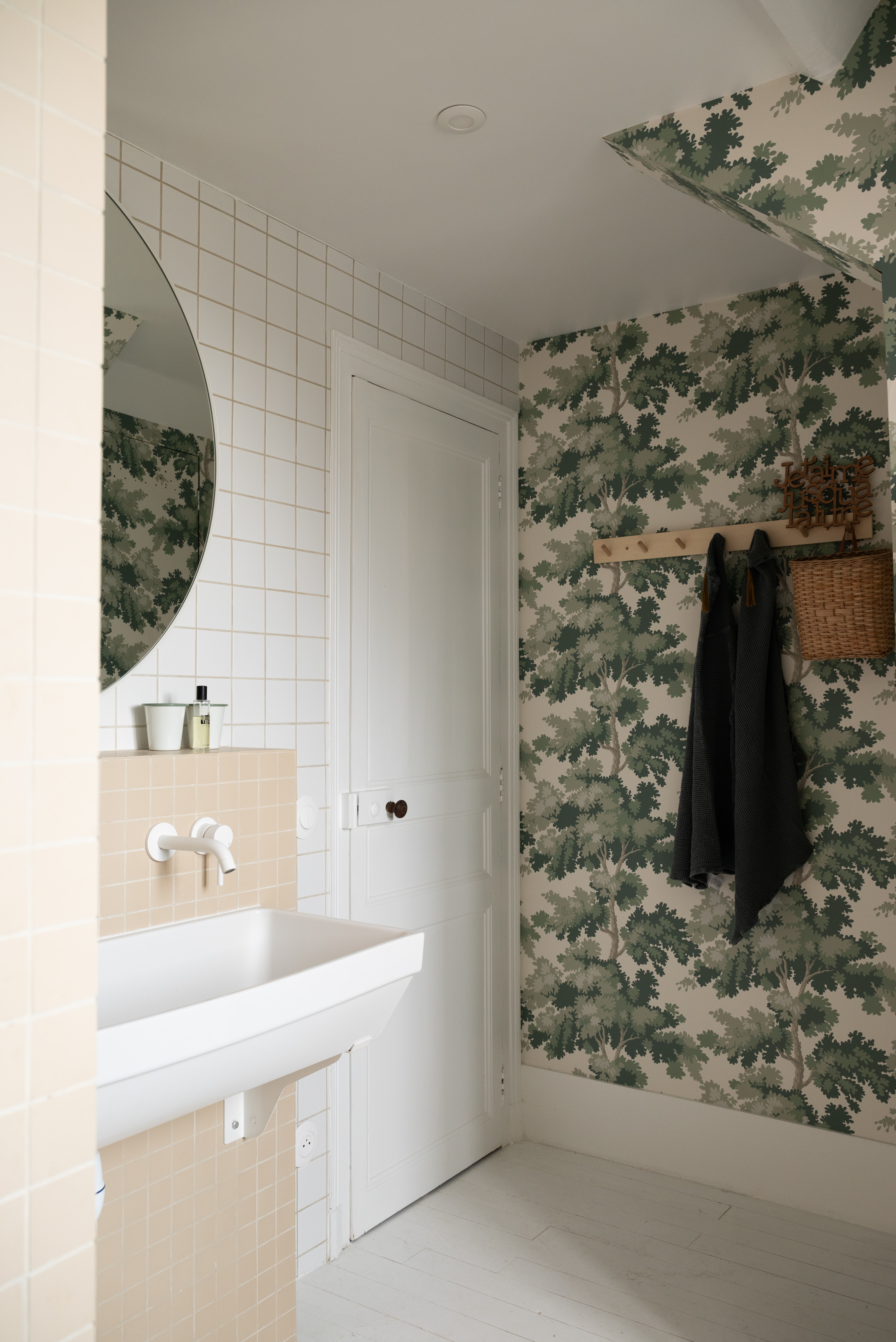
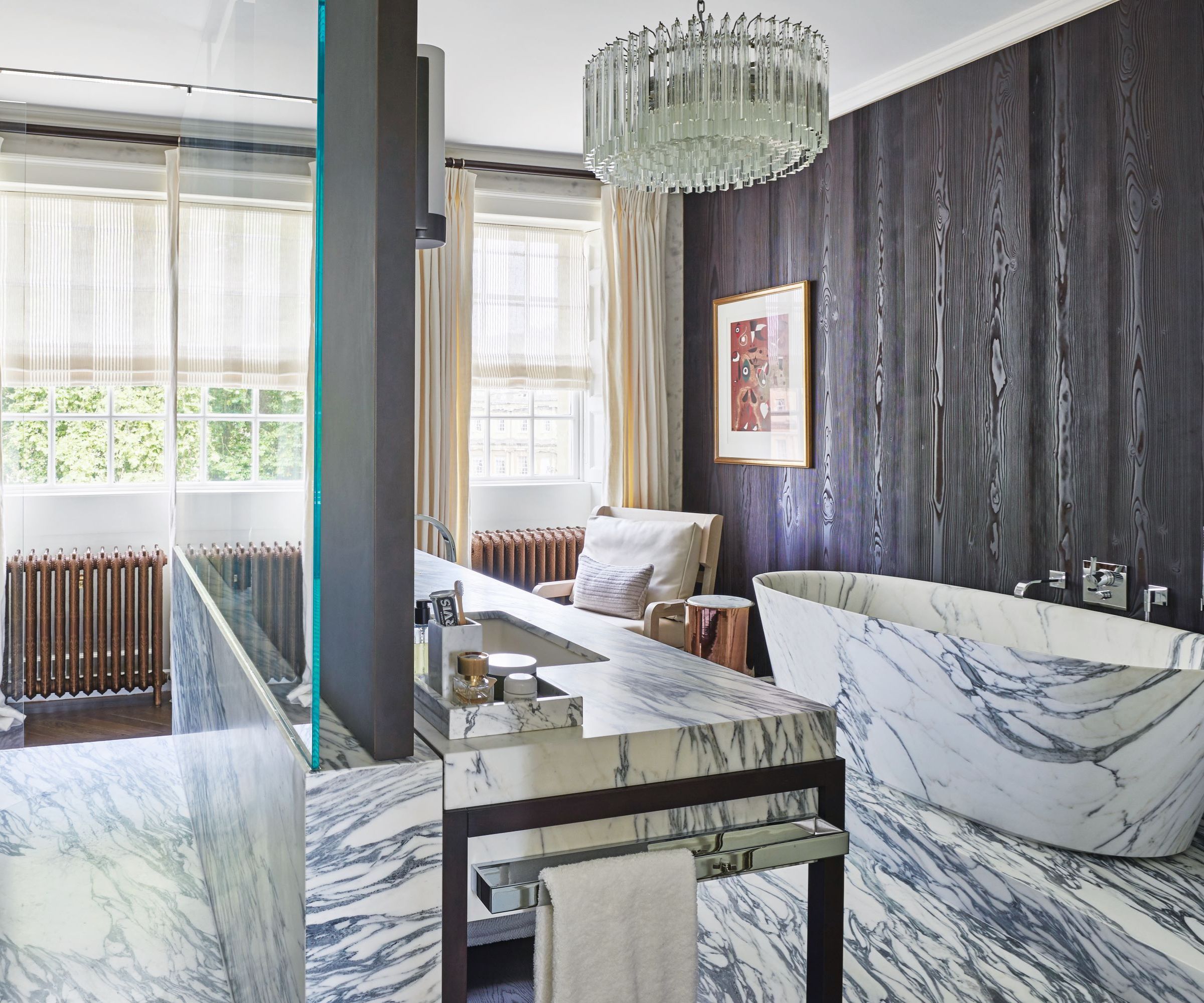
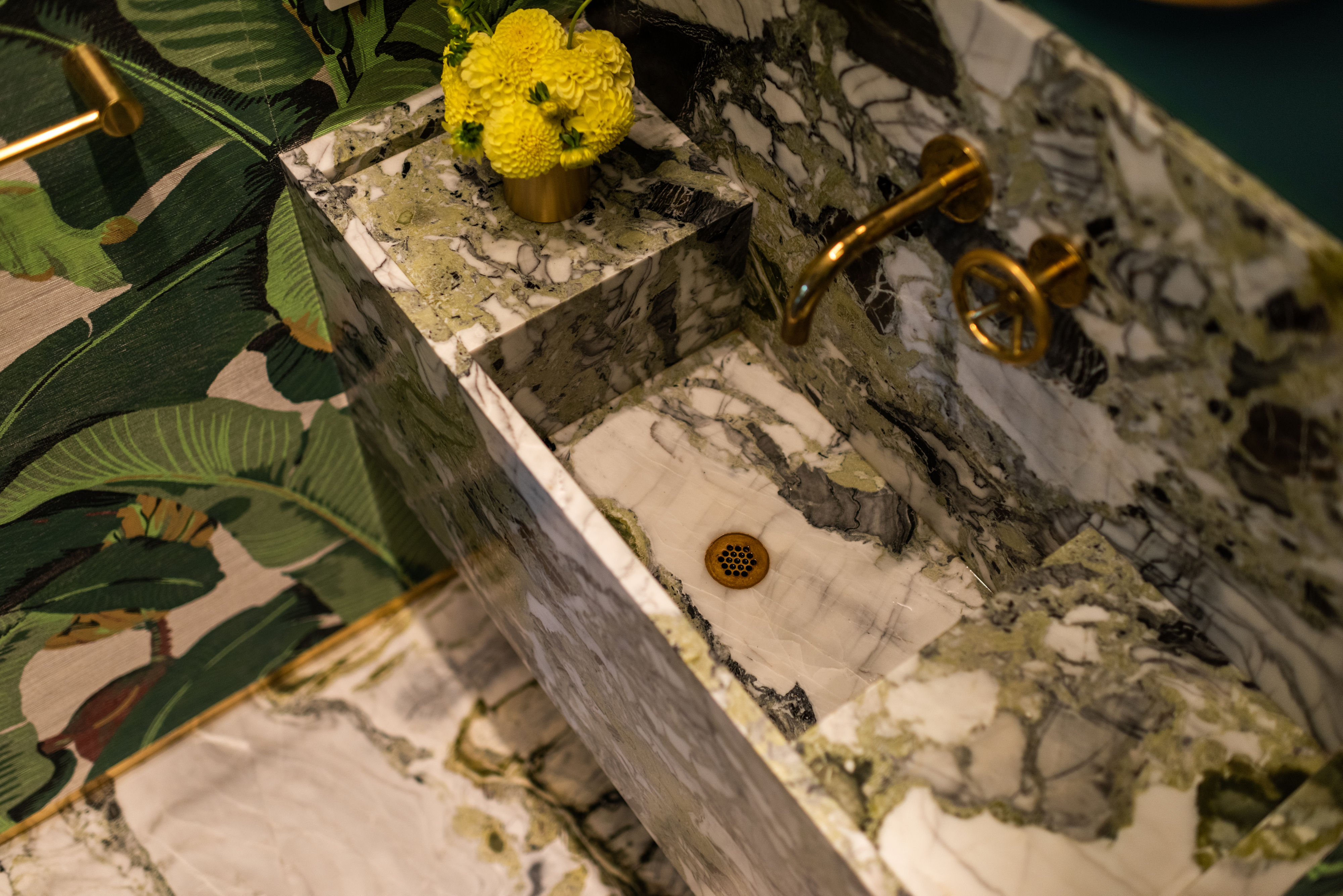
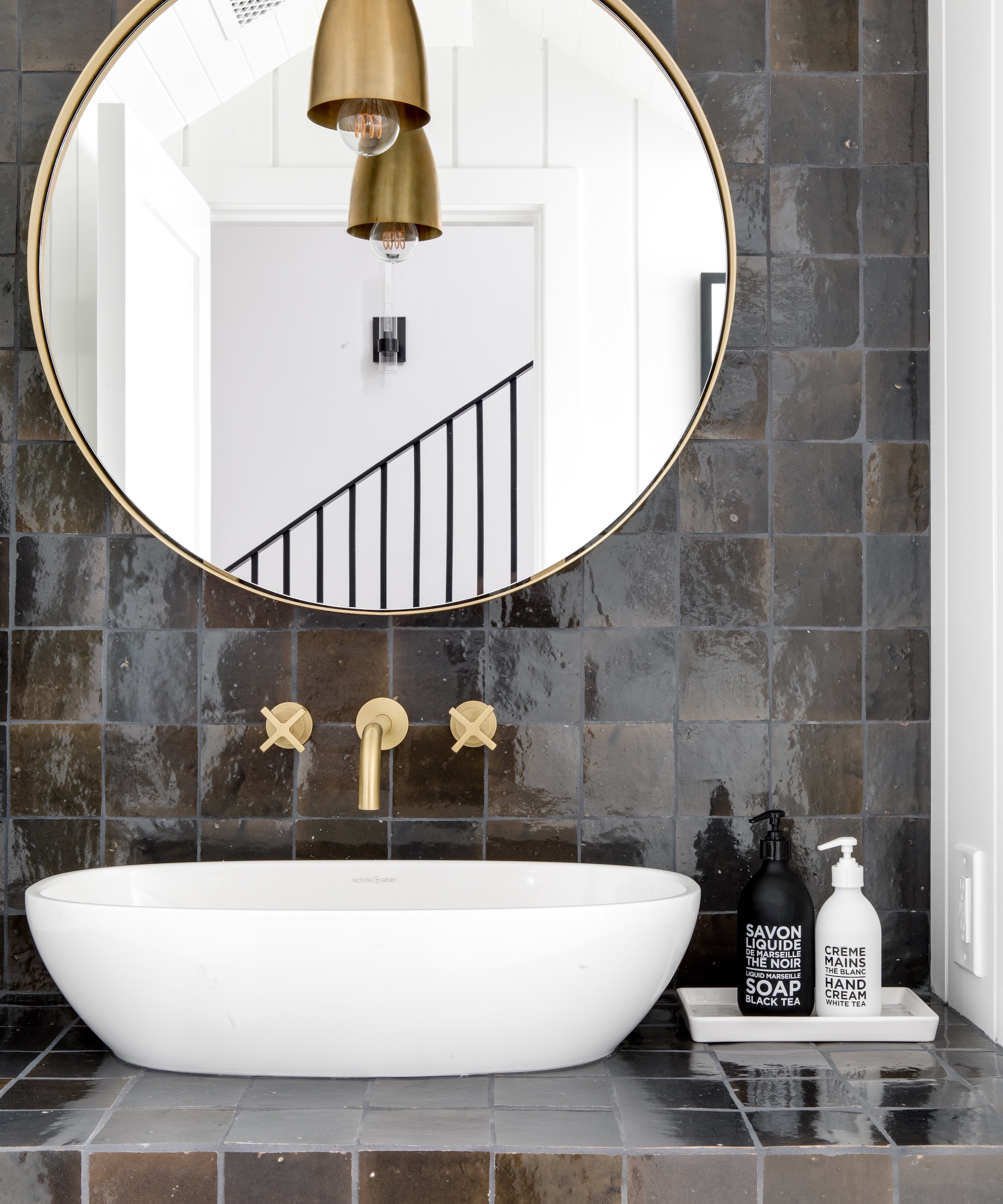
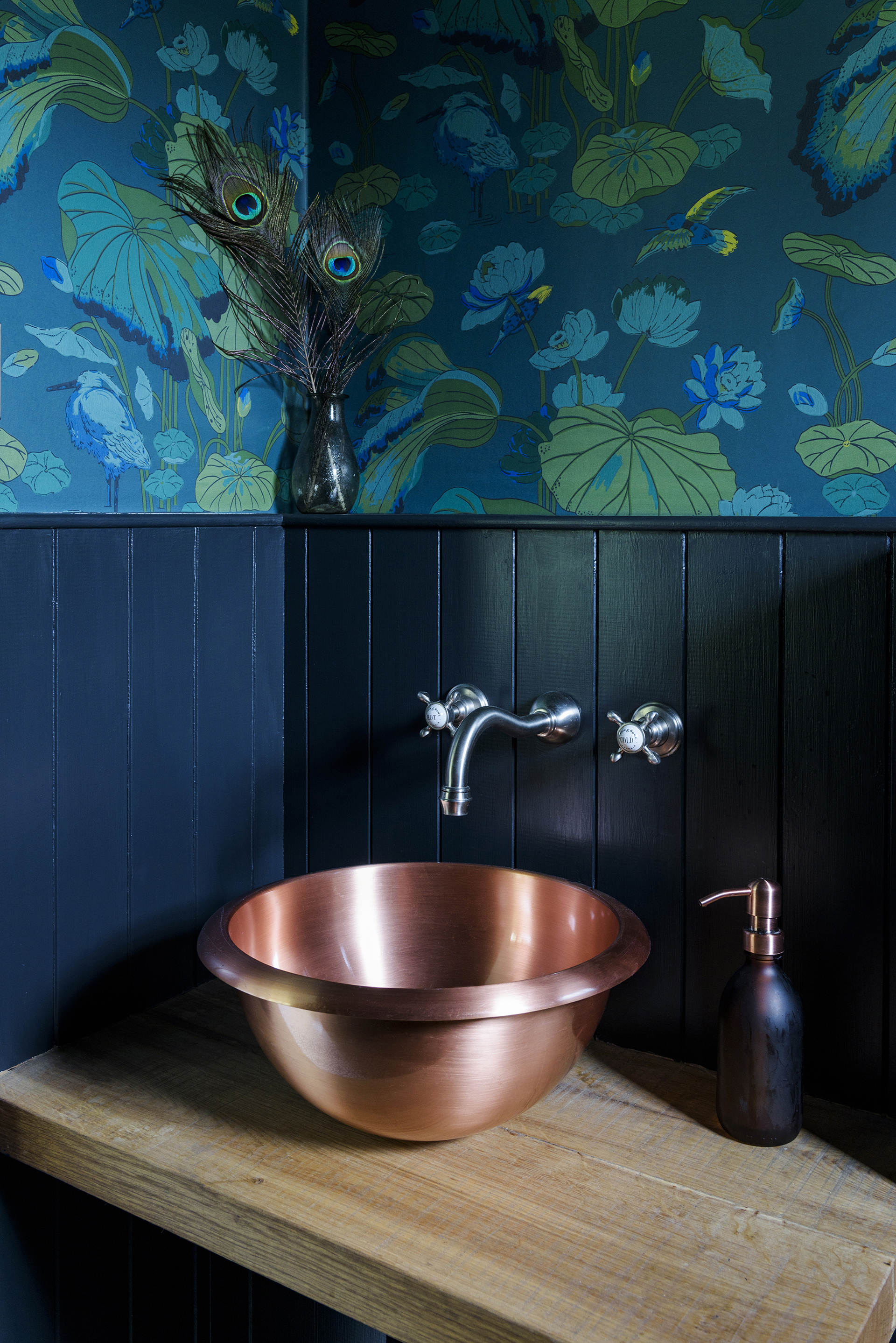
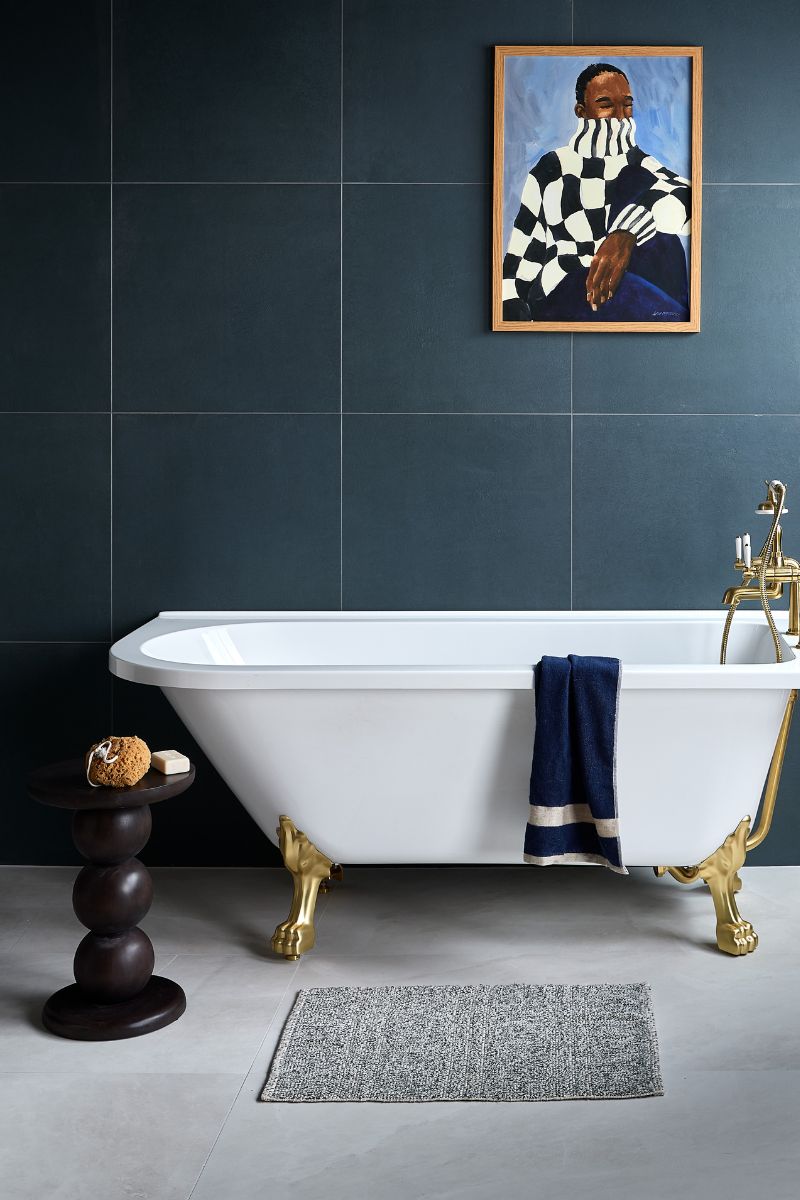
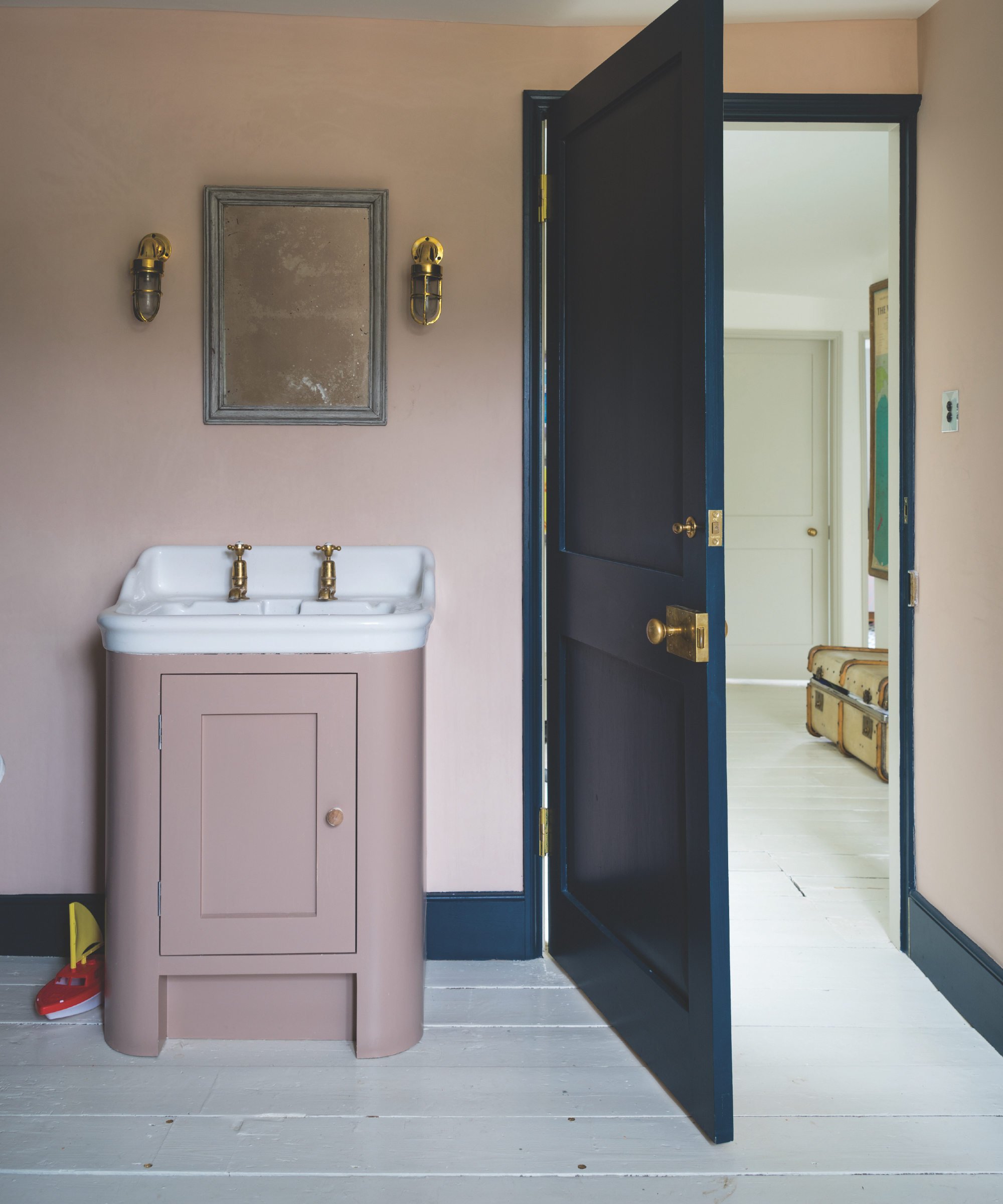
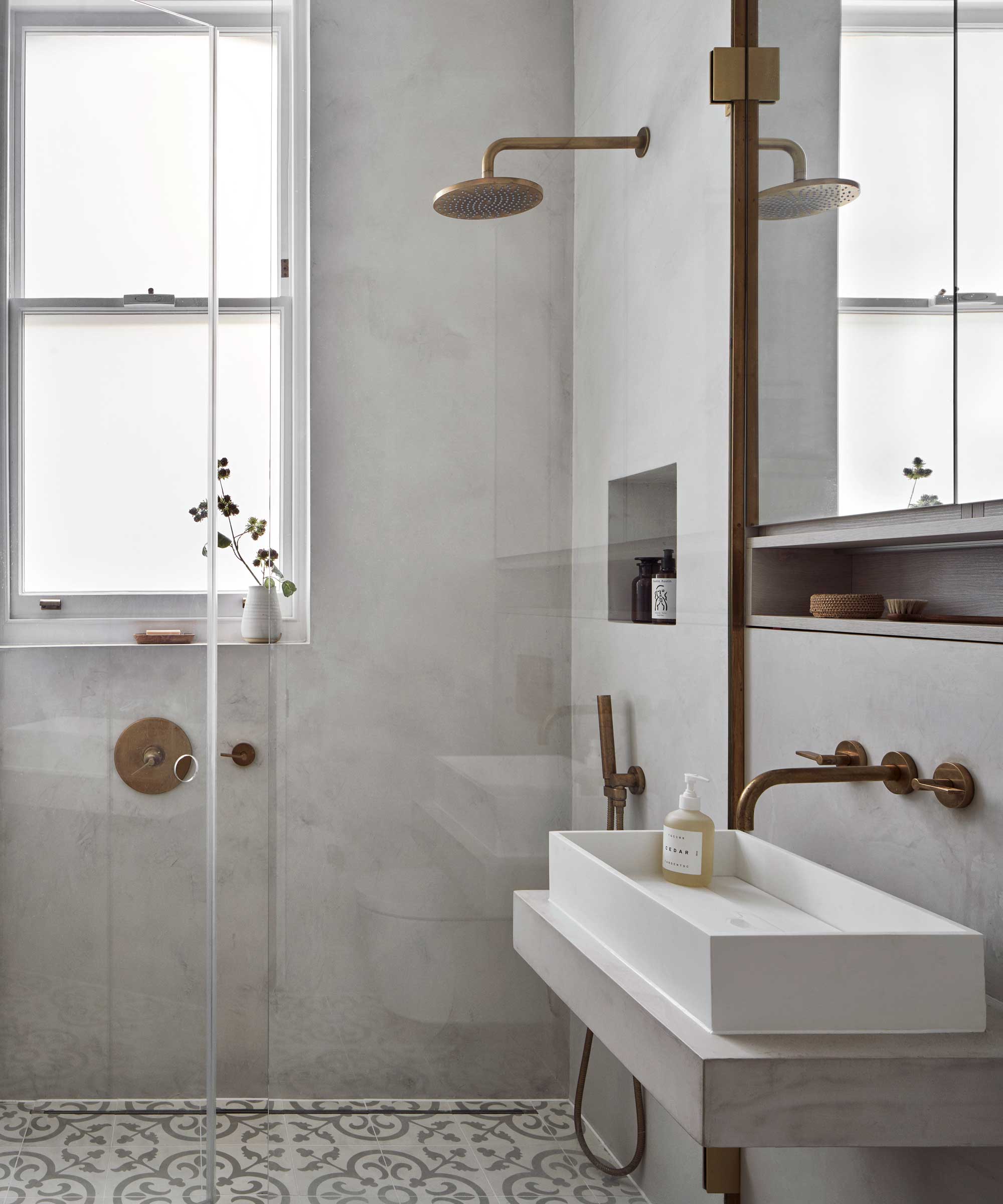
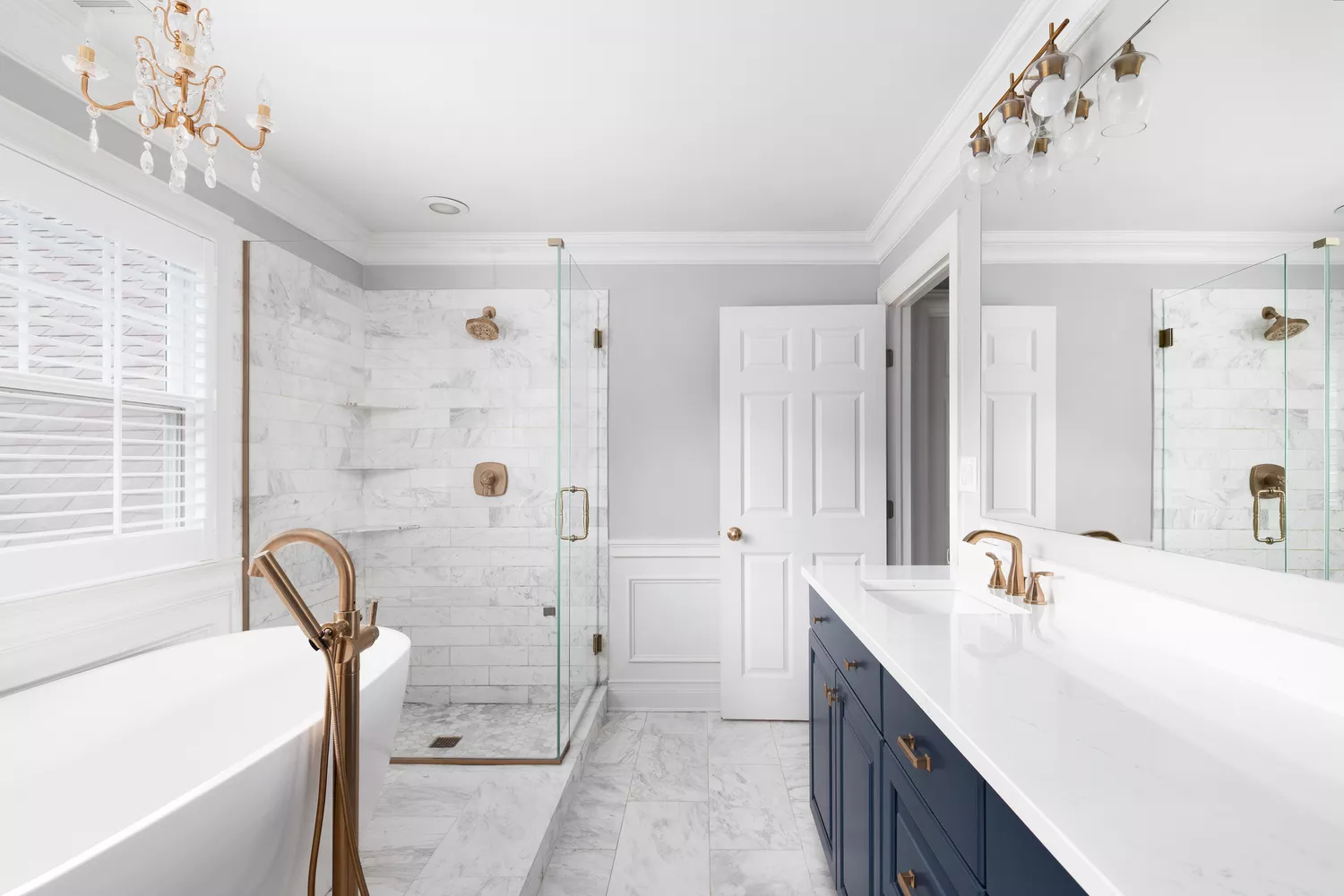
The choice of finishes is next, balancing aesthetics with durability. While visual appeal is important, selecting materials that can withstand high moisture levels is vital for long-term resilience. Options like porcelain or ceramic tiles, moisture-resistant drywall, and cabinetry with waterproof finishes are ideal. Helen Pett, design ambassador at Arteriors London, suggests high-end materials like marble, brass, or crystal accents for a luxurious look. Helen Shaw, Director of Marketing at Benjamin Moore, recommends specialized paints, such as Aura® Bath & Spa, designed to resist humidity and facilitate cleaning, thereby preventing mold and mildew growth.
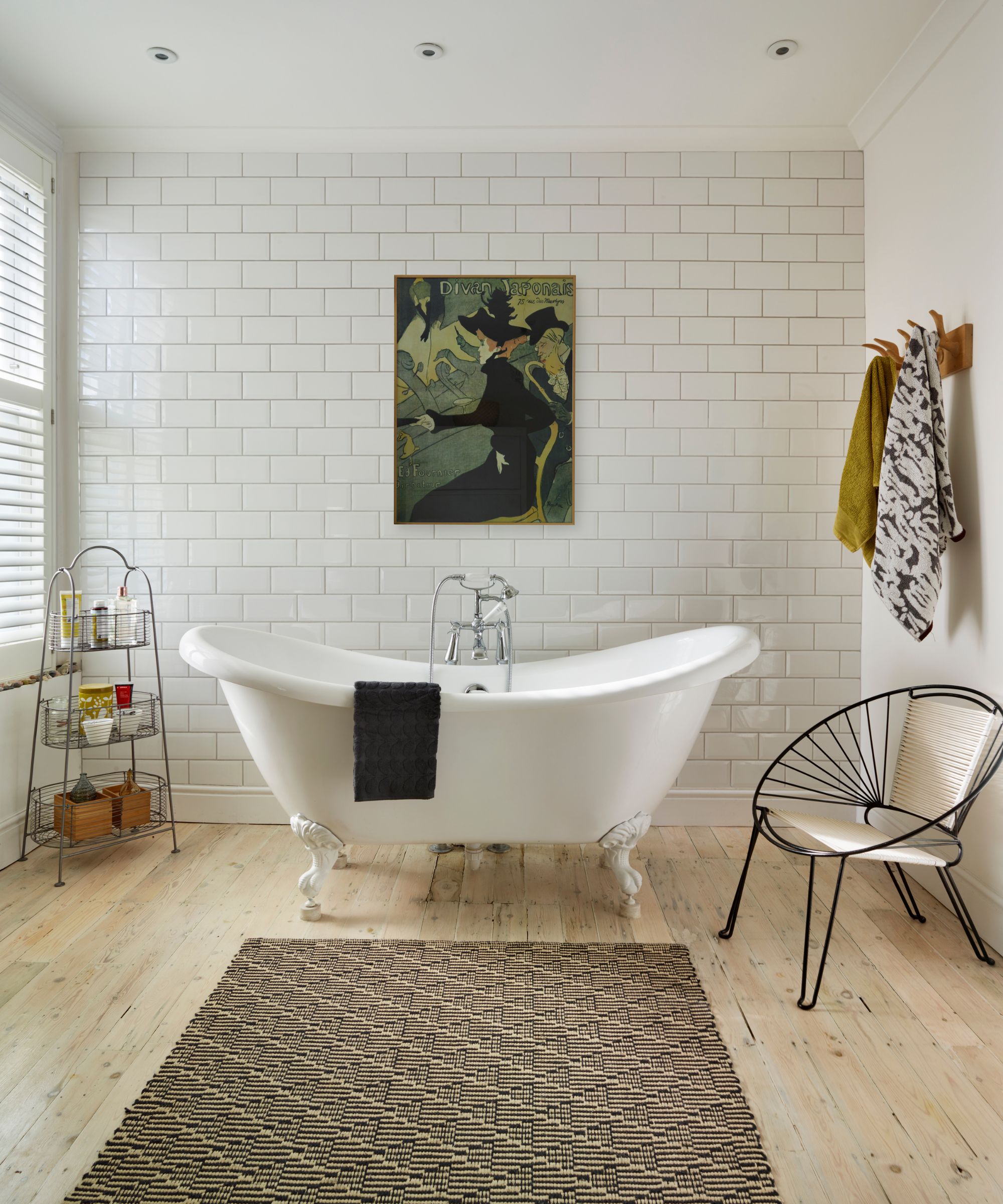
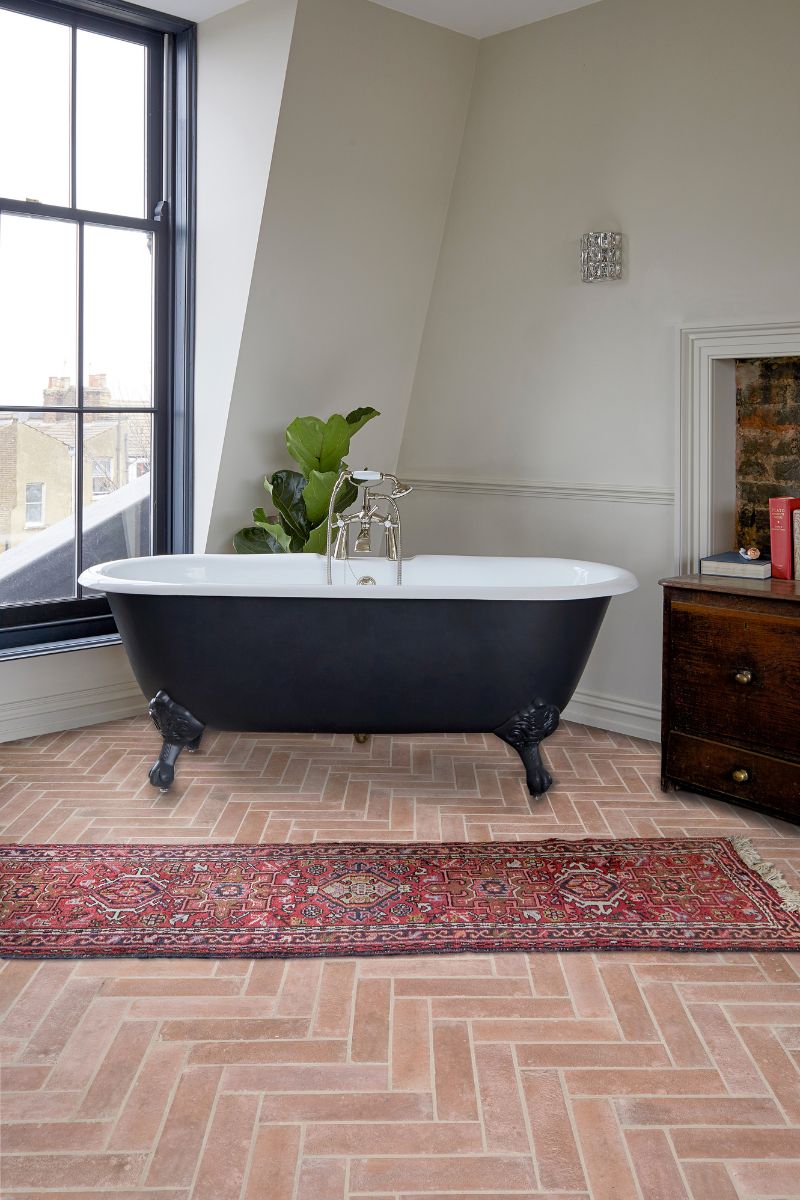
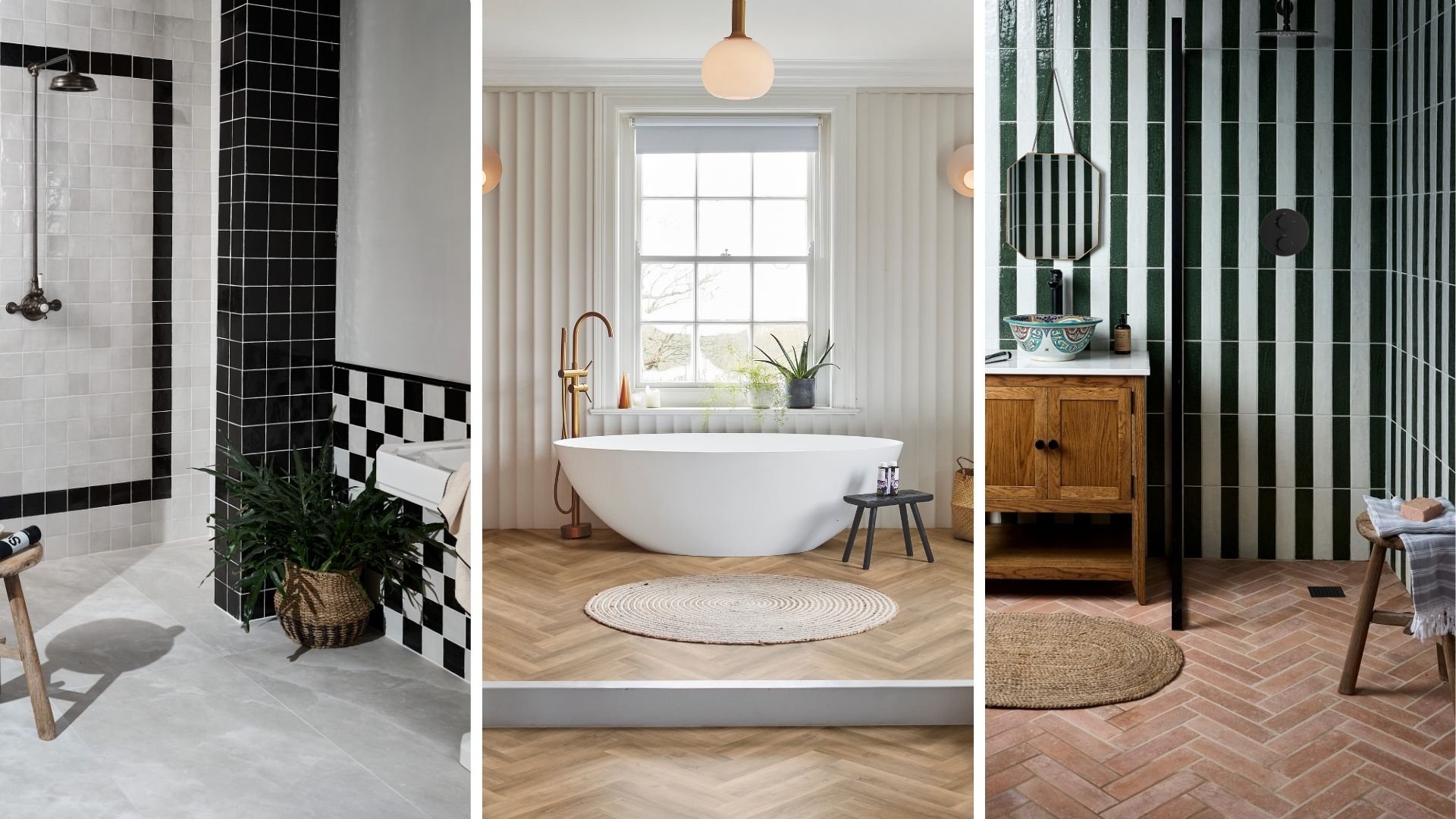
Bathroom flooring demands a balance of practicality and style. Sam Way of Carpetright recommends waterproof, slip-resistant, and comfortable vinyl flooring as an inexpensive yet effective option for adding color and pattern without compromising safety. For a more generous budget, luxury vinyl offers similar benefits with a high-end look, mimicking wood or stone. Durability and cost-effectiveness are key considerations for flooring materials that contribute to the overall aesthetic.
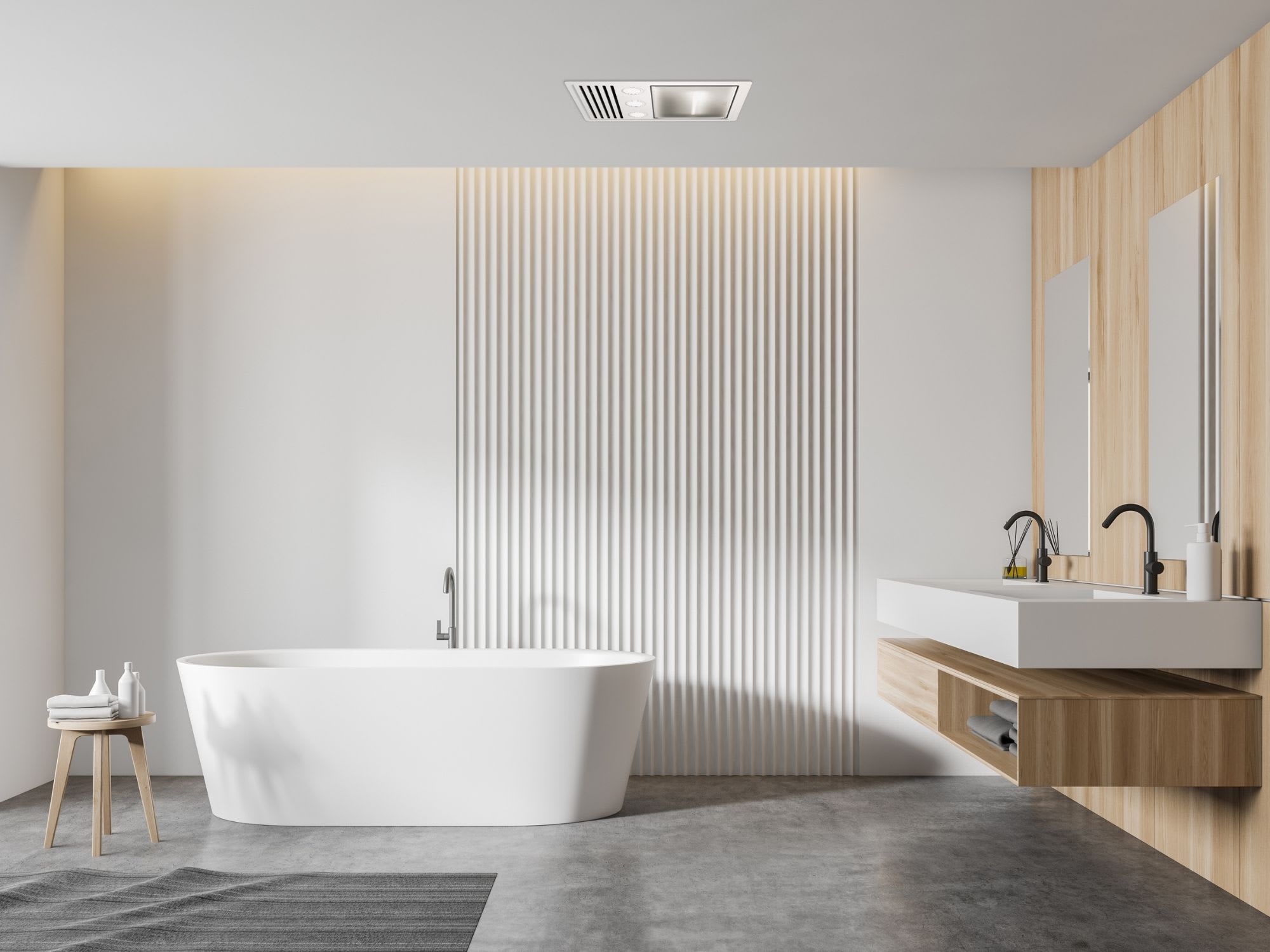
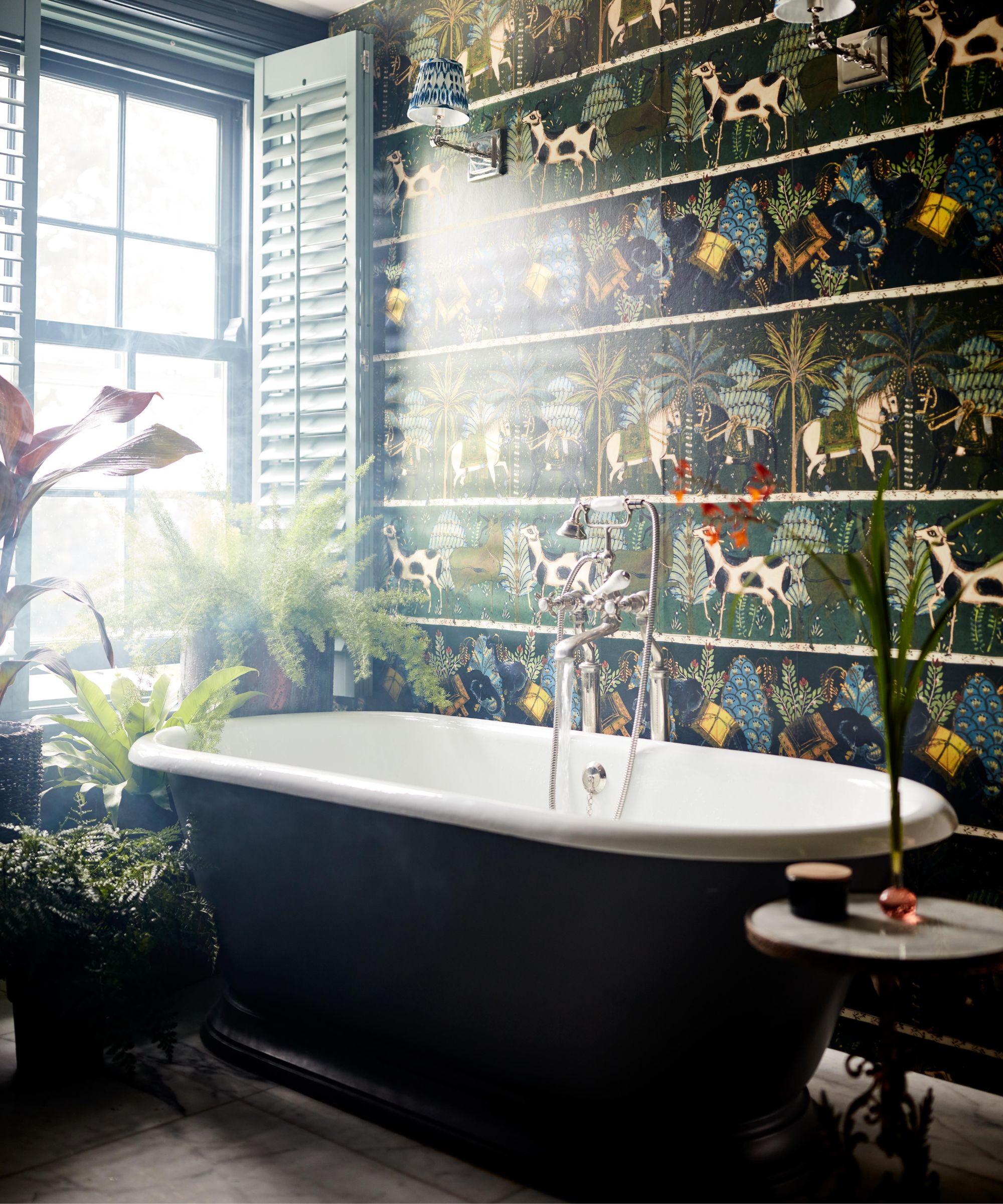
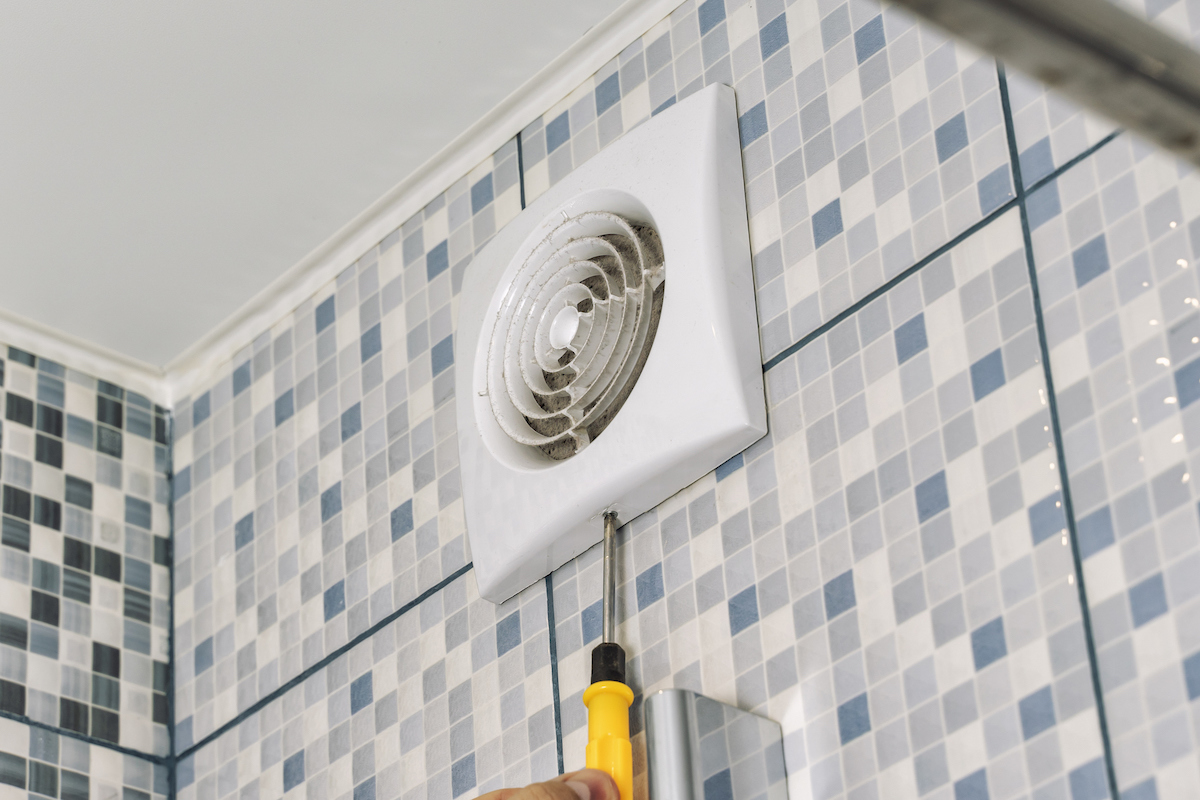
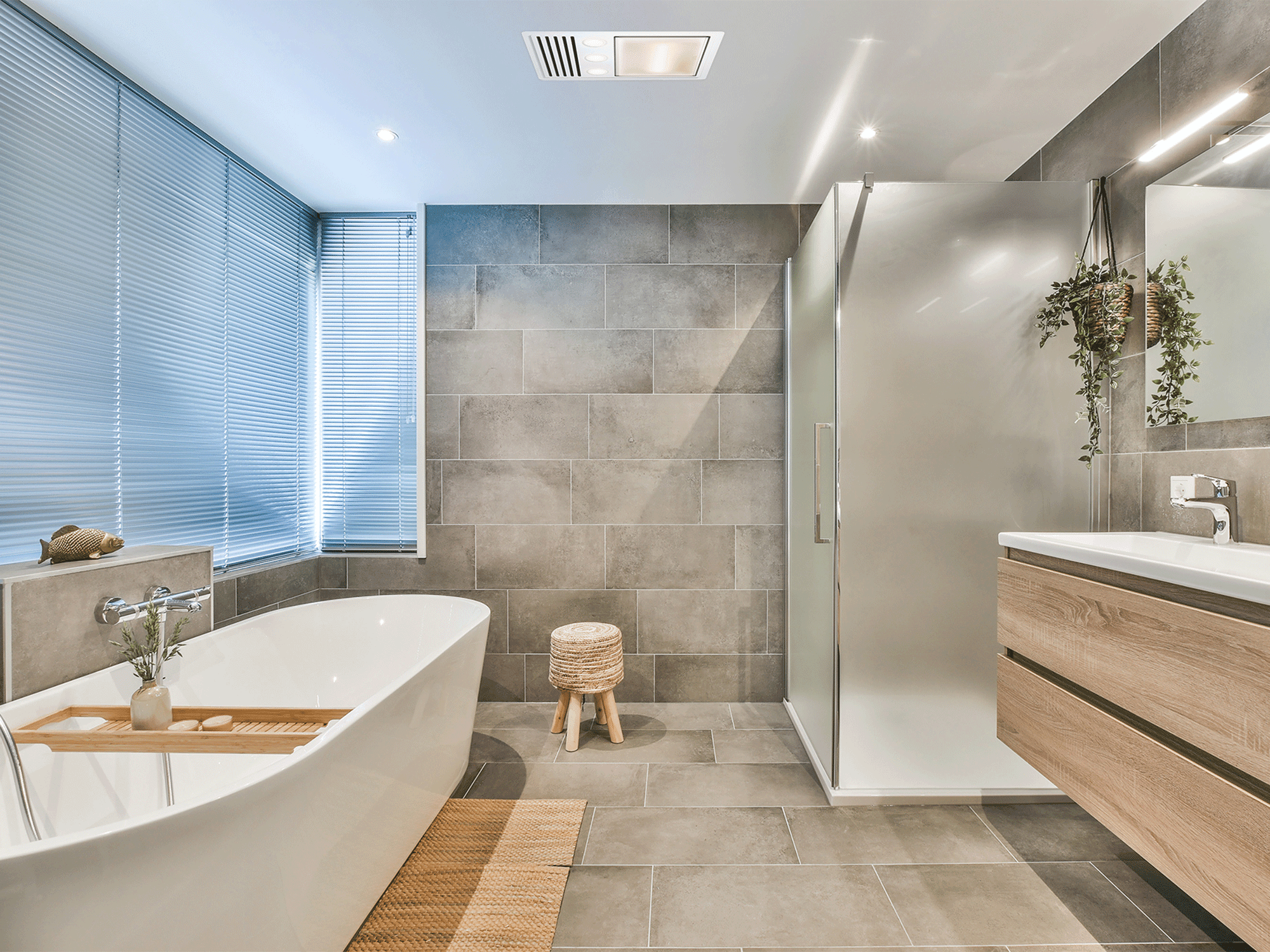
Lastly, lighting and ventilation are essential, often overlooked until late in the planning process. Jo Plant, head of design at Pooky, emphasizes the importance of planning lighting from the outset, incorporating ambient, accent, and task lighting. This includes wall sconces, lighted mirrors, under-cabinet lighting for grooming, and dimmable fixtures for mood setting. Strategic placement of windows, skylights, or light fixtures ensures proper illumination. Austin Fain, owner of Perfect Steel Solutions, highlights proper ventilation to prevent mold, humidity, and lingering odors, suggesting exhaust fans or adequately sealed windows.
#BathroomDesign #HomeRenovation #InteriorDesign #BudgetPlanning #SpacePlanning #MaterialSelection #FlooringOptions #LightingDesign #Ventilation #BathroomDesign #HomeRenovation #InteriorDesign #BudgetPlanning #SpacePlanning #MaterialSelection #FlooringOptions #LightingDesign #Ventilation
0 comment in total
 No comments yet
You may also like
Bathroom remodel mistakes – and how to avoid them
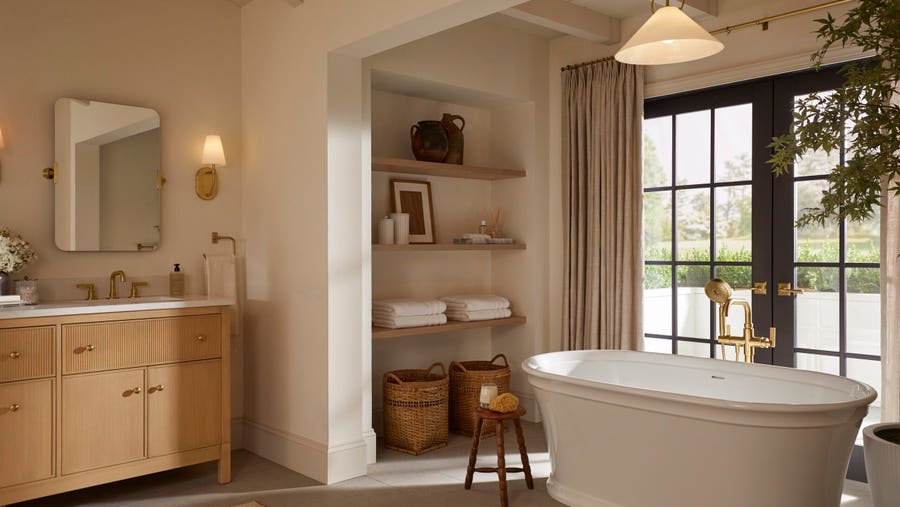
Here Are The Biggest Bathroom Design Trends, According To Experts


How to Take Your Bathroom From Shabby to Chic, According to a Los Angeles Designer

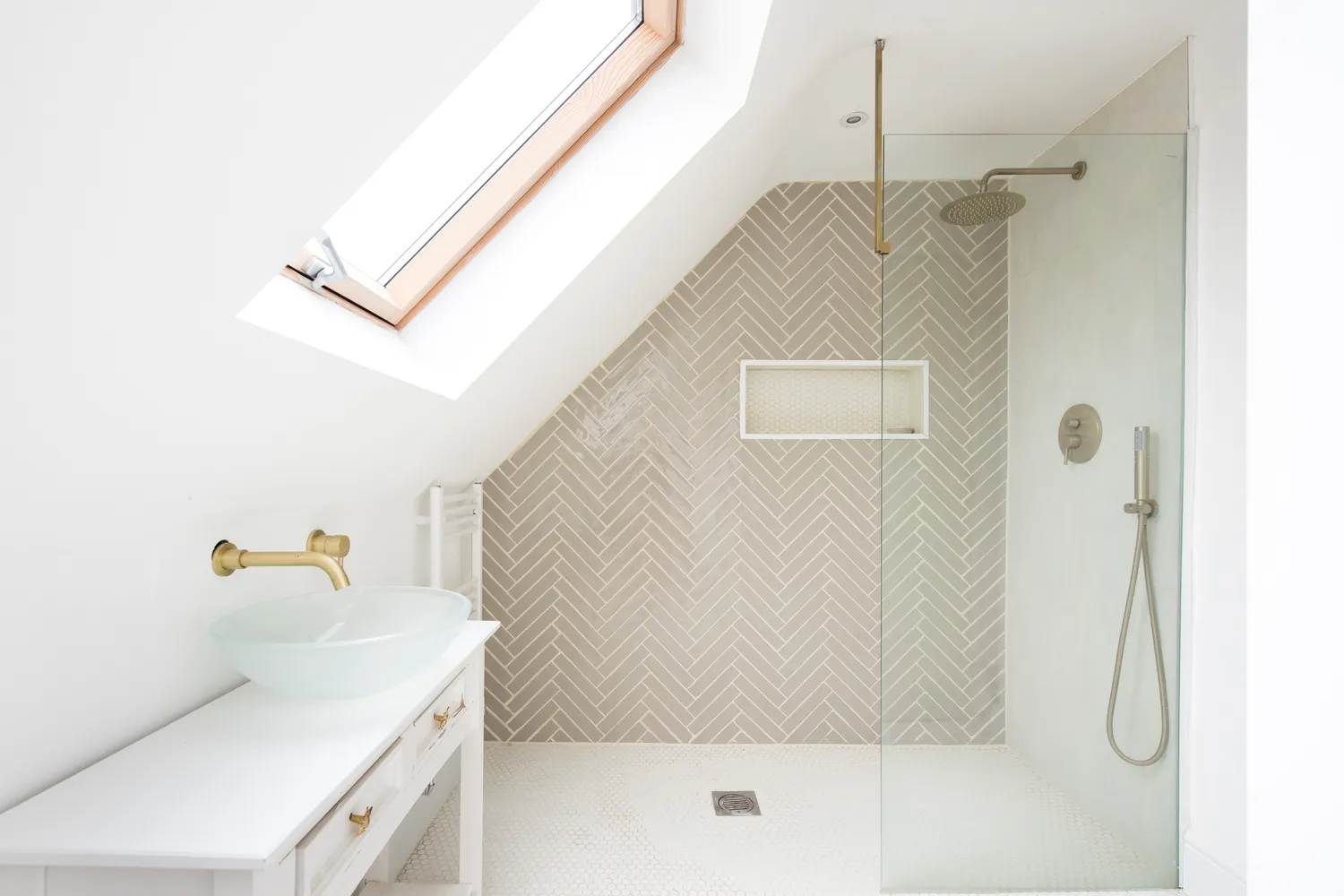
These 7 Bathroom Trends May Look Beautiful Now—But Designers Say You'll Regret Them Later
Design pros share their best tips for renovating and styling your bathroom

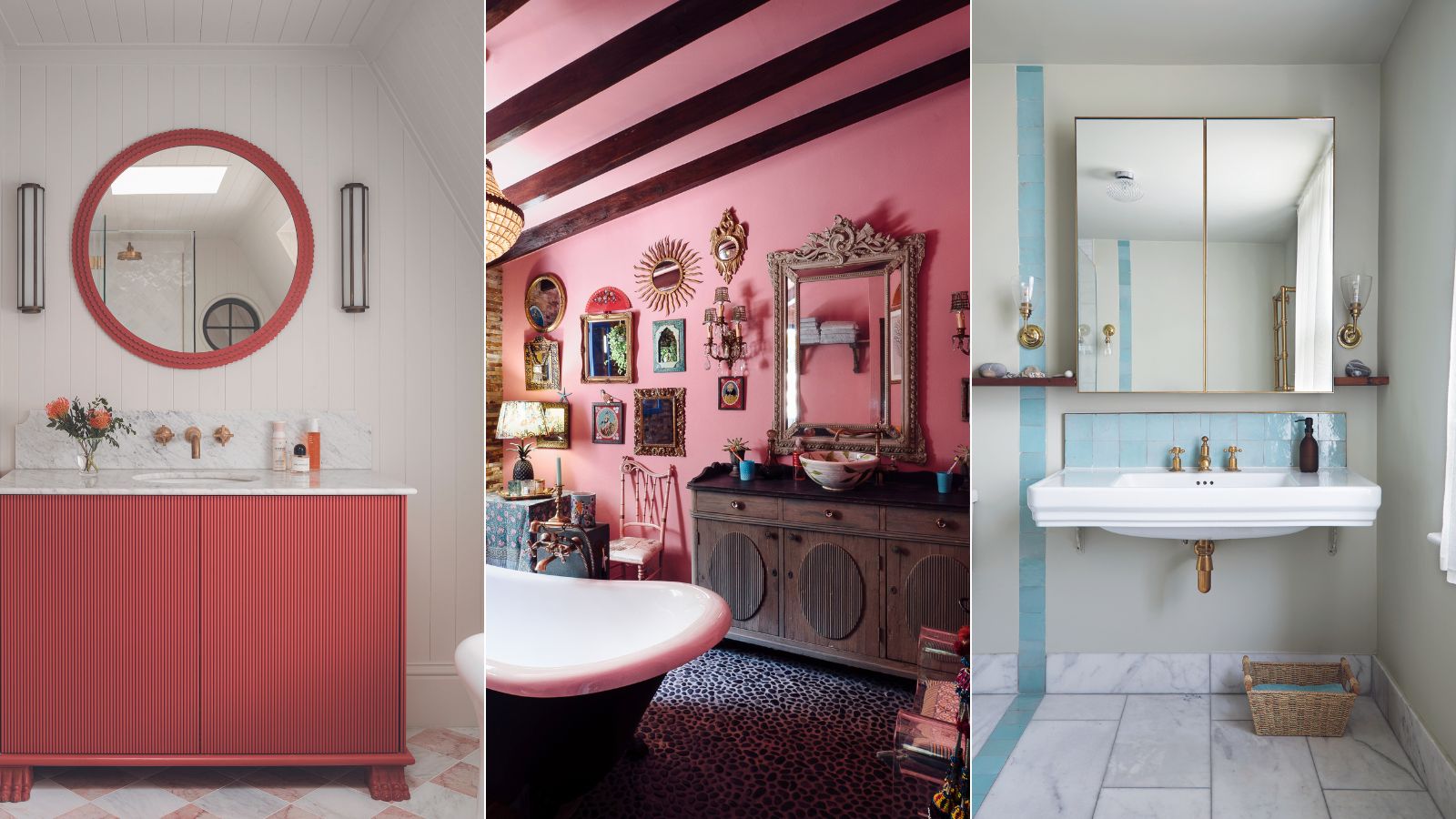
How do you decide on a bathroom style? Interior designers offer their top tips
Don't Make These 9 Mistakes When Remodeling Your Bathroom, Pros Warn

5 bathroom design rules I always follow, as an interior designer

Planning a bathroom: The ultimate guide to renovation and installation
4 Things to Remember When Renovating Your Bathroom
7 Mistakes to Avoid When Remodeling Your Bathroom


How to design a bathroom: decor ideas and tips
7 Things Designers Wish You Knew Before Starting A Bathroom Remodel
7 Disastrous Bathroom Layouts to Avoid — Including One Mistake Our Own Editor is Guilty of Making

It's Been a Year Since my Bathroom Remodel — These Are the 5 Things I Wish I’d Done Differently

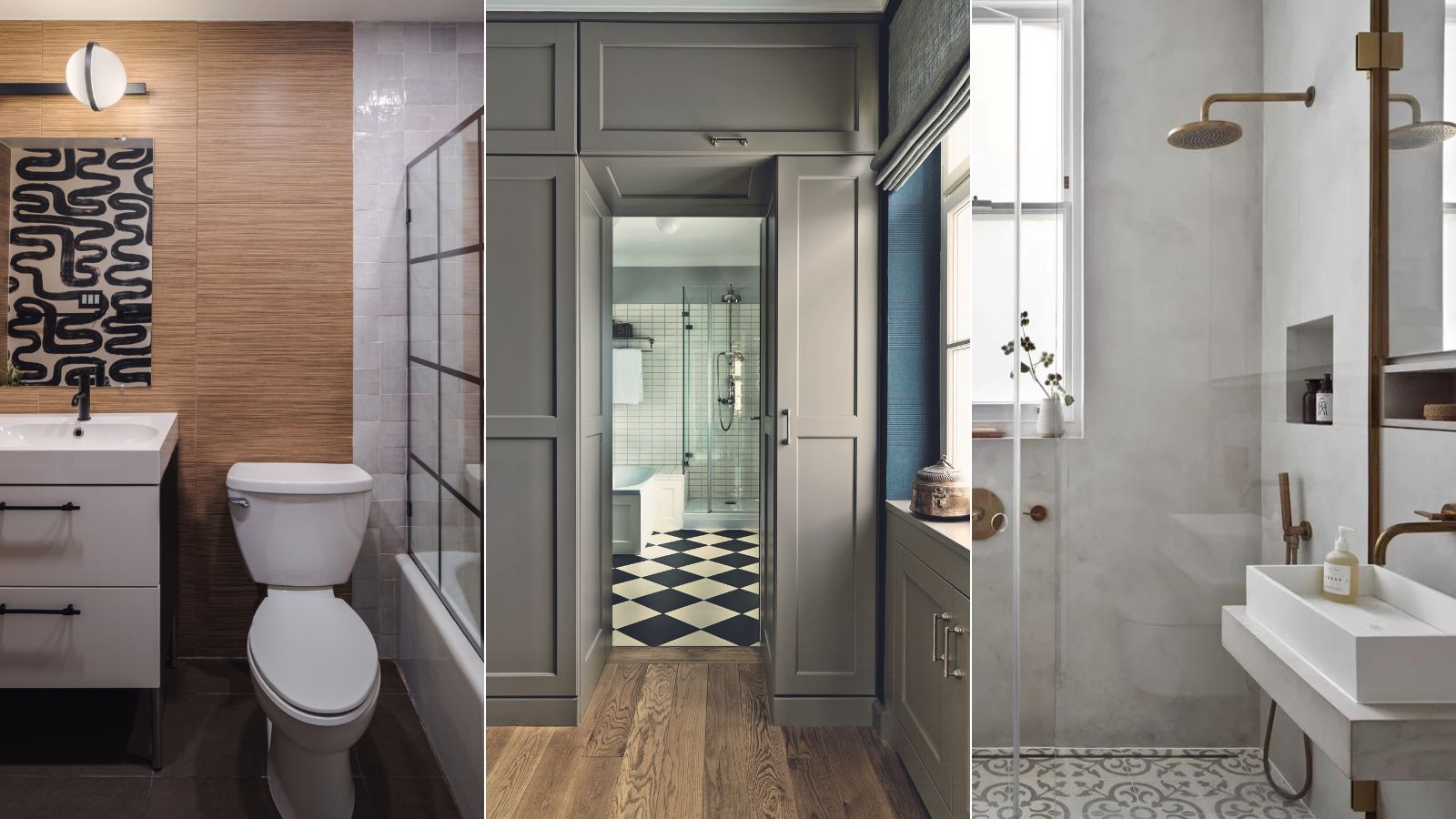
5 signs you need a new bathroom in 2024, according to interior designers
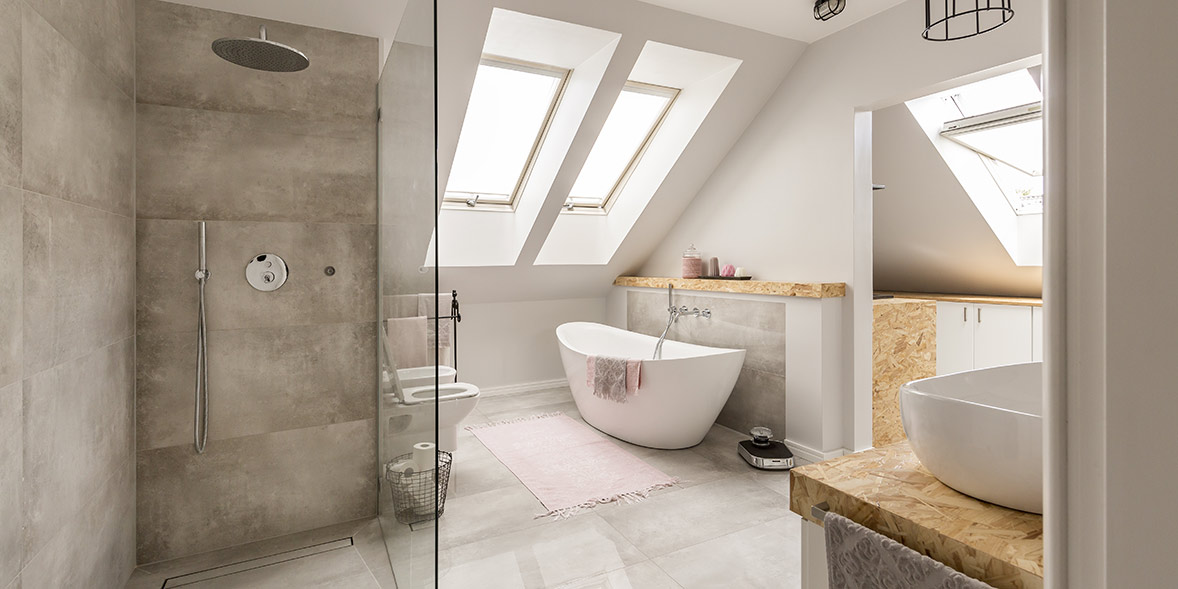
How to plan and buy a new bathroom suite
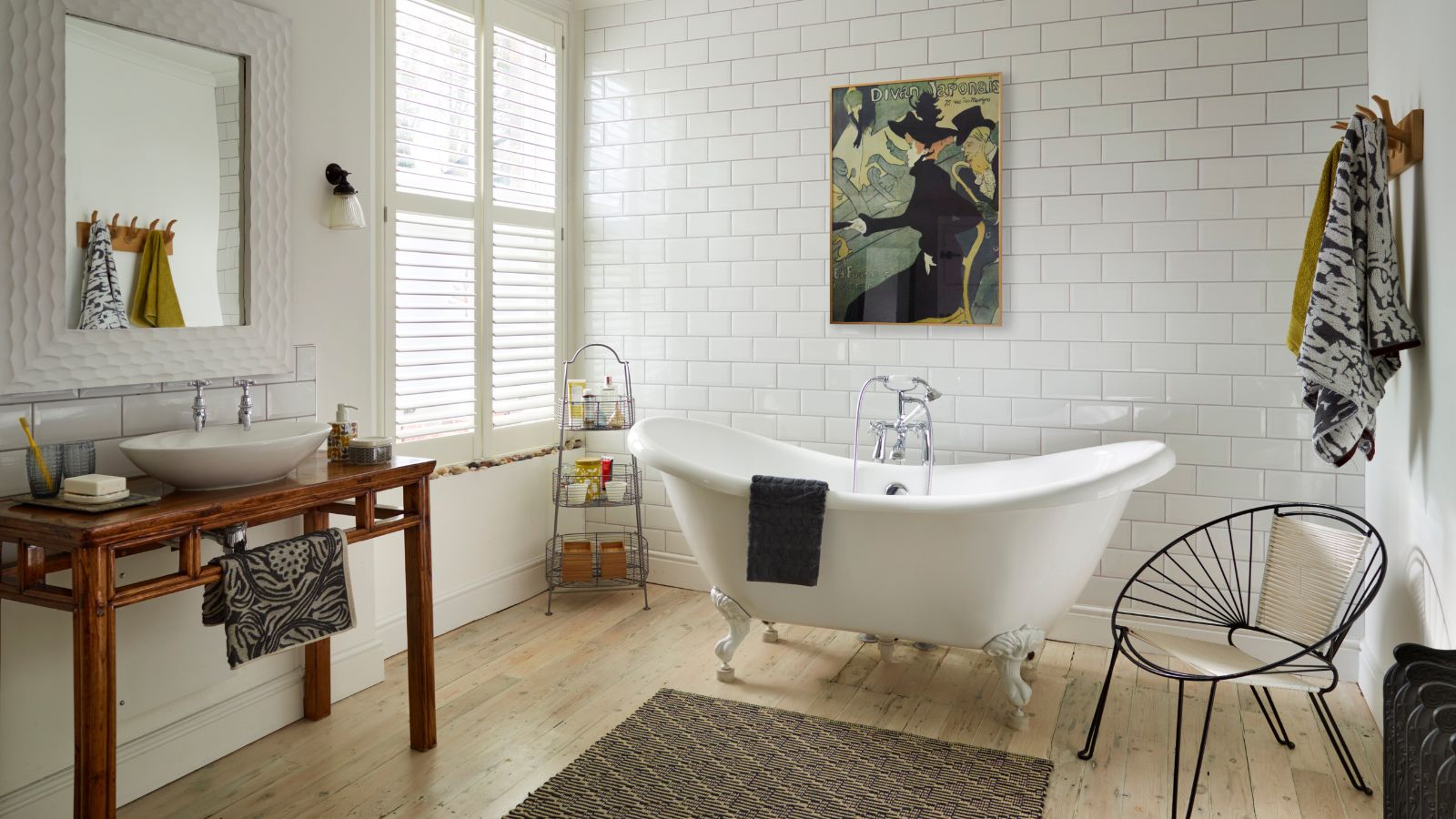
I've ripped out and redesigned 14 bathrooms – these are the 15 lessons I've learned
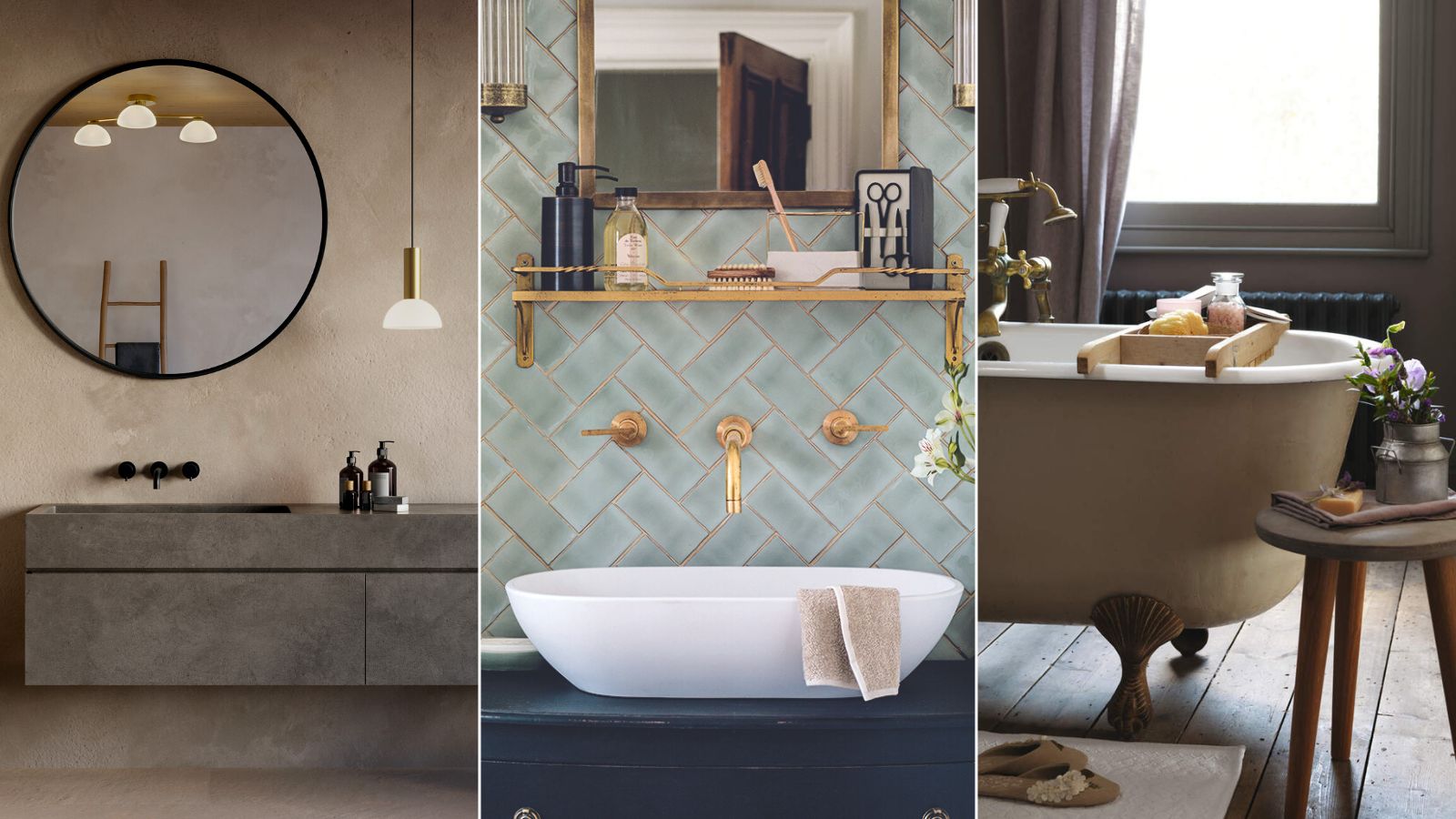
13 bathroom design mistakes to avoid at all costs, according to experts
The Most Popular Finishes for Bathroom Remodels