1/11
How To Design A Bohemian Kitchen On A Budget
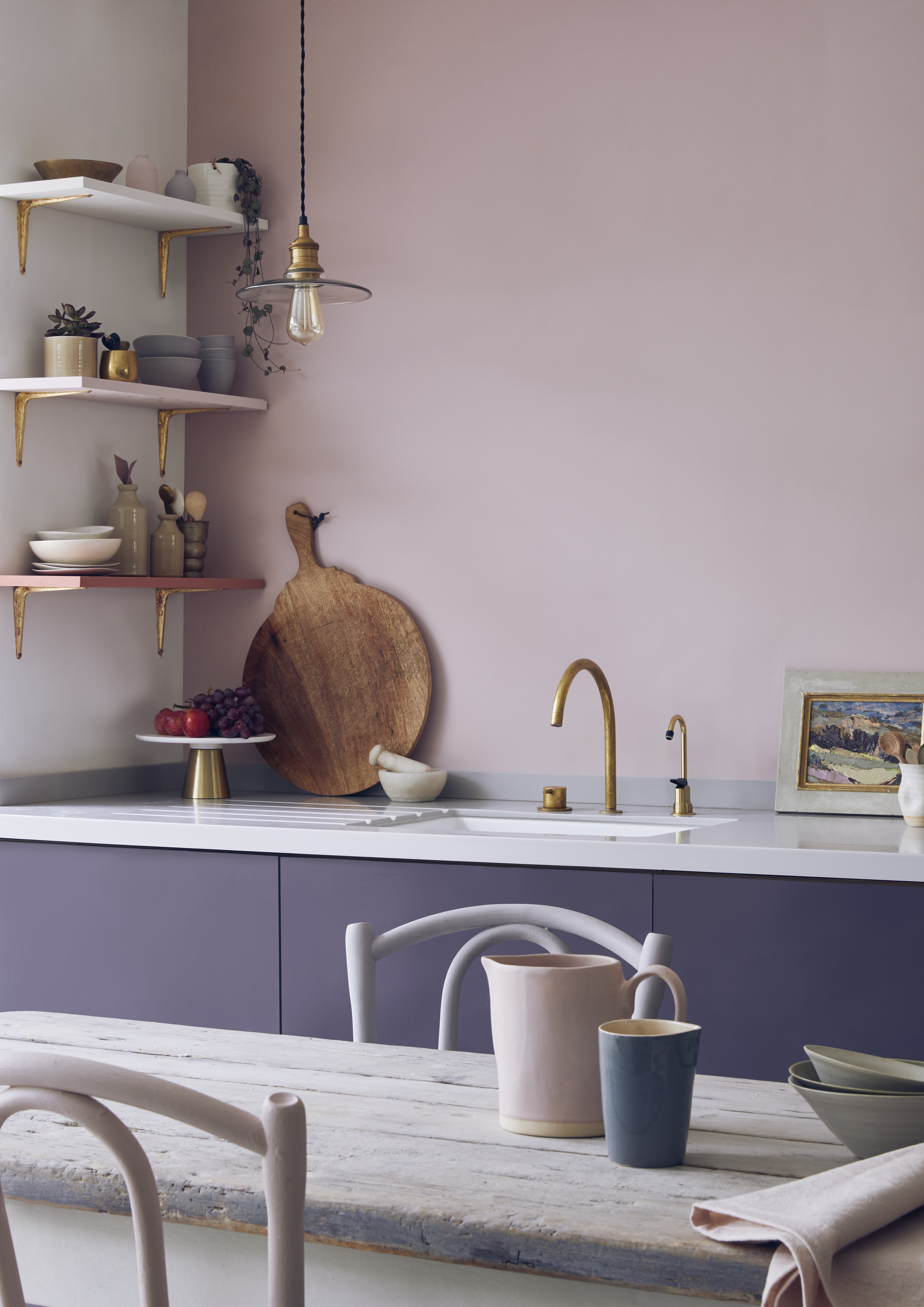
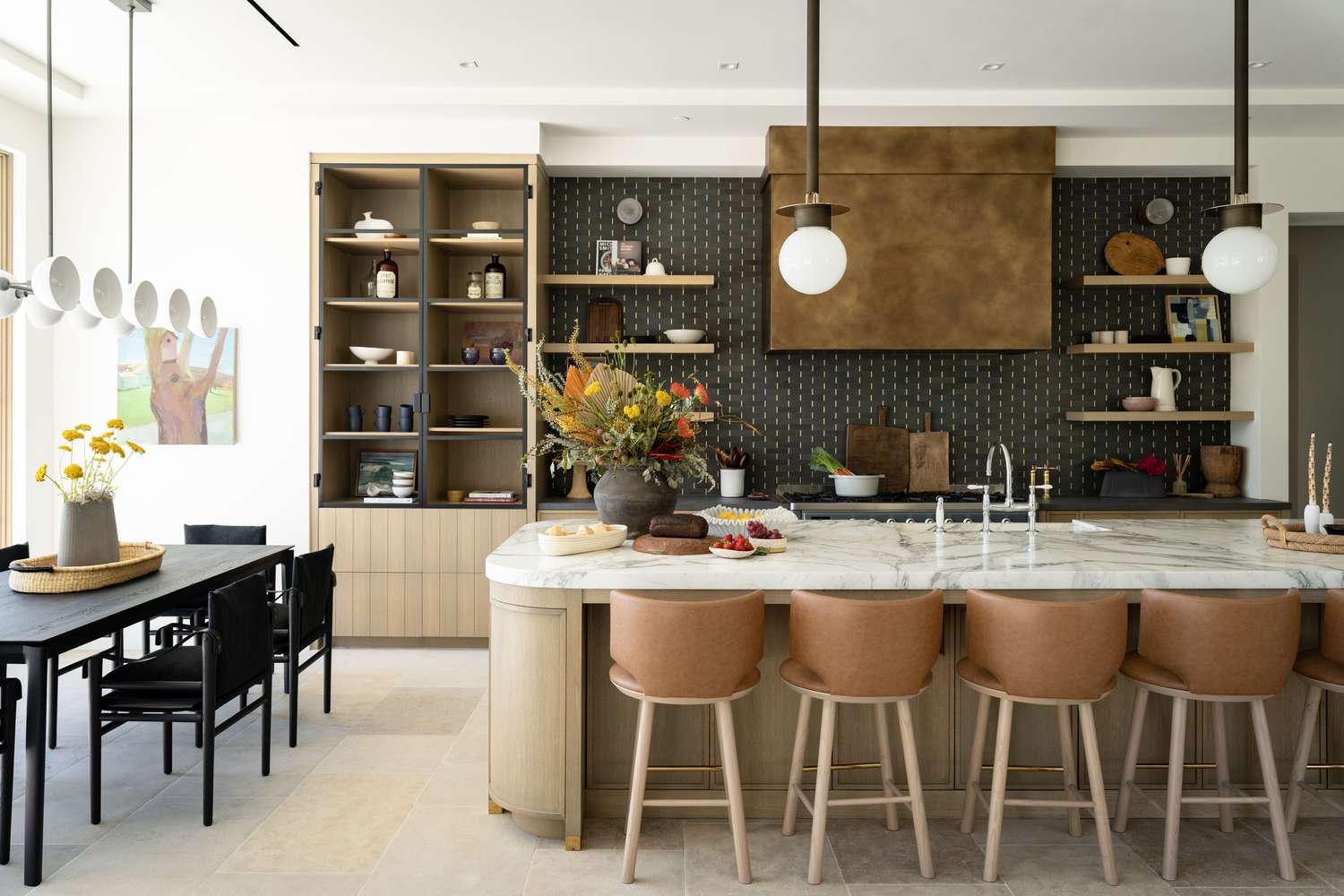
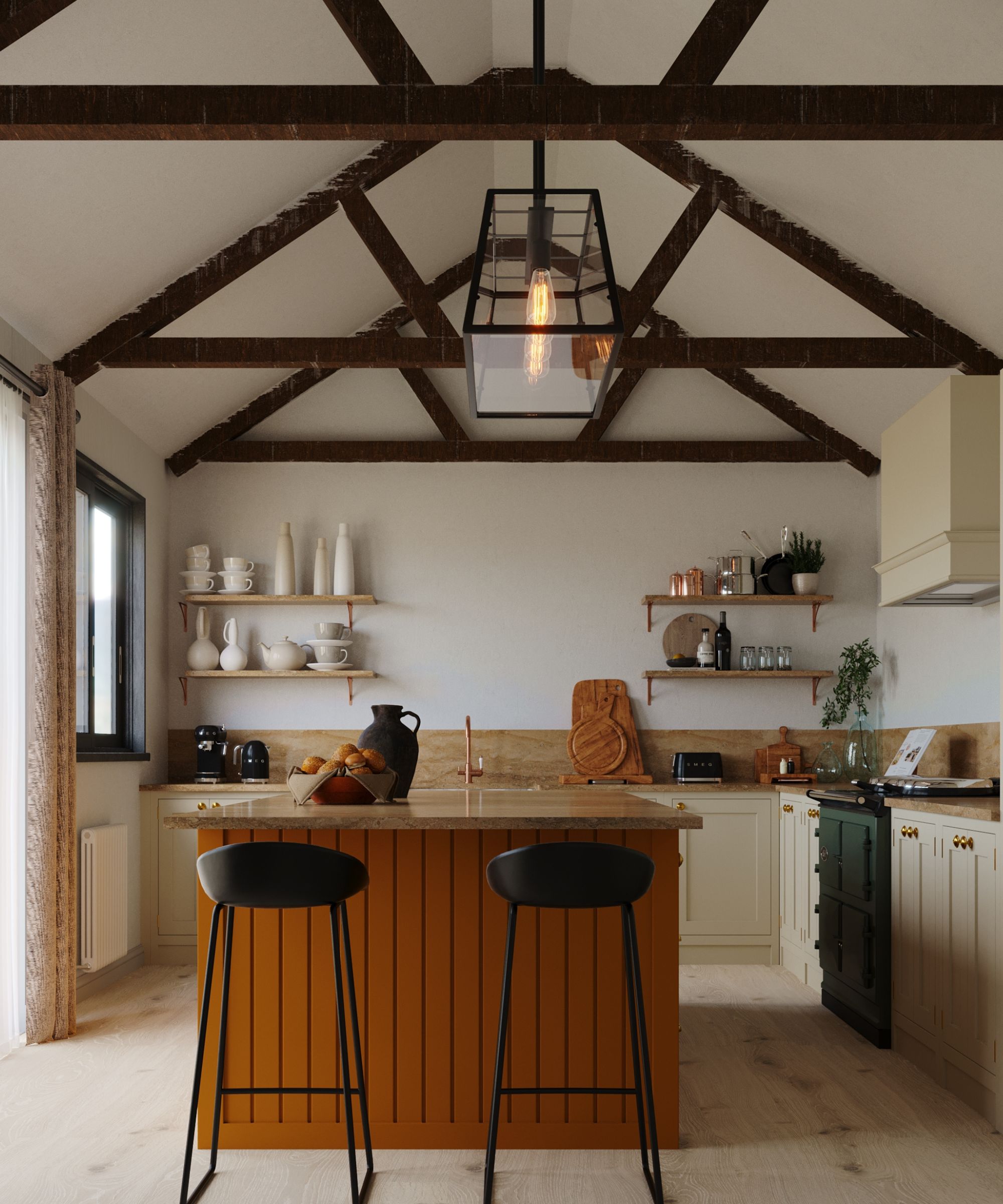
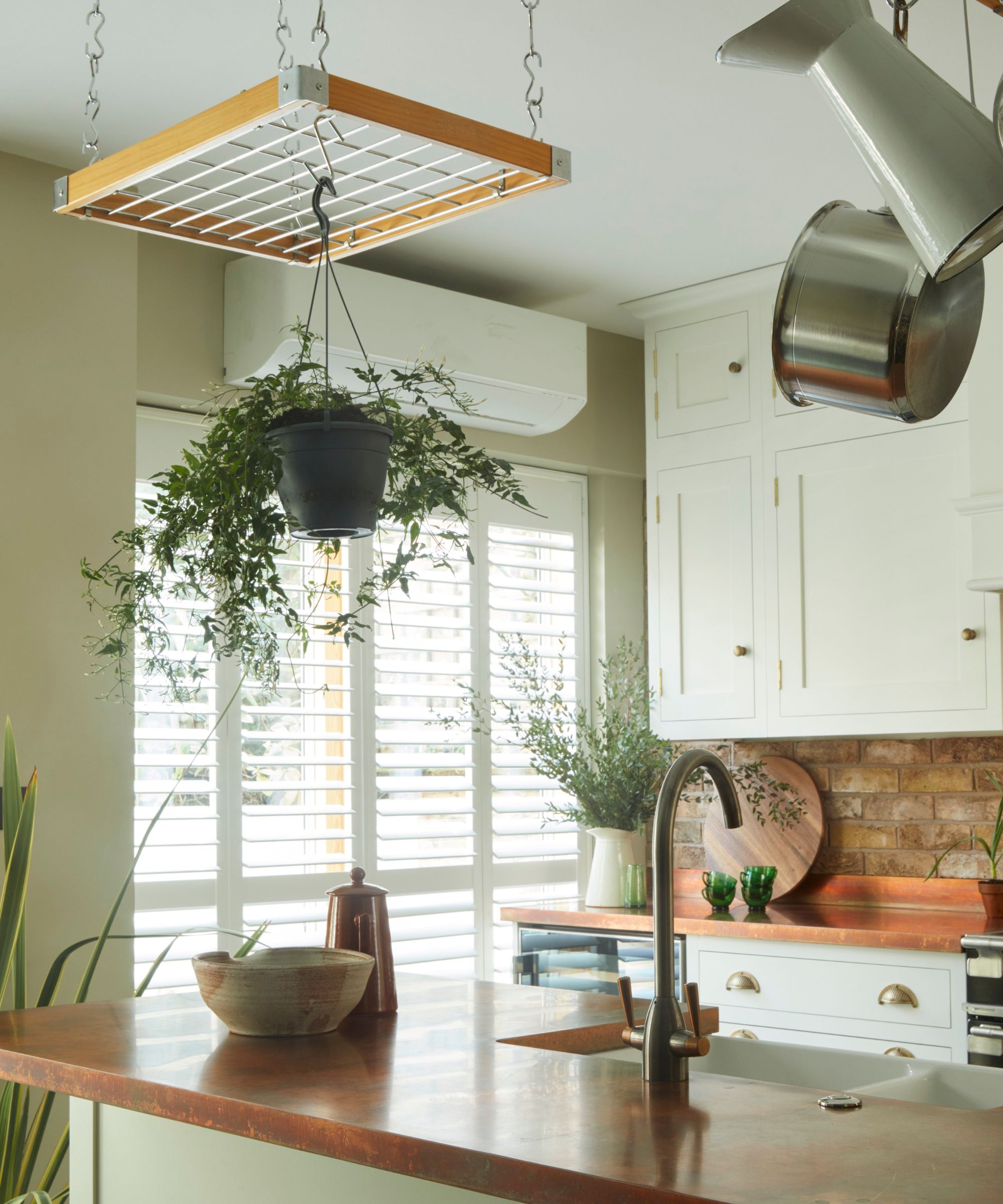
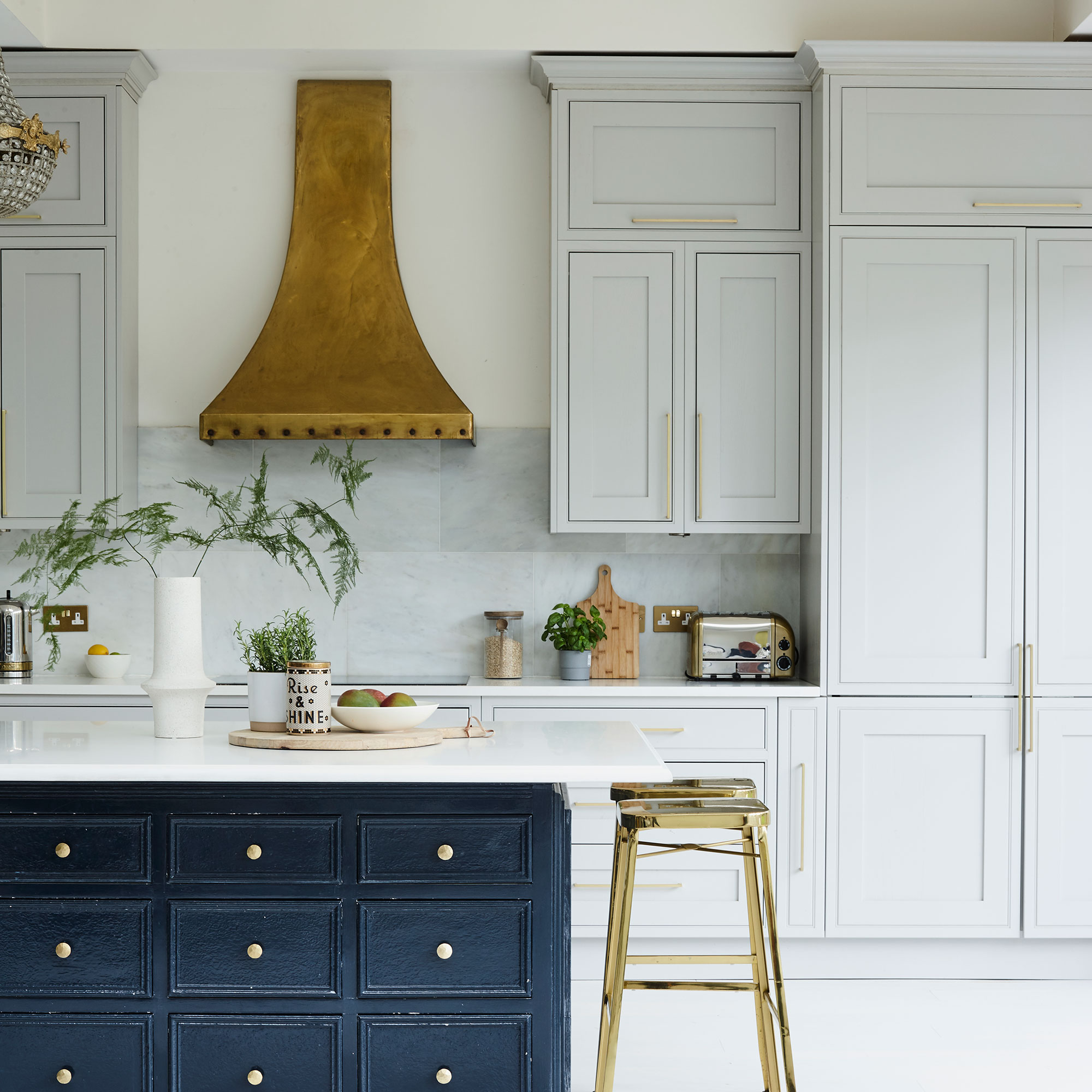
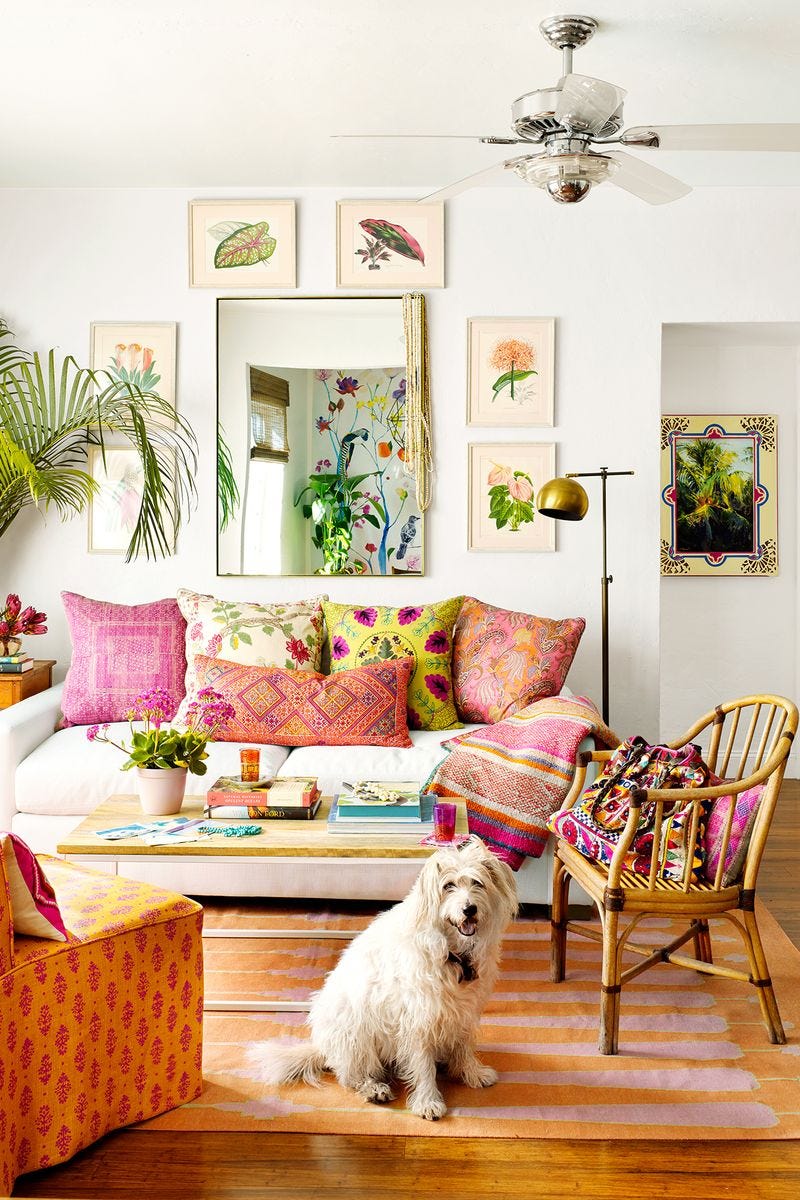
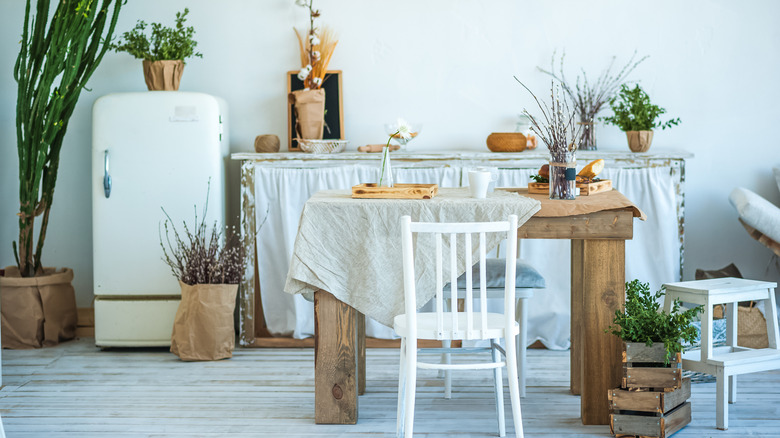
The bohemian kitchen design trend offers an inviting and cozy atmosphere, emphasizing unique textures, colors, and patterns over showroom-style perfection. This approach encourages personal touches, such as thrift store finds or DIY pottery, ensuring each item has a story. Creating this eclectic spirit on a budget is achievable by focusing on specific elements and expert advice. Mehek Malhotra, founder of Giggling Monkey Studio, and Laura Medicus, owner of Laura Medicus Interiors, provide insights into achieving a free-spirited bohemian kitchen without significant financial outlay.
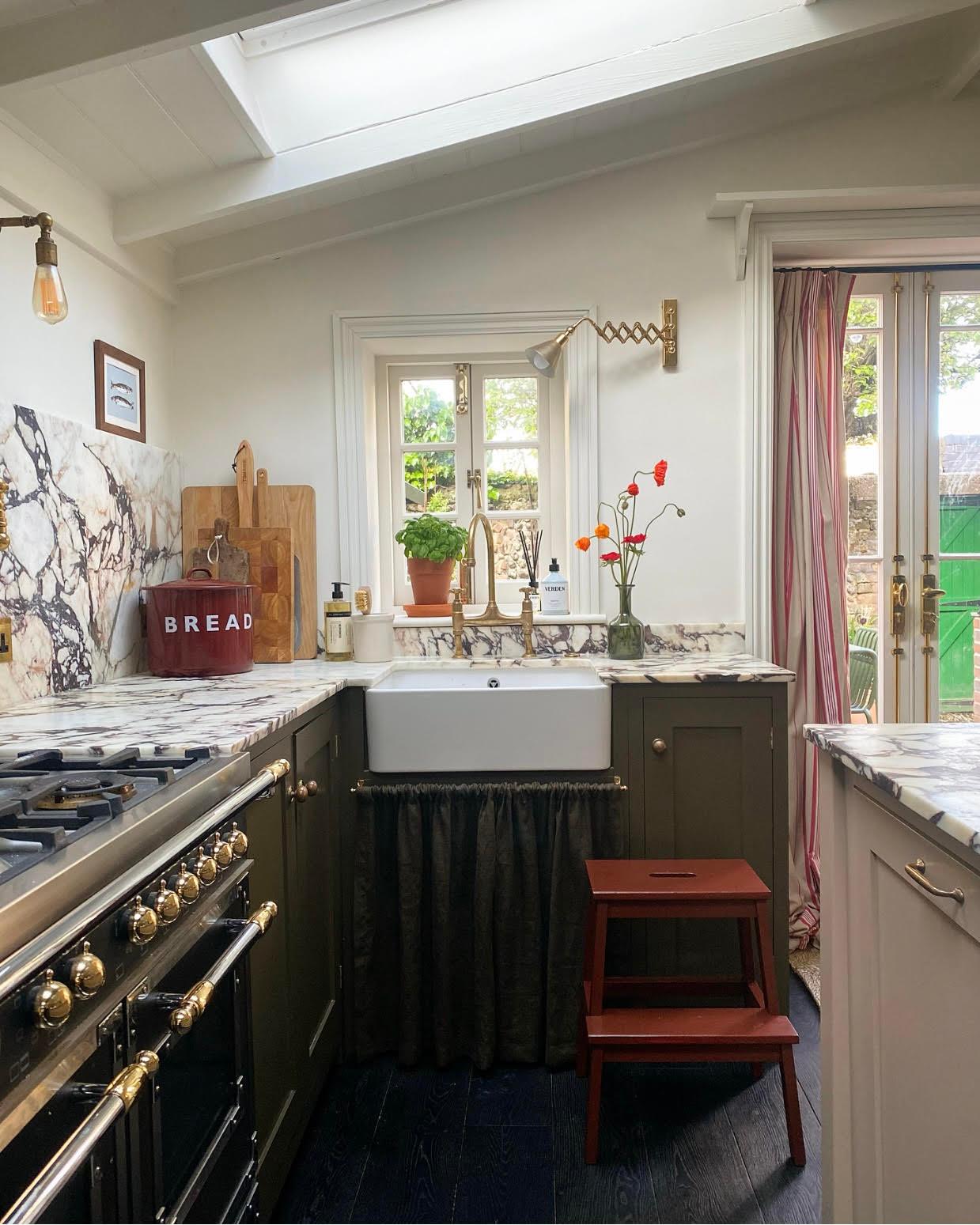
Vintage and thrifted furniture are foundational to bohemian design. Malhotra suggests seeking out flea markets, estate sales, and local Facebook groups for pieces with heartwarming details like chipped wood or sun-faded marks, which evoke authenticity. Medicus advises regular visits to thrift stores and following local resellers on Instagram, emphasizing the need to act quickly when a desired item appears. The key to integrating these finds with modern pieces is to create a harmonious tension, such as pairing a distressed teak bench with a sleek steel island, allowing items to complement rather than match perfectly.
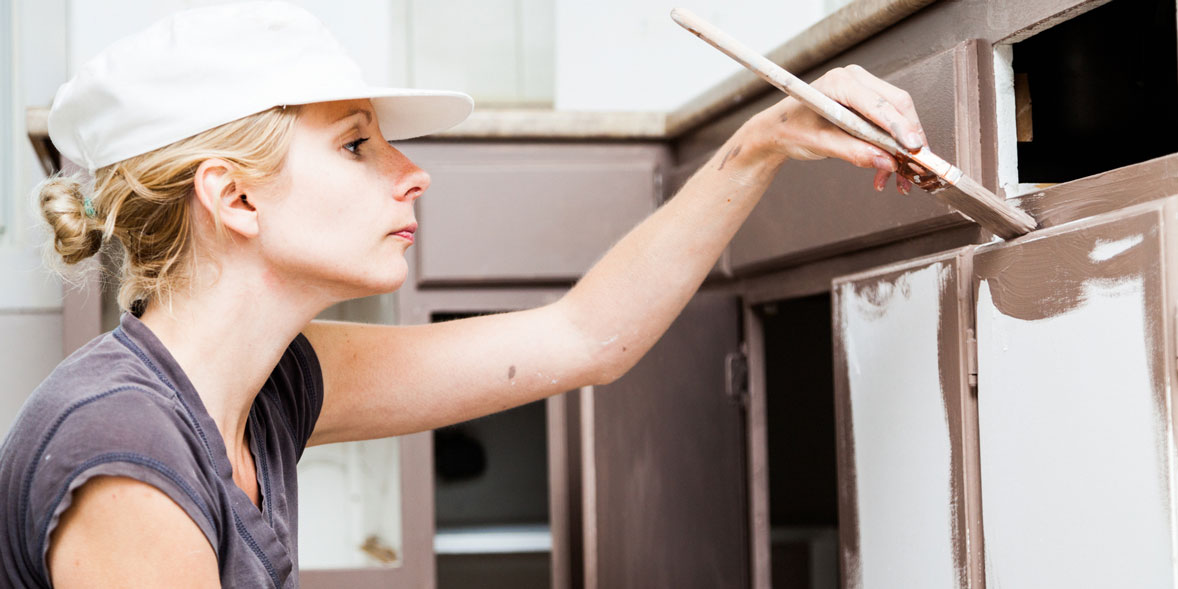
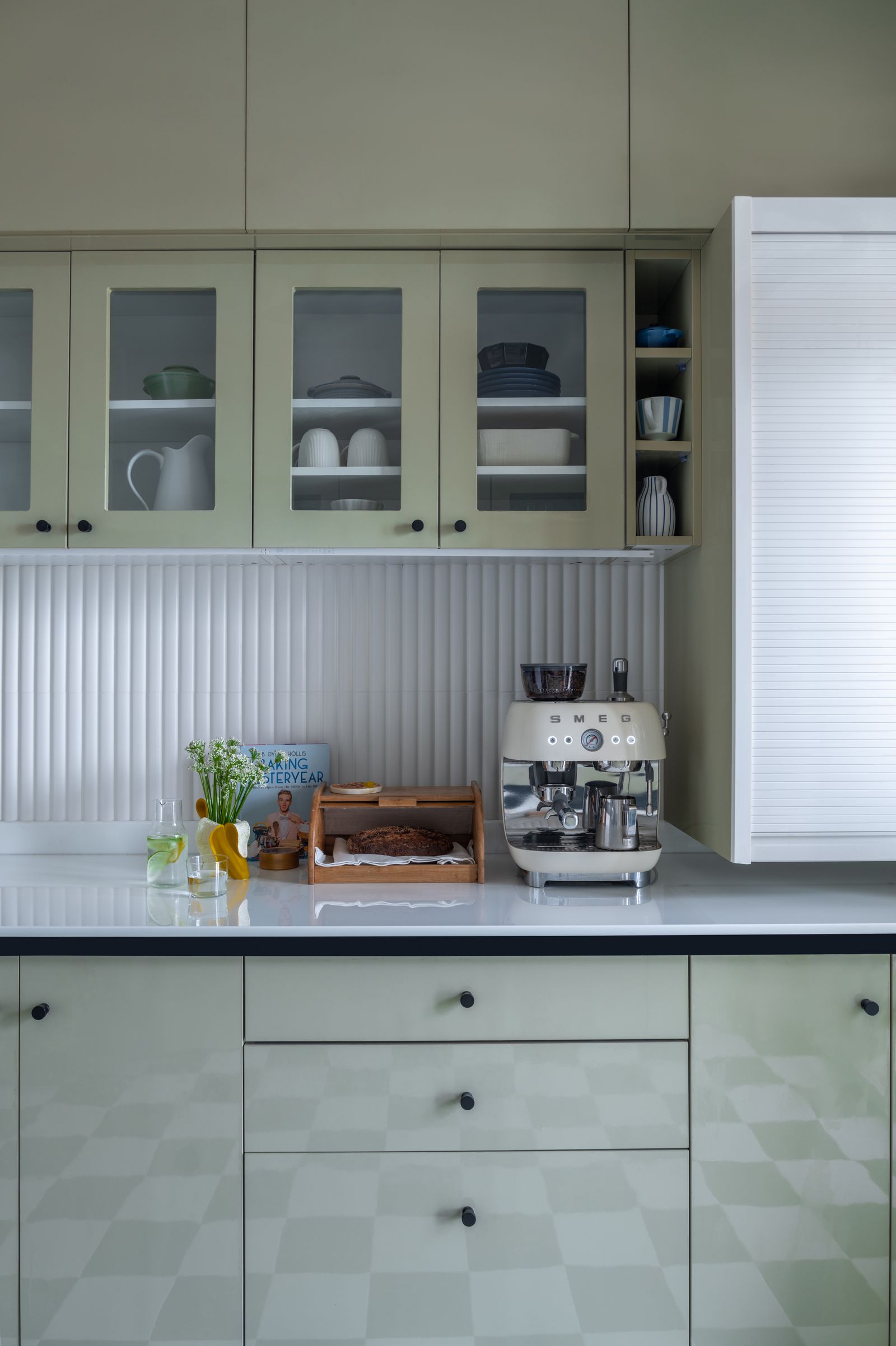
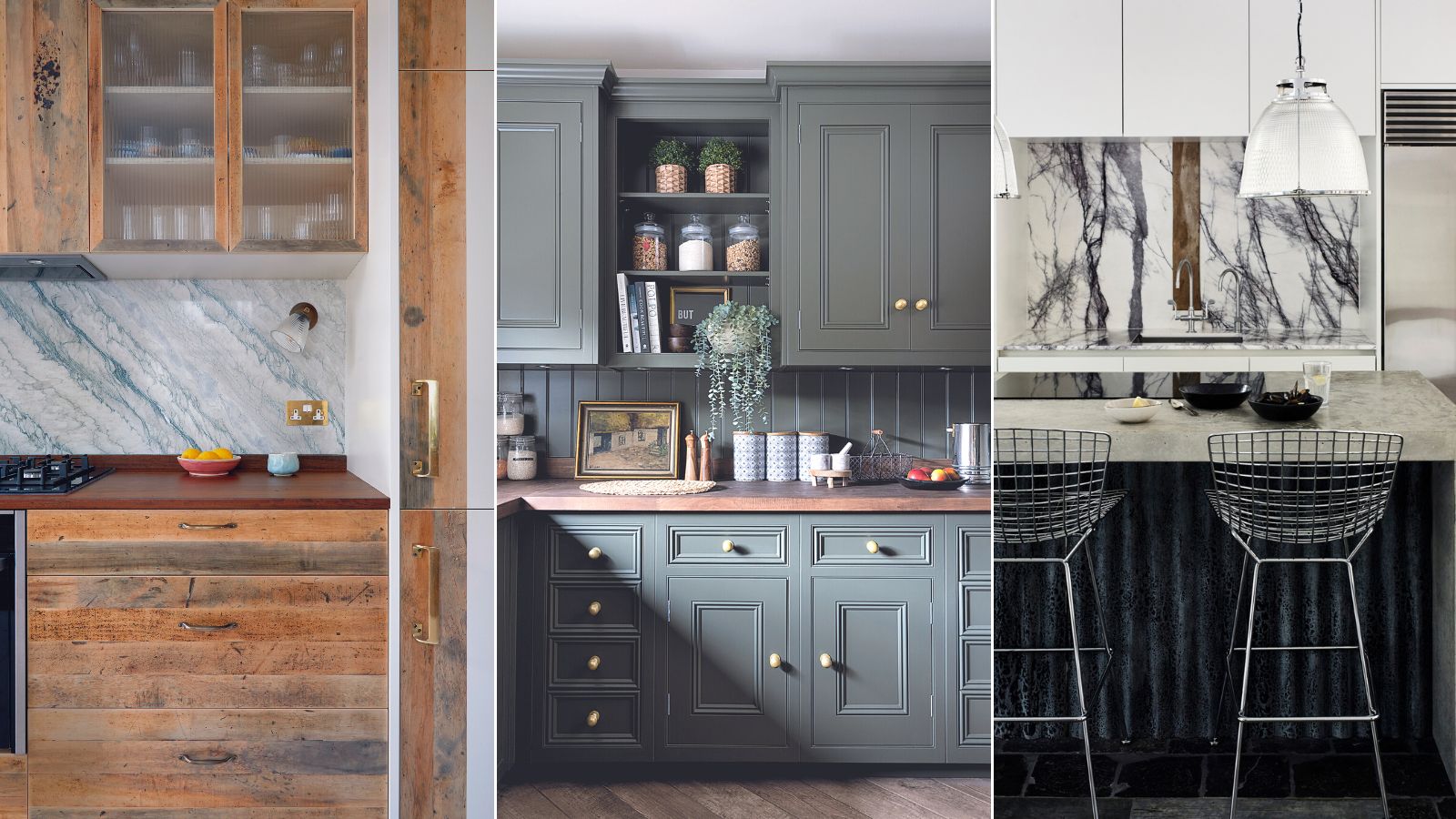
Distressed cabinets are another hallmark of bohemian style, embracing imperfections as markers of authenticity. Medicus advocates for repurposed older wood pieces to add warmth. For DIY enthusiasts, distressing existing cabinets through sanding or antiquing glaze, followed by a polyurethane seal, can transform their appearance. It is crucial, however, to ensure distressed elements look intentional rather than shabby, often achieved by balancing them with new components, like contemporary appliances amidst vintage counters.
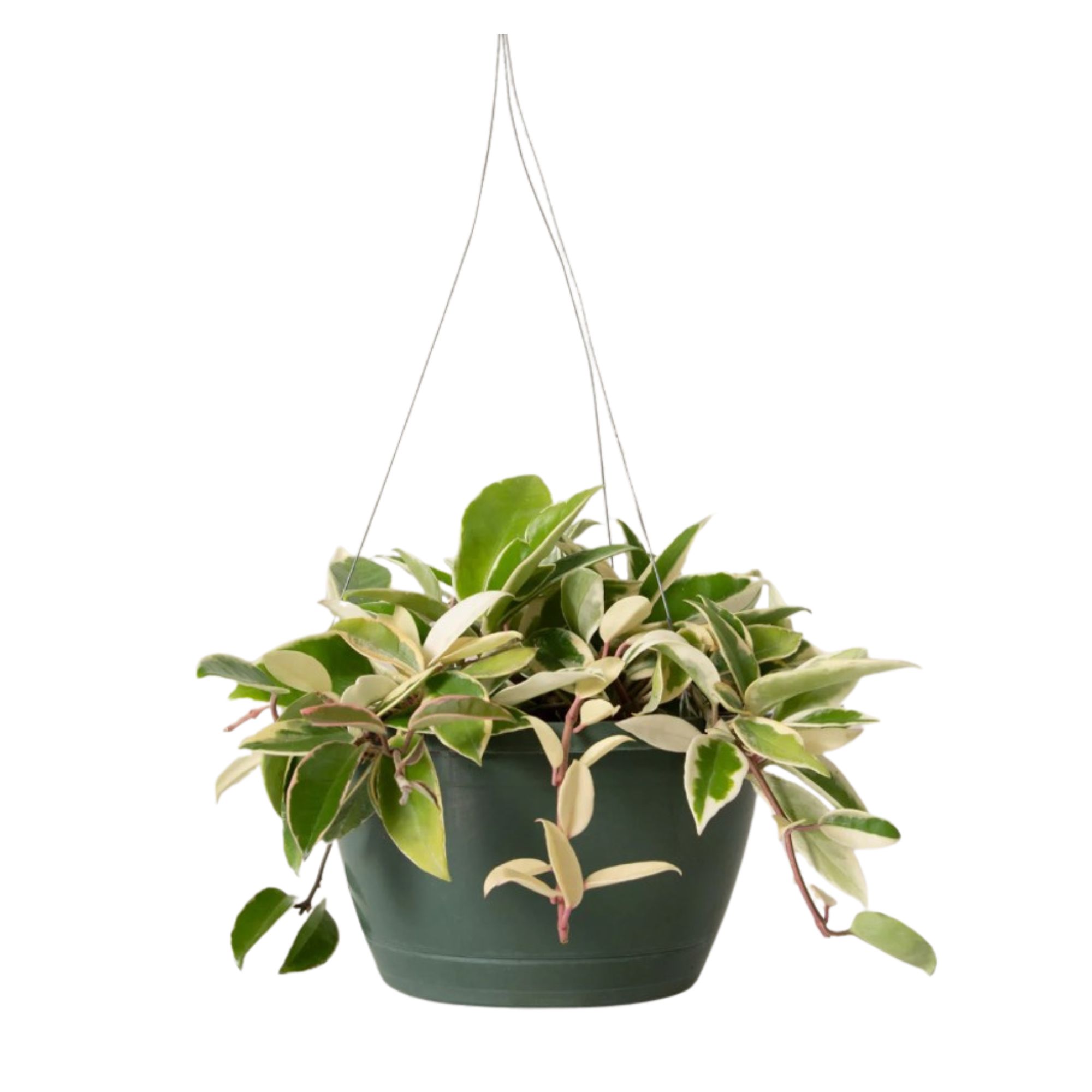
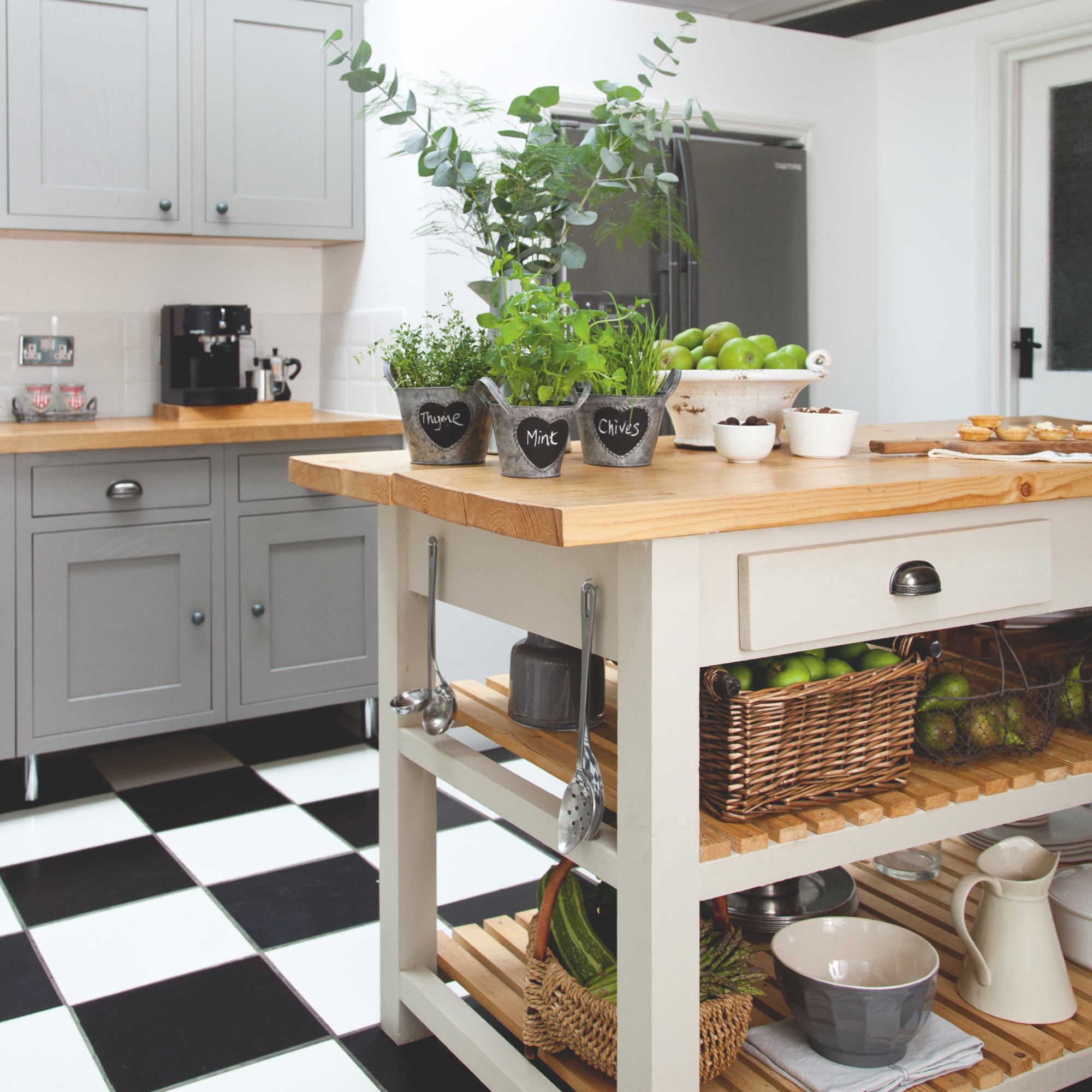
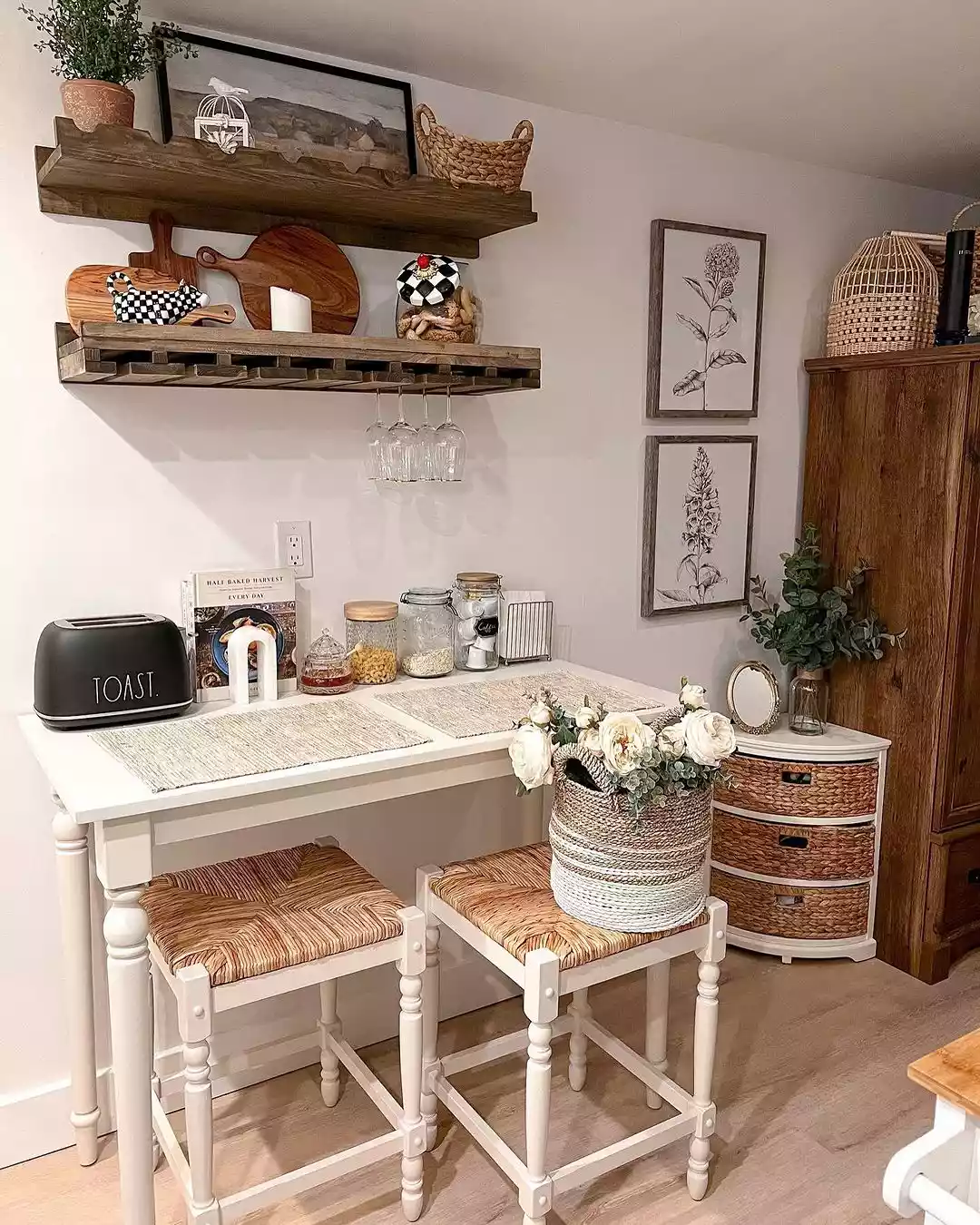
Secondhand baskets offer an affordable and stylish storage solution. Medicus highlights their ability to add warmth and texture. Following Martha Stewart's lead, collecting baskets from auctions and antique fairs can build a diverse collection. Different shapes serve various purposes: rectangular for pantry vegetables, rounded for kitchen islands, and hanging baskets to free up counter space. Varying shapes and sizes ensures a relaxed, non-uniform look.
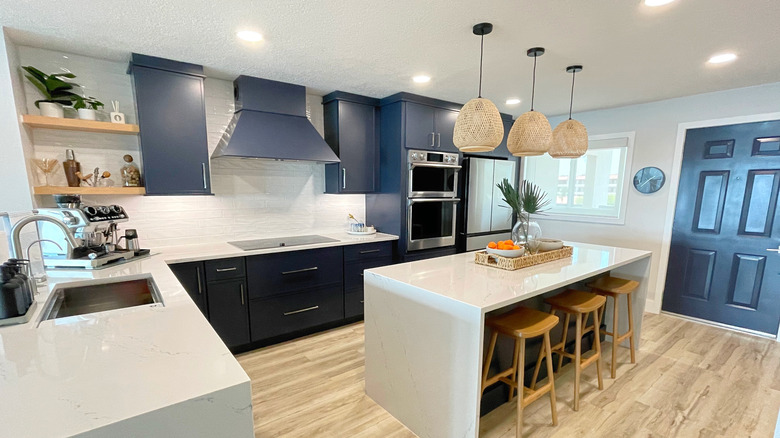
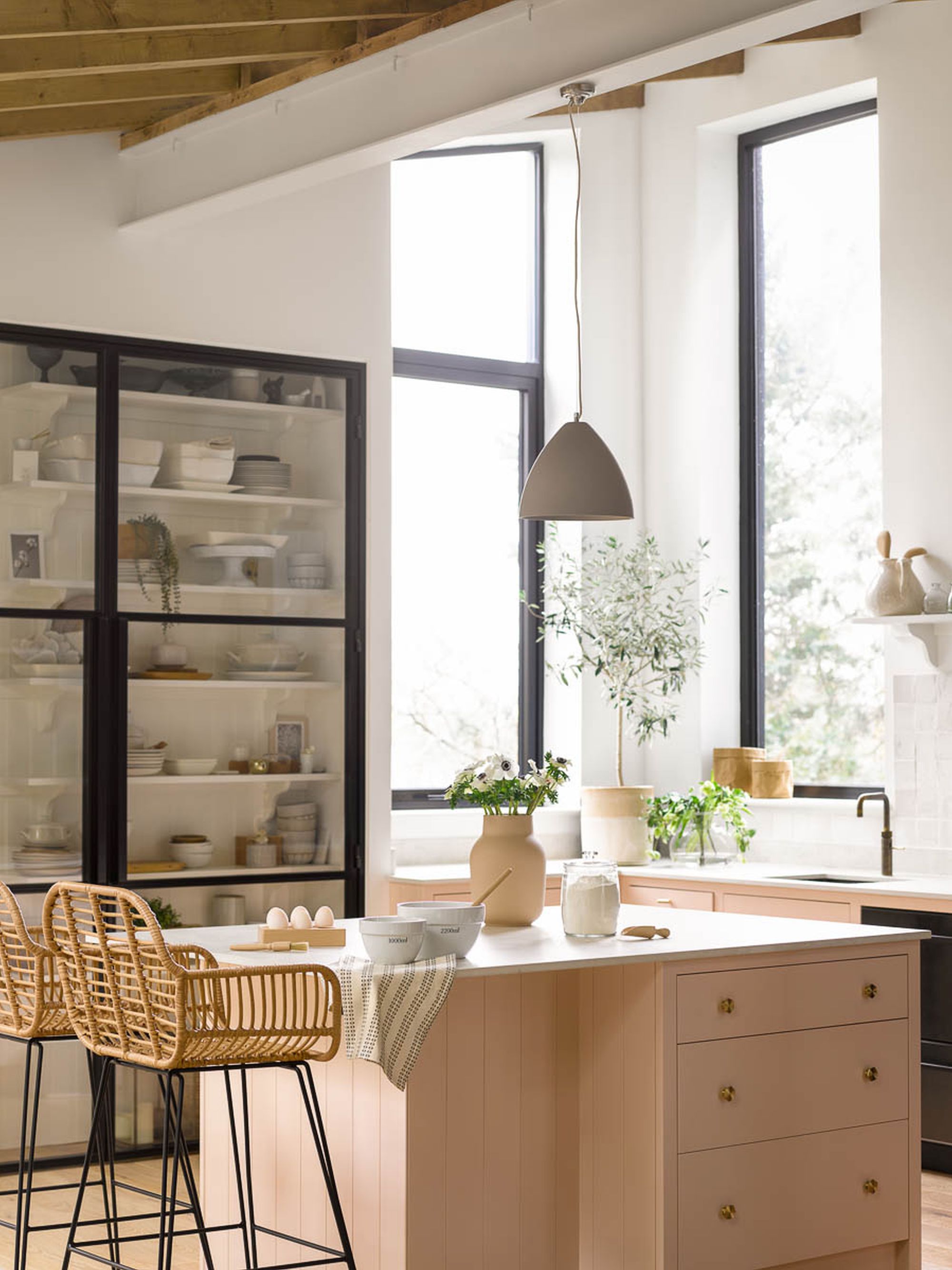
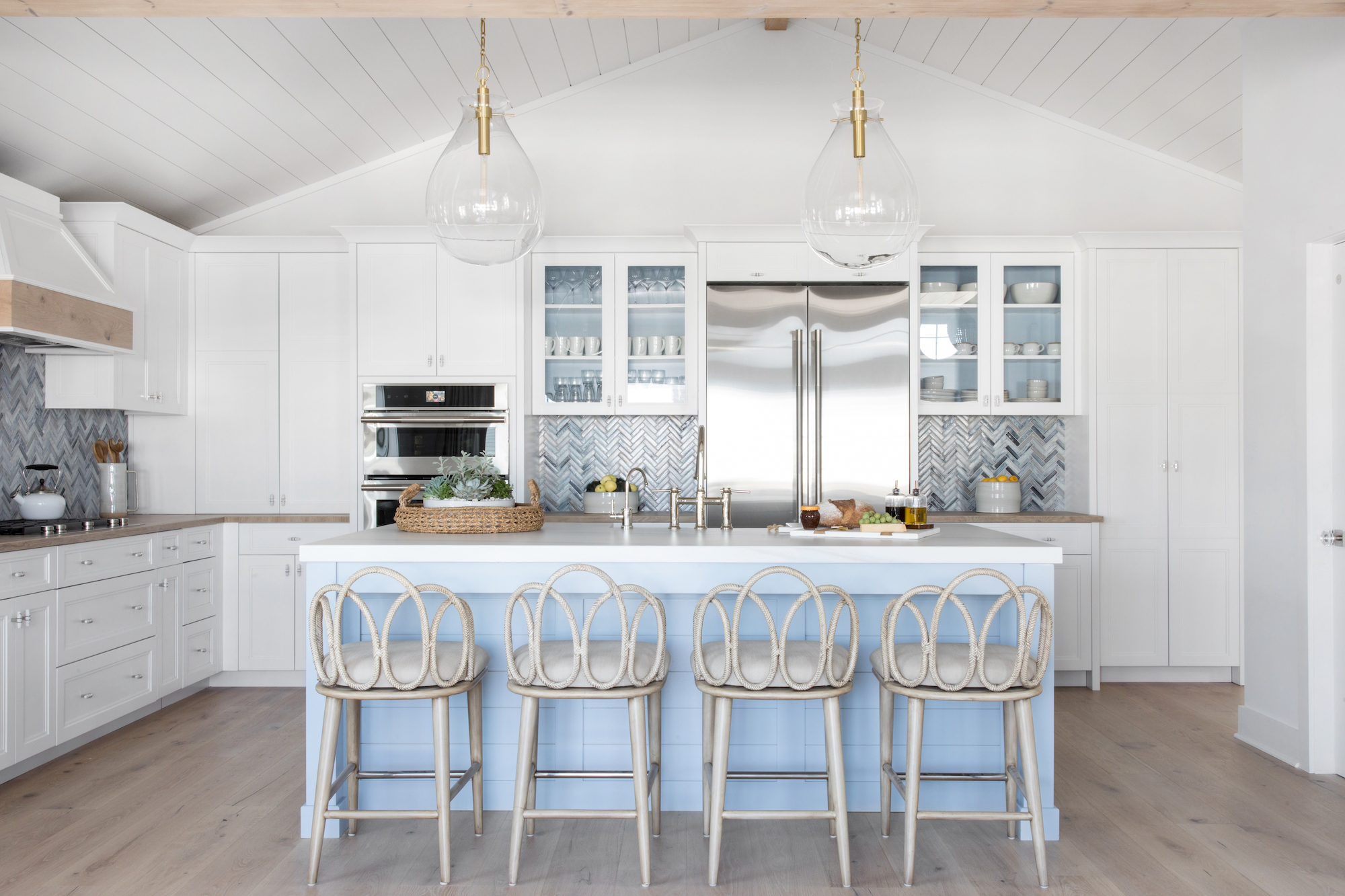
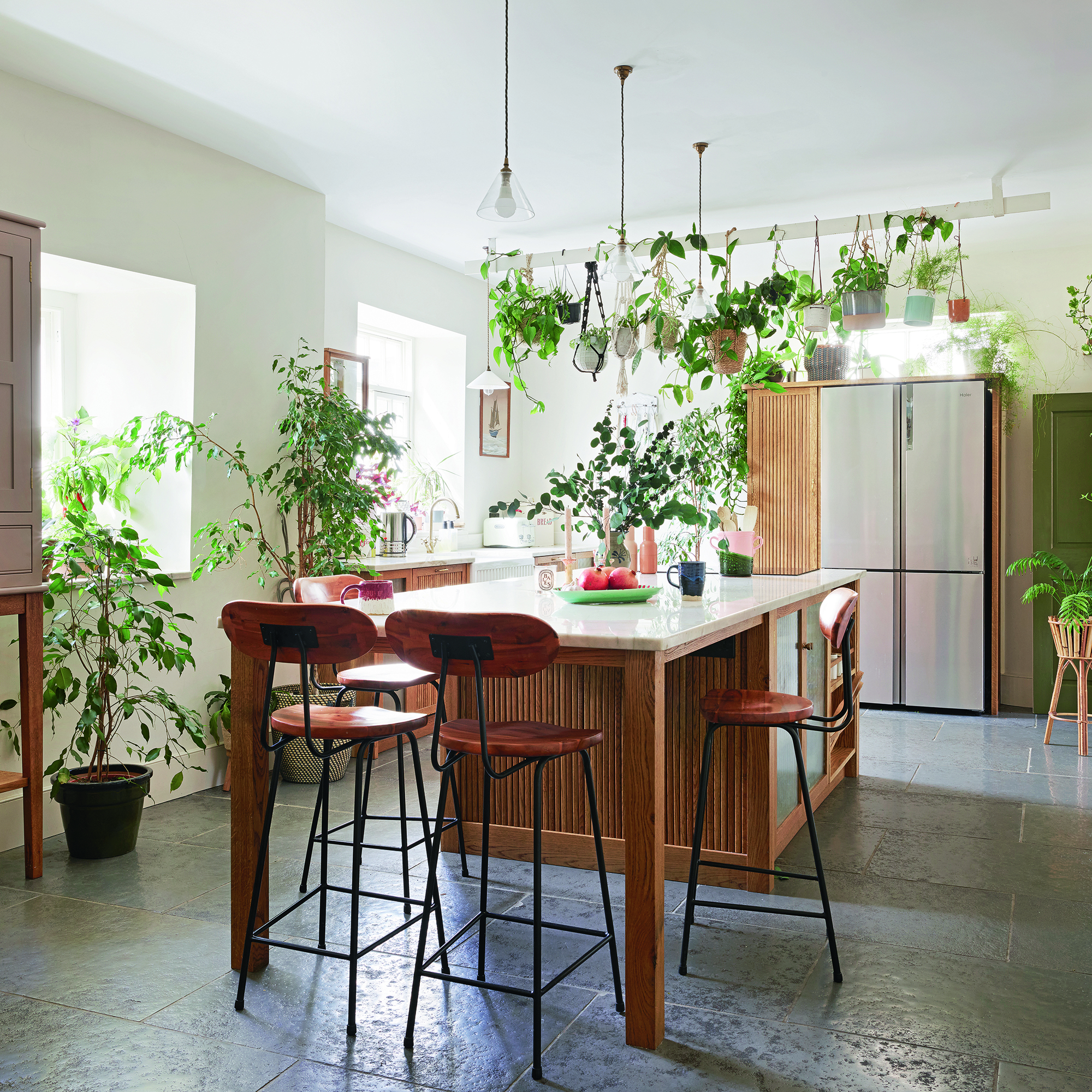
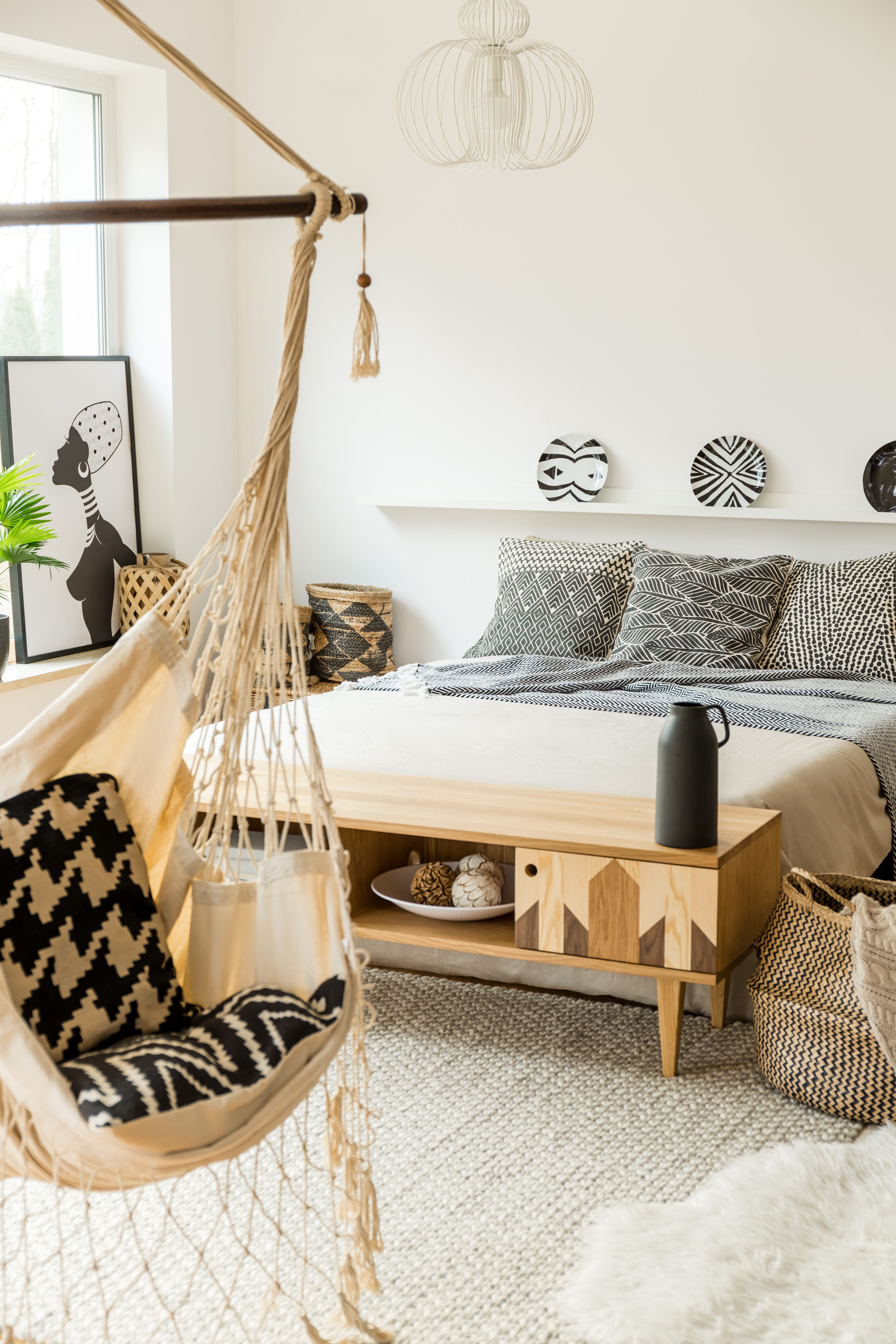
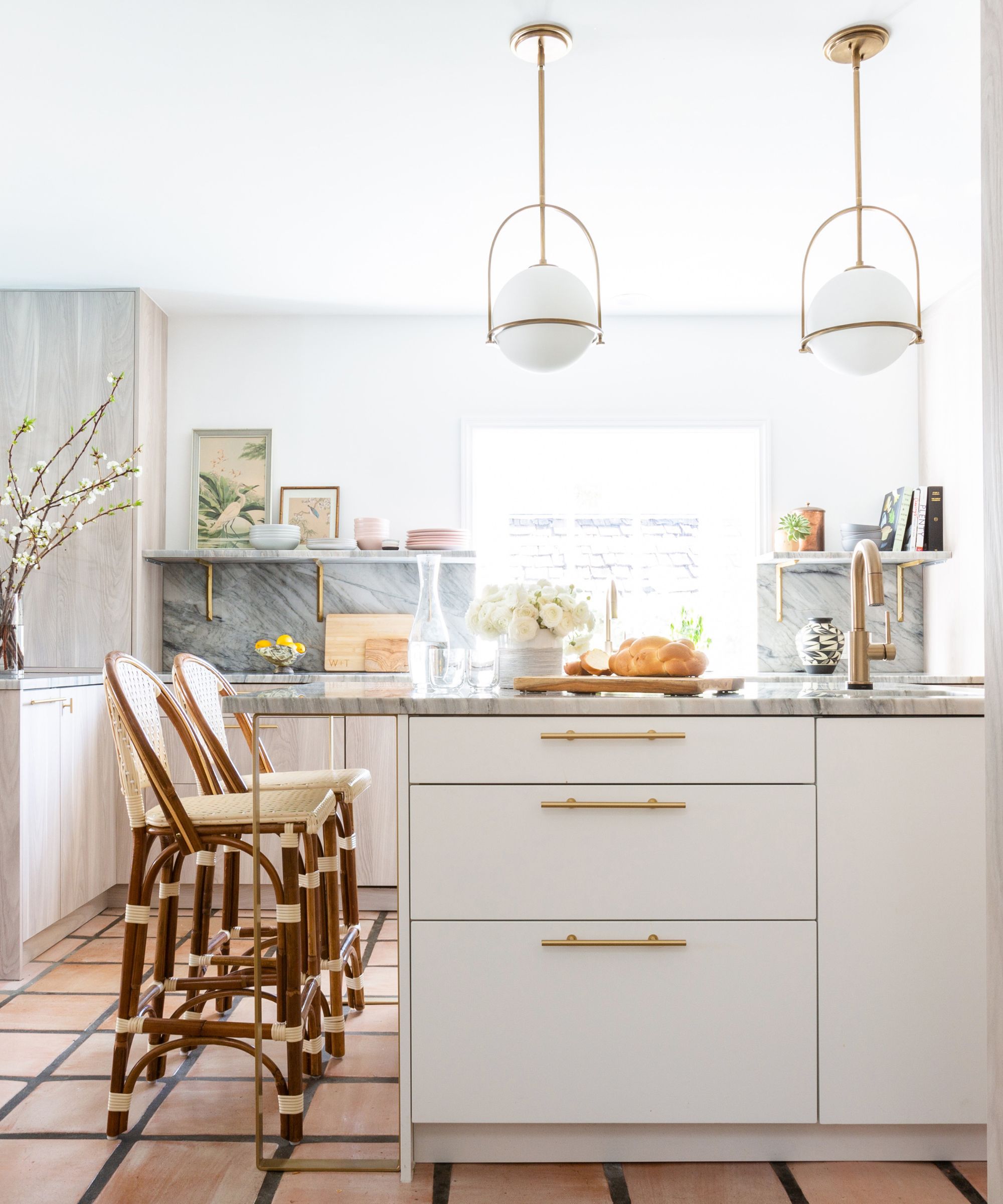
Macramé decor brings a 1970s vibe to the bohemian kitchen, connecting to the era's appreciation for natural crafts. Medicus notes its softness and organic look enhance the boho aesthetic. Beyond decoration, macramé can be functional, such as hammocks for fruit storage. Malhotra suggests using macramé as subtle punctuation—a plant holder, a panel to conceal storage, or a wall hanging to soften cabinet lines—to avoid a themed appearance. Rattan accents provide an inexpensive way to infuse warmth and charm. Ina Garten's appreciation for rattan underscores its aesthetic and practical value, as its breathability is ideal for storing perishables like bread. Rattan is also an eco-conscious choice due to its rapid regeneration. Medicus recommends using rattan mesh in cabinet doors, hanging woven pendant lights over islands, and incorporating classic rattan cafe stools to create an indoor-outdoor feel.
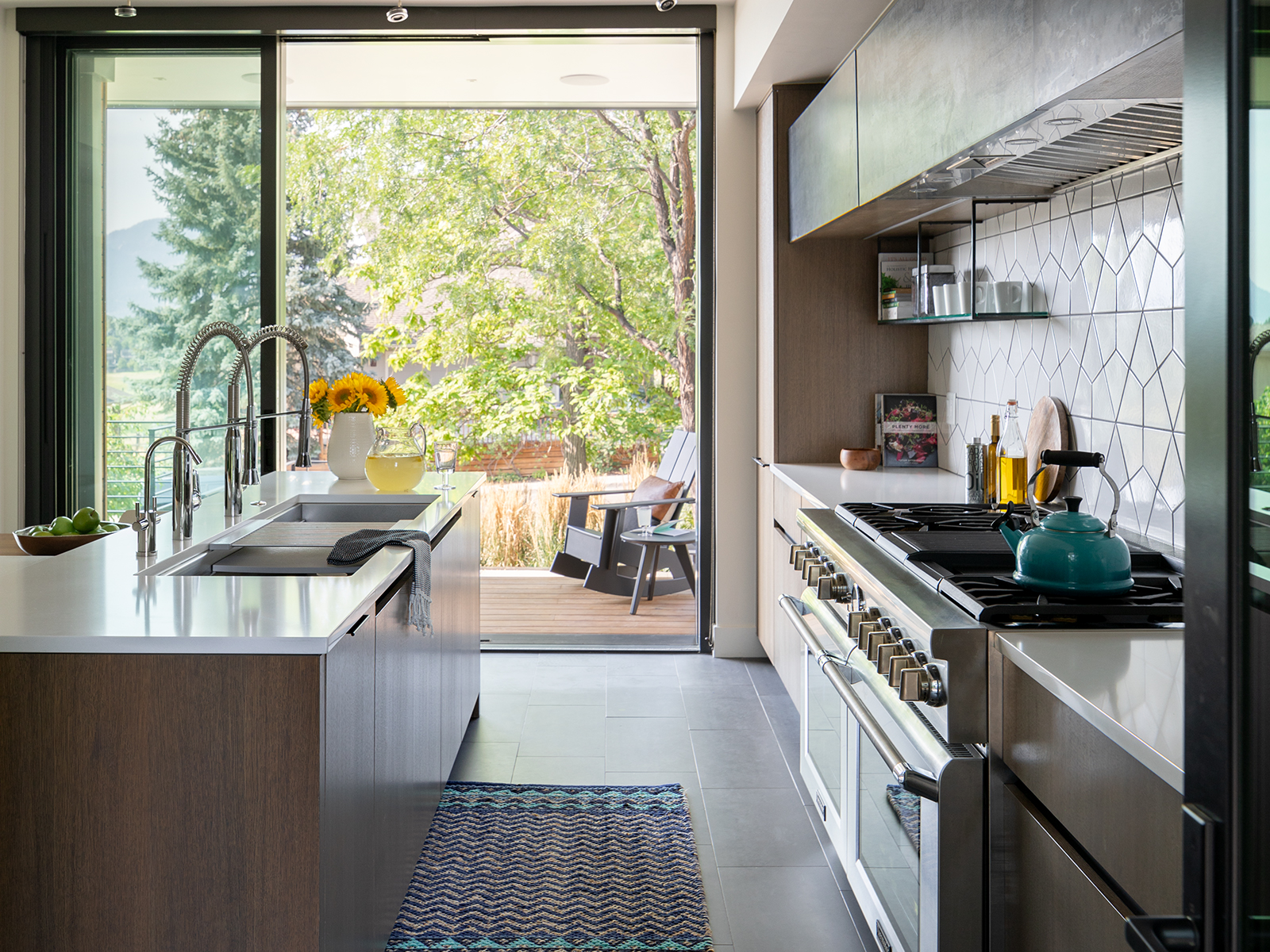
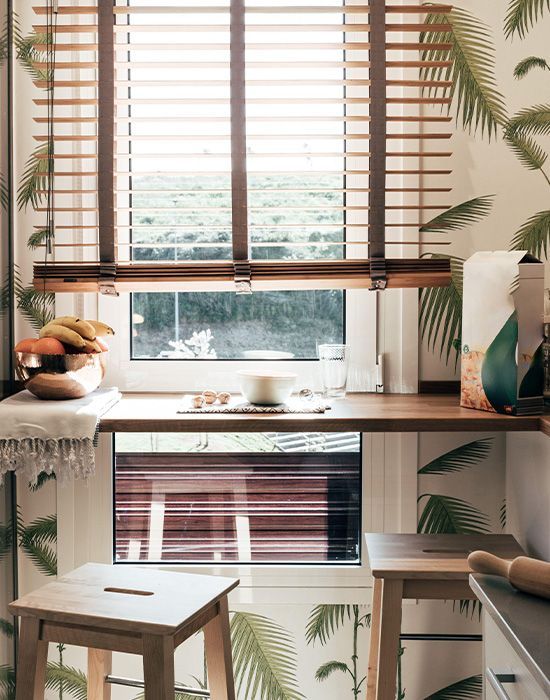
Mismatched chairs contribute to the curated, personal feel of a bohemian kitchen. While coordinated sets lack personality, intentionally mismatched designs convey thoughtful selection. Malhotra stresses that mismatched chairs require commitment, advocating for a curated selection of diverse pieces, like a vintage Thonet alongside an industrial stool, rather than random choices. A unified color palette can tie disparate chairs together, preventing visual chaos. Colorful rugs add comfort and visual interest. Malhotra suggests jewel tones and Ikat or tribal prints to soften the space. Medicus advises against natural fiber rugs due to staining, recommending vintage rugs layered over quality rug pads for safety and easy cleaning. Runners suit galley-style counters, while smaller rugs can accent sinks.
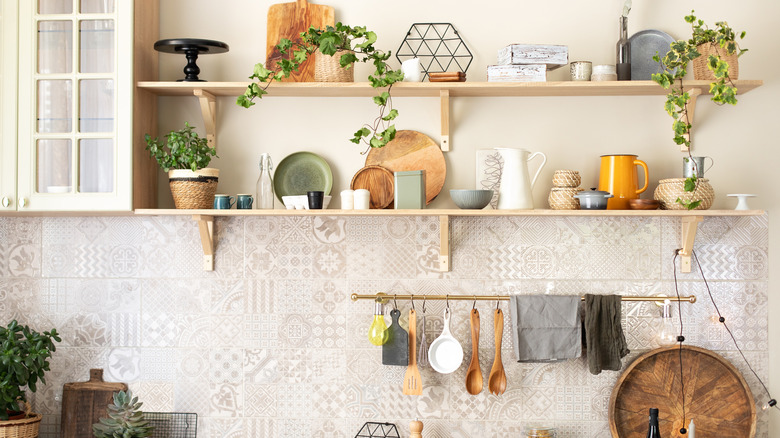
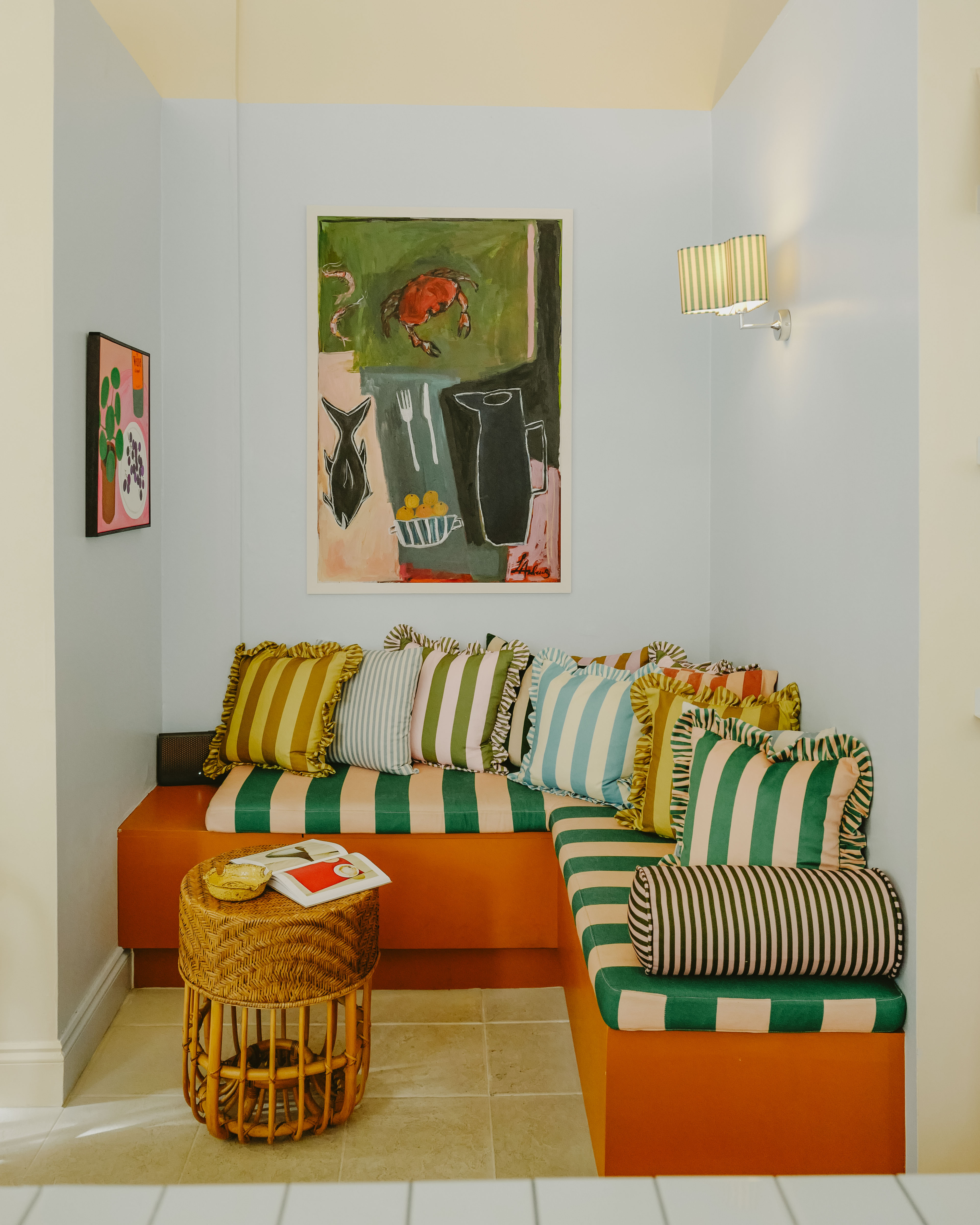
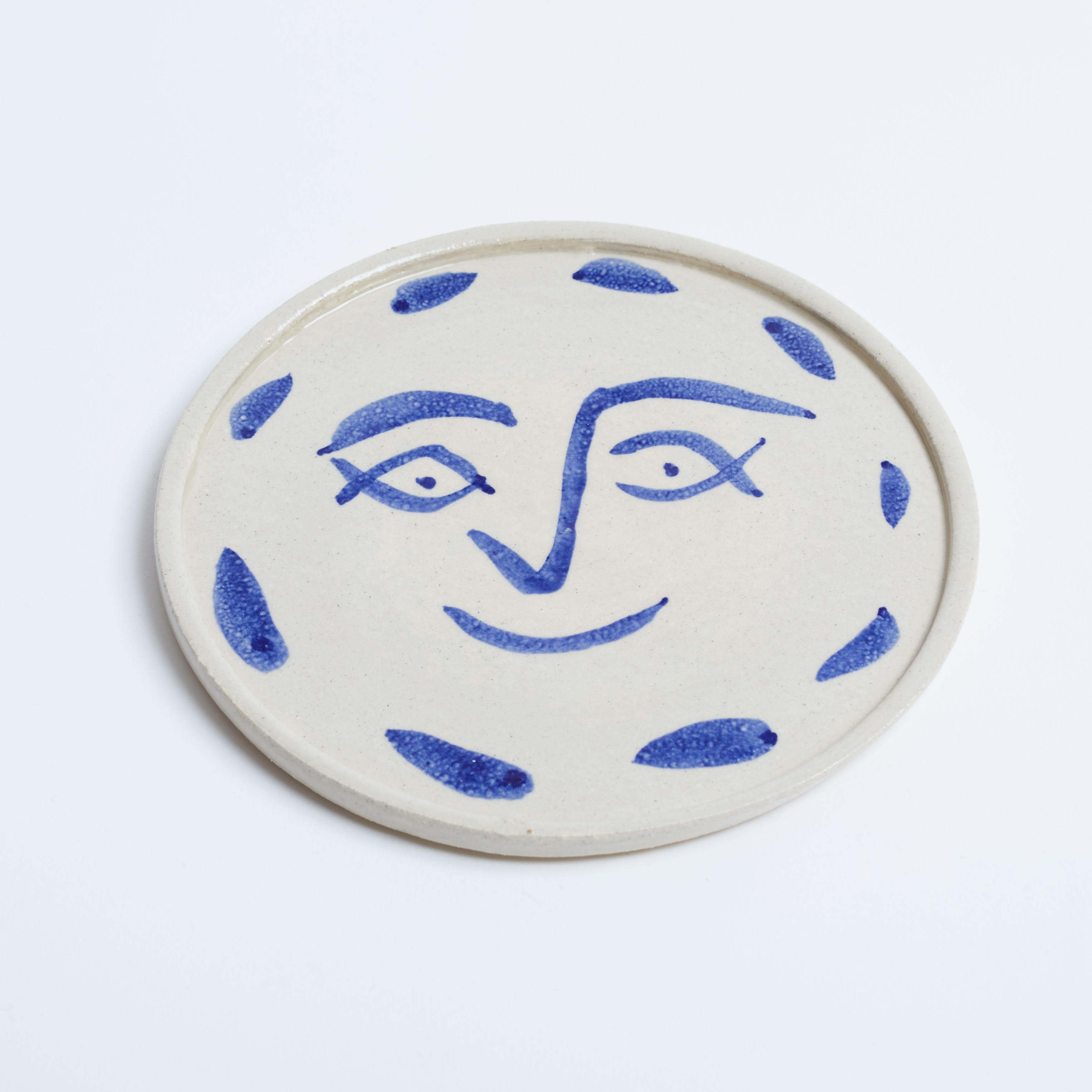
Mix-and-match textiles further the curated aesthetic, with Malhotra likening it to a dinner party where no one matches but everyone gets along. Soft earthy hues and faded greens are ideal, used in pillows, seats, or fabric panels on open shelves. Medicus advises selecting textiles with a common color to create cohesion and opting for washable fabrics like linen or cotton for practicality. Finally, DIY pottery adds a handcrafted touch without breaking the bank. Attending local workshops allows for creating unique pieces like planters and decorative bowls. Medicus suggests grouping homemade pottery on open shelves or in open-front cabinets for visual impact, perhaps with contrasting copper or glass elements, or using a homemade vase for garden herbs.
#BohemianKitchen #BudgetDesign #VintageDecor #DIYProjects #SustainableDesign #KitchenDecor #InteriorDesign #ThriftStoreFinds #BohemianKitchen #BudgetDesign #VintageDecor #DIYProjects #SustainableDesign #KitchenDecor #InteriorDesign #ThriftStoreFinds
0 comment in total
 No comments yet
You may also like
13 Pro Tips To Make Your Kitchen Look Bougie On A Budget

27 Small Ways To Make Your Kitchen Look Like An “After” Shot On HGTV

'Home Town' hosts share budget-friendly kitchen renovation ideas

5 (Fresh!) Tips for a Minimalist Kitchen

How to renovate your kitchen on a budget
Budget kitchen remodel ideas – 10 ways to transform your space with minimal spend
22 Small Kitchen Ideas on a Budget That Are Worth Your Time and Money

15 genius small kitchen design ideas to maximise your space

Budget kitchen trends, from benches to open shelving
How to Get a Designer Kitchen Without Breaking the Bank, According to Decor Pros
Kitchen island ideas on a budget – clever ways to add in this must-have feature
3 small kitchen remodels we're totally inspired by
7 Clever (and Cost-Saving) Ways to Make Your Kitchen Look Expensive

7 expert-approved boho kitchen island ideas that are chic and chilled out

27 budget kitchen ideas - the best low cost ways to spruce up your cooking space

12 Easy Ways To Organize Your Entire Kitchen On A Budget, According To Professional Organizers
15 Tips For Remodeling Your Kitchen On A Budget
5 modern kitchen design ideas that won’t break the bank

Boho Design Is Back — Here’s How to Nail the Look on a Budget

20 Breathtaking Minimalist Kitchen Ideas That Look Million-Dollar Without the Price Tag