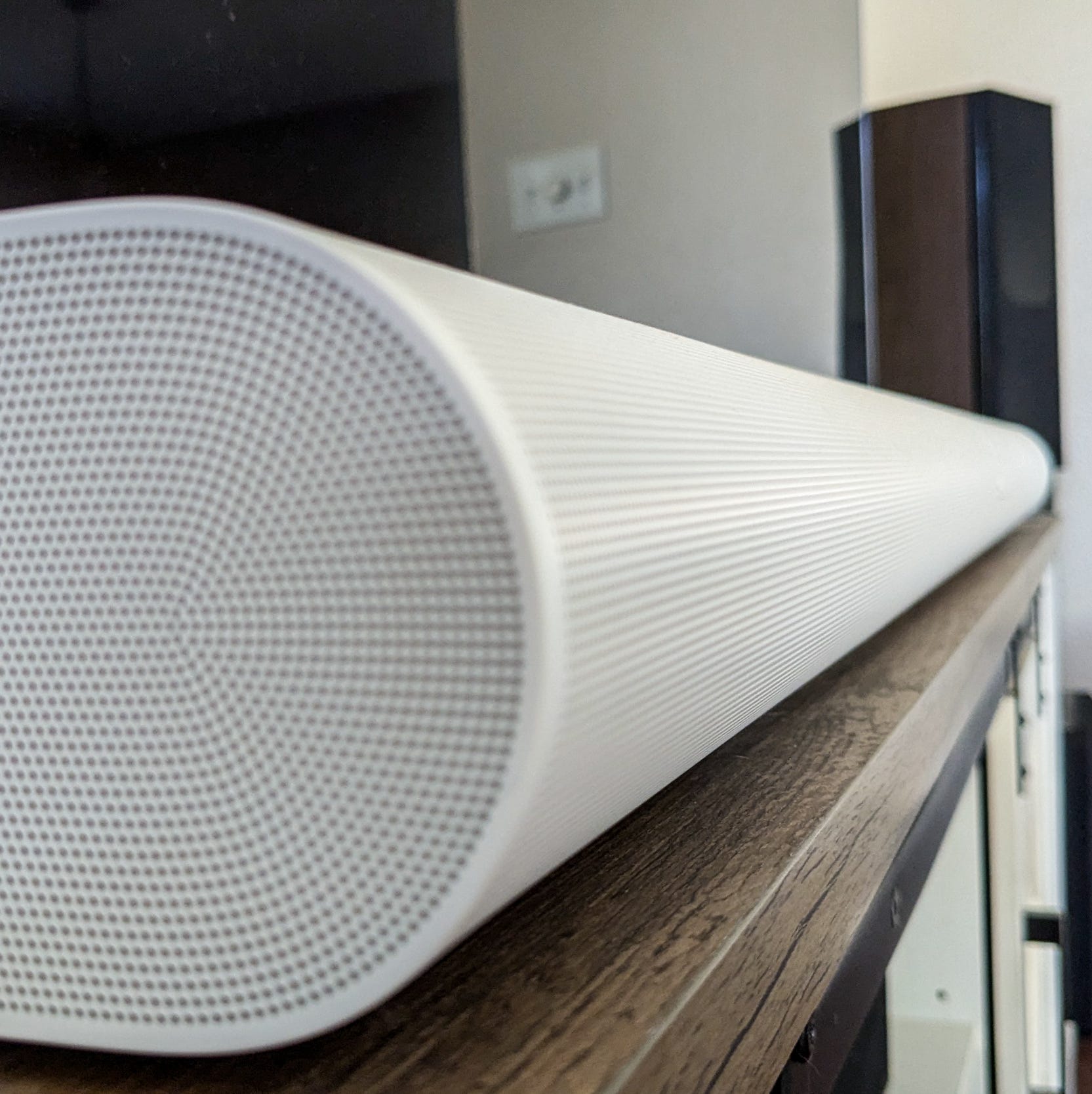
1/11
Immerse Yourself in Your Next Binge Watch With The Best Surround Sound Systems
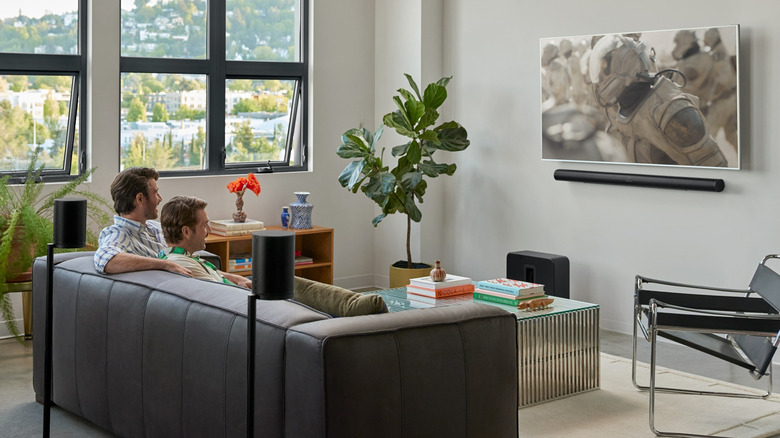
The article explores the evolution of home audio, noting a significant shift from traditional wired speaker setups to advanced wireless surround sound systems. Once considered a compromise, wireless systems from brands like Sonos, Sony, and Vizio now offer clean, powerful audio with intuitive setup and controls. The transition to wireless setups has largely eliminated the need to hide unsightly speaker wires, contributing to a less cluttered and more powerful home theater experience.
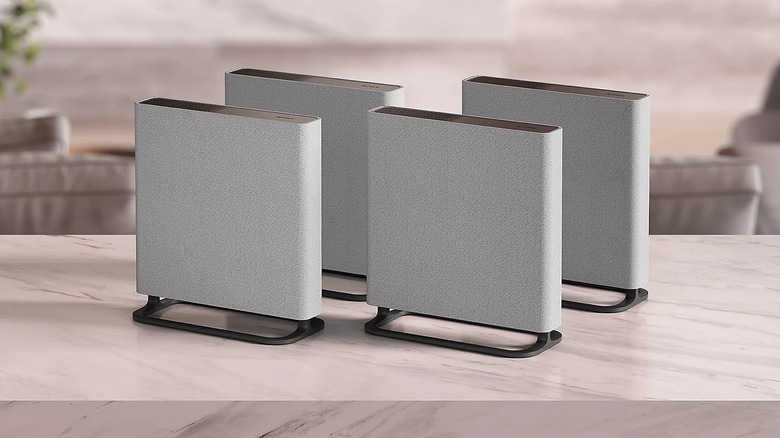
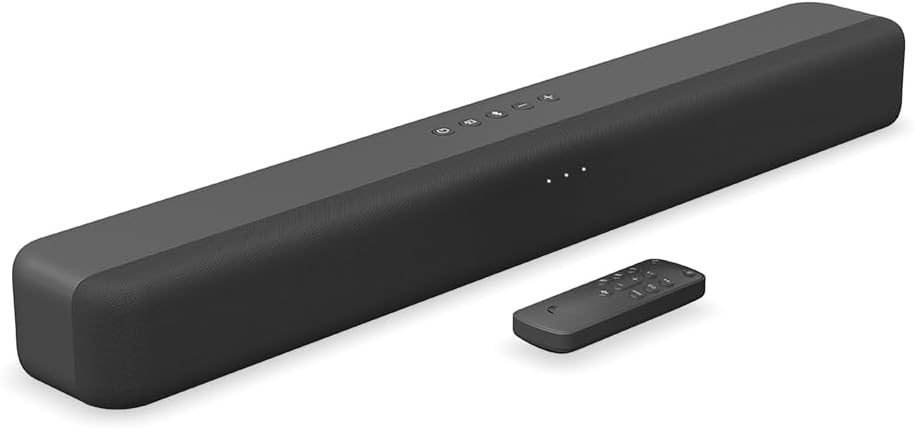
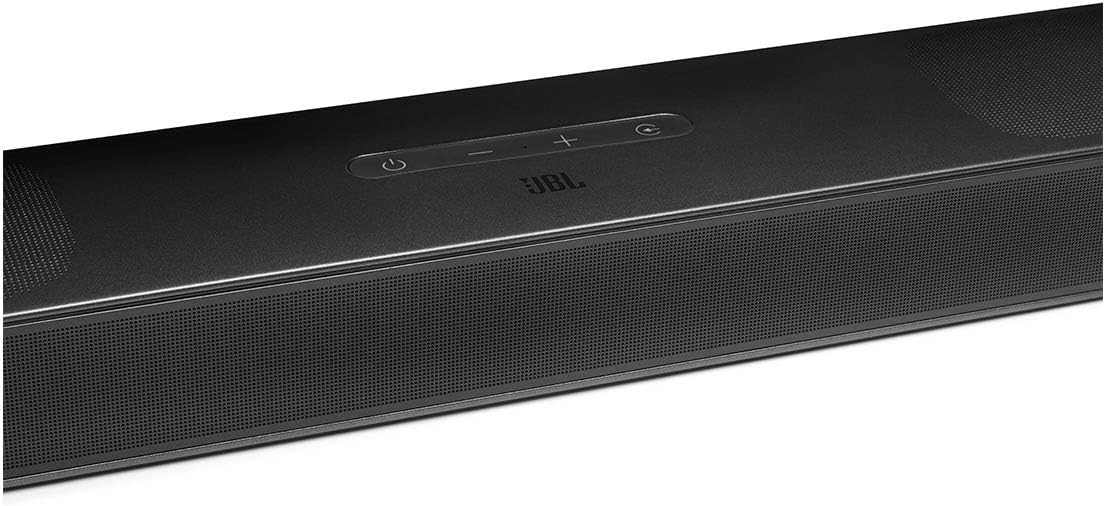
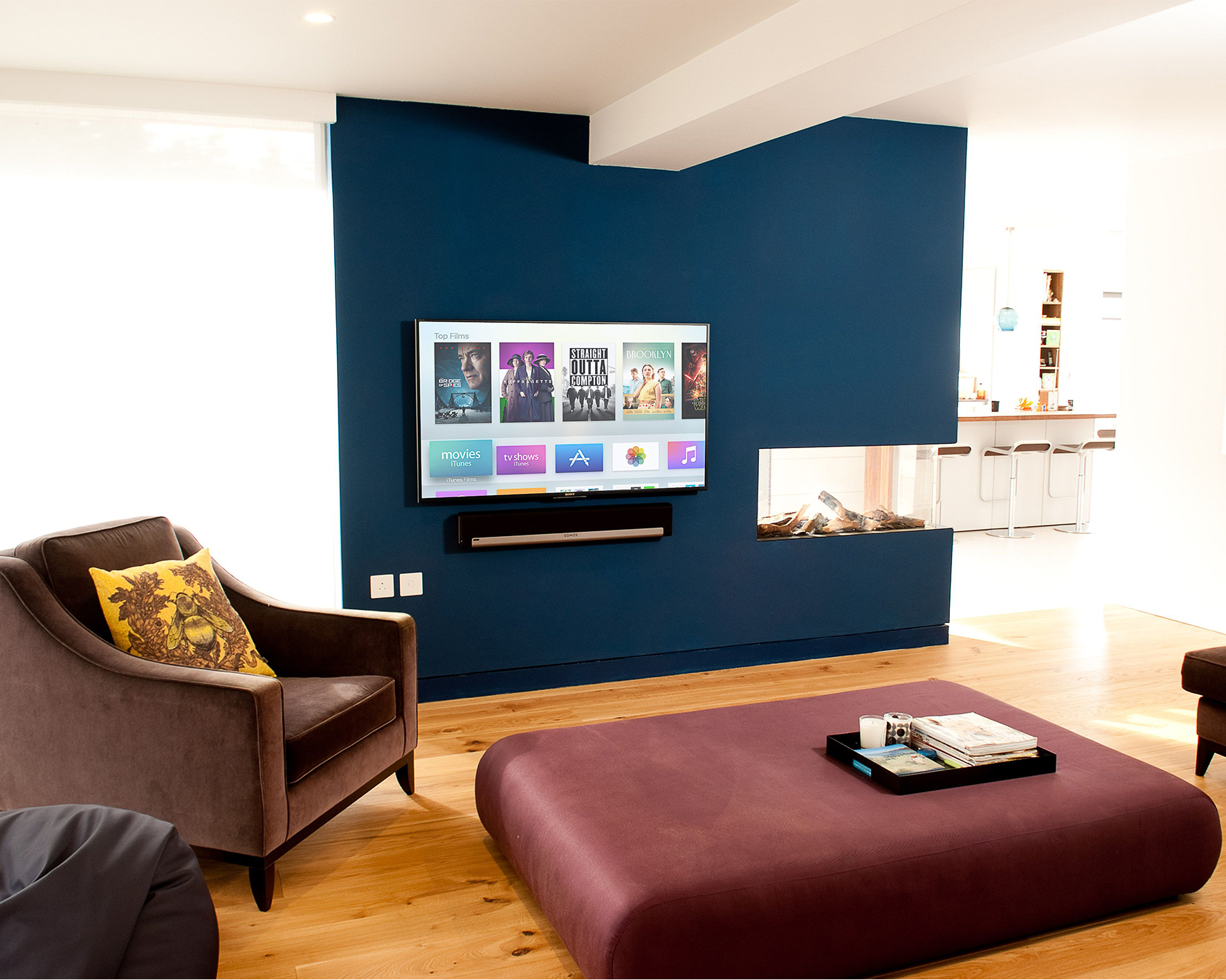
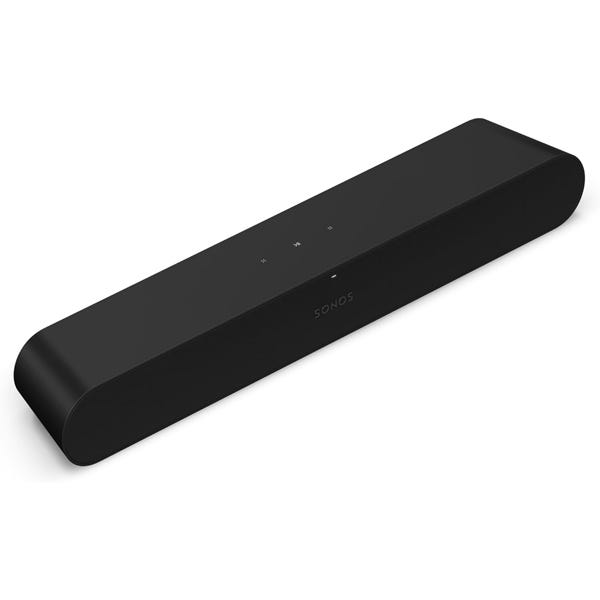
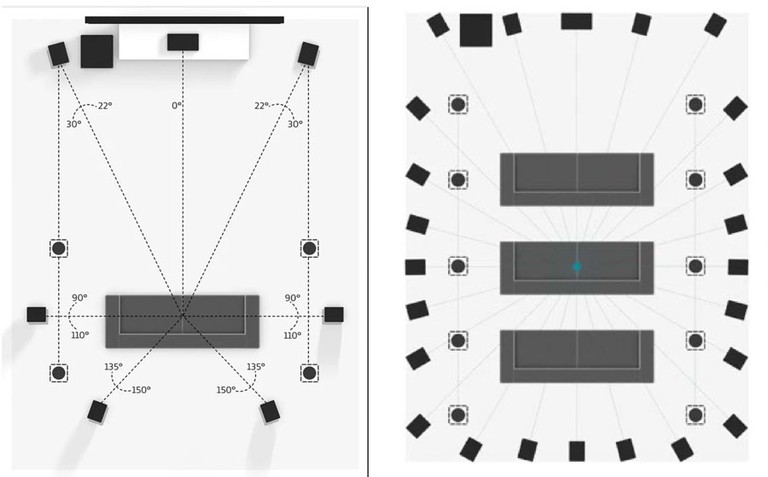
The article outlines key considerations when selecting a wireless surround sound system, emphasizing that while labeled "wireless," most systems still require some cables for power and connection to a TV via HDMI. The primary benefit of these systems lies in eliminating speaker wire runs to satellite speakers. Automatic pairing of components further simplifies the installation process. An important aspect is understanding speaker channels and configurations, which describe the number and arrangement of speakers. A basic setup is 2.1 (left/right speakers and a subwoofer), while soundbars typically offer 3.1 (adding a central channel for dialogue). For a true surround sound experience, at least two rear satellite speakers are necessary, making 5.1-channel systems or higher ideal for immersive audio. The article also discusses 7.1-channel systems, which include side speaker channels, and high-end systems that further expand nuance. It notes that some soundbar-based systems simulate surround sound without physical rear speakers, but physical speakers generally provide greater accuracy.
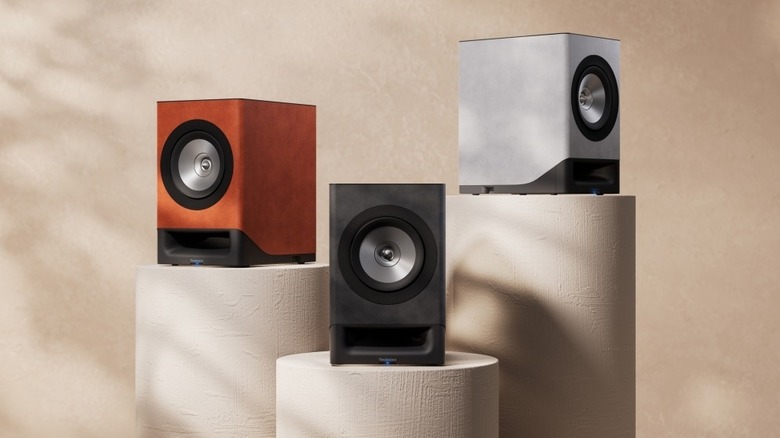
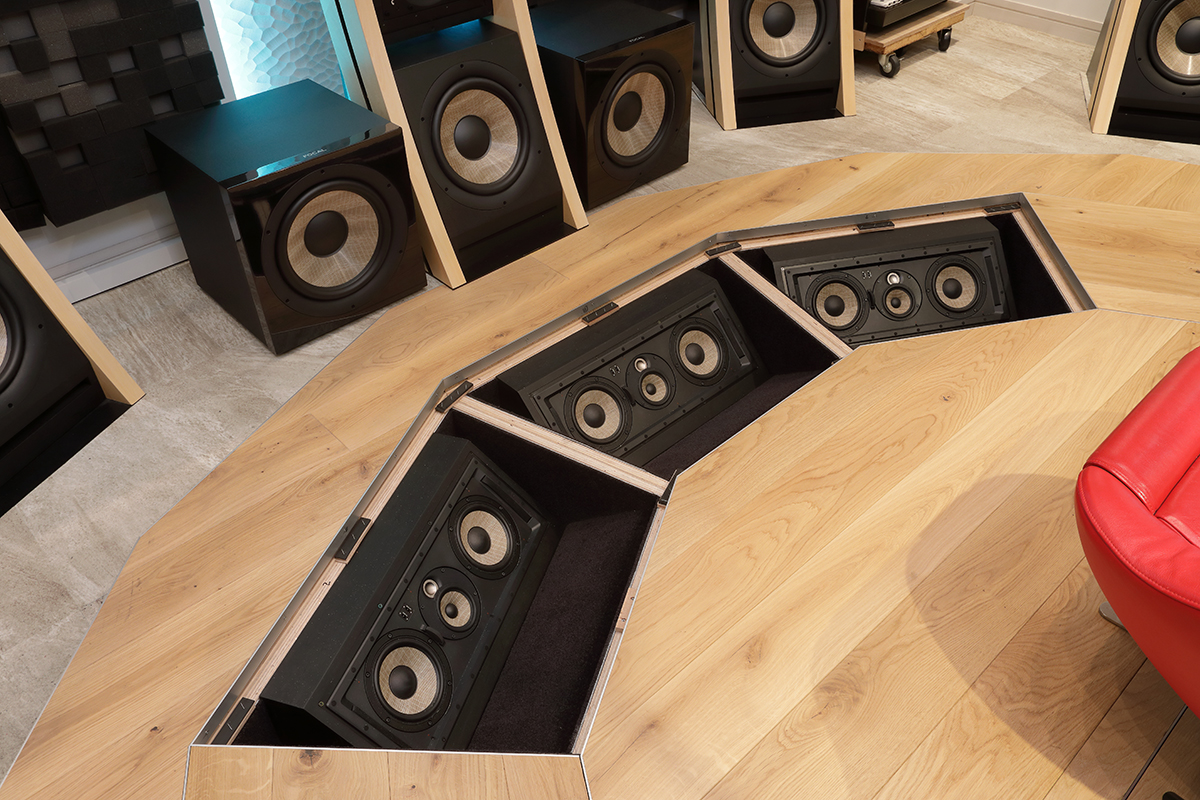
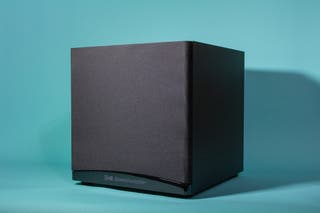
Subwoofers are highlighted as essential components for any home theater audio setup, providing depth and power to bass frequencies crucial for action movies and immersive content. The article advises purchasing a separate wireless subwoofer if a chosen system lacks one. Additionally, it details surround sound formats like Dolby Digital and Dolby Digital Plus, which optimize audio encoding, decoding, and distribution.
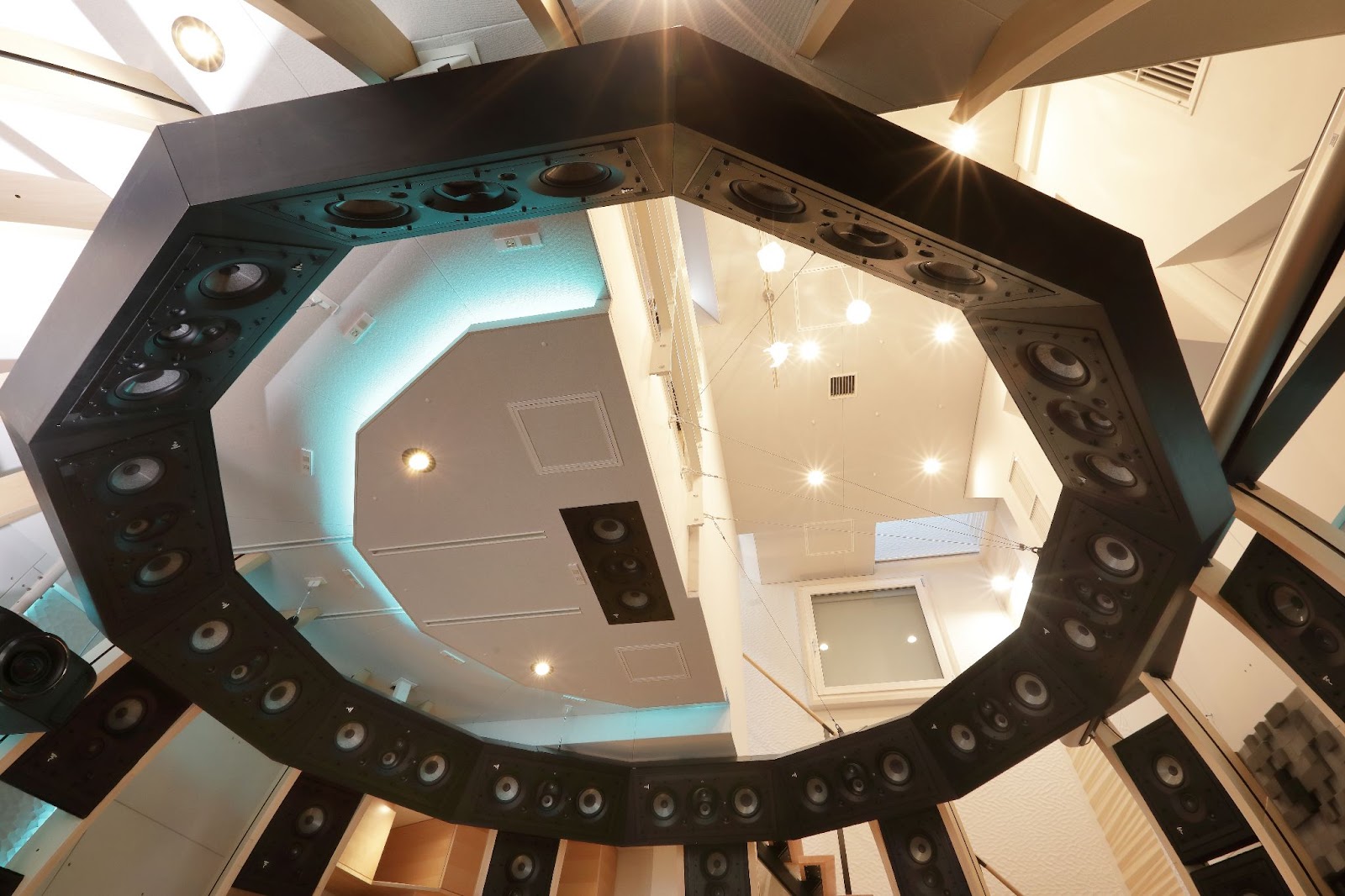
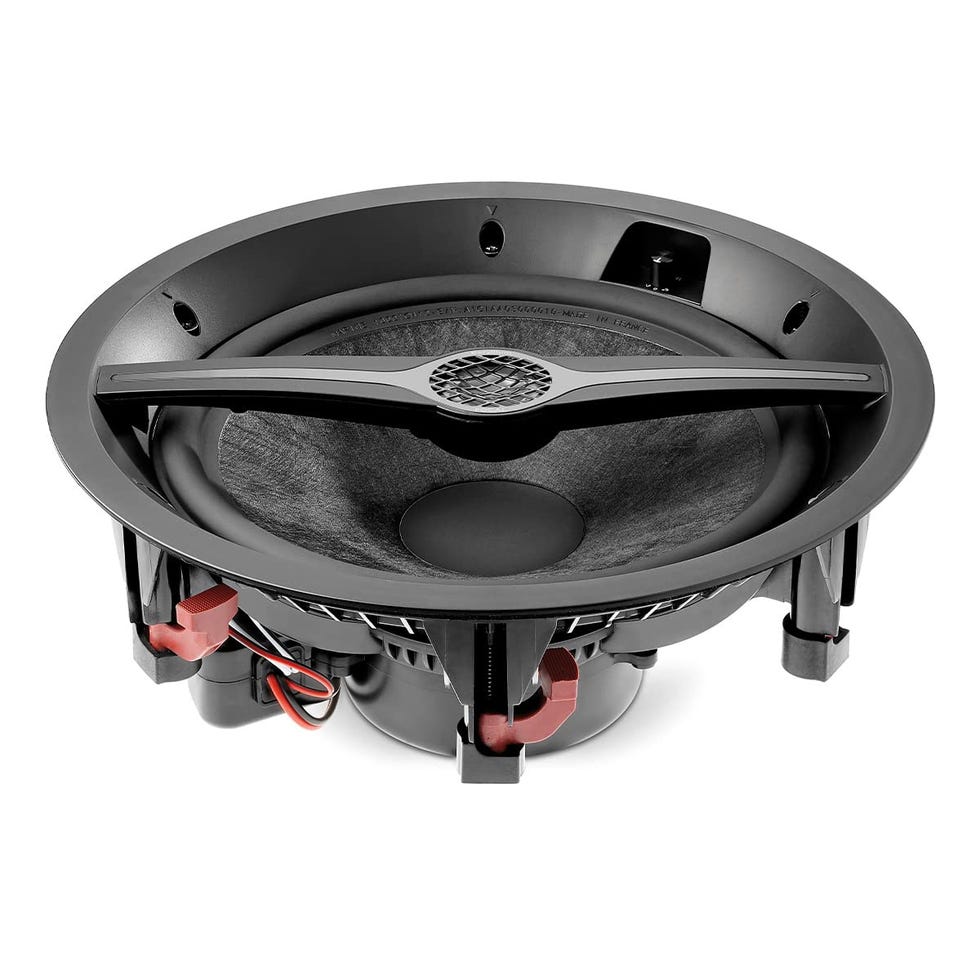
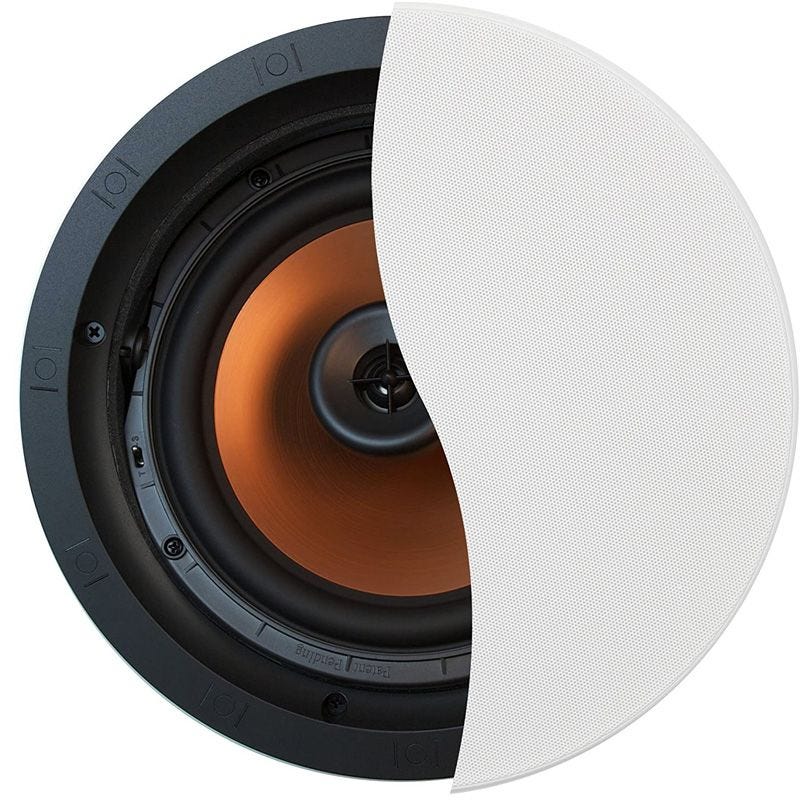
Spatial audio, including Dolby Atmos and DTS:X, is presented as a luxury feature that simulates 3D sound from various directions, including overhead. While fully spatial systems might involve ceiling-mounted speakers, most home systems use upward-firing drivers in soundbars or satellites to bounce sound off the ceiling. The article acknowledges that spatial audio support is growing, often through digital simulation, but physical speakers offer a more impactful experience.
Connectivity options such as Bluetooth and Wi-Fi are discussed. Bluetooth allows easy streaming from mobile devices, while Wi-Fi offers a more stable connection and better audio quality, especially for smart home integration or multi-room audio systems. However, both are primarily for audio streaming, not video, due to potential instability. The convenience of app control for adjusting settings, creating presets, and connecting additional speakers is also noted. Finally, simple installation, clear instructions, easy pairing, and companion apps are identified as crucial for a user-friendly experience. The article concludes by reviewing specific wireless surround sound systems across different categories and price points, including overall best, best value, best non-soundbar, best 3.1, best 5.1, best with Atmos, best virtual, and best for gaming, offering practical advice for selecting the right system based on individual needs and preferences.
#WirelessSurroundSound #HomeTheater #AudioSystems #DolbyAtmos #SpeakerConfigurations #Soundbars #SpatialAudio #HomeEntertainment #TechReview #WirelessSurroundSound #HomeTheater #AudioSystems #DolbyAtmos #SpeakerConfigurations #Soundbars #SpatialAudio #HomeEntertainment #TechReview
0 comment in total
 No comments yet
You may also like
The 10 Best Home Theater Systems For Cinephiles


Lovesac Sactionals StealthTech is an Impressive Hidden Home Theater

A Tale of 5 Installs Part 1 - Frank's Pad

Expert Tips For Designing A Luxurious Home Cinema
5 best soundbars to add to your home entertainment center

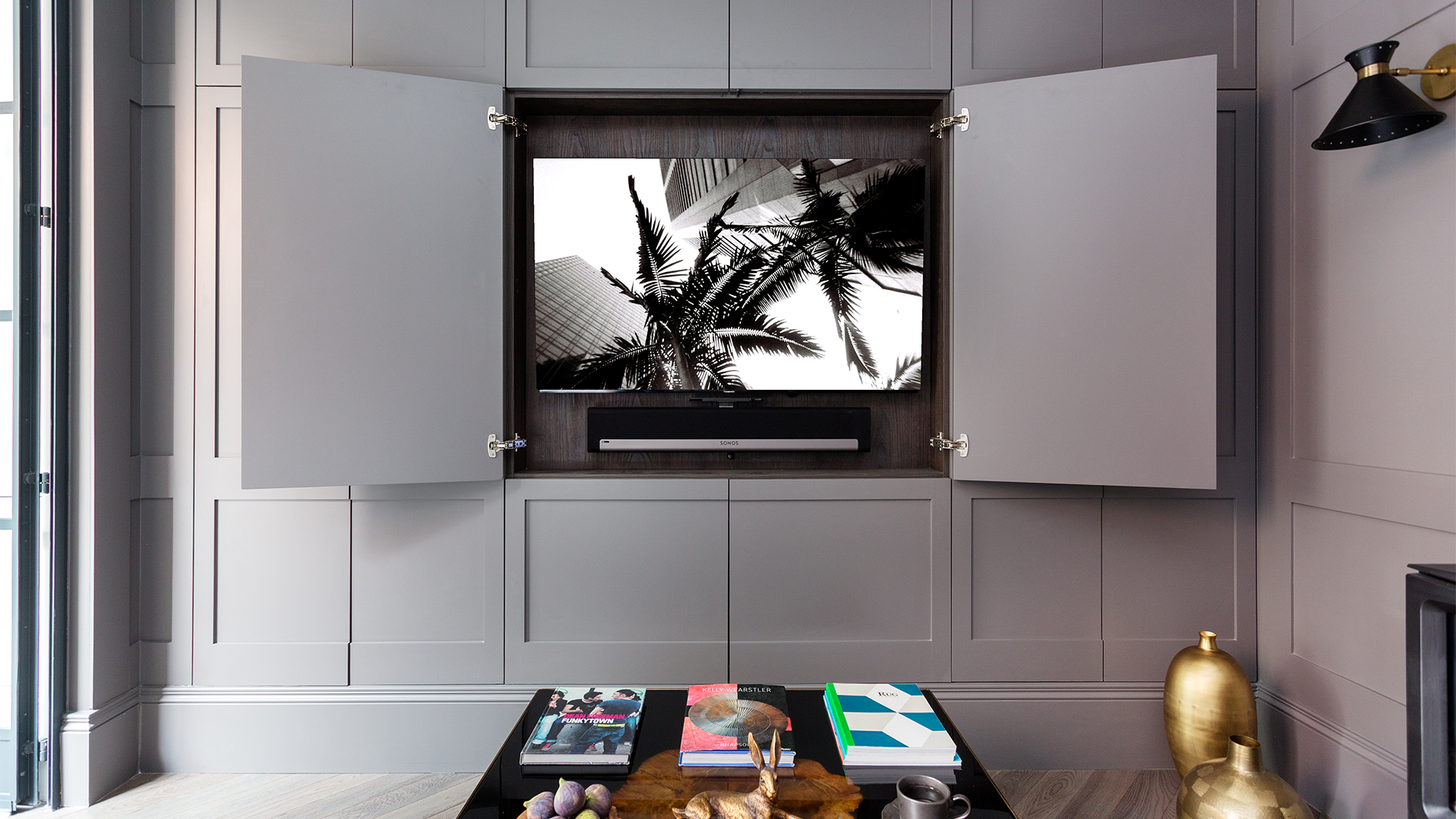
Soundbar mounting ideas to enhance your TV's audio

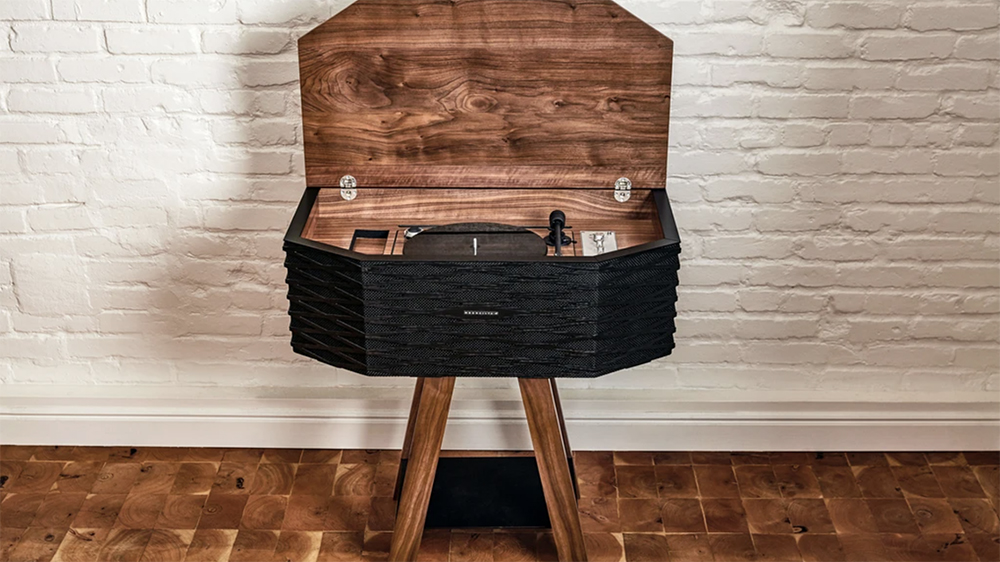
With a Built-In Turntable and Premium Speakers, This Design-Savvy Sound System Does It All

2024 Audioholics Product of the Year Award Winners!
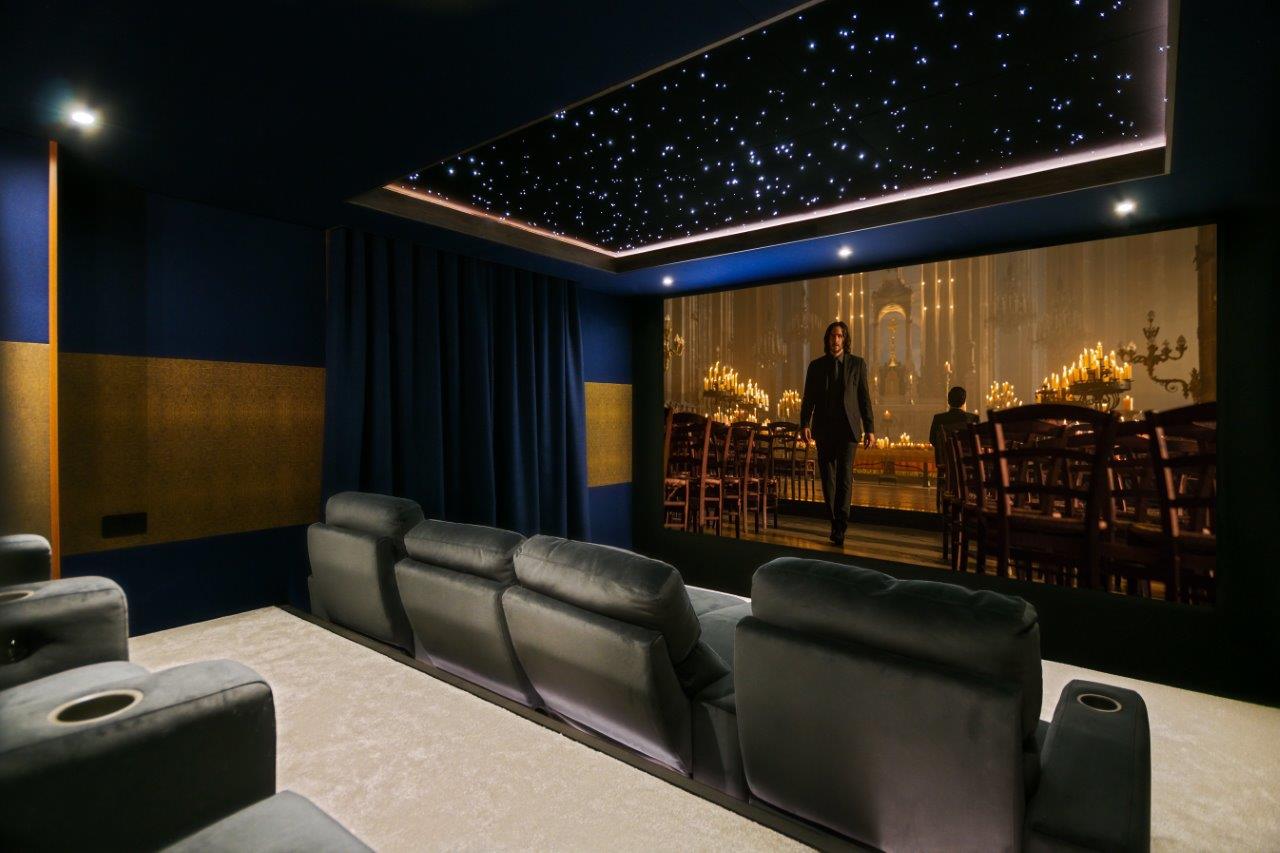
Majestic Home Cinema By Cinema Rooms

The Best Surround Sound Systems of 2026
Enhance Your Listening Experience With These Expert Rated Ceiling Speakers
Dolby Atmos Best Speaker Setup Practices In the Home

The Best Surround Sound Systems of 2025
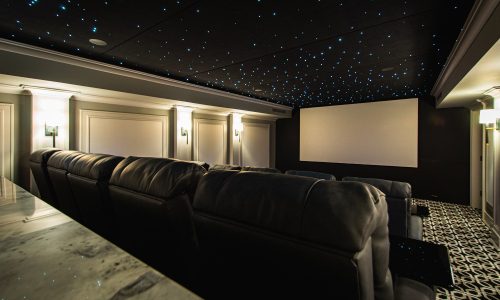
Audio Breakthroughs Focuses on Room Acoustics for Discreet Basement Theater

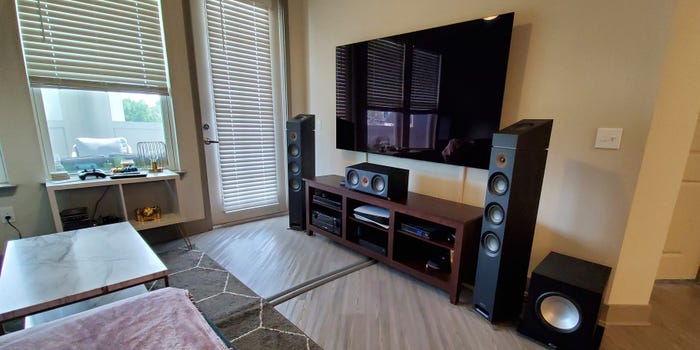
I'm a professional TV reviewer, and these are the 11 items I bought for my dream home theater setup

The 4 Best Subwoofers of 2025 | Reviews by Wirecutter
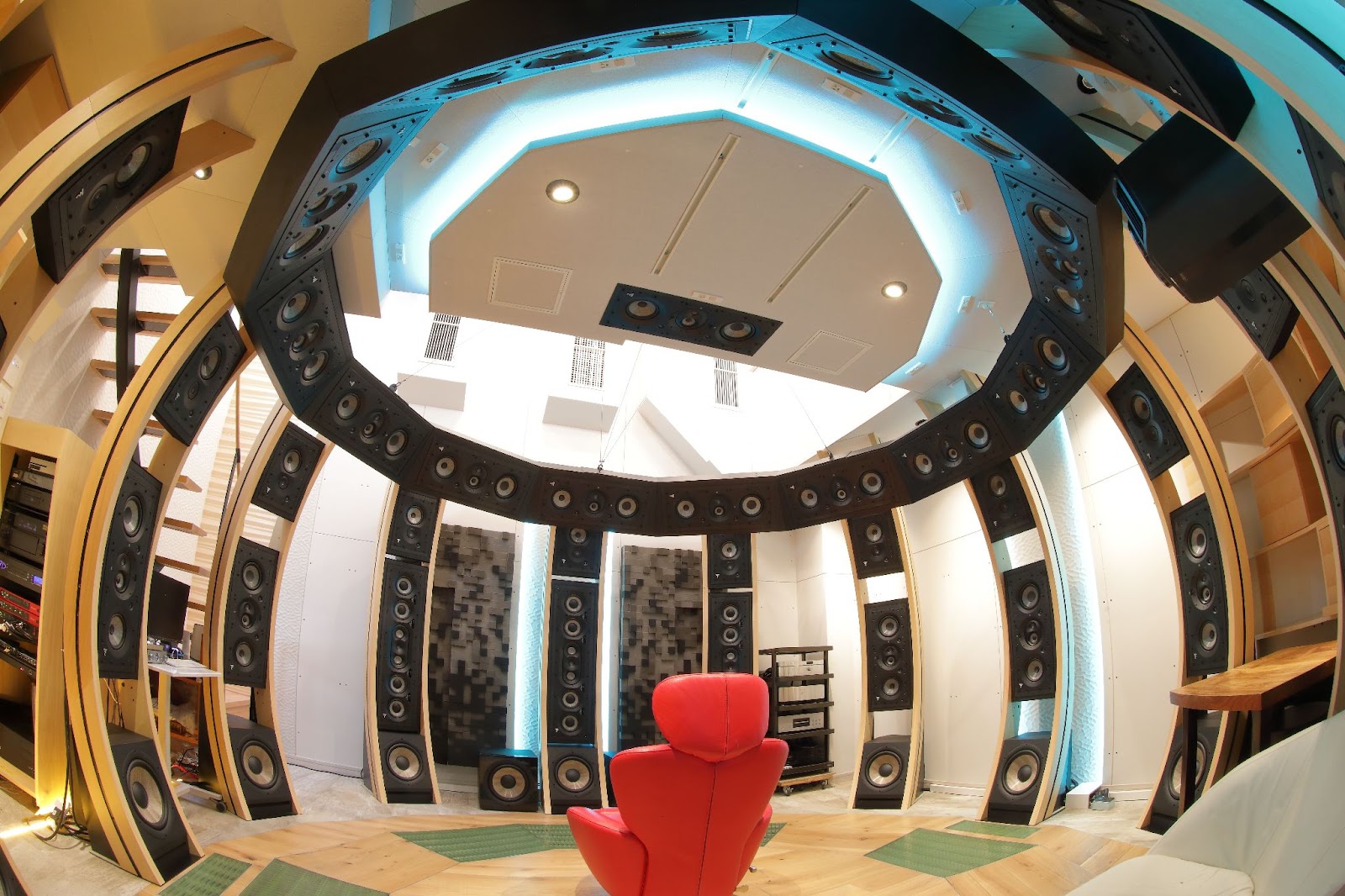
Media Integration Lab: the best Focal immersive audio system

We tested every Sonos soundbar to find the top picks for different kinds of listeners

Is Your Soundbar Ruining Your Living Room’s Aesthetic? Here’s How to Conceal It Like a Designer

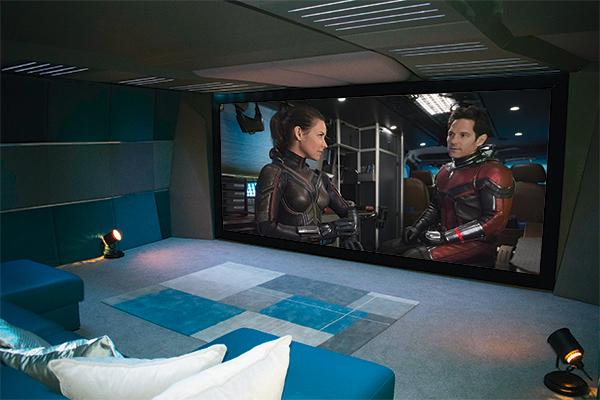
Home cinema install: Synthesis of sound