1/7
Dolby Atmos Best Speaker Setup Practices In the Home
This article aims to provide a comprehensive understanding of Dolby Atmos, addressing common misconceptions and offering best practices for setting up a home theater system to fully experience this immersive surround sound format. It draws insights from a livestream discussion with John Traunwieser, a recording and mixing engineer for film and television, known for his work on major franchises like Star Wars and Hunger Games. Traunwieser's professional experience in mixing orchestras and assisting Oscar-winning mixers in Dolby Atmos environments provides a unique perspective on bridging the gap between content creation and home playback.
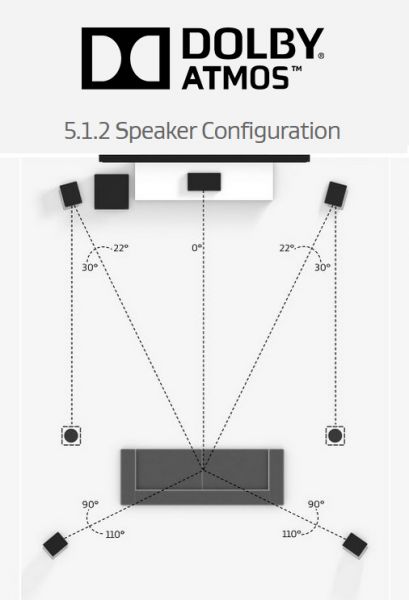
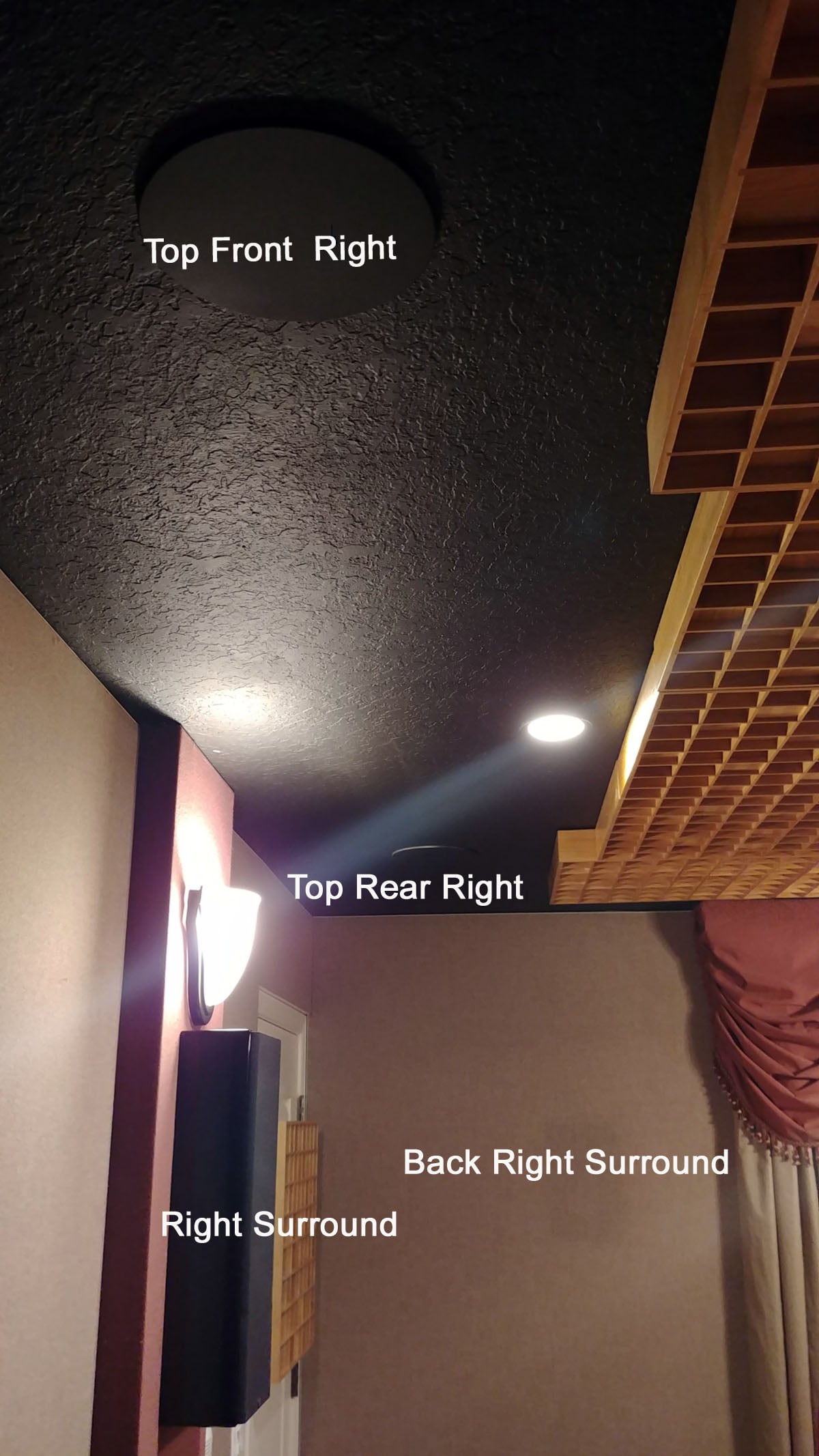
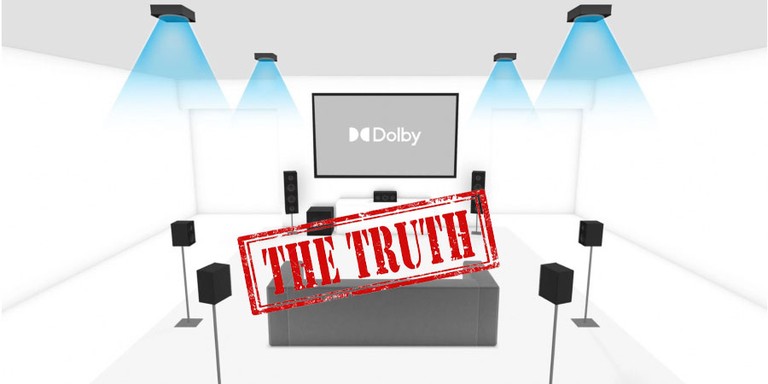
Dolby Atmos is presented as an immersive surround sound format that enhances previous systems by introducing height channels, ideally through speakers mounted on or in the ceiling. Unlike older channel-based systems that assigned each audio track to a specific speaker, Dolby Atmos scales up or down, allowing sounds to be interpreted as three-dimensional objects placed anywhere within a three-dimensional sound field. While content creators can still assign tracks to specific channels in a 7.1.2 format (the "bed"), they also have the option to assign tracks to audio "objects." These objects are associated with apparent source locations in the theater, defined by three-dimensional coordinates, giving mixers precise control over sound placement and movement, including overhead. During playback, the Dolby Atmos system dynamically renders these audio objects based on the speaker layout, ensuring the sound originates from its designated coordinates. For home theater, the 7.1.4 layout, featuring seven ear-level speakers and four overhead speakers, is considered the gold standard.
This object-based system offers significant advantages over conventional multichannel technology. It addresses the scalability issues of older systems, where information for unplayed channels would be lost. Moreover, it allows mixers greater creative freedom and confidence that, in a properly set-up Atmos system, the listener will experience the content as intended, without making assumptions about the playback environment. The addition of the height plane provides a larger, three-dimensional "audio canvas" for mixers, enabling exaggerated effects or subtle spaciousness, increased clarity, or wider music to complement dialogue.
However, the quality of the Dolby Atmos experience heavily depends on the content itself. Not all Dolby Atmos content is created equally; some titles utilize only the bed (7.1.2 channels) without dynamic objects. In such cases, larger systems with more speakers might not yield unique benefits. Dynamic objects are typically used for atmospheric sounds to fill space and for point-source sound effects. If an Atmos mix relies solely on the bed, additional speakers beyond the 7.1.2 configuration will not introduce new information. Traunwieser explains that static objects are mapped to specific speaker locations, forming the "bed," while dynamic objects can move freely in the listening space. Diffuse elements like ambience are usually panned to the bed, while dynamic objects are for precise positioning and movement. The Z-axis capability of Dolby Atmos allows for true three-dimensional sound reproduction, offering layers of depth, frequency, proximity, and perspective.
The article also highlights challenges in content creation, such as budgetary and time constraints, which can lead to limited use of objects in Atmos mixes, especially for TV/streaming releases. Music tracks often avoid objects to prevent instruments from "flying around the room," and sometimes objects are used strategically for specific effects or to clear space for dialogue. The need to deliver content in channel-based formats like 7.1 for non-Atmos equipped theaters also impacts mixing decisions. Furthermore, two distinct Atmos mixes are often created: a theatrical mix for cinemas and a near-field mix for home entertainment. These differ based on room size, speaker-to-listener distances, and the need to optimize for either a broad audience in a large venue or a smaller, more intimate home environment. For instance, dialogue might come from all three front channels in a large theater but primarily from the center in a near-field setup.
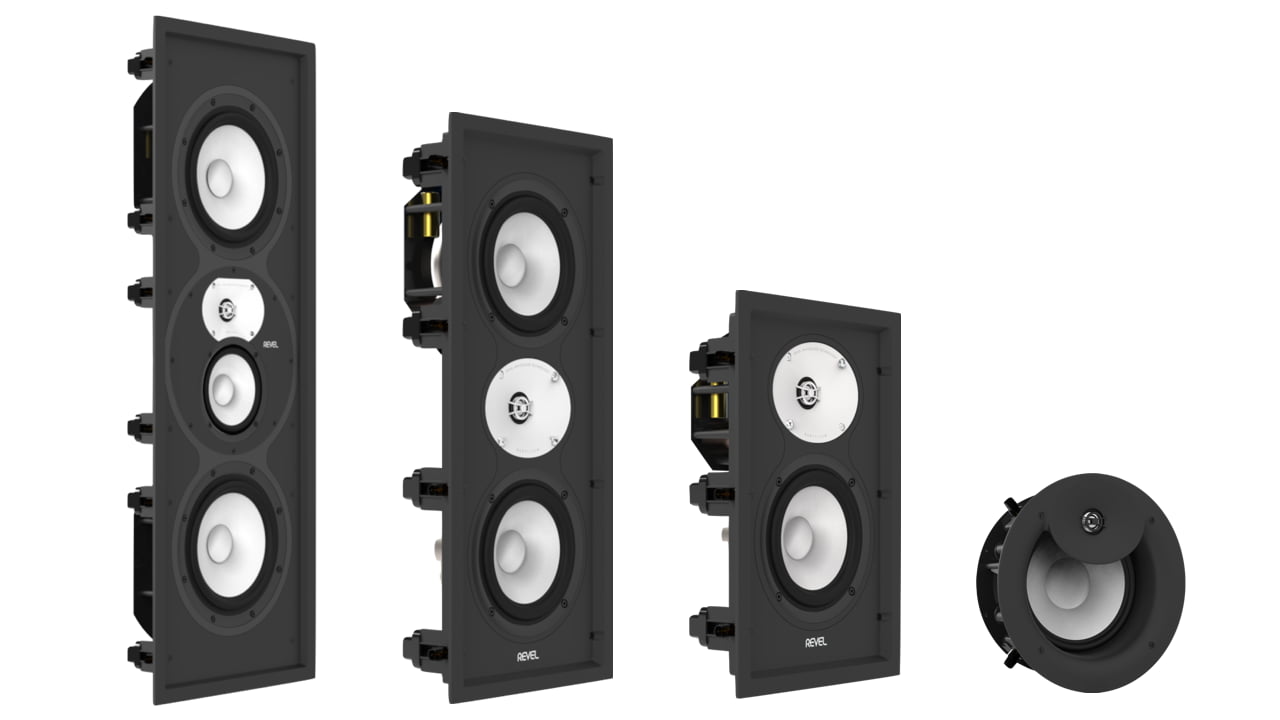
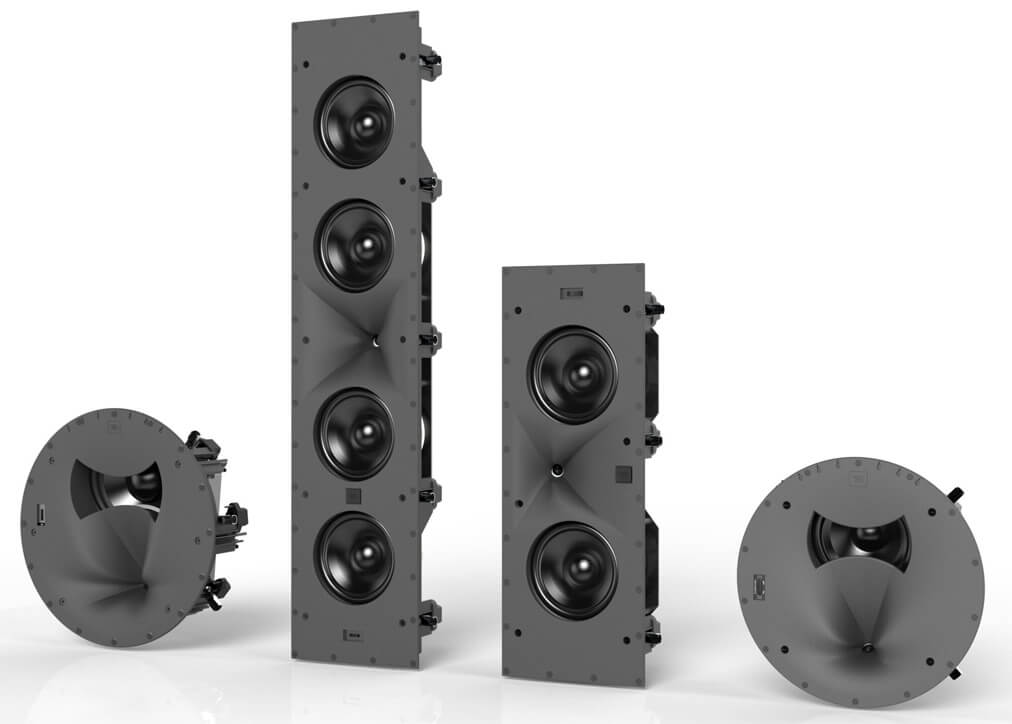
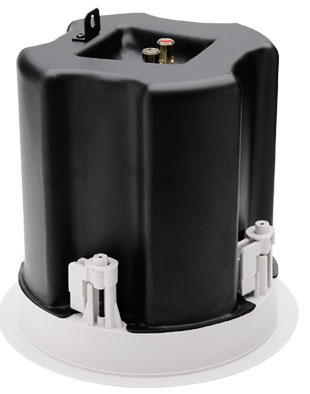
Regarding streaming quality, the article notes that Dolby Atmos on streaming services is often delivered via the lossy Dolby Digital Plus format, unlike the lossless Dolby TrueHD found on Ultra HD Blu-ray discs. Lossy compression, particularly for objects, can impact the perceived quality. Traunwieser emphasizes that the bitrate for objects in streaming is considerably lower than expected. The rise of Dolby Atmos music, or Spatial Audio, is also discussed, with a caveat that quality varies, and many music studios are still catching up to native Atmos mixing capabilities, leading to "faux" or up-mixed Atmos content. Setting up a home theater for Dolby Atmos can be complex due to the high speaker count. The 7.1.4 layout is the recommended gold standard, but the article acknowledges real-world limitations. It strongly recommends in-ceiling or on-ceiling speakers over "bouncy house" reflective speakers or soundbars, which are deemed inadequate for replicating the intended immersive experience. Proper speaker placement is critical, ideally adhering to Dolby's recommendations, including a 45-degree angle of elevation for overhead speakers (with a flexible range of 30 to 55 degrees). Gene DellaSala suggests a narrower range of 25 to 35 degrees for front and rear Atmos speakers and lateral placement closer together for a more enveloping sound. The article concludes with a Q&A session covering topics such as the visual renderer in DAWs, object placement flexibility, the debate between wall-mounted versus ceiling-mounted height speakers, the impact of automatic up-mixing in AV receivers, the importance of artistic intent, the limitations of Dolby Atmos in headphones, preferences for theatrical vs. streaming mixing, and the critical role of system calibration.
#DolbyAtmos #HomeTheater #SpeakerSetup #AudioTechnology #SurroundSound #SoundMixing #Audioholics #JohnTraunwieser #SpatialAudio #DolbyAtmos #HomeTheater #SpeakerSetup #AudioTechnology #SurroundSound #SoundMixing #Audioholics #JohnTraunwieser #SpatialAudio
0 comment in total
 No comments yet
You may also like
FAQ: Set Up and Equipment Advice for Home Theater
I set up an incredible Dolby Atmos soundbar experience in my living room — unfortunately, it's really annoying to live with

We tested every Sonos soundbar to find the top picks for different kinds of listeners
The Best Surround Sound Systems of 2025
Immerse Yourself in Your Next Binge Watch With The Best Surround Sound Systems
Elipson Infinite INF6 and INF8: in-ceiling cinema speakers
GoldenEar's Invisible Dolby Atmos System Demo at CEDIA 2016
Audio Breakthroughs Focuses on Room Acoustics for Discreet Basement Theater

The 10 Best Home Theater Systems For Cinephiles

Pro Audio SCRS-6c-iw In-Wall or In-Ceiling Speaker Preview
7 Best Speaker Stands To Reduce Unwanted Floor Vibrations in 2025

RBH Sound SI-615 In-Ceiling Atmos Speakers Review
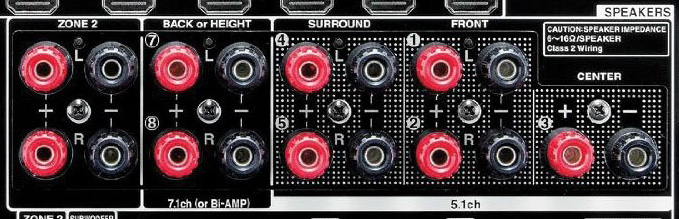
How Do I Wire the Two Height Speakers on my Onkyo 7.2 Dolby Atmos Receiver?

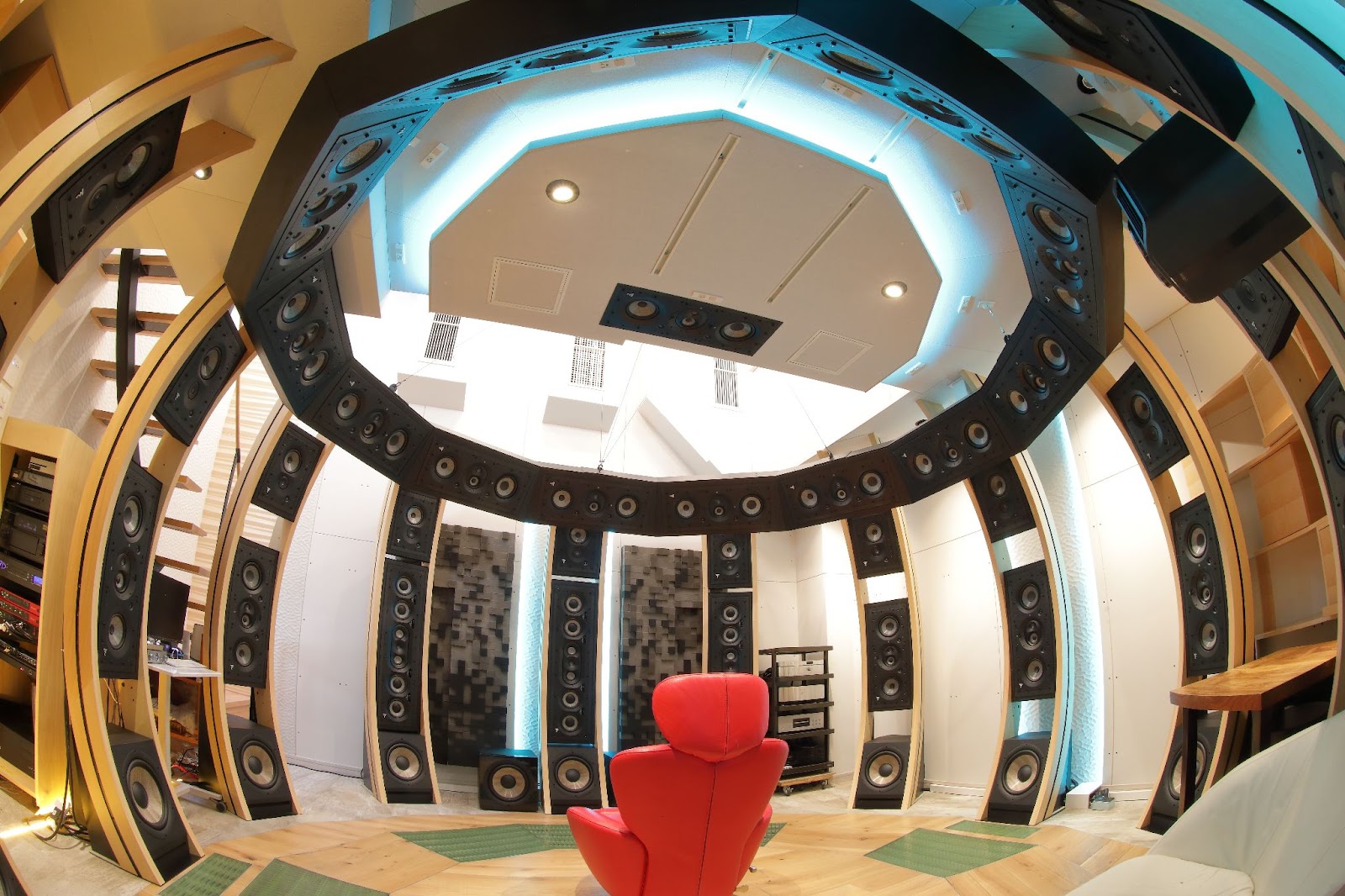
Media Integration Lab: the best Focal immersive audio system
Best Wall Mounted Soundbar

Sonos Beam Gen 2 Review: A Serious Living Room Upgrade
A Tale of 5 Installs Part 1 - Frank's Pad
Best Architectural Speakers & Subwoofers: Editors’ Choice 2025
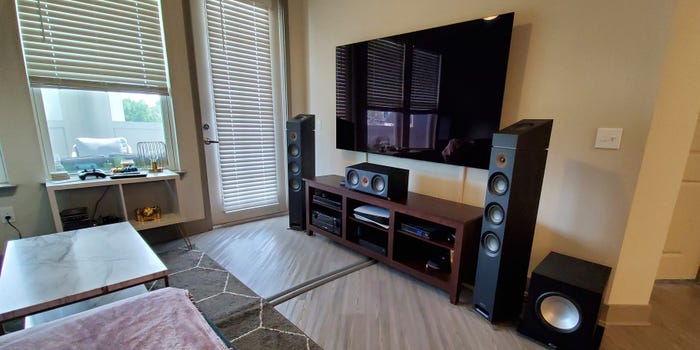
I'm a professional TV reviewer, and these are the 11 items I bought for my dream home theater setup
Sonos Arc Ultra soundbar review: A powerful all-in-one Dolby Atmos home theater system