1/13
How Wood Shavings Become Environmentally-Friendly Acoustic Panels
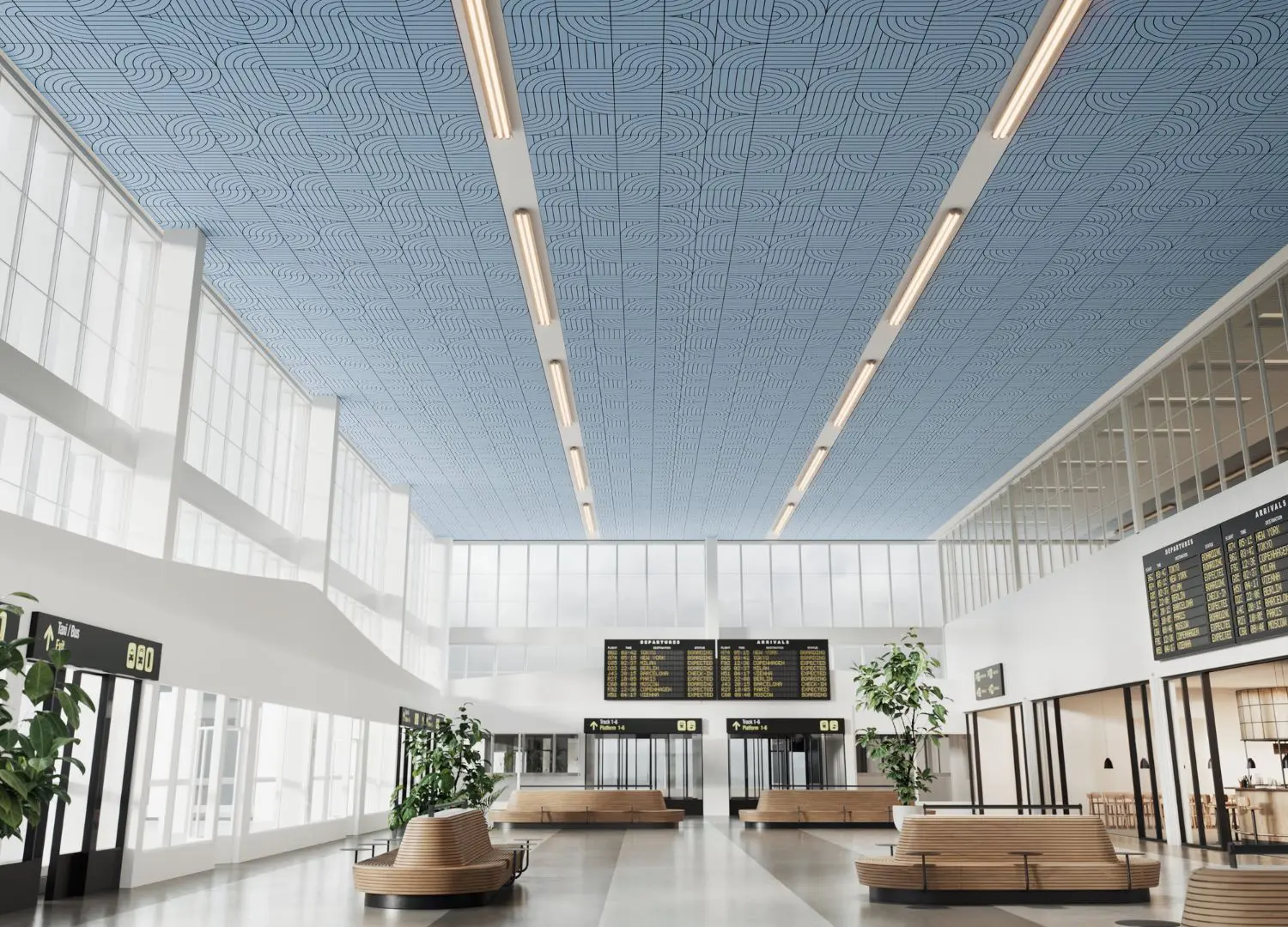
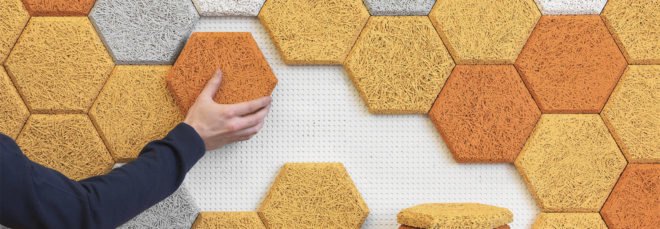
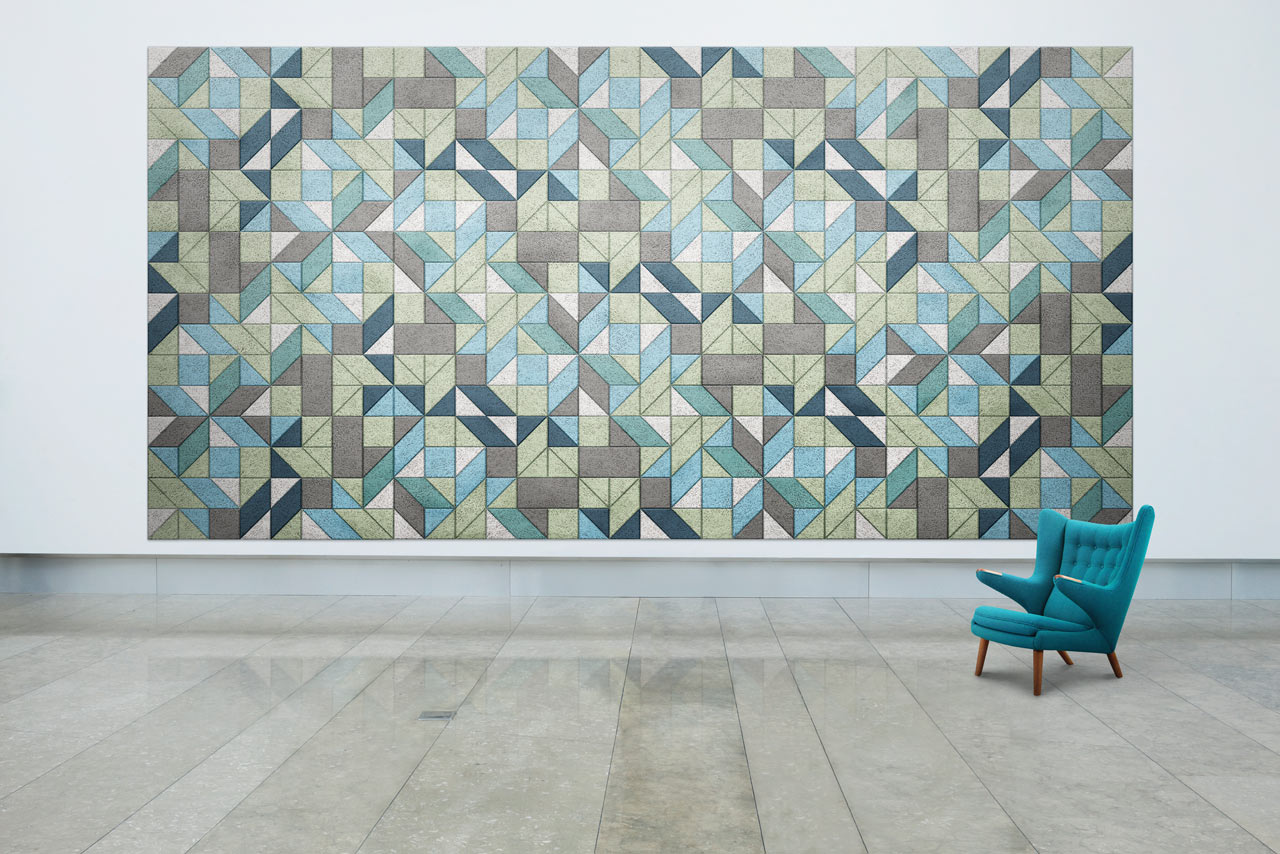
This article explores the manufacturing process of BAUX acoustic wall tiles and panels, highlighting their environmentally friendly nature and functional design. BAUX, a Swedish brand, is recognized for its sound-absorbing qualities and the creation of visually appealing geometric patterns. The company's philosophy centers on producing building materials that are both functional and aesthetically pleasing while adhering to strict environmental standards. This approach led to a collaboration with Träullit, a family-owned business specializing in boards and panels made from cement and wood wool. These two basic materials form the foundation of BAUX's eco-friendly acoustic components.
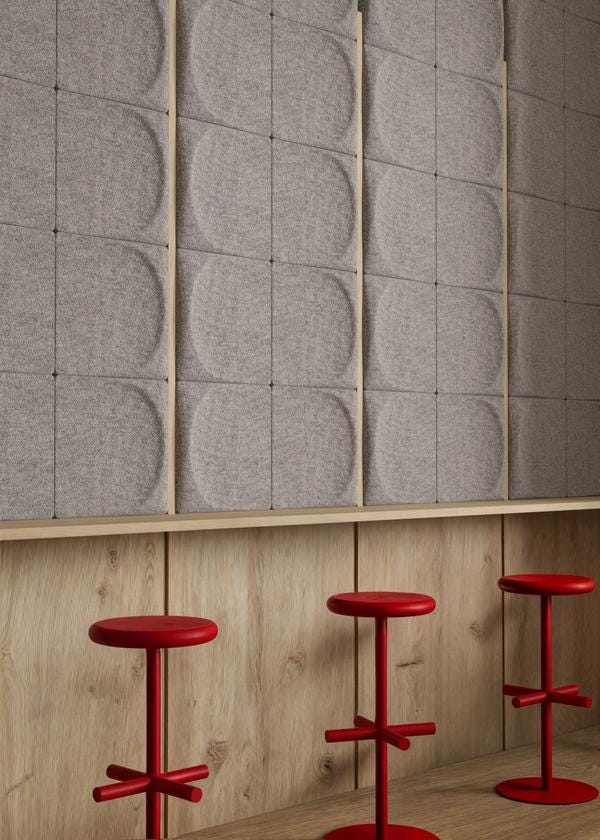
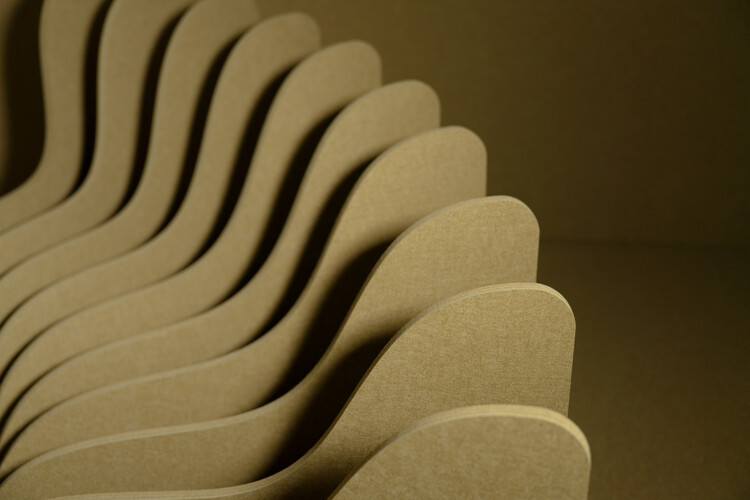
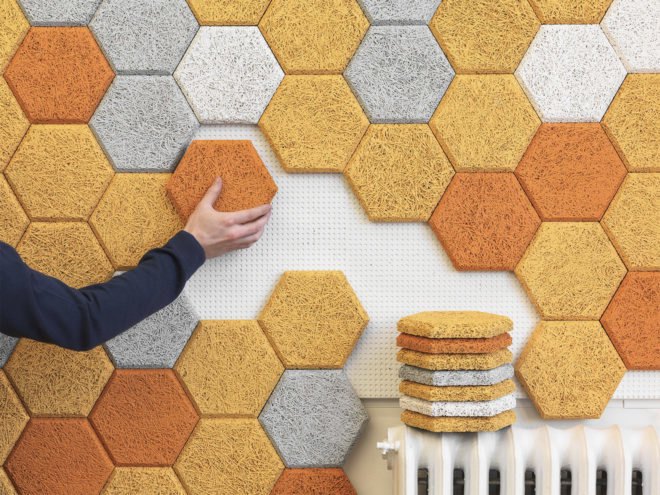
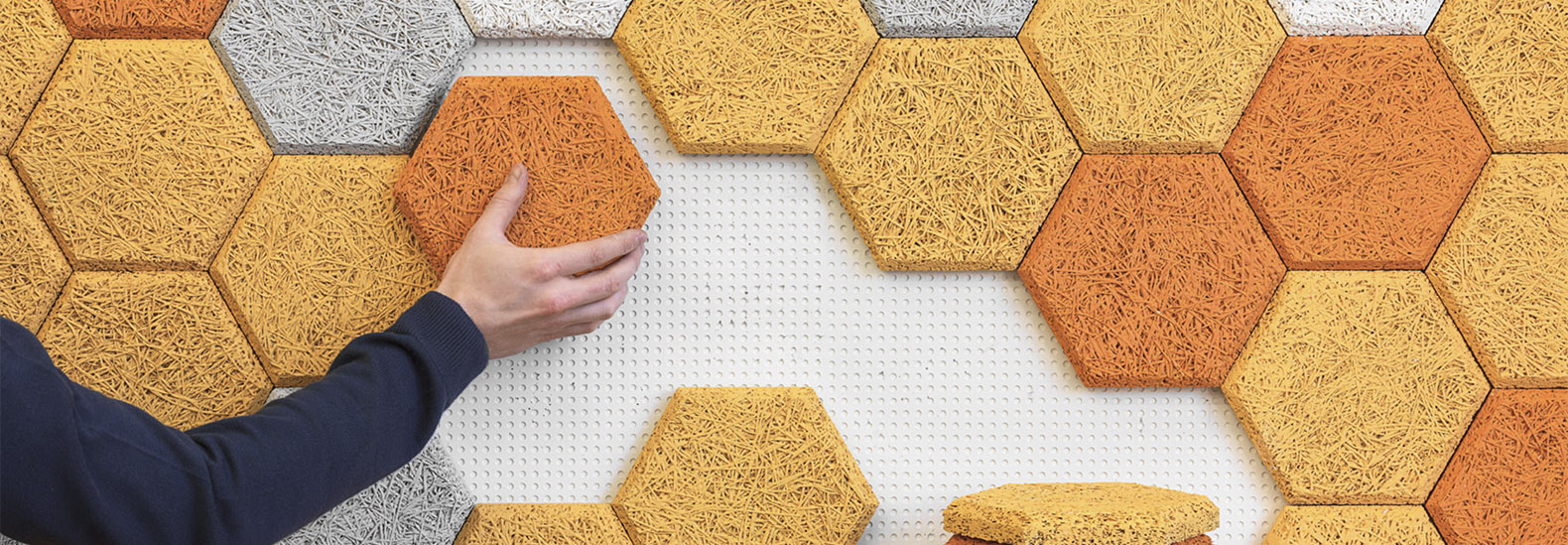
The production process begins with sourcing wood locally in Småland, Sweden, to minimize environmental impact. The collected spruce wood is then stacked and air-dried outside the factory. Following this, the spruce is cut into smaller pieces and ground down to create wood wool. This wood wool is then combined with water and cement. The resulting blend is poured into molds, which are subsequently stacked and left to dry. Once dried, the wood wool cement material is cut into various smaller pieces and geometric shapes. BAUX Acoustic Tiles, for instance, are produced in shapes like hexagons and are then spray-painted in a diverse range of colors, offering extensive customization options for designers and consumers.
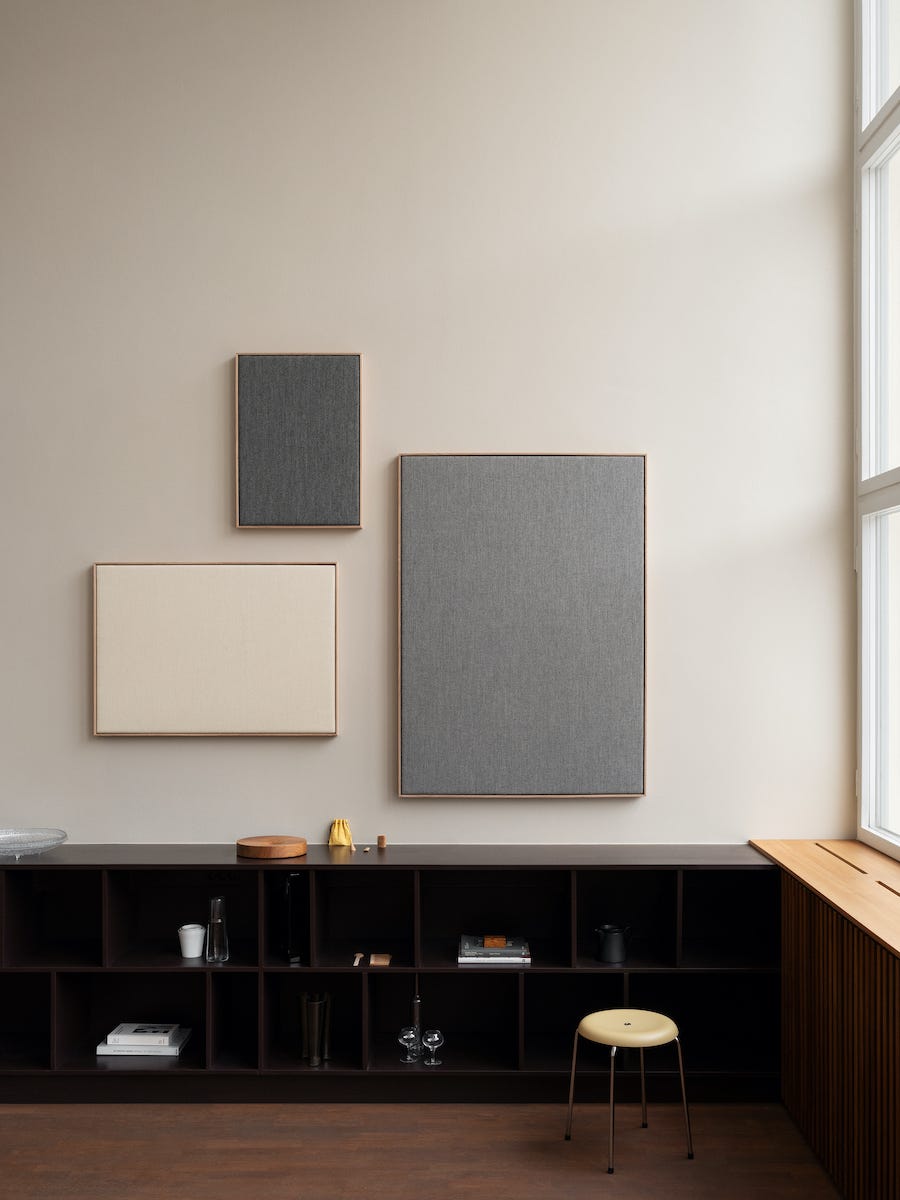
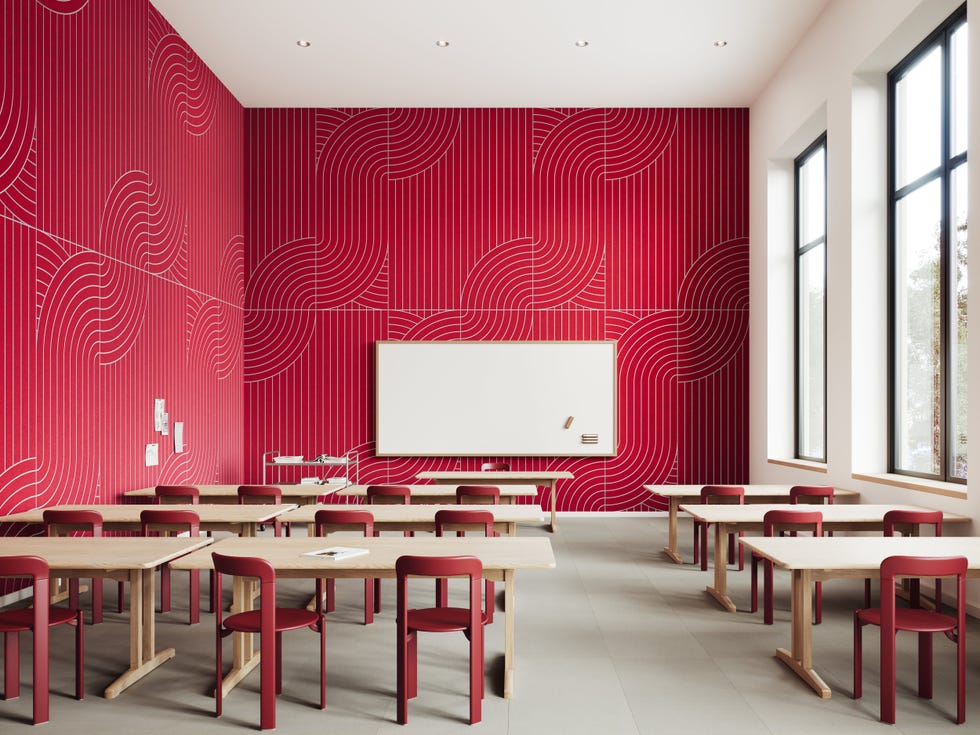
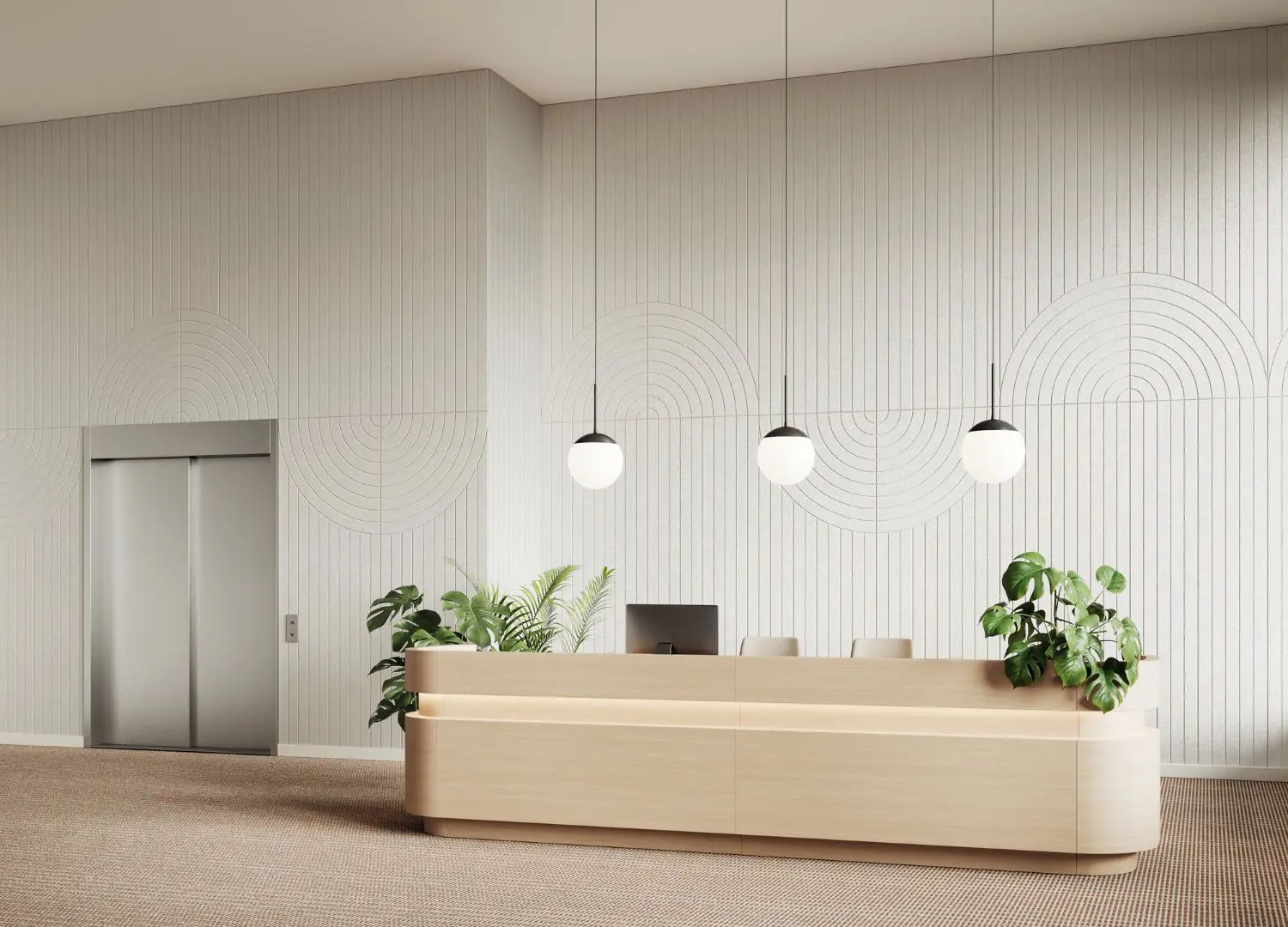
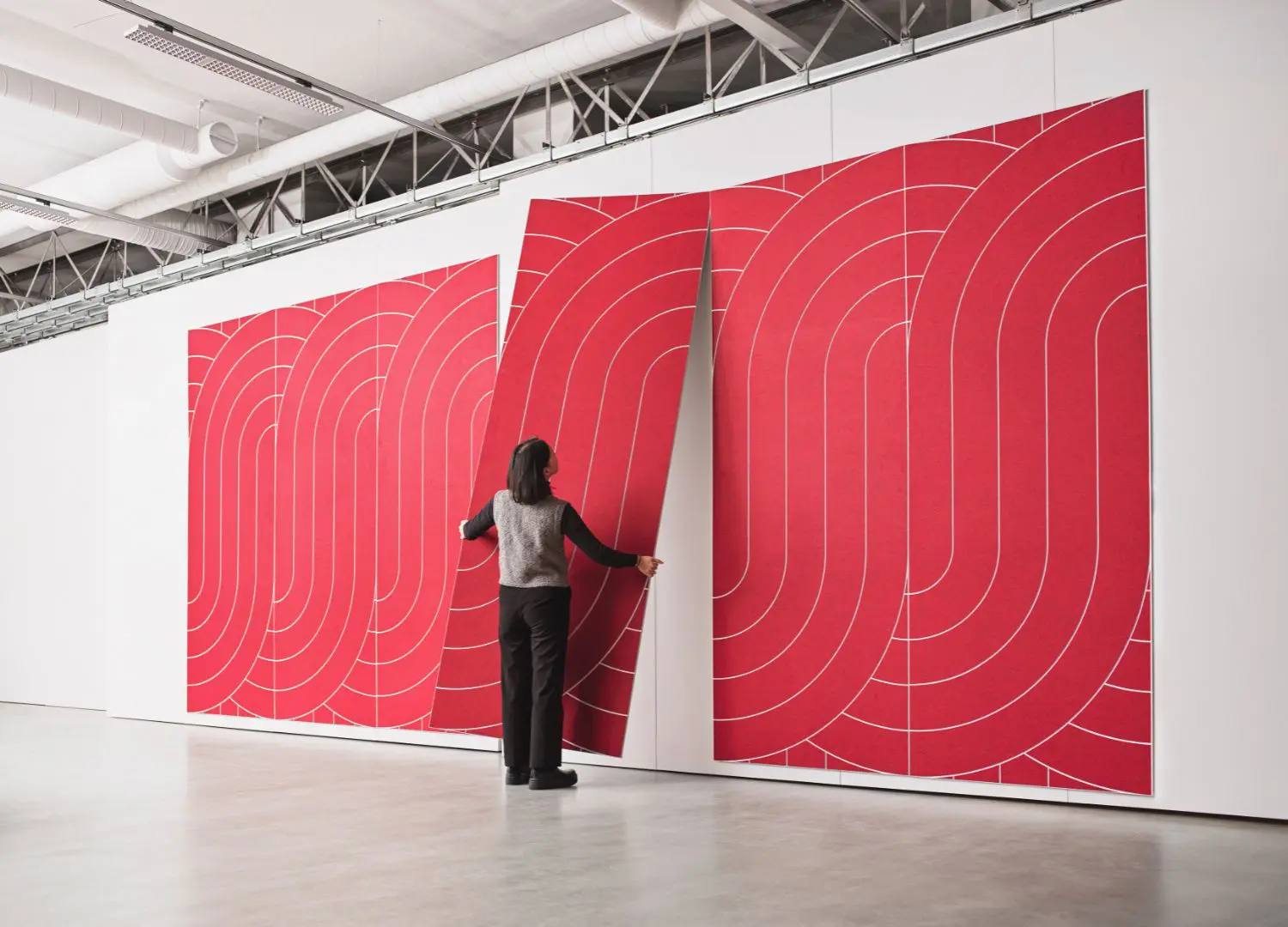
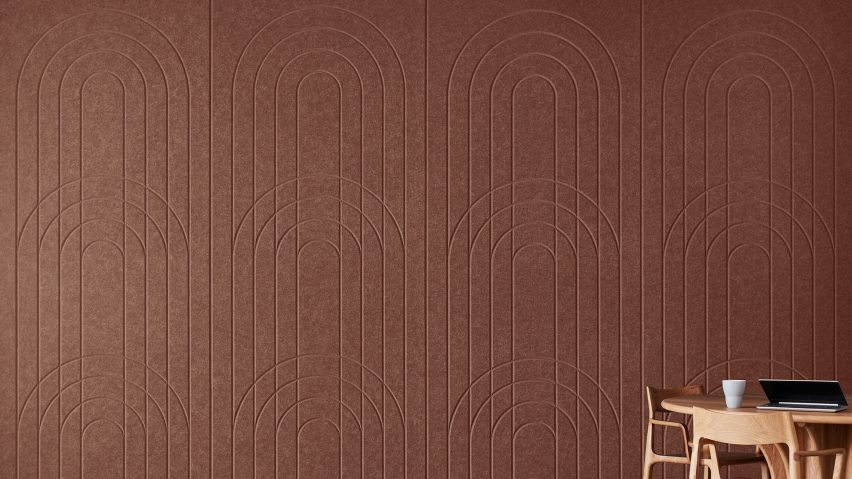
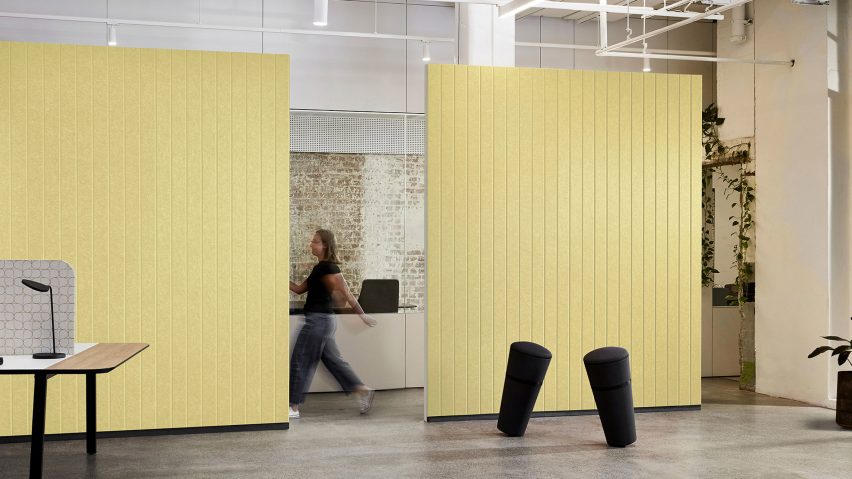
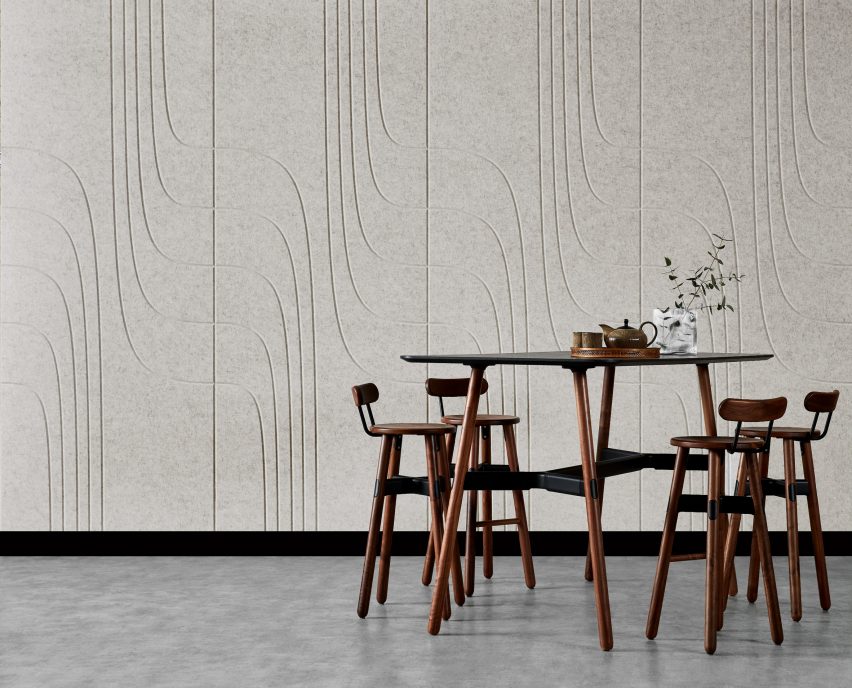
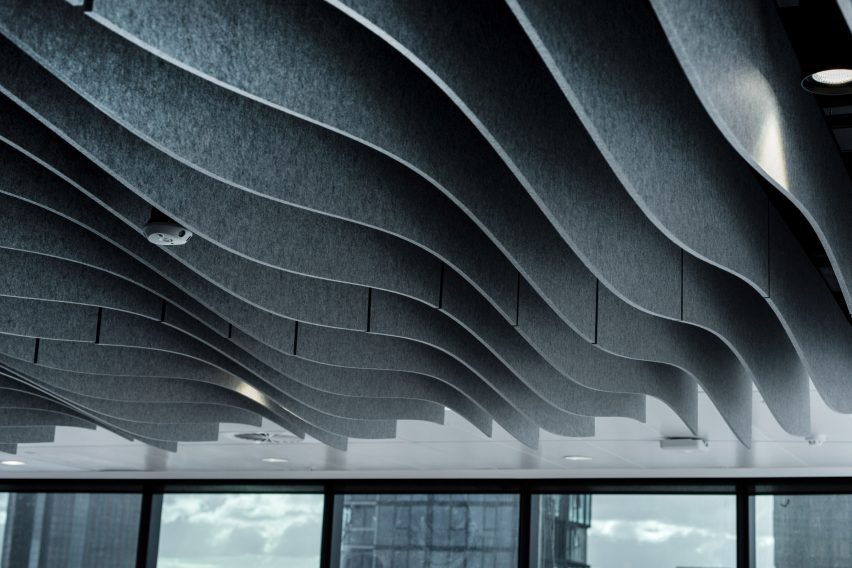
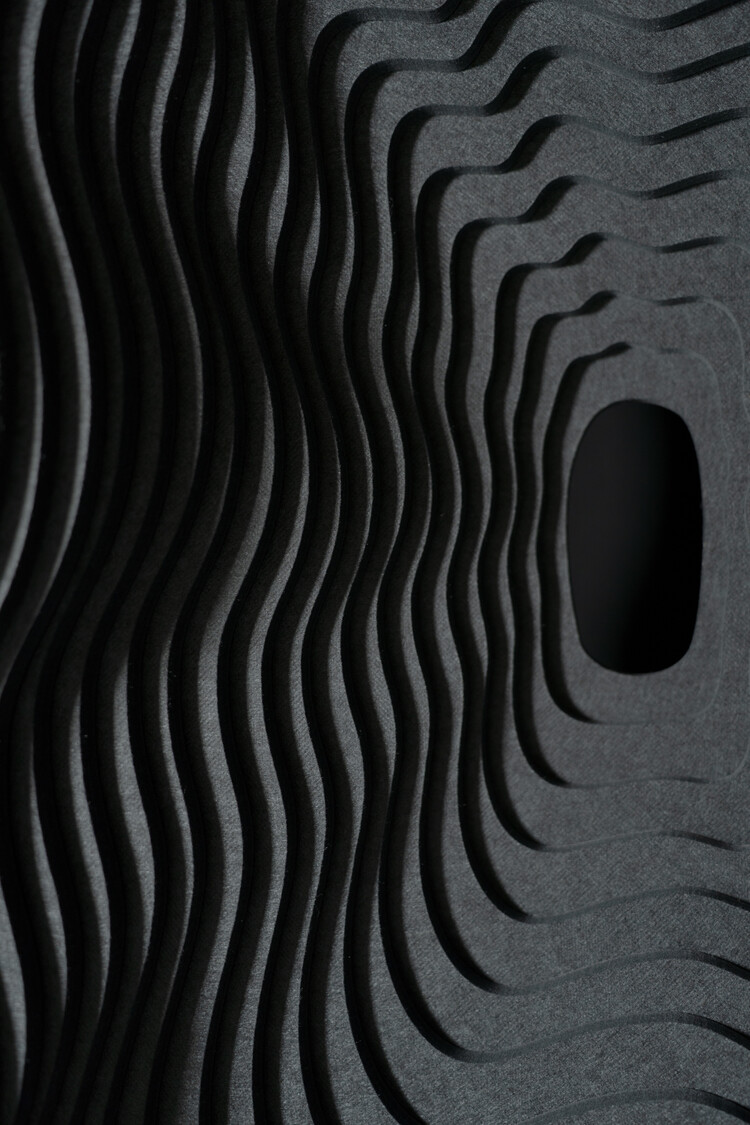
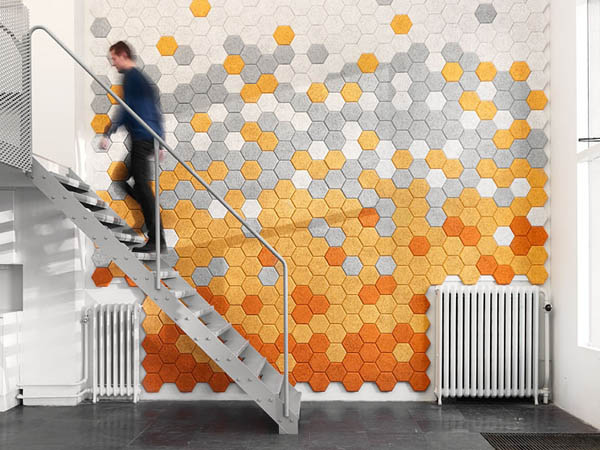
For larger applications, BAUX Acoustic Panels are milled to incorporate intricate patterns. The versatility of BAUX Acoustic Tiles allows for the creation of numerous patterns by combining different shapes and colors, offering significant design flexibility. Similarly, BAUX Acoustic Panels are engineered to revitalize and enhance large spaces, providing both acoustic benefits and aesthetic improvements. The entire process emphasizes sustainability, from the local sourcing of raw materials to the transformation of simple, natural components into advanced acoustic solutions. This detailed deconstruction of BAUX's manufacturing sheds light on how a commitment to both design and environmental responsibility can result in innovative and practical products for interior spaces.
#AcousticPanels #EcoFriendlyDesign #WoodWool #SustainableMaterials #InteriorDesign #BAUX #SoundAbsorption #SwedishDesign #AcousticPanels #EcoFriendlyDesign #WoodWool #SustainableMaterials #InteriorDesign #BAUX #SoundAbsorption #SwedishDesign
0 comment in total
 No comments yet
You may also like
Wood panelling: an essential guide to the big decorating trend

Cellulose Panels - CFAB™ from Acoustical Surfaces

Stylish sound-absorbing artwork for a quieter home

How to soundproof your apartment

Sound-Absorbing Panels: The New Domestic Landscapes Inhabited by Sound
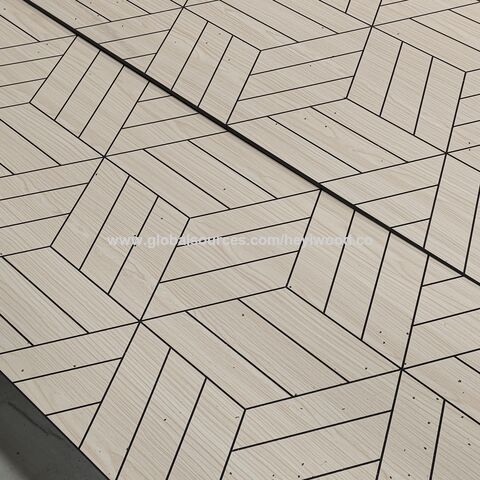
New design patterns Soundproof Acoustic Panels for Interior Wall Decor Paneling


Quiet, Please! How To Cut Noise Pollution At Home

The Best Soundproofing Materials for Any Room in Your Home

BAUX’s latest fully recyclable acoustic panels and tiles invigorate the indoors with soothing vibrancy


The art of making a room soundproof: woman turns pictures and canvases into sound-absorbing decor
Autex Acoustics releases acoustic products that blend into a variety of interiors
How to soundproof a room according to an expert


Nature-inspired acoustic wall designs

Kirei Acoustic Ceiling Baffle system offers a softer look and sound to any room

Sound Off, Color On: 4 Creative Ways to Integrate Colorful Acoustic Panels in Interiors

These Acoustic Wall Panels Make Any Room a Quiet Place to Work or Relax

EchoPanel acoustic panels by Woven Image
Woven Image launches acoustic panels informed by art deco and Japonisme styles
These colorful hexagonal wall tiles are made from sound-absorbing "wood wool"

How To Make Your Home Studio Sound Amazing