1/8
A Wild Guide to Gingham, Jacquard, Damask, and Other Fabric Patterns
This article provides a comprehensive guide to various fabric patterns, detailing their history, characteristics, and appropriate uses in home decor. It clarifies the distinctions between often-confused patterns like gingham, plaid, and tartan, and introduces others such as Jacquard, Damask, Brocade, and Houndstooth. The piece emphasizes the importance of considering size, scale, and color coordination when incorporating patterns into a room, suggesting that while many of these patterns are traditionally found in classic homes, they can also serve as effective accents in eclectic or bohemian settings.
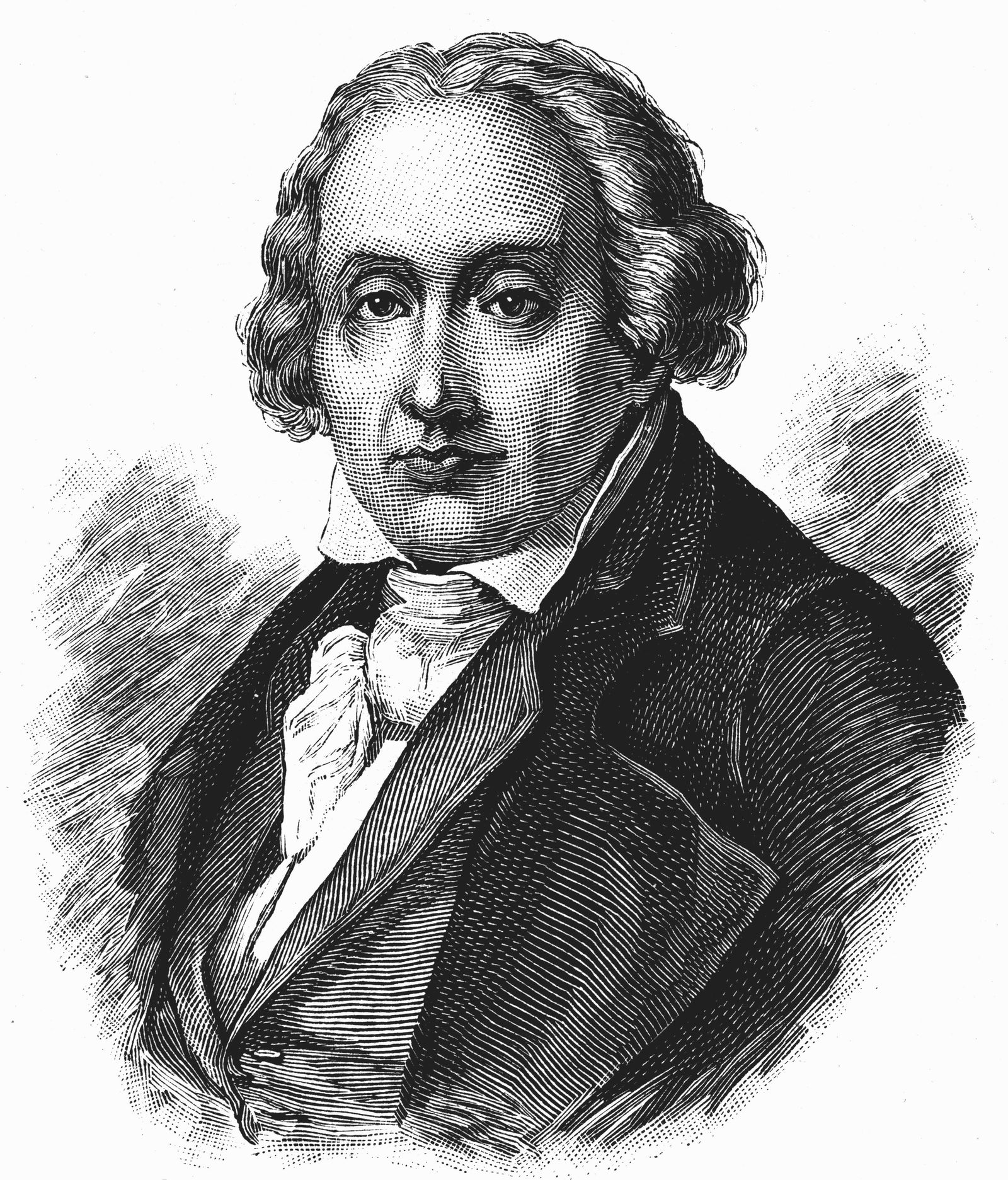
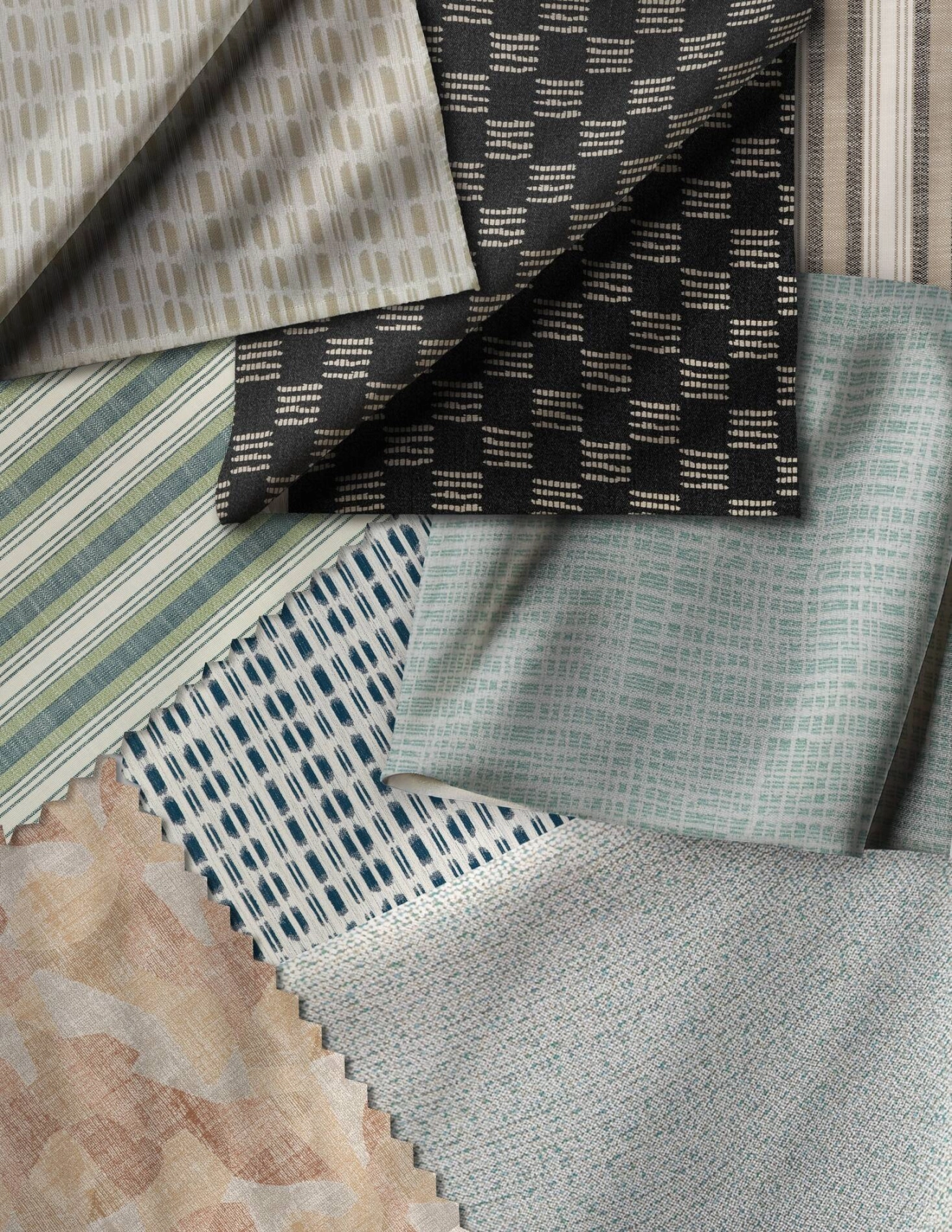
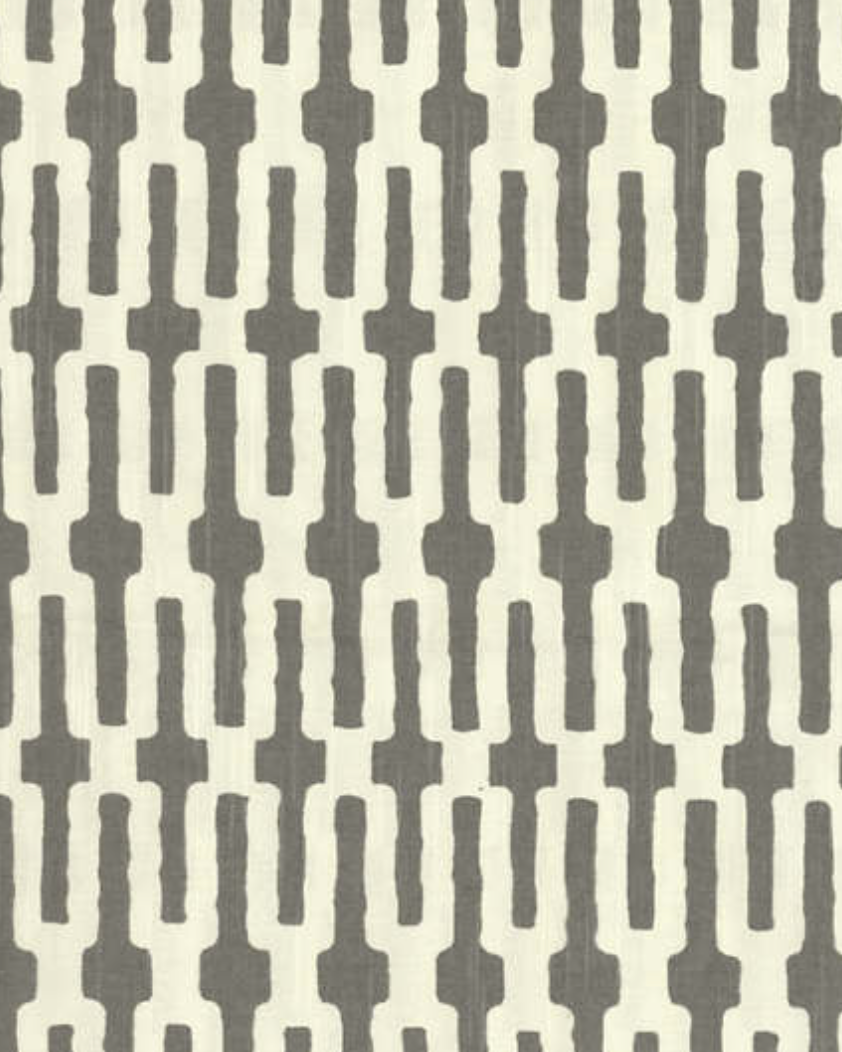
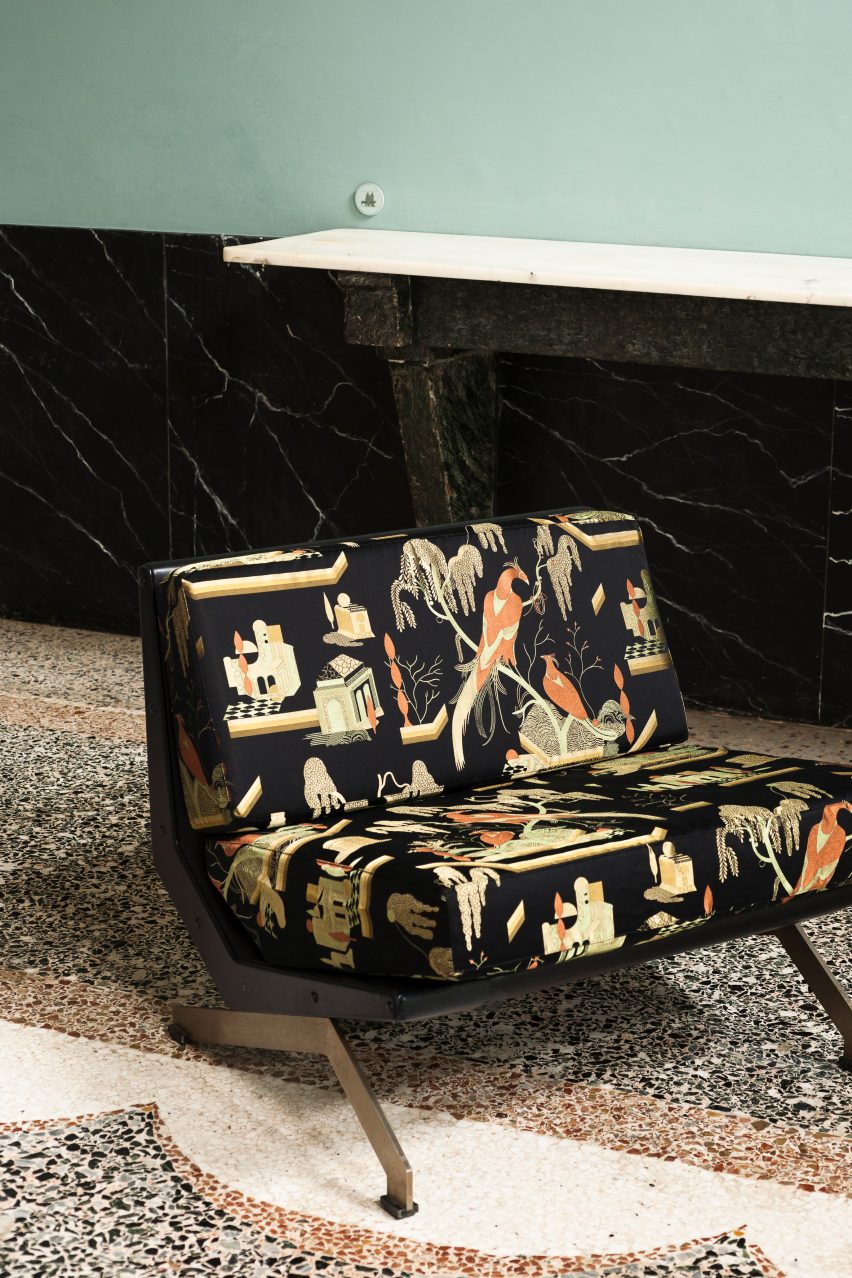
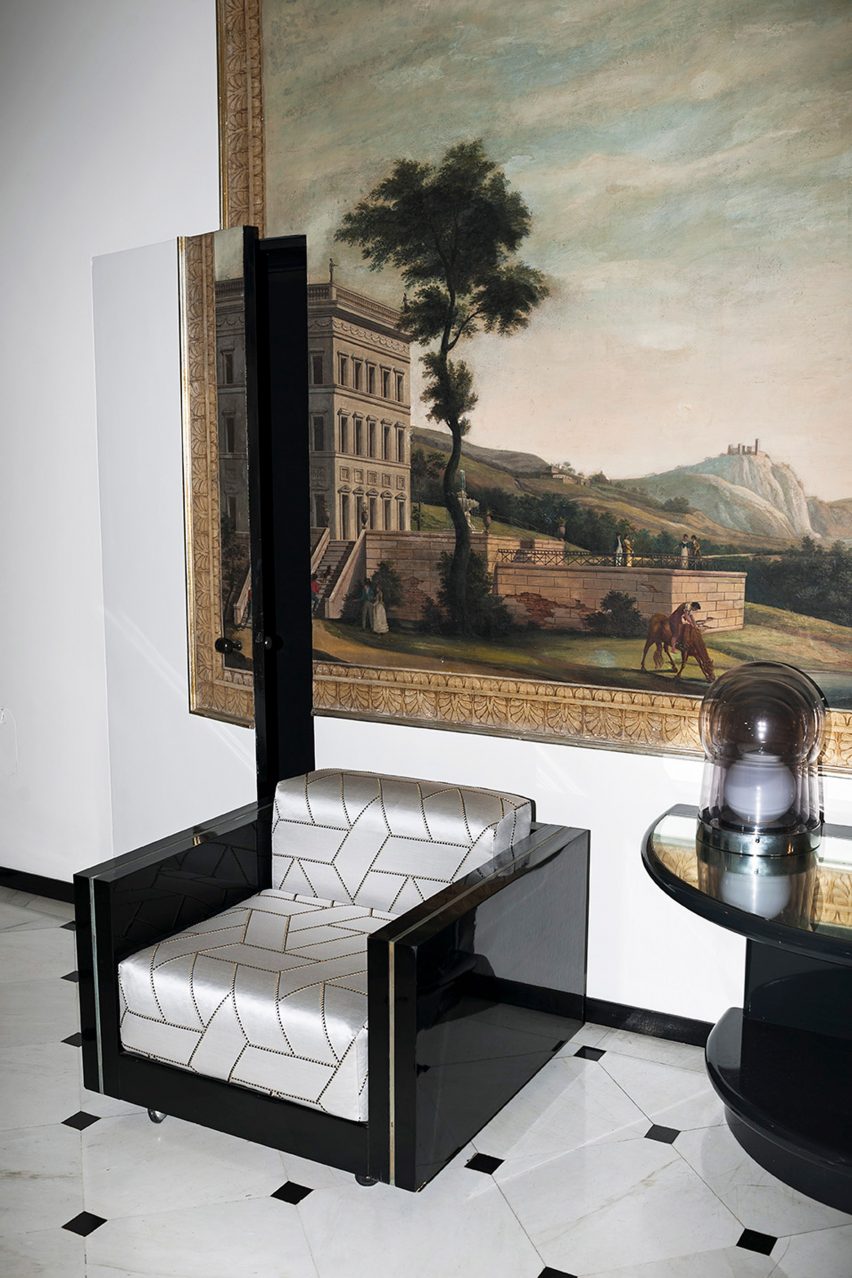
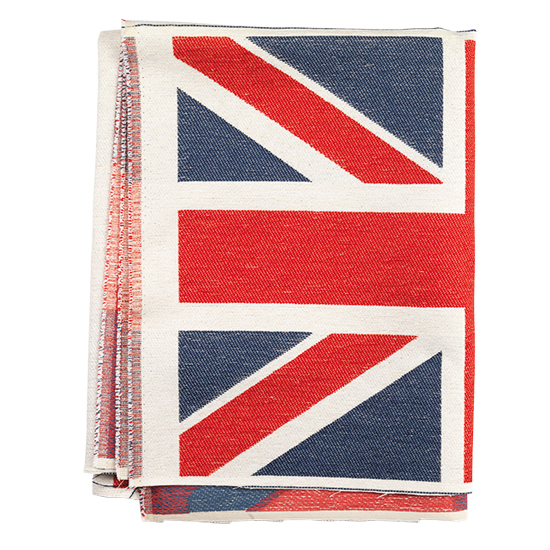
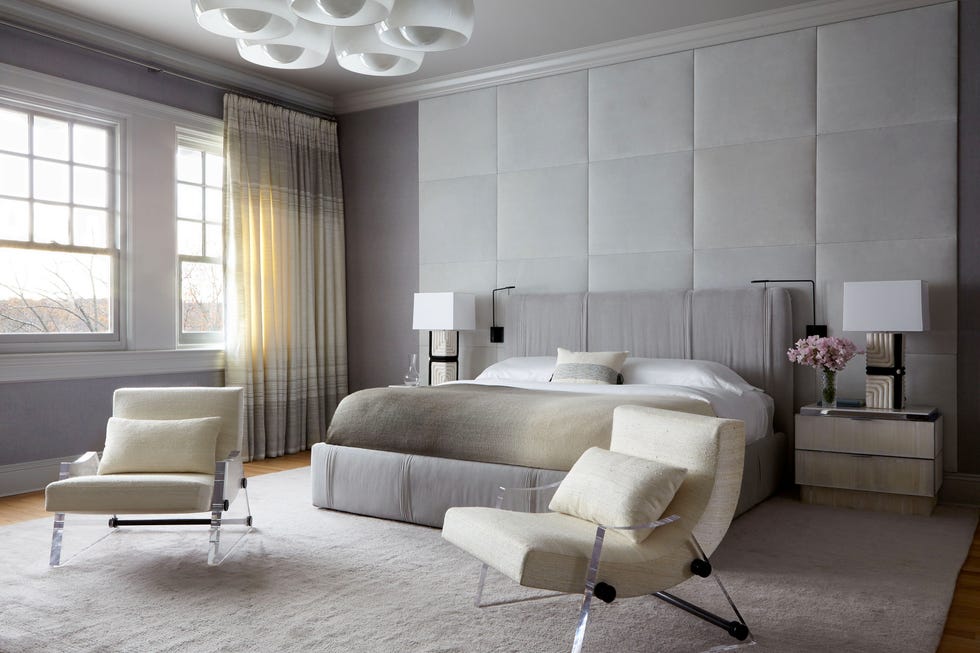
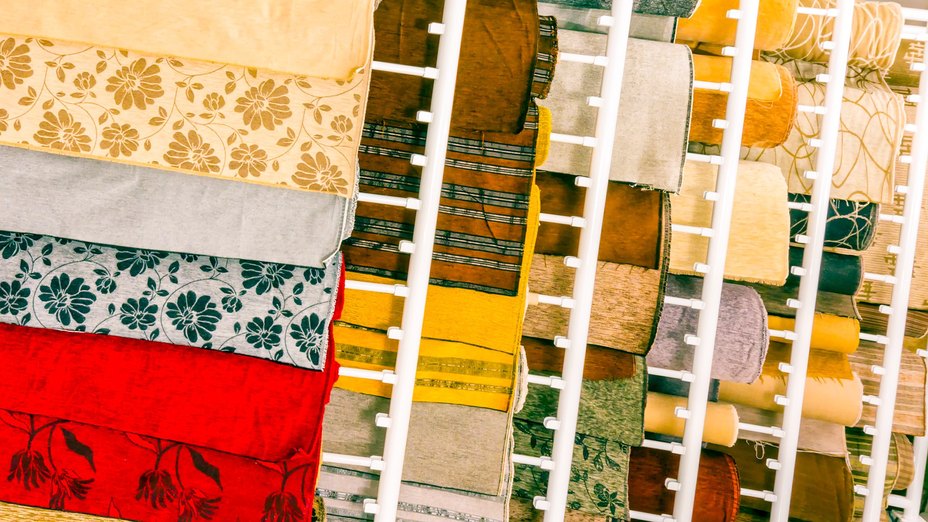
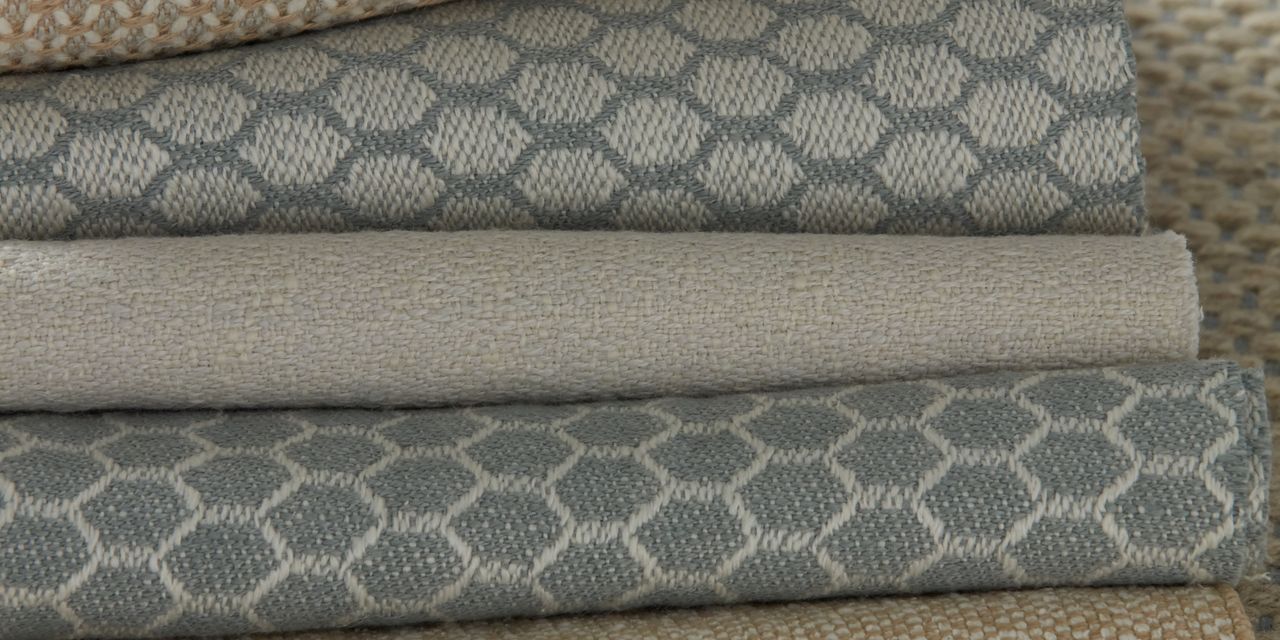
Jacquard, named after its inventor, Joseph Jacquard, and the loom he created in the early 1800s, encompasses complex woven designs often featuring large, repeating, tapestry-like patterns. Today, digital printing facilitates the creation of these intricate textures. Common Jacquard patterns include brocade and damask, and they are versatile enough for upholstery, drapes, bed linens, and pillows, often seen in muted neutrals or ombre effects.
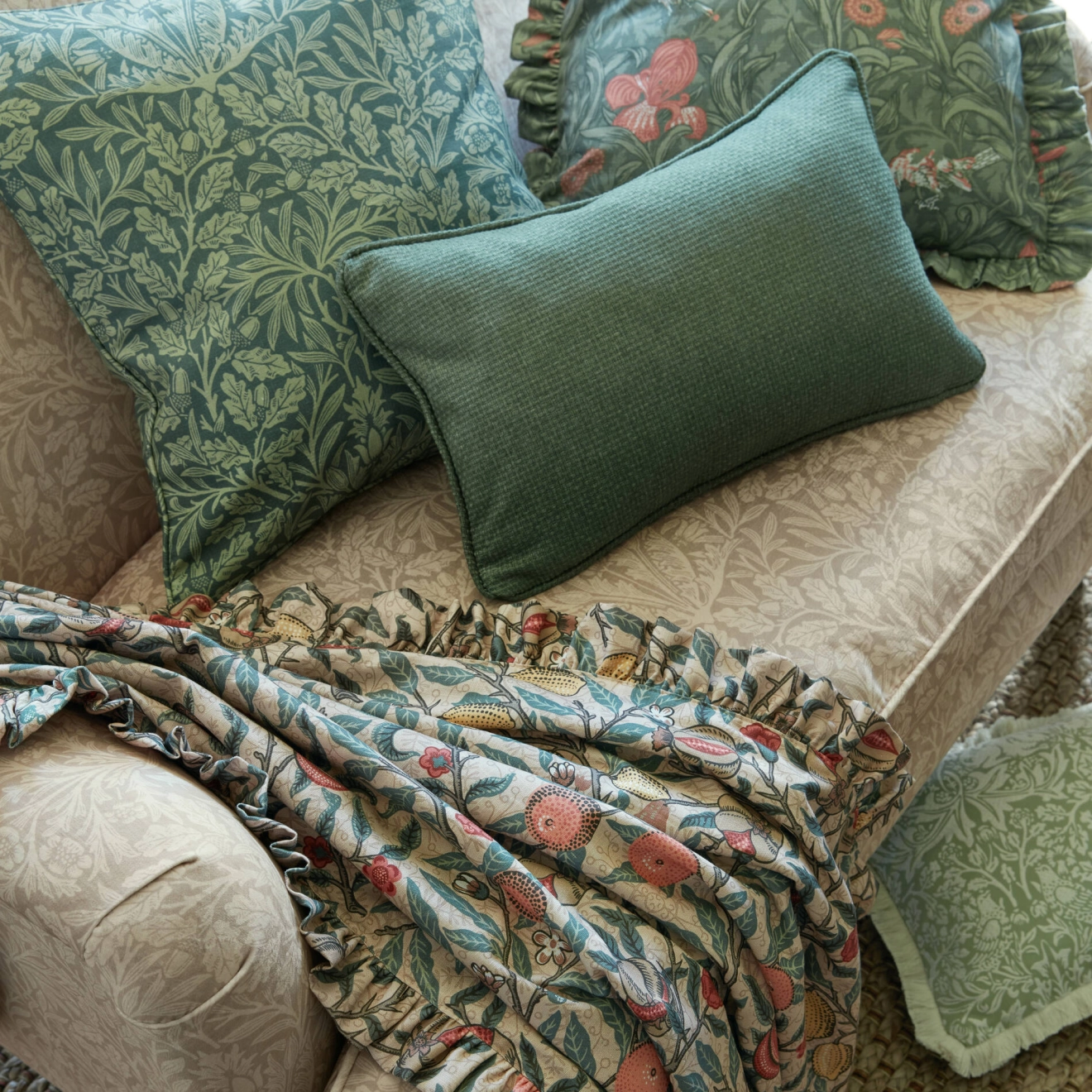
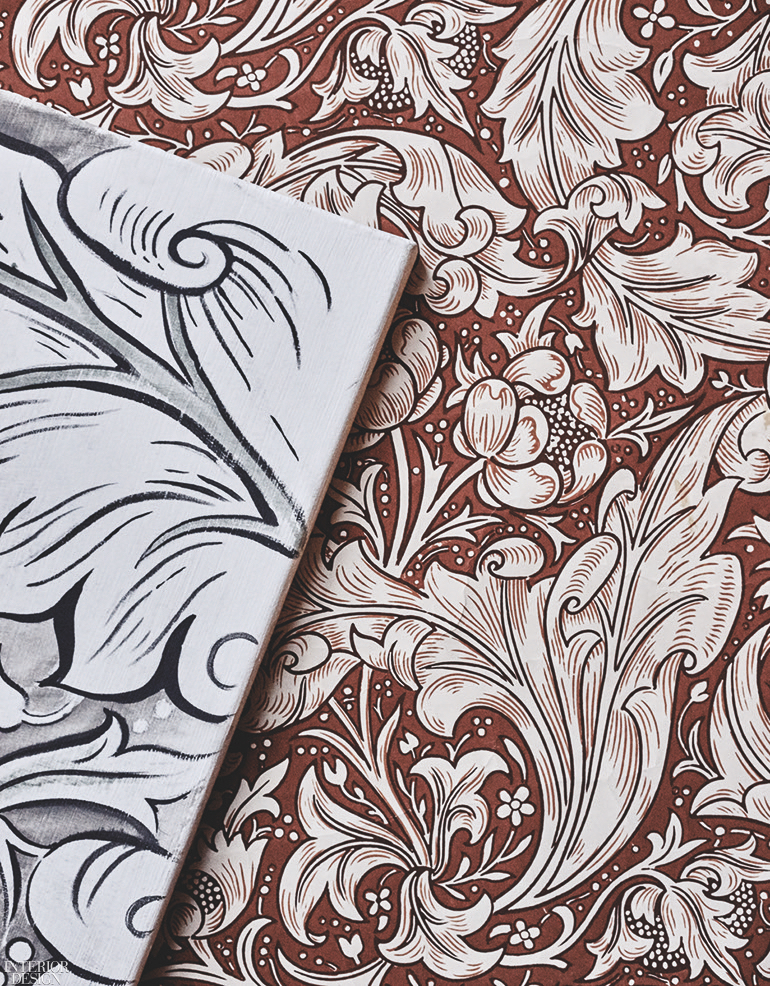
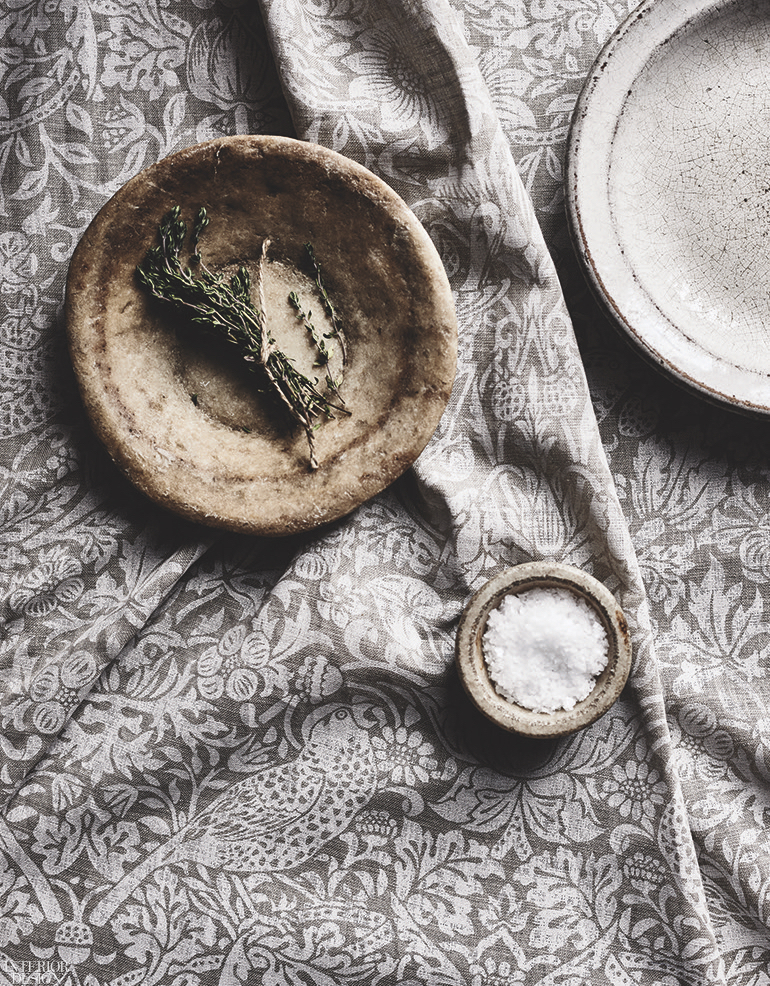
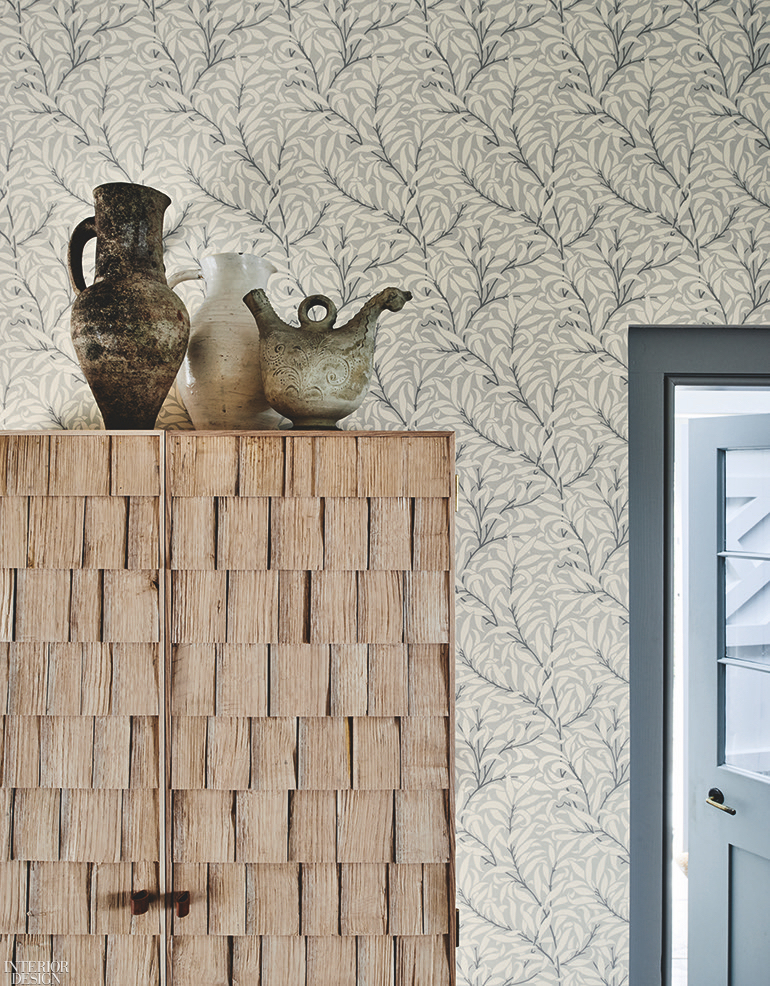
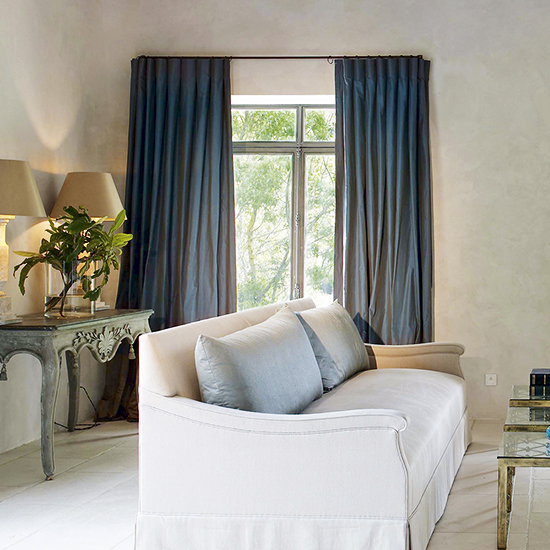
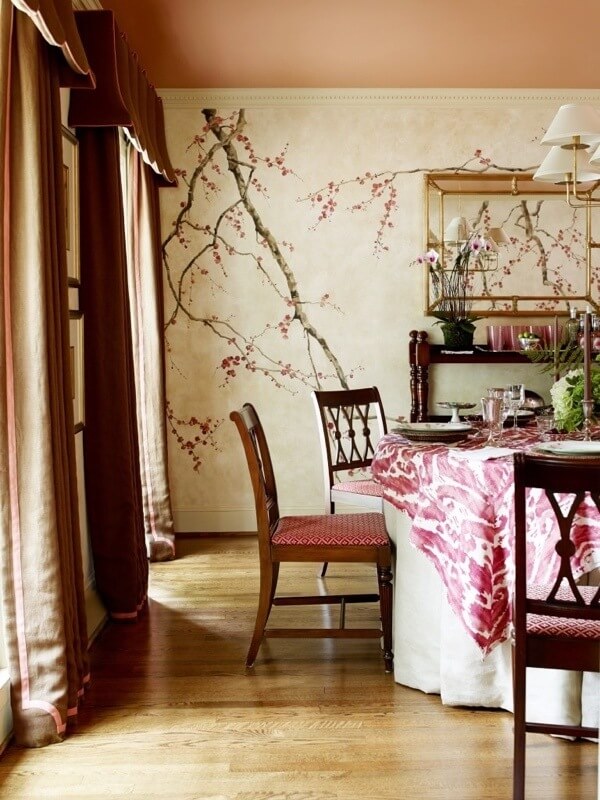
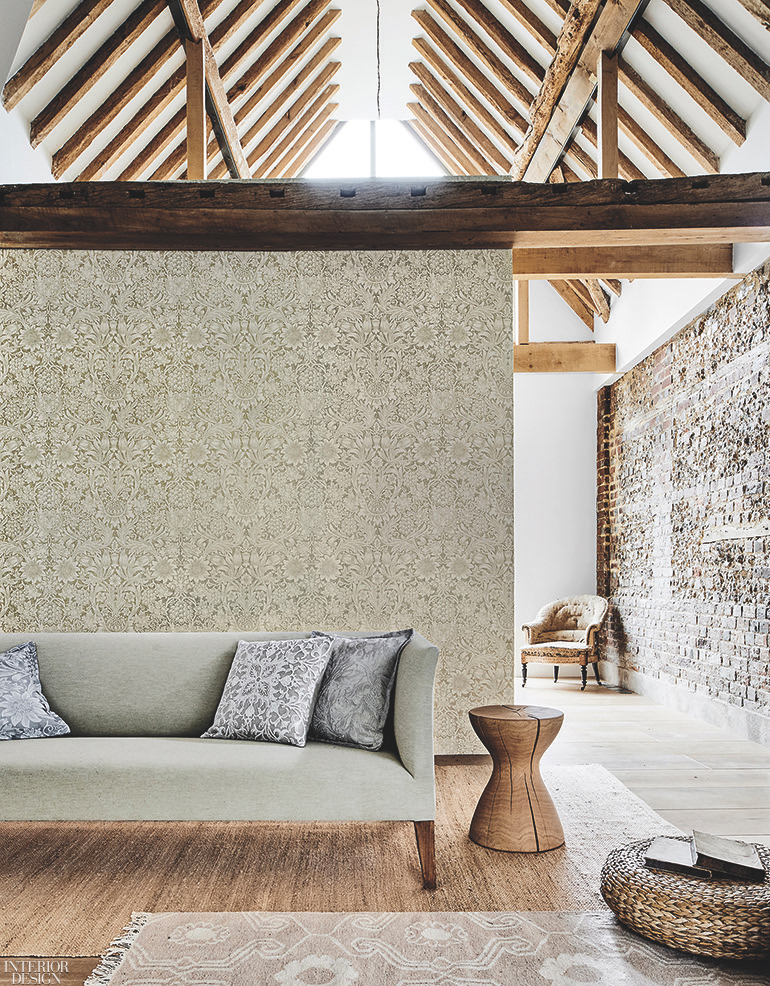
Damask, with origins tracing back to 300 B.C. China, is characterized by woven designs of feathers, flowers, and geometrics, typically in varying shades of a single color. Its heavy drape makes it suitable for dramatic curtains and provides light-blocking benefits. Damask designs are reversible, allowing for coordinated yet distinct applications, such as using one side for wallpaper and the other for complementary drapes or pillows.
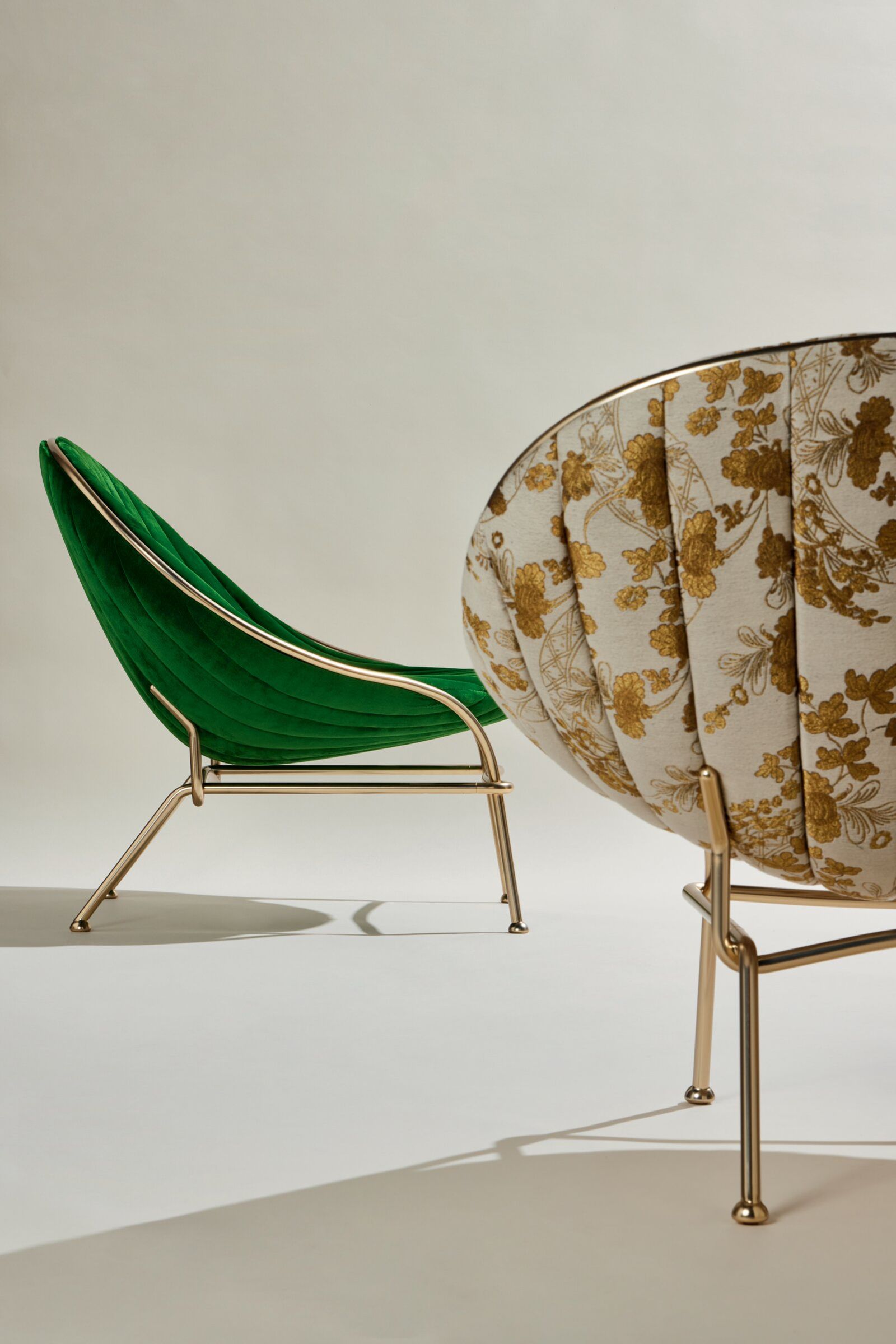
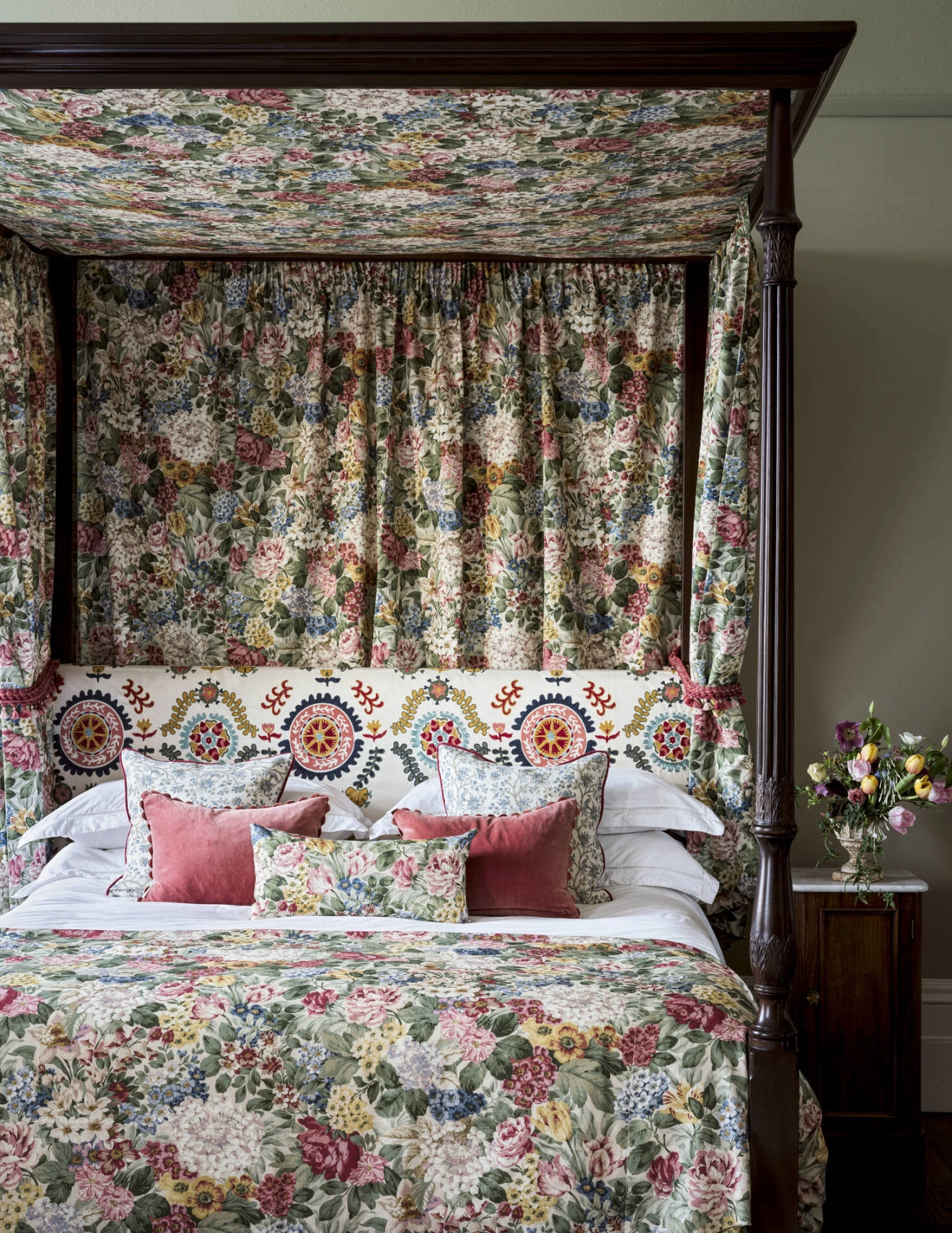
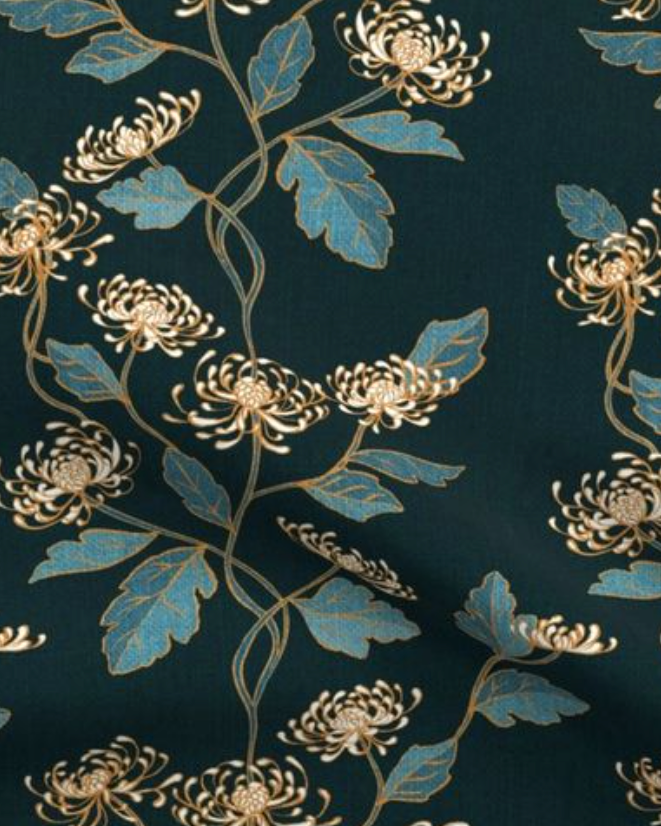
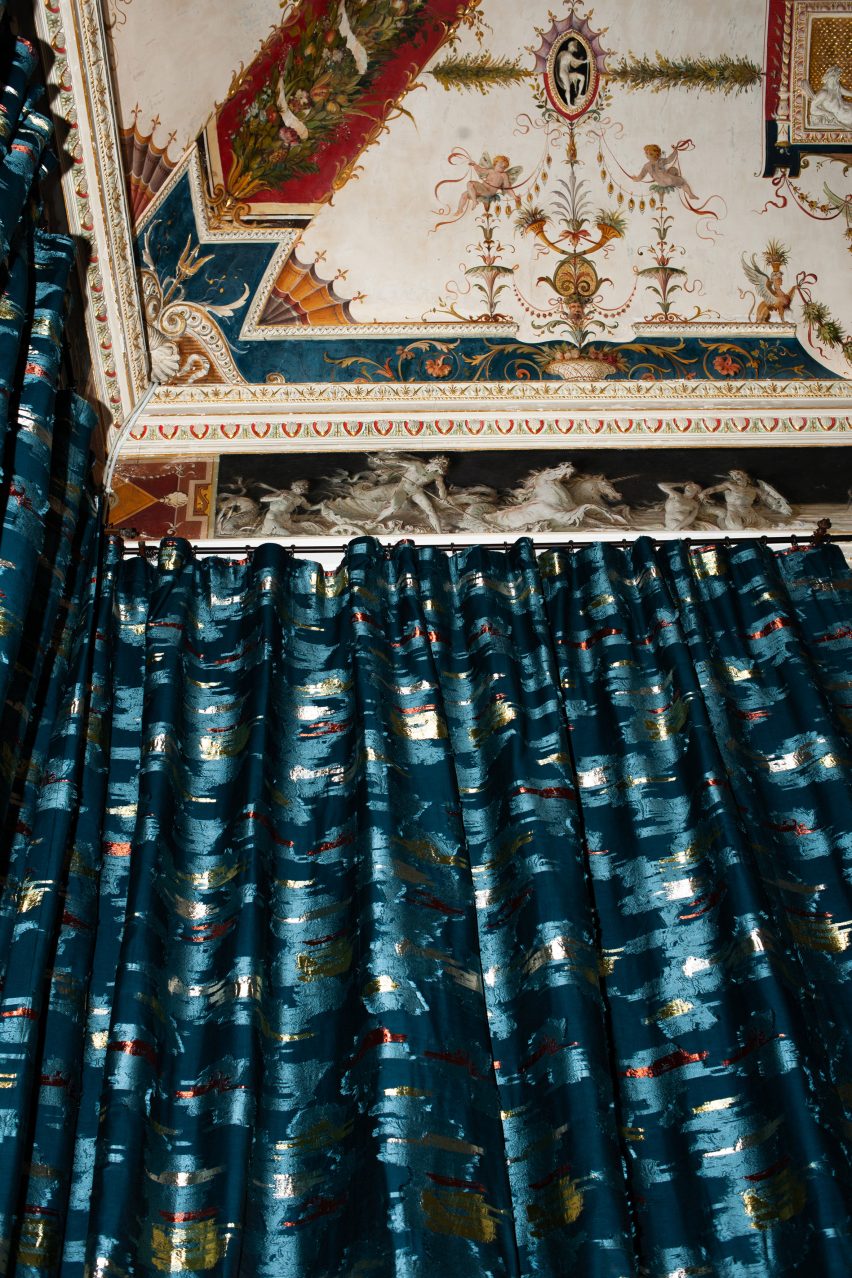
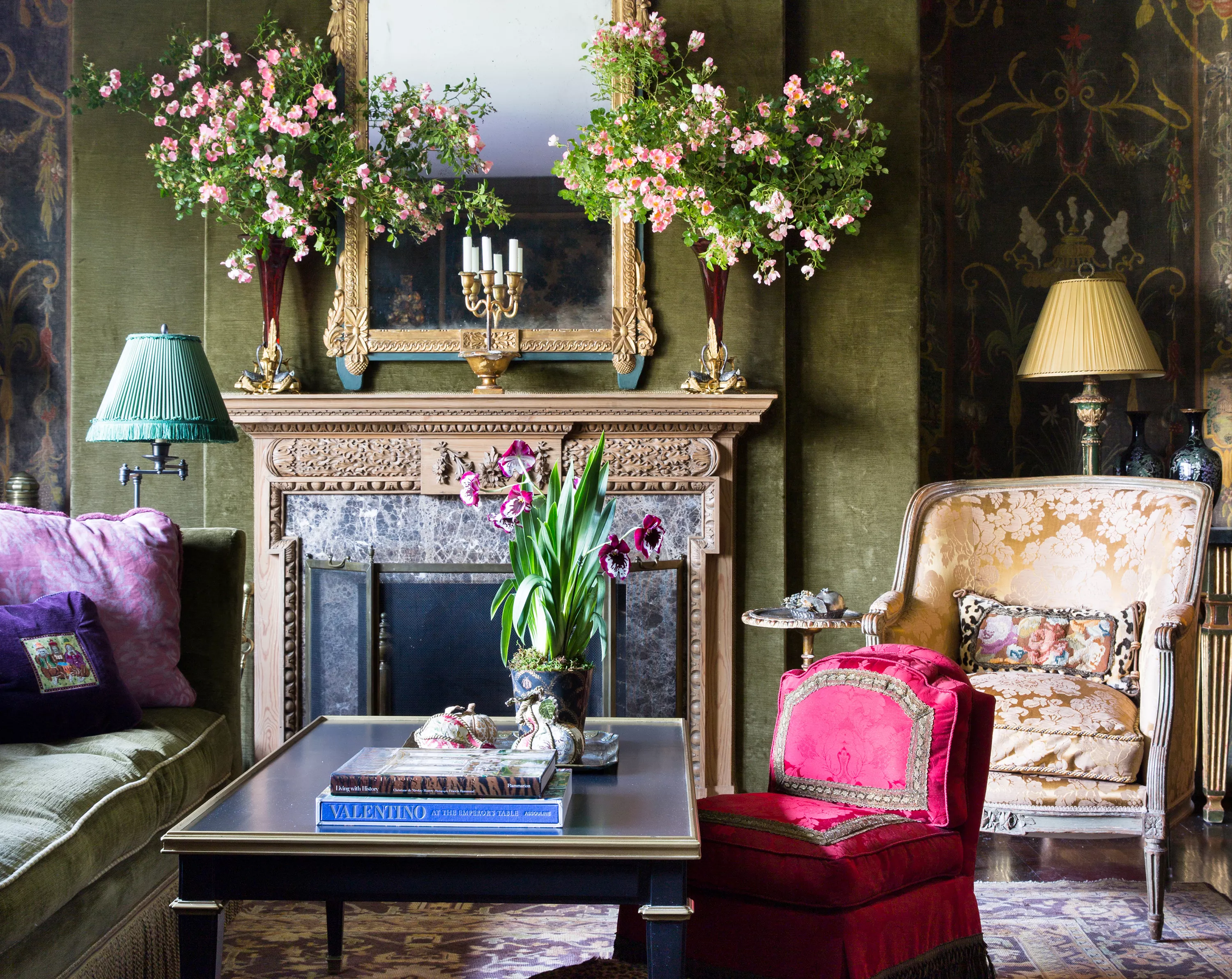
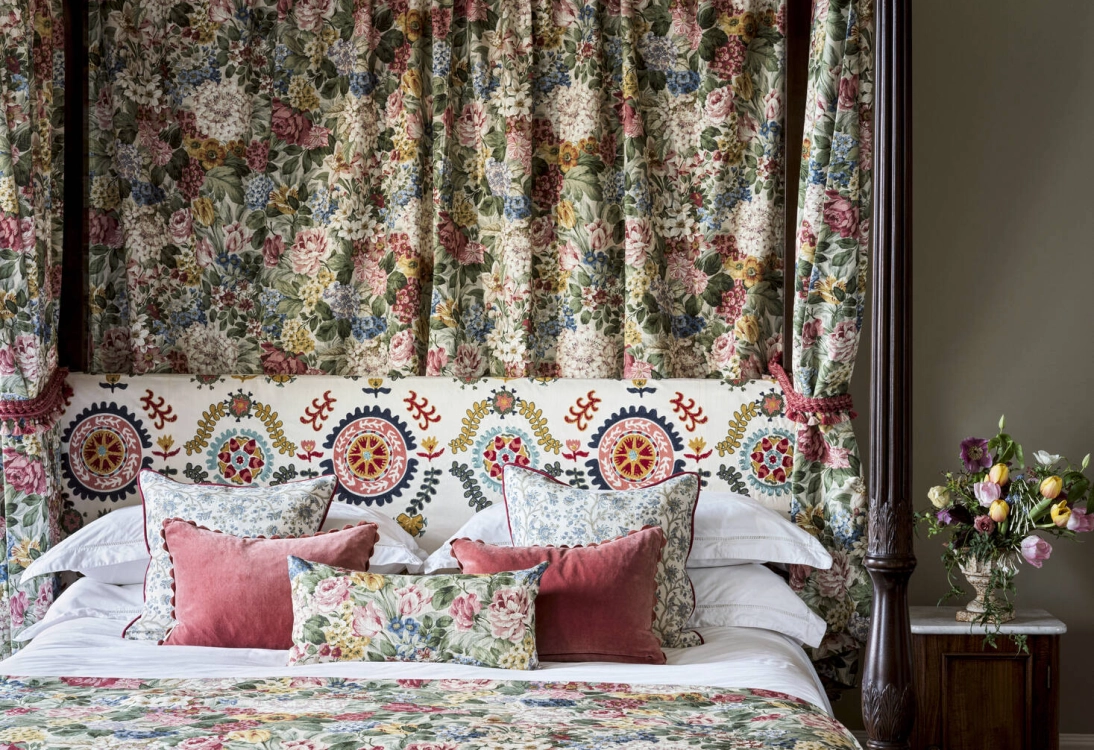
Brocade, another pattern often created on a Jacquard loom, is distinguished by its opulent, typically floral designs incorporating multiple colors and metallic threads. Historically significant in religious garments and tapestries across China, India, and Europe, brocade's weighty texture makes it ideal for bedding, headboards, dining room chairs, and formal living room window treatments.
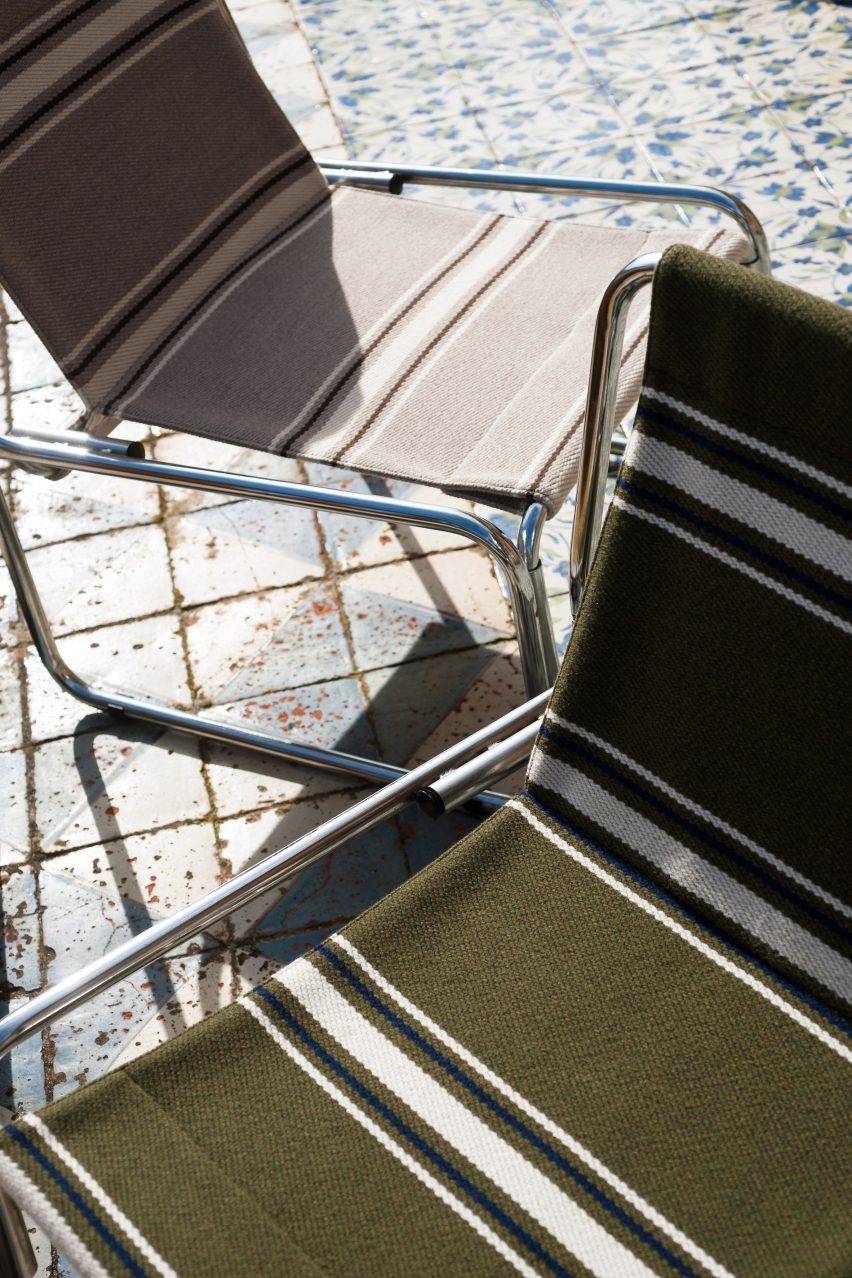
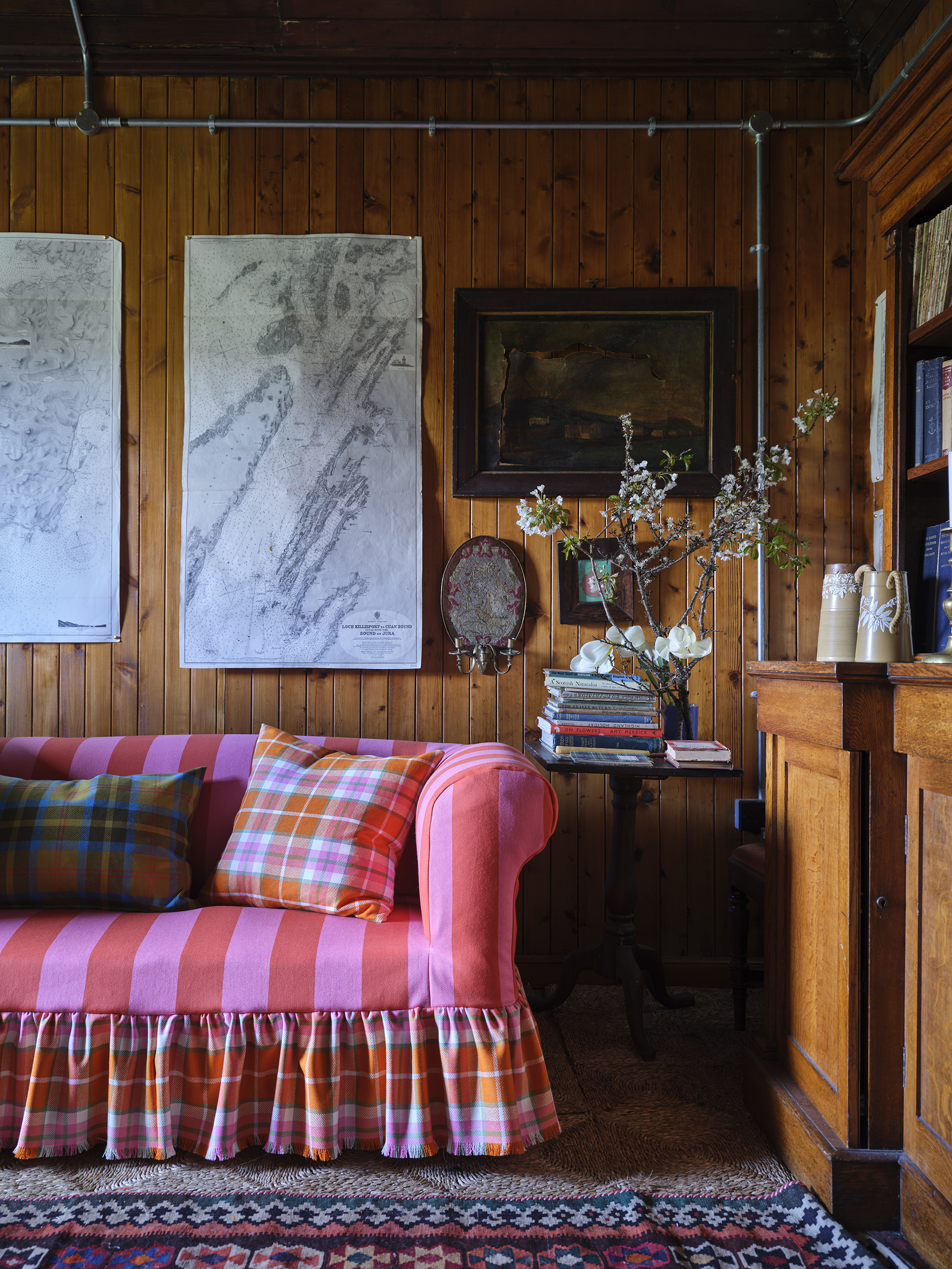
Scotland's cultural icon, Tartan, is a distinct pattern of three or more colors with horizontally and vertically matching stripes that historically identified clans. Its durability makes it suitable for pillows, blankets, ottomans, and club chairs. While traditional tartans feature rich reds, blues, and greens, modern interpretations may utilize tonal variations in grays.
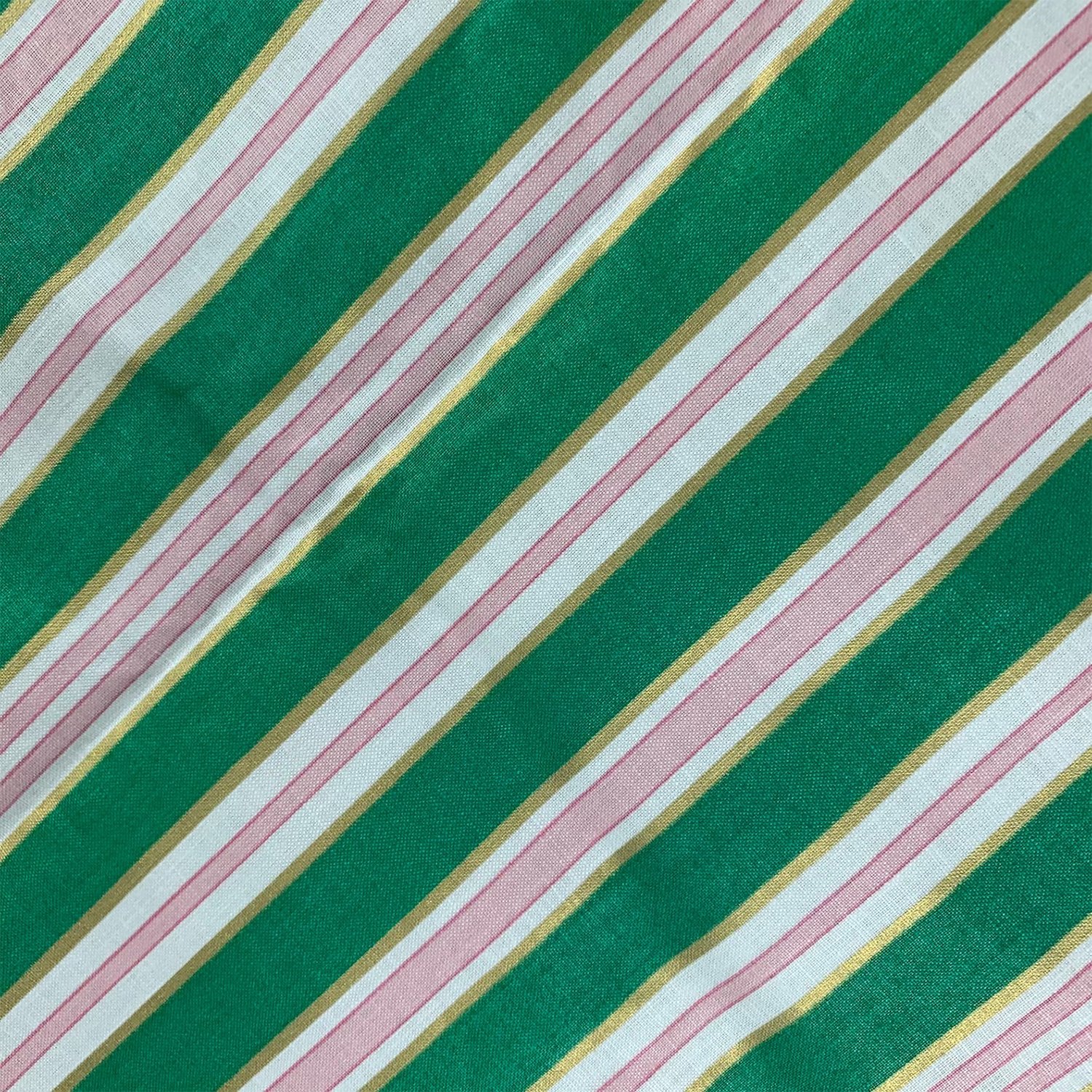
Plaid, though often considered a separate pattern, is a Scottish-Gaelic term for a piece of tartan worn on the shoulder. Unlike tartan, plaid stripes do not necessarily match in width and color. It commonly appears on den sofas, in rustic cabins, and on boys' bedspreads but can also be creatively used for artwork or tile on bathroom floors or kitchen backsplashes.
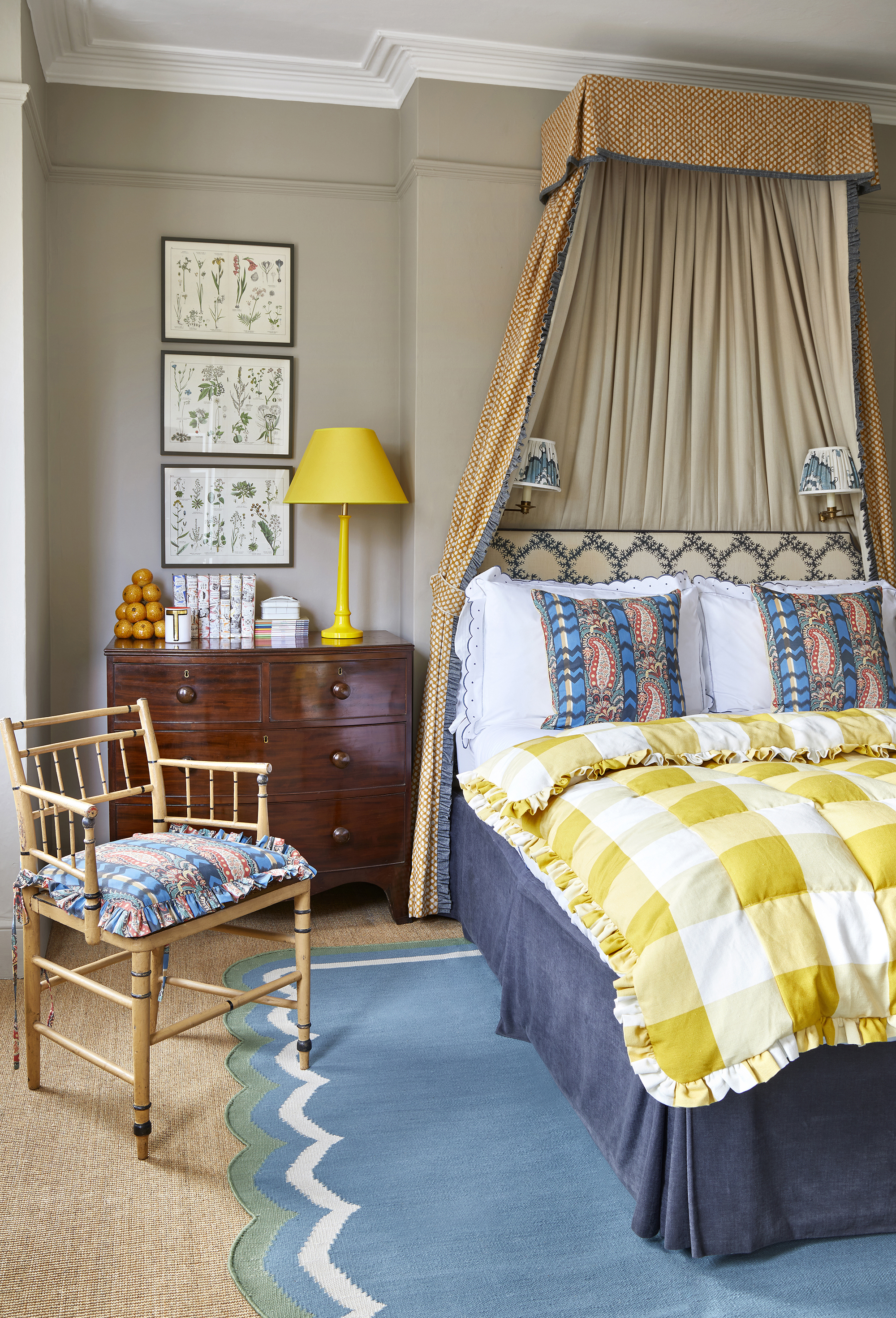
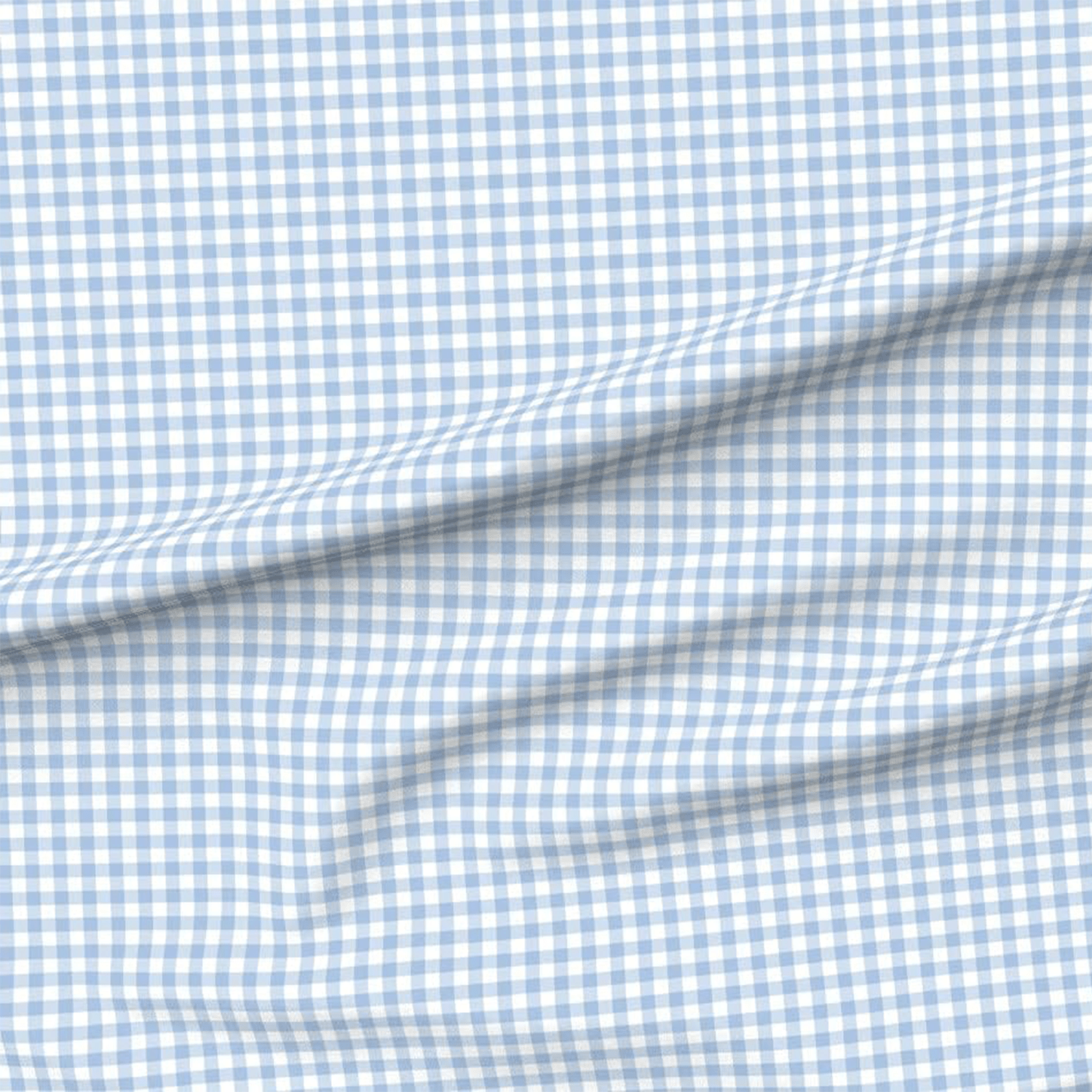
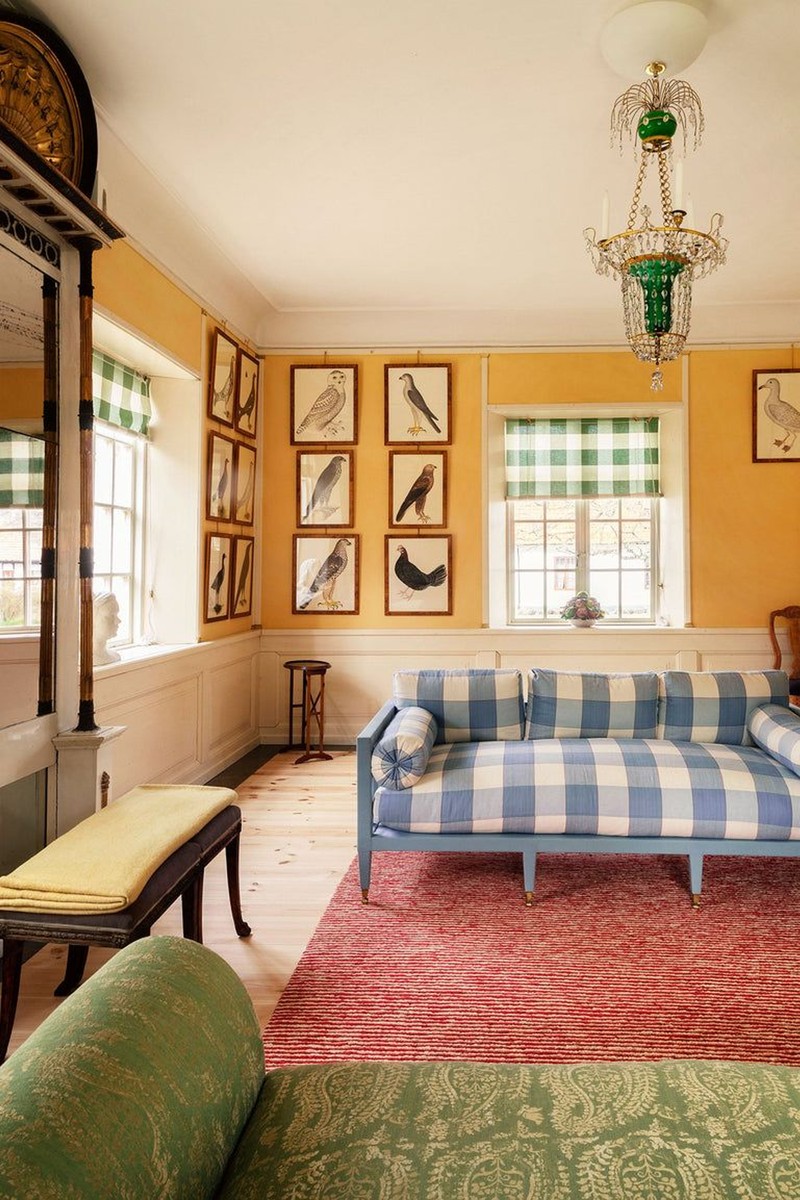
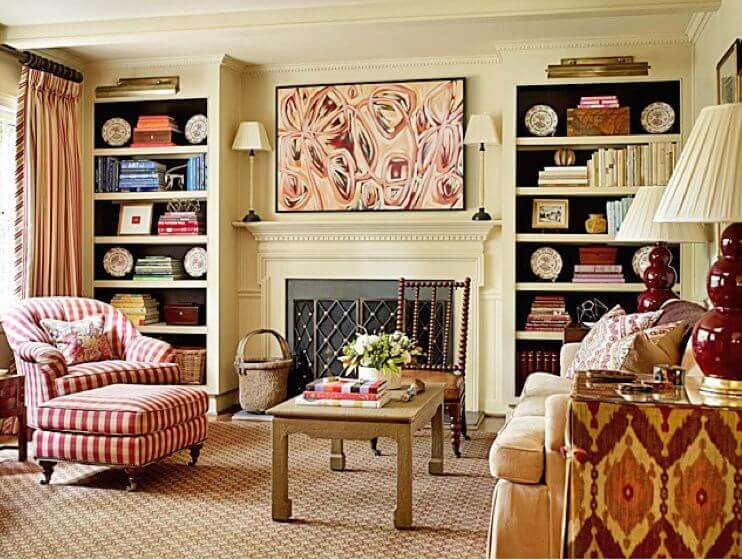
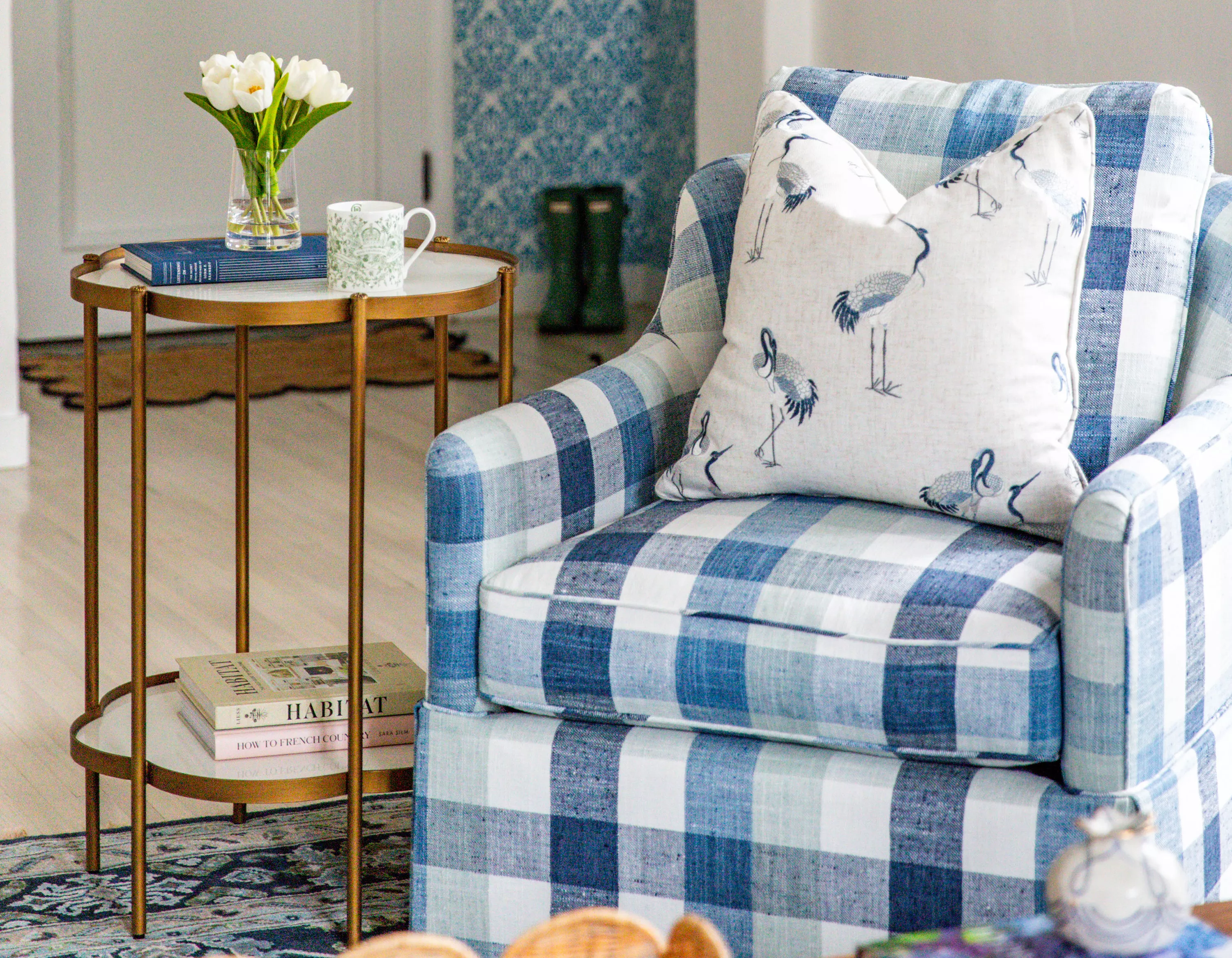
Gingham is a lightweight cotton blend woven with a single color on a white background, creating a checked pattern, typically about an inch wide. Originating from the Dutch colonies of Malaysia and Indonesia, it is now widely recognized and is commonly used for table linens, dish towels, and kitchen valances. Its identical appearance on both sides makes it suitable for sheer curtains. However, small gingham patterns are advised against for large items like couches due to their potential to appear too busy, and its lightweight nature makes it less suitable for high-traffic areas.
Houndstooth, a two-tone pattern with jagged or broken checks resembling dog's teeth, dates back to 360 B.C. Sweden, though it gained fame in Scotland with its classic black and white rendition. While traditional, it can also be found in aqua, yellow, and pink for bedrooms or sun porches. The article advises against pairing houndstooth with stripes or plaids and recommends using it sparingly due to its strong visual impact.
#FabricPatterns #HomeDecor #InteriorDesign #Jacquard #Damask #Brocade #Tartan #Plaid #Gingham #Houndstooth #FabricPatterns #HomeDecor #InteriorDesign #Jacquard #Damask #Brocade #Tartan #Plaid #Gingham #Houndstooth
0 comment in total
 No comments yet
You may also like
Jacquard Fabric: Here’s Your 101 Explainer

Fabric: Style Library

The Best Online Fabric Stores to Make Your Sofa Look Bespoke

What Is Jacquard Fabric? Experts Explain Why It's So Popular Right Now

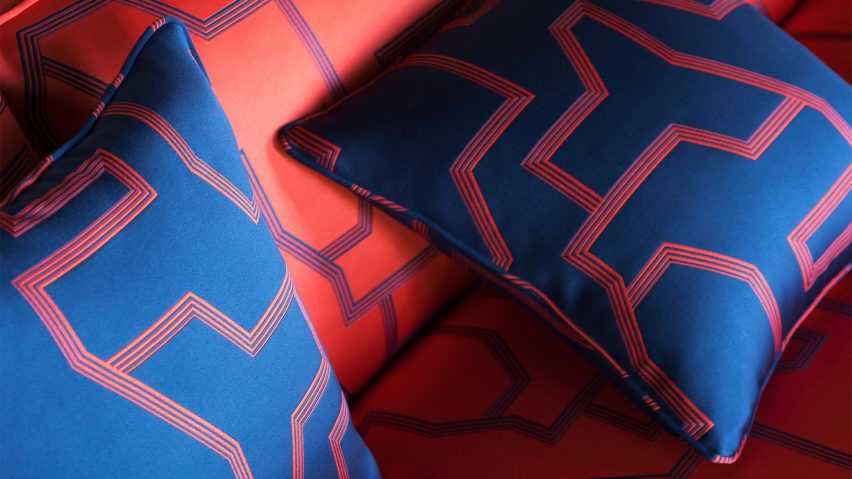
Geometric patterns fabric collection by Dedar
15 Places to Buy Fabric Online, From Budget Finds to Designer Faves

Free Fabric Samples: 12 Stores That Send You Free Fabric!

The expert guide to decorating walls with fabric

8 Swoon-Worthy New Fabric Collections
Gingham Is Back: Here's How to Make It Look Modern
The New Fabric Launches Worth Knowing About
The ONLY Advice You Need to Mix Patterns Like a Pro!

What Is Damask? Here's Why You're Seeing the Centuries-Old Material Everywhere Today
Decorating with checks – 11 ways to embrace this classic pattern

Celia Rufey answers your fabric questions
These are the biggest pattern trends designers are using in 2025 and beyond
The Best Online Fabric Stores Today
The Art of Jacquard textile collection by Dedar
Decorating with pattern – 11 ways to embrace print at home
You Need to Know About These Online Sources for Affordable Fabric