Yes, you can install central AC in your co-op or condo unit. Here's how
The increasing prevalence of high temperatures in New York City has led many residents to consider installing central air conditioning or ductless mini-split systems in their co-op or condo units, moving beyond the limitations of traditional window units. Historically, co-op and condo boards have shown increasing receptiveness to these installations, with brokers like Lisa K. Lippman of Brown Harris Stevens noting a growing acceptance, even among co-ops that once resisted. HVAC contractors confirm a rise in business for such installations, driven by continuous technological improvements that offer greater flexibility in equipment and installation methods.
Two primary types of AC systems are available: ducted split systems, commonly known as central air, and mini-split systems, which can be ducted or ductless. Central AC involves a single air handler distributing cooled or heated air through extensive ductwork, typically concealed within walls or ceilings. This option is most practical during a comprehensive gut renovation or apartment combination due to the significant construction required to accommodate the ductwork. George Wong, owner of Mr. Air NYC, emphasizes that central AC necessitates opening up walls, making it ideal for large-scale overhauls. The system usually requires a dedicated mechanical closet for the air handler and ceilings at least nine feet high to install a central plenum, ensuring a seamless aesthetic without visible units.
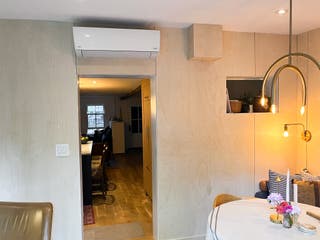
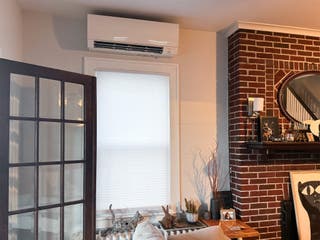
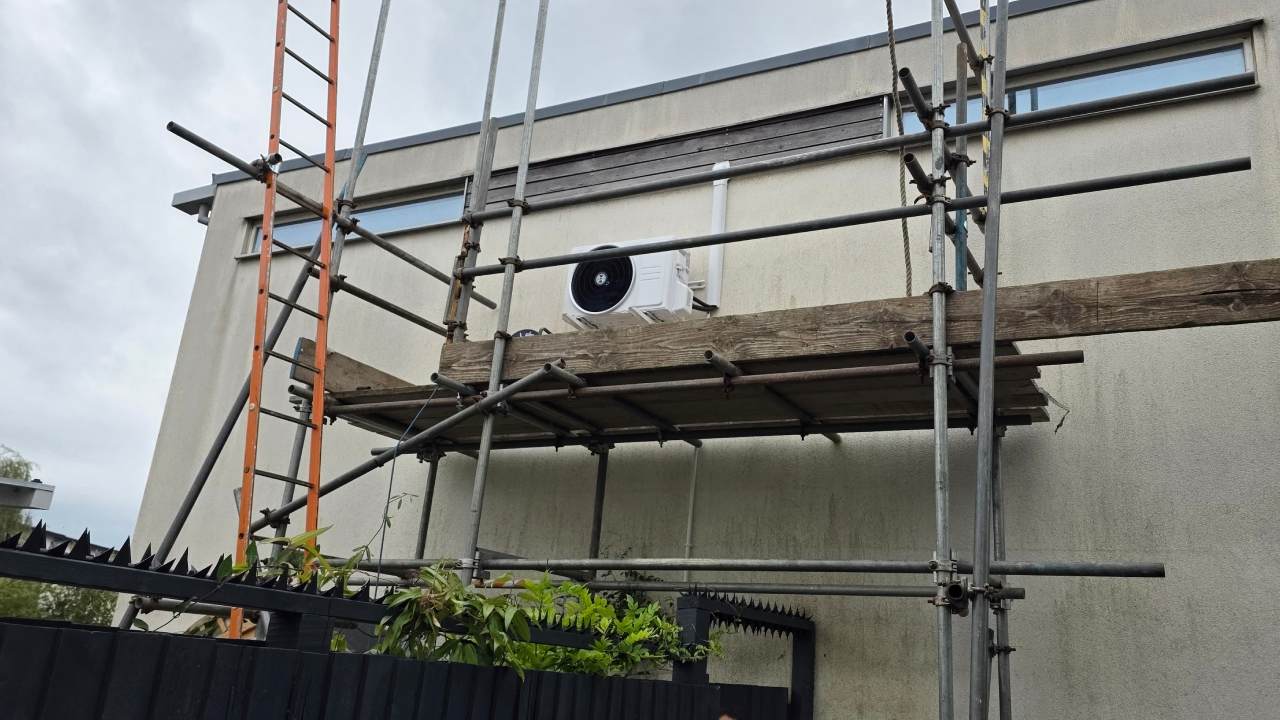
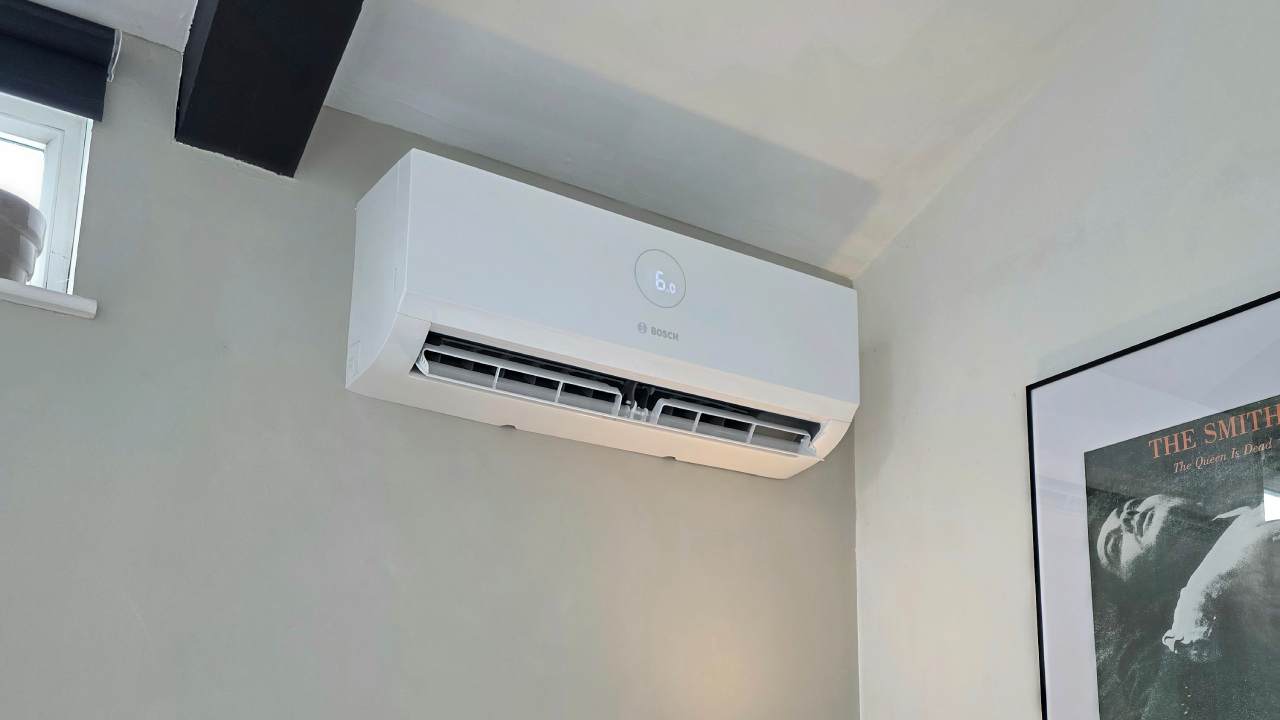
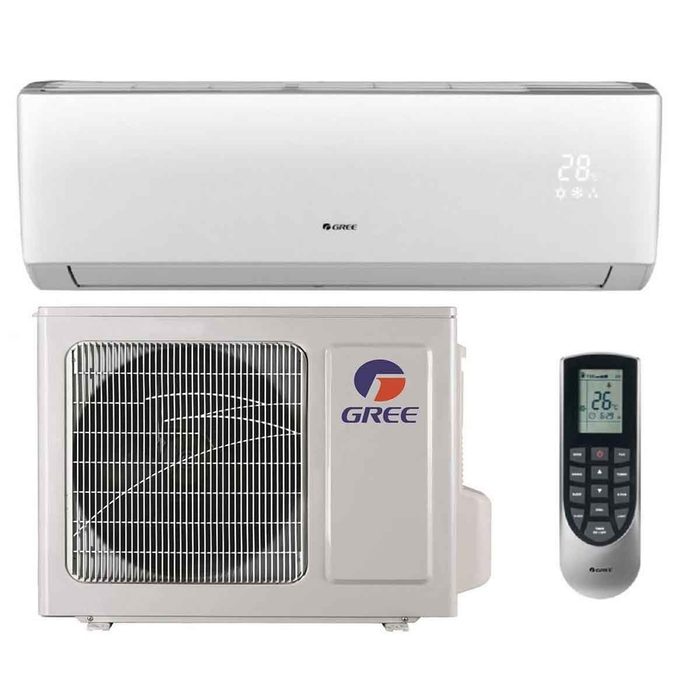
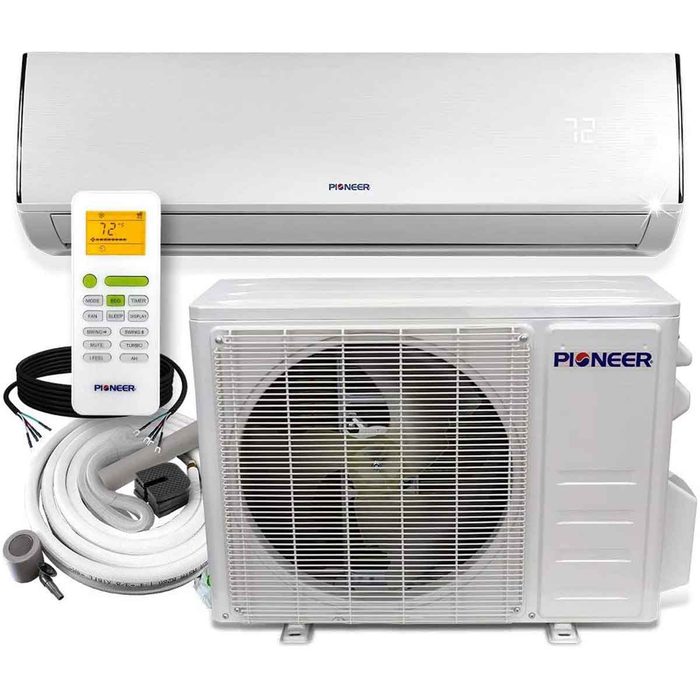
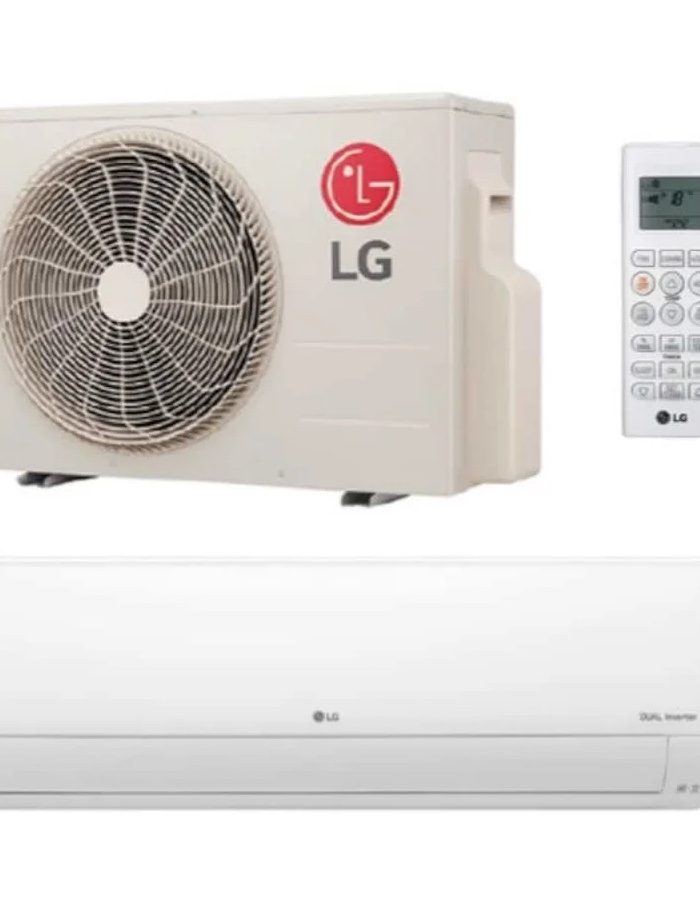
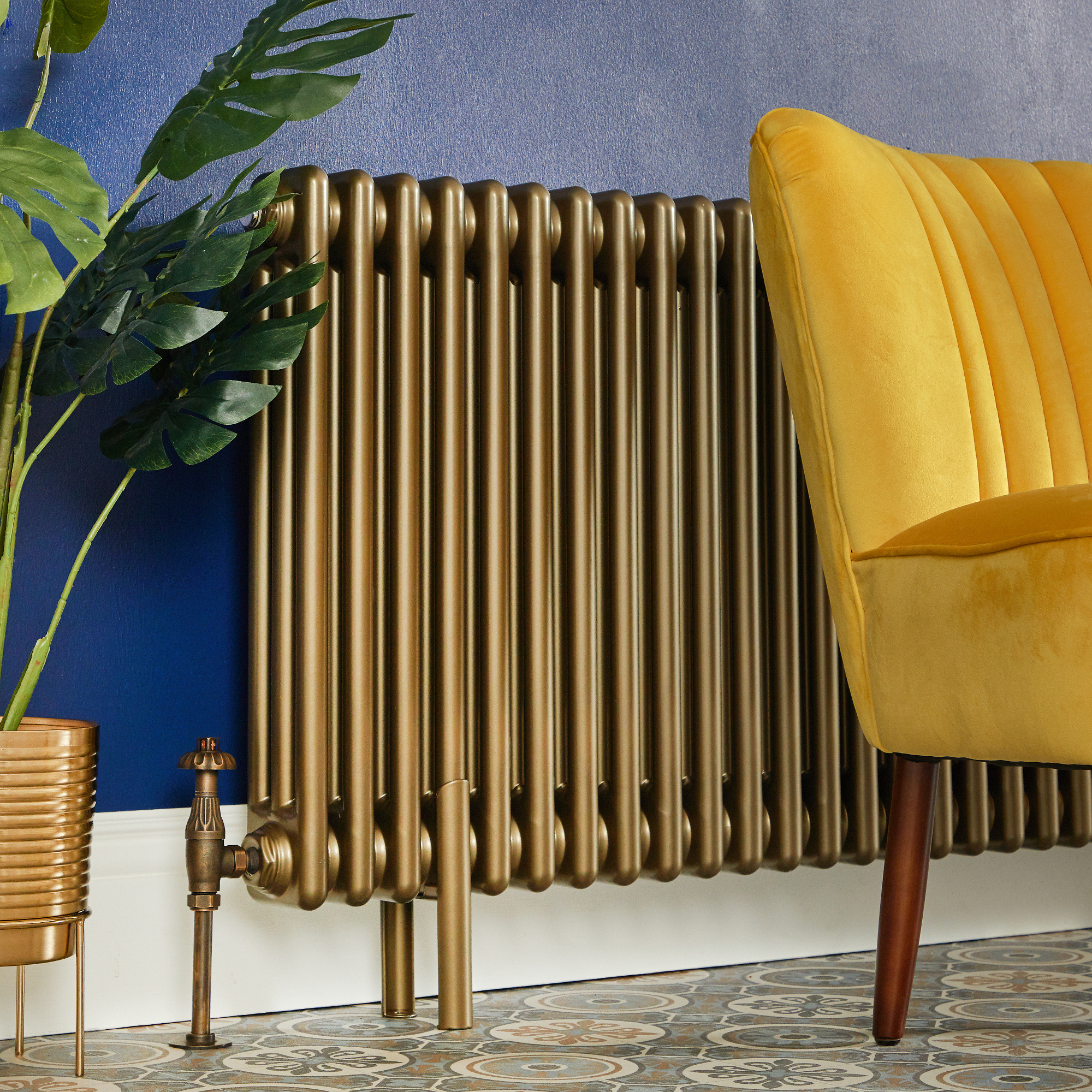
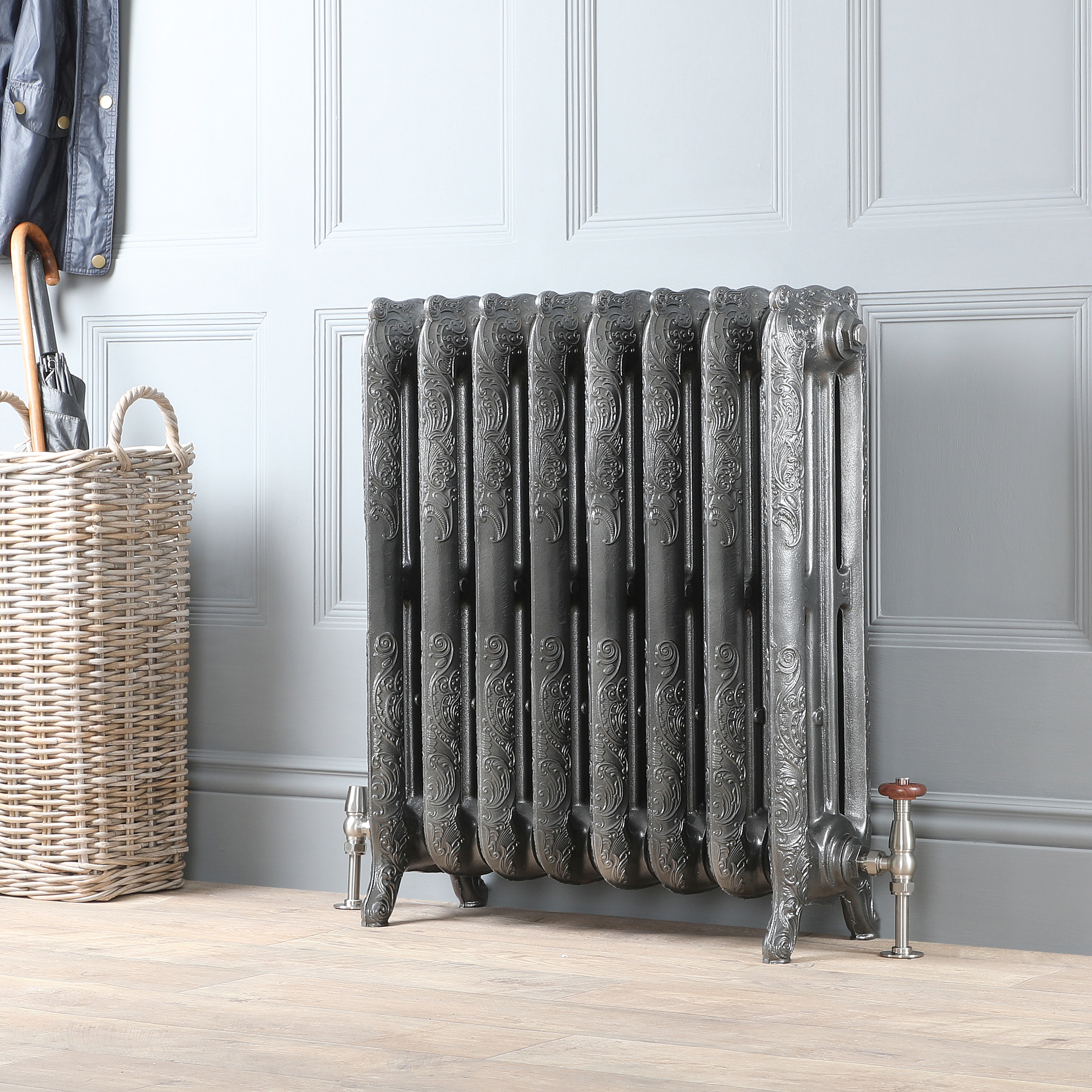
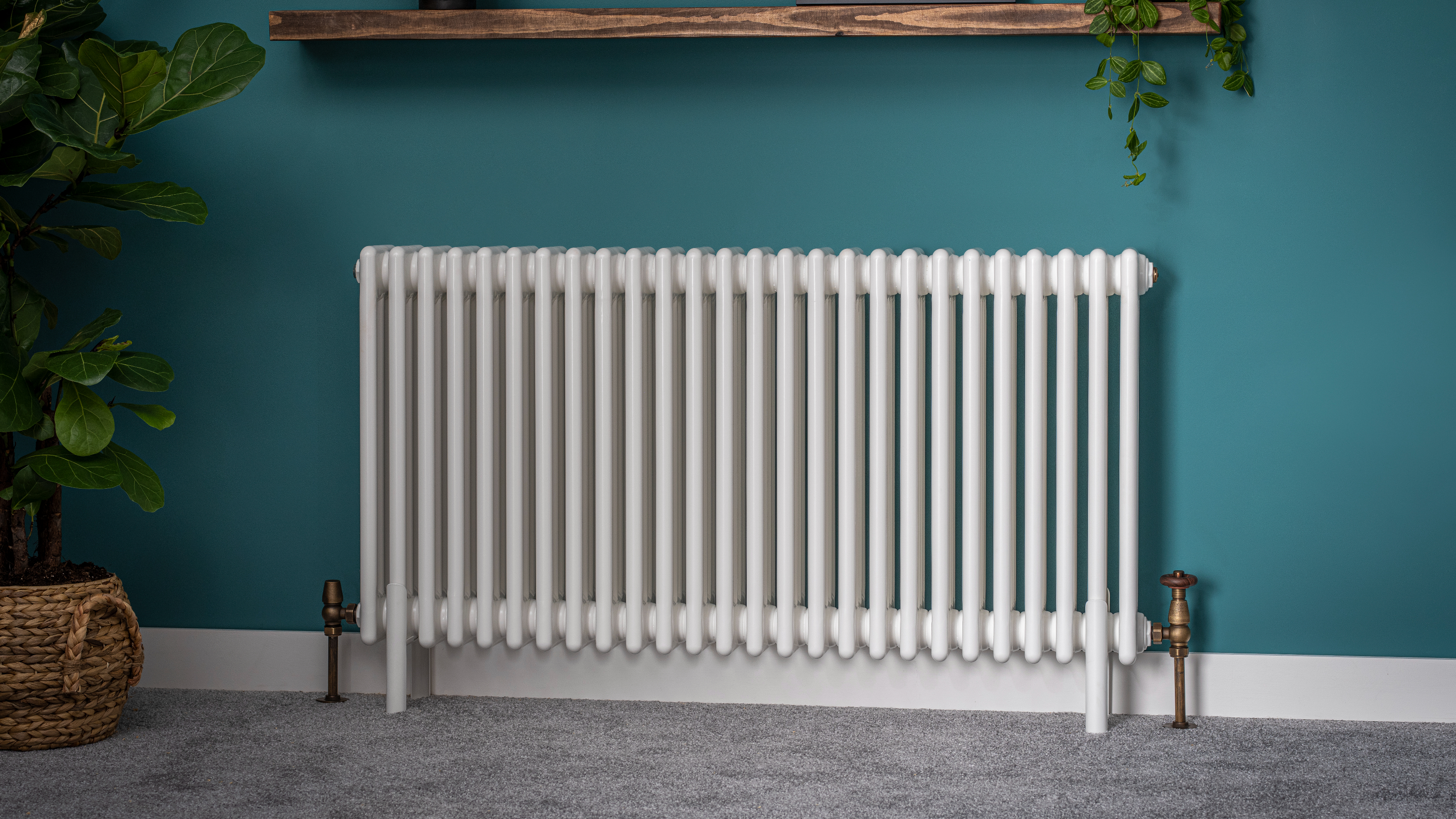
Mini-split systems, on the other hand, offer more versatile installation options. These units can be wall-mounted, floor-mounted (resembling steam radiators), or ceiling-mounted (with a grille). Most mini-split installations are ductless, providing an easier and less invasive solution. Slim-profile ducted mini-split systems, which conceal the units and expose only diffusers, are also an option but are typically reserved for renovation projects due to their more invasive nature. Victor Belavus, general manager of 212 HVAC, highlights that all mini-split systems require an outdoor condenser, which can be placed on a building facade, patio, balcony, or roof, with through-wall condenser options also available.
Before undertaking any installation, unit owners must consult their proprietary lease or alteration agreement to understand building-specific rules. Boards often have restrictions on through-wall AC units or require approval for any new system installations, especially given their impact on the building's electrical load. Property managers typically provide a list of requirements, which may include hiring a mechanical engineer and submitting schematic drawings. Micah Garner, a property manager at Maxwell-Kates, notes a growing trend of approvals for mini-split systems due to their simpler installation and smaller condenser units. He also observes that even older buildings with lower electrical capacities can often accommodate mini-splits, and replacing multiple window units with one mini-split can even lead to energy savings and noise reduction.
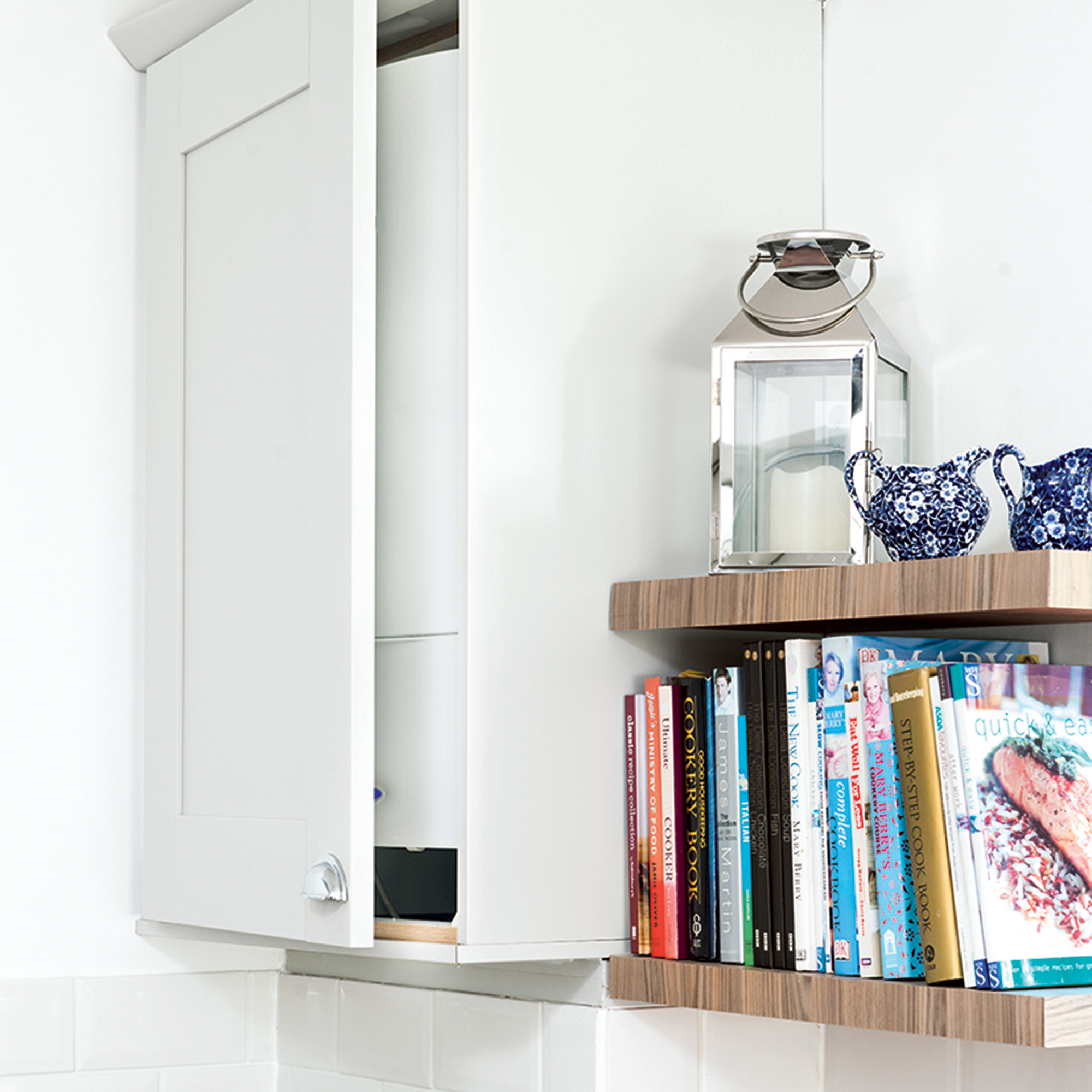
Beyond ease of installation, mini-splits offer multi-zone climate control, allowing different rooms to be set to individual temperatures, a feature not available with central AC where all rooms maintain the same temperature. Mini-splits are also environmentally friendly, using non-ozone-depleting refrigerants, and employ heat-pump technology, enabling them to serve as a primary heat source even in low temperatures. This contributes to reducing fossil fuel emissions. While the primary drawback is the visible nature of wall-mounted units, options like recessed ceiling cassettes or hidden floor-mounted units behind decorative covers can mitigate this. HVAC providers can collaborate with architects or contractors to integrate mini-split units discreetly within closets or dropped ceilings, running ductwork through joists with minimal disruption compared to central air installations.
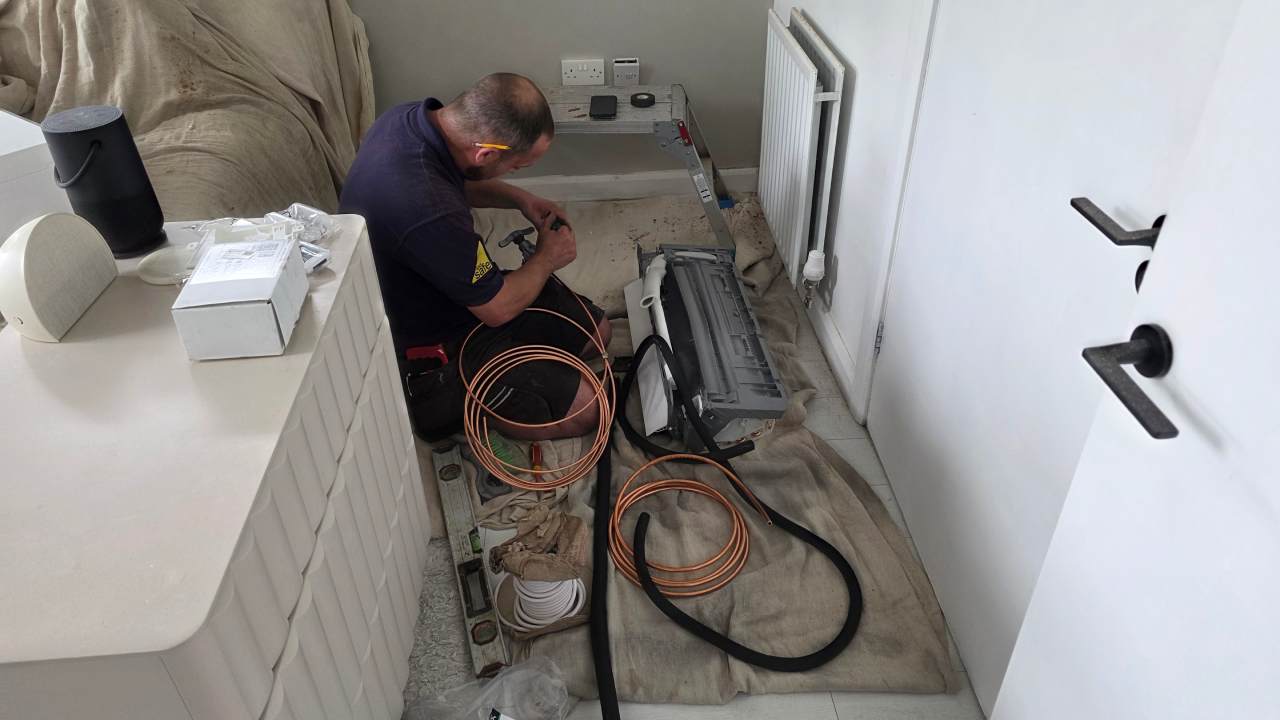
The cost for installing central AC or mini-splits is generally comparable, with both systems averaging between $20,000 to $25,000 for a 1,500-square-foot apartment. However, costs can vary significantly based on apartment size, layout, and the number of units required. For instance, a 1,000-square-foot studio might cost $6,000 to $7,500 for a single-wall mini-split, while a 1,500-square-foot three-bedroom unit requiring multiple mini-splits could reach $30,000. Additional costs may include crane rentals for hoisting condensers to roofs in landmarked buildings and DOB filing fees. The installation itself typically takes a few days, but the entire process, including securing permits and insurance, can extend to one to two months, necessitating early planning.
Installing central AC or mini-splits can significantly enhance resale value. Louise Phillips Forbes of Brown Harris Stevens emphasizes that central air has become a critical requirement for buyers of pre-war properties and older co-ops, with its absence potentially reducing a property's price by 10 to 20 percent, especially for properties over $4 million. For investment condos or multi-family brownstones, mini-splits offer a competitive edge against new developments by providing essential cooling for renters. Ultimately, investing in these systems offers both immediate comfort and long-term value, providing much-needed relief during New York City's hot summers.
#CentralAC #MiniSplits #HVACInstallation #CoOpRenovations #CondoRenovations #NYCRealEstate #PropertyValue #HomeImprovement #EnergyEfficiency #CentralAC #MiniSplits #HVACInstallation #CoOpRenovations #CondoRenovations #NYCRealEstate #PropertyValue #HomeImprovement #EnergyEfficiency
0 comment in total
 No comments yet
You may also like

For Indoor Comfort Without Central HVAC, a Mini-Split Might Be the Answer

The 6 Best Portable Air Conditioners of 2026 | Reviews by Wirecutter


Cost to Install Central Air in 2025: How to Save

Our Favorite ACs Keep You Cool Quietly and Efficiently
The Best Garage Air Conditioners for Garages and Workshops

11 Tips to Keep Your Window Air Conditioner Running All Summer Long
I had air con installed in my bedroom and was shocked how quick and easy it was

What Is a Mini Split—and Why It's Perfect for Cooling Your Home This Summer

Practical Advice for Installing an Air Conditioner

5 Best Ductless Air Conditioners of 2025
Electric Central Heating
Central heating - everything you need to know about heating your home