1/19
Pininfarina: a unified vision of interior design, from automotive to architecture
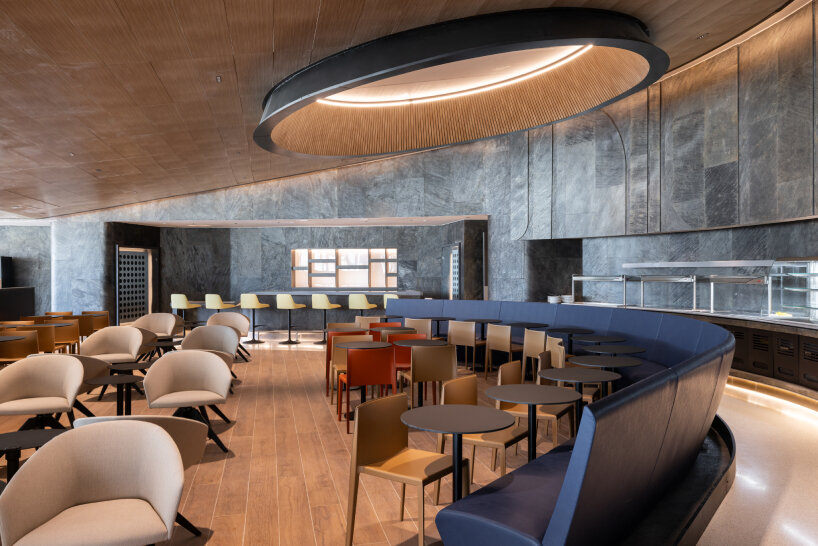
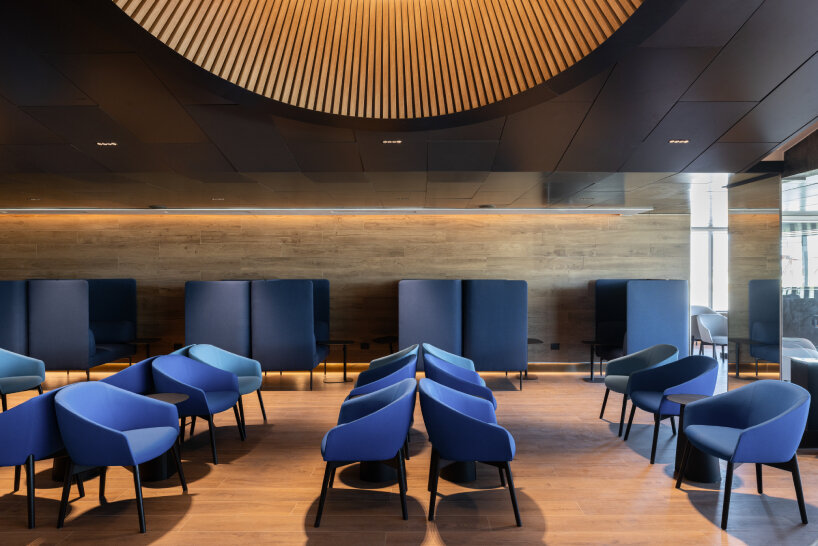
Pininfarina, established in 1930 by Battista “Pinin” Farina, has broadened its design expertise beyond its automotive origins to encompass architecture, product design, and various transportation sectors including nautical and aviation. The company's design philosophy, developed over 90 years, centers on creating iconic, functional, and human-centric spaces by cross-pollinating ideas and leveraging extensive industry experience. Pininfarina’s approach ensures that the high-tech solutions and refined materials initially developed for car interiors are adapted across all projects to achieve comfort, elegance, and functionality. This 360-degree vision transforms design constraints into resources, as noted by Marco Becucci, Architect and Design Manager at Pininfarina.
The firm’s methodology emphasizes a multidisciplinary conversation with clients, integrating values, culture, design elements, and overall lifestyle branding. This involves a holistic assessment, Design for Energy Minimisation (DfEM), Design for Manufacturing and Assembly (DfMA), and Life Cycle Thinking, applied uniformly across all projects. Pininfarina also adapts technologies like smart glass and smart surfaces, originally for automotive interiors, into yachts, private jets, and high-end residential spaces, significantly altering the perception of interior environments. Nicola Girotti, Head of Product Design at Pininfarina, highlights how this transferrable design approach allows the integration of quality materials, finishes, and smart systems across different fields, viewing every environment as a potential 'second home'.
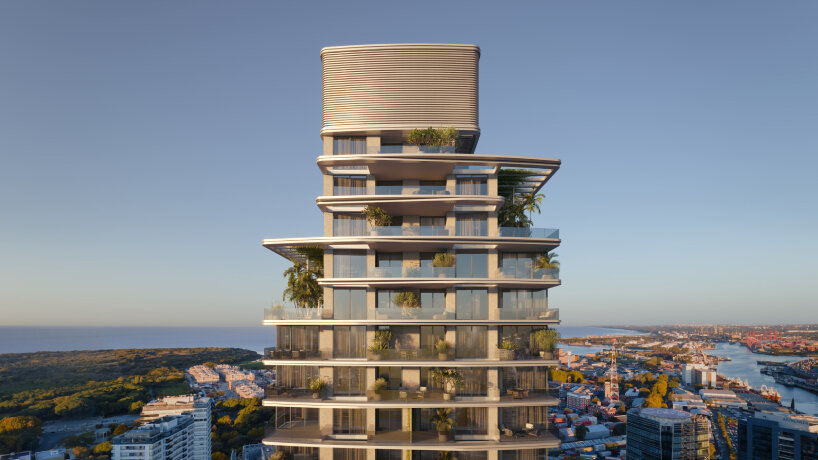
Pininfarina’s design principles are demonstrated through diverse projects. In nautical design, the collaboration with Oceanco on the Kairos megayacht exemplifies how automotive sensibilities translate to maritime luxury. The Kairos features a symmetrical profile and central piazza, reimagining the onboard experience into a fluid, distinctive space. This project also integrates sustainable technologies from automotive and architectural experience to elevate environmental consciousness without compromising prestige. Pininfarina Architecture extends this multidisciplinary approach by considering the carbon footprint, life cycle of materials, and modular production in construction, focusing on embedded energy, heating/cooling systems, appliances, hot water, and renewable energy generation.
In private aviation, Pininfarina's work on the Airbus Corporate Jets 350XWB, in collaboration with AMAC Aerospace, showcases livable elegance. This project combines elements from nautical, automotive, and architectural design to create multifunctional spaces for relaxation, work, dining, and meetings. The interior features a blend of materials and technologies found in yachts and classic interiors, with fluid, open layouts that mimic home lounges. Pininfarina’s smart materials, initially for automotive upholstery, are applied here for comfort, durability, elegance, and optimized space and weight.
For outdoor spaces, the ‘Miraggio’ parquet collection, developed with Corà Parquet, illustrates Pininfarina’s ability to design products that transition seamlessly between indoor and outdoor environments. This collection combines wooden and stoneware modules, addressing the demand for sophisticated and durable outdoor extensions of the home. This modularity and flexibility demonstrate the firm's adaptation of traditional craftsmanship to modern living trends. In classic interiors, Pininfarina merges tradition with contemporary aesthetics, as seen in the Idea rug for Sahrai Milano's Materia Collection, which blends artisanal techniques with modern design elements. This collection includes other rugs like Pura, Luce, and Acqua, each with unique features such as geometric patterns, LED lighting, and flowing lines.
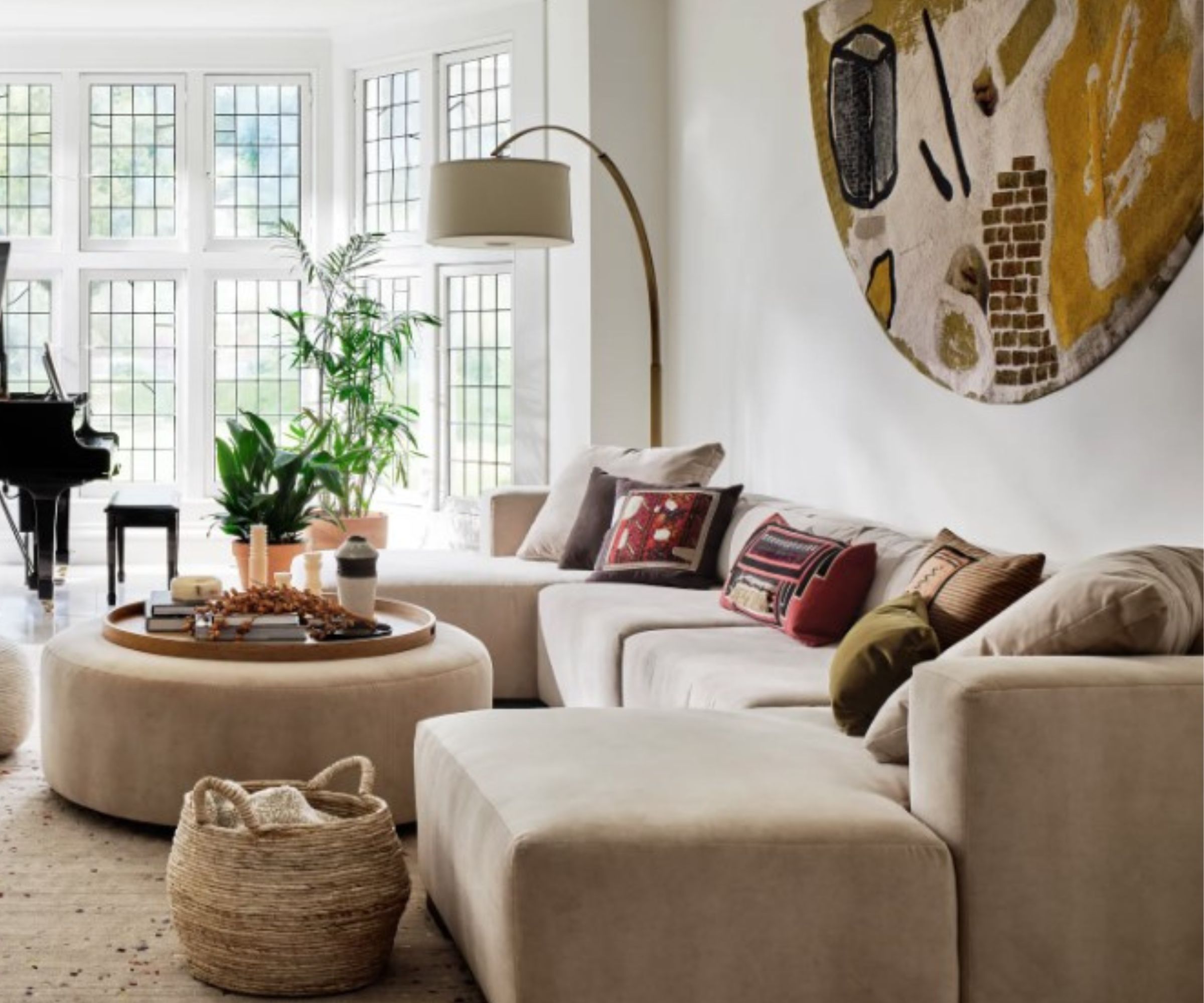
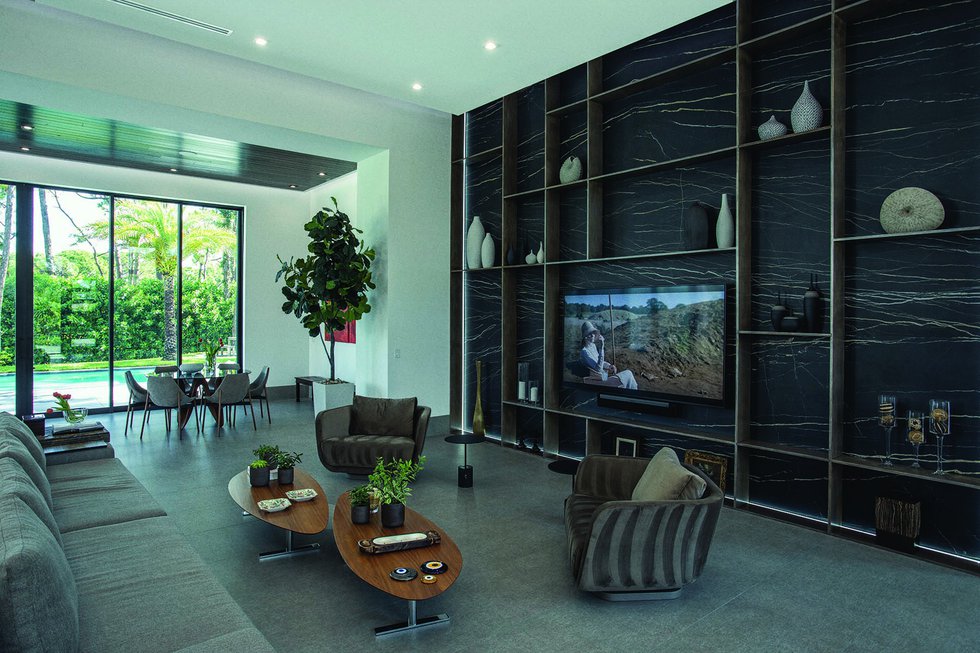
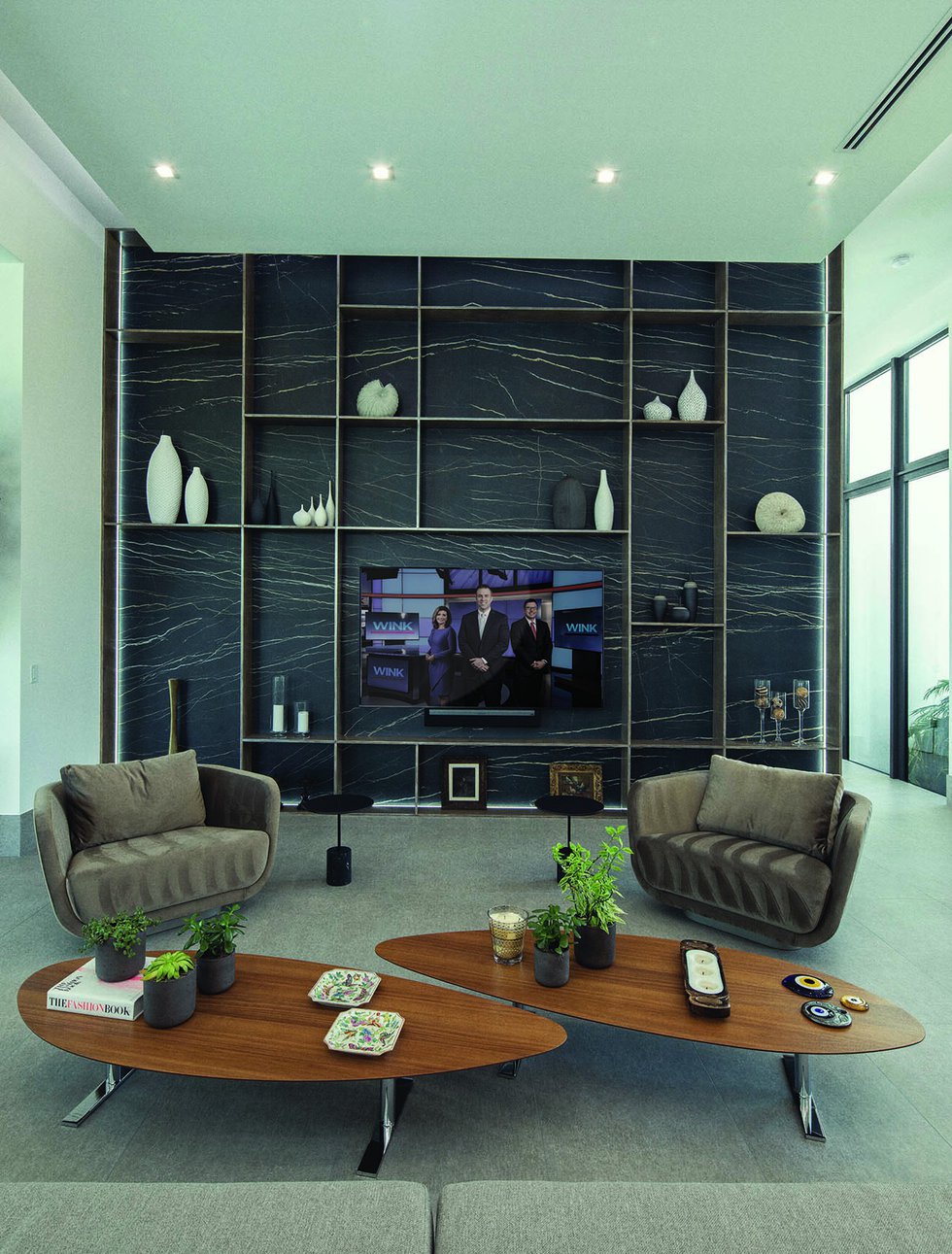
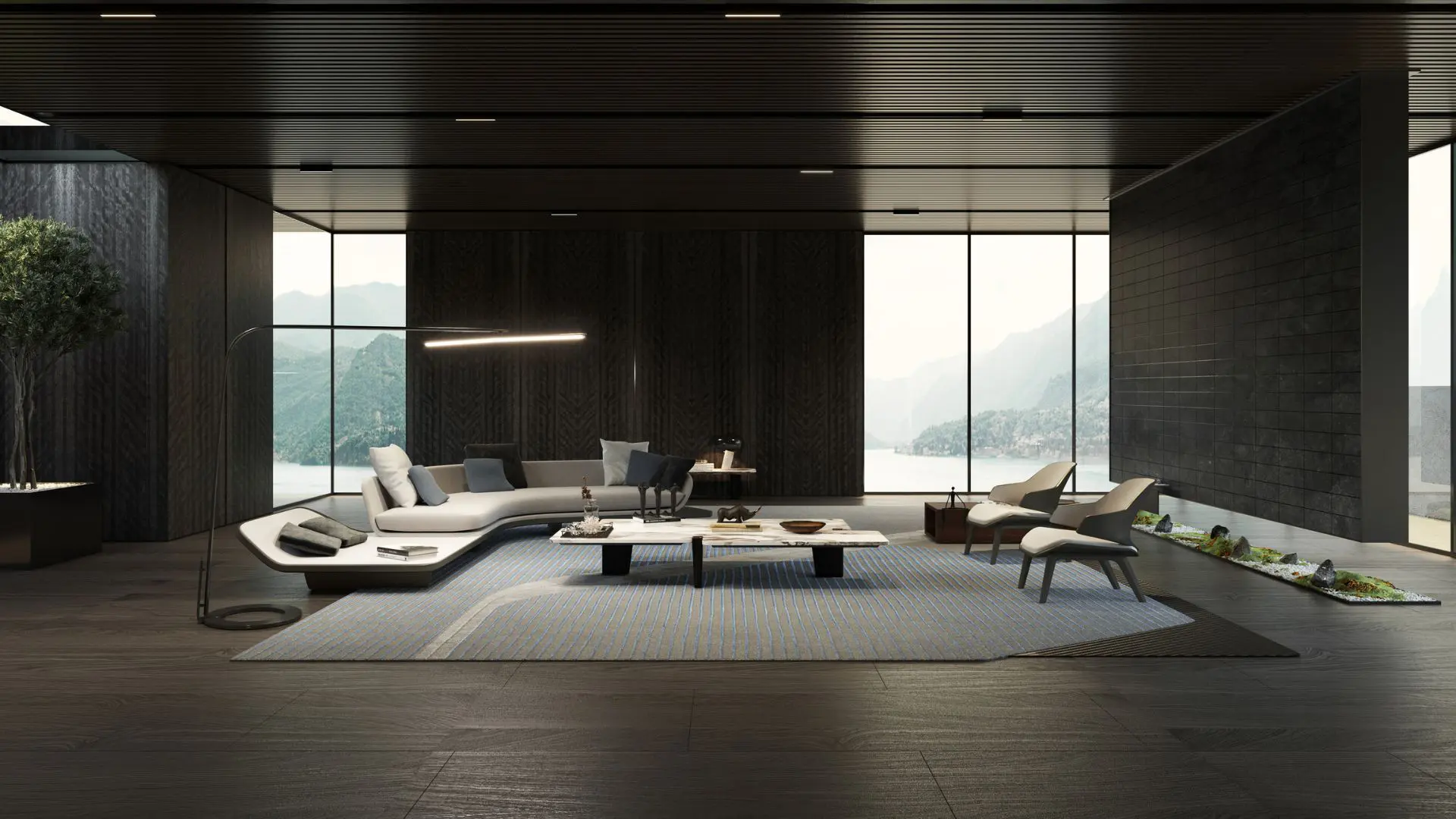
Pininfarina’s collaborations extend to furniture with brands like Reflex, designing sophisticated sofa and table collections adaptable to various environments. The company's future direction involves integrating more smart solutions to create immersive user experiences, with users actively participating in their environment. This commitment to functional elegance and cohesive interiors, prioritizing user engagement and comfort, is central to Pininfarina’s belief. The experience gained from interdisciplinary collaboration over the past 30 years guides their 360-degree vision, transforming functional constraints into valuable resources. The core themes of details, interaction, and well-being, stemming from their automotive design expertise, continue to drive Pininfarina's impactful designs across all sectors, envisioning a future where interior design in architecture influences the car of tomorrow as a living space rather than solely a driving one.
#Pininfarina #InteriorDesign #AutomotiveDesign #ArchitectureDesign #ProductDesign #NauticalDesign #AviationDesign #SustainableDesign #SmartMaterials #Pininfarina #InteriorDesign #AutomotiveDesign #ArchitectureDesign #ProductDesign #NauticalDesign #AviationDesign #SustainableDesign #SmartMaterials
0 comment in total
 No comments yet
You may also like

inside pininfarina of america, from biophilic towers and lounge to design principles and more
Conceptual private members Club Unseen for Salone del Mobile is out of sight


We talk shop with Prestige Global Designs, an international award-winning interior design practice with an appetite for breaking conventions


Multidisciplinary Expertise In Architecture & Interior Design
Designer Profile: Christine Lin

Interior Design Aesthetics: 22 Projects that Explore Trending Interior Styles

15 Trending Interior Design Styles That Will Dominate 2025

Step inside this Milanese urban oasis

Best-Laid Plans


Full-Service Interior Design

Creative Ideas From Milan Design Week

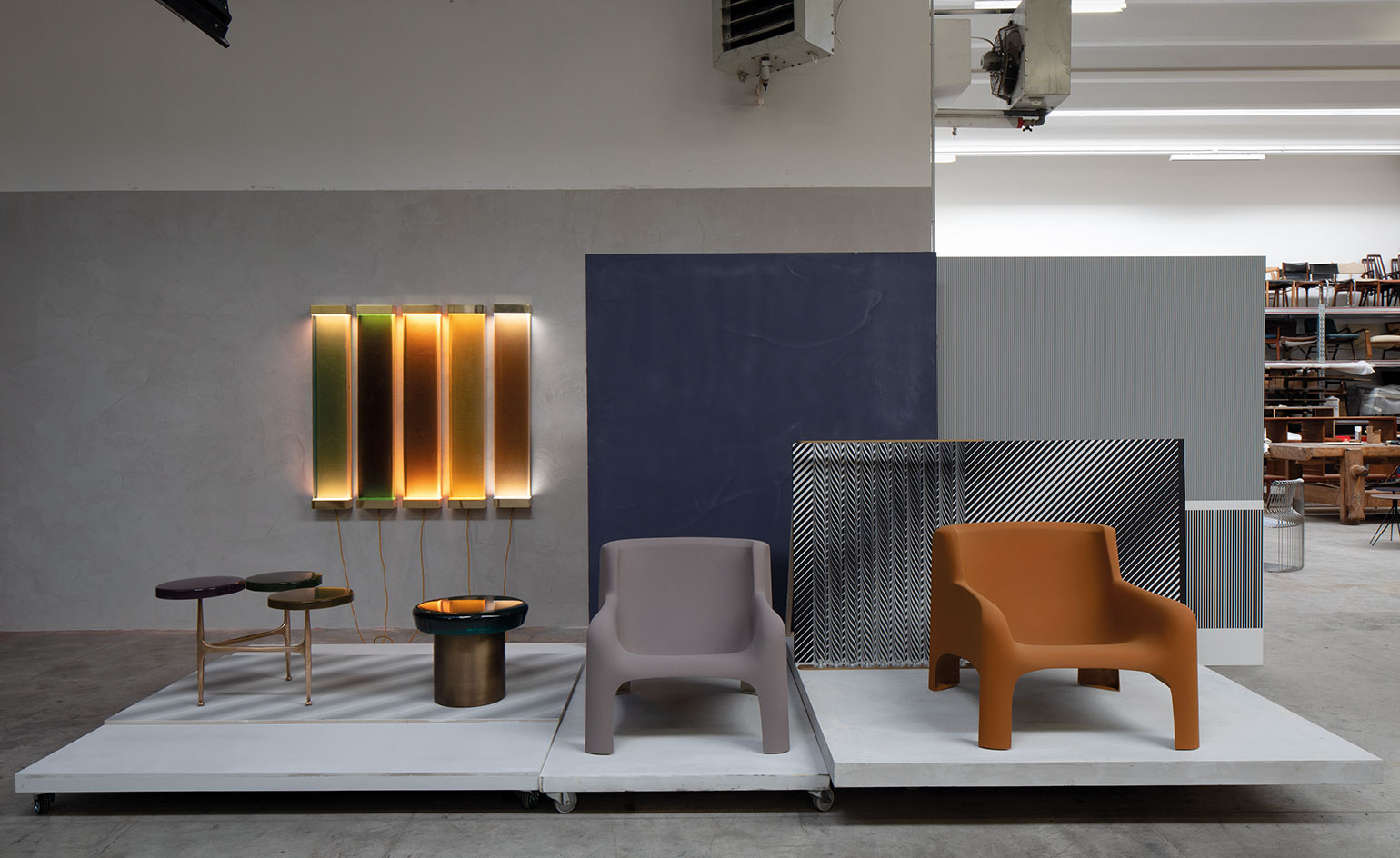
Draga & Aurel remaster light with vivid resin in Milan


Yoselin Alonso Open Concept
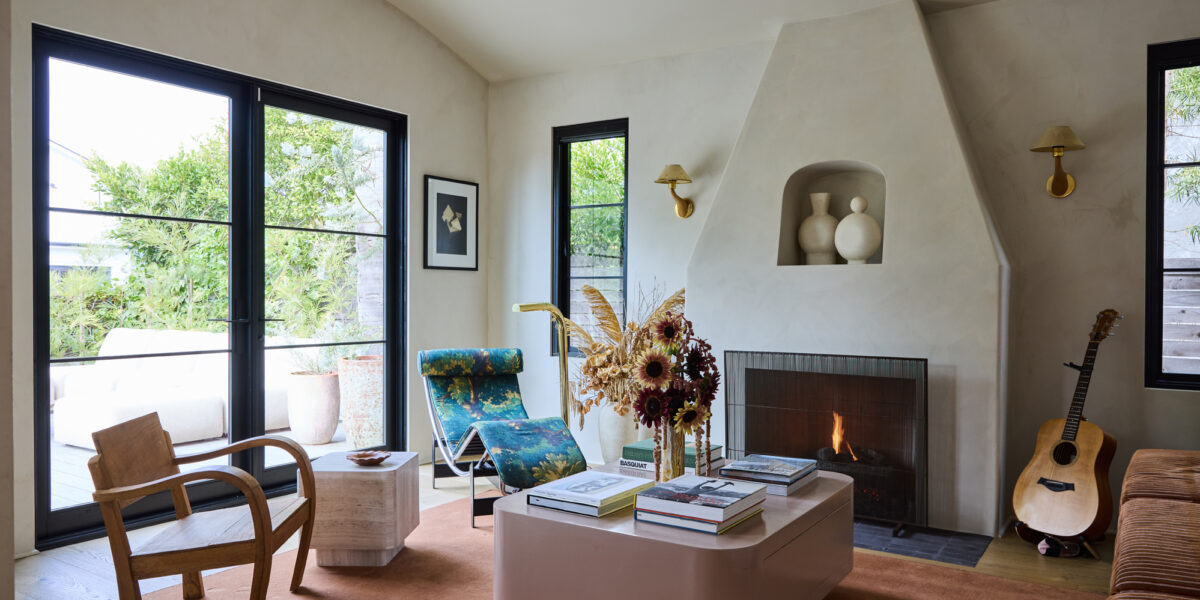
How a Former Fashion Editor-Turned-Interior Designer Creates Effortlessly Beautiful Spaces
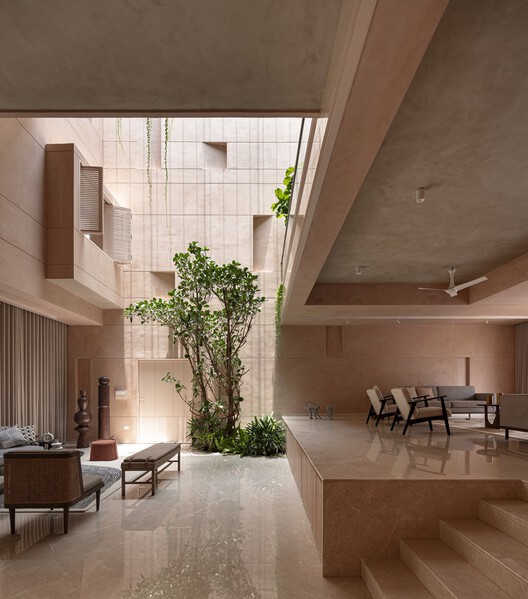
Interior Design Trends of 2024
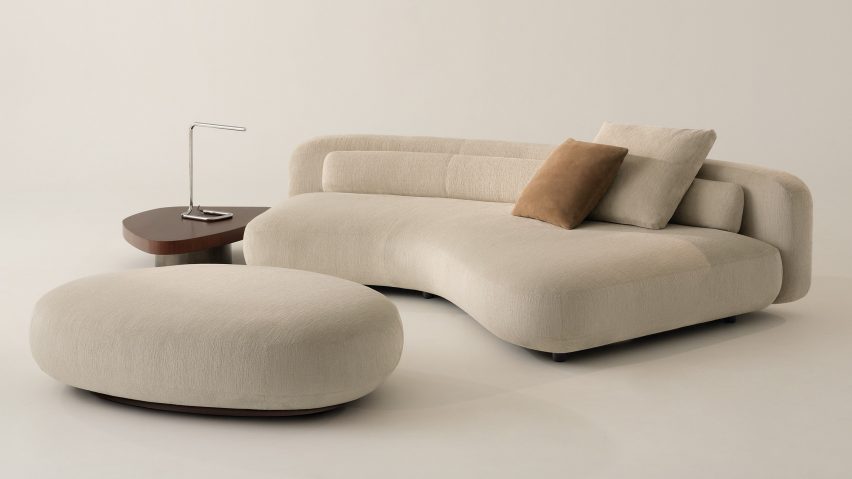
Ten notable furniture designs by architects from Milan design week

The best interior designers

The 2020 A-List: 125 of the Best Interior Designers in the World
Local interior designers seek inspiration at industry events, shows, and markets away from St. Louis

Meet Megan Behrens