1/6
Chintz Happens
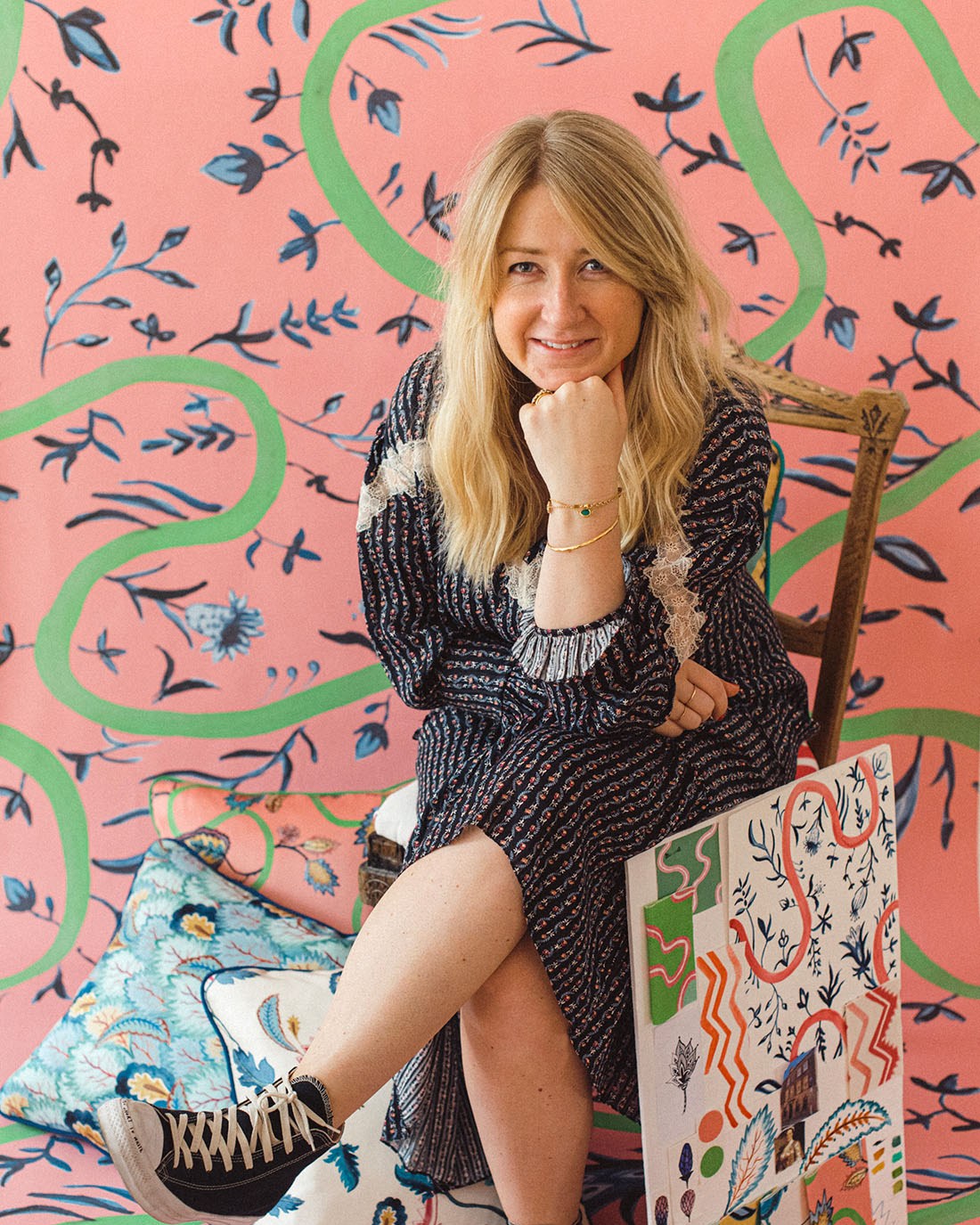
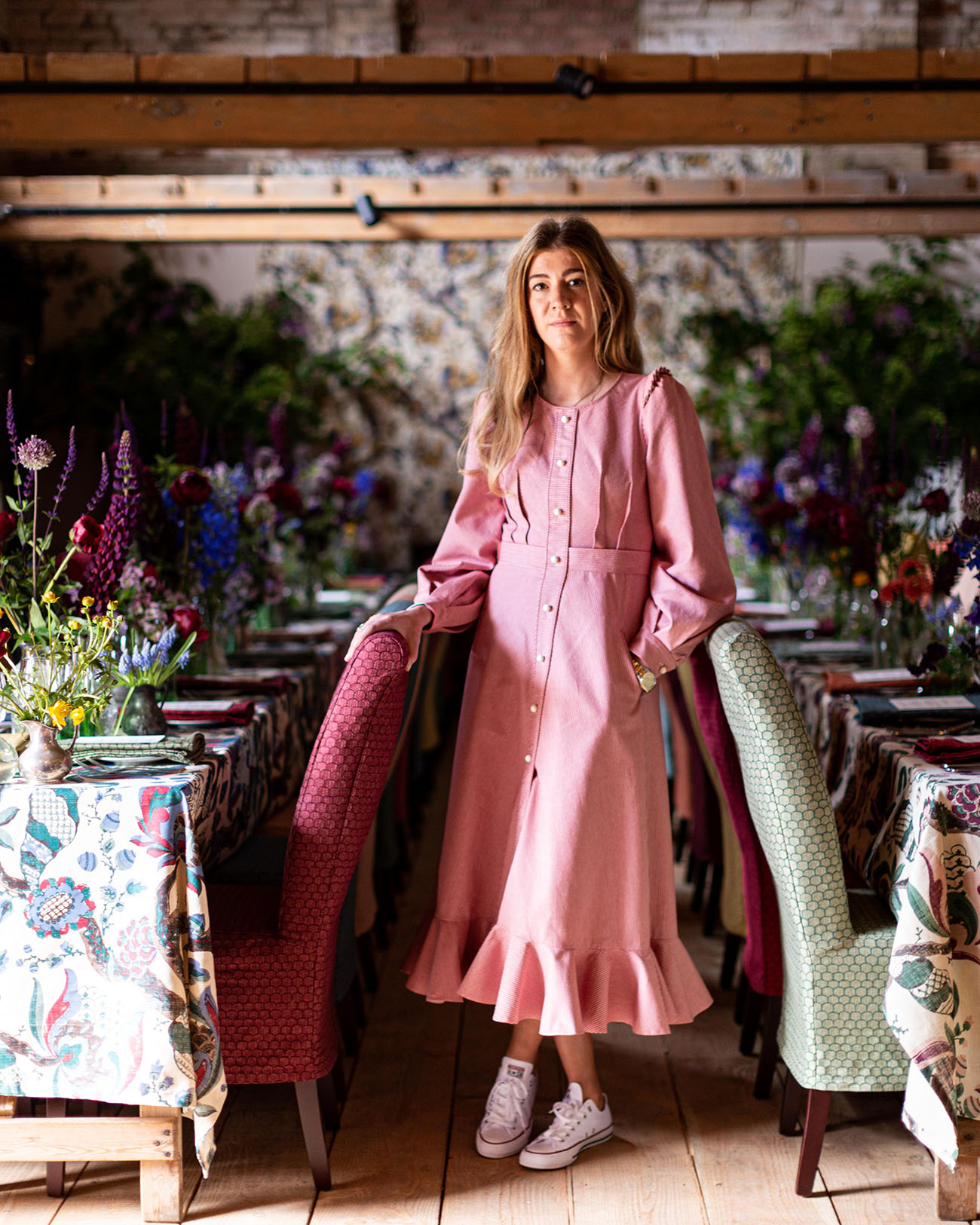
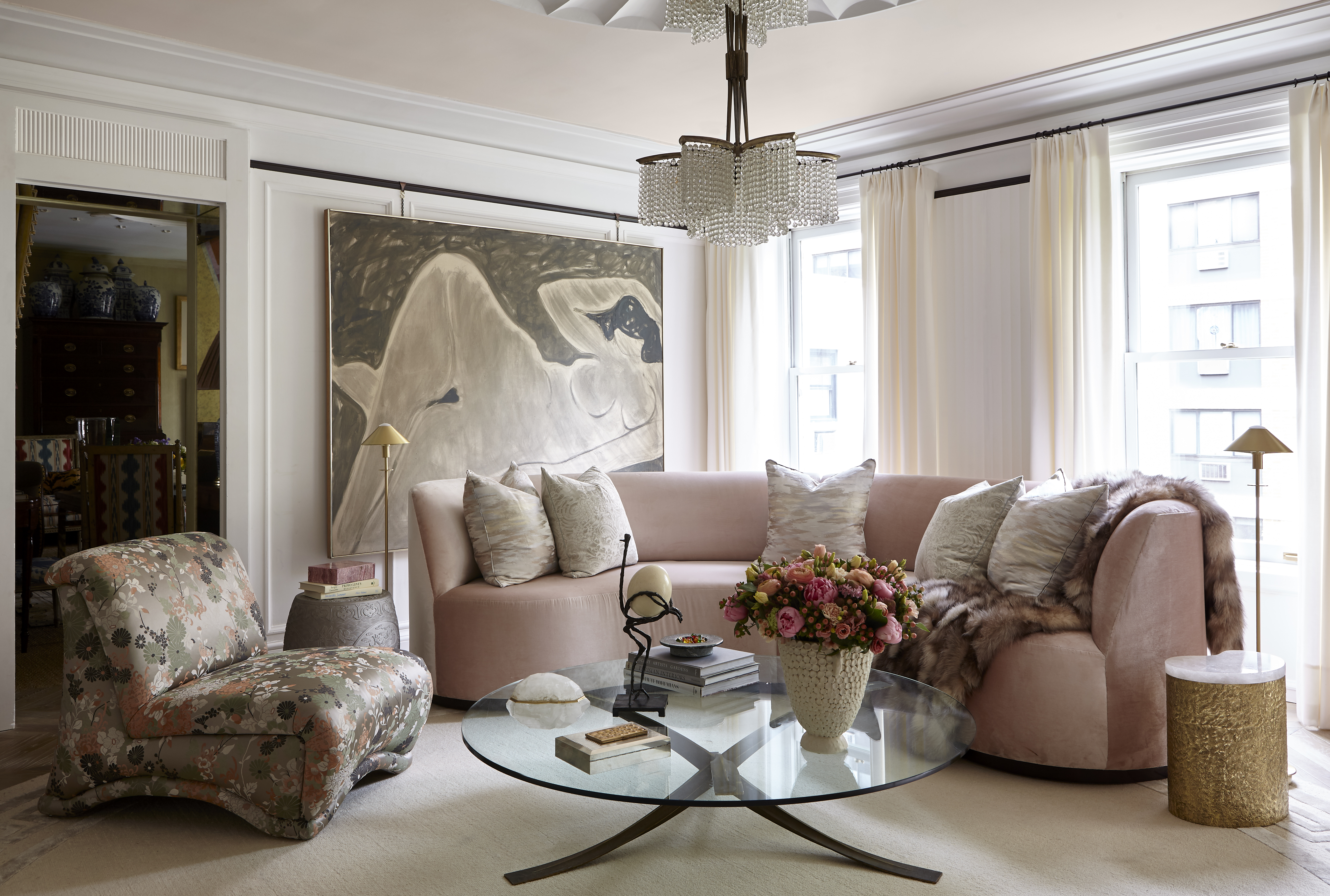
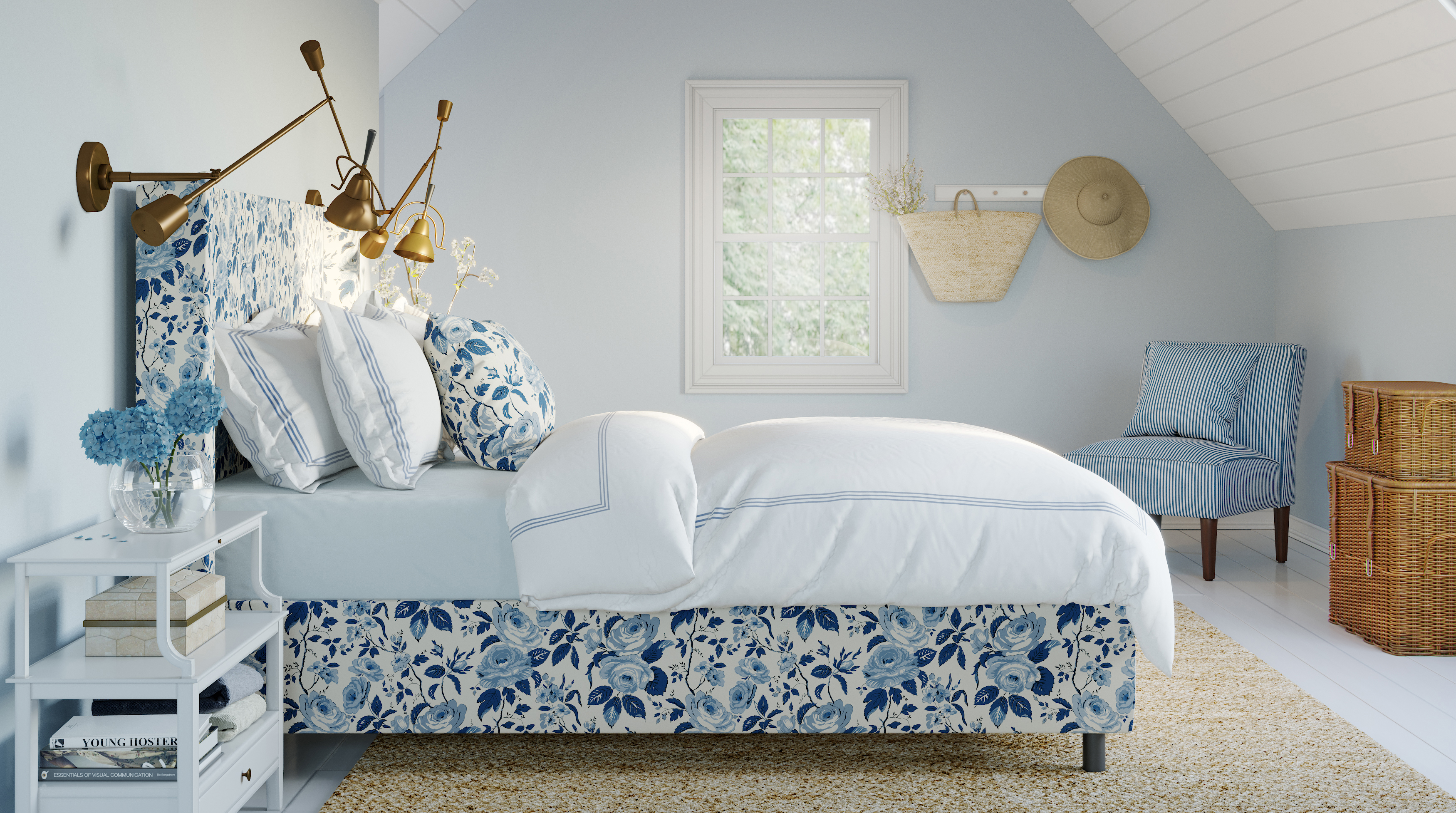
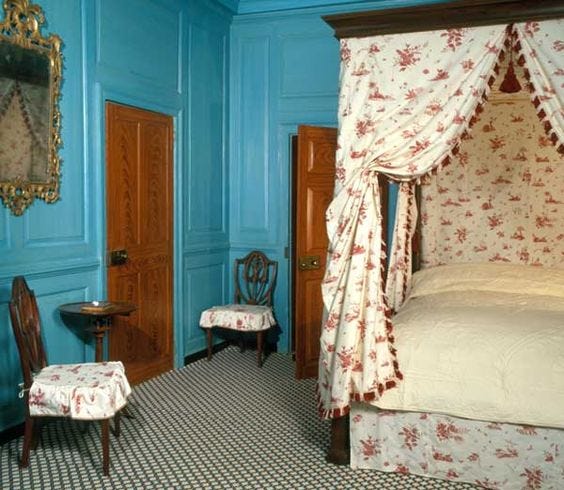
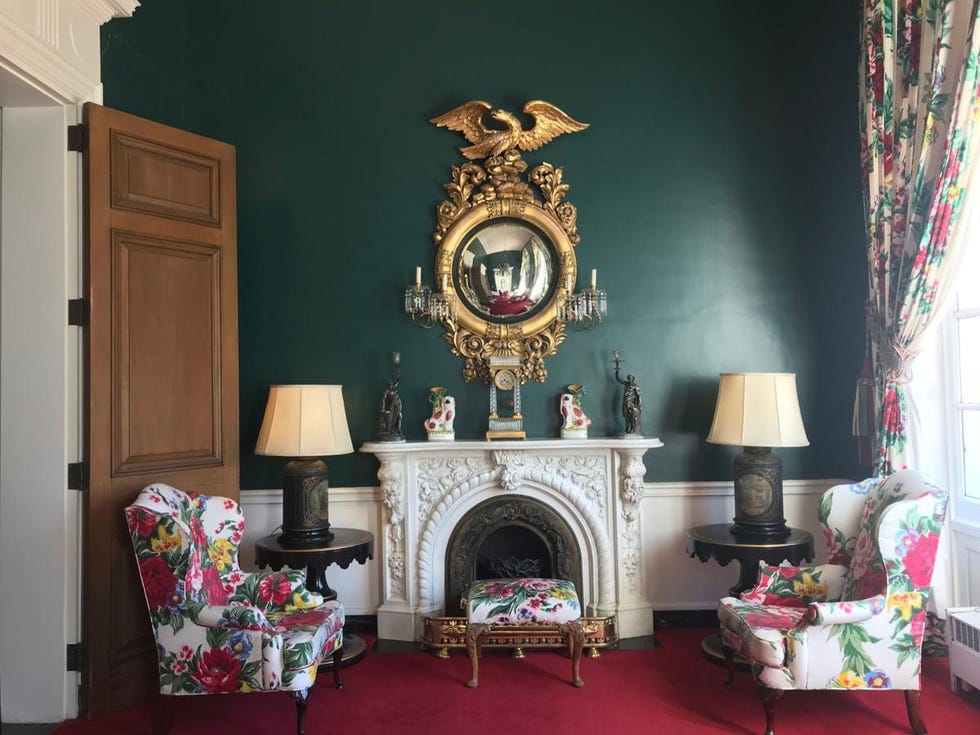
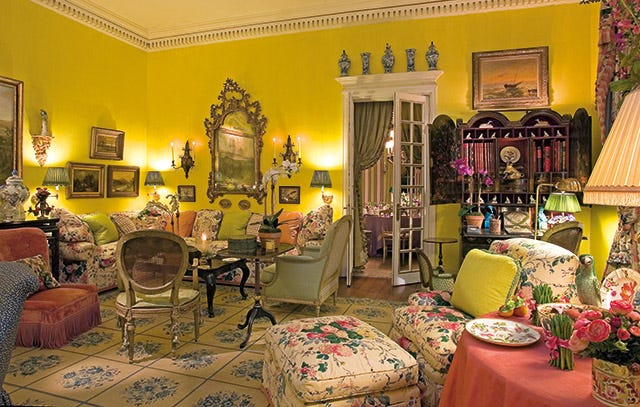
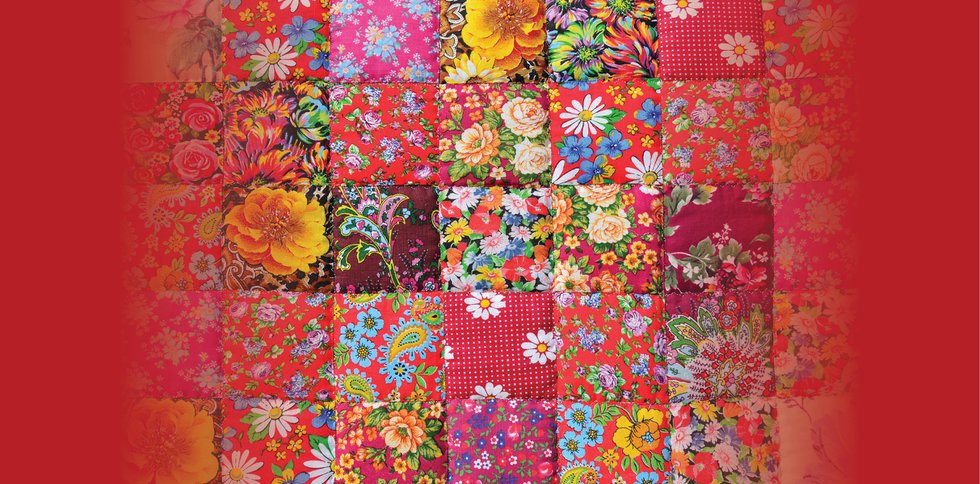
The article explores the resurgence of chintz, a bright, patterned, glazed fabric, in contemporary interior design. Originating over 5,000 years ago in India, chintz gained popularity in Europe and America during the 1900s, and again after World War I and World War II. Its use extended to curtains, furniture, wallpaper, and clothing, notably seen in Jackie Kennedy's White House renovation in the 1960s and with the Laura Ashley brand in the 1980s. Currently, chintz is enjoying renewed interest as a key component of “grandmillennial style,” an interior decorating trend that blends modern design with vintage and antique elements. This style, embraced by millennials who appreciate design and decor, integrates chintz fabric and floral wallpaper with an emphasis on sustainability and heirloom furniture.
A 2023 Designer Trends Survey by 1stDibs indicated that 28% of interior designers anticipate pastels and chintz becoming a major design trend, moving away from minimalism. The article highlights the influence of interior decorator Mario Buatta, known as the “Prince of Chintz,” for his English-country style rooms that often incorporated chintz. Buatta, who decorated homes for notable figures like Jackie Kennedy Onassis and Mariah Carey, emphasized creating a “living garden” aesthetic without using chintz in every room, aiming for cozy, comfortable, colorful, and personal spaces.
Scott Salvator, a distinguished interior designer and former associate of Buatta, suggests that the grandmillennial style is partly driven by nostalgia. He notes that chintz, though always present regionally, particularly in the South, has evolved beyond traditional floral patterns to include bold wallpapers, upholstery, and a wider range of themes and colors. Modern chintz, according to Salvator, features vibrant colors, patterns, motifs, and pictorial scenes.

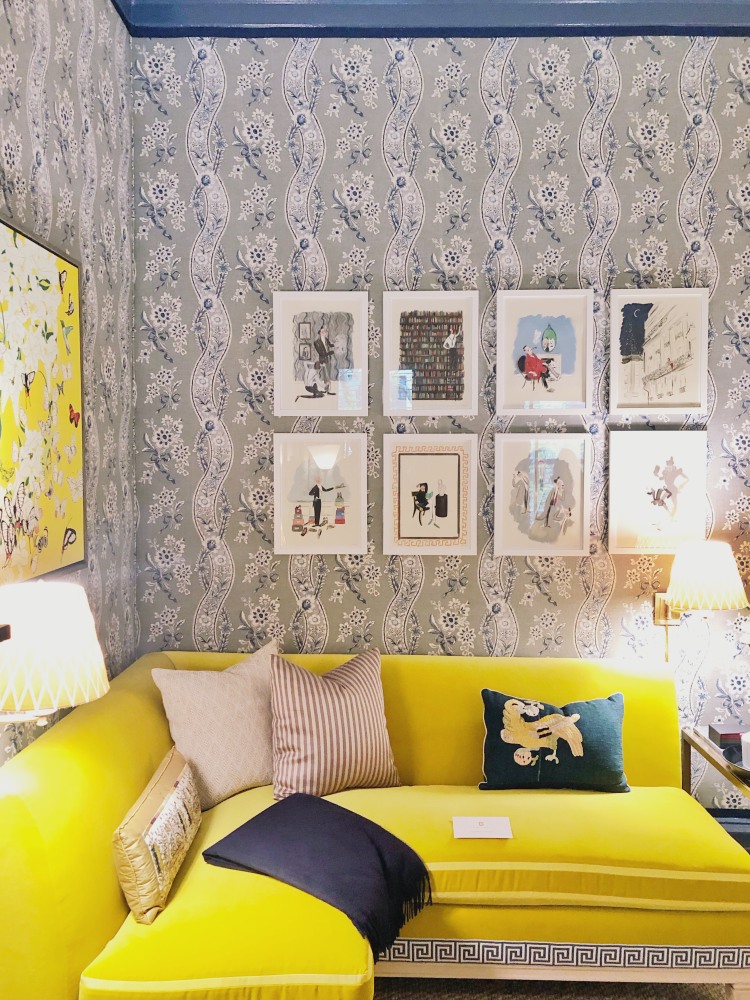
Danica Jones, senior director of marketing for Fabricut Inc., confirms that contemporary chintz differs from older versions. She observes that the millennial generation is rediscovering traditional designs like chintz with a fresh perspective, incorporating more contemporary patterns and varied design sizes. Jones highlights the use of chintz to reupholster family heirlooms, aligning with the grandmillennial style's focus on sustainability and giving new life to old furniture. She also mentions the growing trend of using chintz as wallpaper, often with botanically inspired designs featuring elements like palm trees and fern leaves, and on darker backgrounds, as opposed to the traditional cream.
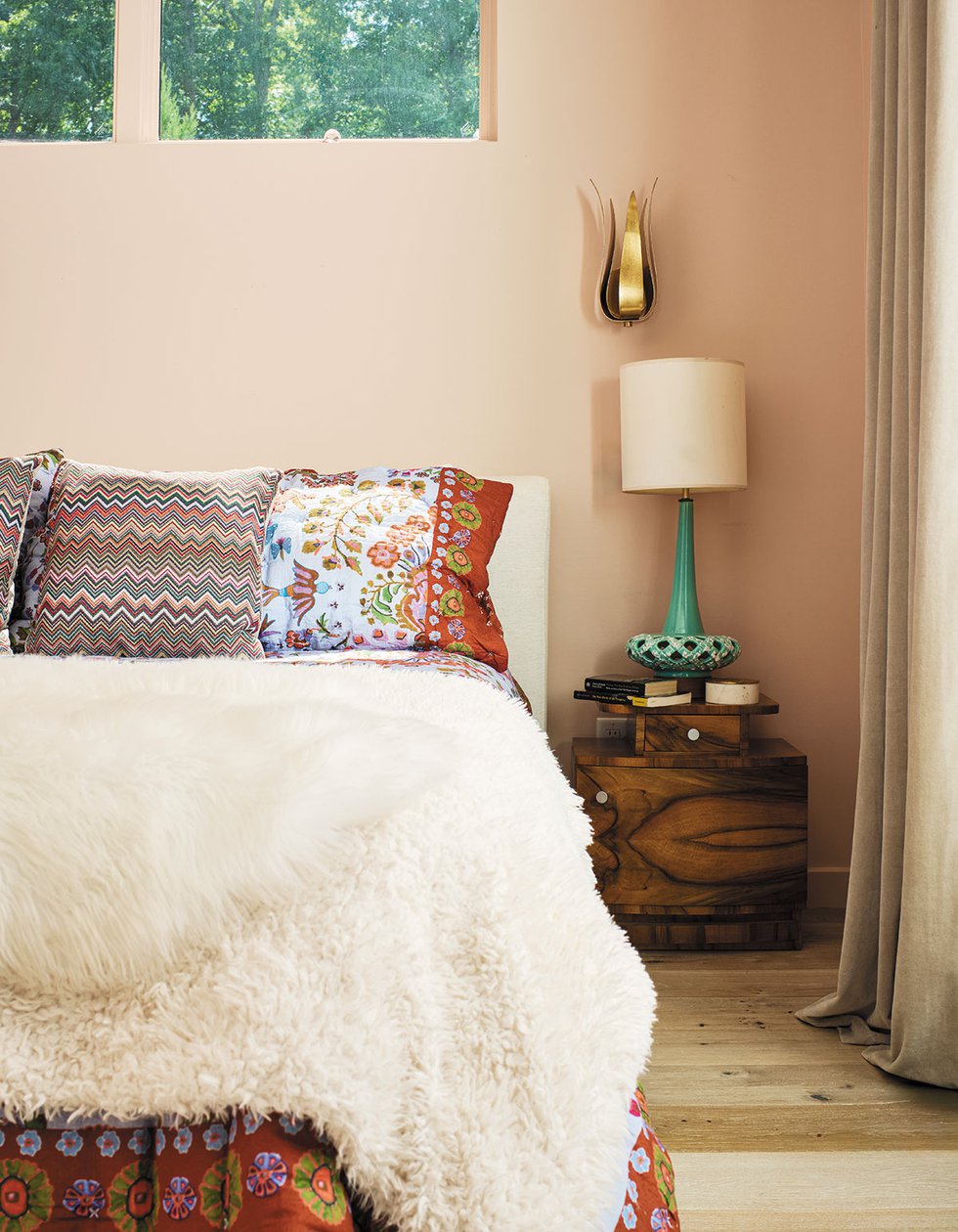
For those new to chintz, the article offers practical advice. Mario Buatta suggested balancing three or four patterns in a room by varying their scale, starting with small prints and gradually introducing larger ones. Salvator advises a moderate approach, recommending starting with small accents like throw pillows or an accent chair to avoid an unsophisticated look. Chintz is also noted for its practicality, being durable and easy to clean, making it suitable for families with children. Miles Redd, an interior designer, attributes chintz's return to its timeless beauty, durability, and ability to conceal dirt. The article also suggests resources for chintz inspiration, including social media hashtags, design books, and removable wallpaper options from vendors like Hygge & West.
#Chintz #InteriorDesign #GrandmillennialStyle #HomeDecor #TextileTrends #VintageRevival #SustainableDesign #FabricHistory #Chintz #InteriorDesign #GrandmillennialStyle #HomeDecor #TextileTrends #VintageRevival #SustainableDesign #FabricHistory
 No comments yet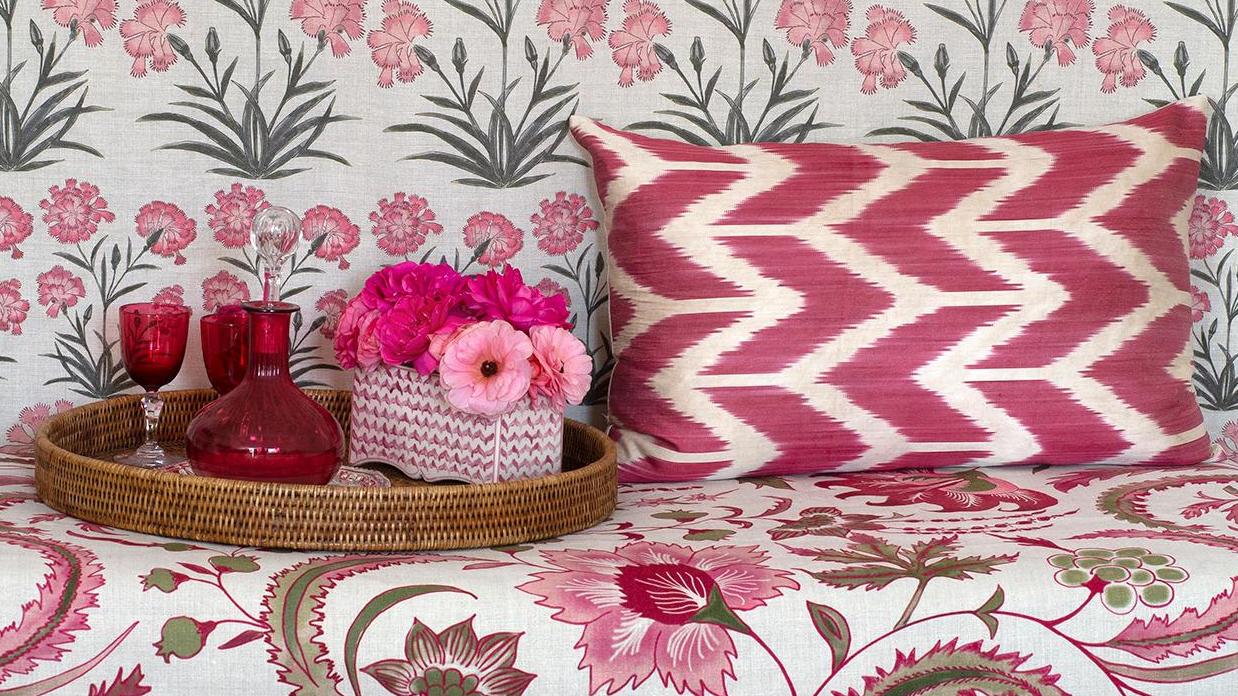
Chintz charming
Chintz Is Back and Better Than Ever
Grandmillennials, Rejoice! Chintz Is Back.
Good Chi