1/10
Every Painstaking Step That Goes Into Fromental’s Hand-Painted, Hand-Embroidered Wallpaper
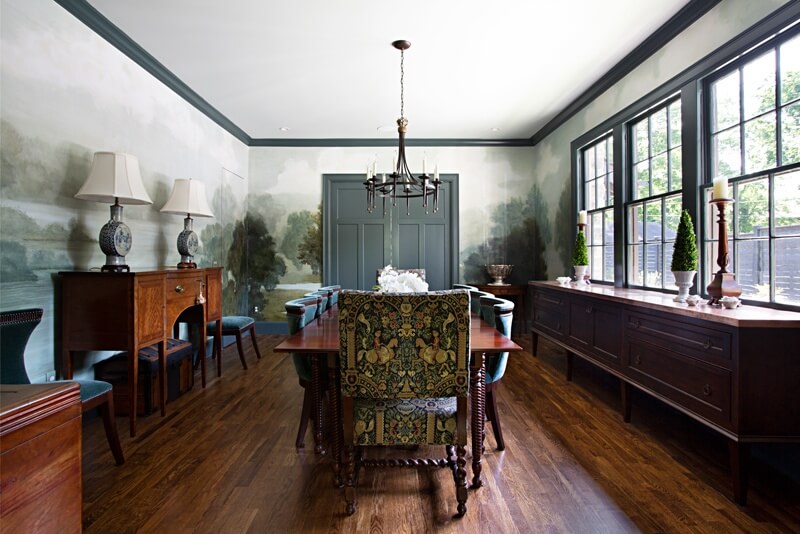
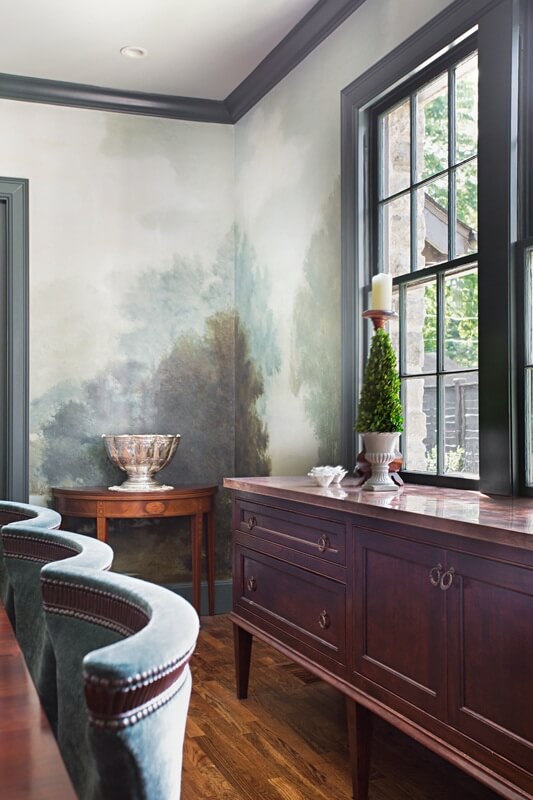
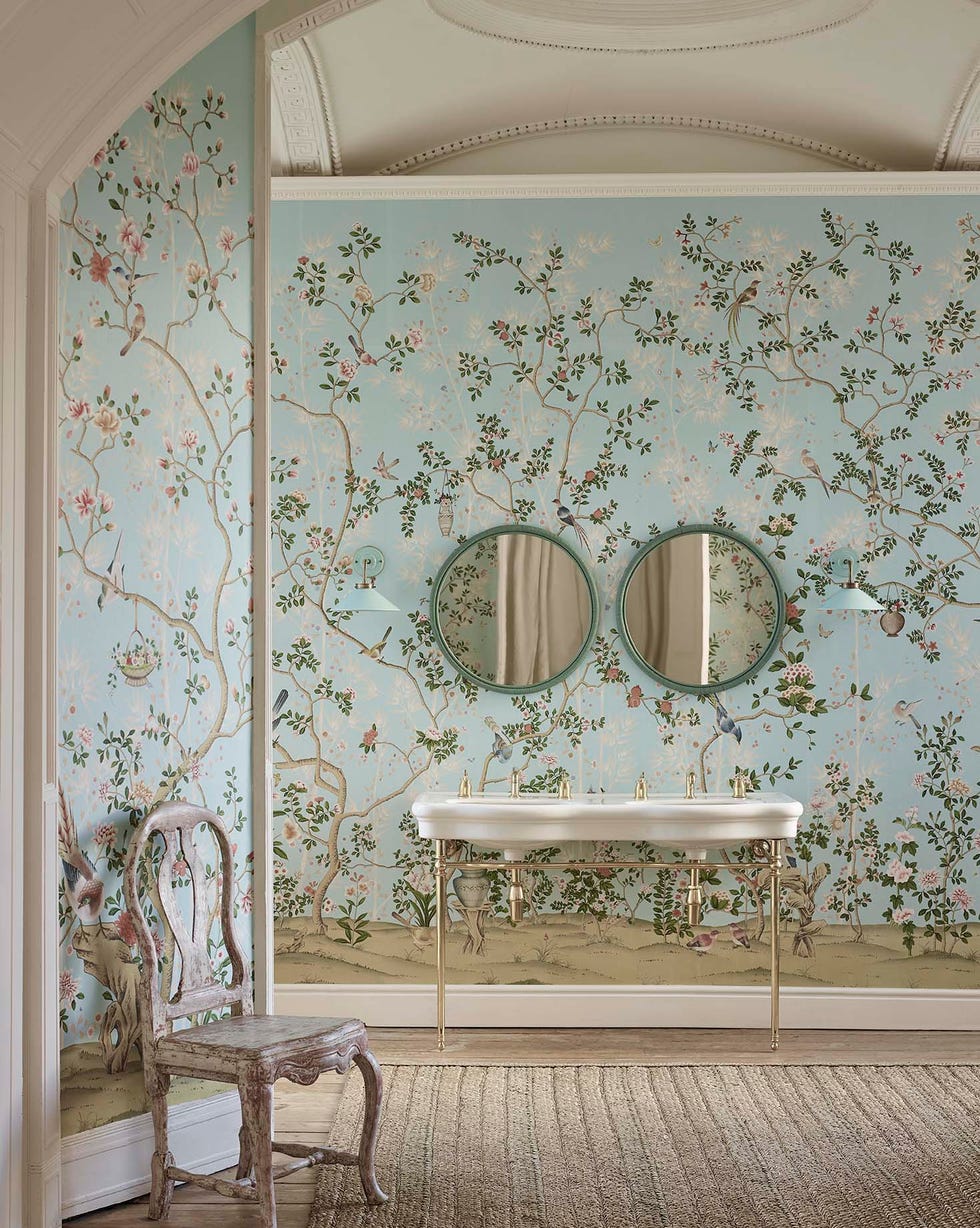
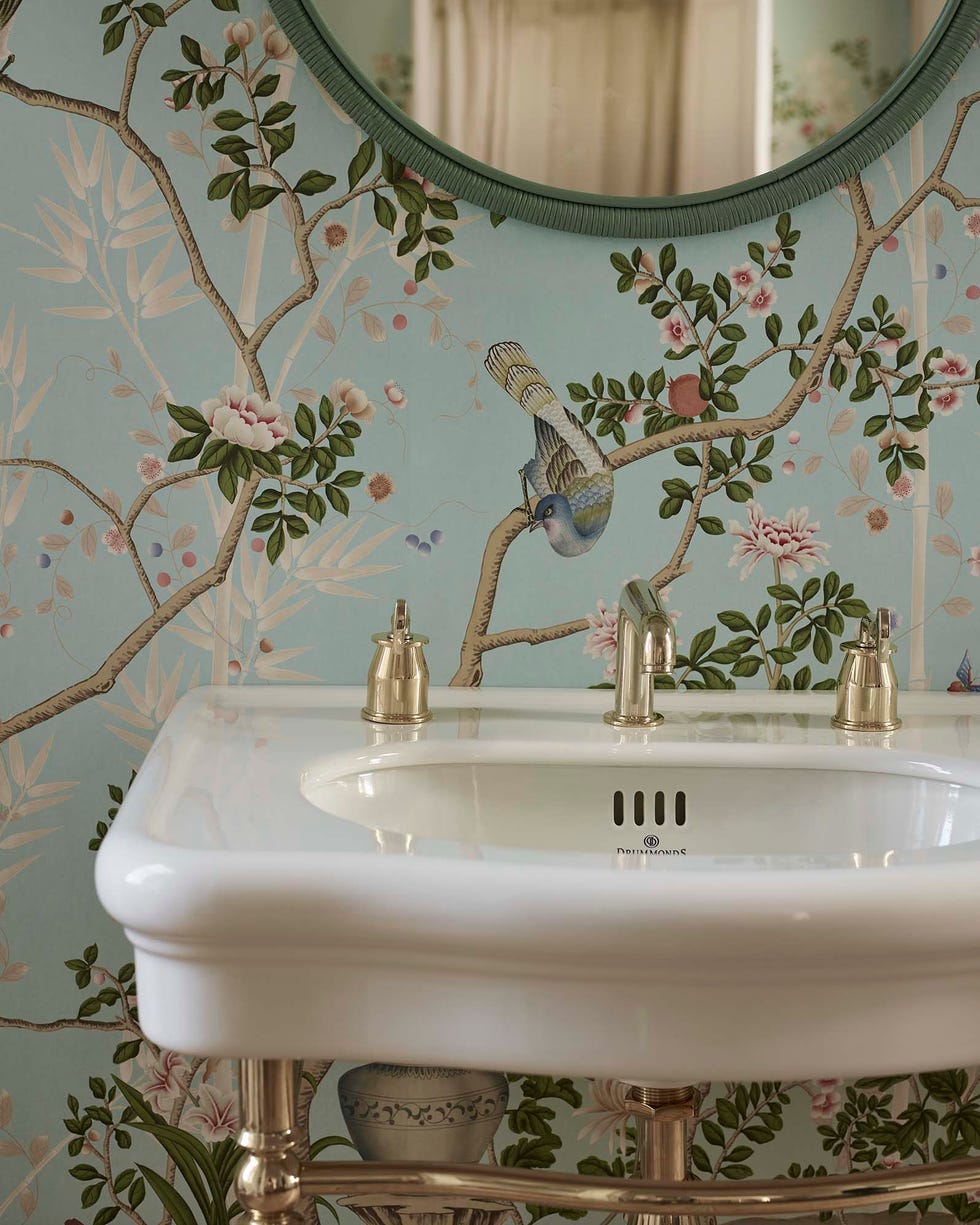
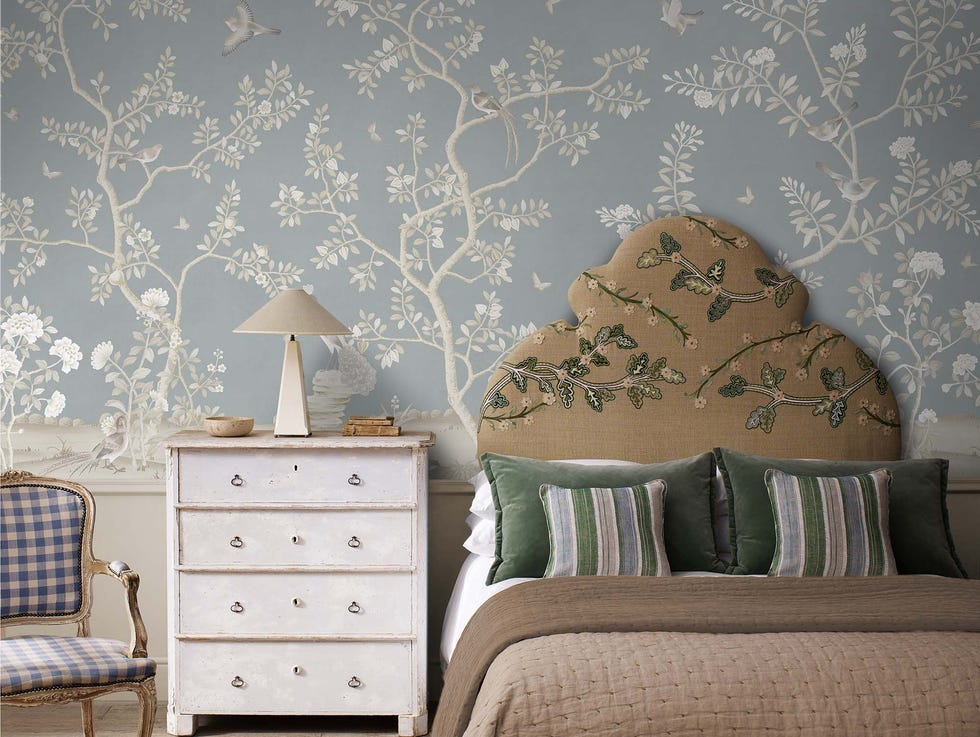
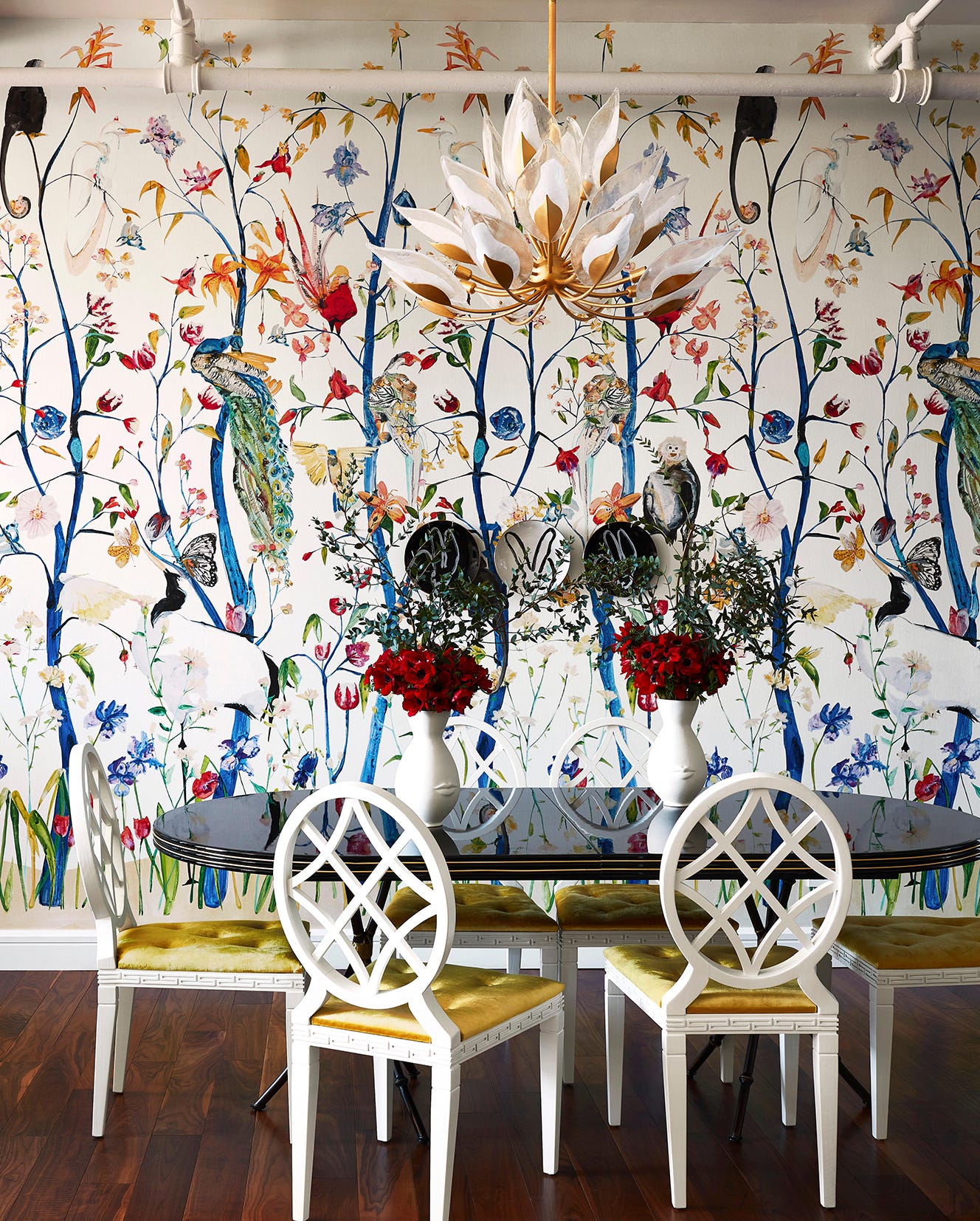
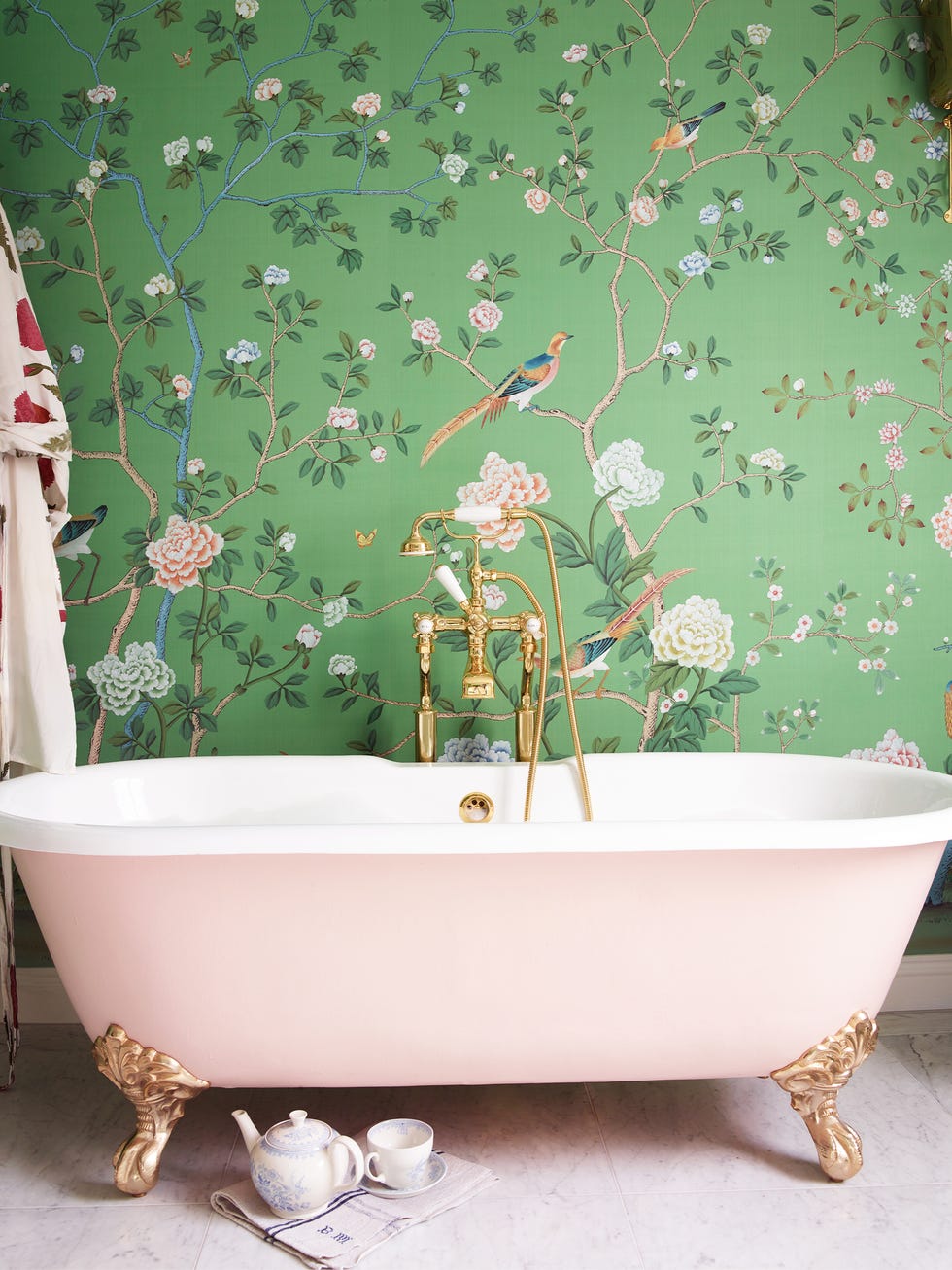
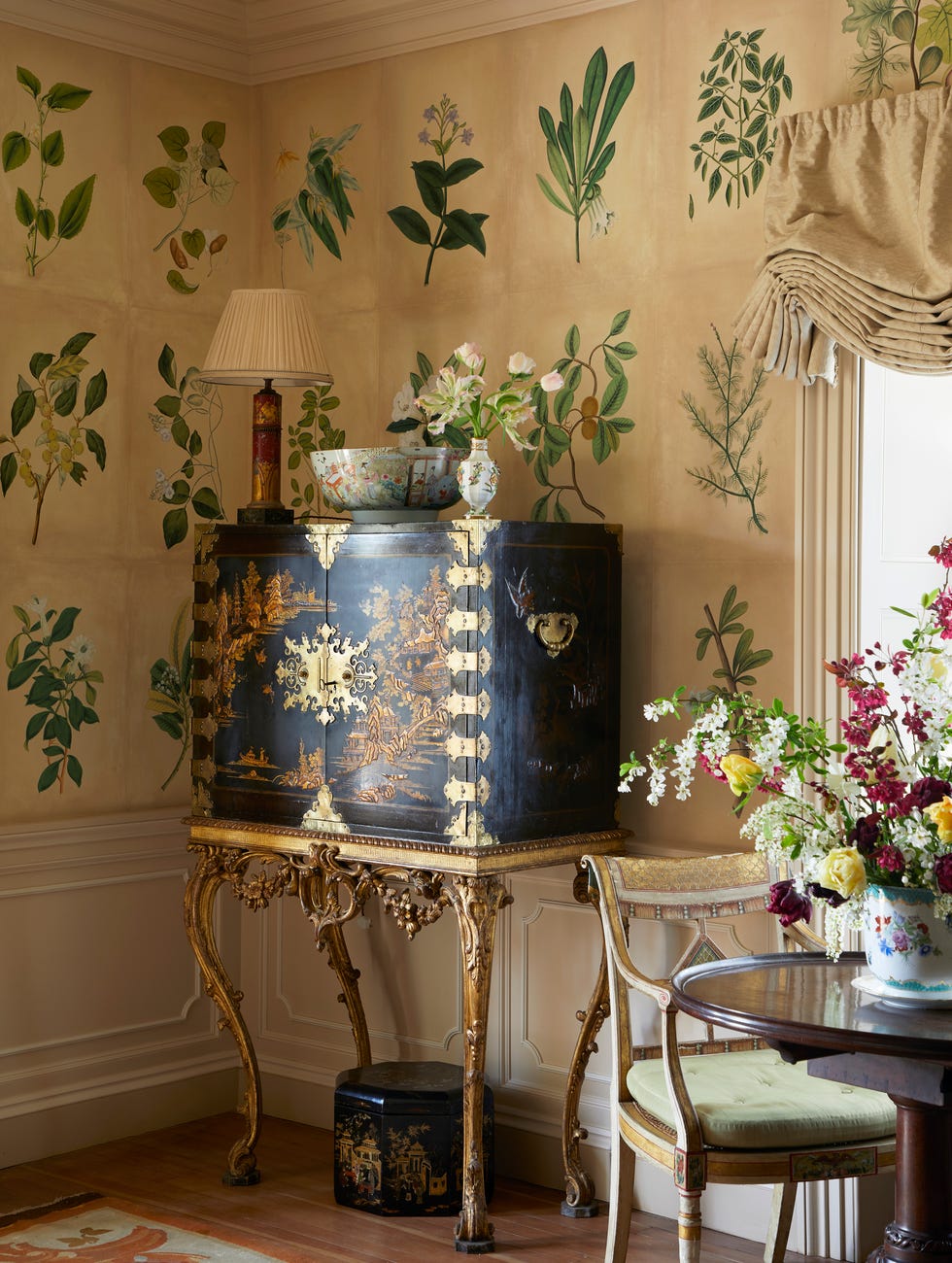
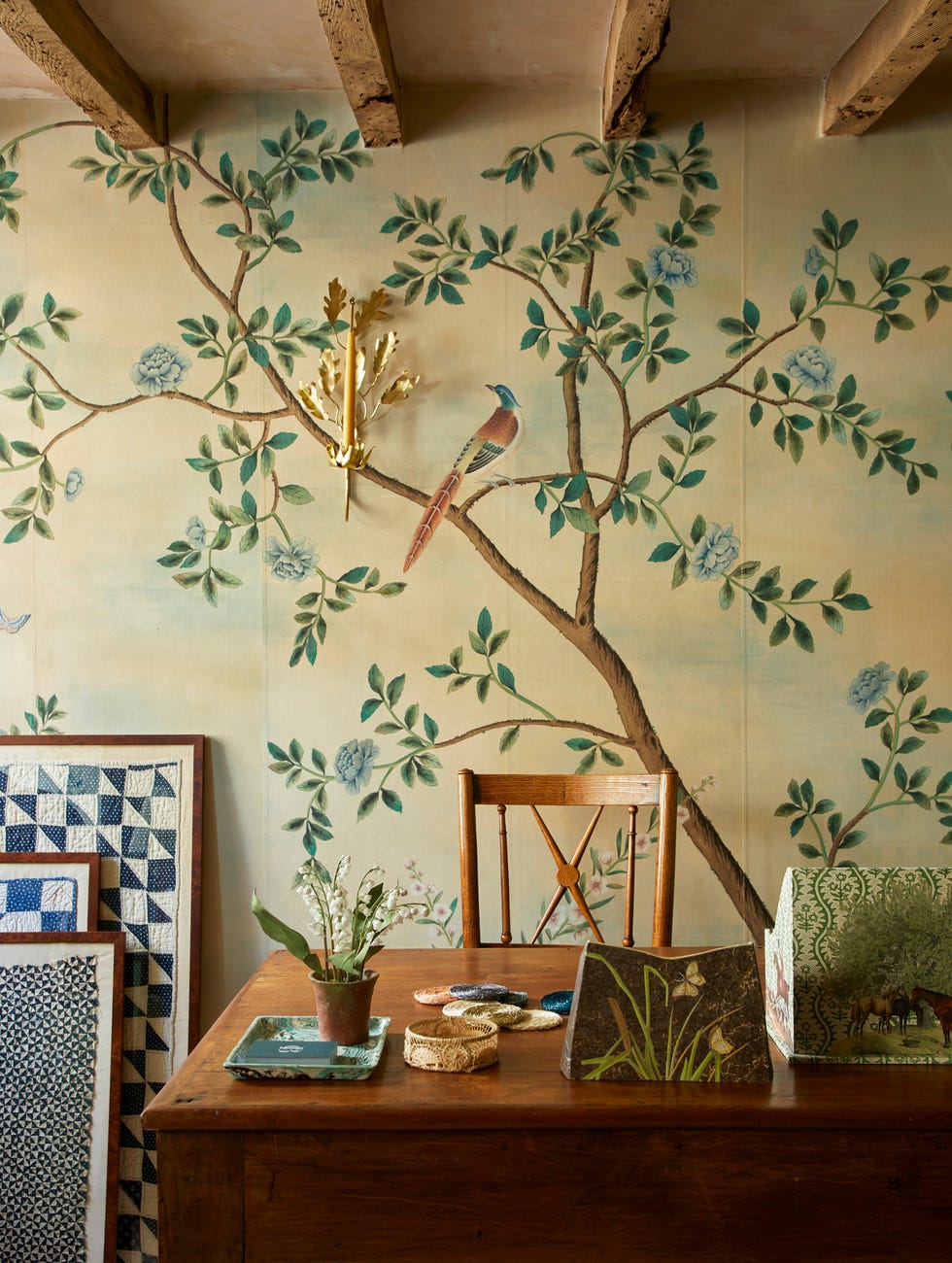
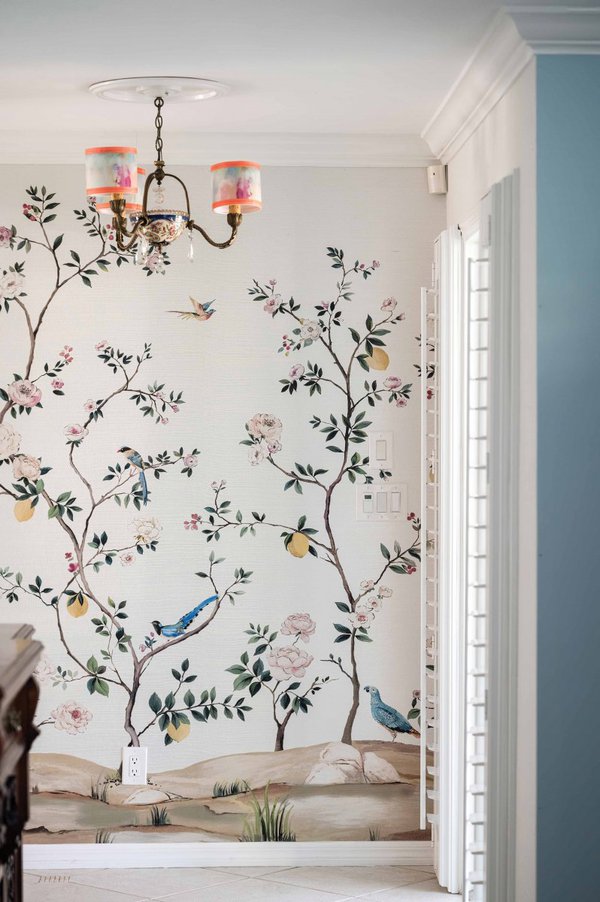
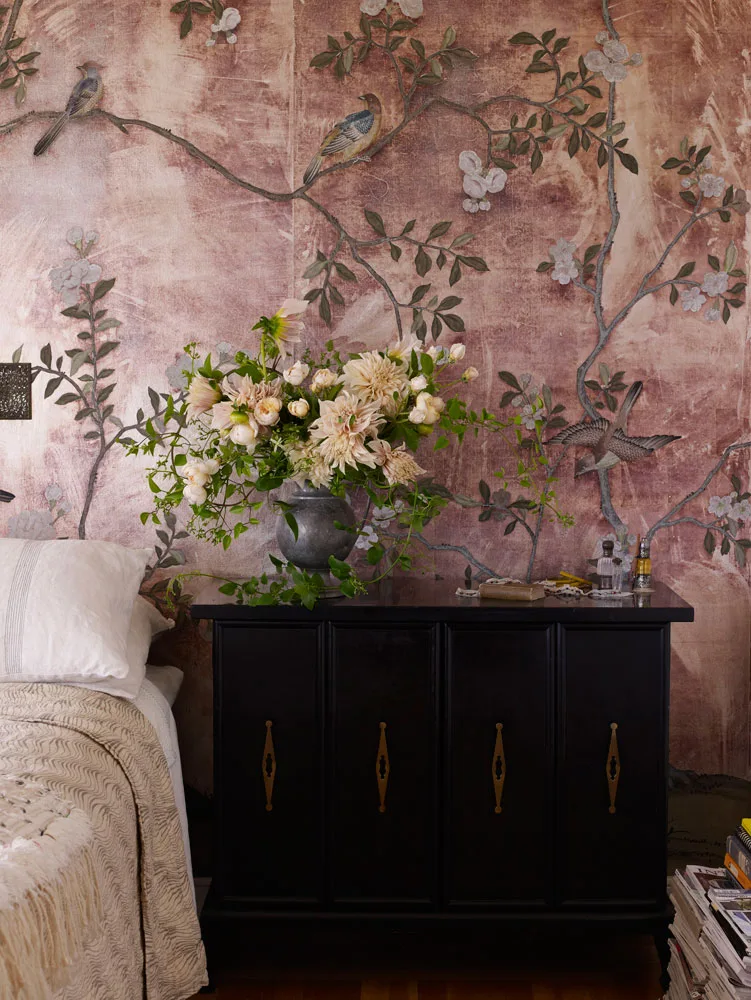
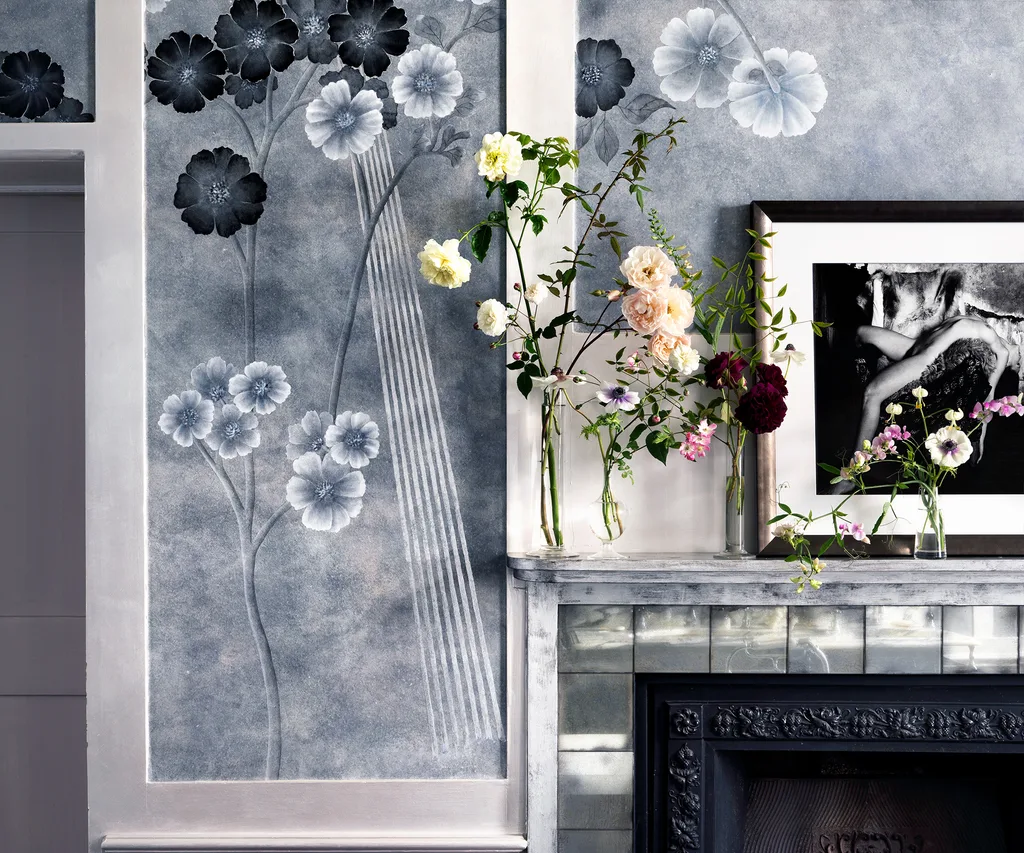
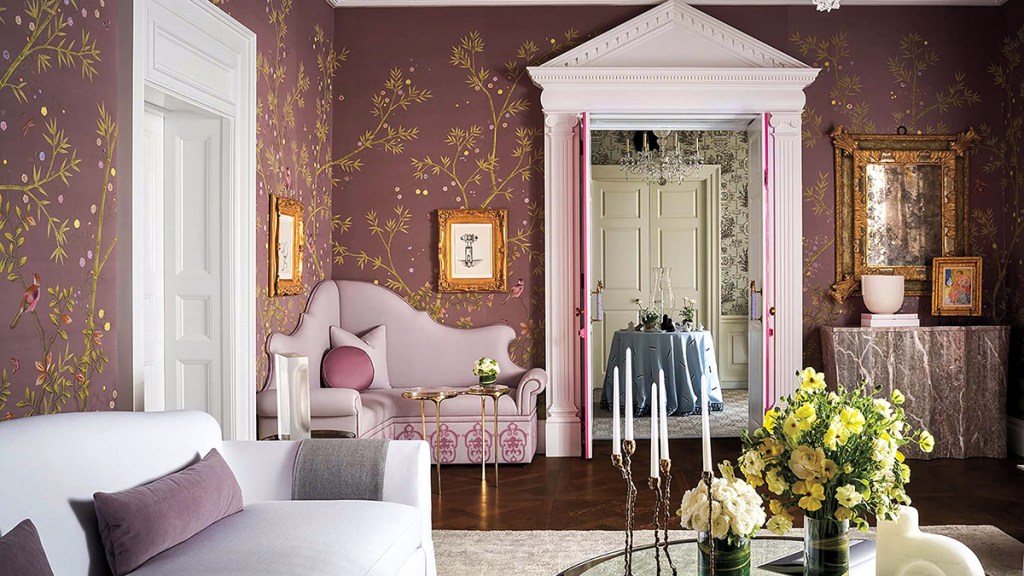
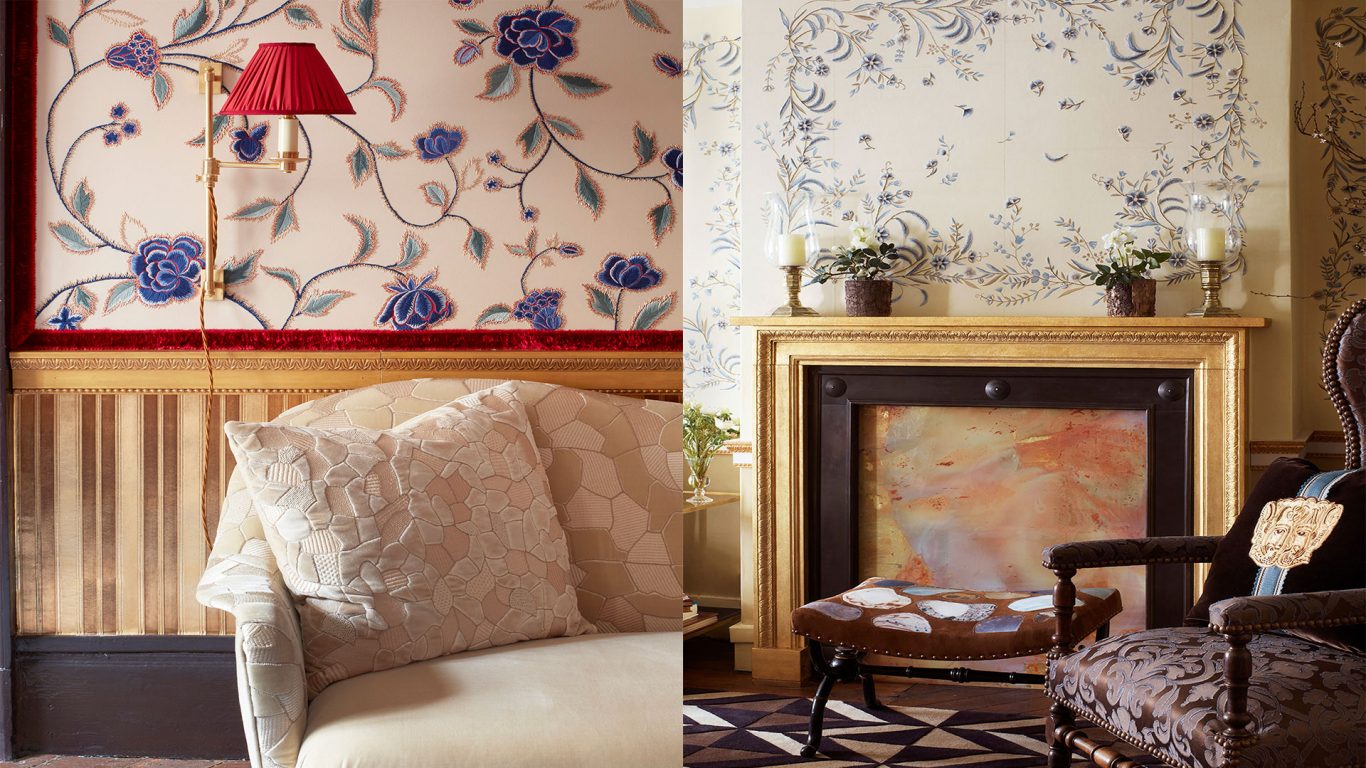
Fromental, a British wallpaper company co-founded by Tim Butcher and Lizzie Deshayes, specializes in laboriously crafted chinoiserie wallcoverings that blend ancient techniques with modern aesthetics. Over two decades, Fromental has undertaken diverse projects, including the Goring Hotel lobby in London, the Lürssen superyacht Kismet, and Scotland's Glenmorangie House. Butcher, with a background in weaving, printing, and hand-painting silks for menswear and couture, highlights their Paradiso design as a particular source of pride. This design features bamboo shoots, peonies, delicate blossoms, birds, and butterflies, drawing inspiration from 17th-century Chinese painting manuals like "The Mustard Seed Garden." The core challenge for Fromental is to make these traditional motifs feel contemporary.
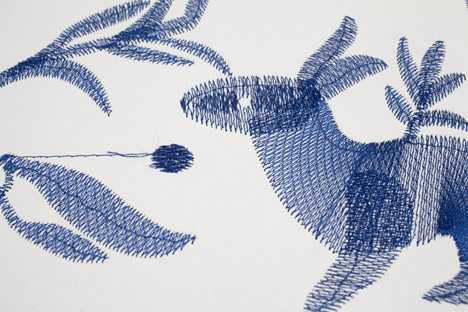
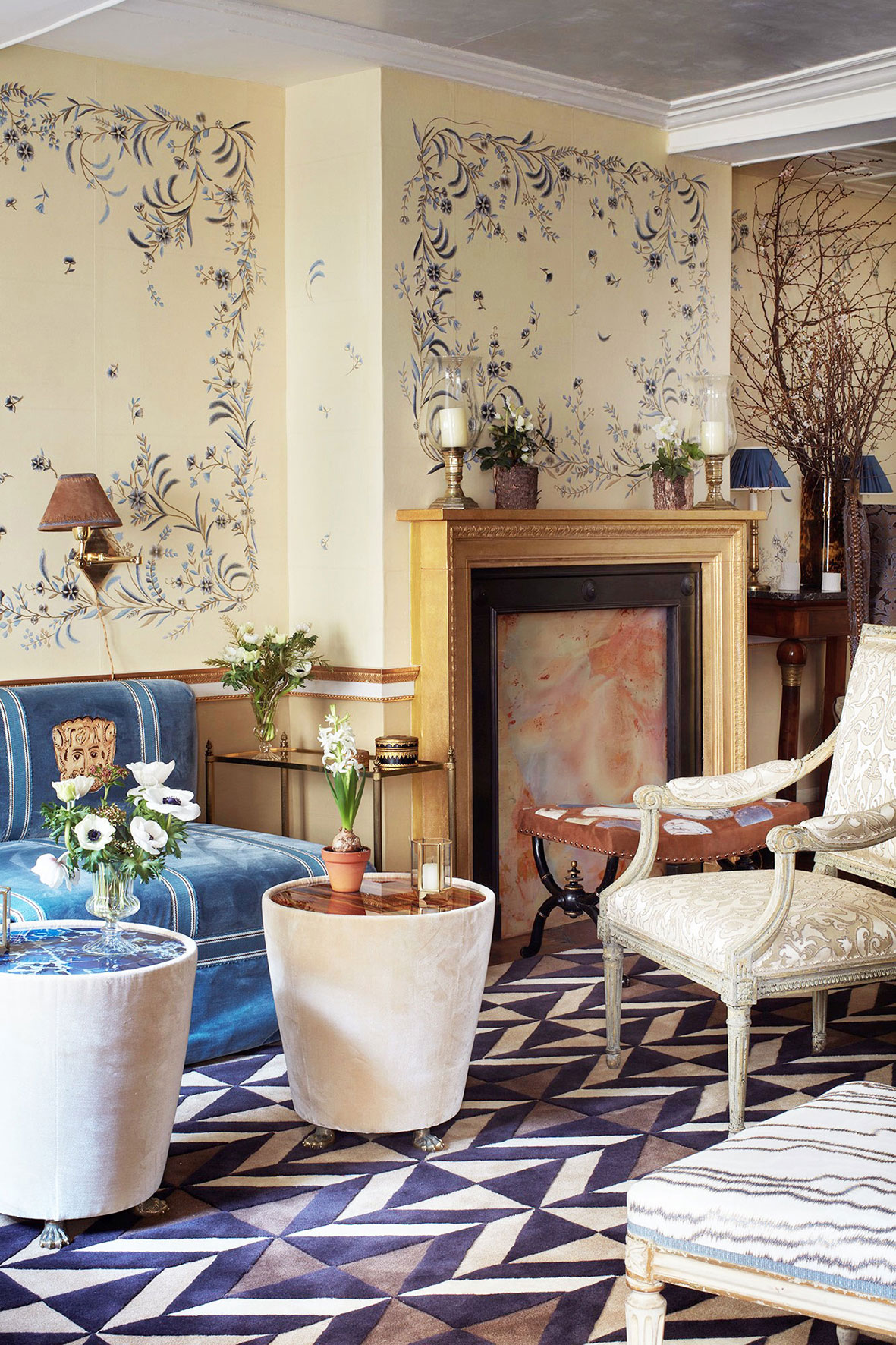
Fromental achieves this by combining intricate brushwork with hand-embroidery and by refining color palettes to suit modern sensibilities. Due to the bespoke, hand-produced nature of each panel, a moderately sized room (12-foot by 14-foot) can require up to two months of work from dozens of artists, with an average cost of approximately $16,000. While less complex designs cost around $1,150 per panel, a fully embroidered roll of Paradiso can cost up to $8,000.
The creation of Fromental's wallpaper involves a detailed nine-step process. It begins with a miniature illustration, hand-drawn in the London studio, which serves as a guide for the overall composition. Next, silk is sourced from Huzhou, China, known for its ability to absorb dye, often a purple-gray shade called taro. This silk is then stretched like a canvas and coated with a proprietary adhesive made from crystallized fish bones, which dries overnight to prepare the surface for painting.
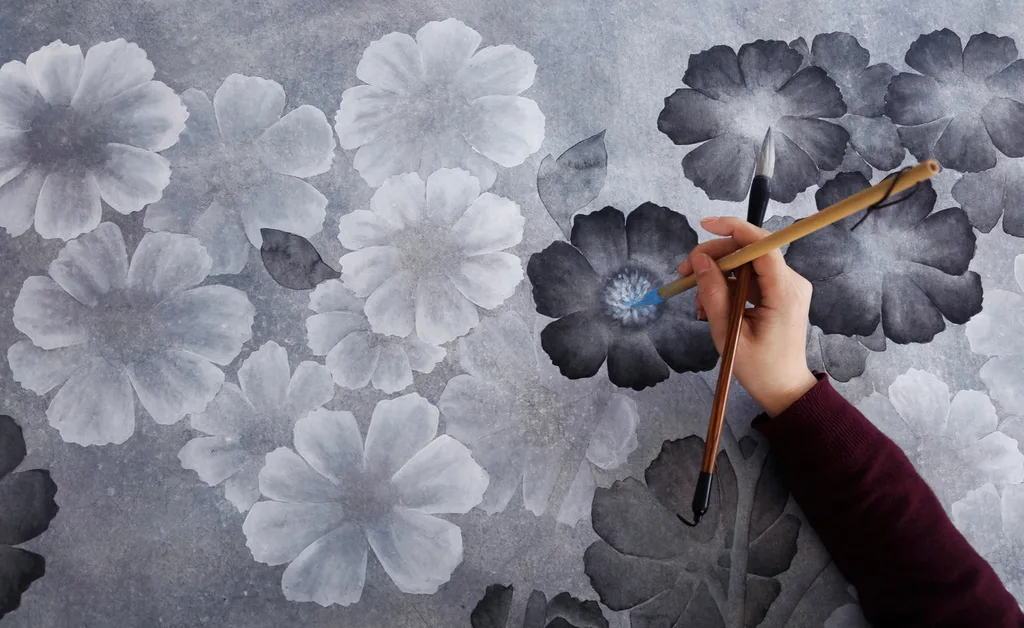
After treatment, the silk is mounted onto rice paper using a soft adhesive derived from the same grain, providing substance crucial for the subsequent embroidery. The hand-painting phase occurs at Fromental’s Wuxi studio, where a ceiling-mounted projector casts the miniature illustration onto the silk. Lead artists trace the design in pencil, and a team of junior painters applies the initial layers of color, with a single panel often requiring around 40 hours of work. The painted wallpaper then moves to Suzhou for the most time-consuming stage: embroidery. Each artisan works on one panel, meticulously creating thousands of tiny stitches, with larger elements like birds taking a week to complete and an entire room's panels up to six weeks. The process culminates with a mounting master in Wuxi applying a second layer of rice paper to the embroidered silk, a wet and challenging step that demands precision to ensure even tension and prevent errors. Finally, painstaking adjustments are made to align panel transitions, and the wallpaper is trimmed, ensuring a seamless match across the entire installation. Fromental recommends using specialist wallcovering installers to ensure proper application, acknowledging that despite the material's durability, a single opportunity exists for a perfect finish in each room.
#Fromental #Wallpaper #HandPainted #HandEmbroidered #Chinoiserie #HomeDesign #LuxuryDecor #ArtisanCraft #InteriorDesign #Fromental #Wallpaper #HandPainted #HandEmbroidered #Chinoiserie #HomeDesign #LuxuryDecor #ArtisanCraft #InteriorDesign
0 comment in total
 No comments yet
You may also like
Custhom launches digitally embroidered wallpaper
Folk decor ideas – 7 ways to bring this enchanting design style into the home
Ghia House’s Fresco-Like, Hand-Painted Mural Only Looks Like Plaster

32 Wall Décor Ideas Designers Swear by, From Hanging Plates to Oversized Artwork

The Custom Wallpaper You’ve Got To See to Believe

This British Wallpaper Brand Just Changed the Game for Lovers of Hand-Painted Chinoiserie


Erdem x de Gournay: Fashion Meets Handpainted Wallpaper
Feature Wall Designs, Wallpaper and Paint Ideas
Crafting Topographies: Hand-Embroidered Wall Art by Morii Design

Craftsmanship: An exquisite collection of wallpapers dipped in history

How to Hang Wallpaper (the Permanent Kind!) | domino
A moment with wallpaper design house de Gournay

Vibrant Wallpaper Designs by Ever Atelier in Dallas
Wall&Deco's textured wallpapers are designed "be explored with the hands as well as seen"
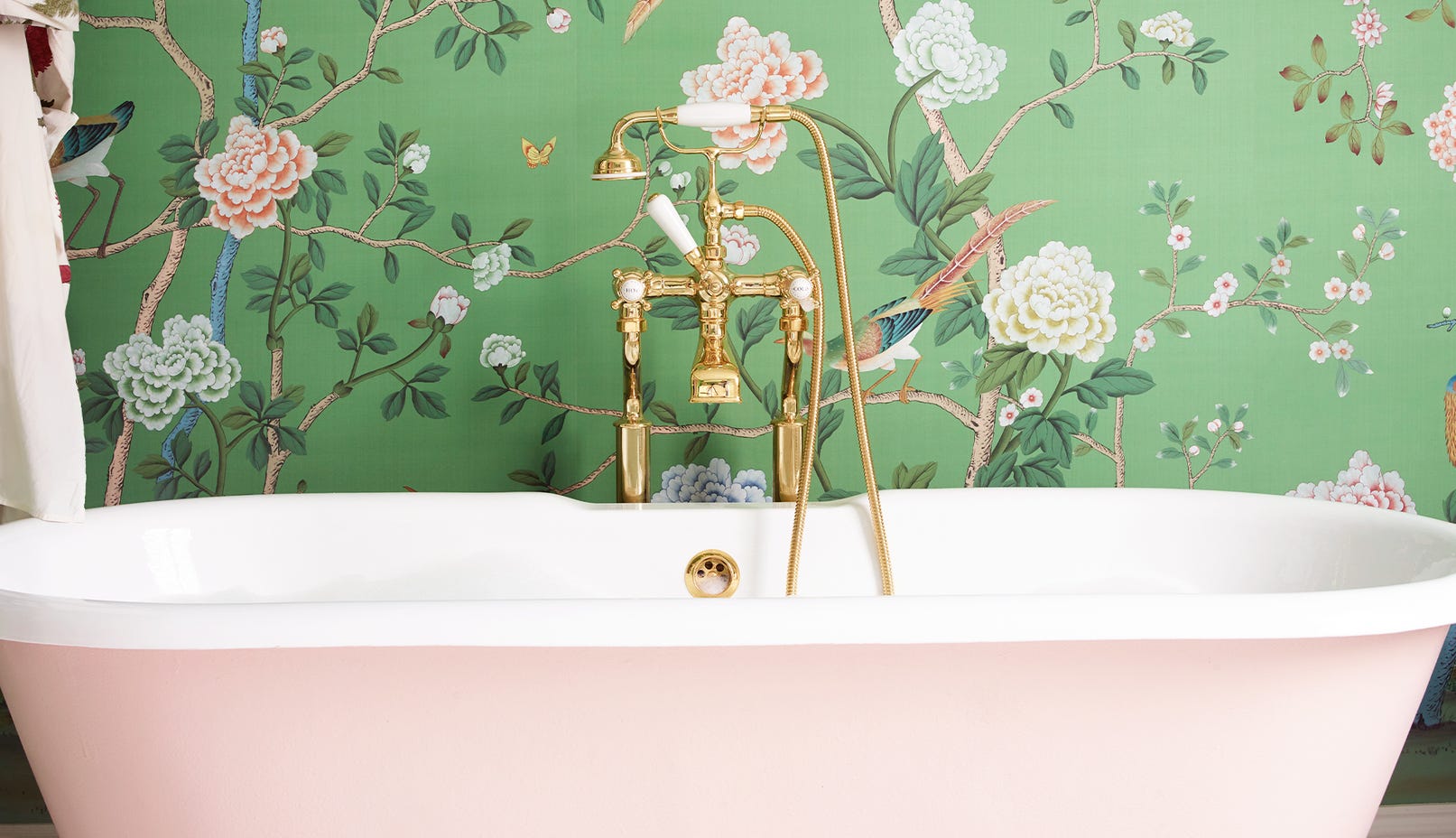
How de Gournay creates some of the most beautiful interiors in the world

12 beautiful rooms to inspire your wallpaper picks
Hand-Painted Borders and Trims Are the Antidote to Dated Accent Walls — Here's How to Make it Look Good

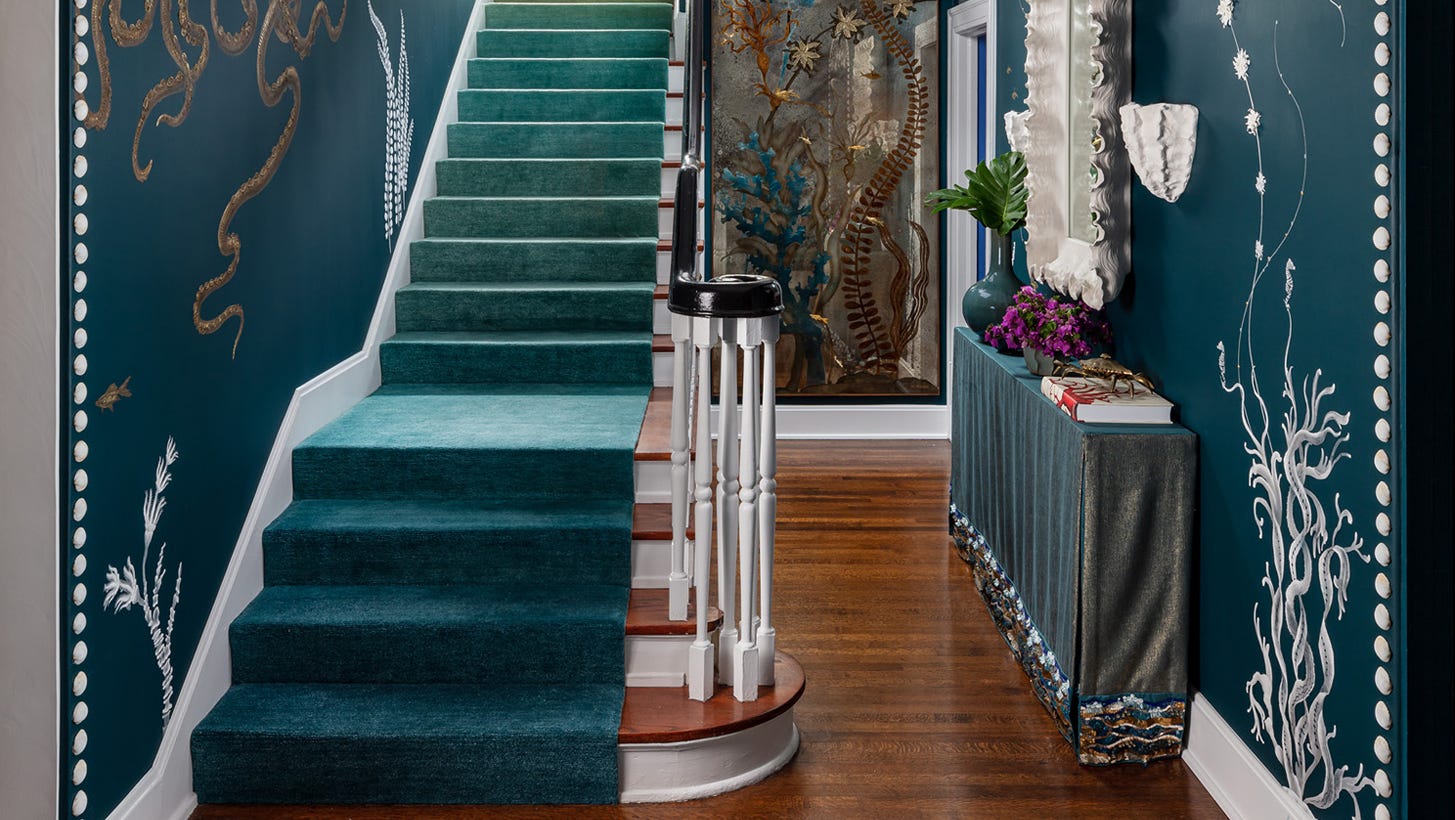
Are Wall Murals the New Wallpaper?

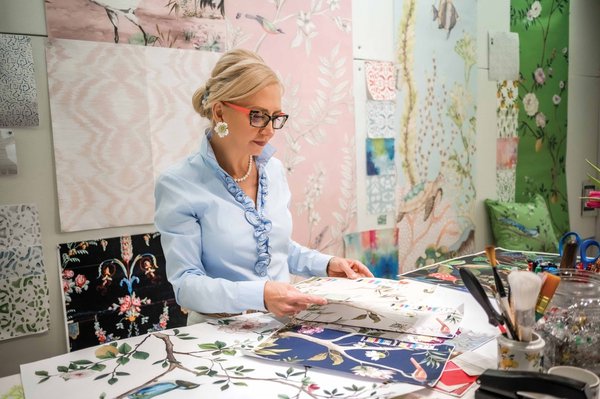
Meet Your Favorite New Naples Wallpaper Maker

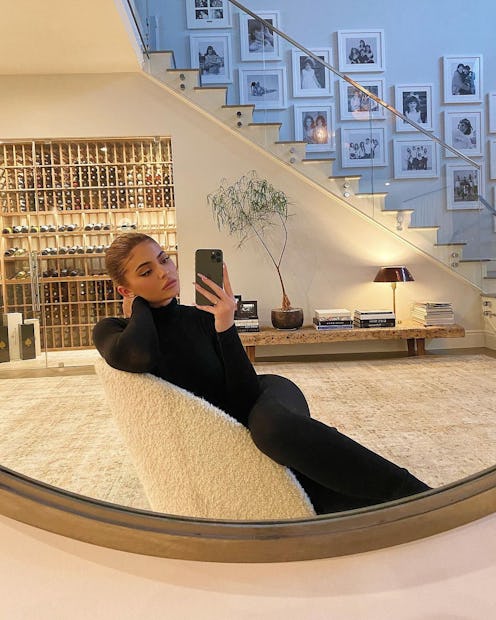
Hanging A Stunning Gallery Wall, Demystified