1/16
This Japanese Vase Style Is the Secret to Making Grocery Store Flowers Look Luxe (and a Bit More Minimalist)
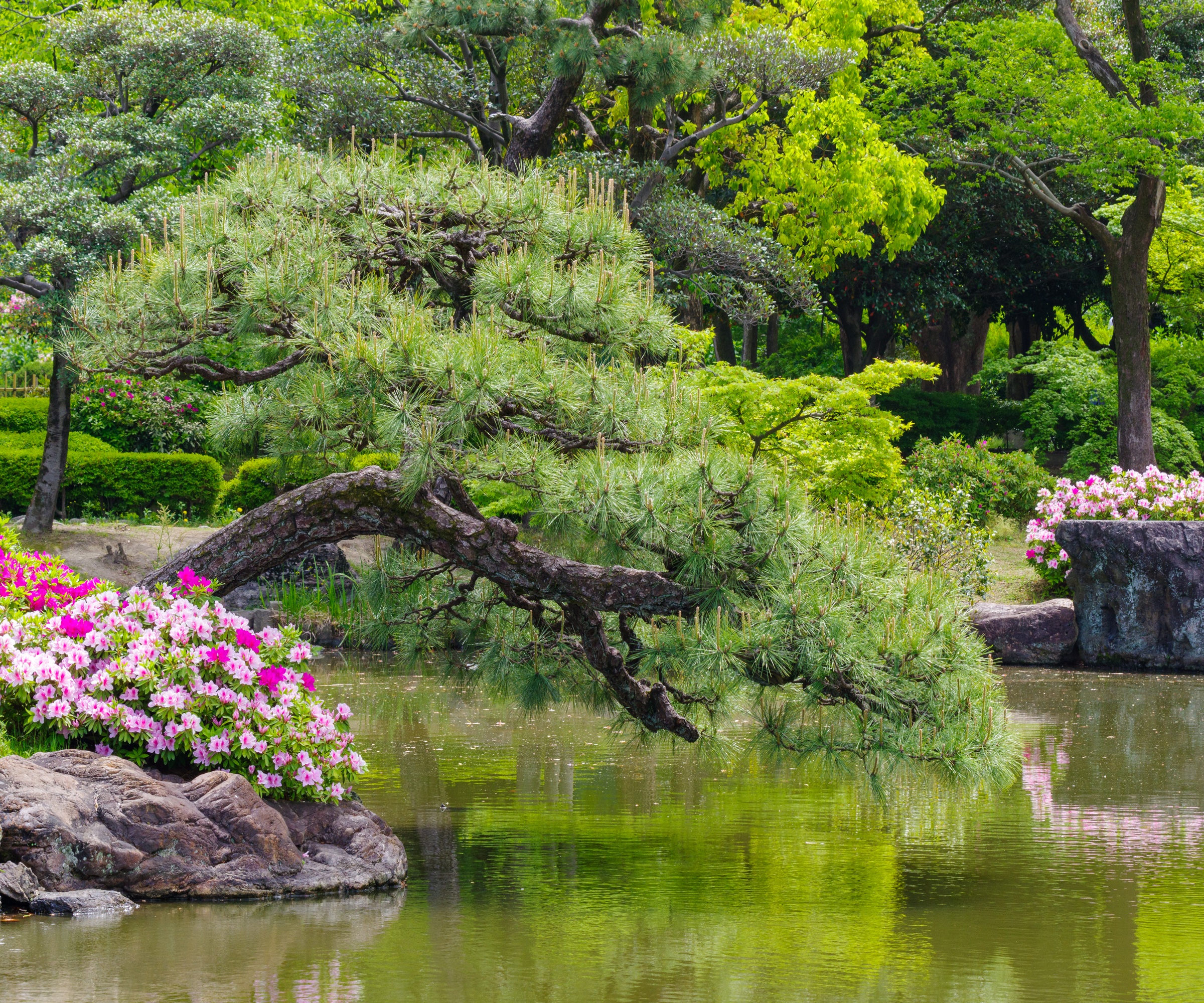
This article explores how Japanese-style vases, characterized by their understated form, earthy colors, and natural textures, can elevate the appearance of everyday flowers and enhance home decor. The piece emphasizes the "less is more" philosophy inherent in these designs, drawing inspiration from traditional Japanese aesthetics.
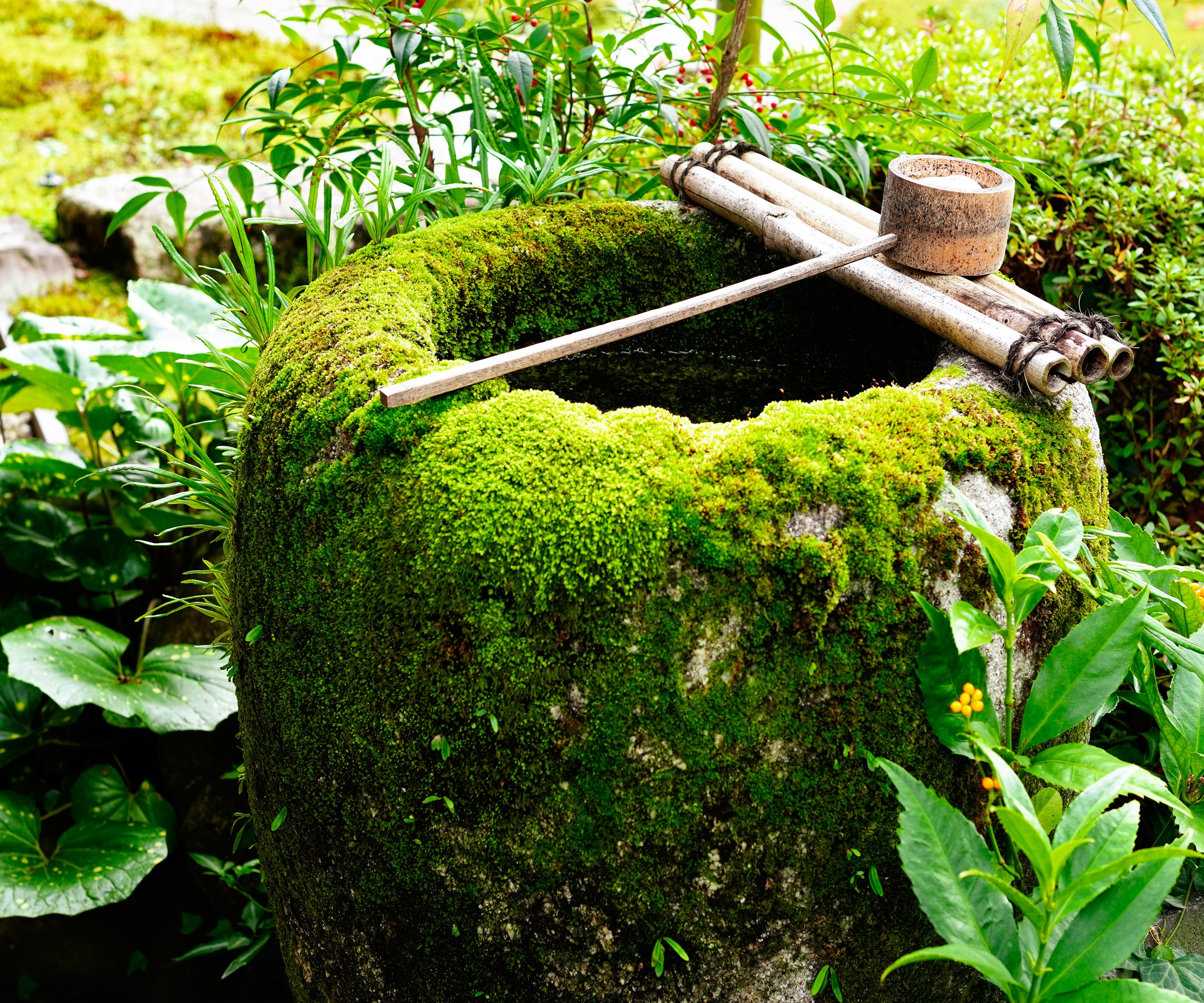
Interior designer Minako Bryson of Studio Kaimi highlights that traditional Japanese vases transcend mere decoration, embodying centuries of cultural values, a profound connection with nature, and the philosophy of wabi-sabi. This philosophy celebrates beauty in simplicity, imperfection, and the transient nature of time. Originally crafted for ikebana (flower arranging) and tea ceremonies, these vases seamlessly blend utility with artistry. Bryson explains that their shapes and finishes are meticulously designed to complement seasonal flowers and natural materials, serving to enhance the surrounding space rather than dominate it.
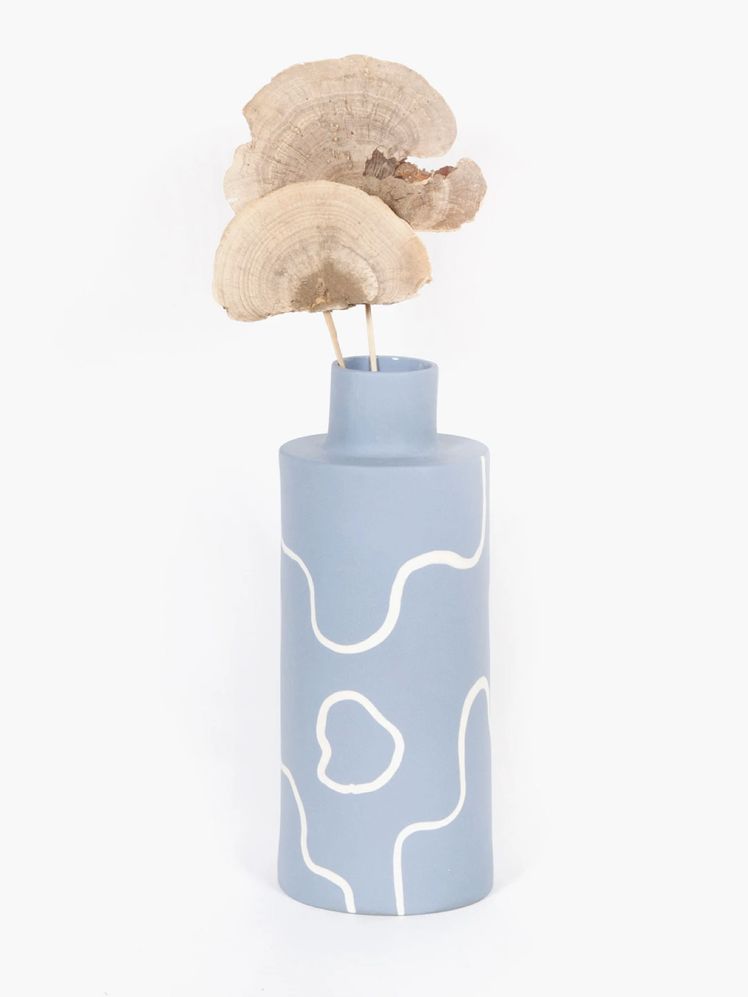
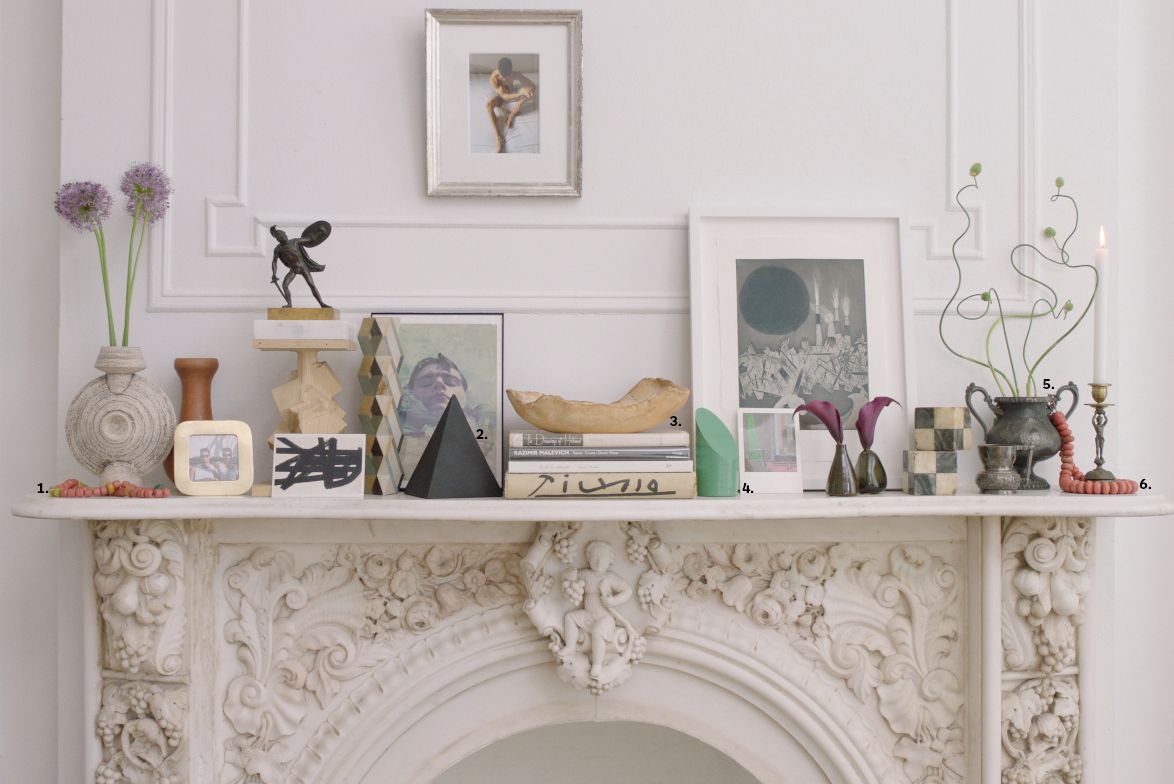
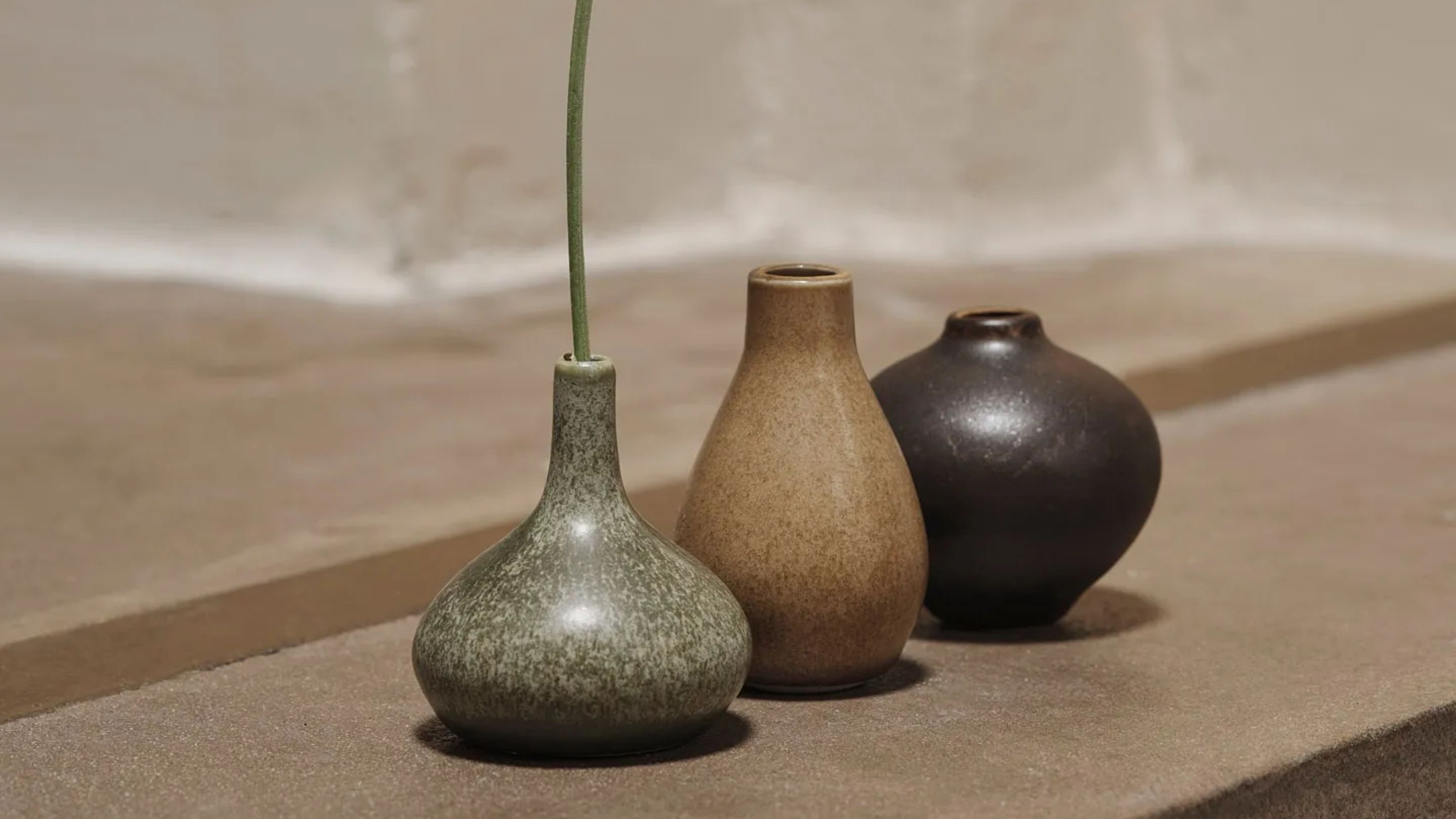
The article delves into the variety of iconic shapes found in Japanese vases, ranging from simple cylindrical forms to rounded jar-like vessels. Other common forms include bottle shapes with narrow necks, gourd-shaped vases, and intentionally asymmetrical or deformed designs that echo the imperfect beauty central to wabi-sabi. The color palettes of these vases are equally diverse, encompassing the deep cobalt blue of Sometsuke, crisp white porcelain, muted black or brown iron glazes, vibrant green Oribe glazes, the festive red and gold of Imari, and the soft, accidental gradients of natural ash glazes seen in Bizen or Shigaraki ware.
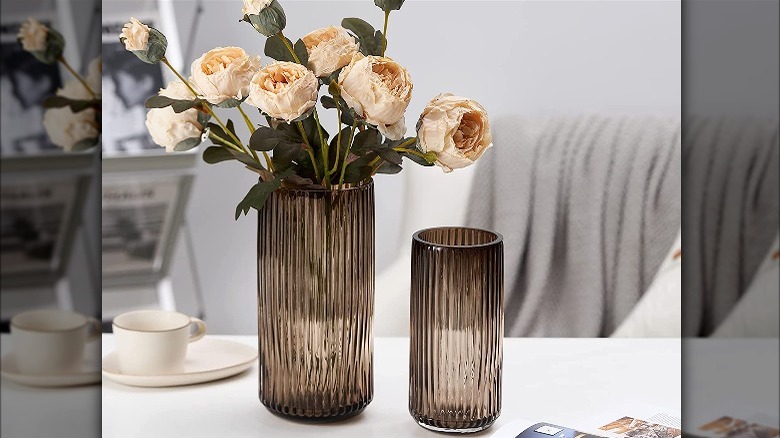
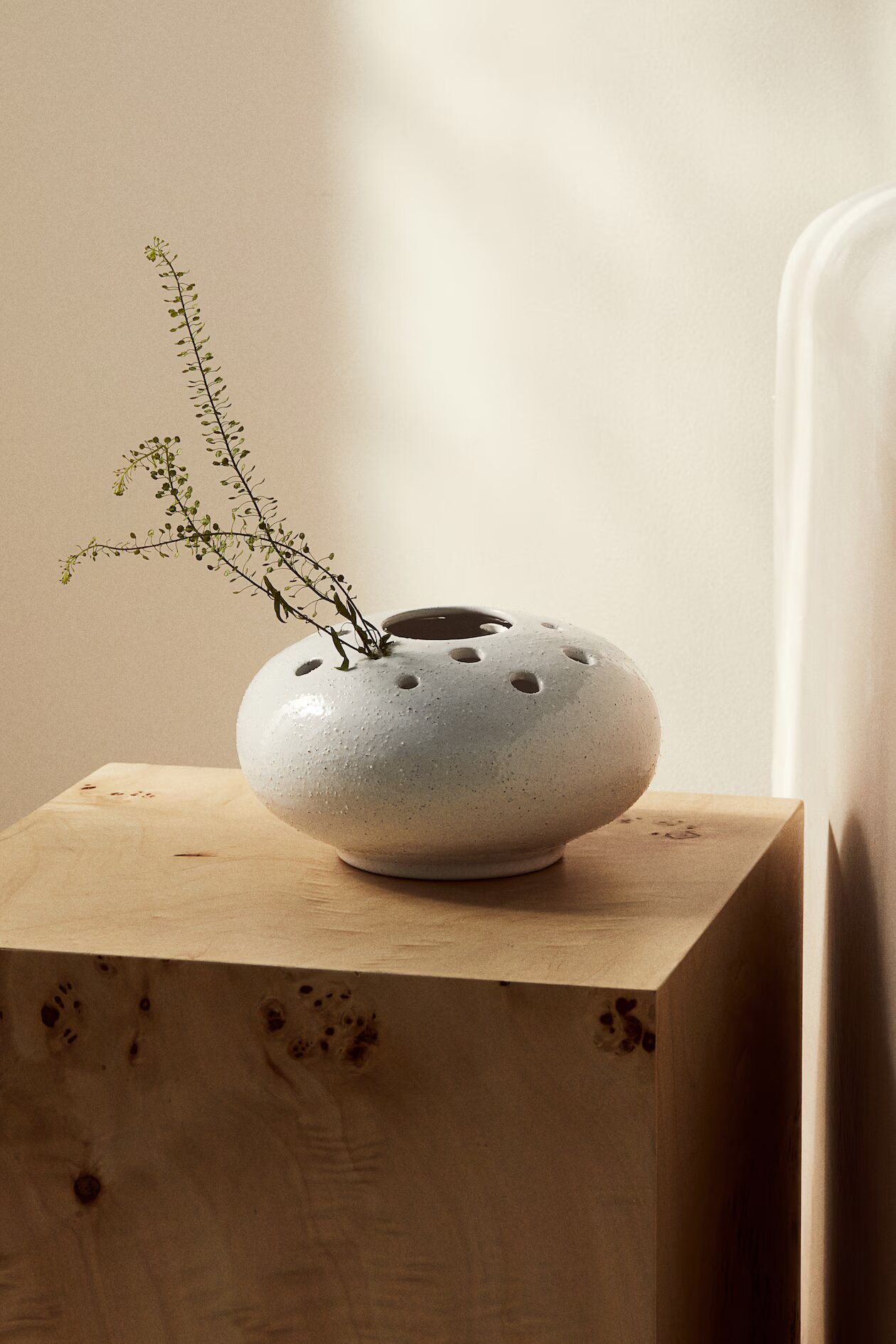
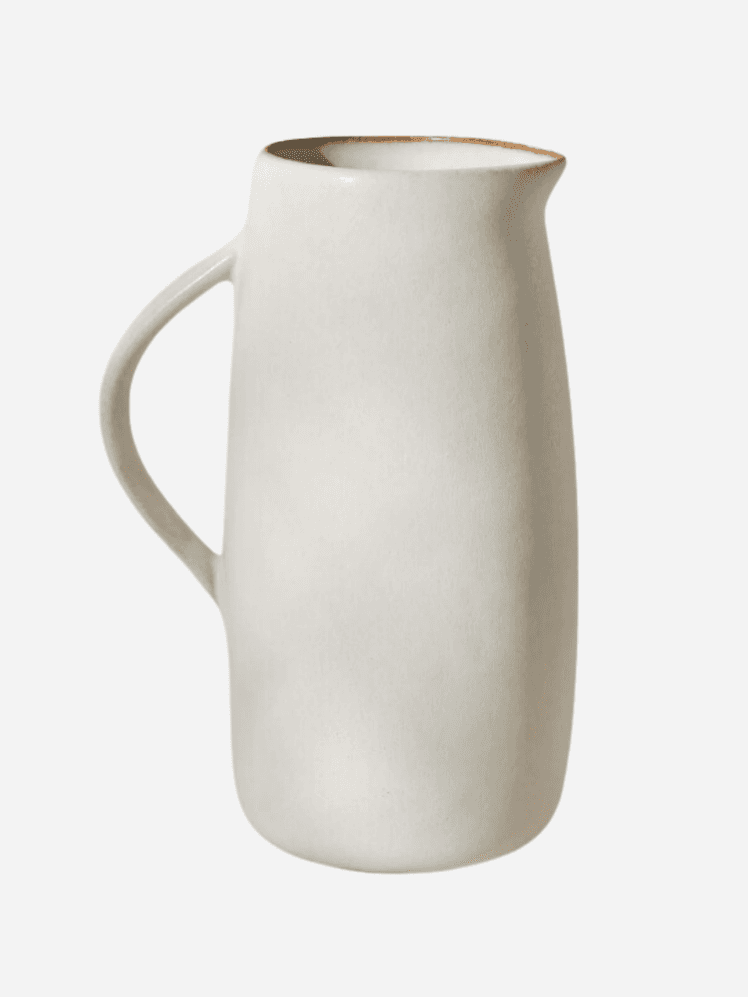
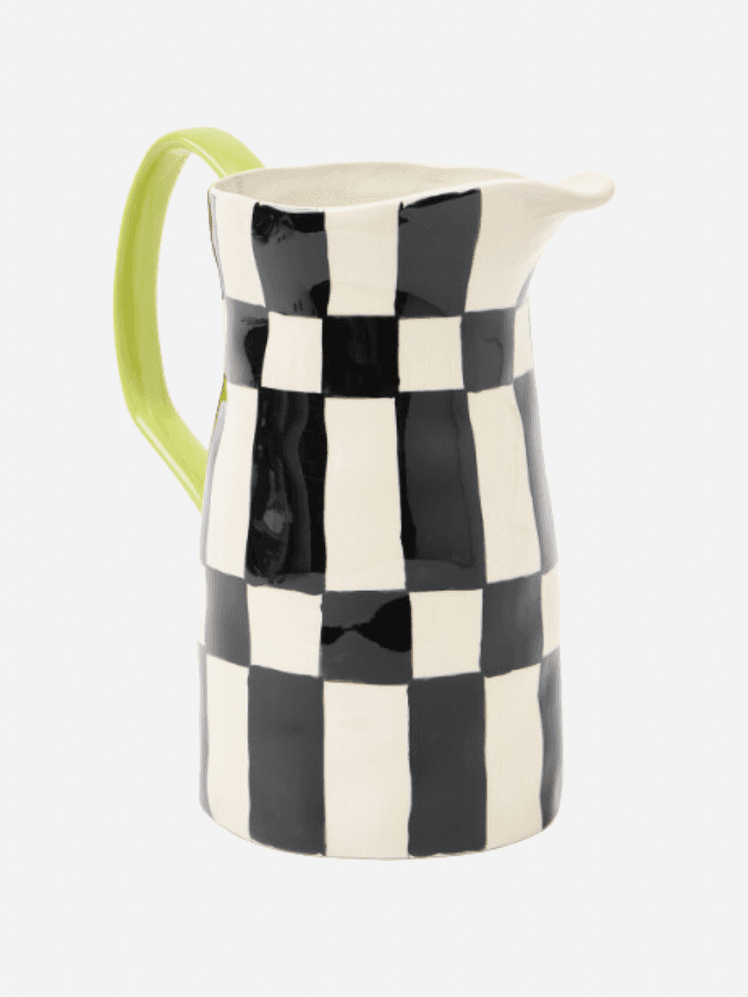
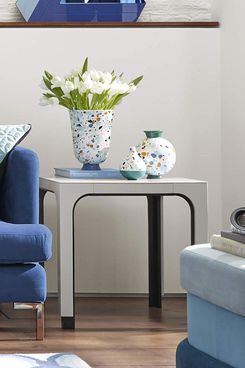
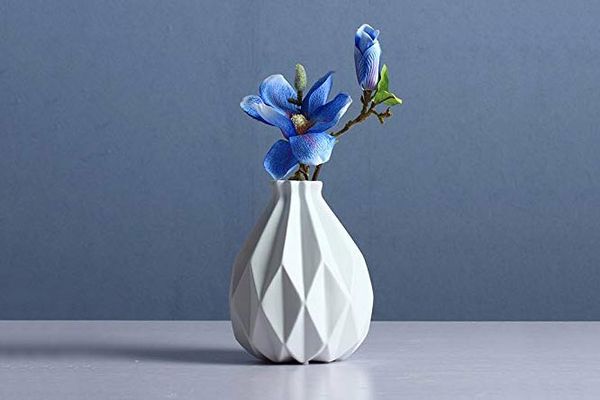
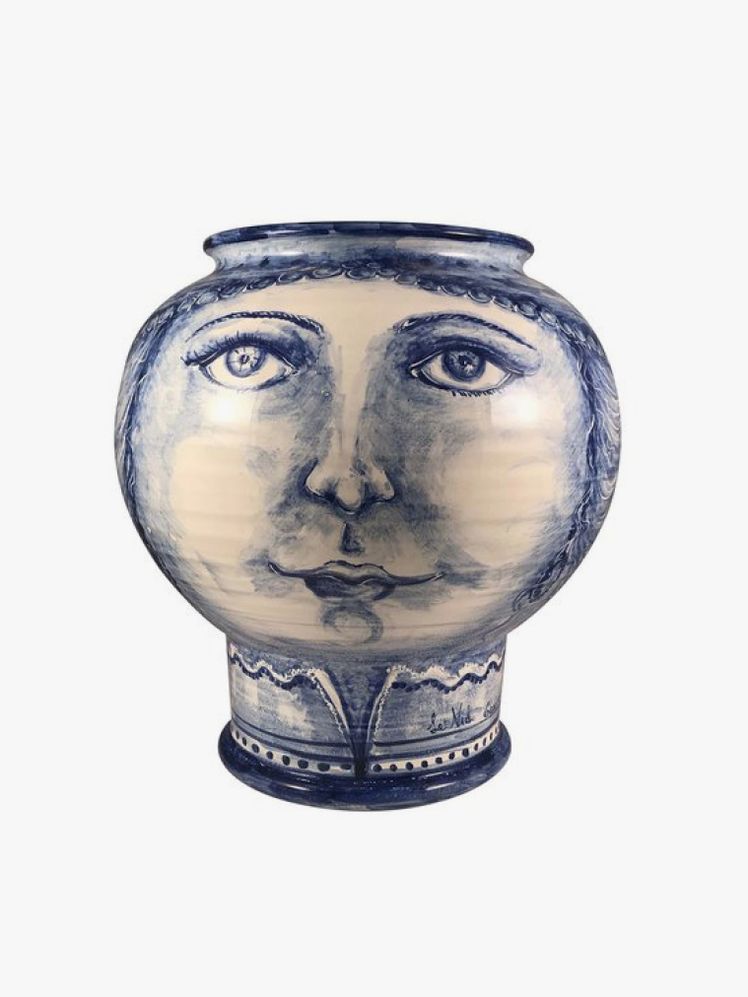
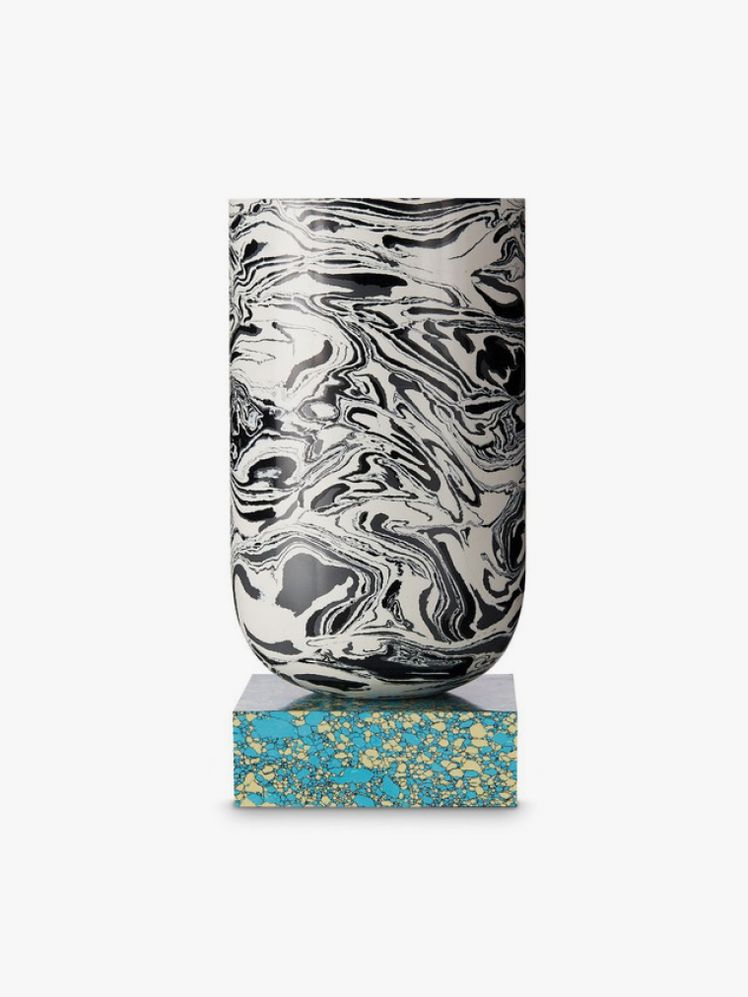
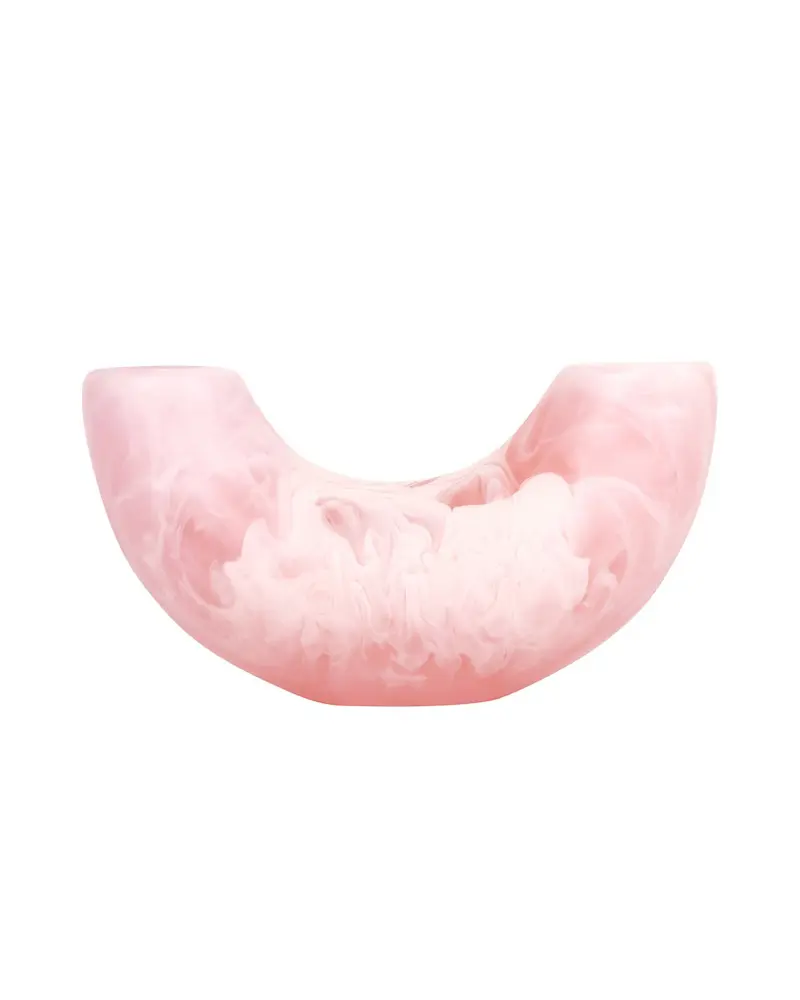
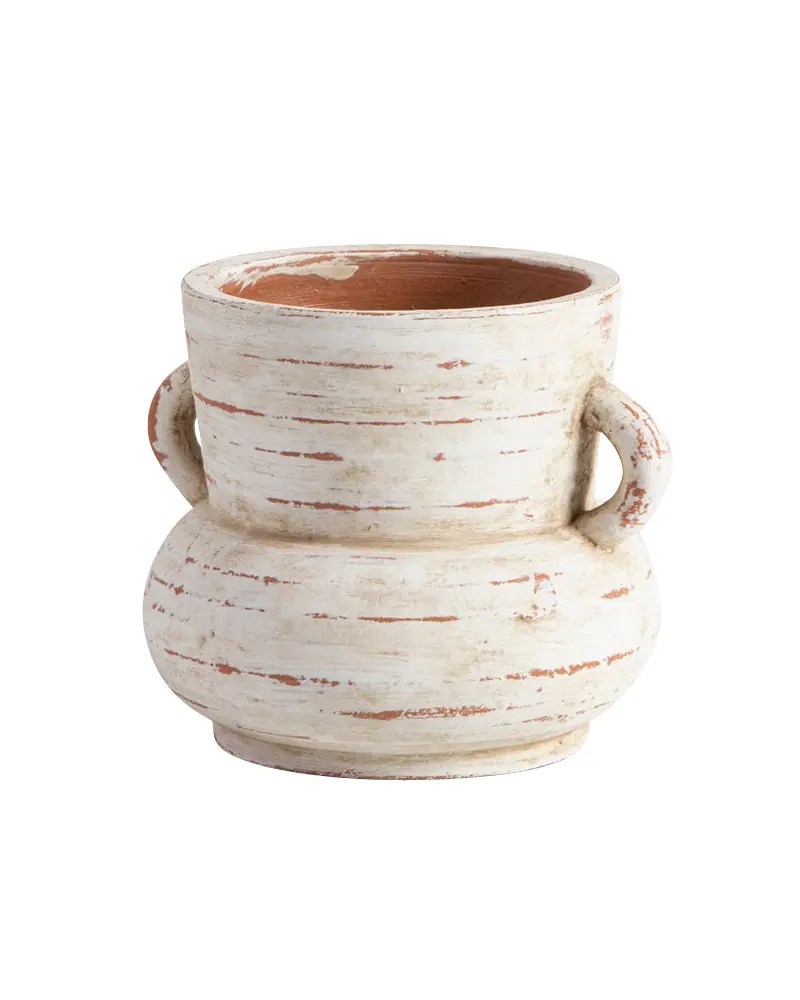
The article then curates a selection of modern vases that subtly reference these Japanese design principles through their color, shape, or overall simplicity. These examples include the Nkuku Endo Recycled Iron Vase, a rounded piece crafted from recycled iron with a rustic finish, ideal for modern living rooms. The Dunelm Ceramic Pebble Vase is presented as a minimal option with an organic shape that aligns with wabi-sabi. The SZ Ceramics Frill Neck Vase, in a stylish warm brown hue with a wavy edge, exemplifies an earthy and sophisticated aesthetic. A set of three mini Komo Vases by Ferm Living offers a selection of earthy shades suitable for smaller spaces. The Nkuku Vanita Glass Vase provides a minimalist glass alternative with a rounded shape, nodding to the traditional style. For larger arrangements, the Cox & Cox Fluted Brindle Glazed Urn Vase is a classic choice in a neutral color. The OKA Hervey Vase features a calming blue gradient and a wide neck, while the OKA Changshou Vase offers a more traditional look with a bird motif and a glazed interior. The OKA Fyli Vase, with its matte glaze on a clay urn, provides a modern and minimalist texture, and the OKA Inko Vase incorporates black and white stripes for a contemporary pattern. The Tell Me More Montana Vase offers a muted blue hue and an irregular form for textural interest. A Grand Tour by Vito Nesta porcelain vase showcases intricate floral and architectural motifs while maintaining a simple shape. The H&M Home Terracotta vase is a minimalist option to highlight colorful flowers. The Laab Dome Spherical Vase, crafted with the Raku firing technique, provides a rustic aesthetic with crack and speckle detailing. Finally, the Ferm Living Koa vase, a square vase in a rich red-brown, offers an abstract and unexpected design.
The article also includes a section answering a frequently asked question about Japanese Imari vases. Yoko Kloeden, founder of Yoko Kloeden Design, explains that an Imari vase refers to a style of decorative porcelain originating from Arita, Kyushu, which became a significant export from the 17th century. These vases are traditionally characterized by underglaze cobalt blue details overlaid with vibrant reds, golds, and other enamel colors, a visually rich and ornate aesthetic known as Kinrande. The name “Imari” originates from the port through which these wares were shipped to Europe, where the style garnered considerable influence, leading to imitations by European and Chinese producers.
#JapaneseVases #HomeDecor #MinimalistDesign #WabiSabi #InteriorDesign #CeramicVases #EarthyTones #FlowerArranging #Ikebana #JapaneseVases #HomeDecor #MinimalistDesign #WabiSabi #InteriorDesign #CeramicVases #EarthyTones #FlowerArranging #Ikebana
0 comment in total
 No comments yet
You may also like
This Viral "Japanese-Inspired" Flower Arranging Gadget Makes it Easy to Achieve the Perfect Vase of Blooms

Garden Pros Say This Japanese Design Idea Is the Secret to an Easy Yard

H&M's Ikebana Vases Are the Only Way I'm Going to Arrange Flowers From Now on
This Flower Delivery Service Has the Chicest Vase Option
We Found the Cutest Flower Vases on Amazon Starting at Just $17
These Chic, Affordable Vases Are Delivering All the Vibes
How to Turn $10 Trader Joe's Flowers into an Expensive-Looking Bouquet
22 Unique Vases to Spruce Up Your Home This Spring
25 Flower Vases For Your Next Cheerful Arrangement Of Flowers

Enhancing the power of a flower
The six vases you need for every kind of flower arrangement
30 Funky/Statement Vases To Elevate Your Home
4 Beyond-the-Bouquet Ways to Add Florals to Your Home

How to make your home bloom, plus 5 tips for the perfect floral display

17 Cheap (But Expensive-Looking) Vases You Can Buy on Amazon
Steal These Florists' Tips to Create Better Bouquets at Home
34 Flower Vases That Are Ready To Make Your Room Bloom
How to Elevate Your Farm Stand Flowers
How to Pick the Perfect Vase for Your Flowers


Bringing Out Luxurious Japanese Design