1/10
The Manufacturing Process Behind Ceramic District's Porcelain Tiles
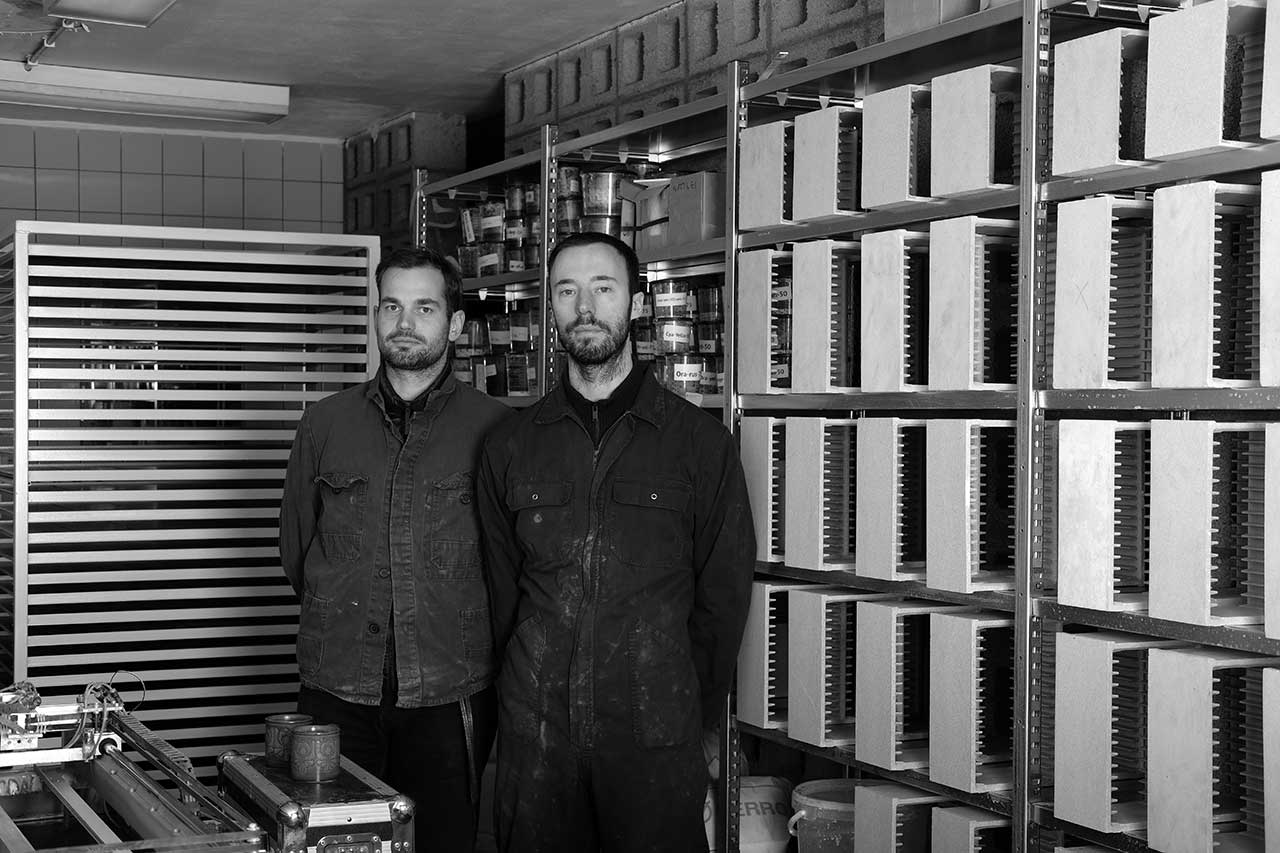
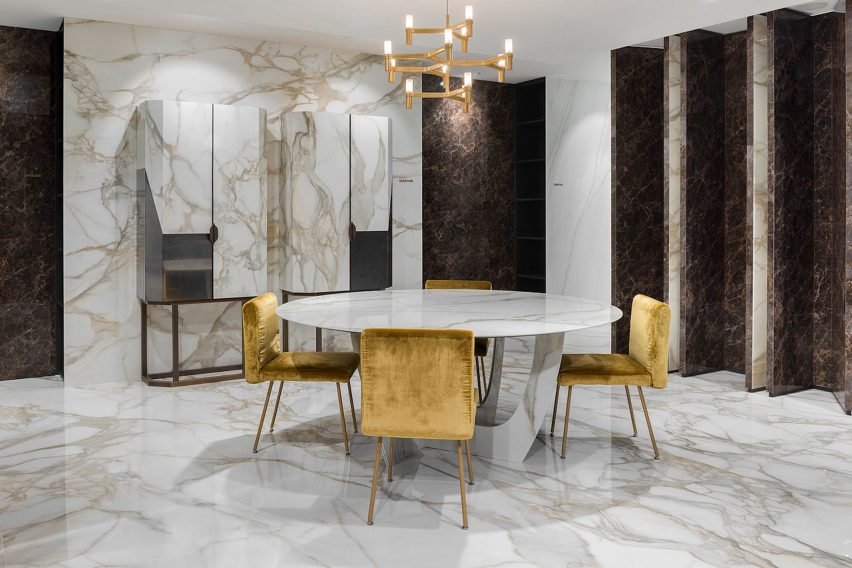
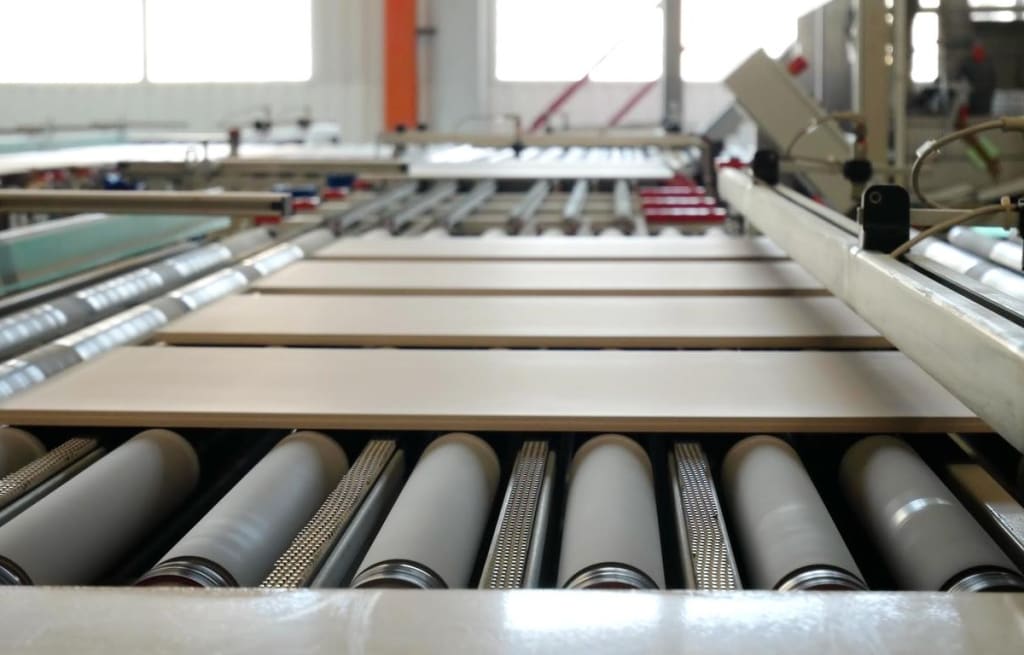
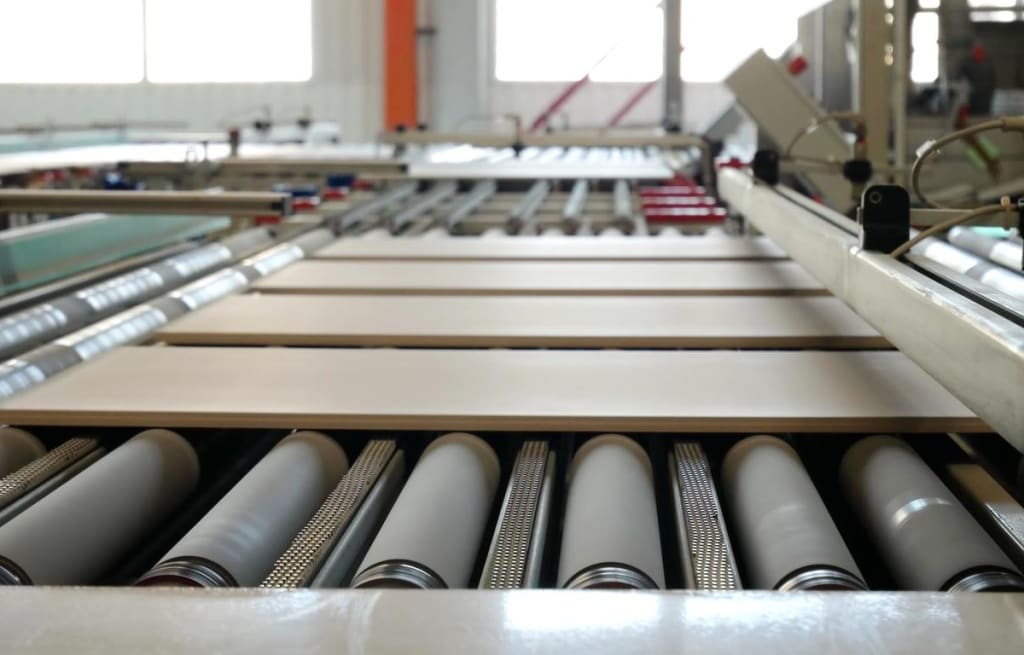
Ceramic District, a brand under the Steuler Tile Group, focuses on providing high-quality, German-made porcelain tiles specifically for architects and interior designers. The company, which originated in Mühlacker, Baden-Württemberg, and has been family-run for four generations, leverages over 150 years of tradition and expertise in stoneware and porcelain tile manufacturing. A video produced by Ceramic District illustrates the journey of raw materials like clay, feldspar, quartz, and kaolin through various manufacturing stages, from initial excavation and mixing in large drums to firing and final stacking. While the video presents a seemingly automated process, the production inherently involves a team of skilled professionals. Ceramic District, launched in 2020, offers a refined selection of authentic materials and supports designers and architects with expert advice for their projects.
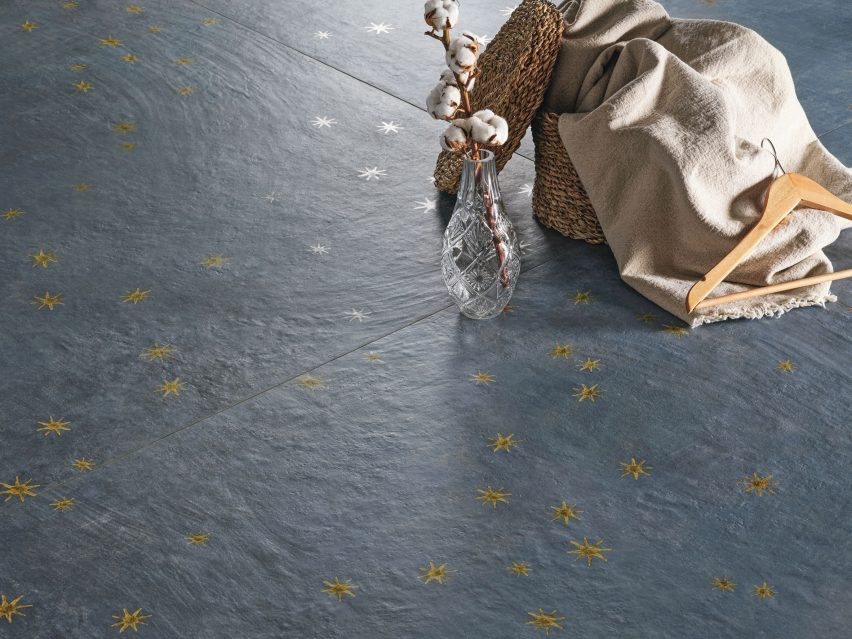
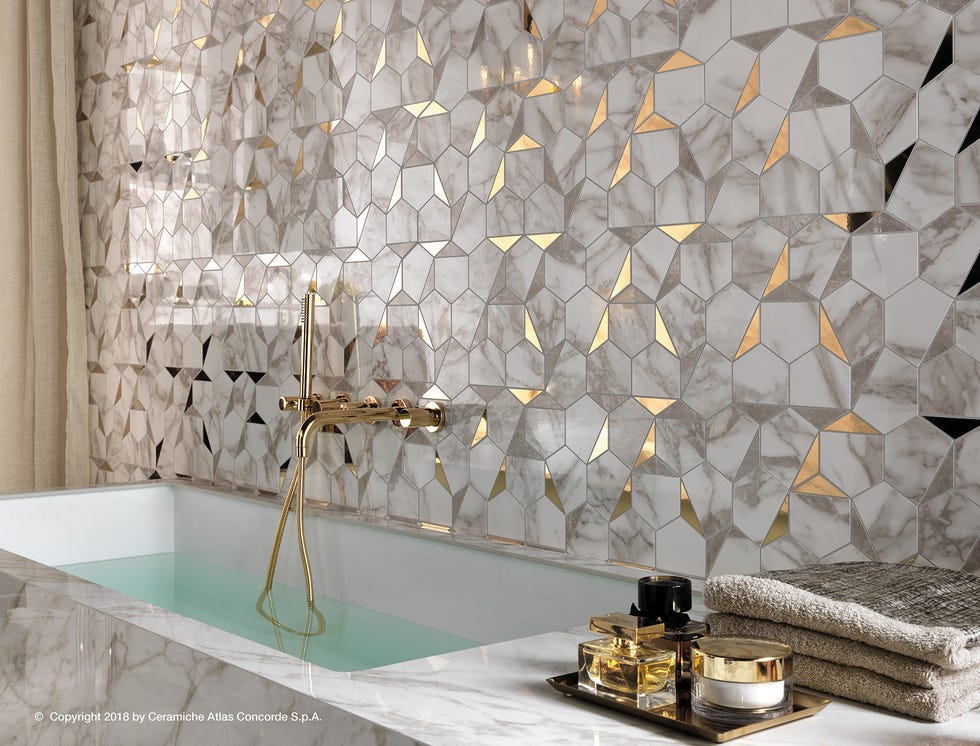
The brand's product range includes four distinct collections designed to meet stringent quality and aesthetic demands. These collections utilize six-mm-thick porcelain stoneware, which undergoes sophisticated processing to create unique pieces. One such collection, Feuergold, incorporates real 24-carat gold digitally printed onto an anthracite-colored porcelain surface. This application creates a thin film that subtly reveals the original texture of the tile beneath, adding a touch of glamour suitable for luxurious settings like hotels, spas, or high-end residential interiors.
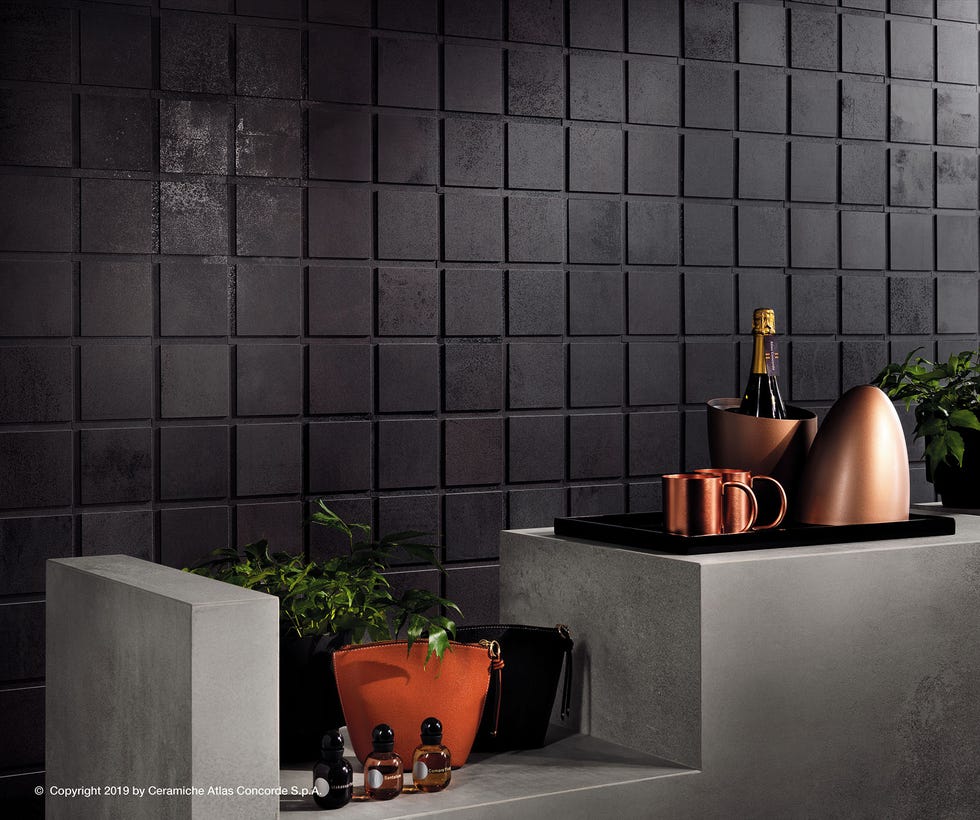
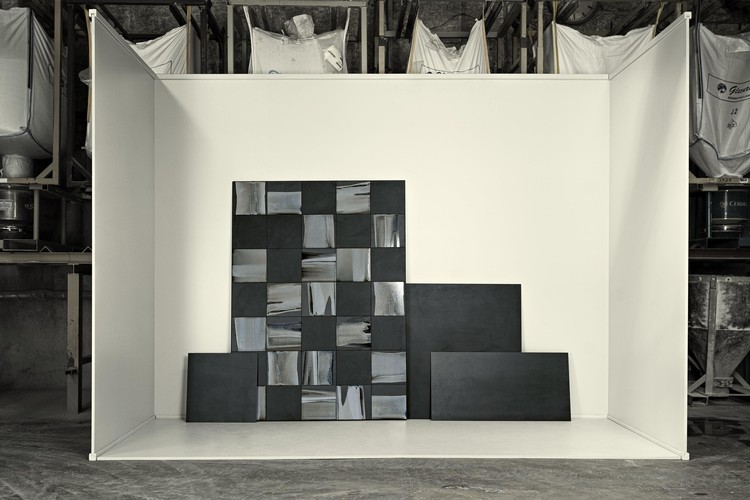
The Quarzsprung collection draws its name from a critical phase in ceramic production, the quartz inversion point, where the crystalline structure of quartz changes during heating and cooling. This material behavior is crucial to prevent cracking. The design of Quarzsprung visually interprets the flow of viscous glazes. Stefan Grimmeisen, head of Ceramic District, explains that the design was developed directly within the production context, involving pouring titanium dioxide glaze onto an anthracite background and firing it. Extensive trials led to twelve reproducible patterns. These scanned motifs are digitally printed onto 30x30 cm tiles and sealed with a glassy surface for protection. Intentional slight irregularities like small hollows and grooves enhance the design, which is primarily conceived for wall applications and creates an appealing contrast when paired with monochrome anthracite tiles.
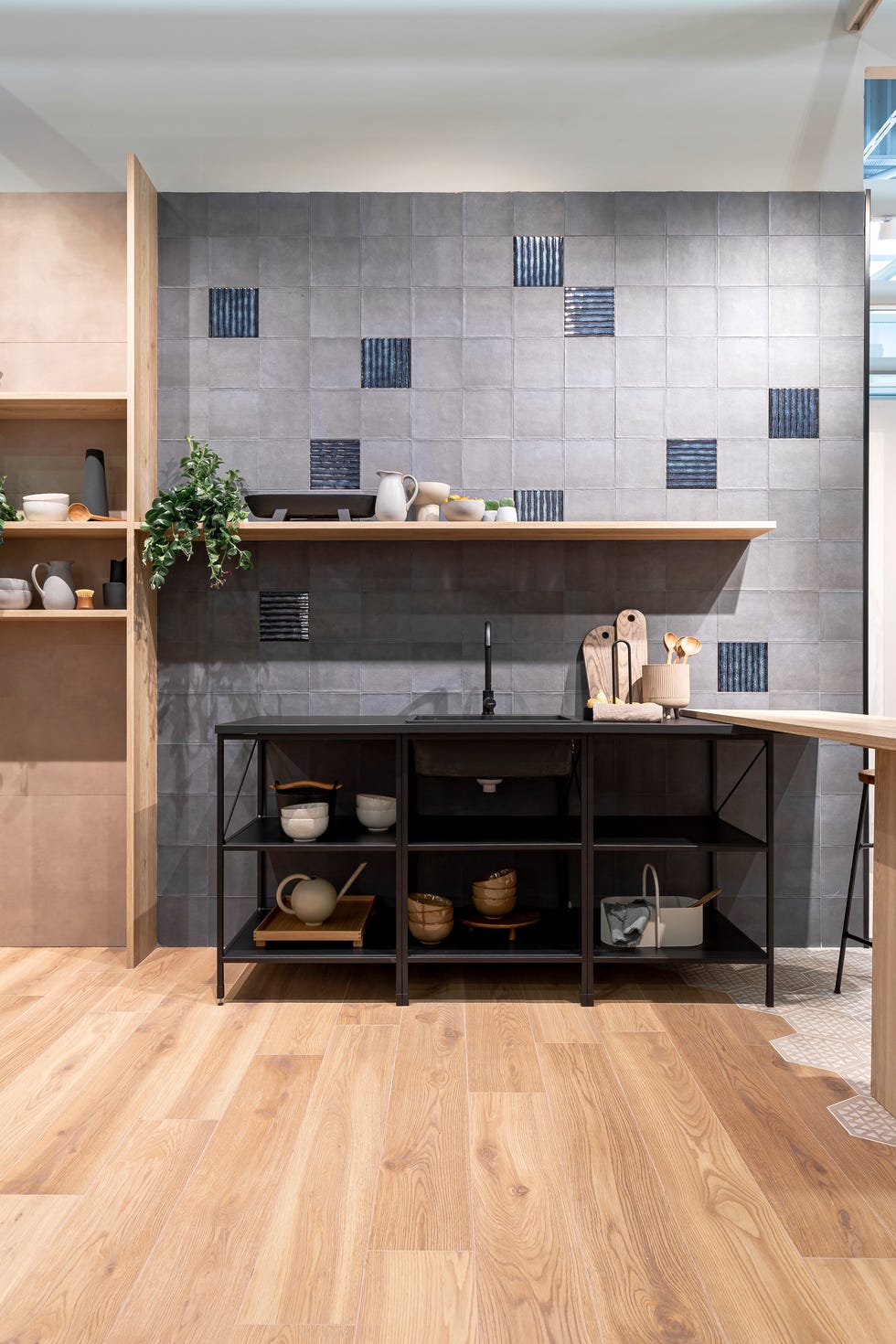
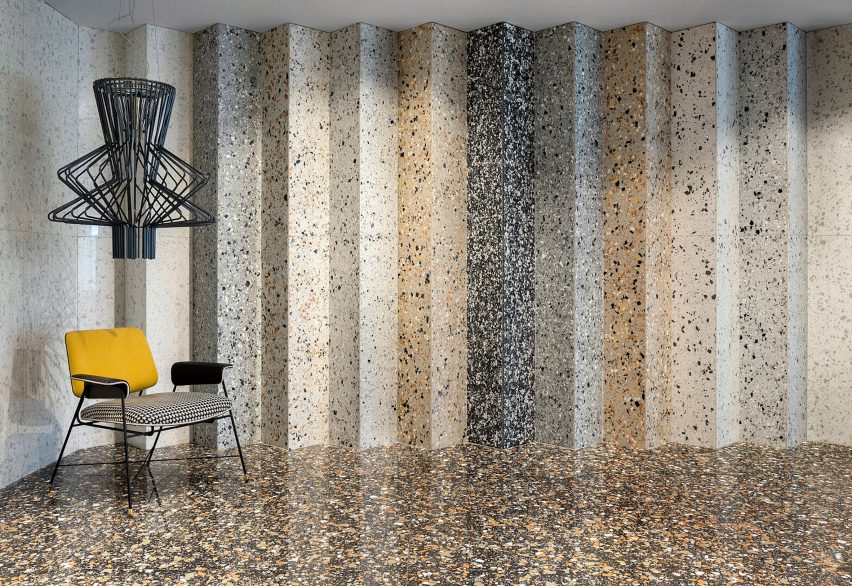
In contrast, the WabiSabi collection offers truly unique pieces, embracing imperfection. During its production, a metallic powder is sieved onto a ceramic glaze and fired at over 1,000 degrees Celsius, resulting in uniquely nuanced shadings that vary with light incidence. The WabiSabi collection features three palettes that can be used monochromatically or in combination, with intentional irregularities in color and structure that create captivating tiling layouts. The Streuwerk series is the most versatile and contemporary collection. It involves applying a fine glass granulate to the tiles, which melts into a pearly, semi-transparent relief pattern during firing. Ceramic District designers have created floral and graphic patterns for this series, with options for custom motifs. The three-dimensional surface not only offers an elegant light reflection but also provides a tactile function, potentially useful for attention markings in spaces like stairways. Streuwerk is also slip-resistant, suitable for both wall and floor installations, and available in five combinable formats. The brand emphasizes the archaic beauty and truth in its manufacturing processes and the regional sourcing of its raw materials, aligning with the idea that beauty resides in truth.
#PorcelainTiles #CeramicDistrict #ArchitecturalMaterials #InteriorDesign #ManufacturingProcess #TileDesign #LuxuryFinishes #SustainableMaterials #GermanEngineering #PorcelainTiles #CeramicDistrict #ArchitecturalMaterials #InteriorDesign #ManufacturingProcess #TileDesign #LuxuryFinishes #SustainableMaterials #GermanEngineering
0 comment in total
 No comments yet
You may also like
Design Industry ceramic tiles by Refin
Booming Tile Shop Handcrafts Every Ceramic Tile as an Individual Work of Art

Ceramiche Refin designs porcelain tiles that take cues from traditional frescos
Porcelain Surfaces

Ceramiche Refin launches Craft tiles influenced by hand-applied cement surfaces
Colorful, Trippy Tiles Made on a Custom-Built Machine
Best Tile Manufacturers and Tile Brands

Surprising ways interior designers are using tiles
All fired up - 5 Jun 2025 - Period Living Magazine

ceramiche refin's craft collection highlights skill of cement artisans
7 Top Tile Trends And Styles For 2021

Ornament is no longer a crime. And the new trims on the coatings confirm it
Top 10 Ceramic Tiles Manufacturing Companies In India

The New Horizons of Decorated Ceramic Tiles
Ceramiche Refin launches Blended porcelain tiles that combine natural stones and sands
Reliable companies to consider when looking to buy tiles
L'esperance Tile Works: Sure-fired beauty
FMG releases collection of tiles that can be applied to any interior surface
Why top designers are turning to porcelain for contemporary surface solutions
Top 10 Ceramic Tiles Manufacturing Companies In India