1/5
Why are luxury hotels, shops and restaurants obsessing over hand-made tiles
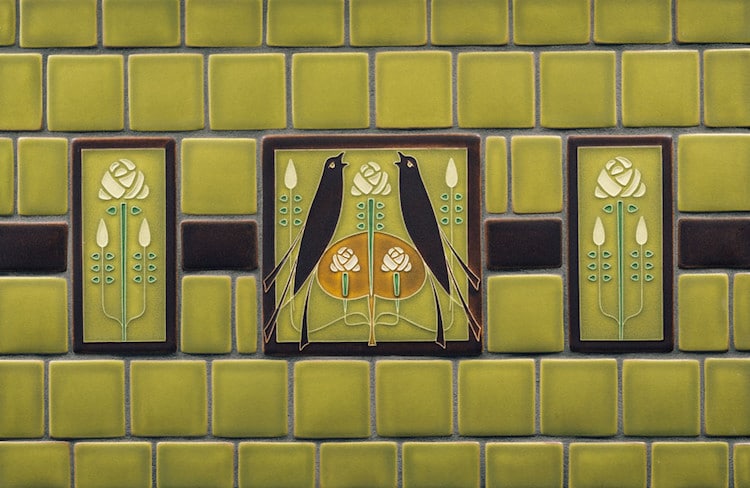
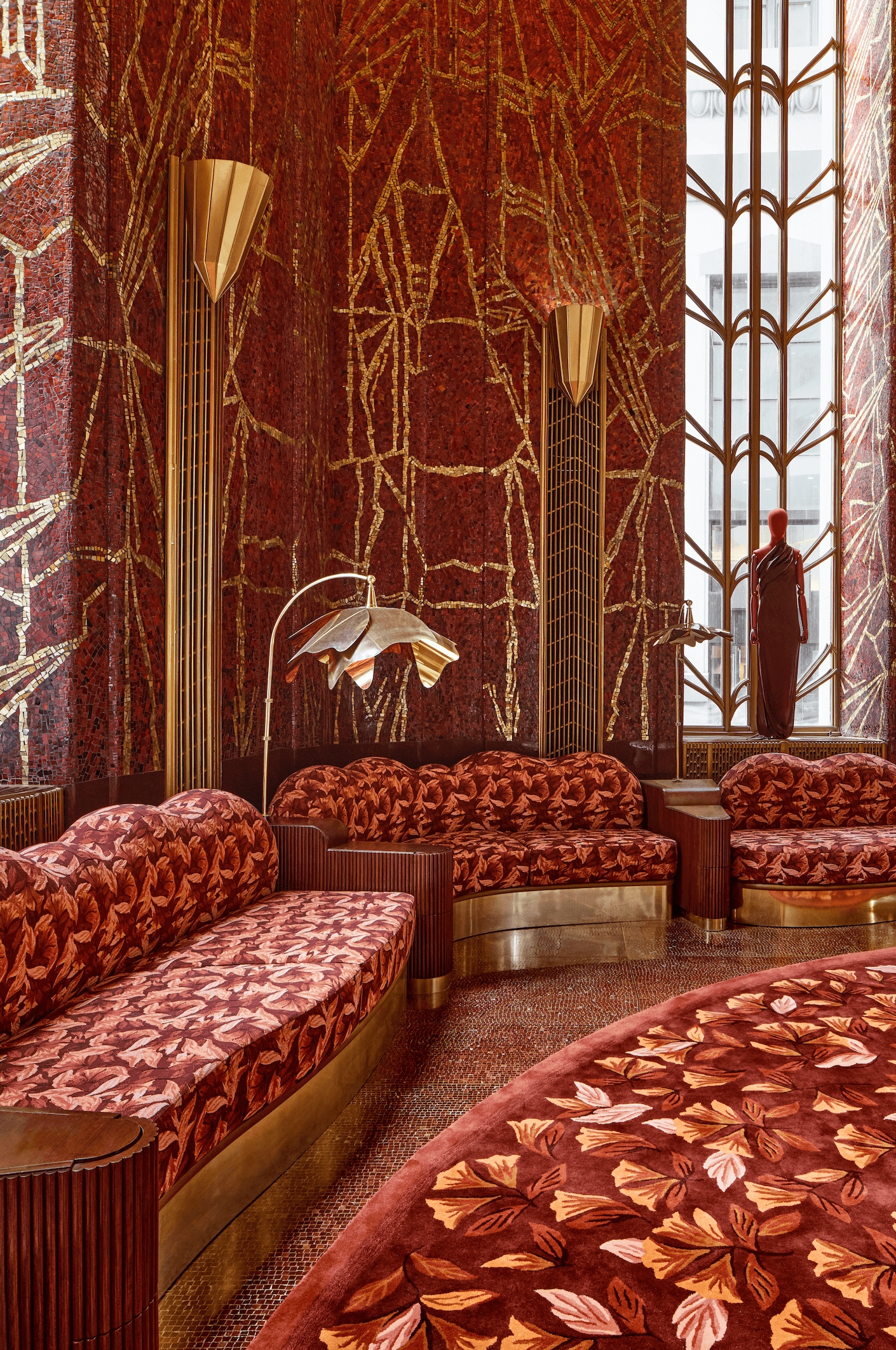
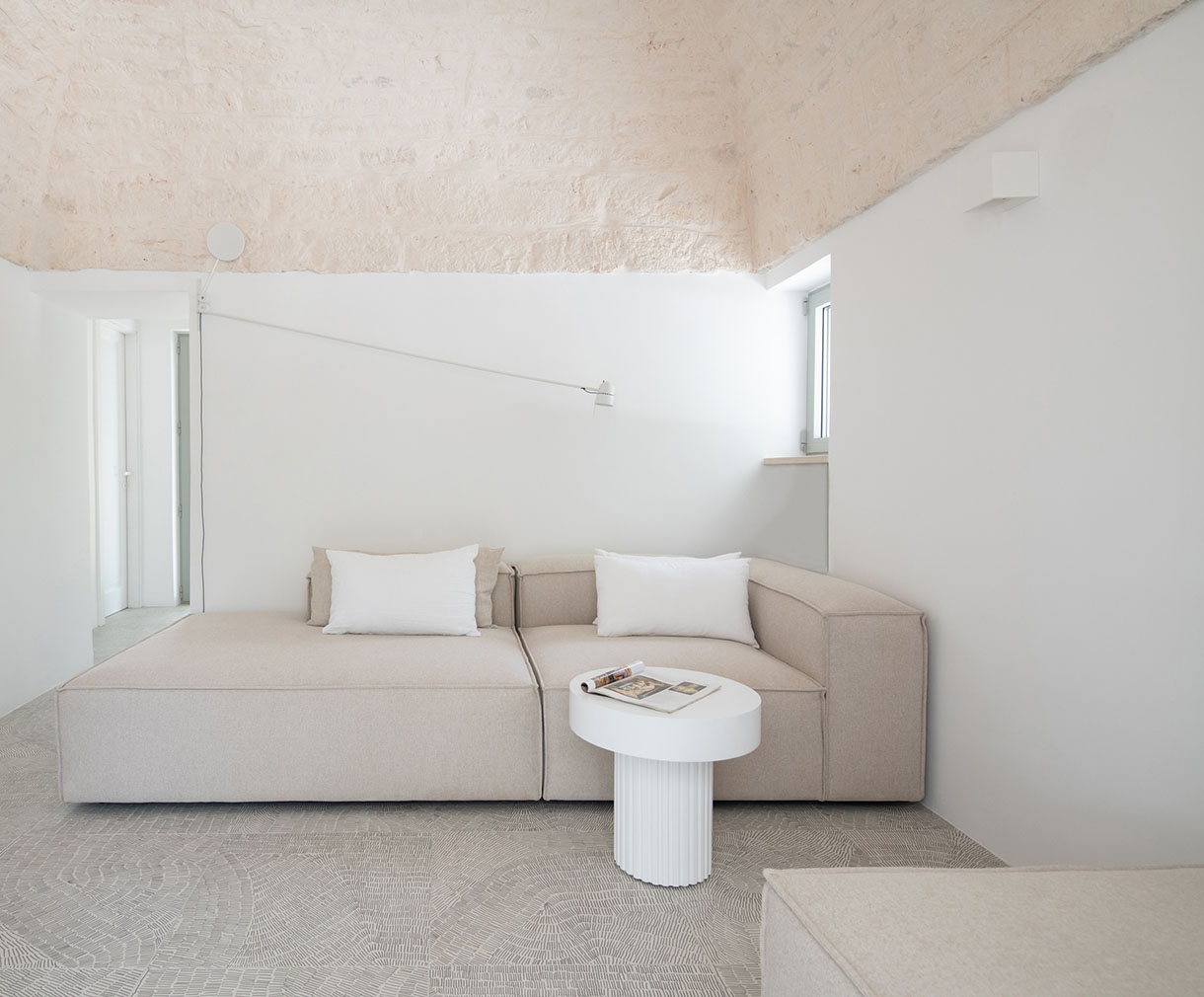
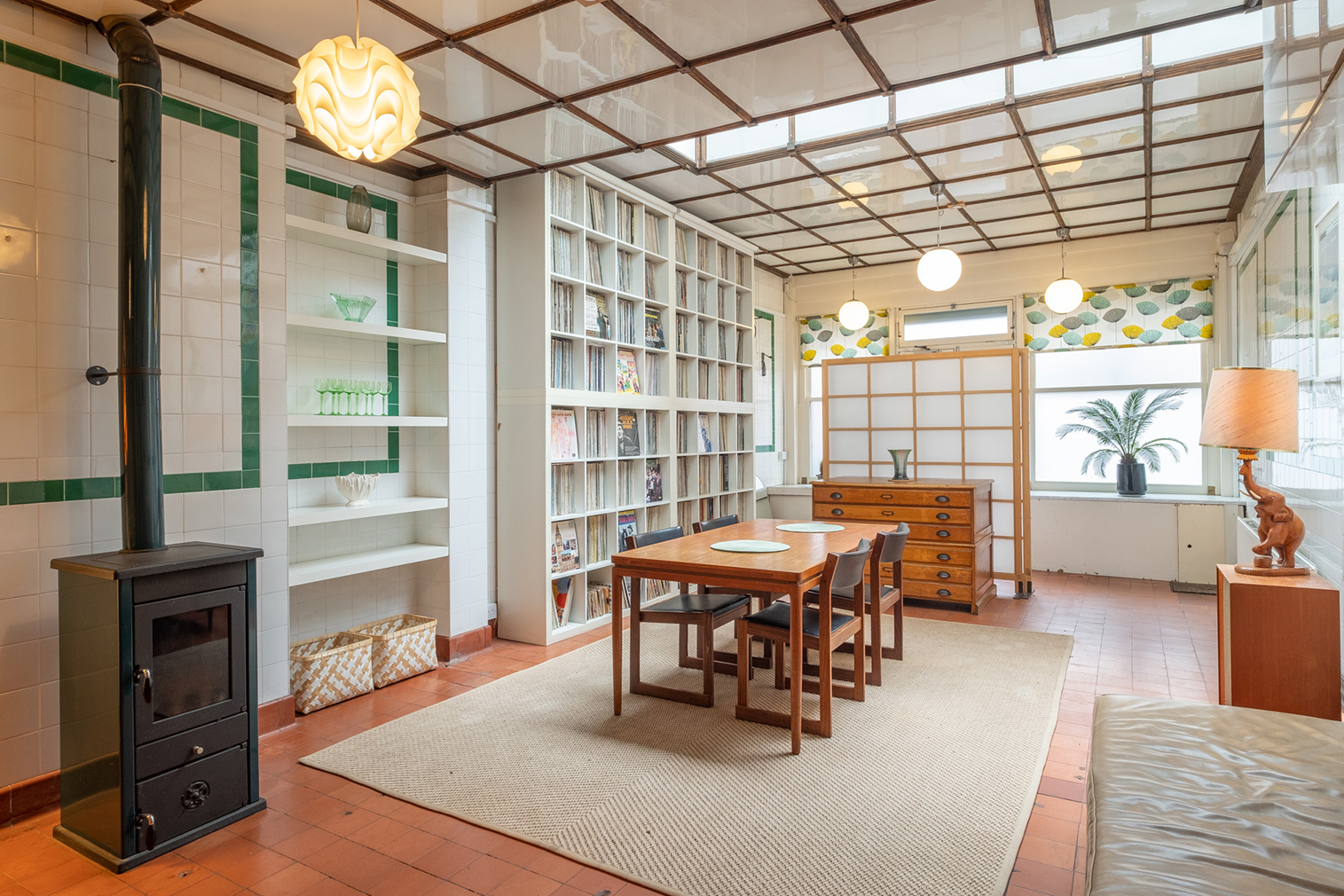
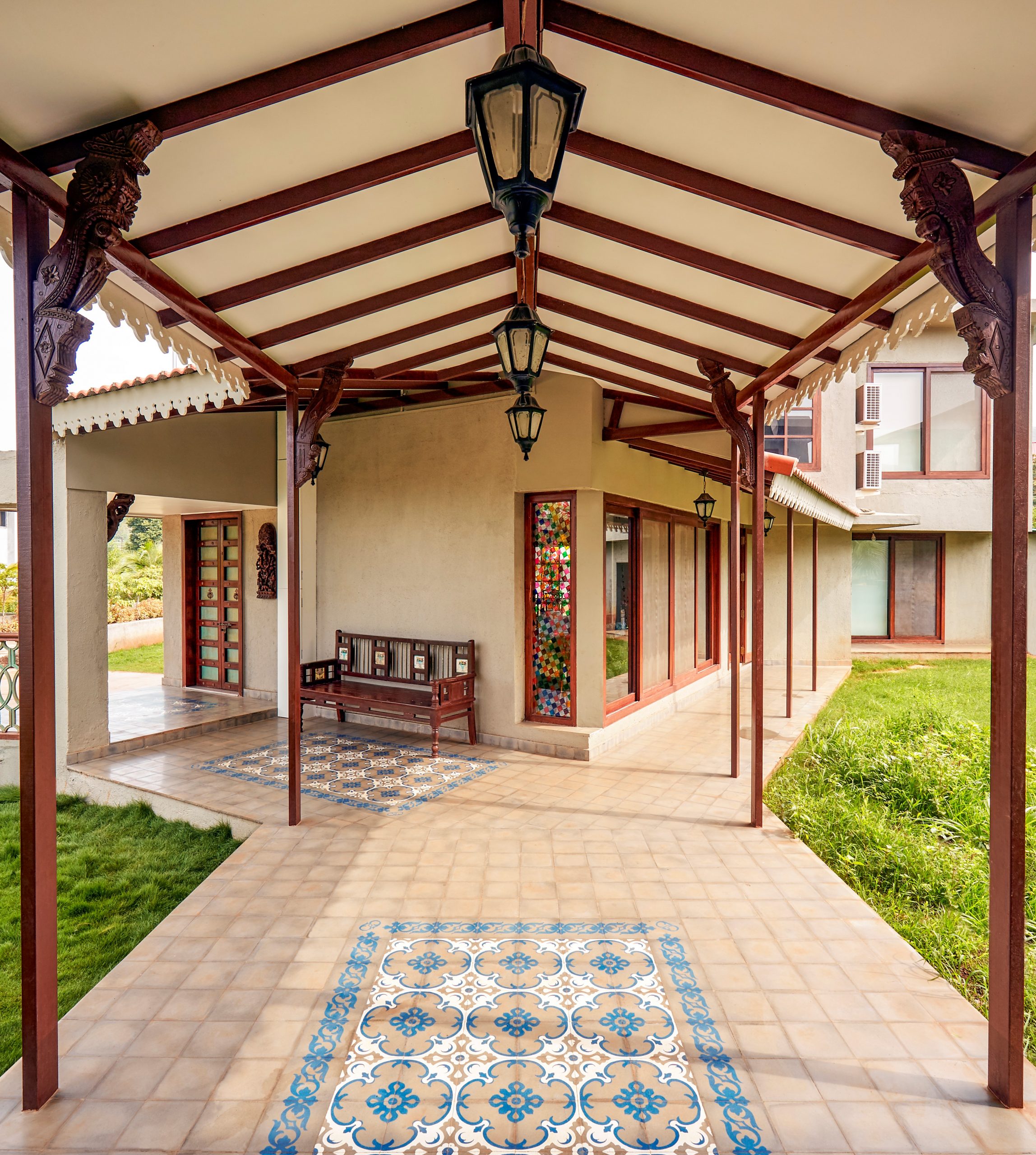
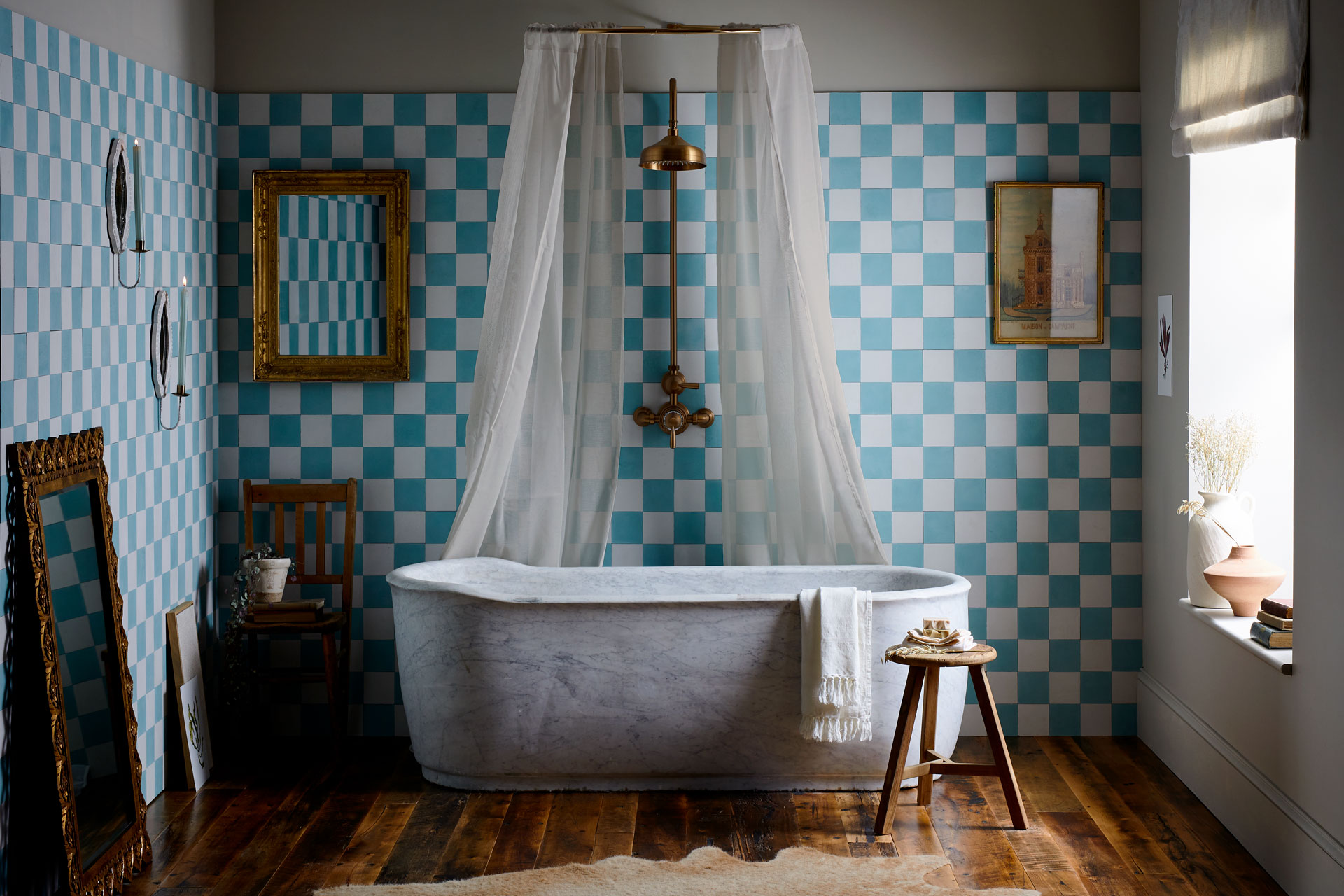
Handmade tiles are experiencing a significant resurgence in luxury hotels, shops, restaurants, and private properties across India, driven by a growing preference for authentic and sustainable products. This trend highlights the unique appeal of cement tiles, also known as decorative encaustic tiles or concrete tiles, which are celebrated for their ability to infuse spaces with an old-world charm through bold, traditional patterns. The article details how these tiles are being incorporated into diverse projects, such as Isprava’s Igreha Vaddo villas in Goa, where flooring features handmade art from Rajasthan and Karnataka, utilizing cement tiles and stones in various colors and patterns to create vibrant living spaces.
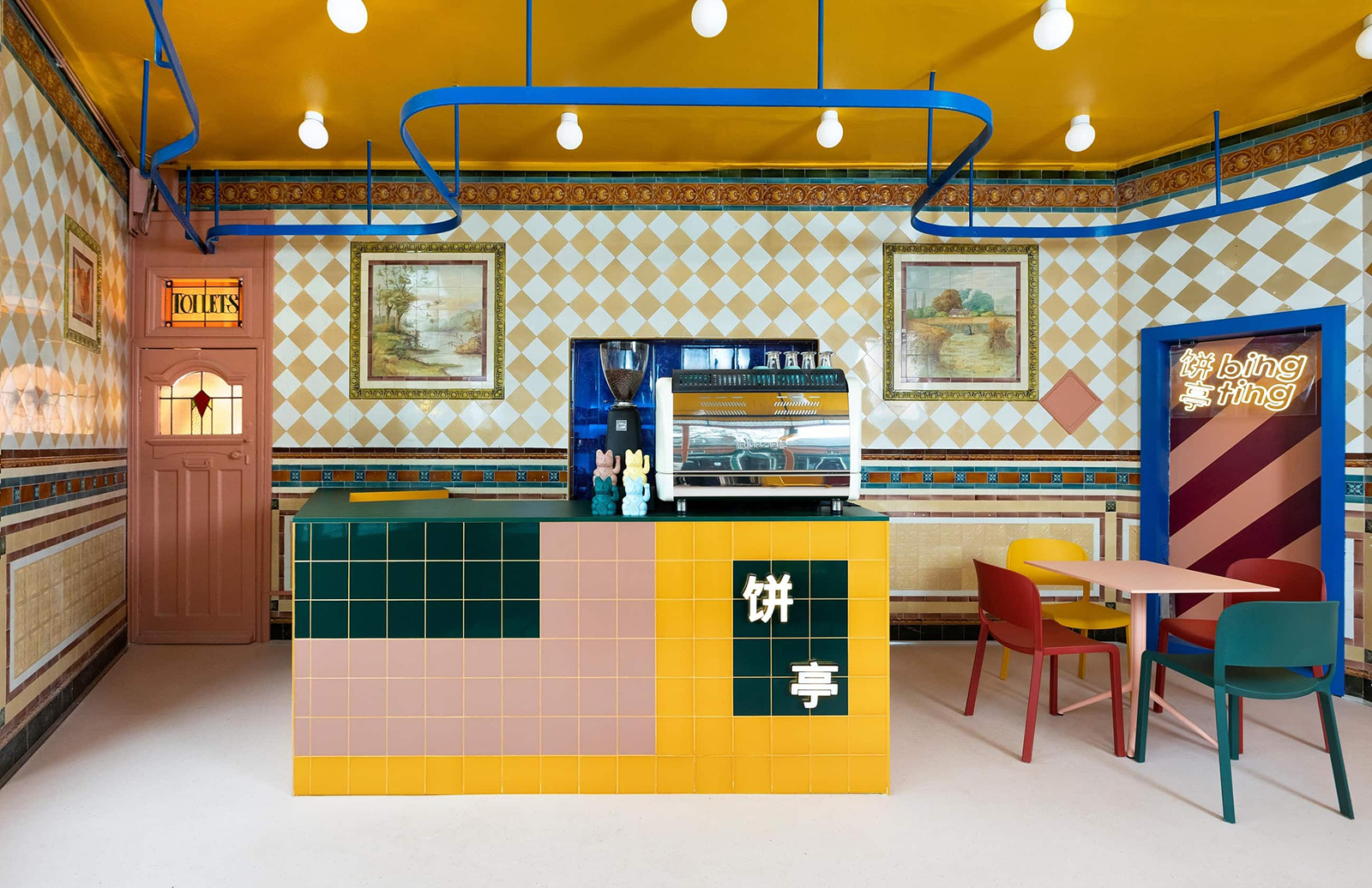
Interior designers are increasingly opting for customized handmade tiles to achieve specific aesthetic goals. For instance, Tejal Mathur, founder of Tejal Mathur Designs, used bespoke cobblestone flooring at the British Brewing Company in Mumbai to evoke a London marketplace ambiance. Similarly, the Boston Scientific office in Gurgaon installed handmade patterned tiles in its cafeteria to create a 3D effect, offering an upscale café feel. Punjab Grill in Hyderabad also showcases handmade tiles in a distinctive herringbone pattern.
One of the primary characteristics distinguishing handmade cement tiles is their inherent imperfection, which aligns with the Japanese concept of Wabi-Sabi—finding beauty in flaws. Each tile possesses unique variations in lines and edges, contributing to its distinct narrative and natural aesthetic, as noted by interior designer Sarah Sham from Essajees Atelier. This individuality makes every installation a unique work of art.
The manufacturing process of these tiles is entirely handcrafted, involving mineral pigments, cement, a metal mold, and a hydraulic press. Firdaus Variava, Vice-Chairman of Bharat Floorings, a company with nearly a century of experience in this craft, explains that metal molds are custom-made from design drawings. After casting, tiles undergo a water curing process followed by air-drying, which contributes to a longer delivery time compared to ceramic tiles. A key aspect of their durability is that the patterns are not merely printed or painted; instead, colored cement materials are hand-poured into divider molds, ensuring the patterns are an integral part of the tile and will endure for decades. These tiles are not fired and lack a glaze layer, deriving their strength from a finely dehydrated Portland cement layer combined with a coarser sand and cement layer.
Bharat Floorings has a rich history, having supplied tiles for iconic structures such as The Jewish Synagogue, The Royal Bombay Yacht Club, and the Salar Jung Museum. The company continues to innovate through collaborations with designers, aiming to merge modern sensibilities with traditional craftsmanship. The cost of handmade cement tiles is comparable to ceramic tiles, with prices increasing based on design intricacy.
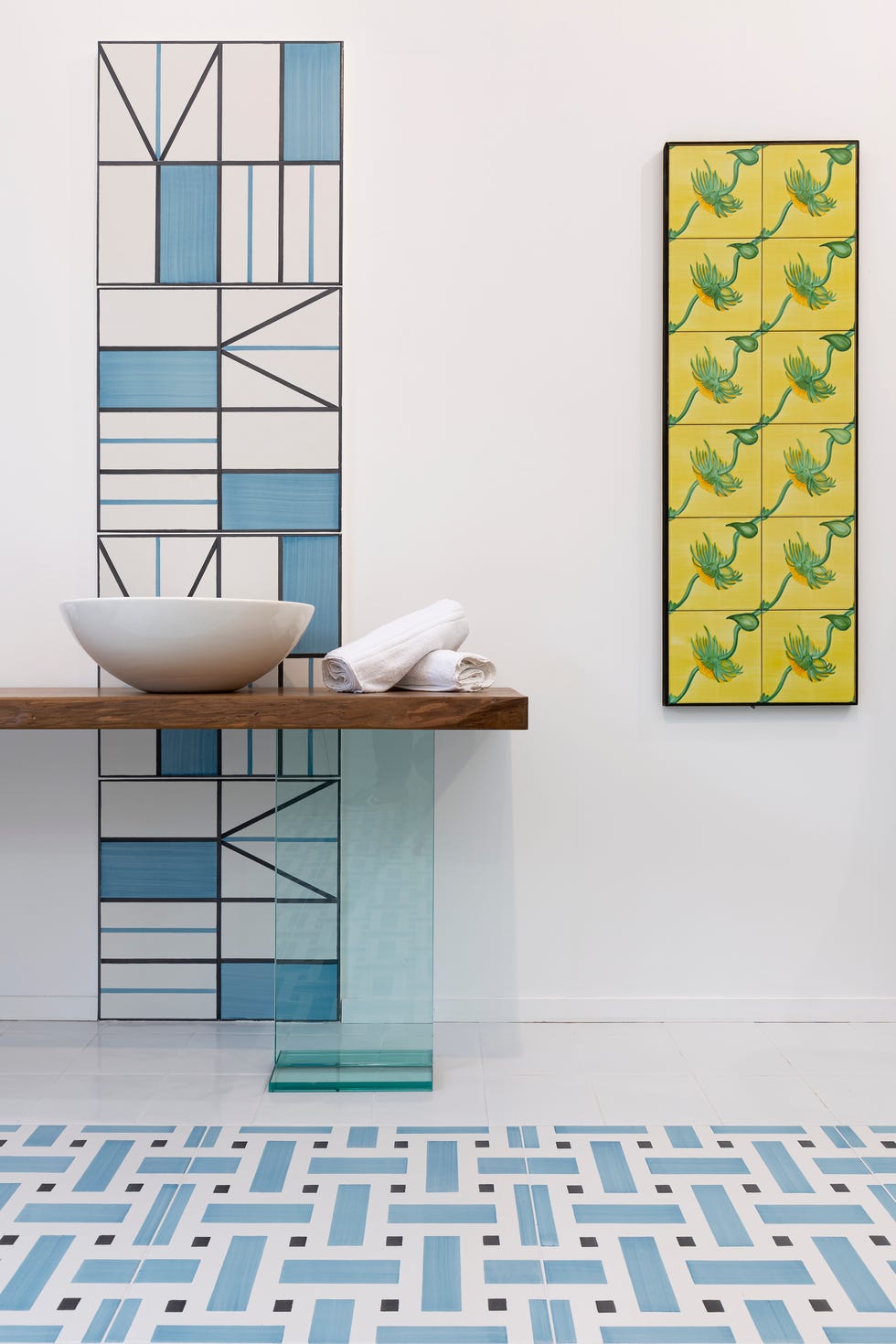
The current trend strongly favors heritage tiles, which have long been popular in retail and are now gaining traction in residential and hospitality sectors. These bespoke tiles come in a wide array of colors and designs, including floral, geometric, and increasingly, abstract shapes. Despite the emergence of new flooring styles like acid-stained, micro-cement, and epoxy floors, heritage tiles remain a timeless favorite. The overall direction in the tile industry leans towards more organic and natural-looking products, a niche perfectly filled by handmade tiles due to their unique, artisanal qualities.
#BharatFloorings #Featured #FirdausVariava #HandmadeTiles #Isprava #TejalMathur #LuxuryDesign #InteriorDesign #SustainableDesign #BharatFloorings #Featured #FirdausVariava #HandmadeTiles #Isprava #TejalMathur #LuxuryDesign #InteriorDesign #SustainableDesign
0 comment in total
 No comments yet
You may also like
INDUSTRY INSIGHT: Make a statement with a striking tiled feature wall

The Enduring Artistry of Vintage Tiles

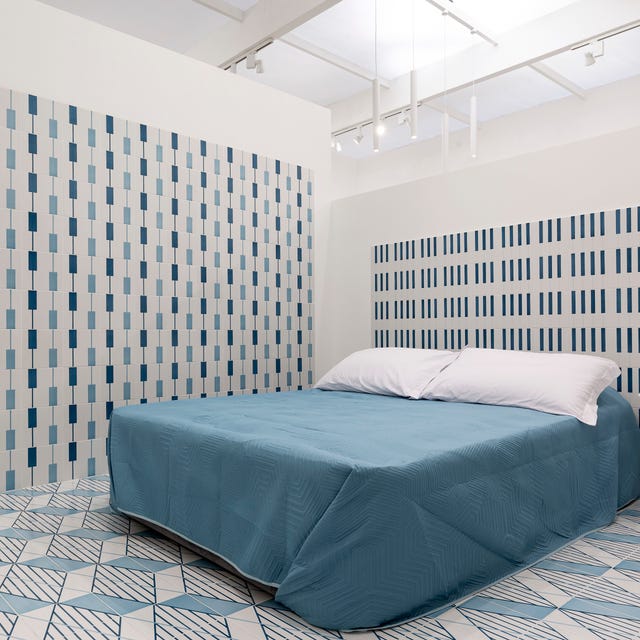
The New Horizons of Decorated Ceramic Tiles
Restoration Hardware’s Growing Sale Is Overflowing With Sleek, Luxurious Pieces
14 Coolest Home Decor Items You Can Buy at Luxury Hotels

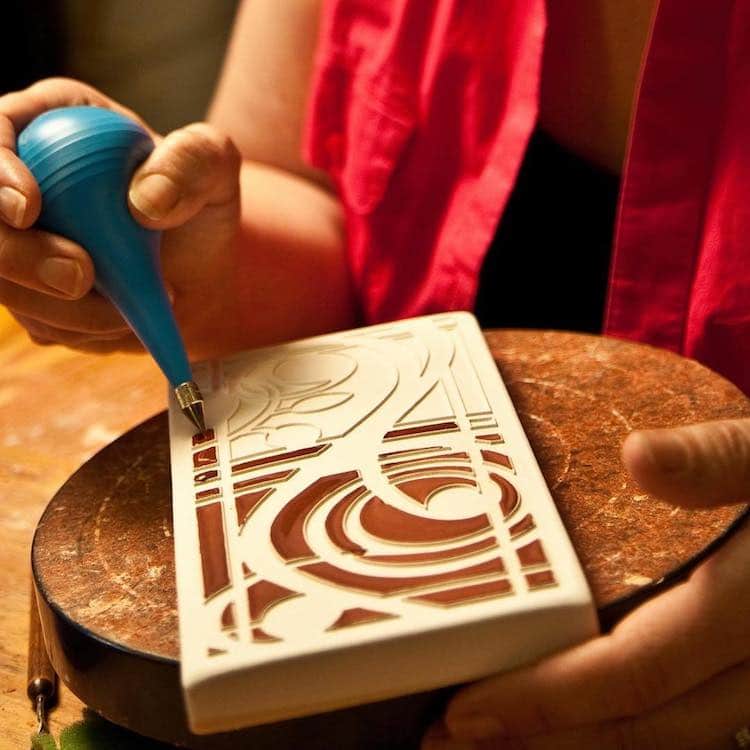
Booming Tile Shop Handcrafts Every Ceramic Tile as an Individual Work of Art


Tiles take inspiration from fashion
The 9 Best Tile Brands of 2023

Why top designers are turning to porcelain for contemporary surface solutions
Orvi Surfaces blends wood, metal, and stone in an impeccable new collection of tiles

Parkside launches Matrix ceramic wall tile collection
Decorator's Address Book: 12 interior designers on the best places to shop for tiles

Bold Tiles in 64 Different Shades (Published 2024)
Why Mosaics Are Suddenly on Every Interior Designer’s Mood Board
How Pink Salt Tiles Are Redefining Luxury Décor and Wellness Across the USA
From Bowls to Walls: How a Love of Ceramics Led to a Luxe Wallpaper Line

Decorative Tiles Are Back, Bigger and Better Than Ever
Surprising ways interior designers are using tiles
Why Homeowners Should Install High Definition Porcelain Tiles In Their Home

The Best British Tile Brands