1/10
The Most Controversial Design Choices We've Seen On HGTV's Fixer Upper
HGTV's "Fixer Upper," hosted by Joanna and Chip Gaines, has significantly influenced home decor, particularly through Joanna Gaines' modern farmhouse aesthetic. While the show is known for inspiring millions with its renovations, certain design choices made by the Gaineses have sparked considerable debate among fans and design experts. These controversial decisions range from unconventional floor plans to specific decorative elements that have been deemed impractical or aesthetically questionable.
One notable instance of a controversial design choice was the placement of a kitchen on the second floor of a barndominium during Season 3, Episode 7. This decision, made to economize on budget by utilizing an existing apartment layout, drew criticism from viewers who found it impractical for daily living, particularly concerning the logistics of carrying food and dishes up and down stairs. A suggested remedy involves reorganizing the upstairs space to serve as a dedicated dining area, relocating the living room downstairs to create a more traditional and functional home layout.
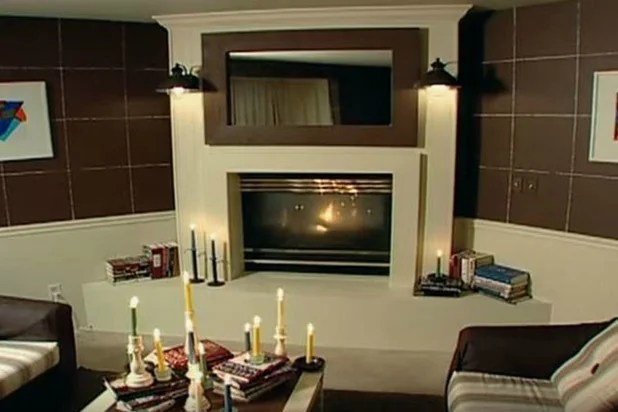
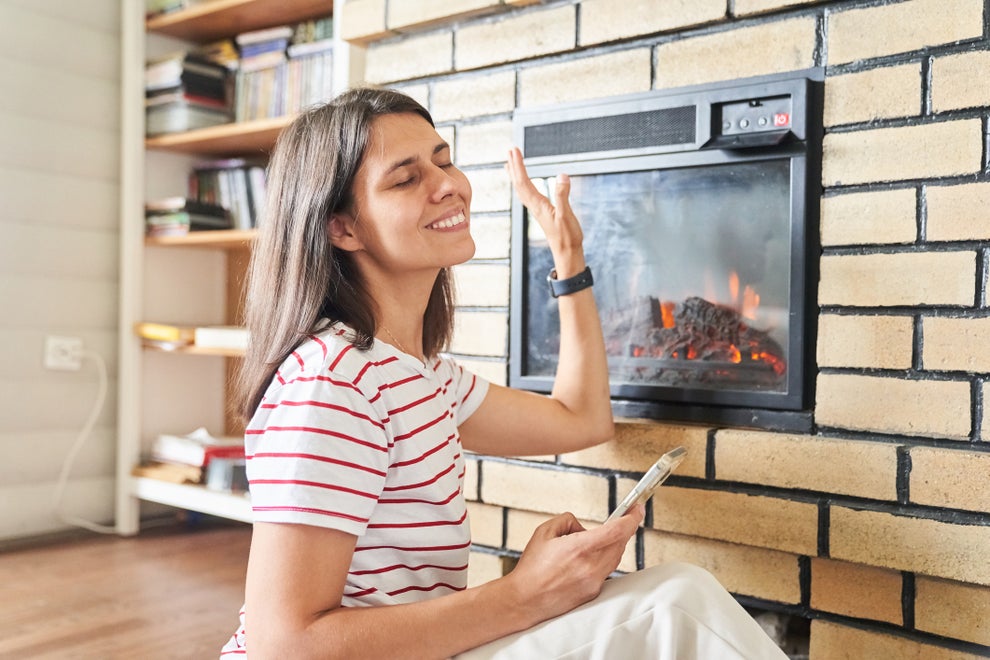
Another design element that generated discussion was the installation of artificial fireplaces purely for character. In Season 1, Episode 6, a mock fireplace was incorporated into a wall, complete with wire baskets and bird nests, making it clear the feature was not functional. To achieve a more authentic look with an artificial fireplace, designers recommend creating a proper surround with a mantel and faux brick interior, using materials like MDF and Roman clay, to give the illusion of a sealed, real chimney.
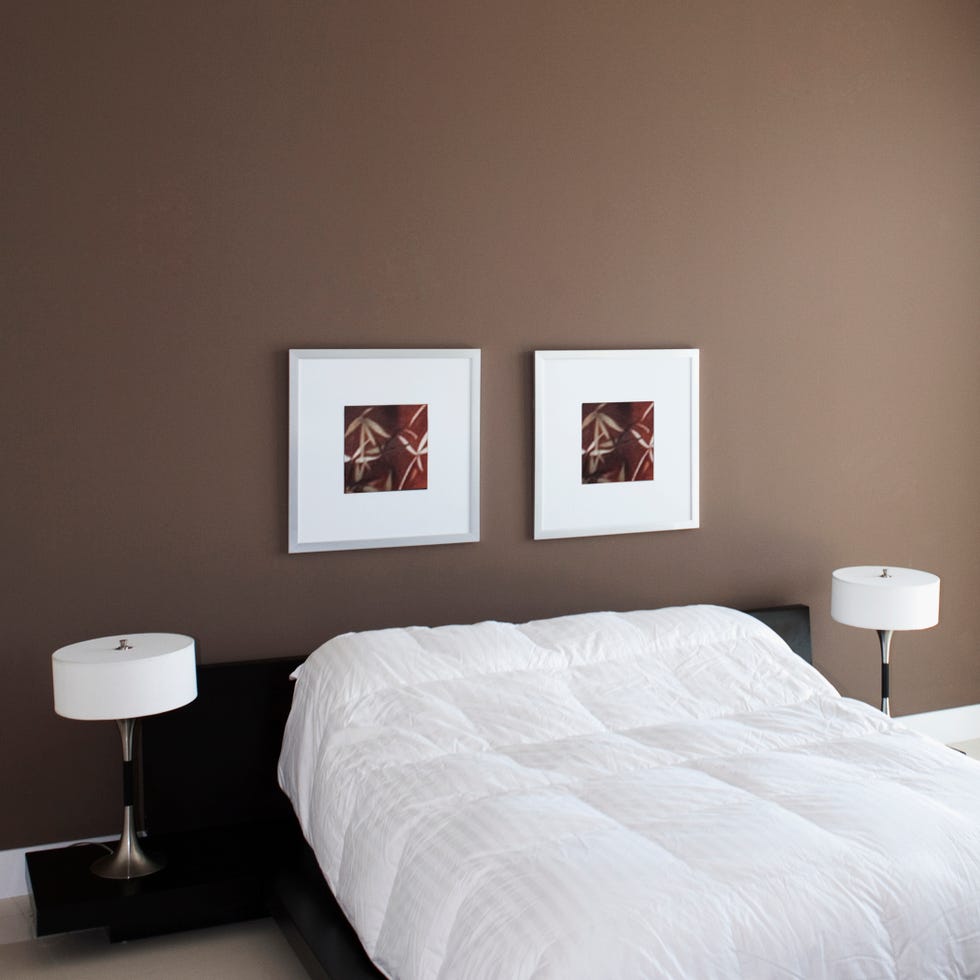
Floating nightstands suspended by ropes in a Season 3 renovation also faced criticism for their impracticality. These tables, described as unstable and potentially obstructive, were seen as less functional than traditional nightstands. For those seeking the aesthetic benefits of floating nightstands, such as reducing visual clutter or facilitating cleaning, wall-mounted versions are suggested as a more stable and practical alternative.
The use of old windows as nursery art in Season 2, Episode 9, was another design choice that raised eyebrows. A paint-chipped antique window, hung over a baby's crib and adorned with mason jars and baby's breath, was perceived as random and unbefitting for a nursery. Modern design alternatives, such as large mirrors, are now favored by Joanna Gaines to fill empty wall spaces, offering reflective qualities that enhance the sense of space without the issues associated with the old window decor.
Generic word art, exemplified by a sign reading "Today is a good day for a good day" in Season 1, Episode 8, also proved controversial. This type of decor is often criticized for being generic and lacking genuine inspiration. Designers advise against word salad art, instead recommending a mix of diverse art mediums, such as paintings, photography, and wood pieces, to create a more varied and engaging wall display.
Excessive use of reclaimed wood, as seen in an entire kitchen designed with the material in Season 2, Episode 1, was another point of contention. While reclaimed wood can add rustic charm, its overuse led to a visually heavy and repetitive aesthetic. The recommendation is to use reclaimed wood sparingly, perhaps as an accent wall, a mantel, or in open shelving, to maintain its special appeal without overwhelming a space.
Similarly, covering a tray ceiling with reclaimed wood in Season 3, Episode 11, was criticized for two reasons: it contributed to the overabundance of rustic wood accents and highlighted an outdated architectural feature. Tray ceilings themselves are considered passé by many designers, and drawing attention to them with texture is generally advised against. A common modern approach is to cover tray ceilings with drywall to create a flat, contemporary look.
Finally, the graphic grid wallpaper used in a boy's bedroom in the "Mini Reni" series, while intended to be masculine and subtle, was likened by viewers to an "'80s airport bathroom." This response suggests that certain patterns or designs can inadvertently evoke dated aesthetics. To avoid this, designers might opt for patterns with a chunkier grid or different geometric shapes, or consider stripes, to achieve a modern and appealing look.
These examples illustrate that even highly influential designers like Joanna Gaines can make choices that divide opinion, underscoring the subjective nature of home design and the constant evolution of aesthetic trends.
#FixerUpper #JoannaGaines #ChipGaines #HomeDesign #InteriorDesignTrends #ControversialDesign #ModernFarmhouse #HGTV #HomeRenovation #FixerUpper #JoannaGaines #ChipGaines #HomeDesign #InteriorDesignTrends #ControversialDesign #ModernFarmhouse #HGTV #HomeRenovation
0 comment in total
 No comments yet
You may also like
"It's Like I'm On An HGTV Acid Trip": People Are Denouncing The Worst Home Design Features

5 Kitchen Renovation Moves That Make Designers CRINGE

"Frankly, It's Tacky": People Are Revealing Common Home And Kitchen Design Trends They Can't Stand
We Asked Designers Which Kitchen Features People Regret Most, and Now We Can't Unsee the Mistakes

This Controversial Home Layout Has DIVIDED the Design World

Married To Real Estate: 10 Best Kitchen Renovations According To Fans

'Extreme Makeover: Home Edition' Was Less Wholesome and Way More Controversial Than You Remember

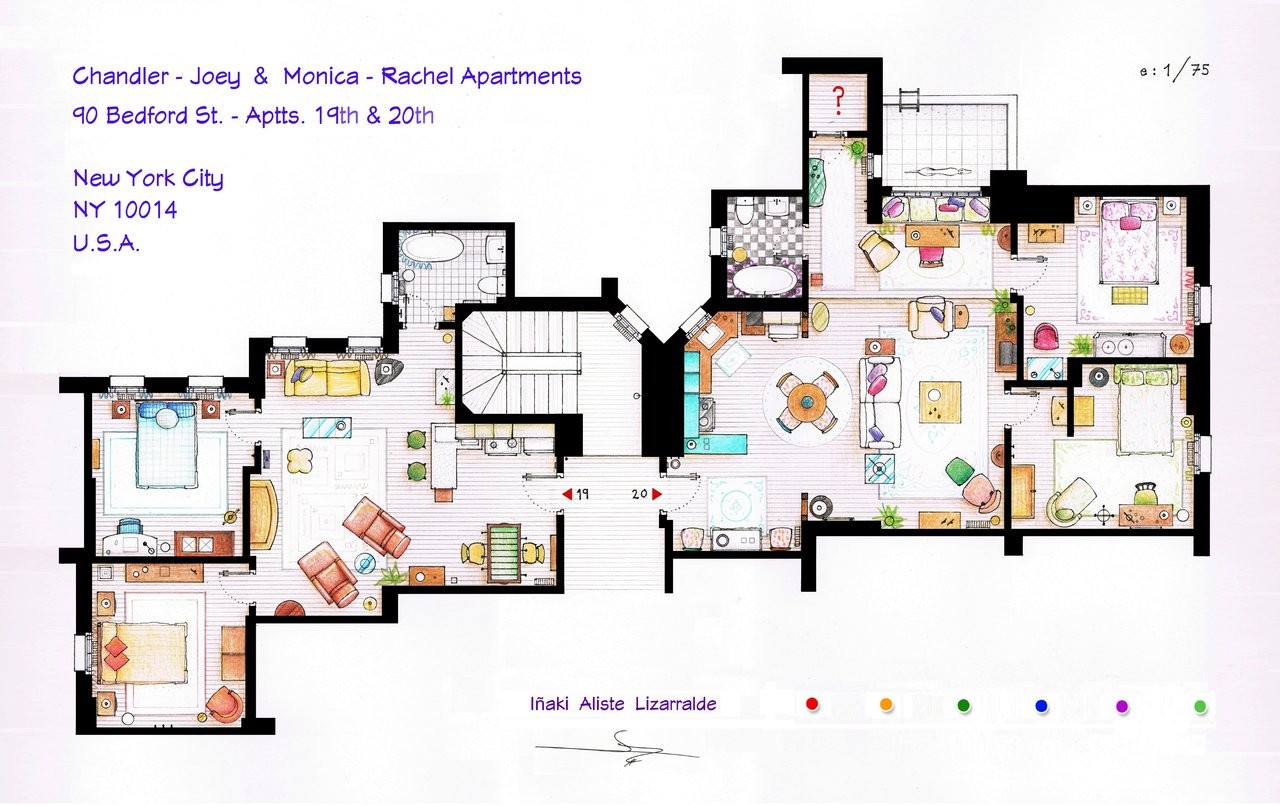
From Friends to Frasier: 13 Famous TV Shows Rendered in Plan

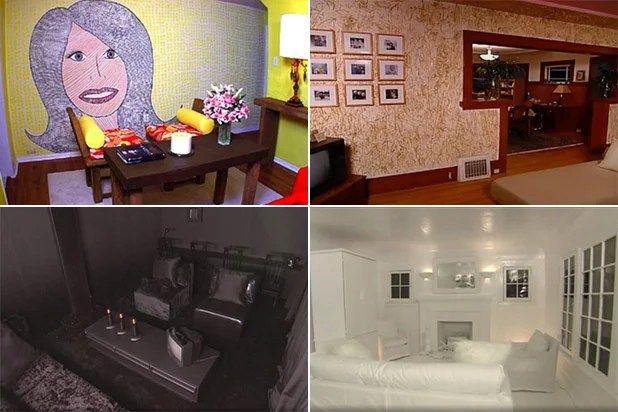
13 Worst ‘Trading Spaces’ Designs, From the Sob-Inducing Fireplace to Straw-Covered Walls (Photos)


Page Turner Talks New Era on HGTV’s “Love It or List It”

"Frankly, It's Tacky": People Are Revealing Common Interior Design Trends They Can't Stand
17 HDB Renovations With Crazy Cool Features From Shipping Container Walls To A Galaxy Floor
The “Absolute Worst” Renovation on the Property Brothers’ New HGTV Show Is One You’d Never Imagine

Rounding Up The Best Kitchen Makeovers We've Seen From HGTV's Hilary Farr
Changing Rooms bought us these dodgy 90s trends - how many are YOU guilty of?

Move That Bus! — See the Original 'Extreme Makeover: Home Edition' Cast Today

9 CONTROVERSIAL Decor Choices Designers Secretly Wish You’d Stop Making
7 Surprising Ways Halston Changed Interior Design Forever, According to the Director of the Hot New Netflix Series


Outdated Trends That HGTV's Property Brothers Swear Are Ruining Your Home's Vibe
The real stories behind those TV home makeover shows: New design podcast dishes on why they're harmful