How to move a light fixture…NOT!
This article highlights a significant issue encountered during a home renovation, specifically regarding the relocation of a light fixture in a basement bathroom. The problem arose when a contractor extended existing ductwork into a new room, requiring the installation of a new bulkhead. This bulkhead was positioned in such a way that it encroached upon the electrical box of an existing ceiling light fixture, preventing the fixture from being properly installed.
The contractor's approach to this obstruction was unconventional and posed several safety and functional concerns. Instead of relocating the electrical box or modifying the bulkhead, the contractor left the light fixture hanging precariously by its wires. This setup is particularly problematic given its proximity to a shower, estimated to be only about 20 inches away, raising immediate electrical safety concerns in a wet environment. Furthermore, the light fixture, designed for two bulbs, no longer had sufficient space for both due to the bulkhead's intrusion. The contractor's solution was to simply remove one of the bulbs, compromising the intended illumination and appearance of the fixture.
The author expresses surprise and concern that this installation passed the final electrical inspection, suggesting that the bathroom door might have been closed during the inspection, thereby obscuring the defect. Despite the clear issues, the contractor maintained that there was no need to move the electrical box, promising to find a fixture that would fit without overlapping the bulkhead. However, this promise remained unfulfilled over a year later, leaving the homeowner with a poorly installed and potentially hazardous lighting situation. The incident serves as a cautionary tale about construction oversight and the importance of proper planning and execution in home renovation projects, particularly concerning electrical installations and structural changes. It underscores the need for homeowners to closely supervise work and ensure that contractors adhere to safety standards and proper building practices, even after inspections have been conducted. The article implicitly advocates for professional integrity and accountability in home improvement services, demonstrating how even seemingly minor issues can lead to significant inconvenience and safety risks if not addressed correctly.
#HomeRenovation #ElectricalSafety #ContractorIssues #LightFixtureInstallation #BuildingBlunders #BathroomDesign #HomeImprovement #HomeRenovation #ElectricalSafety #ContractorIssues #LightFixtureInstallation #BuildingBlunders #BathroomDesign #HomeImprovement
0 comment in total
 No comments yet
You may also like
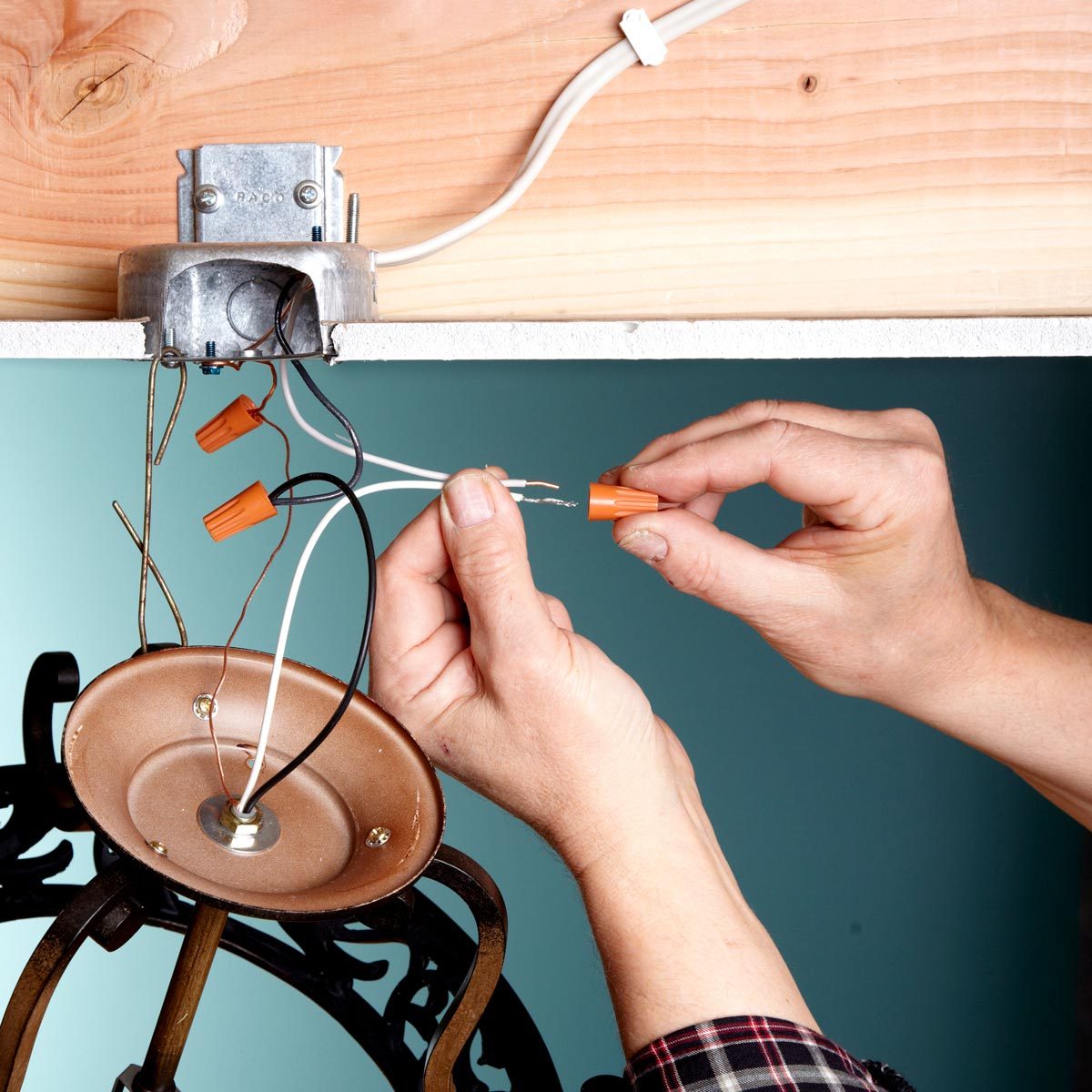
How to Change a Light Fixture

Light Switches - Our Pick of the Best

Wiggle lamps are the lighting trend we’re seeing everywhere

What to Know About Upgrading Your Light Fixtures

Banish the “Big Light” Completely With Some Snazzy Lamps

Downlights


Renovators Swear by This Pendant Light Hack

13 Rather Attractive Cordless Lamps

How to change a lightbulb above the stairs – 4 safe steps to switch out bulbs


Keeping the Light On

Dynamic perspectives: a lamp that transforms with every angle

Chic Lighting Fixtures - Lighting To Redecorate Your Rooms

Winch Hack Lets Your Change Chandelier Light Bulbs At Ground Level

Indoor Lights
Switches & Sockets | Electrical indoor Lighting

Simple or sculptural, the right light fixture can make any room shine


Be gone, 'boob light' – here's just how to fix unattractive ceiling lights
Lighting Up


Home Decor: A pendant lamp that appears to be floating in air


We Asked Cleaning Pros How to Clean a Lighting Fixture You Can't Reach, and It's So Easy