1/7
Updating a heritage home? These are Shea McGee's top tips for blending historic details with modern charm
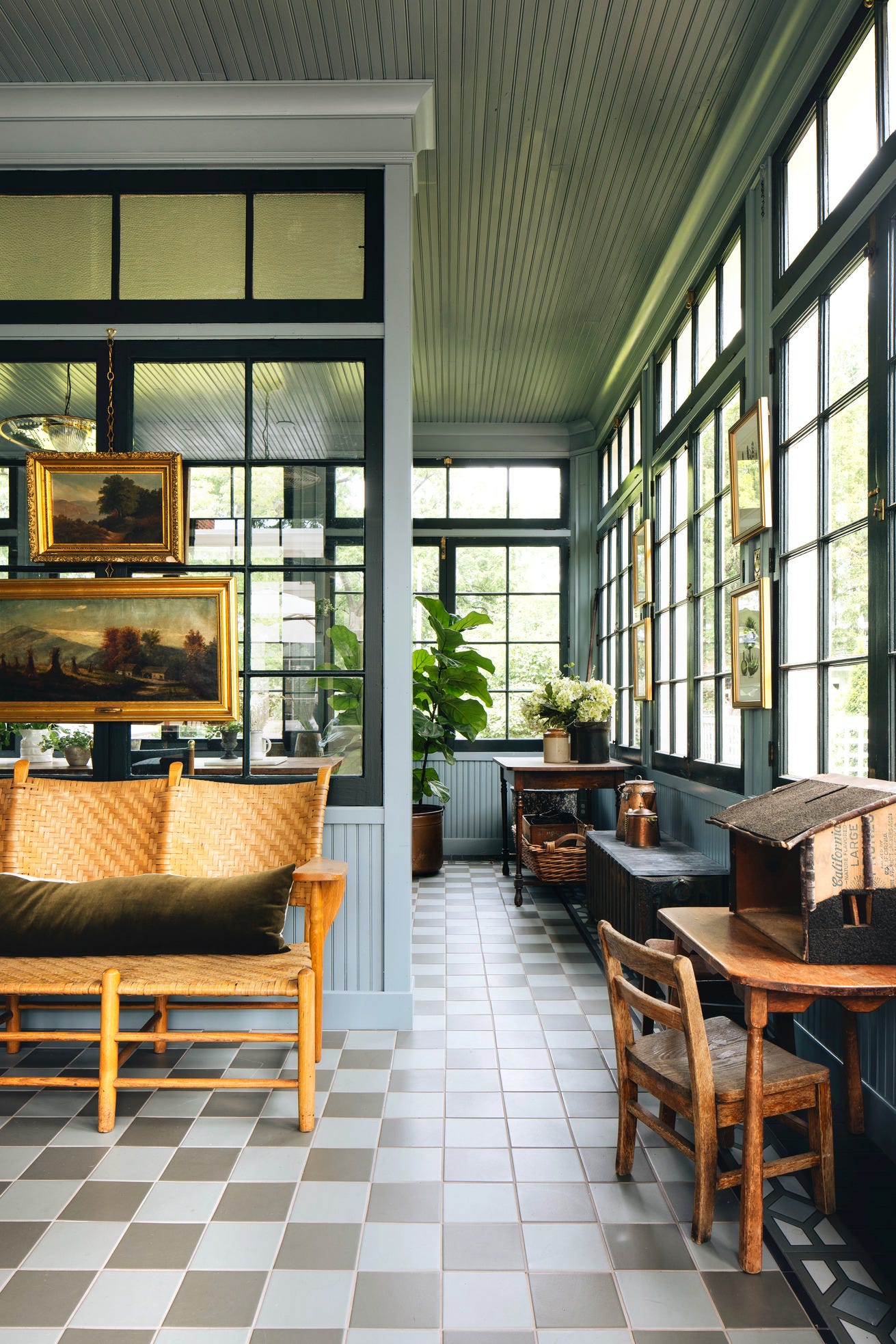
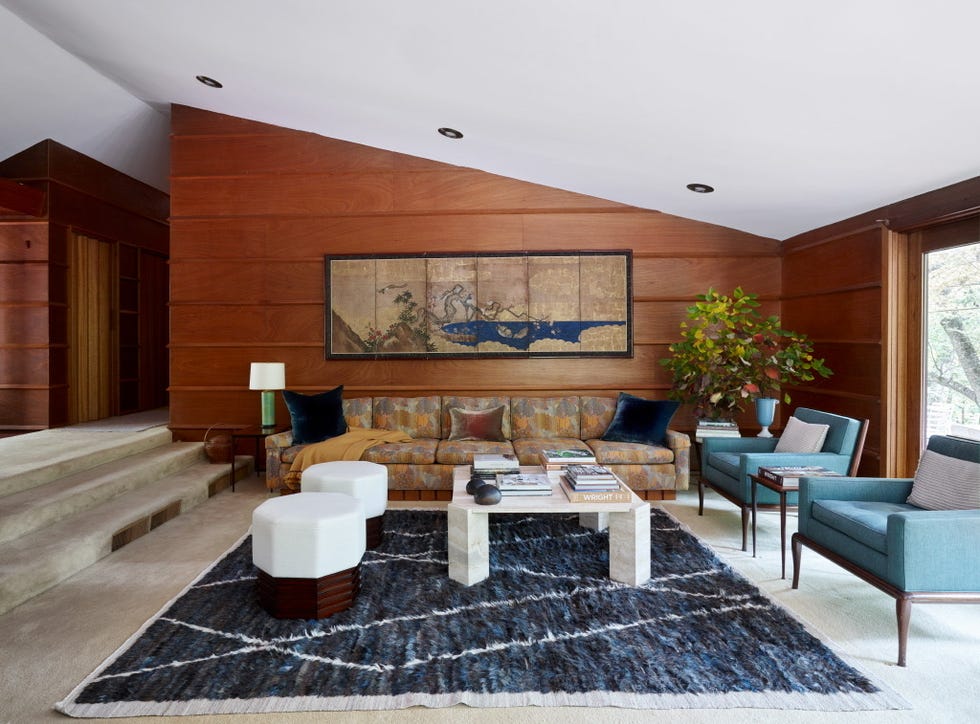
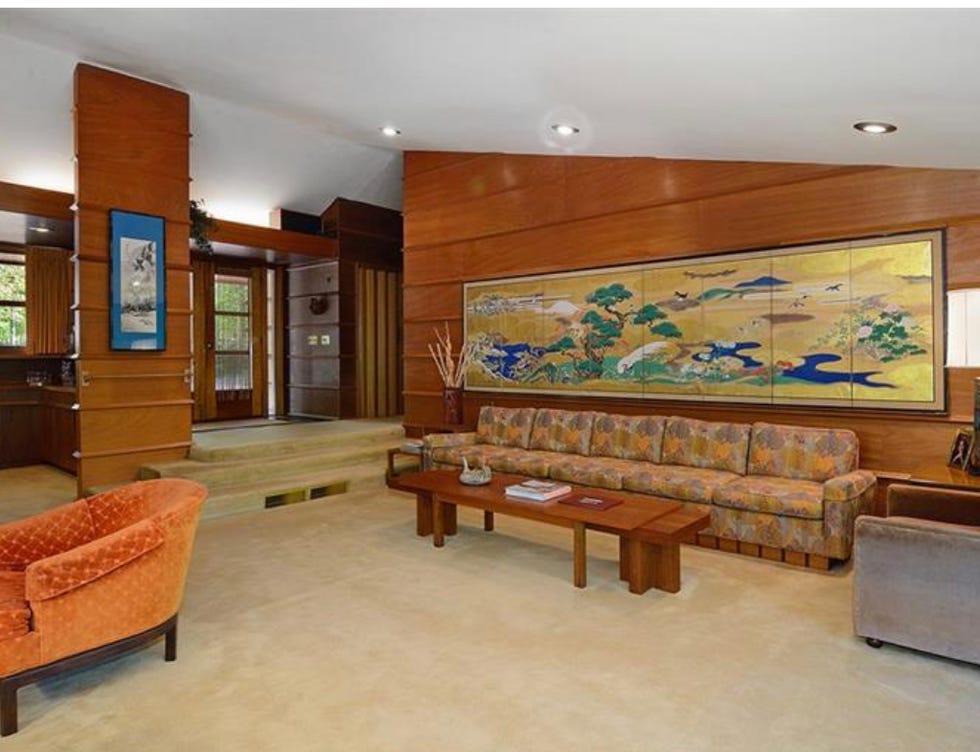
Renowned interior designer Shea McGee offers six key strategies for successfully updating heritage homes, ensuring a harmonious blend of historical character and contemporary functionality. This guidance is particularly relevant for those undertaking renovations of older properties, which often come with unique design challenges beyond typical logistical concerns like structural integrity or utility upgrades.
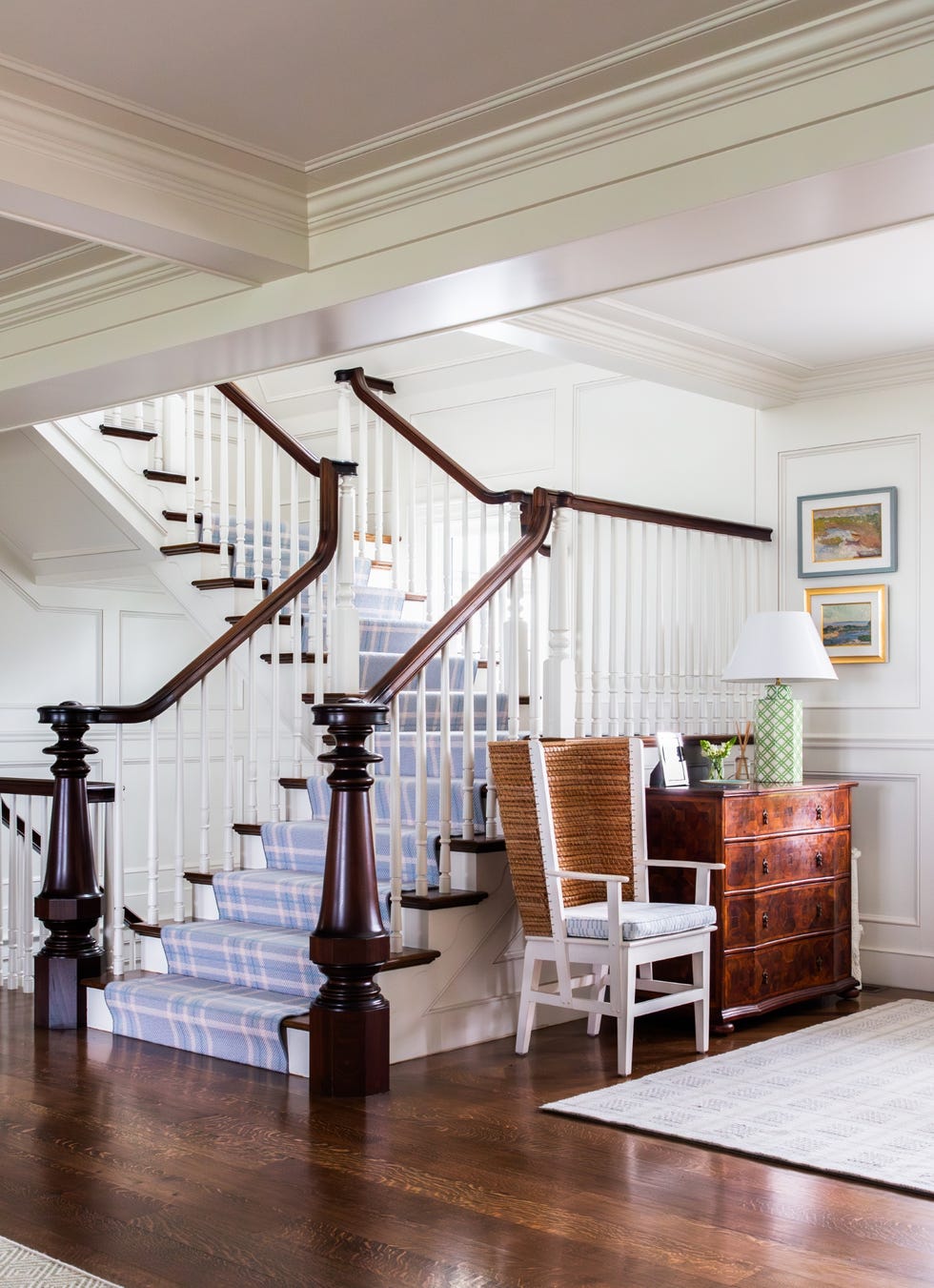
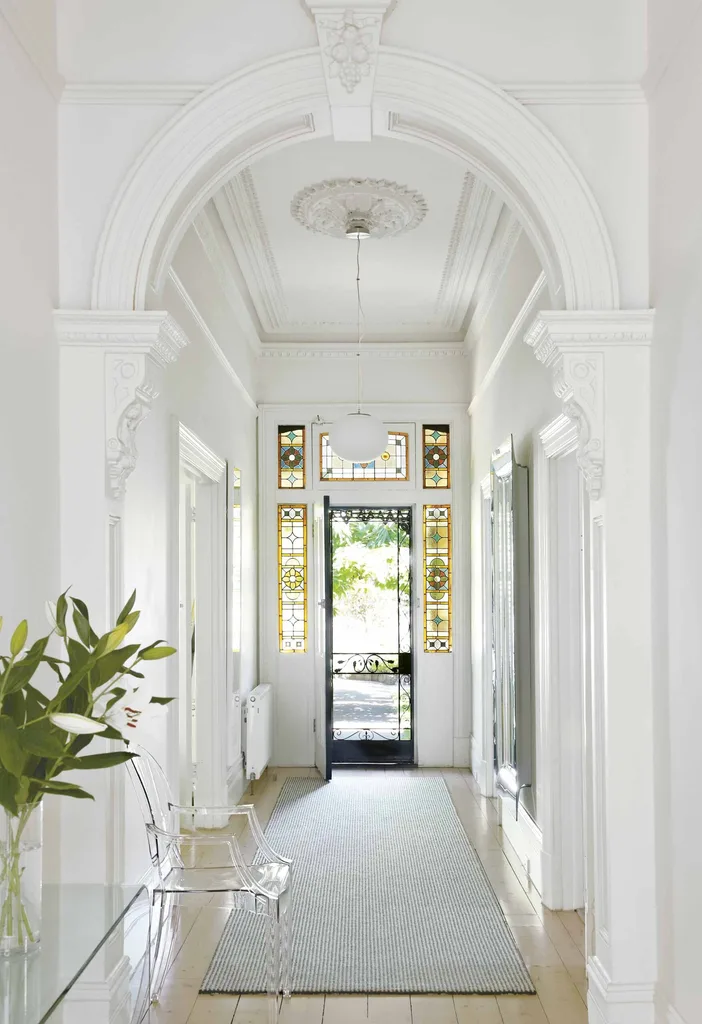
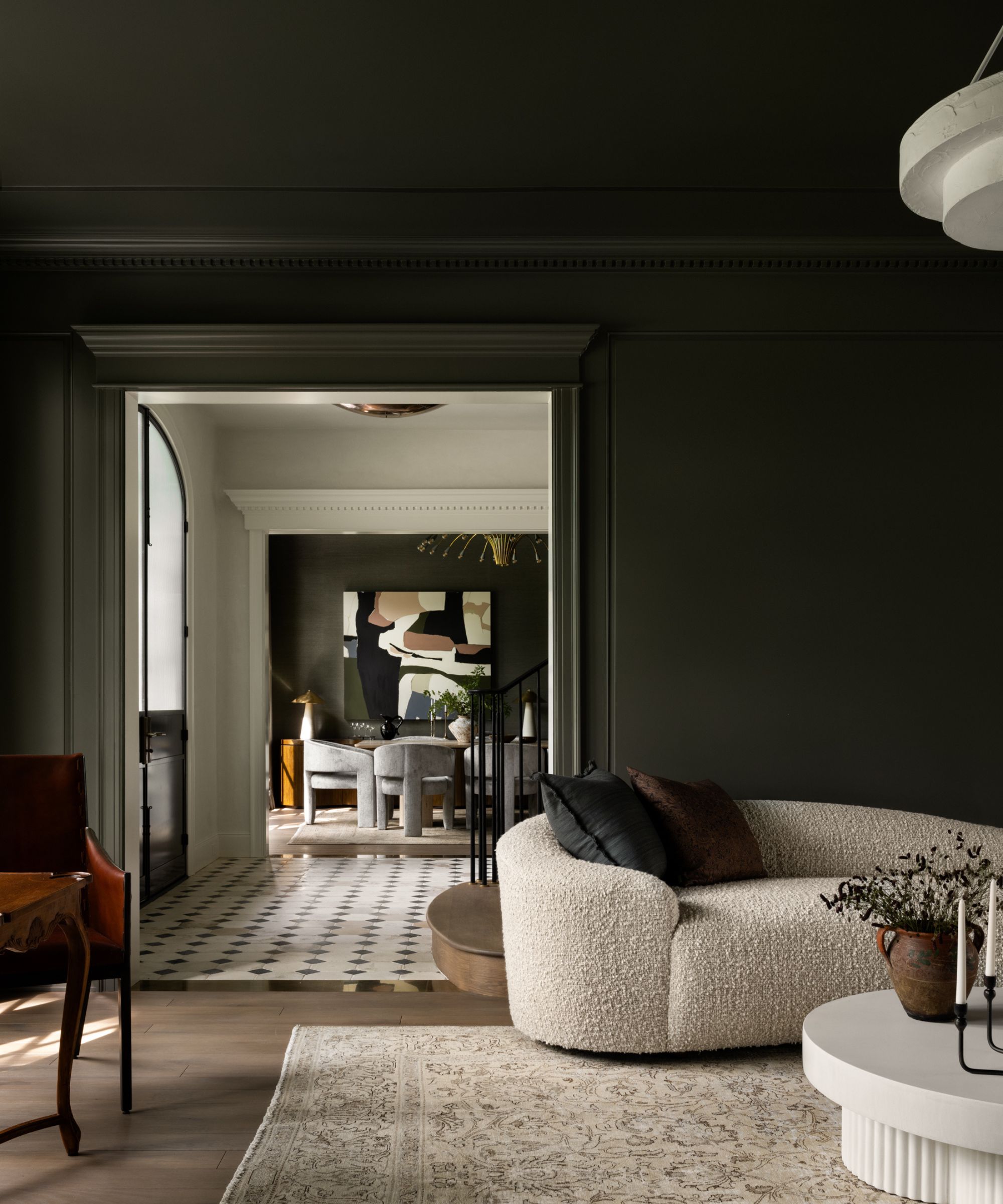
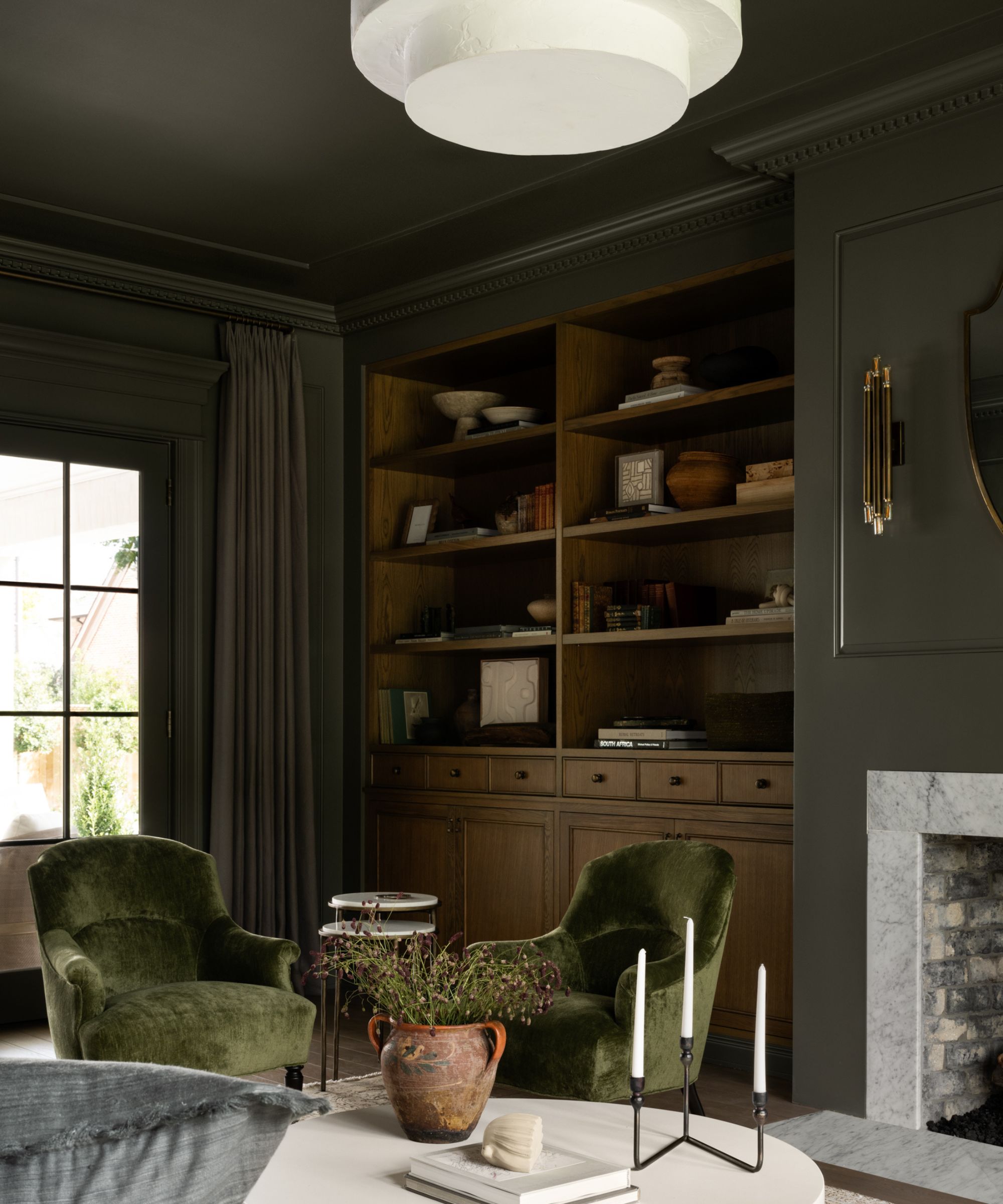
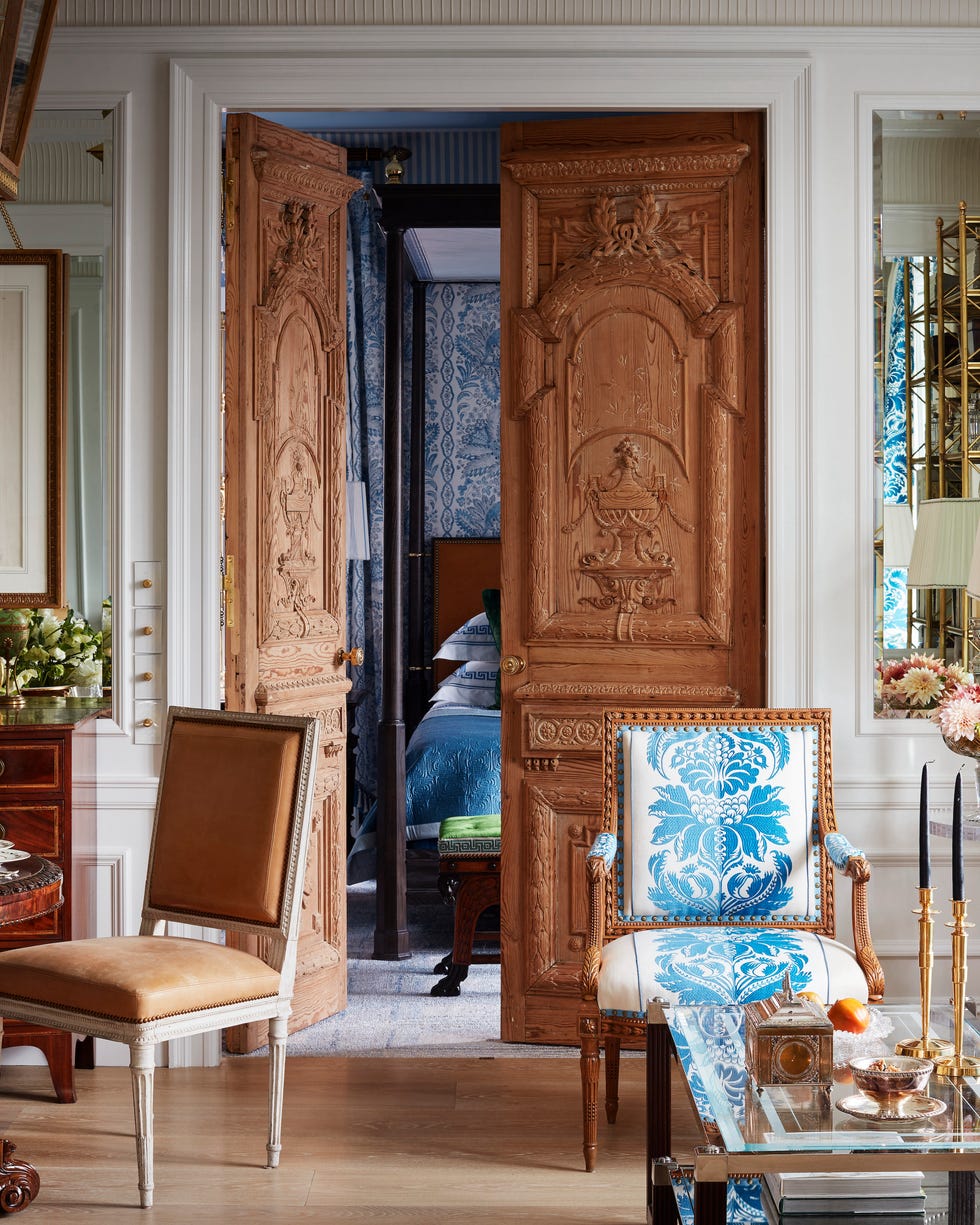
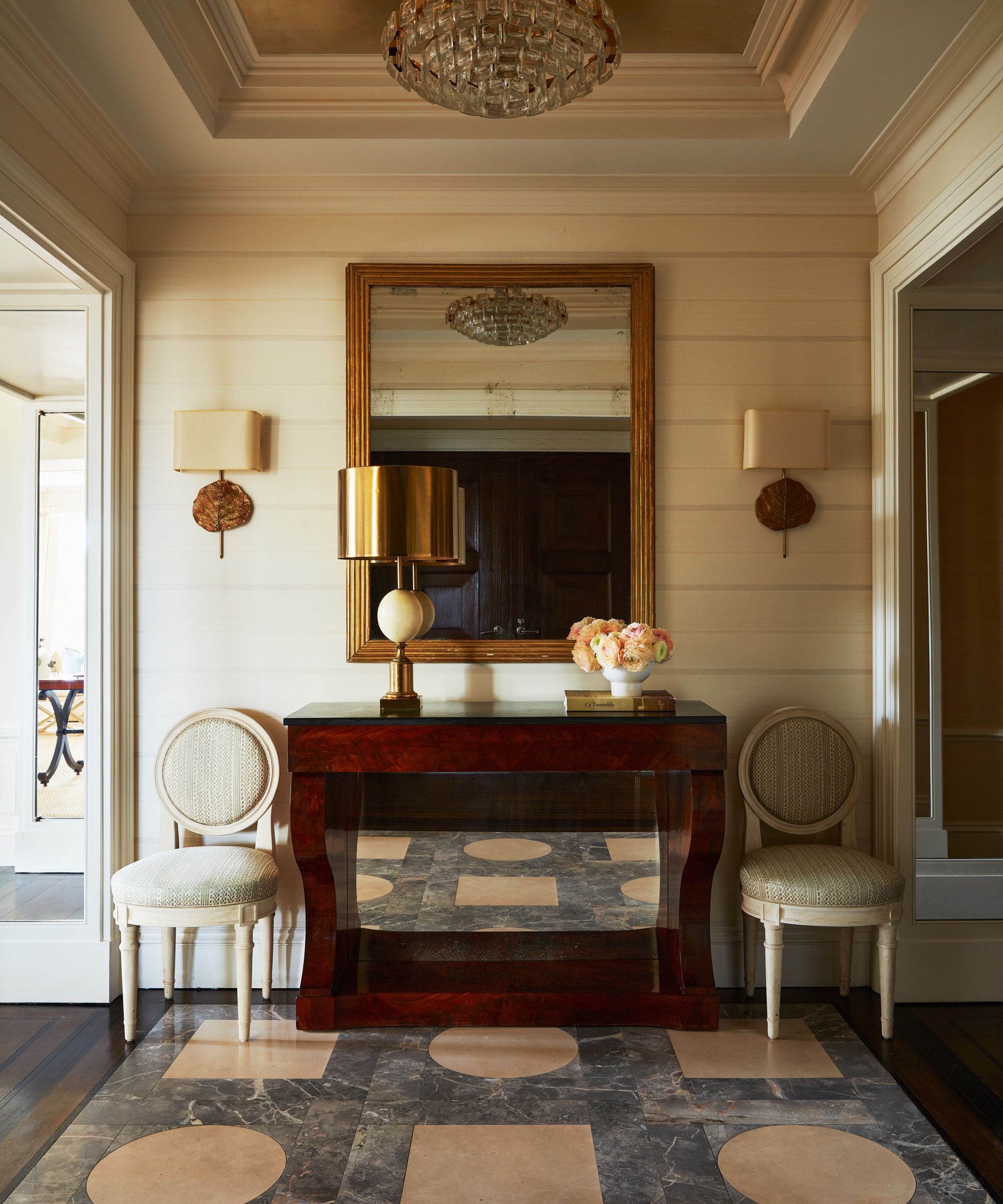
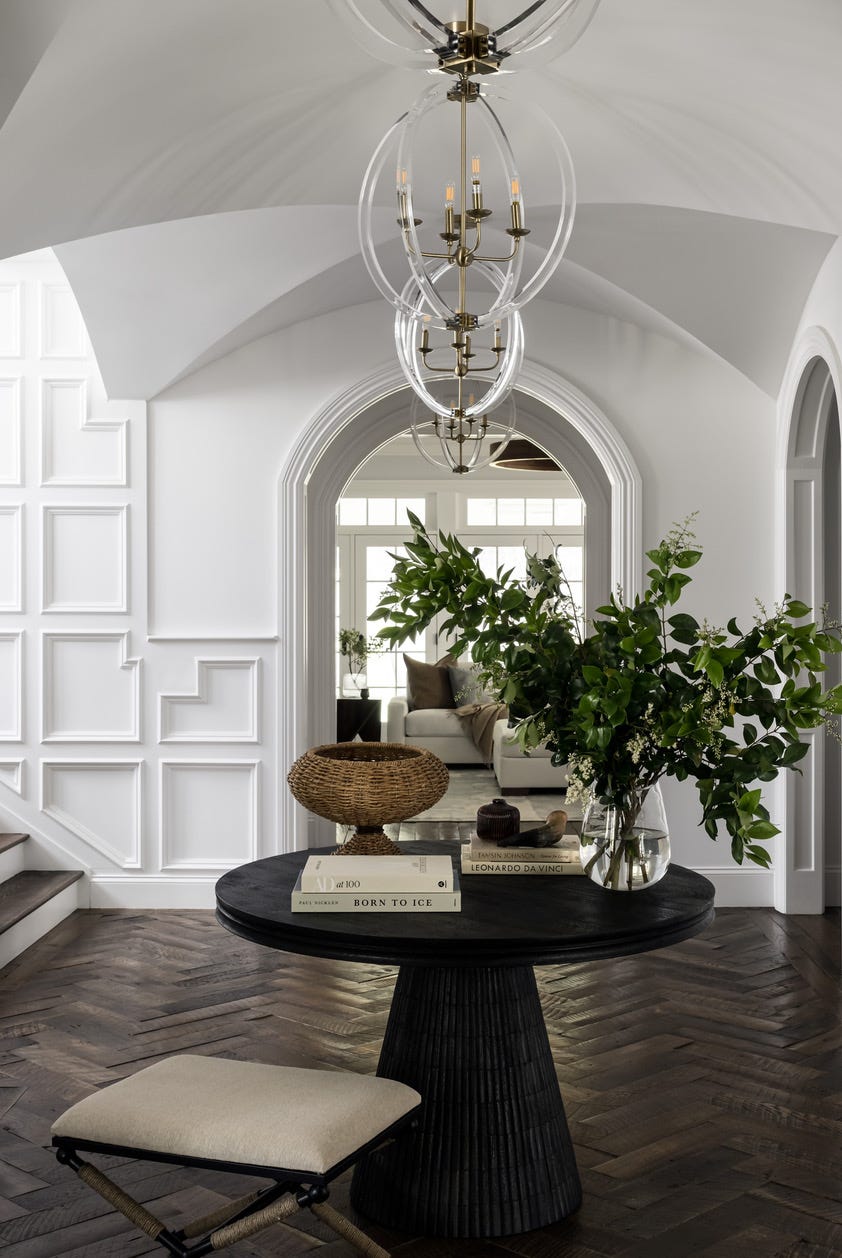
The first recommendation focuses on the strategic use of molding and trim. While many historic homes already feature intricate architectural details, McGee emphasizes the importance of accentuating existing elements and adding new ones to enhance the overall impact. This approach can imbue even modern spaces with a touch of historic charm, as exemplified in her Maryland Heritage Remodel where new molding elevated a timeless entryway.
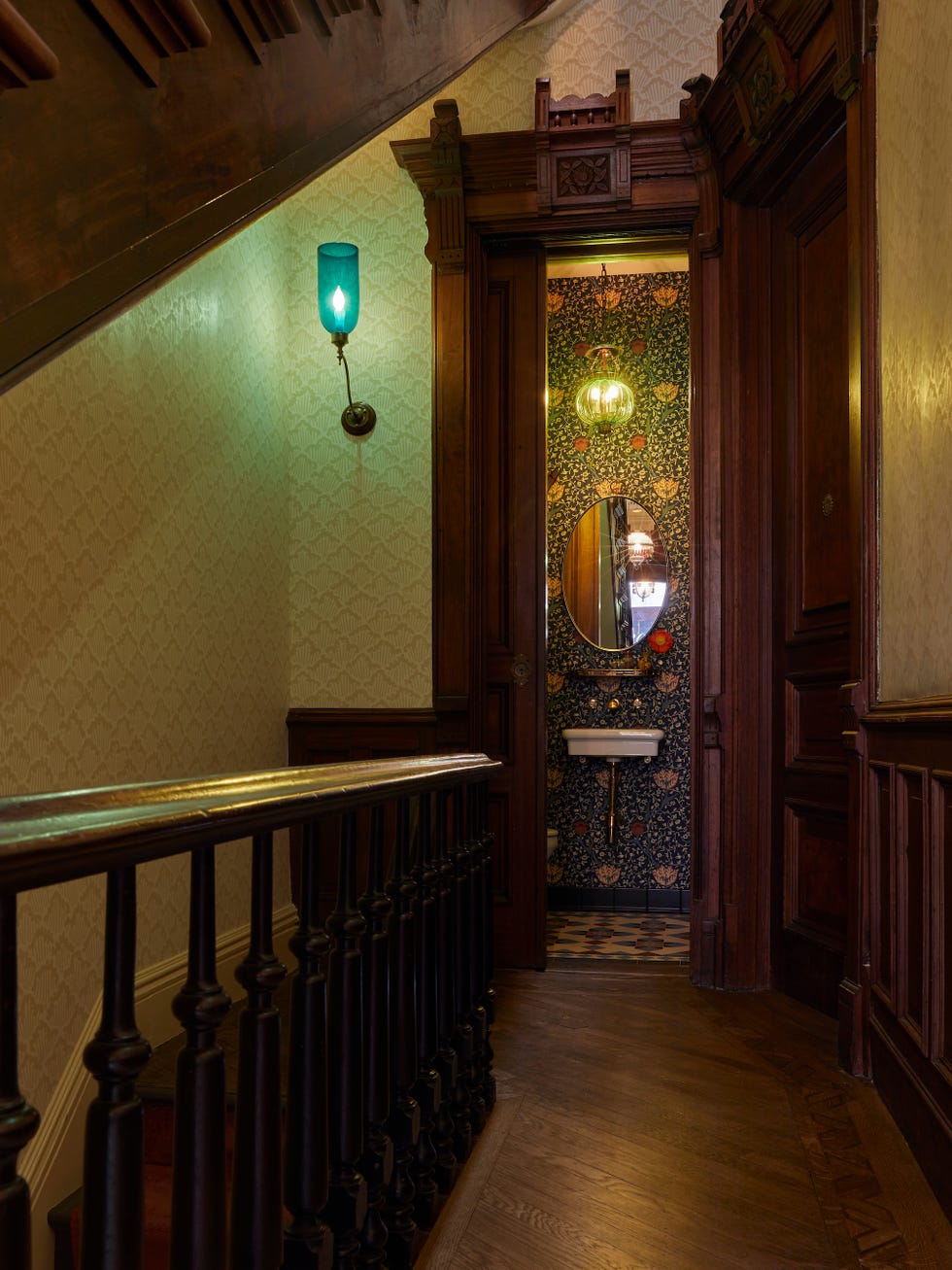
Secondly, McGee advocates for incorporating surprising design features to add charm and value without making the space feel dated. In her Maryland project, this involved creating a statement archway above a concealed powder room, improving the home's flow and adding visual intrigue. The key is to introduce thoughtful, subtle surprises that enhance the design rather than overpower it.
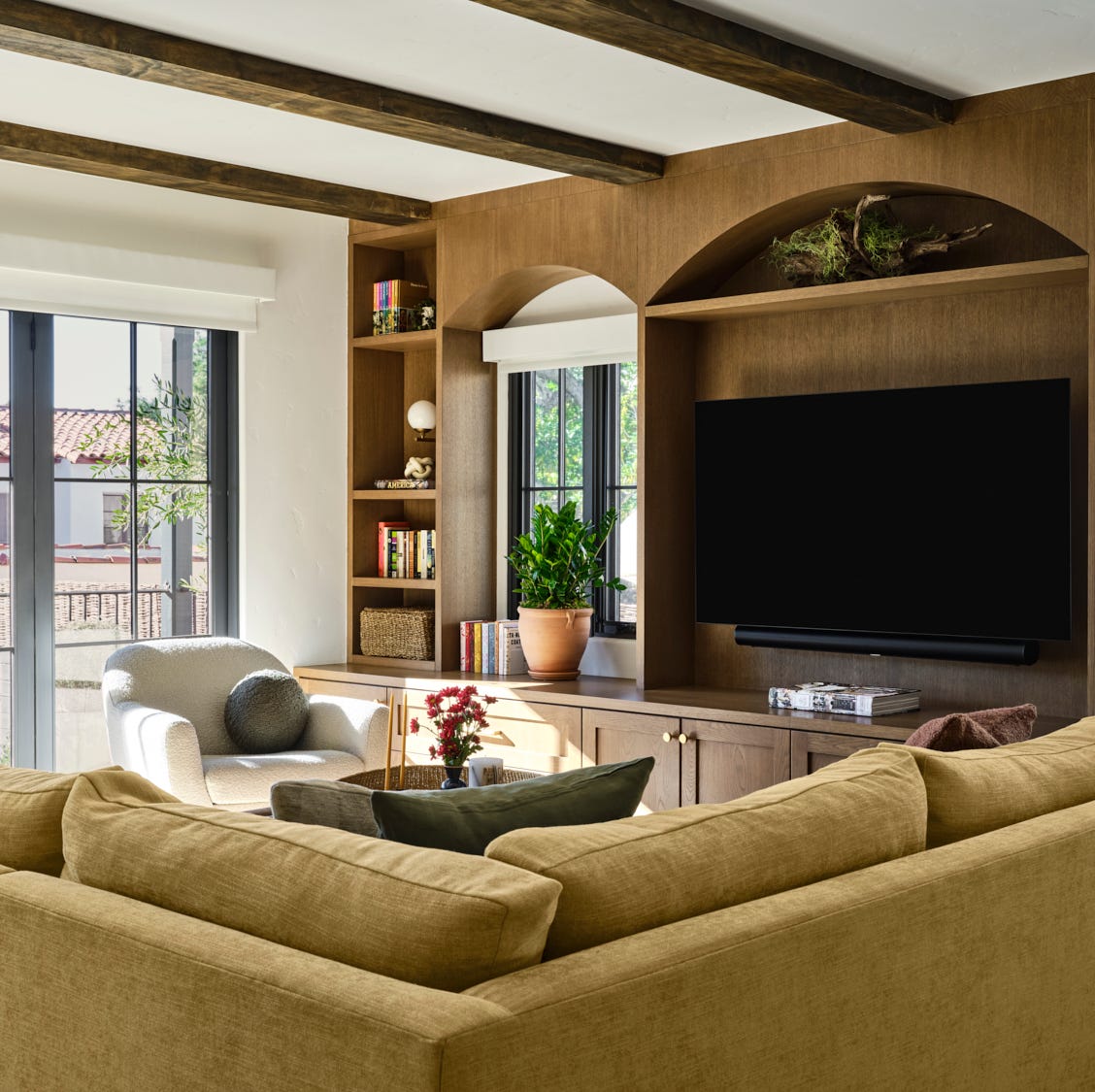
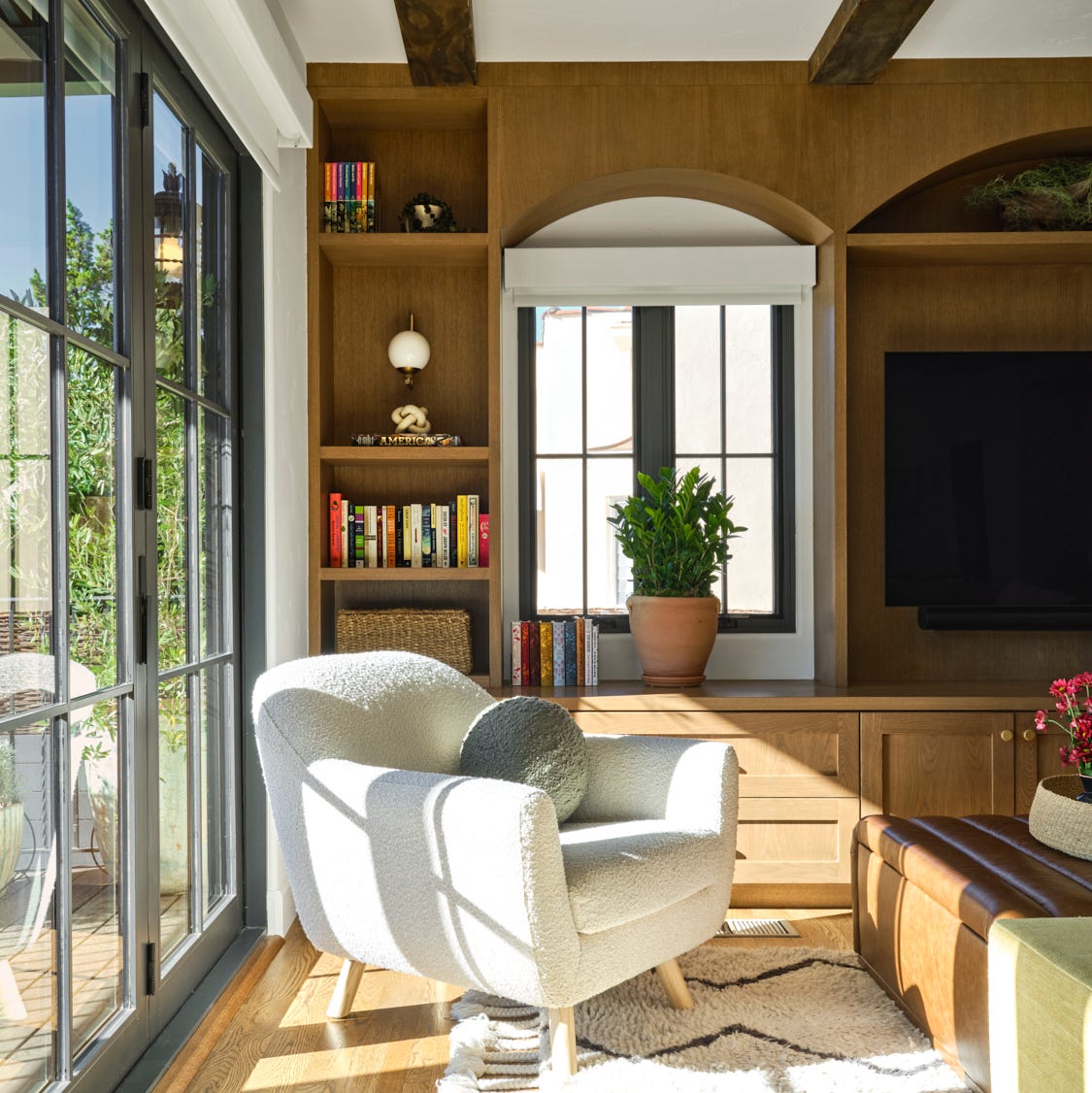
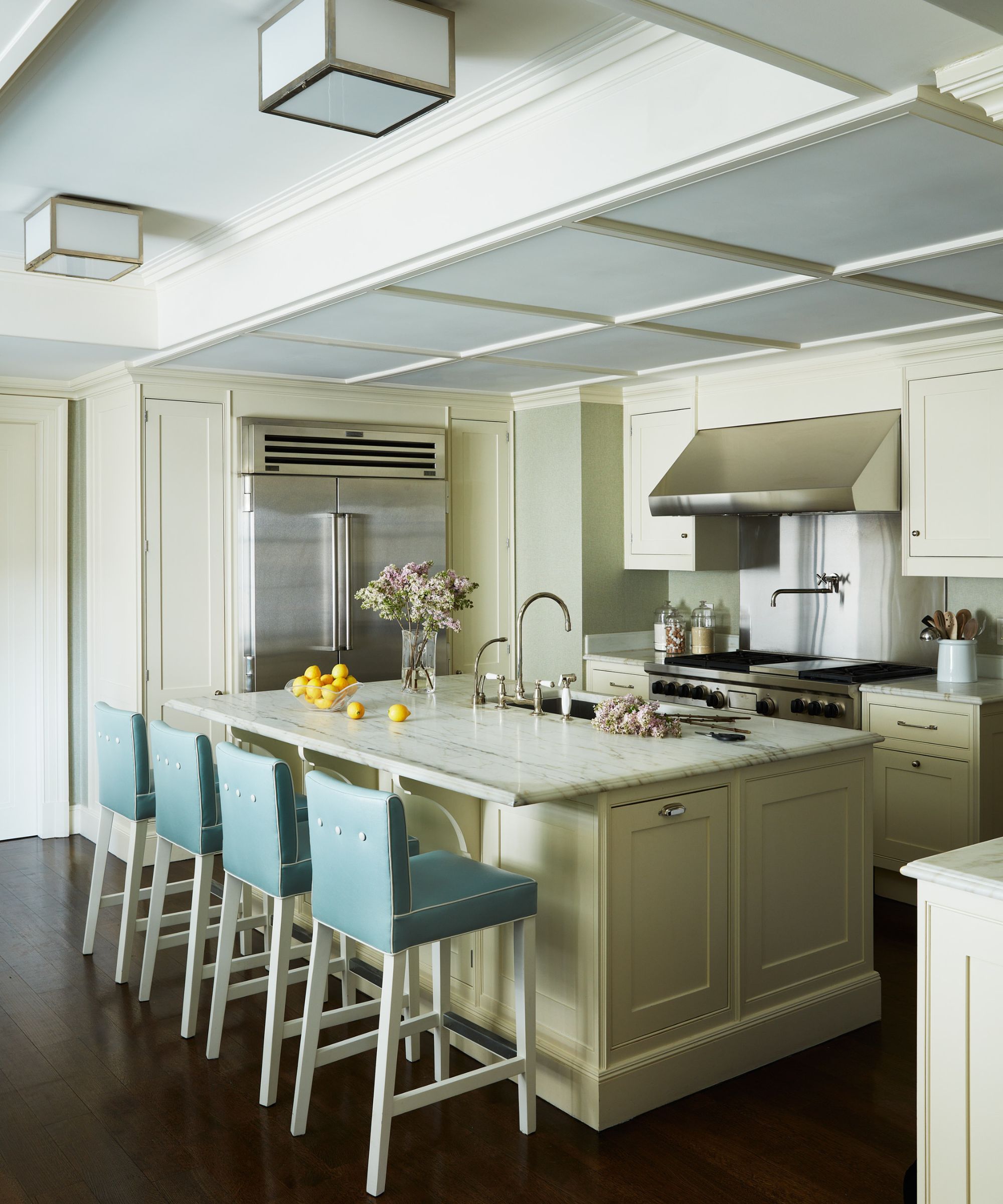
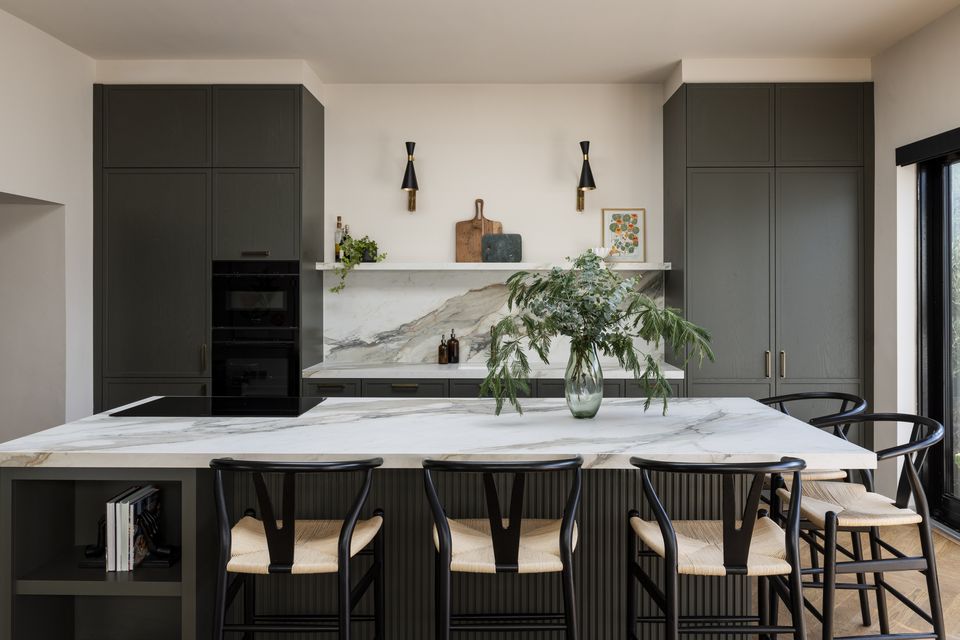
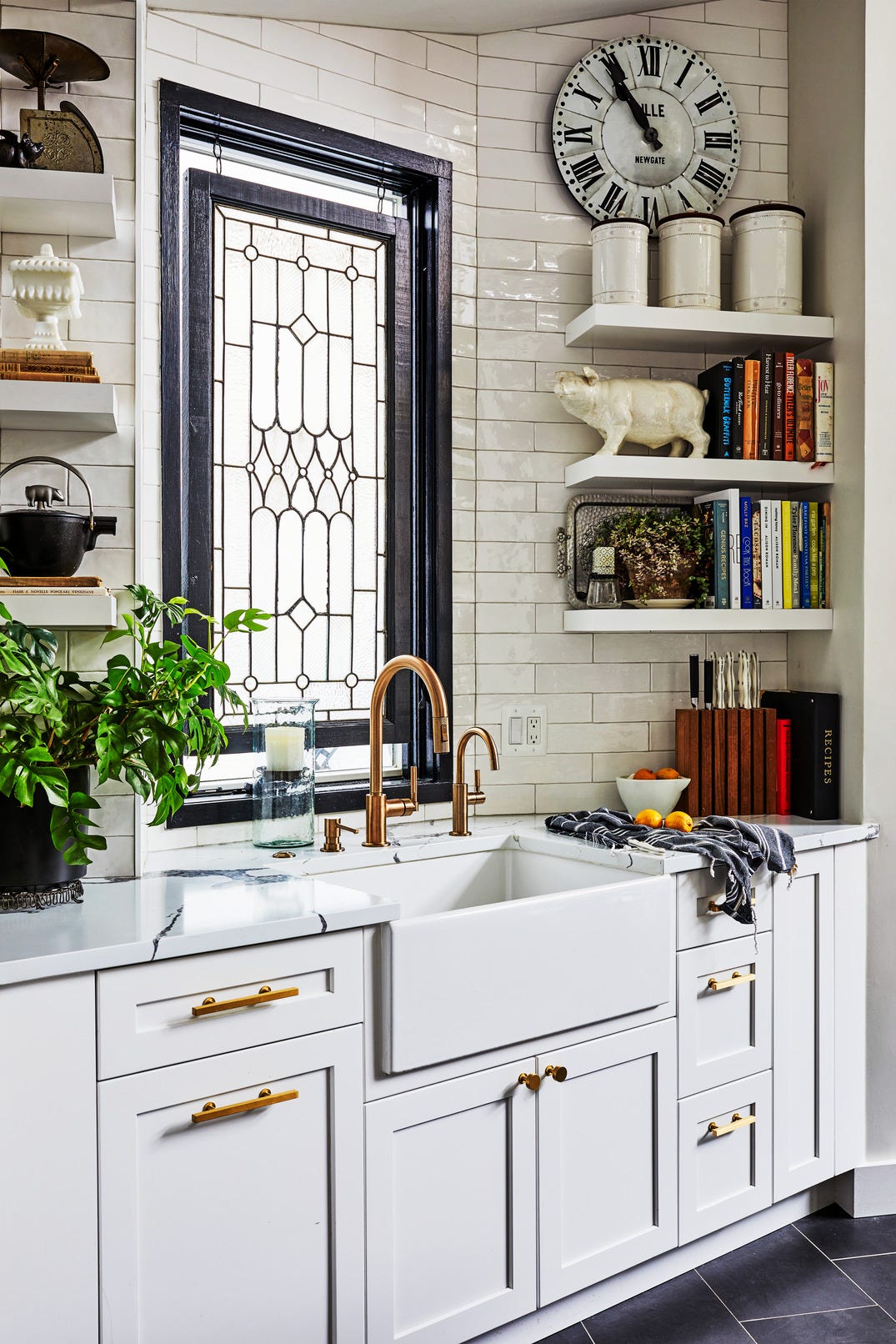
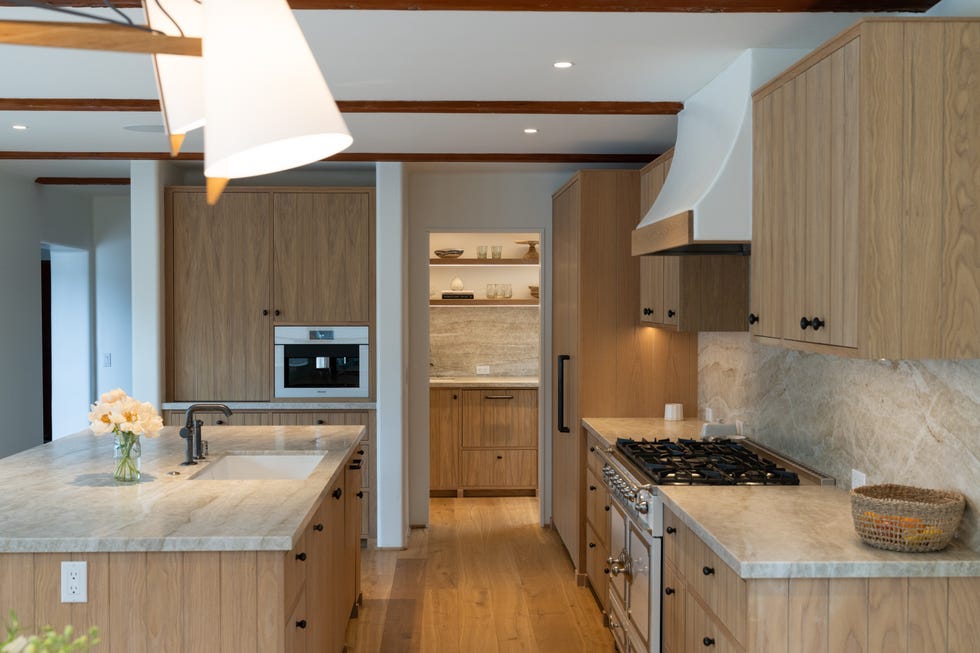
The third tip involves leveraging built-in cabinetry. Built-ins not only provide practical storage but also contribute to a bespoke and stylish aesthetic that seamlessly integrates with a historic home's character. McGee's kitchen design in the Maryland remodel showcases this, using custom cabinetry with unique details like a 'swooping' range hood and an oval window to create a timeless yet tailored look.
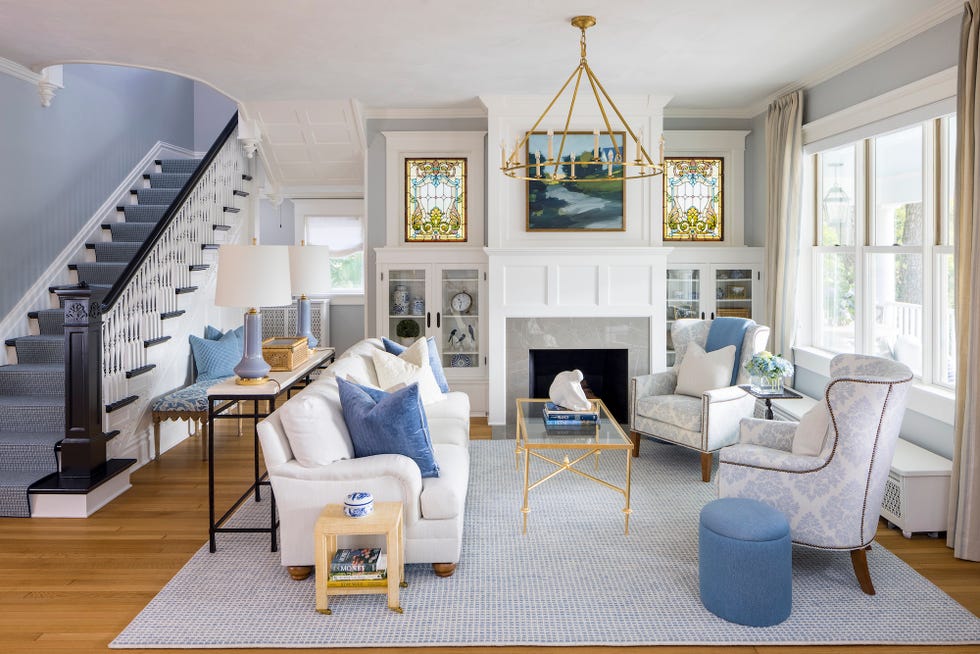
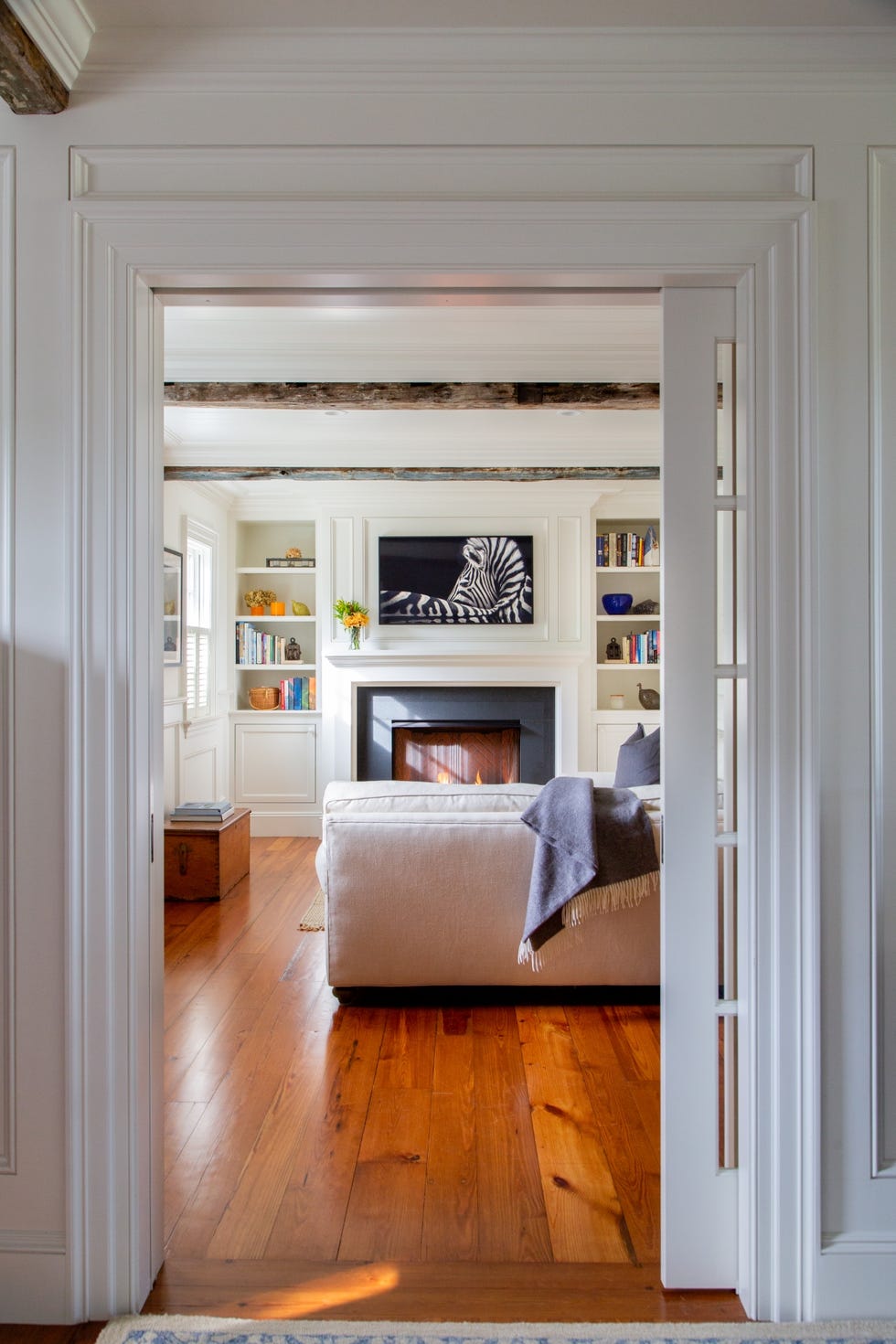
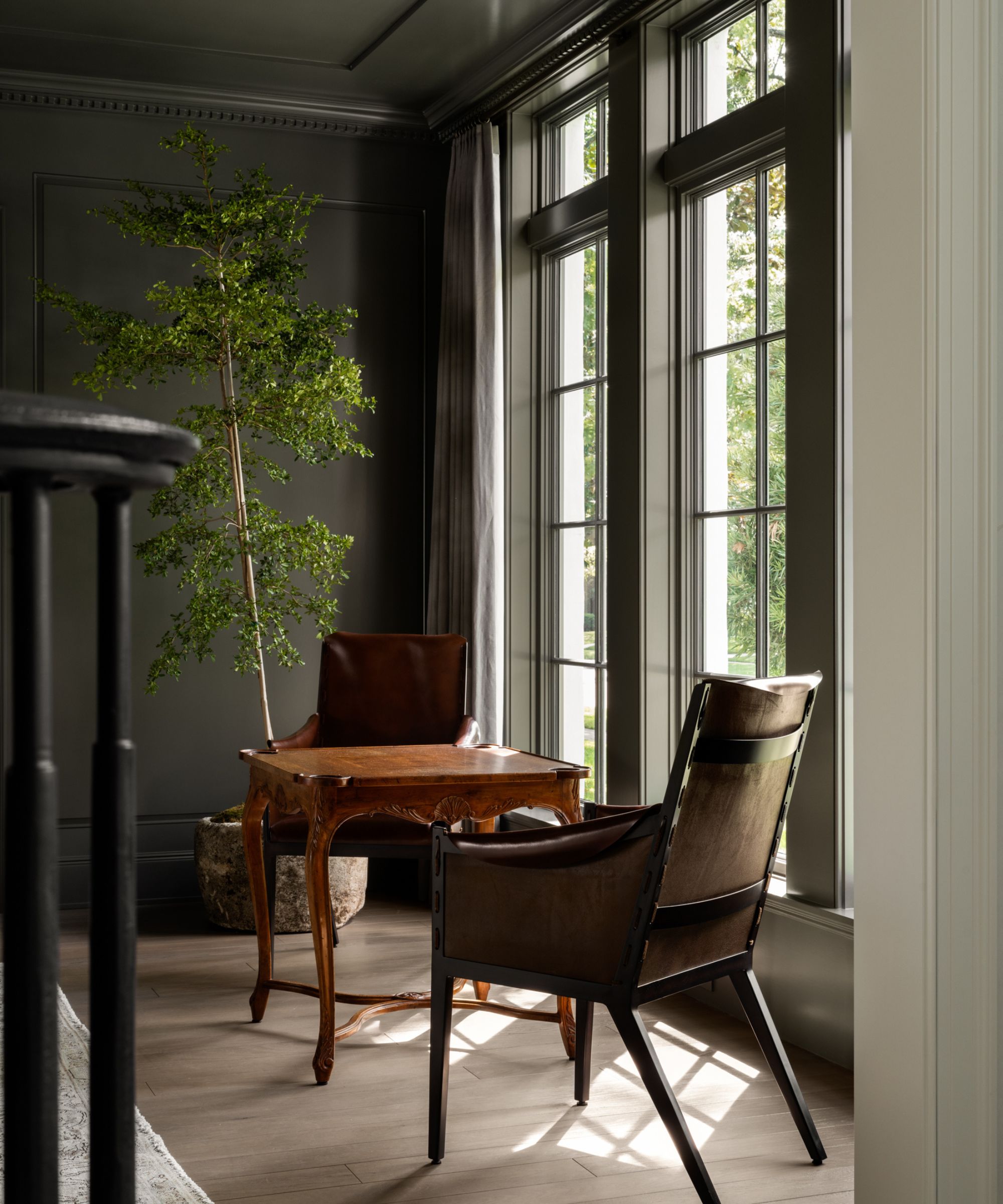
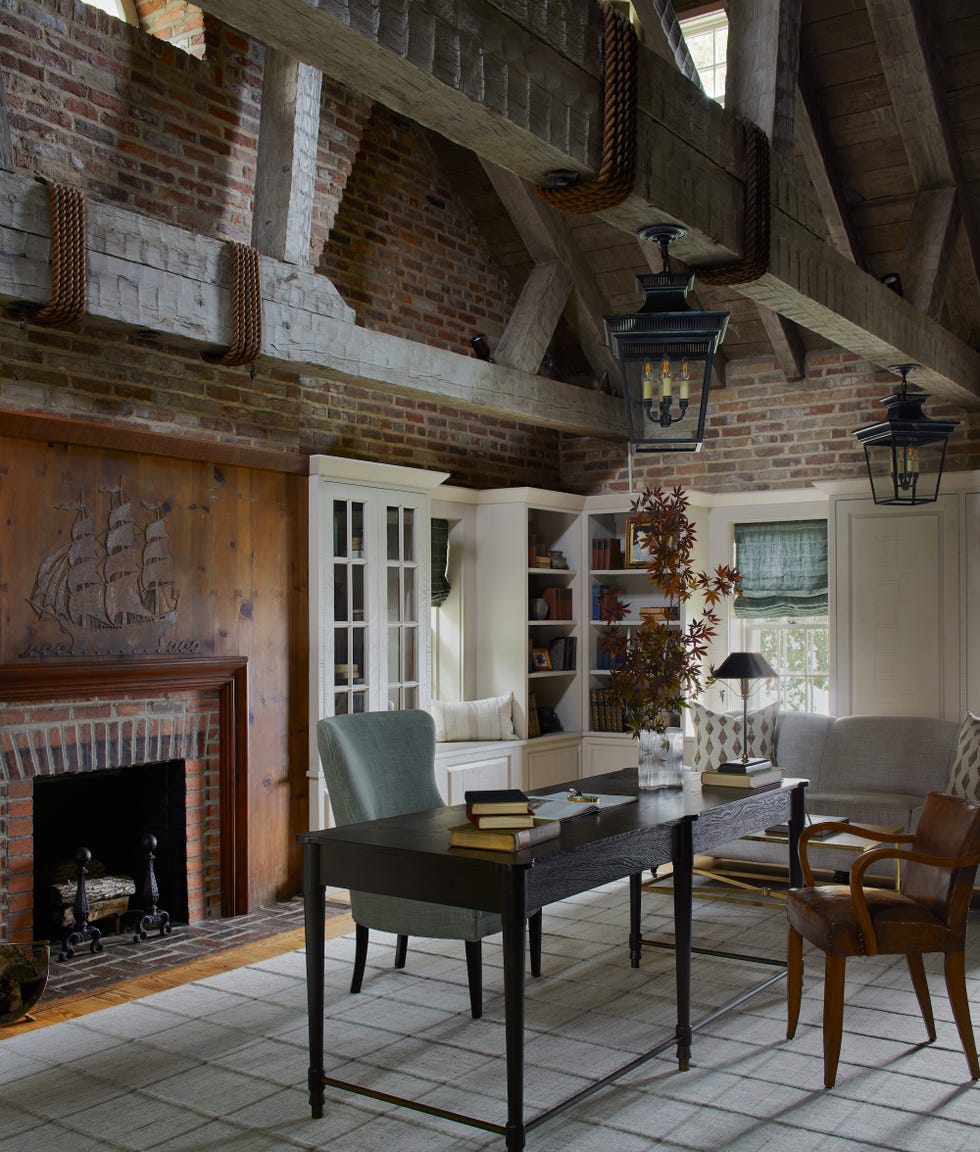
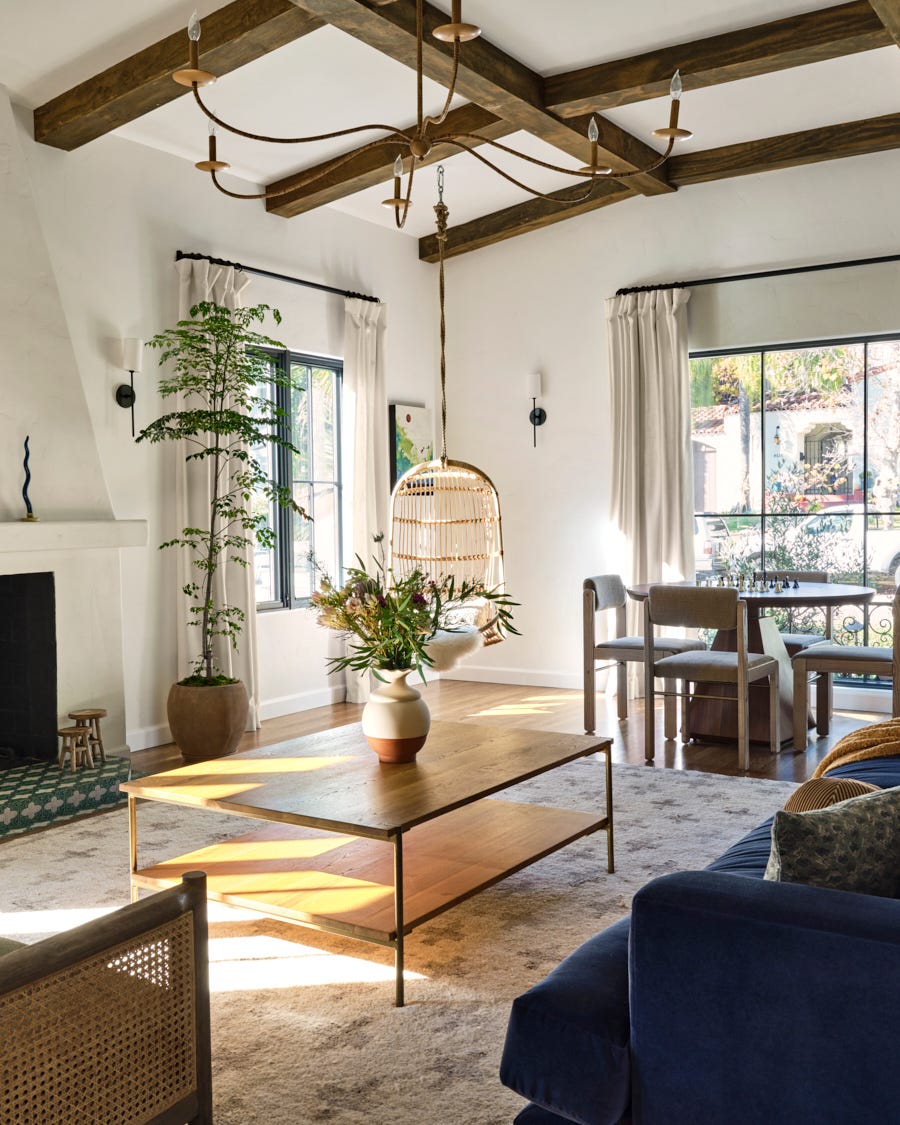
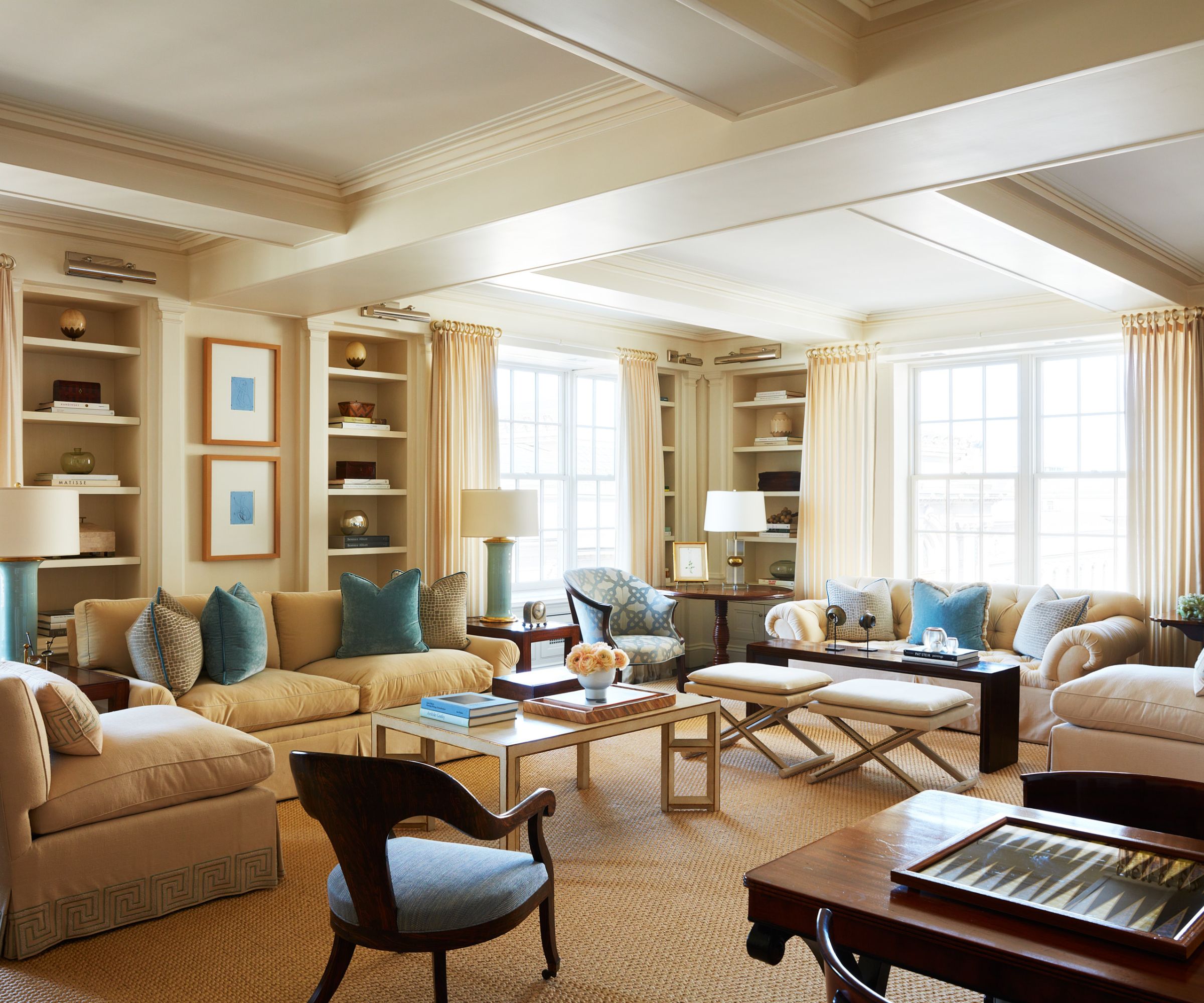
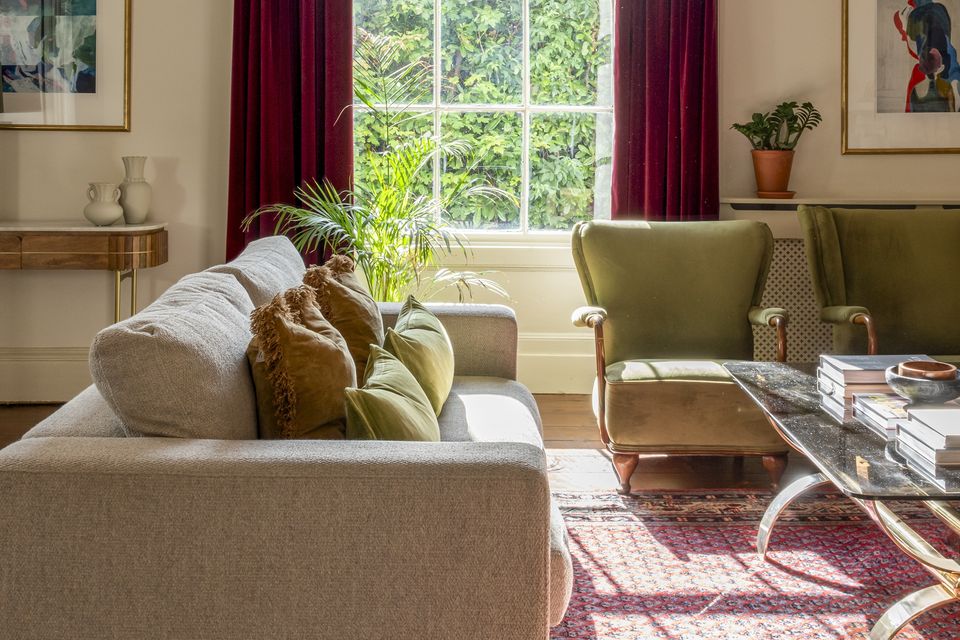
Fourthly, McGee stresses the importance of mixing historic and contemporary design elements to achieve a transitional style. This involves carefully selecting modern features that complement the home's existing historical charm. For instance, in her project, she widened entryways and added beams for architectural interest while incorporating modern fabrics and sleek designs, ensuring a tasteful blend of old and new.
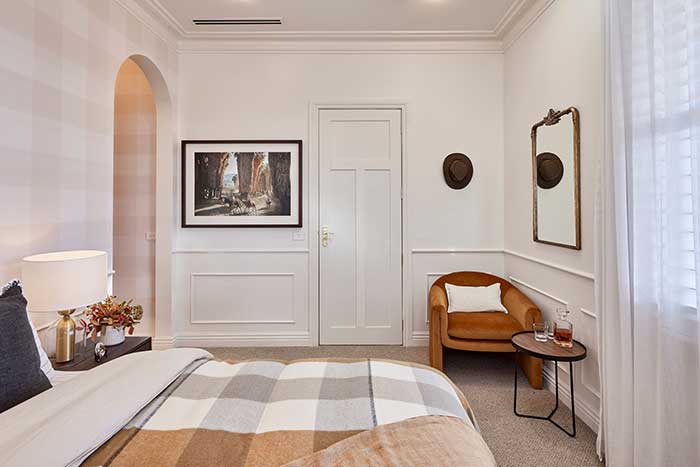
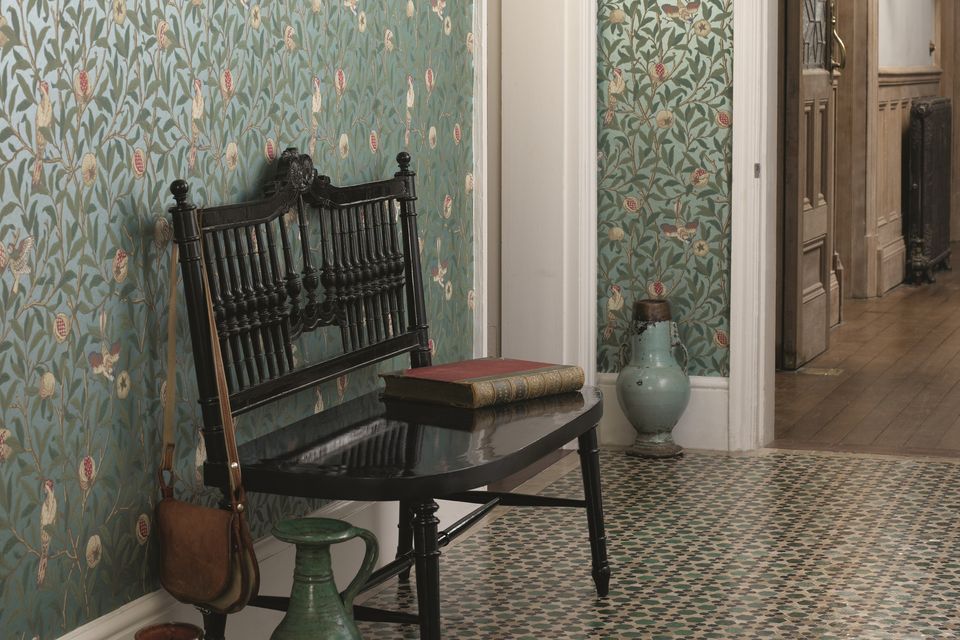
Her fifth piece of advice centers on paying meticulous attention to small details. While grand architectural statements are important, subtle elements can significantly impact a space's overall feel. McGee illustrates this with the use of light-striped wallpaper in her project, which added pattern and movement without overwhelming the room. She also advises considering how all design elements, from textiles to colors, interact to create a cohesive yet distinct atmosphere in each space, preventing redundancy and ensuring each room has a signature element.
Finally, McGee suggests considering asymmetry in design. Breaking traditional rules of symmetry can introduce character and a timeless feel, especially in heritage homes. In the kitchen of the Maryland project, she intentionally placed the range hood off-center to the wall, aligning it instead with the island to create a balanced and focal point. McGee highlights that remodels, despite their challenges, offer creative opportunities. She notes that clients who have lived in their homes often have a clear vision for how they want the space to function, which aids in creating a truly personalized and unique environment that honors the home's history while adapting it for modern living.
#SheaMcGee #HeritageHome #HomeRenovation #InteriorDesign #TransitionalStyle #MoldingAndTrim #BuiltInCabinetry #ArchitecturalDetails #HomeDecor #SheaMcGee #HeritageHome #HomeRenovation #InteriorDesign #TransitionalStyle #MoldingAndTrim #BuiltInCabinetry #ArchitecturalDetails #HomeDecor
0 comment in total
 No comments yet
You may also like
9 ways to update a historic home while still keeping its vintage charm – tips from a NYC reno
Shea McGee just shared how she balances vintage and modern home decor – the key is to always keep new items 'streamlined'
How do you update a heritage NYC apartment without losing the charming original details? Designer Joshua Smith knows
8 Genius Upgrades to Bring Charm and Character to Any Builder-Grade Home

How to update a historic home for modern living – 9 lessons we learned from this artful redesign
Modernising period homes: Practical tips on blending old and new
6 Ways to Modernize Your Home While Keeping Its Character, According to Designers
‘We’re just the current caretakers’ – The Brownstone Boys' golden rules for making the most out of your home's historic bones
7 Architectural Details You Should NEVER Get Rid of in a Historic Home

How to Renovate a Historic Home—and Keep Its Character—According to Designers

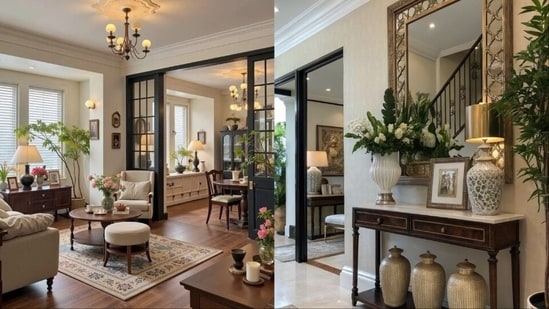
6 design tips to upgrade an older home without clashing styles | Hindustan Times

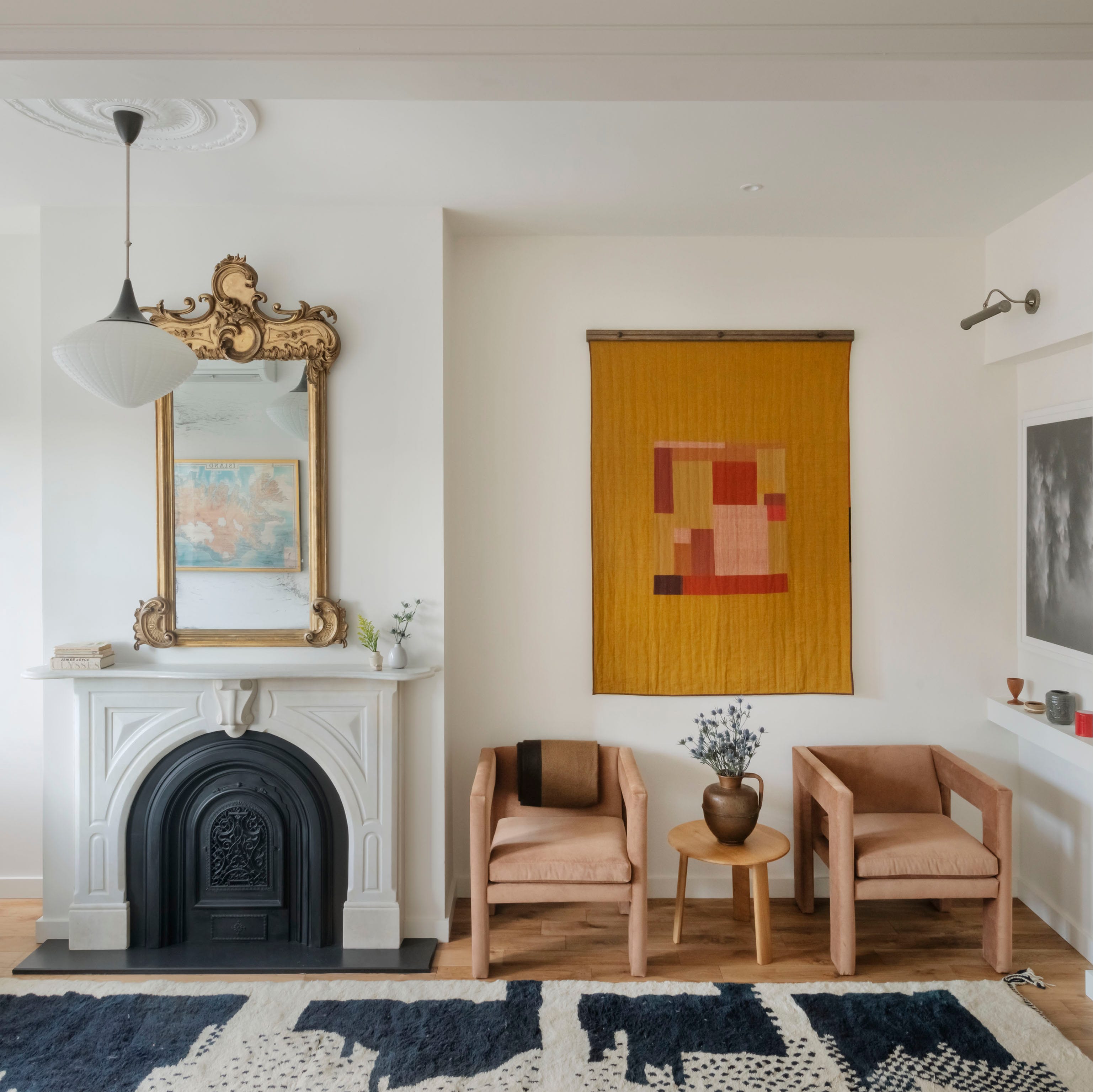
12 Designer-Approved Tricks to Fill a New Home With Vintage Character

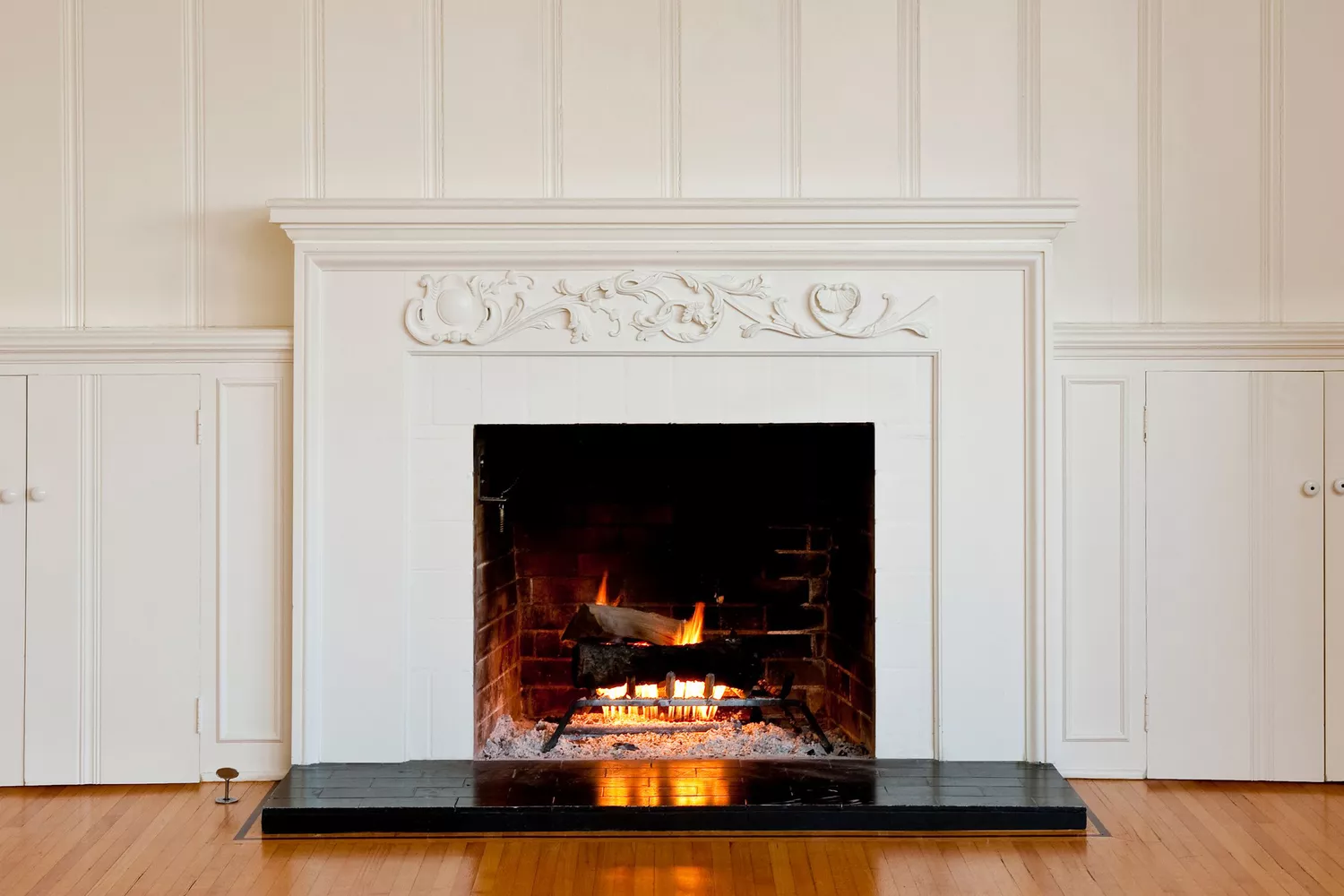
How to Update an Older Home While Honoring Its History

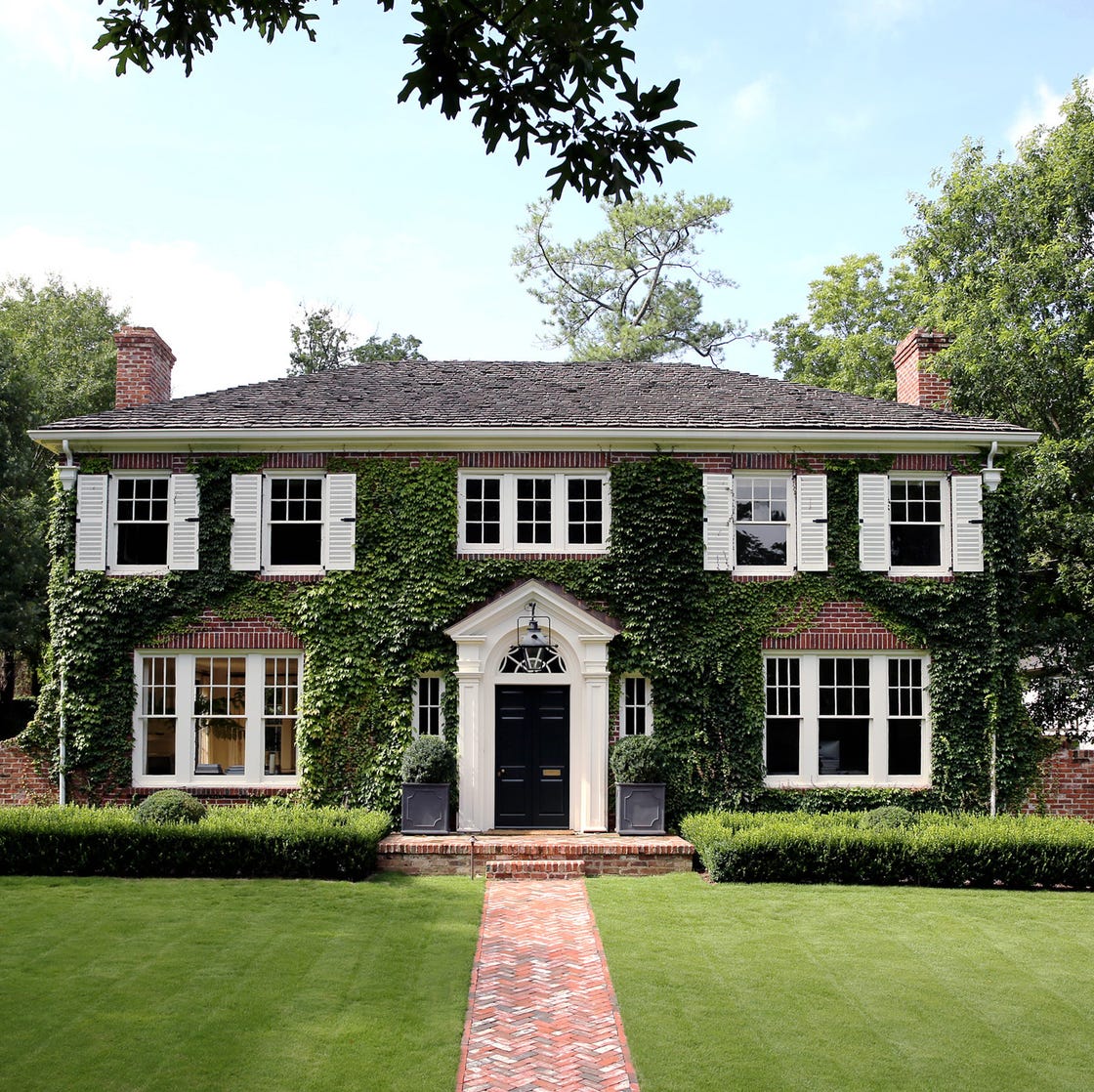
7 Things You Should Always Preserve or Try to Save in an Old Home, According to Designers


Guide to Buying Older Homes by Decade

Here's What Nobody Tells You About Buying and Renovating a Historic Home
7 tips for restoring heritage homes to their former glory

Here's How to Give an Old House a Modern Makeover Without Stripping Away the Charm
Top tips for renovating old homes: Whether restoring or modernising, clever design is key
A Historic Home Gets A Modern Update With The Color Drenching Trend: 'Gorgeous'