1/19
The 15 best ways to organize board games without cramping your style or space
With cooler weather approaching and the indoor hosting season beginning, board games are expected to see increased use. This article offers 15 effective strategies for organizing and storing board games, drawing on insights from interior designers and professional organizers. These solutions aim to maintain the integrity of games and their components while integrating seamlessly into home decor.
Before selecting a storage method, it's crucial to define the purpose of storage: whether it's for frequent access during game nights or for long-term preservation for special occasions. This initial assessment guides the choice of suitable storage, whether in the living room, bedroom, or other areas. Effective storage solutions should enhance home functionality and style, ensuring games are accessible, organized, and complement the aesthetic.
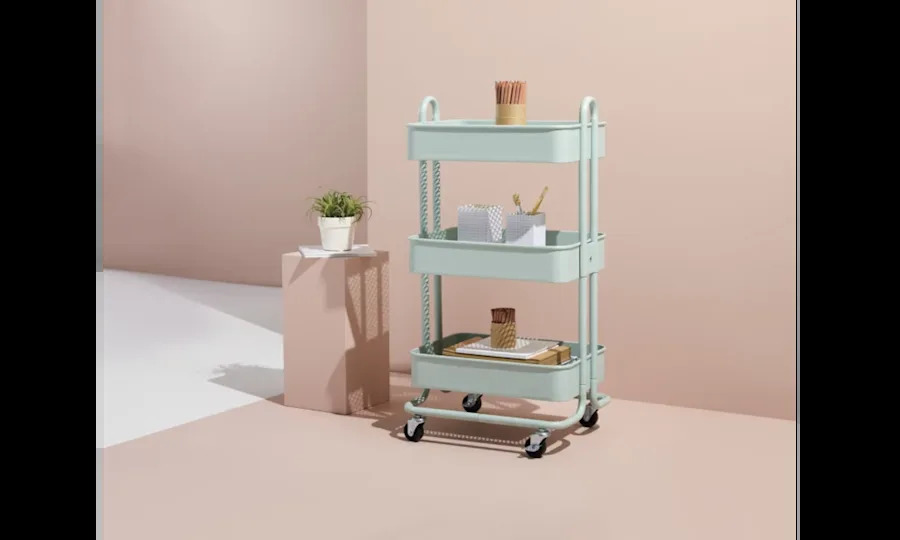
One practical suggestion is using a rolling games cart. These carts, available in various styles, allow for easy movement of games between rooms, particularly beneficial for small spaces. A rotating game library can also be implemented, where a selection of games is displayed on a cart or in a storage cube, rotated periodically to maintain interest and prevent clutter. Adding snacks and drinks to a rolling cart can further enhance the game night experience.
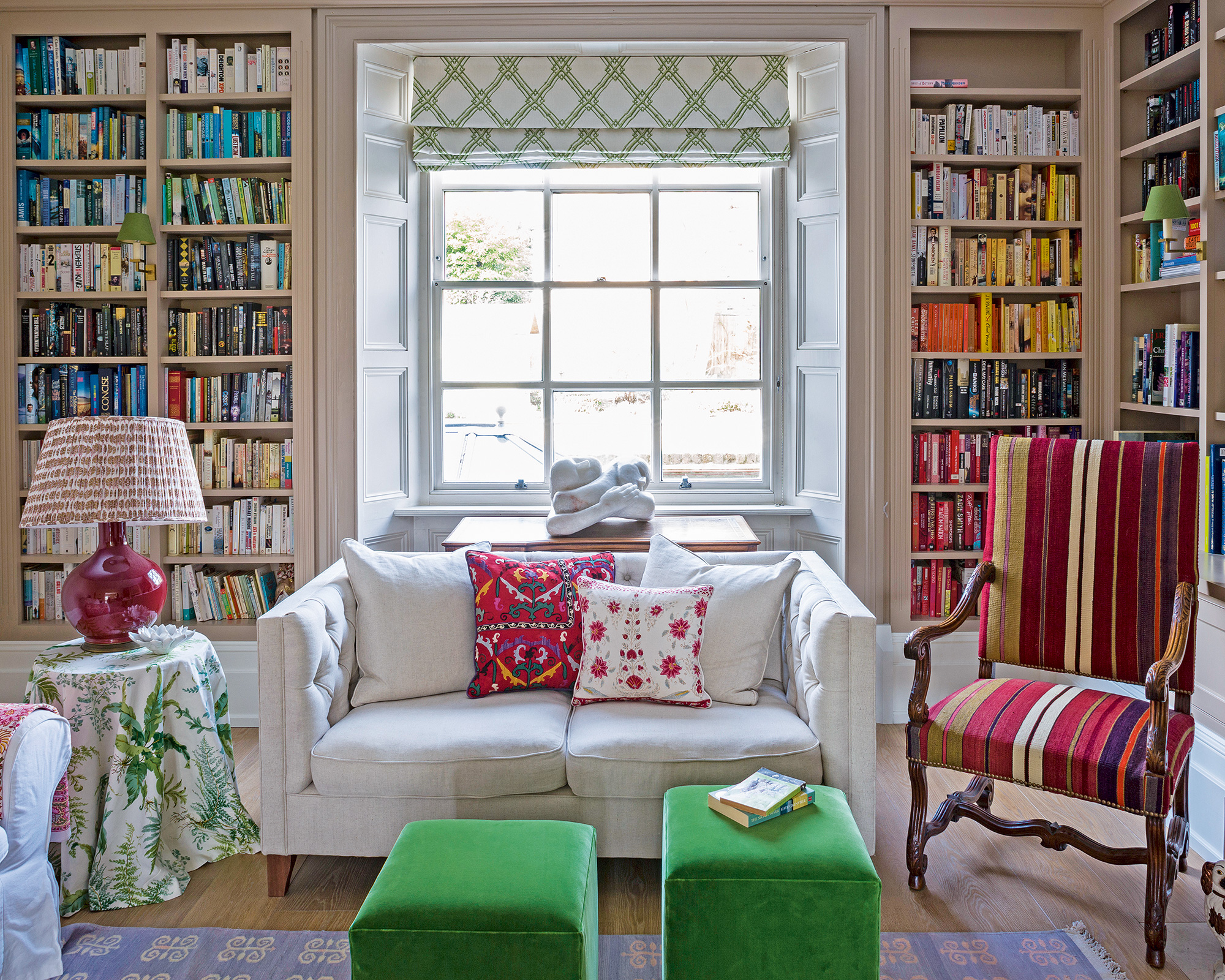
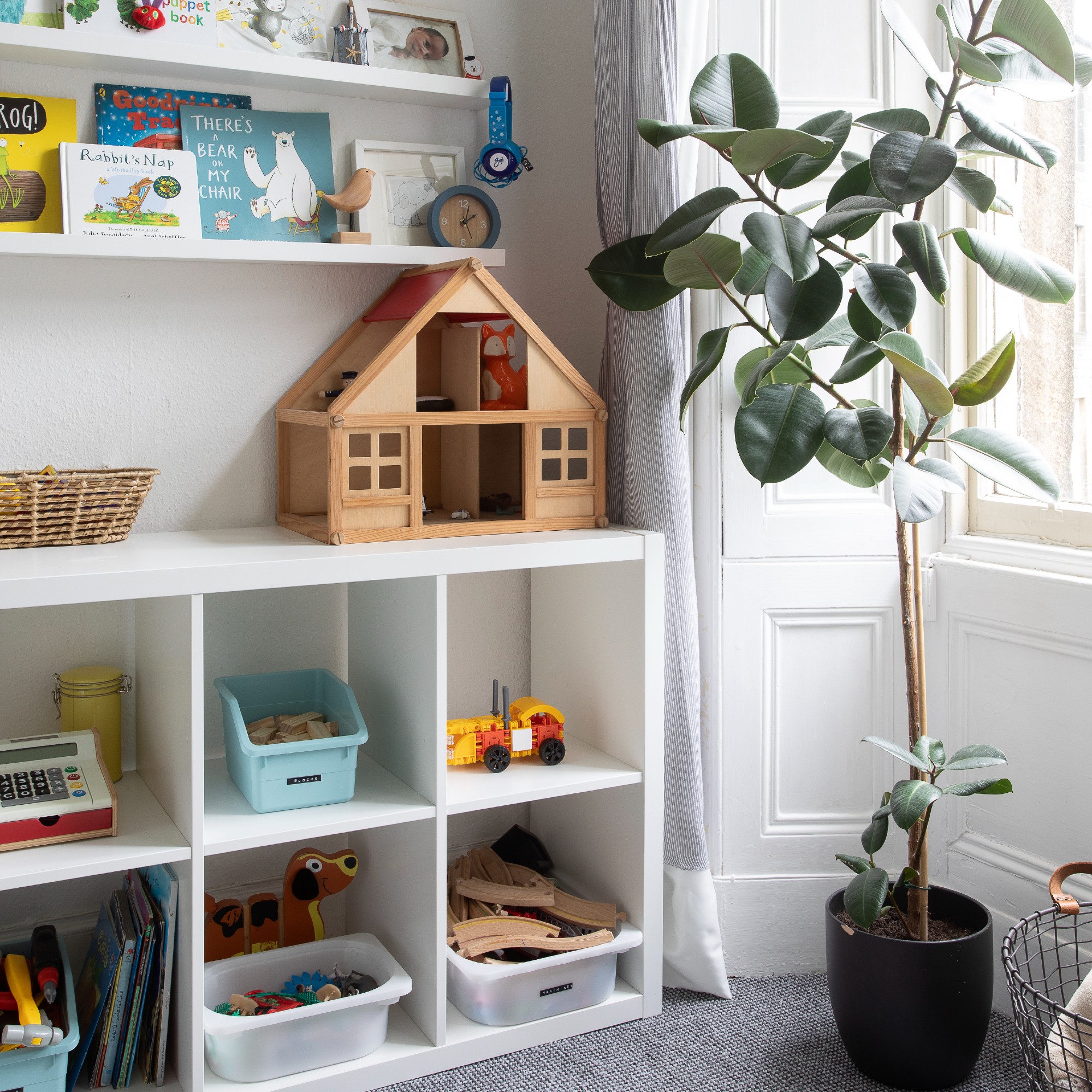
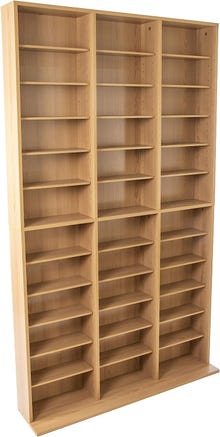
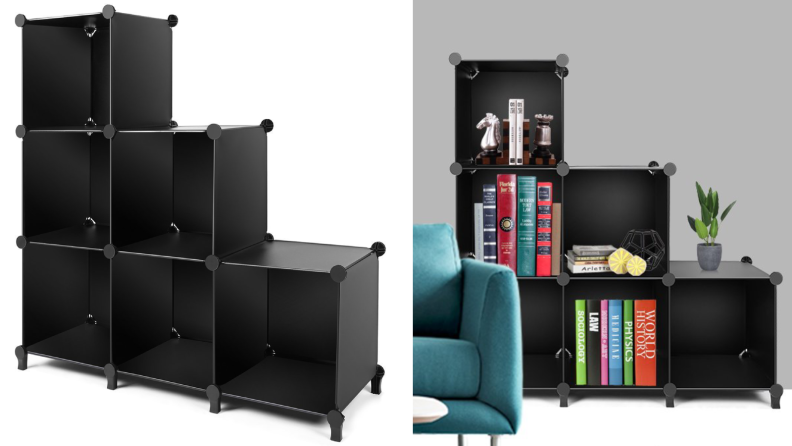
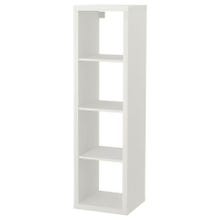
Designating a specific shelf, cabinet, or closet for board games is another effective strategy. Open shelving units, like the IKEA KALLAX, allow for display while keeping games within reach, whereas closed cabinets provide a concealed look. For spare closets, adjustable shelving and over-the-door organizers can create a dedicated game storage area. When storing games in their original boxes, categorization by color, size, or game type (e.g., family, adult) is recommended. Filing games vertically in open-top bins or shelf dividers is preferred over stacking for easier access and maintenance.
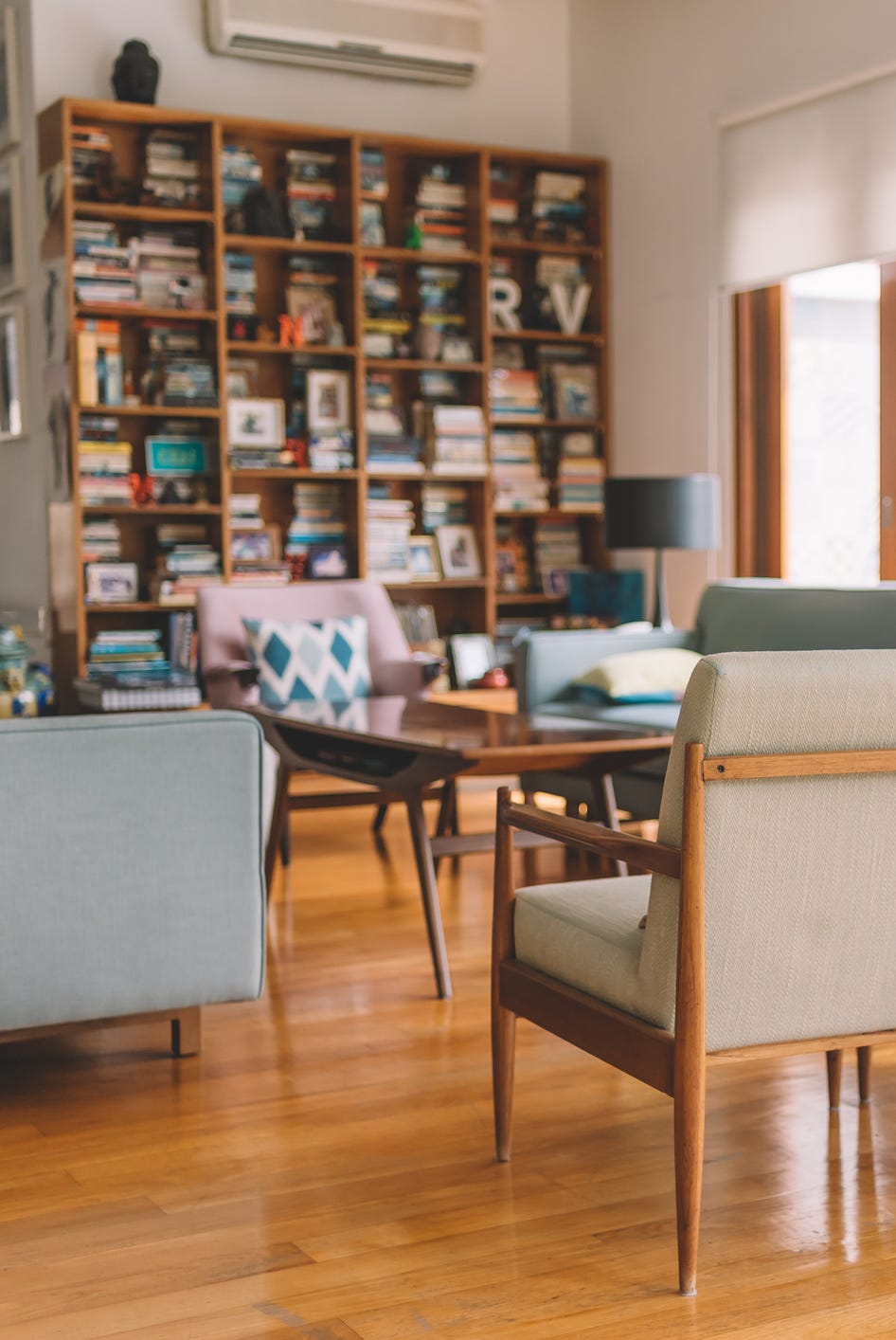
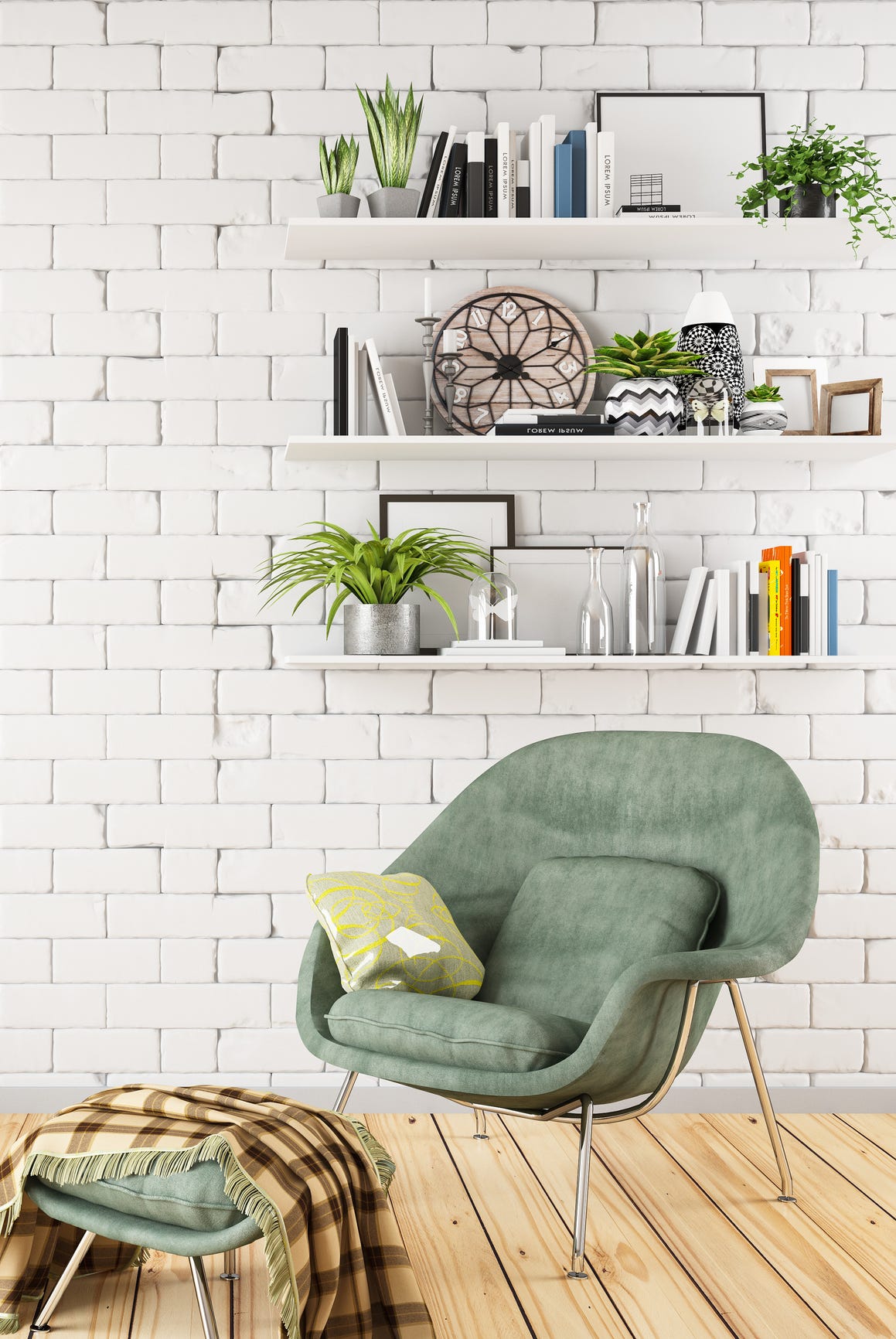
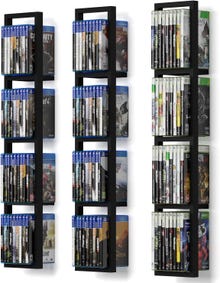
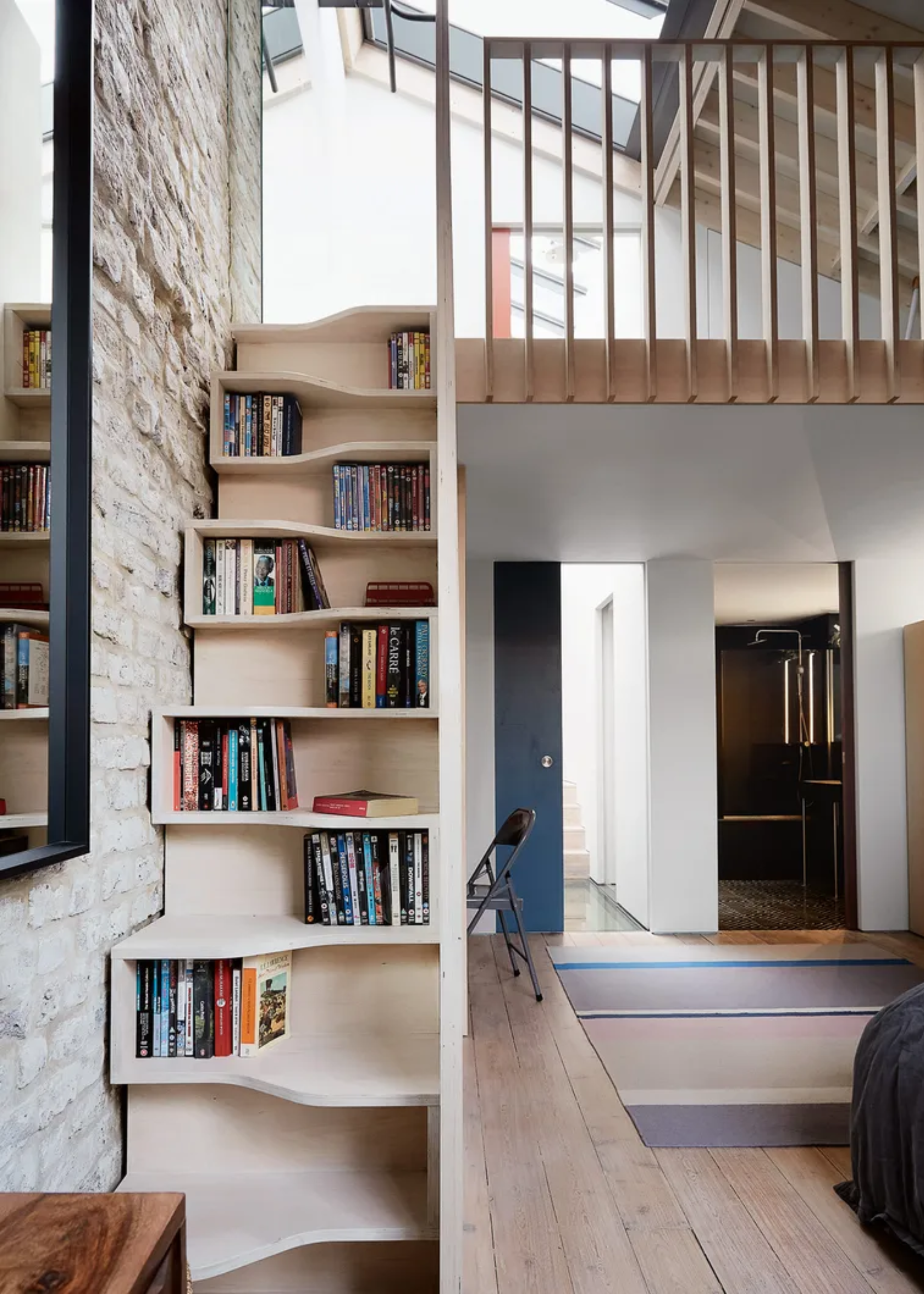
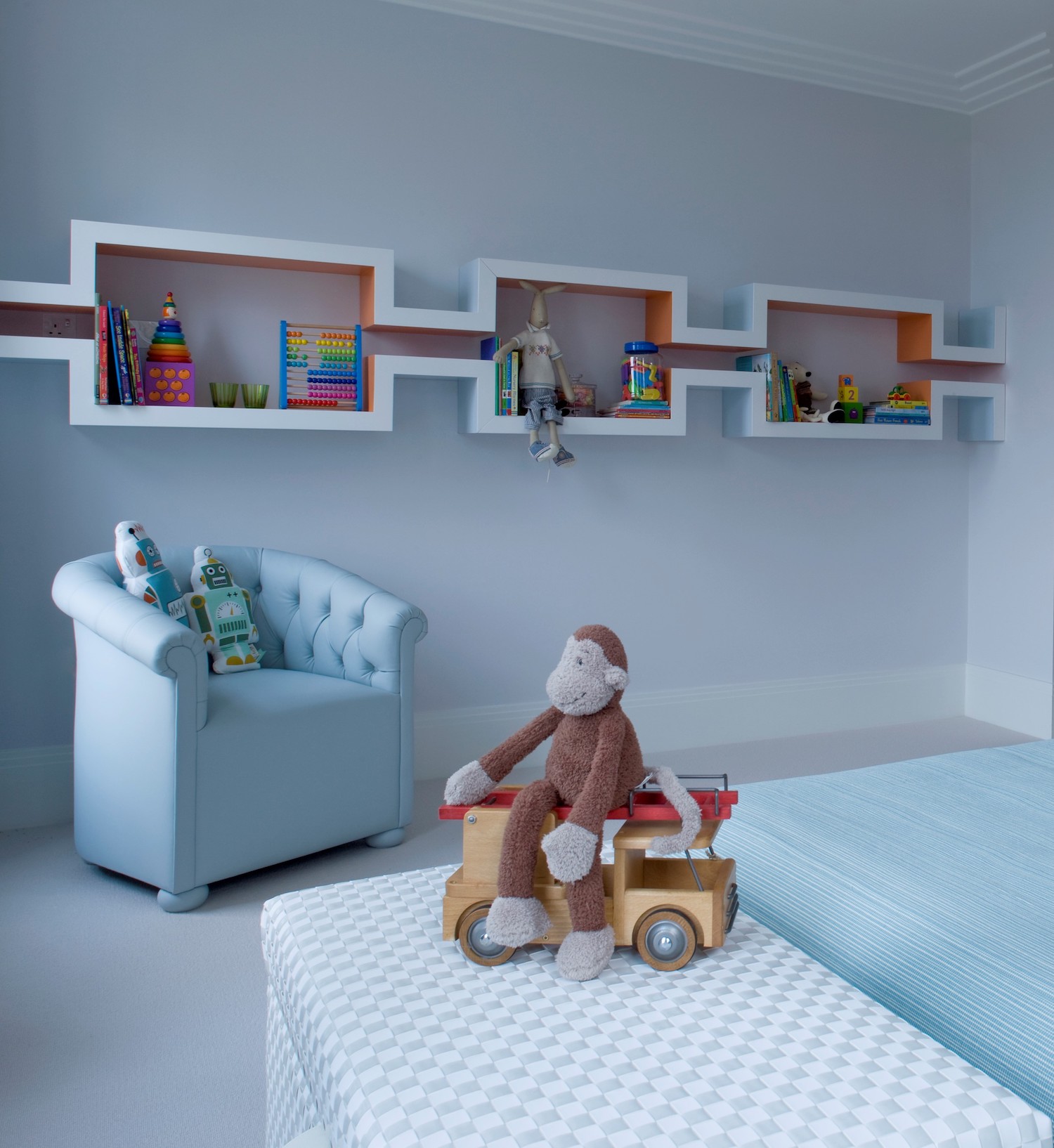
Utilizing vertical space is a key organizational tactic. Wall-mounted or floating shelves can store games without occupying floor space, transforming the collection into a decorative element. Labeling and categorizing games by type (family, strategy, party) further enhance organization, using reusable and waterproof labels. Cabinets with dividers or clear acrylic shelf dividers help keep individual games separated and components together.
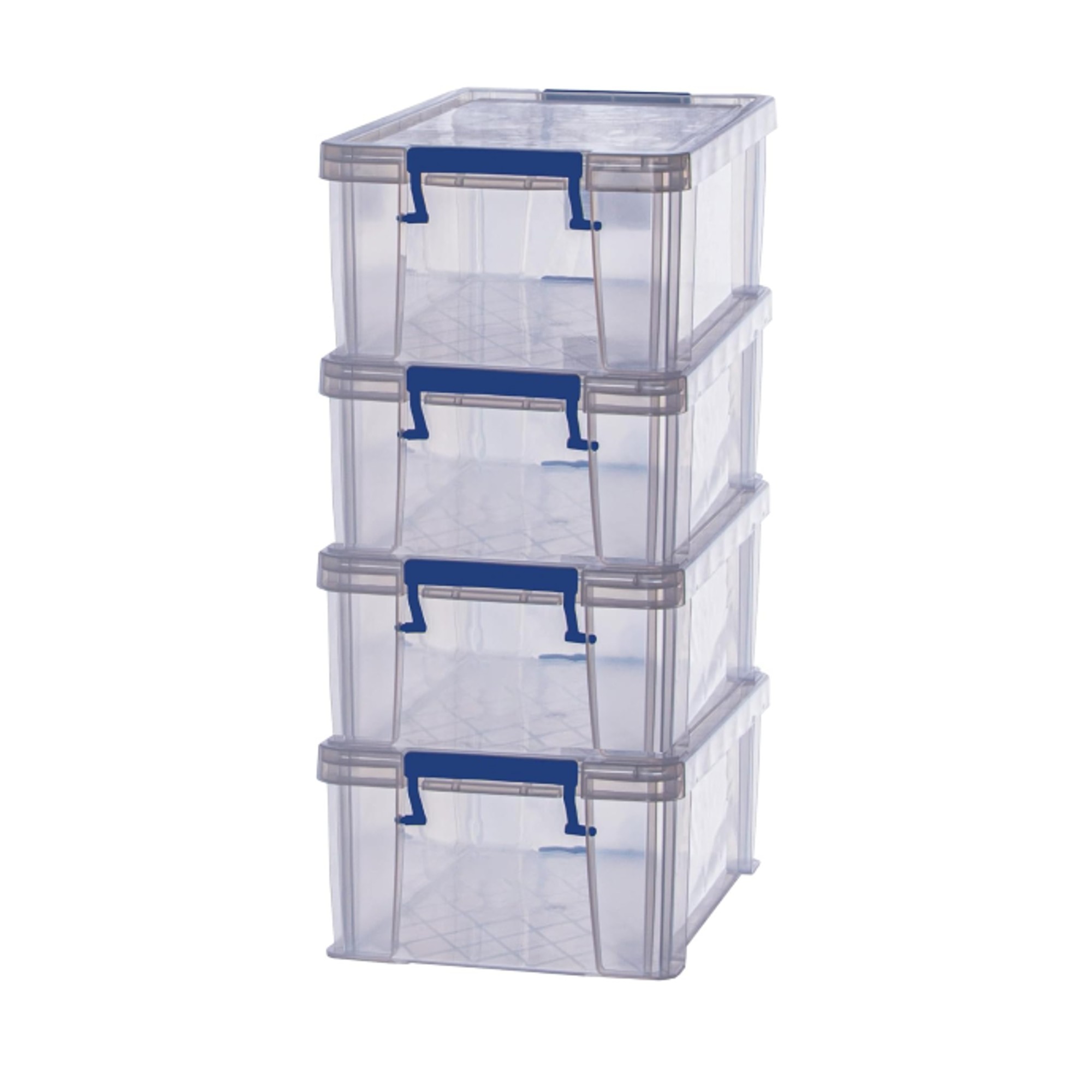
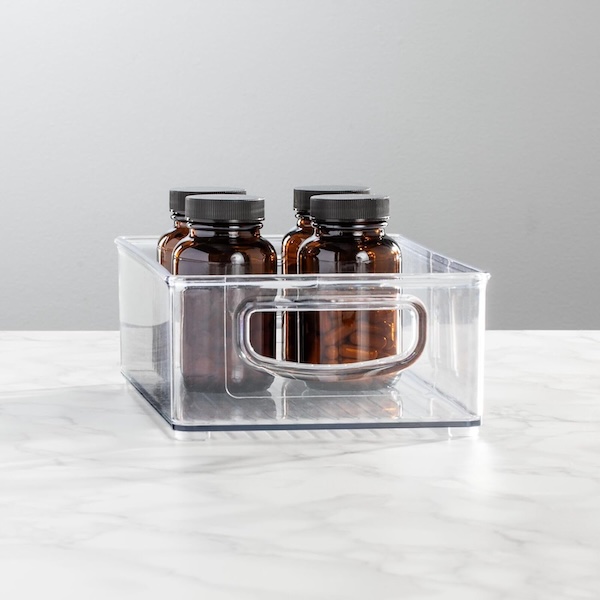
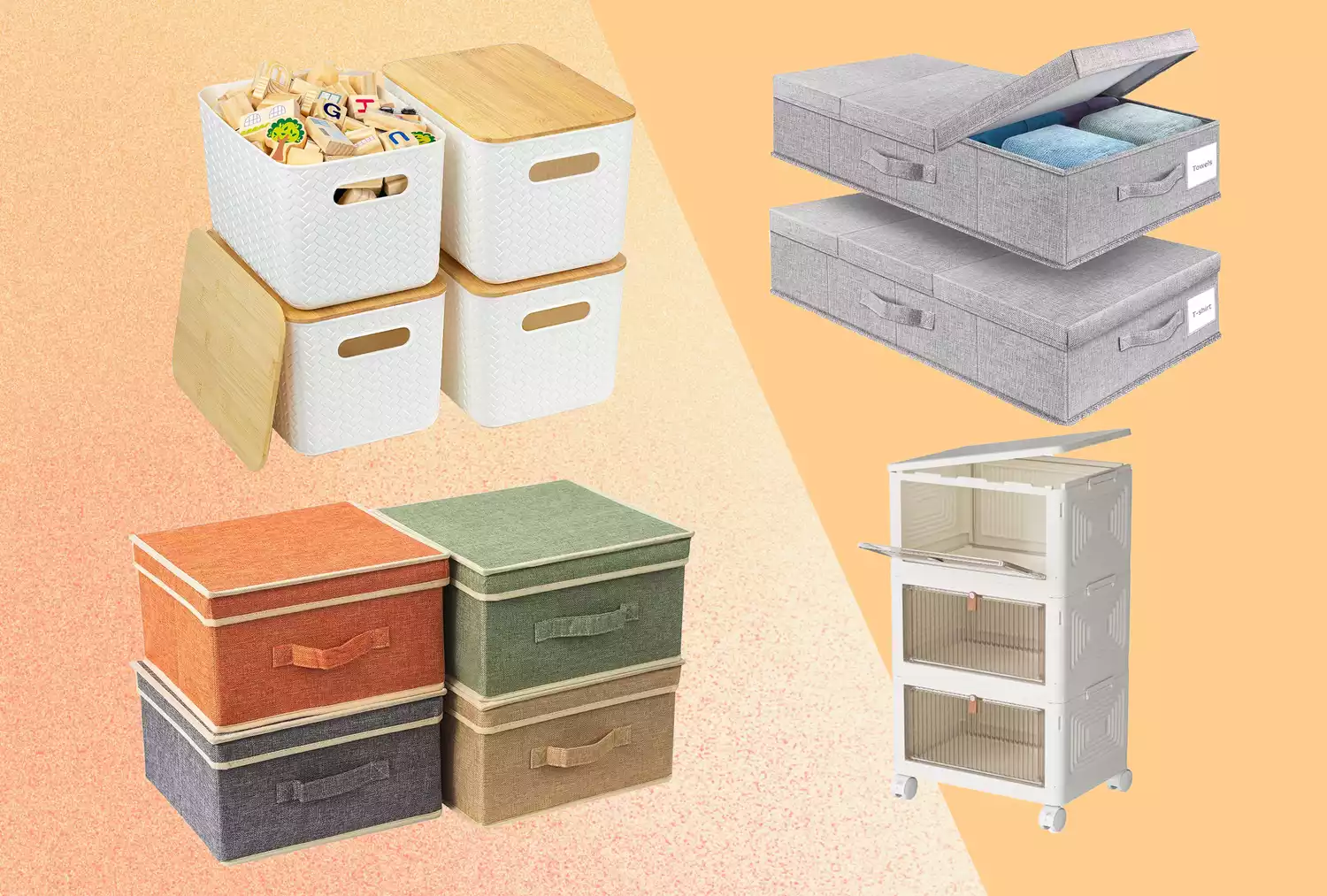
Stackable storage bins, especially clear options, are ideal for smaller games or those with non-standard boxes, protecting them from dust and allowing easy content identification. Aesthetically pleasing stackable units with wheels and fluted doors combine functionality with style. Unboxing games and storing their components in zipper mesh bags can save significant storage space, particularly for games with numerous small parts. Essential instructions or box information can be cut out and stored within the bags.
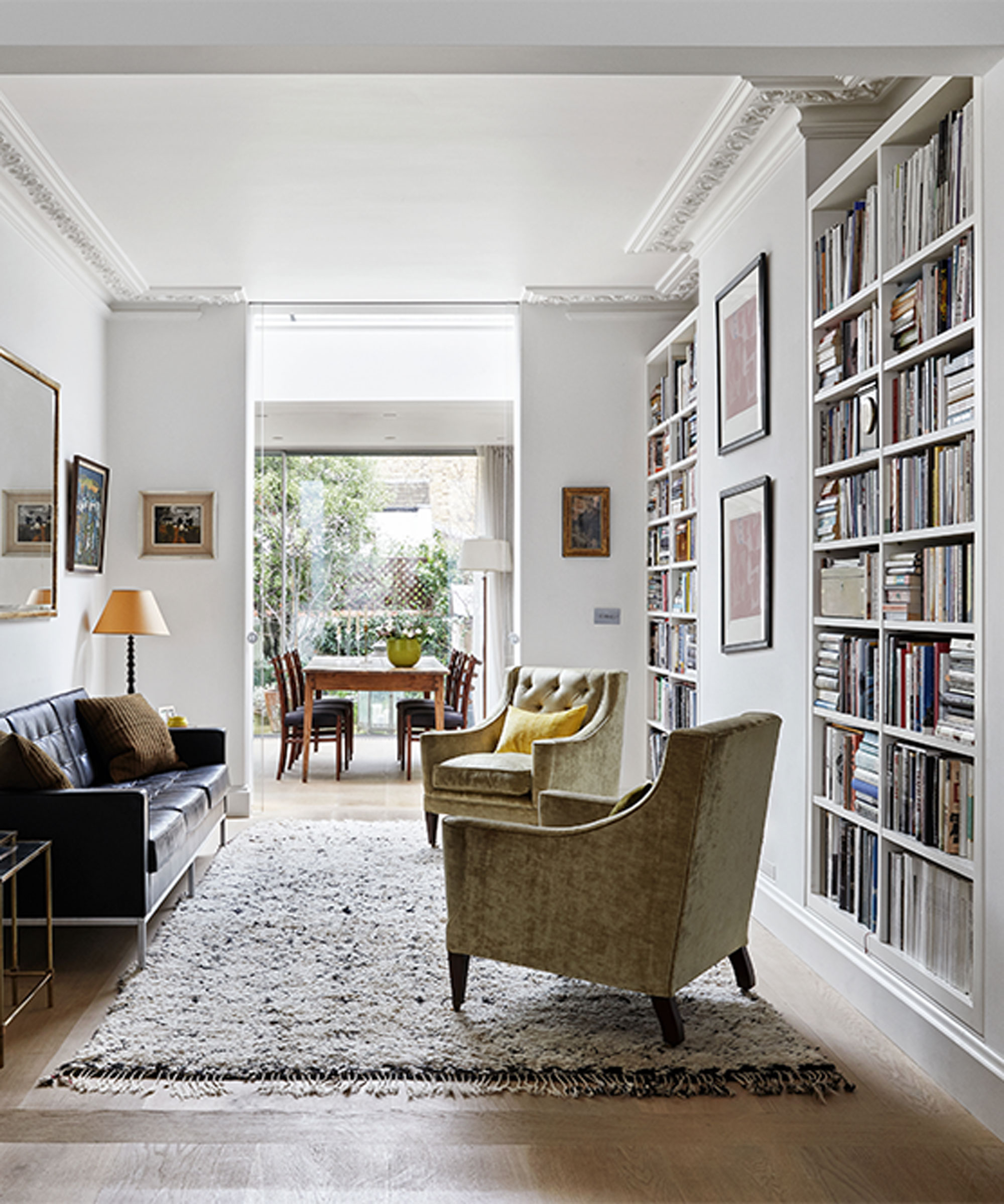
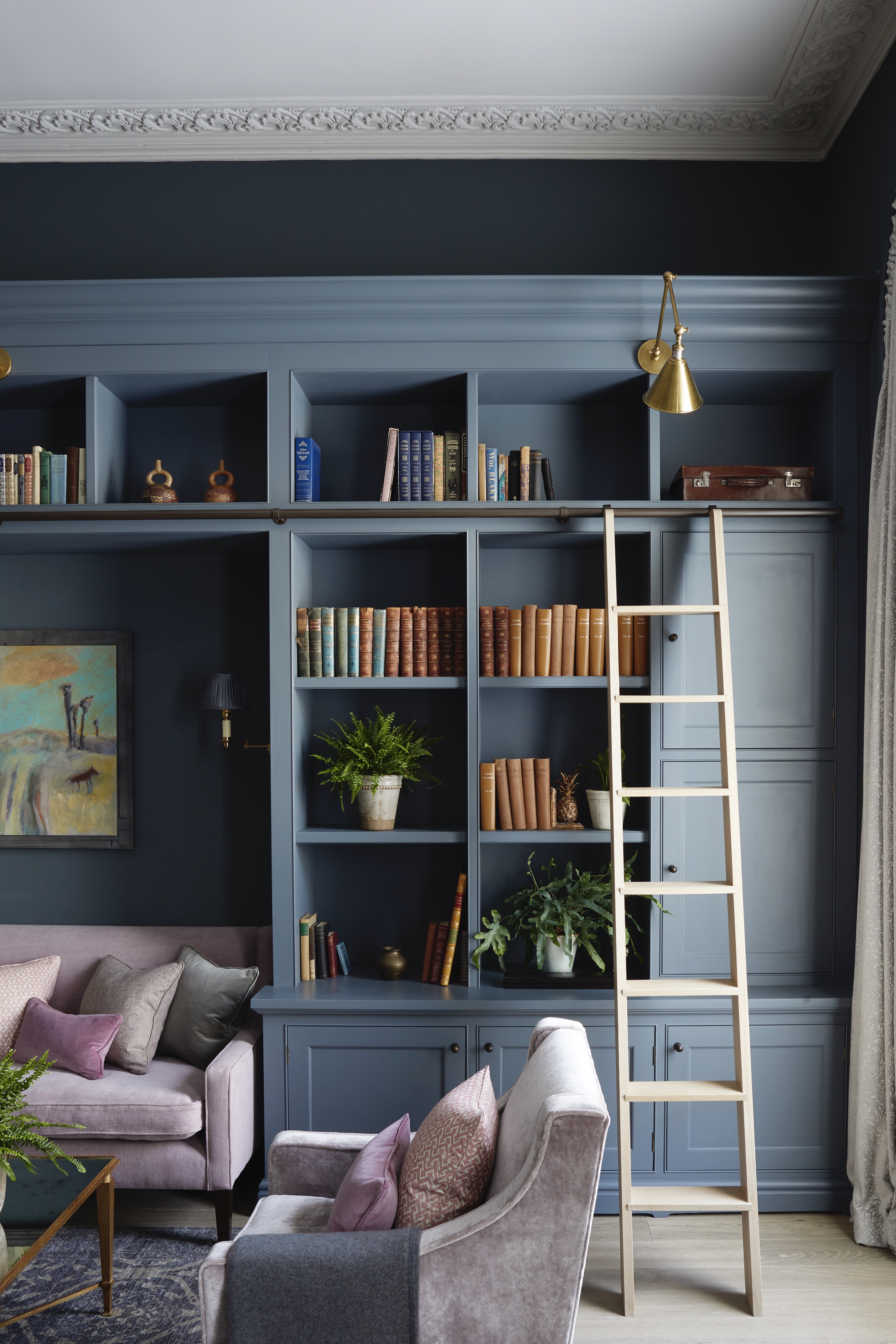
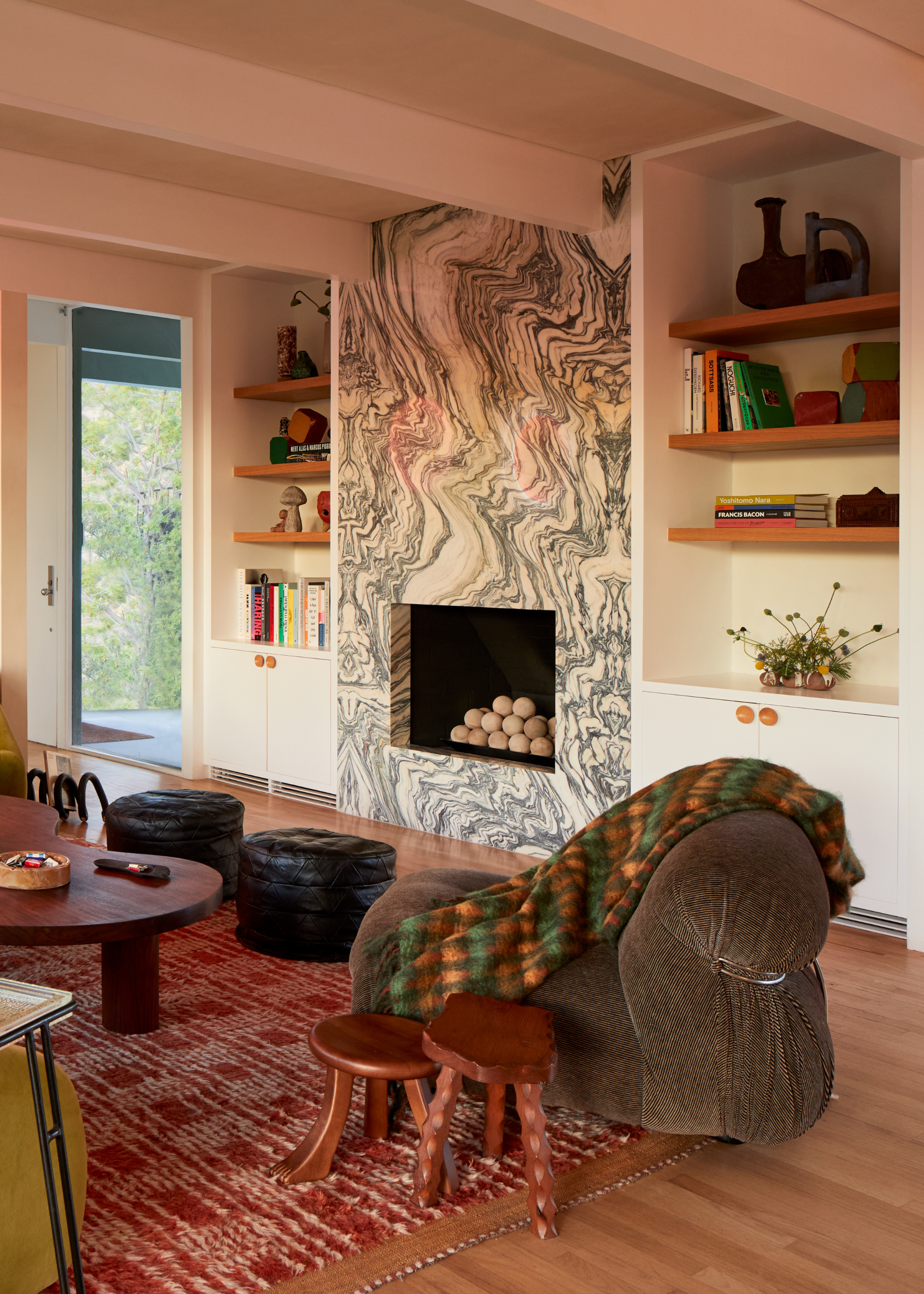
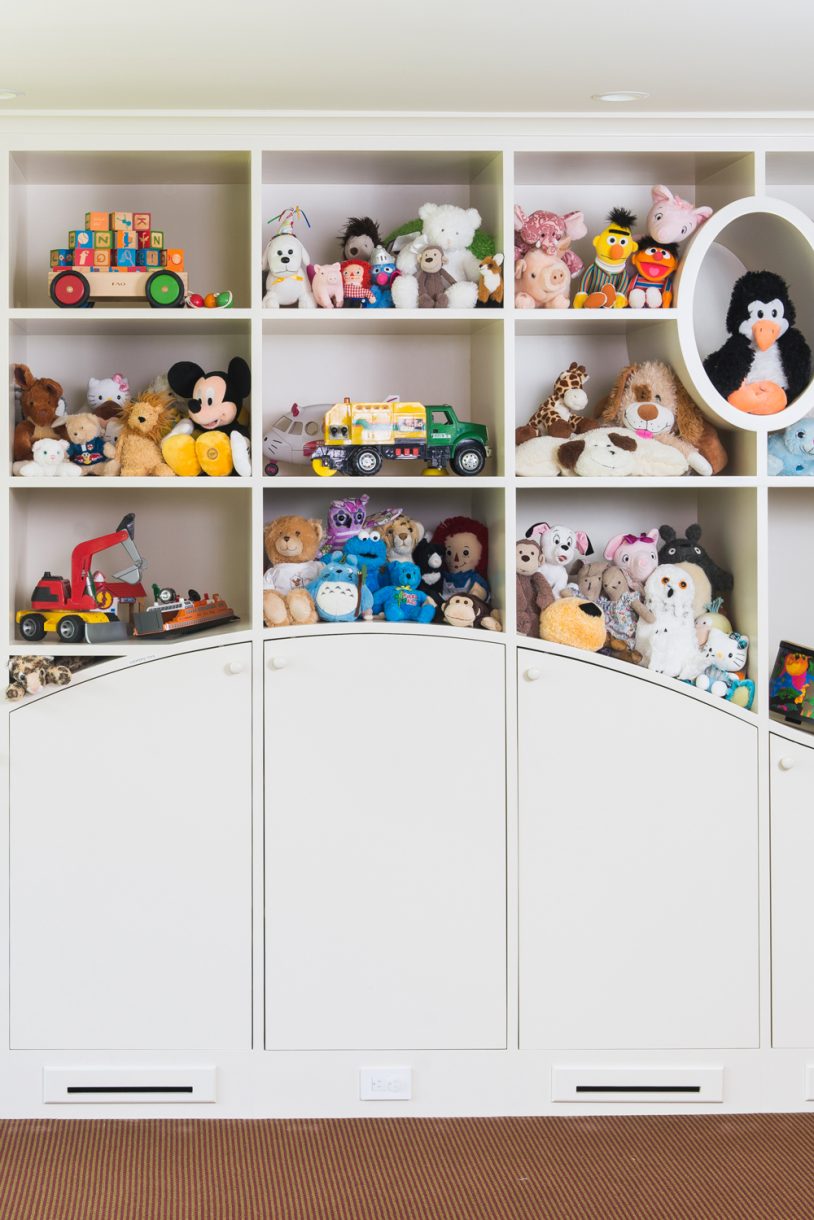
Repurposing existing furniture, such as storage ottomans or benches, offers multi-functional storage solutions that integrate into the living space. Adjustable shelves in cabinets or repurposed armoires allow for customized storage to fit different box sizes. For extensive collections or dedicated game rooms, custom built-ins provide an ultimate, integrated storage solution, maximizing vertical space and tailoring to specific needs.
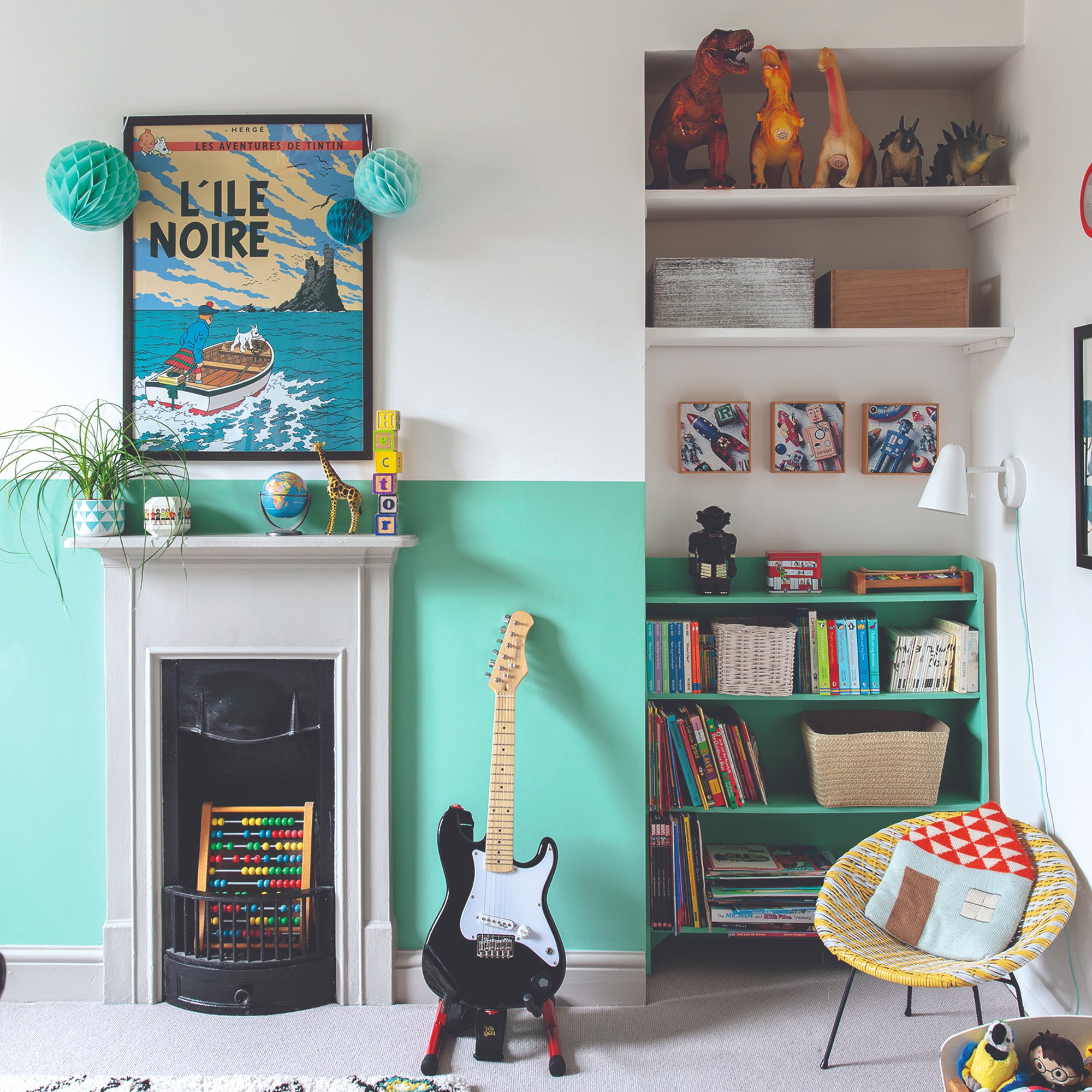
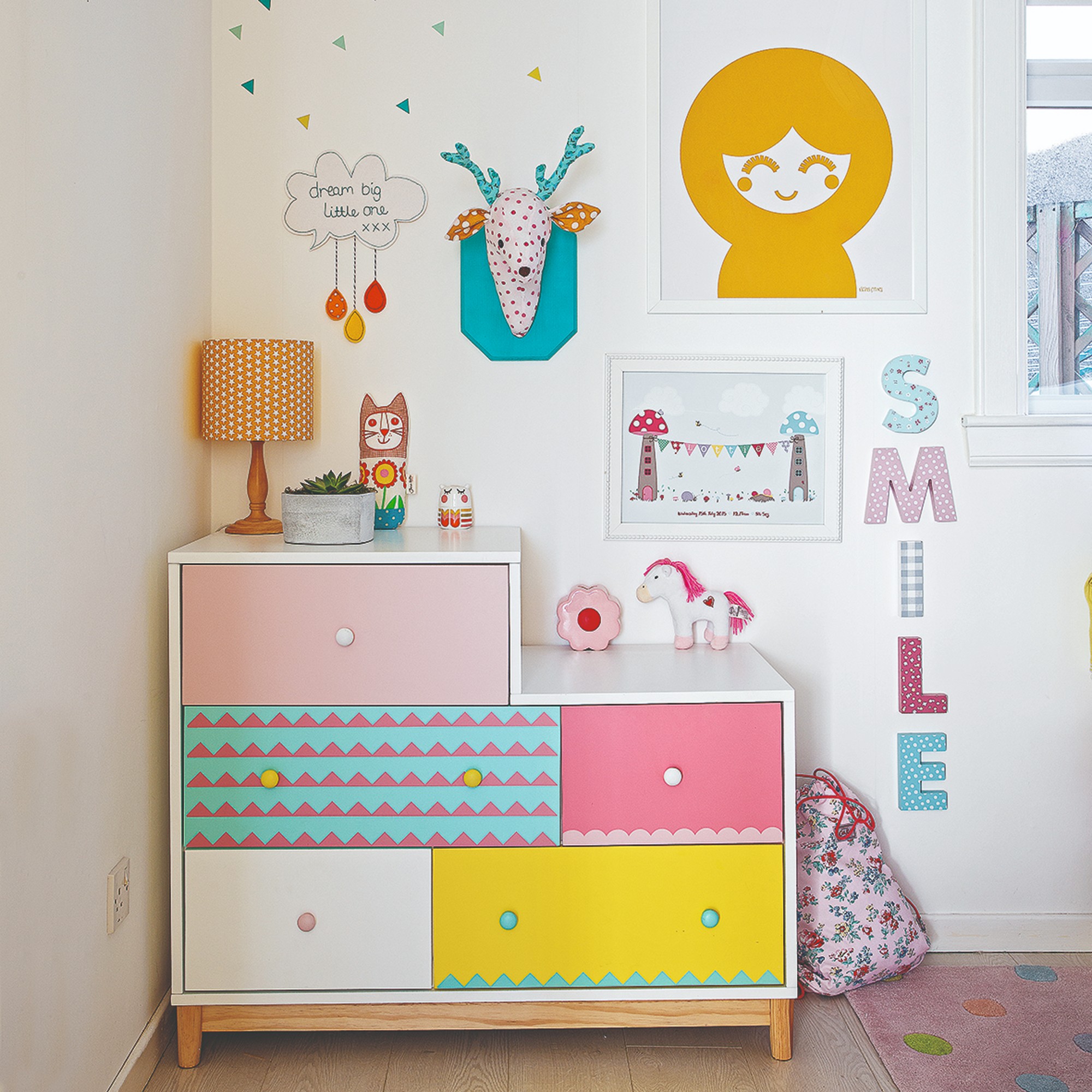
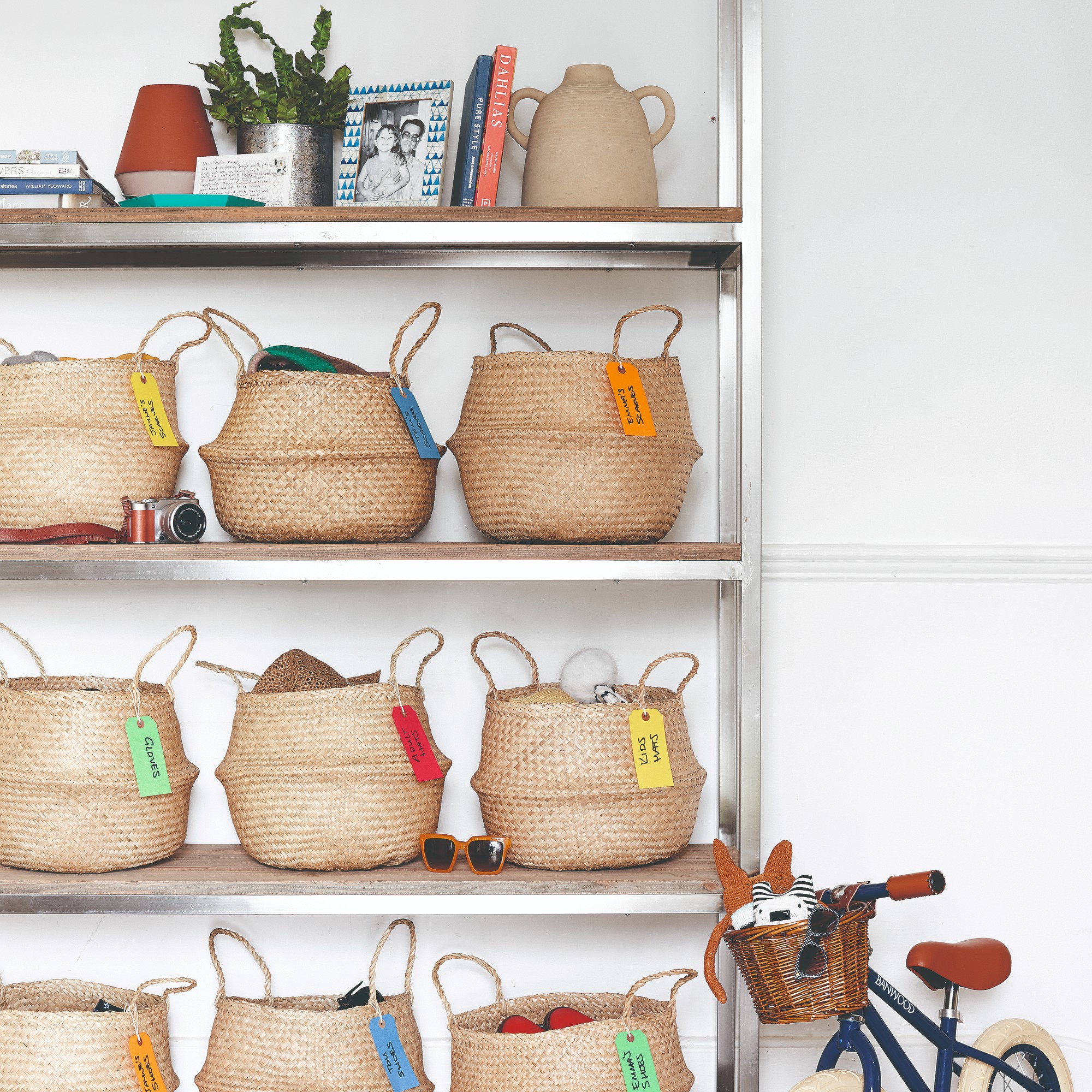
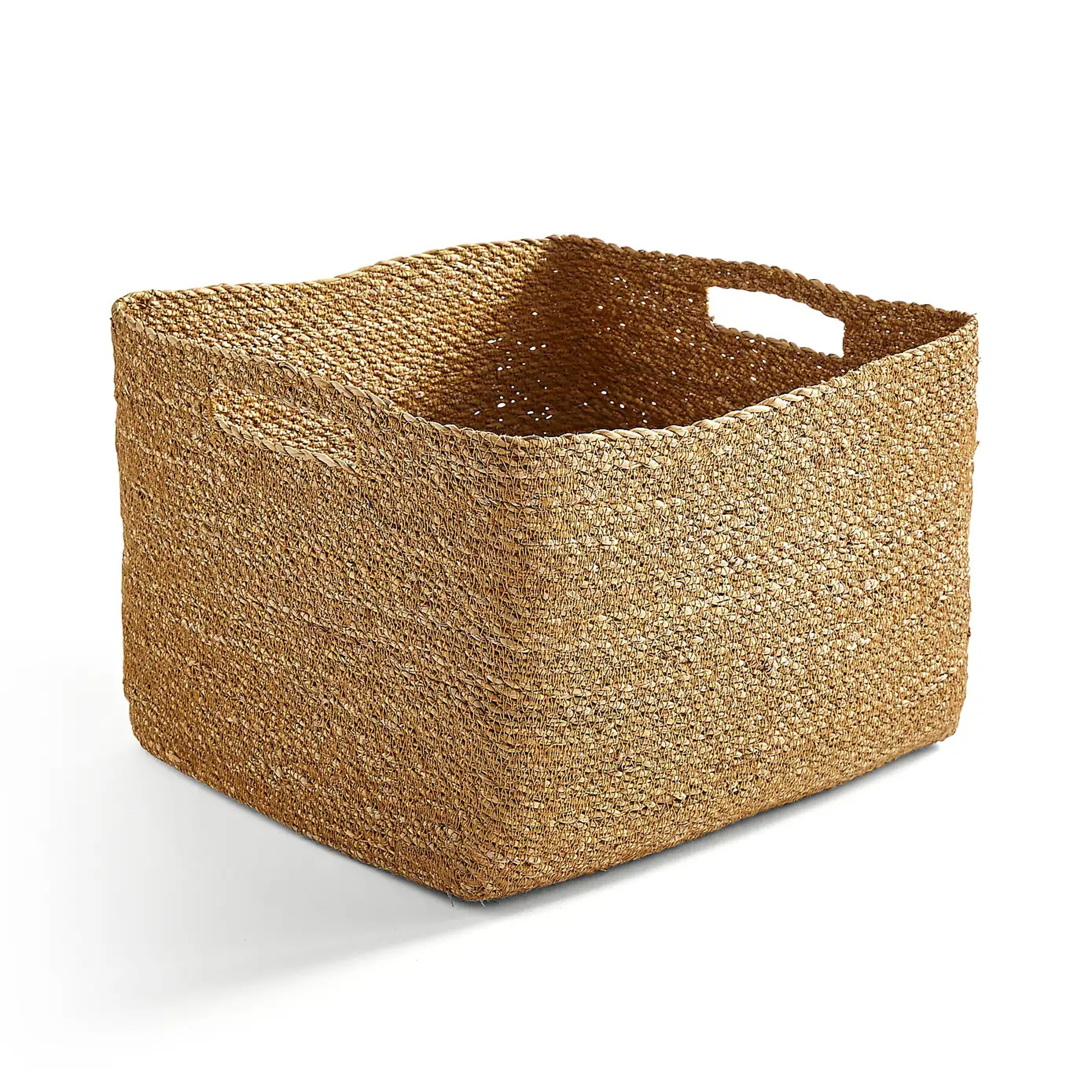
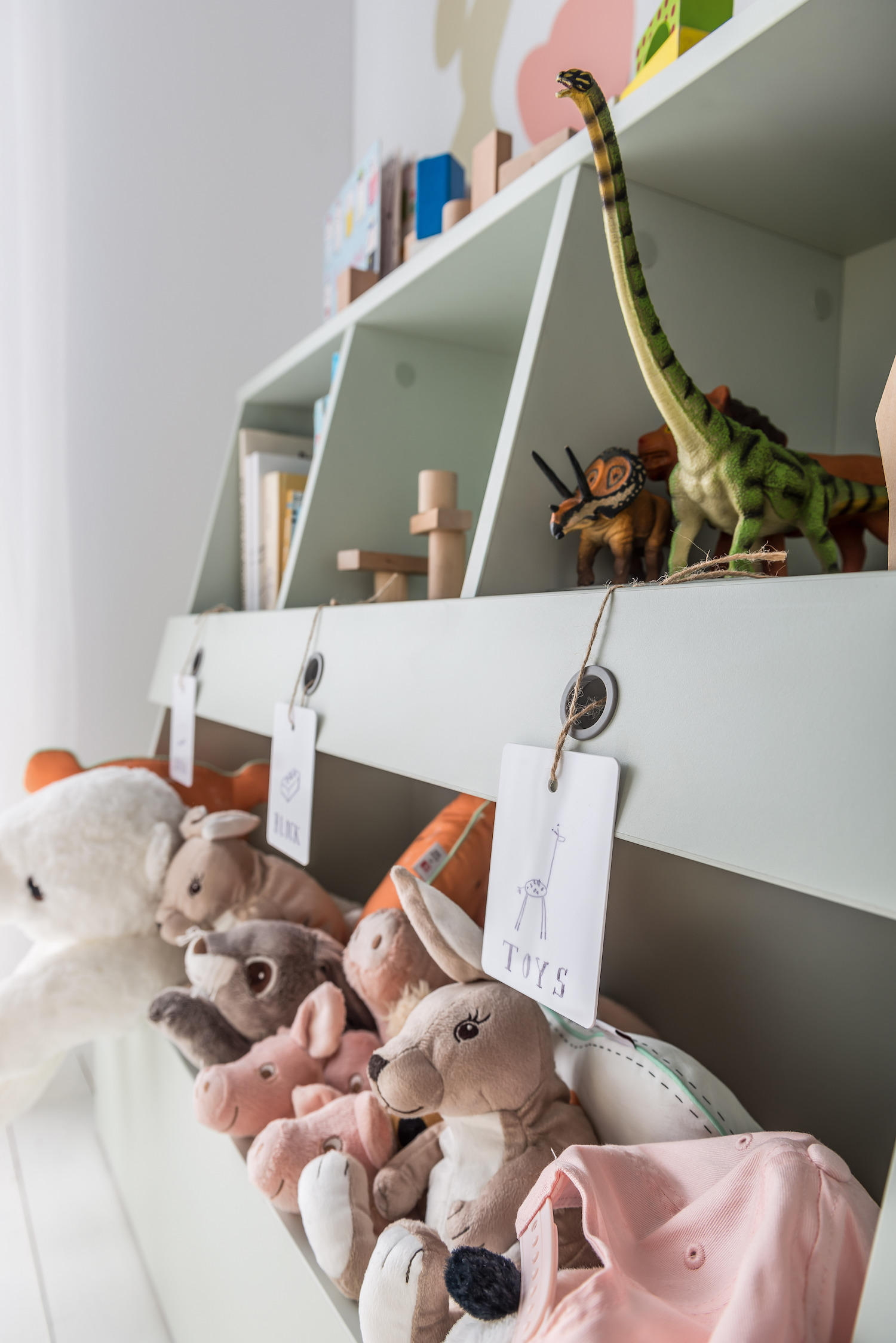
Game-specific storage solutions, like custom inserts or containers from specialist sites such as The Broken Token, are beneficial for complex games with many pieces. Portable project storage cases with snap-tight latches offer customizable options for various game sizes and portability. Stylish baskets provide a casual yet organized approach, blending into decor while containing games. For kids' rooms, a dedicated bookshelf organized by age-appropriateness encourages easy access and tidiness. Regular purging of missing, damaged, or unused games is essential to maintain an organized collection.
Creating a themed games nook, perhaps by converting an unused closet with built-in shelving and mood lighting, can enhance the gaming experience. A game library with glass doors offers an elegant solution for displaying games while protecting them from dust. Over-the-door storage options provide convenient access for frequently used games, though care should be taken to prevent damage to door frames. Finally, less frequently used games can be stored in attics, sheds, garages, or basements, provided they are placed in airtight containers to protect against pests, dampness, mold, and environmental damage. Under-bed and under-couch storage boxes also offer discreet and accessible solutions for less-used games, labeled by game type for easy retrieval.
#BoardGameOrganization #HomeStorage #InteriorDesign #Decluttering #GameRoomIdeas #SpaceSavingSolutions #HomeDecor #StorageSolutions #FamilyGames #BoardGameOrganization #HomeStorage #InteriorDesign #Decluttering #GameRoomIdeas #SpaceSavingSolutions #HomeDecor #StorageSolutions #FamilyGames
0 comment in total
 No comments yet
You may also like
Organizing a bookshelf – 15 ways to keep on top of your tomes
Clever storage ideas to help organize every room in your home
The 15 Best Kitchen Storage Ideas for an Organized Space

15 Game Room Ideas for Adults That Combine Luxury and Leisure
Playroom storage ideas – 8 ways to prevent your children's fun zone from becoming cluttered and chaotic
34 toy storage ideas to prevent a cluttered living room and a messy play area
6 Ways Designers Arrange Furniture Maximize Space Without Cramping Your Style

Stylish Childrens' Toy Storage Ideas — 33 Clever and Chic Ways to Keep the Mess at Bay

The Most Clever Bookshelf Organizing Tips

These 7 Cable Organizers Will Let Your Game Room Go From Chaos to Control

The Best Video Game Storage Options for Your Collection
12 clever organizers that will save space in your closet

15 Genius Ways to Organize Electronics, Games, and Other Media Items

15 pieces of furniture with storage to maximize your space
Wait, These Might Be the Most Creative, Interesting Ways to Store Your Books — Without Your Home Feeling Like a Stuffy Library
25 Smart Ways to Organize Your Kitchen Cabinets


The 11 Best Storage Ideas For Keeping Small Items Organized Without Hogging Space
14 Kitchen Cabinet Organizers That Will Make Storage A Breeze
12 Storage Solutions That Actually Keep Your Home Organized

9 Storage Boxes That Control Your Clutter Without Being Eyesores