The Boomer Kitchen Trend That’s Officially Out (And What to Do Instead)
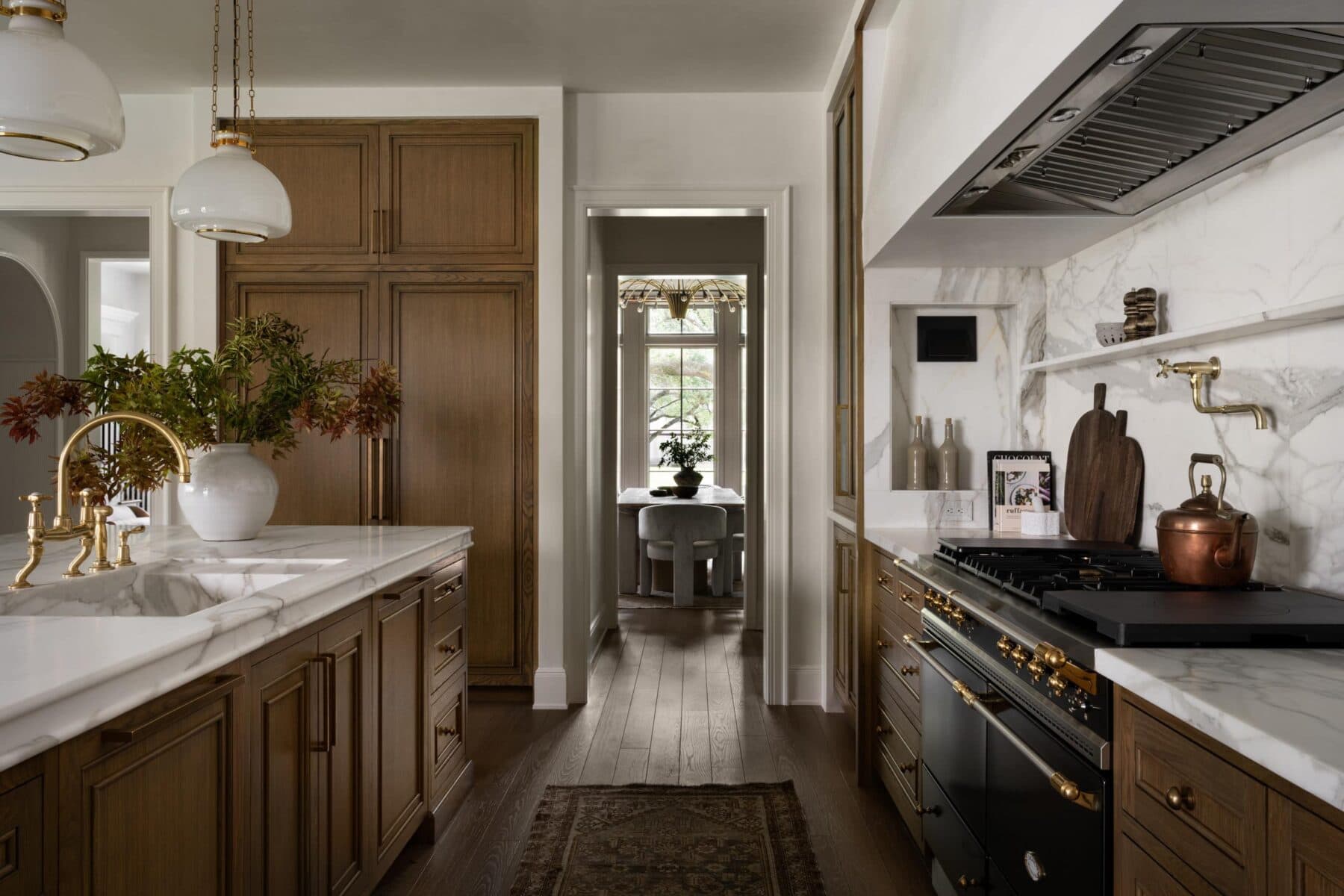
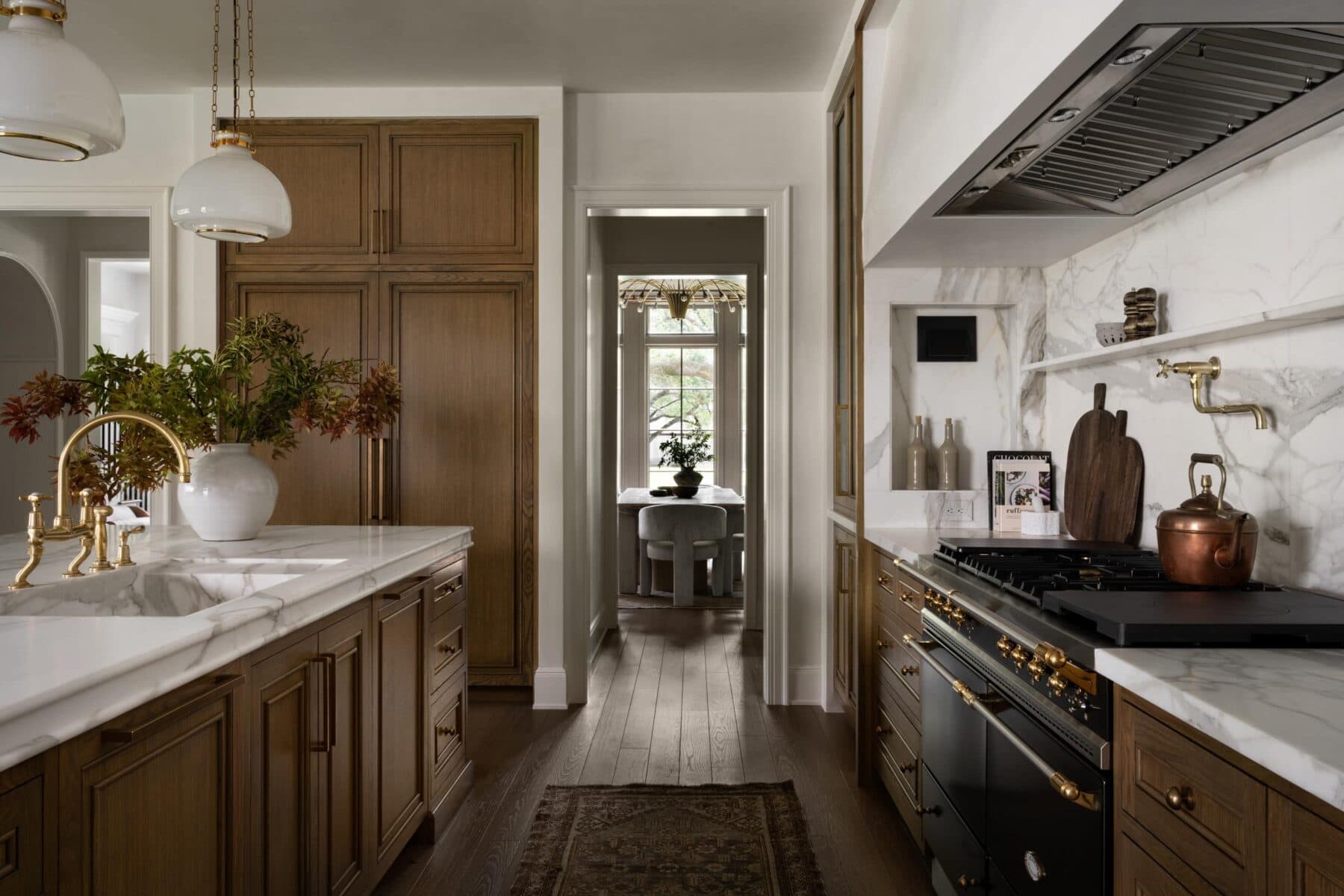
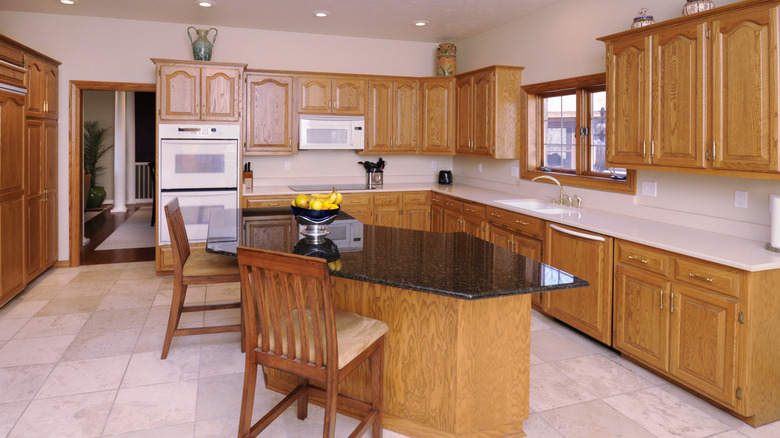
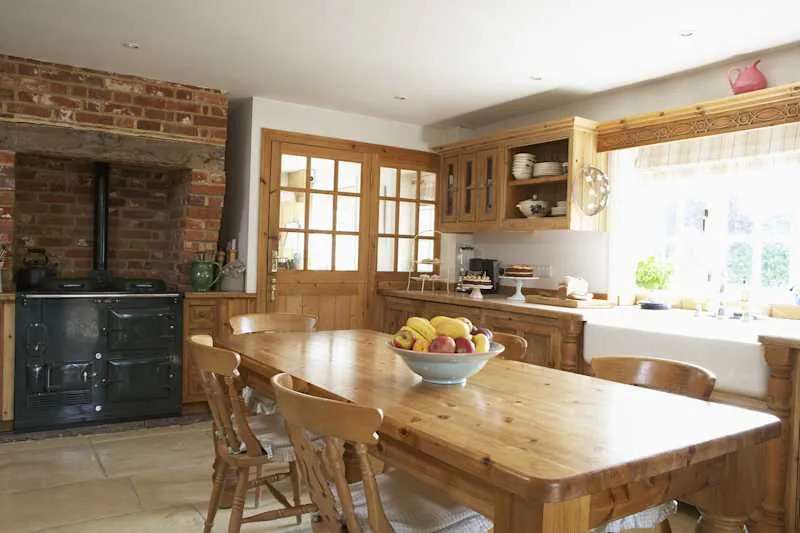
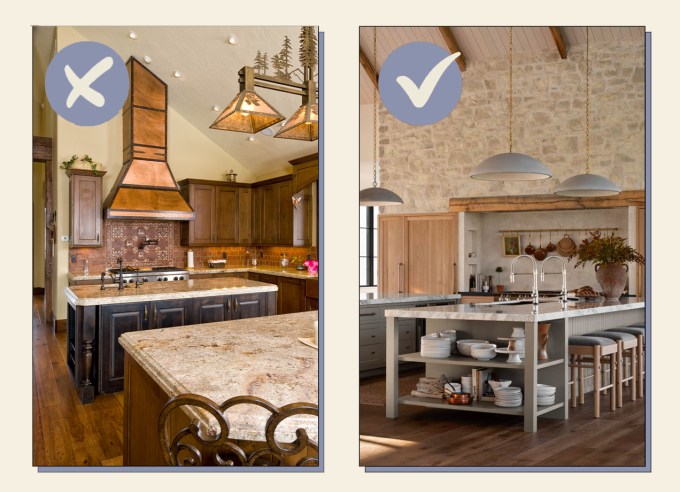
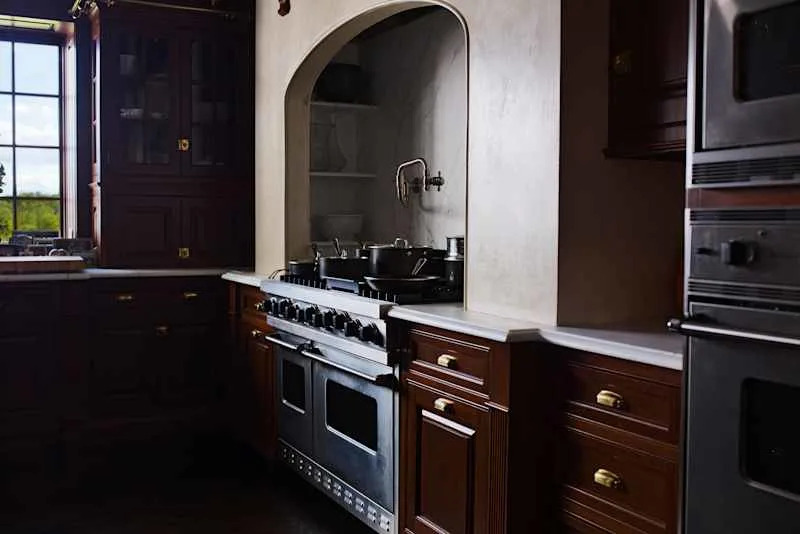
The article discusses the evolution of kitchen design trends, specifically focusing on the shift away from the 'Mob Wife' or Tuscan style kitchen and the emergence of the 'Modern Mediterranean' aesthetic. The author recounts growing up in Northern New Jersey, where the Tuscan style, characterized by brick floors, dark-paneled cabinetry, granite and beige-veined marble counters, and iron and copper accents, was prevalent in early 2000s homes. This style, deeply rooted in European craftsmanship and named after a region in Italy, emphasized intricate woodwork, such as corbels and reclaimed beams, and ornate details, often featuring a color palette of brown and terracotta tones with honeyed/copper accents to evoke Tuscan wineries.
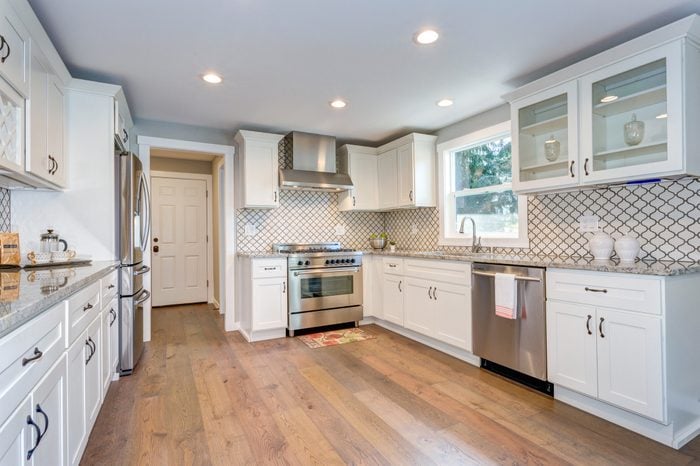
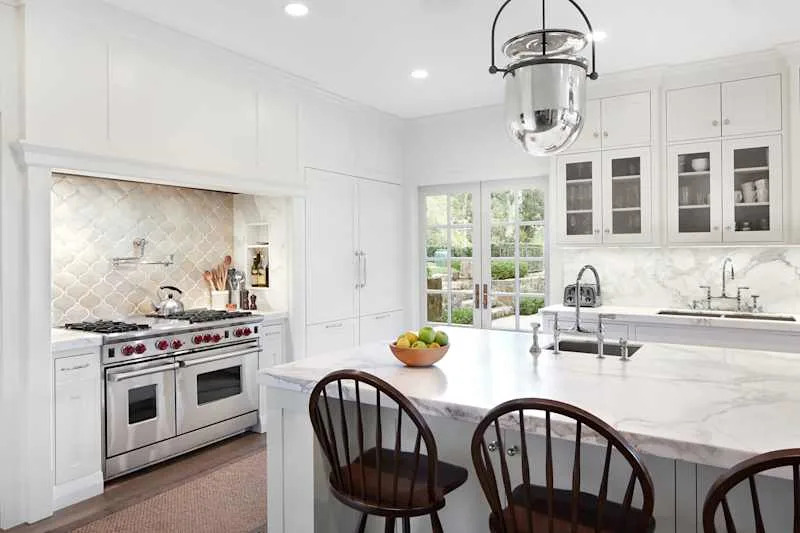
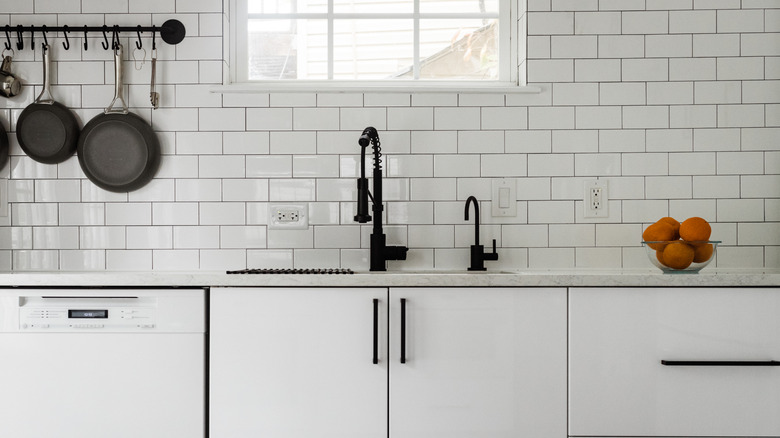
The article highlights an observation made by the author's interior designer mother, who predicted the Tuscan kitchen's decline. This prediction proved accurate as the style was eventually superseded by the modern farmhouse trend, which favored white quartzite countertops and grouted subway tile. However, the modern farmhouse aesthetic, too, experienced a 'mass exodus' around 2020, paving the way for a resurgence of traditional, nostalgic interiors, exemplified by 'coastal grandmother' and 'New England eclectic' styles.
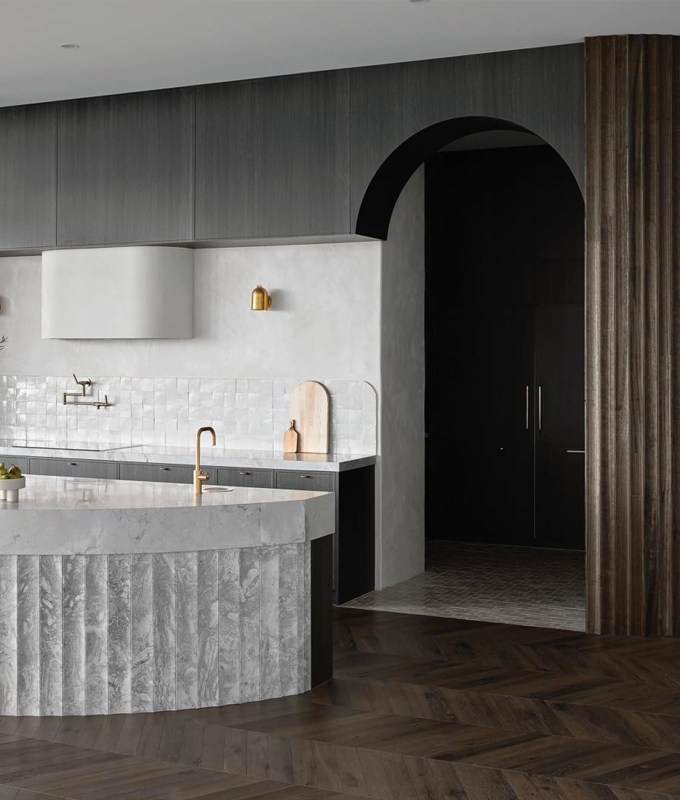
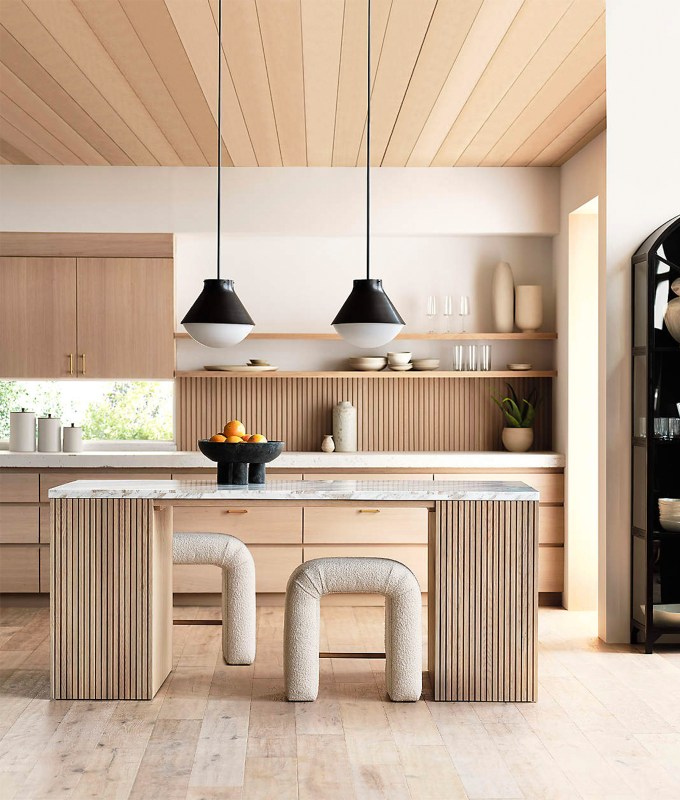
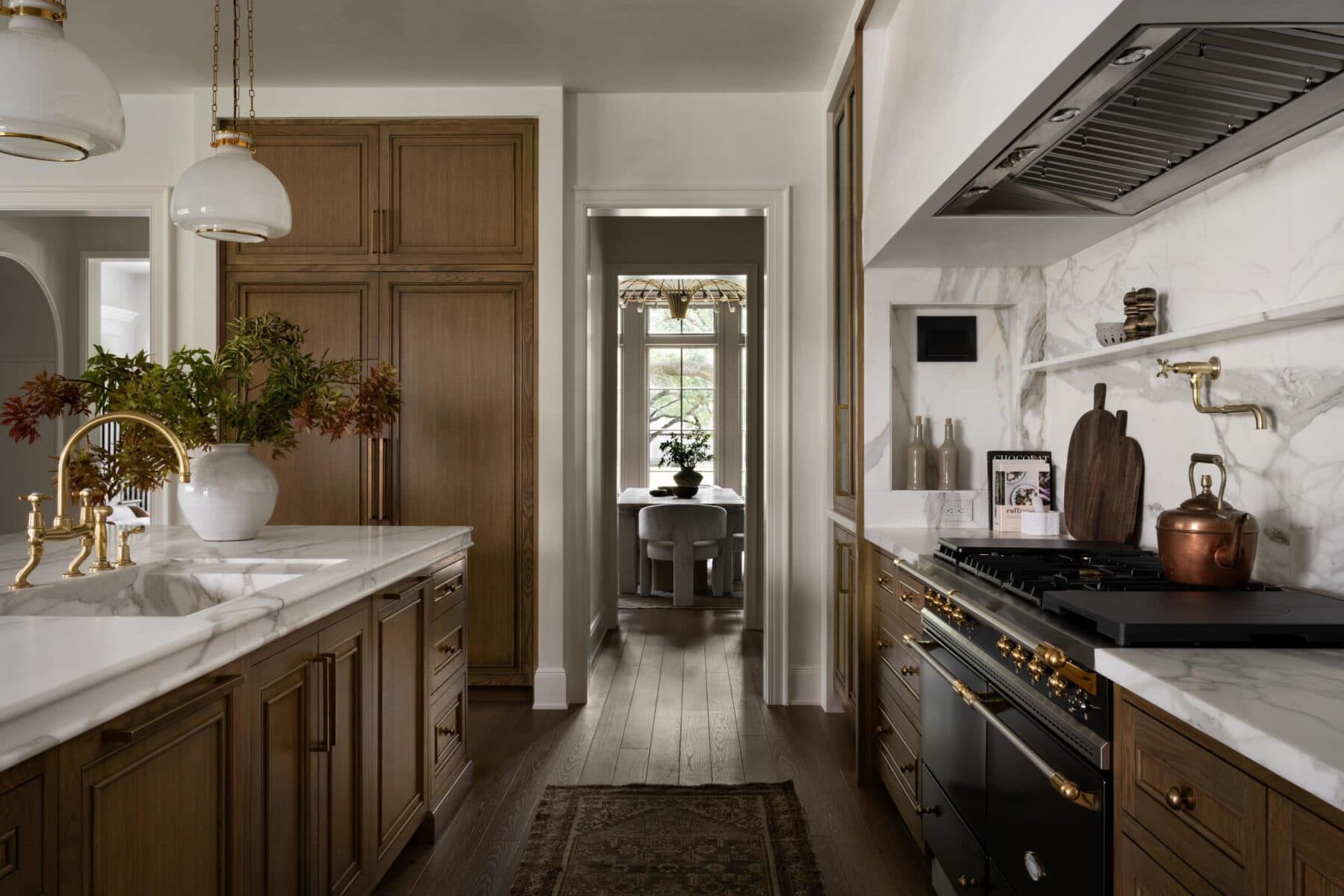
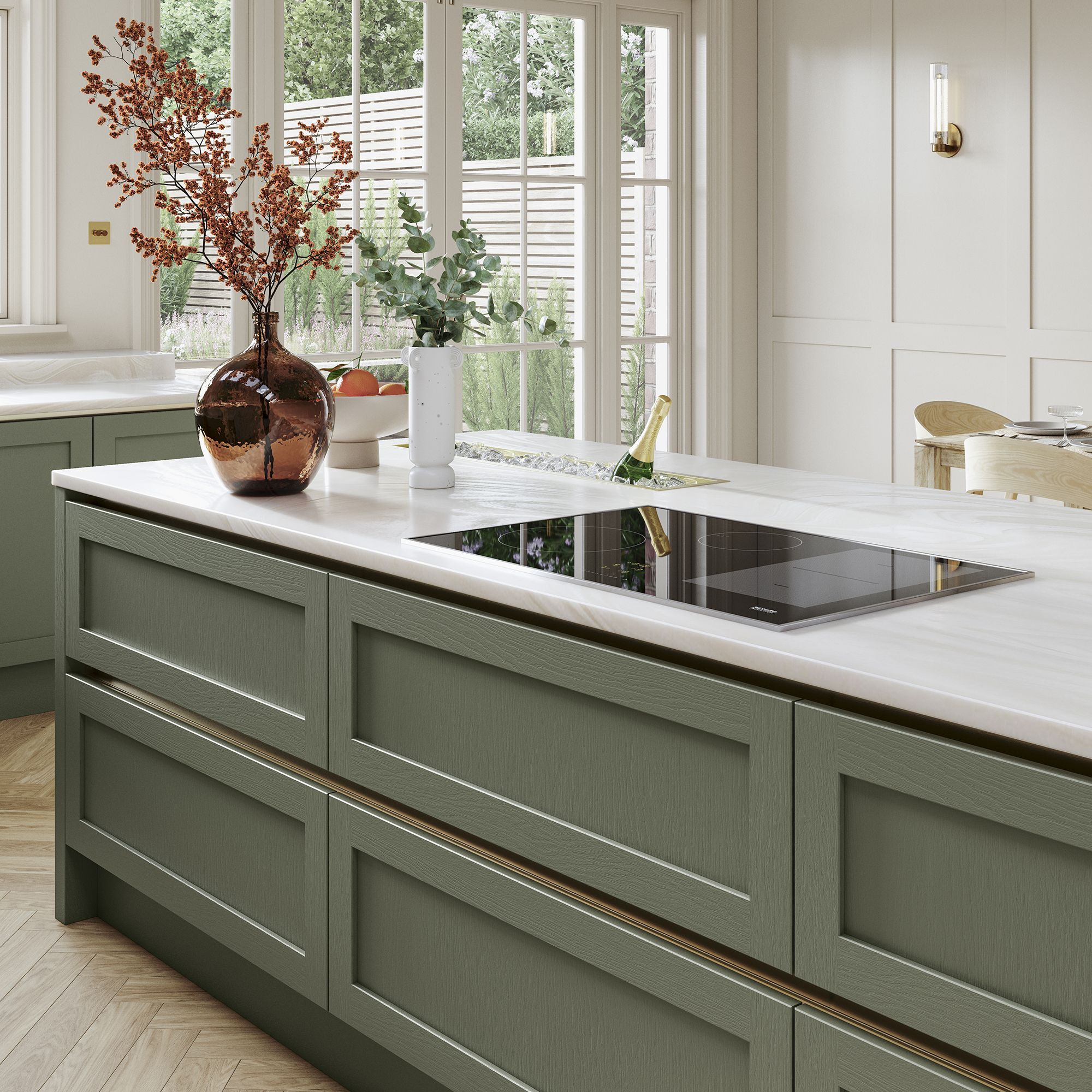
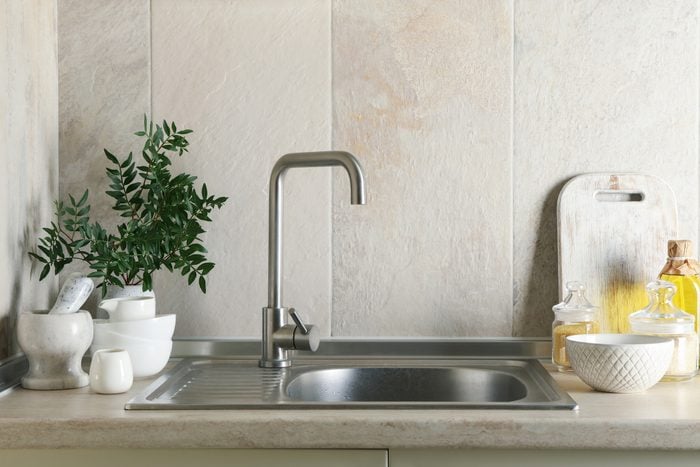
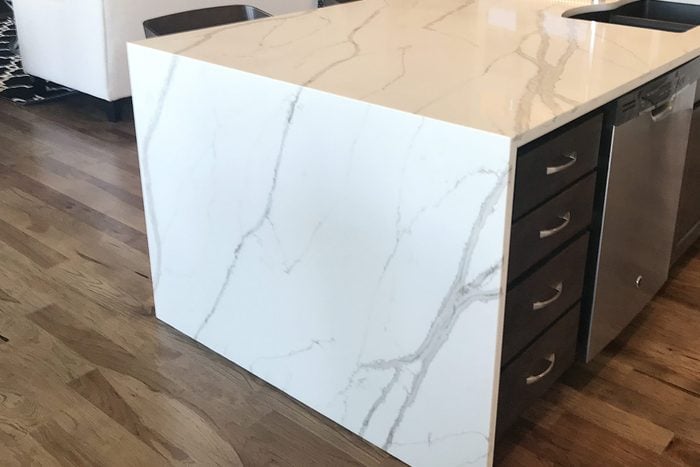
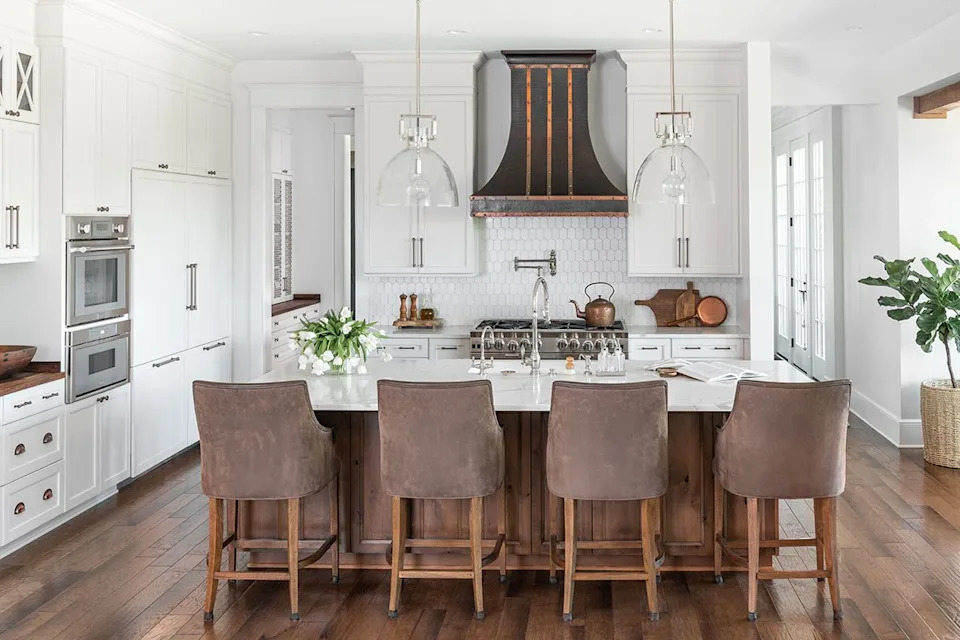
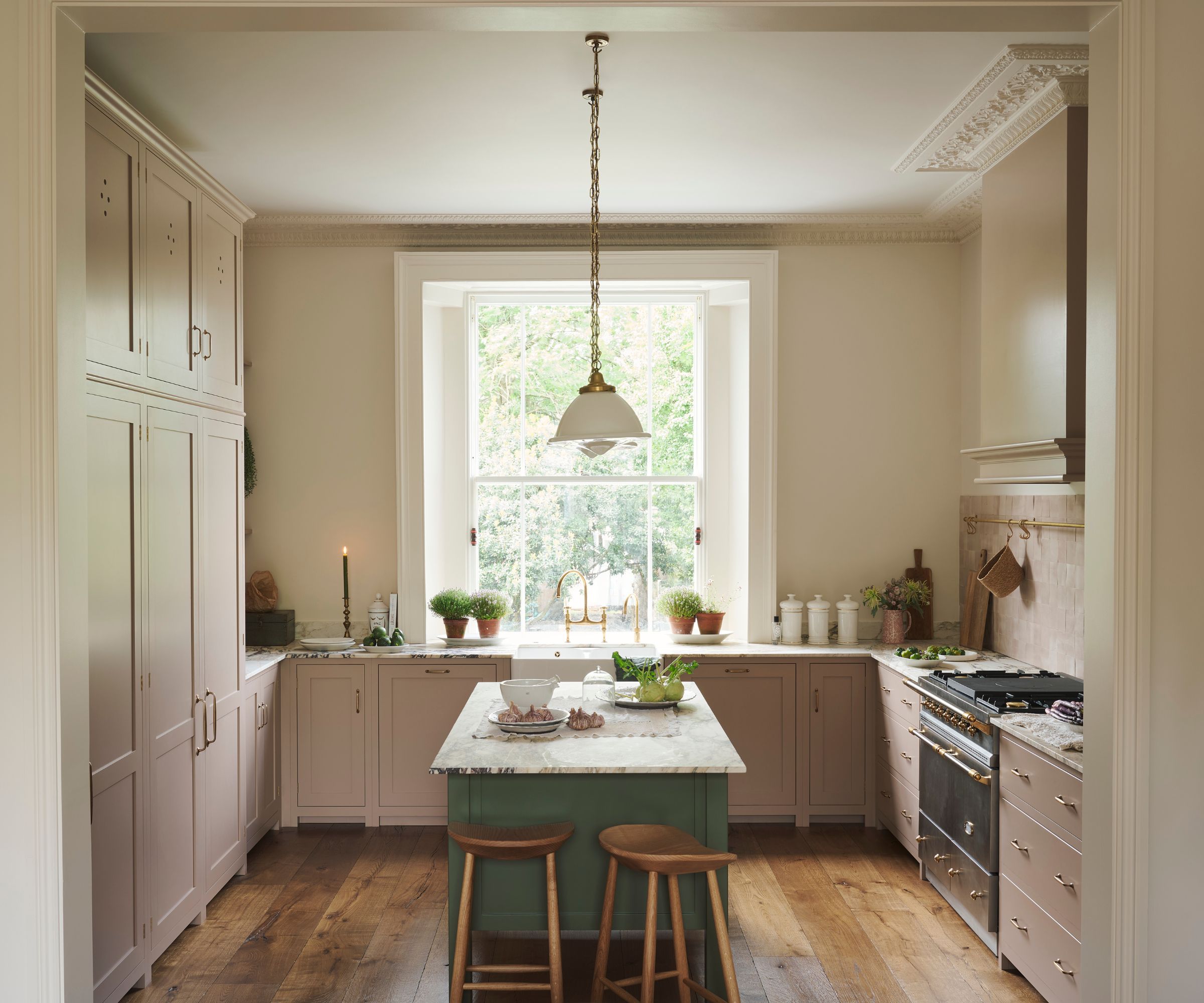
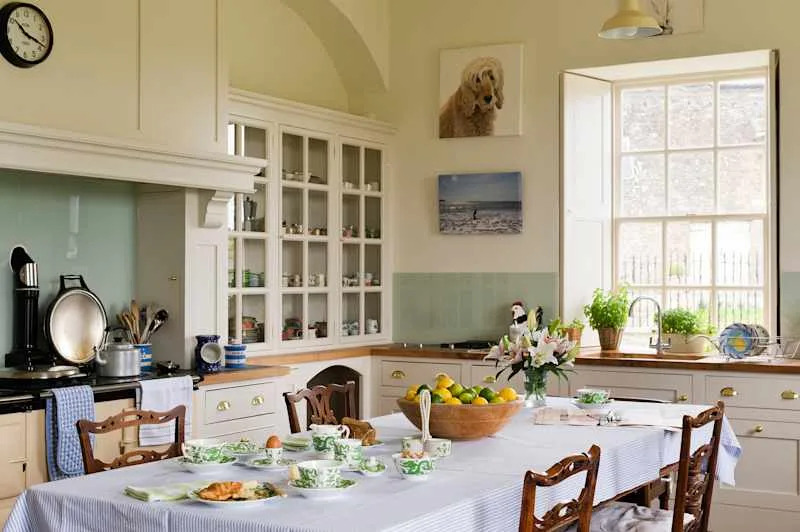
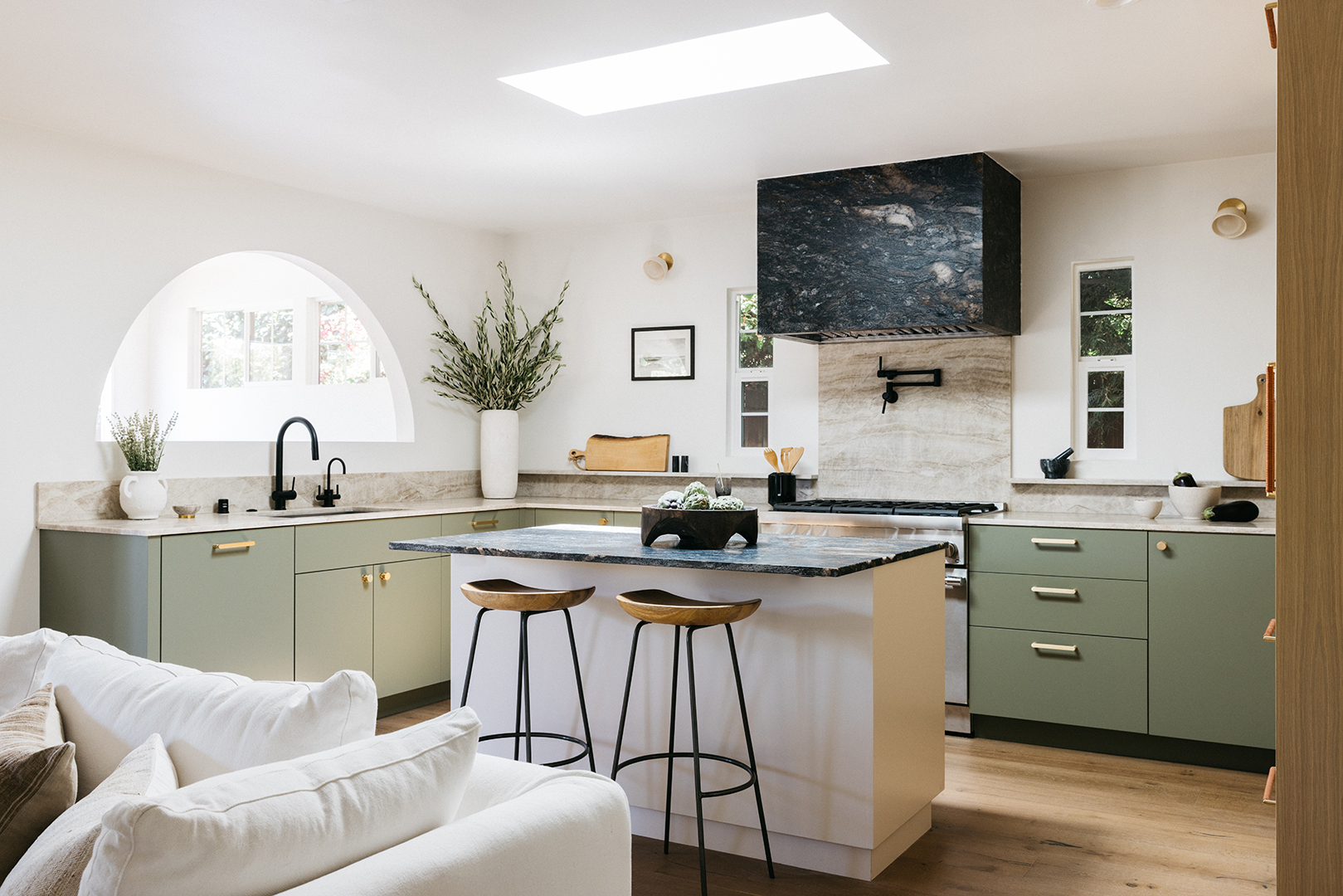
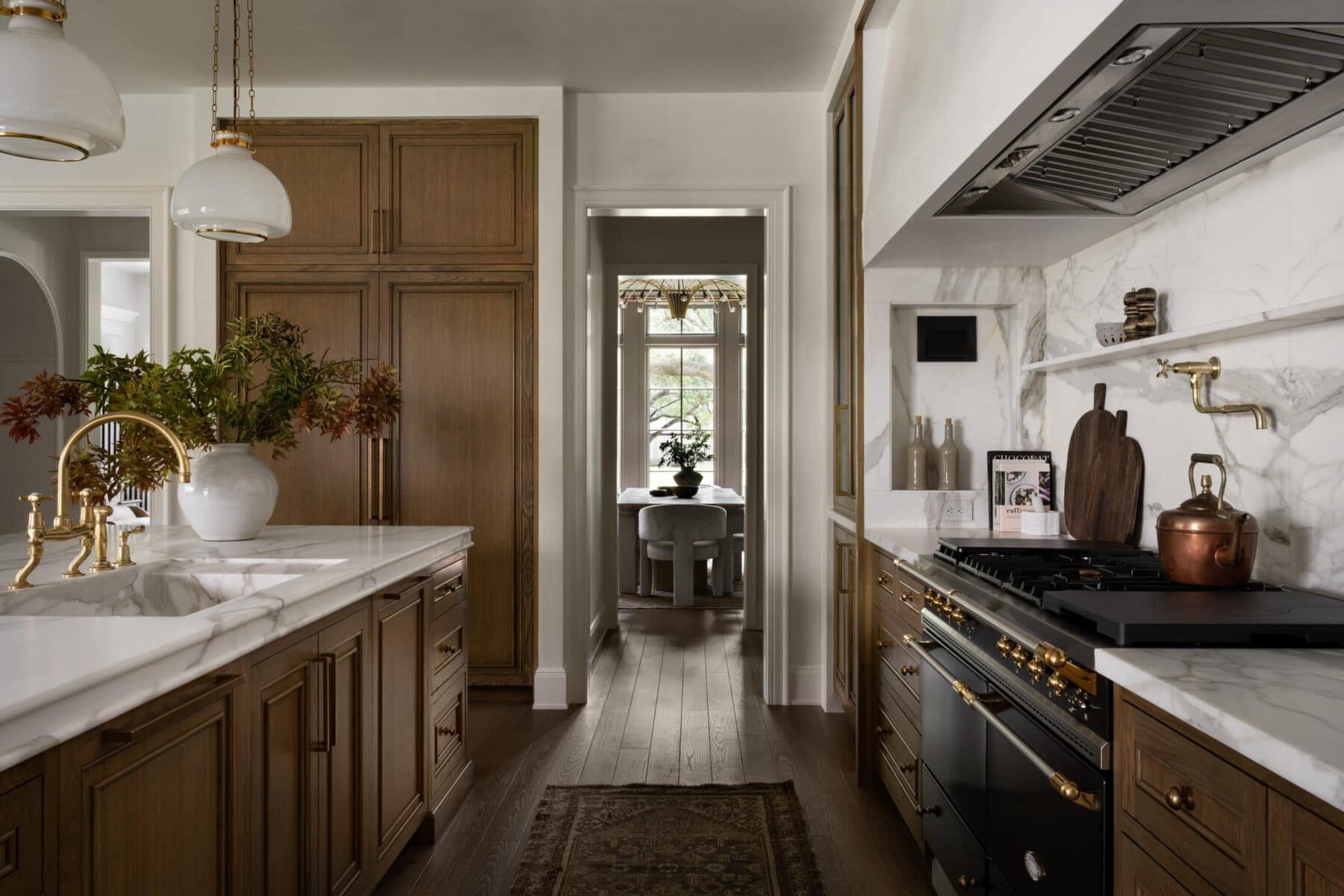
This current trend has led to a 2024 reinterpretation of the 'Mob Wife' aesthetic, giving rise to the 'Modern Mediterranean' kitchen. This new style is described as a 'coastal version' of the Tuscan kitchen, maintaining the foundational design elements but with a lighter, airier feel. Instead of the deep, vibrant colors of rolling hills, Modern Mediterranean embraces the tones of the Mediterranean Sea. Key differences include the use of limestone on walls and classic Calcutta marble or travertine on surfaces, replacing brick backsplashes and granite countertops. This shift makes the design feel current while preserving rustic charm, aligning with the 'Newstalgia' theme prevalent in contemporary interiors.
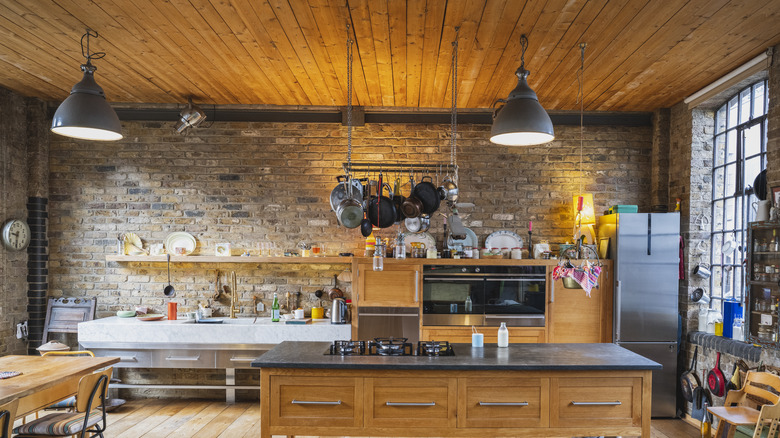
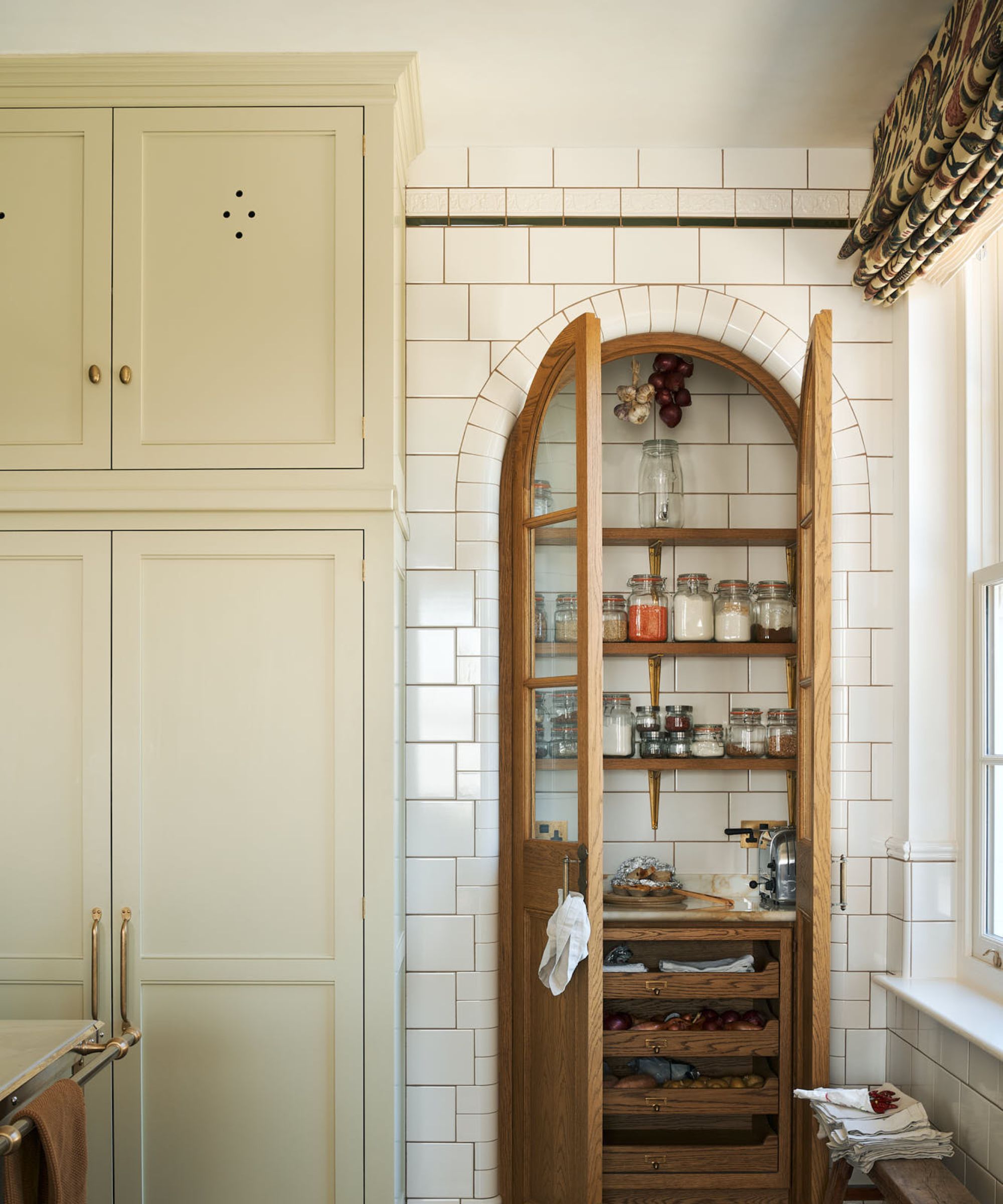
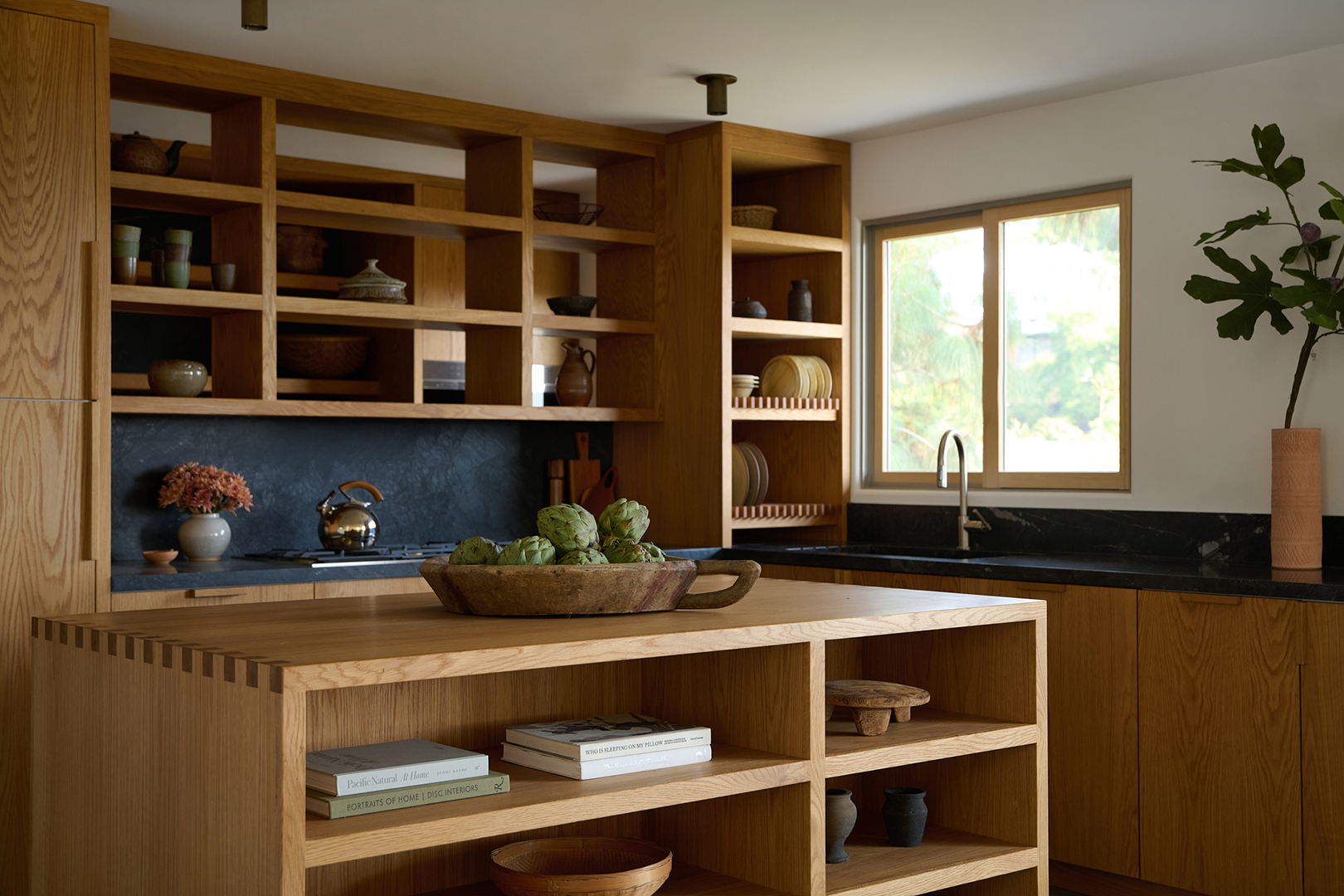
Reclaimed wood, particularly wooden beams and light oak cabinets, is identified as a crucial architectural detail that unifies the Modern Mediterranean look. These elements add warmth and a lived-in feel, with the texture of the beams providing subtle detail without overwhelming the space. Light oak cabinets prevent the kitchen from appearing overly traditional, striking a balance between modern and sleek. For those without the budget for a full renovation, the article suggests incorporating wooden furniture and decor to customize the rustic tone.
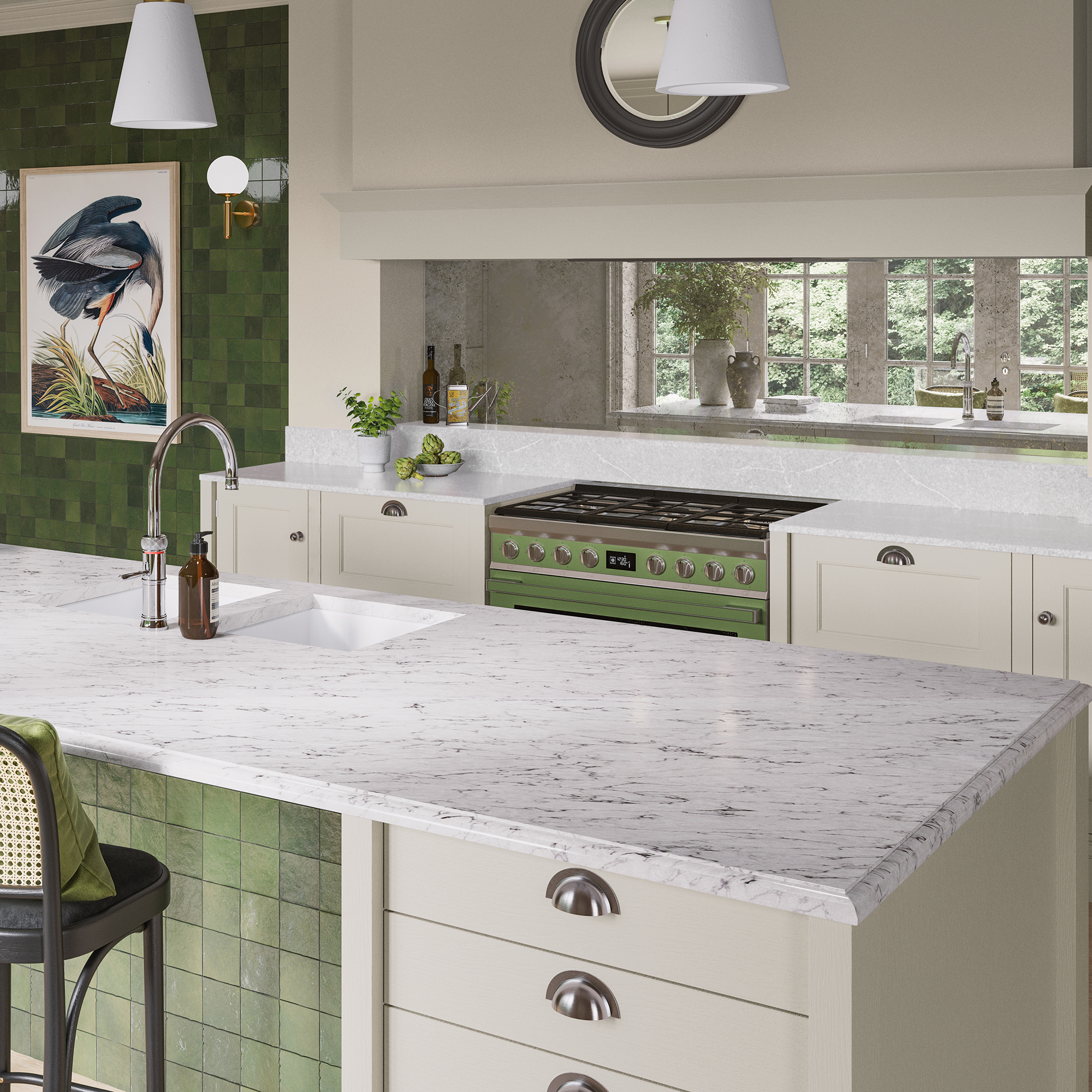
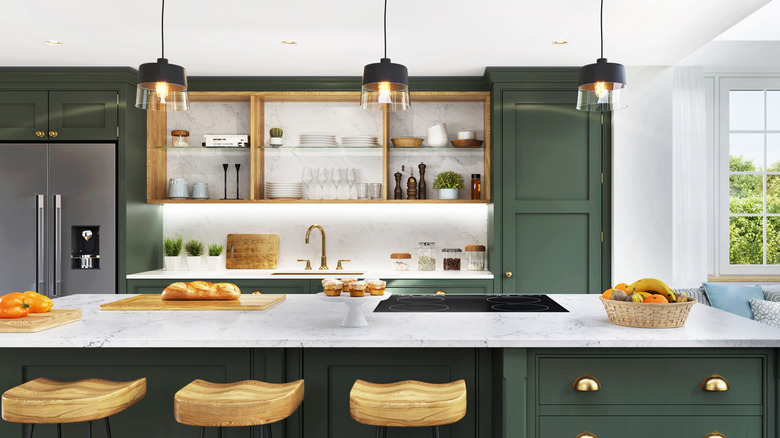
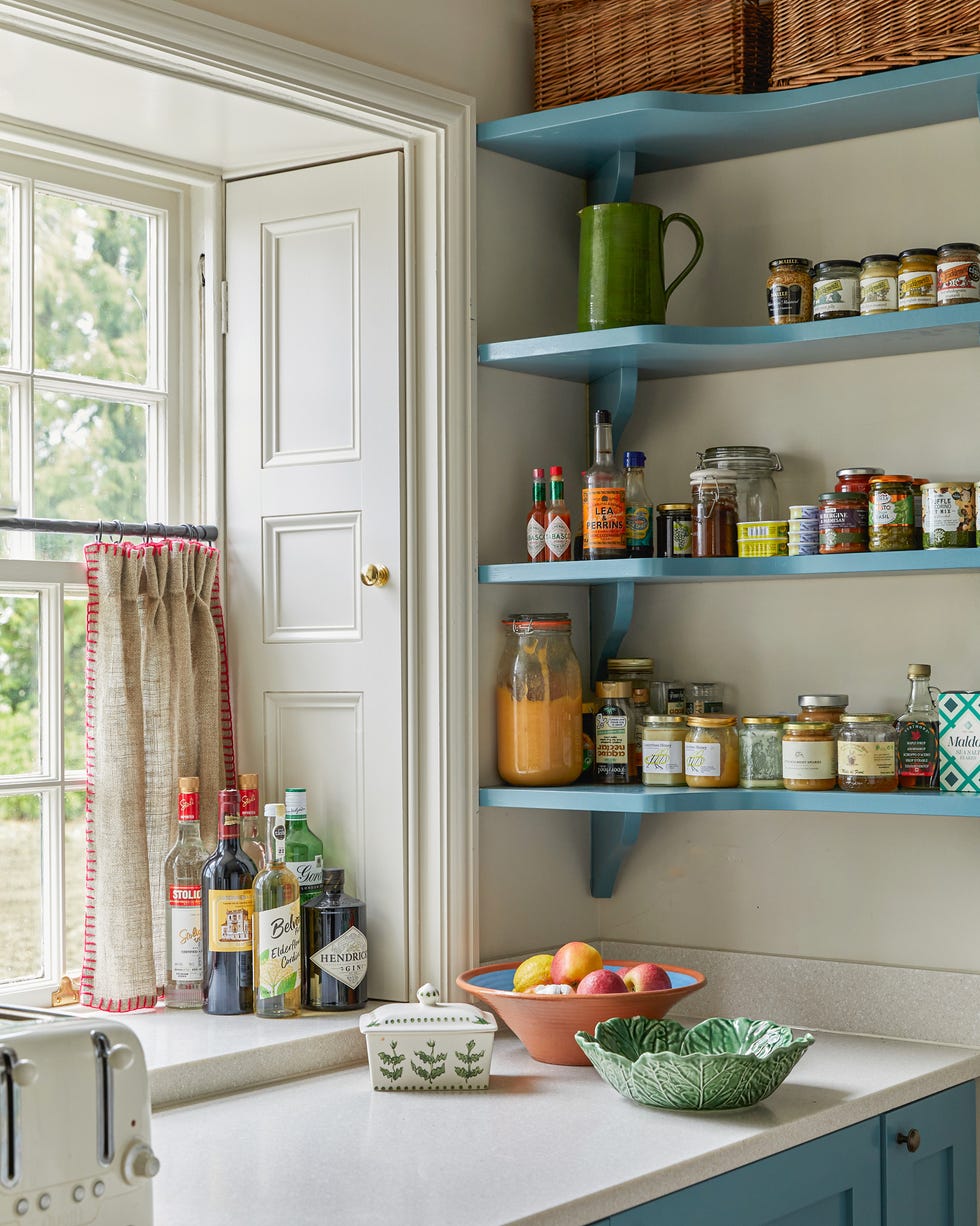
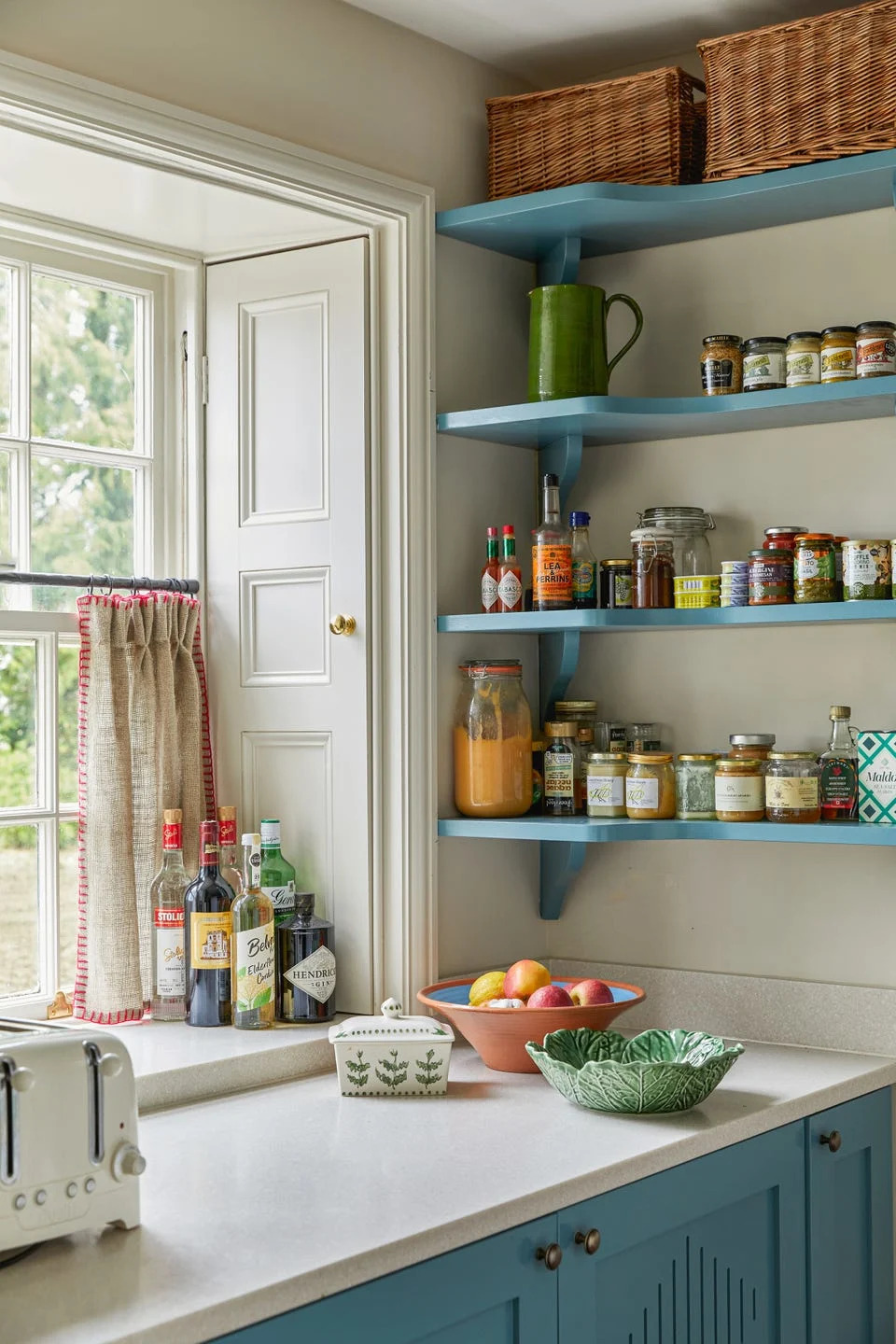
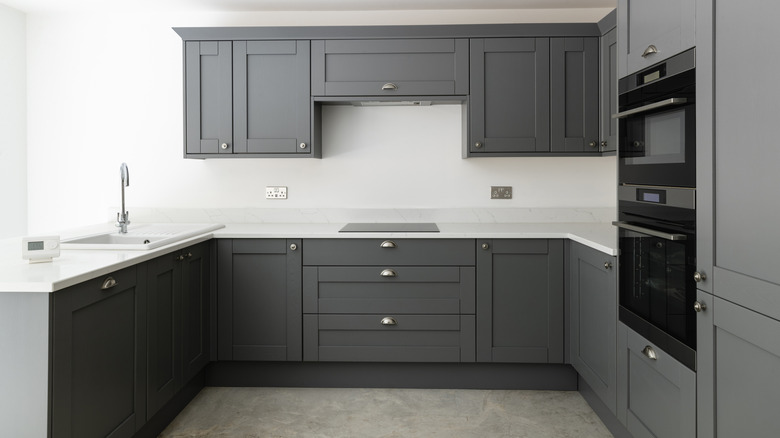
Coastal undertones are integral to the Modern Mediterranean style, featuring taupe or ecru instead of ocher, caramel instead of burnt orange, and honey instead of terracotta. Decor can include soothing pops of blue or muted green on an island, with an emphasis on rustic coastal textures rather than bold colors. The article also notes a modern inclination in appliance choices, with clean-lined hoods and sleek induction stovetops favored over the ornate gas stoves and corbels characteristic of Tuscan kitchens. Many Modern Mediterranean iterations feature integrated range hoods, often carved out and complemented with stone as a primary design element.
The article concludes by emphasizing how this new trend represents a contemporary and refined take on traditional European design, reflecting a broader movement towards nostalgic yet updated home interiors.
#KitchenTrends #HomeDesign #ModernMediterranean #TuscanKitchen #InteriorDesign #Newstalgia #CoastalGrandmother #KitchenRenovation #KitchenTrends #HomeDesign #ModernMediterranean #TuscanKitchen #InteriorDesign #Newstalgia #CoastalGrandmother #KitchenRenovation
0 comment in total
 No comments yet
You may also like
This “Dated” Kitchen Trend Is Back (and We’re Into It)
This nostalgic kitchen trend is back and here to stay, according to experts
12 Once-Popular Kitchen Trends That Won't Be Coming Back Anytime Soon
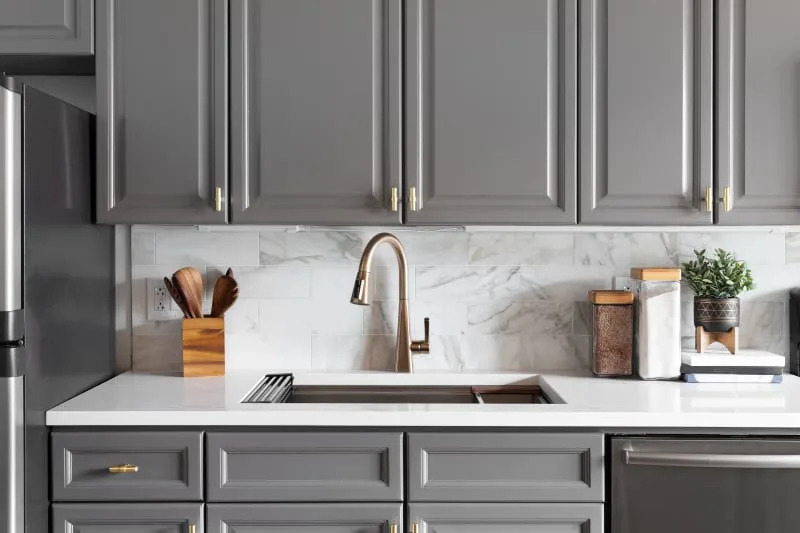
5 Kitchen Hardware Trends on Their Way Out (and the One Here to Stay)

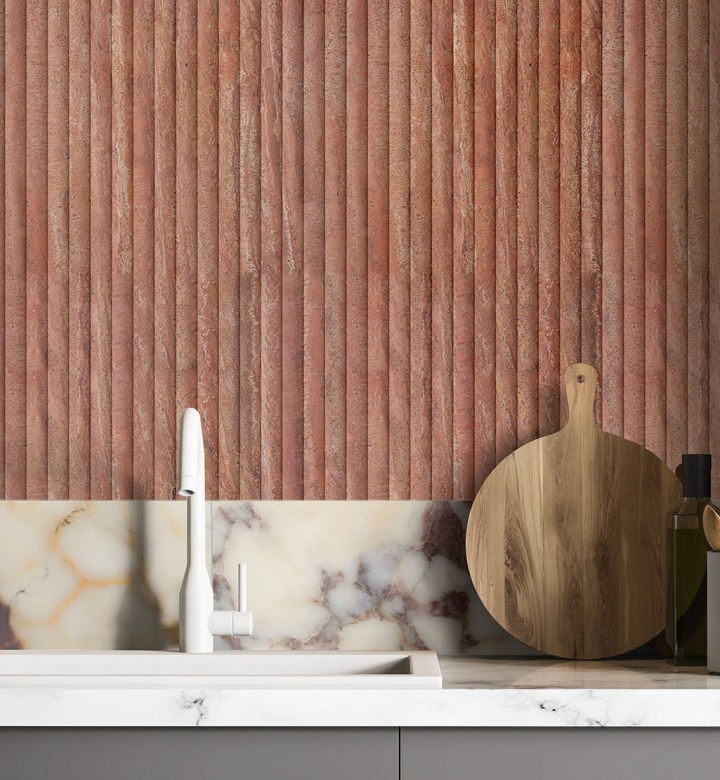
The Kitchen Trend We Called in 2021 Is Finally Going Mainstream, So Prepare to See It Everywhere
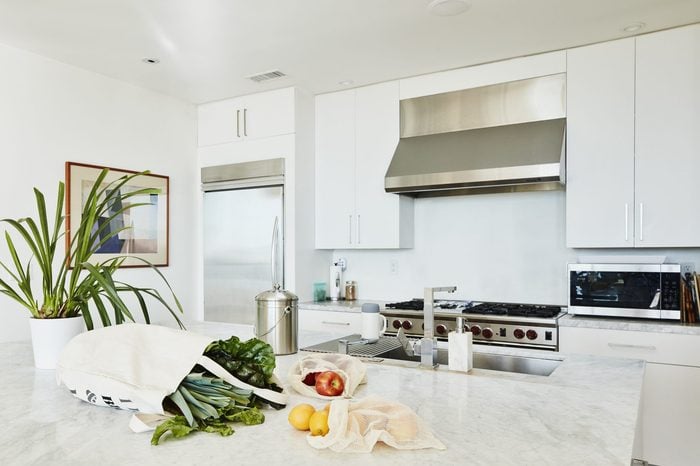
9 Outdated Kitchen Trends to Watch Out For

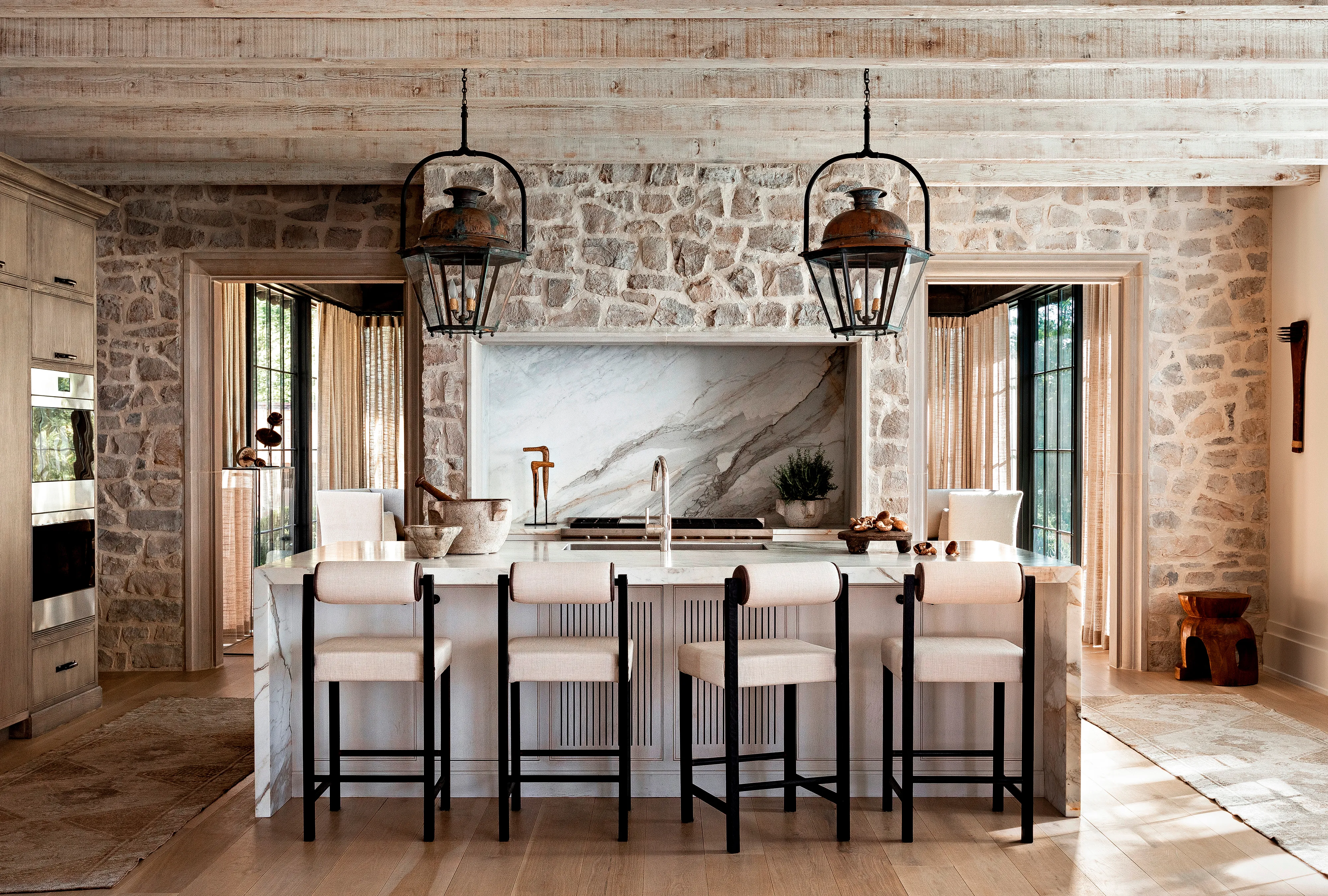
This Kitchen Design Trend Is Making a Major Comeback—but There's a Catch

This Is the Old-World Interior Design Trend Taking Over Kitchens Again
What’s Hot in Kitchen Trends Right Now

Design Experts Agree: This Kitchen Style Is Making a Major Comeback
The 1950s Kitchen Trend That Feels Surprisingly Fresh in 2025 — And Not Just in the Kitchen

Kitchen Trends That Are Being Left Behind In 2025 And Beyond
Kitchen trends
10 Outdated Kitchen Trends Making A Comeback, According To A Design Expert

The 1950s Kitchen Trend That Feels Surprisingly Fresh in 2025 — And Not Just in the Kitchen
This Forgotten Kitchen Feature Is Popping Up More and More

What’s old is new: The takeover of grandma-core kitchens
13 Outdated Kitchen Trends You Can Leave In The Past
This Traditional Kitchen Detail is Making an Unexpected Comeback This Year

1990s Kitchen Trends We’re Falling In Love With All Over Again