1/14
Lighting a dining room – expert tips on how to get it right
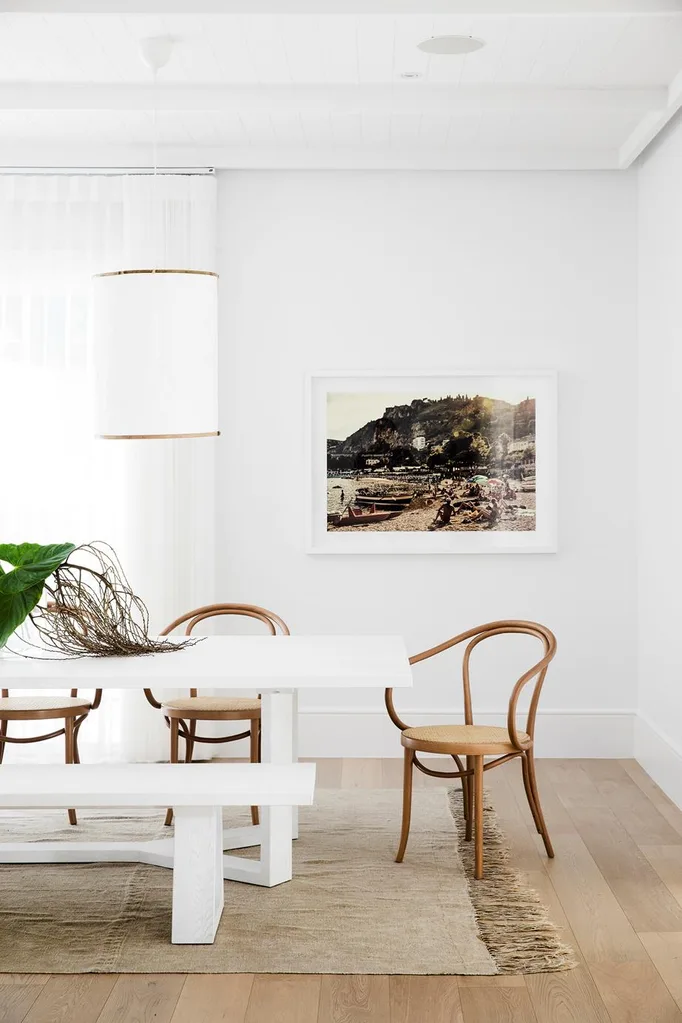
Effective dining room lighting extends beyond aesthetics, requiring consideration of the room's primary uses, whether for entertaining, studying, or a combination. Helen Pett, Design Ambassador at Arteriors London, suggests adapting lighting for multifunctionality. For instance, if the dining area doubles as a study, additional light sources like complementary wall lights or rows of downlights can ensure sufficient and evenly spread illumination while maintaining decorative appeal. As evenings grow darker, optimal lighting becomes crucial for enhancing home ambiance. The style, size, and shape of the dining table are key factors in determining the lighting scheme, as noted by Pooky founder Rohan Blacker. Lighting should serve both practical needs and aesthetic desires, often acting as a prominent design feature that sets the tone for the entire room's decor.
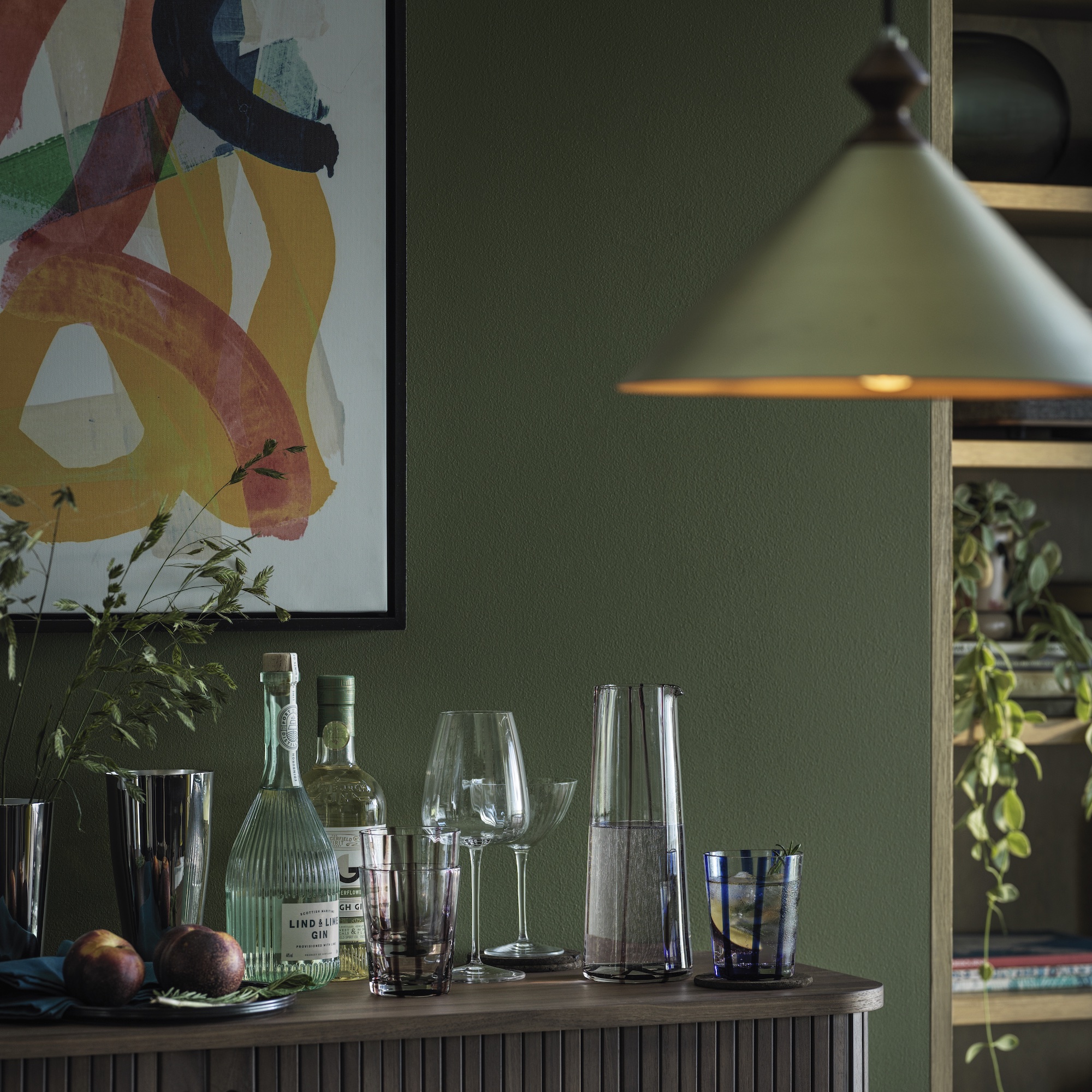
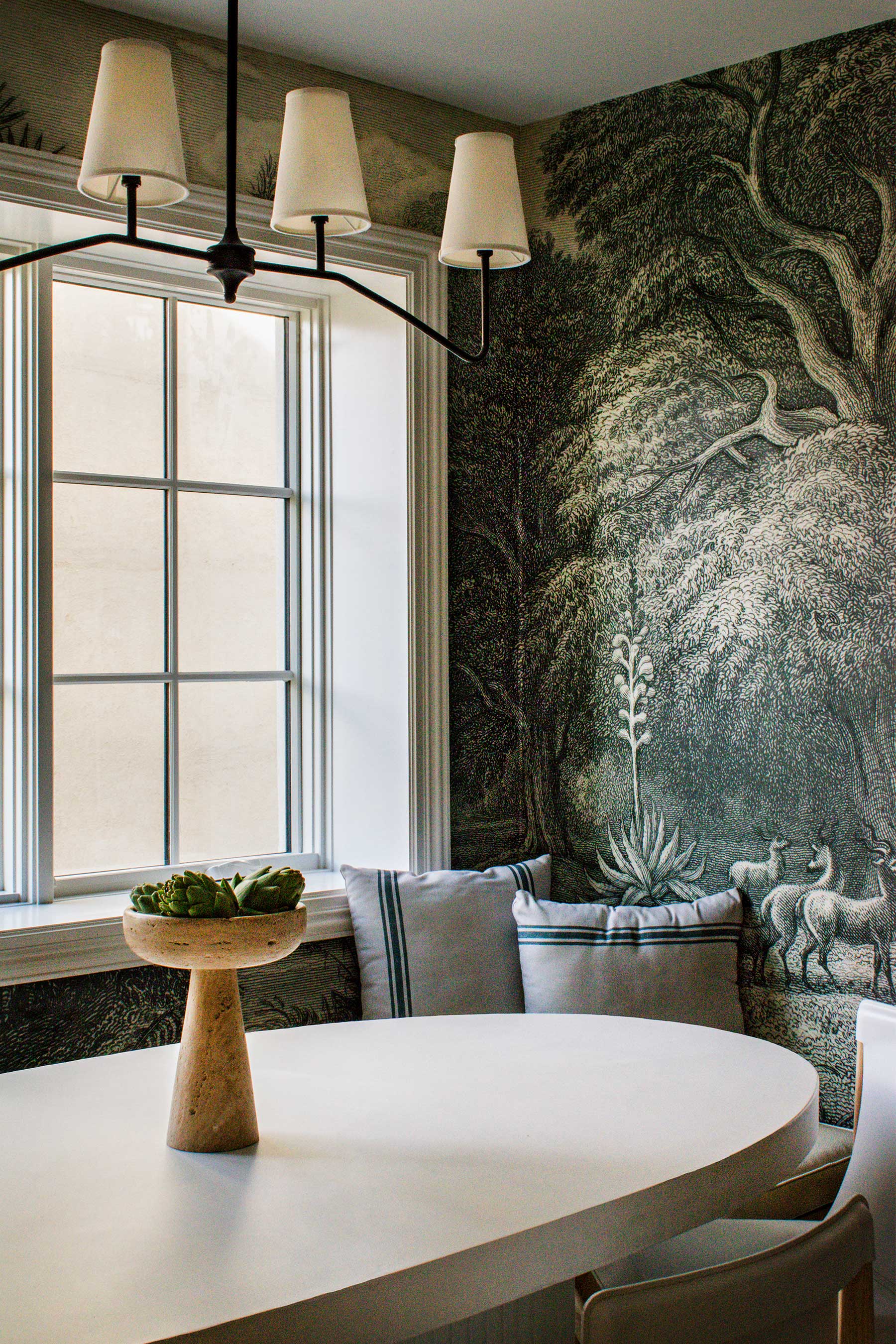
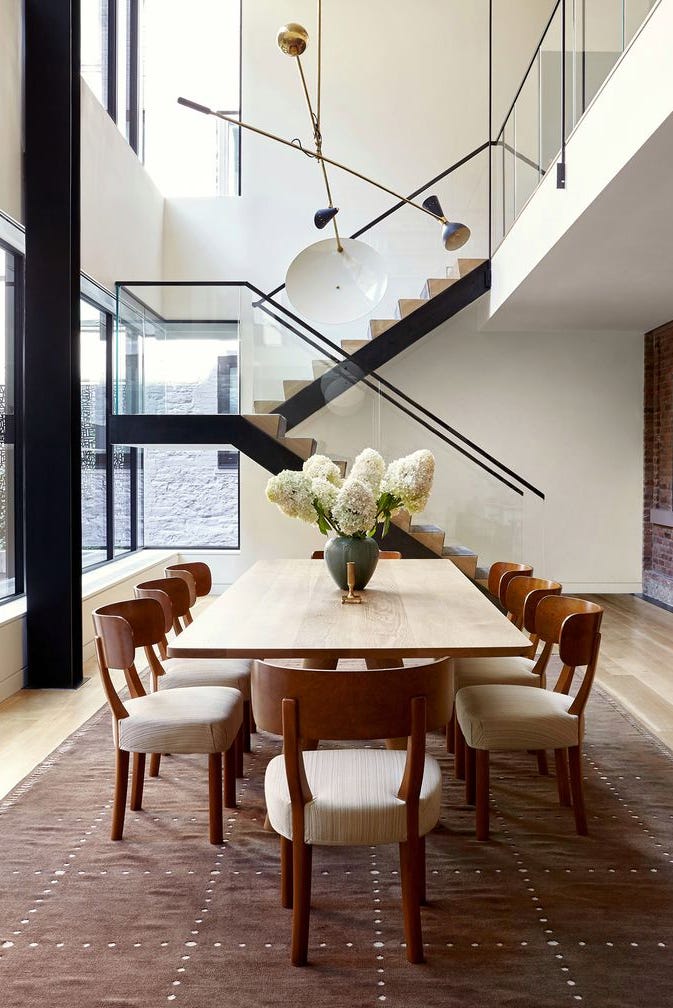
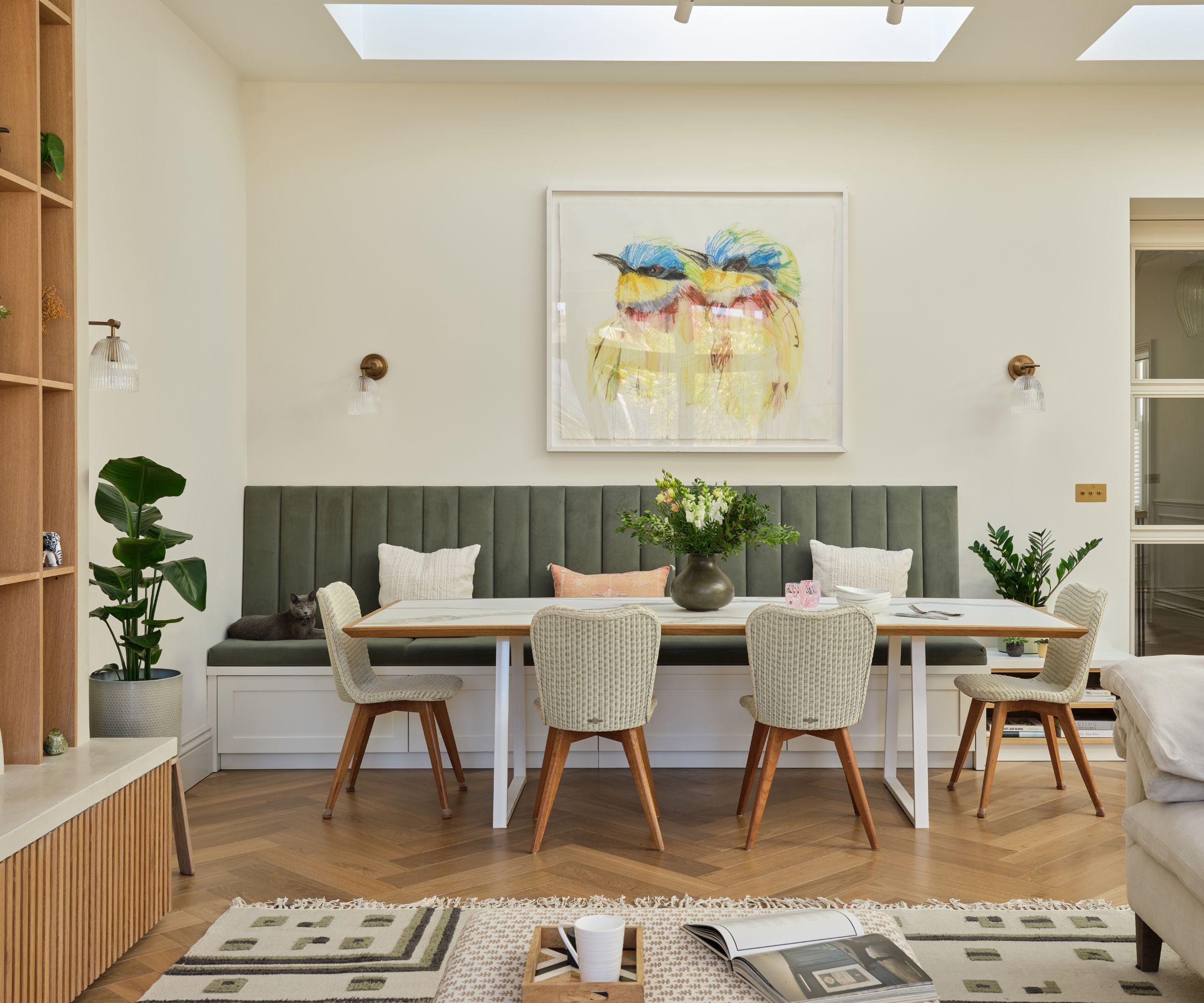
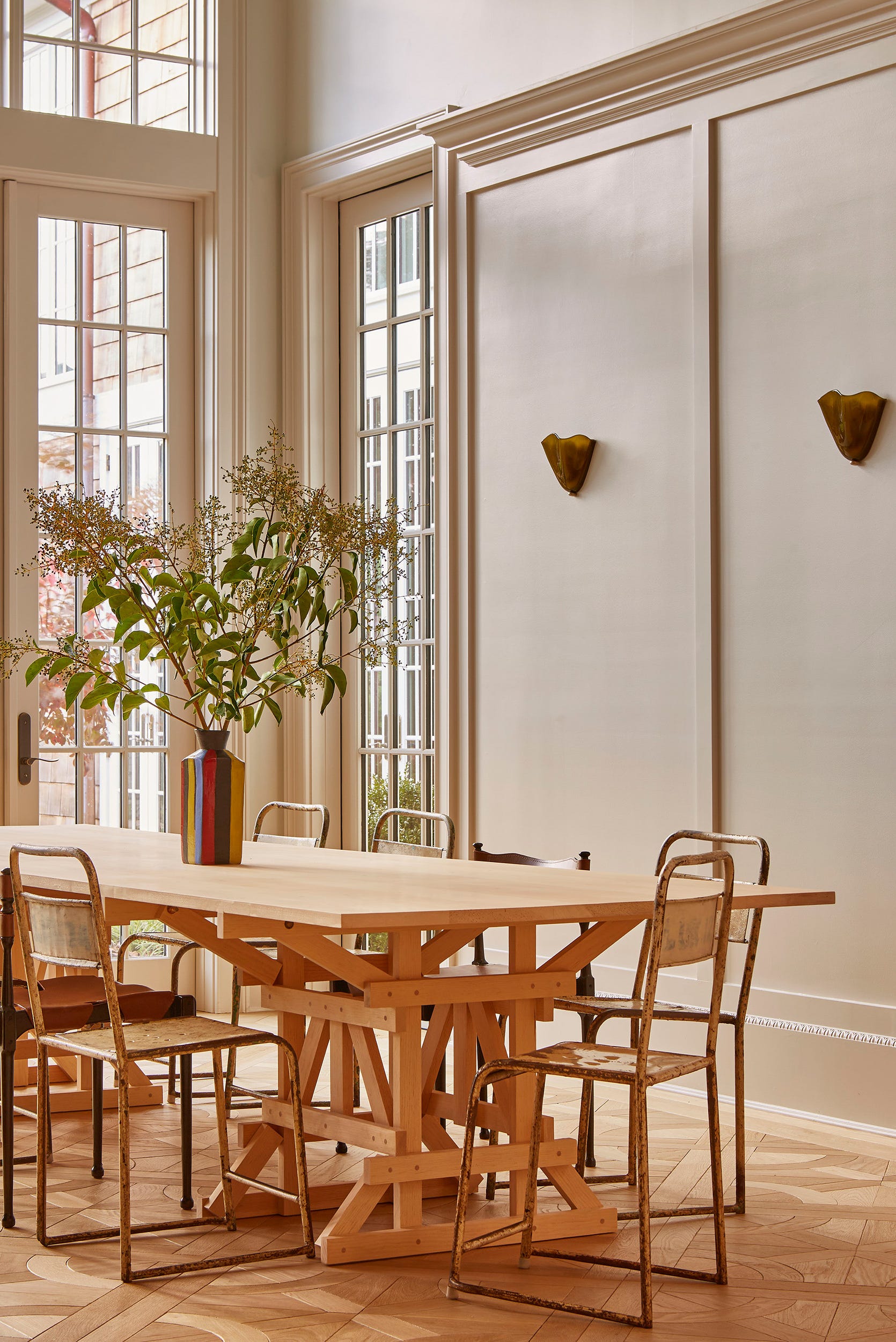
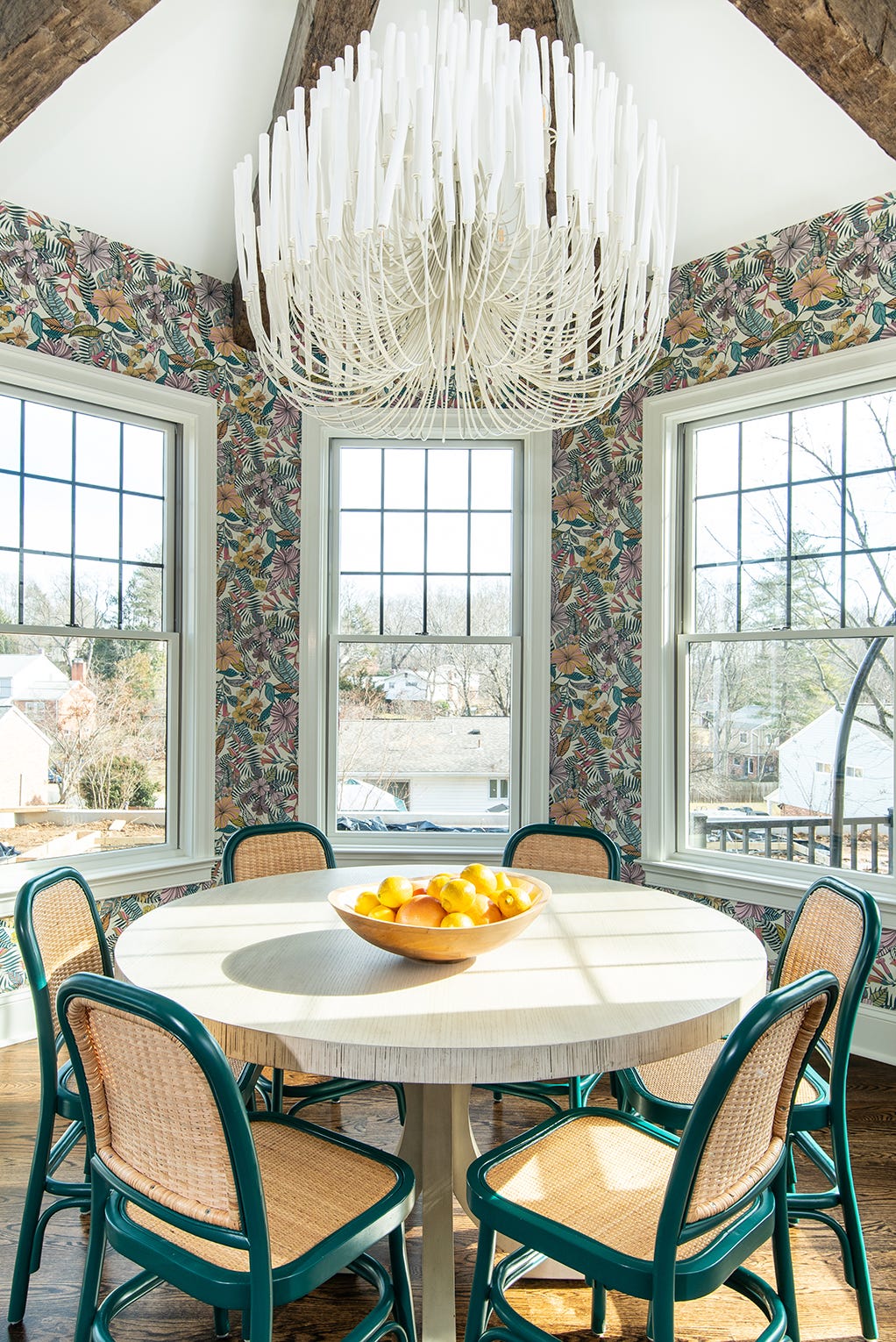
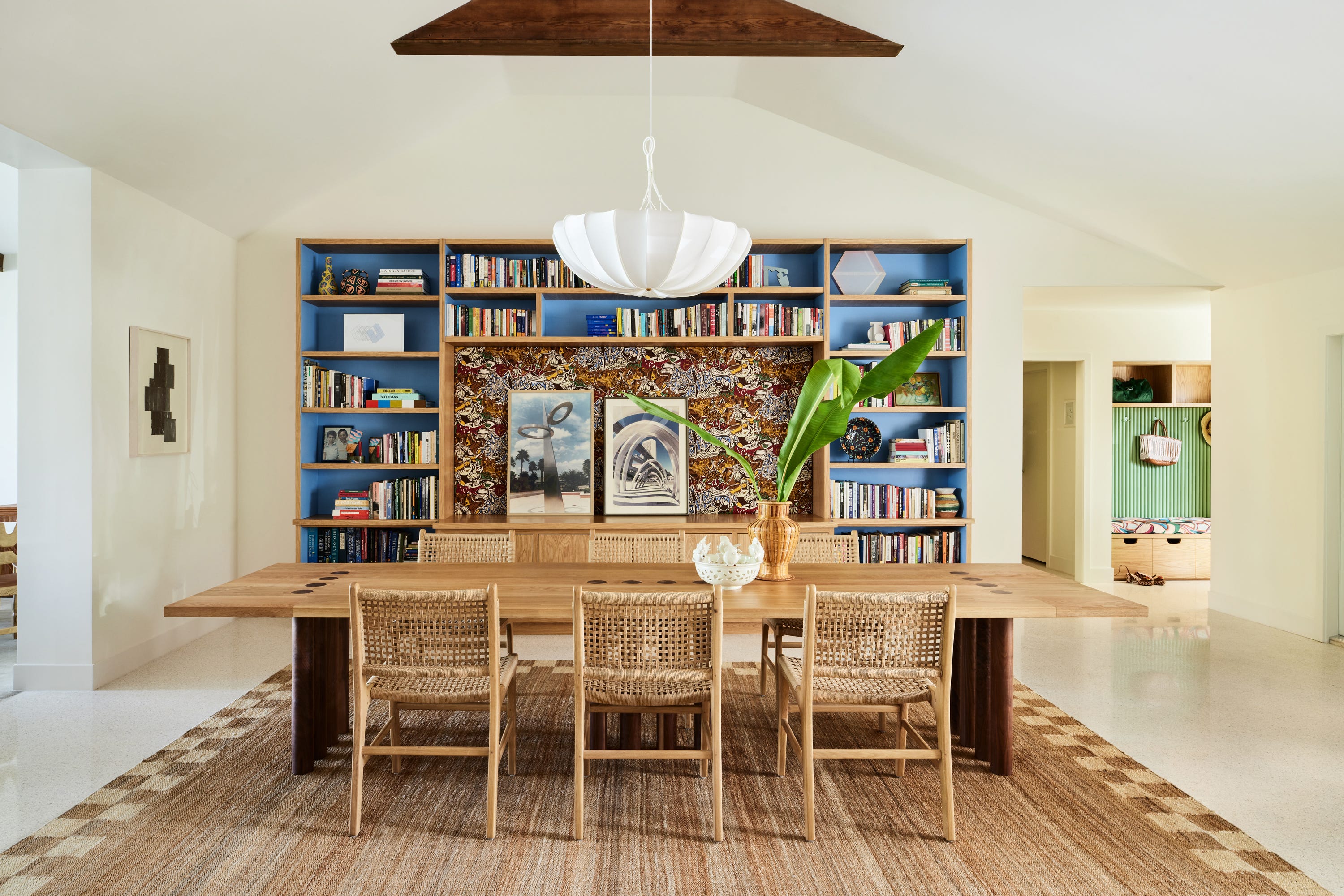
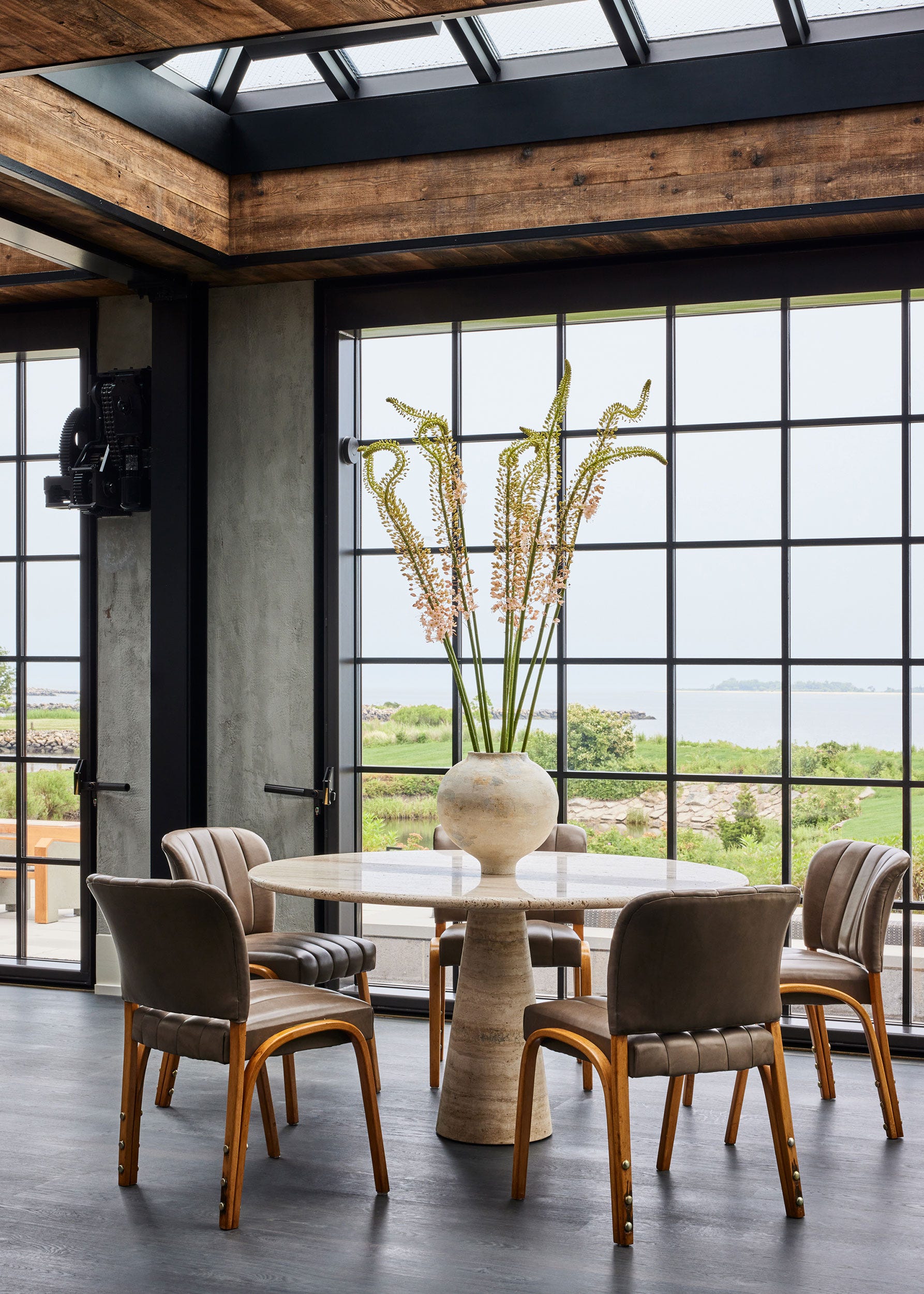
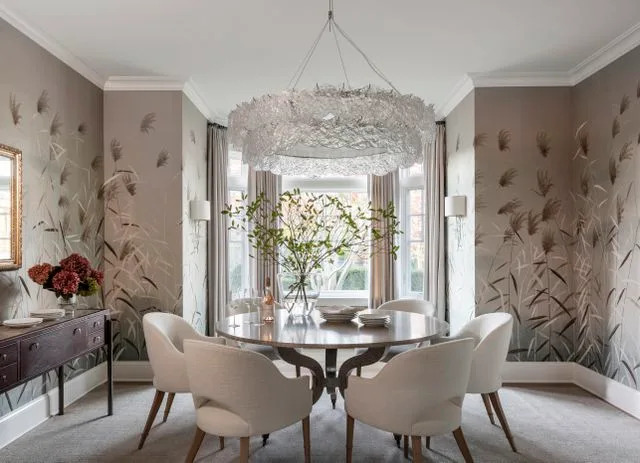
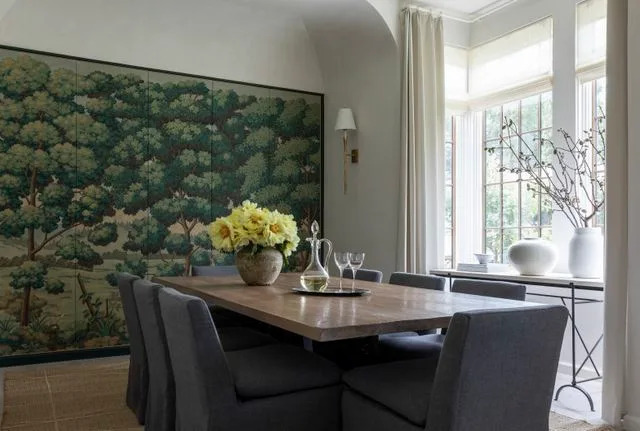
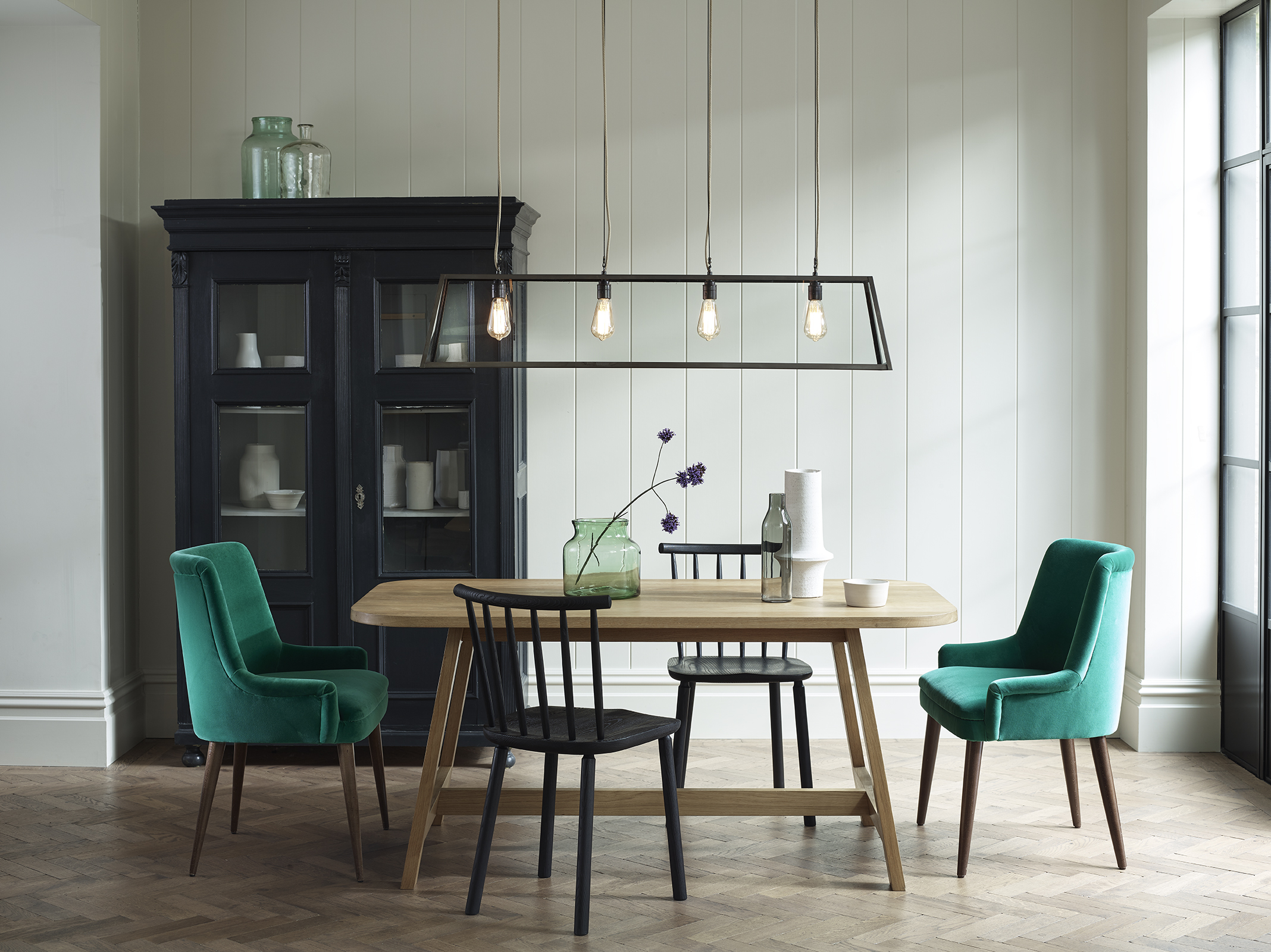
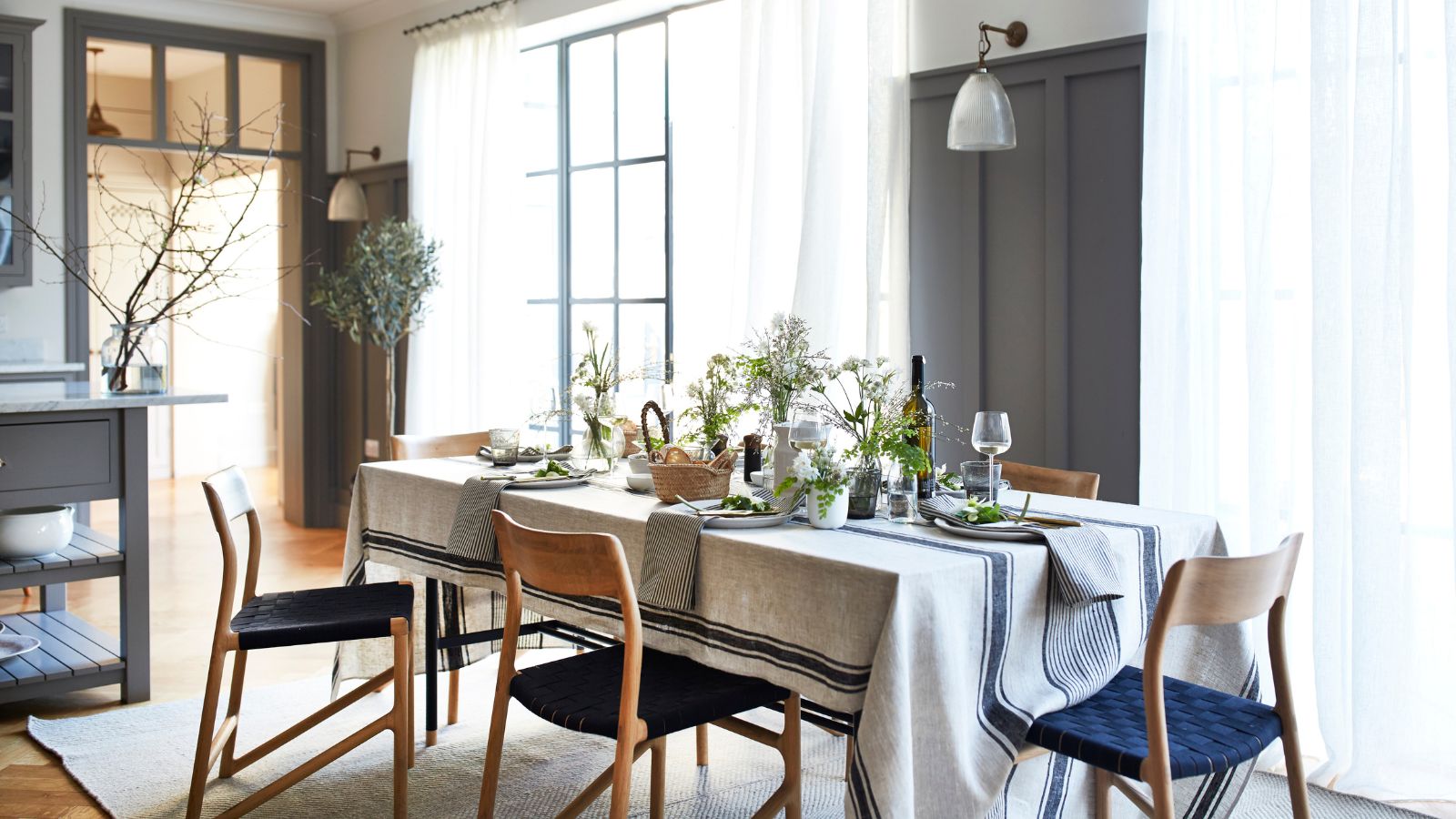
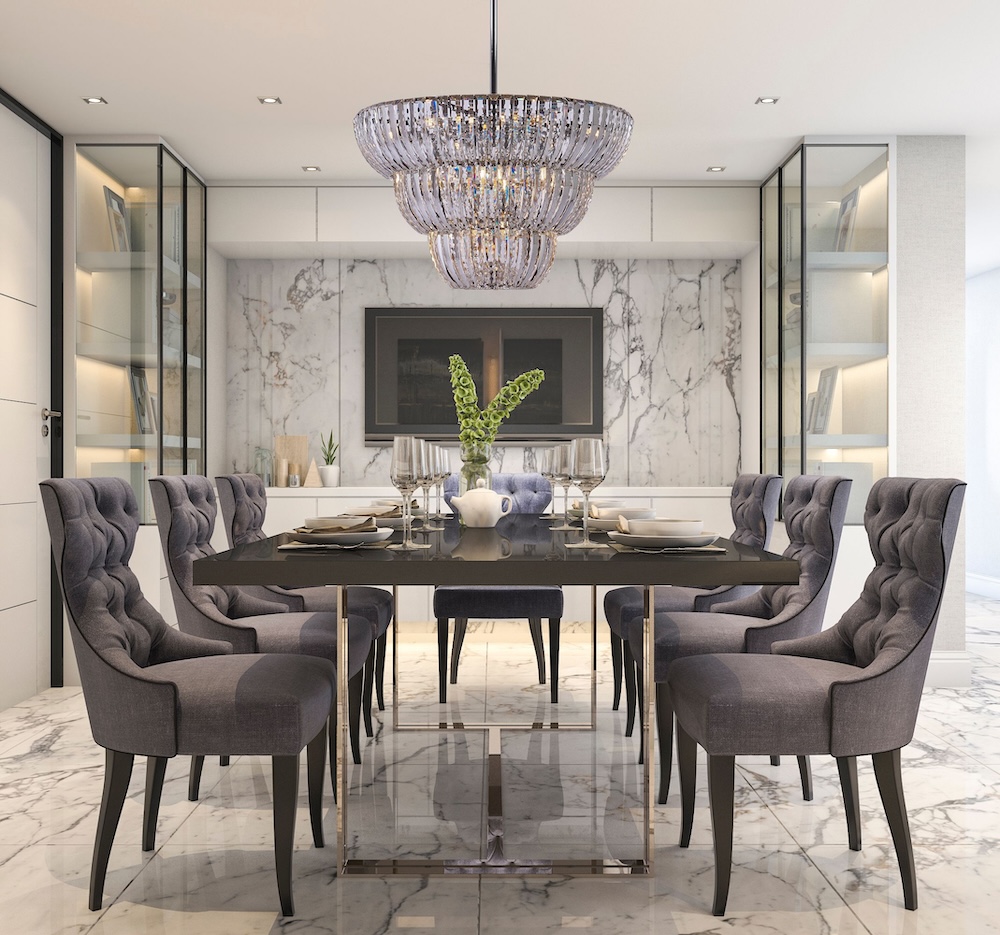
Creating ambience is paramount, especially in dining rooms with cooler color schemes like grey or dark blue. Warm yellow bulbs, statement table lamps, or arched floor lighting can produce a soft, inviting glow for after-dinner settings. Louise Wicksteed from Sims Hilditch emphasizes the impact of symmetrically placed wall lights for even light distribution and an ambient atmosphere. The sense of scale is another critical consideration, ensuring the light fixture's proportion complements the dining table. Interior designer Raili Clasen advises choosing linear lighting for long, rectangular tables to cover the entire length, while an oversized round light is ideal for round dining spaces. Natural light should also be leveraged; if a room is well-lit during the day, lighting can focus more on creating impact at night, perhaps with a central pendant over a glass table for a modern look, as demonstrated by K&H Design.
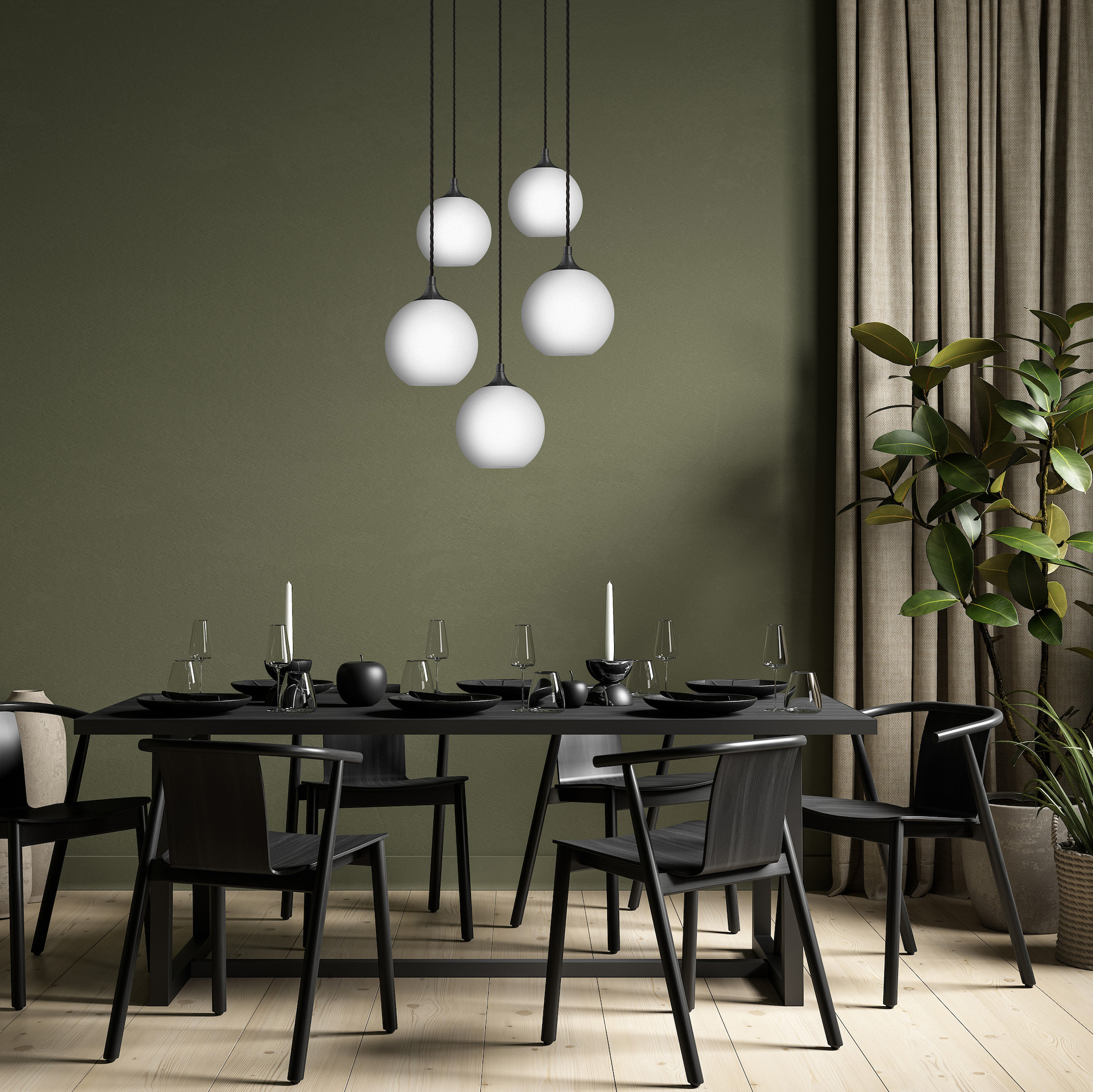
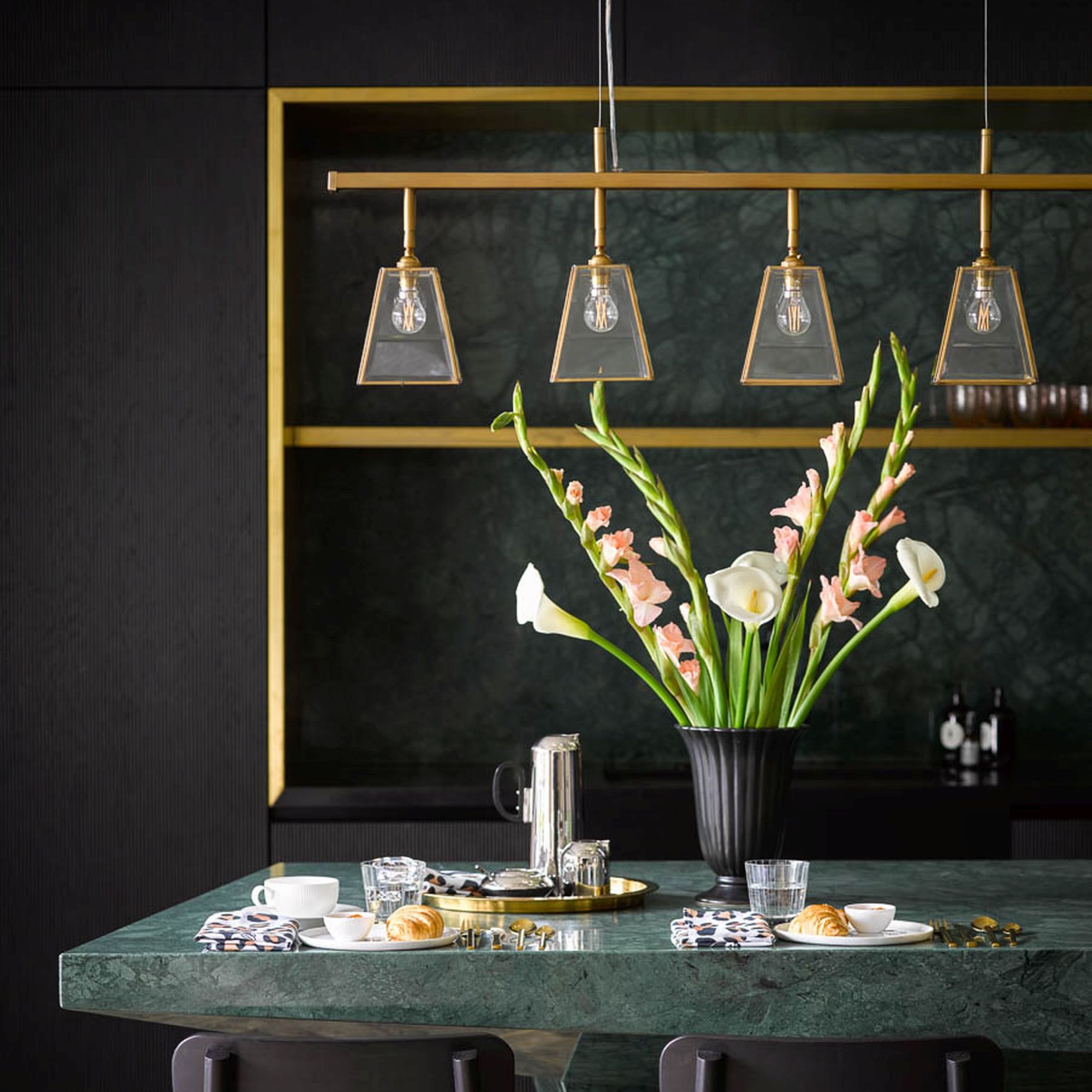
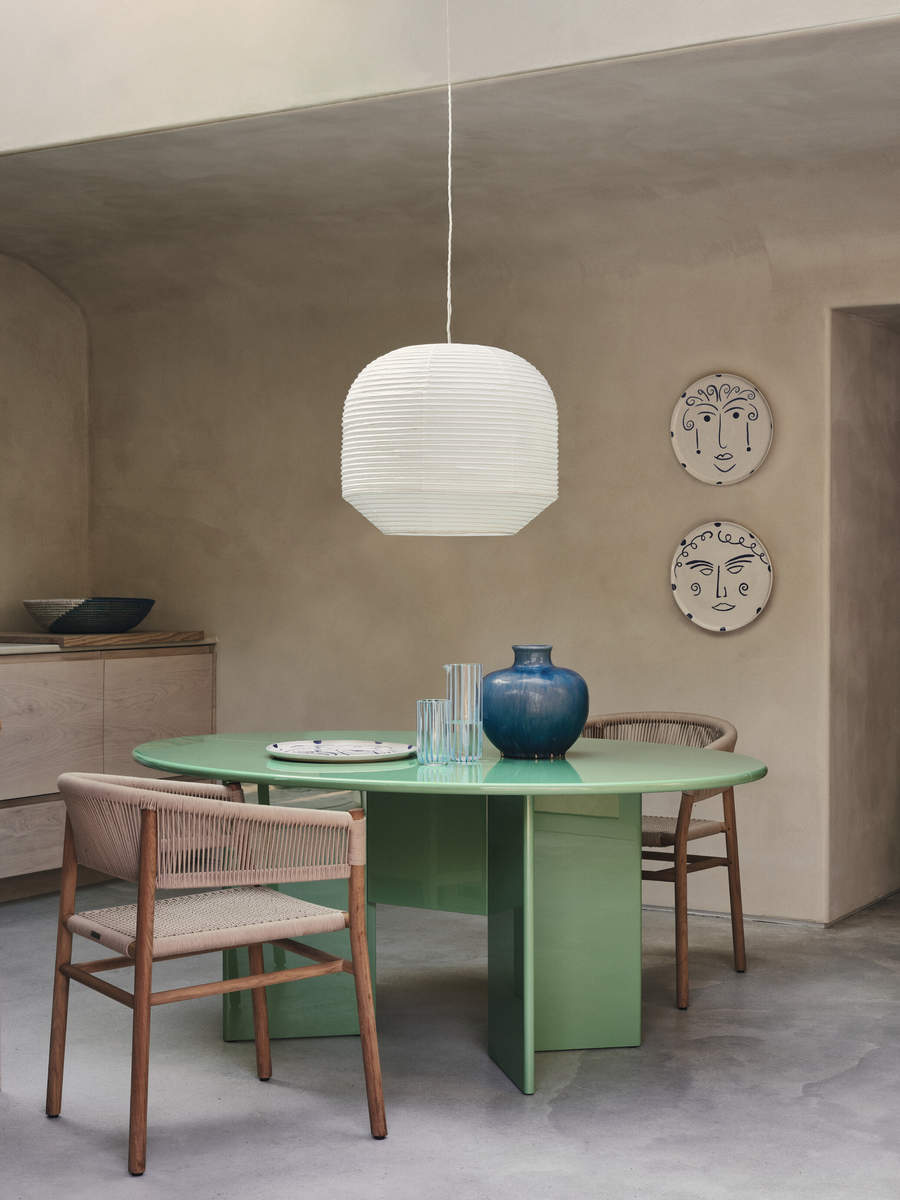
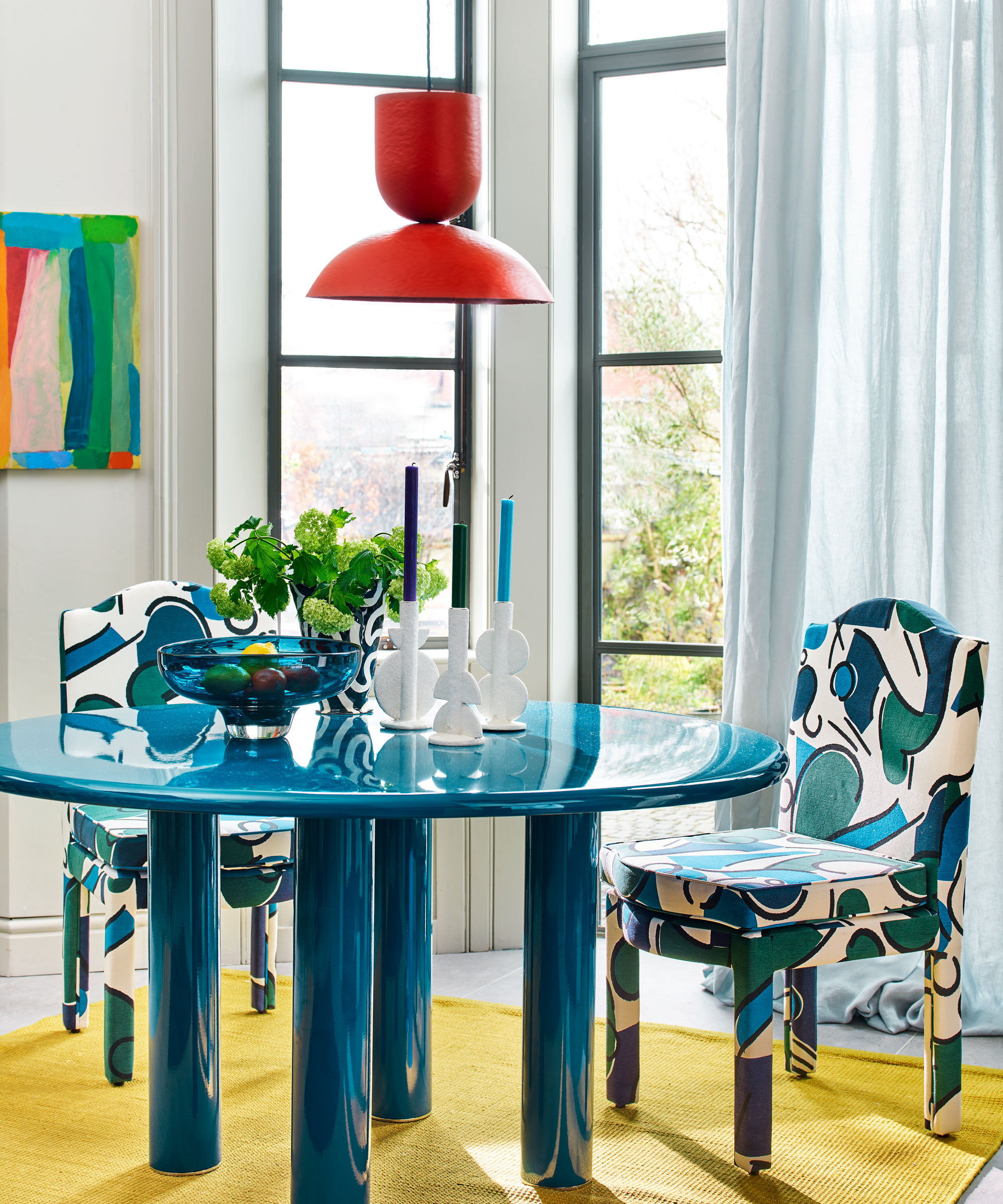
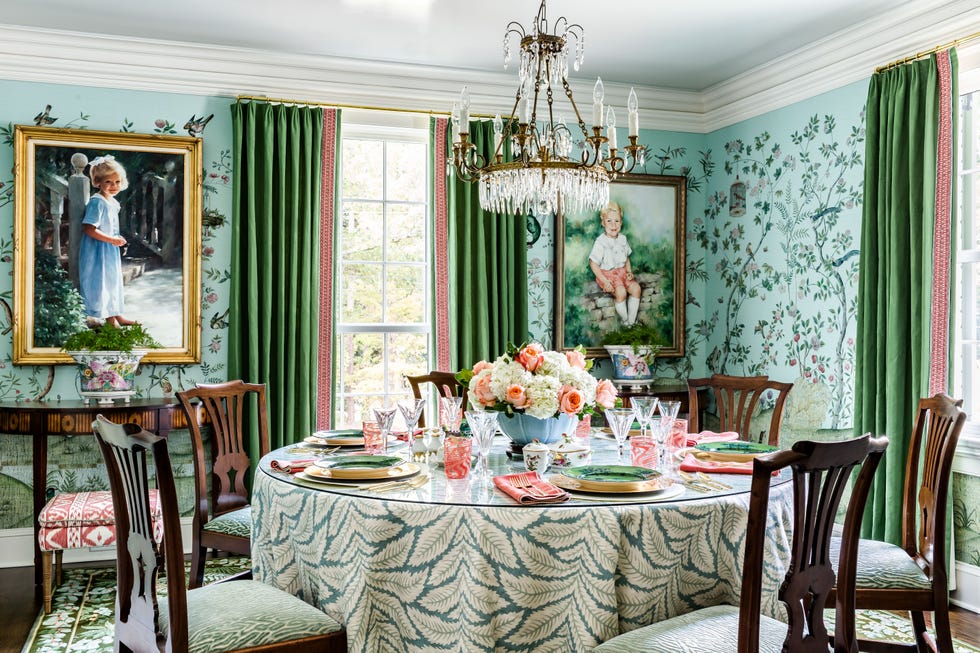
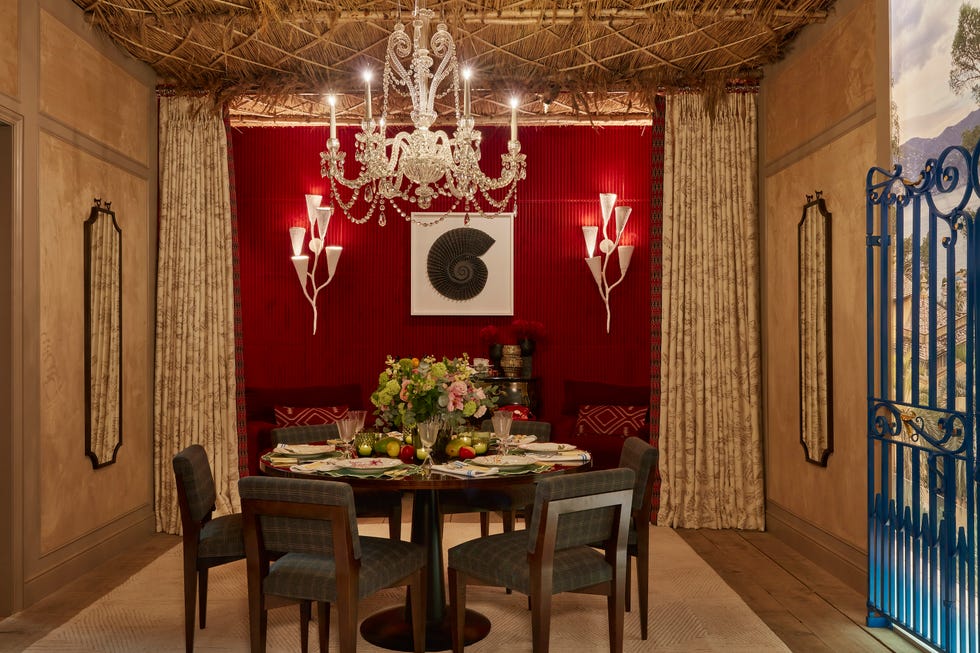
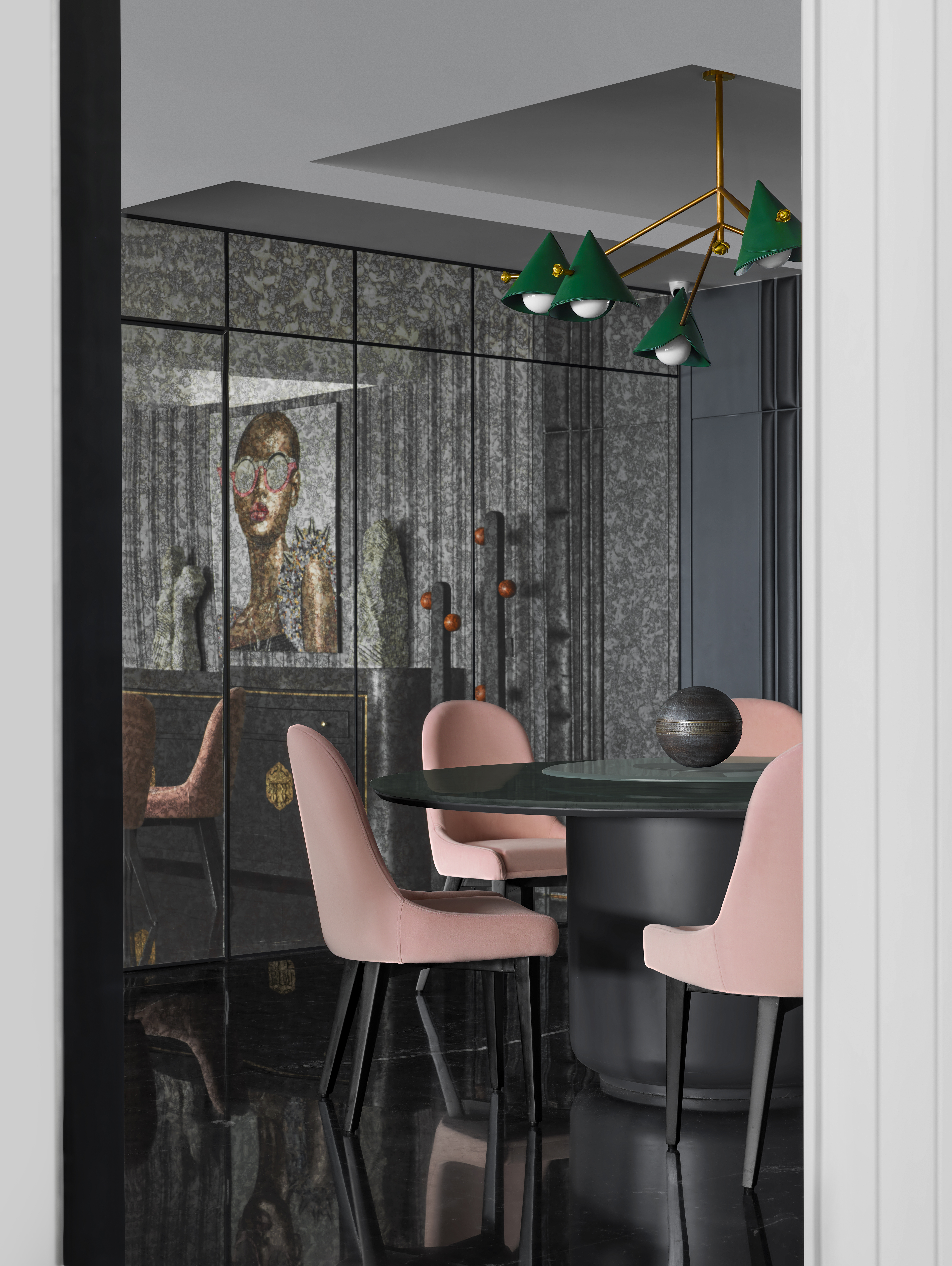
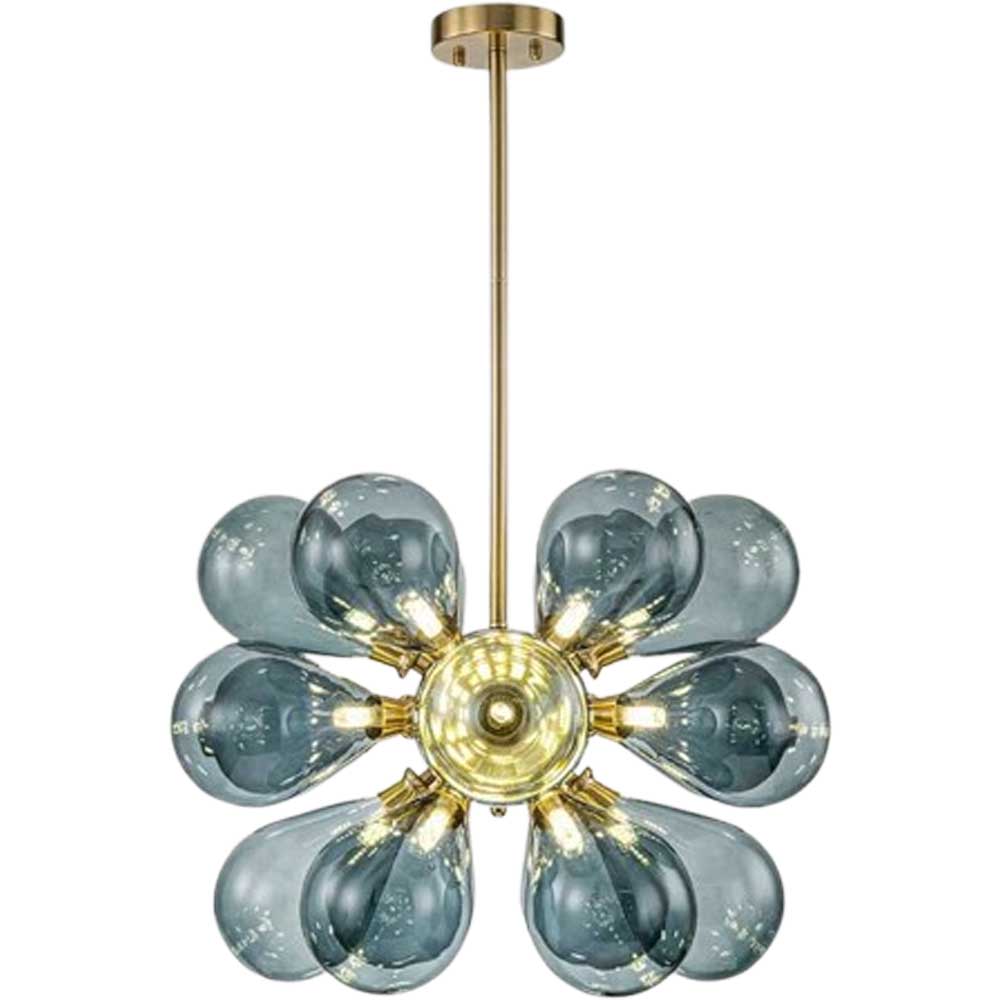
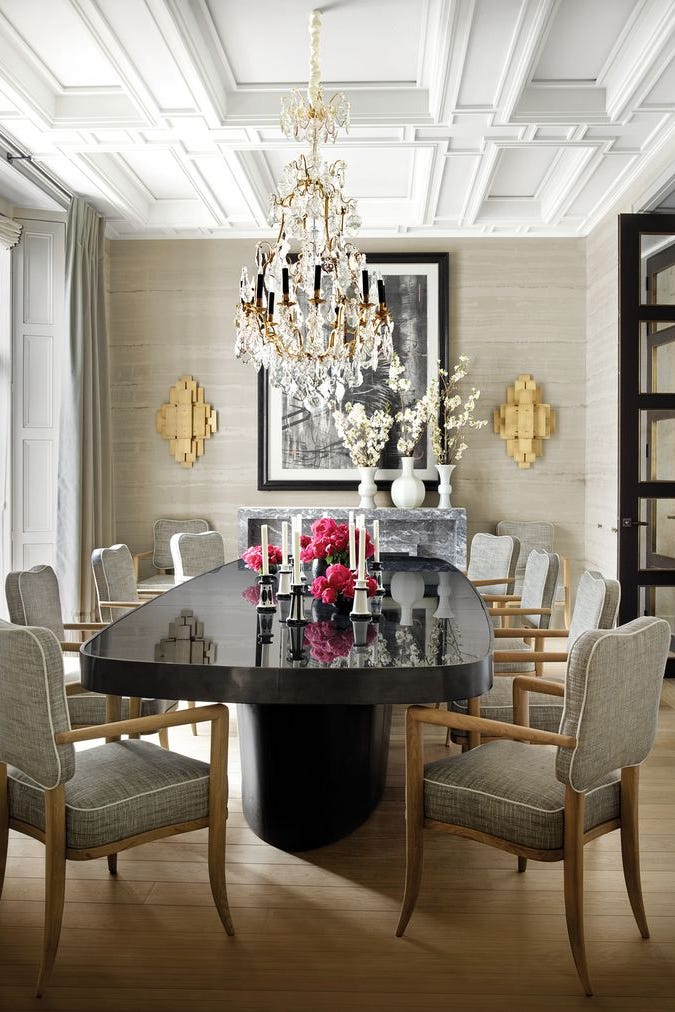
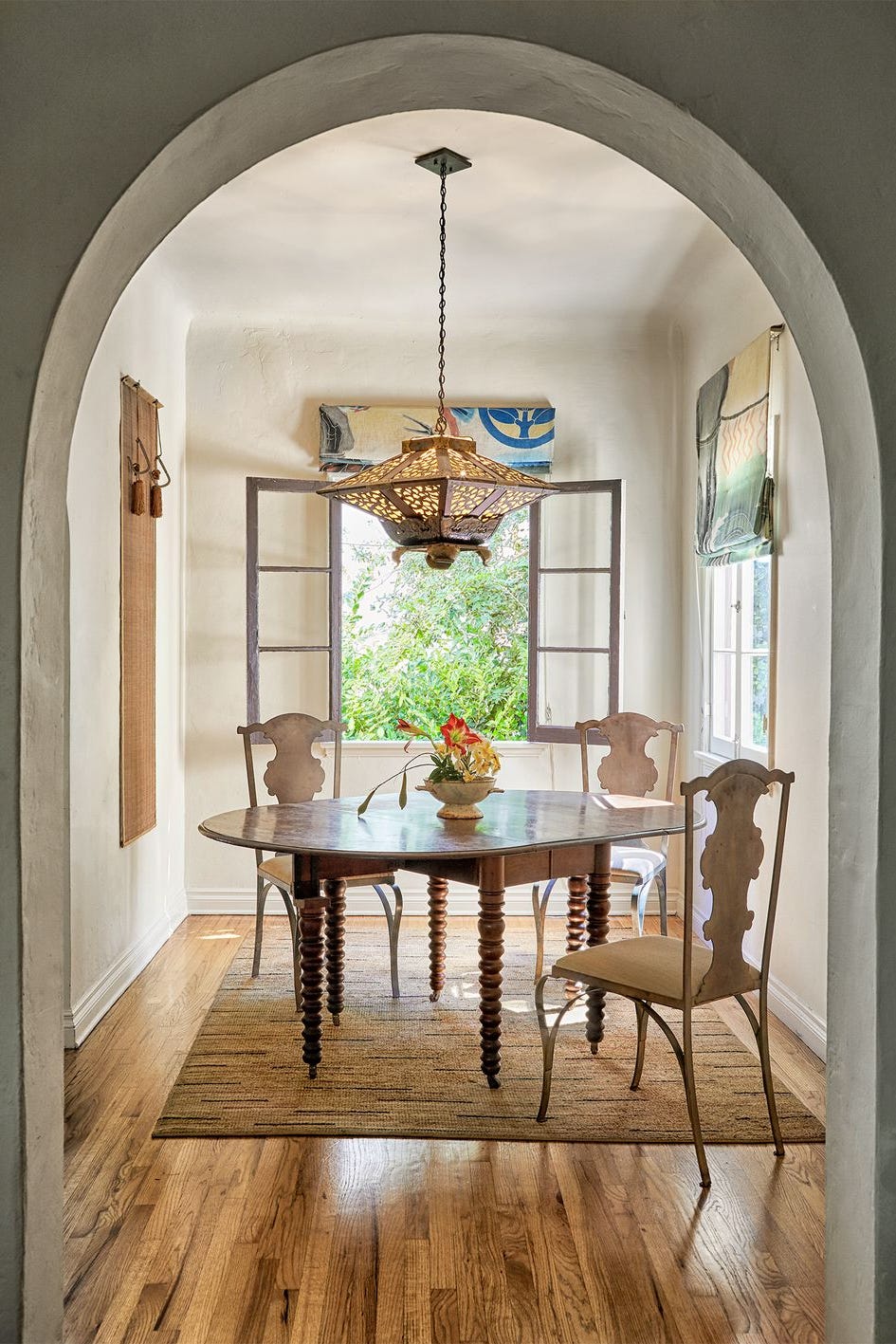
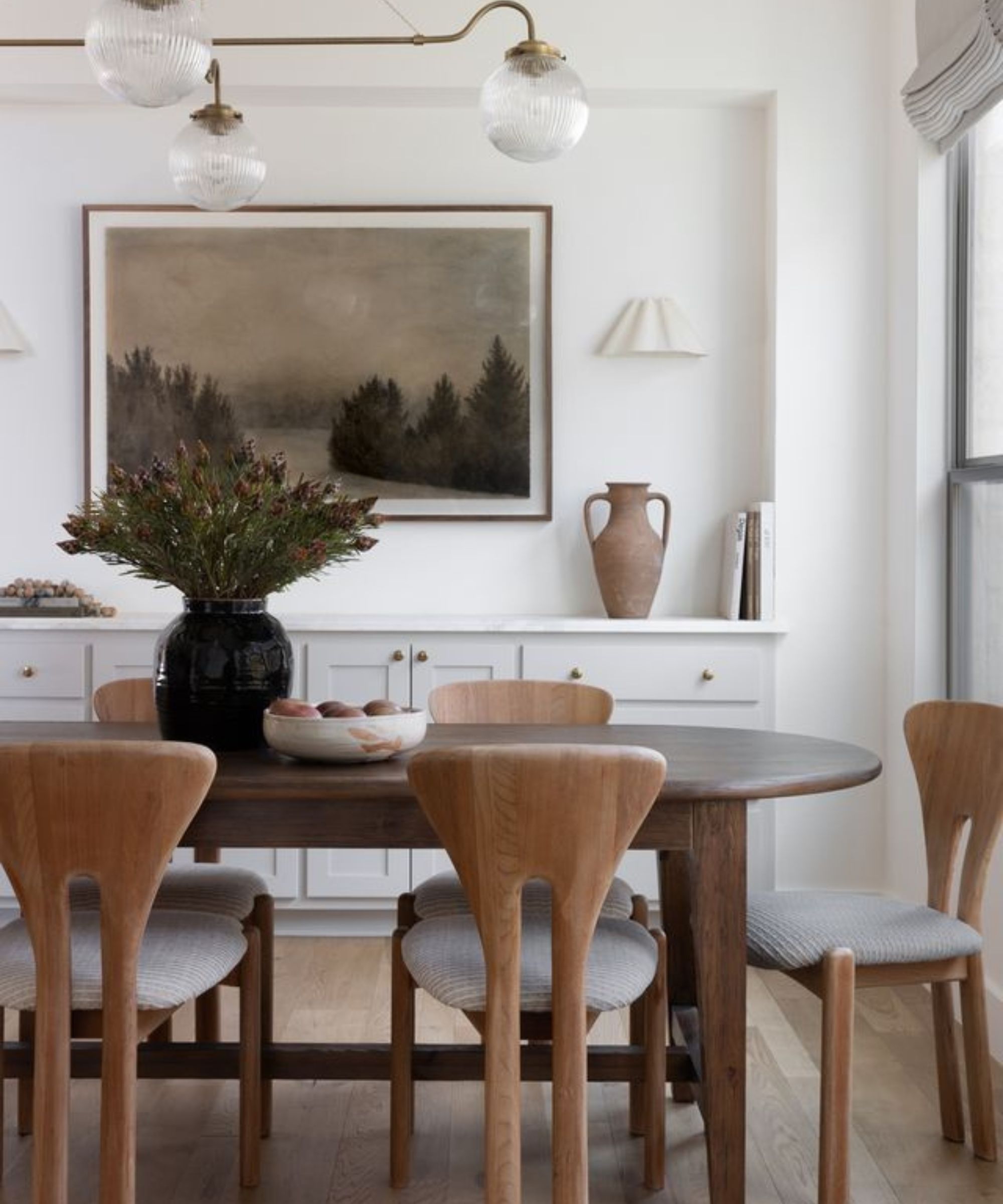
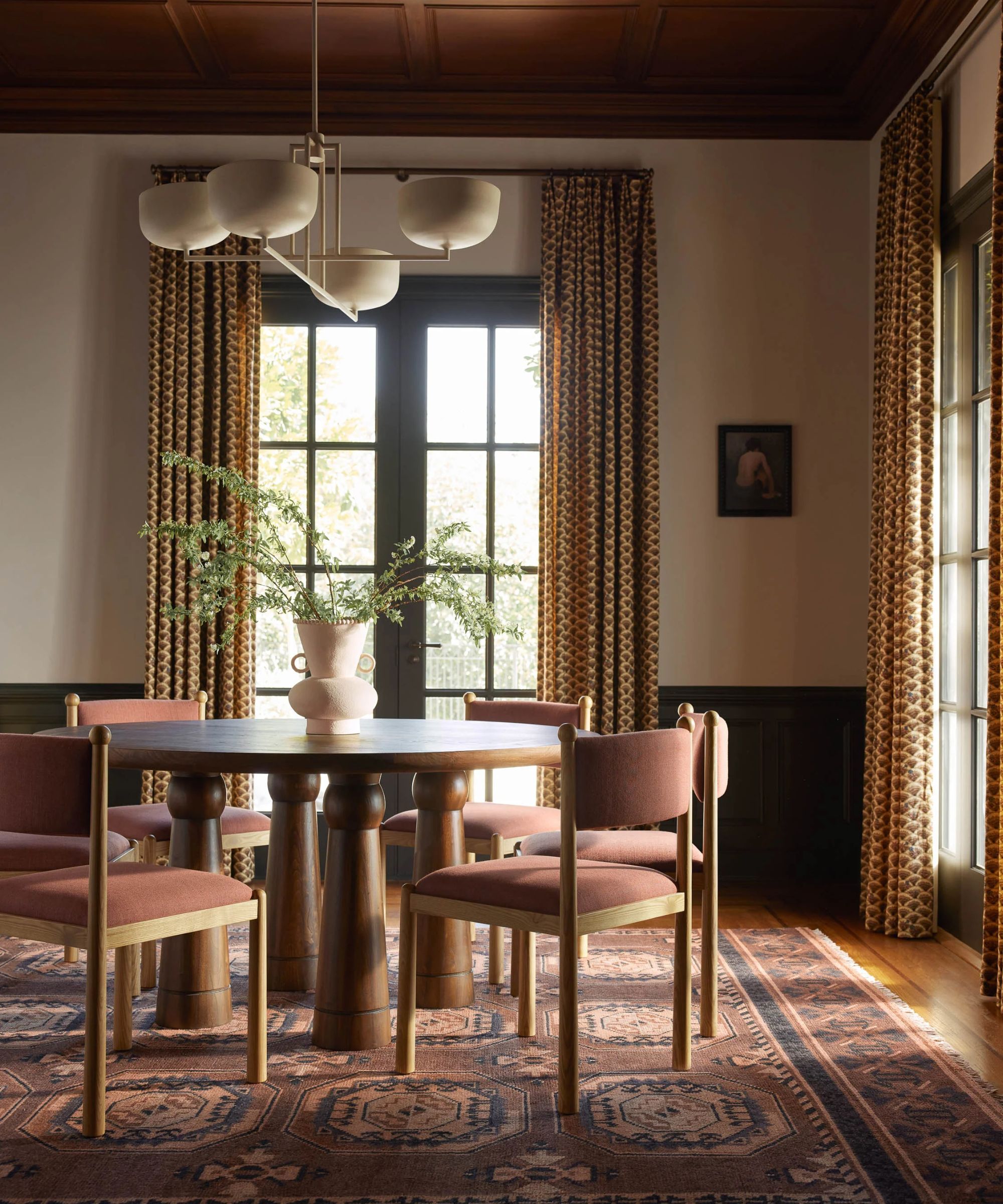
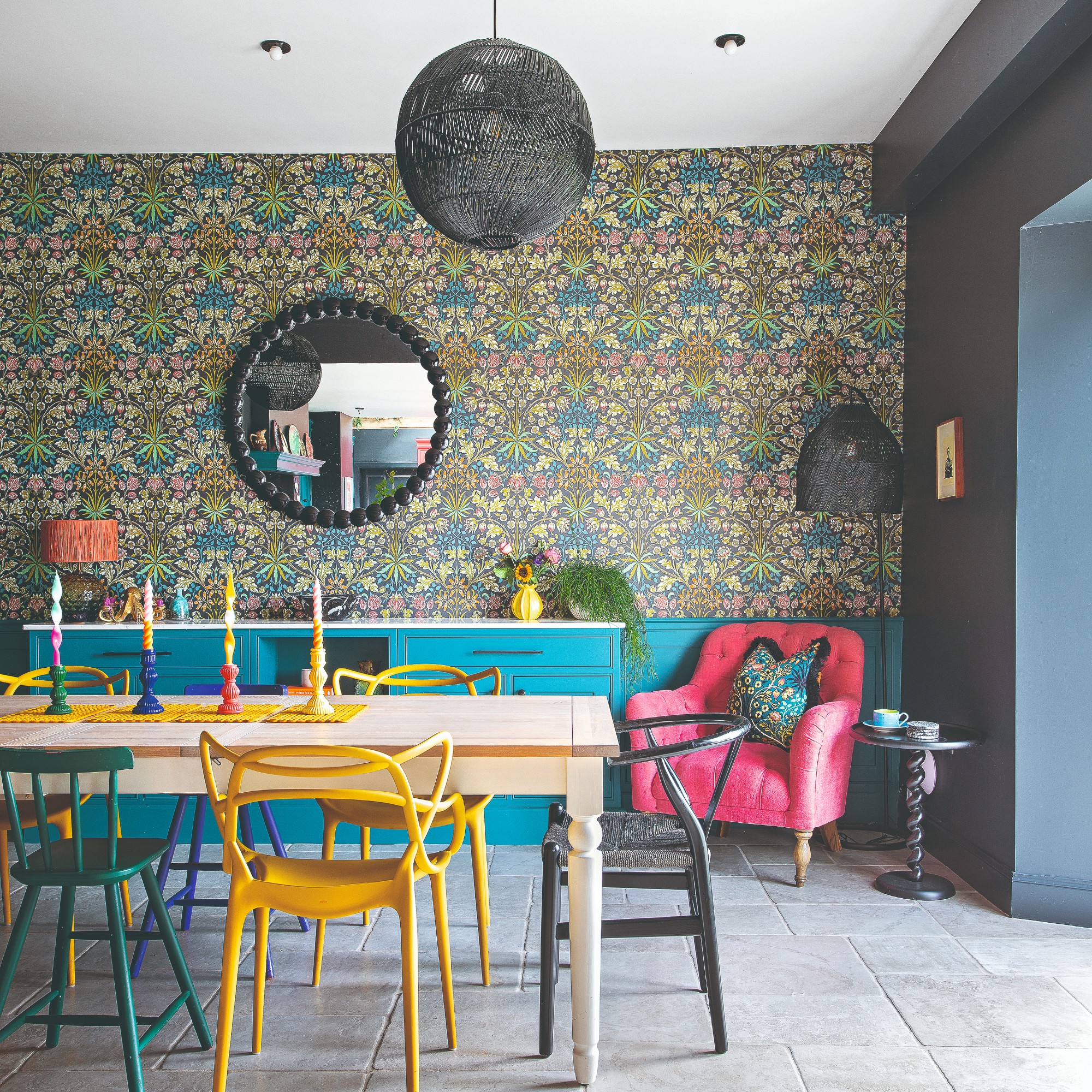
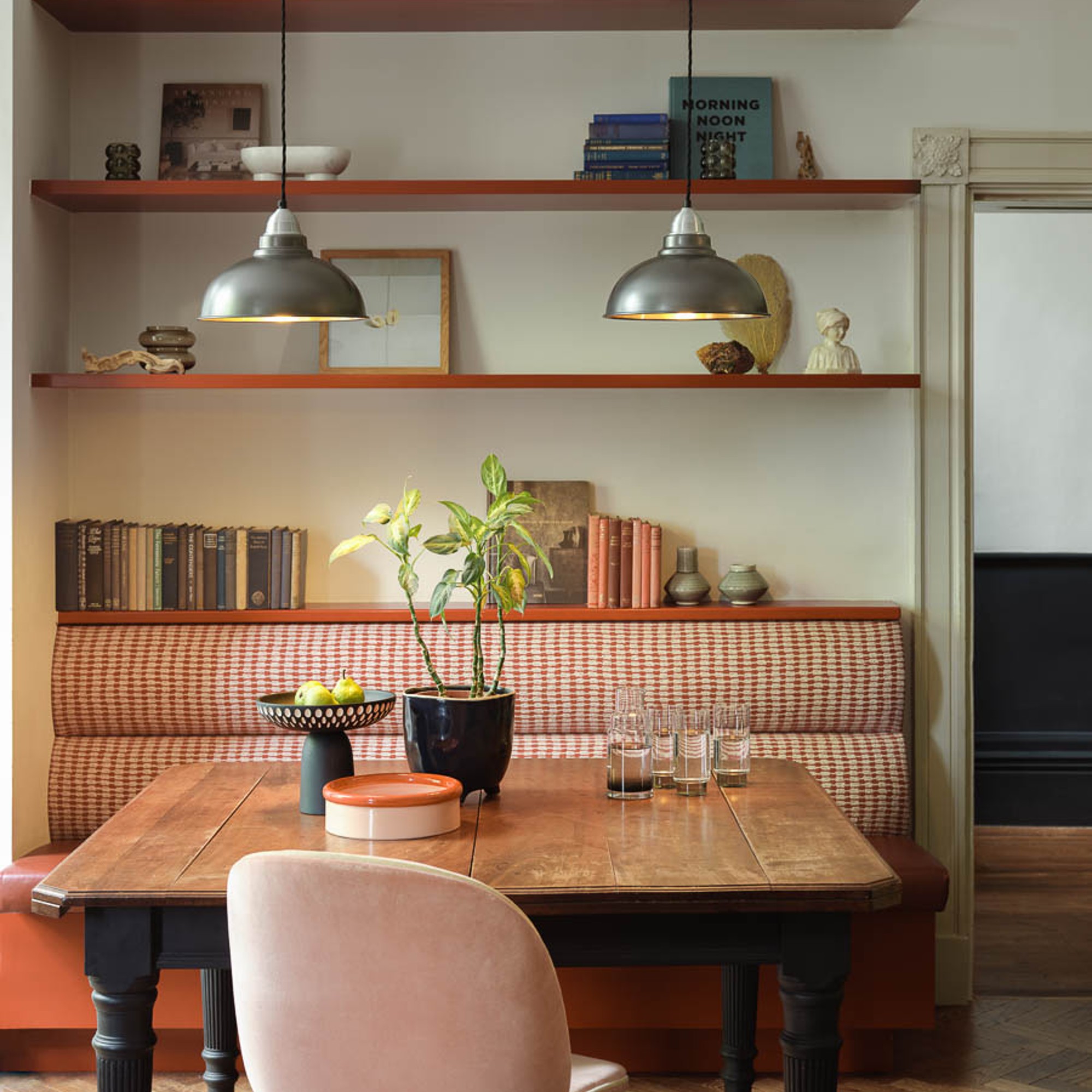
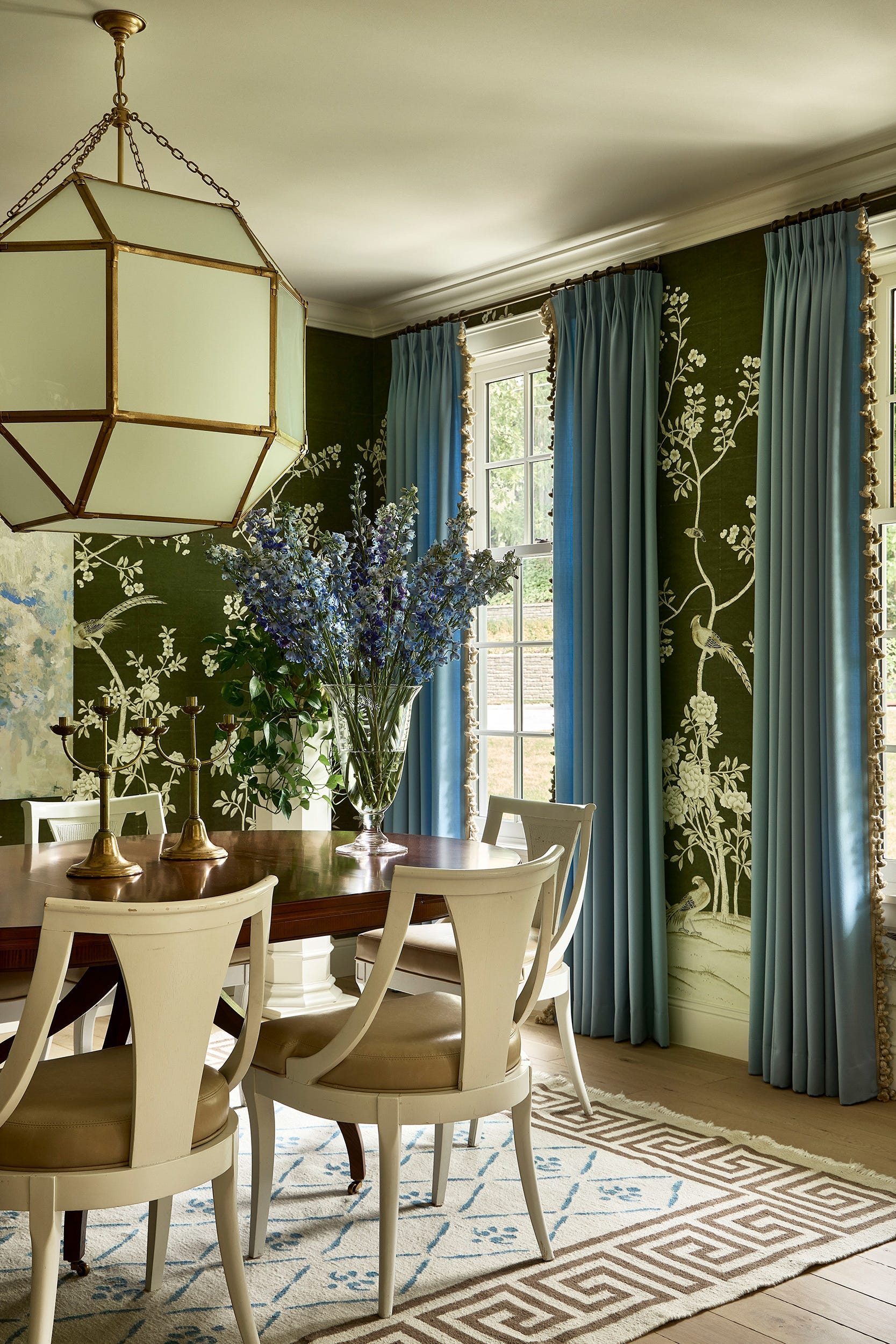
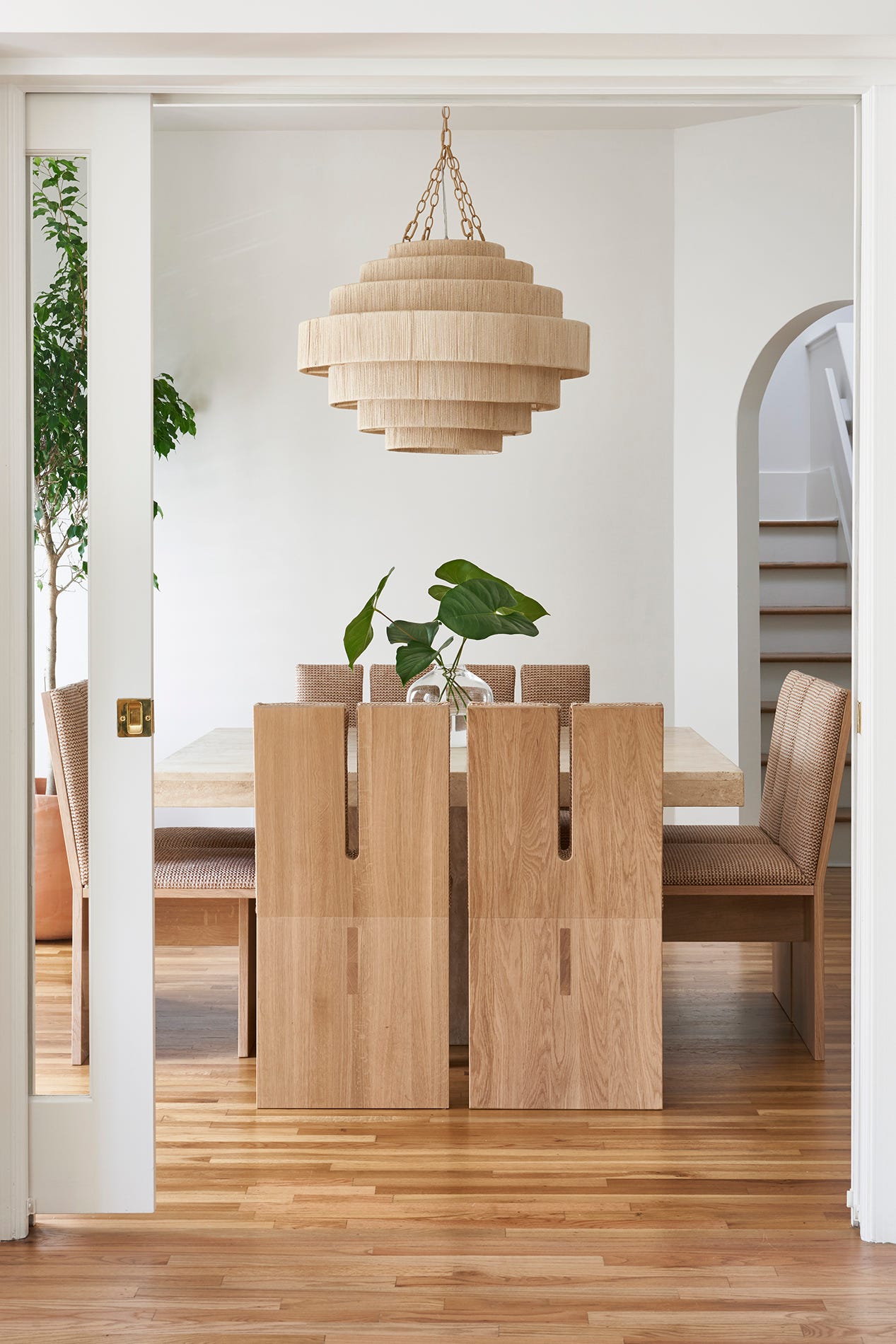
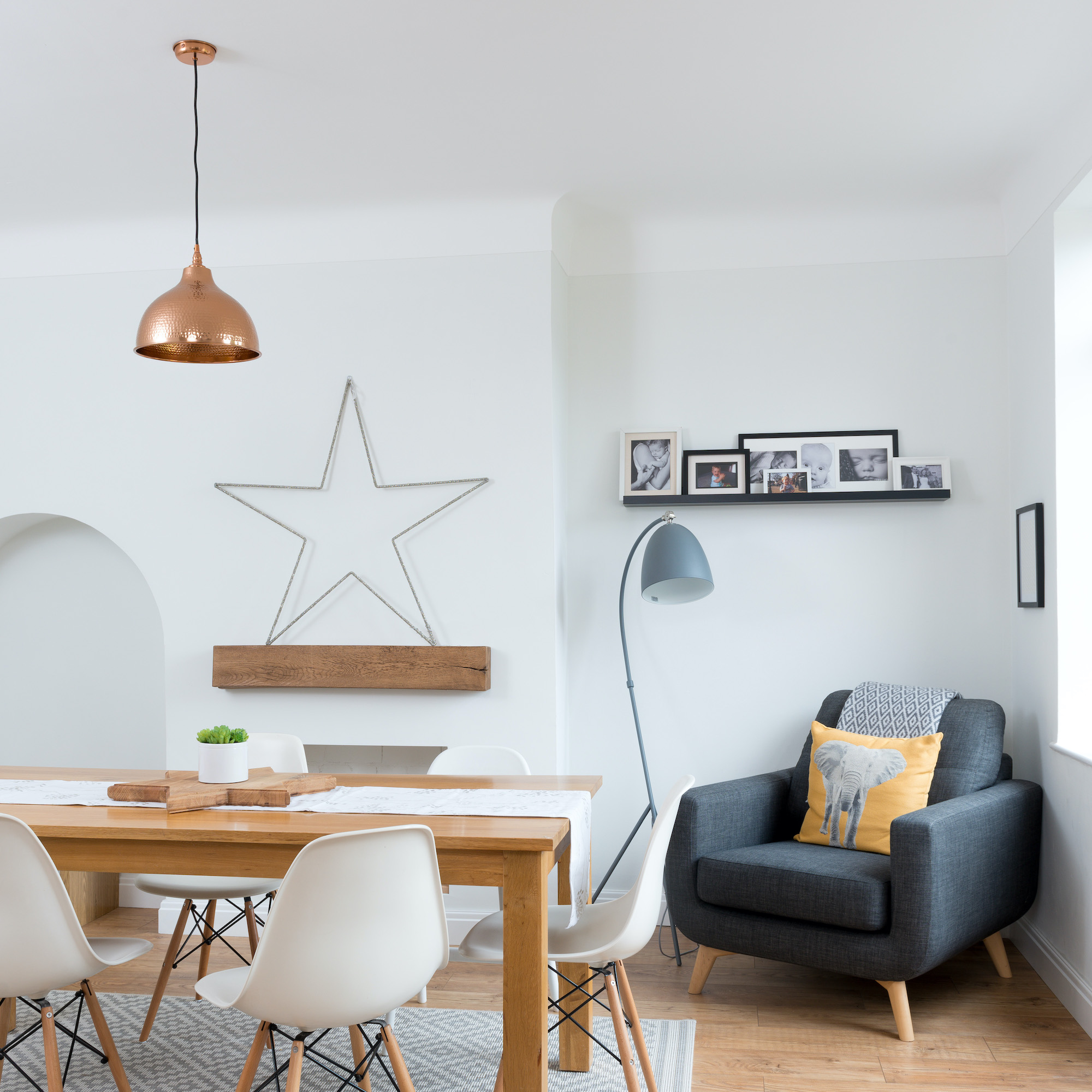
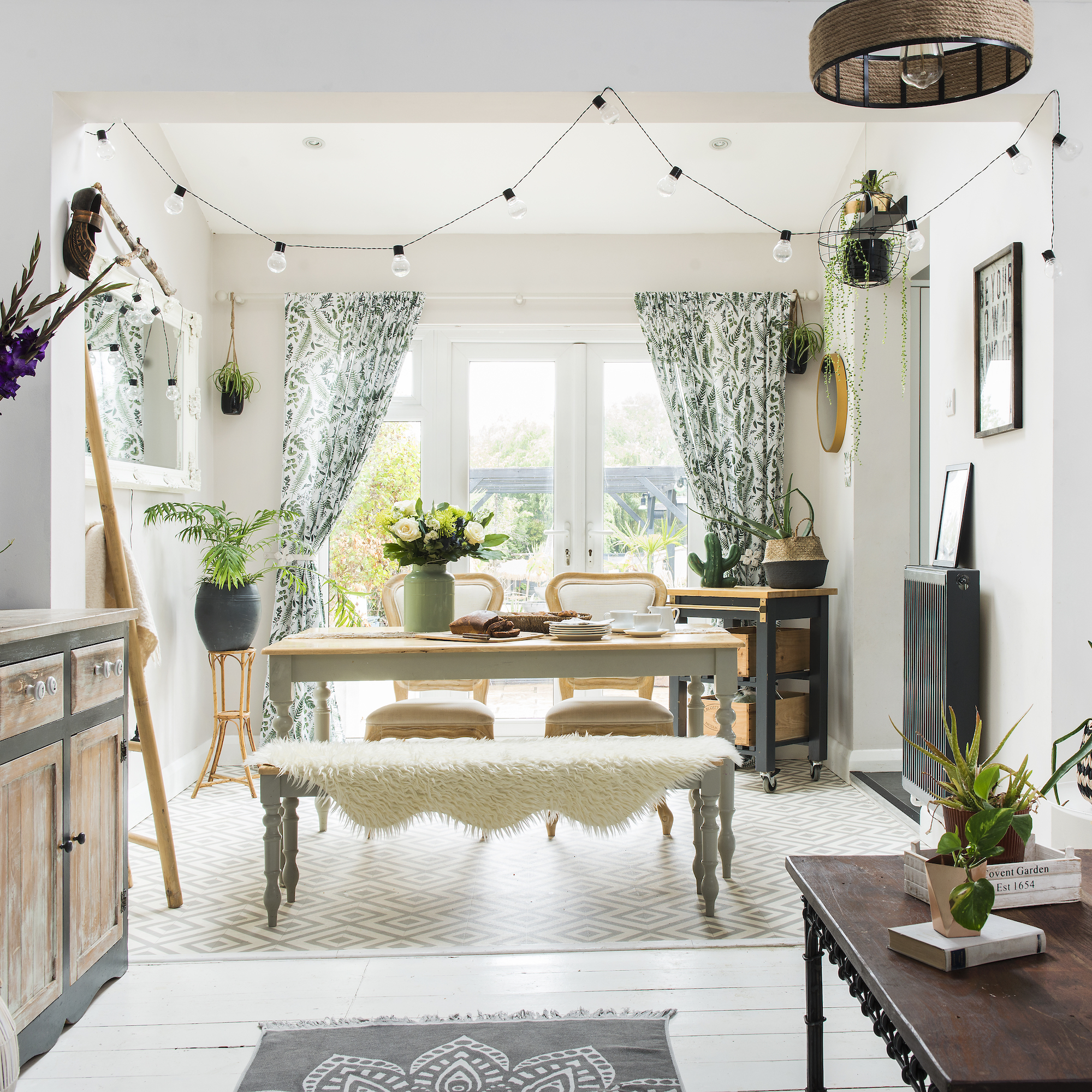
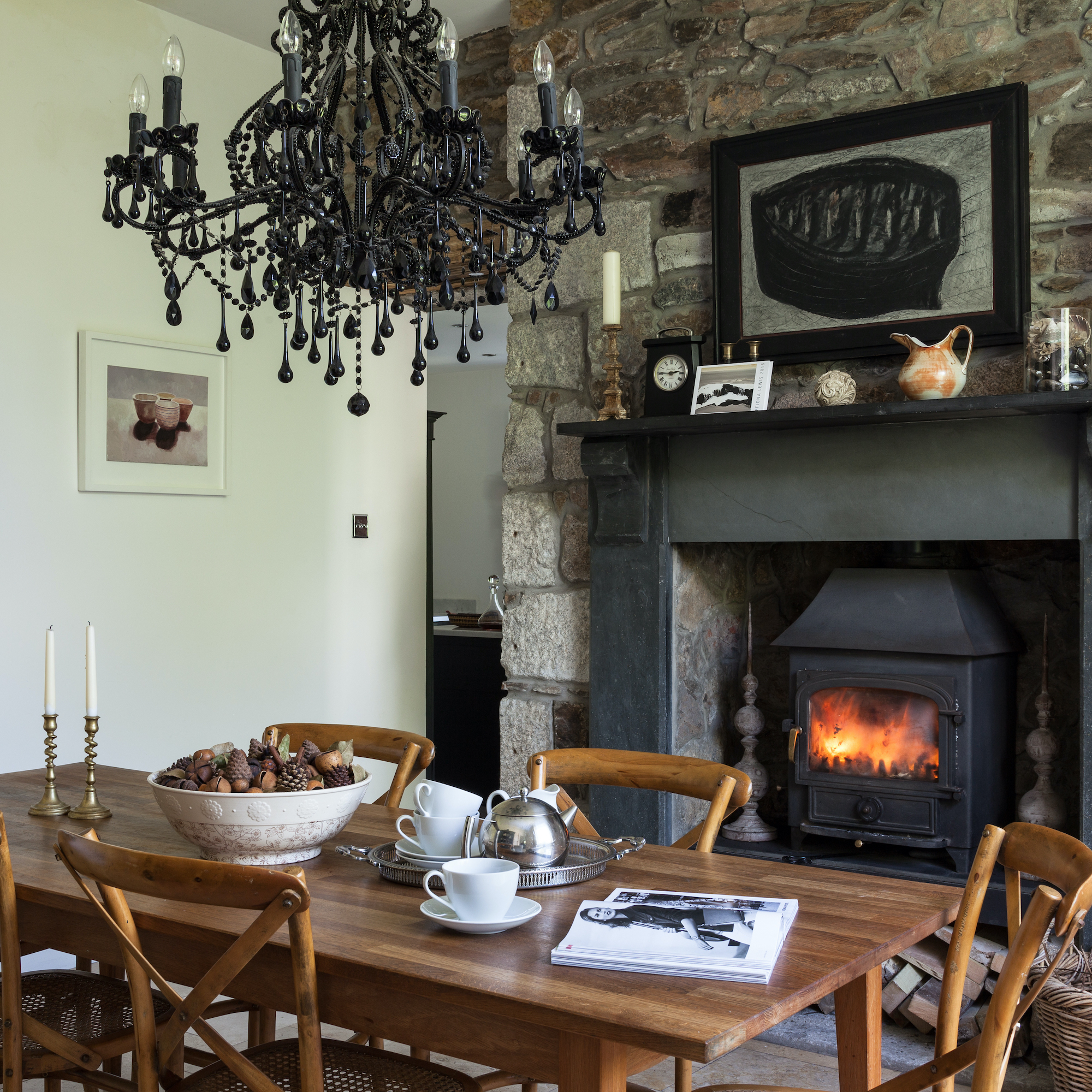
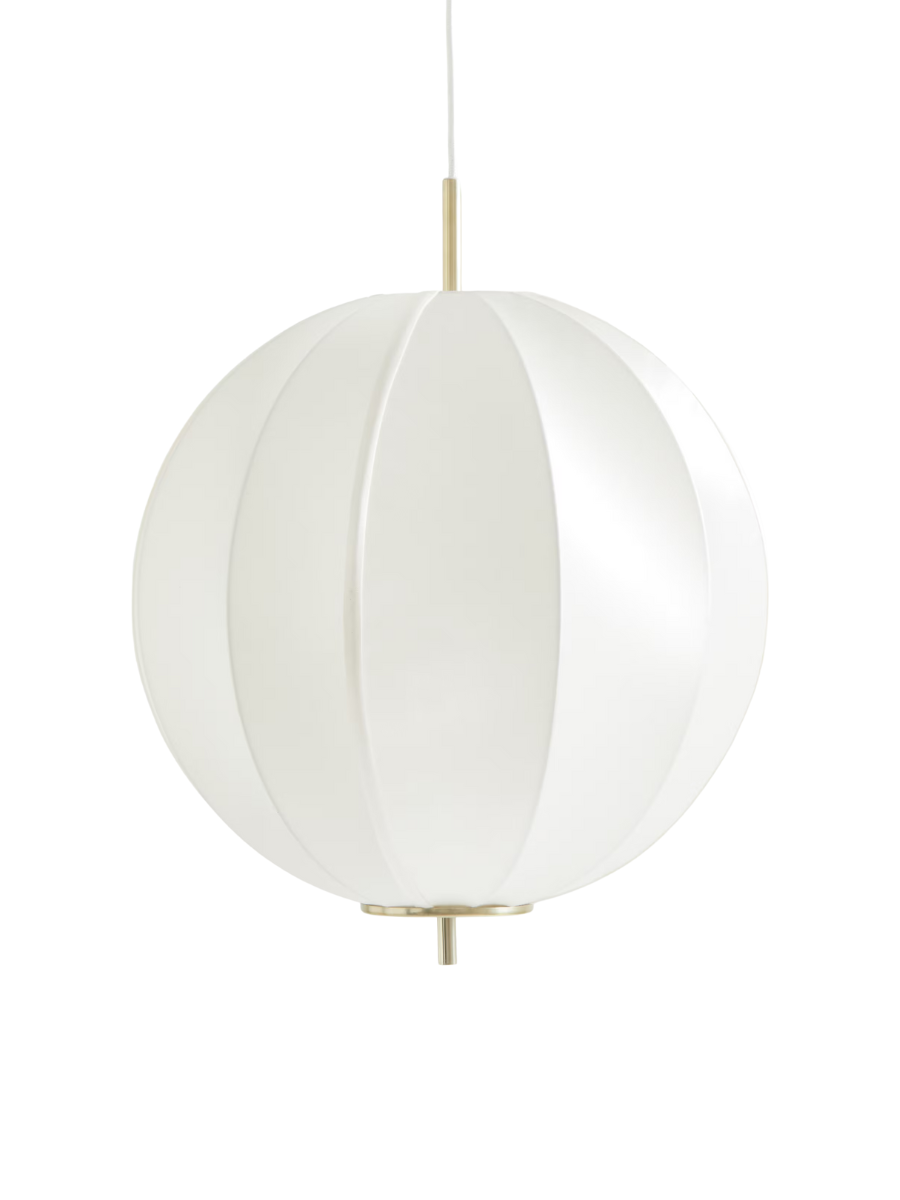
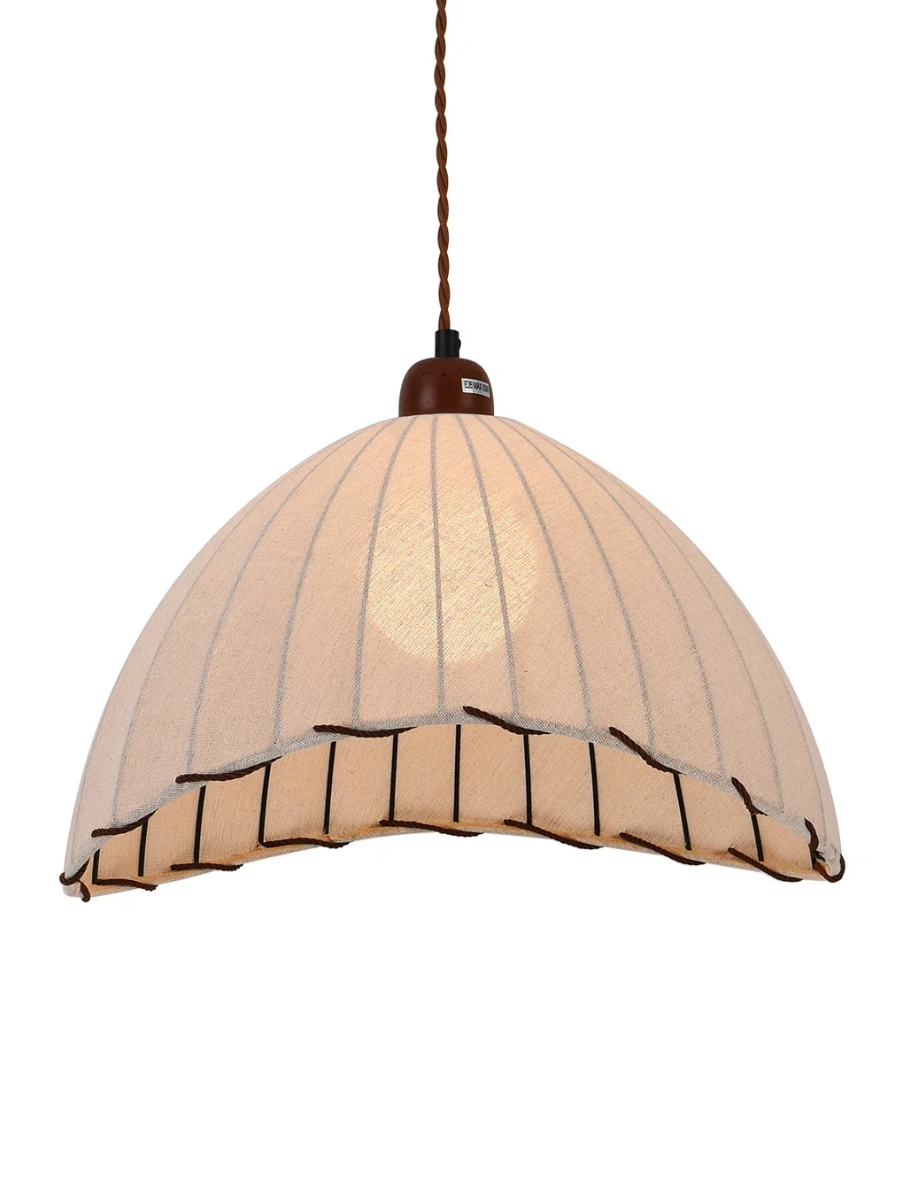
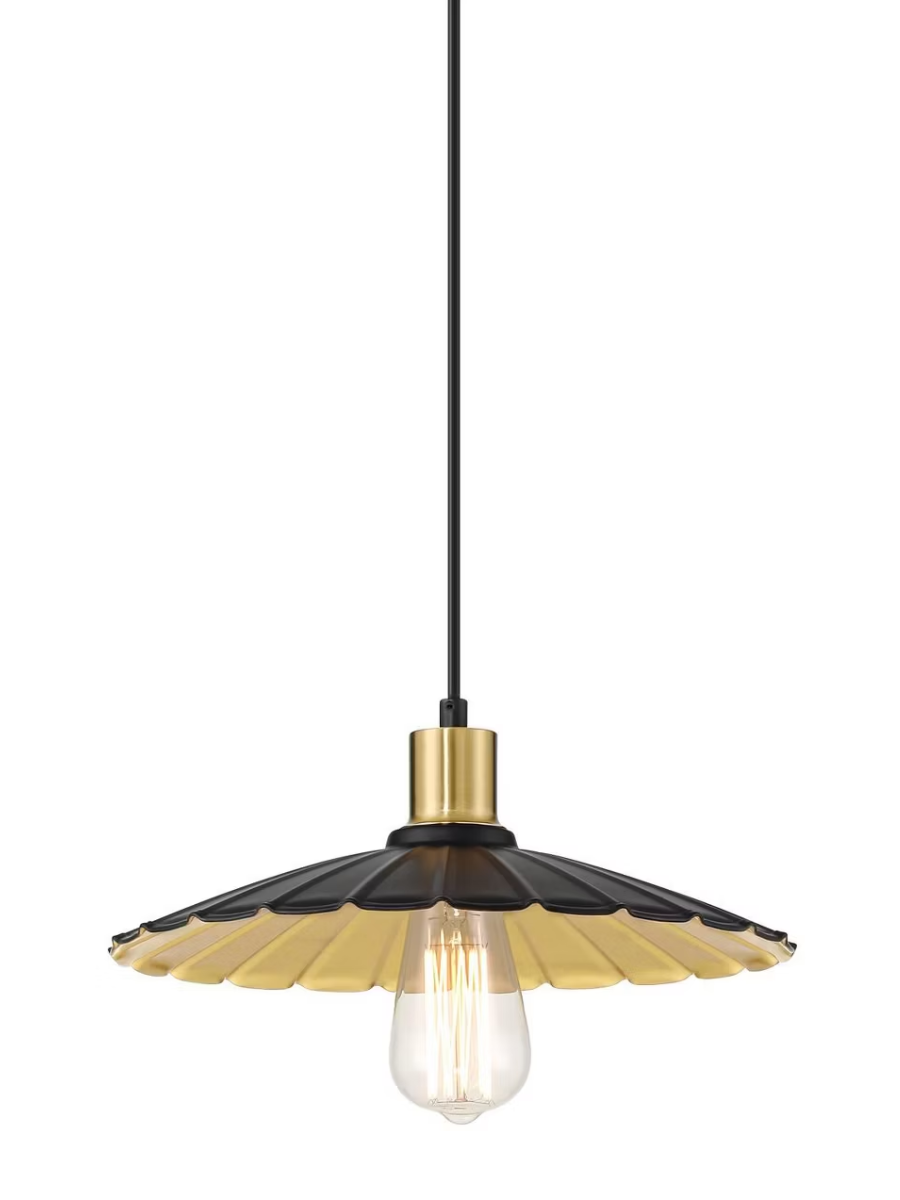
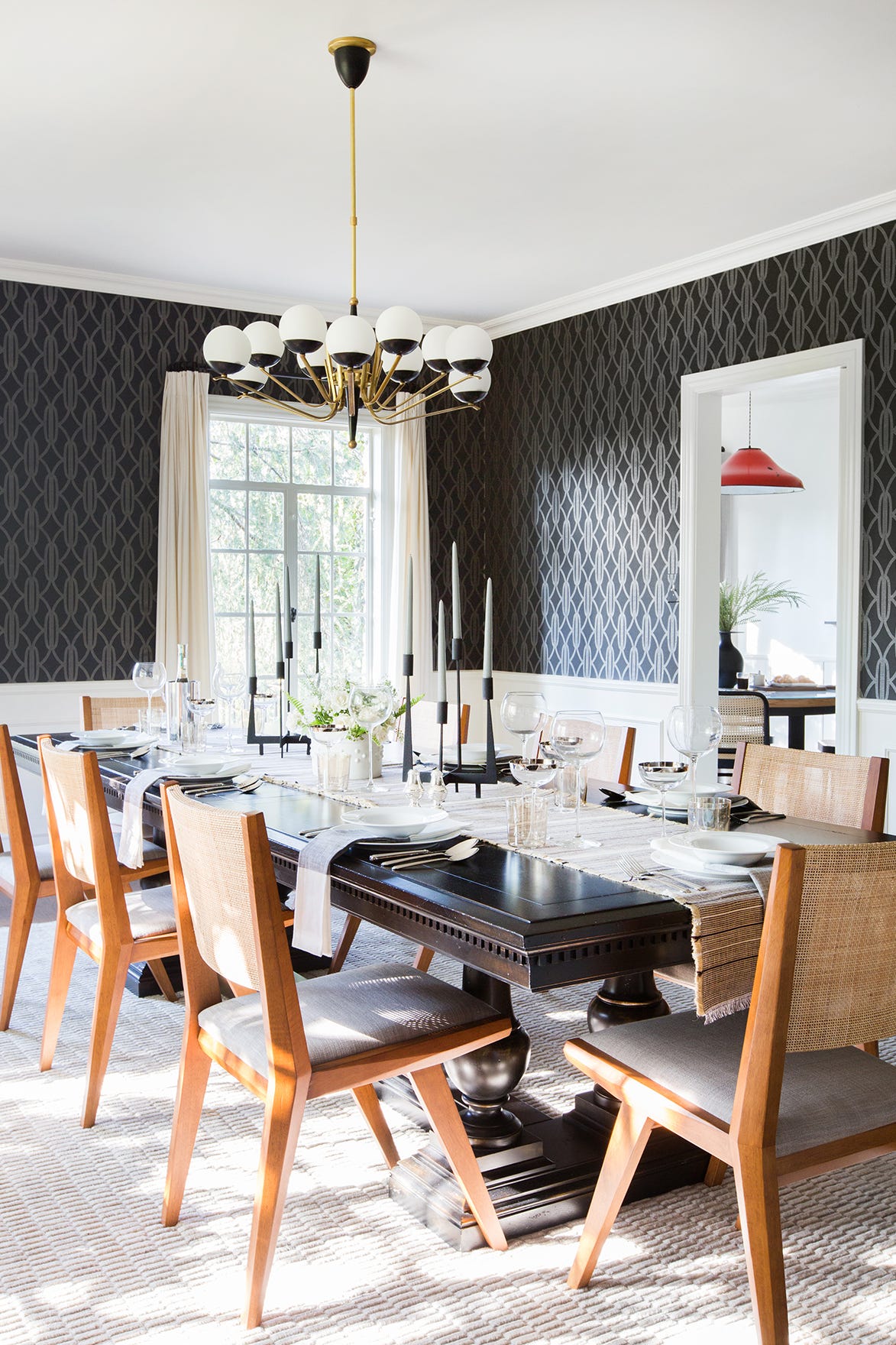
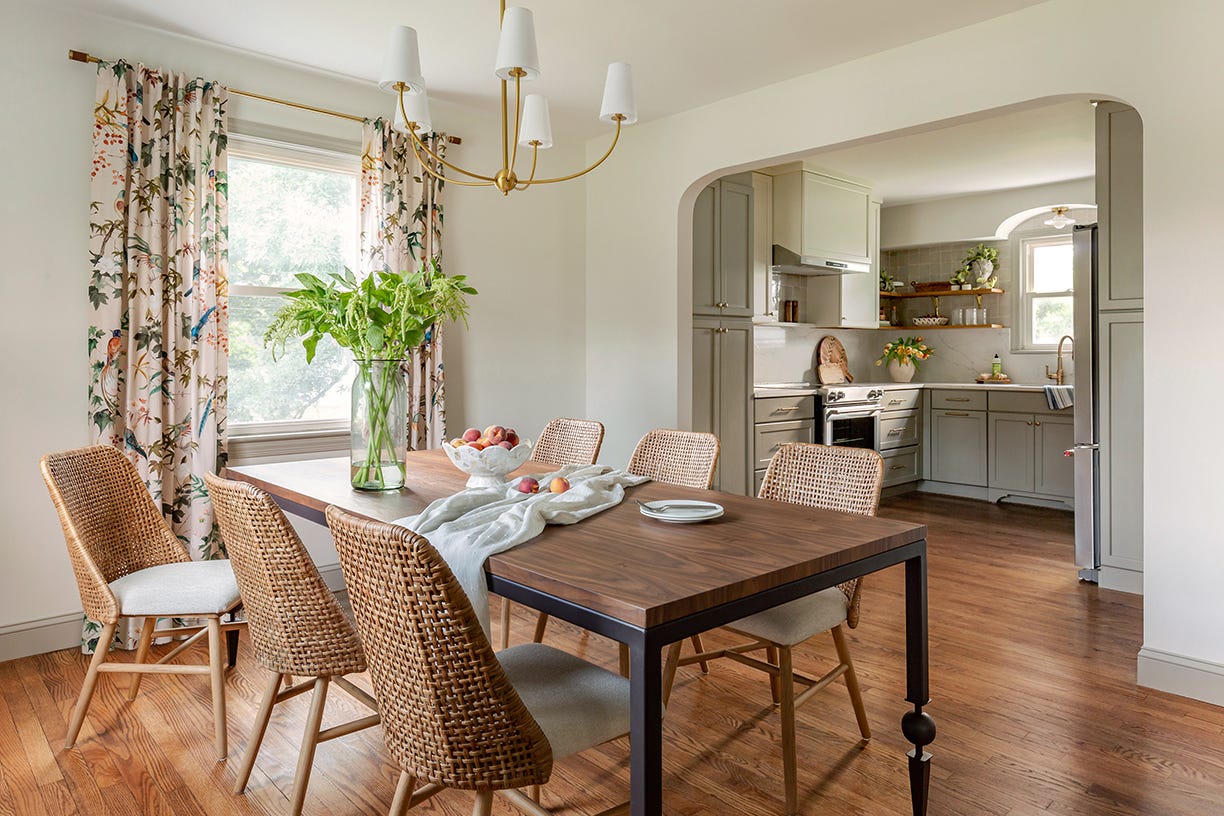
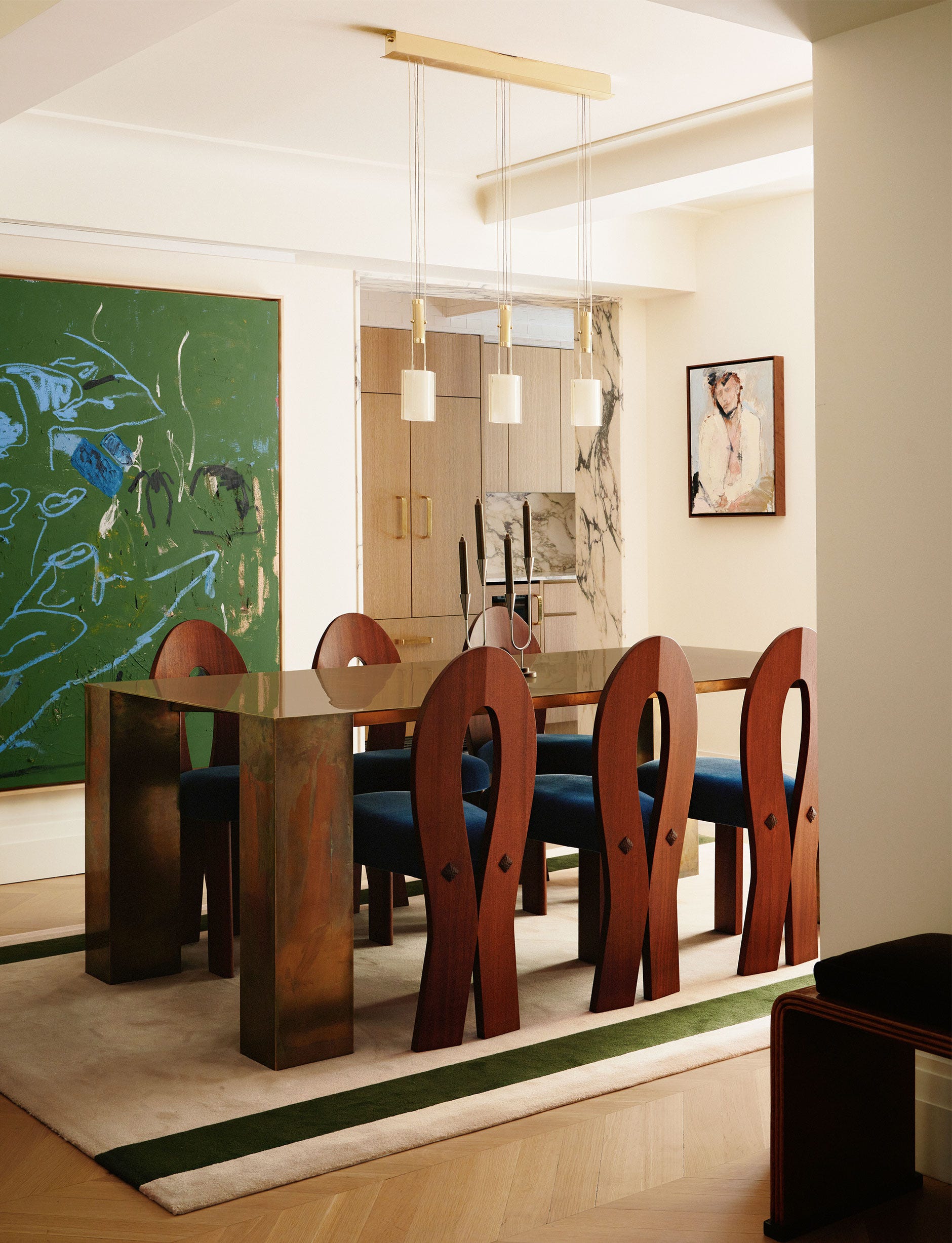
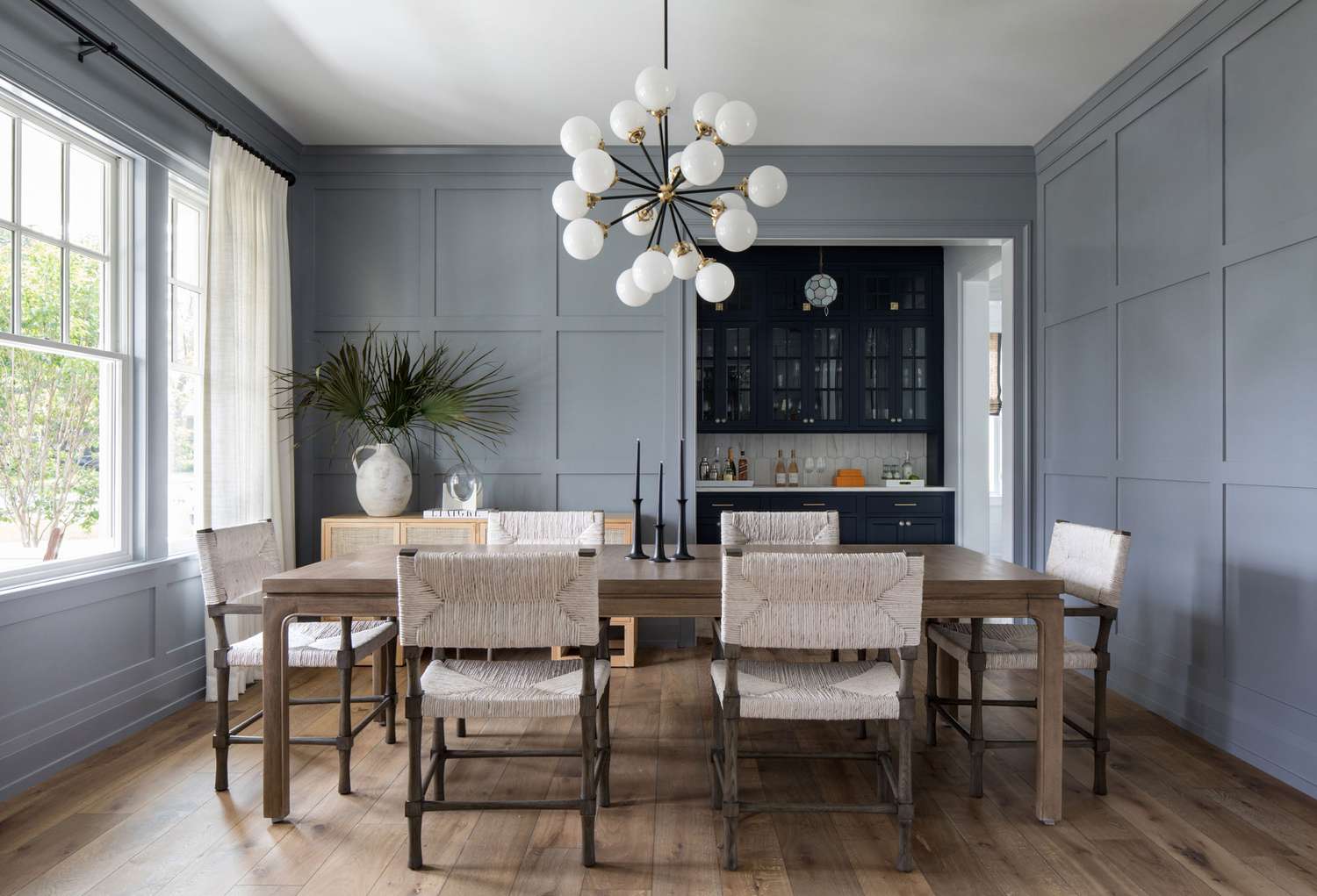
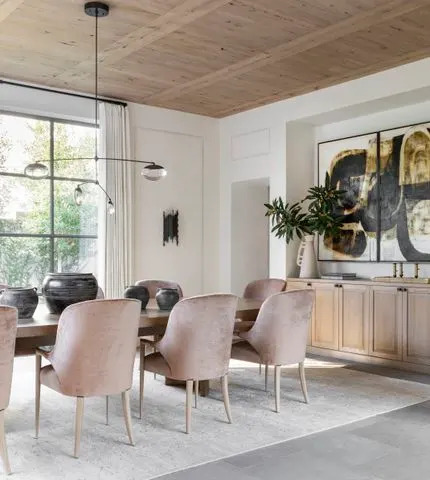
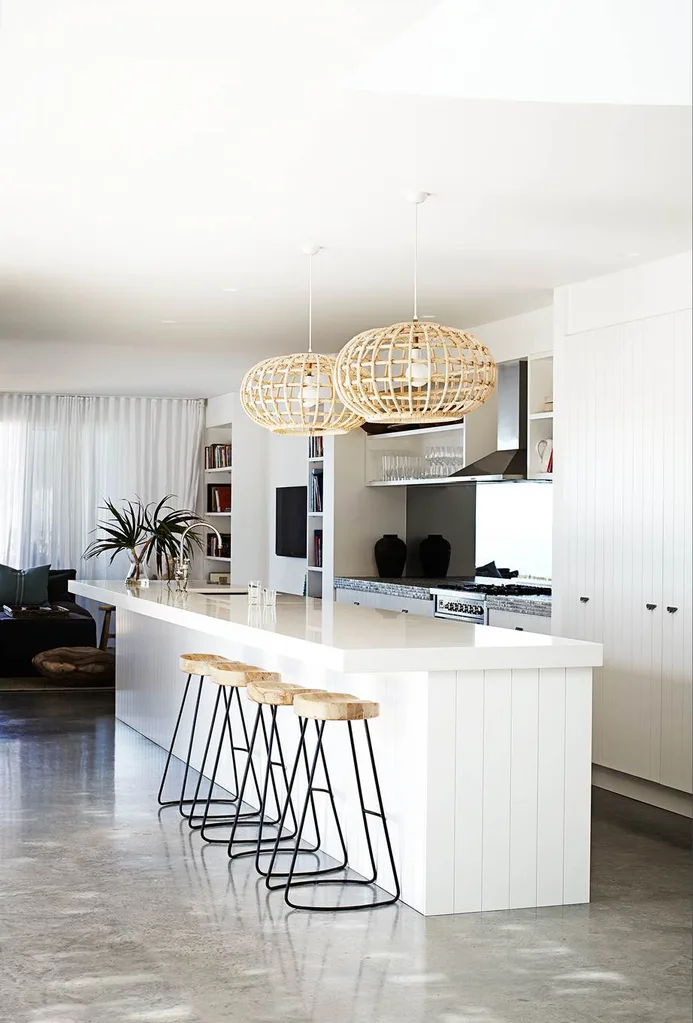
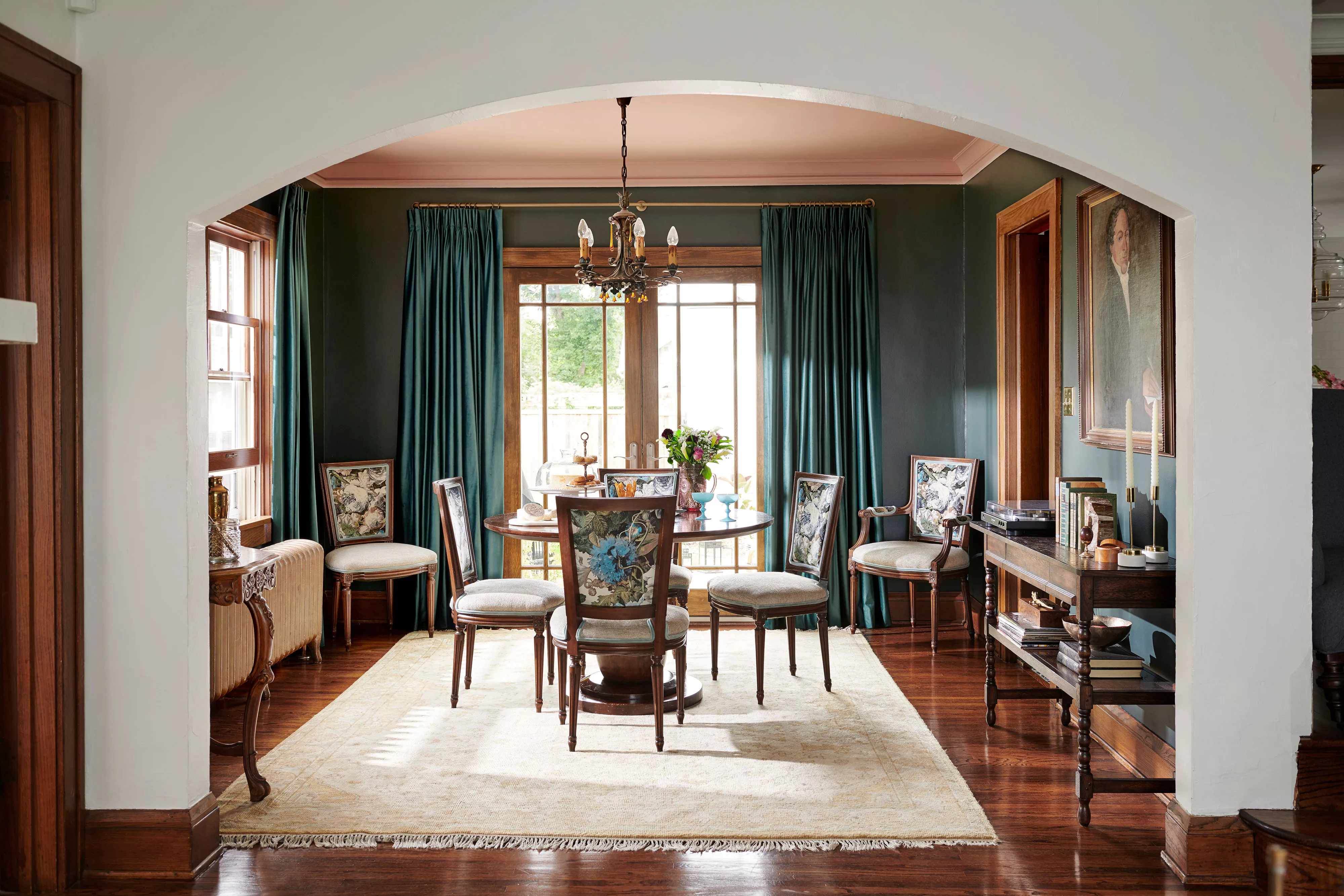
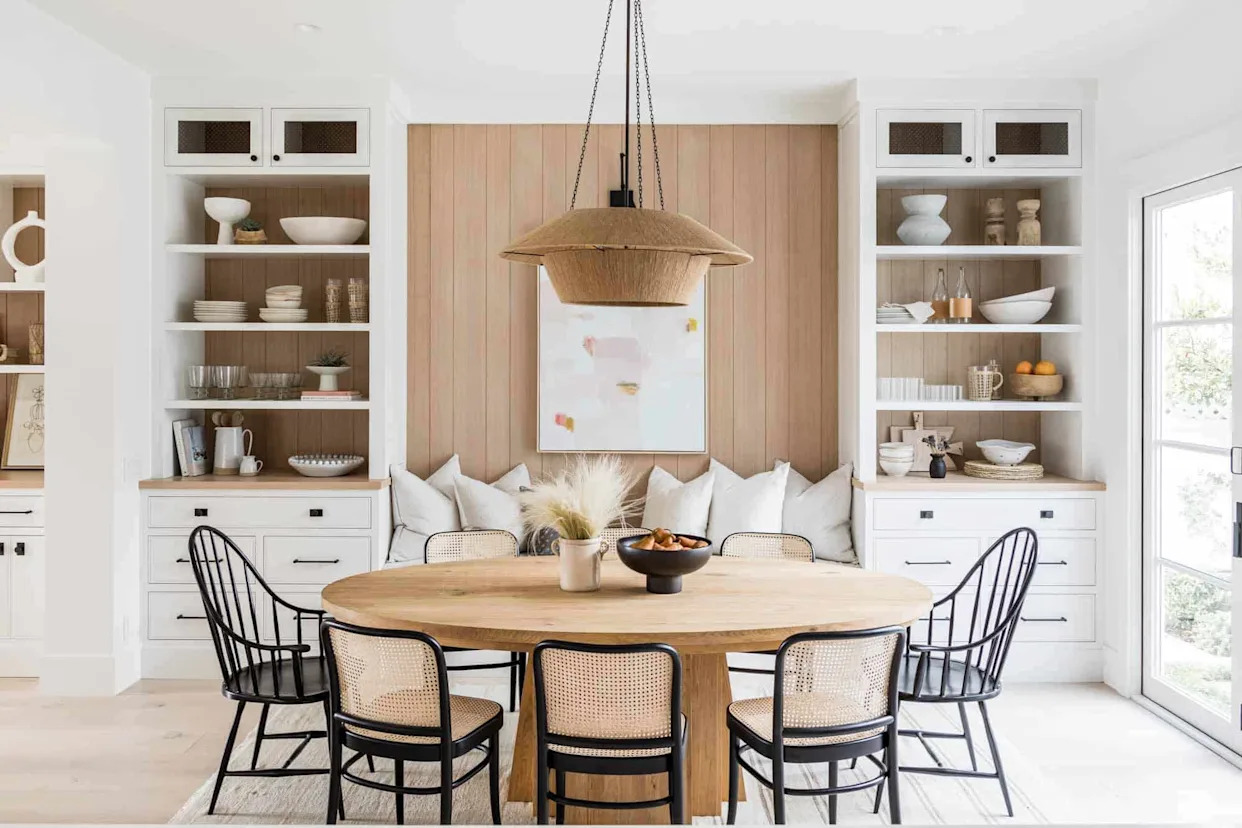
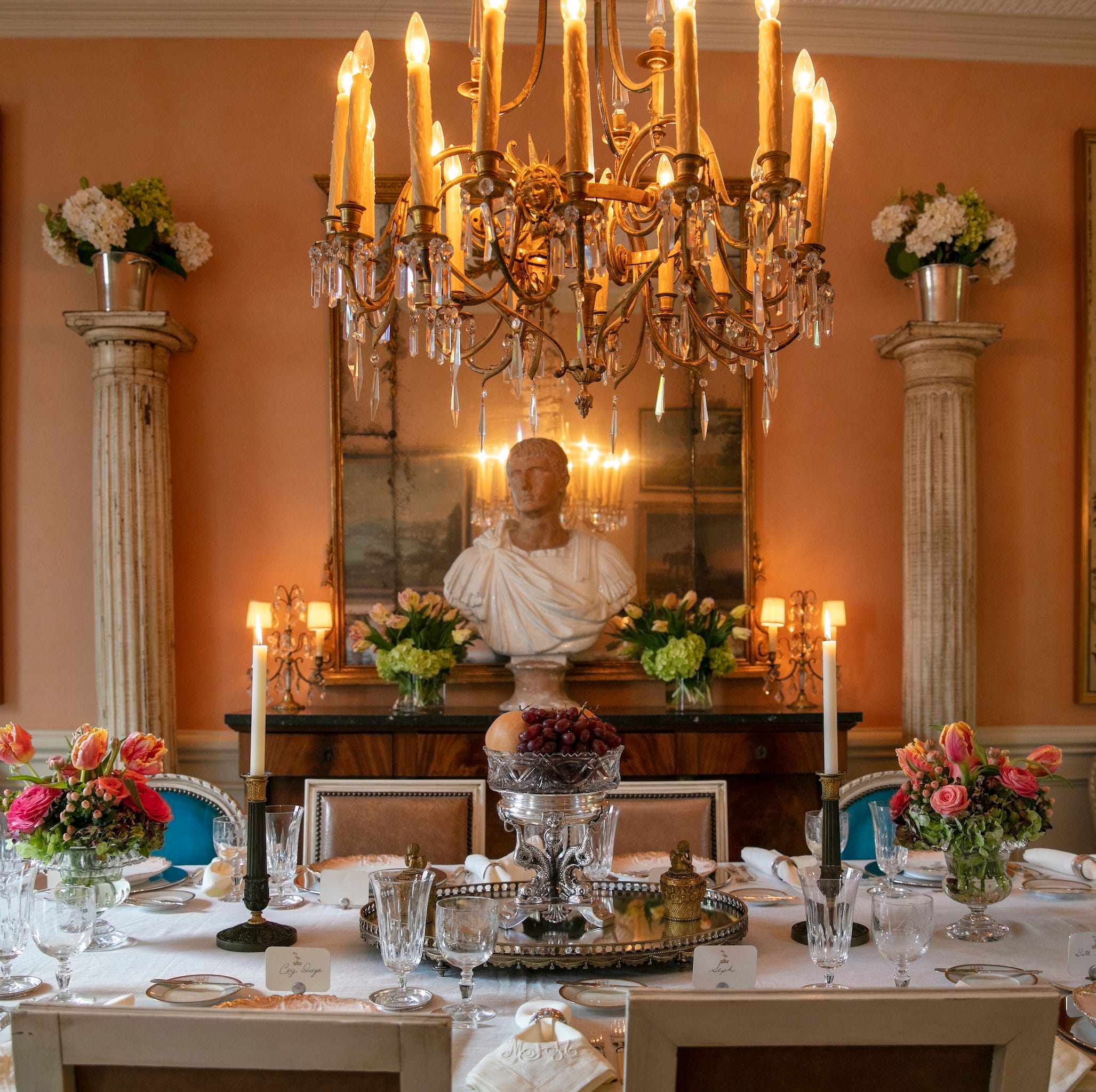
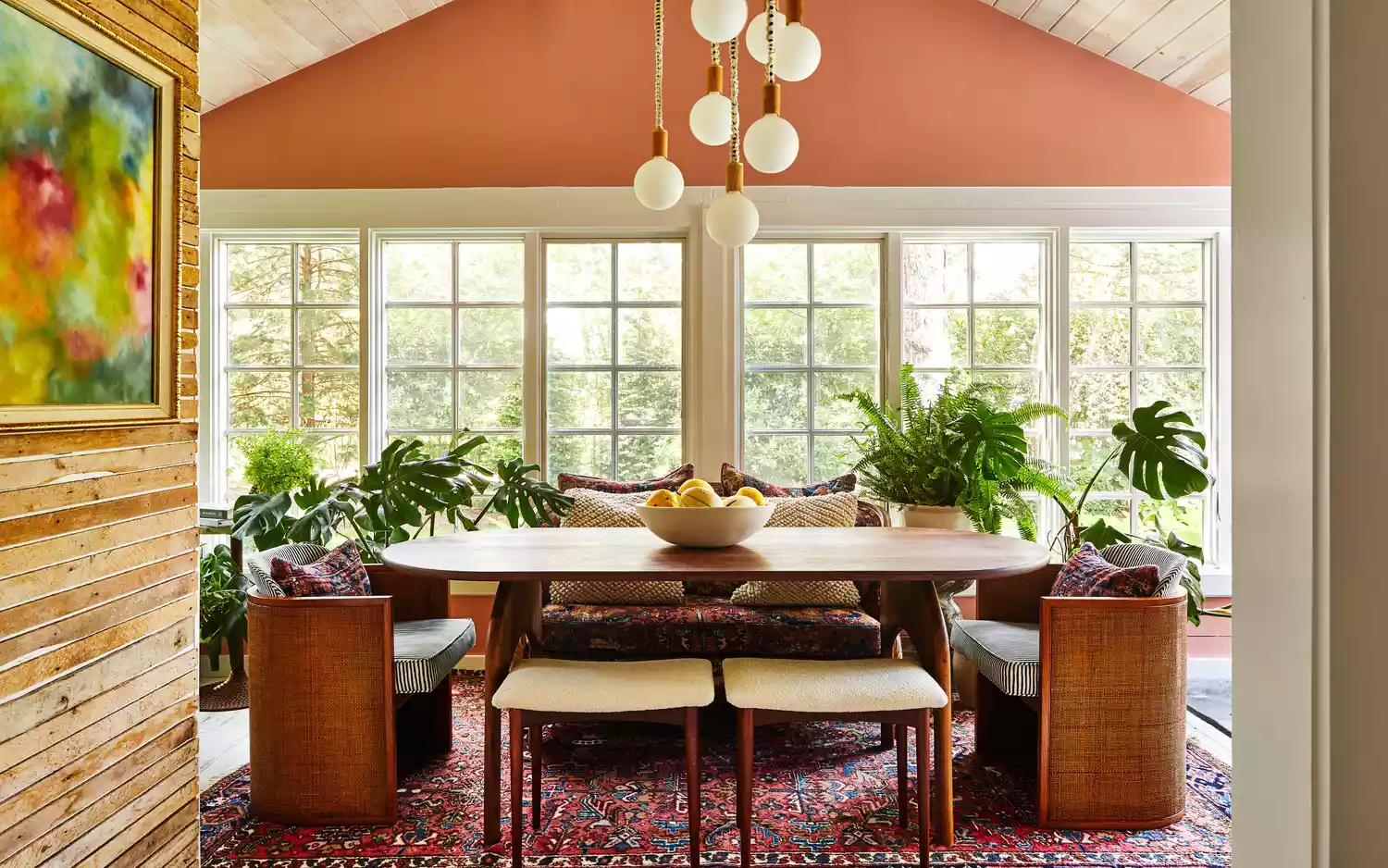
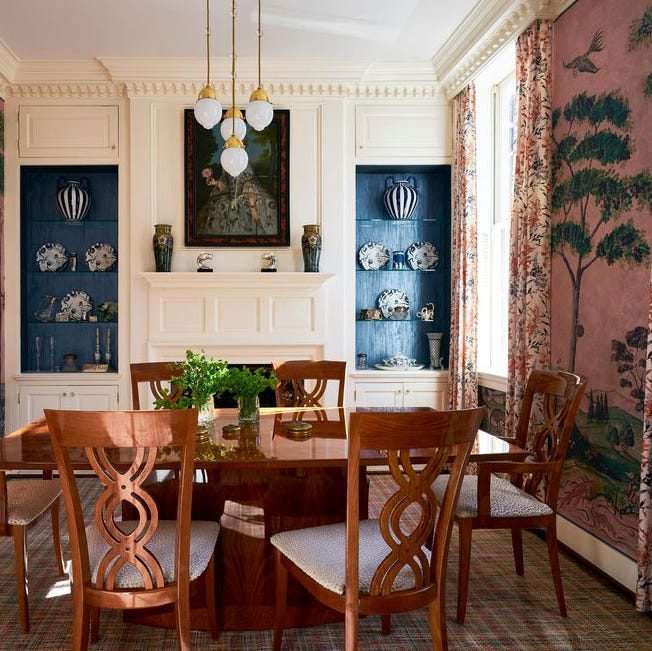
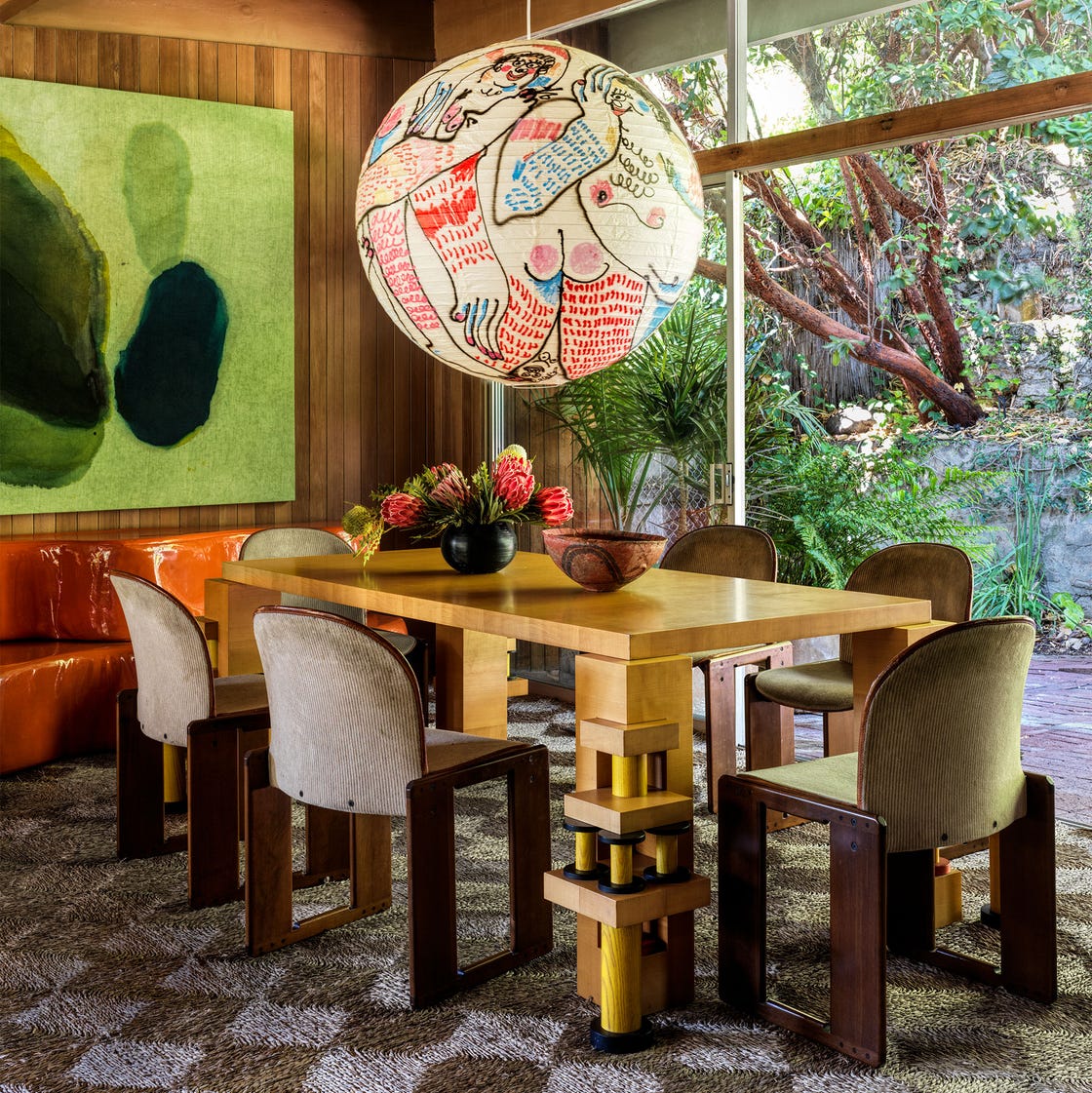
For round or square dining tables, a centrally positioned pendant, a pared-back directional chandelier, or a cluster of pendants at varying heights are recommended for both visual appeal and optimal illumination. Rectangular tables benefit from linear chandeliers with multiple light sources or a trio of pendants for widespread coverage. Experimenting with different colors, finishes, heights, or complementary shapes for pendants can add a playful and unique touch. The "rule of three" can also be applied to create visually appealing groupings of pendant lights, effectively zoning a kitchen-diner space. Statement chandeliers, particularly in rooms with high ceilings, add opulence and drama, serving as a focal point and a practical light source. Vintage-style chandeliers are considered a timeless choice.
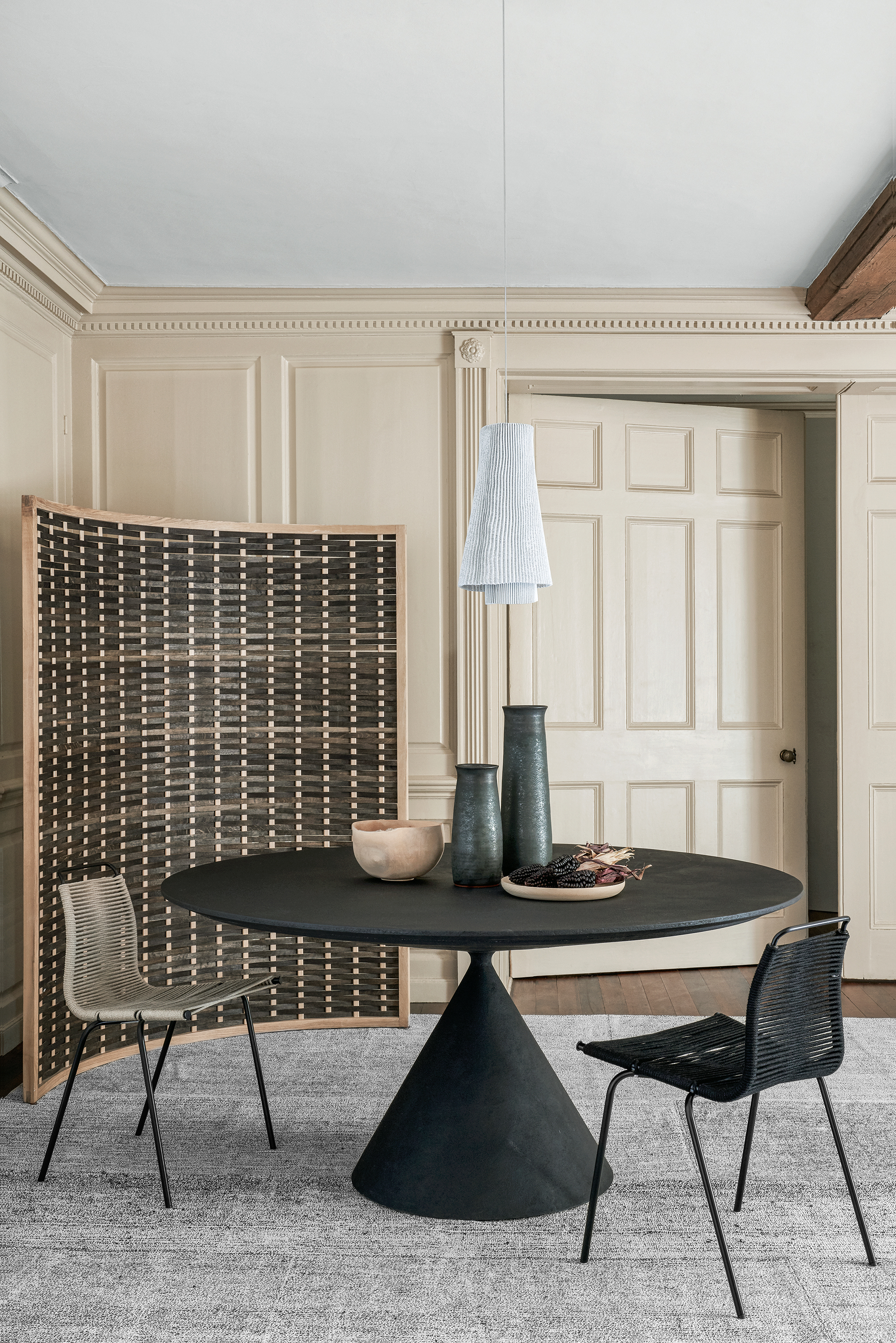
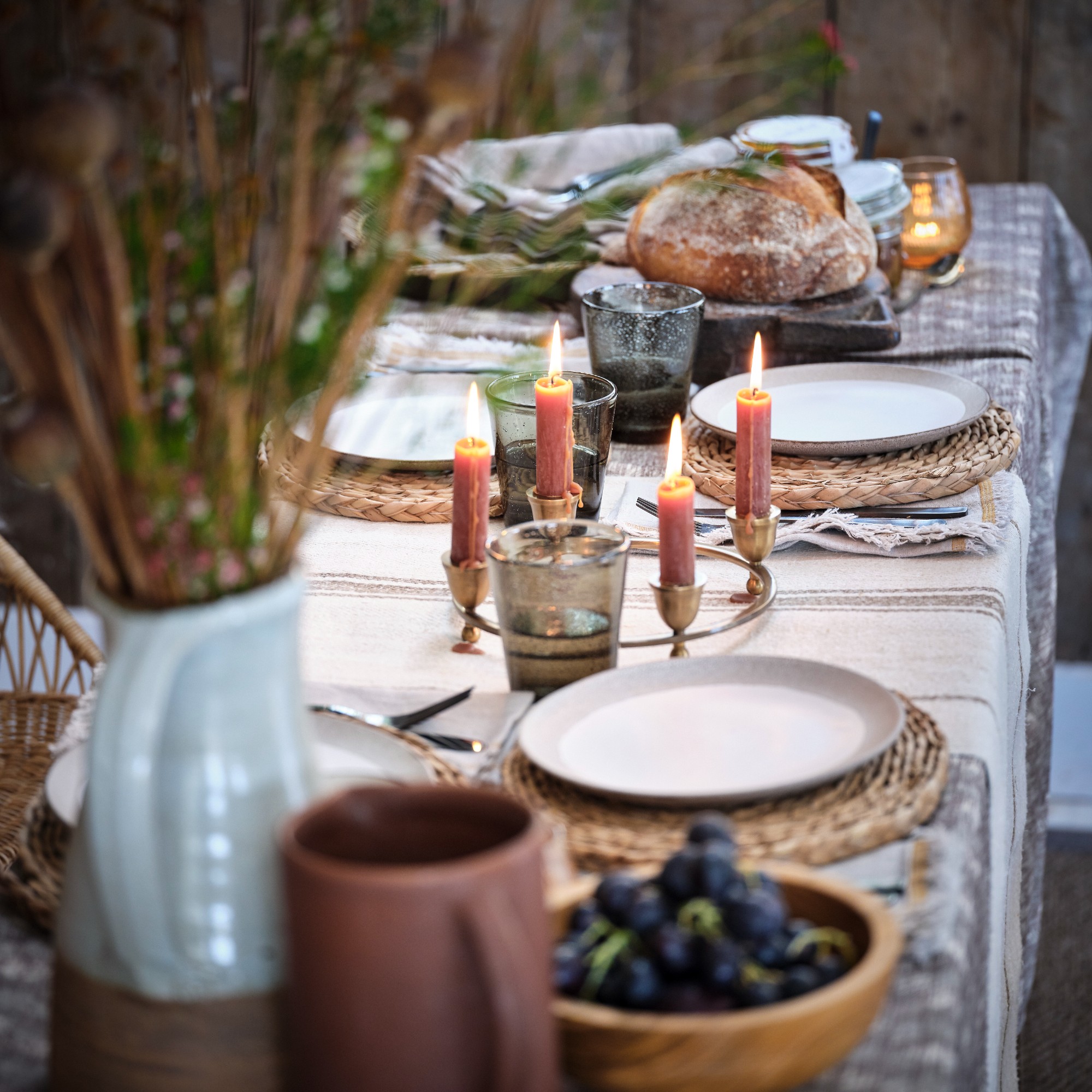
Low-hanging over-table lighting is crucial for creating a cozy, intimate atmosphere and directing a soft glow onto the dining surface. Positioning the light directly above the table's center enhances light patterns and shadows. A dimmer switch is essential for versatility, allowing adjustment from bright, practical lighting for daily meals to subtle, romantic mood lighting for entertaining. Ideally, decorative lights should be on a separate circuit from functional ones to maximize control over the ambiance. Finally, candlelight is highlighted as an indispensable element for intimate and inviting dinner parties, enhancing the interior's glow and making people appear more beautiful, whether through votives or elegant tapered candles in candelabras.
#DiningRoomLighting #InteriorDesign #HomeDecor #AmbientLighting #PendantLights #Chandelier #WallLights #DimmerSwitch #Candlelight #DiningRoomLighting #InteriorDesign #HomeDecor #AmbientLighting #PendantLights #Chandelier #WallLights #DimmerSwitch #Candlelight
0 comment in total
 No comments yet
You may also like
Lighting a dining room – expert tips to give mealtimes a glow-up
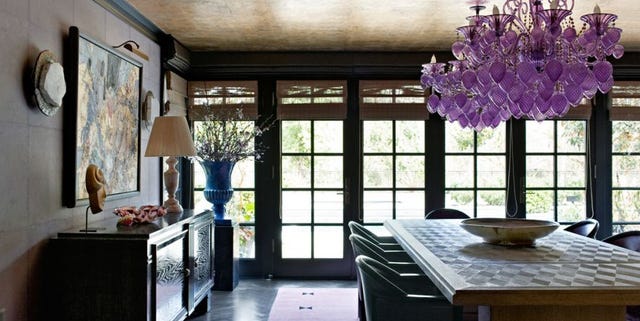
These Dining Room Lighting Ideas Command Attention

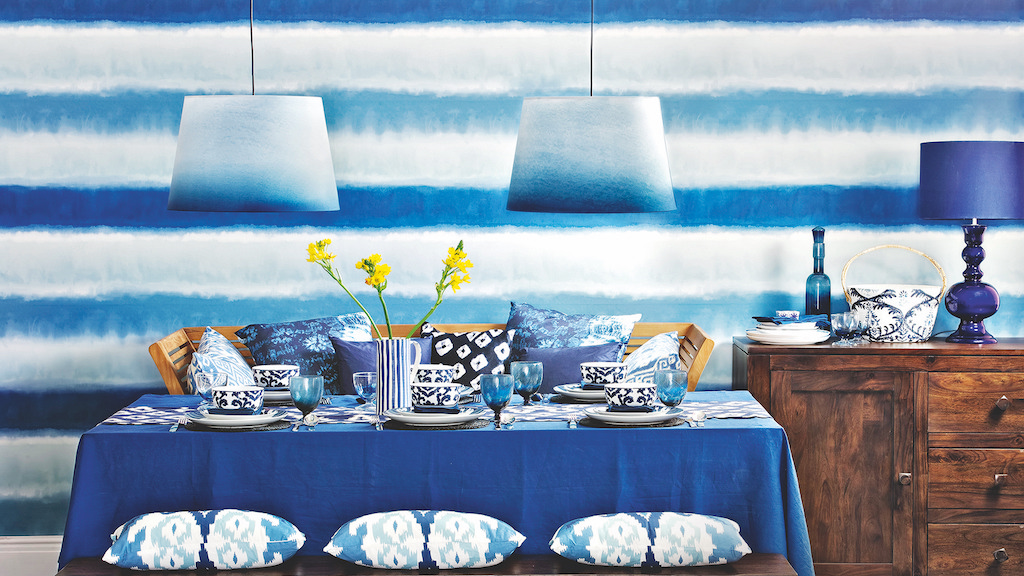
Small dining room lighting ideas – 10 ways to illuminate mealtimes in style
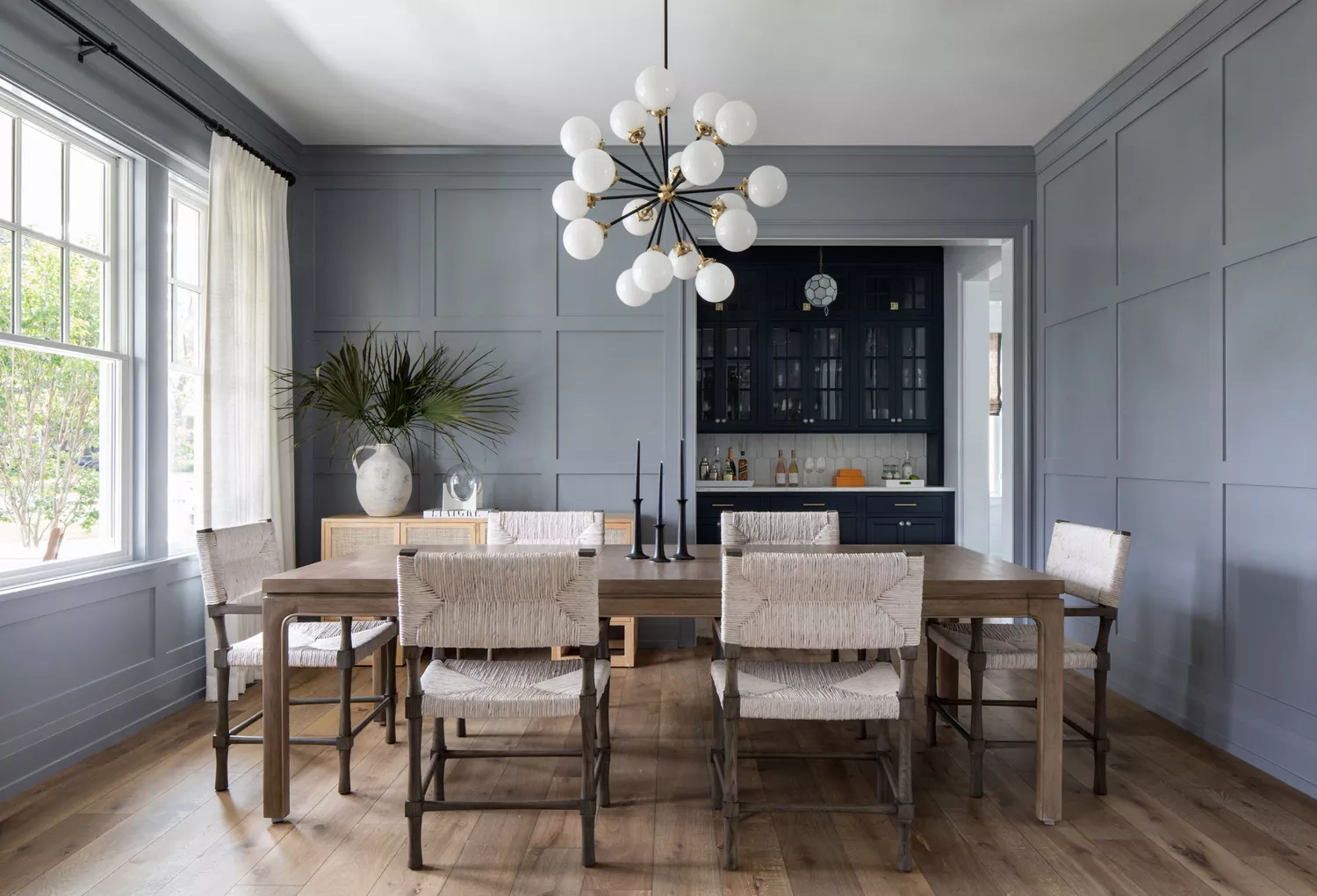
42 Dining Room Lighting Ideas To Light Up Every Celebration
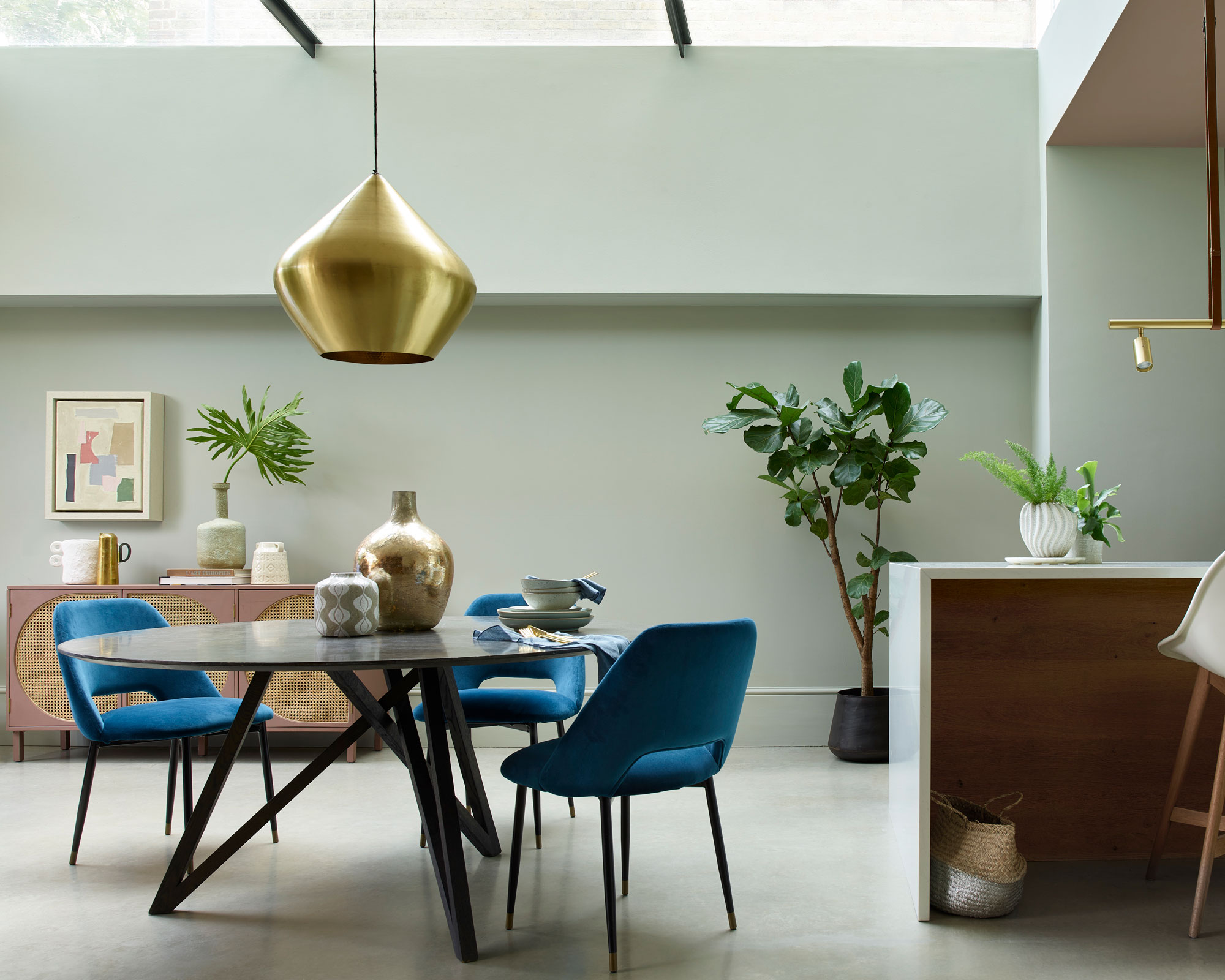
Do you need a light over a dining table? Designers offer their expert advice
This is the Perfect Formula for Lighting a Cozy Dining Room
7 Dining Room Design Mistakes That Could Ruin Your Next Dinner Party

12 Layout Tricks Designers Use to Make Dining Rooms Feel Bigger and Brighter

This $4 Hardware Store Essential Will Instantly Upgrade Your Dinner Parties

9 Things To Keep Out Of Your Dining Room, According To Designers
Like Jewelry for Your Ceiling – 18 Dining Room Pendant Lights That Prove the Big Light Is Back in Fashion
I Searched Endlessly for a Dining Room Pendant With Personality—Here's What Came Out on Top

15 Dining Room Lighting Ideas That Create the Perfect Ambience for Every Meal

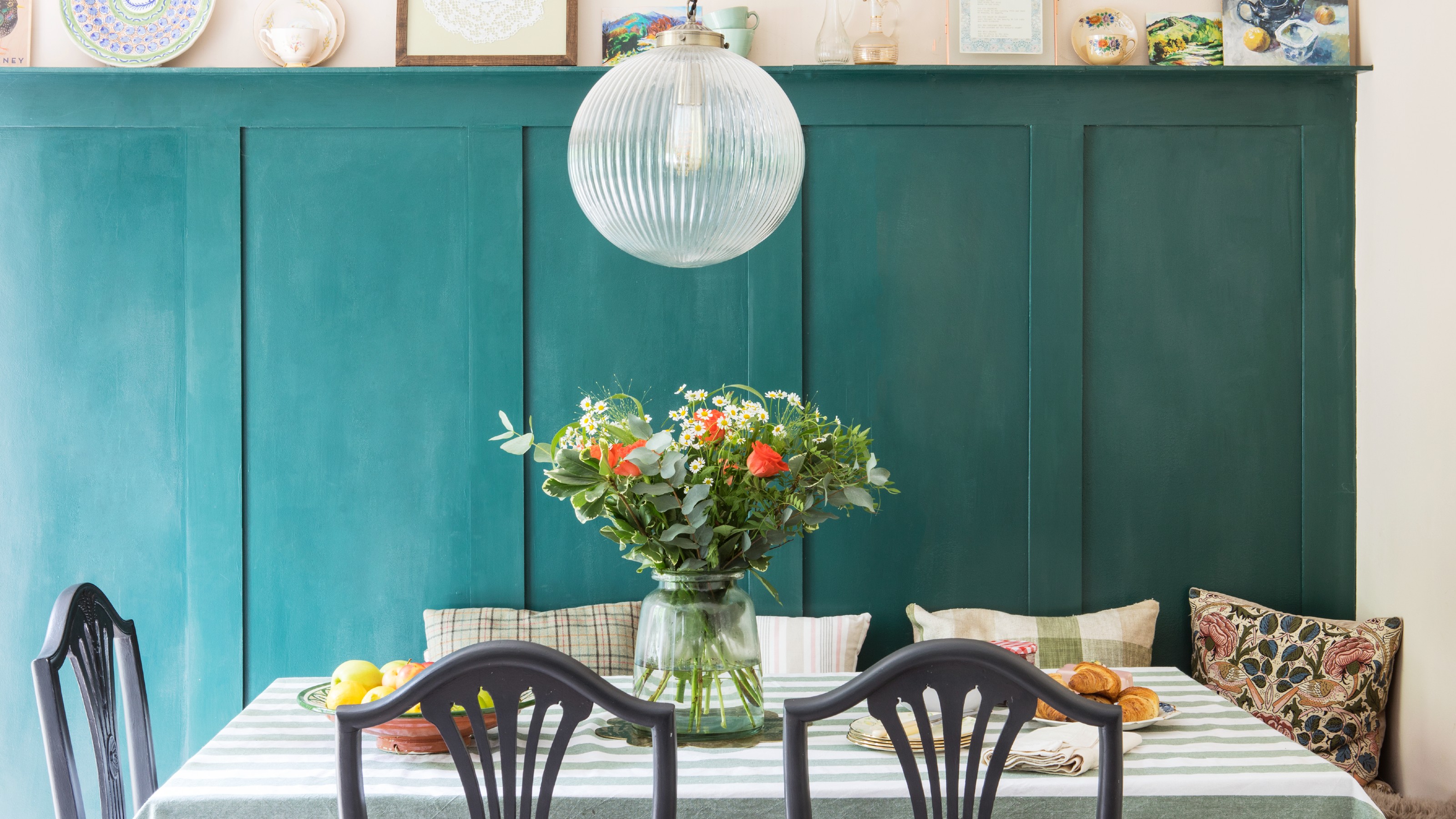
Dining room lighting ideas – 33 ways to elevate any mealtime, from cosy weekday dinners to elegant parties
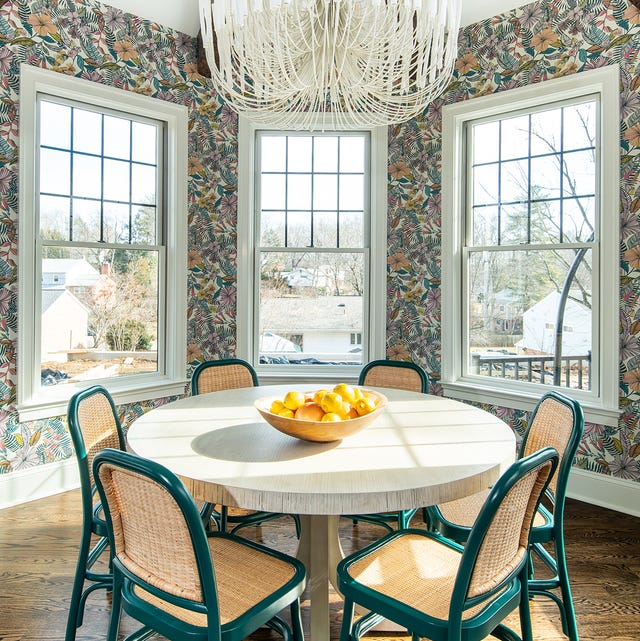
These Gorgeous Dining Rooms Are Guaranteed to Strike up Conversation

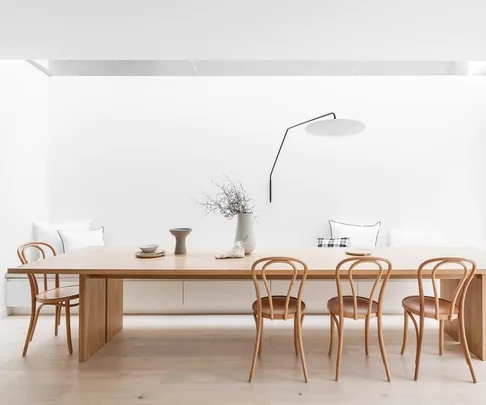
An interior designer’s guide to lighting your home

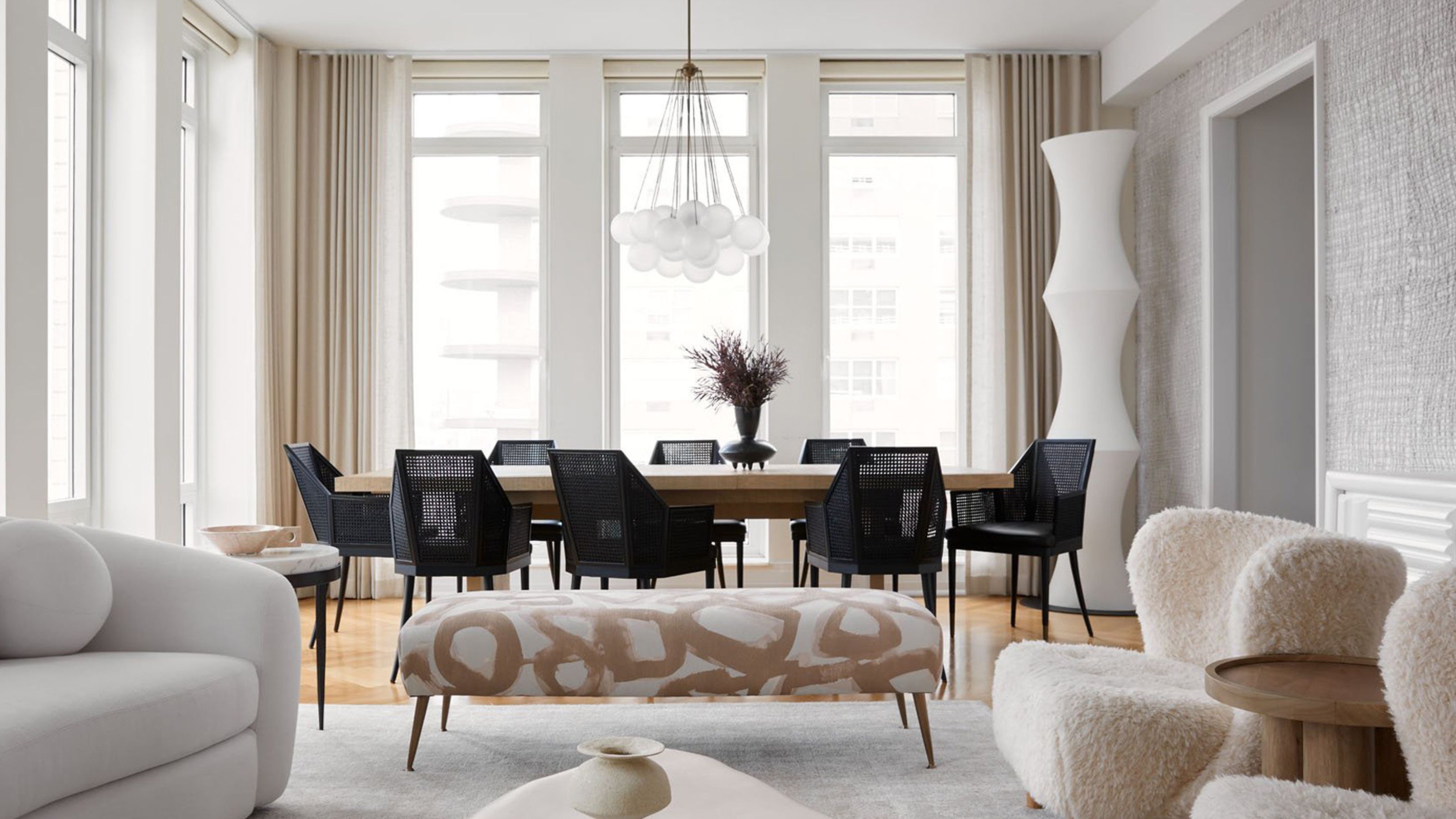
7 Dining Room Lighting Mistakes That Could Be Making Your Space (and Food) Look Less Appetizing

These Designer-Approved Dining Room Ideas Will Elevate ANY Entertaining Space

60 Dining Room Ideas That Will Make You Swear Off TV Dinners
6 Designer Tips for Showcasing the Dining Room