1/7
12 subway tile patterns to try
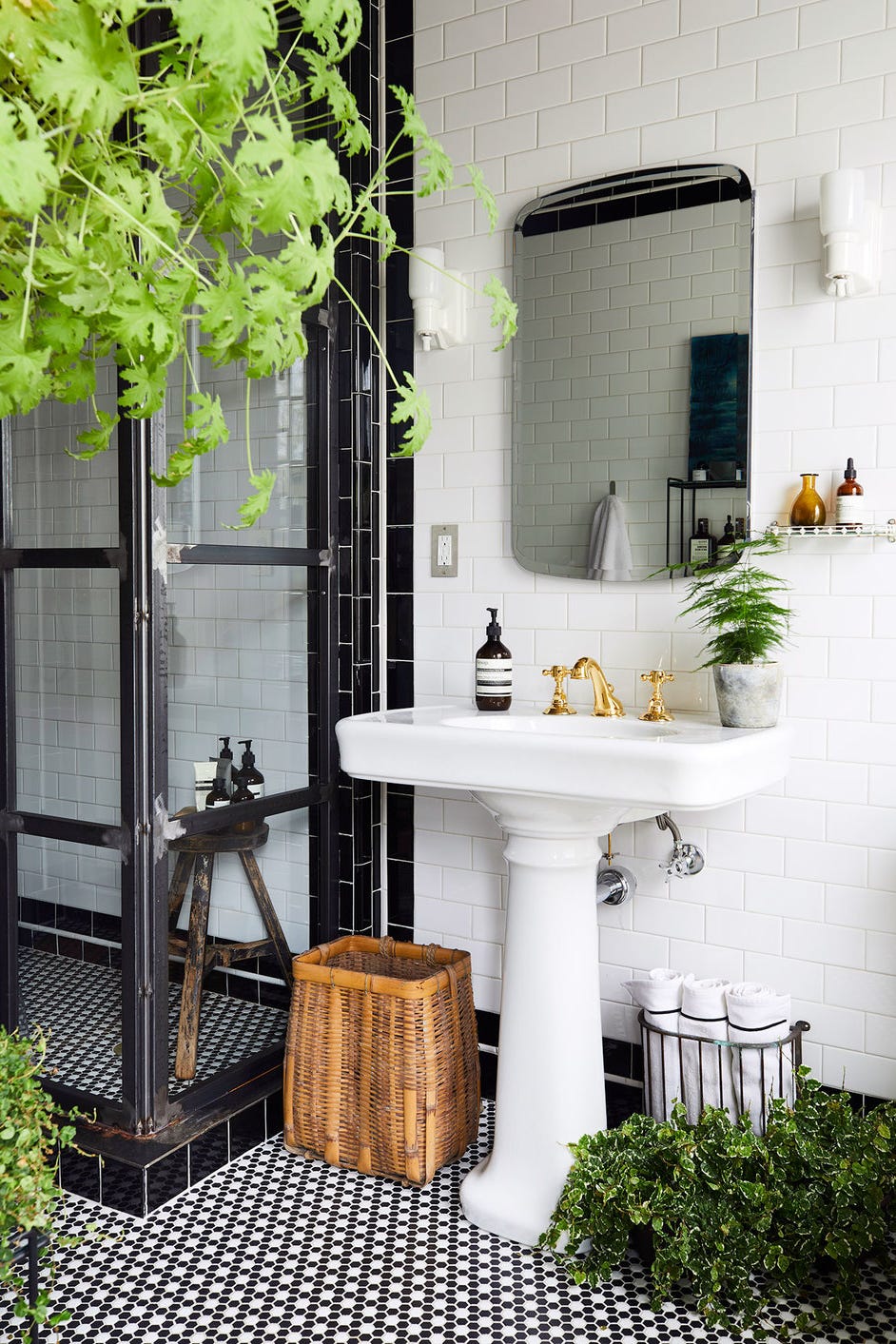
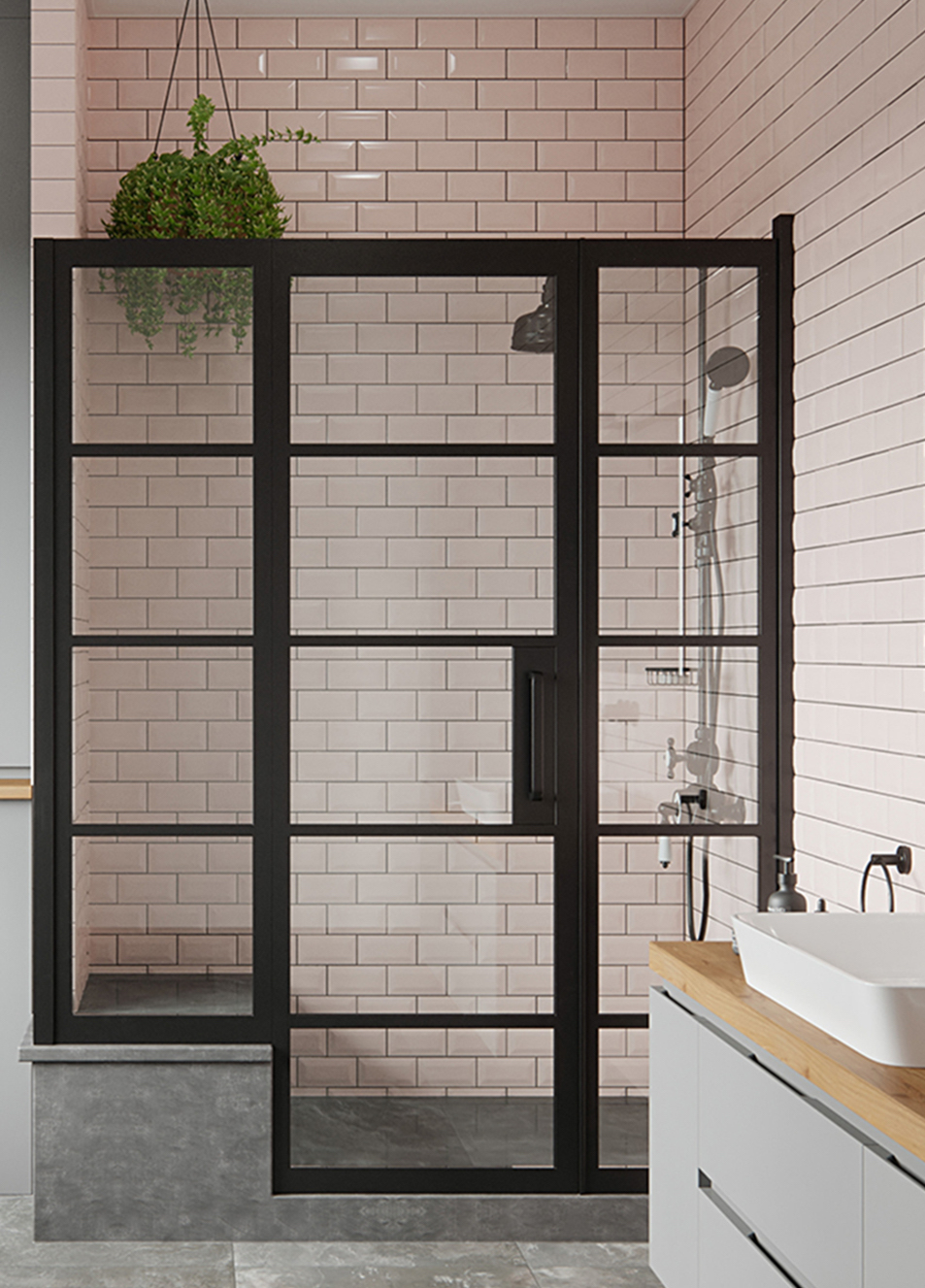
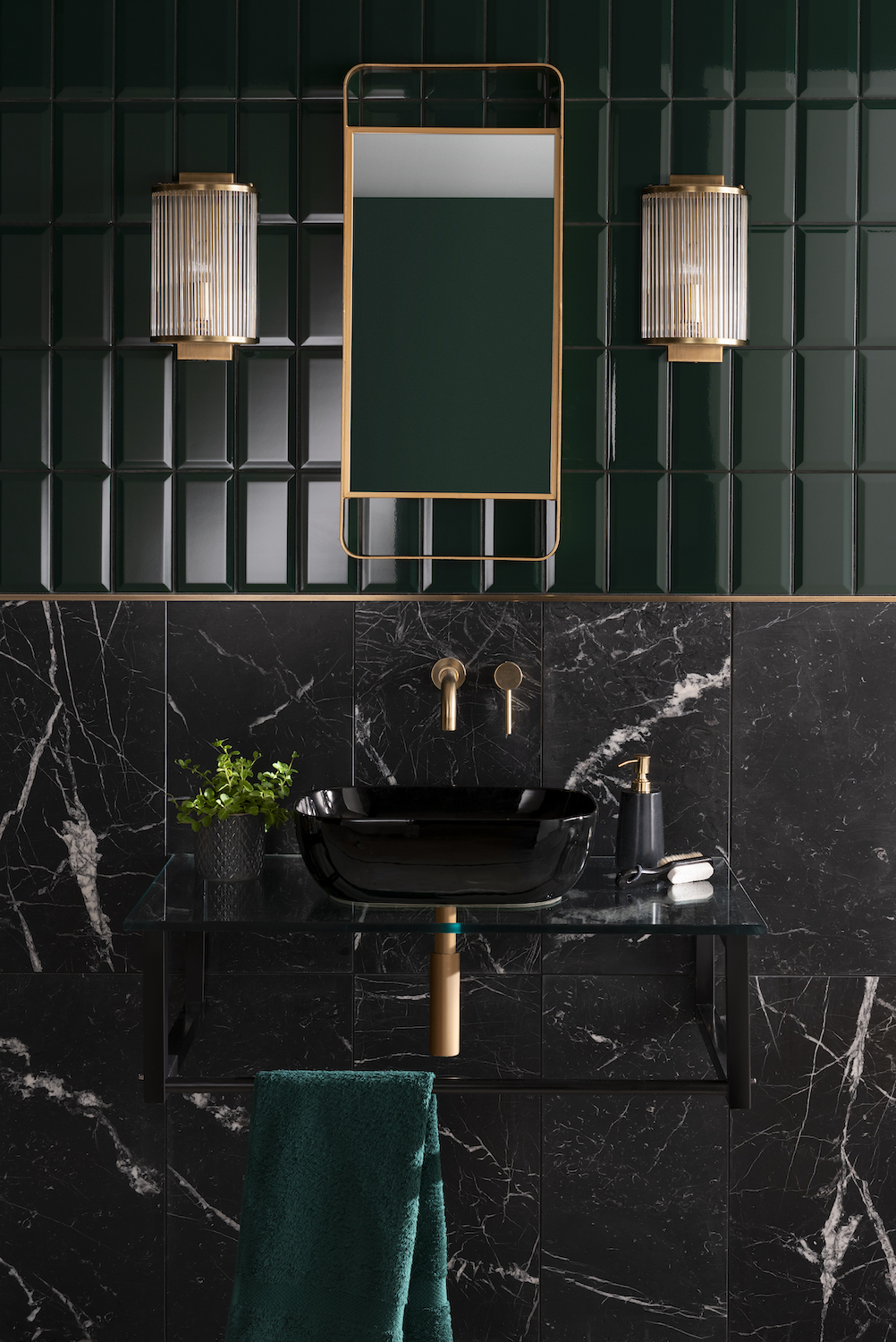
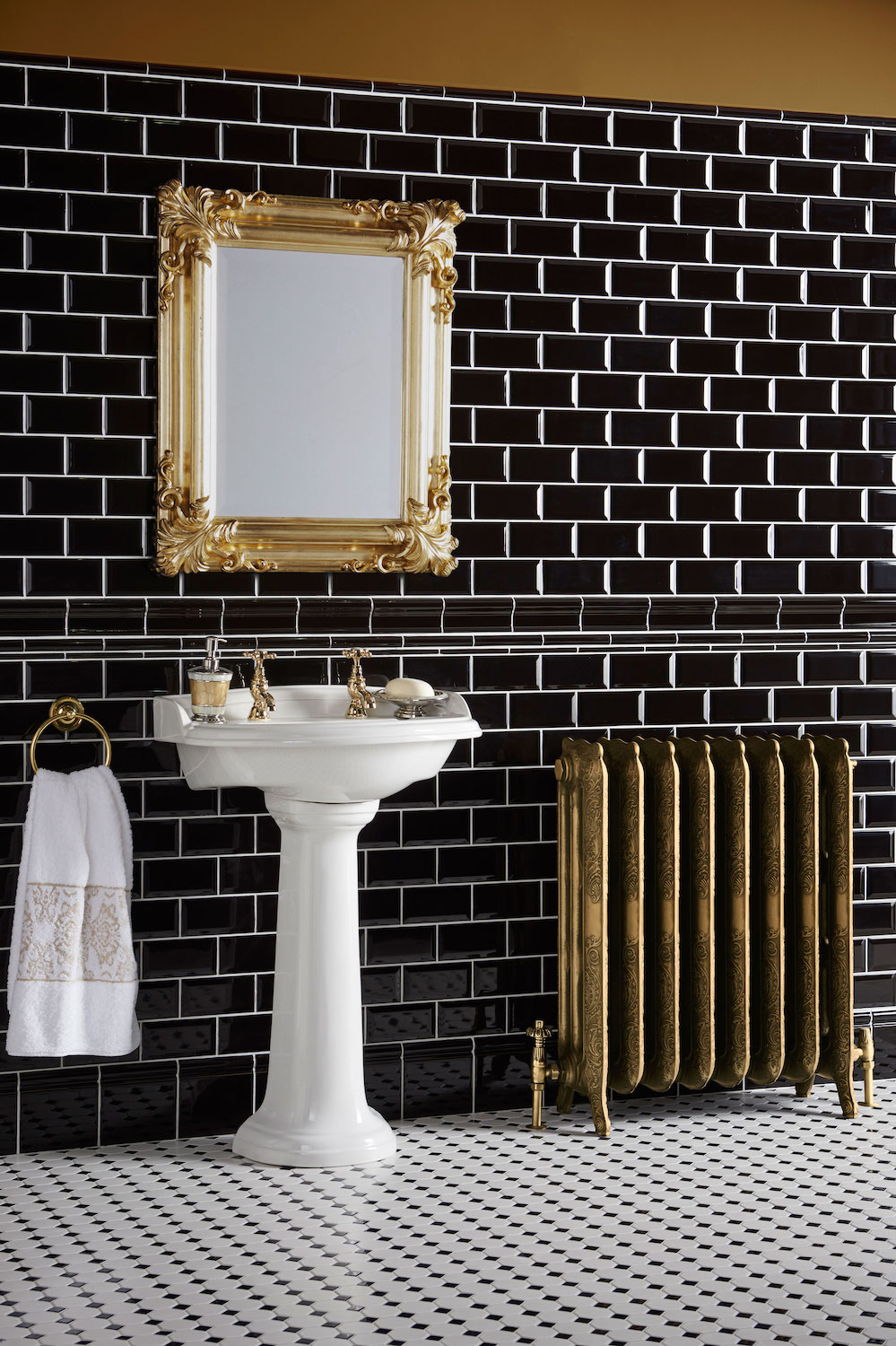
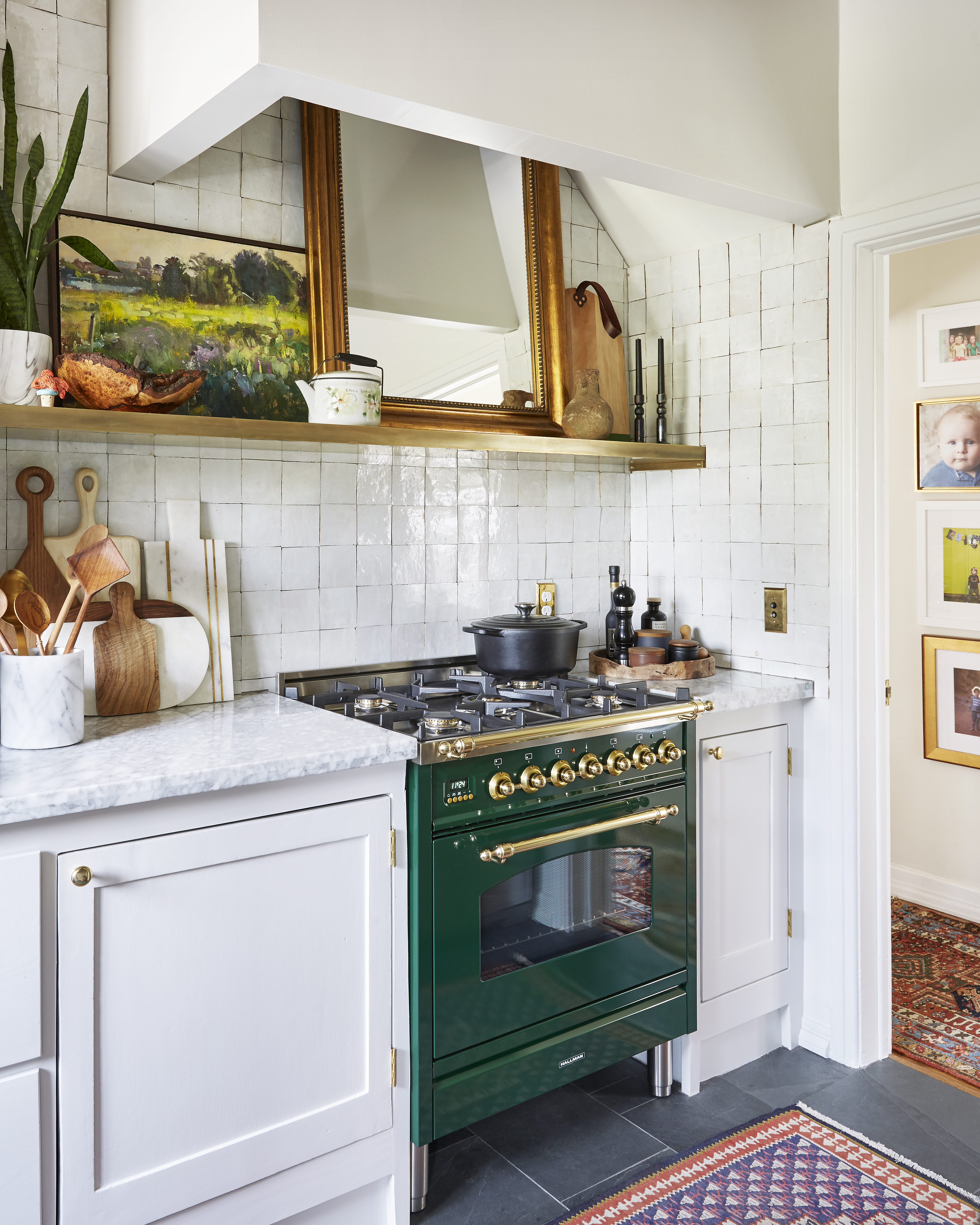
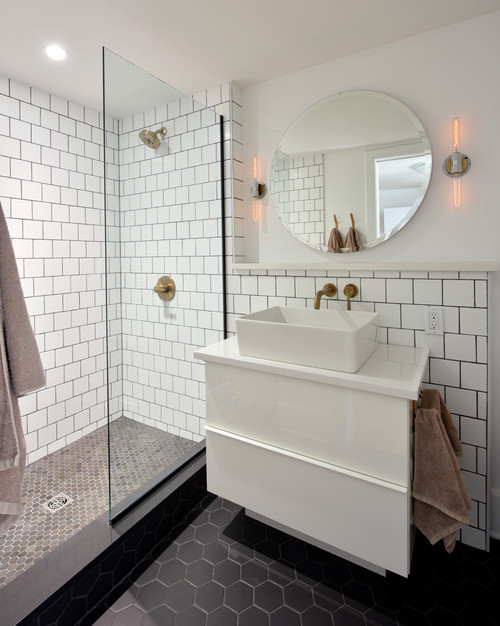
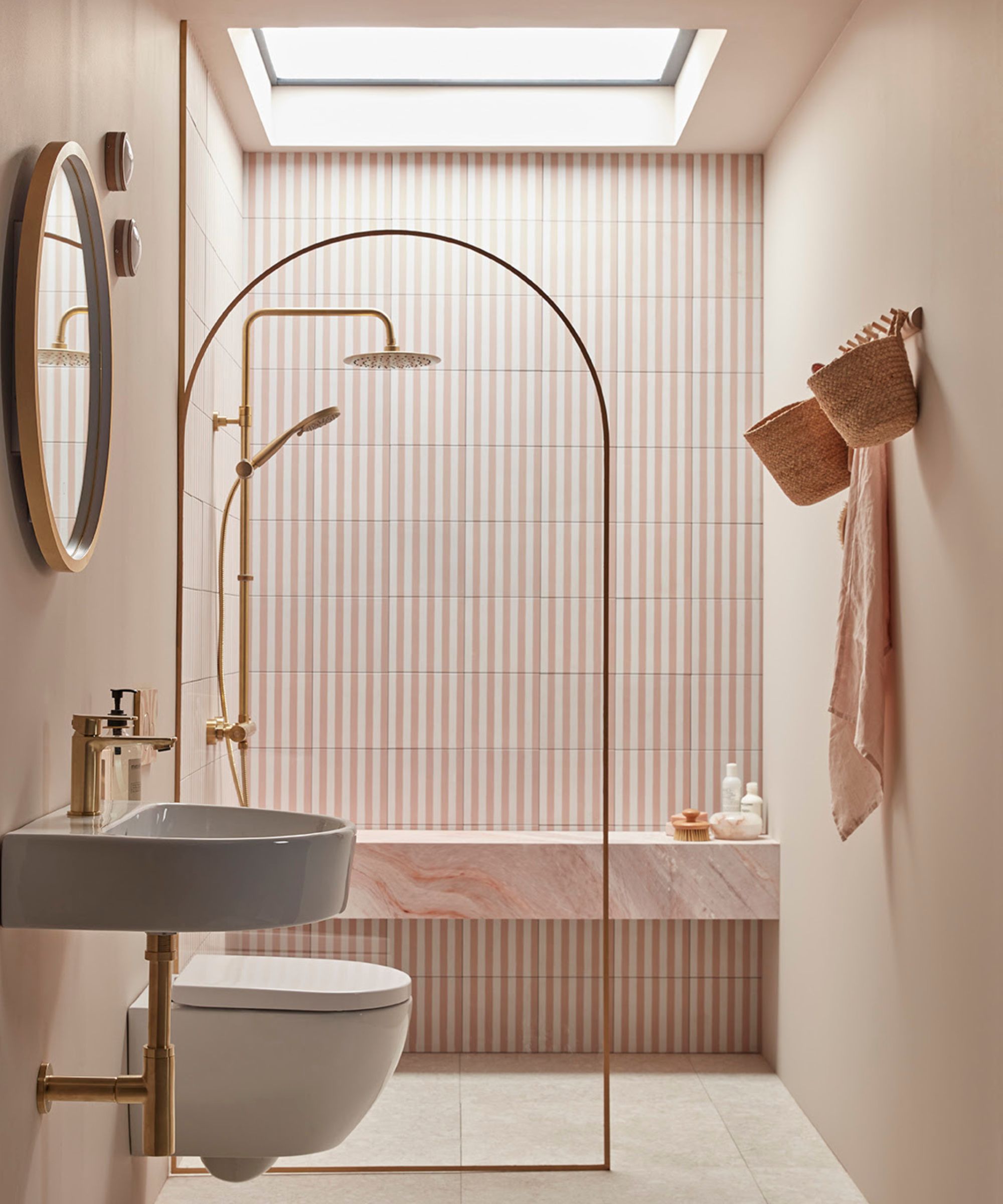
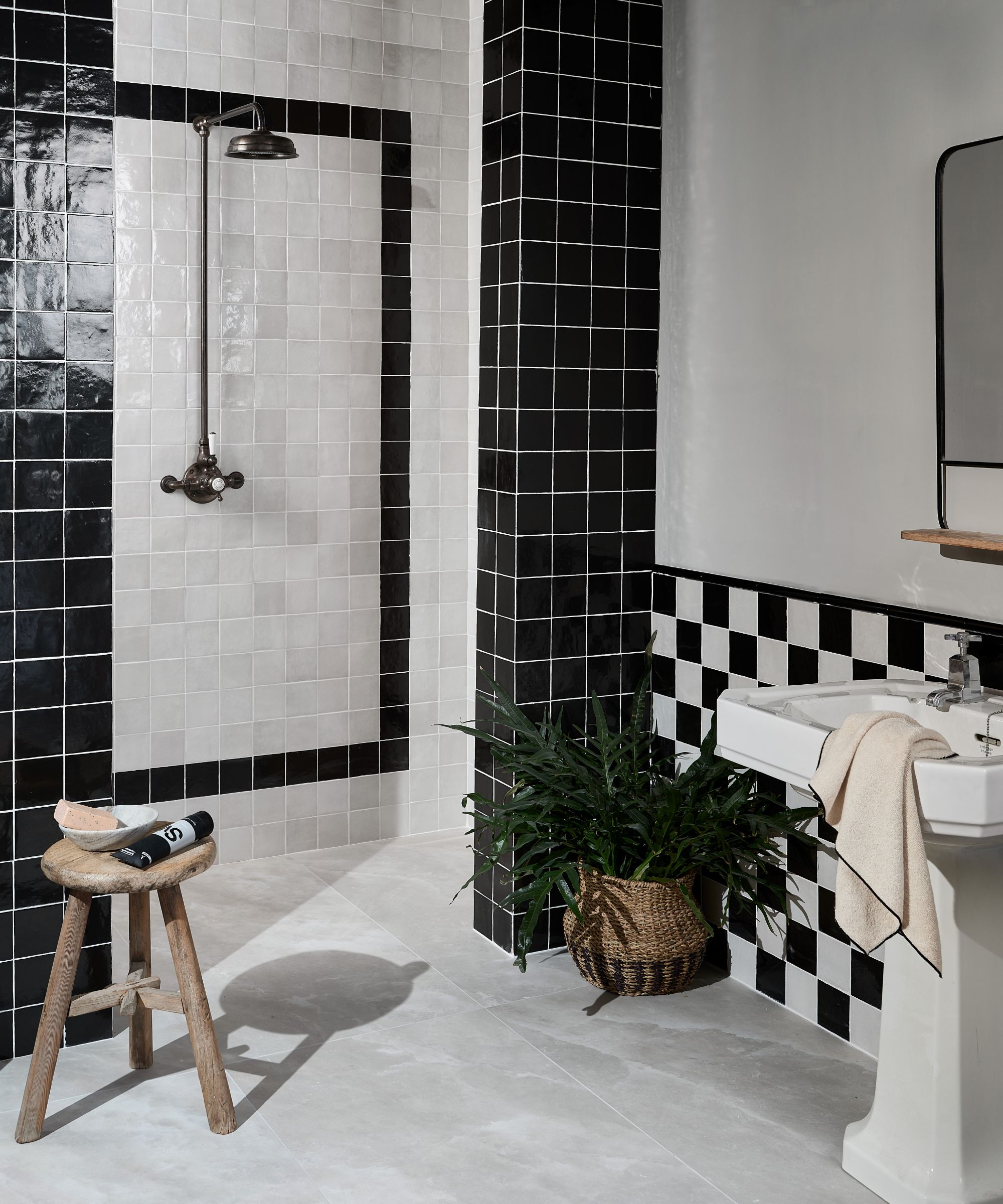
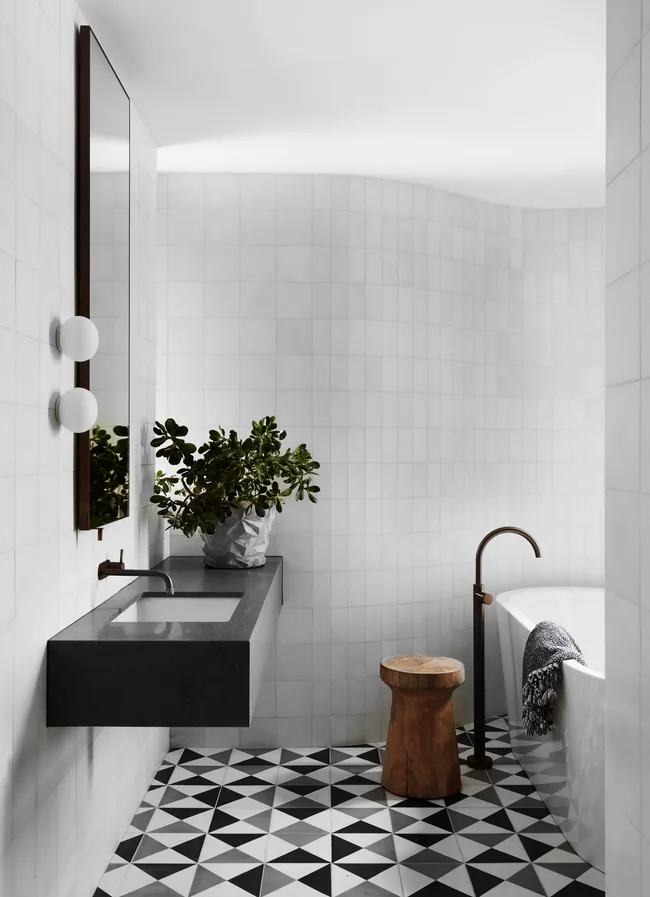
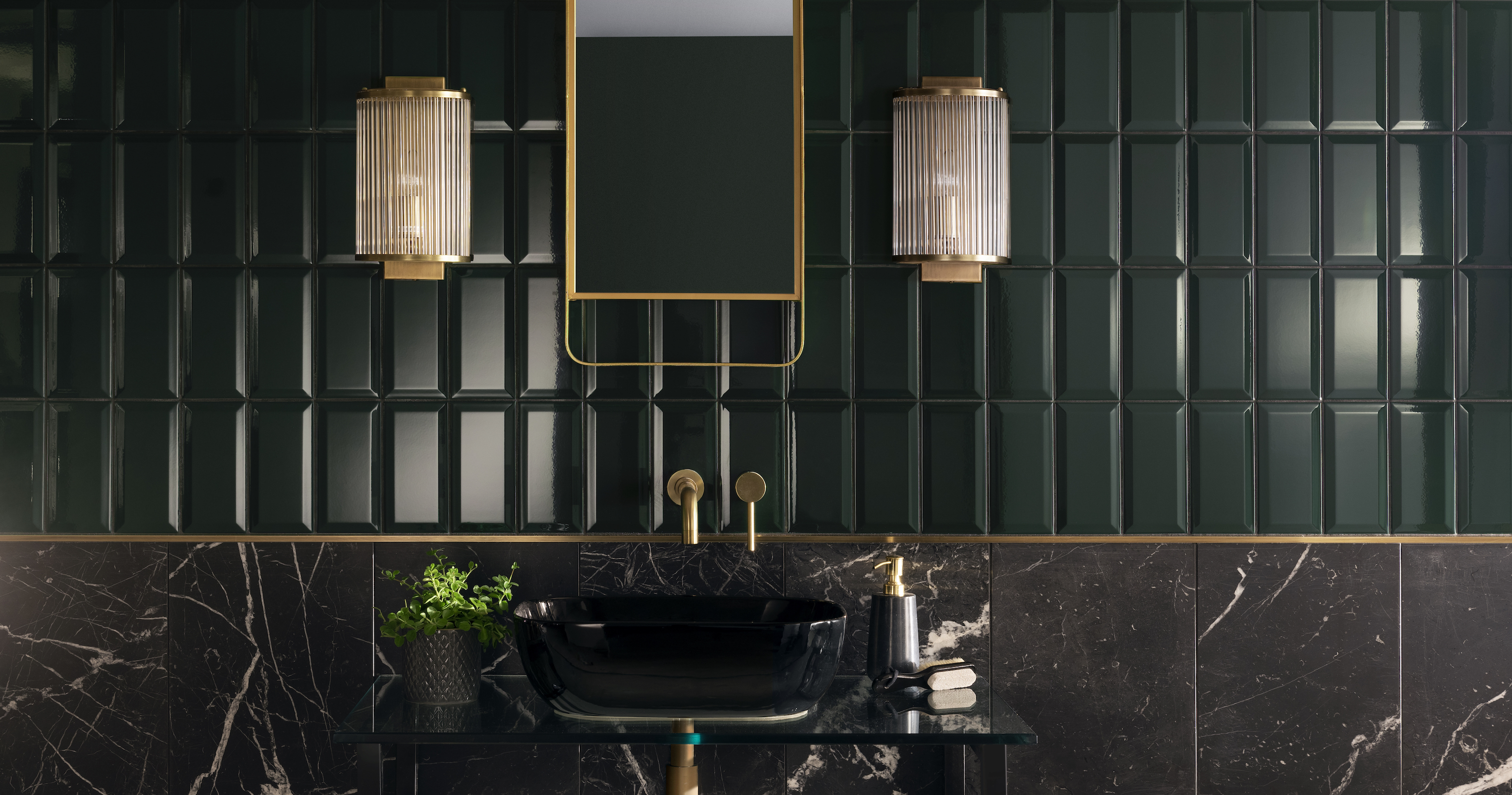
Subway tiles are experiencing a resurgence in popularity, moving beyond their traditional applications to offer a broader range of design possibilities. Once considered a classic but potentially overused option, these tiles are now available in diverse sizes, shapes, and colors, allowing for creative and unique installations. Vanessa Thompson, a strategic designer at Beaumont Tiles, notes that contemporary interior design trends are challenging the conventional, clinical appearance of standard white subway tiles. The focus has shifted to exploring new depths in patterns and layouts, emphasizing dynamic arrangements and vibrant color combinations.
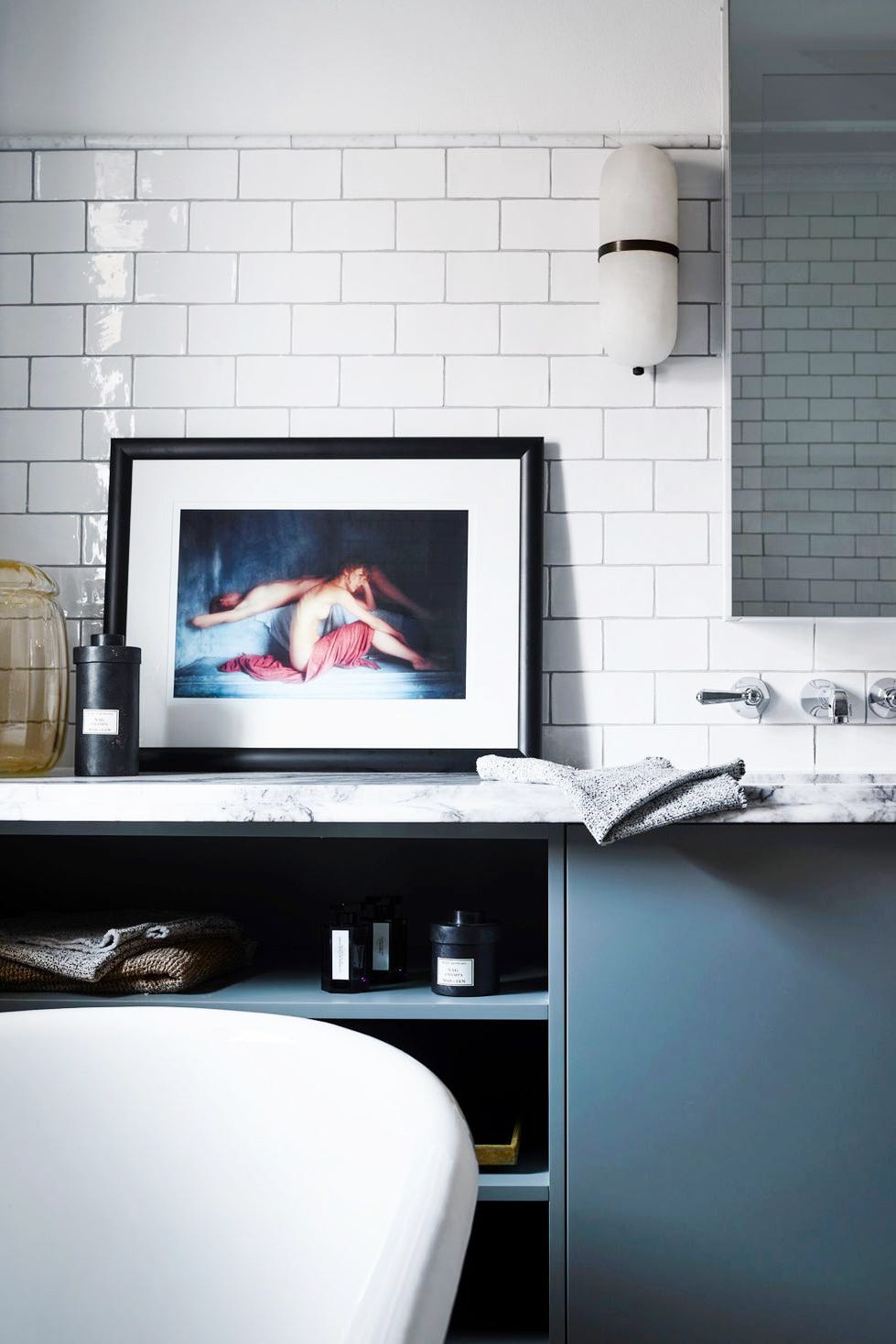
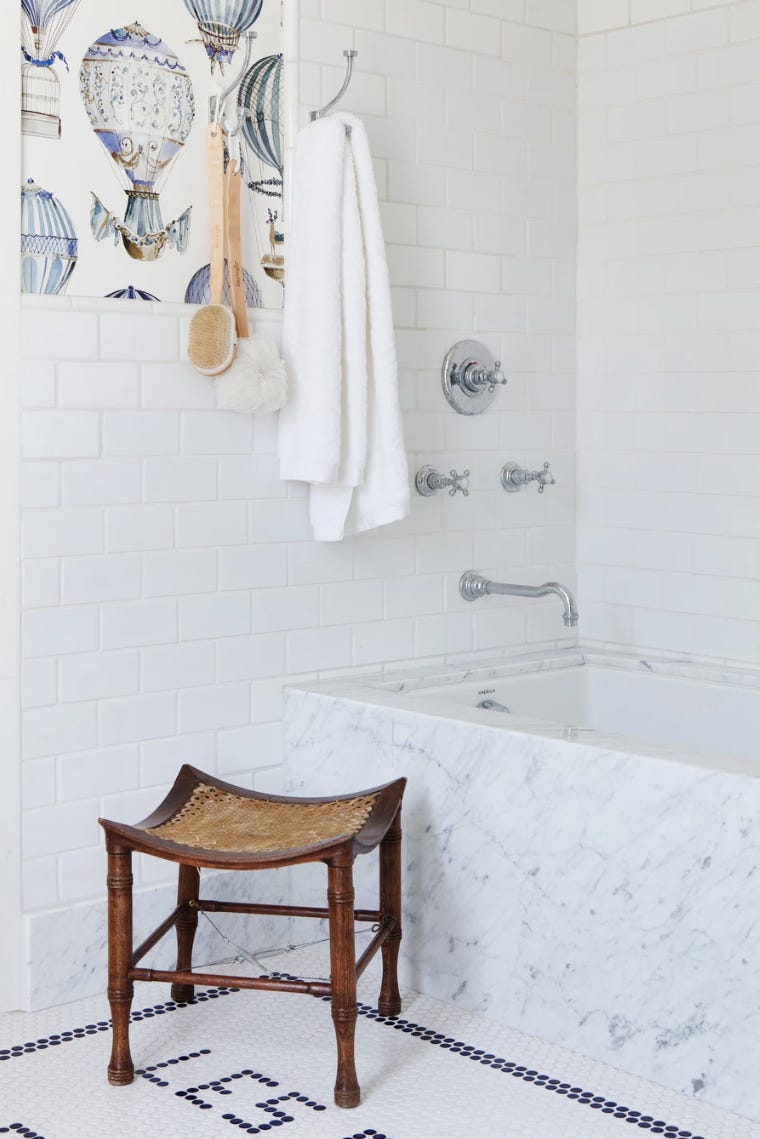
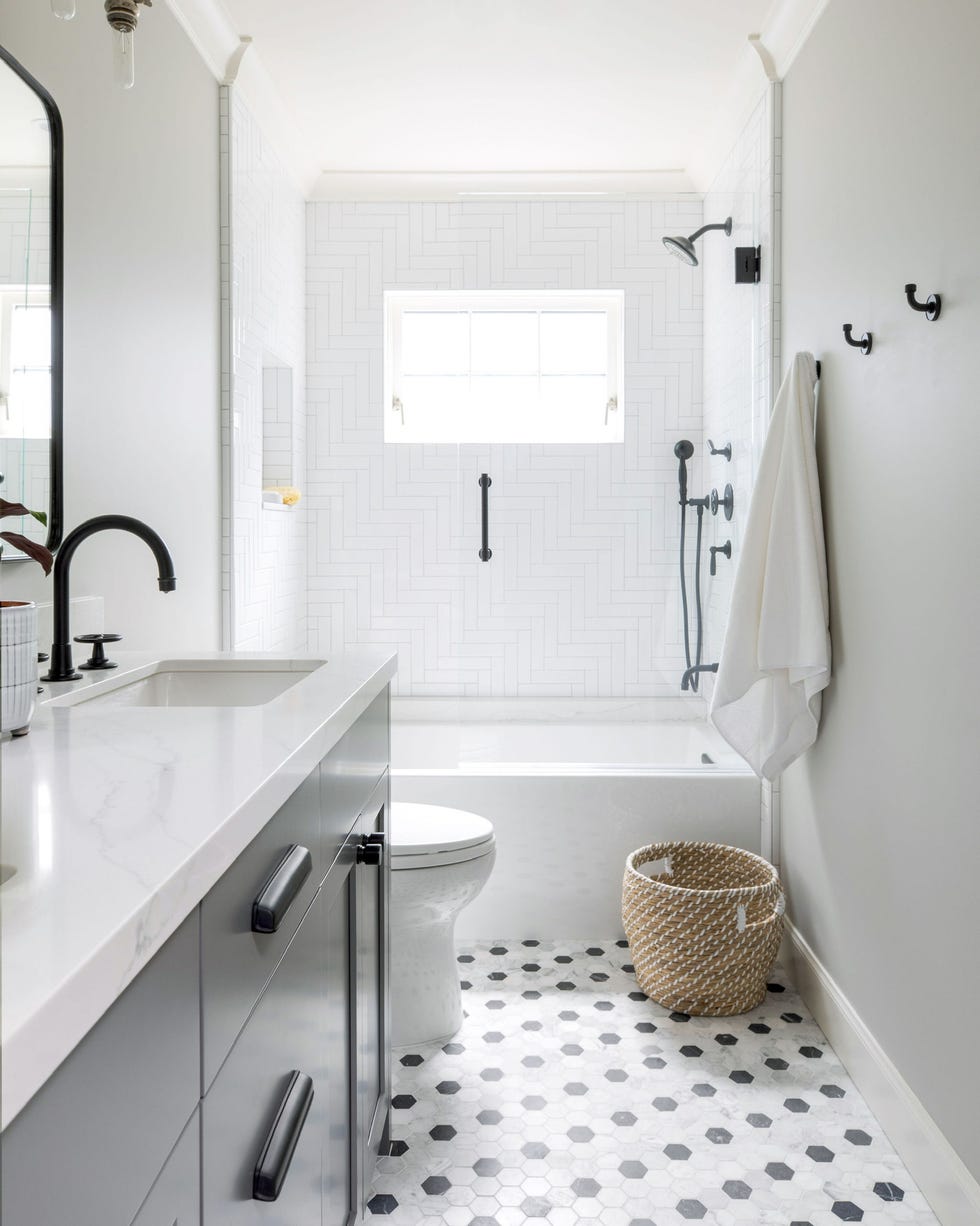
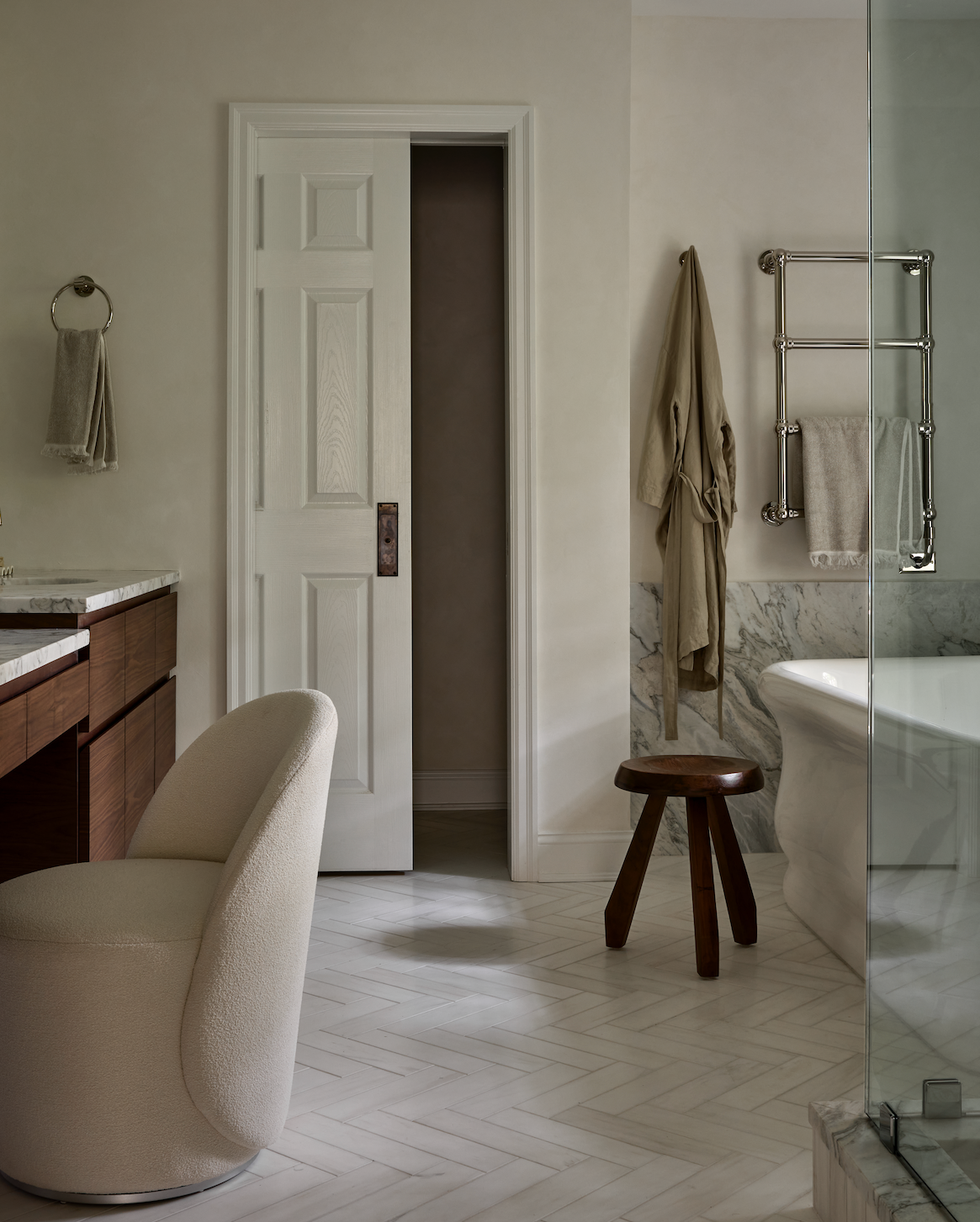
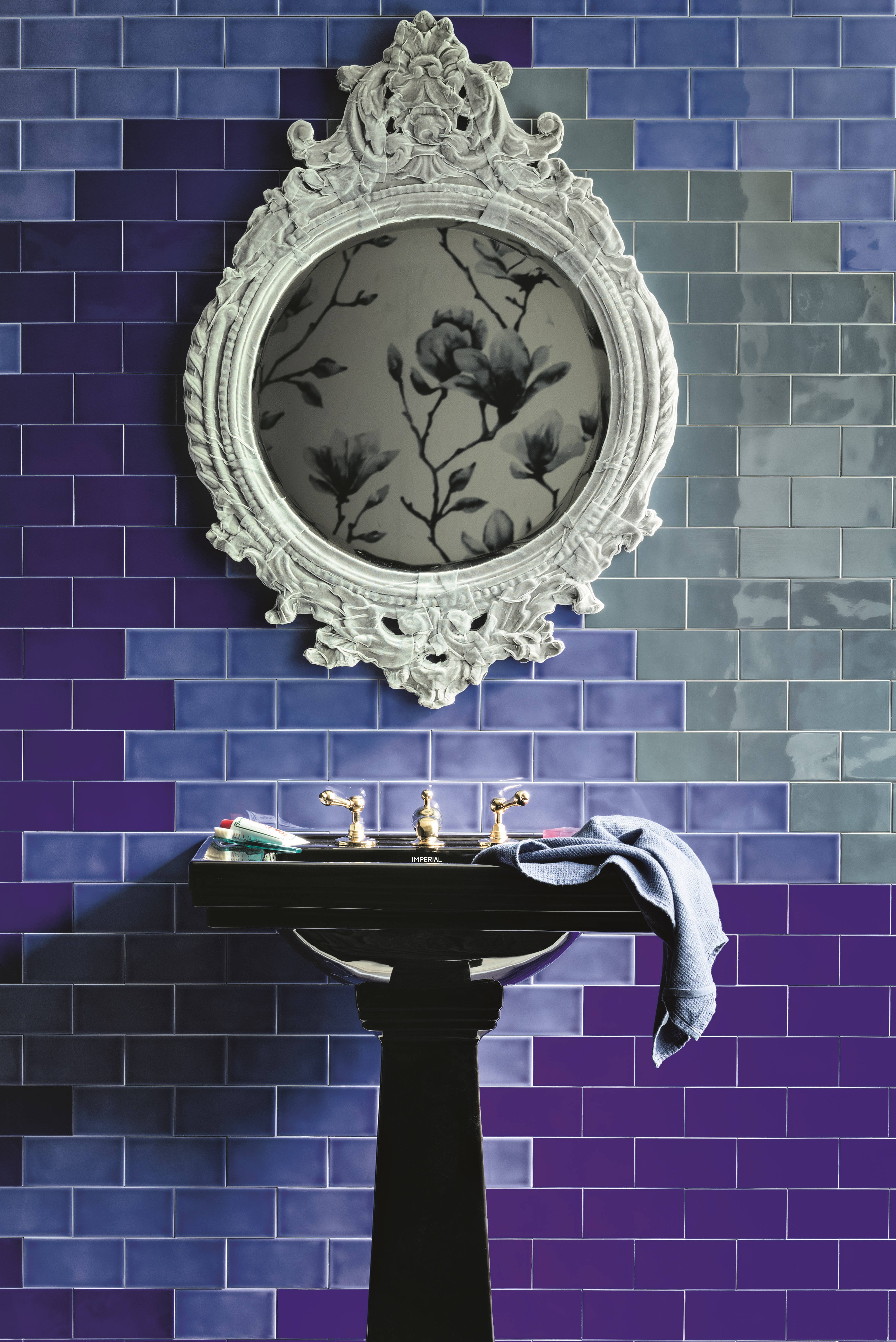
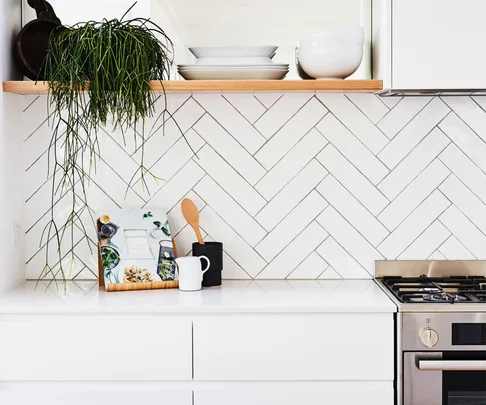
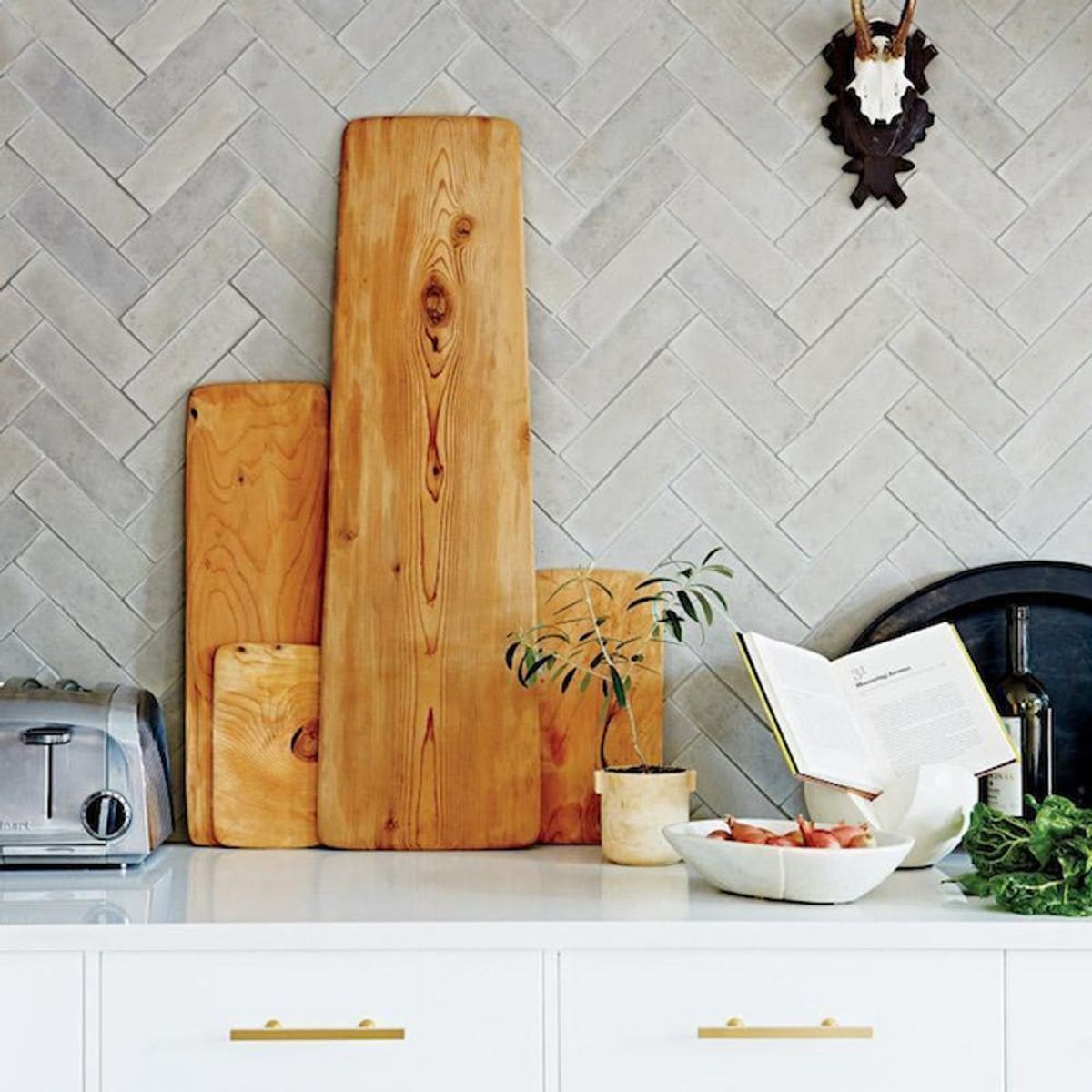
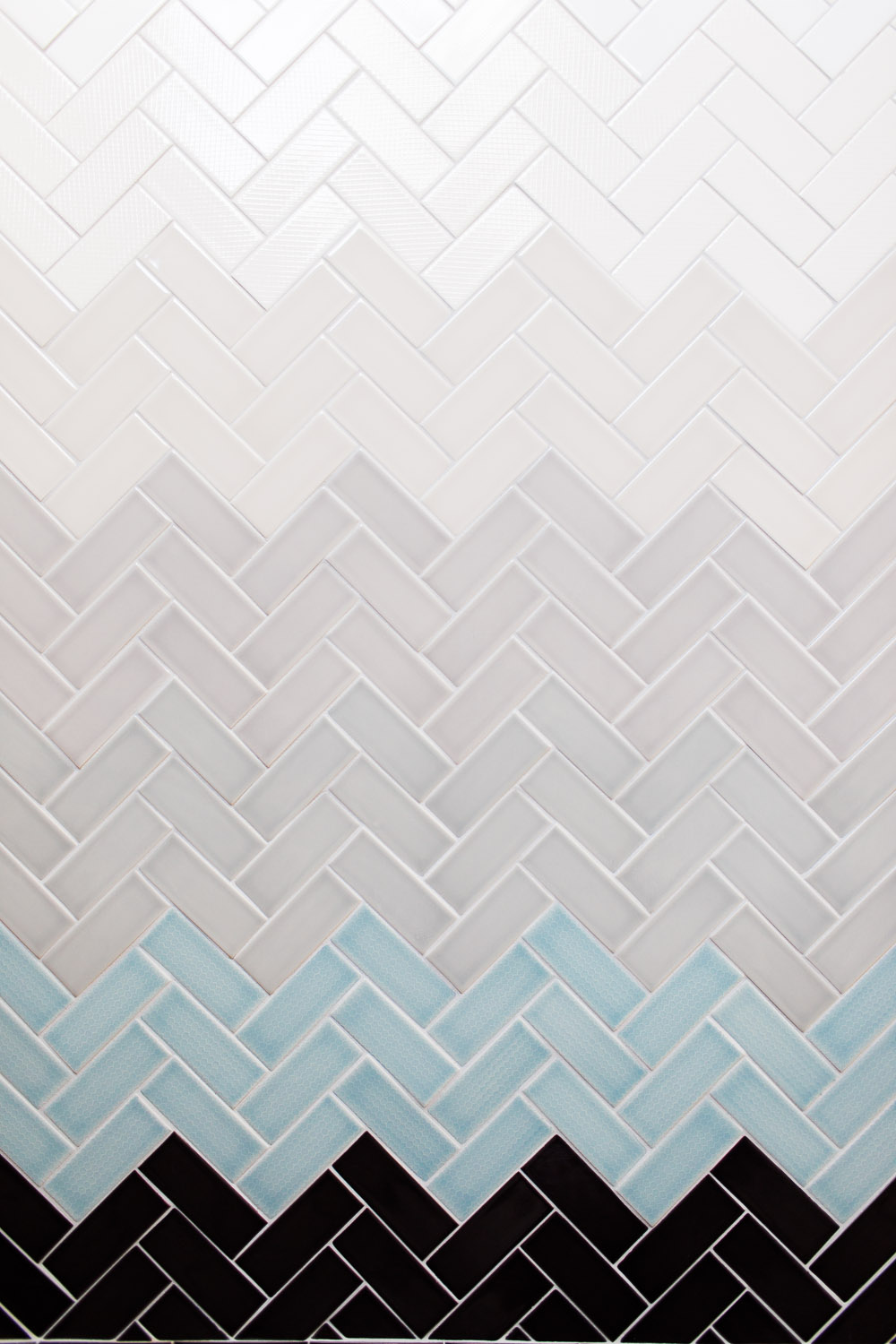
The article outlines several innovative ways to lay subway tiles, moving beyond the ubiquitous brick bond pattern. While the classic brick bond, inspired by the New York subway, remains popular, it can be revitalized by incorporating different colors, mixing finishes like satin and gloss, or using bold-colored grout. Utilizing thinner subway tiles can also lend a more subtle and elegant feel to this traditional layout. The herringbone pattern, available in 45-degree, 90-degree, and horizontal variations, is presented as an effective way to transform a plain surface into a focal point, suitable for floors, kitchen splashbacks, or bathroom walls. This pattern creates a sense of movement within a space, and materials like marble or stone subway tiles, paired with contrasting grout, can further enhance its visual impact.
Another pattern highlighted is the step ladder, which also generates dynamic movement and direction. This layout is suggested for making spaces feel larger and serves as a statement piece, particularly well-suited for bathroom niches, showers, or kitchen splashbacks. The cross-hatch pattern offers a geometric aesthetic through a combination of horizontal and vertical stacking at 90-degree angles. In this arrangement, grout plays a crucial role in defining the pattern and transforming the tiled surface into a feature. A triple cross-hatch, for instance, can create a modern geometric look in a bathroom setting.
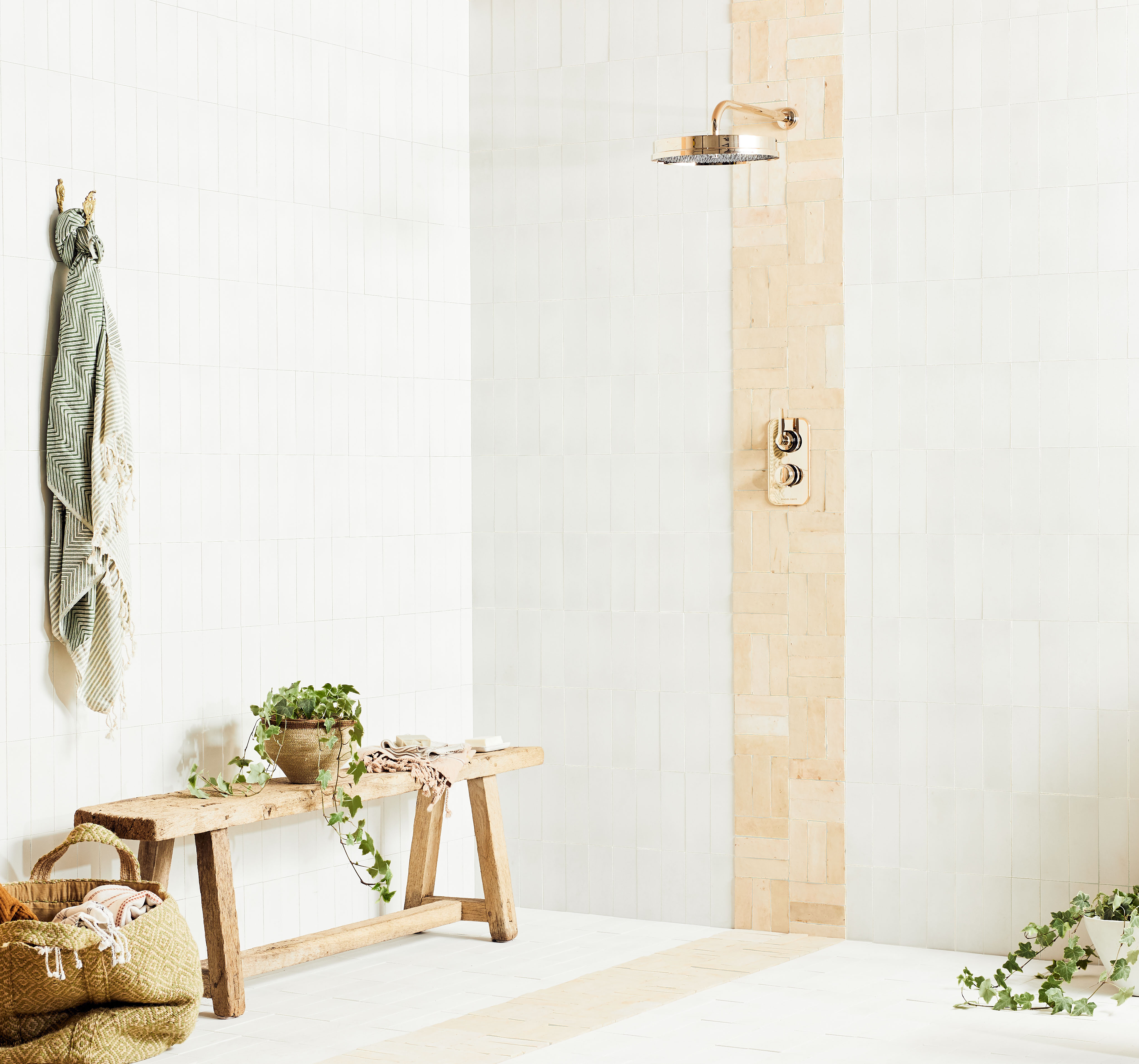
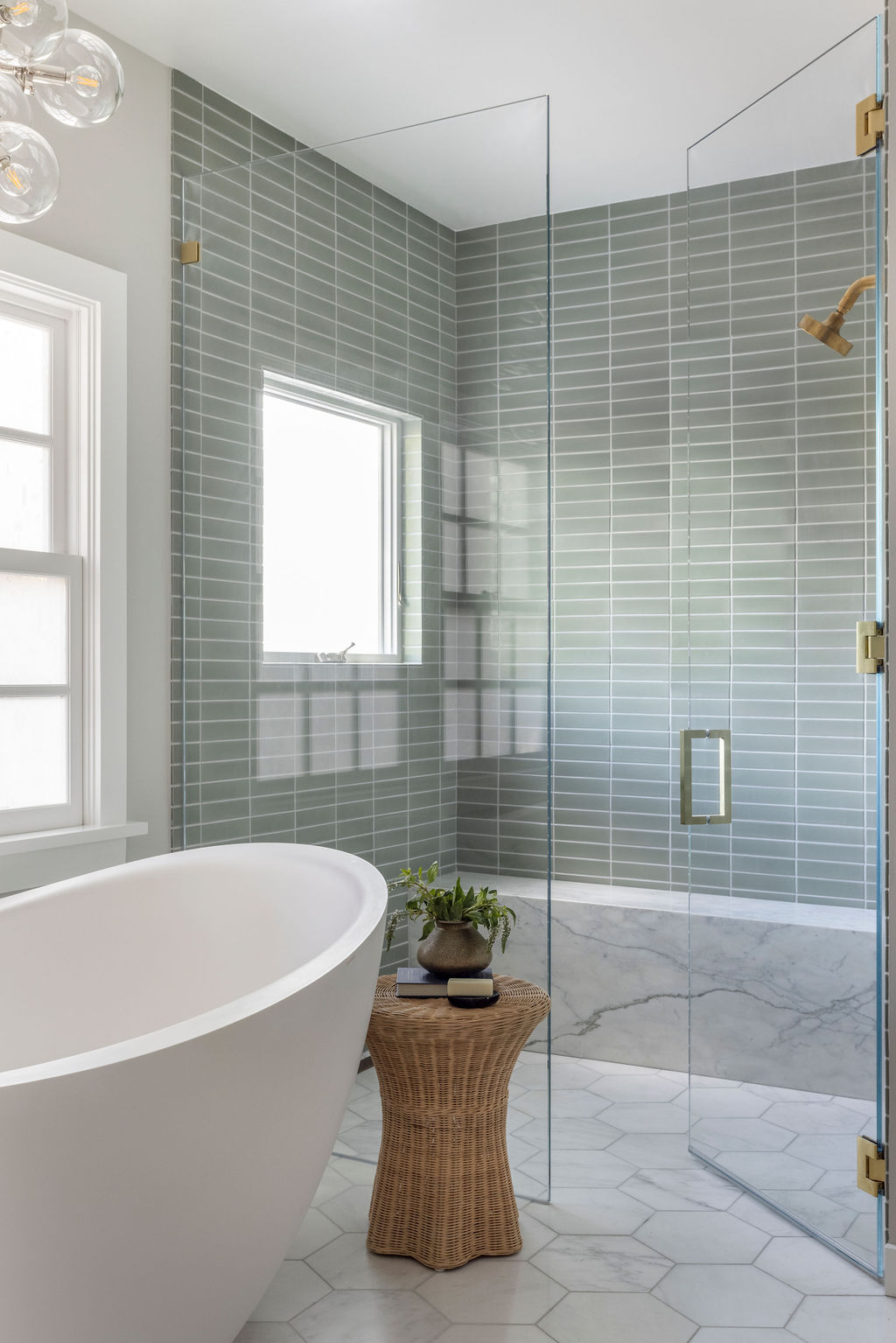
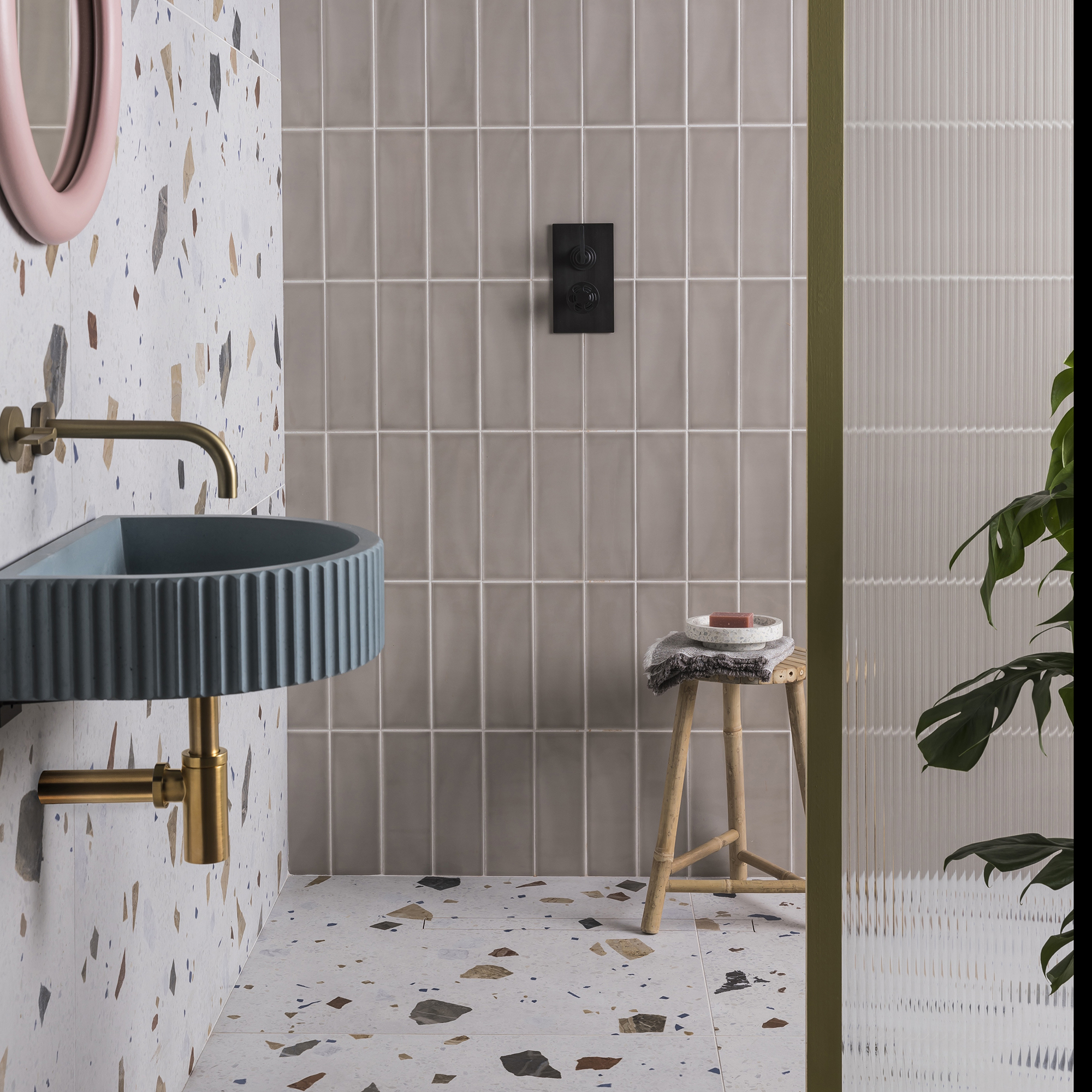
For those seeking a more traditional yet varied approach, stacked tile layouts are discussed. Vertical stacking can make ceilings appear taller, while horizontal stacking has the effect of widening a space. Alternating vertical and horizontal stacked layouts, achieved by offsetting rows, introduces a modern touch. This option is ideal for full tile walls or as a prominent feature wall in a kitchen. The various patterns, along with the choice of tile size, color, finish, and grout, offer extensive opportunities for customization, allowing homeowners and designers to move beyond conventional white subway tile installations and create distinctive, personalized spaces.
#SubwayTiles #TilePatterns #HomeDecor #InteriorDesign #Renovation #KitchenSplashback #BathroomTiles #BeaumontTiles #SubwayTiles #TilePatterns #HomeDecor #InteriorDesign #Renovation #KitchenSplashback #BathroomTiles #BeaumontTiles
0 comment in total
 No comments yet
You may also like
12 subway tile alternatives for a fresh backsplash

Is White Subway Tile Boring, or a Bona Fide Classic?

Subway Tile Is Leaving the Station: 8 New Looks for the Kitchen, Bathroom, and Beyond
Watch Out Subway Tile, Herringbone Might Be the Coolest New Tile Trend

Sick of Subway Tile? Here Are 10 Super-Gorgeous Alternatives
Tile patterns: 15 smart designs to add style to every room

How Joanna Gaines Makes Subway Tile Work In Any Room
7 designer-approved tile layout trends to try in 2024 to give your space a lift

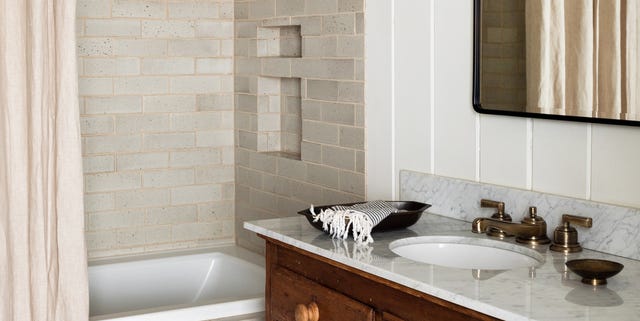
24 Designer Bathrooms That Prove Subway Tiles Are Here to Stay

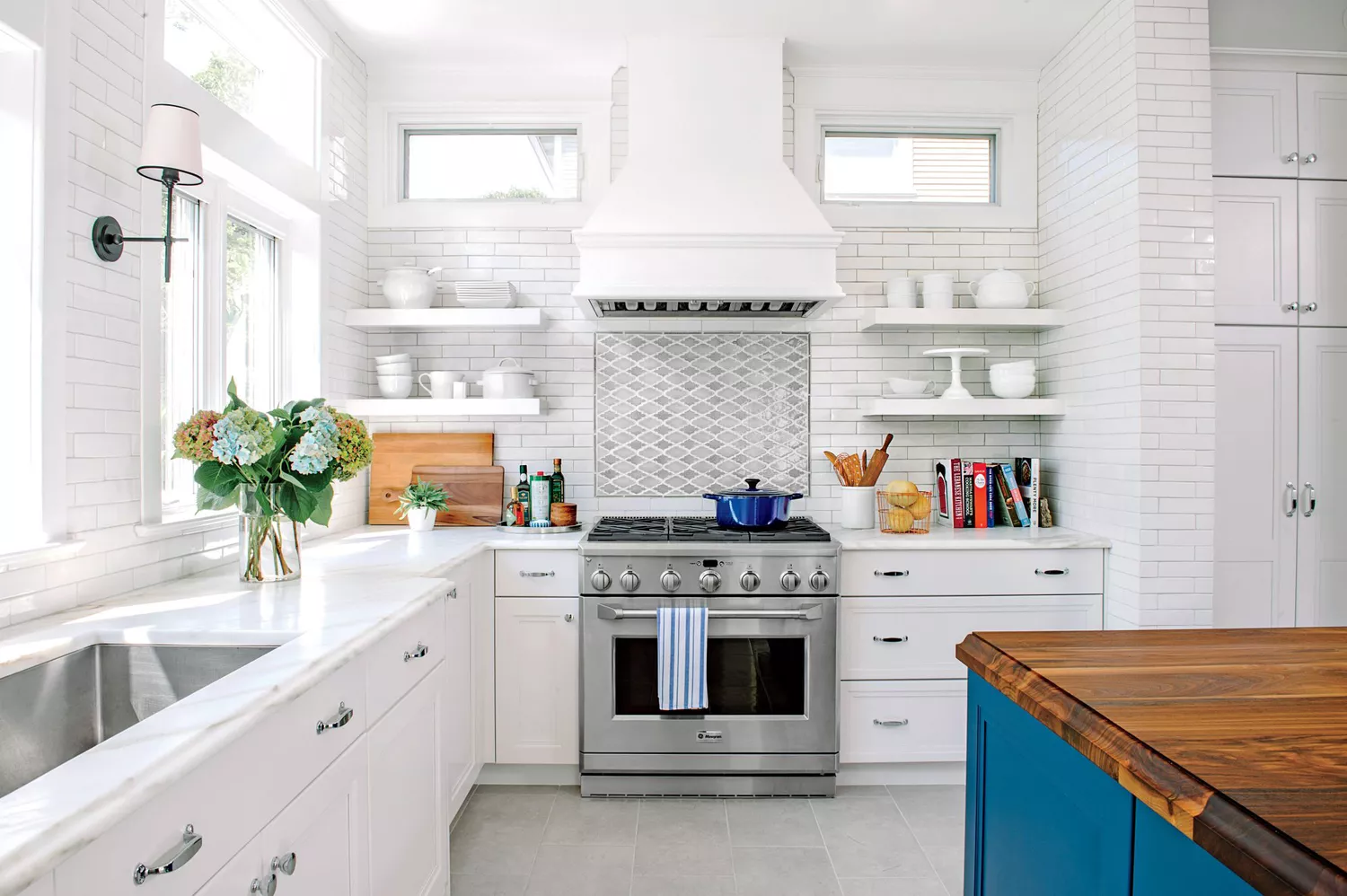
14 Timeless Tile Layout Patterns To Consider For Your Next Renovation
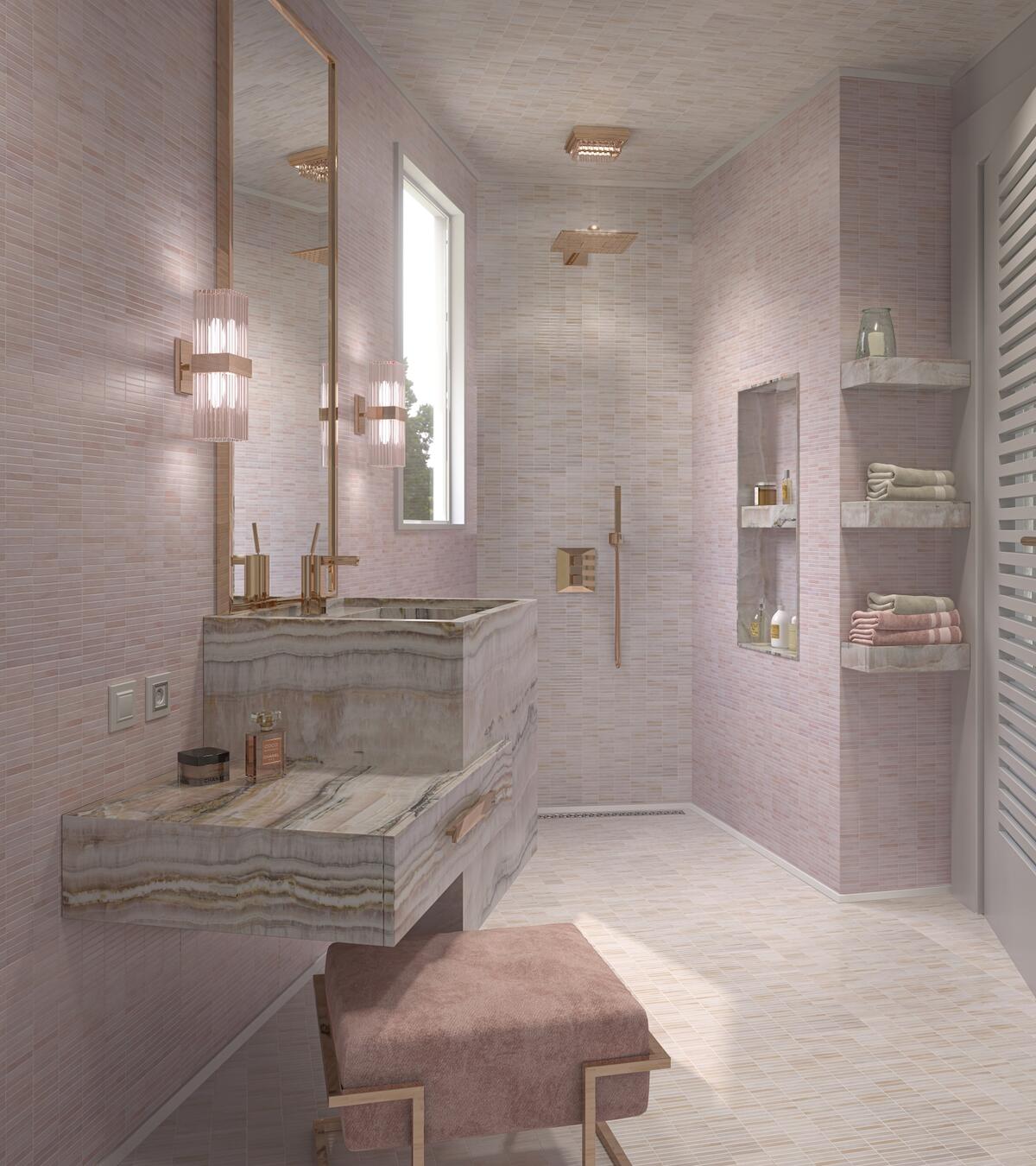
7 timeless tile designs to try in any room

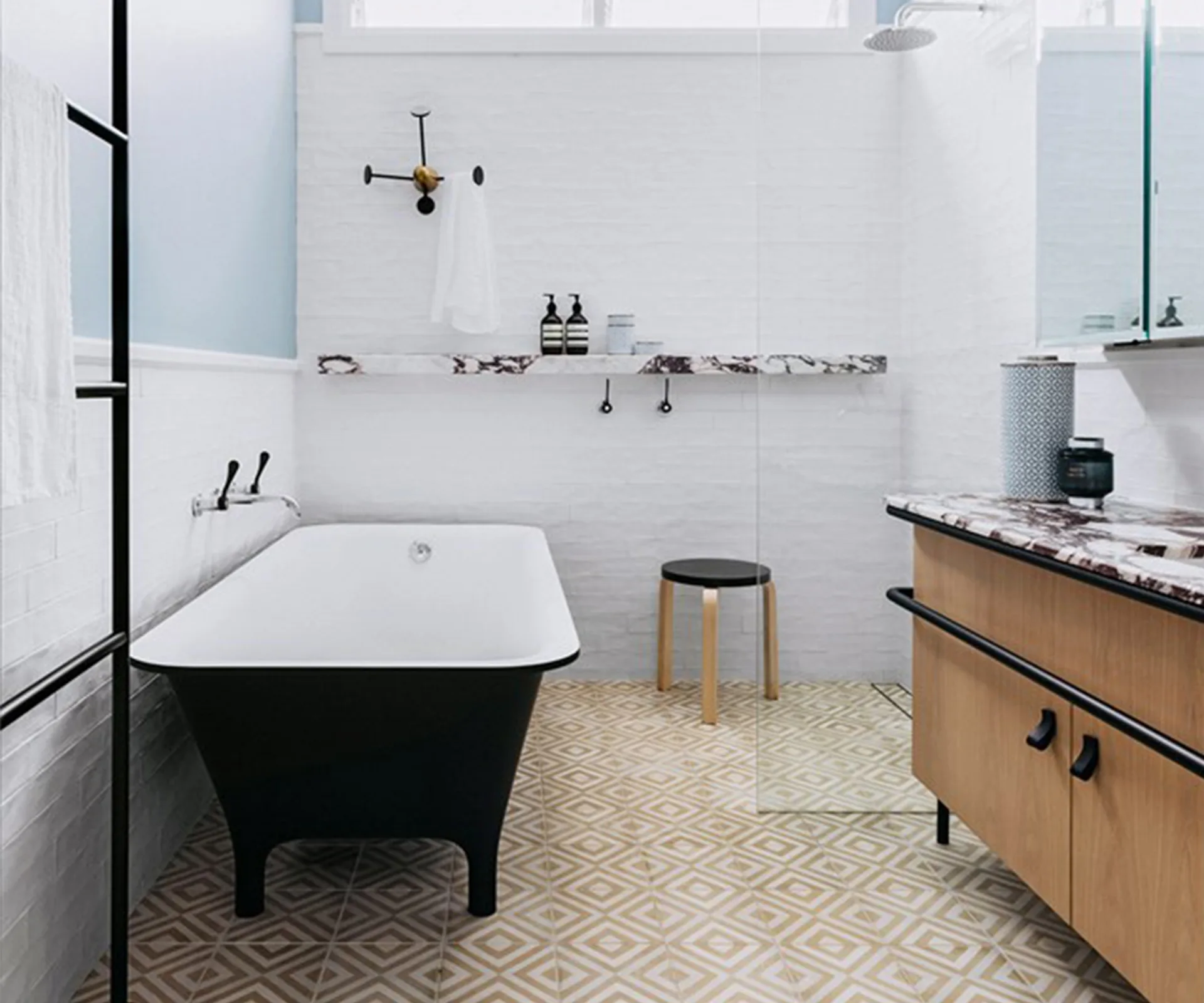
14 bold ideas for using patterned tiles in your bathroom

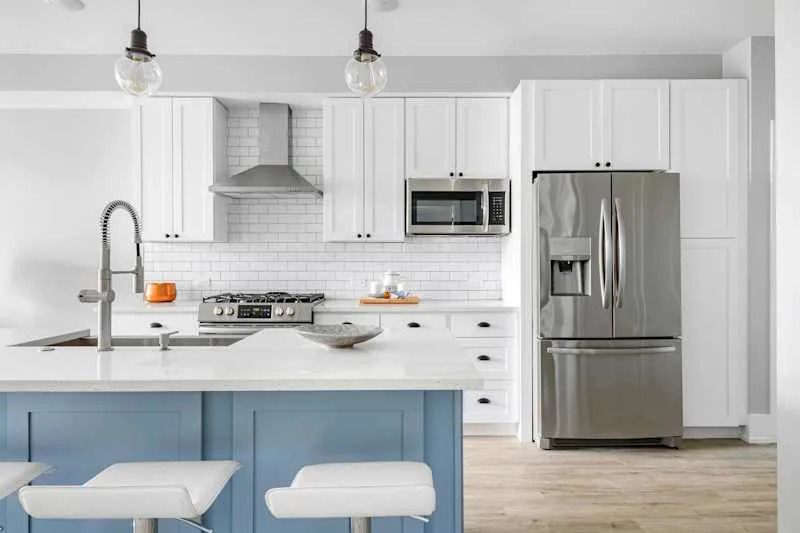
I Asked Designers What They Really Think About Subway Tile, and They Said the Same Thing

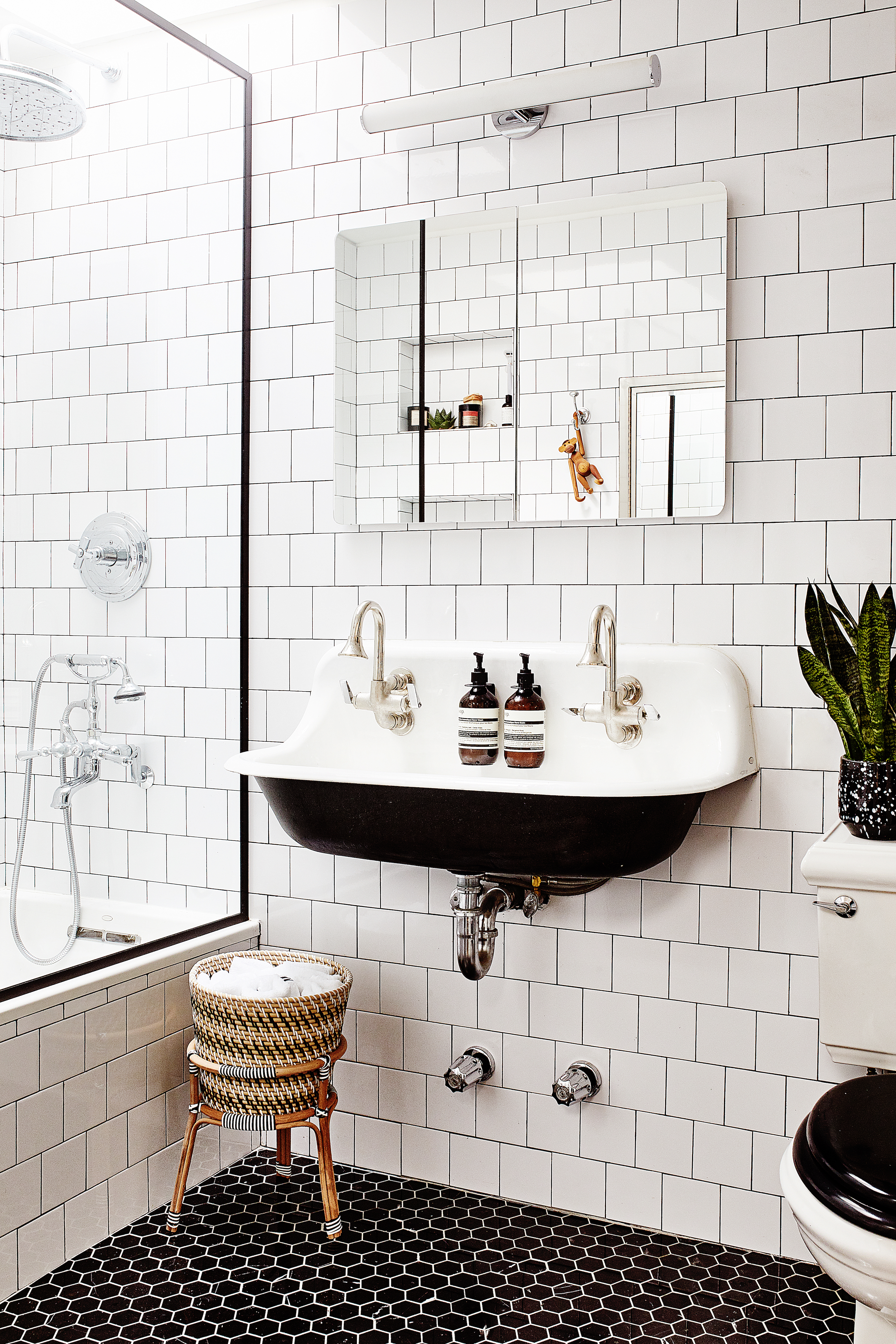
What Comes After Subway Tile? We Asked 5 Designers

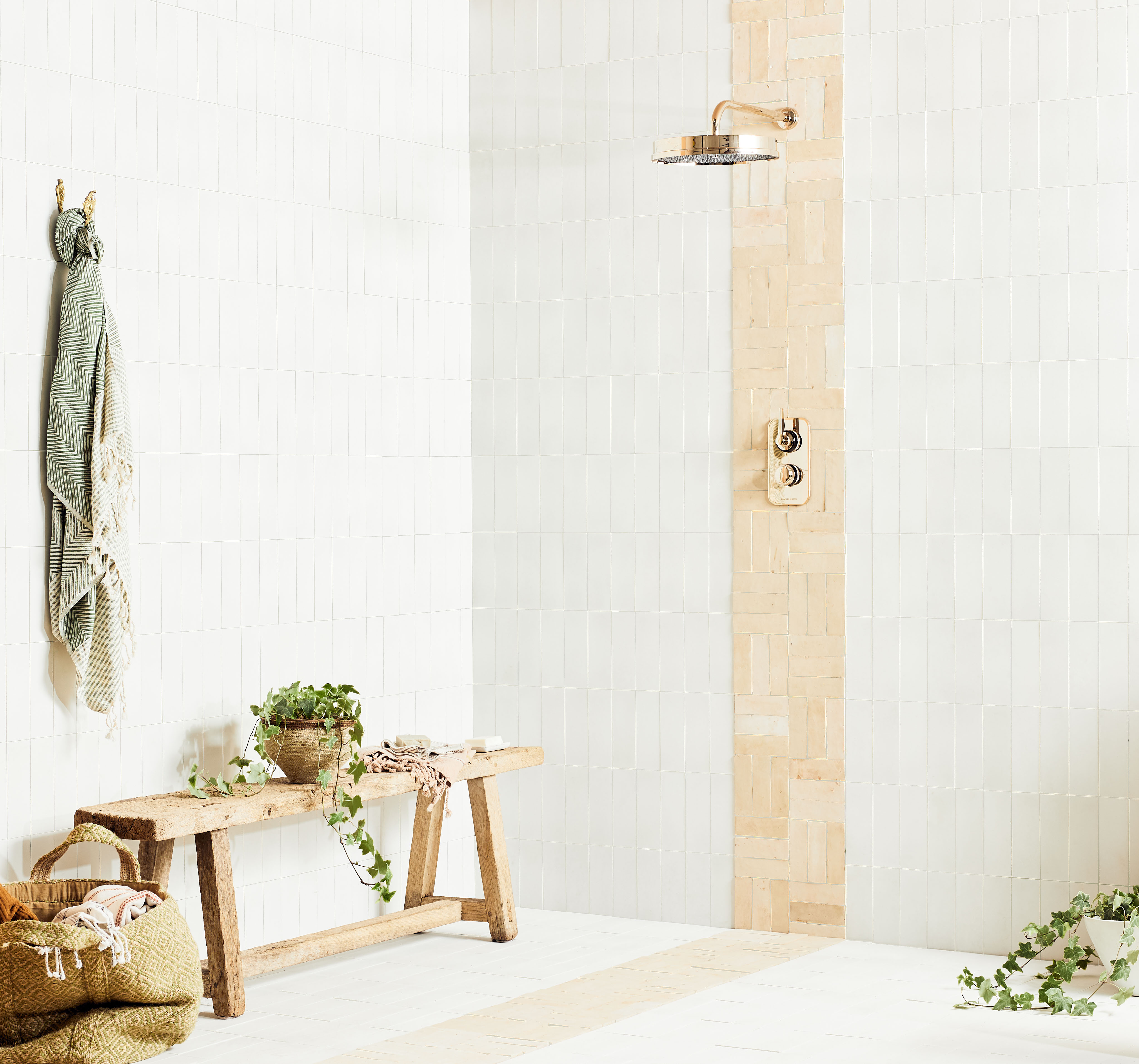
Don't just settle for white gloss! These expert tips for styling metro tiles will guarantee compliments from guests

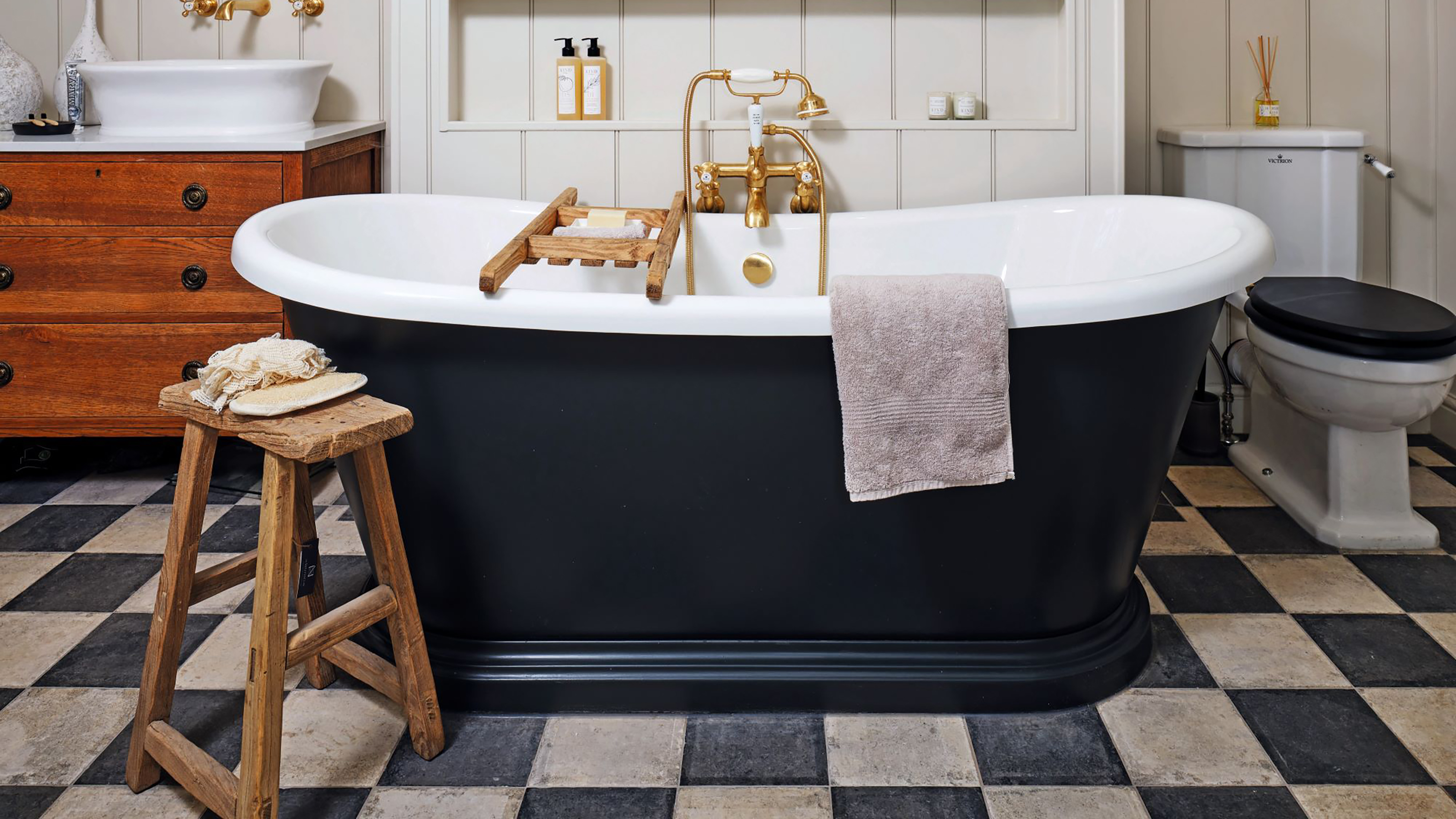
Bathroom floor tile ideas – 15 ways to incorporate stylish tiles underfoot
Bathroom subway tile ideas - designers are updating this classic decor style
Tactile Subway Tiles: An Updated Spin on a Design Classic


20 NYC subway stations with show-stopping tile art
Cure Your White Subway Tile Fatigue With These Artful Rectangles