How Joanna Gaines Makes Subway Tile Work In Any Room
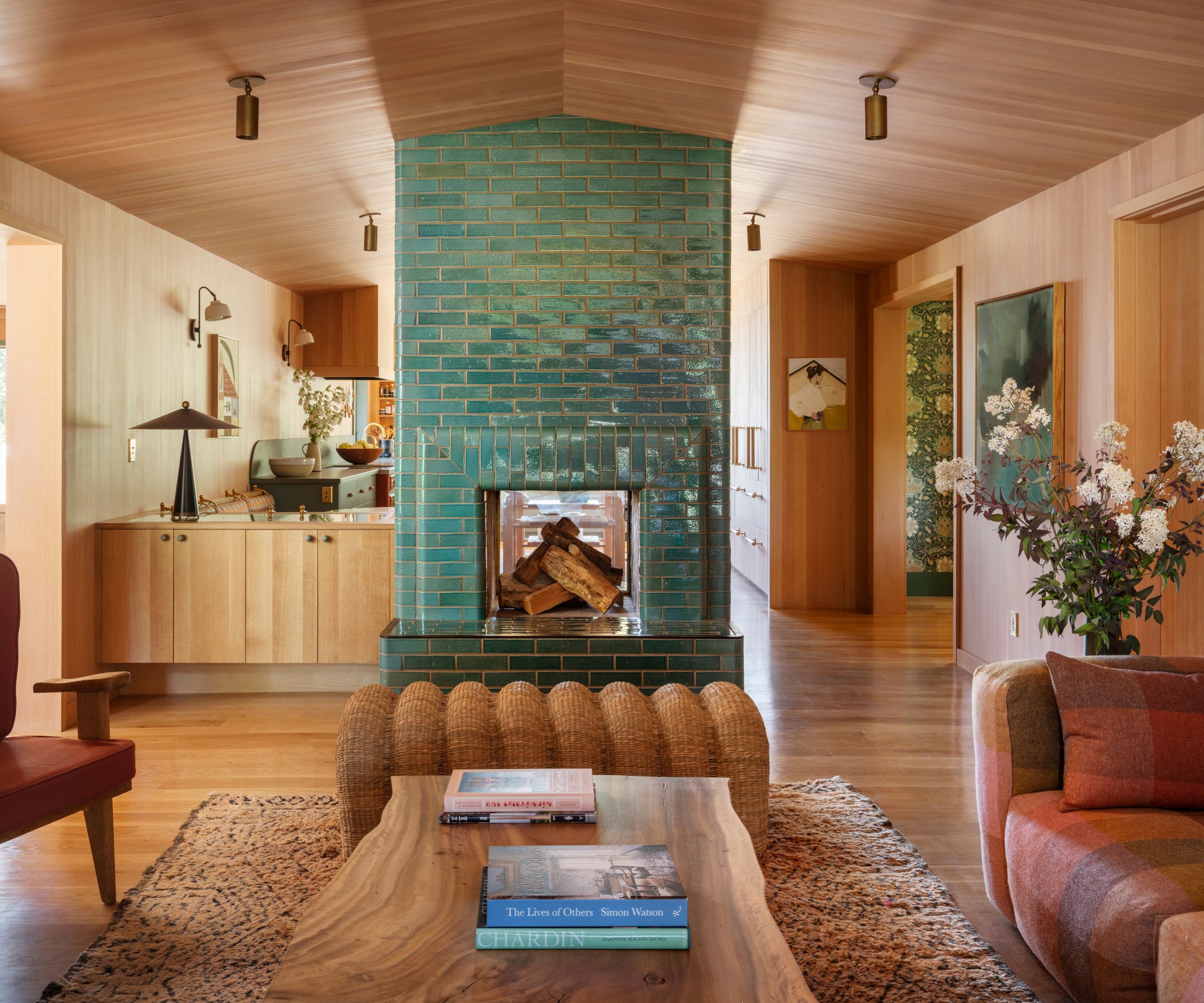
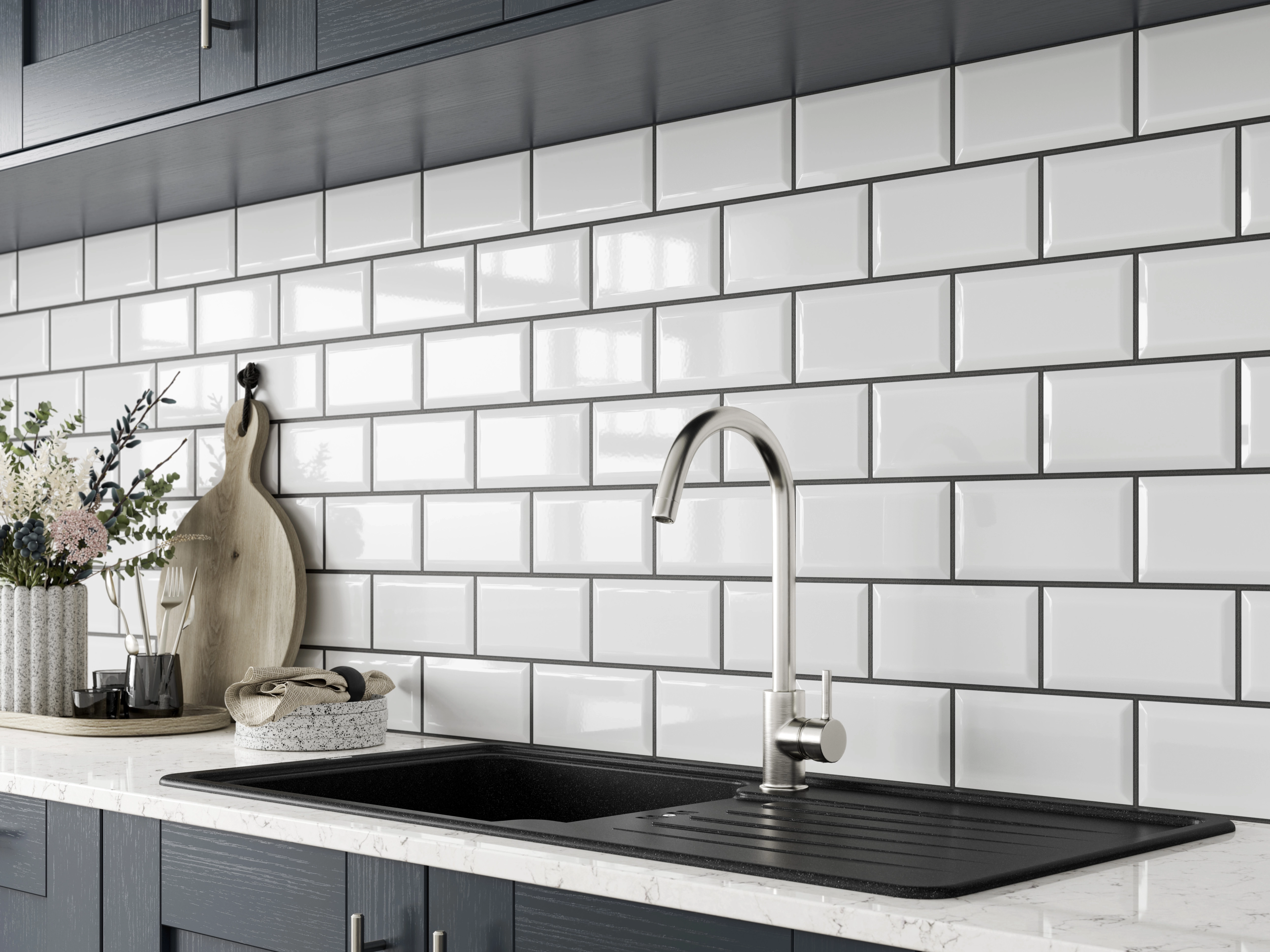
Joanna Gaines, a prominent interior designer known for her work on HGTV's "Fixer Upper," frequently utilizes subway tiles in her design projects. Her affection for this material stems from its timeless, classic, and enduring qualities. While often associated with kitchen backsplashes, Gaines demonstrates its versatility by incorporating it into various areas of a home, extending beyond traditional kitchen applications. Her approach involves adapting subway tile to suit diverse room aesthetics, proving that this material can be a focal point in any space.
One of Gaines's key strategies for integrating subway tile into different rooms is to vary its arrangement and design. Instead of limiting its use to the conventional brick-like pattern, she explores alternative layouts to complement the overall room design. For instance, in a dining room divider project, Gaines employed a horizontal stacked pattern for black subway tiles, using white grout to create a modern yet classic look. This arrangement not only offered a clean, upscale appearance but also simplified installation by minimizing the need for tile cuts, especially when dealing with wall edges.
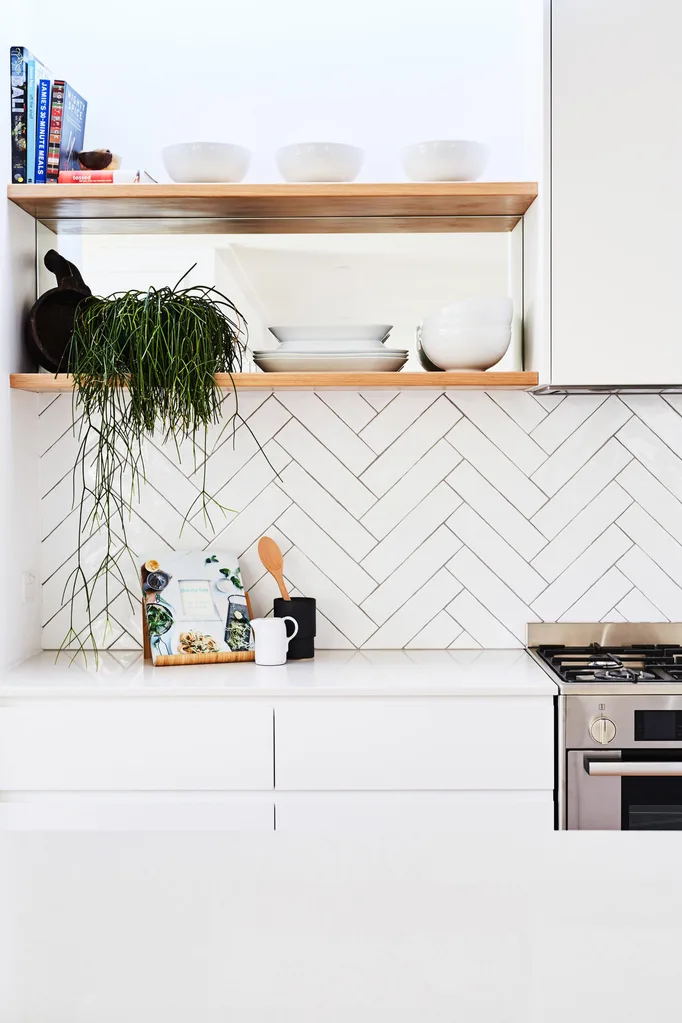
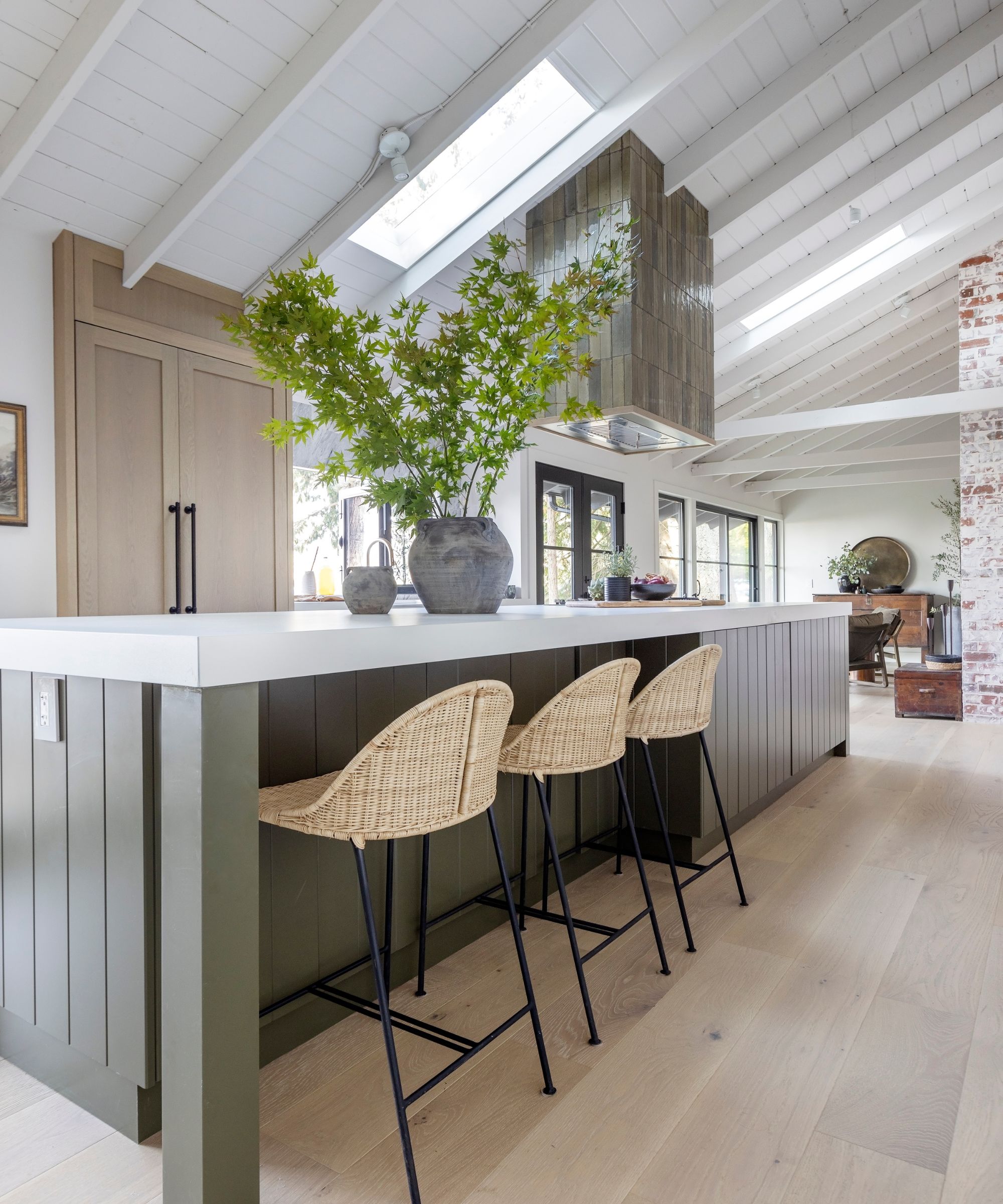
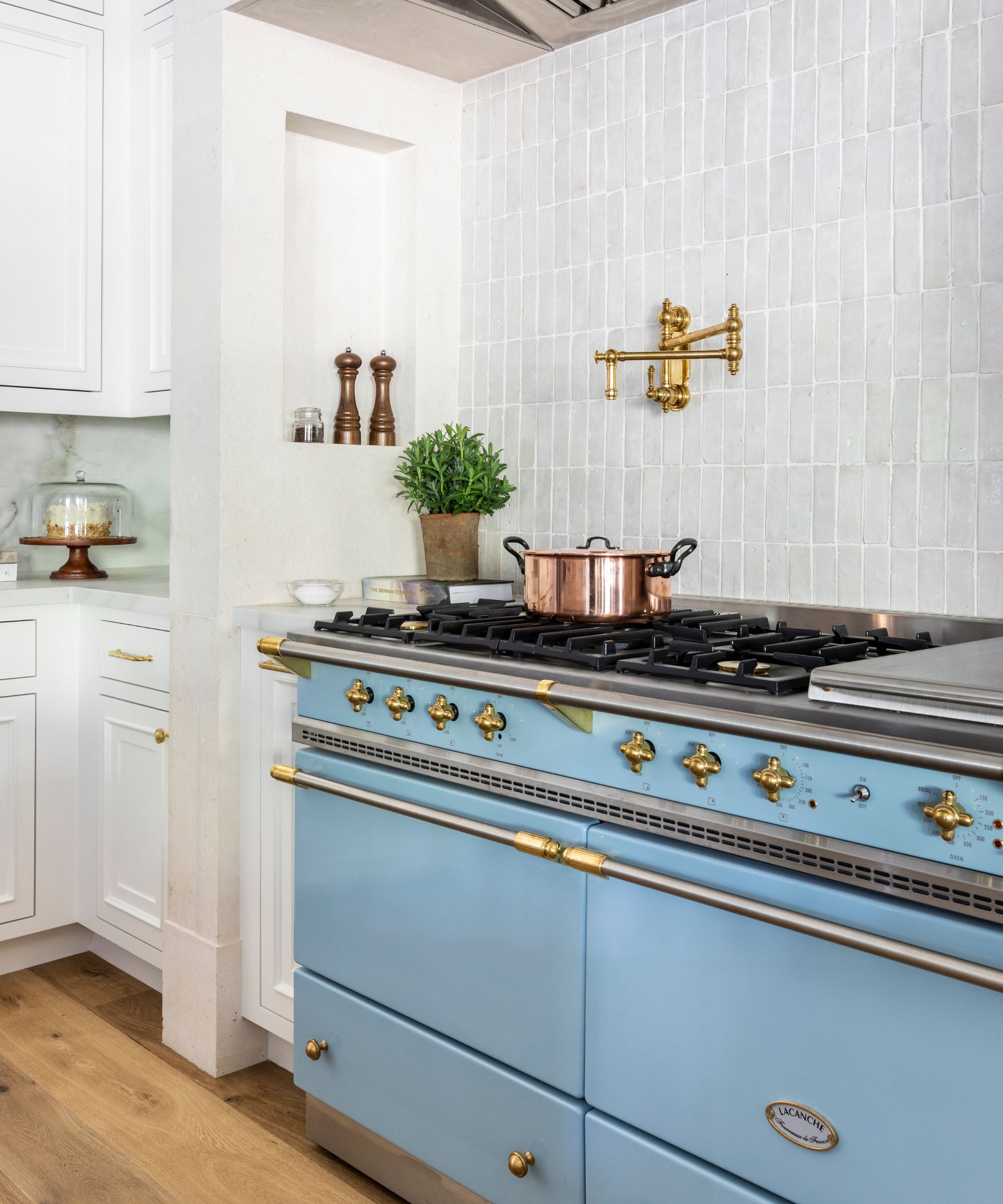
In another kitchen design, Gaines opted for long, slender subway tiles arranged in a trendy herringbone pattern above the cooktop and extending to the back of the range hood. This strategic shift in pattern from adjacent brick-laid subway tiles draws attention to the cooking area, creating an illusion of a distinct functional zone within the kitchen. This technique highlights how different tile patterns can define spaces and add visual interest.
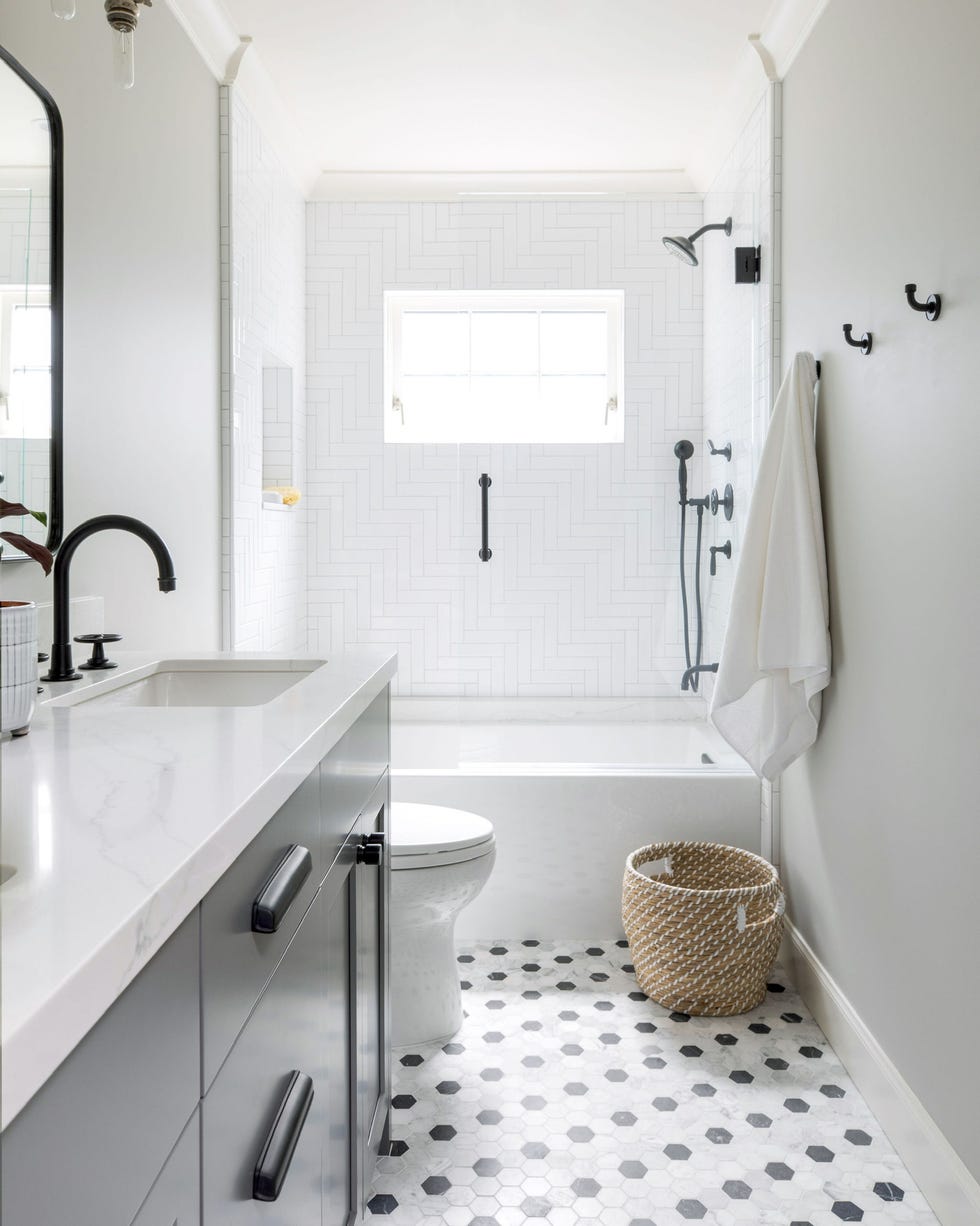
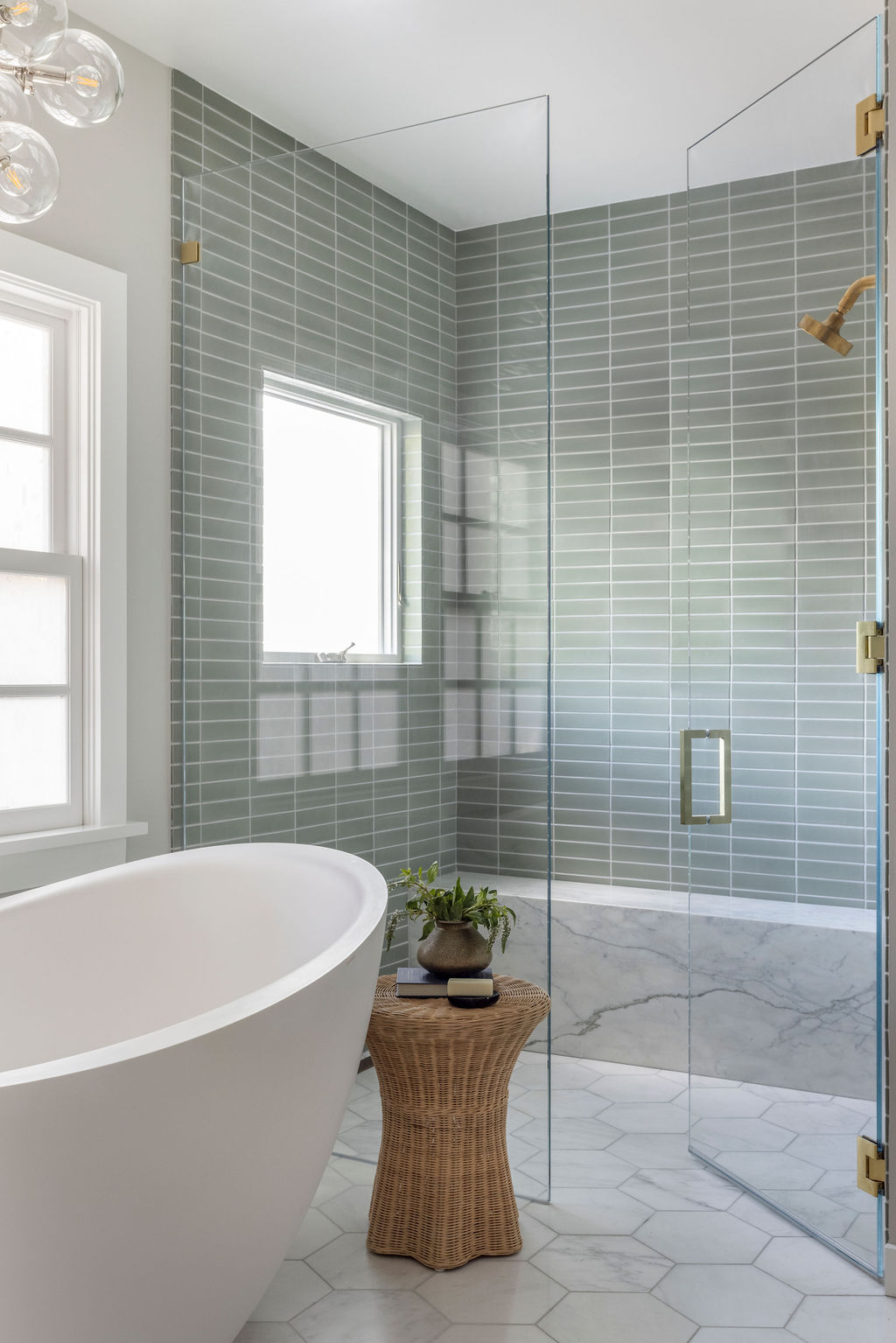
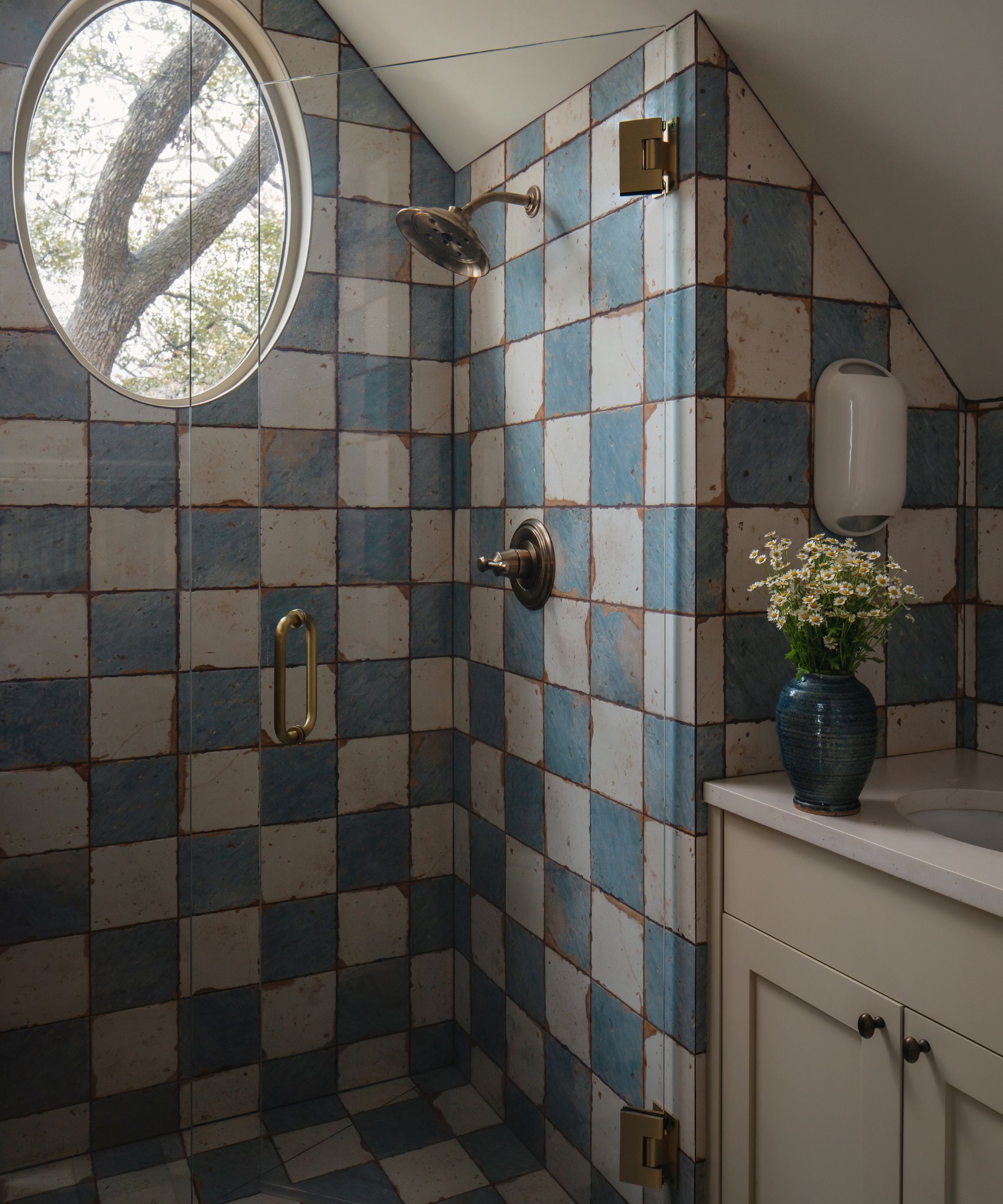
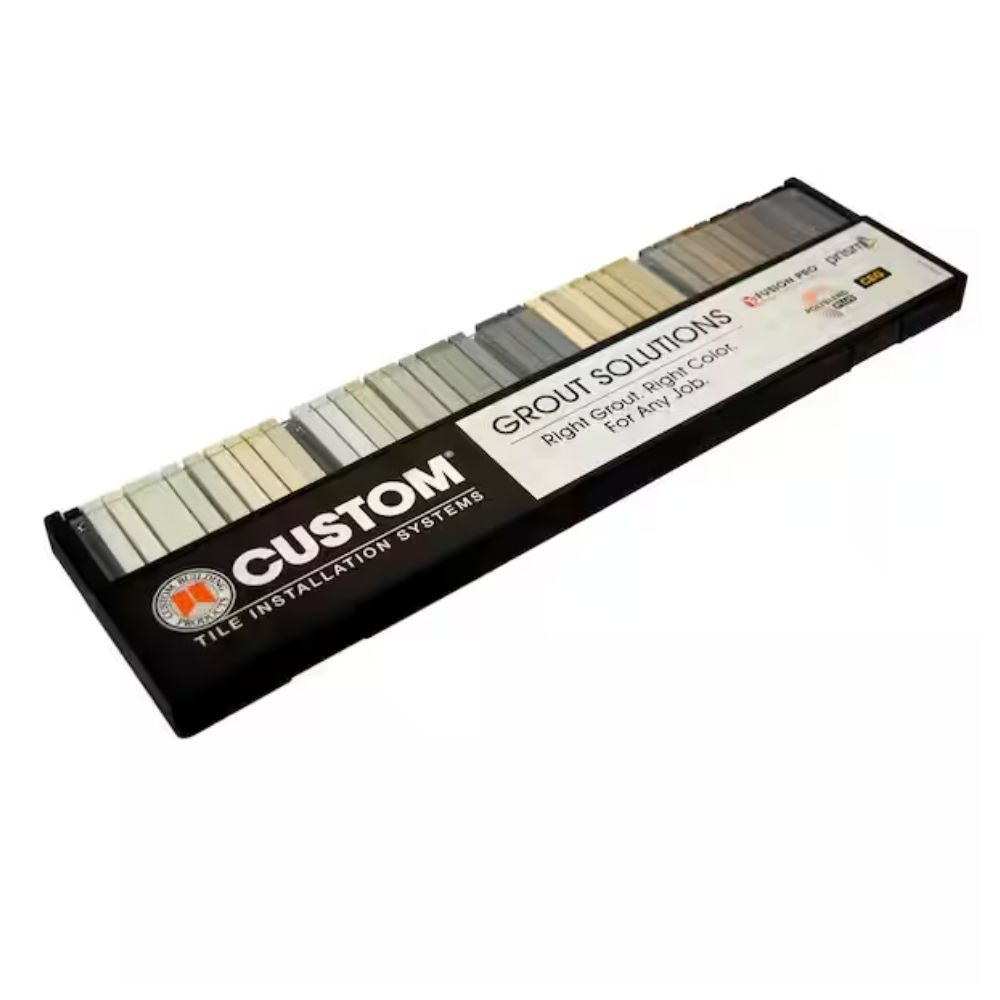
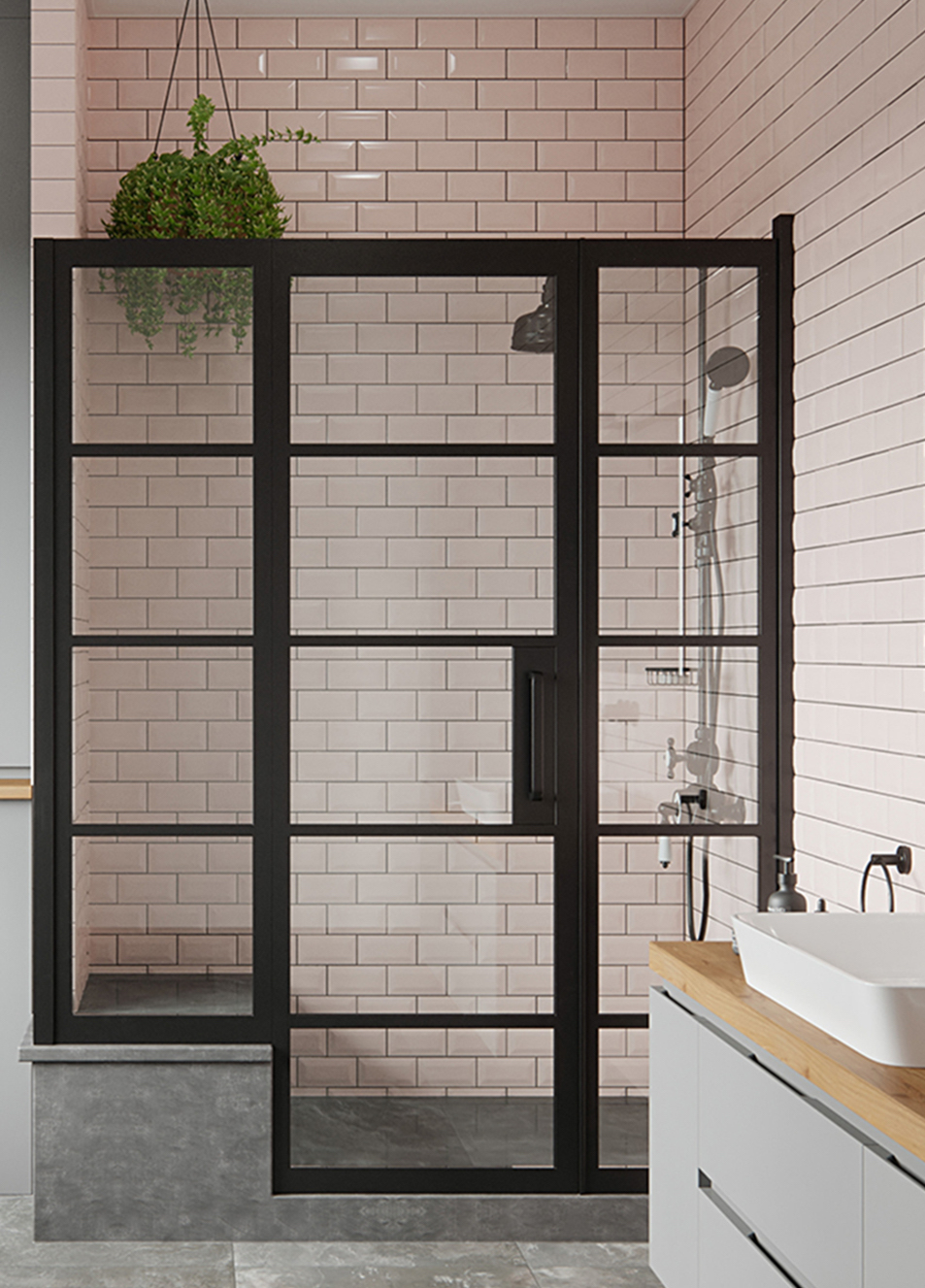
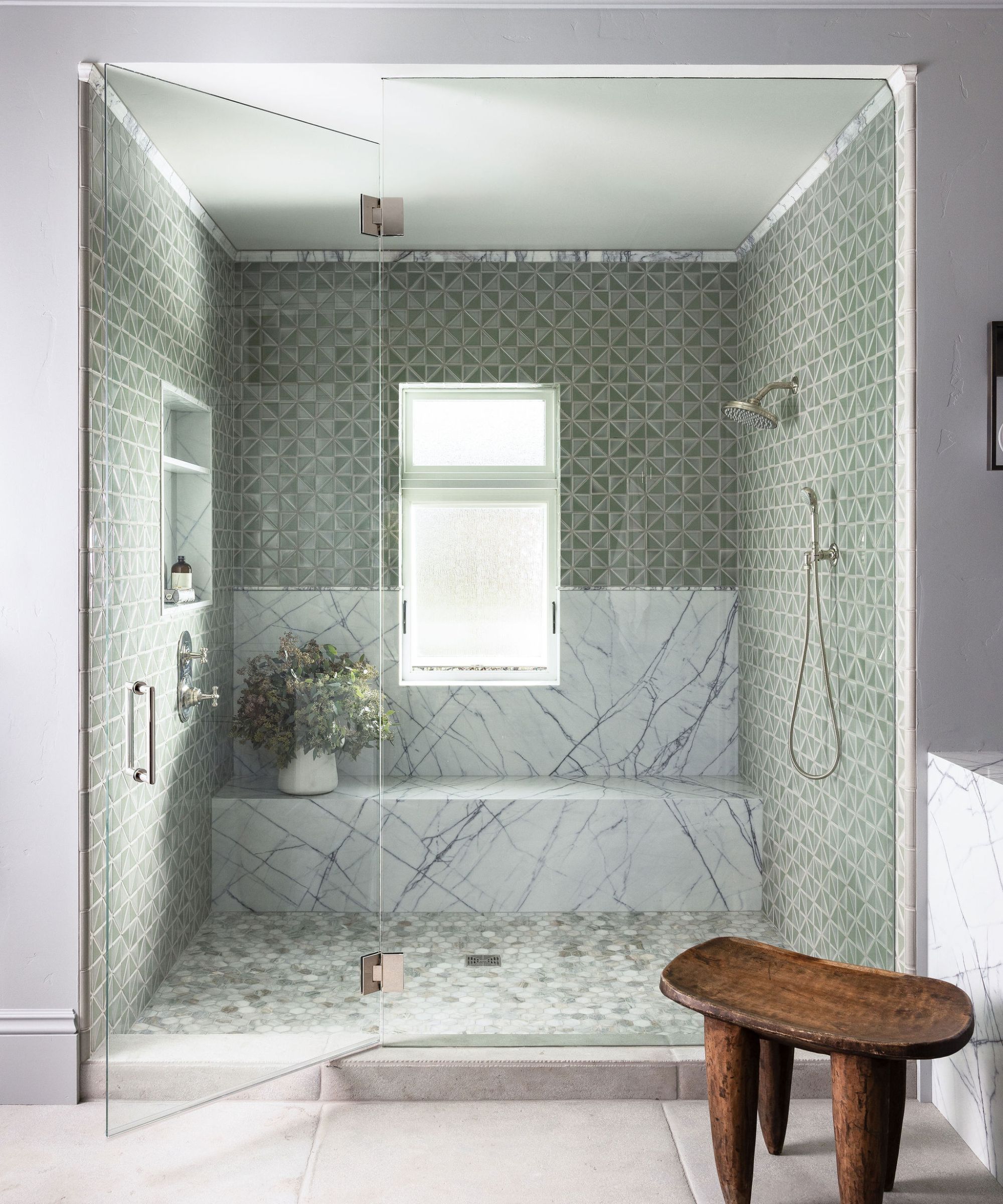
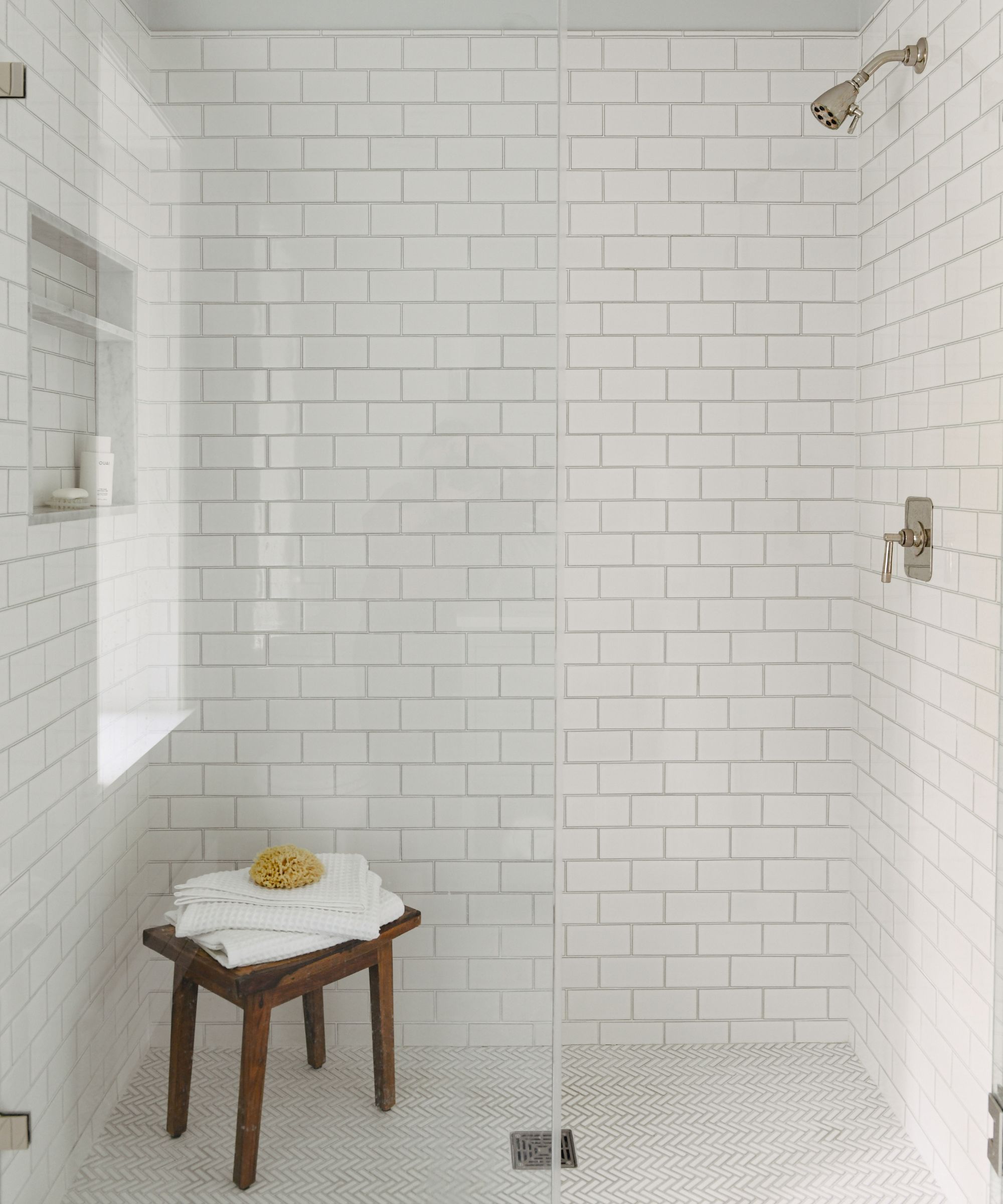
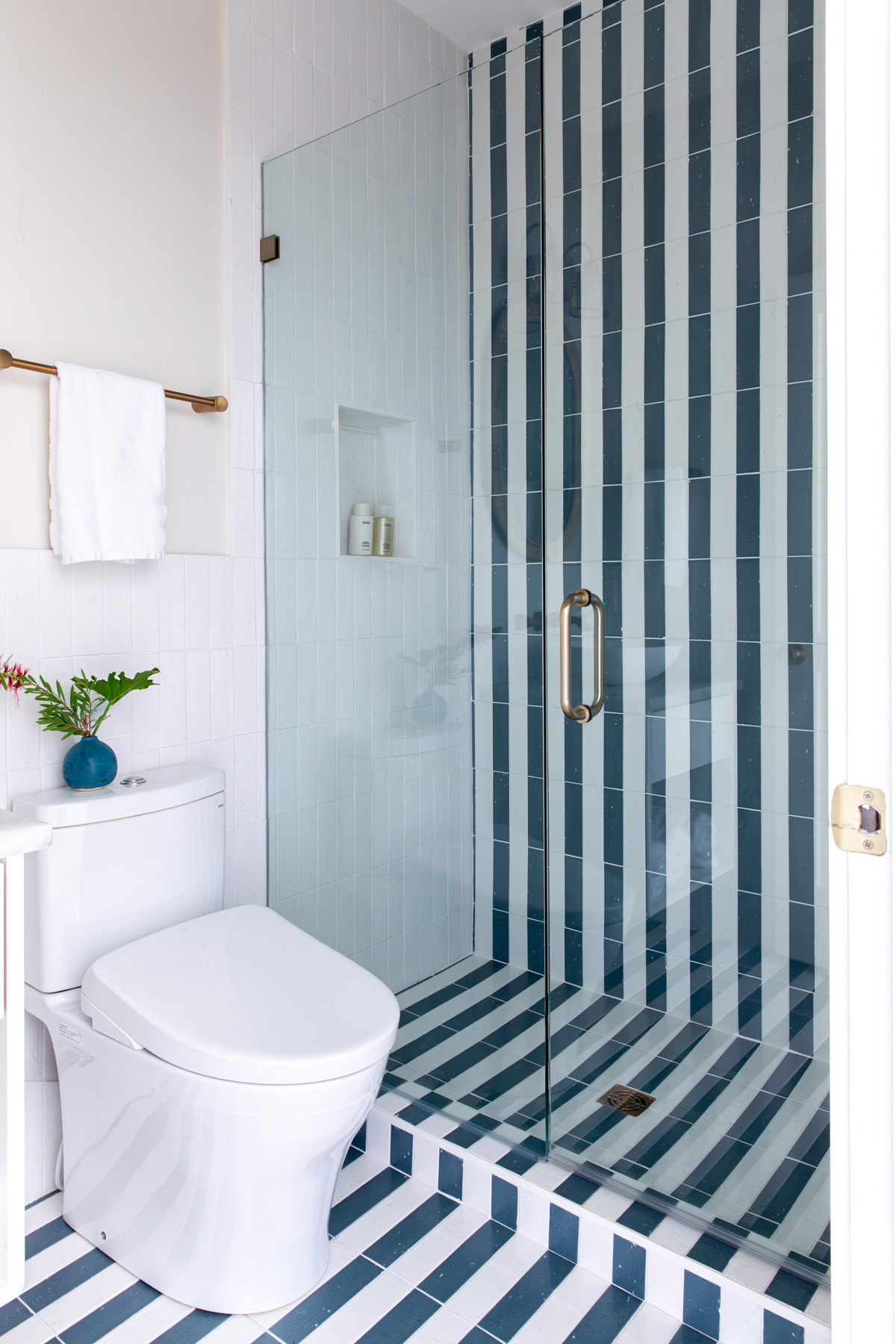
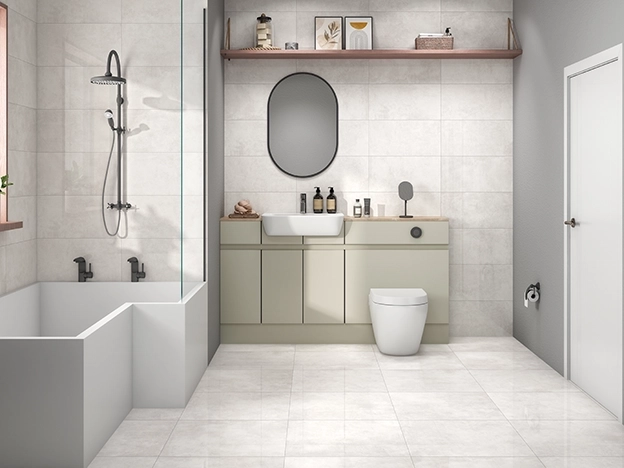
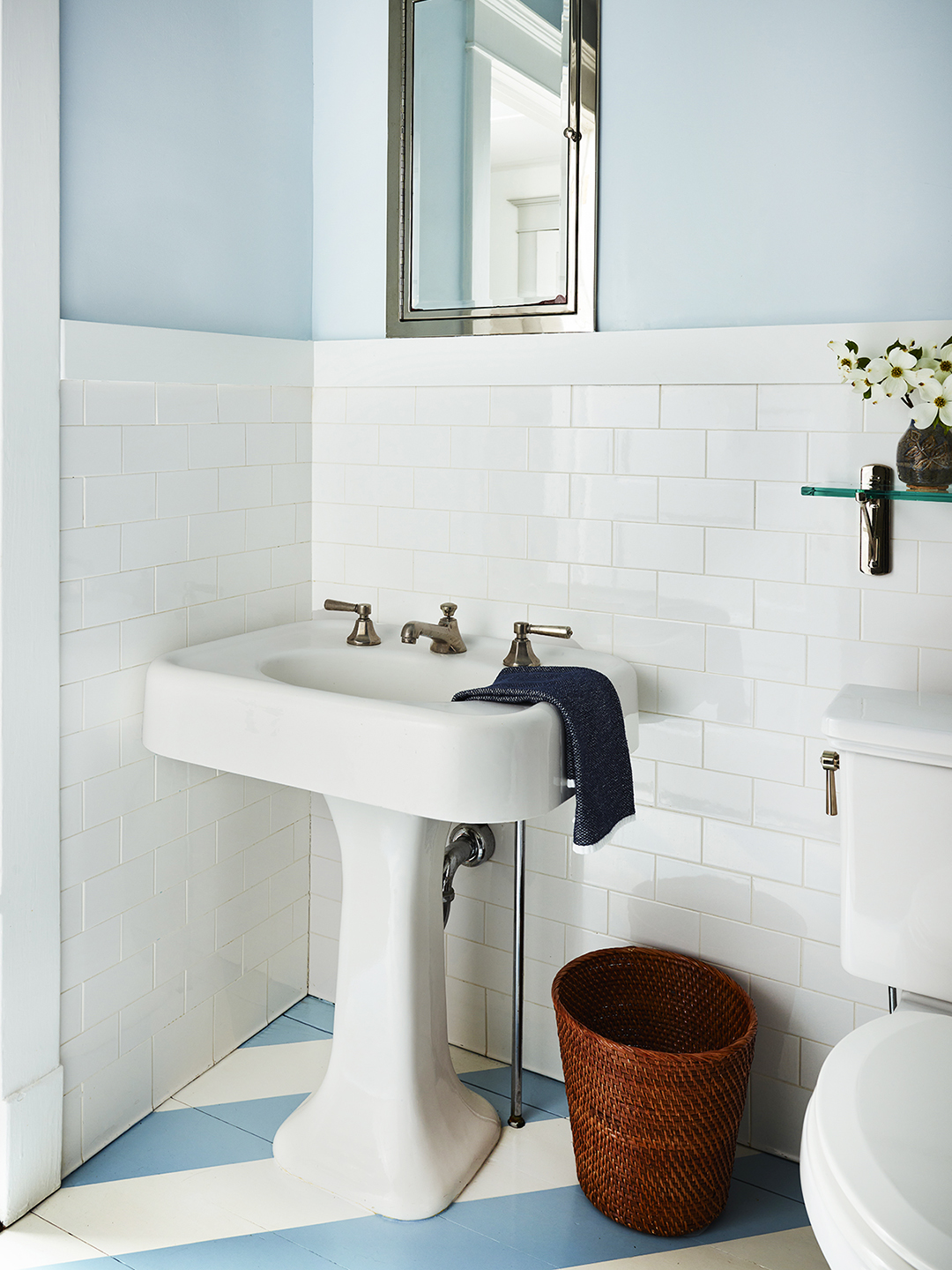
Beyond just kitchens and dining areas, Gaines's work illustrates how subway tiles can be adapted for other rooms, such as bathrooms. She has successfully used white subway tiles with gray grout in small bathrooms to create an illusion of increased space. The article suggests that homeowners can emulate Gaines's styling hacks by experimenting with various patterns like herringbone, basket weave, or vertical stacked with borders for statement walls in bedrooms or other areas. To further enhance visual appeal and complexity, contrasting grout colors can be used—light grout with darker tiles or dark grout with lighter tiles.
Subway tiles are also an economical choice, typically costing between $7 and $35 per square foot, making them an accessible option for room makeovers without exceeding budget constraints. By thoughtfully selecting patterns and grout colors, homeowners can achieve sophisticated and varied looks with subway tiles, making them suitable for any room in the house and reflecting Joanna Gaines's influential design philosophy.
#JoannaGaines #SubwayTile #InteriorDesign #HomeDecor #TilePatterns #FixerUpper #DesignHacks #HomeImprovement #JoannaGaines #SubwayTile #InteriorDesign #HomeDecor #TilePatterns #FixerUpper #DesignHacks #HomeImprovement
0 comment in total
 No comments yet
You may also like
Tactile Subway Tiles: An Updated Spin on a Design Classic

Why Joanna Gaines says grout color deserves more attention

New ways with tiles: 15 creative ideas for using tiles at home

I Asked Designers What They Really Think About Subway Tile, and They Said the Same Thing

Is White Subway Tile Boring, or a Bona Fide Classic?

Bathroom subway tile ideas - designers are updating this classic decor style

Joanna Gaines Just Proved (Again) That Tile Can Be Used in So Many Rooms Other Than the Bathroom and Kitchen

Showstopping Tile

Don't just settle for white gloss! These expert tips for styling metro tiles will guarantee compliments from guests
Joanna Gaines Just Made a Great Case for Using Tile in Almost Every Room of the Home
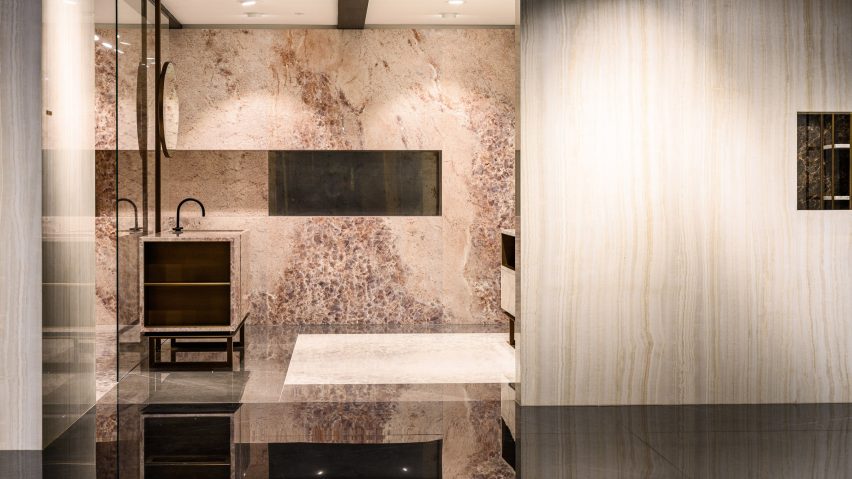
FMG releases collection of tiles that can be applied to any interior surface
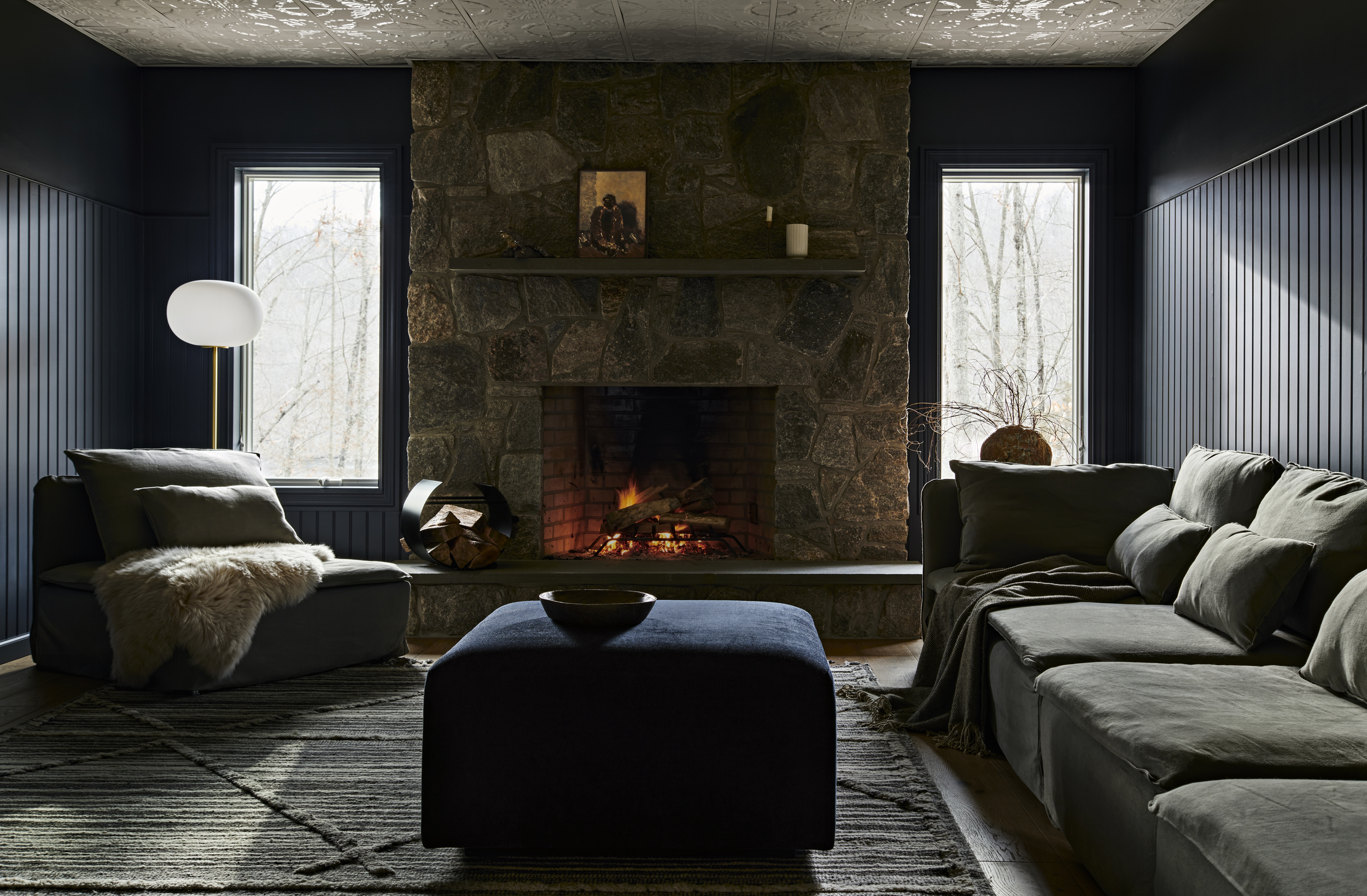
9 of the Most Creative Ways to Decorate Your Home With Tiles — Ideas That Will Change How You Think About Tiling

How Joanna Gaines Makes Subway Tile Work In Any Room
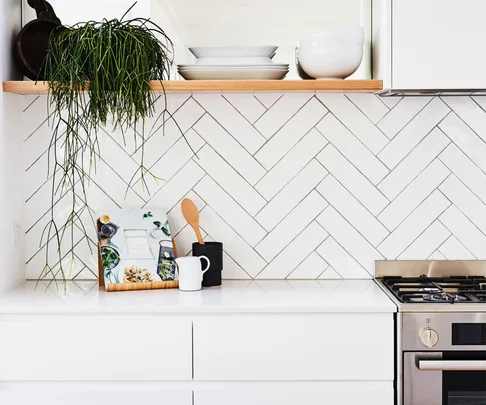
12 subway tile patterns to try

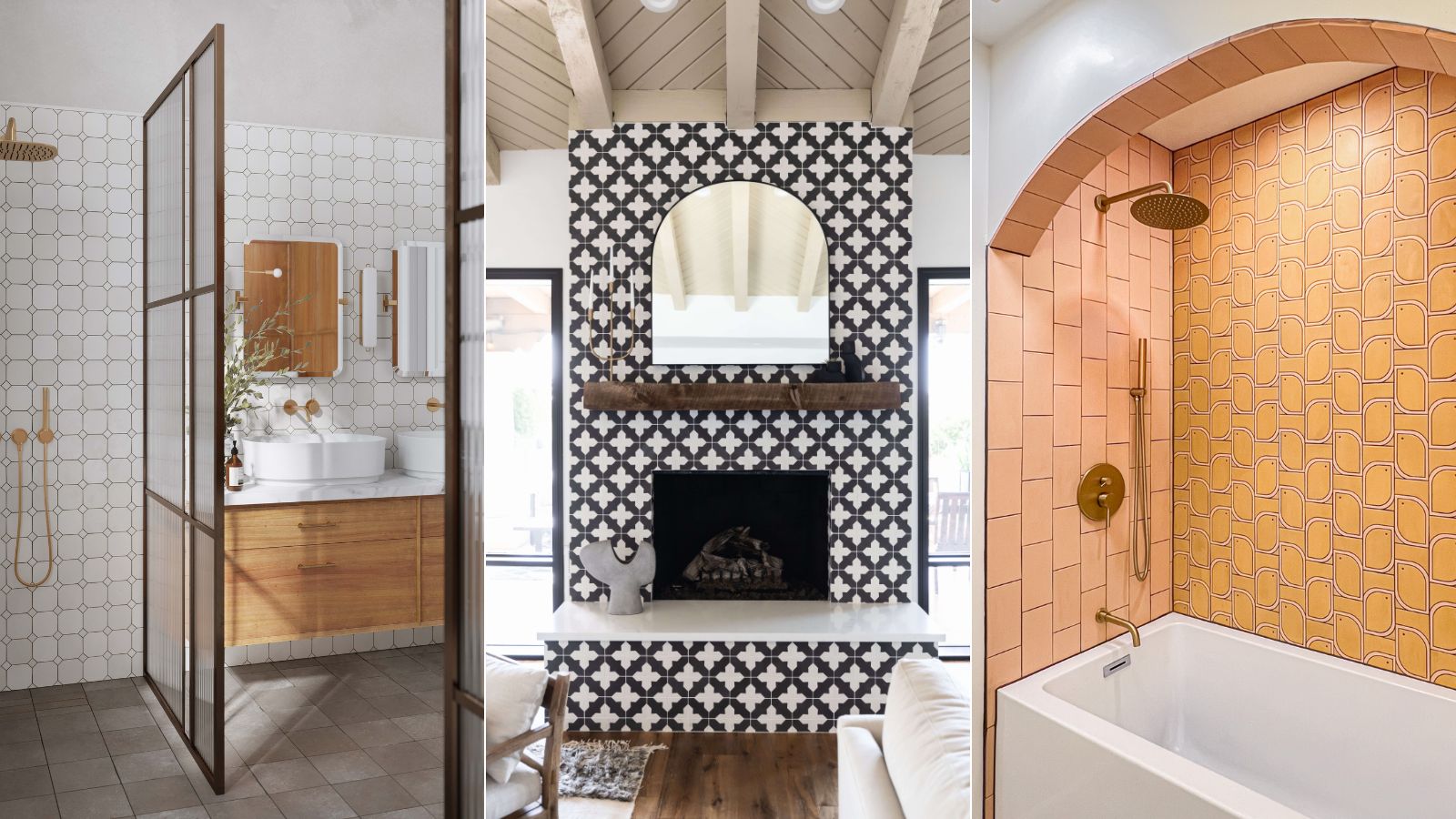
Decorator's Address Book: 12 interior designers on the best places to shop for tiles

Studio McGee’s New Collab Delivers a Fresh Take on Subway Tile

Homestyle: Terrific tiles
Marie Flanigan wants you to embrace tile beyond flooring with these unconventional ways to use tile in your home
Cure Your White Subway Tile Fatigue With These Artful Rectangles