How to Fake Taller Ceilings in Your Home (Even If They're Low), According to Designers
Standard-height ceilings can sometimes make spaces feel smaller and darker. This article provides seven designer-approved tips and tricks to create the illusion of taller ceilings without extensive renovations. These tips are also suitable for renters, as they largely involve cosmetic changes that typically do not breach lease agreements.
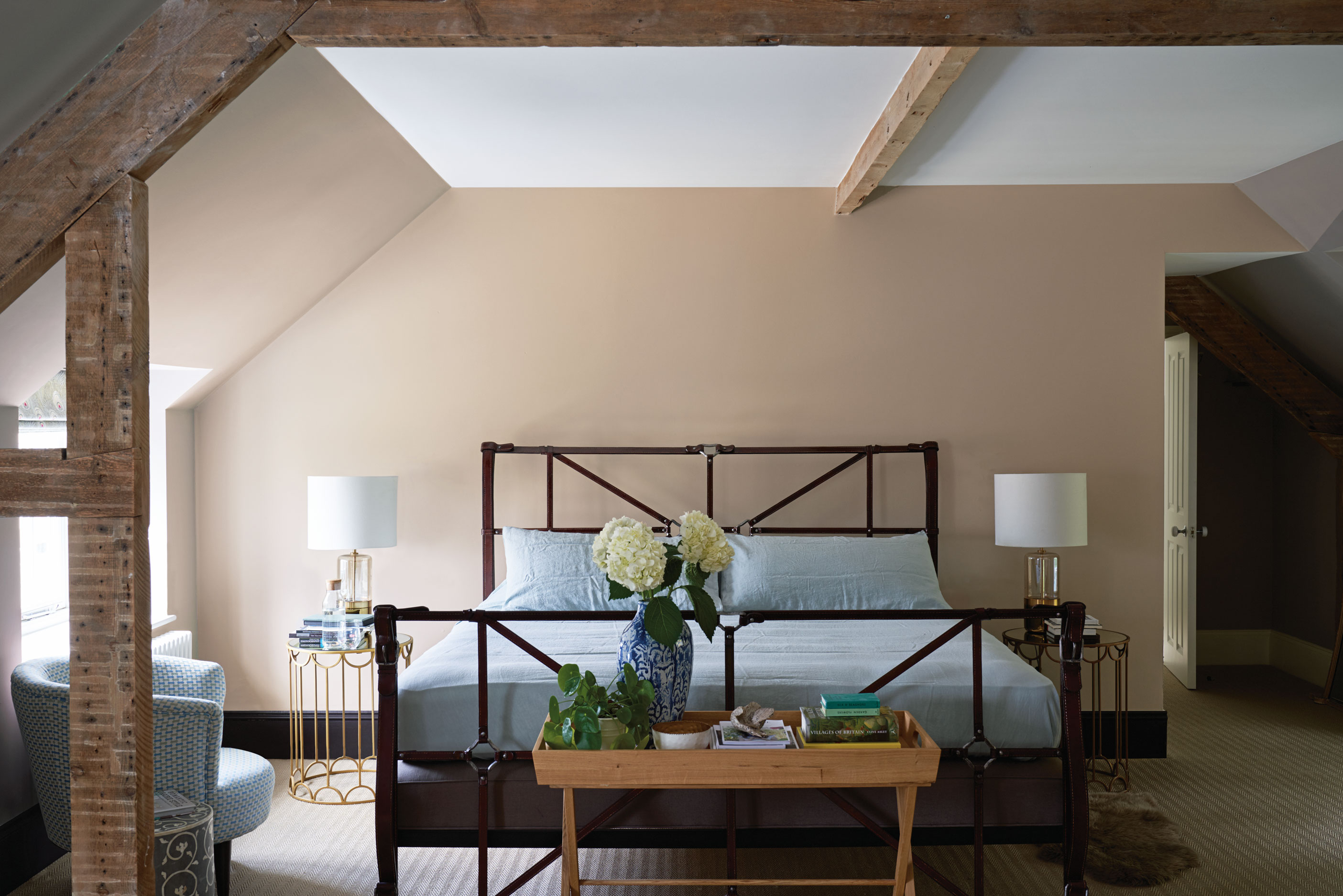
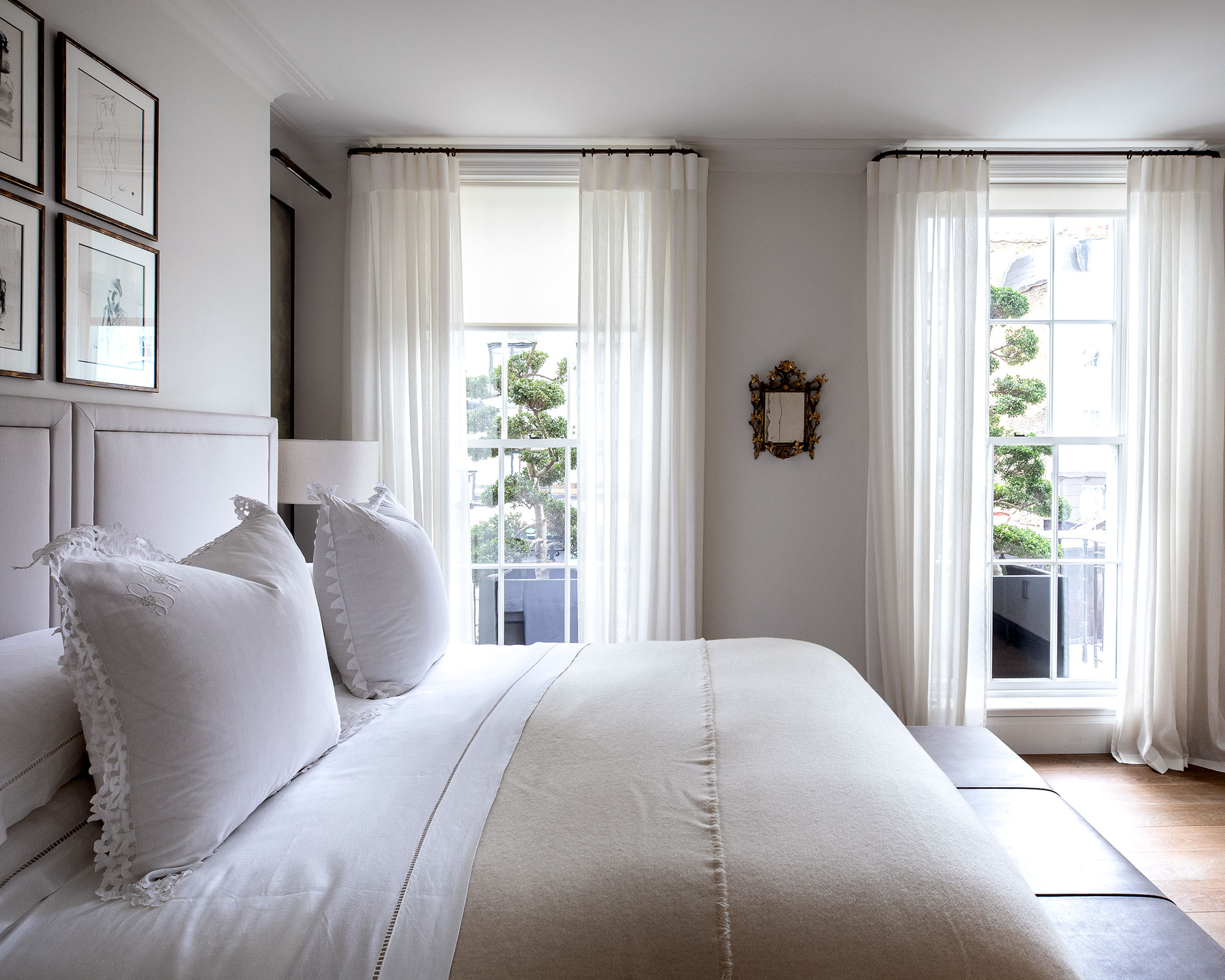
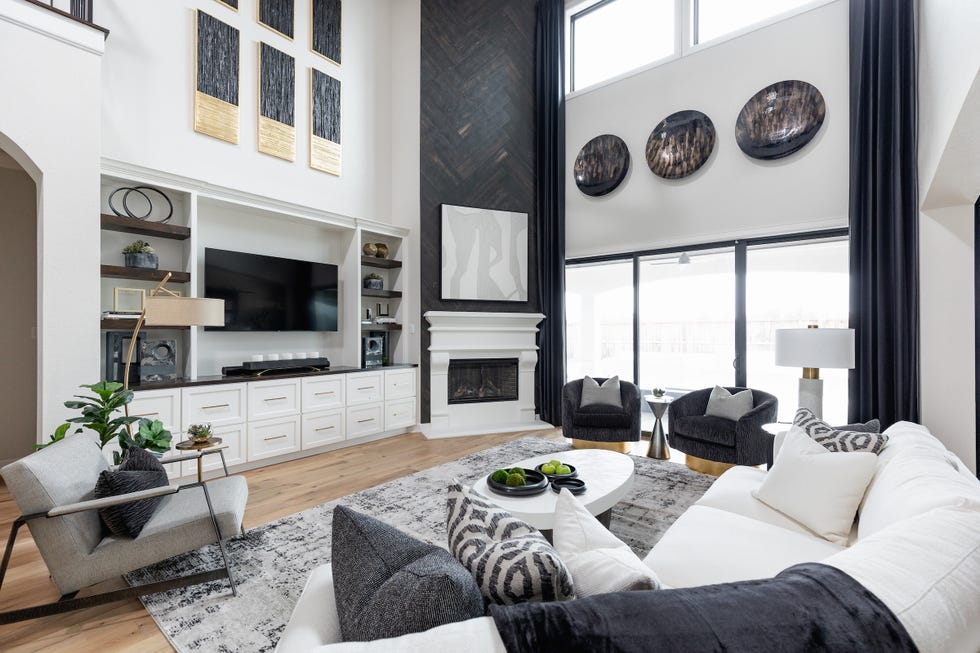
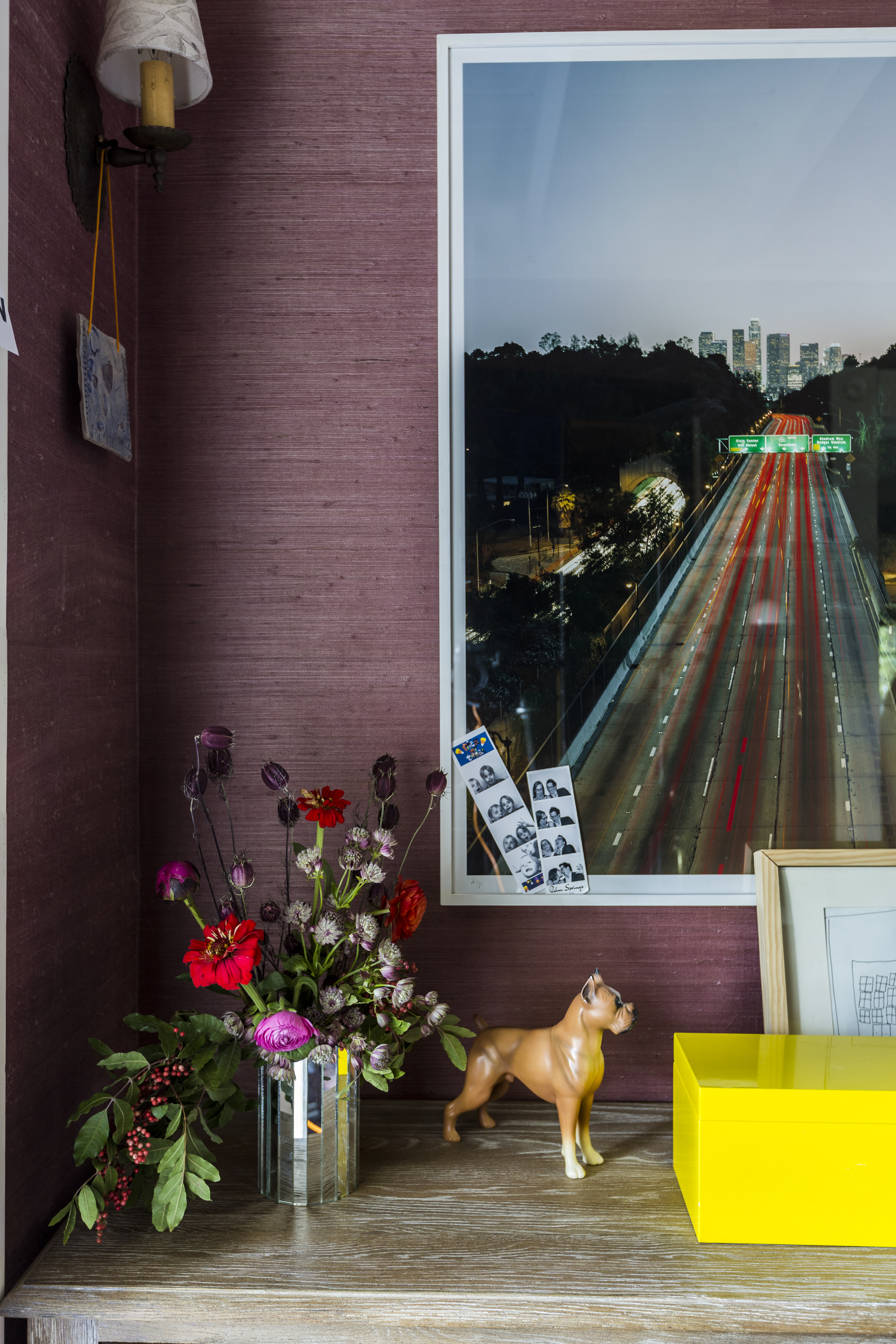
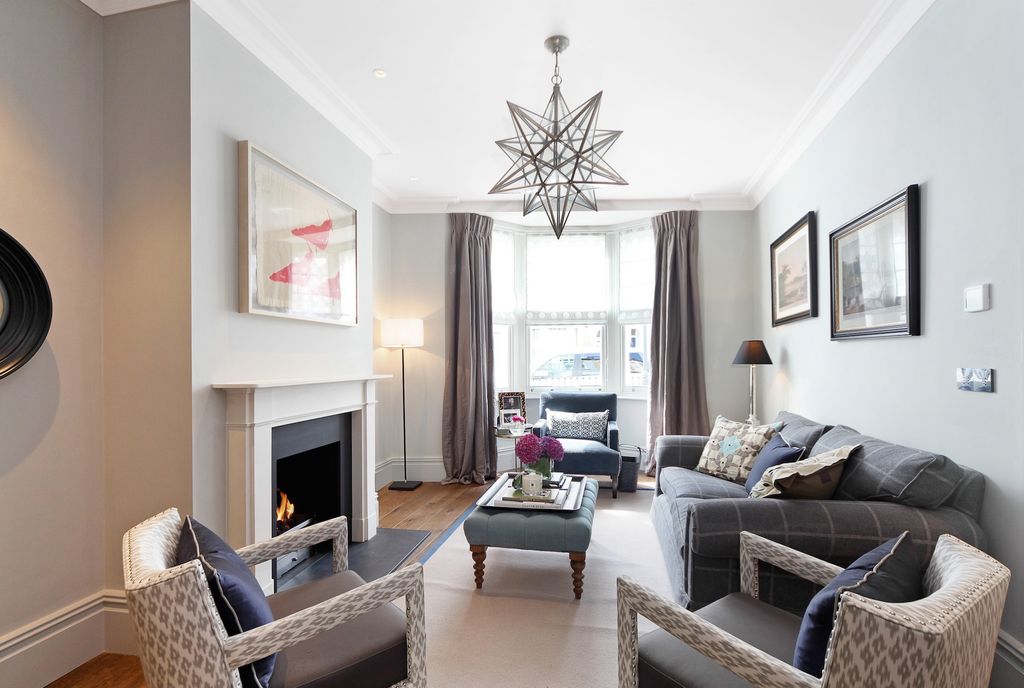

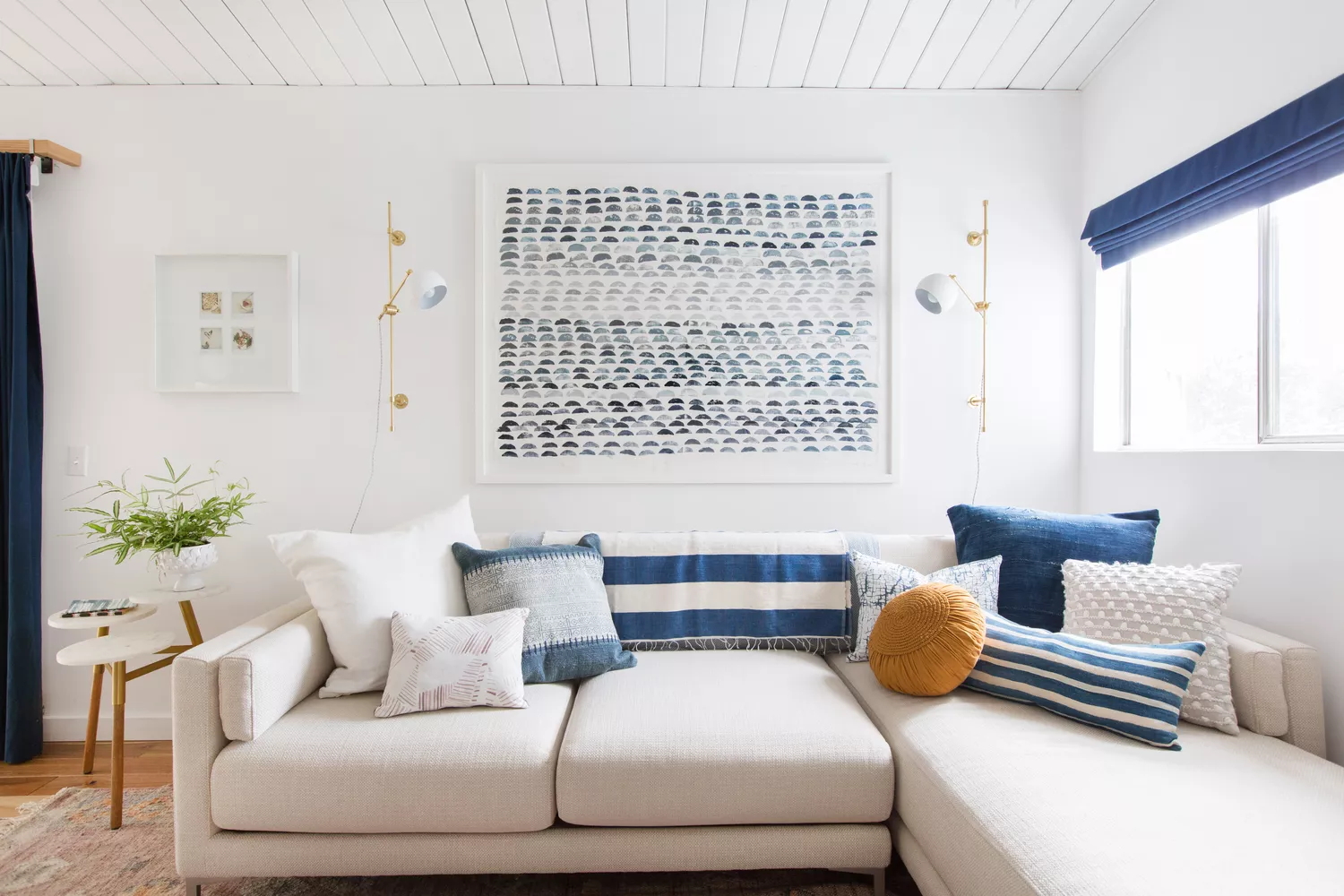
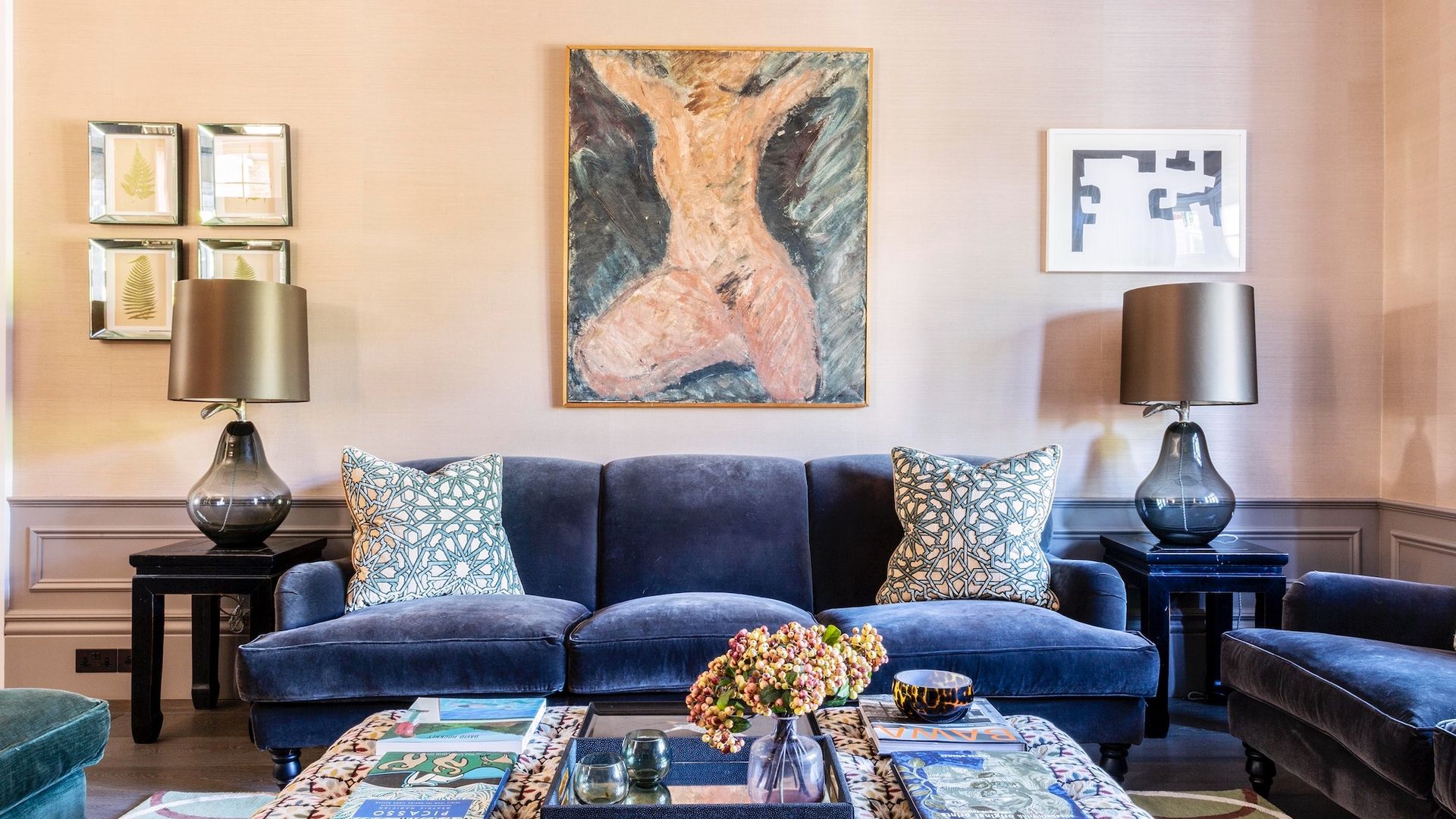
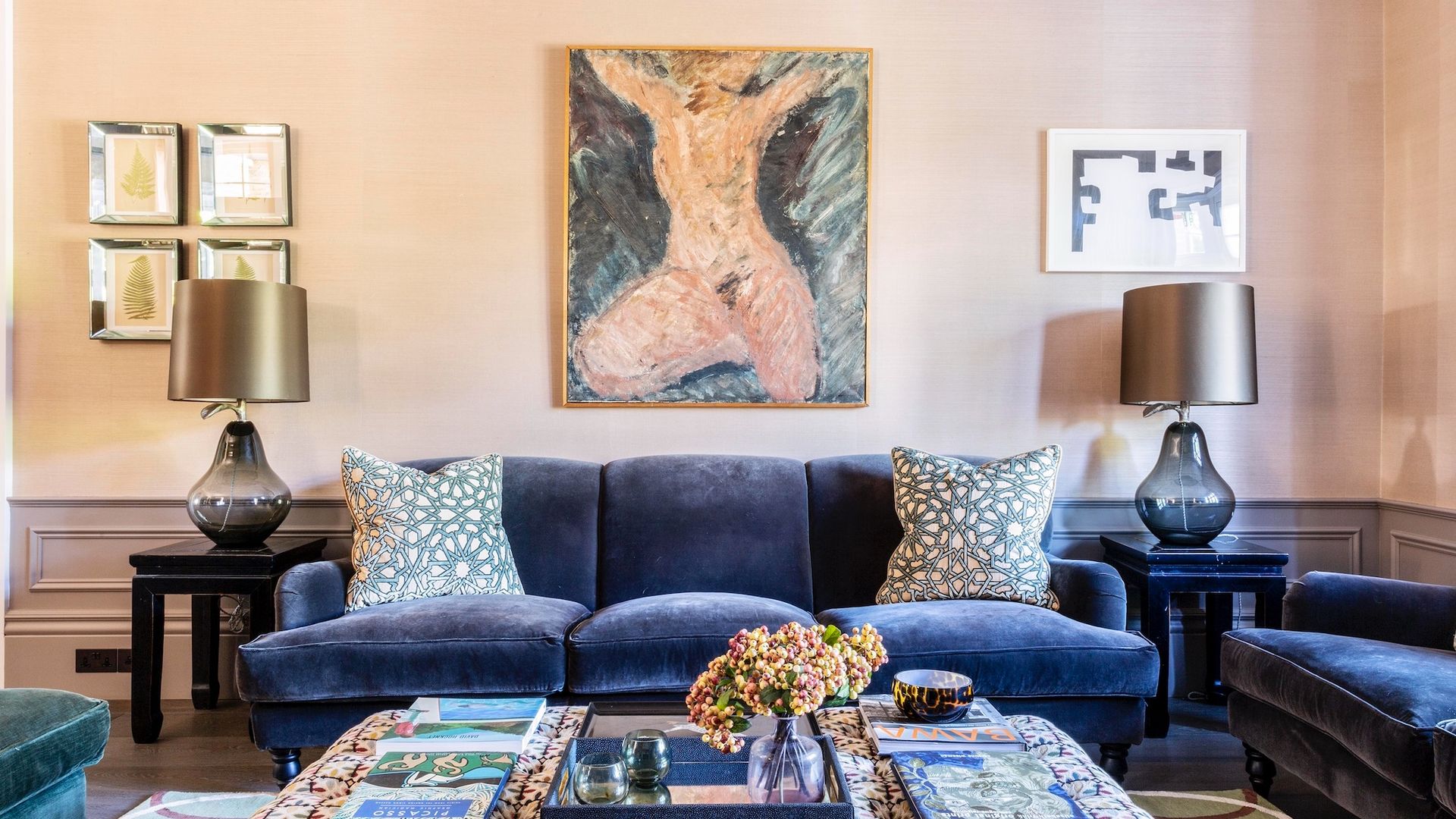
One effective technique is to strategically place artwork higher on the walls. While the traditional rule suggests hanging art with its center at eye level (around 57 to 60 inches from the floor), raising it a few inches higher can draw the eye upwards, thus making the ceiling appear loftier. This principle also applies to gallery walls; positioning the central point of the entire layout slightly higher than the standard 57 inches can achieve the desired visual extension.
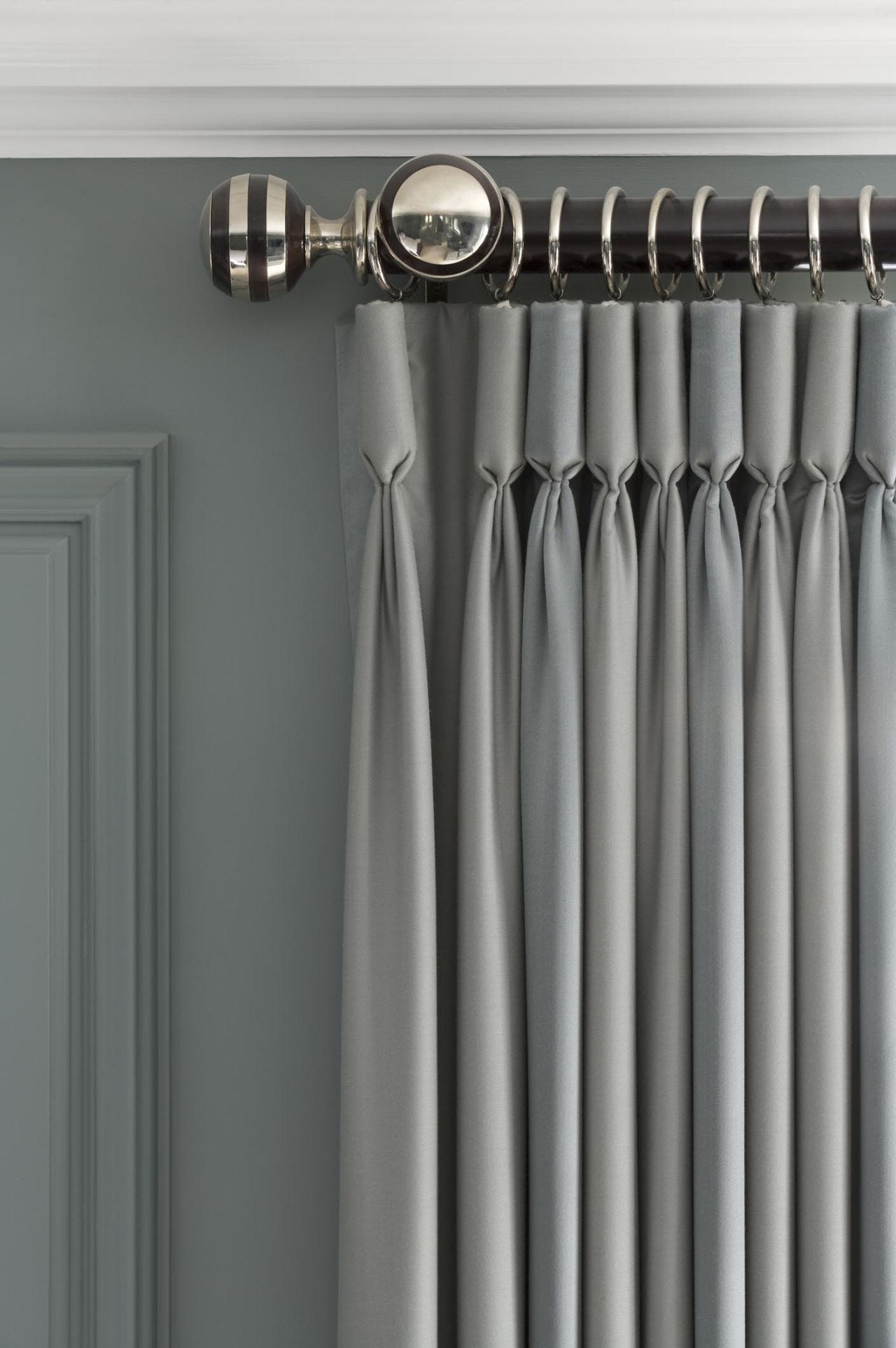
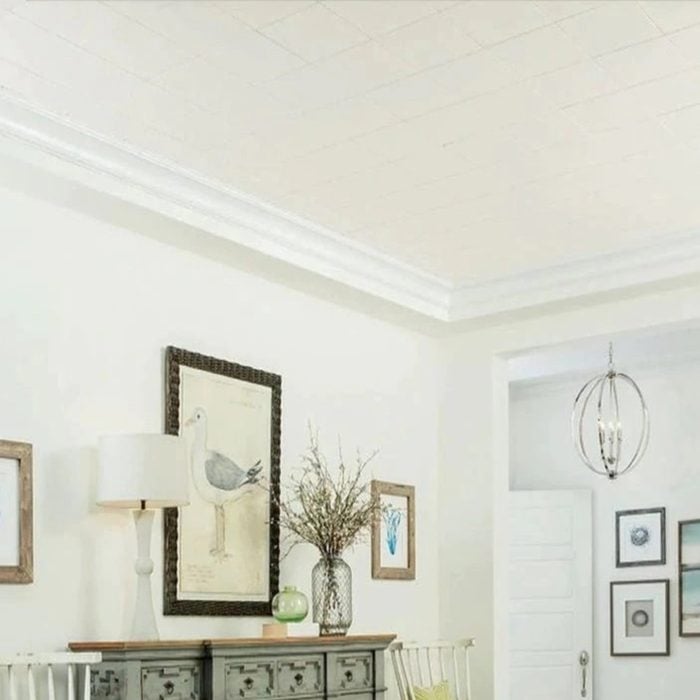
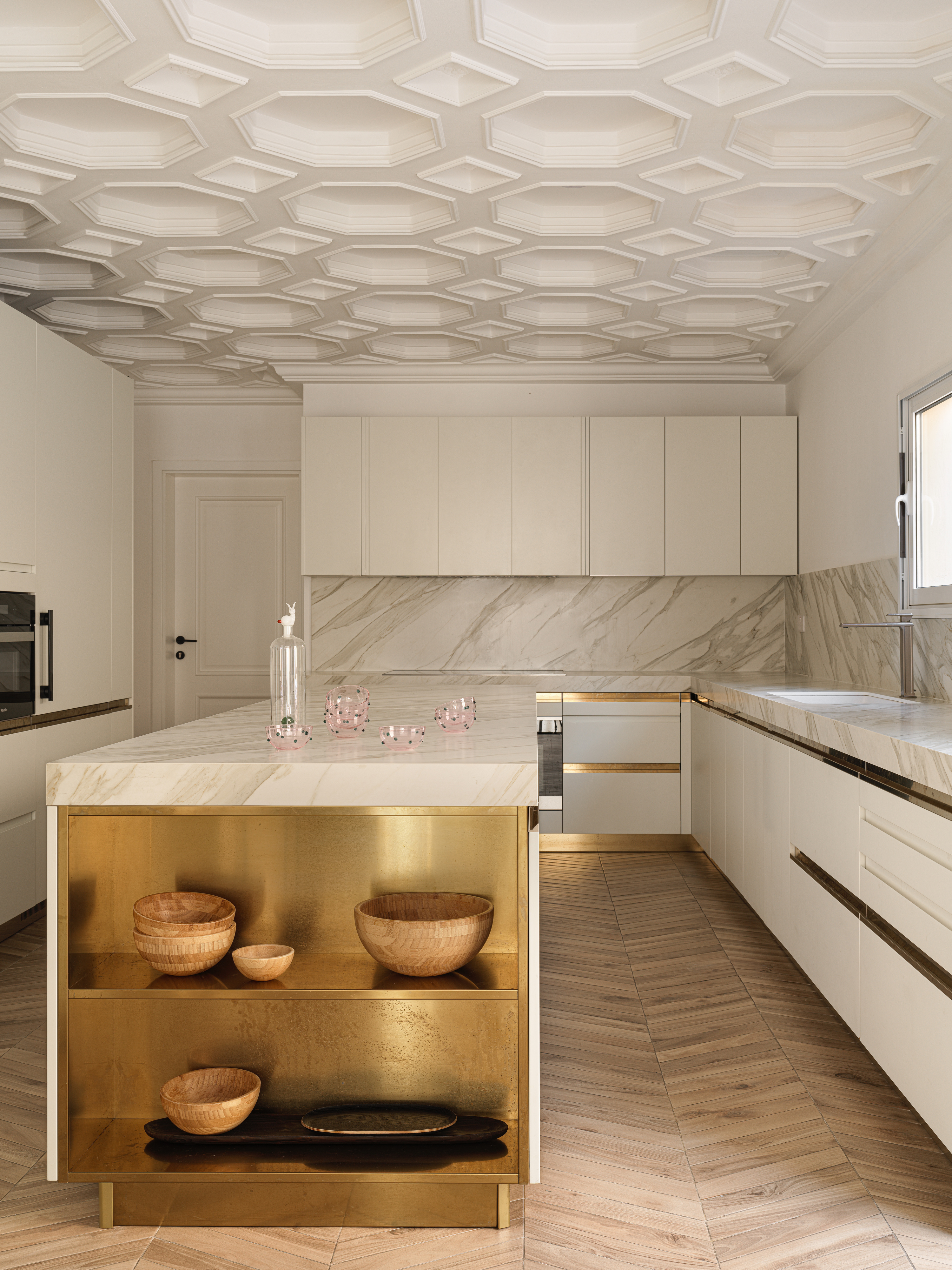
Crown molding, a common architectural detail, can influence how ceiling height is perceived. For rooms with lower ceilings, it is advisable to avoid heavy crown moldings. According to designer Joey Conicella, president of Soco Interiors, heavy moldings can accentuate the boundary between the wall and the ceiling, making the ceiling appear shorter. Opting for less prominent or minimalist crown molding styles can prevent this visual demarcation.
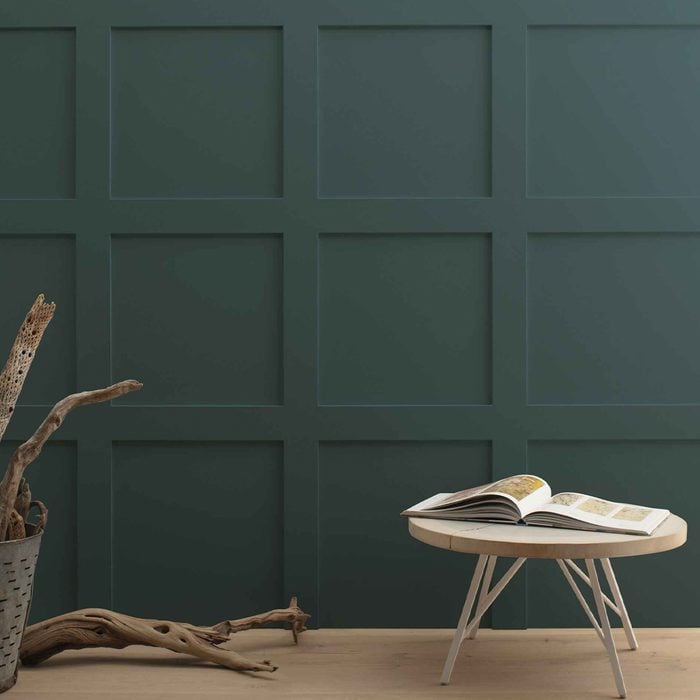
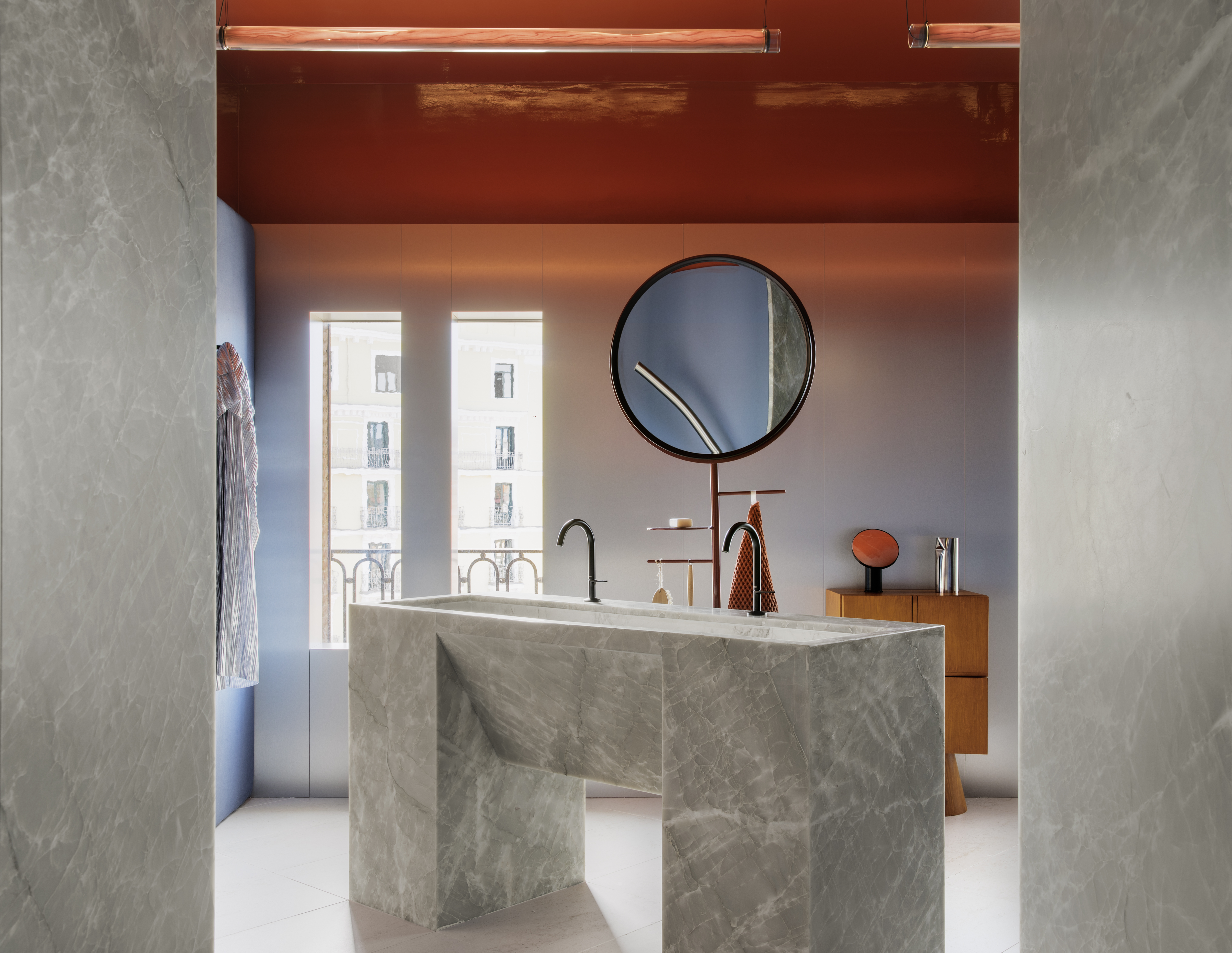
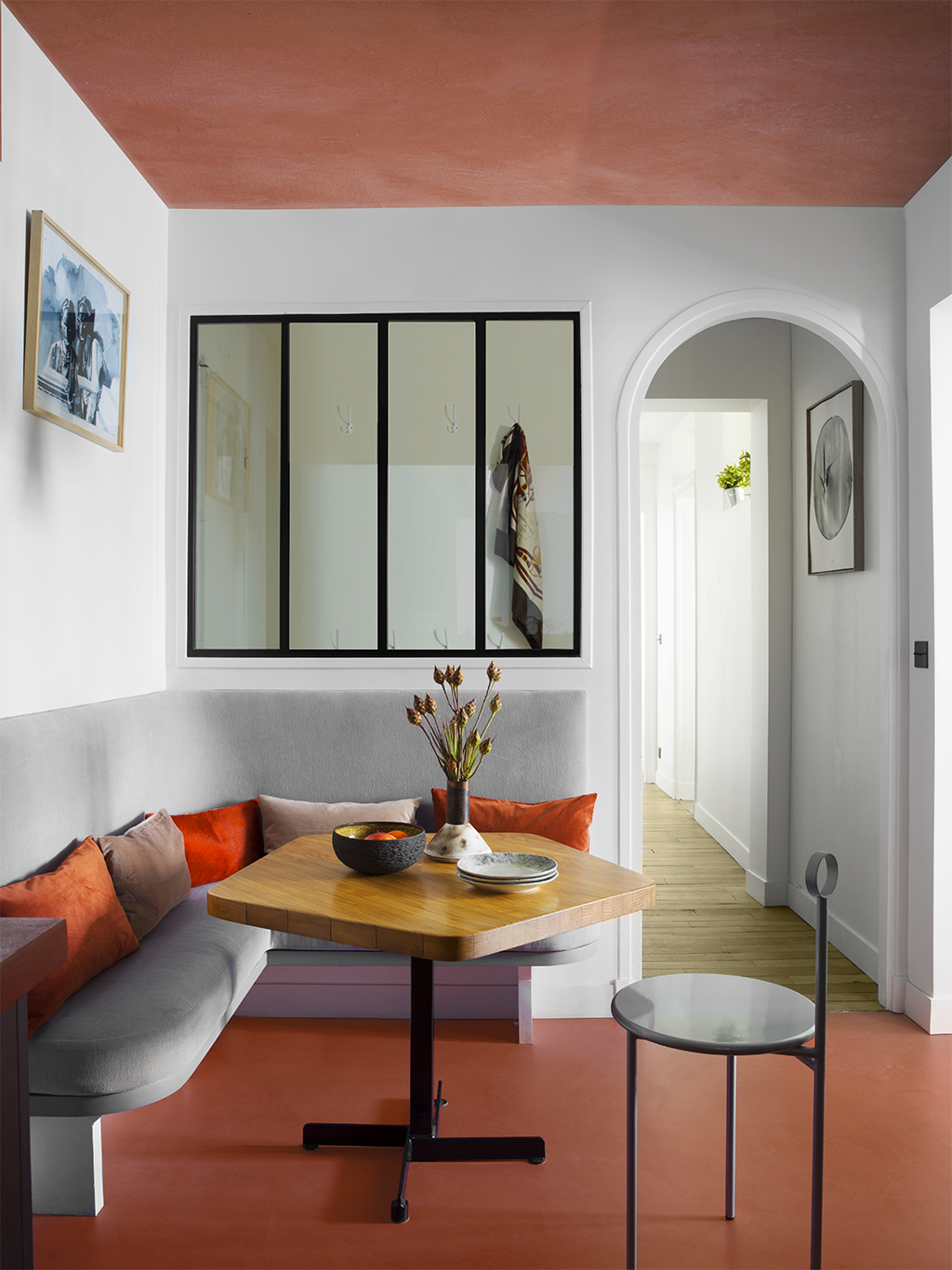
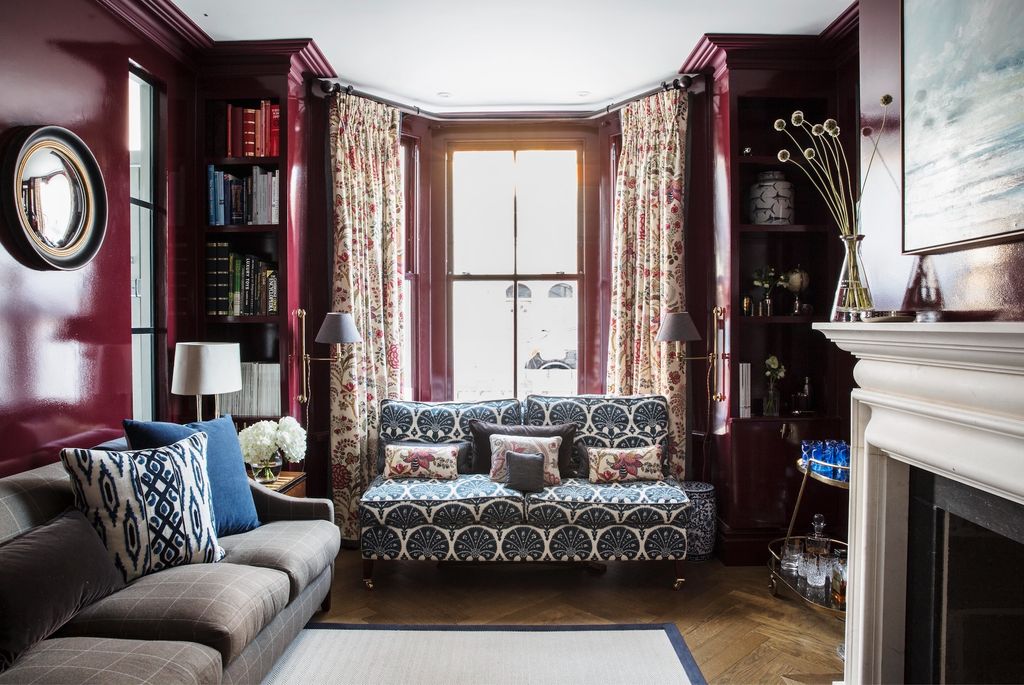
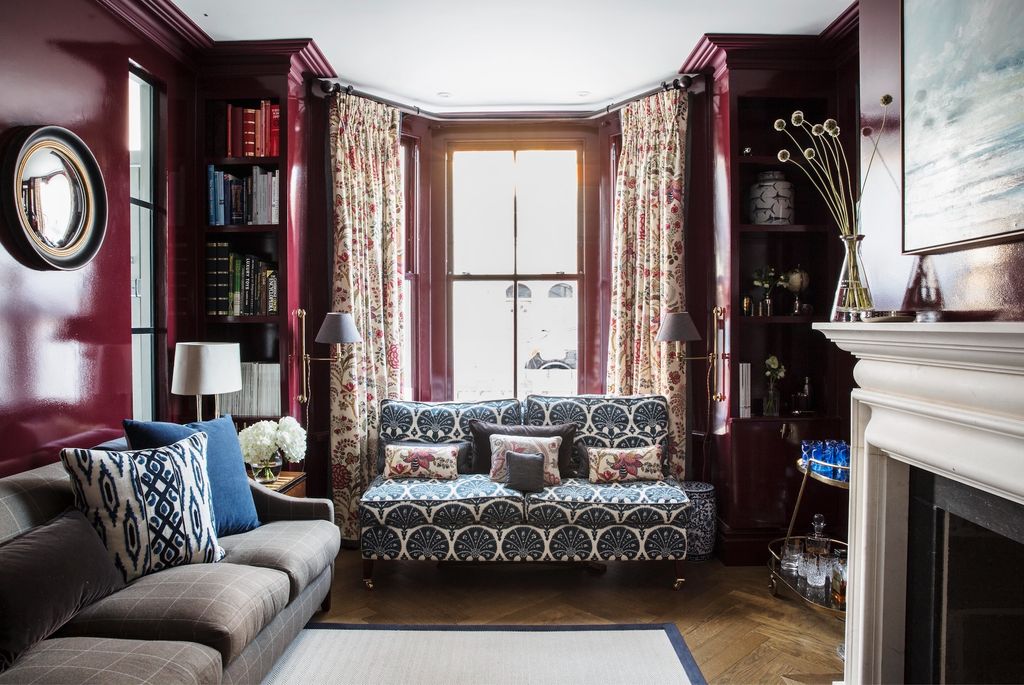
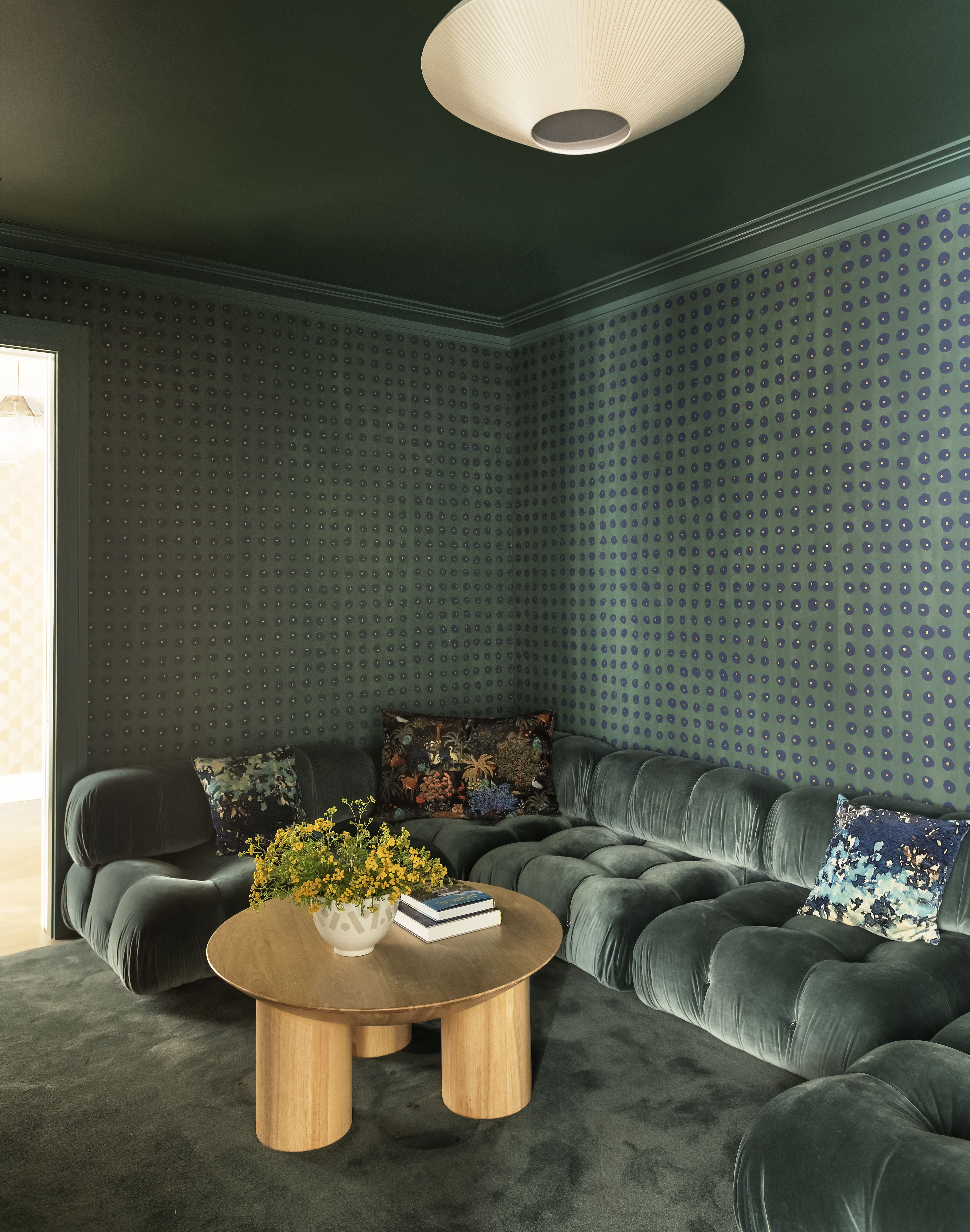
Another strategy involves blending paint colors seamlessly across different architectural elements. Kate Marker, principal designer at Kate Marker Interiors, suggests painting baseboards, crown molding, and walls the same color. This creates a cohesive look that prevents visual breaks and extends the perception of height. Extending this single color onto the ceiling further enhances the effect by drawing the eye upwards without interruption.
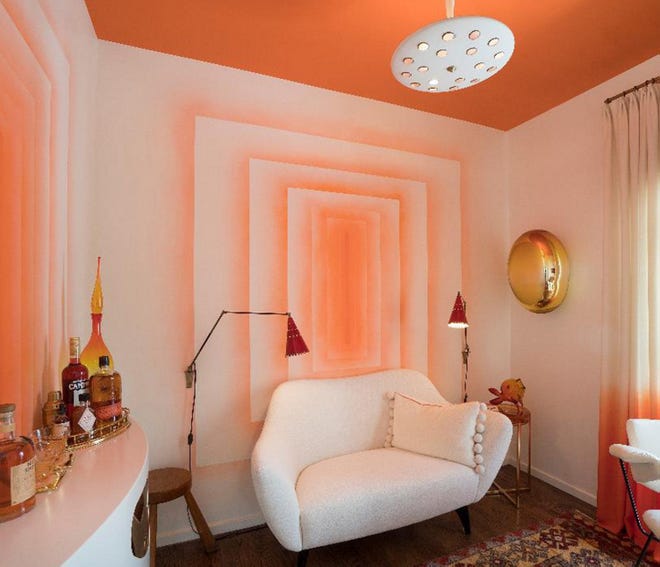
For those who prefer a multi-color scheme, the article offers a technique to divide colors strategically. In vertically challenged spaces, one can create a trompe l'oeil by extending one paint color slightly into the adjacent surface. For instance, painting three-quarters of the walls in one color and the top quarter, along with the ceiling, in another color can visually lift the ceiling.
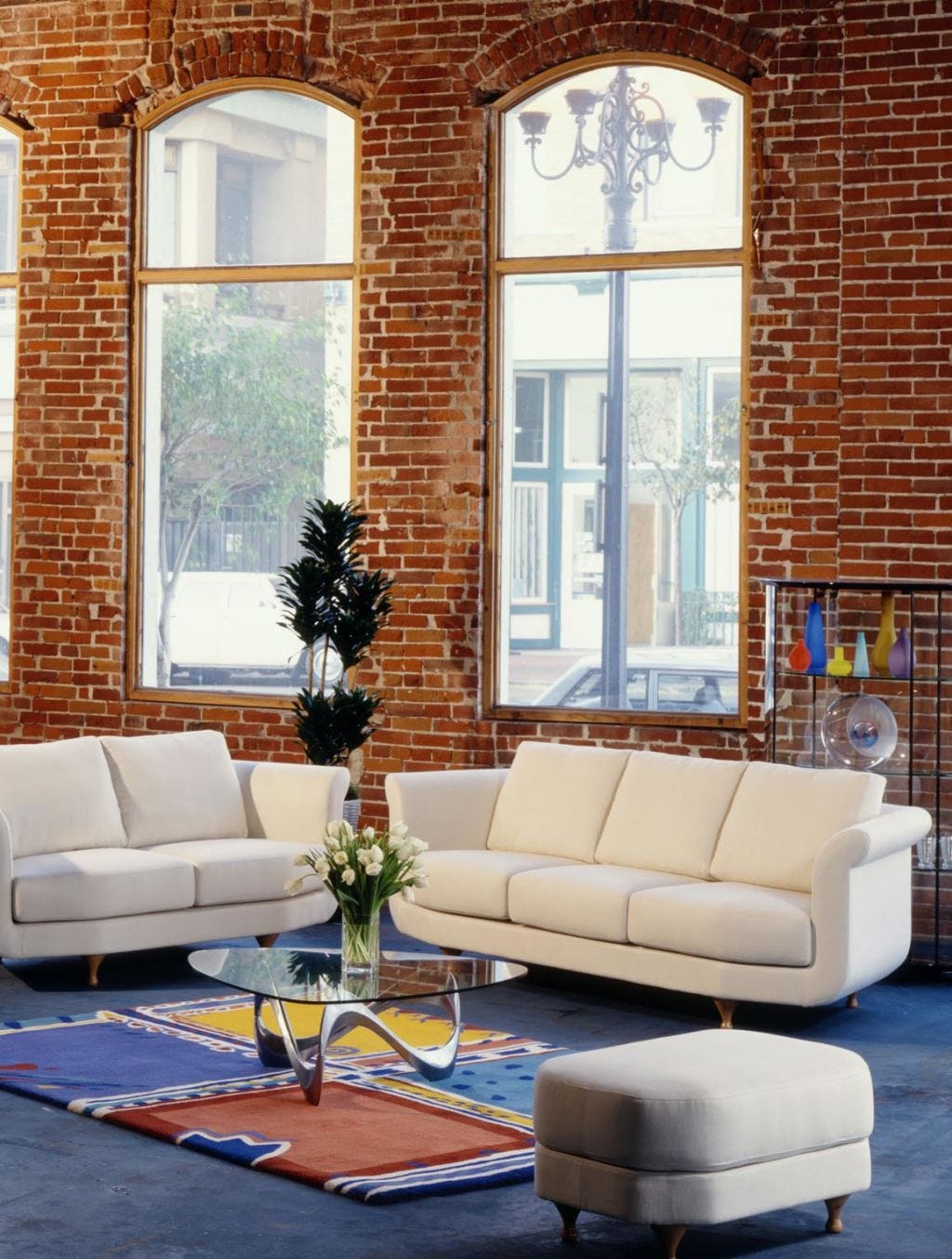
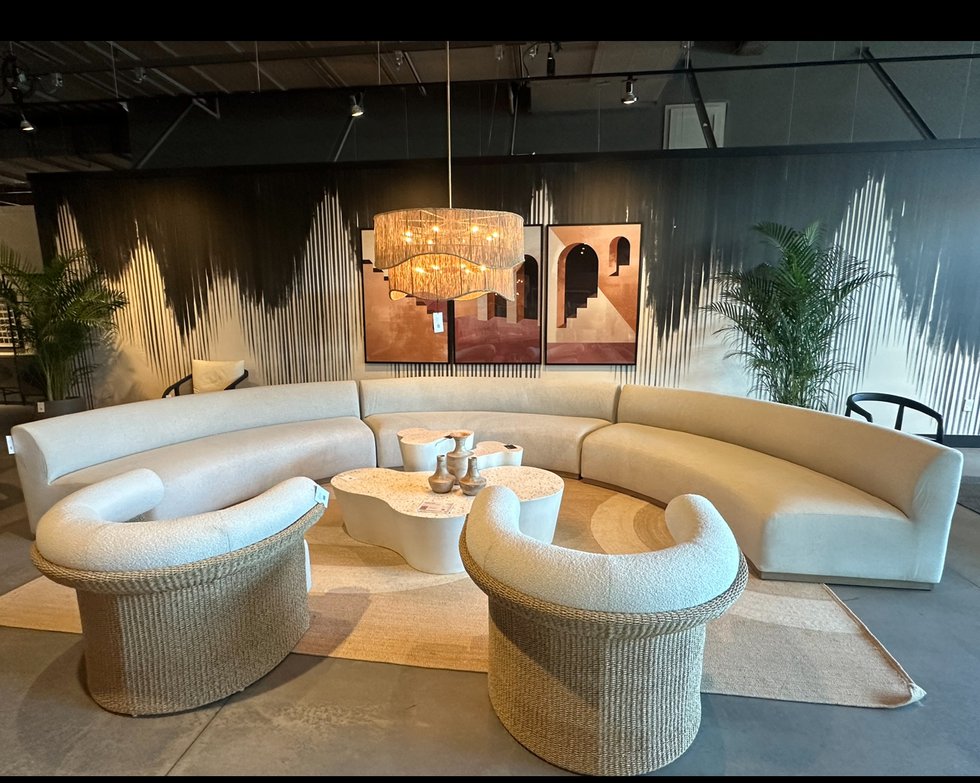
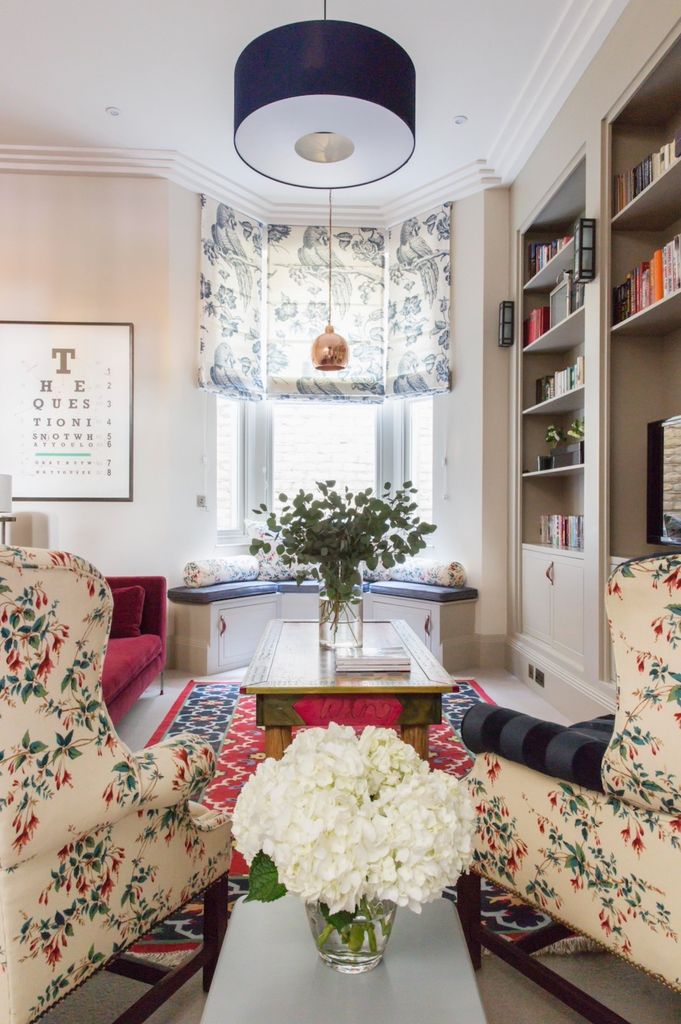
Furniture scale plays a crucial role in how a room's height is perceived. Oversized or disproportionate furniture can make a room appear smaller and its ceilings lower. Conicella recommends choosing apartment-scaled or compact furnishings that occupy less floor space. Low-slung furniture and maintaining ample breathing room around pieces can contribute to a loftier and more spacious feel.
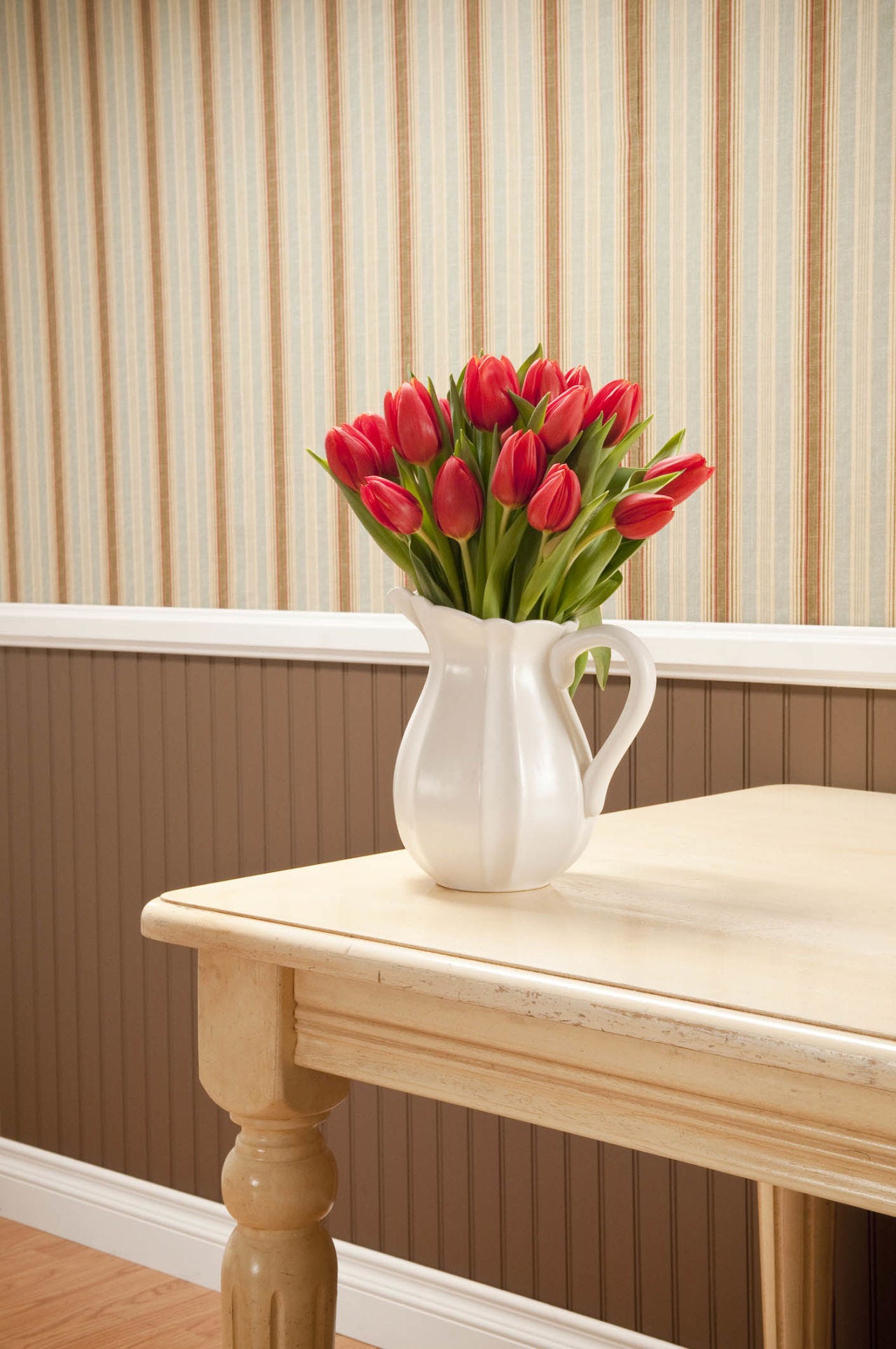
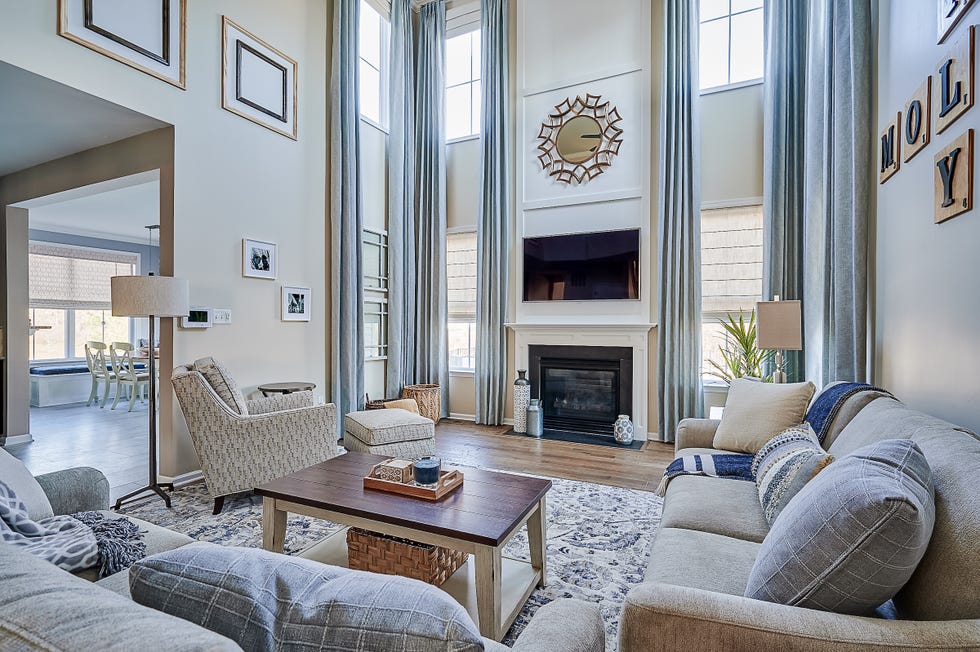
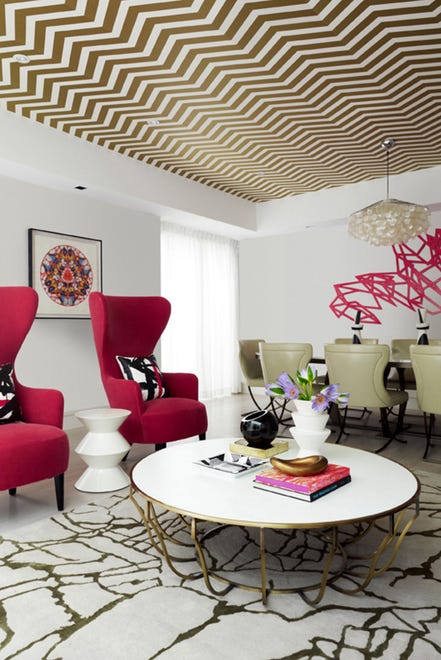
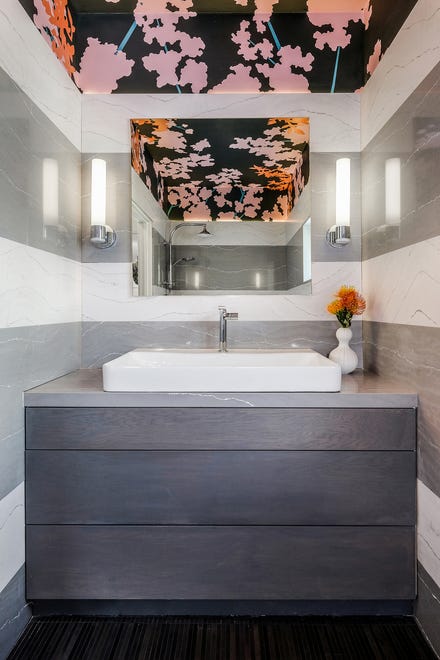
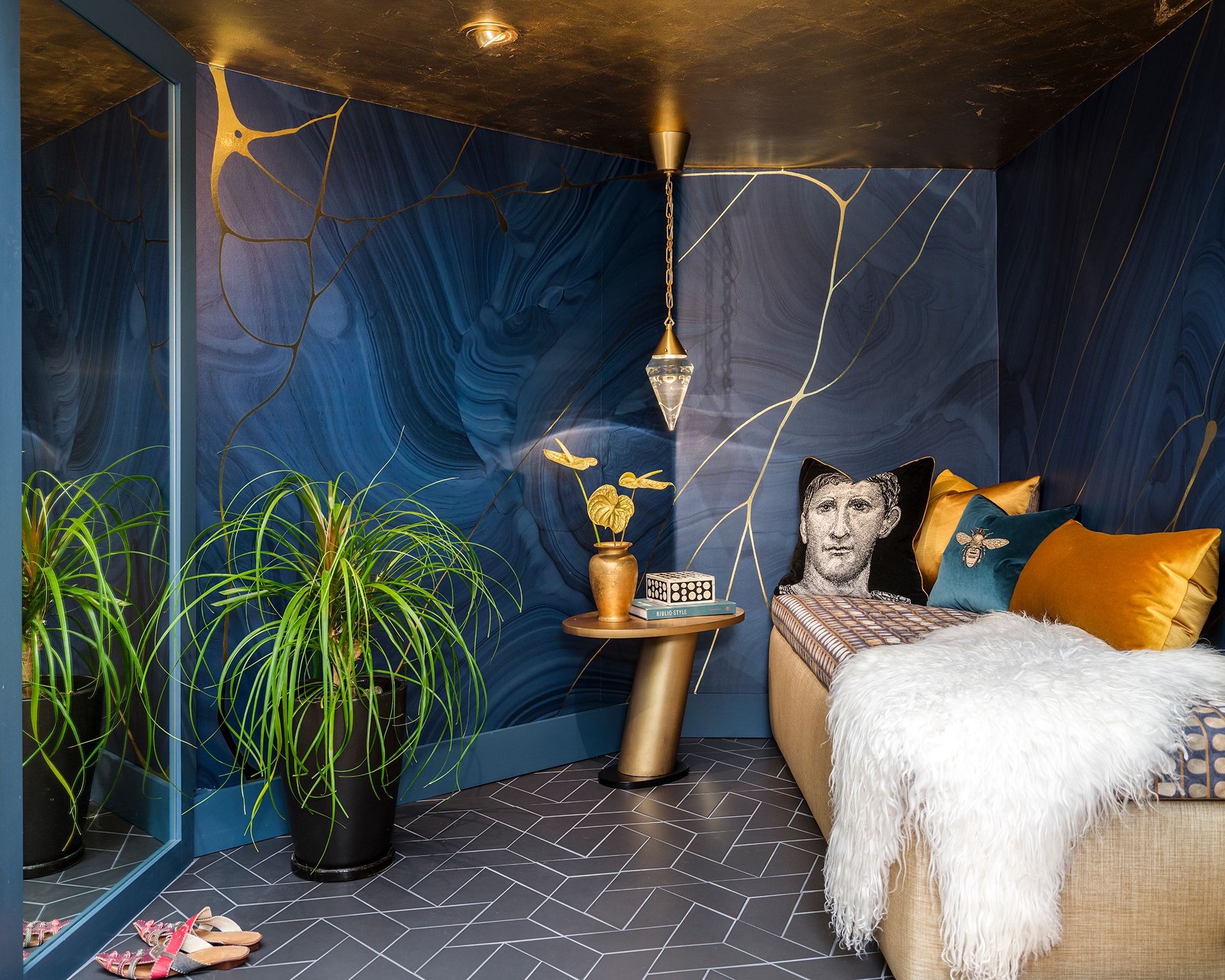
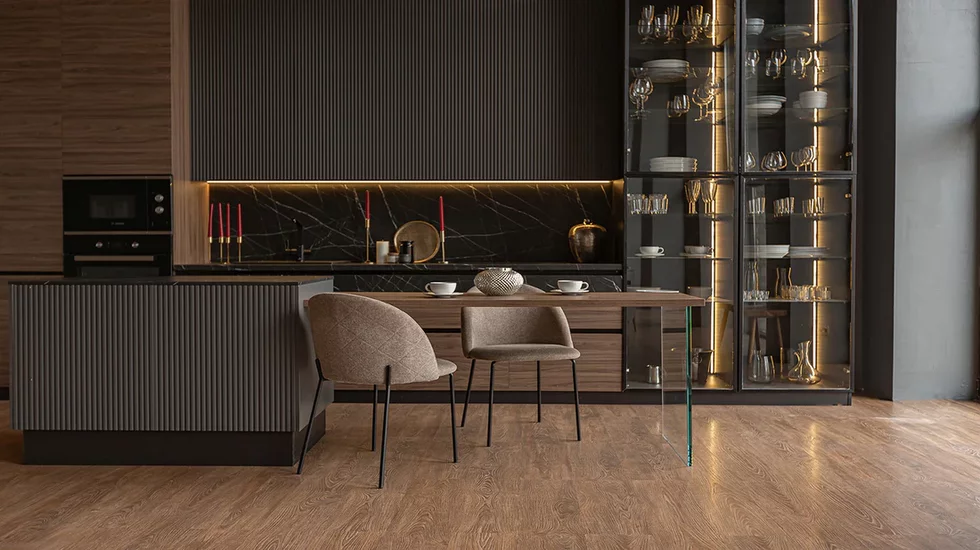
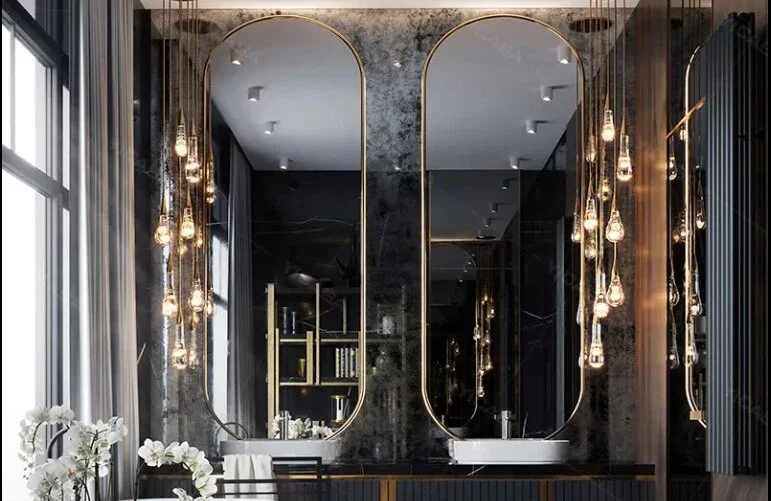
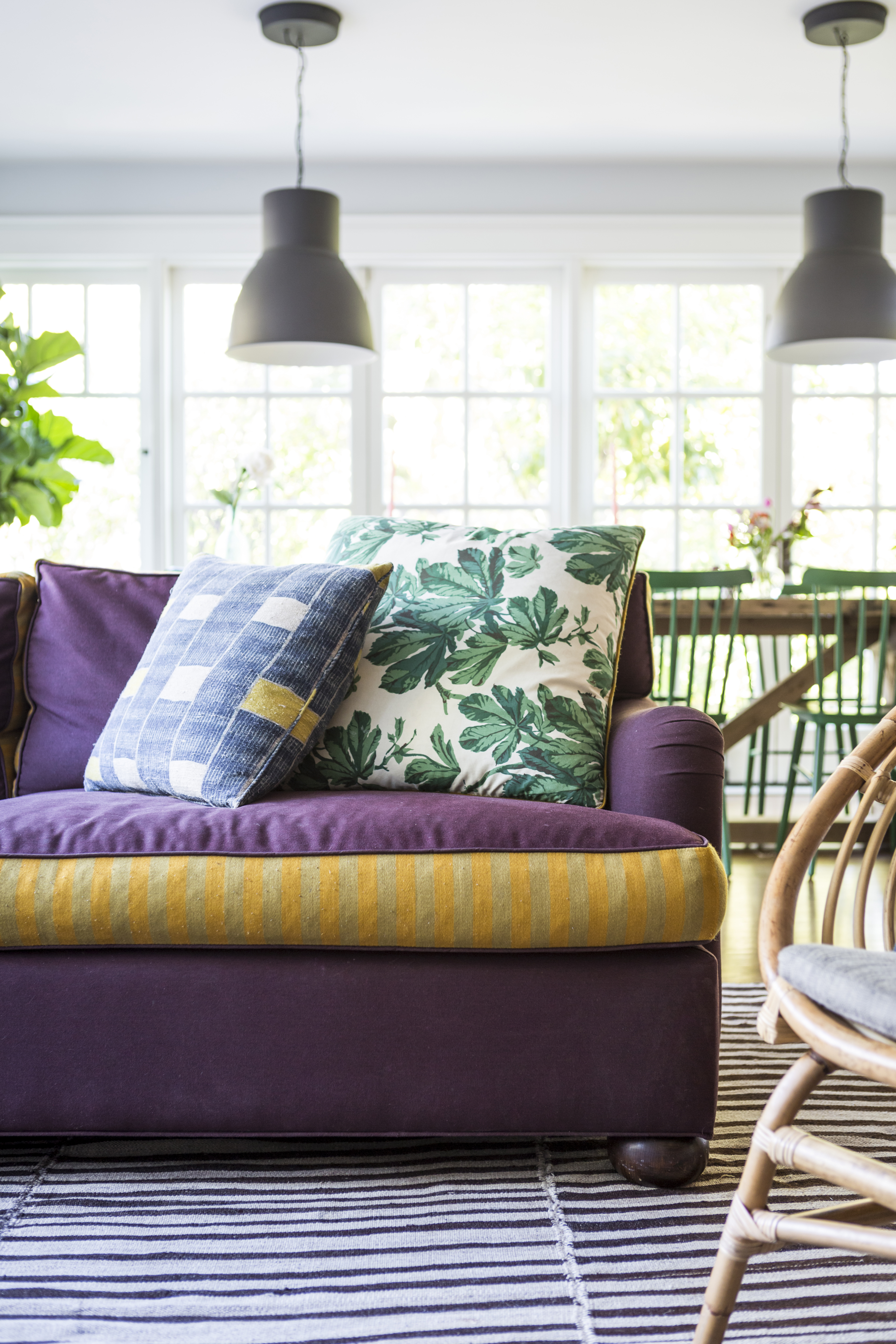
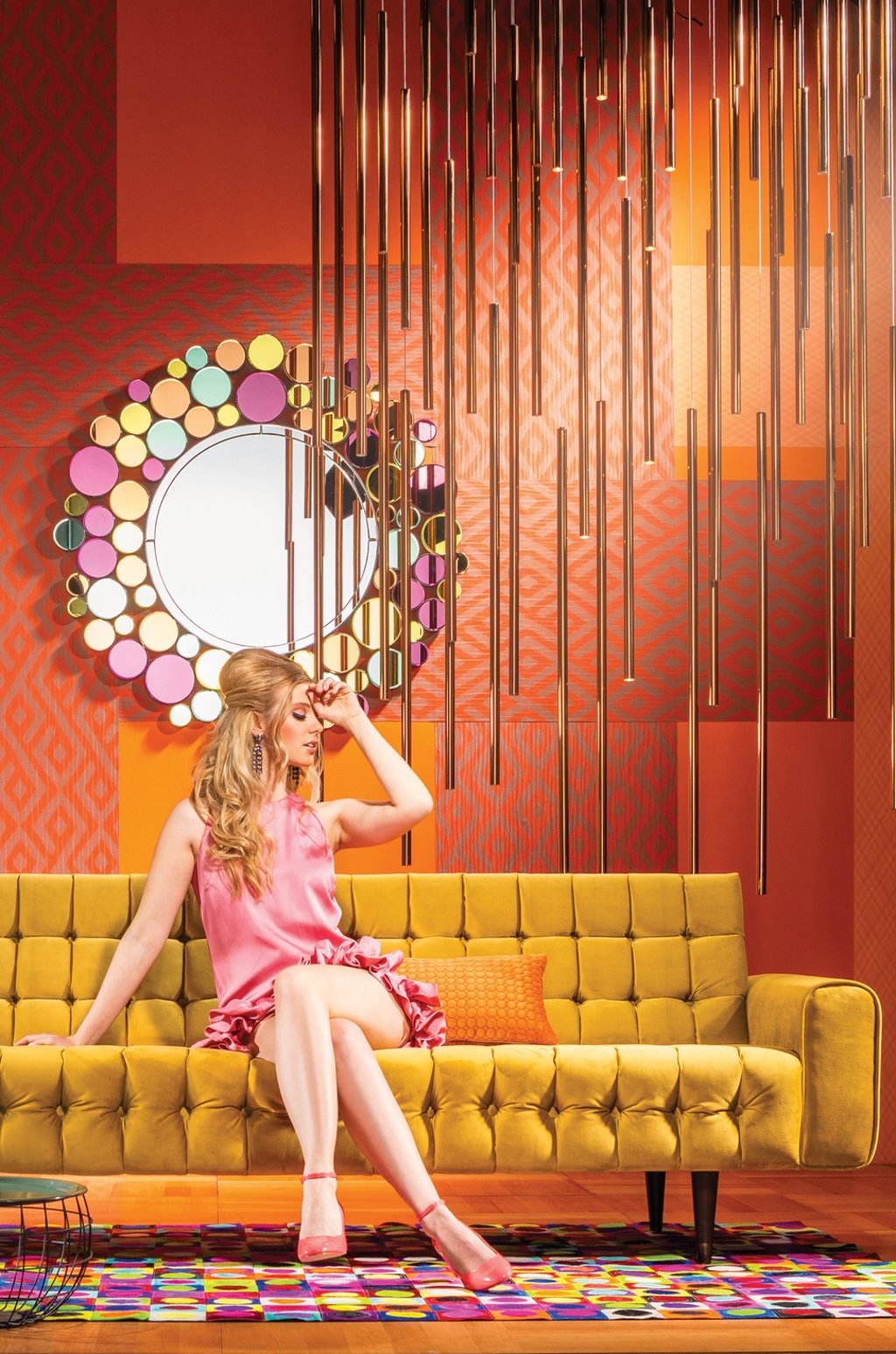
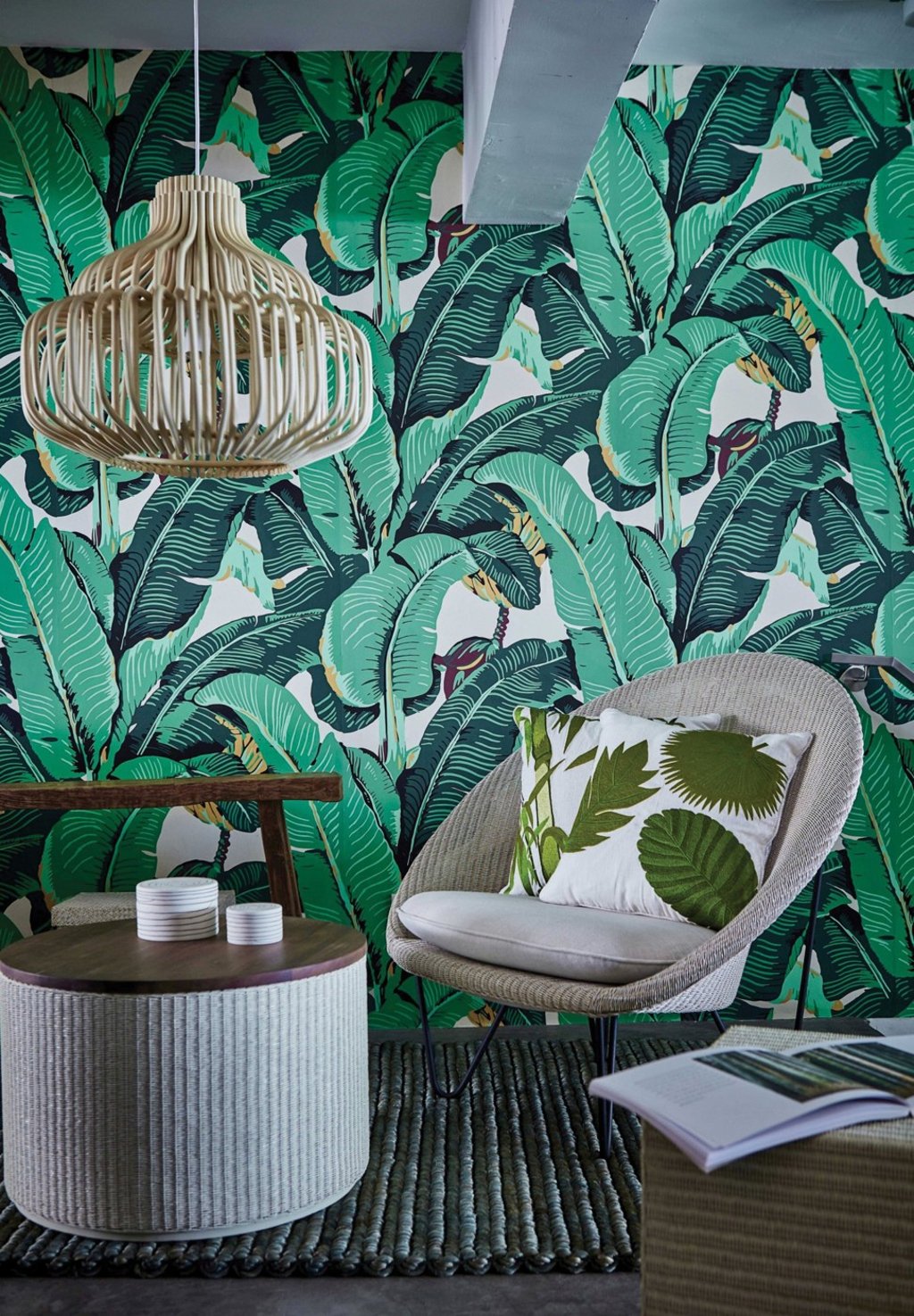
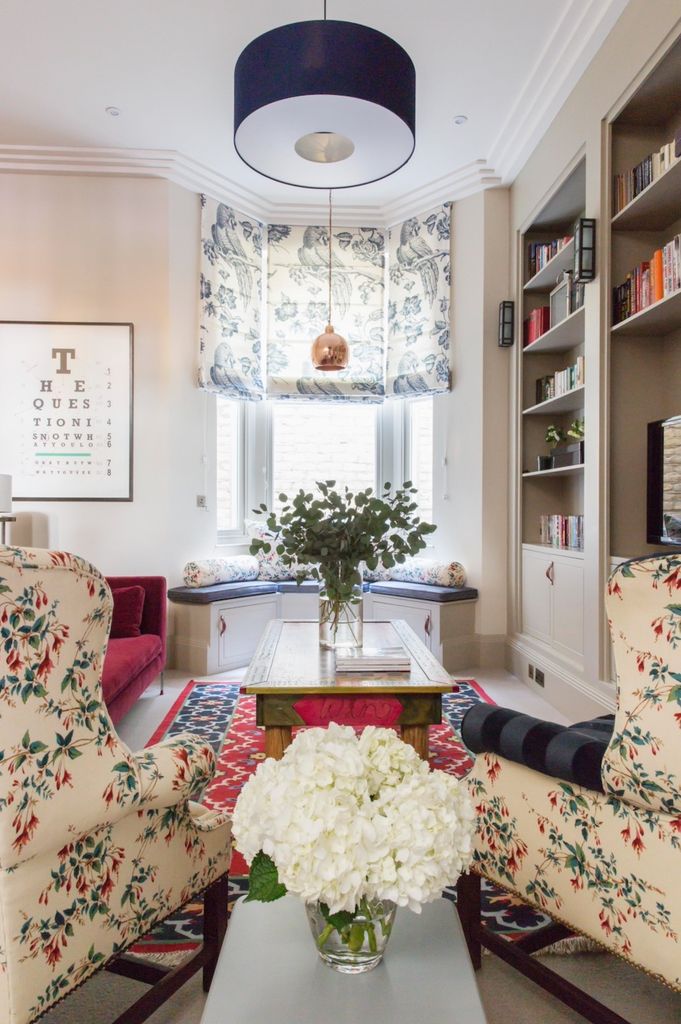
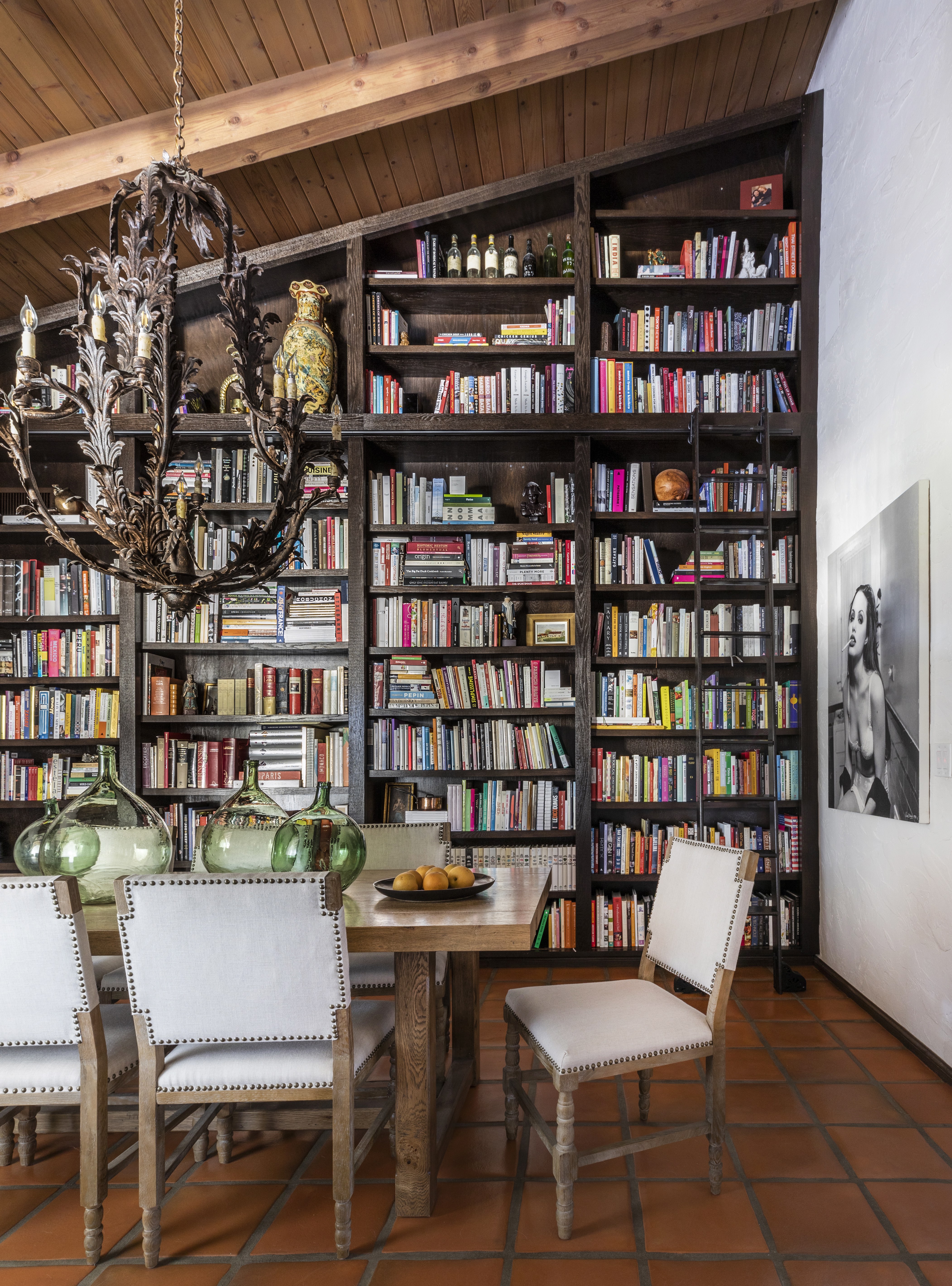
Finally, emphasizing verticality in design elements can effectively elongate a space. Vertical stripes, whether from wallpaper or paint, are noted to stretch any room visually. This effect isn't limited to literal stripes; patterns with a strong vertical alignment, such as certain flora or fauna designs, can also work. Additionally, incorporating tall, slim mirrors, either hung or leaned against a wall, can draw the eye upwards while simultaneously reflecting light, which further enhances the sense of space and brightness.
#InteriorDesign #CeilingHeight #HomeDecor #DesignTips #SpacePerception #PaintTechniques #FurnitureScale #VerticalElements #InteriorDesign #CeilingHeight #HomeDecor #DesignTips #SpacePerception #PaintTechniques #FurnitureScale #VerticalElements
0 comment in total
 No comments yet
You may also like
11 Pro Tricks to Make It Look Like You Have High Ceilings
10 Ways to Cover a Hideous Ceiling That Anyone Can Do

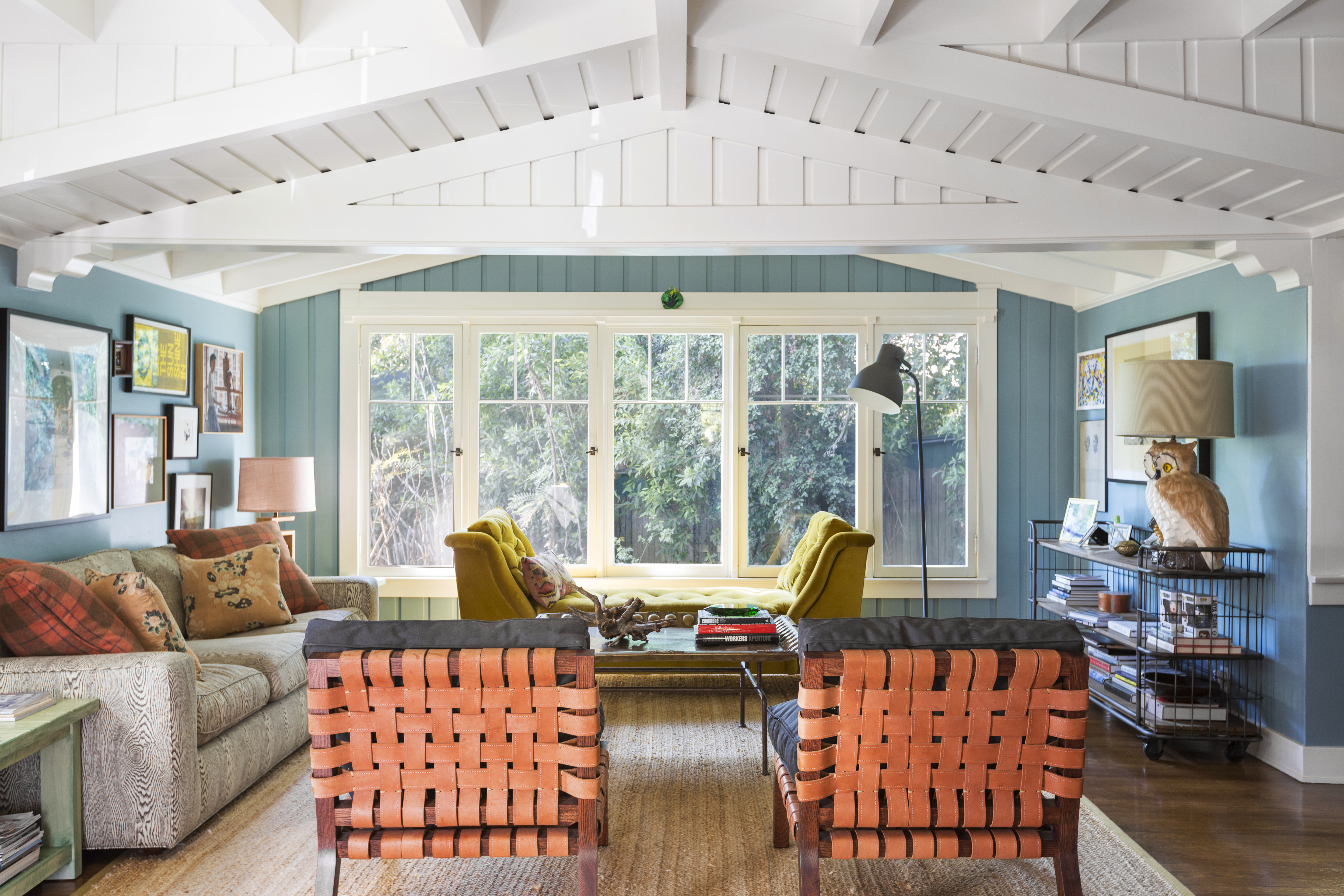
This Designer Gave Low Ceilings New Life (and Light) With This Paint Trick

Handyman Hints: Creating the coffered ceiling

7 tricks design experts use to make a bedroom ceiling seem higher

Homestyle: Ceilings are where it's at
Ceilings can be turned into eye-popping attention-getters
Can't Stand Your Generic Basement Ceiling? This DIY Project Will Make It Stunning

Designer-Approved Tips to Make the Most of High Ceilings

Latest Bedroom False Ceiling Ideas for Your Dream Home
How to make your ceiling light up the room

The subtle 'vertical decorating' technique designers use to make small rooms look bigger and brighter
3 Ways To Make A Drop Ceiling Look Good, According To Designers

10 paint tricks for low ceilings that will make your room's "fifth wall" feel higher and more impressive

9 simple tricks to elevate your small living room according to an interior designer

Designers Are in Love With "Unexpected Ceilings" — This Creative Trend is Elevating Modern Spaces
How to Decorate a Room with a High Ceiling, According to Designers
8 ways to elevate your living room, kitchen, bathroom, and bedroom

9 simple tricks to elevate your small living room according to an interior designer

Remember ceiling when decorating rooms