1/14
10 Mid-Century Modern Lighting Ideas That Bring Design History to Your Room, But Still Feel Right for Today
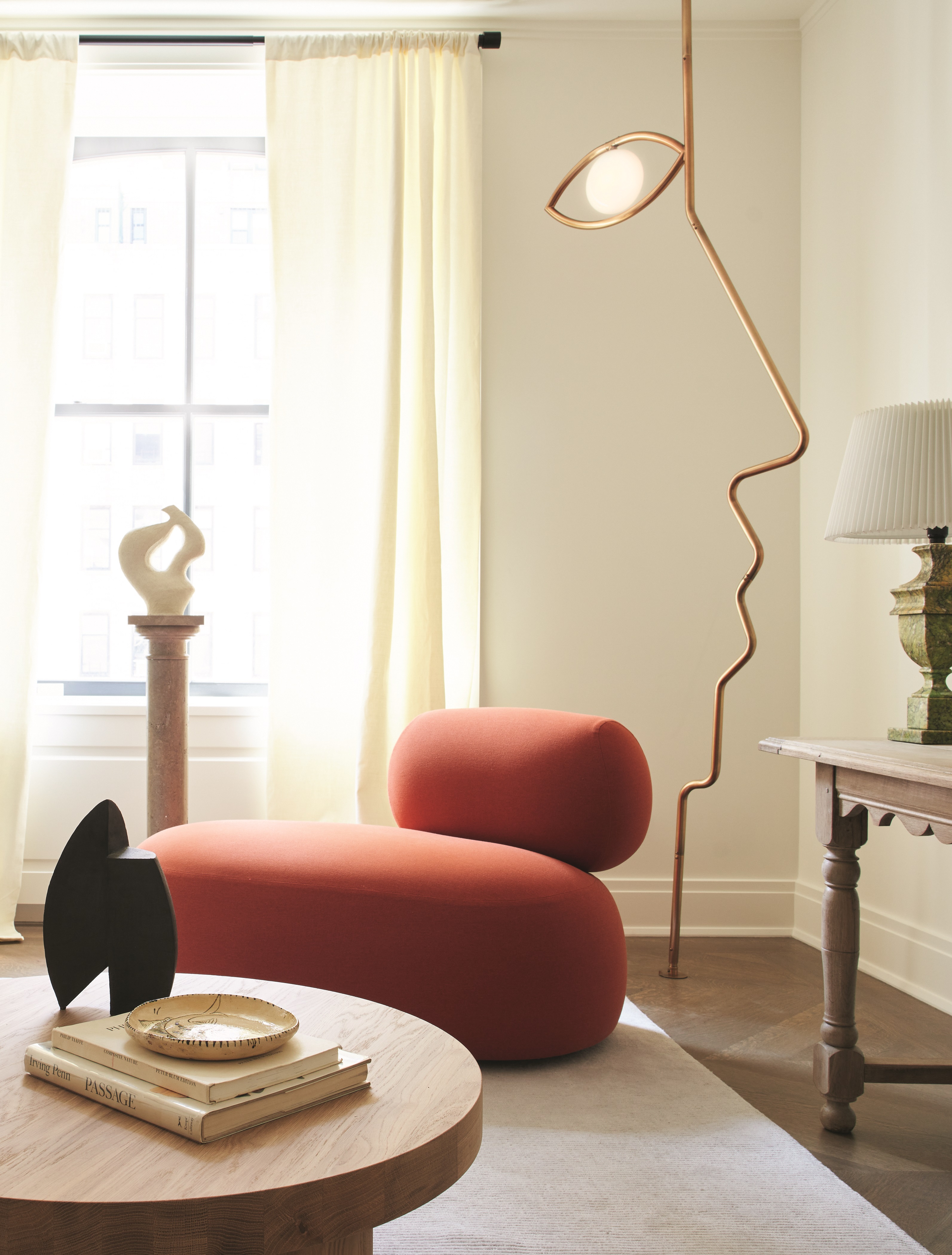

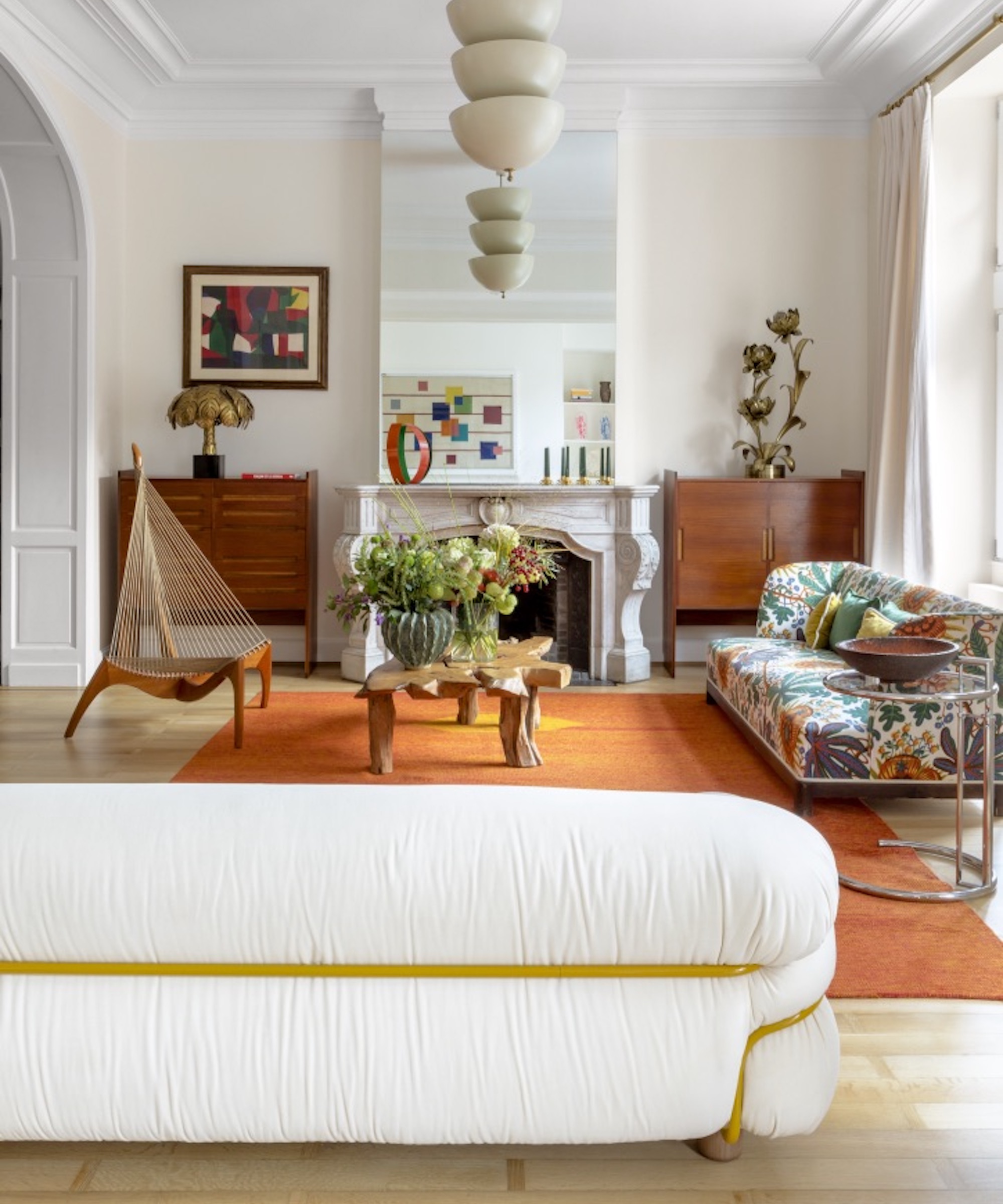
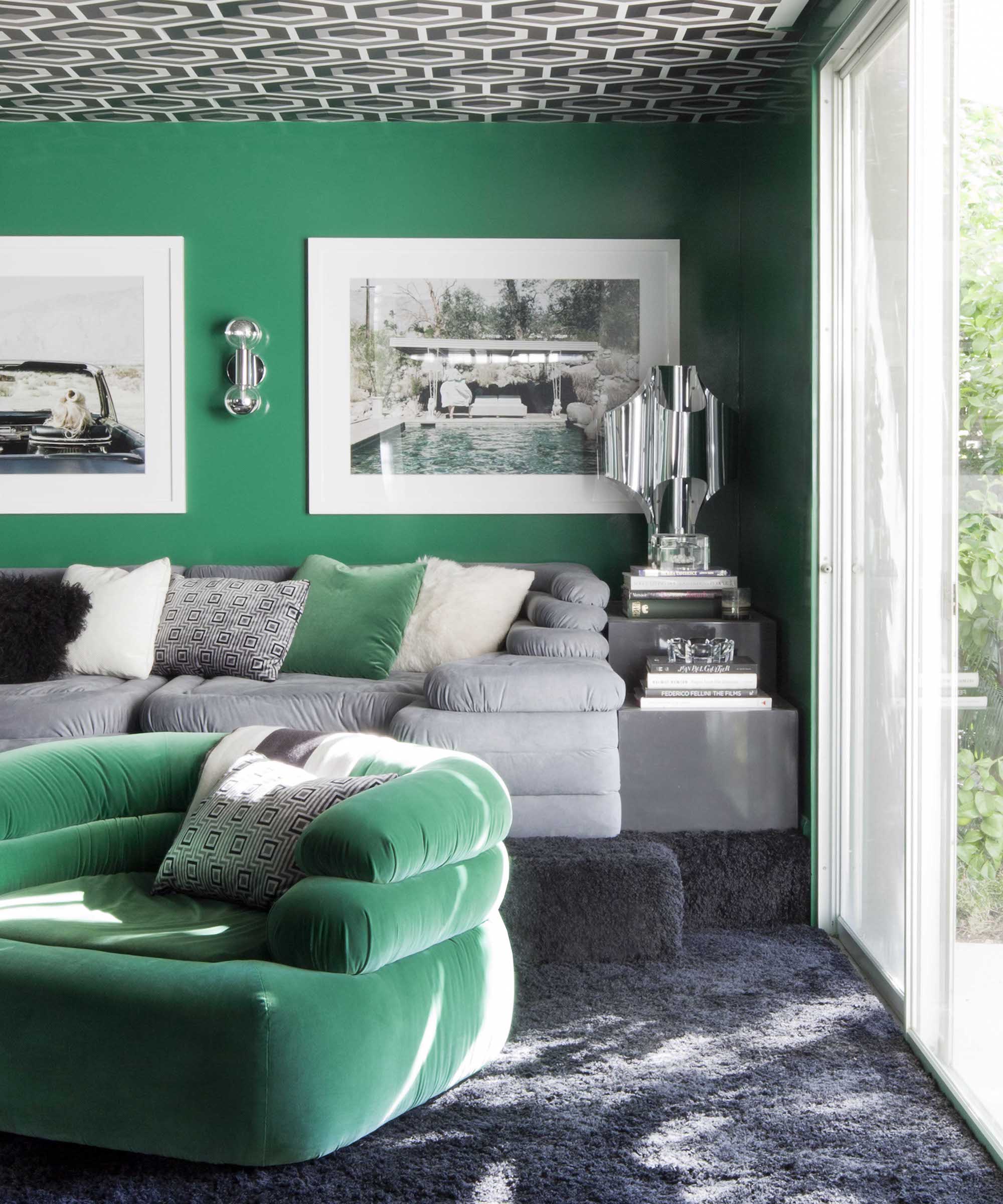
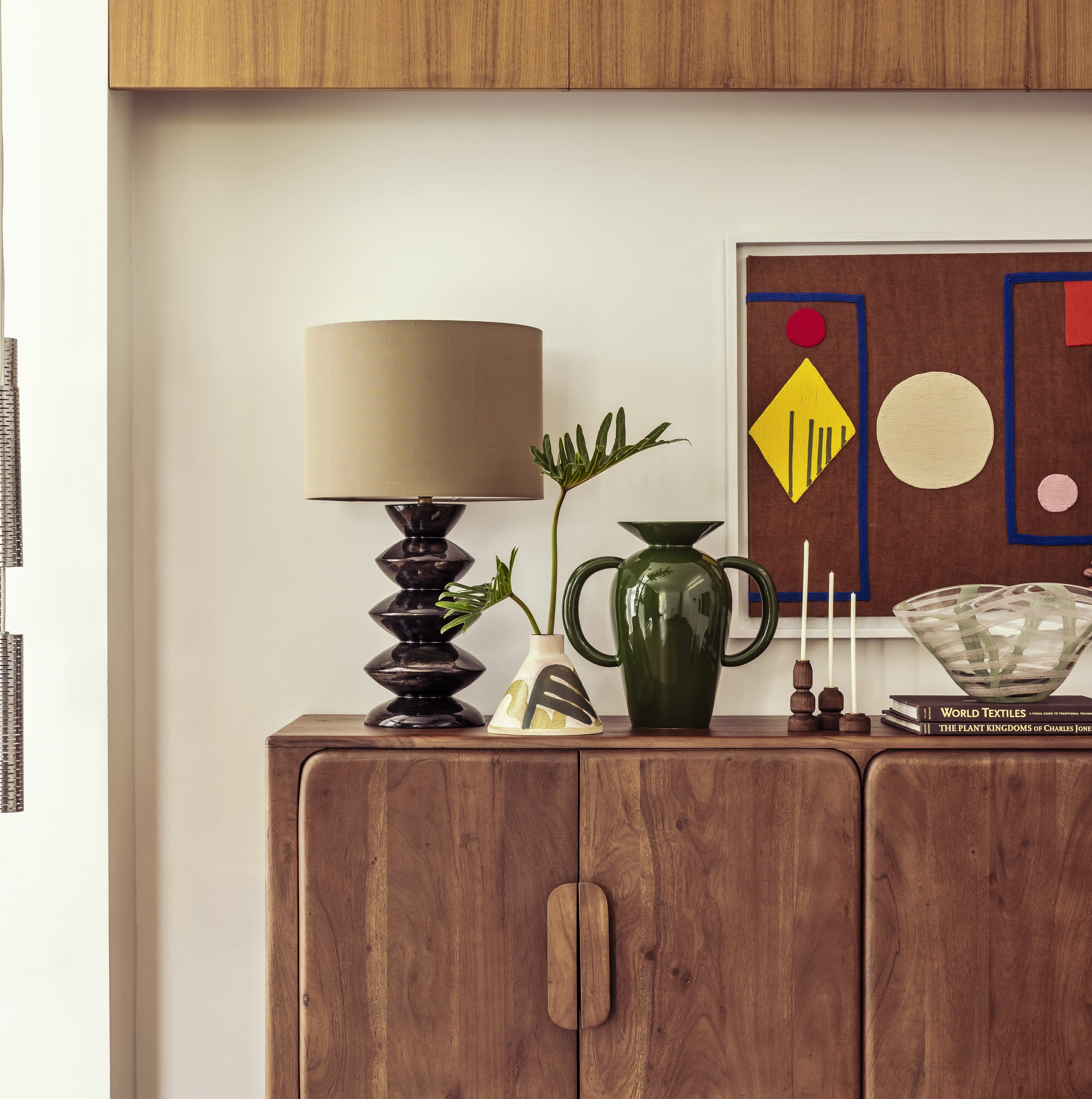
This article explores ten mid-century modern lighting ideas that interior designers are using to infuse contemporary spaces with a retro yet current aesthetic. The core principle revolves around creating a dialogue between past and present, elevating a space with character and timeless sophistication. Mid-century modern aesthetics, characterized by sculptural silhouettes and a mix of materials, are particularly well-suited for lighting, offering fixtures that can either anchor a room or add a playful touch.
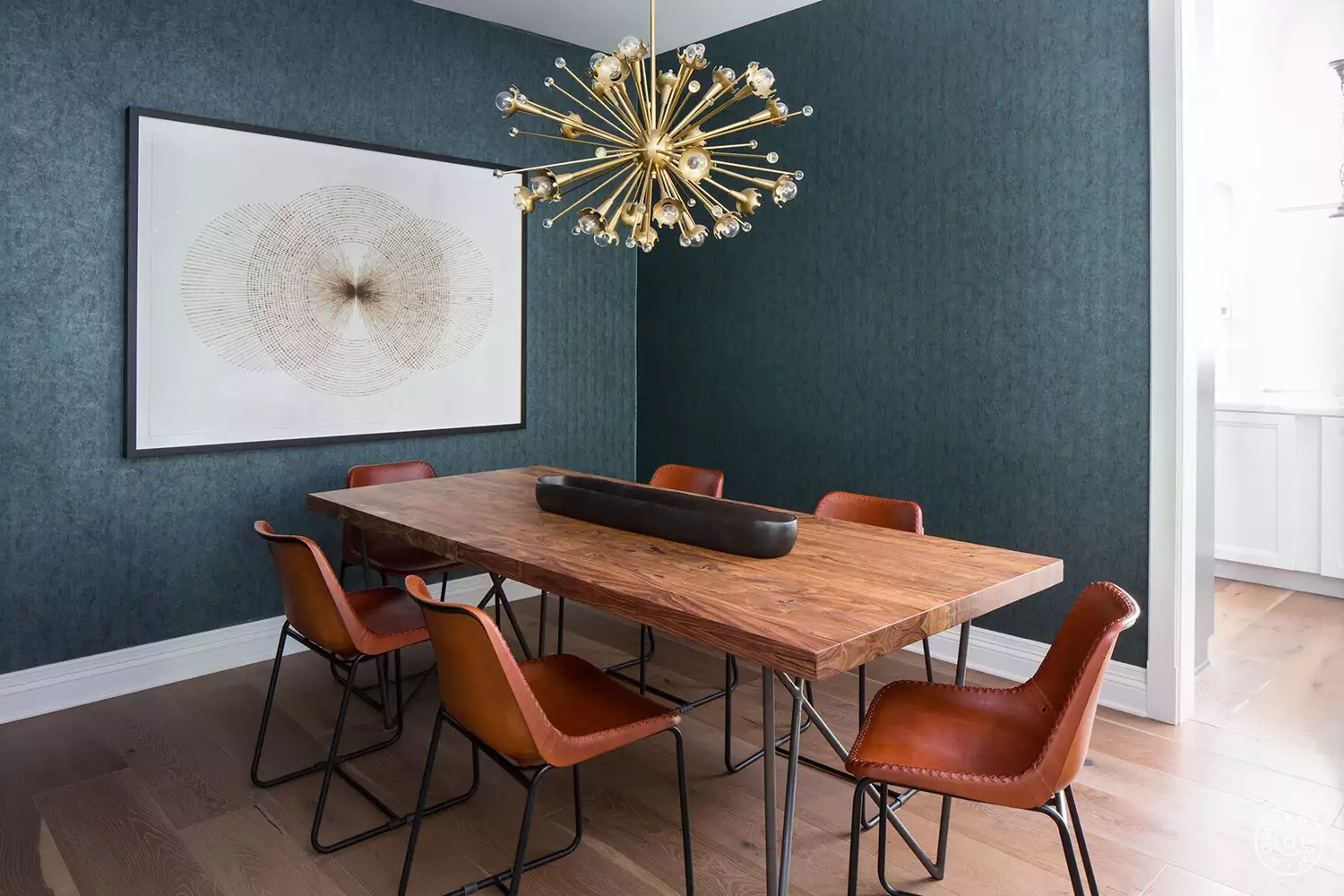
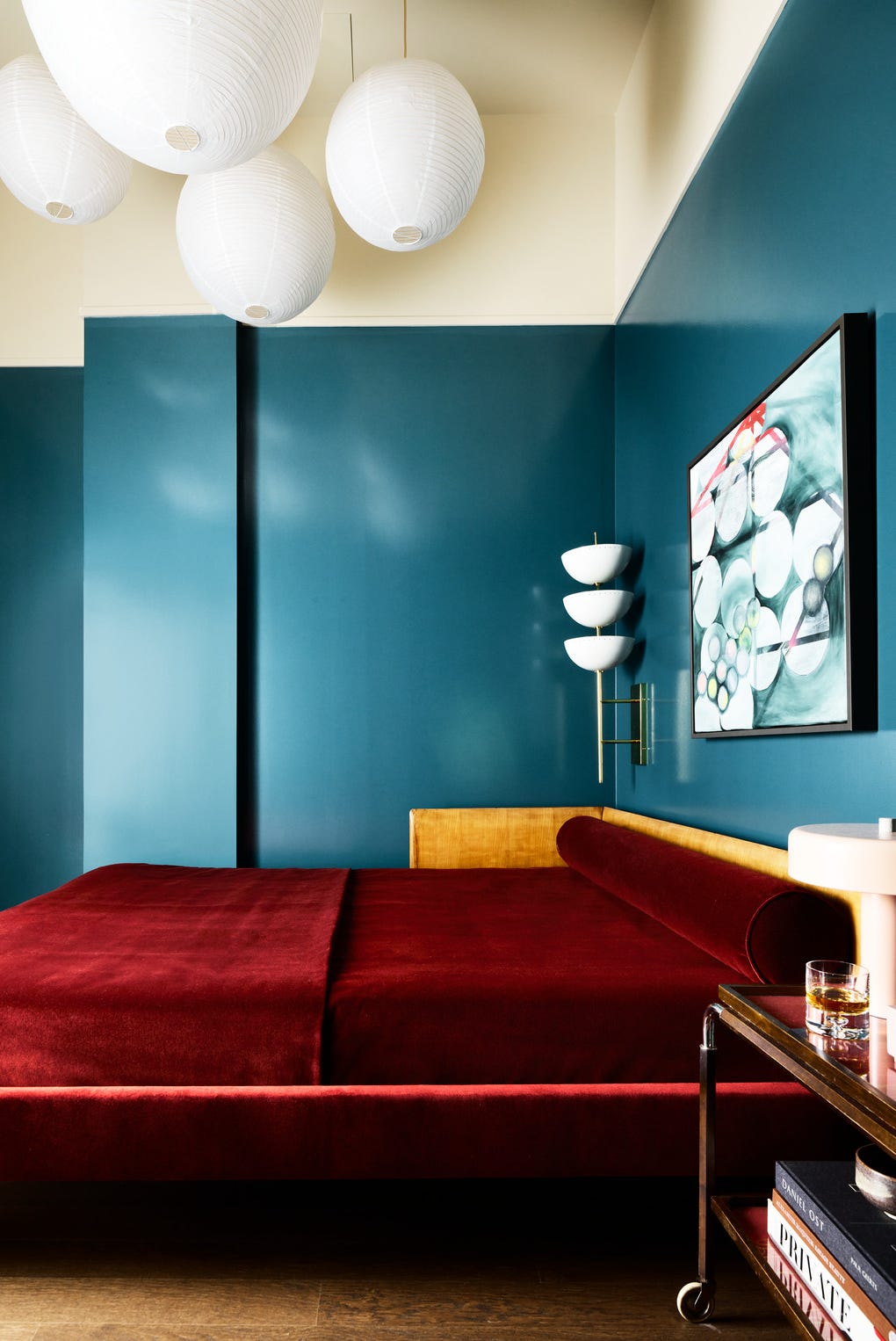
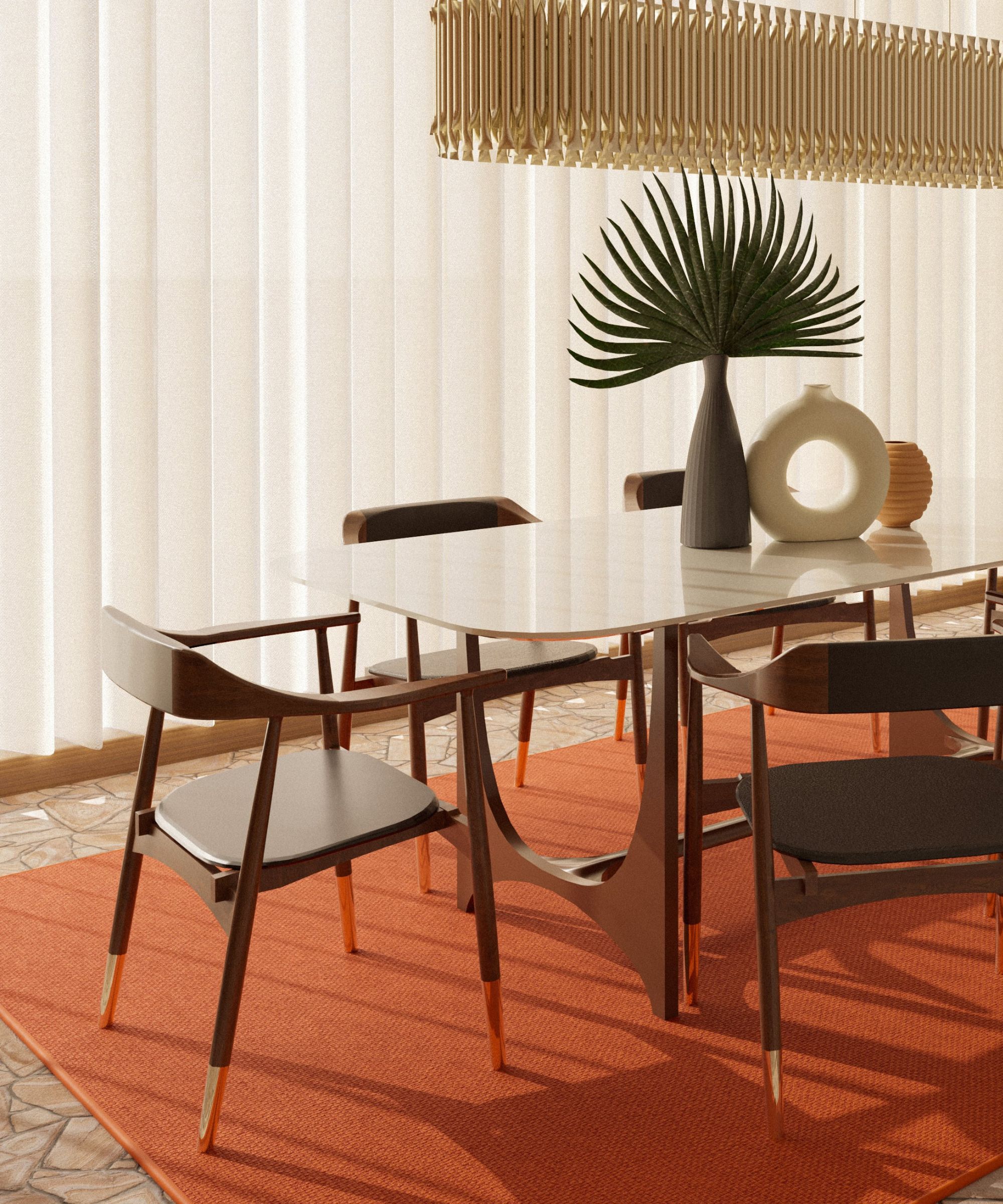
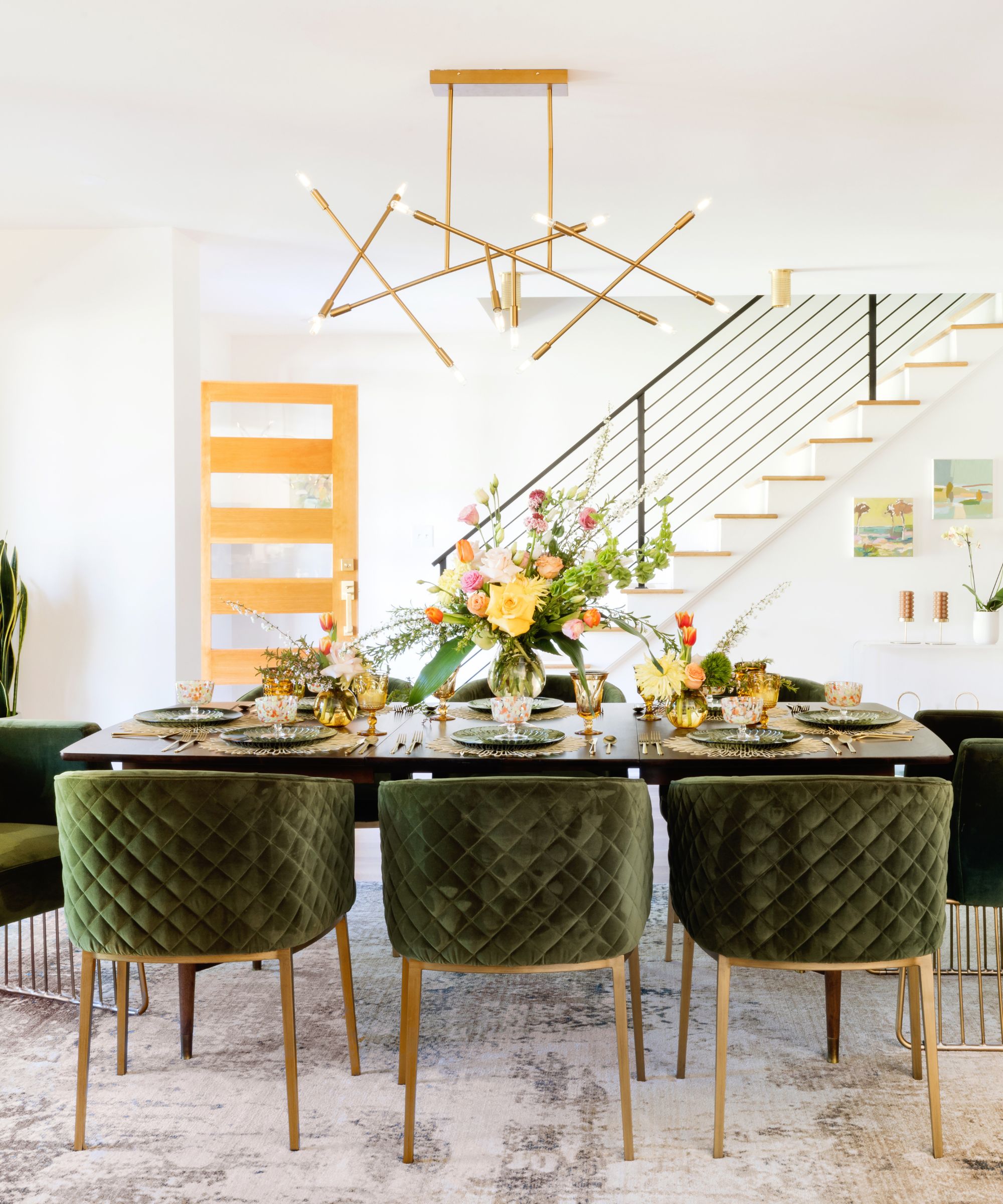
The first idea, "Climb the Walls," suggests utilizing vintage Italian wall lights against timber-paneled walls to create contrast and add texture. This approach, as seen in a living space for Sea Containers Hotel, emphasizes wall lights as integral design elements that cast a warm, inviting glow, rather than just functional fixtures. The second idea, "Play With Color," highlights the use of Sputnik-style chandeliers, which gained popularity after the launch of the first satellite. While often seen in brass or chrome, opting for a colorful version can make a bold statement in dining rooms, with the chandelier's colors echoed throughout the space to create a cohesive and personality-driven design.
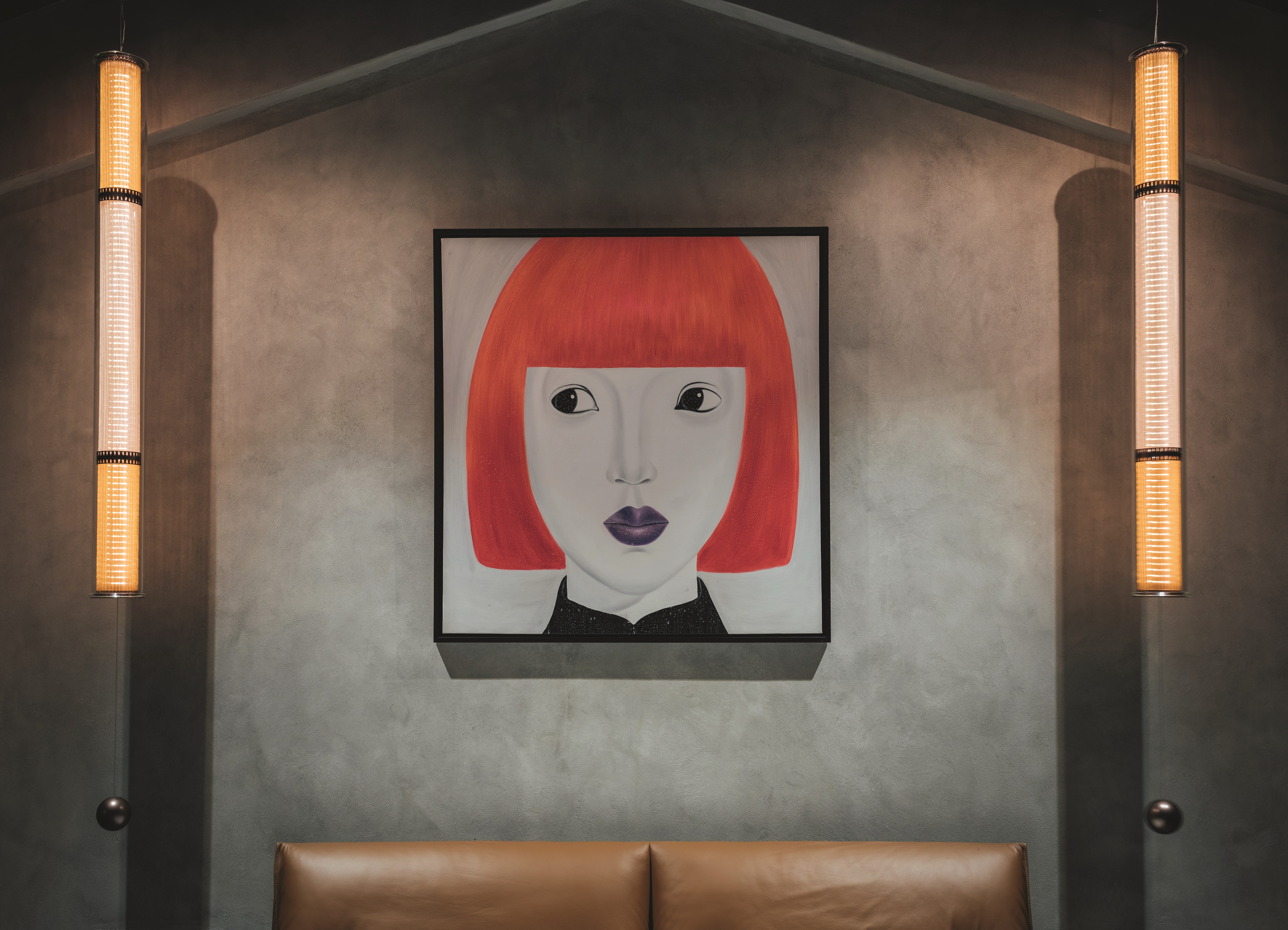
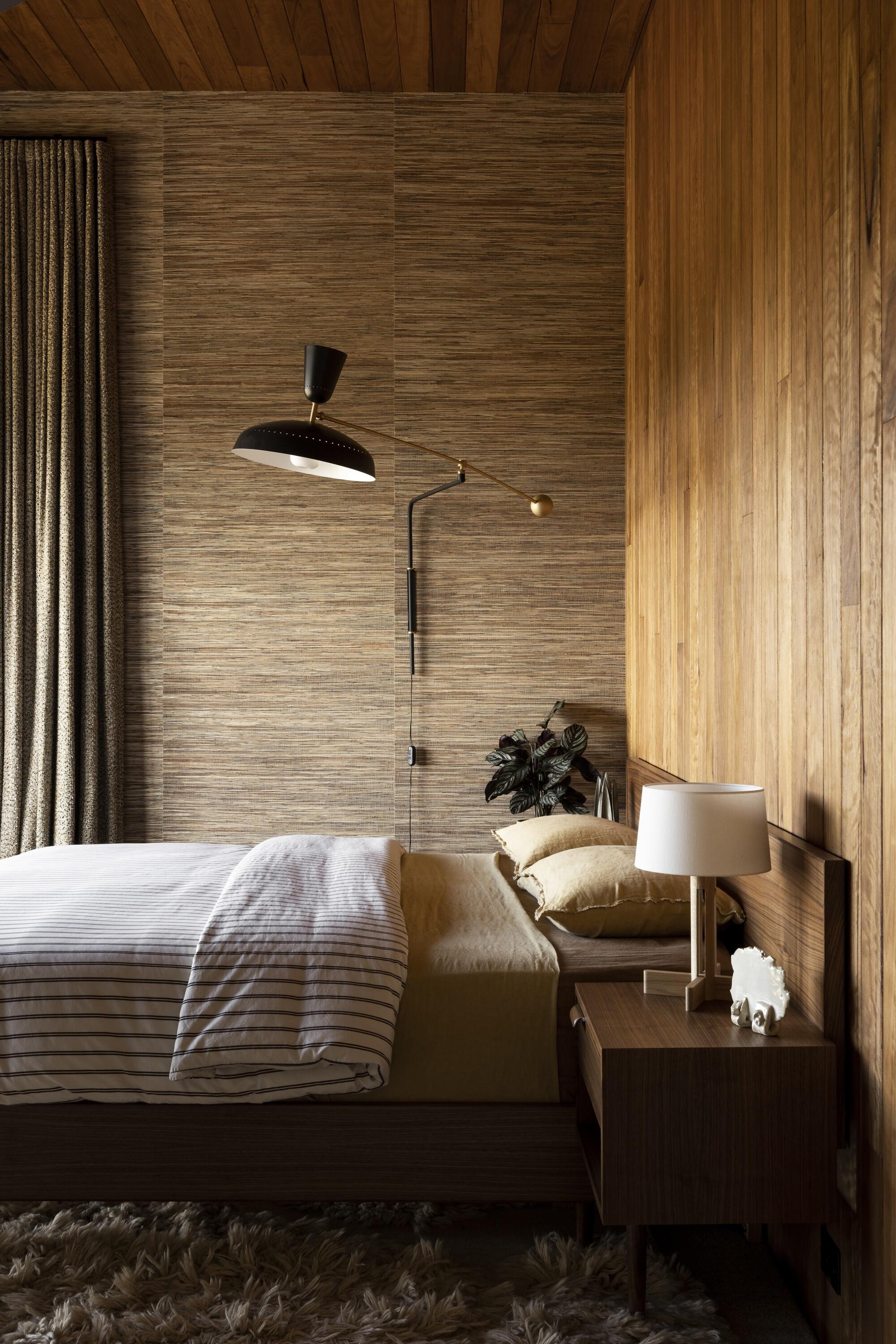
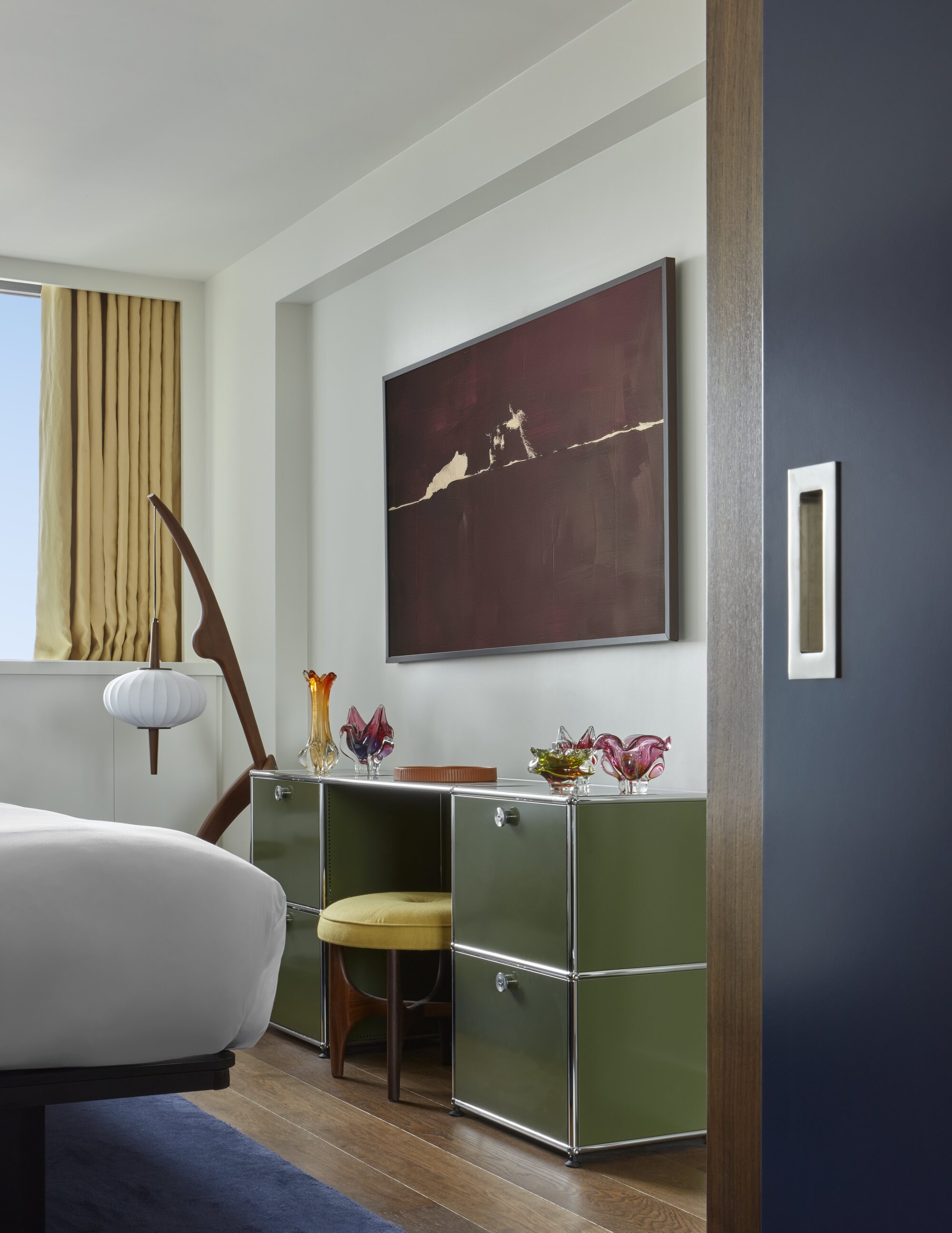
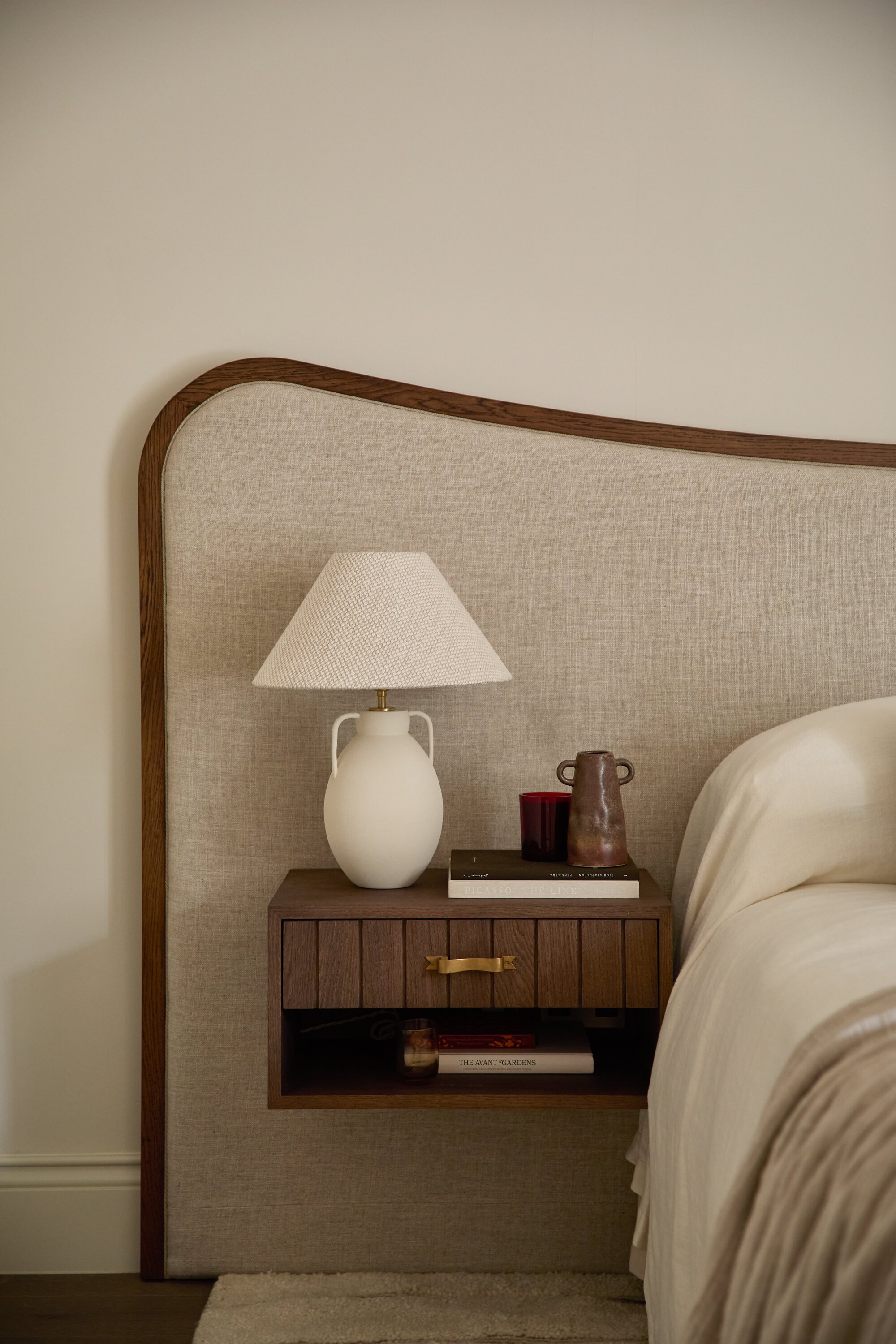
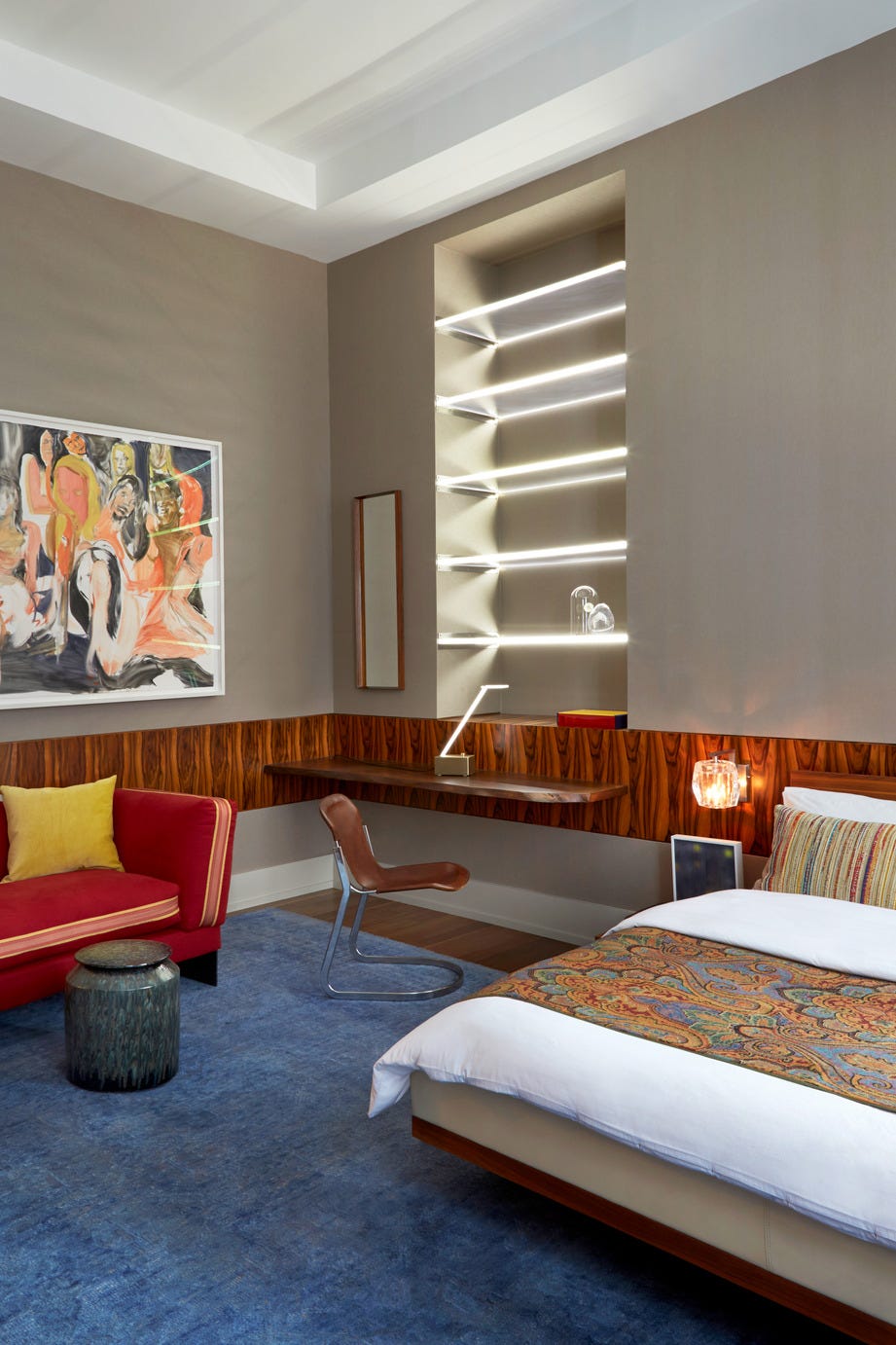
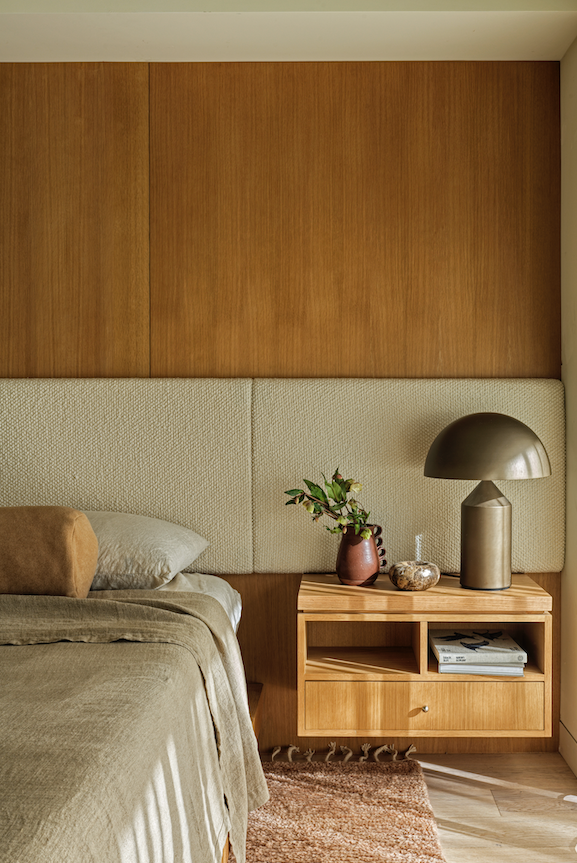
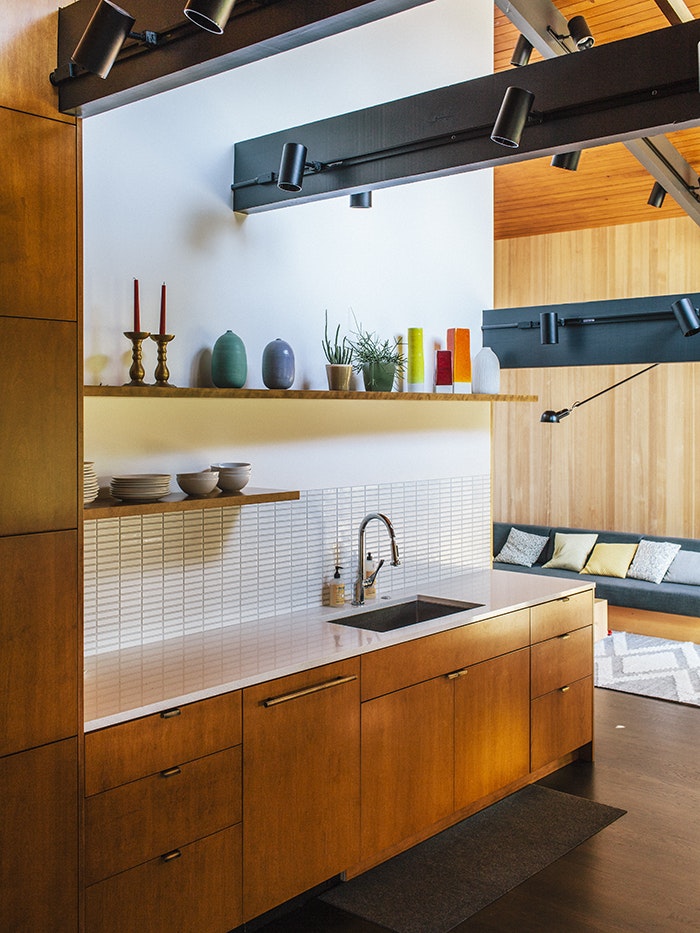
"Create a Balance" focuses on achieving a gentle, calm atmosphere with mid-century modern lighting. This involves selecting clean-lined downlights that mirror architectural features and subtly reinforce the mid-century aesthetic without being overly literal. Such thoughtful contrasts add depth and dimension, making a simple seating area more inviting. "Consider Integration" delves into built-in or integrated lighting elements, a hallmark of mid-century design. This approach, as illustrated by a Melbourne bedroom, prioritizes elegance and restraint, with integrated lighting providing subtle detail that complements the softness of the space. The combination of black and brass offers a contemporary nod to mid-century sensibilities, resulting in sculptural rather than overtly nostalgic fixtures.
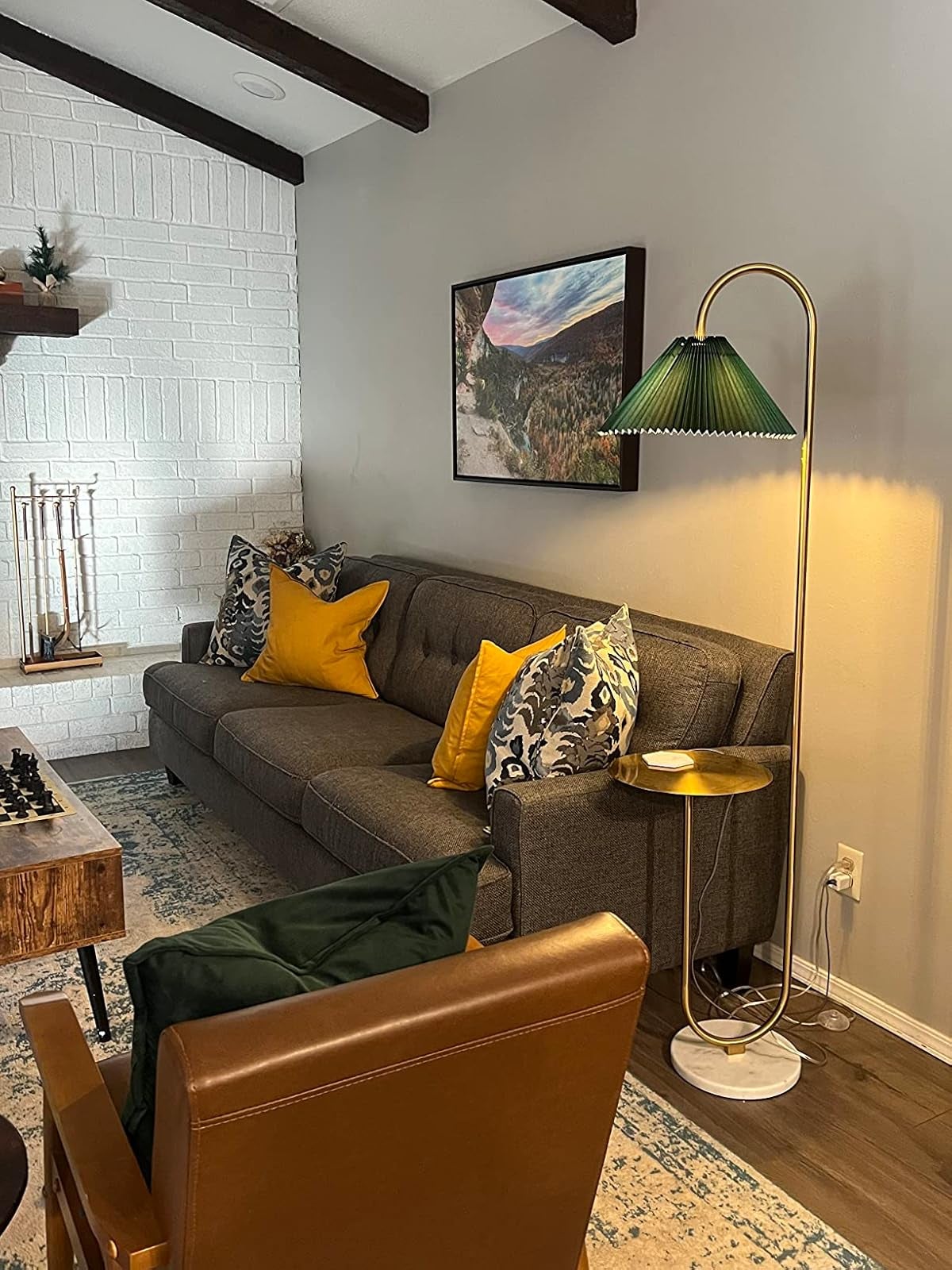
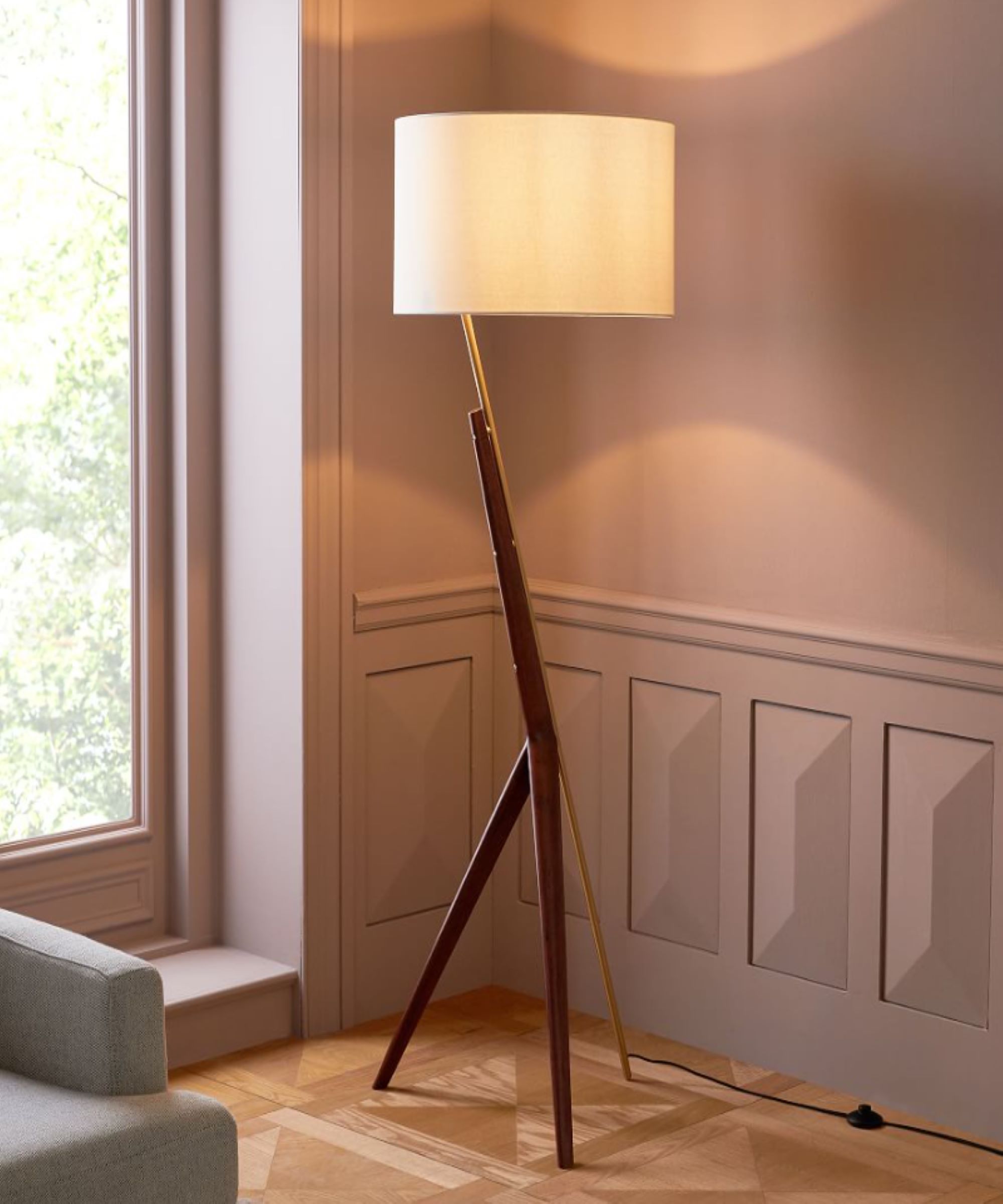
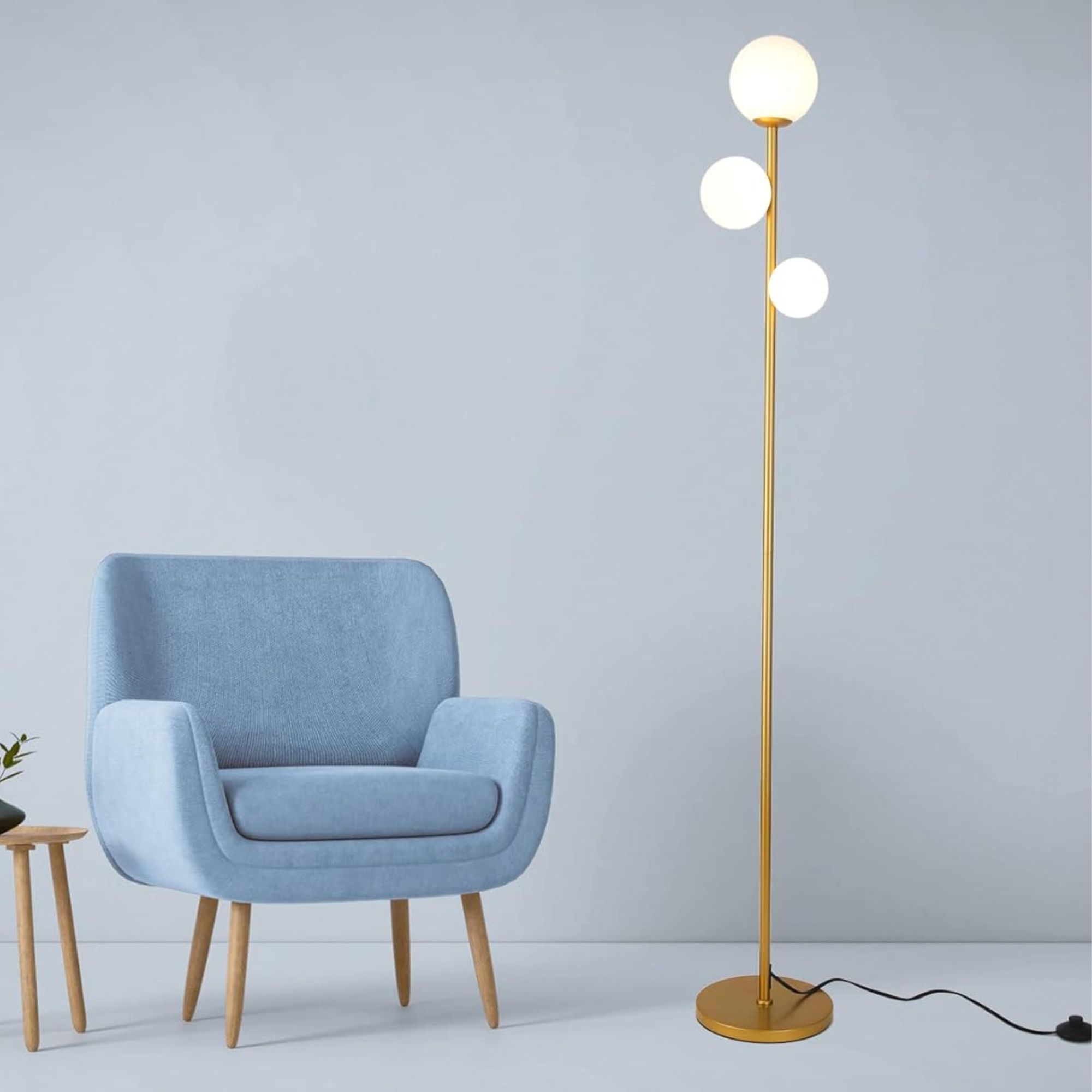
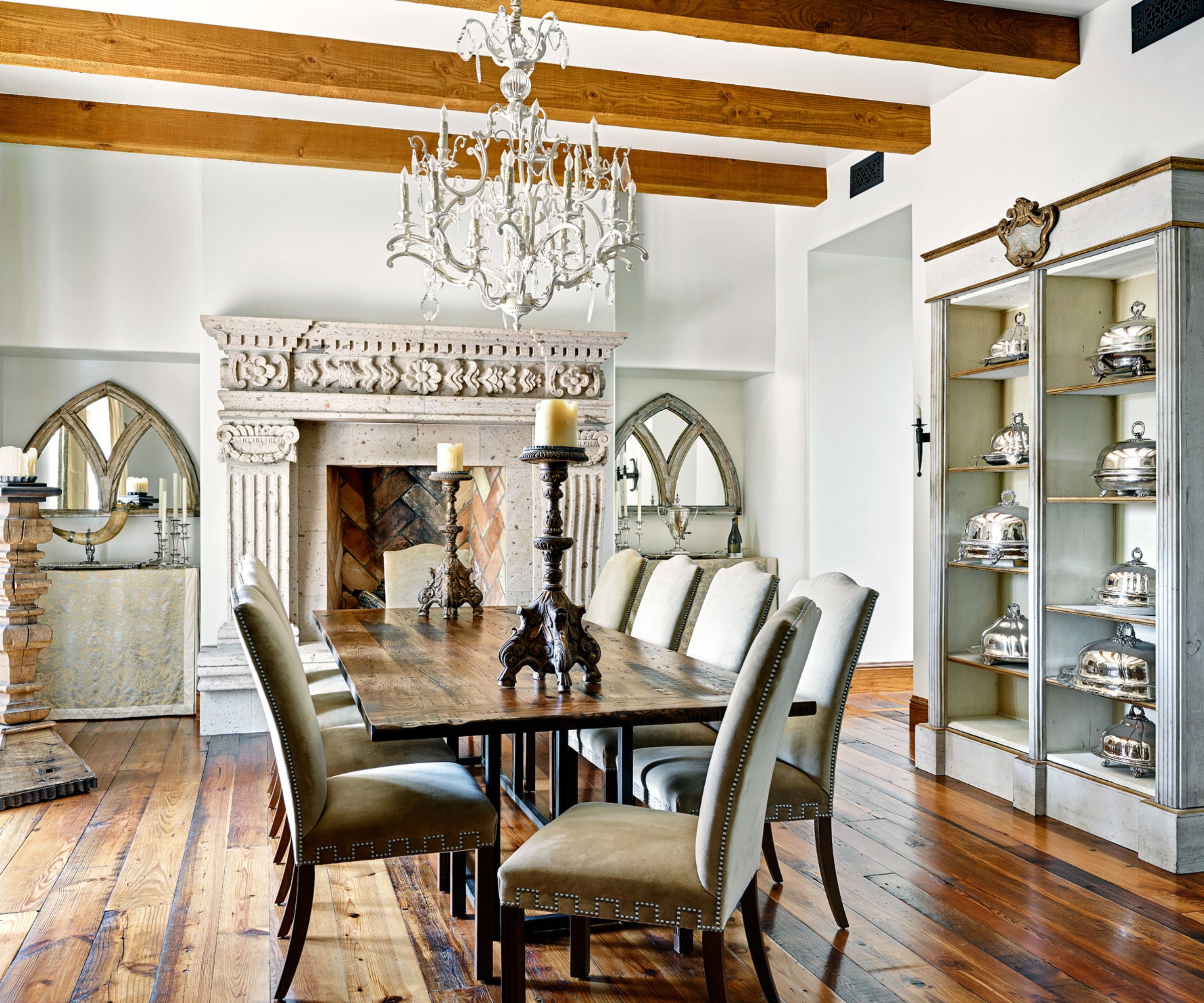
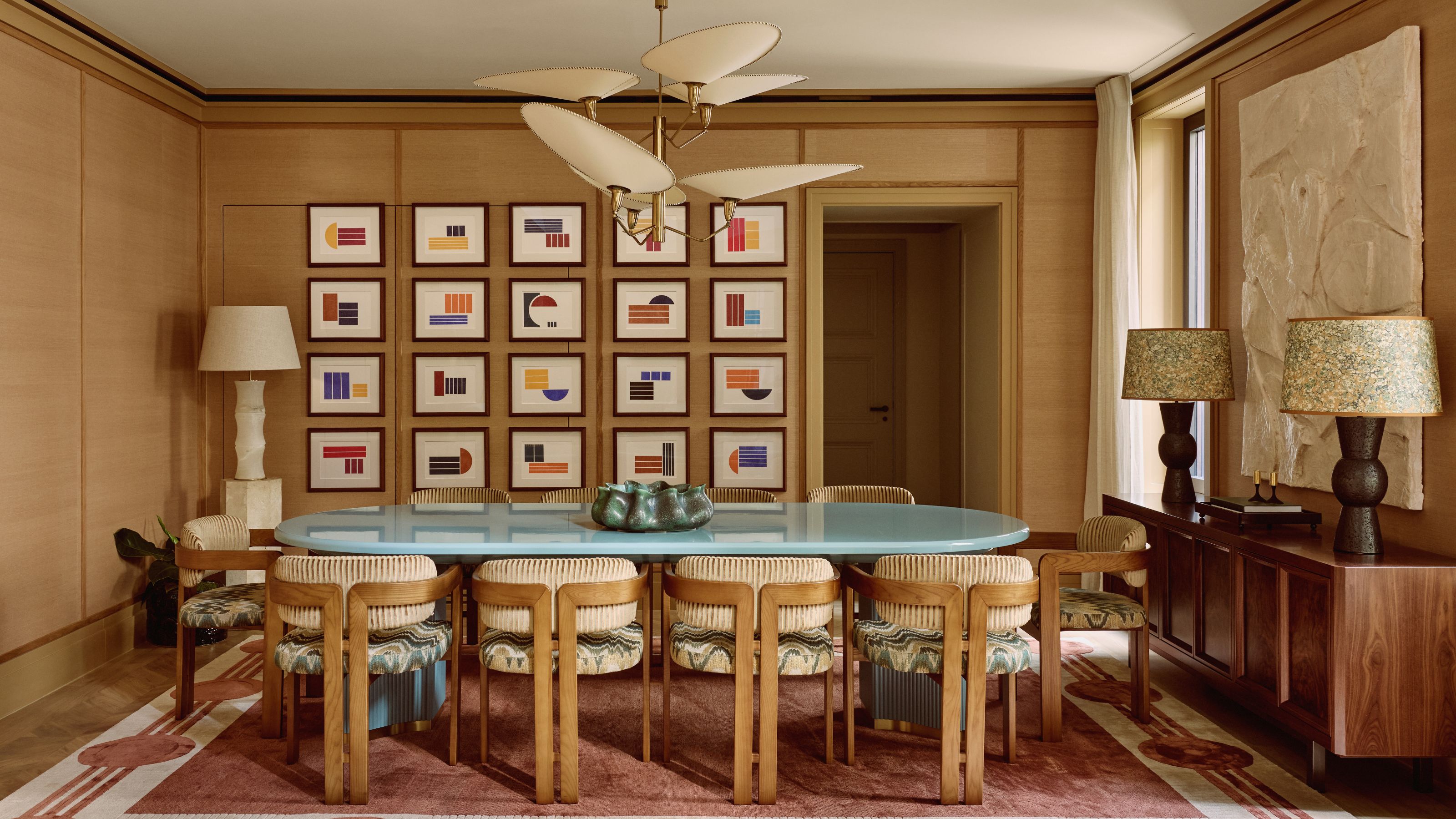
The fifth idea, "Layer Lighting," emphasizes creating an ambient effect through multiple light sources. This involves careful positioning of wall lights, side lamps, pendants, and floor lamps to build depth and enhance mood. An example provided is a dining room with a custom chandelier and sculptural table lamps, which together create visual balance. "Take the Floor" features iconic pieces like Achille Castiglioni’s Arco floor lamp, which, with its heavy marble base and graceful metallic curve, can become a focal point in a room, providing overhead light without relying on ceiling fixtures. This approach is particularly effective in spaces with architectural constraints, offering height and volume.
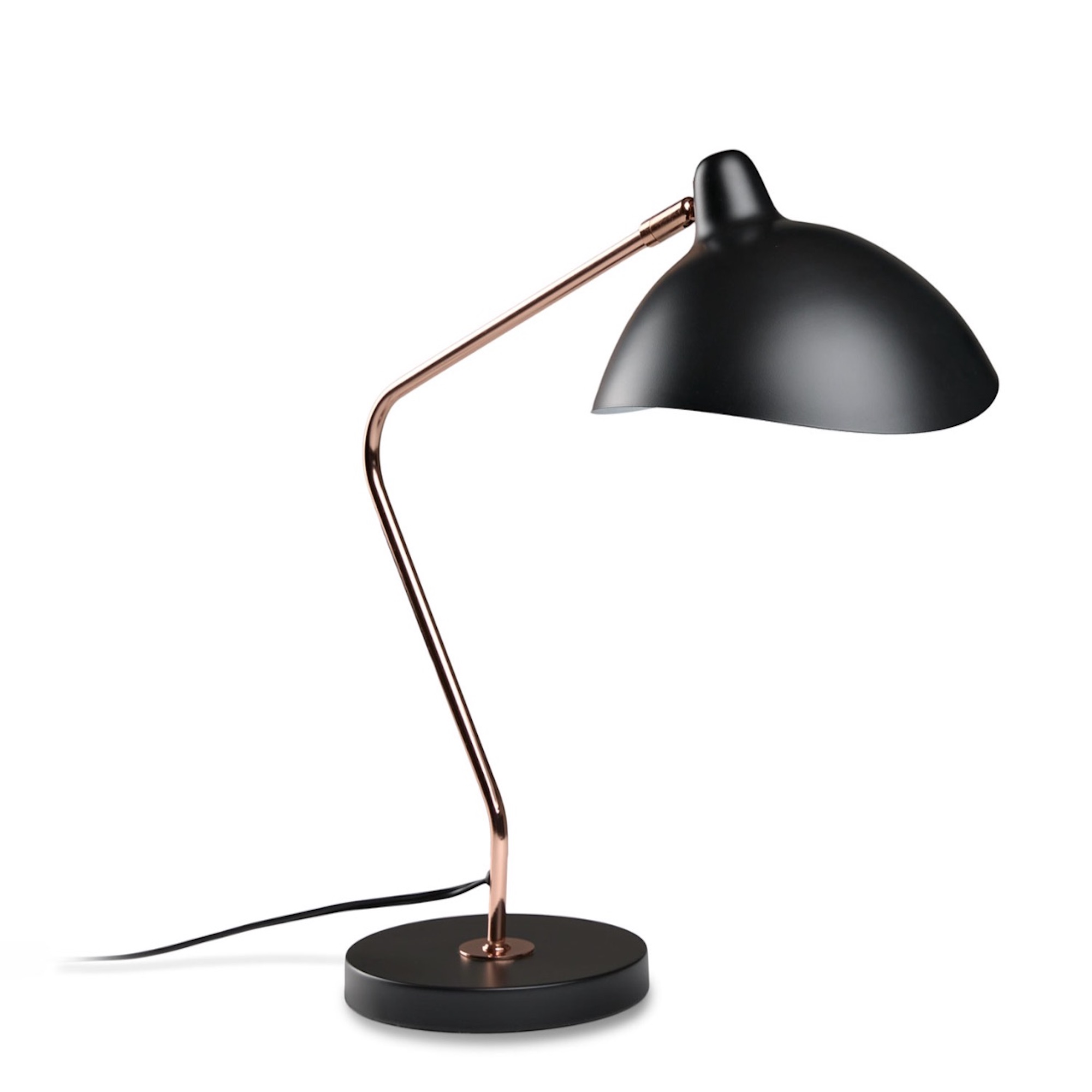
"Find Your Angle" explores how the sculptural silhouettes of mid-century modern lighting can complement spaces with strong contours or architectural features, such as industrial staircases. Table lamps in this style can function as both art and functional pieces, with their form mimicking rigid angles while incorporating organic elements of the mid-century period, making them feel fresh in contemporary settings. "Get to Work" highlights the suitability of mid-century modern lighting for home offices. With its clean lines, organic forms, and warm finishes, such lighting can transform a workspace, adding design flair and increasing productivity. The Gino Sarfatti’s Model 548 lamp is presented as an investment piece that elevates the space from mere decoration to one with a sense of legacy.
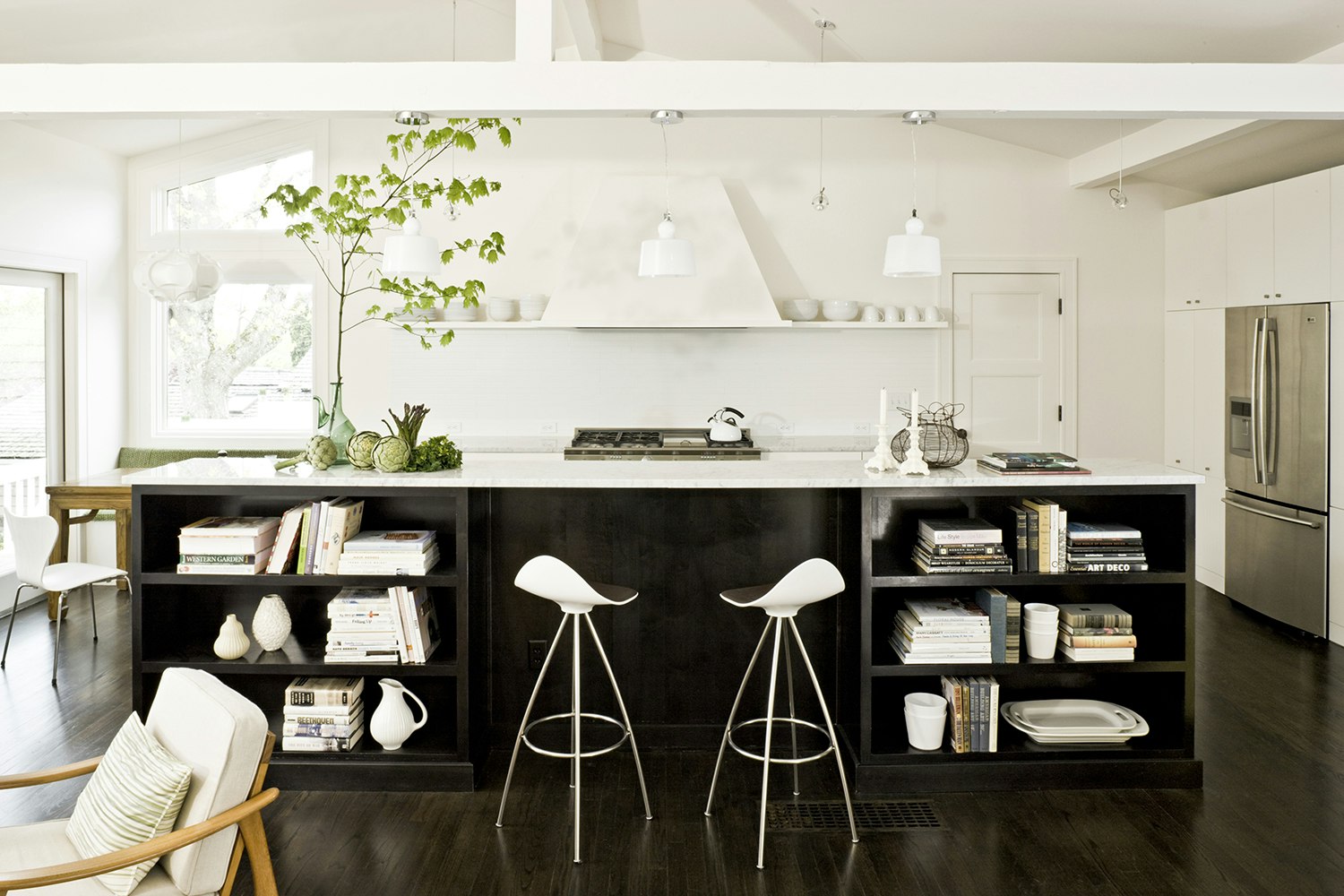
"Look up" suggests that statement ceiling lights from the mid-century modern era can act as focal points in bedrooms, complementing bedside lamps while providing functional or ambient light. The Louis Poulsen PH Artichoke pendant is cited as an example, appropriate for a central focus. Finally, "Go Monochrome" proposes using mid-century modern-inspired lighting to reinforce a tight color scheme. In a monochromatic black and white dining space, a chandelier designed in this style can add volume and depth, harmonizing with existing artwork and subtly energizing the room without dominating it. The article concludes by asserting that the principles of design with purpose inherent in mid-century modern lighting remain highly relevant for contemporary interiors.
#MidCenturyModern #LightingDesign #InteriorDesign #HomeDecor #RetroAesthetics #SculpturalLighting #DesignTrends #HomeOfficeDesign #BedroomLighting #MidCenturyModern #LightingDesign #InteriorDesign #HomeDecor #RetroAesthetics #SculpturalLighting #DesignTrends #HomeOfficeDesign #BedroomLighting
0 comment in total
 No comments yet
You may also like
How do I make my home's lighting more modern? 10 creative ideas from inspiring designers
9 Decorating Tips To Master The Mid-Century Modern Look

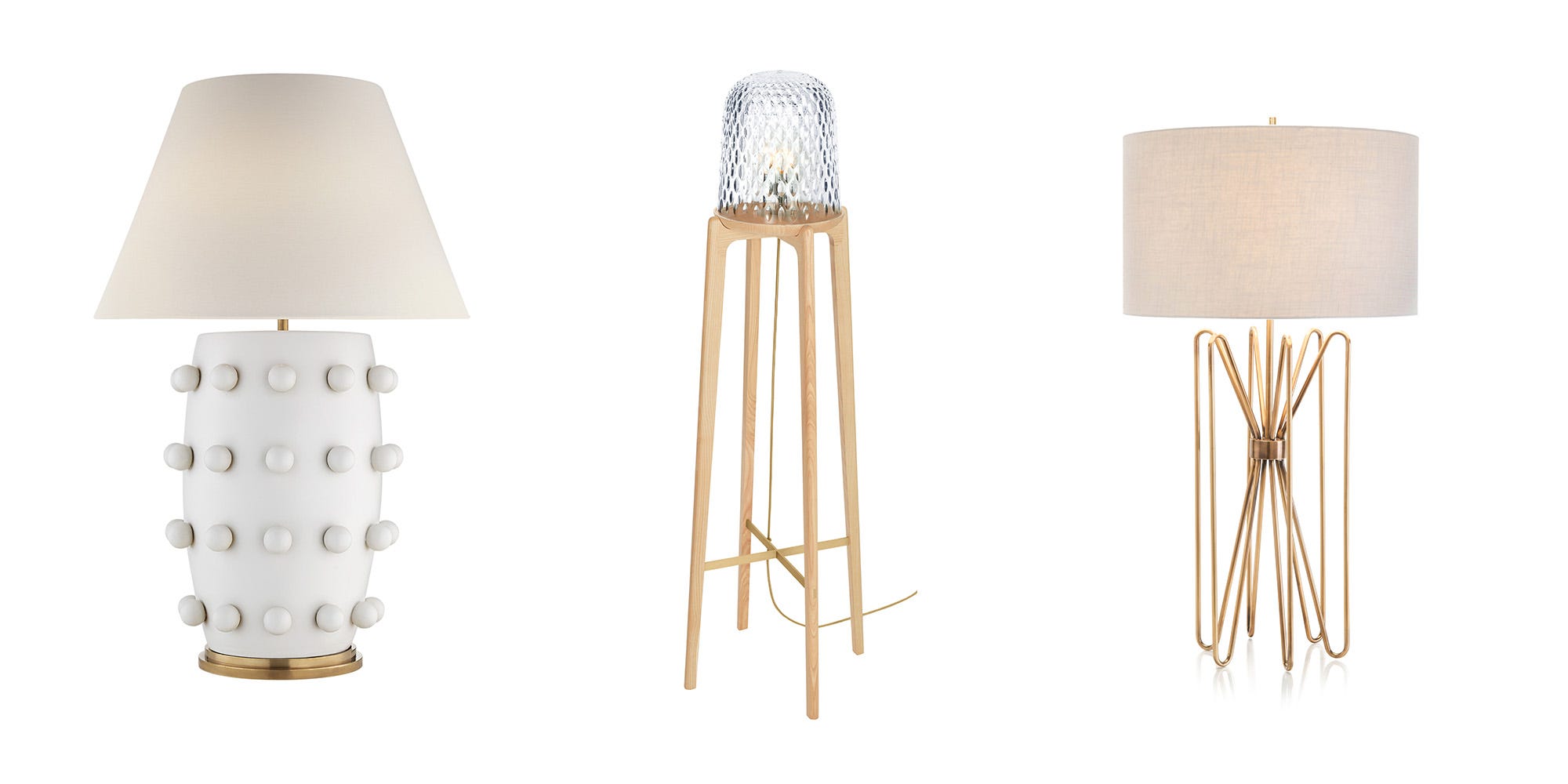
Here Are 20 Modern Lighting Ideas To Bring Your Home Into The 21st Century
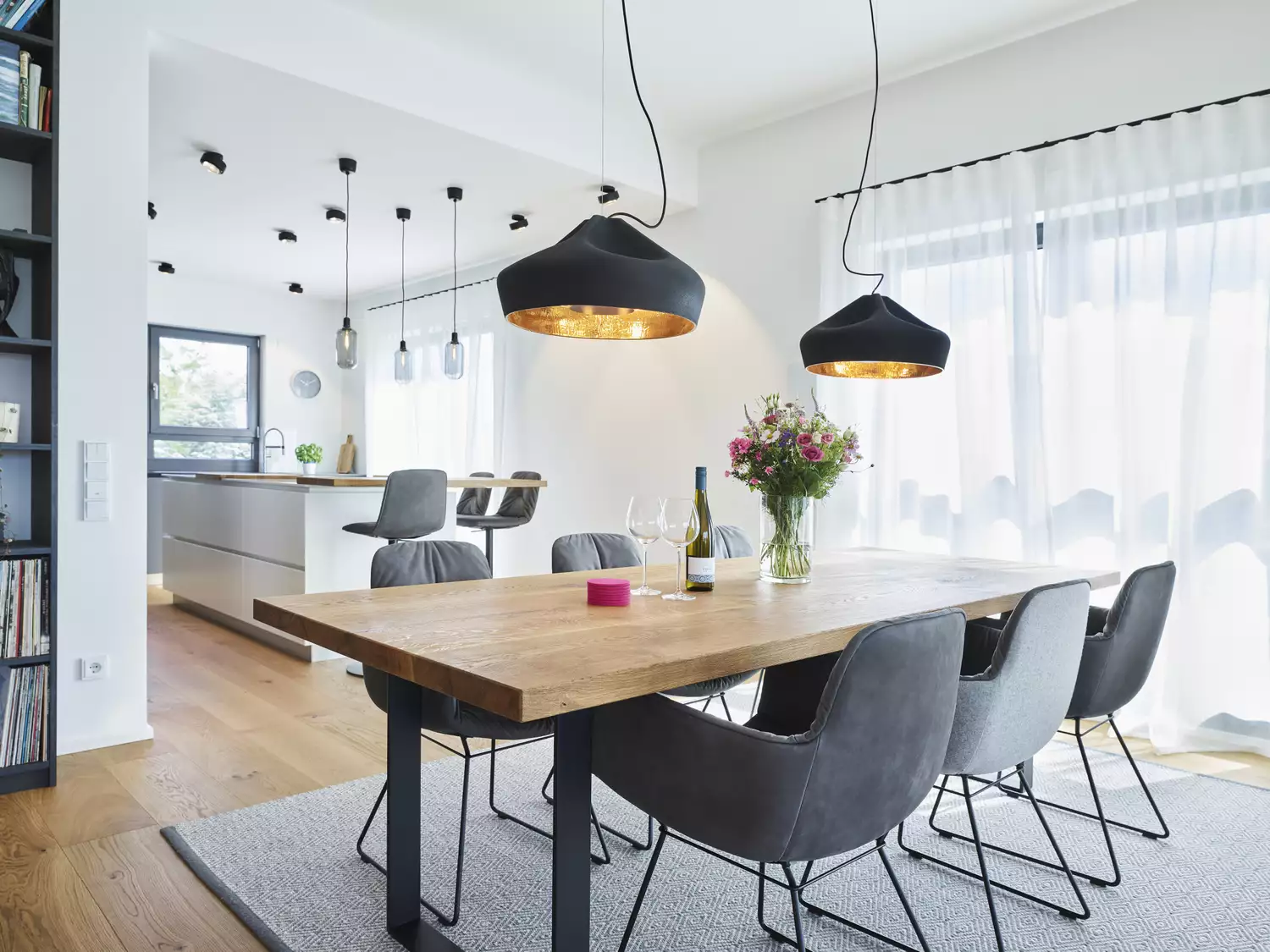
6 Outdated Lighting Trends to Avoid in 2025, According to Interior Designers
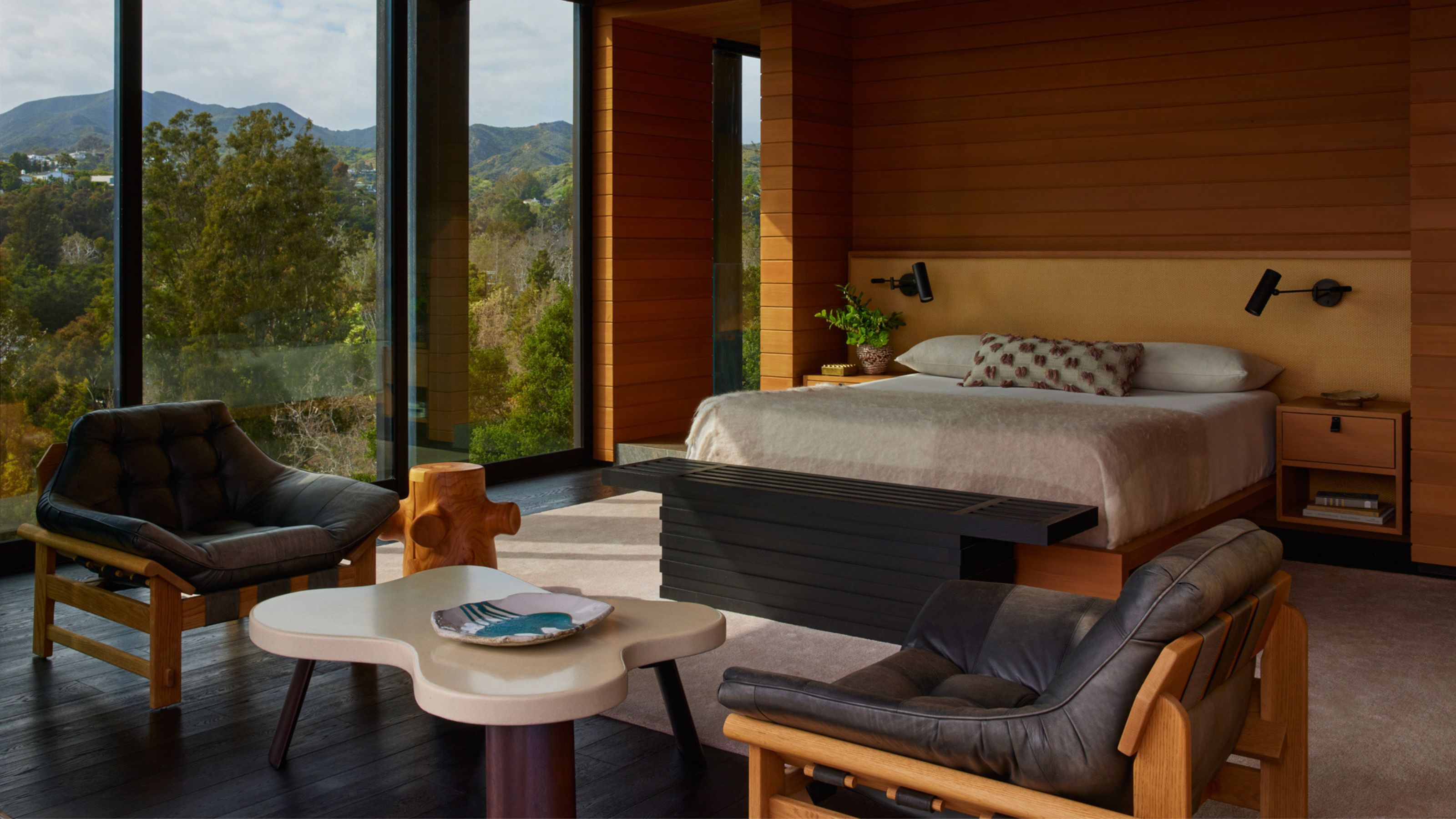
10 Mid-Century Modern Bedroom Ideas That Prove the Look Is Tranquil, Timeless, and Still Totally Relevant for Now
My favorite mid-century modern lamps for dark winter evenings

48 Midcentury Modern Living Room Ideas That Feel As On-Trend As Ever

How to do mid-century modern style in 5 easy steps


41 Home Products To Consider If You Love The Mid-Century Modern Look
10 Midcentury Modern Color Palette Ideas for Every Room in Your Home

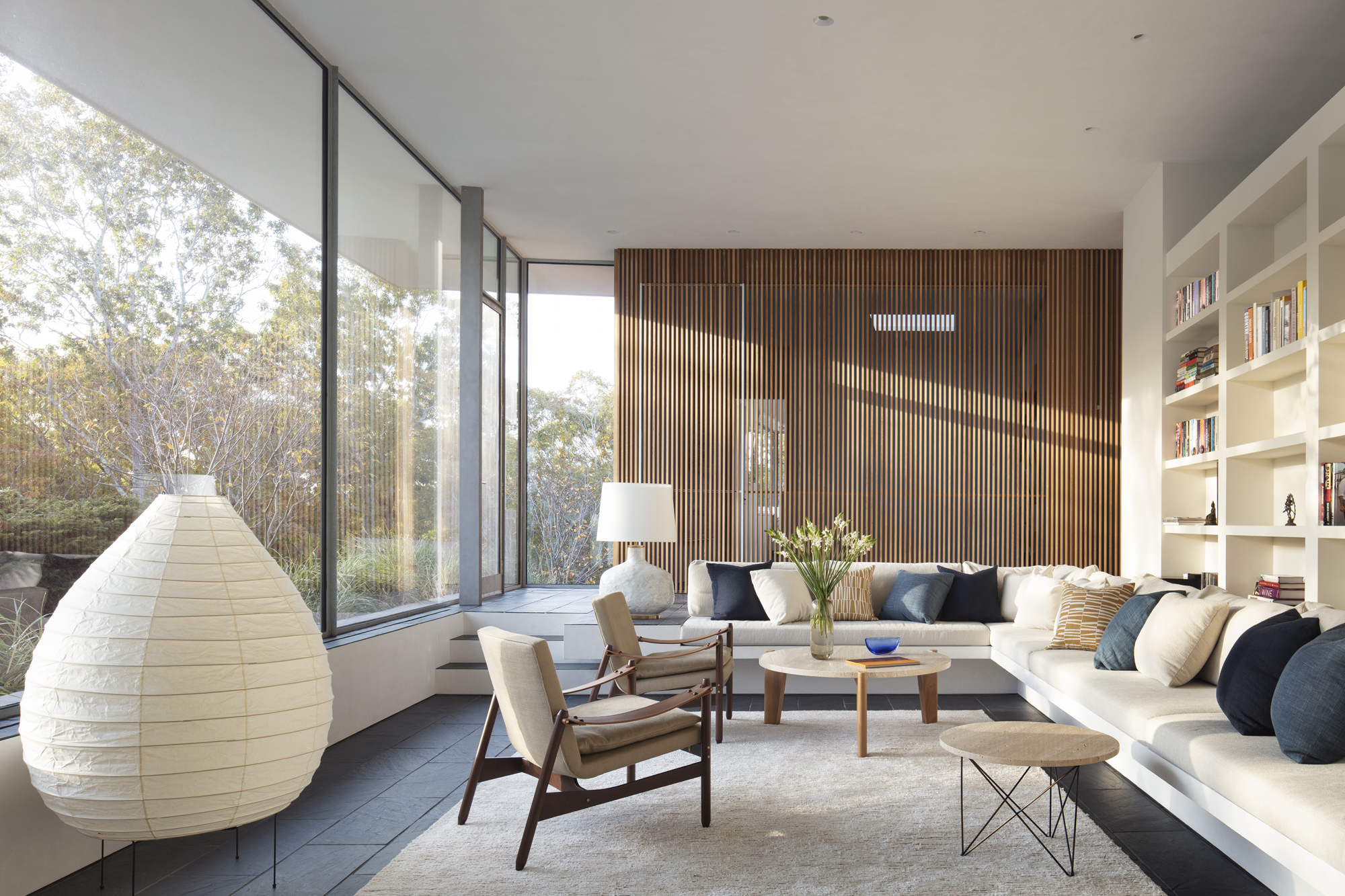
Iconic Lamps — 7 Timeless Classics Interior Designers Say Inspire How You Light Your Home Now
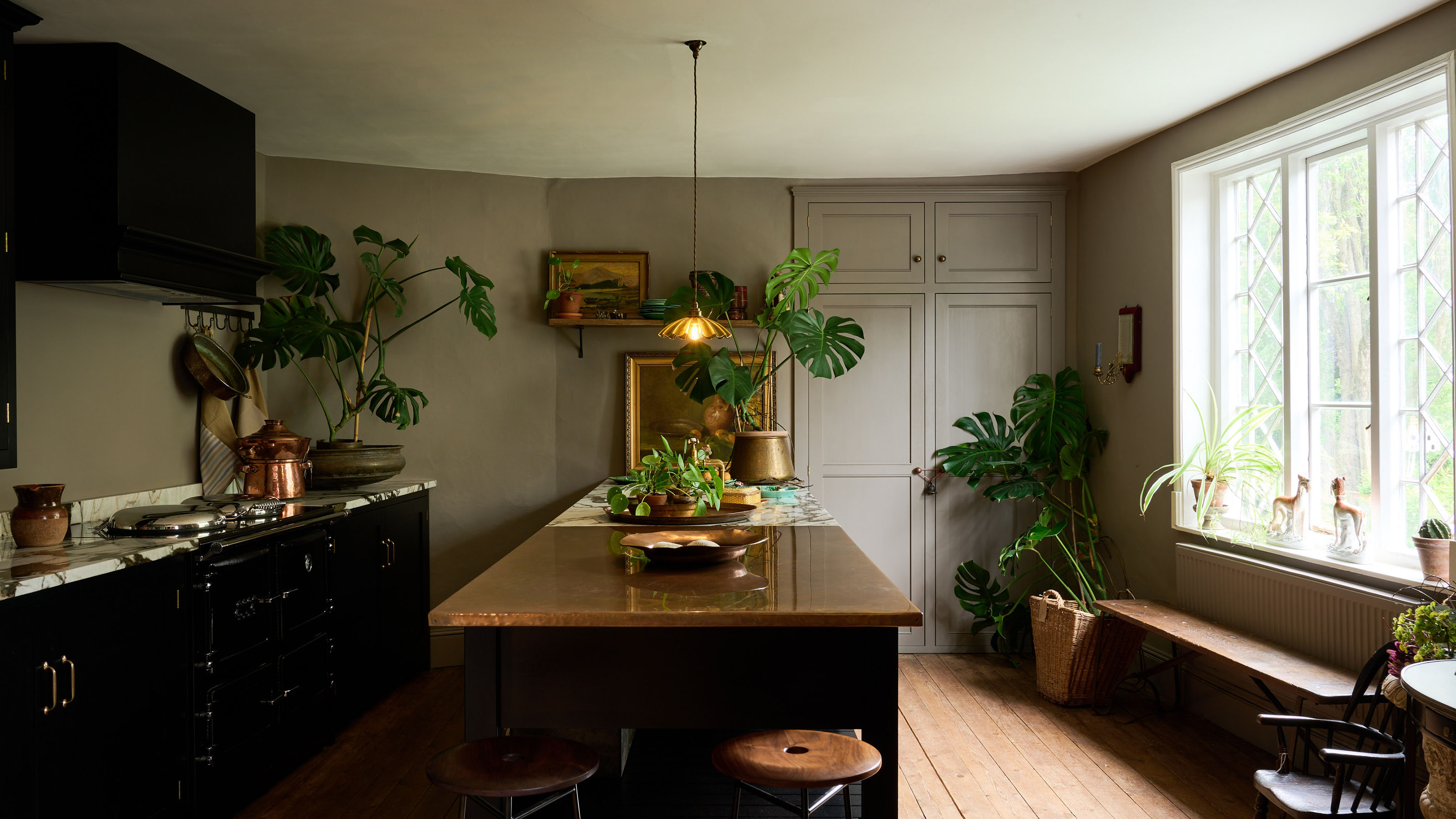
Simply frill-ing! The vintage French-inspired lighting trend you need to know about
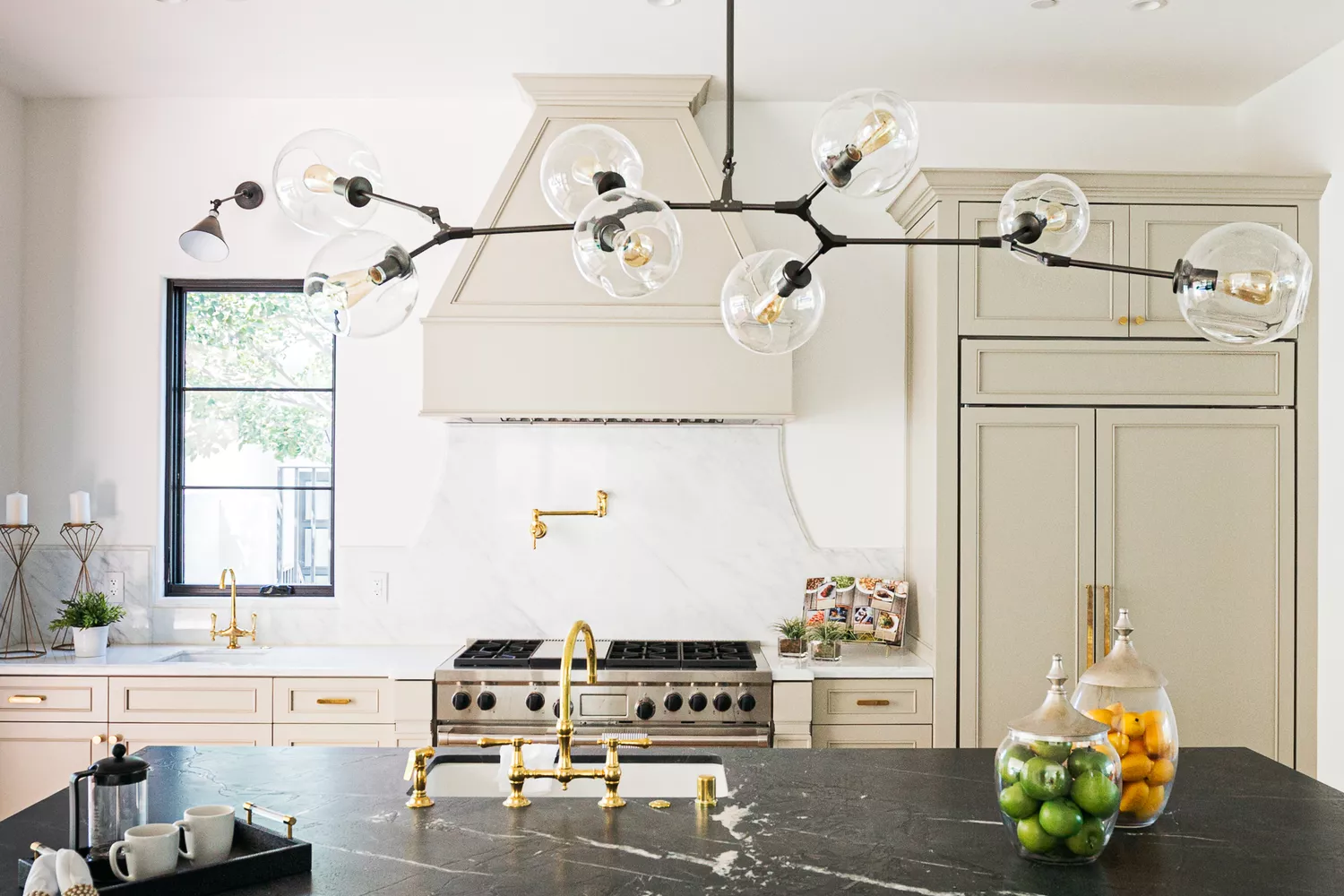
17 Marvelous Midcentury Modern Lighting Ideas
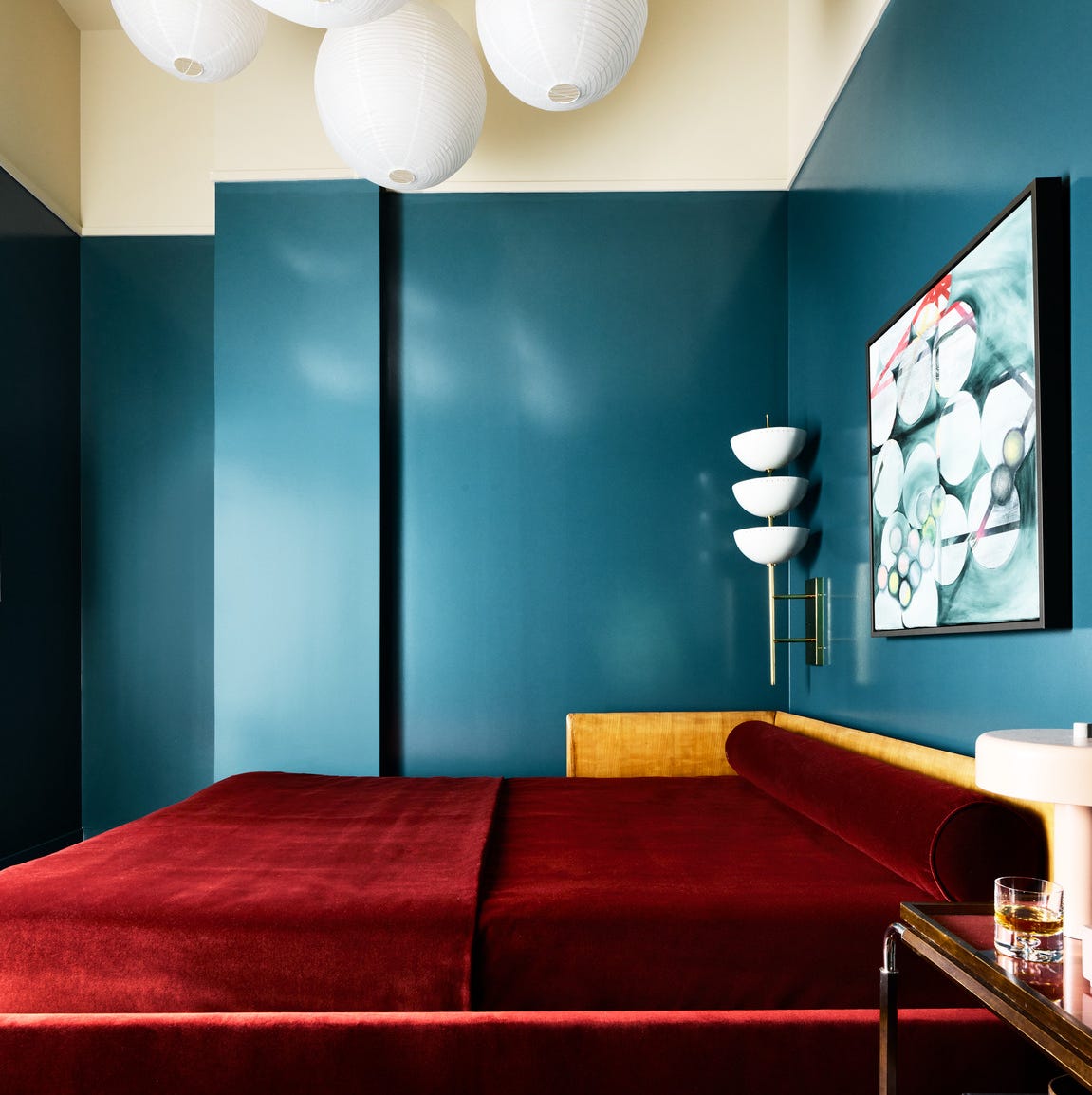
How to Design a Midcentury Modern Bedroom That Feels Current

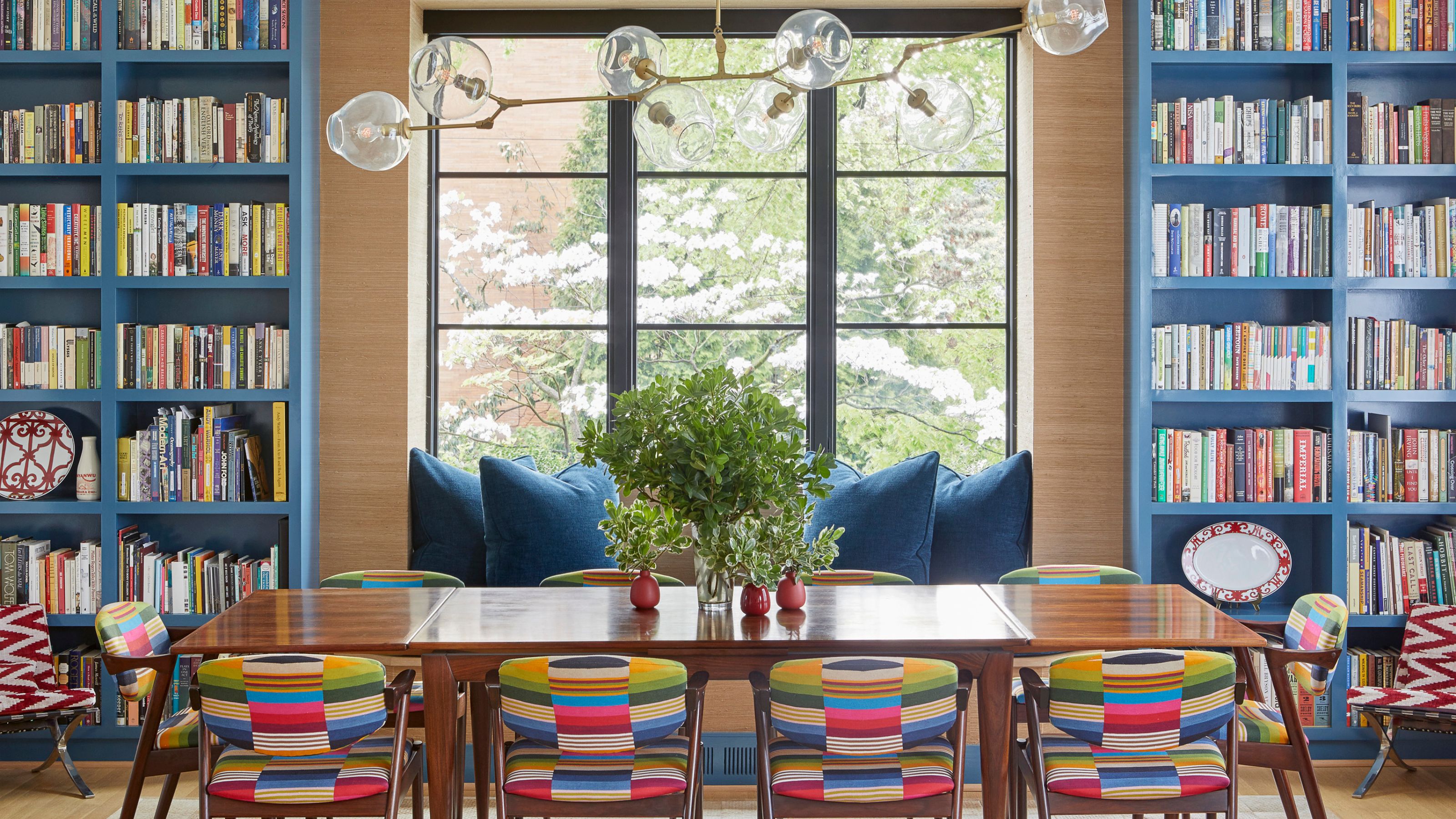
Mid-century modern dining room ideas — 7 ways the pros use this chic and timeless style

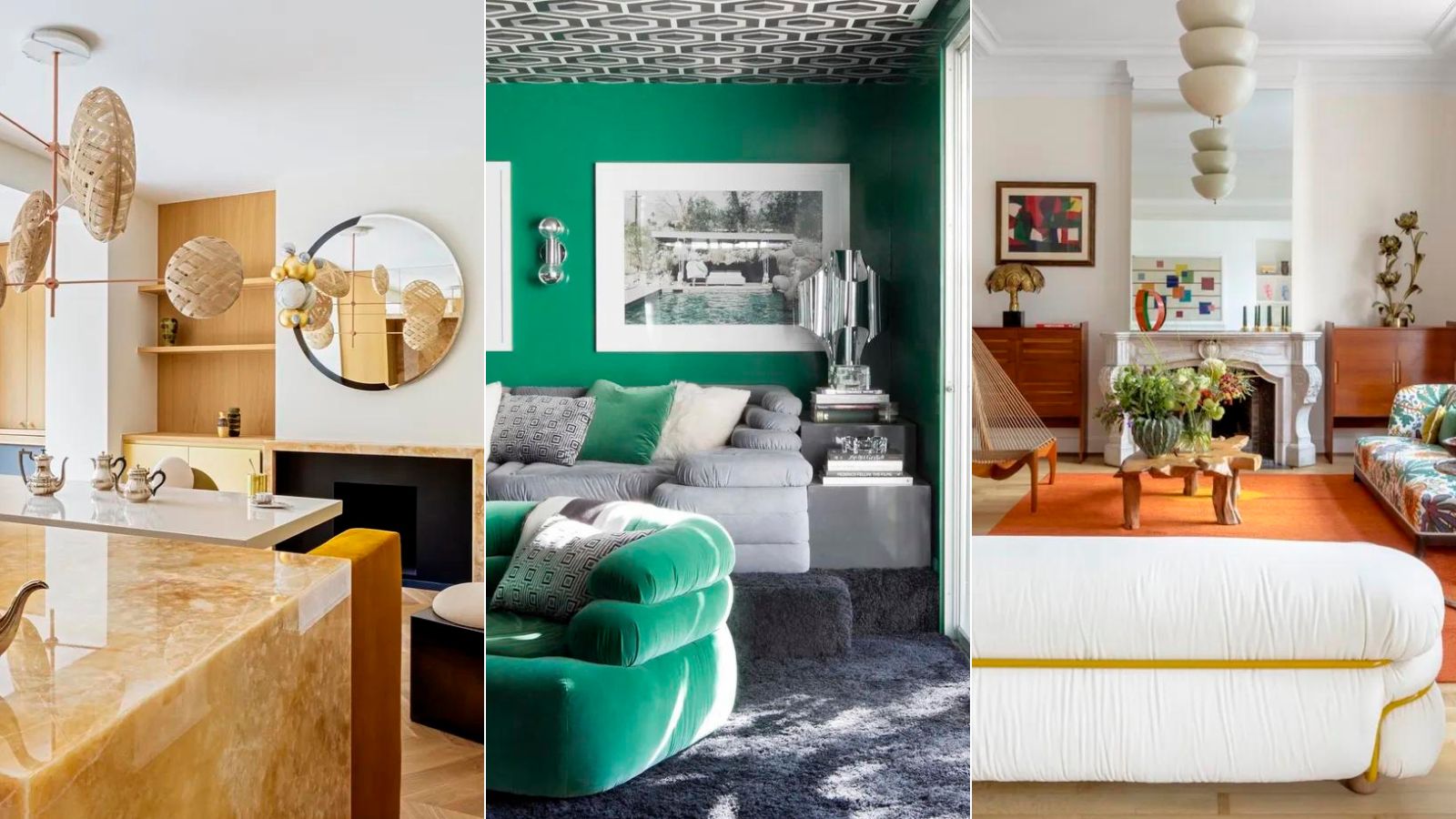
What colors create a mid-century modern color scheme? 10 retro combinations to try
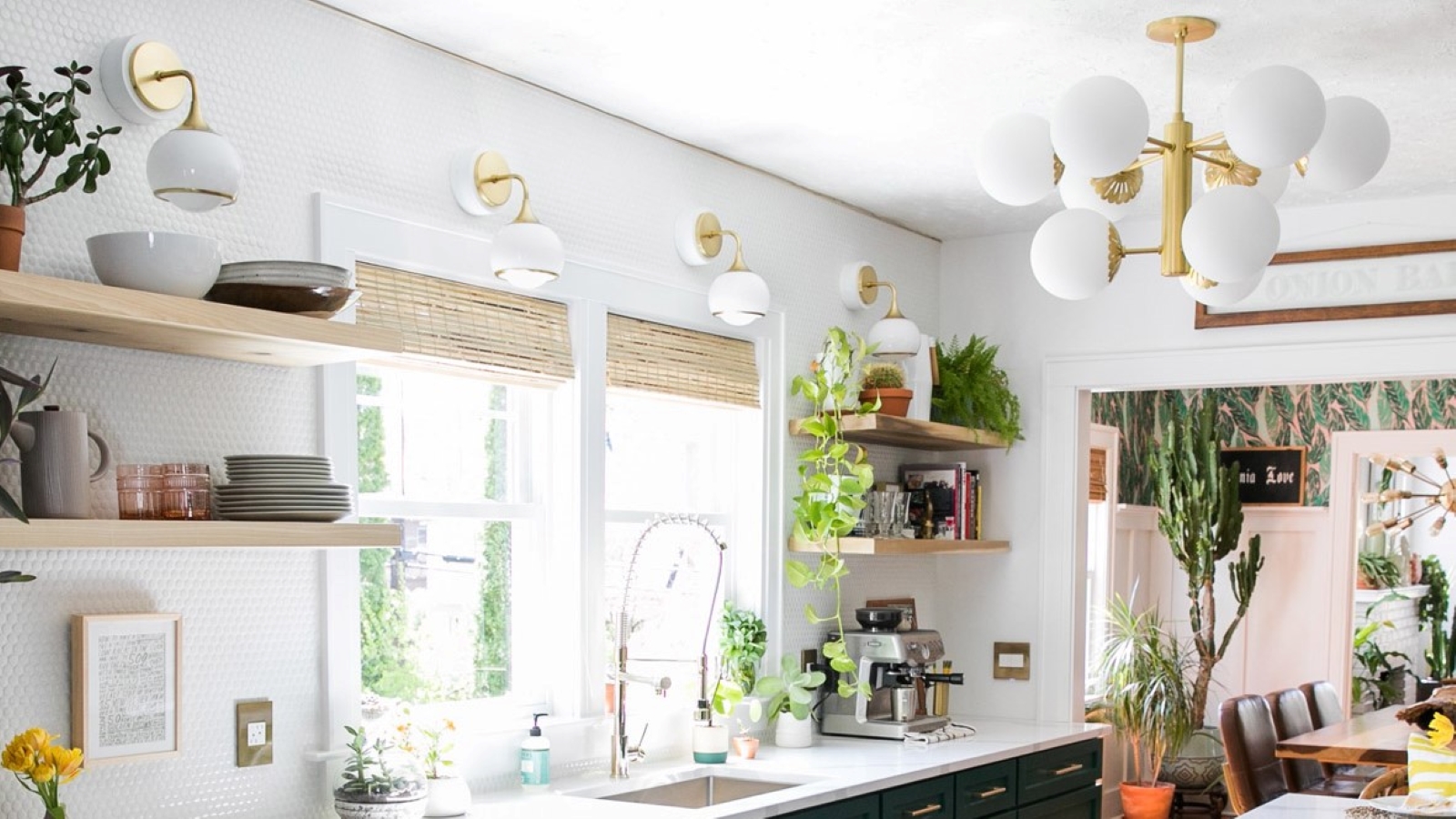
Best places to buy lighting
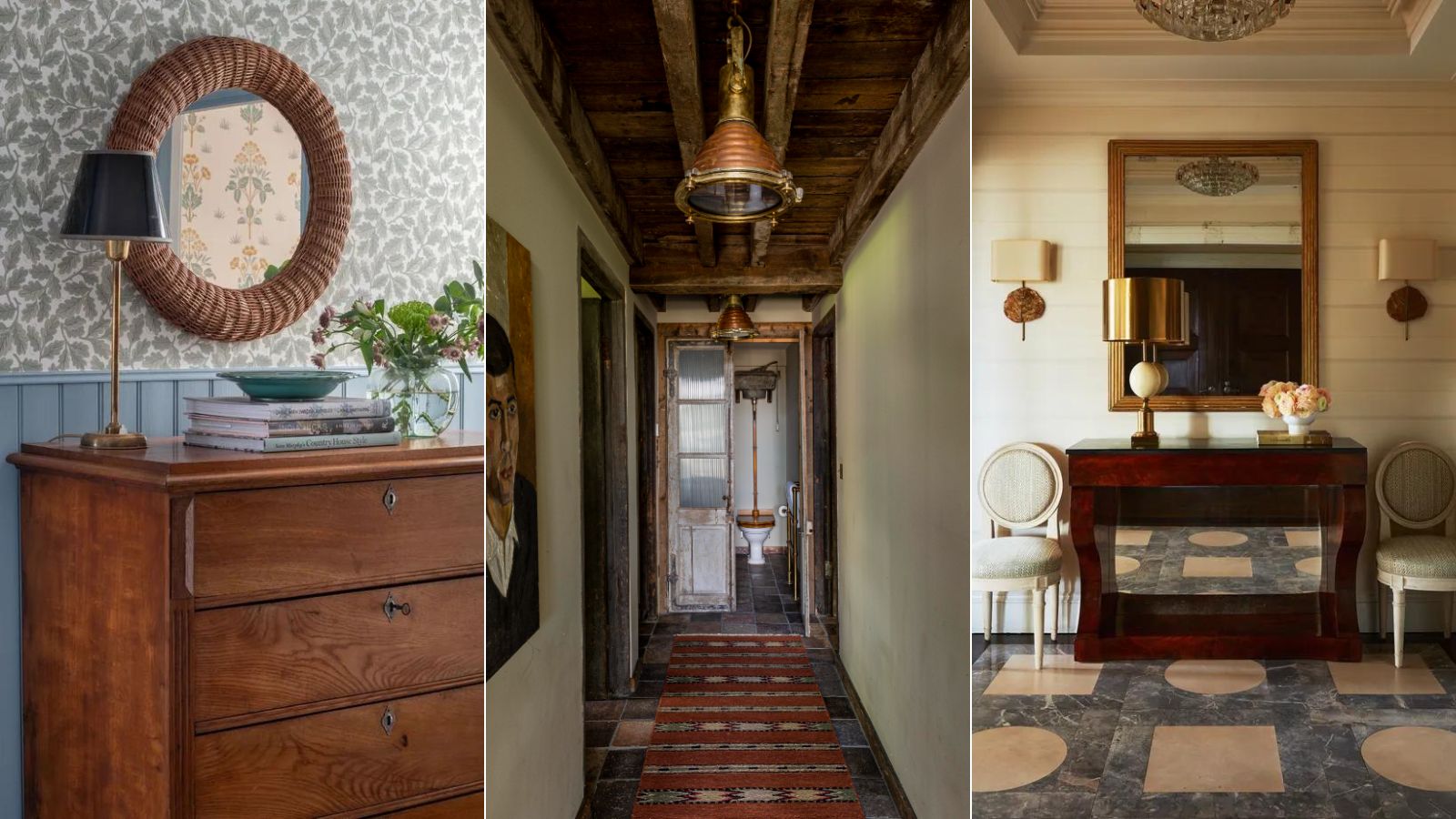
7 vintage lighting ideas to add character to your home
A Designer's Tips For Renovating a Midcentury Modern Interior

We Asked Designers If Midcentury Modern Is Out of Style—and Their Answer Might Surprise You