1/6
3 Good Projector Screens That Don’t Cost a Fortune
This article provides a comprehensive guide to selecting the best budget-friendly projector screens for home theater setups, emphasizing that high performance doesn't always necessitate a high price tag. It covers three primary types of screens: fixed-frame, pull-down, and DIY, offering specific recommendations for each category based on extensive testing and evaluation. The authors, Adrienne Maxwell and Chris Heinonen, both ISF-certified video testers, outline their rigorous testing methodology, which involved both objective measurements using professional calibration software and subjective viewing assessments.
The guide highlights the importance of a good projector screen, explaining that it provides a smooth, color-neutral surface crucial for preserving image brightness and overall quality, a significant upgrade from simply projecting onto a painted wall. Key technical parameters considered during selection and testing include gain, viewing angle, color accuracy, and texture. The article clarifies that a gain of 1.0 reflects light similarly to an industry-standard white magnesium-oxide board, impacting brightness and viewing angles. Color accuracy assesses how neutrally the screen reflects colors, minimizing shifts in color temperature and individual color points. Texture refers to the material's smoothness, as visible texture can detract from image quality.
The primary focus is on 100-inch diagonal, 16:9 aspect ratio screens with approximately 1.0 gain, priced under $350, catering to individuals building casual home theaters or upgrading from wall projection. The top recommendation for a fixed-frame screen is the Silver Ticket STR Series (White Material, 100-Inch). This screen is praised for its performance, which rivals much more expensive options, its sharp image quality, minimal tint, and ease of assembly. Despite its low cost, it proved to be as effective as high-end reference models in objective tests. Its fixed-frame design makes it ideal for dedicated theater spaces, requiring a large, empty wall for installation.
For those needing a retractable option, the Elite Screens Manual Series (100-Inch) is recommended as the best pull-down screen. It offers good color accuracy, proving even more color-neutral than the fixed-frame pick in some measurements, and boasts better build quality than similarly priced competitors. While its material is not as taut as a fixed-frame screen, its controlled retraction mechanism and availability in various sizes and casing colors make it a practical choice for multi-purpose rooms. The article also addresses common flaws in pull-down screens, such as minor waves and less precise image placement, but notes that these were minimized in the Elite Screens model.
For a DIY approach, the Goo Systems GooToob kit is presented as an excellent choice, delivering the best objective color accuracy among all tested screens, regardless of price. This kit allows users to create a custom-sized screen up to 128 inches, providing a clean, neutral, and smooth image. However, its installation is labor-intensive, involving cutting and adhering material to a wall, making it a permanent fixture not easily moved. The article acknowledges that while DIY can save some money, the effort and lack of portability often make pre-built options more appealing for most users. The guide also briefly mentions other screens worth considering, such as the Elite Screens Sable Frame 2 as an alternative fixed-frame option, and discusses the limitations of pull-up and fabric screens, generally advising against them for serious viewing due to stability, light pass-through, or quality issues.
#ProjectorScreens #HomeTheater #BudgetProjectors #FixedFrameScreen #PullDownScreen #DIYProjectorScreen #WirecutterReview #Electronics #HomeImprovement #ProjectorScreens #HomeTheater #BudgetProjectors #FixedFrameScreen #PullDownScreen #DIYProjectorScreen #WirecutterReview #Electronics #HomeImprovement
0 comment in total
 No comments yet
You may also like
3 Cheap TVs That Look Expensive

9 Of The Best Smart Screens & Smart Displays You Can Buy

The 3 Best Outdoor Projector Screens of 2025 | Reviews by Wirecutter
27 Light Fixtures That Don't Cost A Fortune

Beautiful Room Screens To Buy
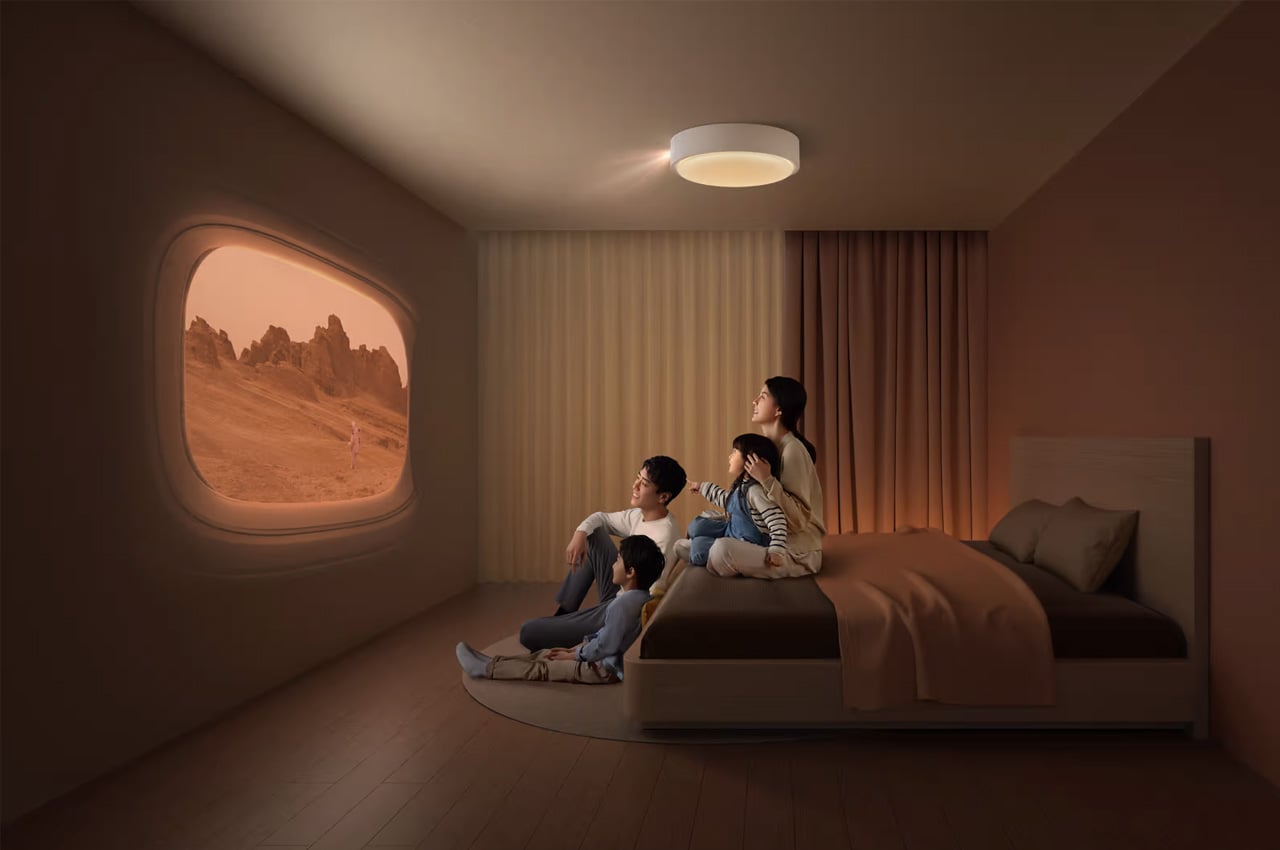
HD projector merges with a ceiling lamp and a built-in smart speaker, creating a space-saving entertainment ce
The Best Projectors for 2026 | Reviews by Wirecutter

I turned my living room into a movie theater — here's how

The Best Projectors for 2025 | Reviews by Wirecutter
I swapped my bedroom TV for a portable projector, and I love it – but here are the pros and cons I’ve learned