1/6
This Edgy Urban Loft Is the Ultimate Anti-Rulebook Rebellion
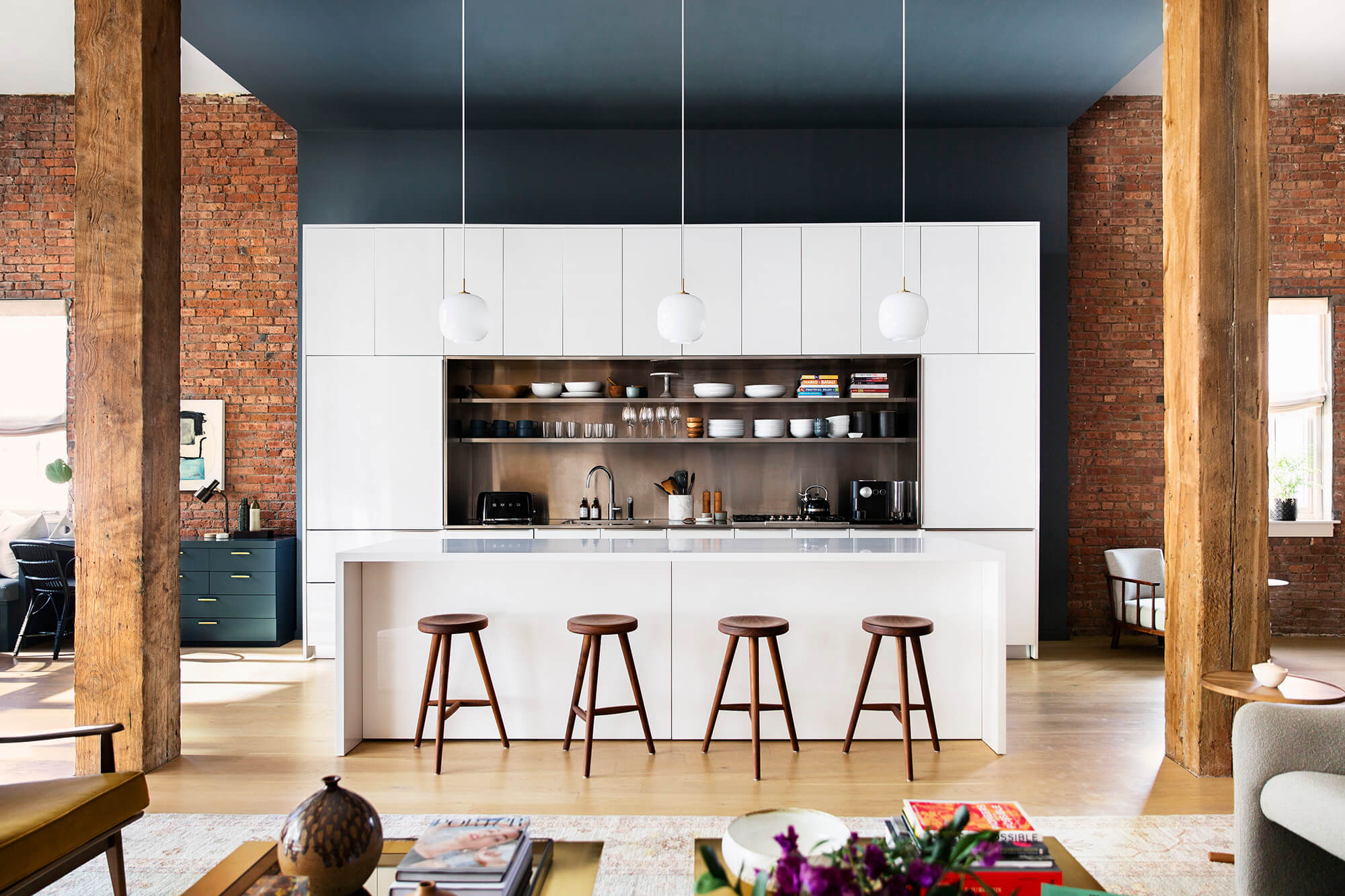
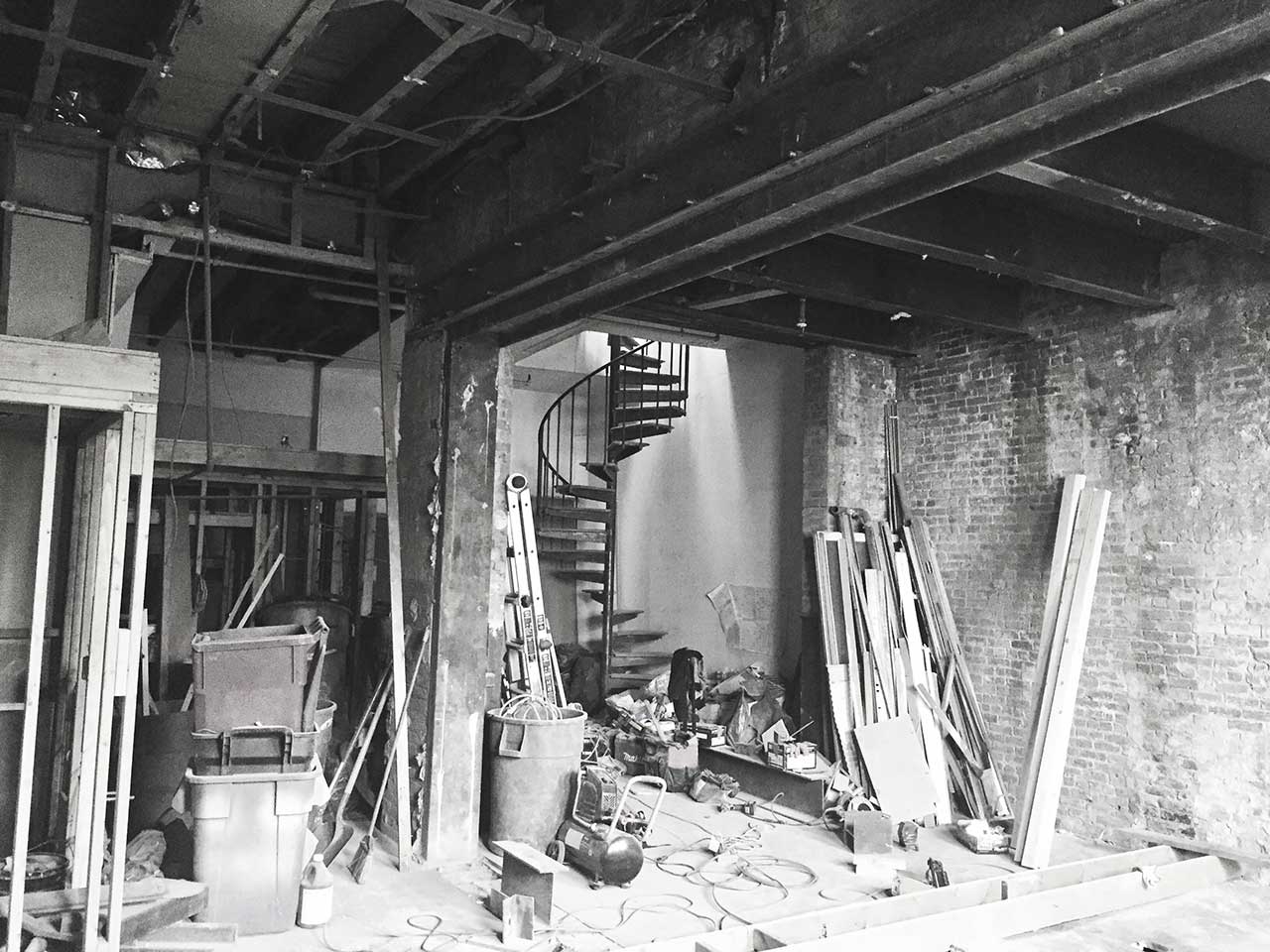
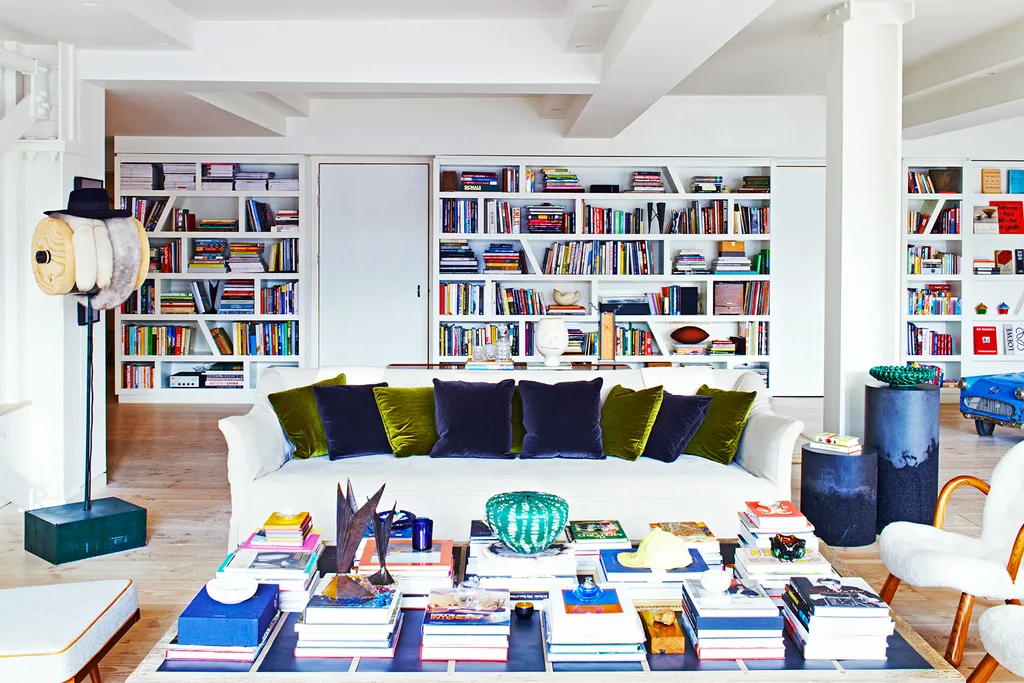
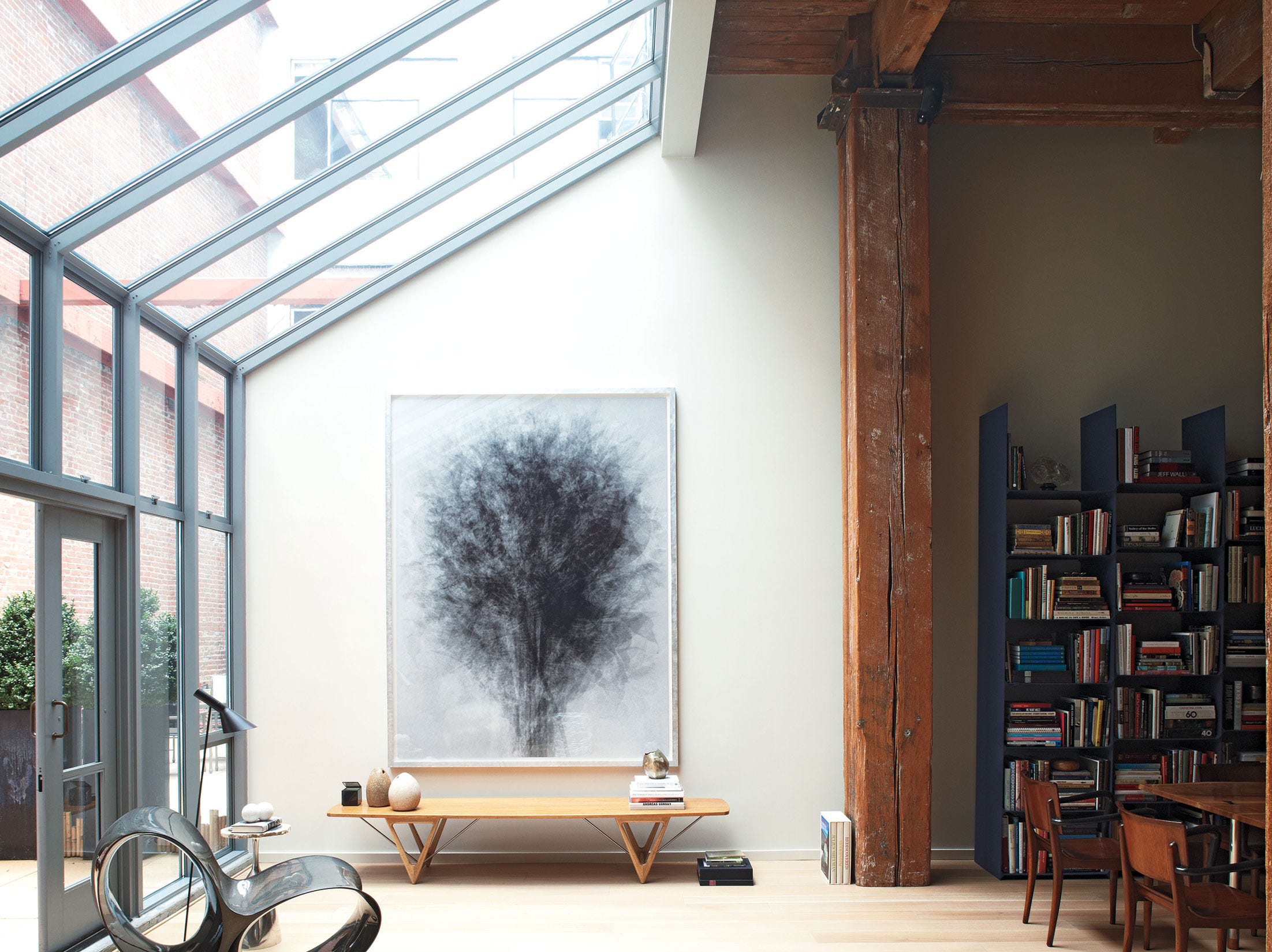
In the early 1990s, renowned interior designer Steven Volpe embarked on a pioneering journey into loft living in San Francisco's SoMa neighborhood, becoming the first resident of a converted 75-year-old General Electric warehouse. This bold move was initially met with skepticism, as loft living was still a nascent concept in the city. Having established his own firm after training with elite decorators like Anthony Hail and Eleanor Ford, Volpe brought a blend of adventurousness and respect for tradition to his new home. Initially, he attempted to merge the industrial character of the warehouse, with its double-height brick walls and redwood beams, with a classical aesthetic, aiming to appease his mentors and adhere to established design norms. His early approach, though tasteful, ultimately felt inauthentic.
After a few years, Volpe experienced an epiphany while reflecting on his meticulously crafted space. He recognized that his design choices, while conventional, no longer resonated with his evolving artistic vision or the changing times. This realization prompted him to "start all over," leading to a profound reevaluation of his design philosophy and a quest to discover his unique voice as a decorator. Volpe sought to create environments that were not only aesthetically pleasing but also intellectually stimulating, engaging all five senses. His San Francisco loft became the ultimate expression of this new approach, characterized by an edgy art collection, intriguing furniture, and luxurious details.
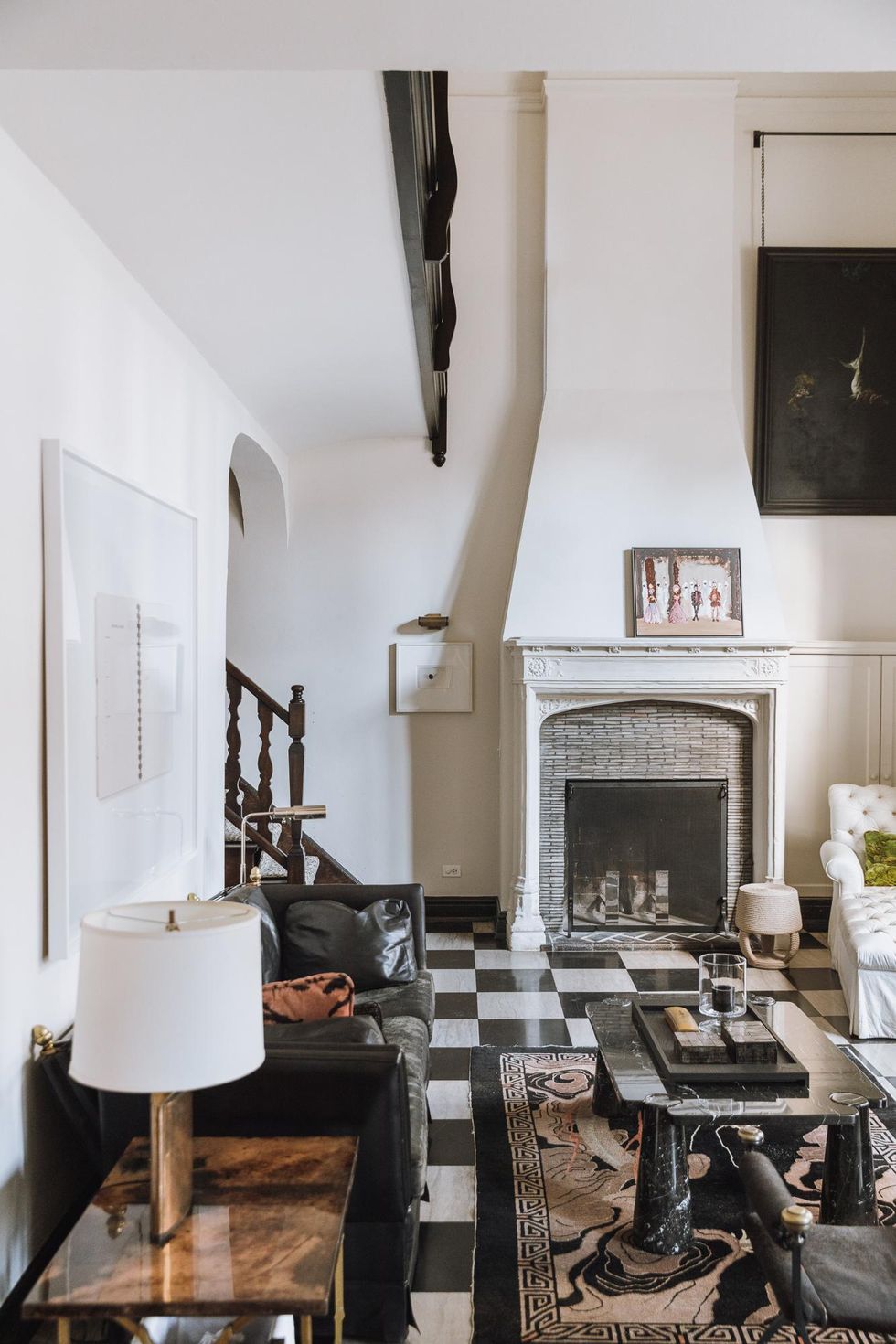
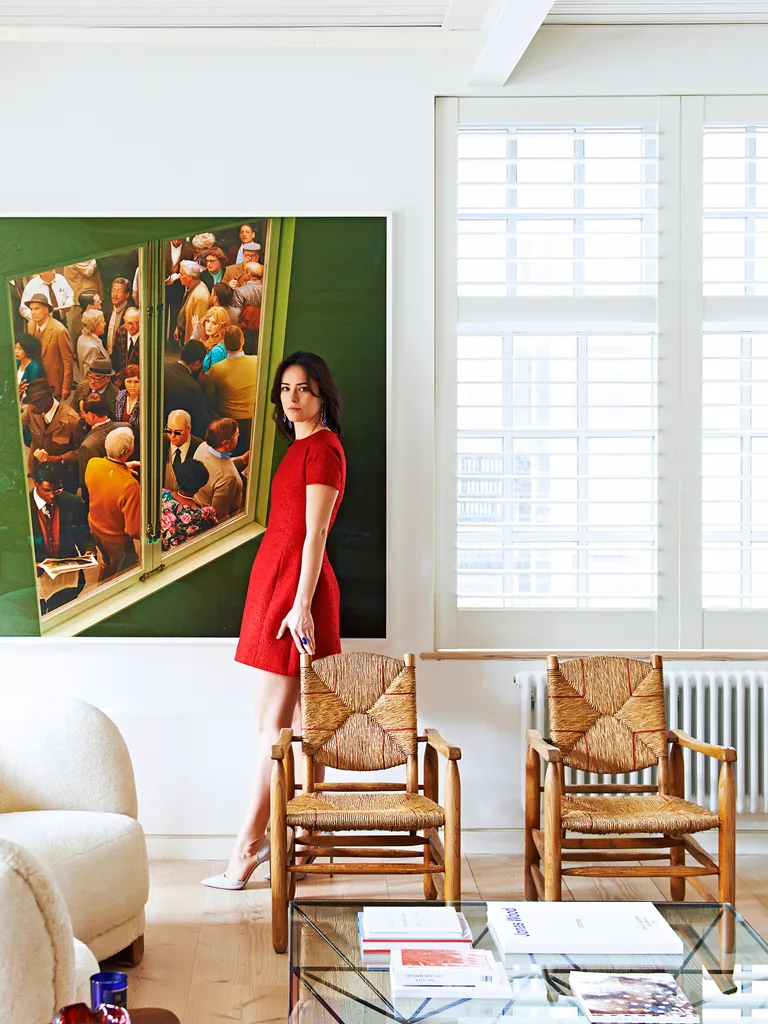
Volpe's transformation involved actively engaging with the art world, forging relationships with dealers, attending art fairs, and acquiring significant artworks for both his clients and his personal collection. He developed a particular affinity for conceptual art, evidenced by pieces like a shadow photograph by Hiroshi Sugimoto, a perforated terra-cotta plaque by Lucio Fontana, and a mixed-media collage by Sterling Ruby. He systematically removed anything he deemed "mediocre" from his home, curating every object, from Japanese cutlery to German dinner porcelain, to ensure it possessed integrity and meaning. The loft's walls were repainted in earthy, clay-like hues from Farrow & Ball, further enhancing the cohesive and meaningful atmosphere.
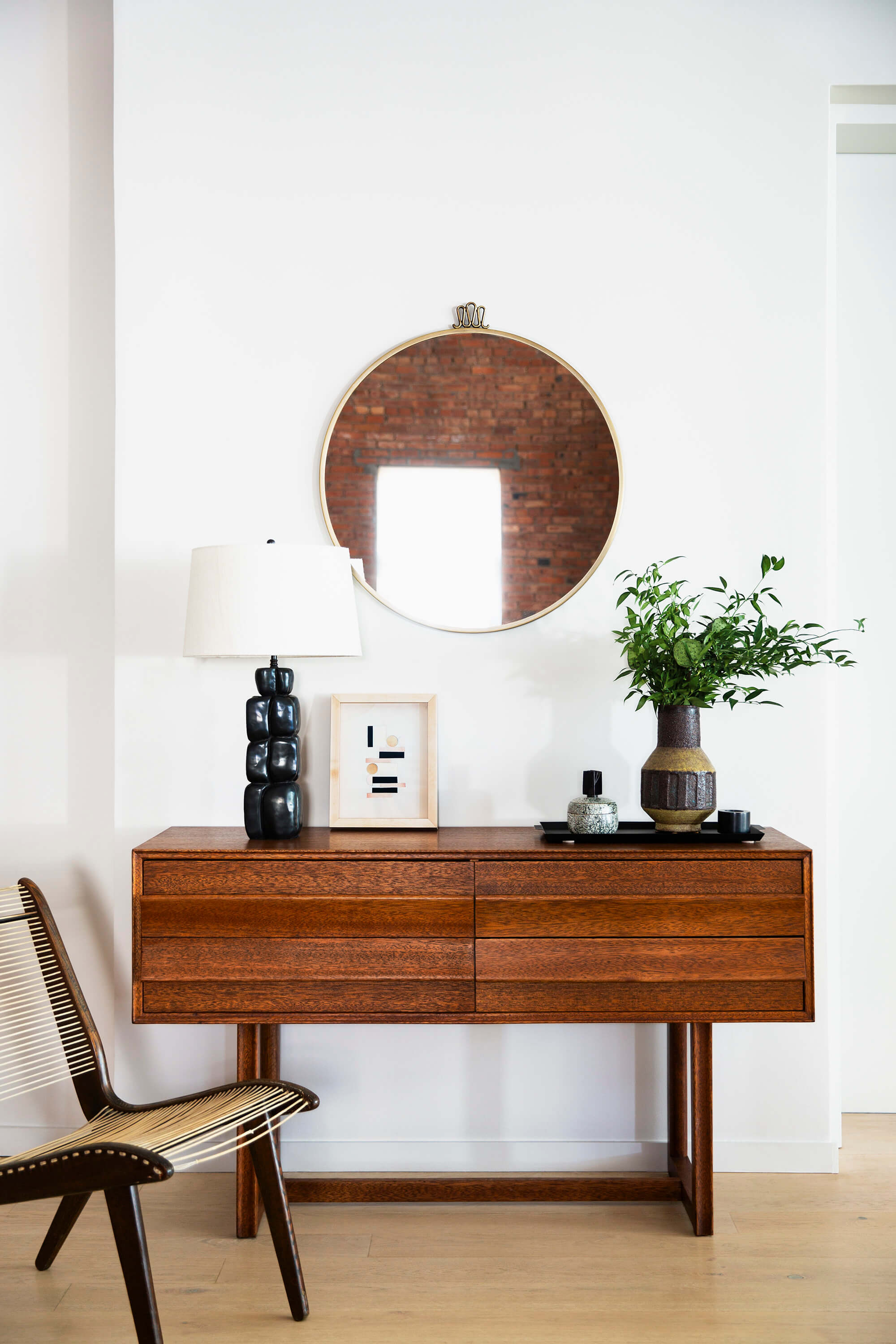
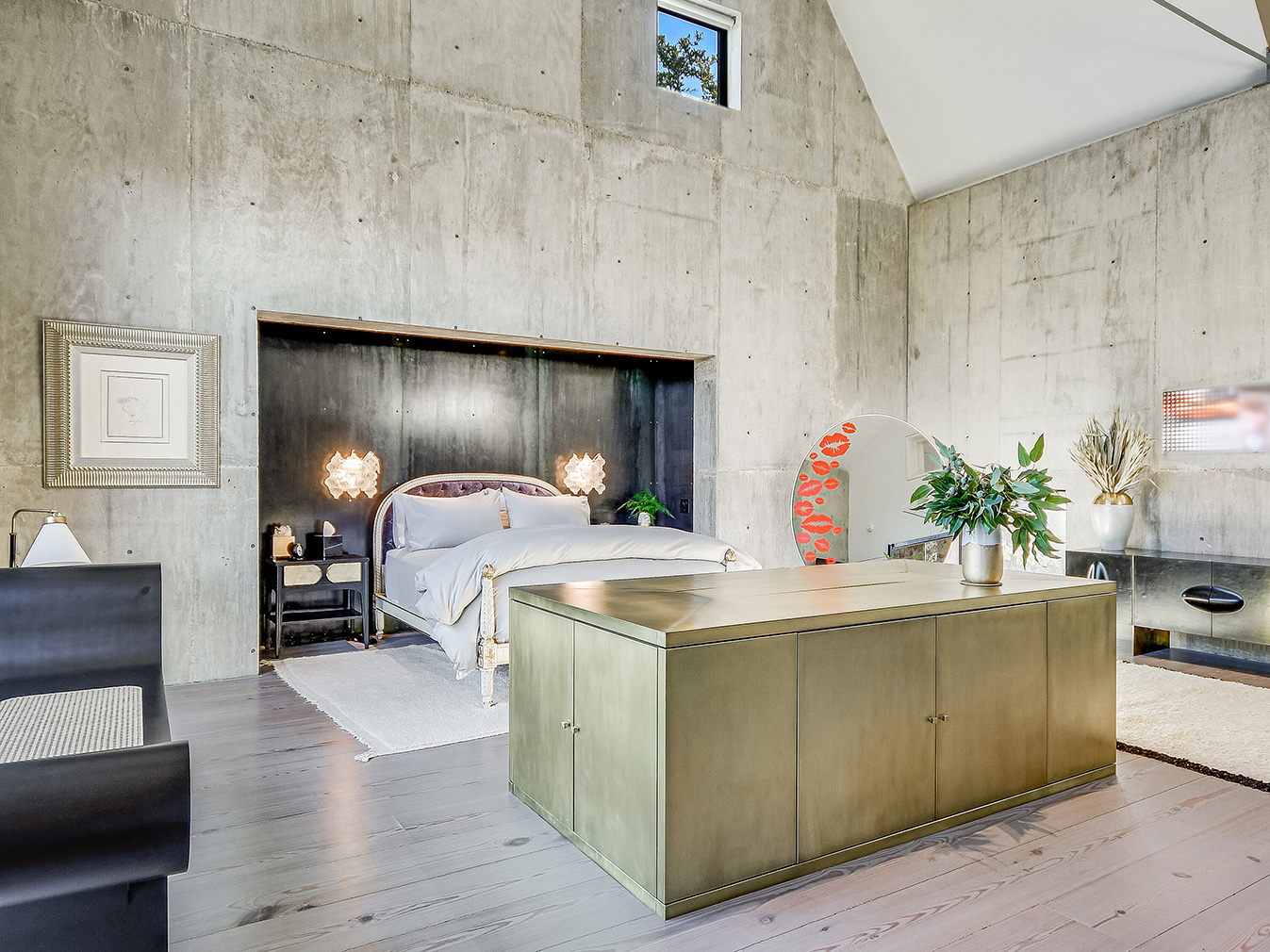
Volpe's global travels became a source of unique treasures that enriched his living space. He acquired a Burmese carved-wood owl from his mentor, Axel Vervoordt, and a limited-edition T5 bookcase by Martin Szekely from Galerie Kreo in Paris, admiring Szekely's sculptural furniture. His daily ritual of burning Japanese wedding incense, discovered in a Tokyo kimono shop, added another layer of sensory experience to his home. The living area's focal point, a console by John Dickinson, crafted from galvanized tin and brass to mimic drapery, exemplifies Volpe's appreciation for innovative design that transforms industrial materials into elegant forms. He also embraced contemporary art furniture, such as the gravity-defying Ron Arad Oh-Void chair, acquired during a serendipitous encounter in Paris.
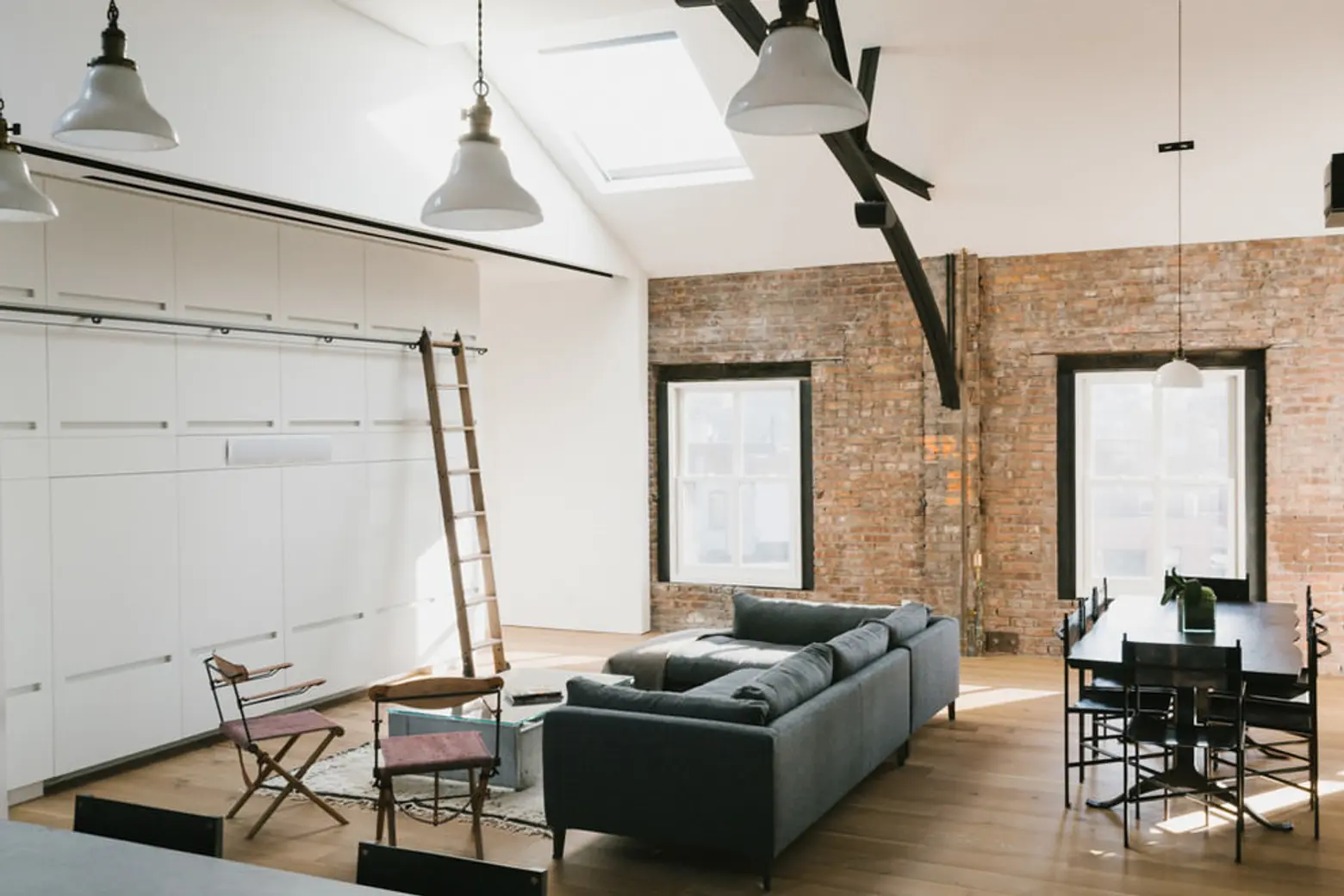
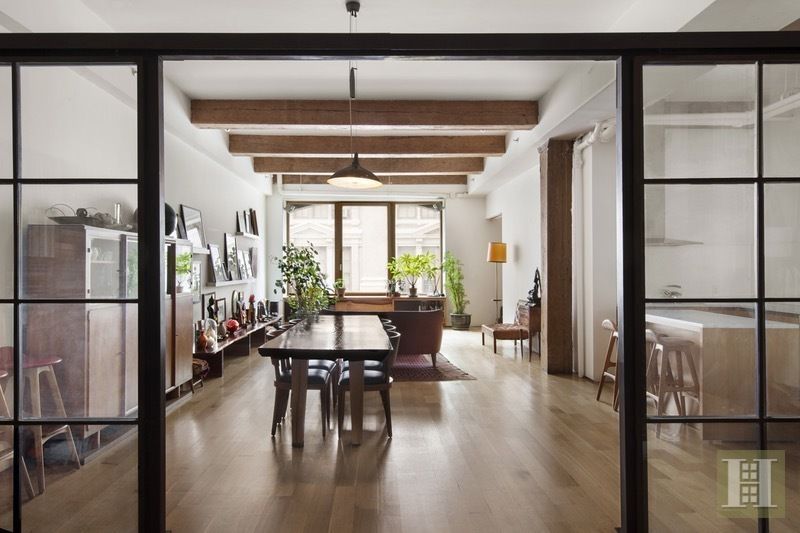
Volpe's passion for blurring the lines between furniture and art led him to co-own Hedge, a San Francisco gallery, with Roth Martin for eight years. This venture allowed him to showcase artists like California ceramist Tony Marsh, whose intricately perforated white earthenware forms are displayed on the Dickinson console. Volpe and Martin also collaborate on furniture designs, such as the Nakashima-inspired live-edge walnut dining table in the loft, featuring nickel butterfly joints and accommodating a dozen guests. Despite the unconventional and artistic nature of his designs, Volpe's skill ensures that the loft remains a relaxed and livable space. He likens his design process to that of a modern painter, emphasizing the importance of classical training to understand the rules before breaking them. Volpe's loft stands as a testament to his evolution as a designer, where art and decor seamlessly merge, creating a unique and deeply personal 21st-century aesthetic.
#StevenVolpe #LoftLiving #InteriorDesign #SanFranciscoDesign #ArtCollecting #ModernDesign #WarehouseConversion #DesignPhilosophy #FurnitureDesign #StevenVolpe #LoftLiving #InteriorDesign #SanFranciscoDesign #ArtCollecting #ModernDesign #WarehouseConversion #DesignPhilosophy #FurnitureDesign
0 comment in total
 No comments yet
You may also like

The Insider: Open-Plan Dumbo Loft Gets Organized With Breezy Charm and Urban Glam
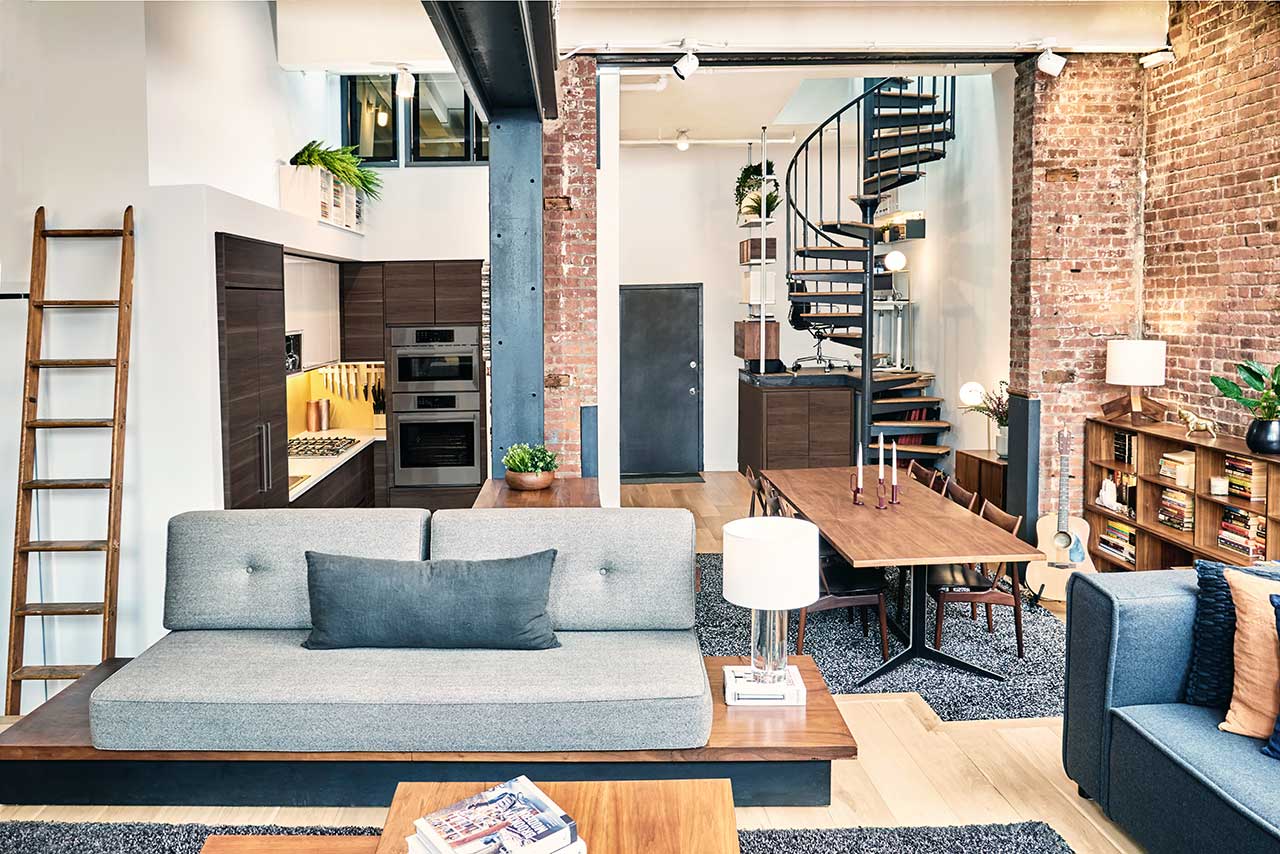
A Brooklyn Loft Emerges From a Former Paper Factory
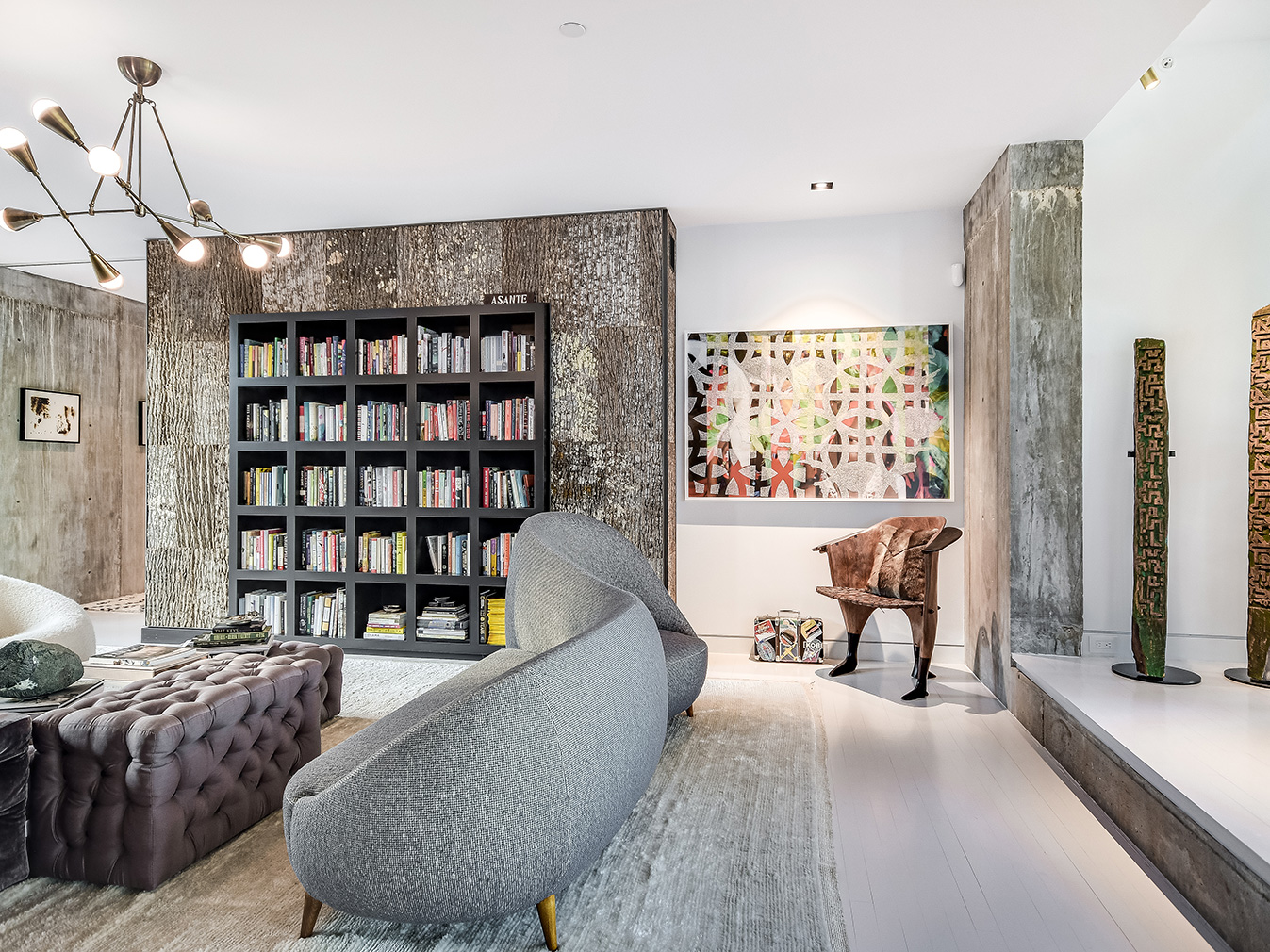
A writer’s brutalist Austin estate blends barn and loft living
The Bold Living Room Trend No One Saw Coming

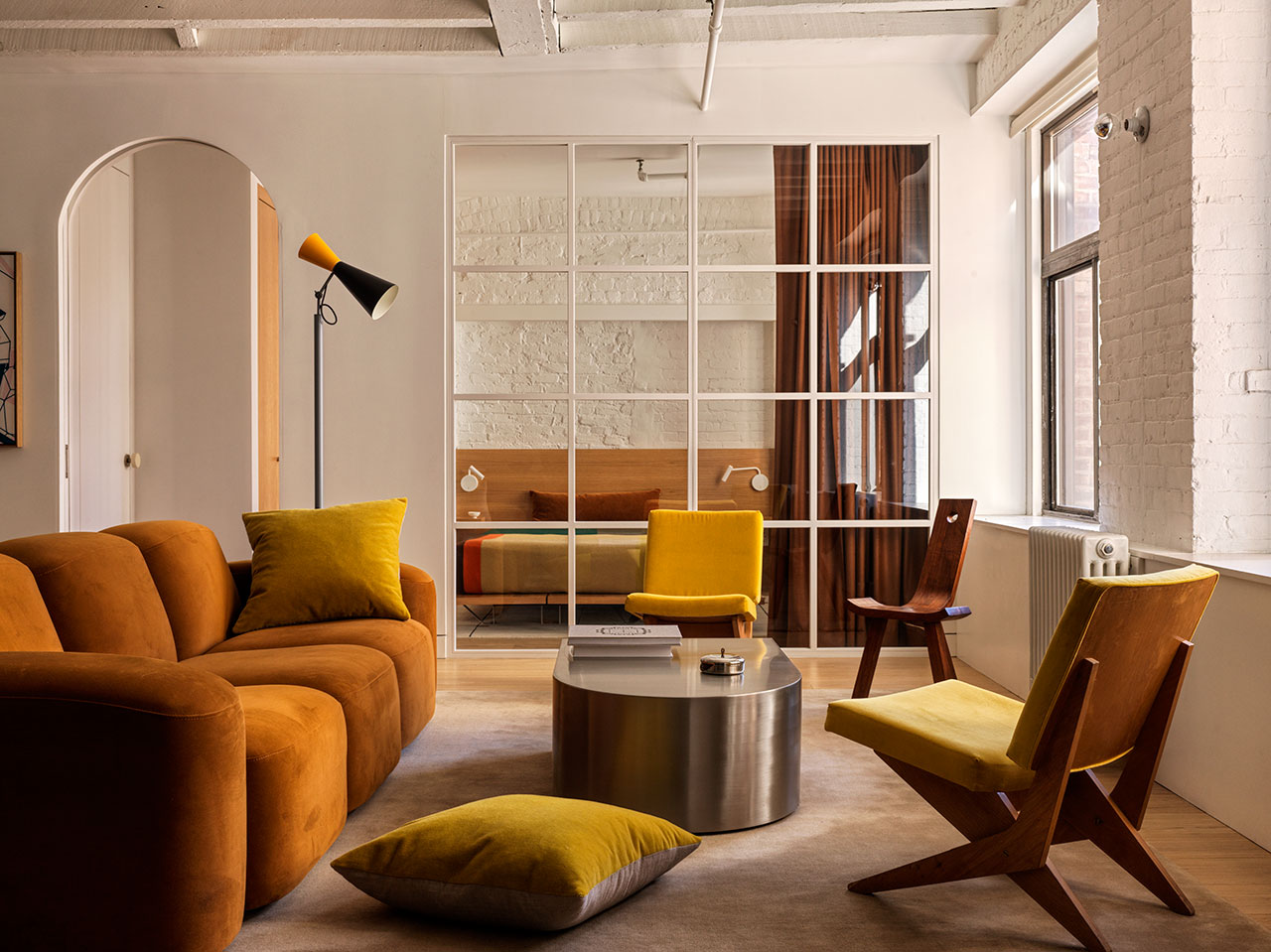
A Historic New York City Loft Reimagined With Light + Color
A Chicago Apartment That Celebrates the Mix of High & Low
Back to Back Terrace with Loft Conversion – Rentable?

Gallery: Urban eclectic decor
Worrell Yeung + Colony Pair up to Transform Historic New York City Loft
18th-Century Lumberton Farmhouse Gets an Eclectic Makeover
‘Oasis’ Soho loft with sliding glass doors seeks $5M
A loft apartment with eclectic charm

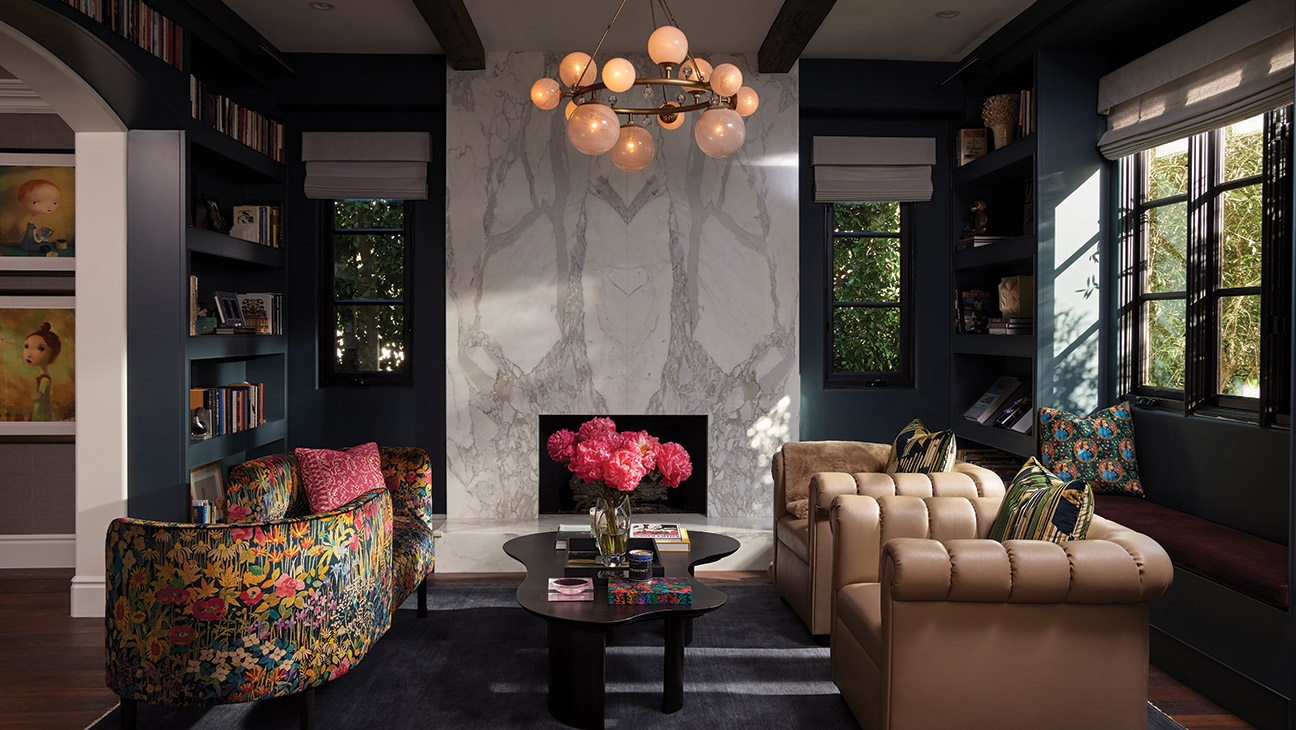
An Indie Rap Label Founder’s Eclectic L.A. Abode

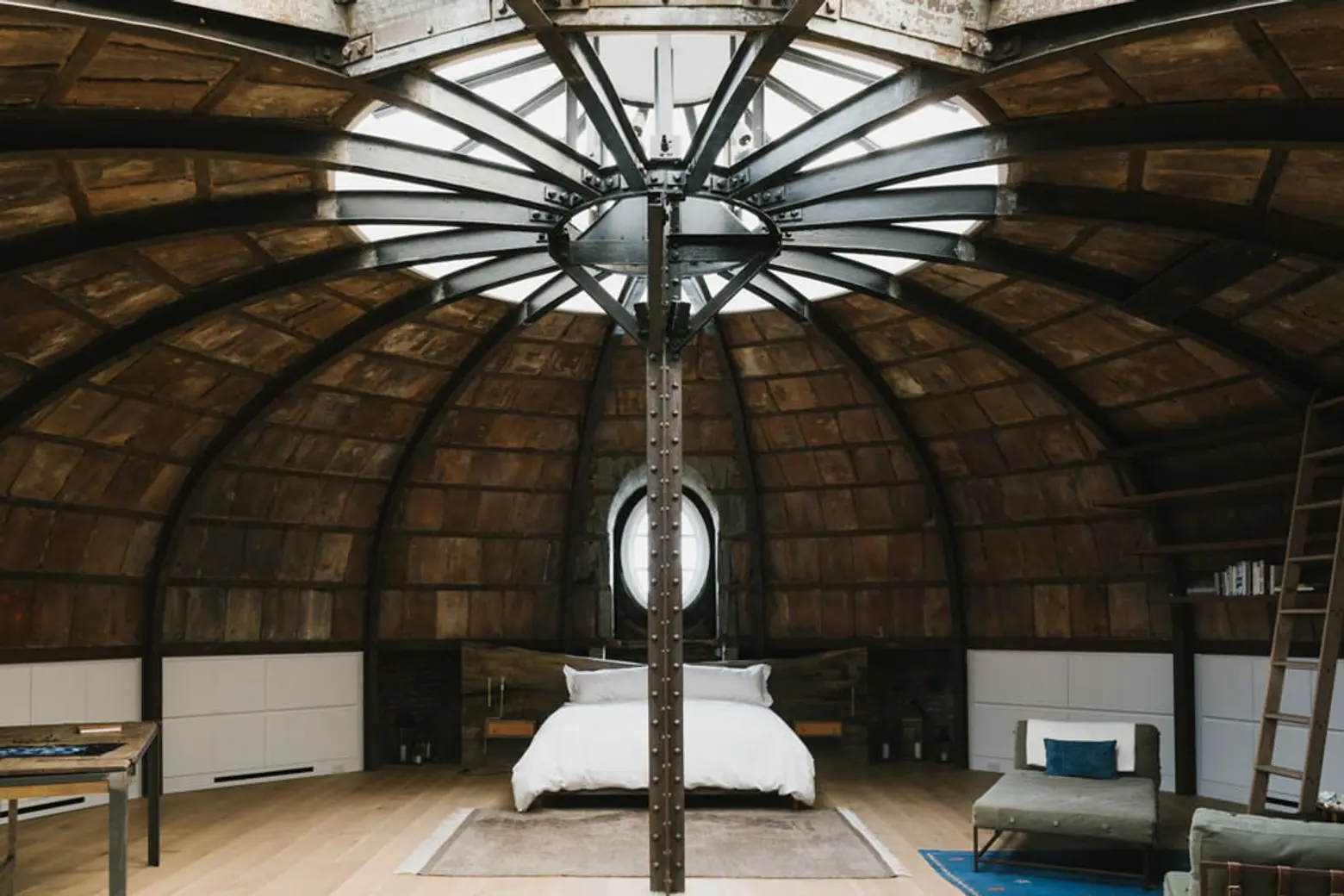
RAAD Studio’s Centre Street Loft Redesign with Stunning Wooden Dome is…..Arresting


“Hell’s Kitchen is an Engine of Novelty and Unpredictable Outcomes” — Red Young Shares His West Side Story


The Insider: Design Team Brings Warmth, Function, Industrial Chic to Young Family's Dumbo Loft
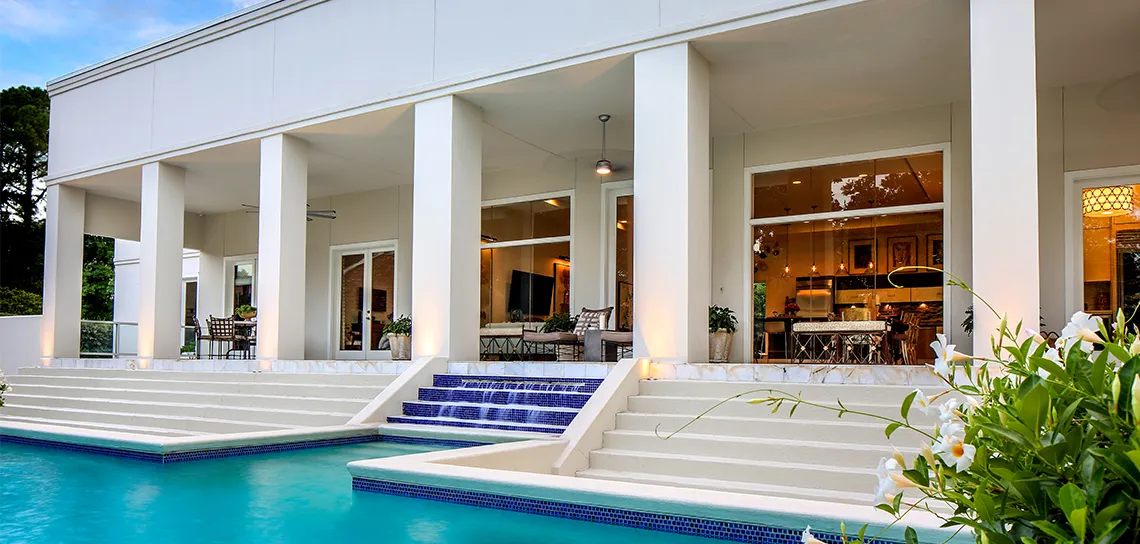
Outside the box: Bold architecture meets sophisticated style

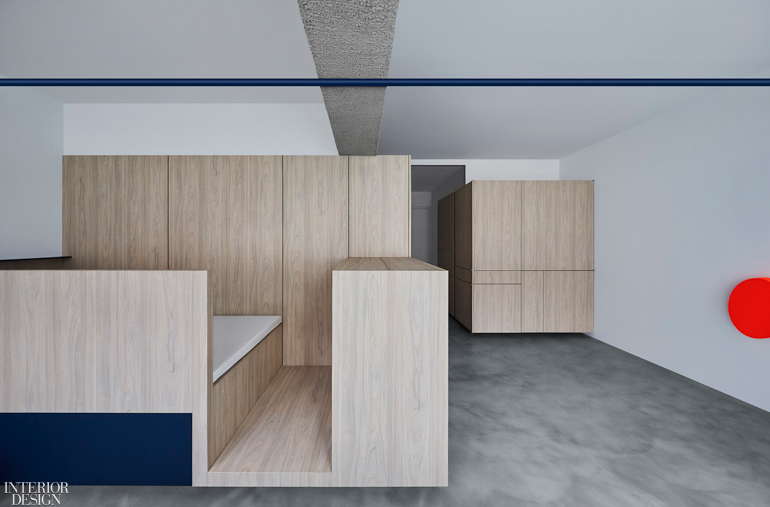
Spacedge Designs Creates a High Design Public Housing Flat with an Unconventional Layout

A Brooklyn Loft That Marries Industrial Edge With a Playful Aesthetic
Reaching for the rafters: Why double-height spaces are on the rise