1/8
How to decorate with vintage tiles
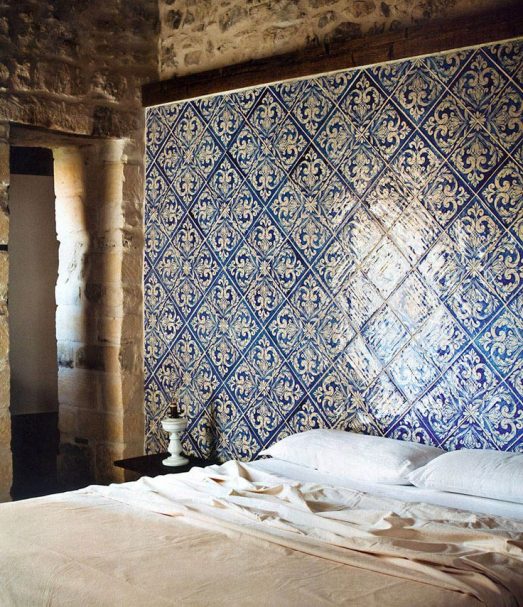
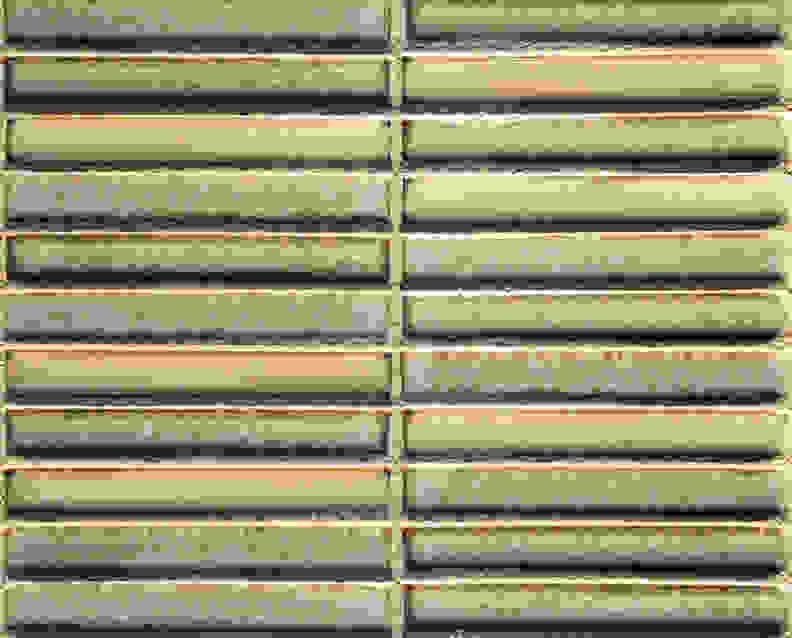
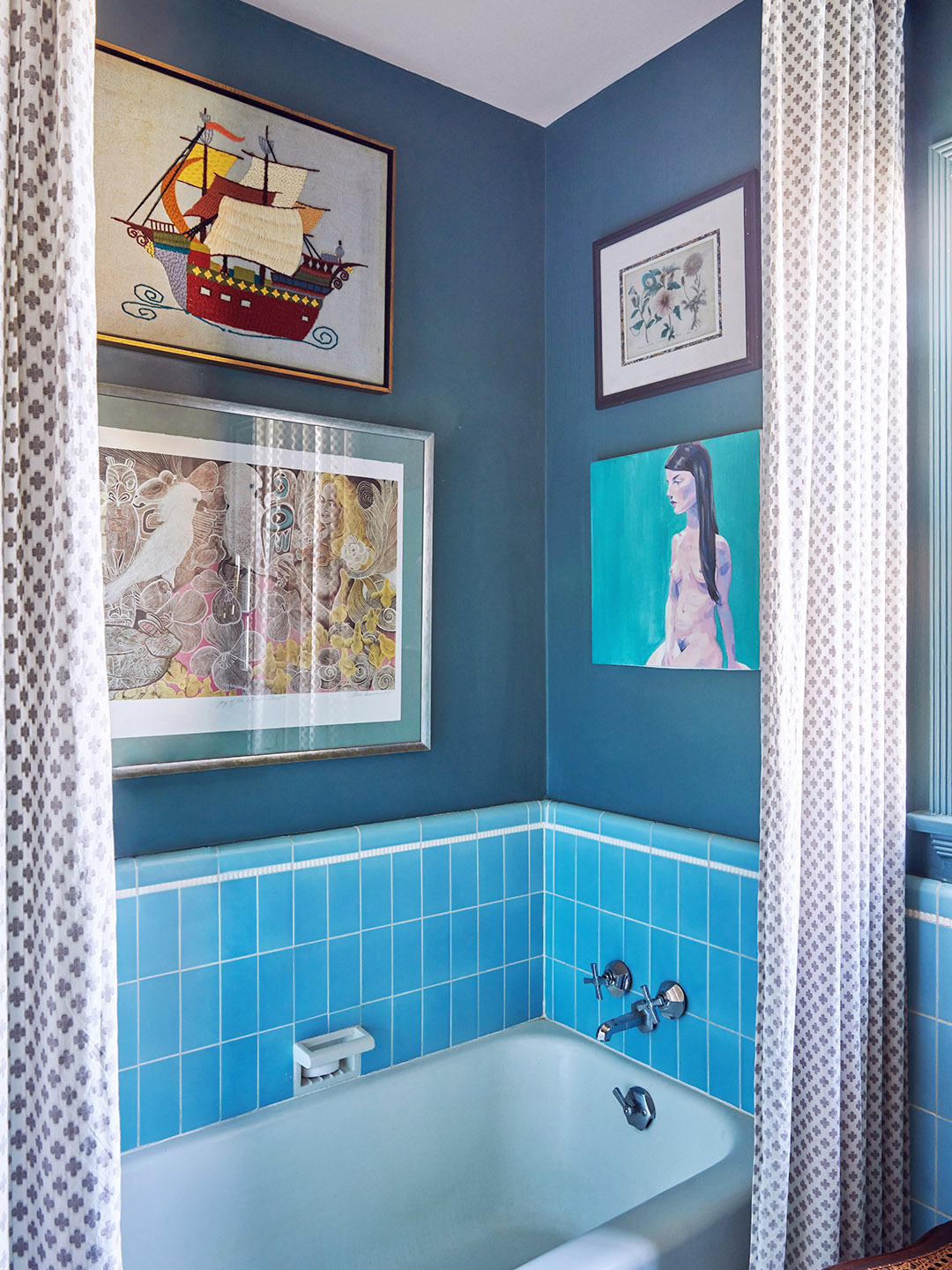
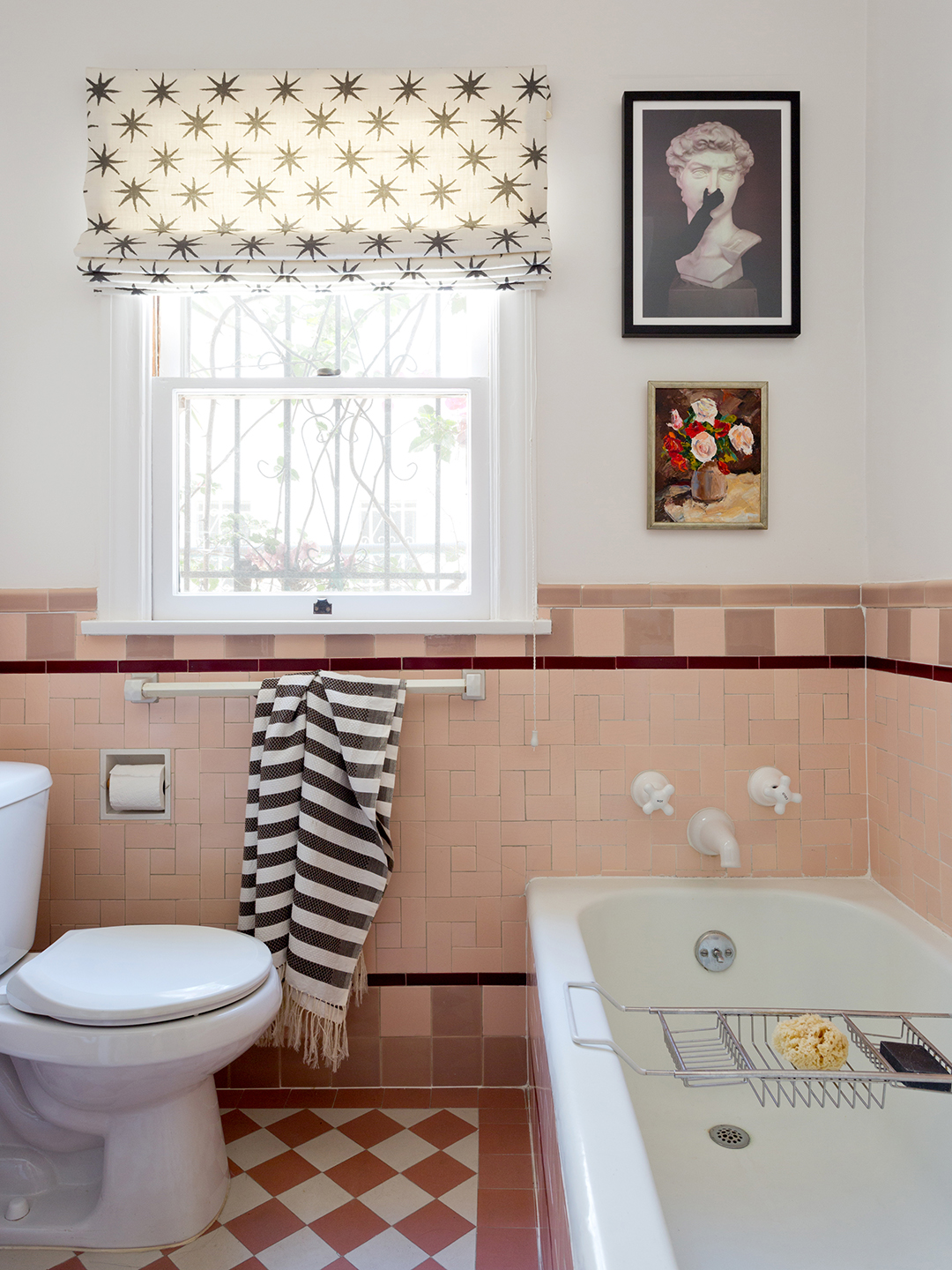
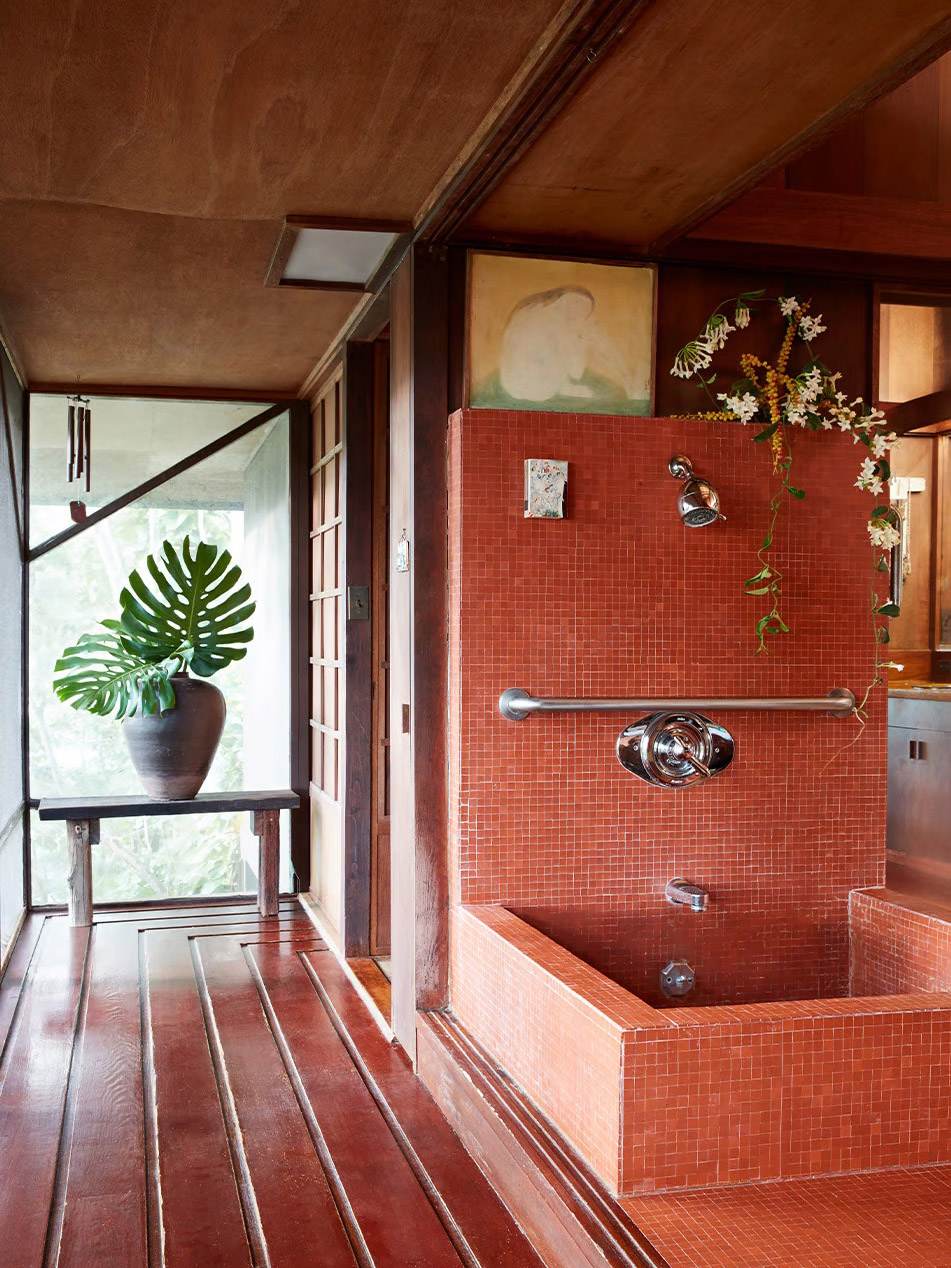
Current interior design trends show a strong inclination towards eclectic and ornate styles, with vintage tiles emerging as a popular choice to infuse personality and rustic charm into homes. While tile trends frequently evolve, the enduring appeal of vintage tiles demonstrates their timelessness and their ability to elevate contemporary living spaces. This article explores five distinct ways to incorporate vintage tiles into home decor, drawing insights from experienced interior designers.
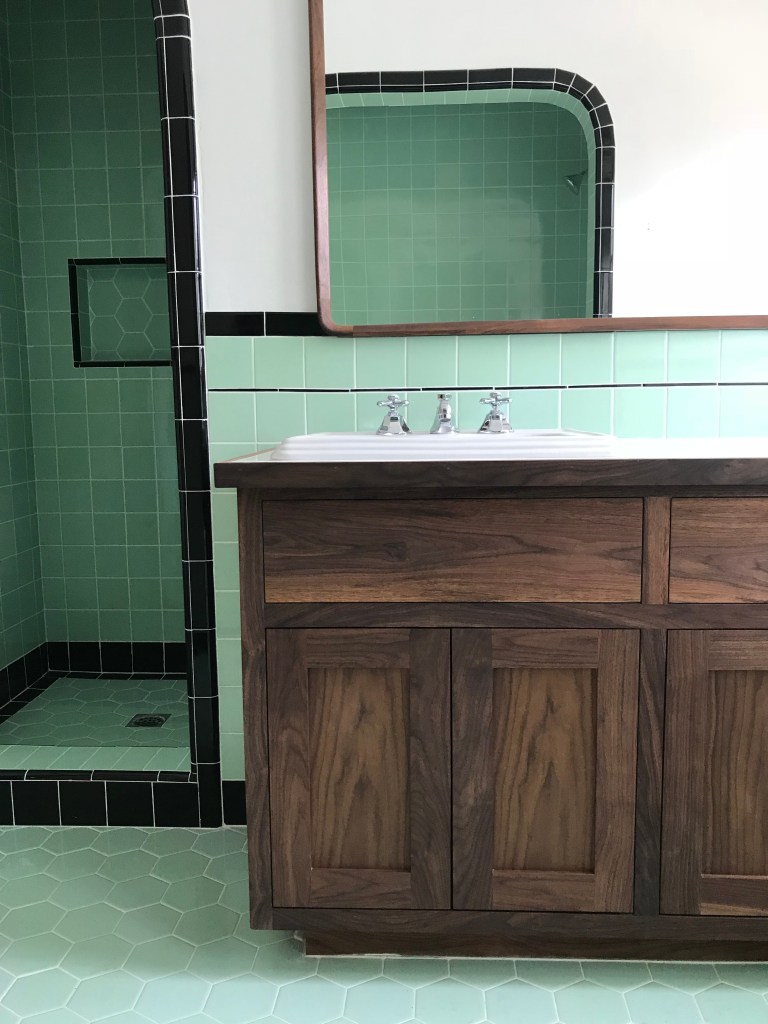
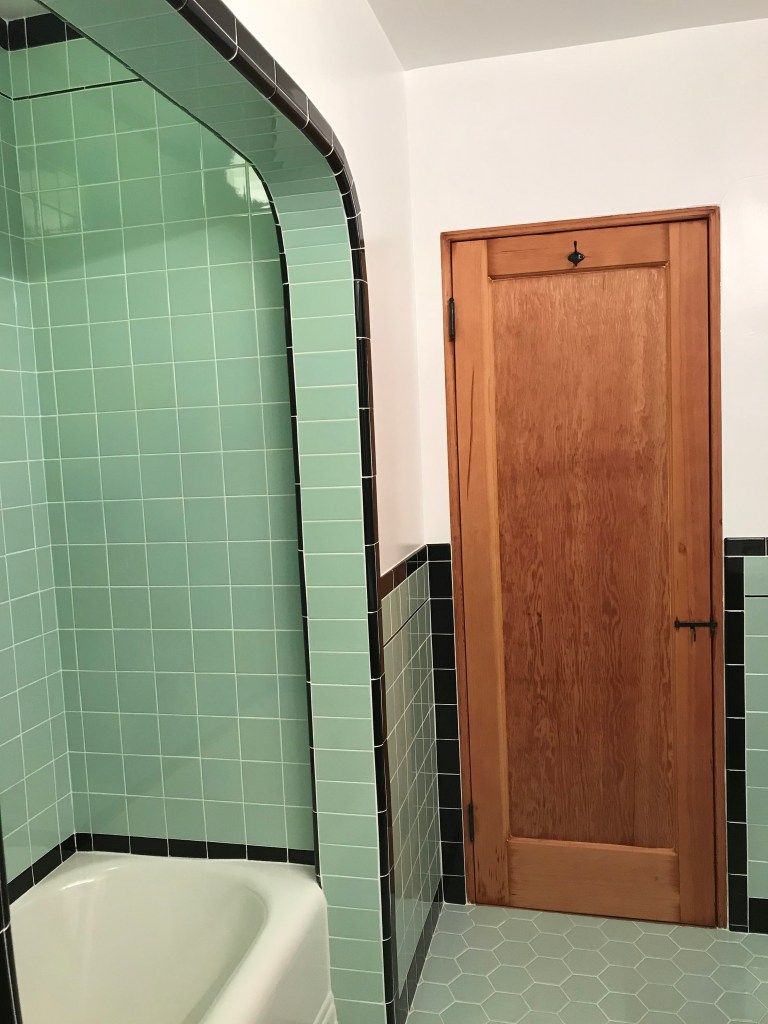
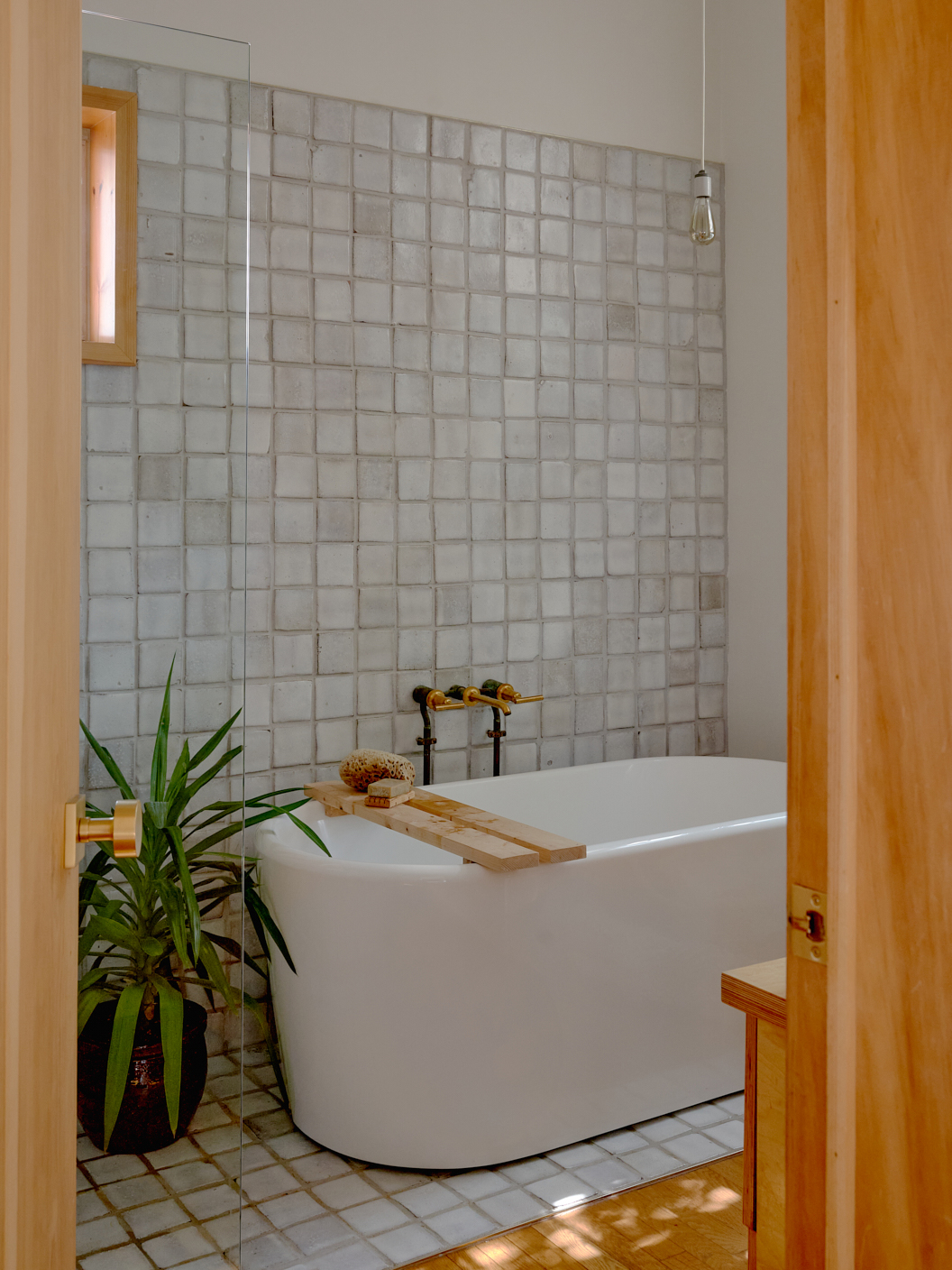
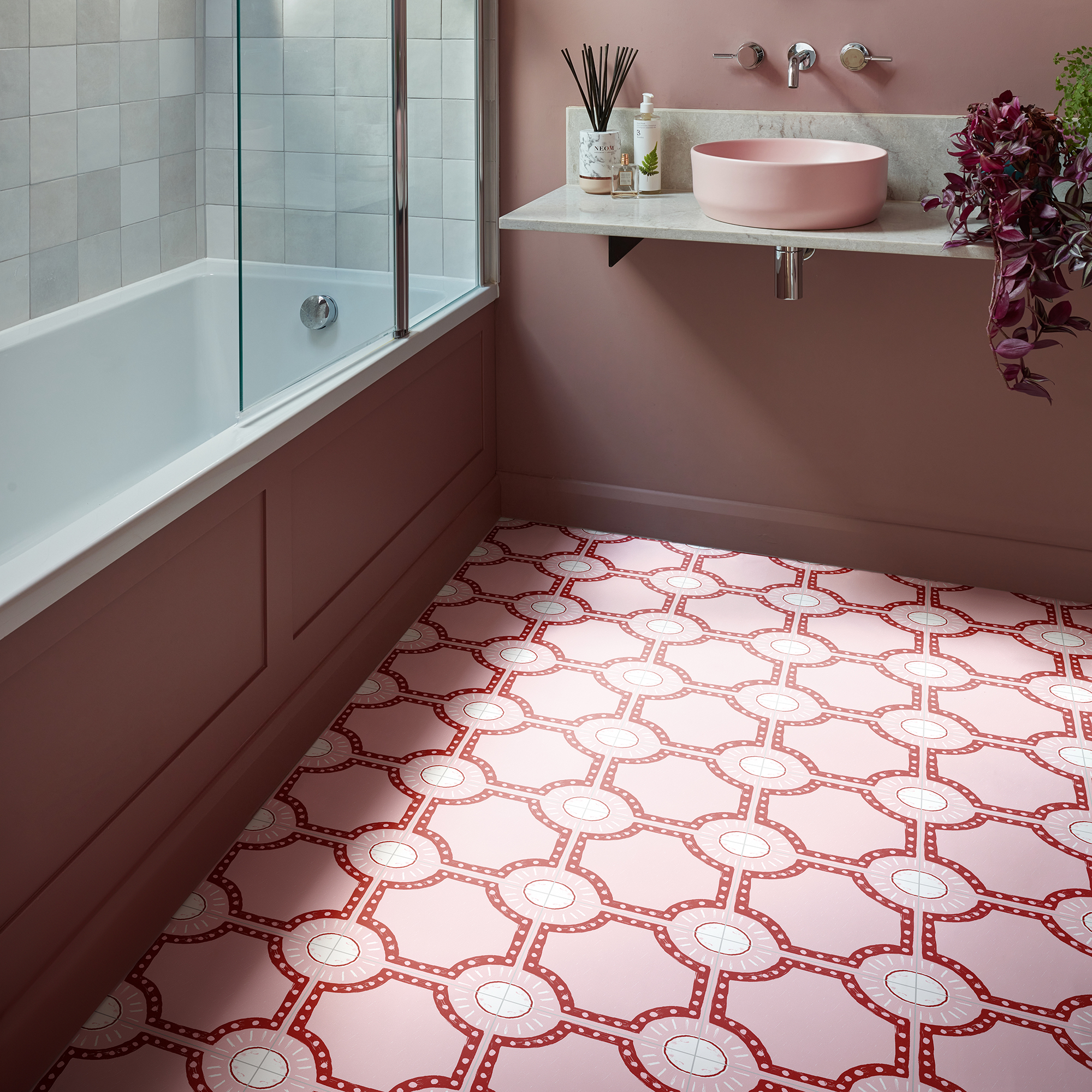
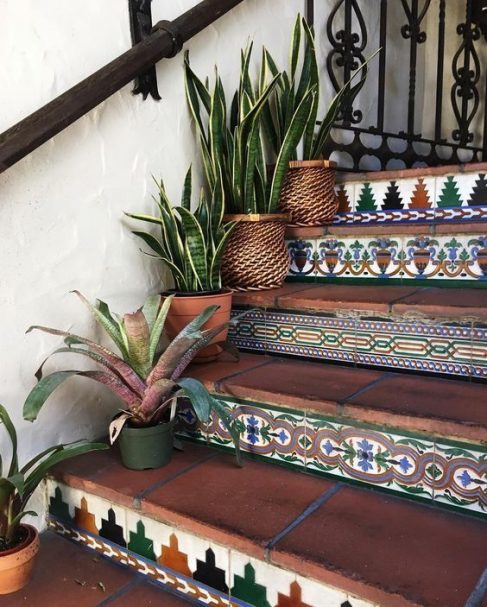
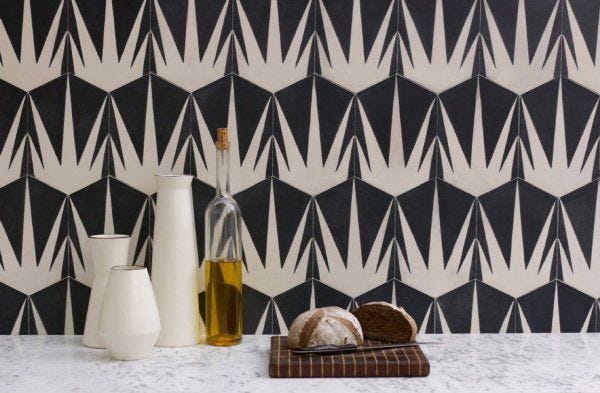
One approach involves mixing and matching various types of old and new tiles. Sourcing a large quantity of a specific vintage tile can be challenging, but combining different pre-loved varieties can significantly enhance a room's foundational elements, adding intricate details and a sense of history to otherwise plain walls. Classic vintage tiles are commonly made from ceramic or porcelain. An example provided showcases a bathroom that incorporates a mosaic wet room alongside vintage-inspired botanical tiles, demonstrating how combining different tile types can introduce character into a potentially sterile environment. An interior designer notes that patterned cement tiles, with their inherent patina that improves with age and their diverse patterns ranging from florals to geometrics, are excellent for adding character to spaces like powder rooms or kitchens. For those with limited access to vintage tiles, using them in smaller areas like splashbacks or integrated into walls and archways is recommended.
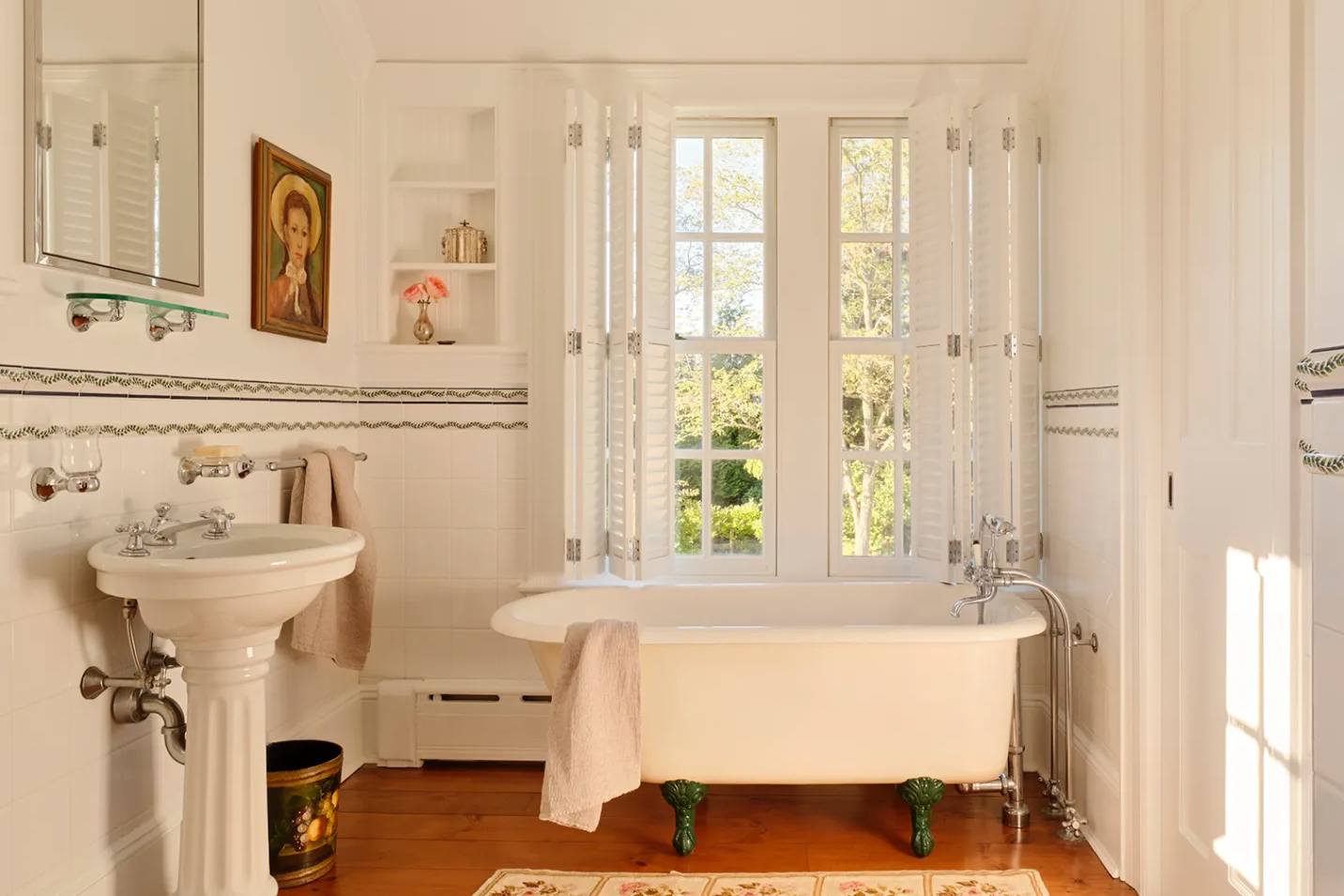
Another method is to pair vintage tiles with retro wallpaper. Although bathroom wallpaper might seem unconventional, a nostalgic wallpaper choice can effectively complement vintage tiles. One designer retained existing vintage tiles in a boy's bathroom and revitalized them with a playful car-themed wallpaper, creating a fresh yet established feel. The key is to select wallpaper that harmonizes with the vintage aesthetic, such as country-inspired patterns or wall murals, allowing the tiles to become a focal point. A crucial tip is to avoid pairing vintage tiles with overly modern or shiny elements, as the stark contrast can be jarring; embracing the imperfections of vintage tiles and incorporating other vintage pieces helps maintain a cohesive look.
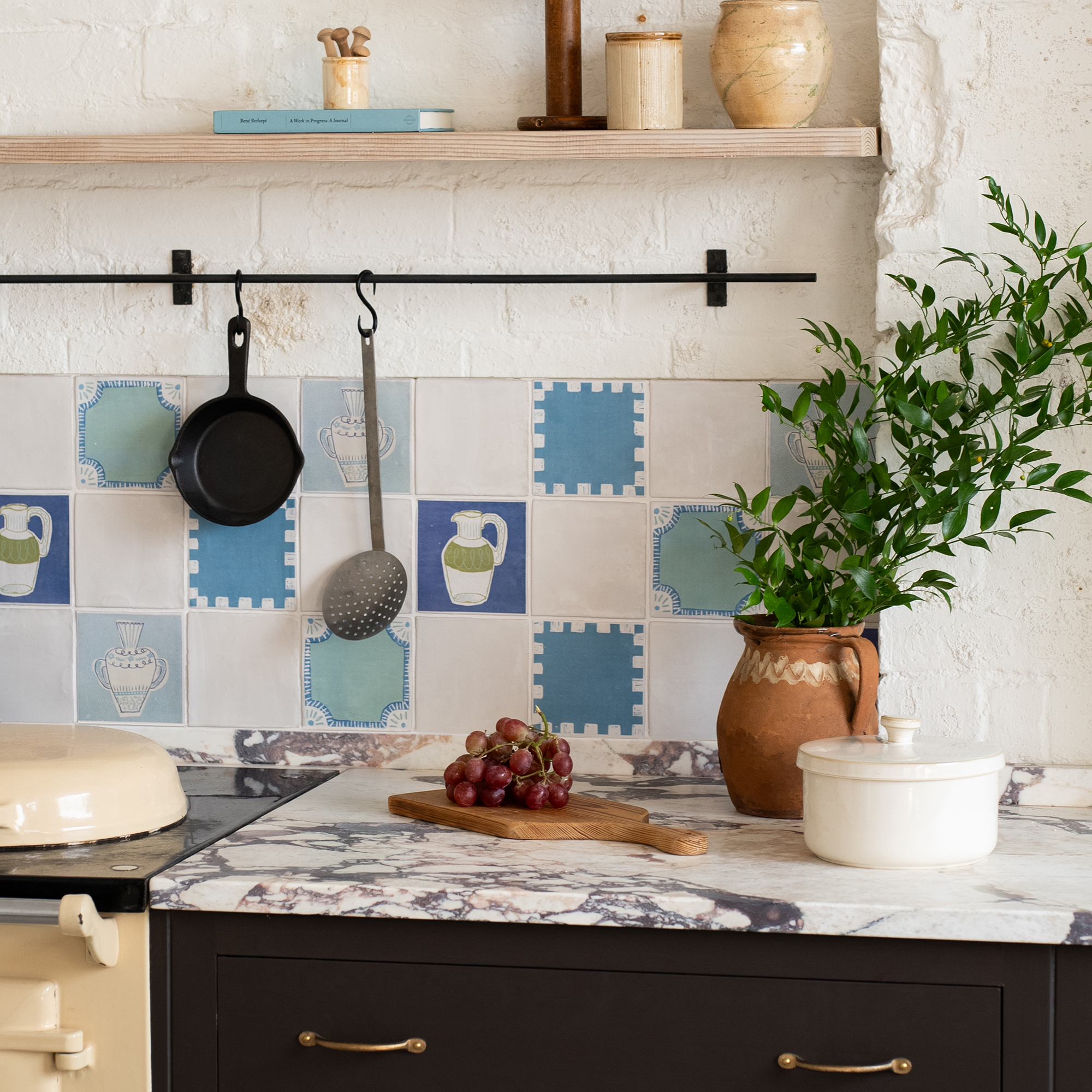
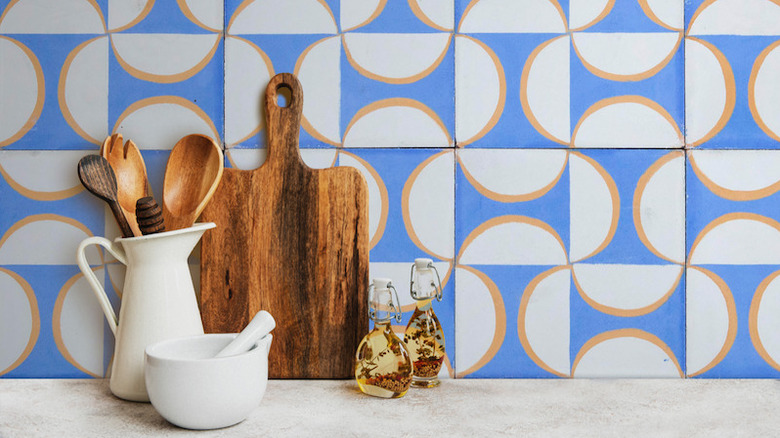
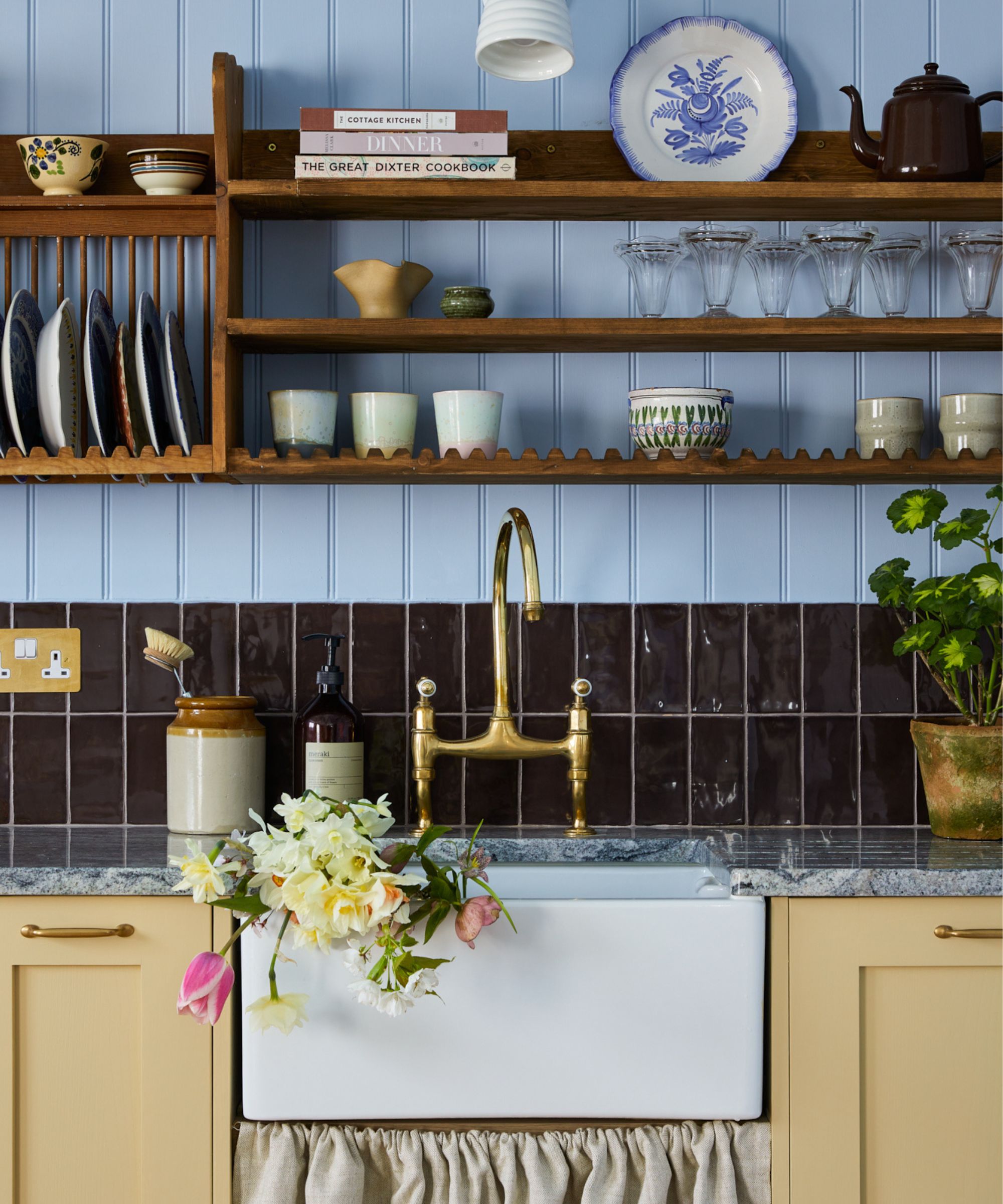
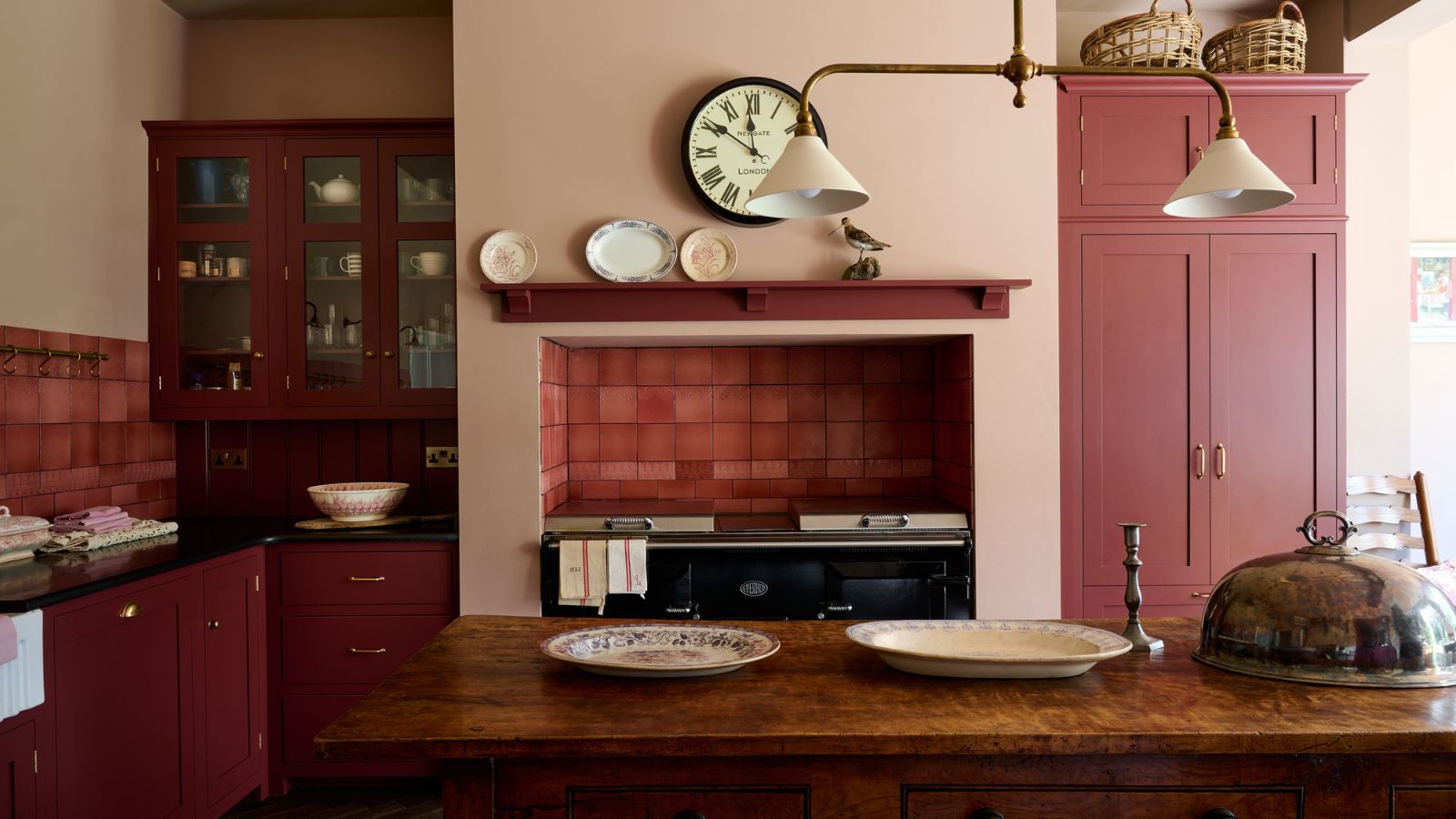
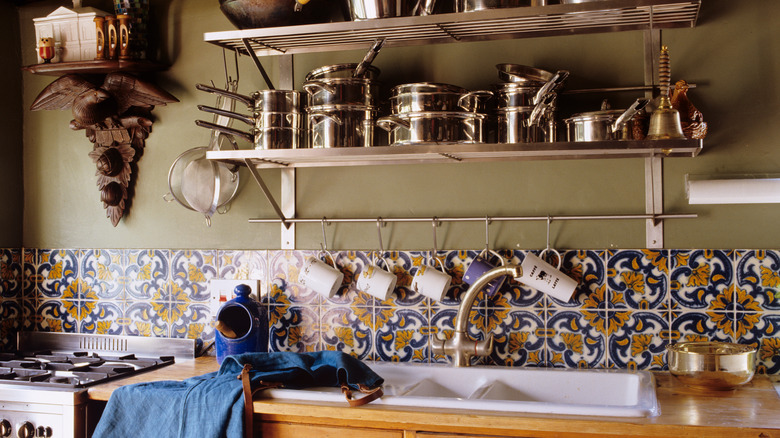
Vintage tiles are frequently found in kitchens, often employed as backsplashes. This classic application evokes the charm of farmhouse-style kitchens, adding depth and warmth, particularly in newly constructed kitchens that lack historical features. Kitchen backsplashes offer a practical and enduring way to integrate vintage tiles, whether positioned above a stove or along a countertop, creating a detailed border. Traditional Dutch tiles, with their historical narratives featuring figures and landscapes, offer a more classic appeal, while vibrant Portuguese varieties can provide a unique and lasting statement. When designing with vintage tiles, attention to detail, such as studying historical tiling patterns for Art Deco looks, including border, corner, and edge tiles, is essential for achieving an authentic finish.
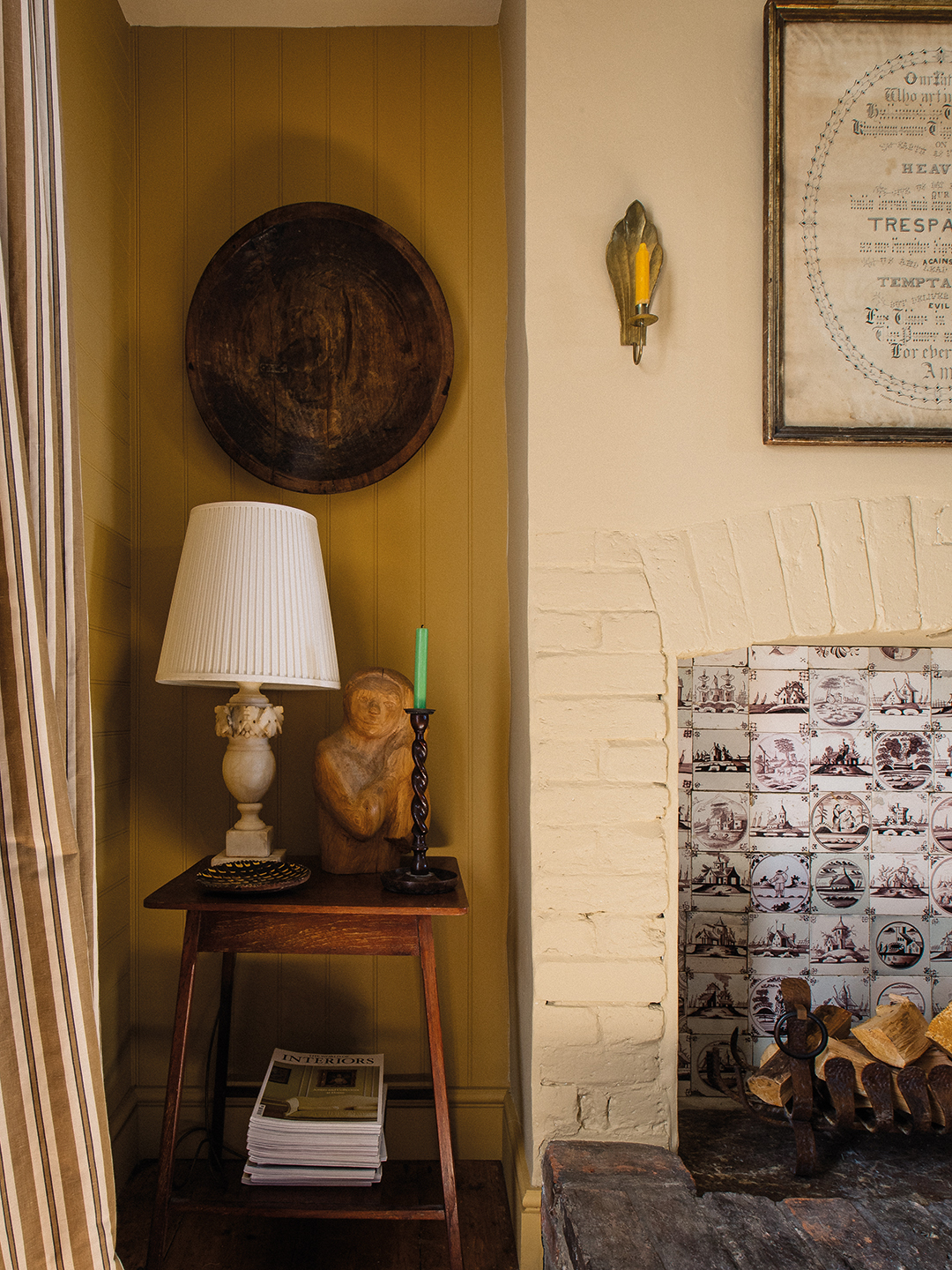
Furthermore, vintage tiles can enhance the architectural features of fireplaces. The combination of period features and vintage tiles creates a beautiful historical ambiance, transforming the fireplace into an inviting focal point. When sourcing antique fireplace tiles, it is important to select tiles that are contemporary with the fireplace and house to ensure architectural consistency. Grouting color is also a significant consideration; matching the grout color as closely as possible to the tiles helps achieve an authentic vintage appearance. The quality of the tiling work is paramount, and it is advisable to consult with an experienced tiler who understands the desired aesthetic. Ordering all tiles from the same batch is recommended due to potential color variations between batches, and ordering extra tiles accounts for cuts and breakages.
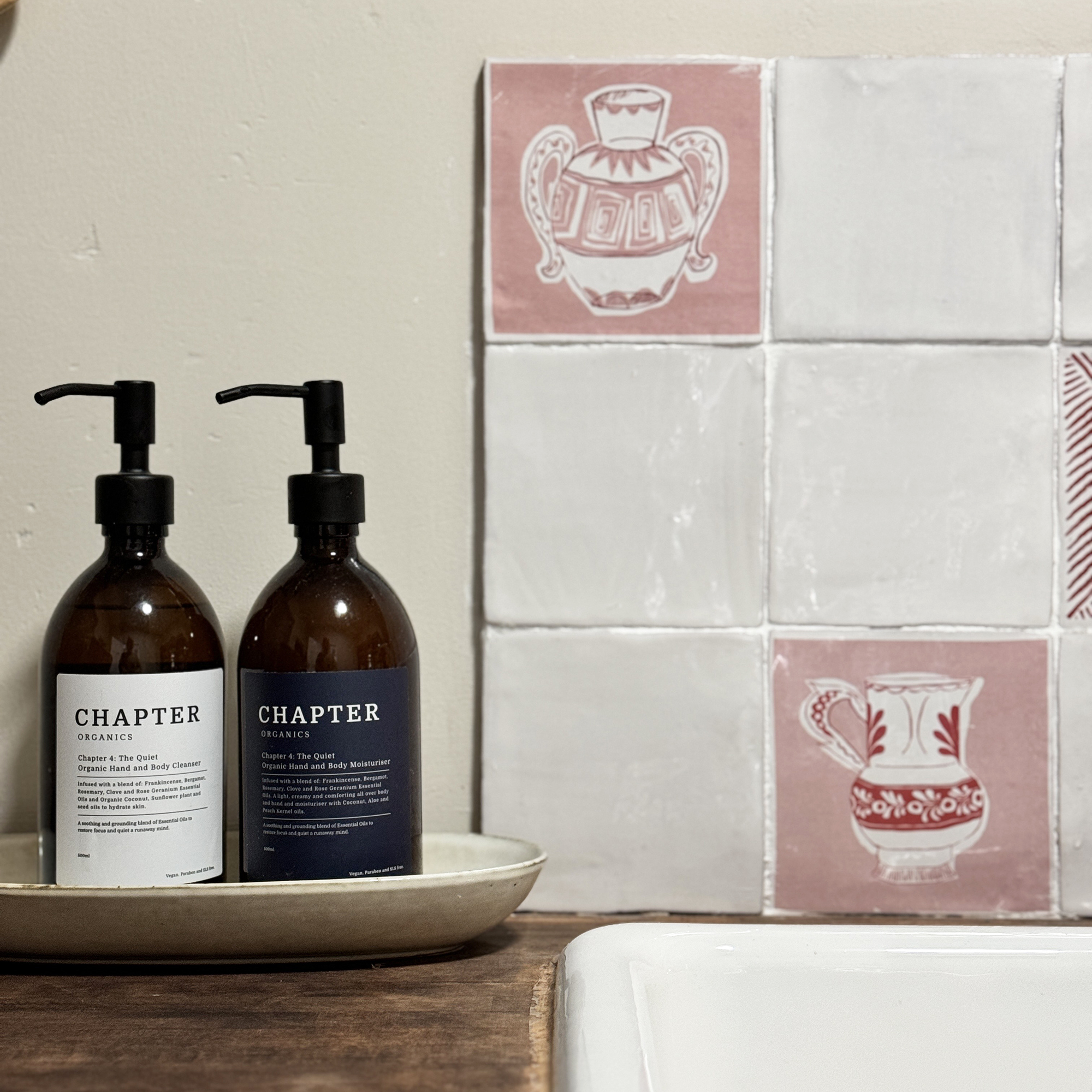
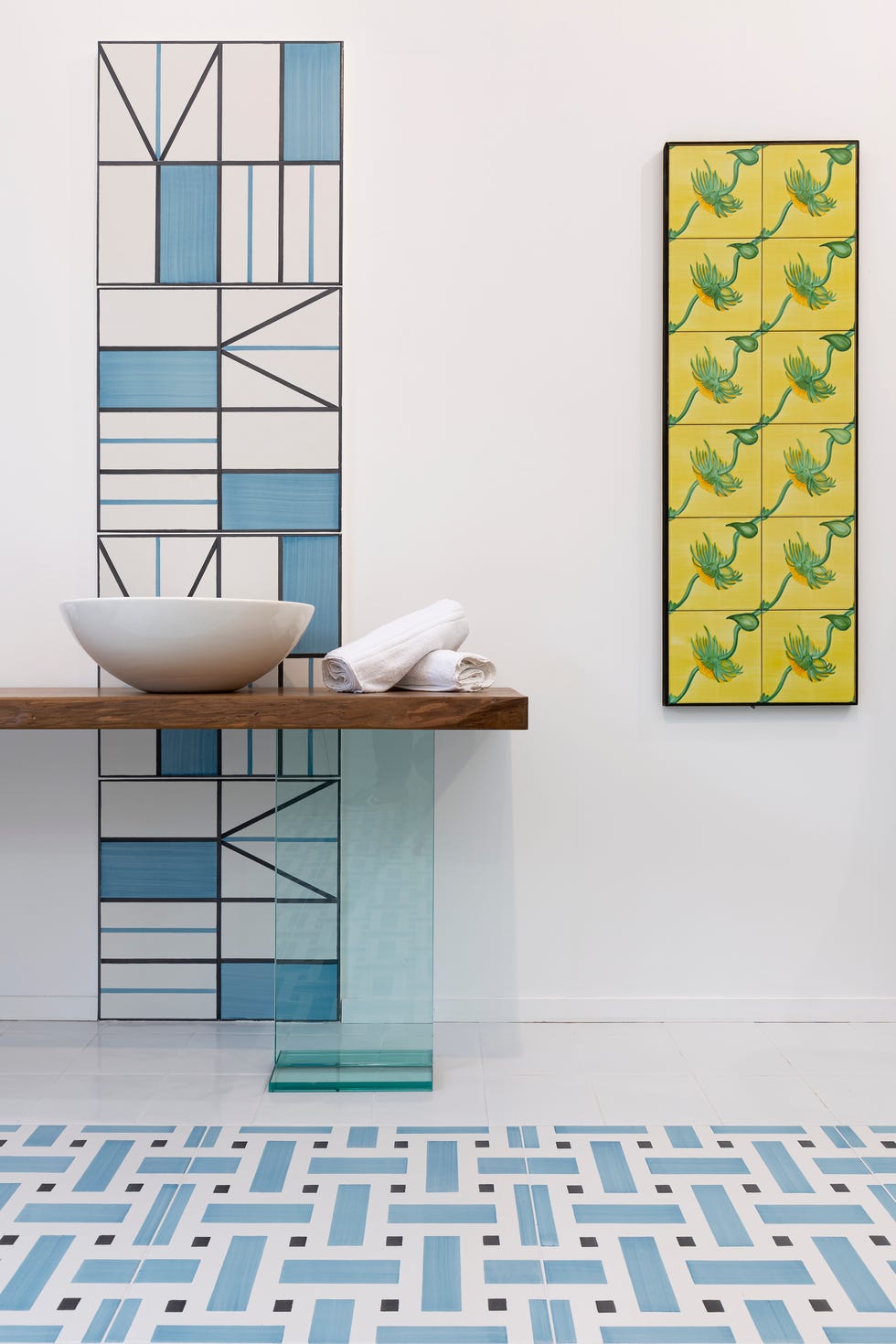
Finally, creating a small panel of antique tiles offers a less committal yet equally charming way to incorporate vintage elements. This approach is practical when specific, rare vintage tiles are difficult to acquire in large quantities. An example from a powder room demonstrates how eight uniform ceramic tiles can serve as a bathroom backsplash behind a sink, enhancing the room's vintage feel and coordinating with other antique features like the sink and stained glass. This method creates a focal point, framing the sink and contrasting with ornate wallpaper, adding character without requiring a major retiling effort. The article concludes by presenting several vintage-inspired tile designs, including Delft sailboat tiles for a coastal feel, Art Nouveau ceramic tiles for a decadent display, and 1970s ceramic tiles by Roger Capron for a contemporary yet traditional blend, all contributing to an eclectic space with a sense of history.
#VintageTiles #InteriorDesign #HomeDecor #TileTrends #KitchenDesign #BathroomDesign #FireplaceDecor #ArchitecturalDetails #RetroDesign #VintageTiles #InteriorDesign #HomeDecor #TileTrends #KitchenDesign #BathroomDesign #FireplaceDecor #ArchitecturalDetails #RetroDesign
0 comment in total
 No comments yet
You may also like
The Enduring Artistry of Vintage Tiles

Decorating with antiques – 8 designer tips to channel the past in the chicest way

Tiles Gone Wild: Fresh Looks for an Ancient Material

Victorian hallway tiles – 14 ideas and tips for period decor

Vintage Tile Is on the Rise, But Hard to Find—Here’s Where to Source It

5 new ways to use tiles as decor rather than flooring

5 easy vintage interior decor tricks for homes

The Dated Bathroom Detail Designers Are Saving (and We’re Here for It)
Hand-painted tiles are the ultimate kitsch design feature - here's how to make them feel trendy
Tile Style

A Tile Collection That Takes on Architecture’s Oldest Embellishments

How to decorate with vintage ceramics – 6 ways to proudly display preloved pottery as suggested by interior designers

Tiles take inspiration from fashion
A designer’s guide to decorating with antiques

10 Vintage Tile Brands That Will Make A Big Statement In Your Kitchen Or Bathroom

The New Horizons of Decorated Ceramic Tiles
How to decorate with antique textiles – designers share their tips for adding character with old fabrics
Decorating with vintage fabrics - 8 ways to inject color, texture and heritage style into your space
Decorating with vintage – 7 of the best ways to bring character into the home
Tasteful tile style for the home